Rotterdam Netherlands South Holland
808
Cruises availables
At departure or passage at this port
AmaWaterways (48 Cruises)
AmaLucia
8 Cruises
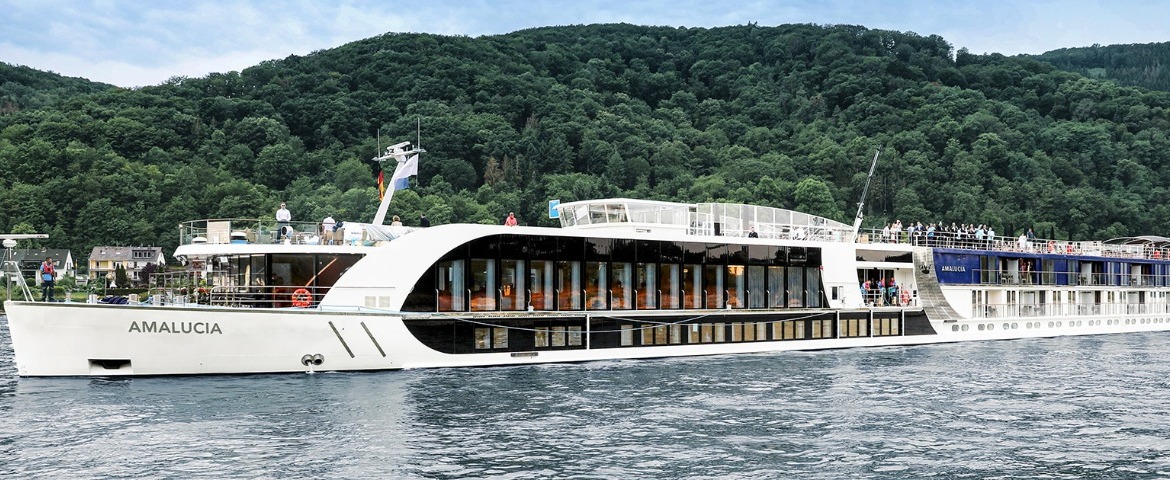

AmaSerena
10 Cruises
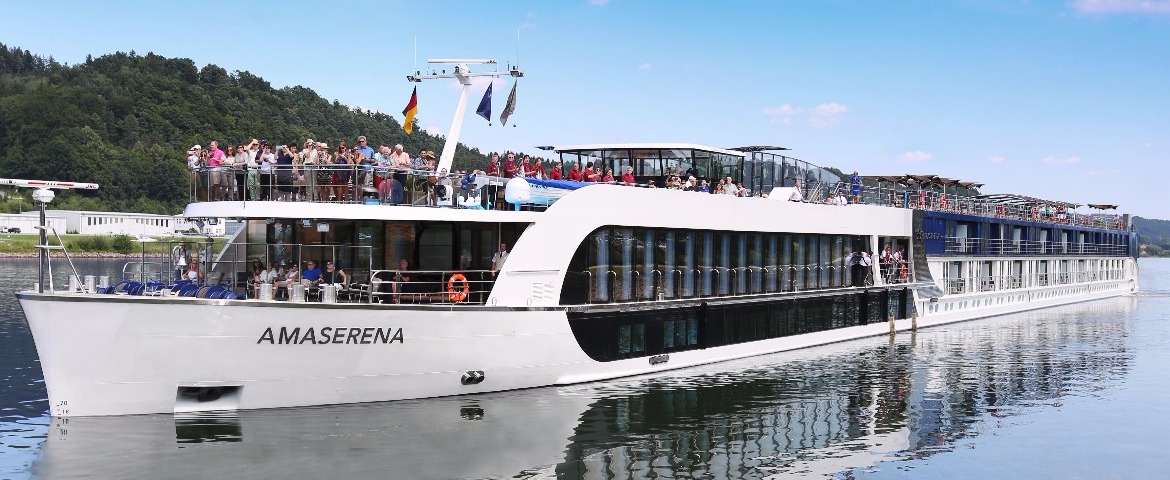
AmaSiena
10 Cruises
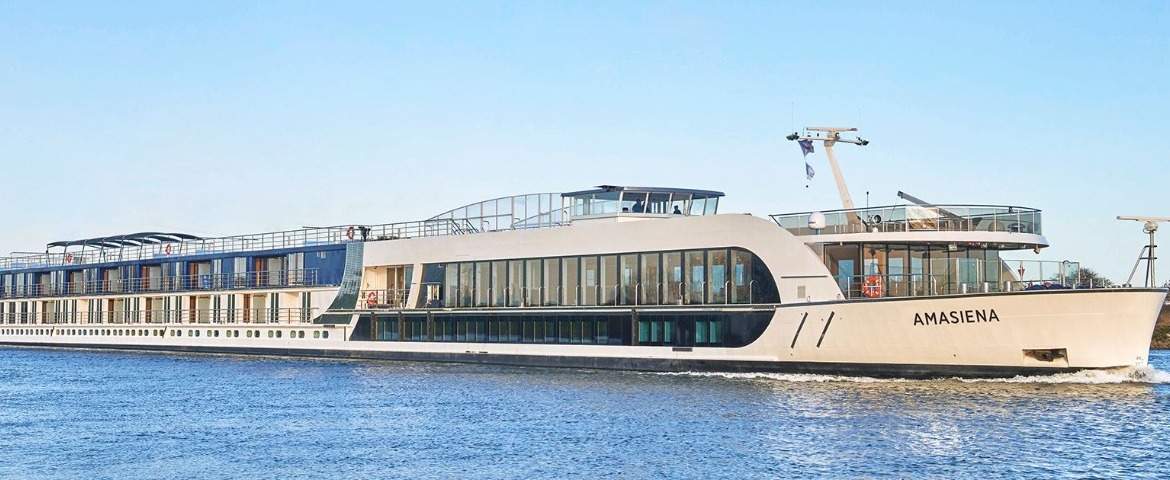
AmaVenita
8 Cruises
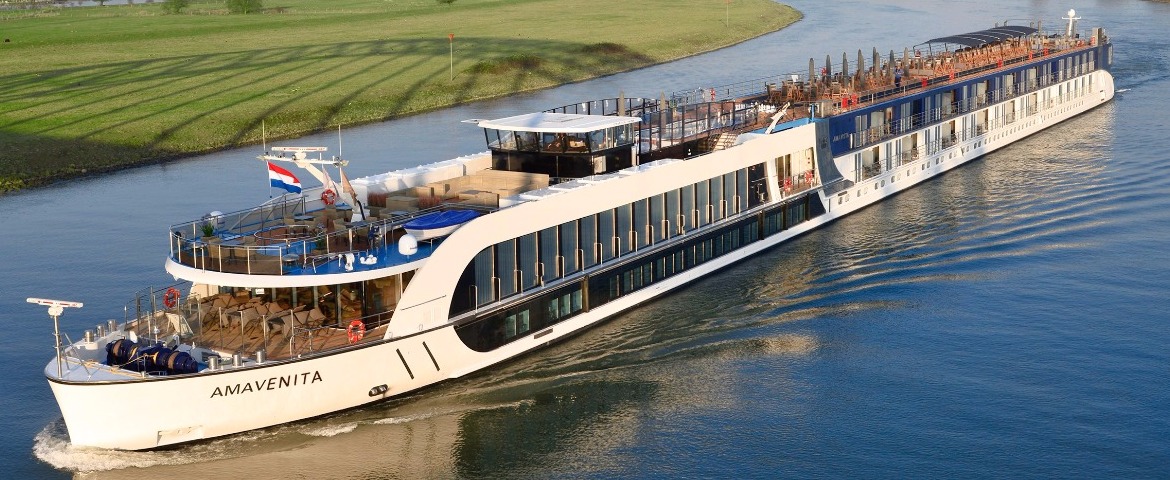
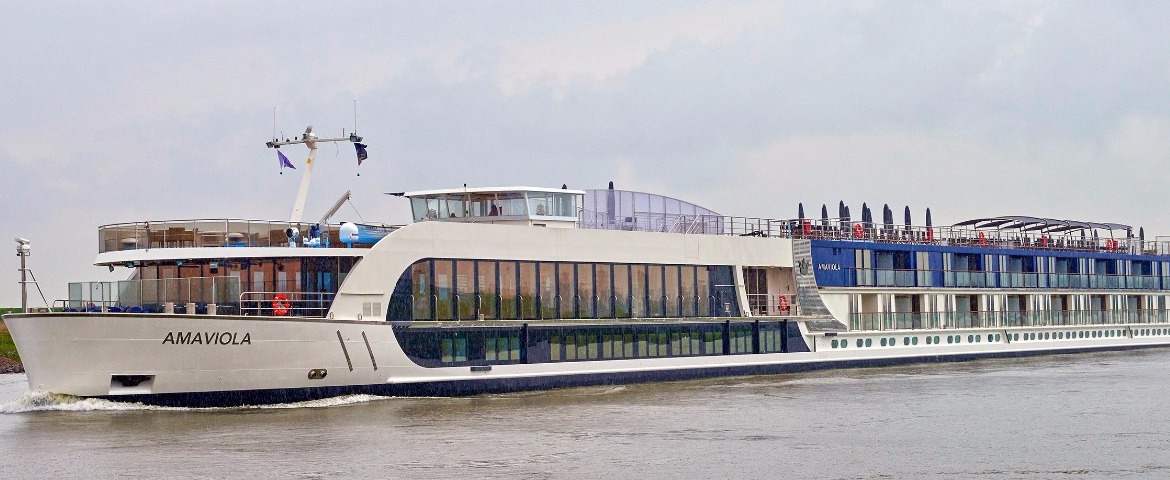
AmaViola
12 Cruises
| 24 March | 7 nights | Round-trip from Amsterdam, Netherlands |
450-628-6241
Call us
|
| 31 March | 7 nights | Round-trip from Amsterdam, Netherlands |
450-628-6241
Call us
|
| 22 March | 7 nights | Round-trip from Amsterdam, Netherlands |
450-628-6241
Call us
|
| 29 March | 7 nights | Round-trip from Amsterdam, Netherlands |
450-628-6241
Call us
|
Avalon Waterways (48 Cruises)
Avalon Imagery II®
8 Cruises
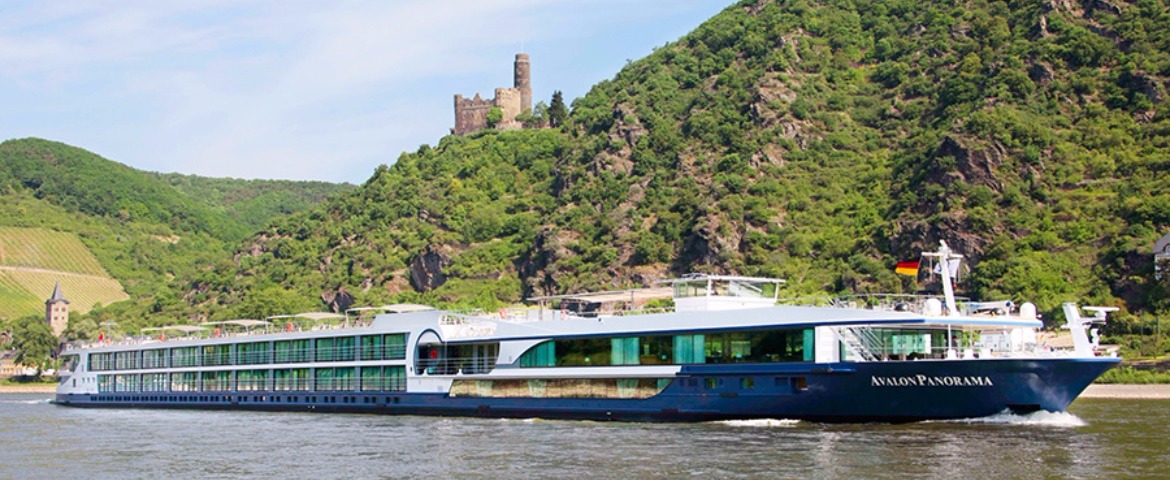
Avalon PanoramaSM
10 Cruises
Avalon Passion®
10 Cruises
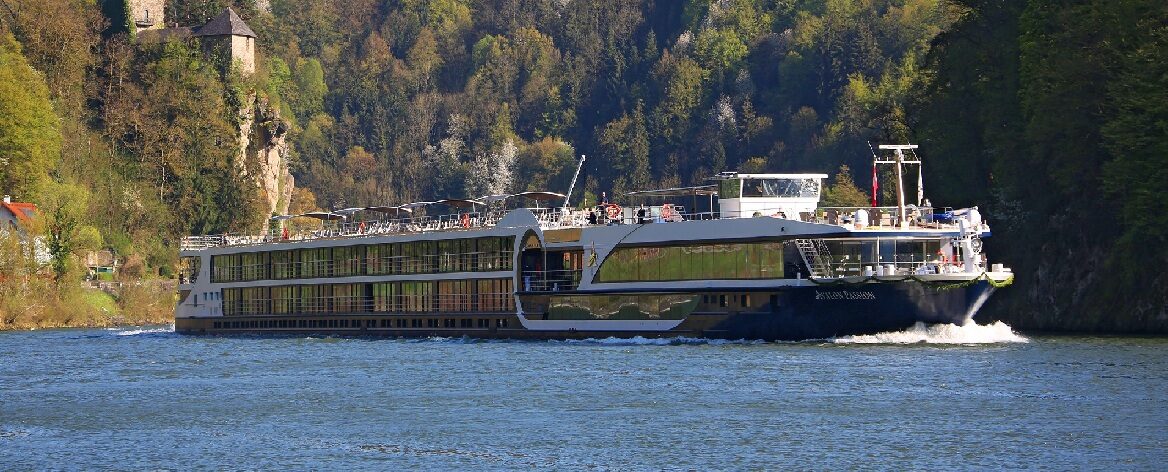
Avalon Tranquility II®
6 Cruises
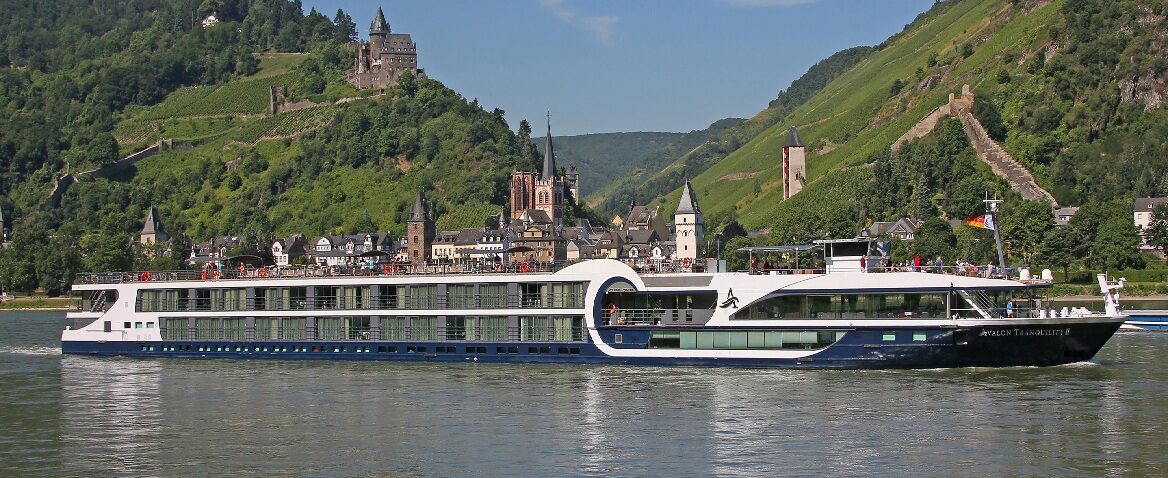
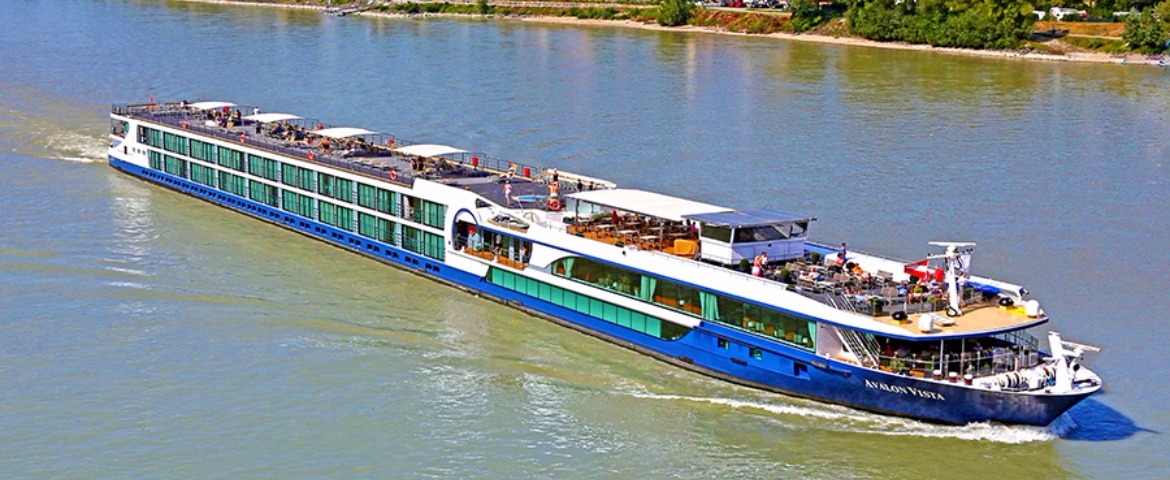
Avalon VistaSM
10 Cruises
Costa Cruises (2 Cruises)
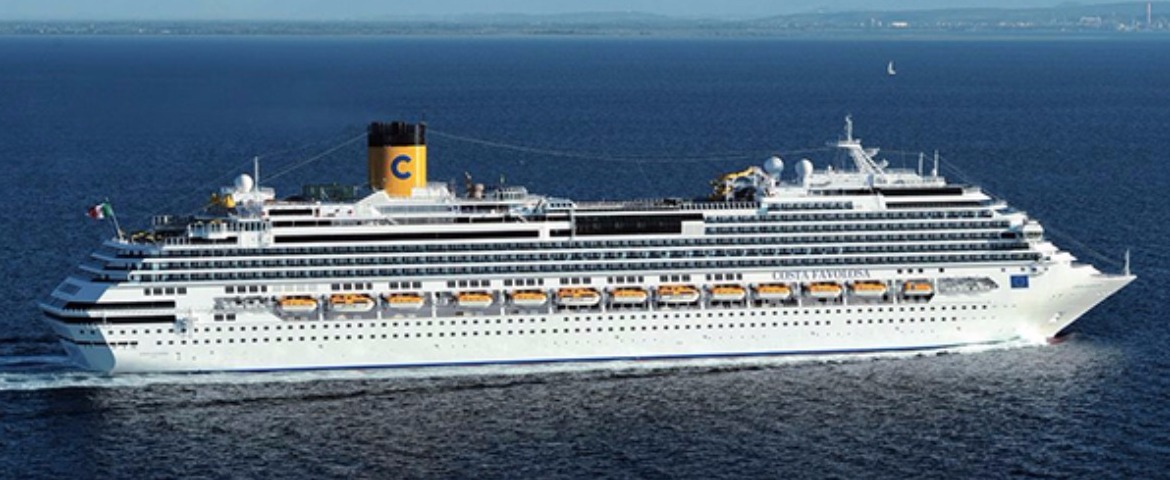

CroisiEurope (86 Cruises)
MS Beethoven
8 Cruises
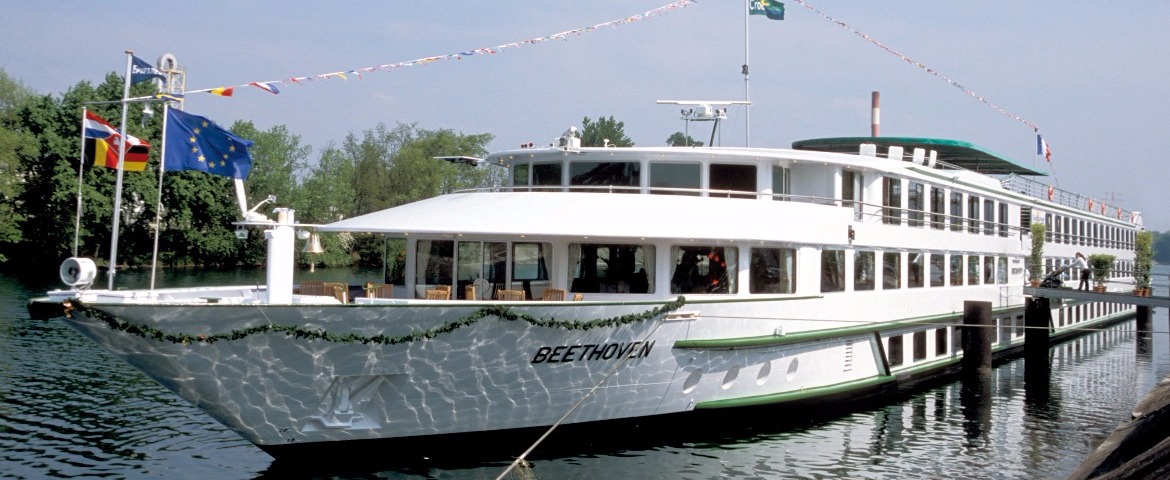

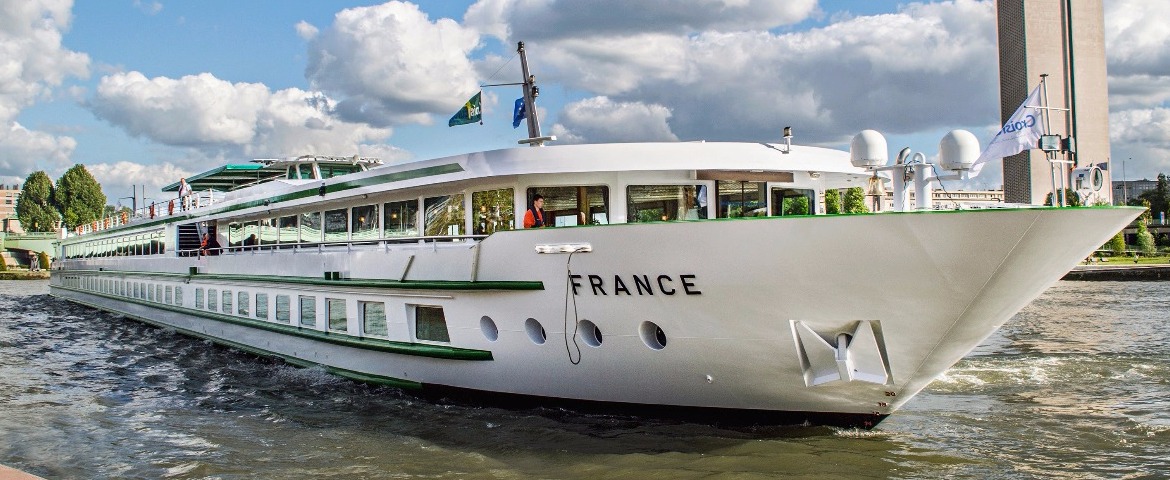
MS France
9 Cruises
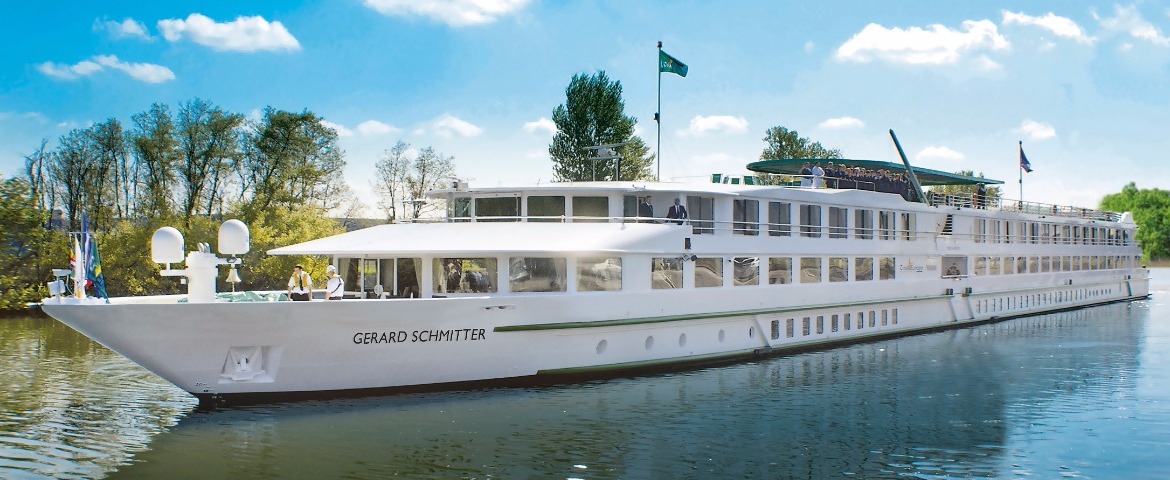
MS L'Europe
8 Cruises
 Image not available
| 29 March | 9 days | One-way from Kehl-Strasbourg to Antwerp |
450-628-6241
Call us
|
| 29 March | 10 days | One-way from Kehl-Strasbourg to Antwerp |
450-628-6241
Call us
|
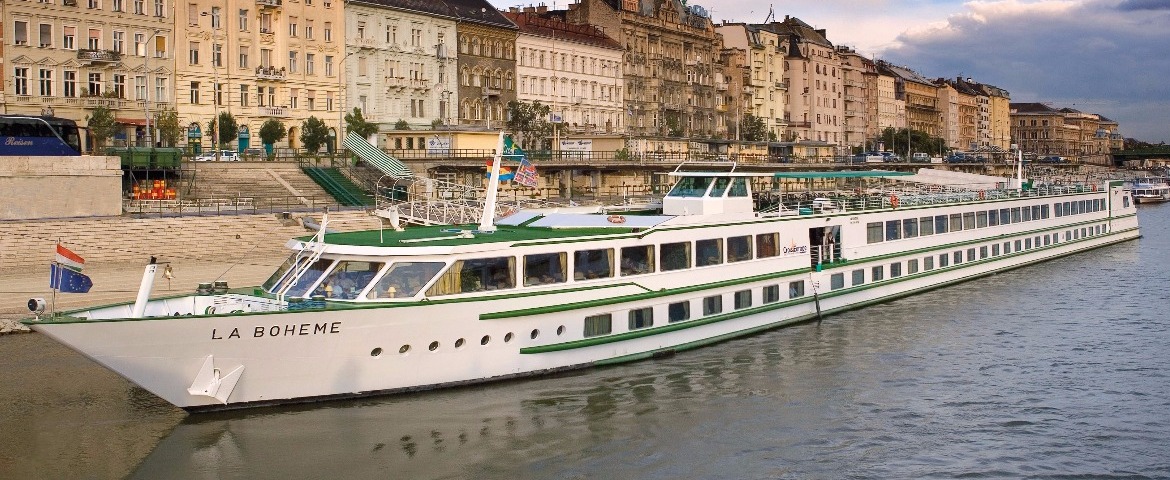
MS La Boheme
6 Cruises
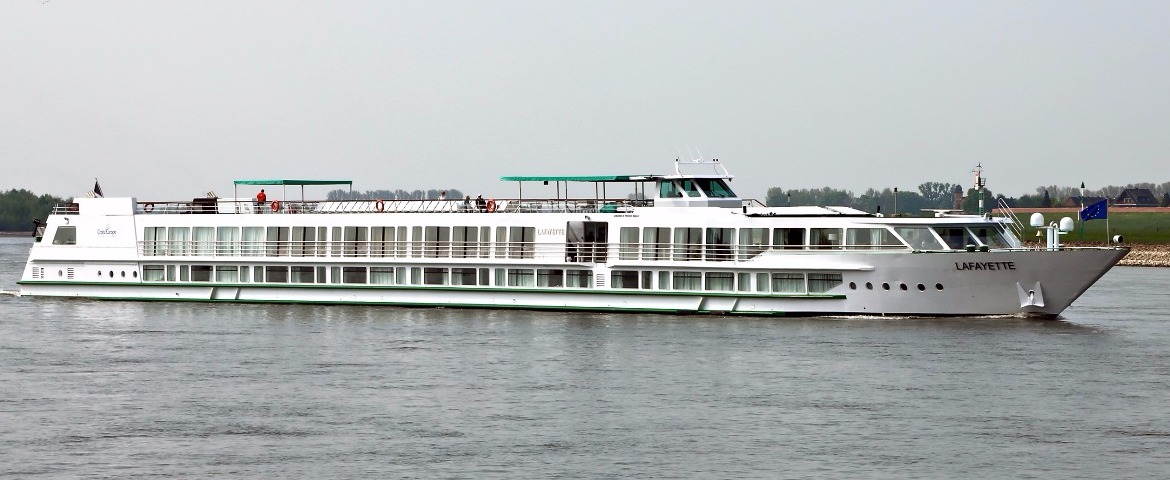
MS Lafayette
31 Cruises
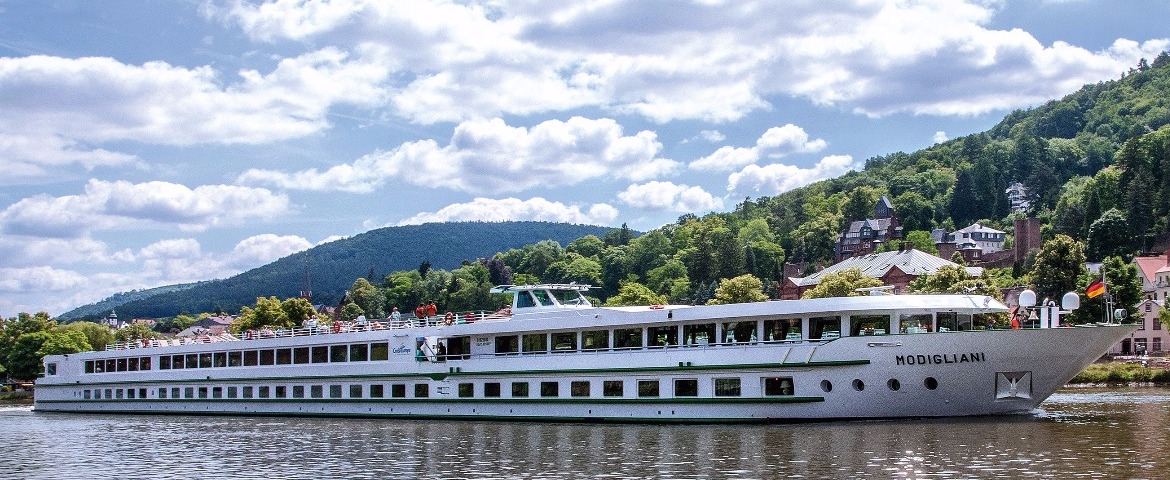
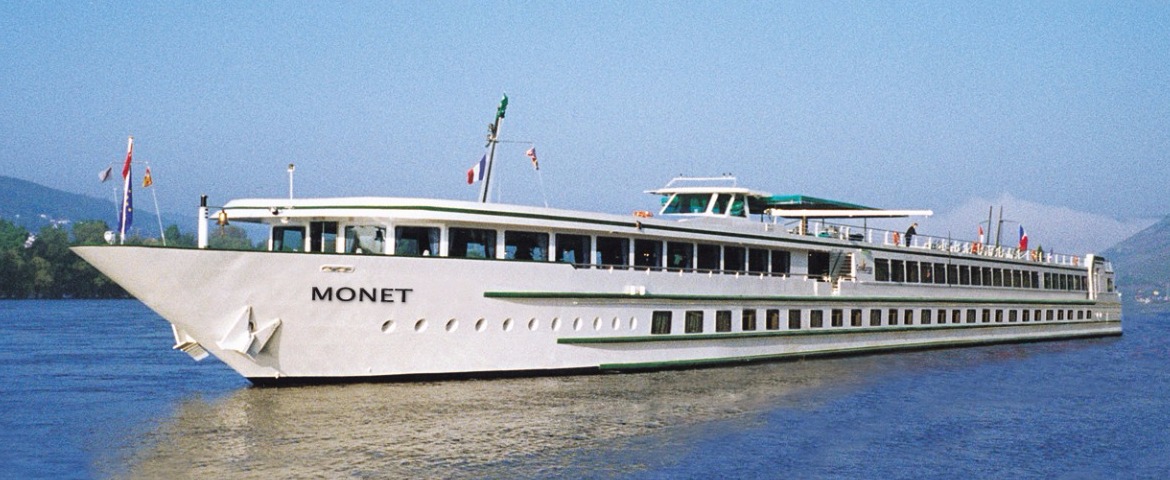
MS Monet
6 Cruises
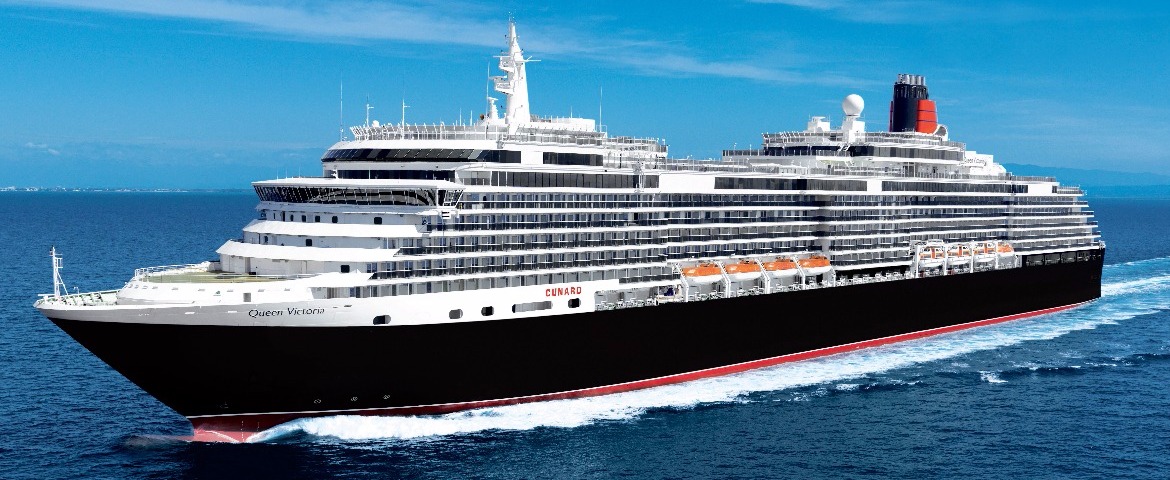
Cunard (26 Cruises)
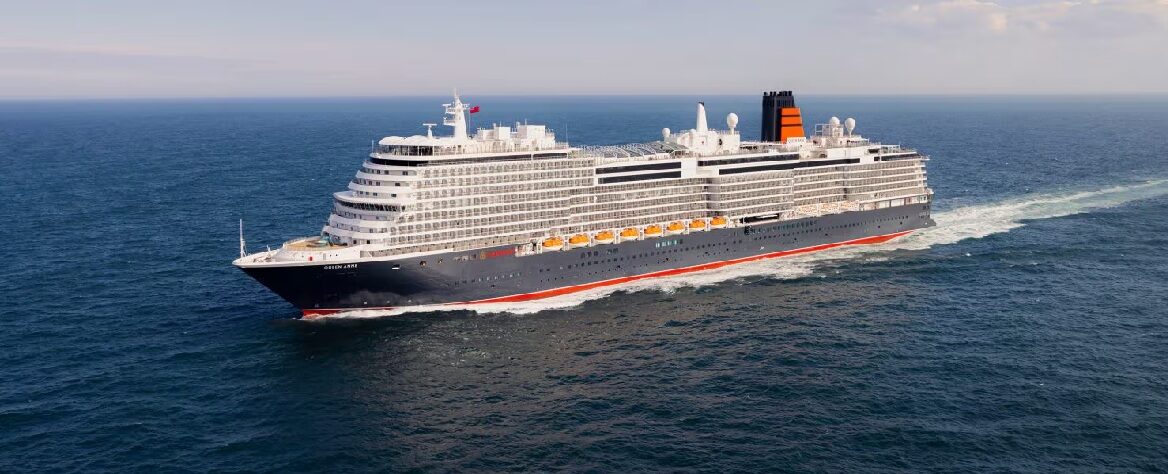
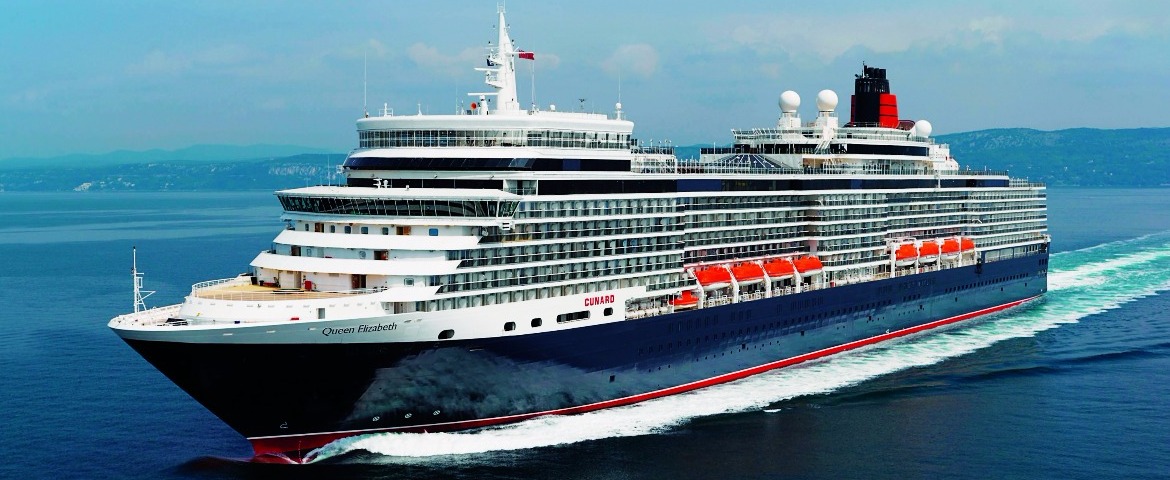
Queen Anne
14 Cruises

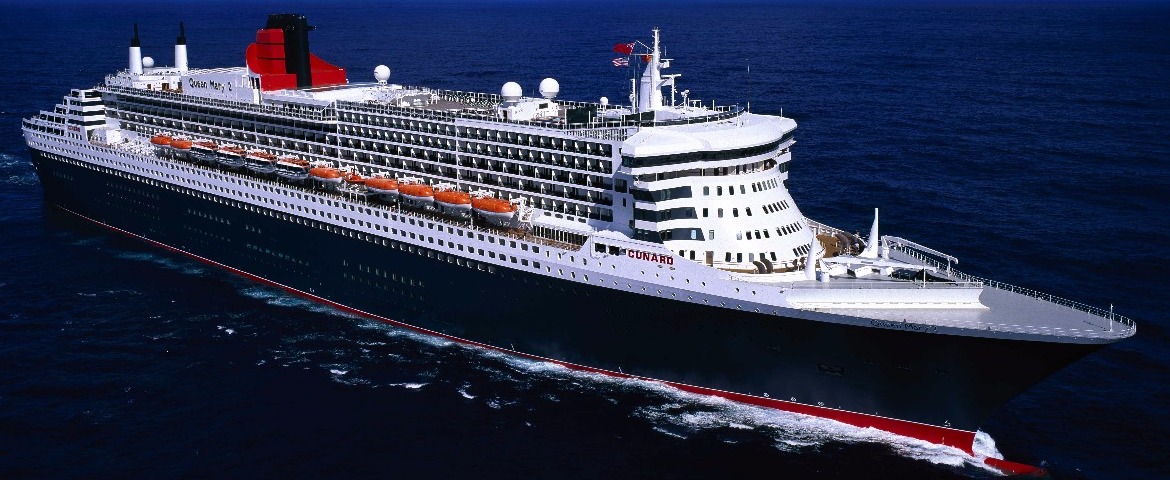
Queen Mary 2
10 Cruises
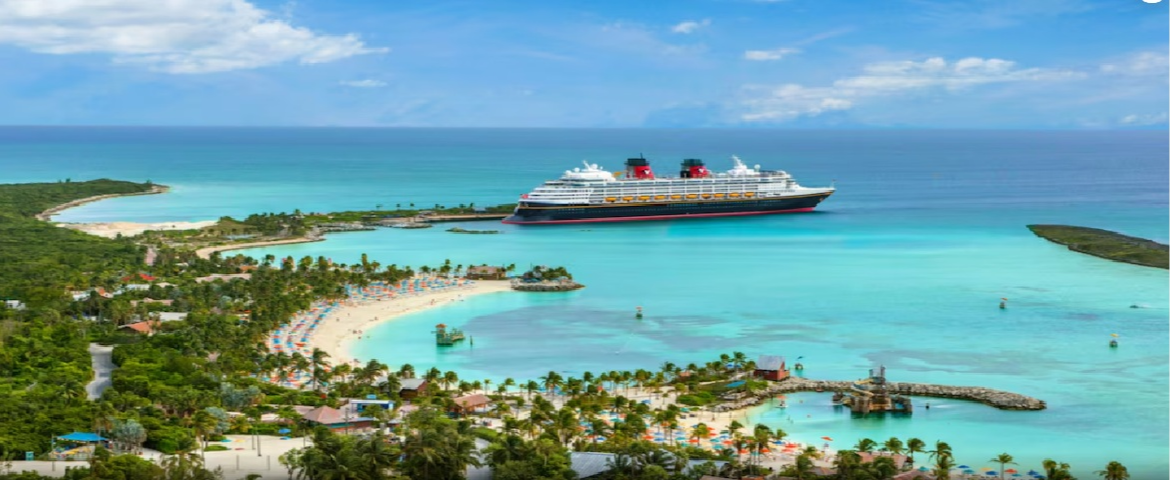
Disney Cruise Line (2 Cruises)

Emerald Waterways (53 Cruises)
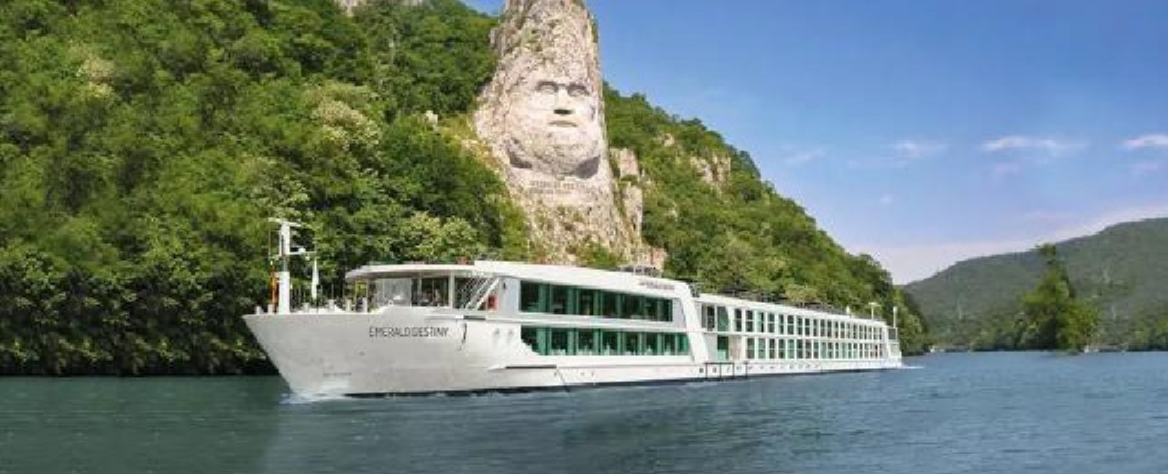
Emerald Destiny
22 Cruises

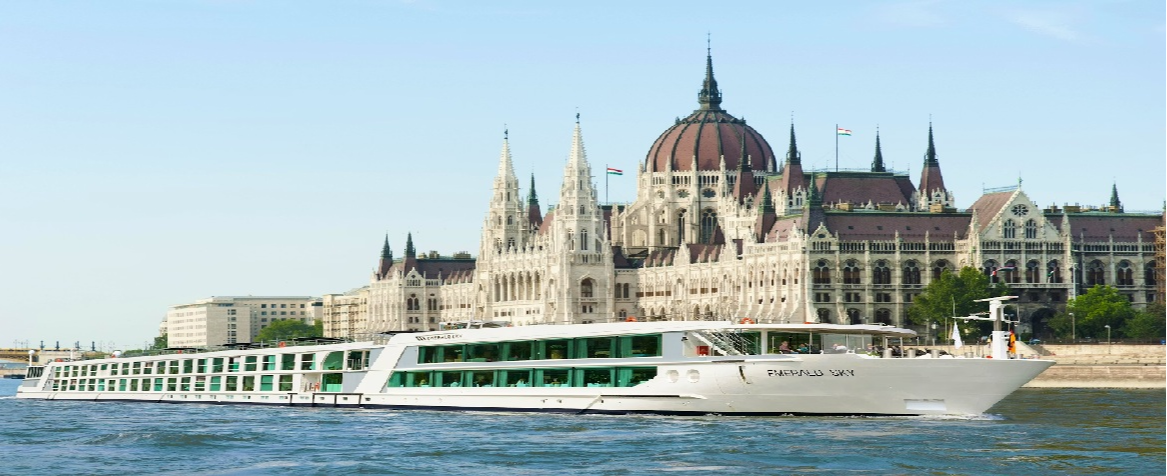
Emerald Sky
10 Cruises
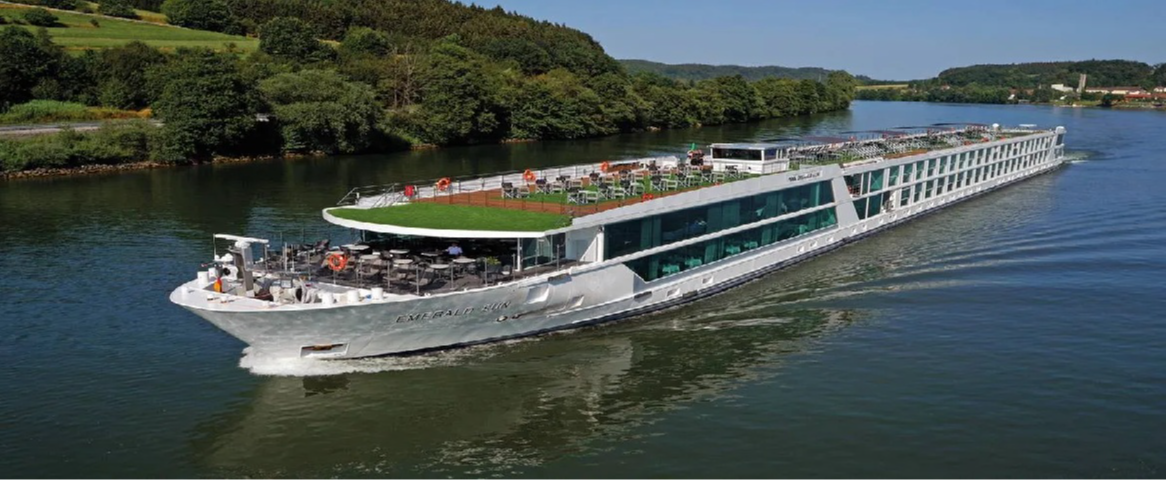
Emerald Sun
21 Cruises
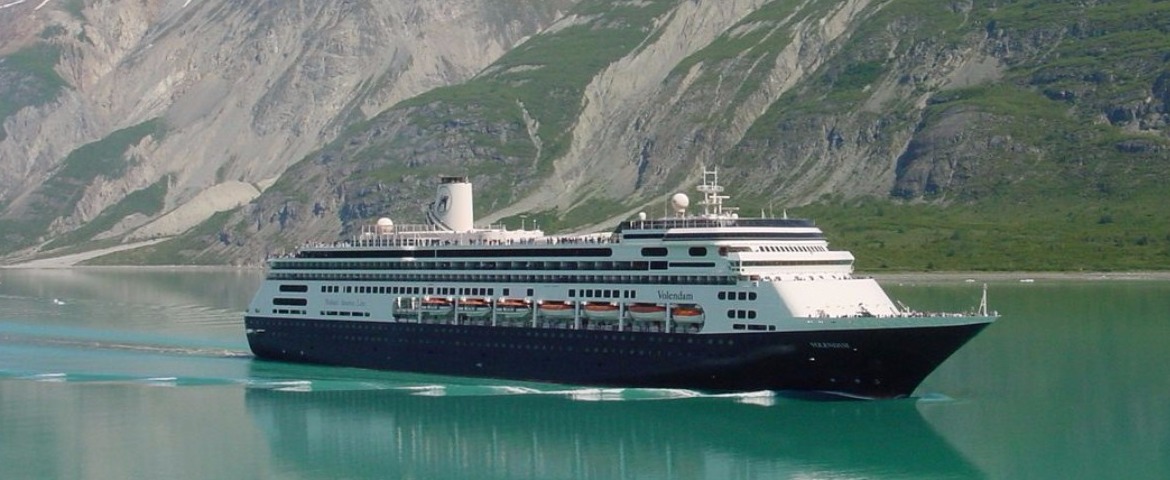
Holland America Line (115 Cruises)
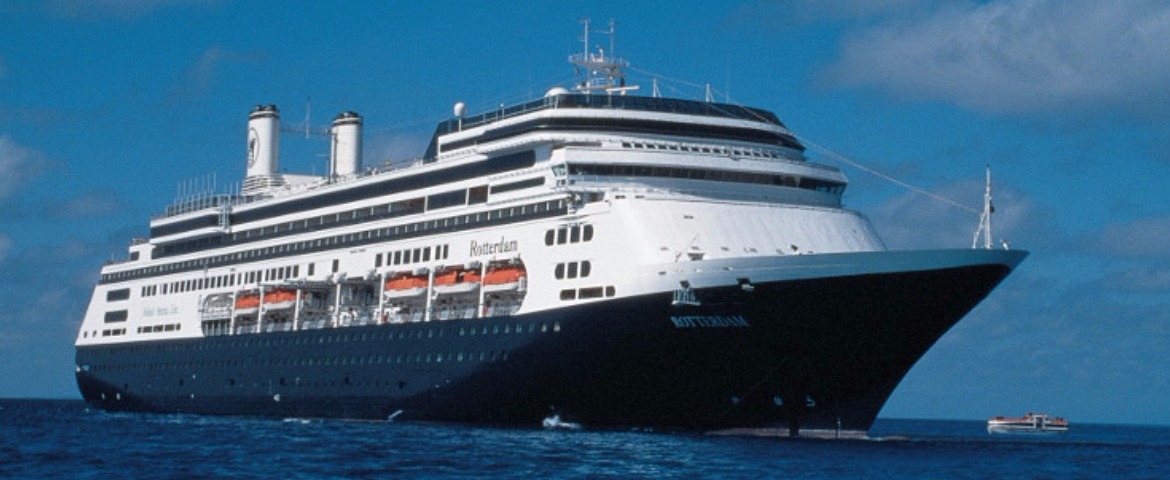
ms Rotterdam
109 Cruises

| 27 March | 22 nights | One-way from Fort Lauderdale to Rotterdam |
450-628-6241
Call us
|
| 27 March | 15 nights | One-way from Fort Lauderdale to Rotterdam |
450-628-6241
Call us
|
MSC Cruises (176 Cruises)
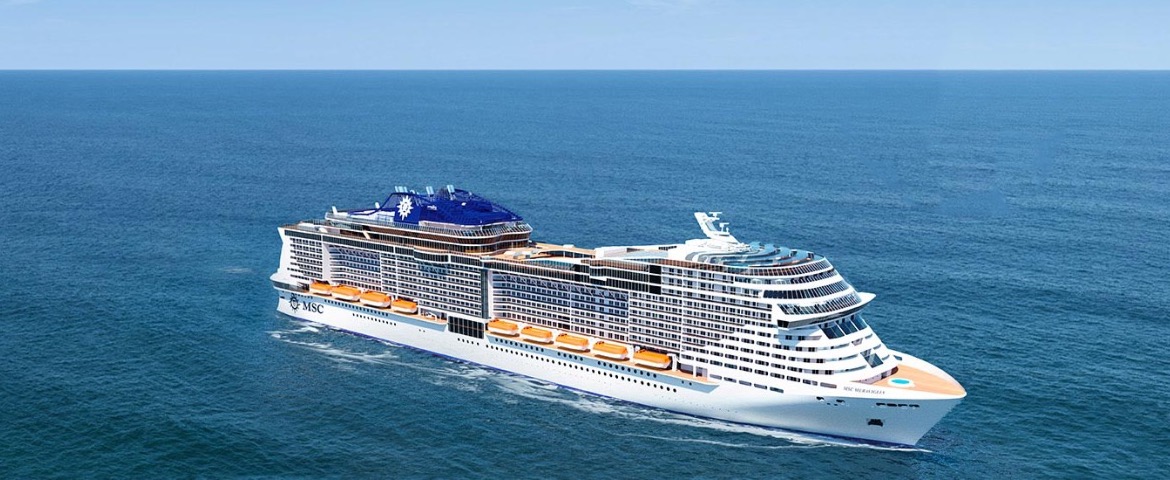

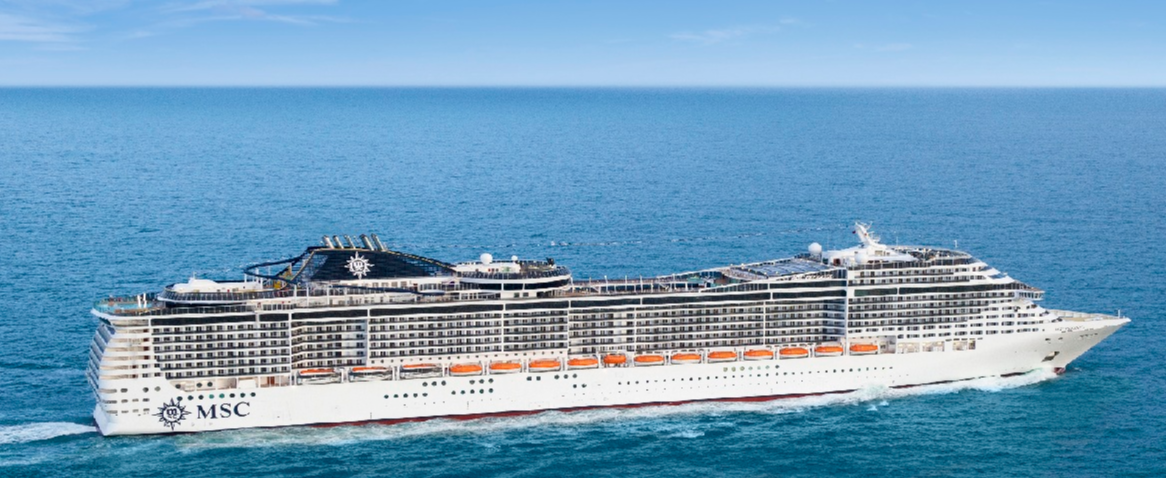
MSC Preziosa
175 Cruises
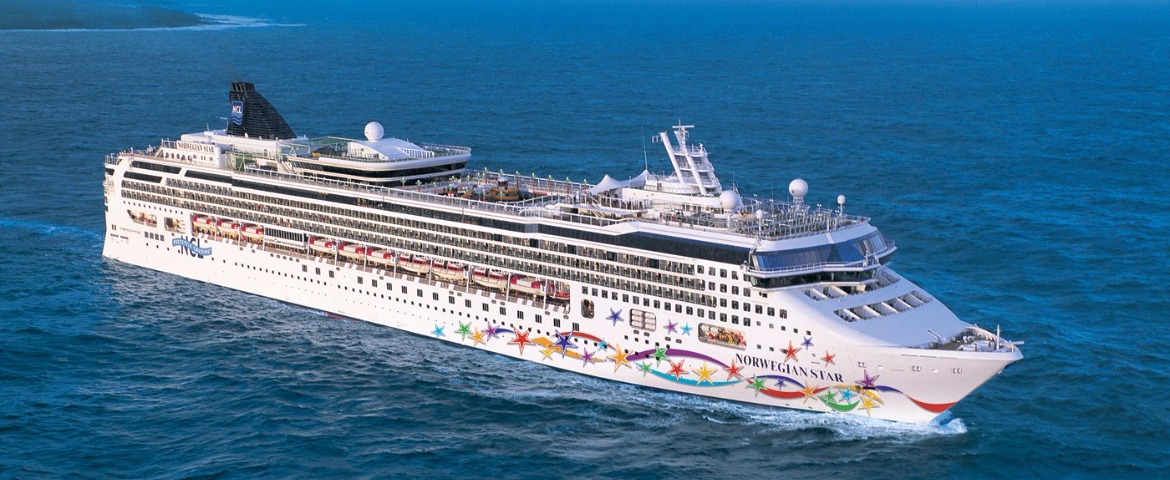
Norwegian Cruise Line (1 Cruises)
Oceania Cruises (6 Cruises)

Ponant (1 Cruises)

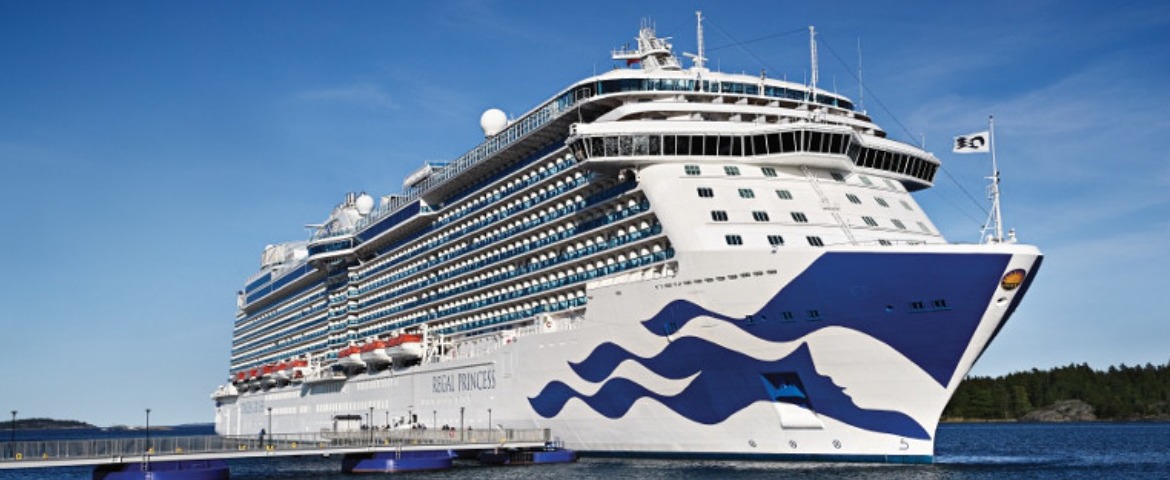
Princess Cruises (17 Cruises)
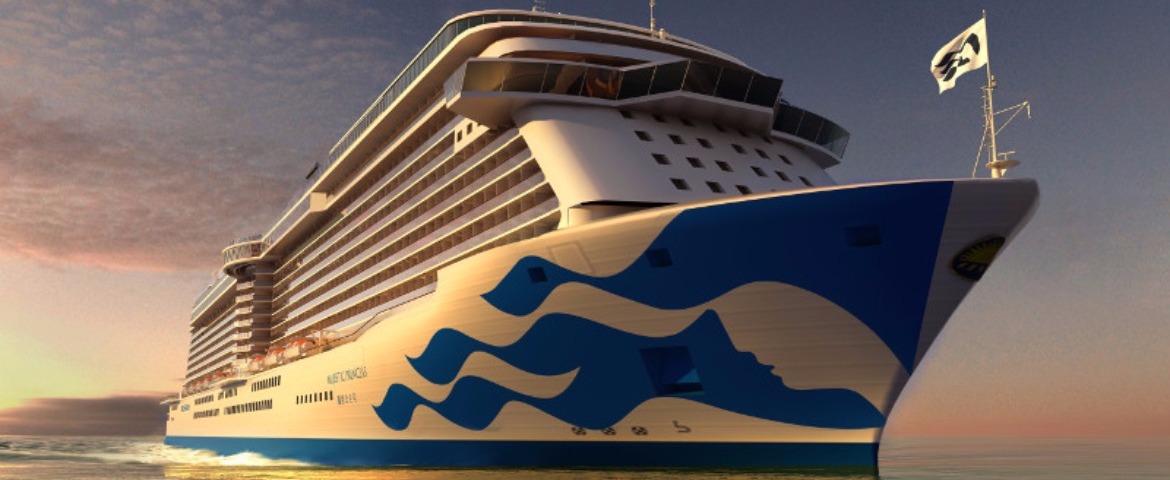
Regal Princess
12 Cruises
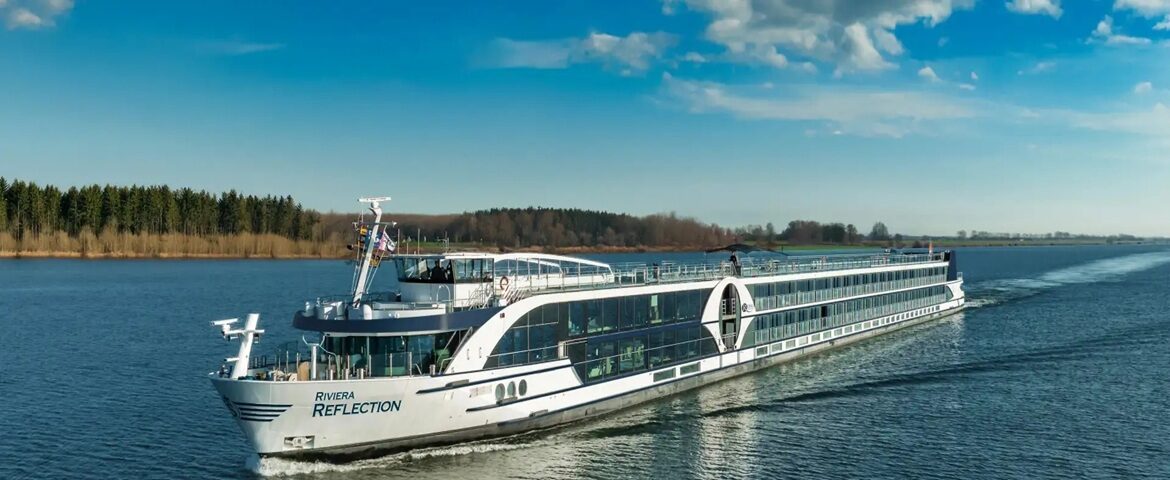
Riviera Travel (1 Cruises)

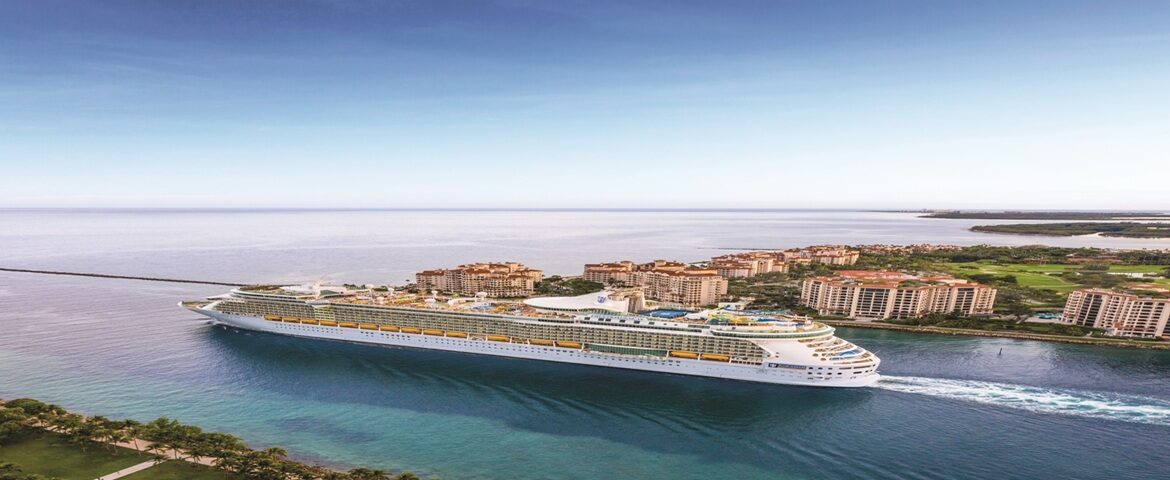
Royal Caribbean Cruises (3 Cruises)

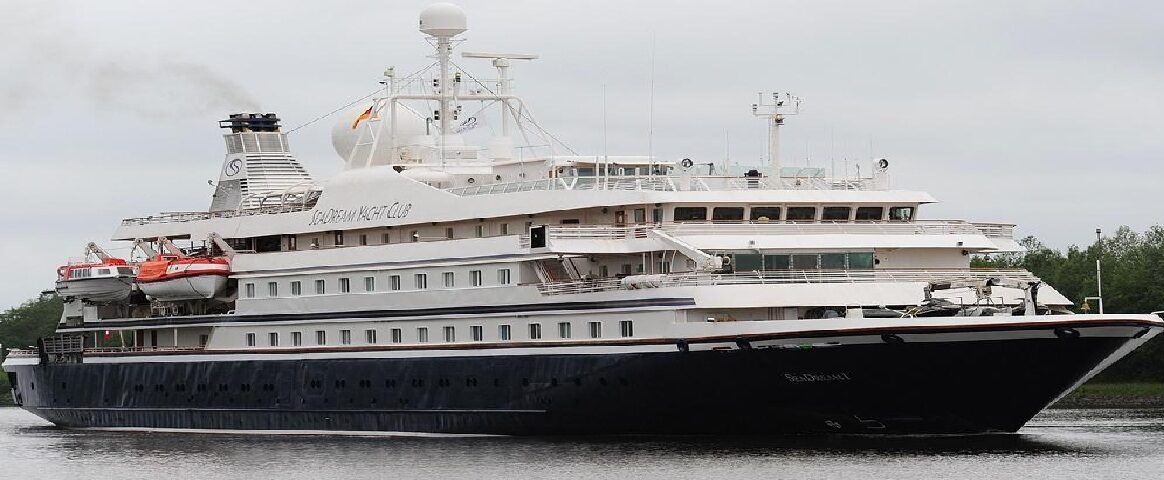
SeaDream Yacht Club (2 Cruises)

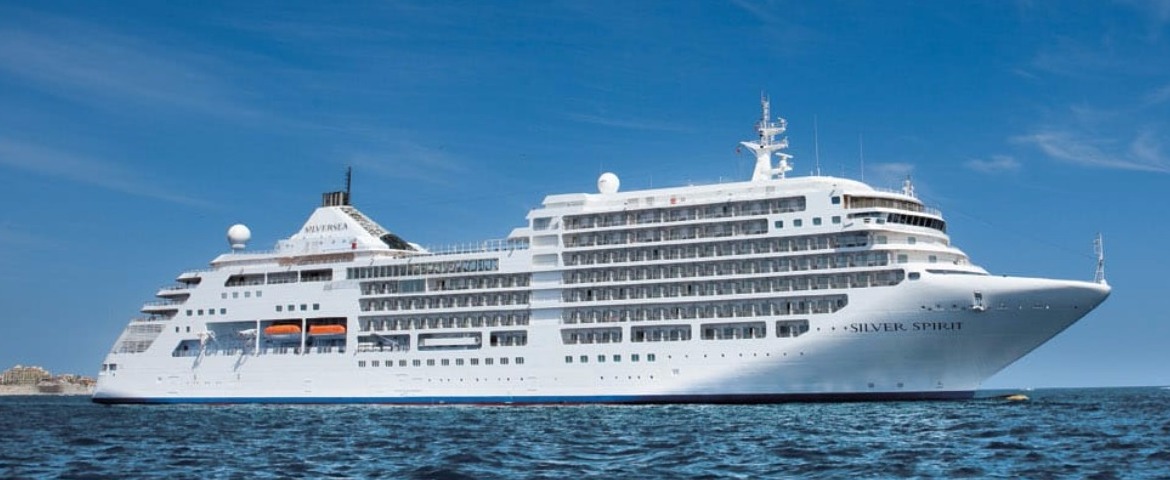
Silversea Cruises (2 Cruises)

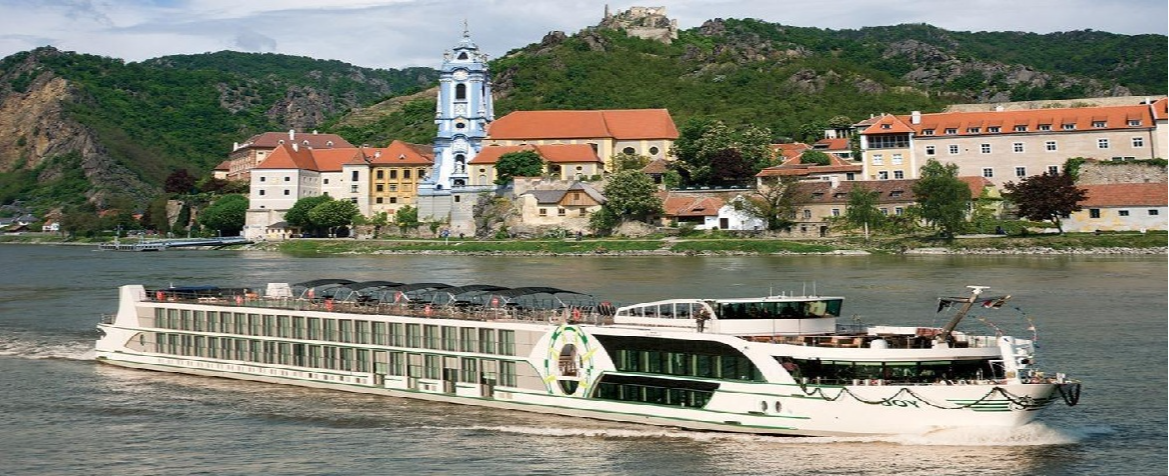
Tauck Cruises (10 Cruises)
ms Joy
10 Cruises

| 31 March | 7 days | One-way from Brussels to Amsterdam |
450-628-6241
Call us
|
| 31 March | 8 nights | One-way from Brussels to Amsterdam |
450-628-6241
Call us
|
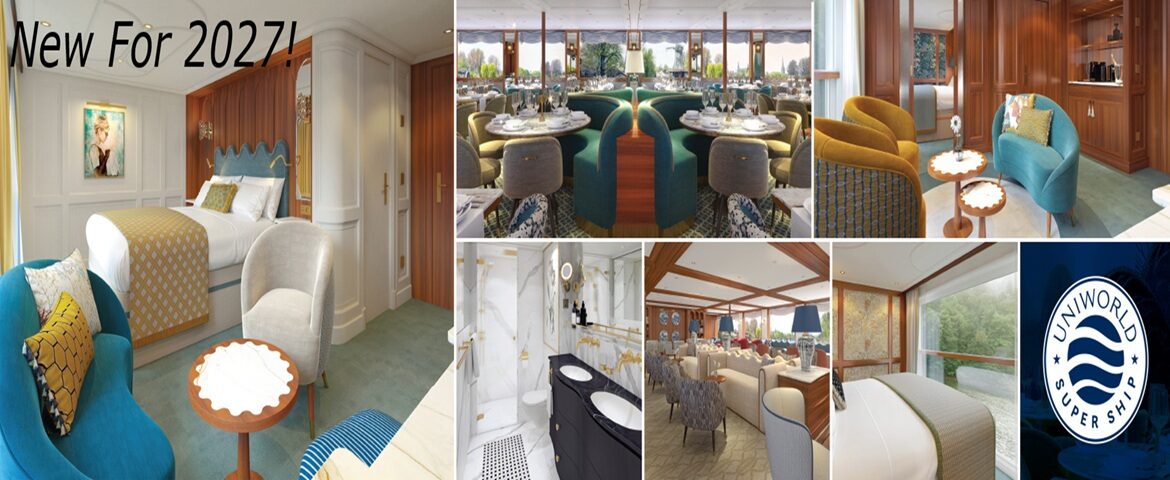
Uniworld Boutique River Cruise (80 Cruises)
S.S Audrey
13 Cruises

| 21 March | 9 nights | One-way from Amsterdam to Antwerp |
450-628-6241
Call us
|
| 30 March | 9 nights | One-way from Antwerp to Amsterdam |
450-628-6241
Call us
|
S.S Elisabeth
12 Cruises
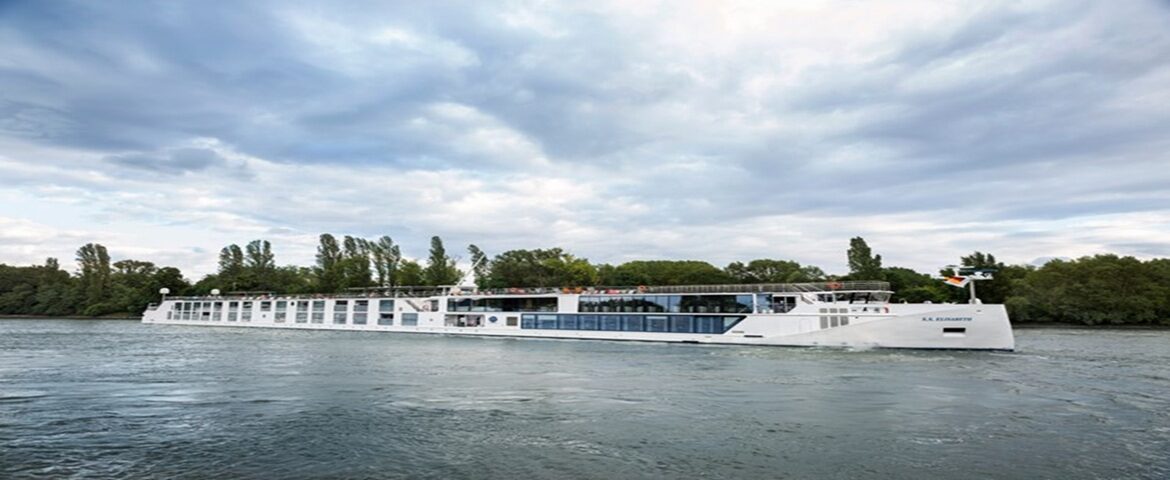
| 25 March | 9 days | One-way from Antwerp to Amsterdam |
450-628-6241
Call us
|
| 25 March | 9 nights | One-way from Antwerp to Amsterdam |
450-628-6241
Call us
|
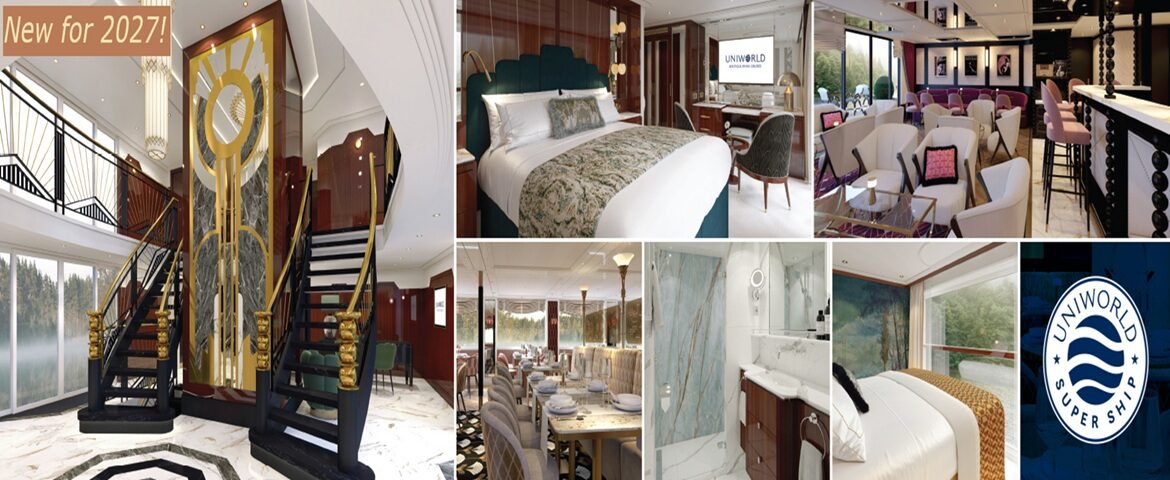
S.S. Antoinette
17 Cruises

S.S. Victoria
17 Cruises

Uniworld SS Antoinette
17 Cruises

Viking River Cruises (129 Cruises)
Viking Longships Kvasir
113 Cruises
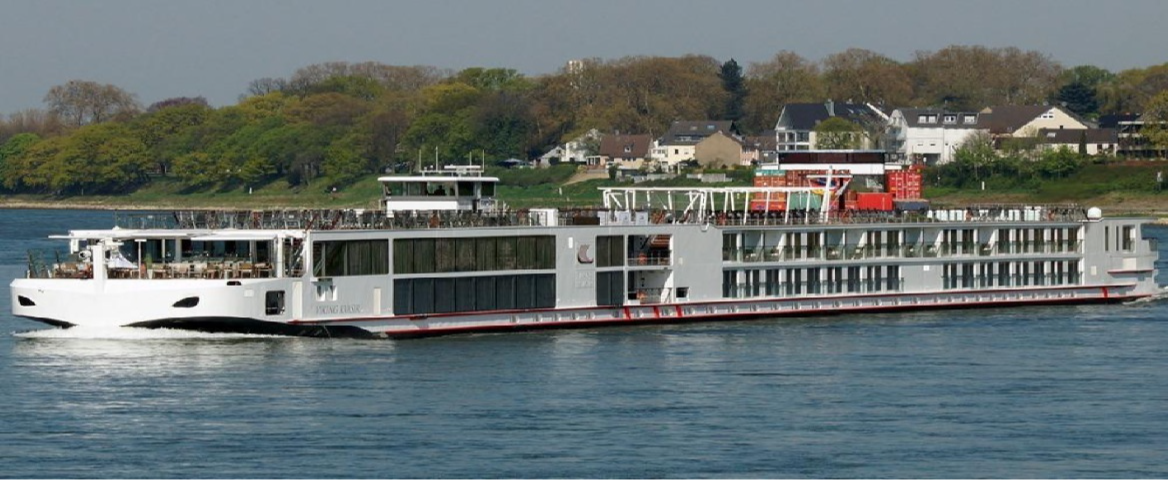
Viking Longships Magni
8 Cruises
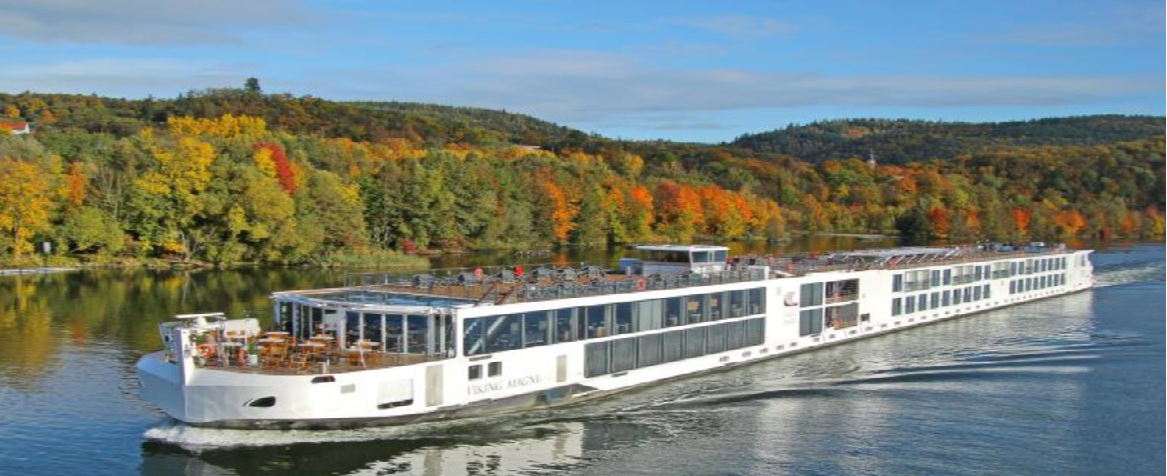
Viking Longships Mimir
8 Cruises
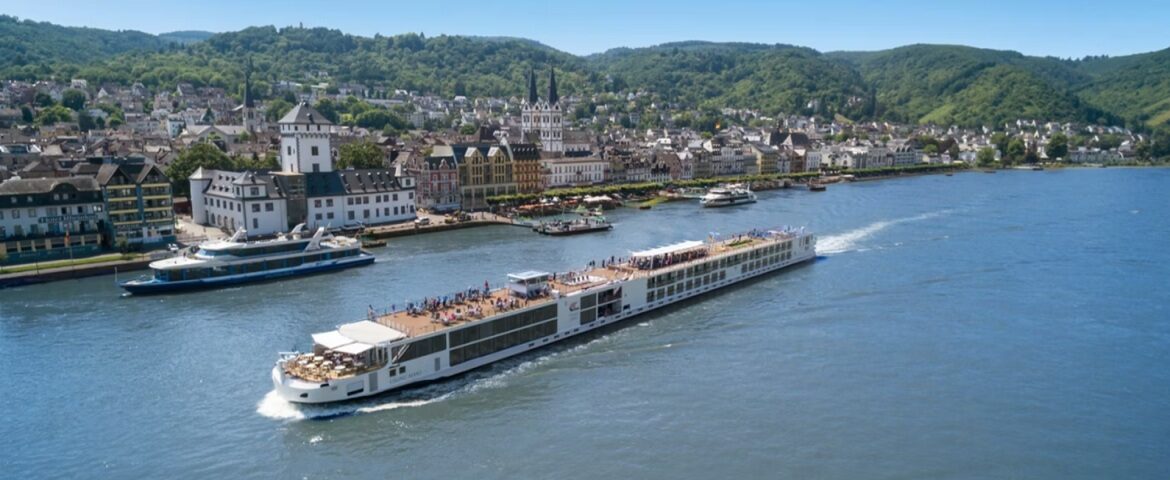

Port of Rotterdam | Cruise Port Guide
Frequently Asked Questions
At the Cruise Terminal Rotterdam on the Wilhelminakade, directly on the Meuse. The location is a rare luxury: no compulsory shuttle, no industrial zone to cross. The Erasmus Bridge is right there and leads to the centre in ten to fifteen minutes on foot.
On foot over the Erasmus Bridge, or by metro: Wilhelminaplein station is on the corner, two stops from Central Station. Yellow water taxis also cross the Meuse, and the ride becomes an attraction in itself.
Because it was destroyed by the bombing of May 1940 and chose to rebuild itself resolutely modern. No old steeples, no gabled canals: glass towers, bold bridges and cranes. The result surprises, sometimes provokes, and usually wins people over.
A covered market under an immense horseshoe arch, where cheese, fish and stroopwafel stalls line up beneath a vault painted with giant fruit. It is one of the city's most photographed buildings, steps from the cube houses.
The Kubuswoningen by architect Piet Blom, tilting their yellow faces above the street. One of them can be visited, and you quickly see why the residents had to reinvent their furniture.
Delfshaven, the former outport of Delft, which escaped the bombs. Its narrow quays, gabled warehouses and windmill restore pre-war Holland. It was from here that the Pilgrim Fathers left Europe in 1620 before joining the Mayflower; their church still stands at the water's edge.
At the Euromast, whose platform rises to 185 metres: on a clear day the view runs from the docks out to the polders. It is the best way to grasp the scale of one of Europe's largest ports.
A former Holland America Line transatlantic liner moored alongside and converted for visits. On the terminal quay itself, Hotel New York occupies the same company's old headquarters, from which emigrant liners once sailed for America.
At the Fenix Food Factory in Katendrecht, which gathers brewers, bakers and small producers in a warehouse facing the water. The café-restaurant at Hotel New York, right on the quay, is also worth a stop for the atmosphere.
No, and it is better to know that. Anyone coming for postcard Holland will be disappointed: here contemporary architecture takes the leading role. Rotterdam does not try to charm at first sight; it prefers to surprise, question, then convince.


