Bay of Islands Russell, New Zealand
New Zealand
151
Cruises availables
At departure or passage at this port
Azamara Club Cruises (24 Cruises)
Azamara Onward
11 Cruises
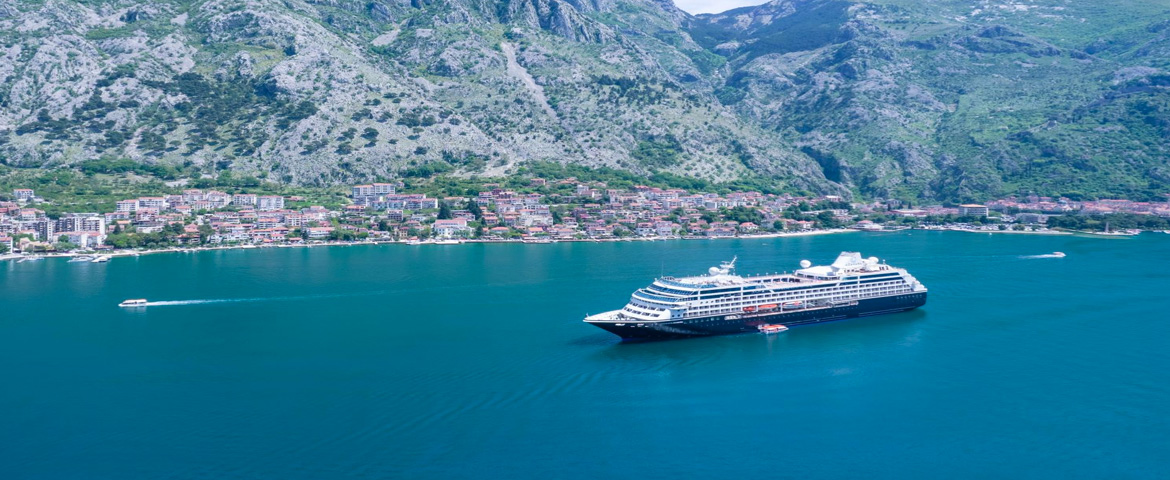

Azamara Pursuit
13 Cruises
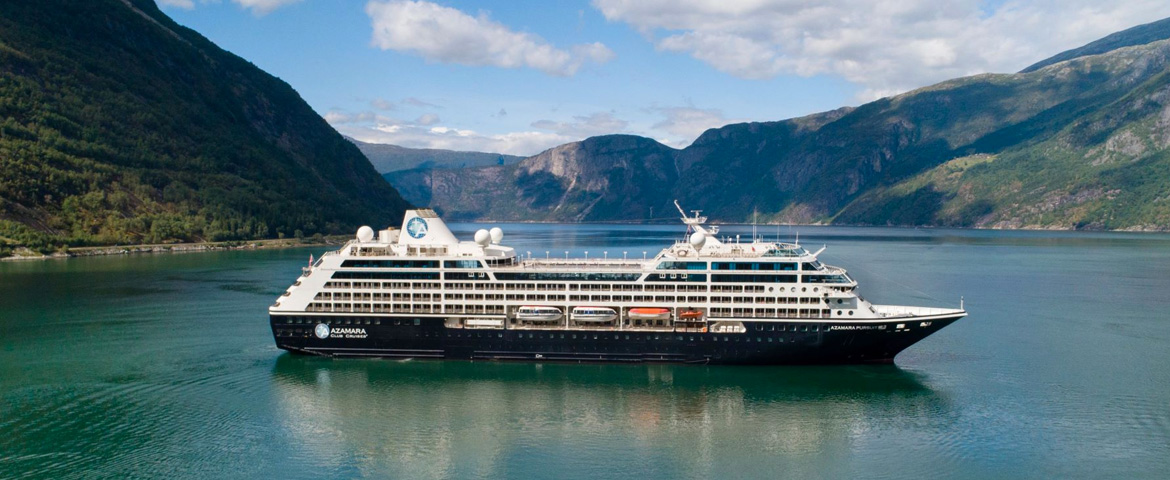
Carnival Cruise Line (3 Cruises)
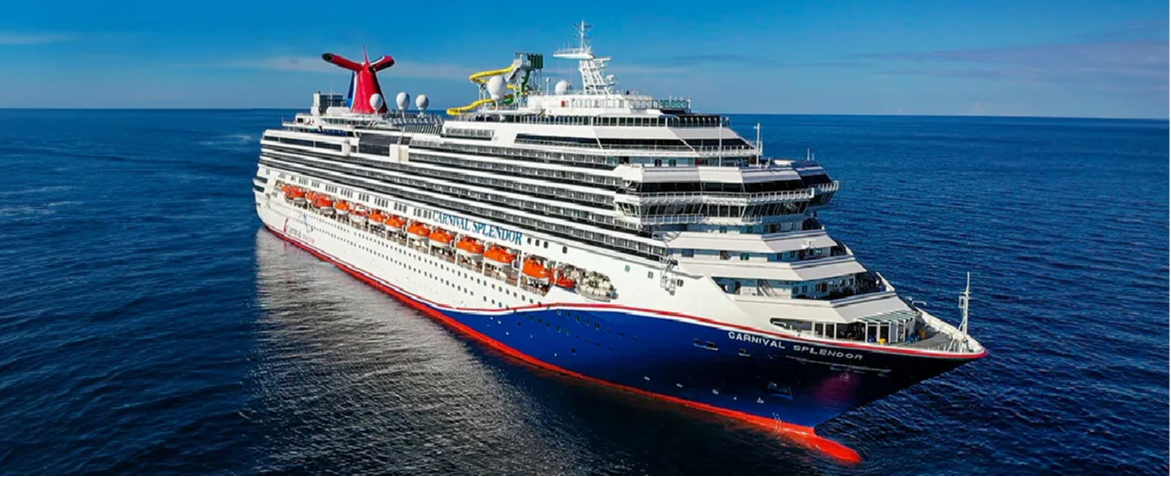

Celebrity Cruises (21 Cruises)
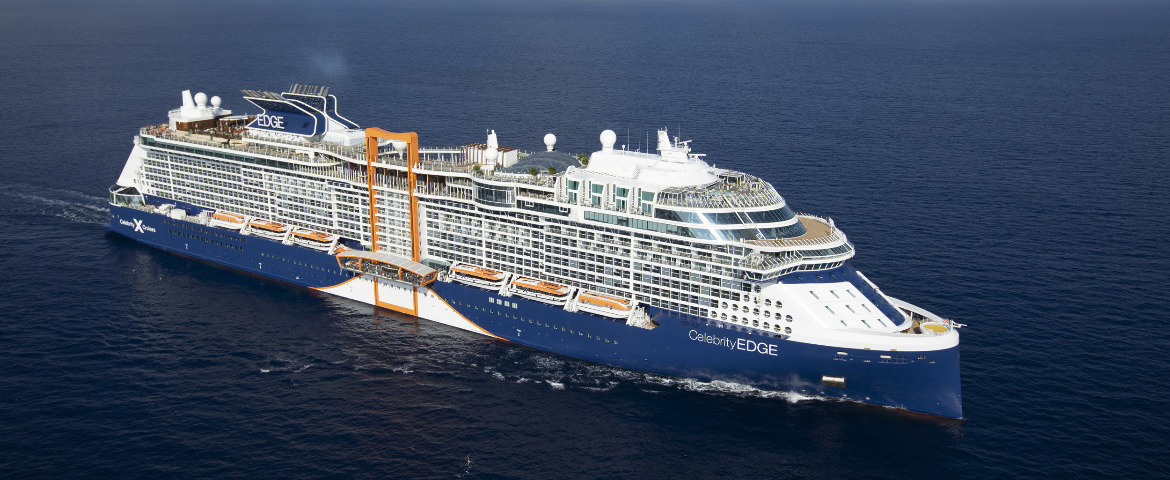
Celebrity Edge
19 Cruises

| 14 January | 12 days | One-way from Sydney to Auckland |
From
4420$
|
| 25 January | 13 days | One-way from Auckland to Sydney |
From
22116$
|
| 6 February | 13 days | Round-trip from Sydney, Australia |
From
4460$
|
| 18 February | 13 days | Round-trip from Sydney, Australia |
From
4612$
|
| 20 April | 16 days | One-way from Sydney to Honolulu |
450-628-6241
Call us
|
| 20 April | 16 days | One-way from Sydney to Honolulu |
450-628-6241
Call us
|
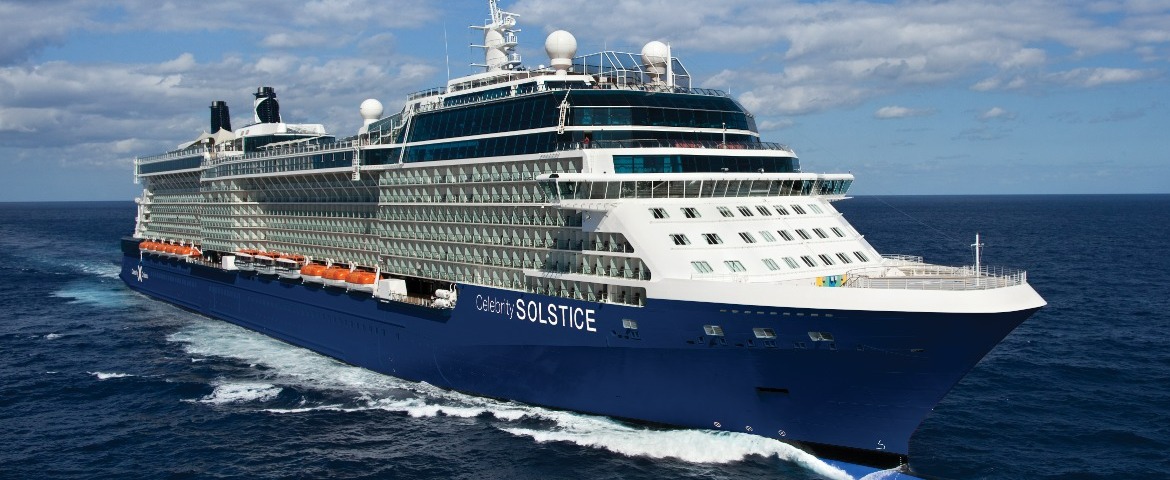
Costa Cruises (8 Cruises)
Costa Deliziosa
8 Cruises
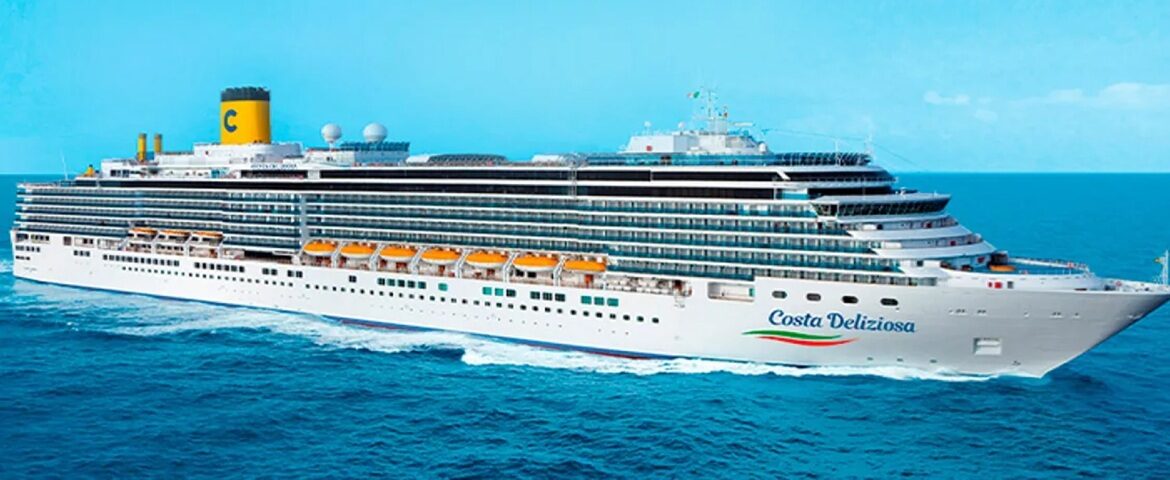

Crystal Cruises (17 Cruises)
Crystal Serenity
6 Cruises
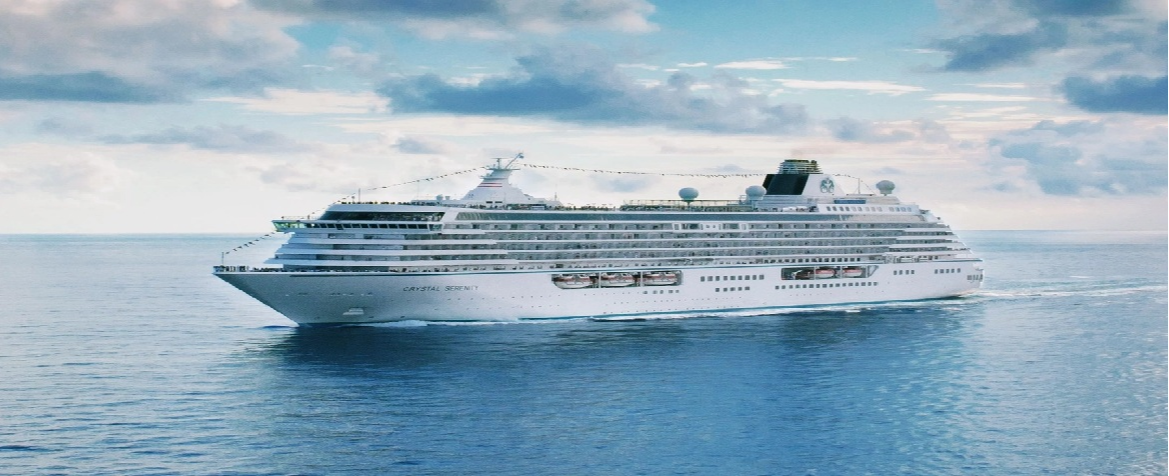

Crystal Symphony
11 Cruises
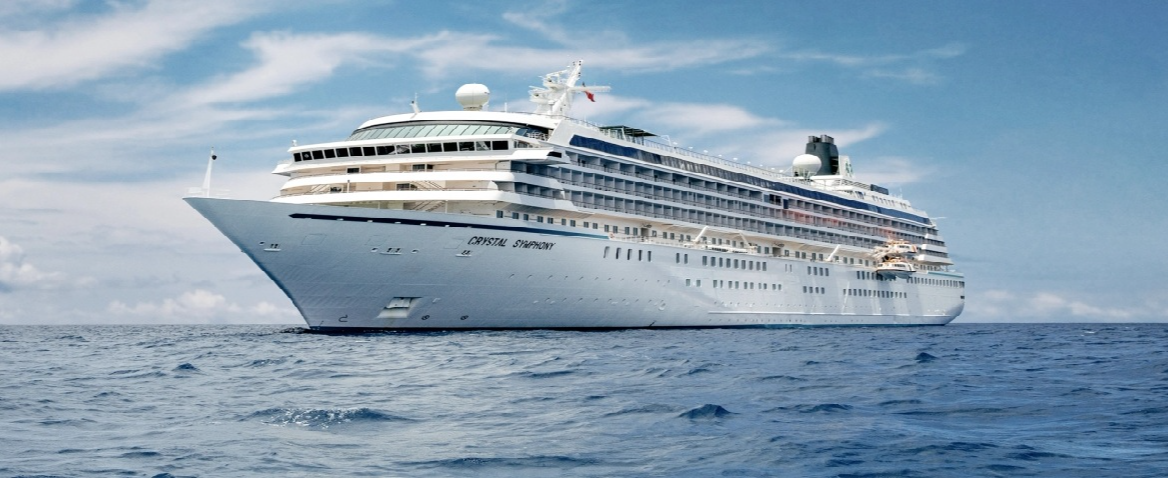

MSC Cruises (10 Cruises)
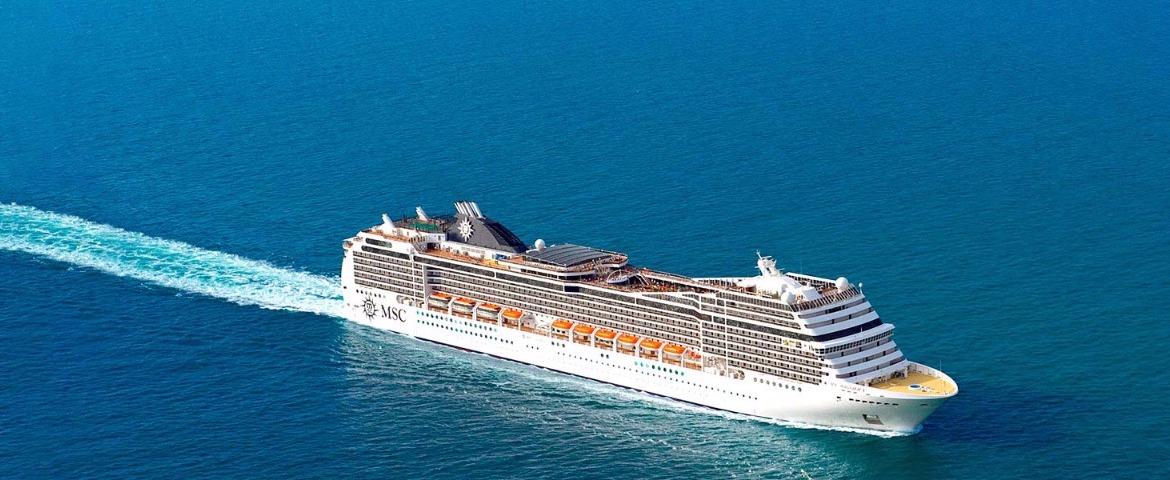
MSC Magnifica
10 Cruises

Norwegian Cruise Line (4 Cruises)

Princess Cruises (40 Cruises)
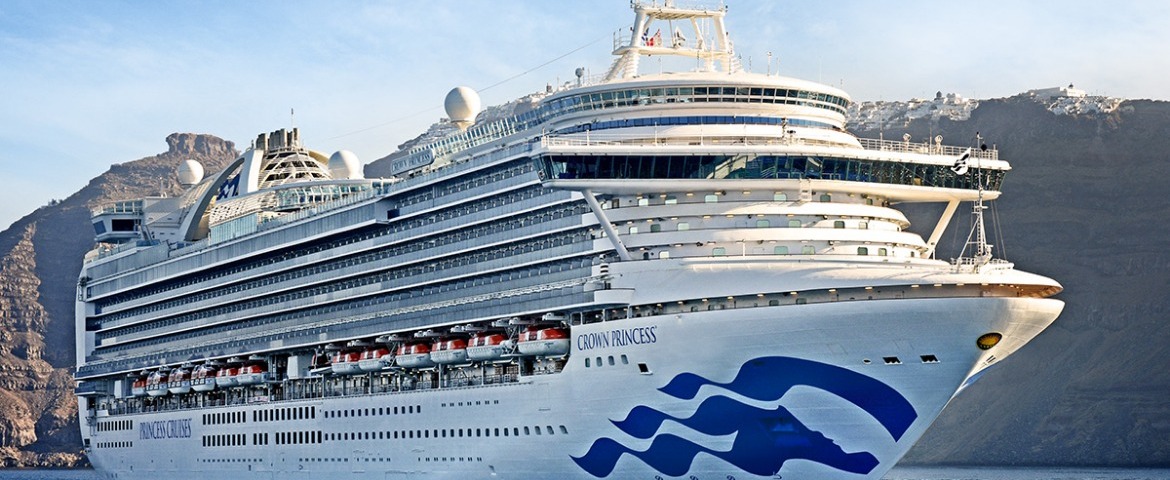

Grand Princess
16 Cruises
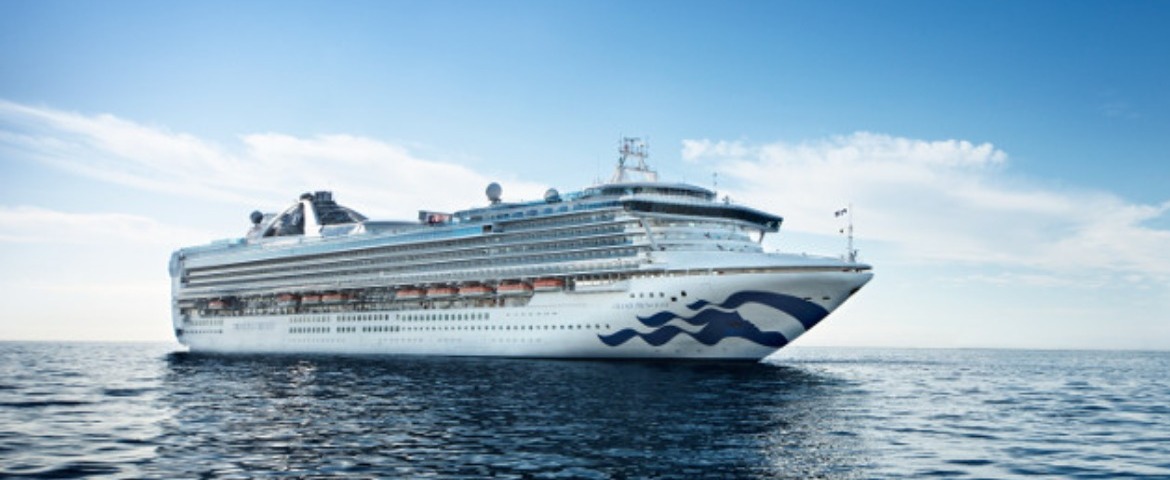
Royal Princess
20 Cruises
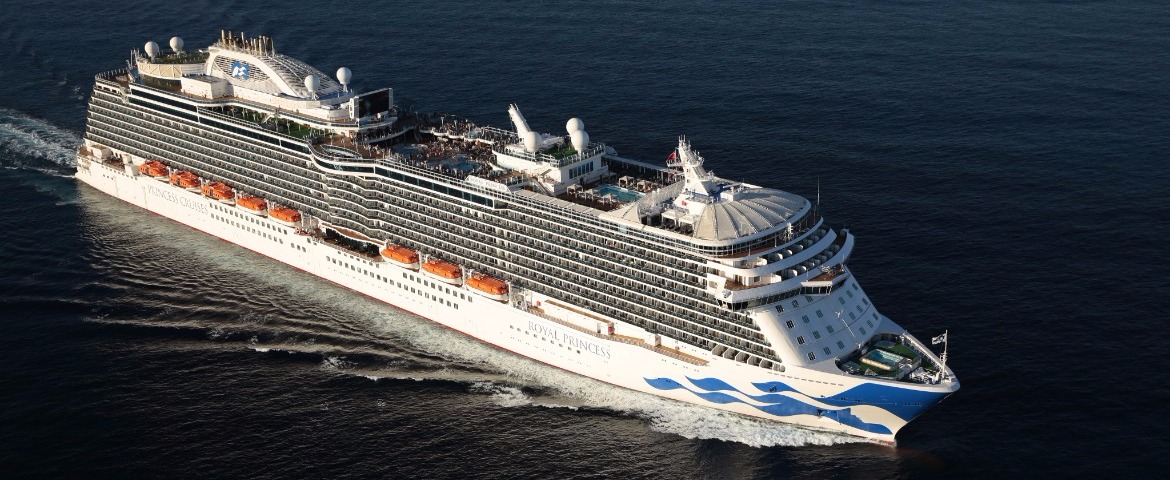
| 15 January | 15 days | Round-trip from Sydney, Australia |
450-628-6241
Call us
|
| 29 January | 16 days | Round-trip from Sydney, Australia |
450-628-6241
Call us
|
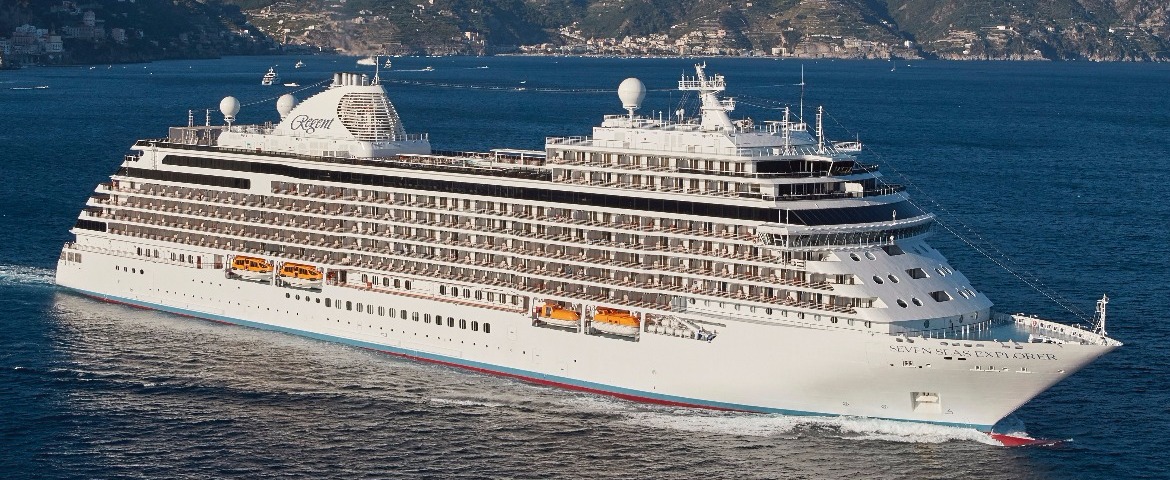
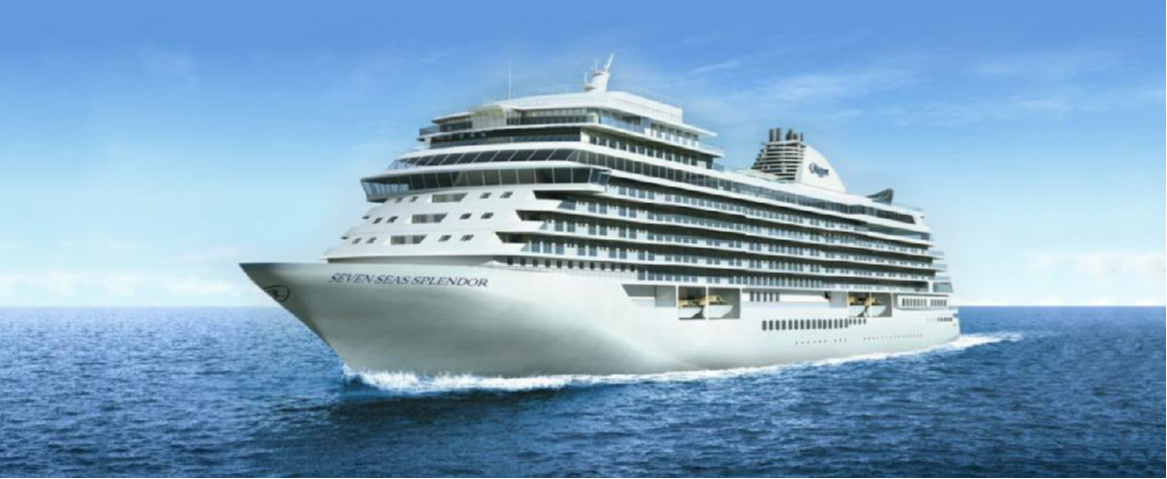
Regent Seven Seas Cruises (9 Cruises)

Royal Caribbean Cruises (4 Cruises)



Frequently Asked Questions
Ships anchor in the bay and tenders land most passengers at the Waitangi wharf; some lines also run a direct service to Russell. Allow about fifteen minutes for the crossing.
The Waitangi Treaty Grounds, ten minutes' walk from the wharf, deserve at least two hours. Add Paihia and its waterfront, or a boat trip out to Cape Brett.
The place where Māori chiefs and representatives of the British Crown signed, in 1840, the founding document of modern New Zealand. You can see the Treaty House, a huge ceremonial war canoe, and a carved meeting house whose every pillar tells of an ancestor.
From Paihia, a ferry crosses the bay in about fifteen minutes. This village of flowering colonial villas was a whaling port of notorious reputation in the nineteenth century — hard to believe today.
A rammed-earth house where French Catholic missionaries printed books in the Māori language. It is one of very few buildings of its kind preserved in the Pacific.
Yes, shuttles connect the wharf to Paihia, the small seaside town about two kilometres away. Shops, cafes and beaches follow the shore beneath pohutukawa trees that flower red in December.
On boat excursions leaving directly from the wharves. The launches pass through the rock when the swell allows — which is not always. Dolphins and seabirds often join the trip.
A horseshoe-shaped waterfall, an unusual form, dropping into a fern-fringed pool about six kilometres from the wharf. For strong walkers, or those willing to take a taxi.
Mild but changeable: bring a light jacket, since a passing shower never stops the sun from returning within the hour. This is northern New Zealand, the country's gentlest region.
Not necessarily: information and excursion kiosks at the landing let you organize the day on the spot. But the most popular activities leave early — do not dawdle on the way ashore.


