Goteborg Gothenburg, Sweden
Sweden
120
Cruises availables
At departure or passage at this port
Azamara Club Cruises (9 Cruises)
Azamara Journey
6 Cruises
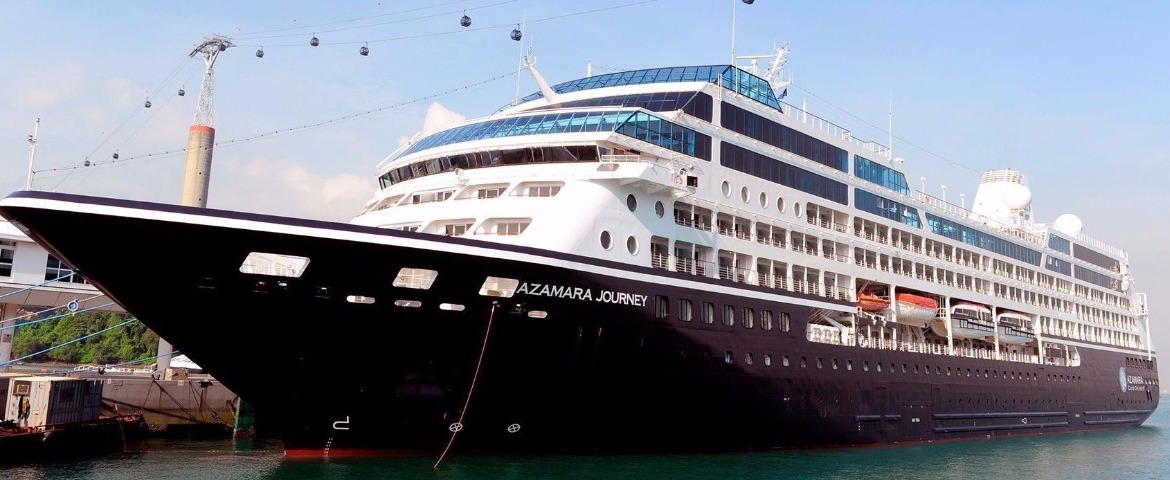

| 7 July | 64 days | Round-trip British Isles Norway And Baltic Sea Azamara Journey Portsmouth |
450-628-6241
Call us
|
| 7 July | 65 days | Round-trip from Portsmouth UK, United Kingdom |
450-628-6241
Call us
|
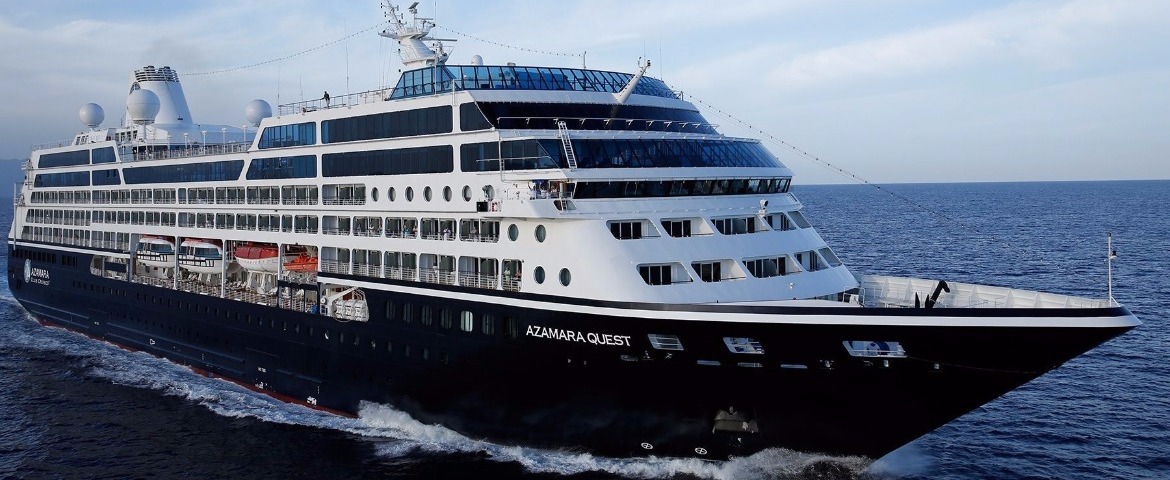
Carnival Cruise Line (3 Cruises)
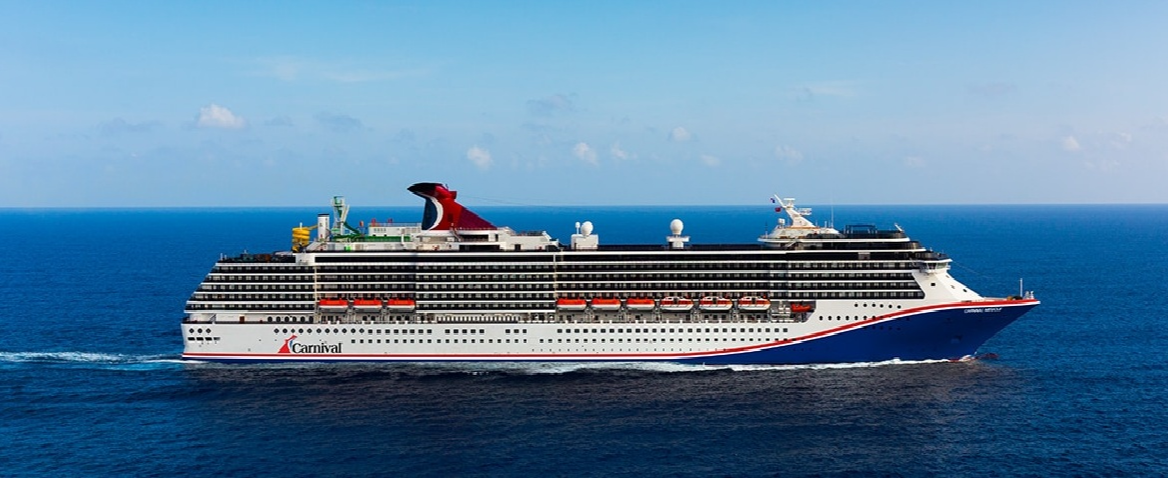

Crystal Cruises (7 Cruises)
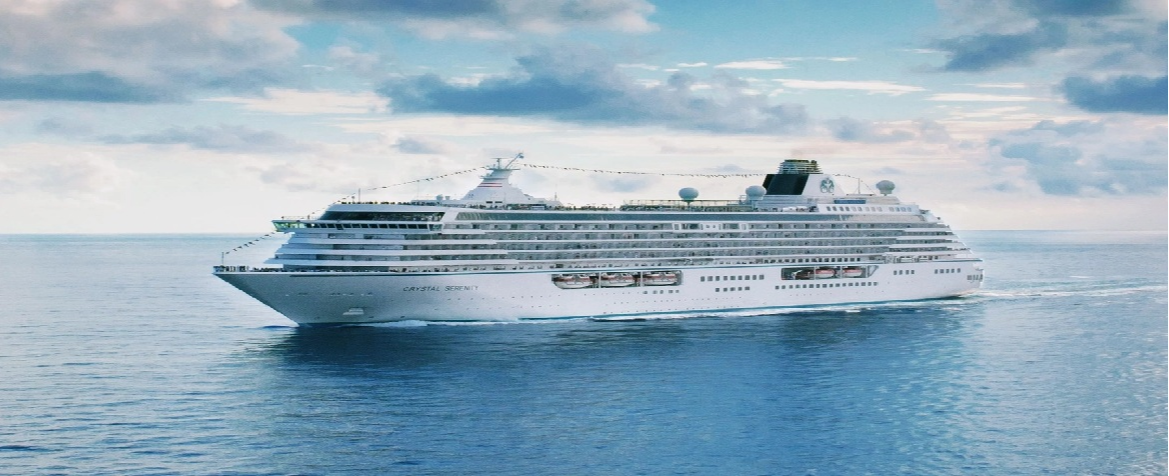

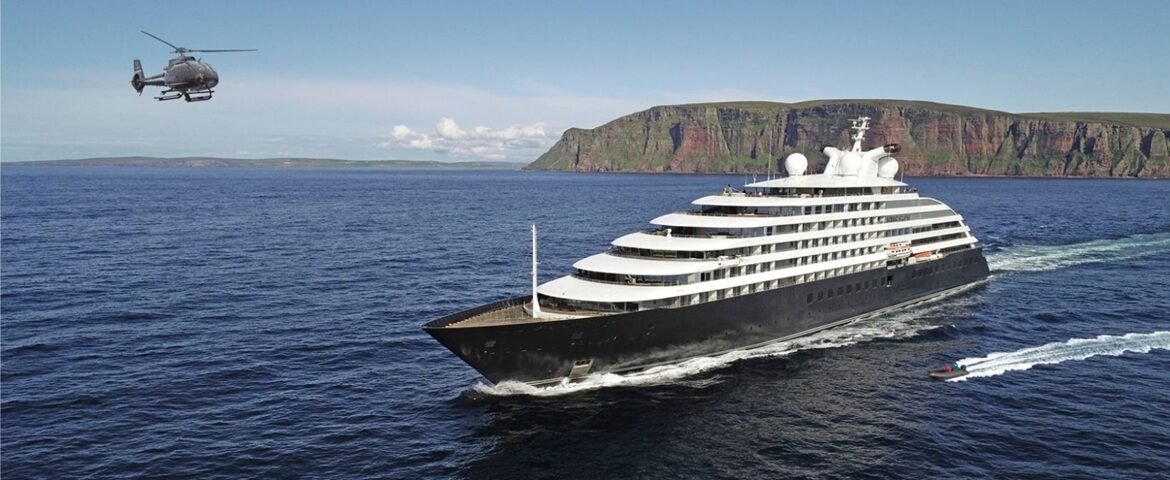
Explora Journeys (8 Cruises)
Explora IV
8 Cruises


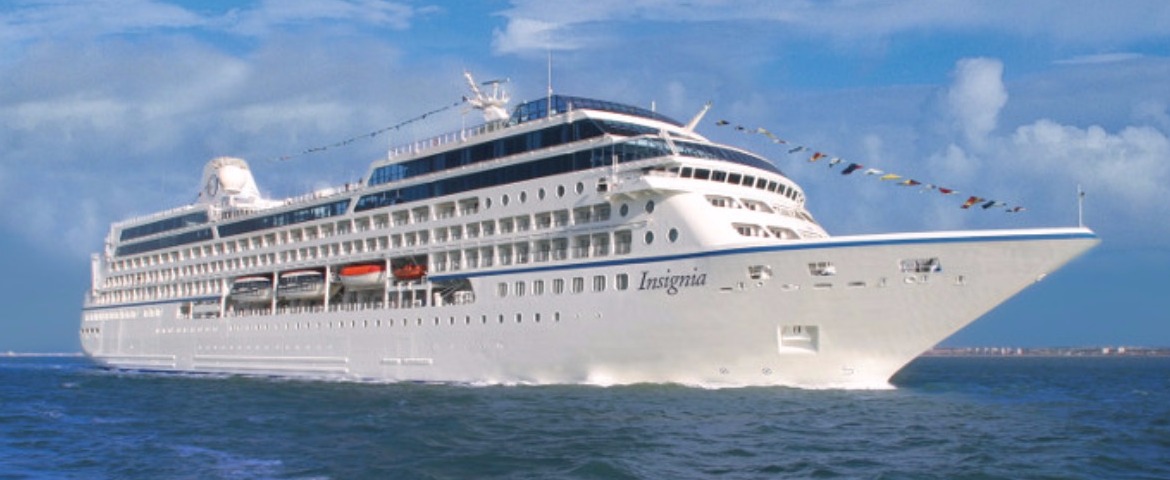
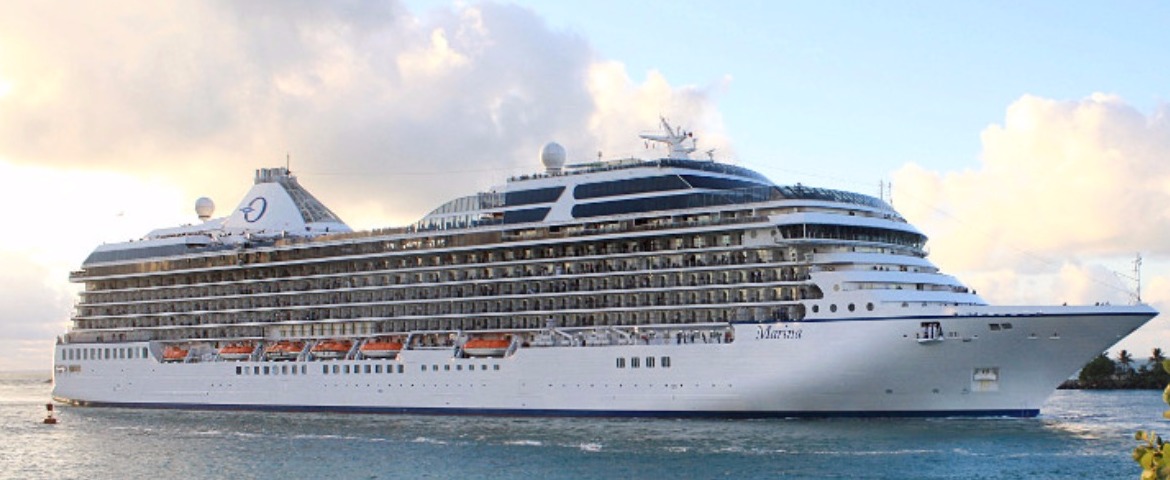
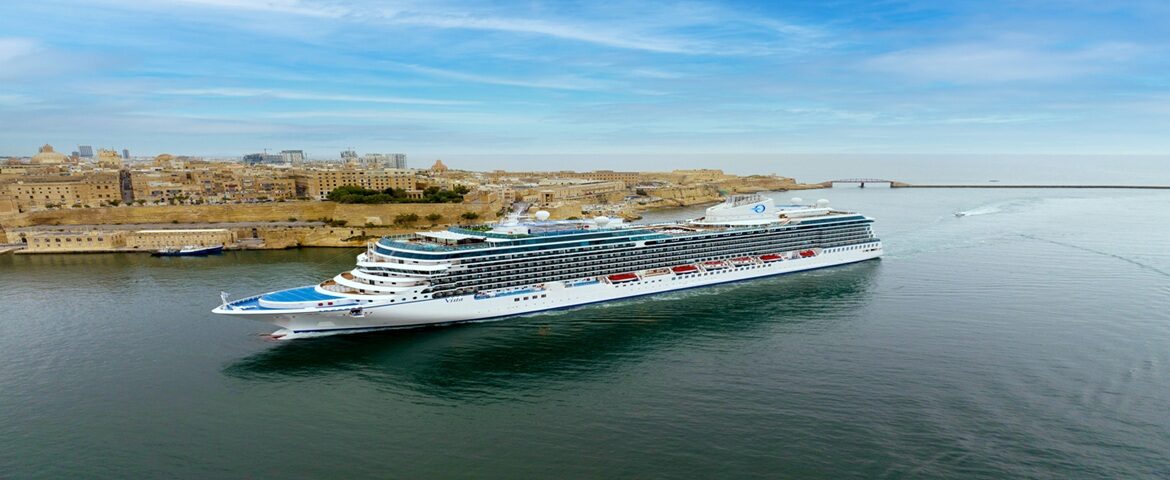
Oceania Cruises (11 Cruises)

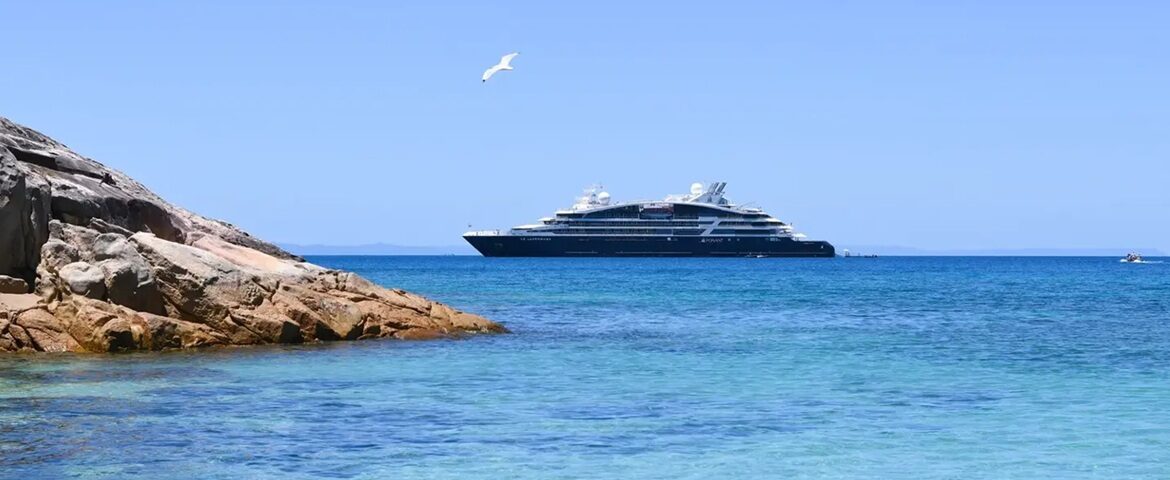
Ponant (2 Cruises)

Princess Cruises (3 Cruises)
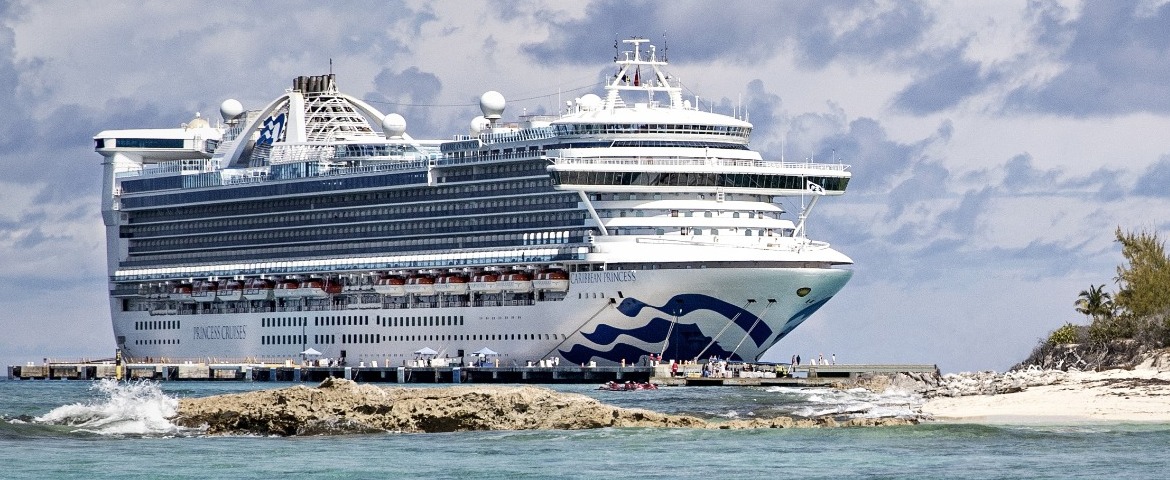

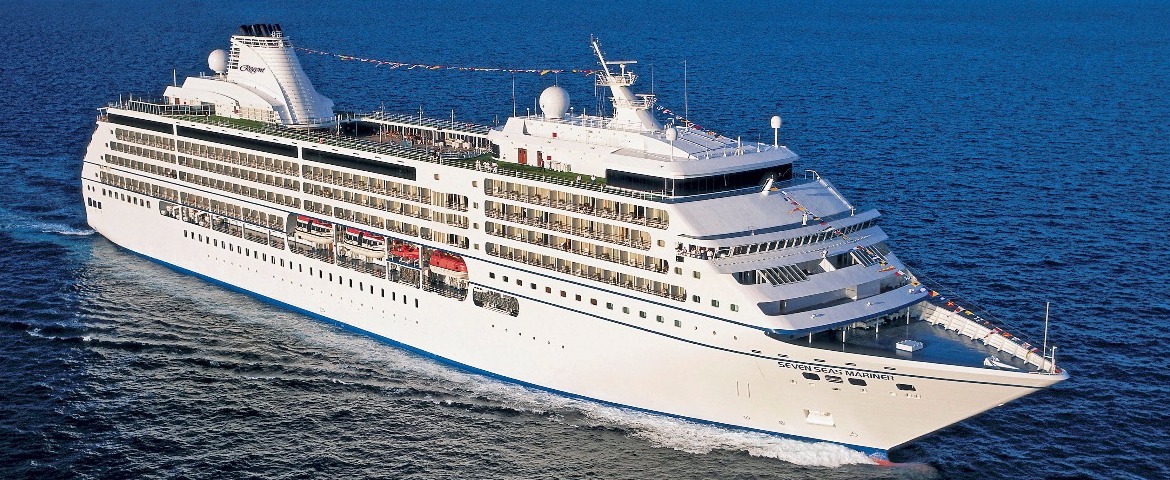
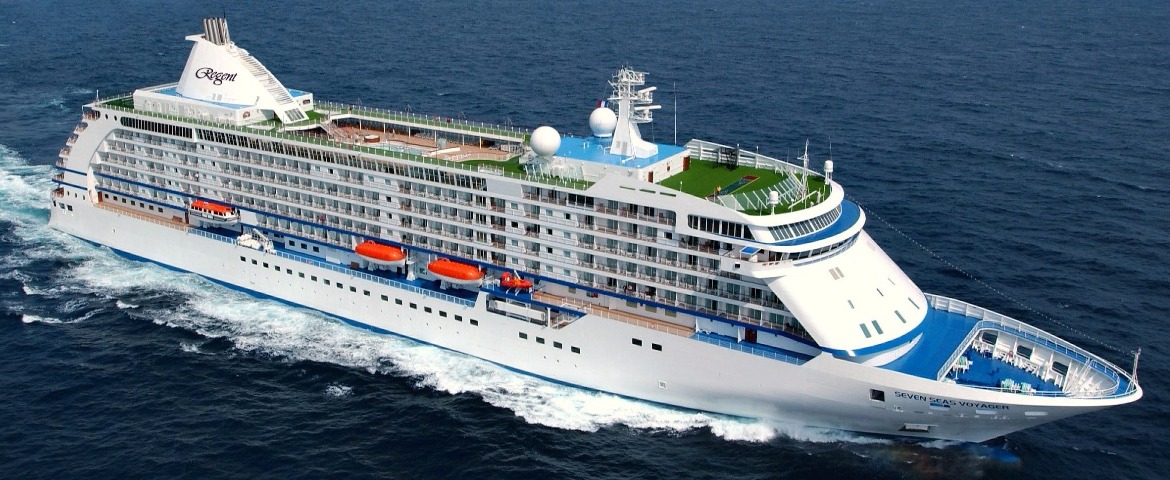
Regent Seven Seas Cruises (8 Cruises)
Seven Seas Mariner
5 Cruises



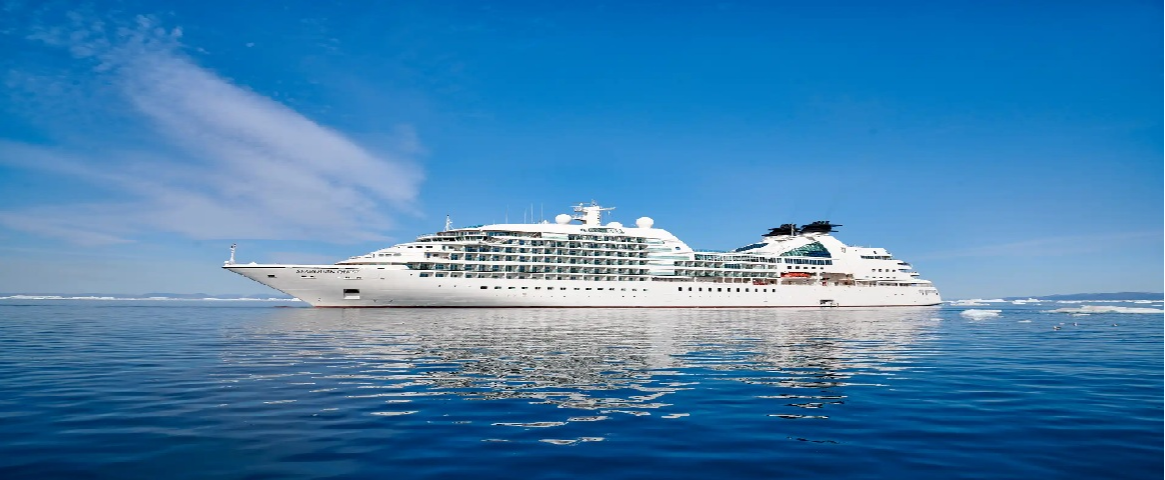
Seabourn Cruise Line (8 Cruises)
Seabourn Quest
8 Cruises

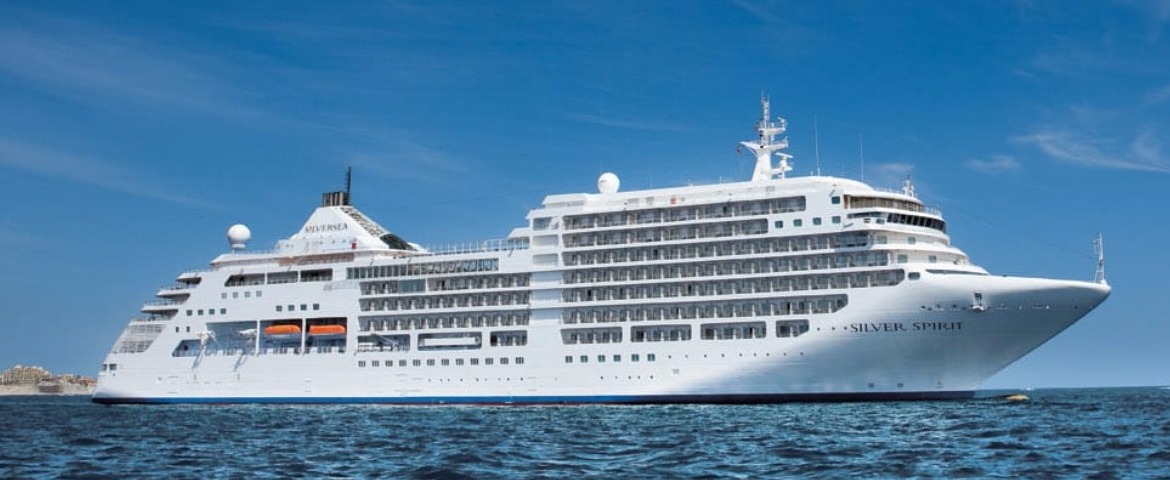
Silversea Cruises (2 Cruises)

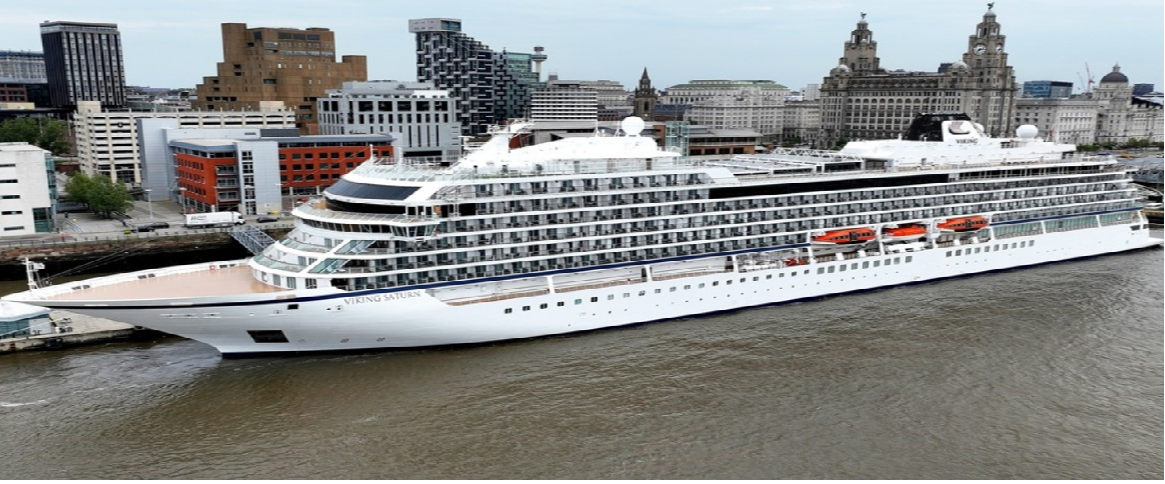
Viking Ocean Cruises (50 Cruises)
Viking Saturn
50 Cruises

Frequently Asked Questions
It depends on size. Mid-size ships come up the Göta estuary to Stigbergskajen, a historic quay about 2 km from the centre, reachable on foot or by tram. Larger vessels berth at Arendal in the outer harbour, 10 to 12 km out, with organised shuttles to the city quays.
From Stigbergskajen, yes: the Majorna, Linné and Haga districts are within walking distance. From Arendal, no — the distance requires the shuttle. Trams are the simplest way to move around afterwards, on one of Scandinavia’s most extensive networks.
It is where Swedish emigrants left for North America. Between the mid-nineteenth century and the 1920s more than a million Swedes left the country, most of them boarding here. The Amerikaskjulet, the old emigrants’ shed, still stands on the quay.
The city’s oldest suburb, and the natural first stop on a port call. Its cobbled streets are lined with preserved wooden houses, vintage shops, bookshops and cafés famous for hagabullar, cinnamon buns nearly as wide as a plate. The antique shops reward a good rummage.
Fika is the Swedish ritual of coffee with something sweet, taken without hurrying. Haga is where to do it properly: the neighbourhood cafés have made it their speciality, cinnamon bun included.
Yes, in season. Flat-bottomed boats work the central canals, remnants of the original Dutch plan — the city, founded in 1621 by Gustavus Adolphus, was laid out by engineers from the Netherlands. Some bridges pass so low that everyone has to duck, which entertains the whole boat.
Locals simply call it Avenyn. It climbs gently to Götaplatsen, the arts square dominated by the Poseidon fountain and the Museum of Art, strong in Nordic painting. It is the liveliest axis of the centre.
At the fish hall, whose architecture resembles a church — locals call it the shrimp church. Shrimp and herring are eaten standing up, which makes it a quick and characteristic midday stop.
Haga for the wooden houses and fika, the central canals, then Avenyn up to Götaplatsen: all of it fits into a half-day on foot and by tram. The Horticultural Society garden near the central station adds a green pause without a detour.
Only on a long call. The car-free southern archipelago is reached by tram then ferry: smooth rock, fishing huts and sailing boats, a different world. Work out the full round trip before committing, because the ferry timetable rules the day.


