Dover England
United Kingdom
187
Cruises availables
At departure or passage at this port
Atlas Ocean Voyages (5 Cruises)

Azamara Club Cruises (7 Cruises)
Azamara Journey
7 Cruises

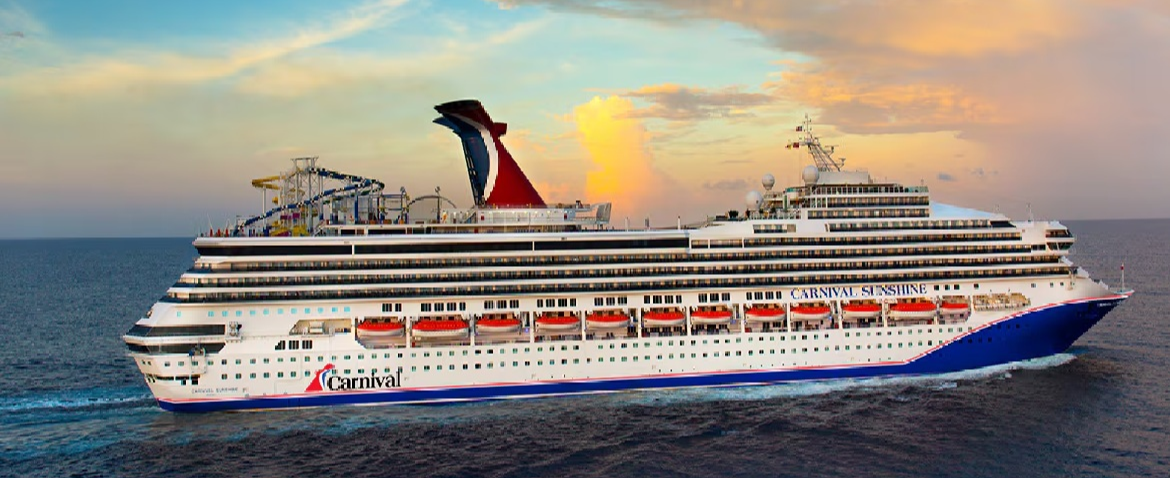
Carnival Cruise Line (21 Cruises)
Carnival Miracle
19 Cruises

| 20 May | 10 days | One-way from Lisbon to Dover |
From
1511$
|
| 29 May | 10 days | Round-trip from Dover, United Kingdom |
From
1659$
|
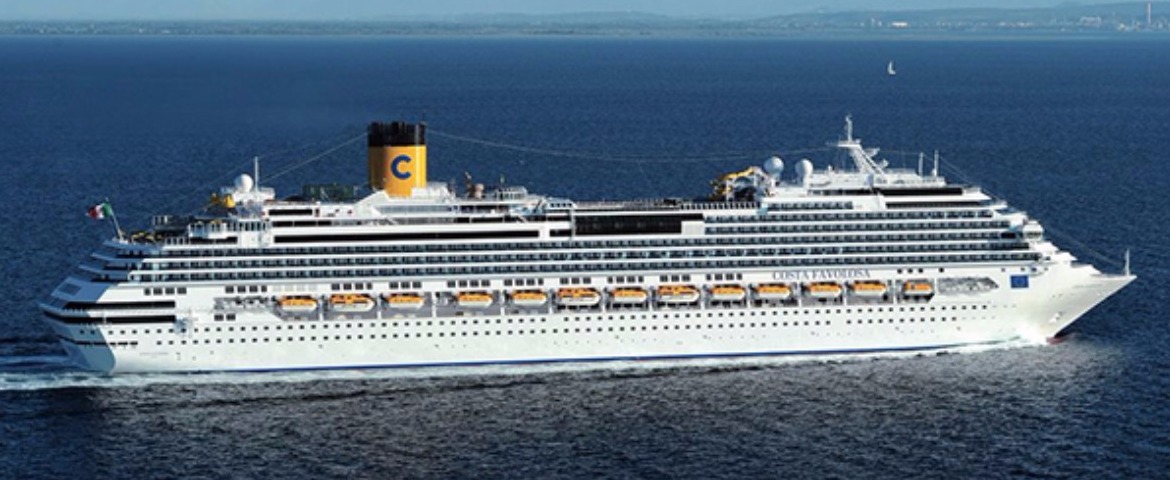
Costa Cruises (7 Cruises)
Costa Favolosa
7 Cruises

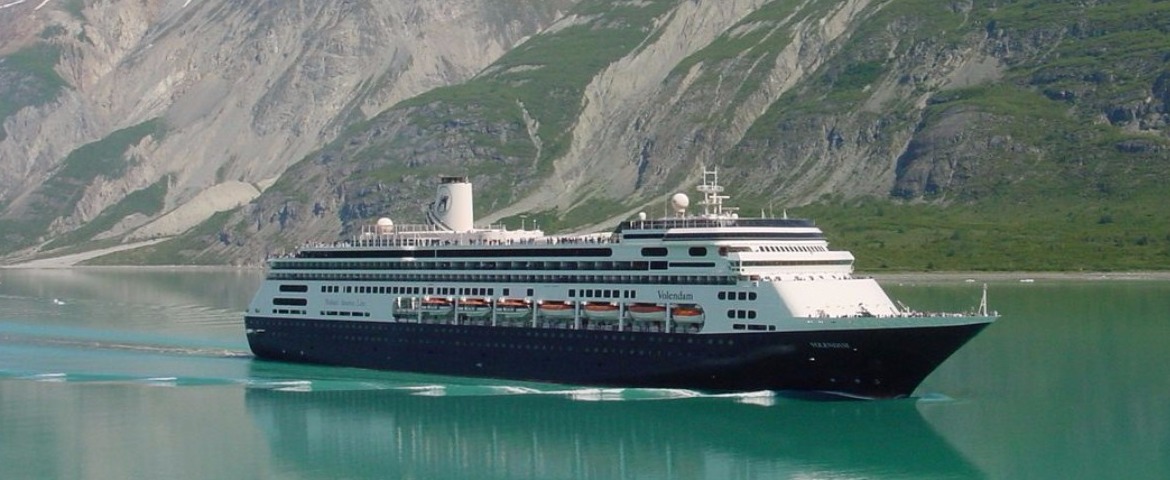
Holland America Line (3 Cruises)

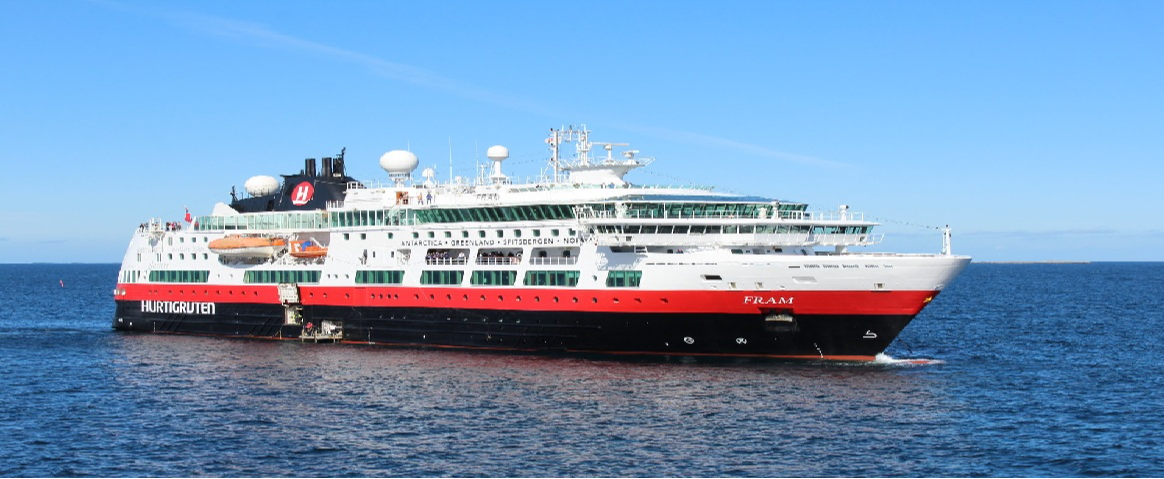
HX Expeditions (2 Cruises)



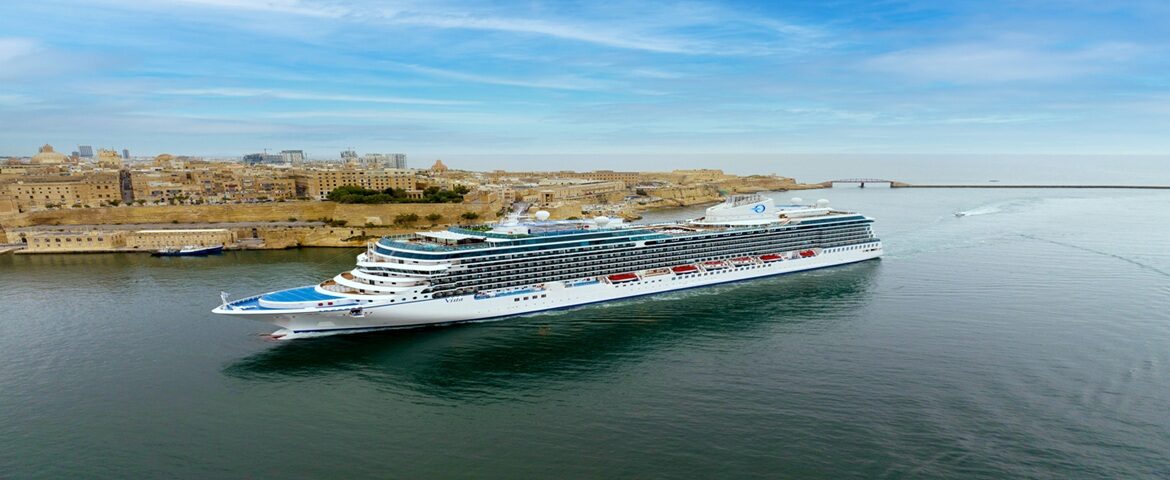
Oceania Cruises (5 Cruises)
Oceania Vista
5 Cruises

Ponant (2 Cruises)

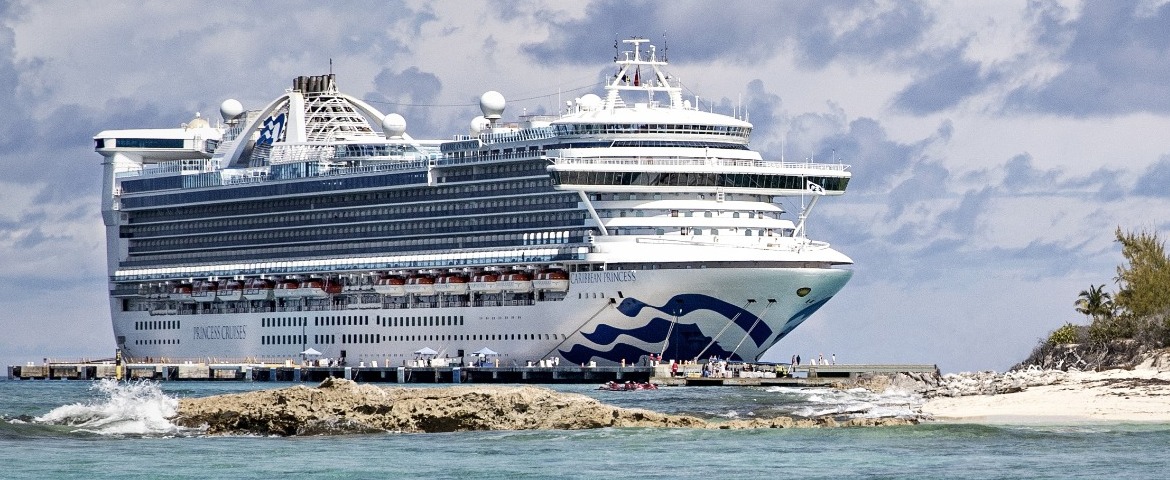
Princess Cruises (2 Cruises)


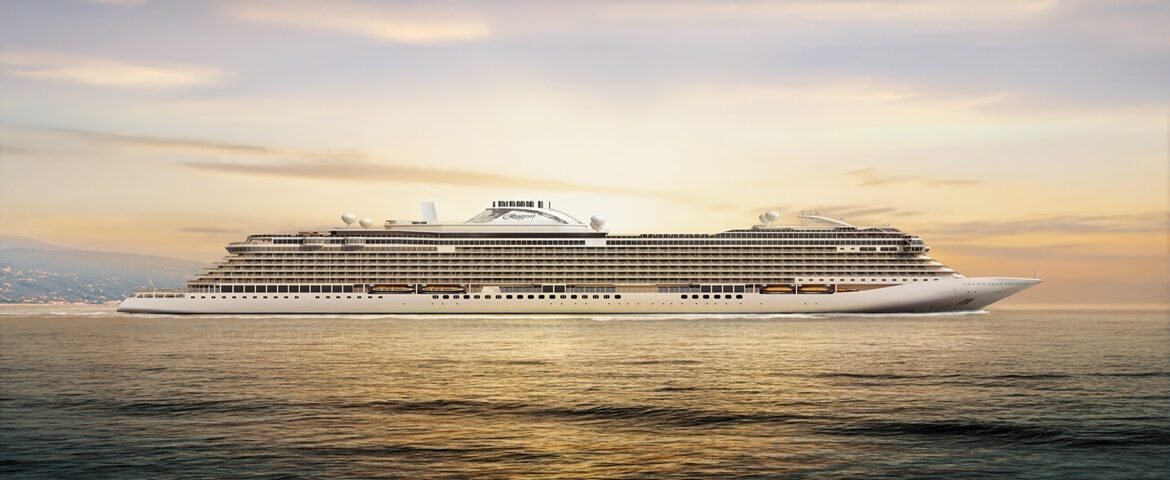
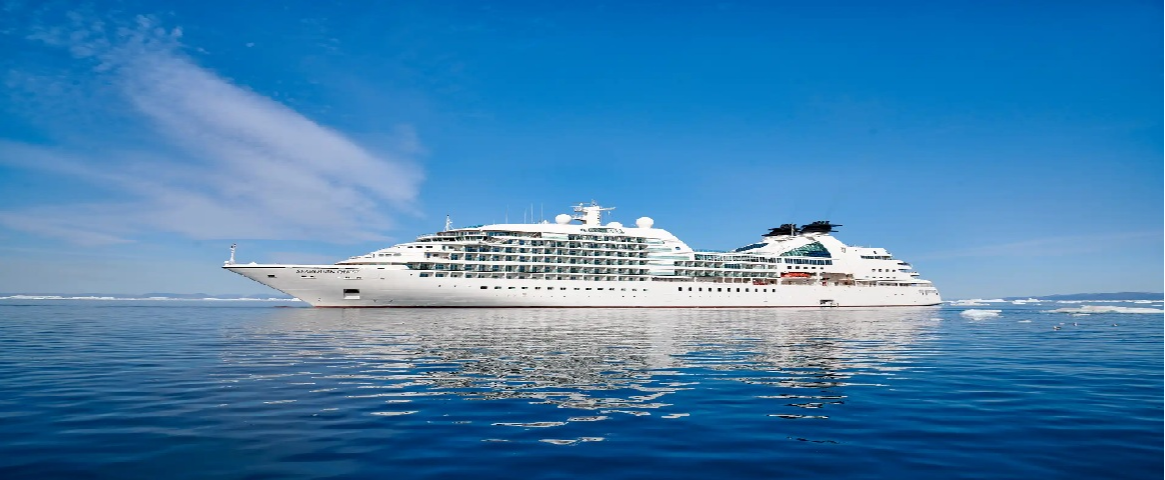
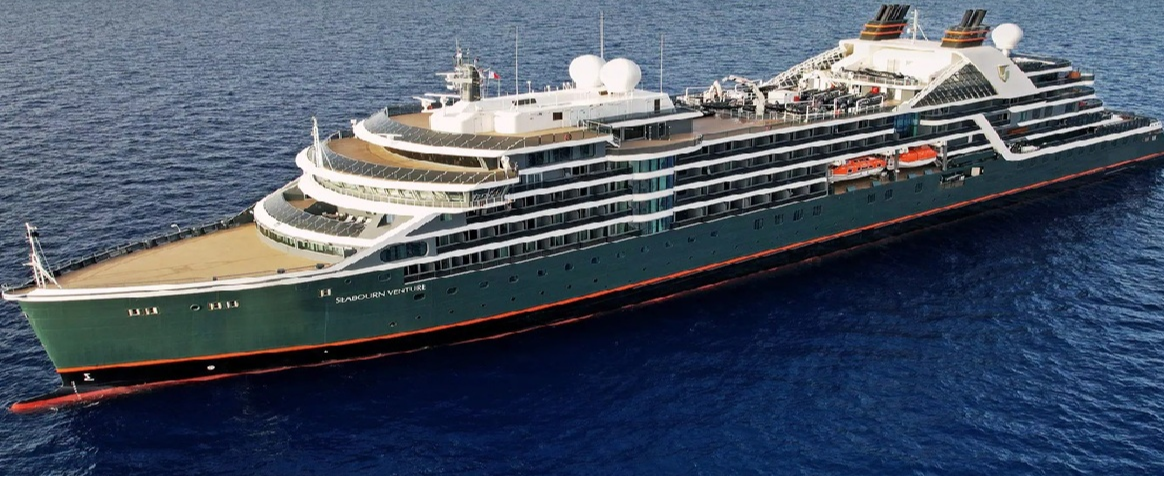
Seabourn Cruise Line (50 Cruises)
Seabourn Quest
46 Cruises

Silversea Cruises (8 Cruises)
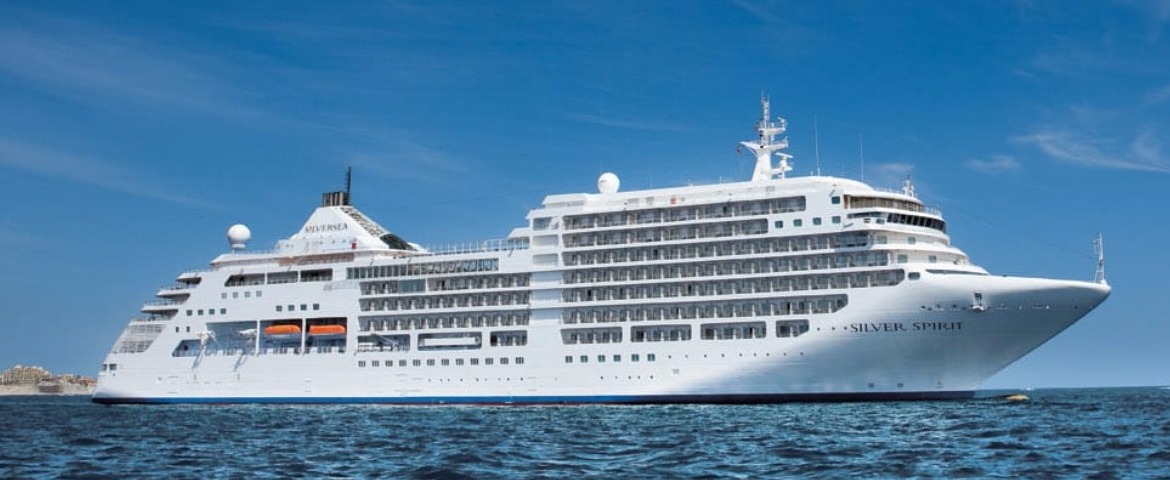
Silver Spirit
8 Cruises

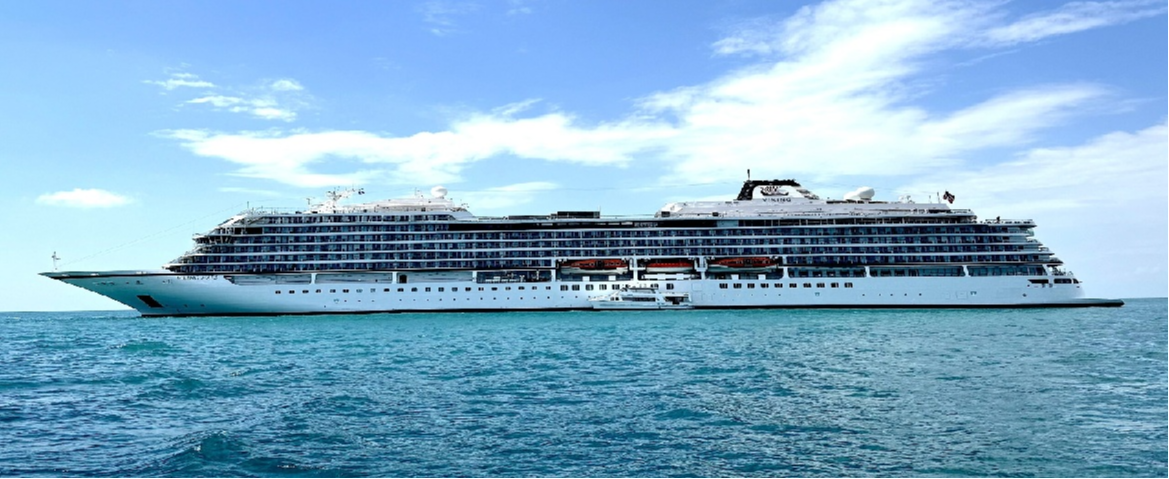
Viking Ocean Cruises (69 Cruises)
Viking Mars
8 Cruises

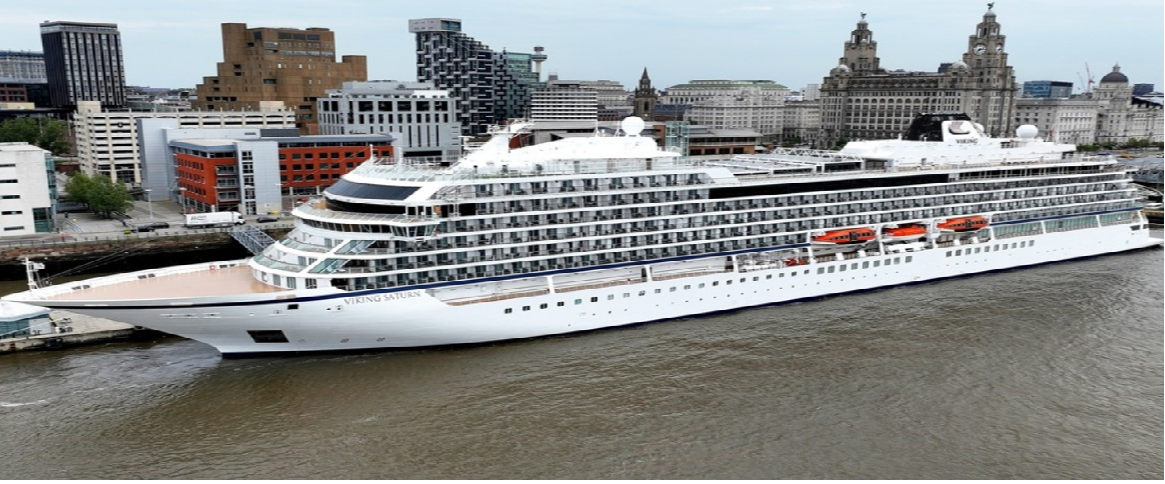
Viking Saturn
12 Cruises
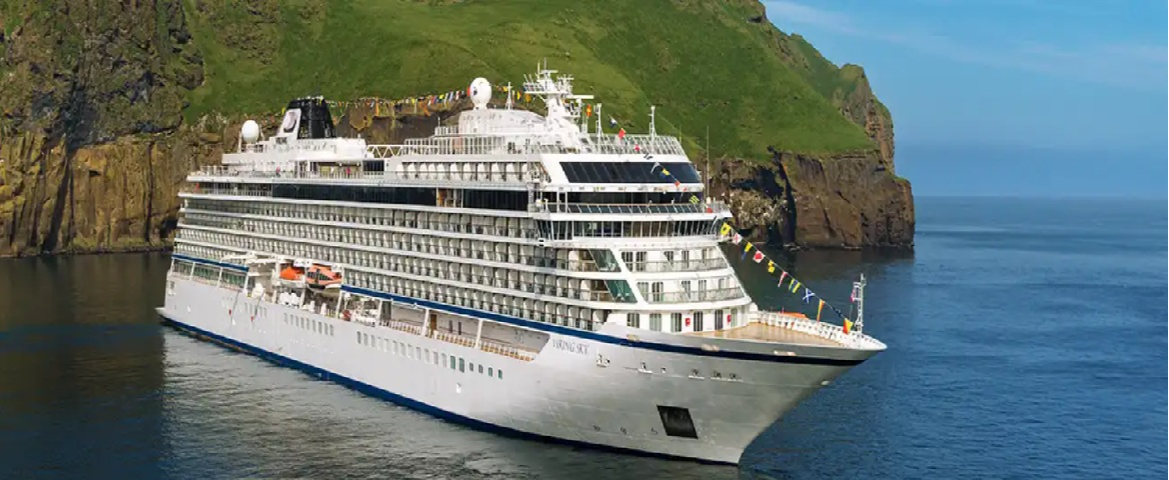
Viking Sky
30 Cruises
| 8 January | 124 days | One-way from Los Angeles to London-Greenwich |
450-628-6241
Call us
|
| 8 January | 152 days | One-way from Los Angeles to Stockholm |
450-628-6241
Call us
|
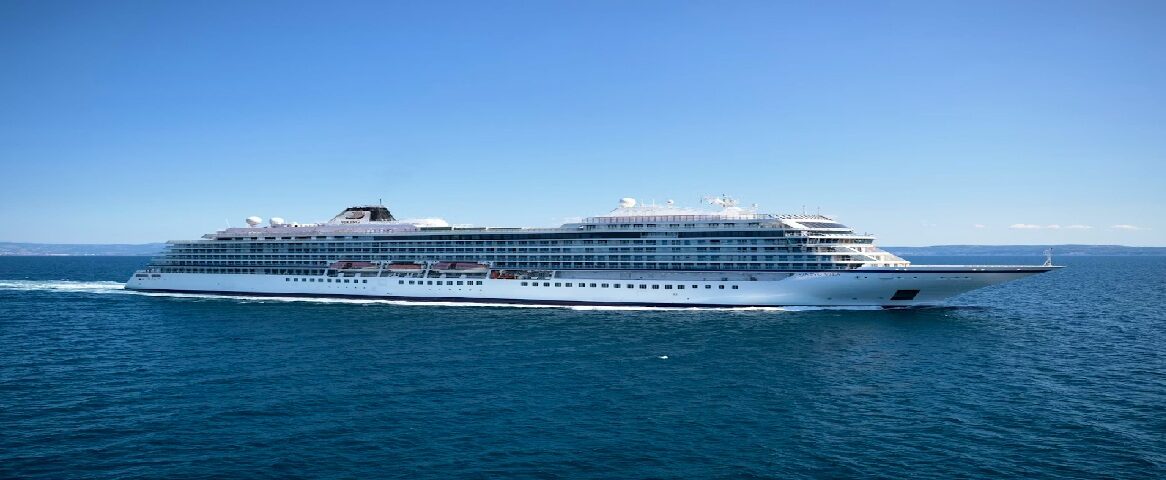
Viking Vela
19 Cruises
| 24 July | 25 days | One-way from Reykjavik to London-Tilbury |
450-628-6241
Call us
|
| 24 July | 24 days | One-way from Reykjavik to London-Greenwich |
450-628-6241
Call us
|
Frequently Asked Questions
At the Western Docks, about 1.5 kilometres from the town centre. Allow 15 to 20 minutes on foot from the first terminal, a little more from the second. Shuttles run on call days between the terminals, the town centre and the castle.
Yes, the walk is manageable: 15 to 30 minutes depending on the terminal, on flat ground along the seafront. The two main attractions, however — the castle and the cliffs — are uphill, and for those the shuttle or a taxi is money well spent.
Dover Castle alone deserves two to three hours, wartime tunnels included. In six hours you can add the redeveloped seafront and the Roman Painted House. Those who prefer the outdoors swap the castle for the white cliffs path, one to two hours there and back.
Eight centuries of defending the Strait, all on one hill. Henry II's great square tower can be visited with its recreated royal chambers, and the grounds hold two far older survivors: a Roman lighthouse among the best preserved in Europe and the Saxon church of St Mary in Castro. A memorial marks Louis Blériot's landing in 1909.
Many passengers call them the highlight of their day. Cut into the chalk in Napoleonic times and enlarged in the twentieth century, these tunnels housed the headquarters from which Operation Dynamo was directed in May 1940, the evacuation of Allied troops from Dunkirk. The guided tour uses projections and archive sound.
Yes. The path starts near the terminal and climbs to the National Trust visitor centre, then runs on across the clifftop meadows. The climb takes some puff. On a clear day you can make out the French coast, and the hardiest carry on to South Foreland lighthouse.
Yes, by train from Dover Priory station, about 30 minutes. Allow a full half day for the cathedral and the medieval centre, and keep a comfortable margin for getting back aboard: this excursion leaves little room for delays.
Yes, above all because of the castle: Henry II's recreated chambers and the underground tunnels hold children's attention better than a conventional museum. The tunnels include narrow, dimly lit passages, worth bearing in mind for very young children or anyone claustrophobic.
Pounds sterling, and English. Cards and contactless payment work everywhere, including for shuttles and train tickets. No French-language service is offered at the heritage sites.
May to September, for the light on the chalk and the long days. The wind off the Strait blows in every season and the cliff path turns slippery after rain, so a windproof layer and sturdy shoes are never wasted.


