Salvador de Bahia Brazil
198
Cruises availables
At departure or passage at this port
Azamara Club Cruises (14 Cruises)
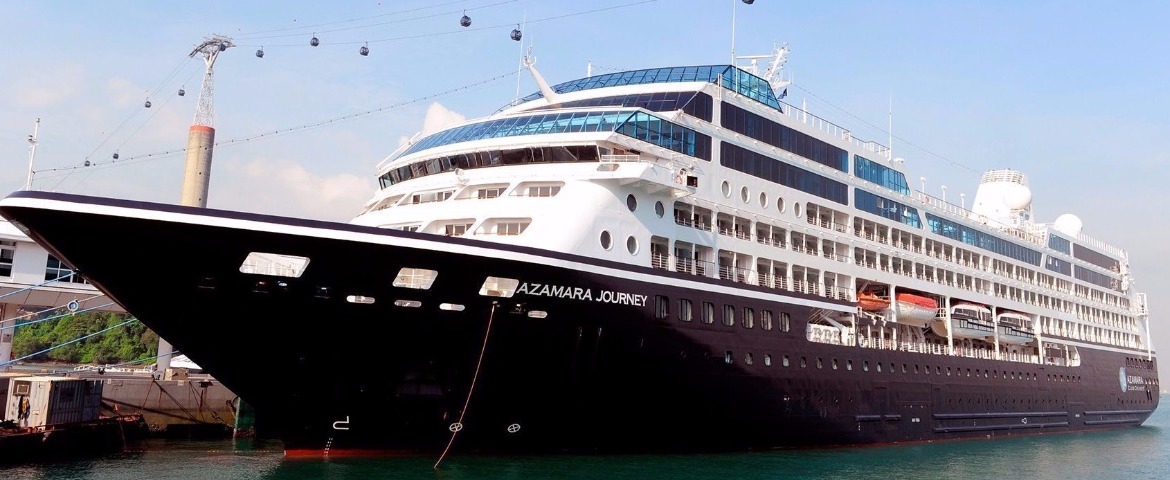
Azamara Journey
4 Cruises

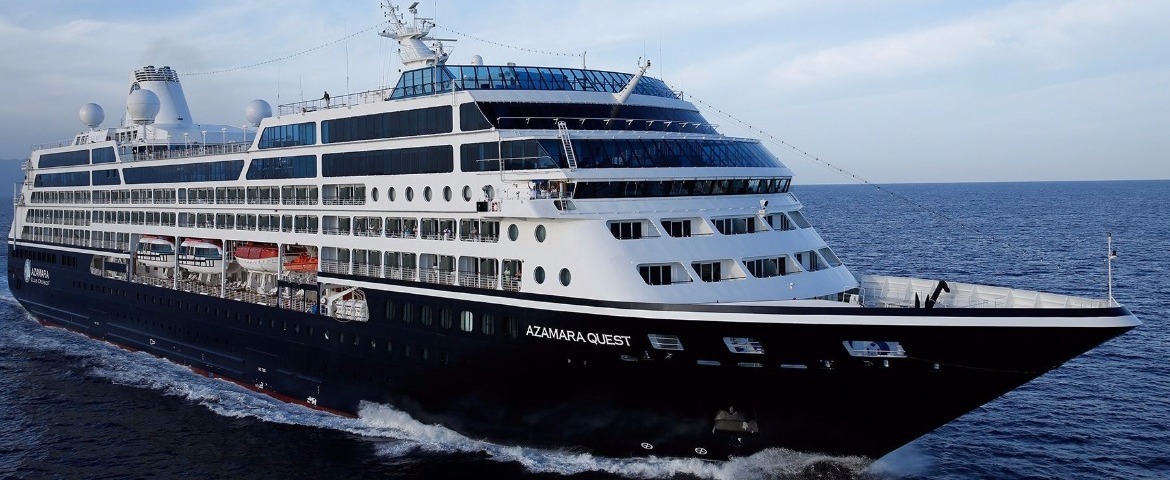
Azamara Quest
10 Cruises
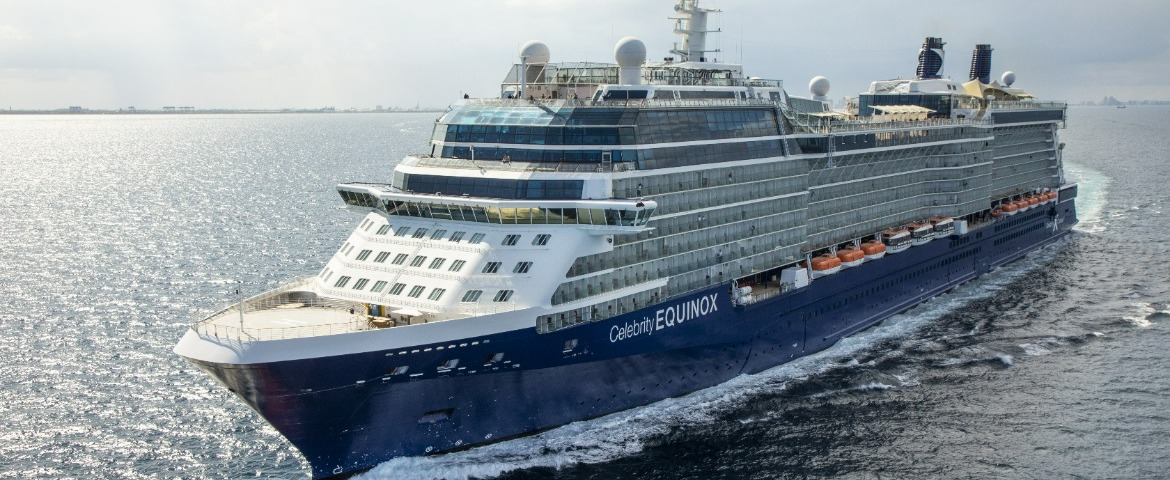
Celebrity Cruises (3 Cruises)
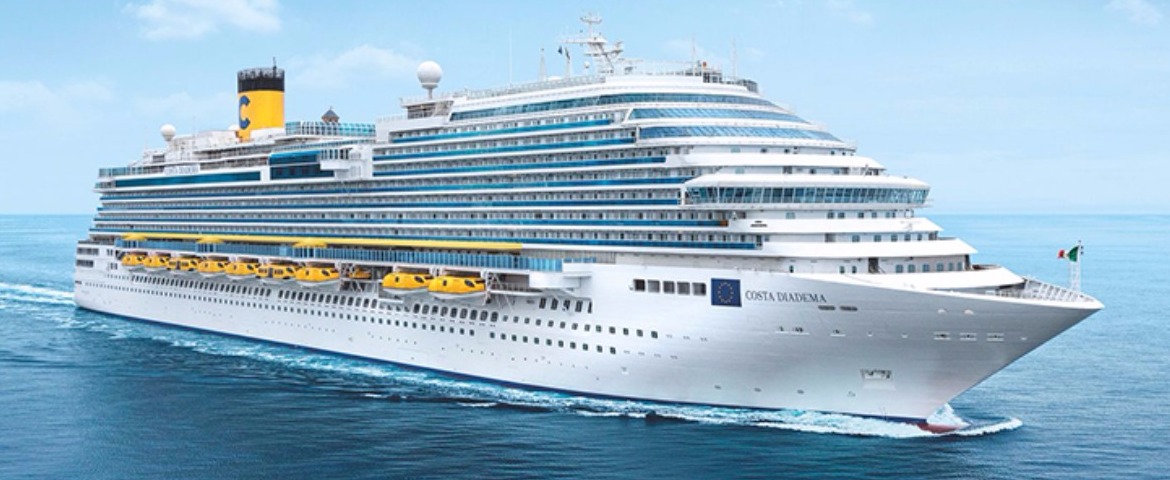
Costa Cruises (9 Cruises)
Costa Diadema
9 Cruises

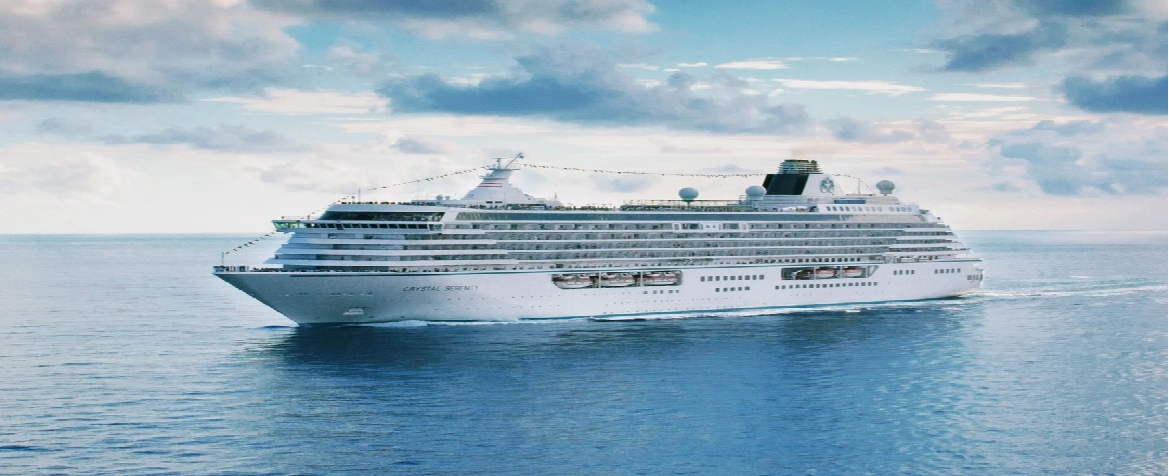
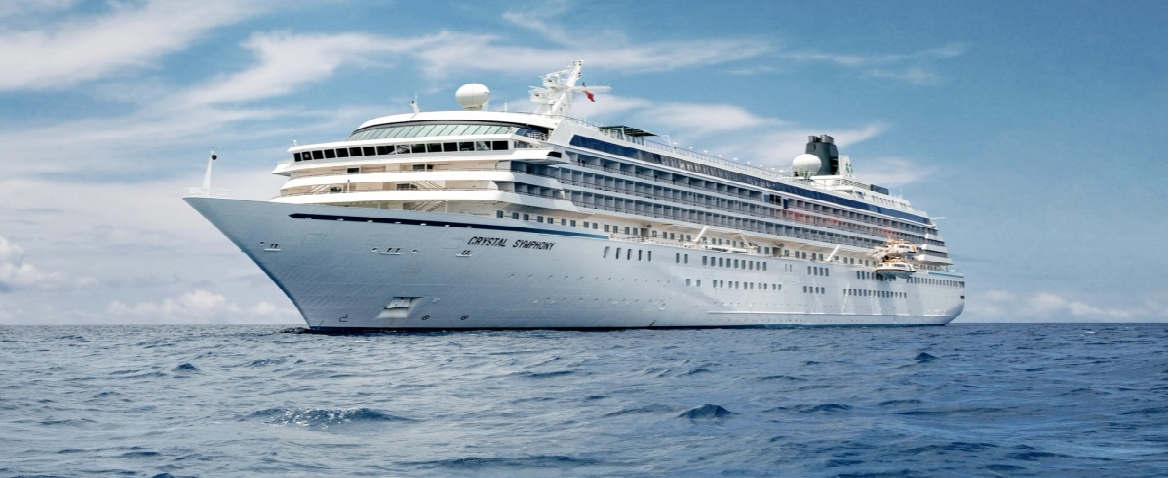
Crystal Cruises (7 Cruises)
Crystal Serenity
4 Cruises

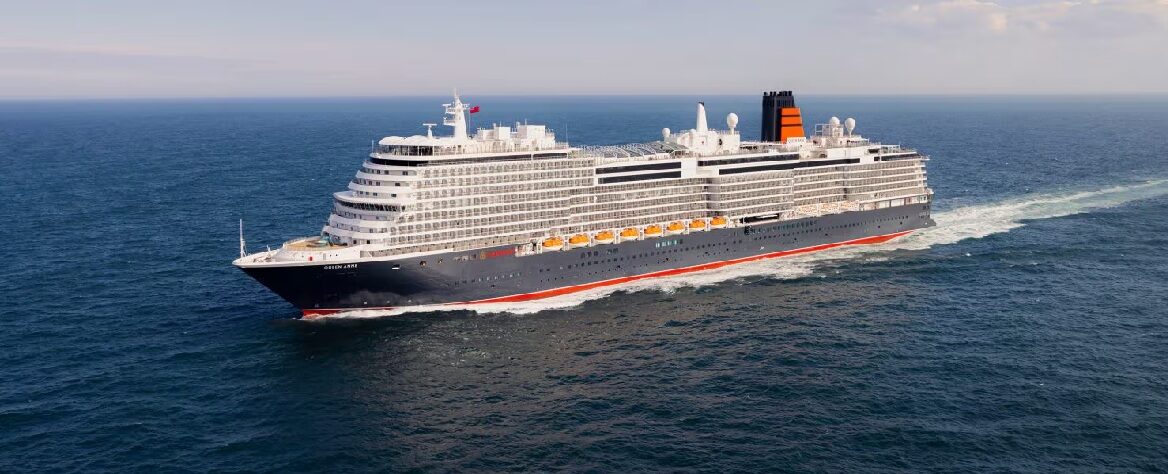
Cunard (7 Cruises)
Queen Anne
7 Cruises

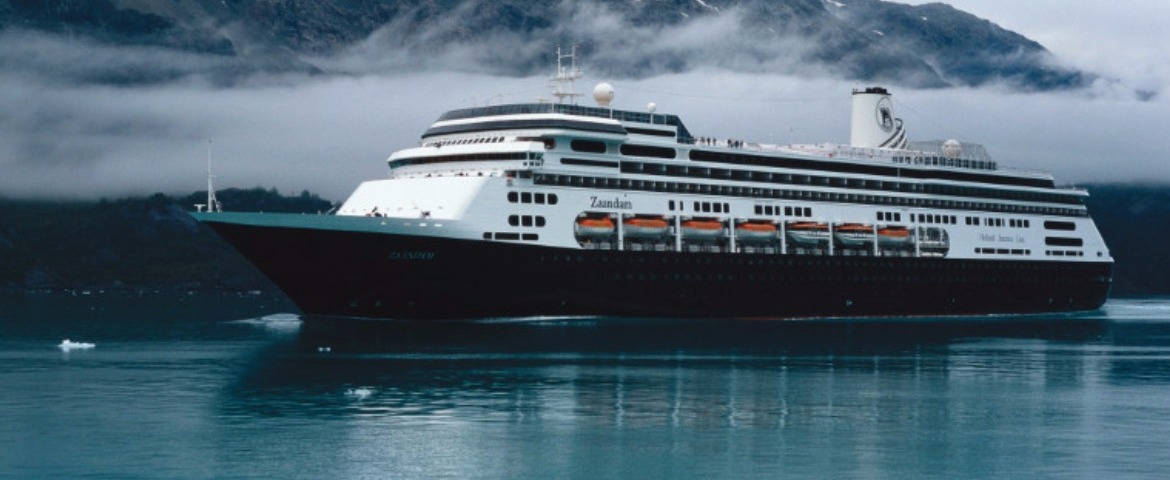
Holland America Line (2 Cruises)

MSC Cruises (114 Cruises)
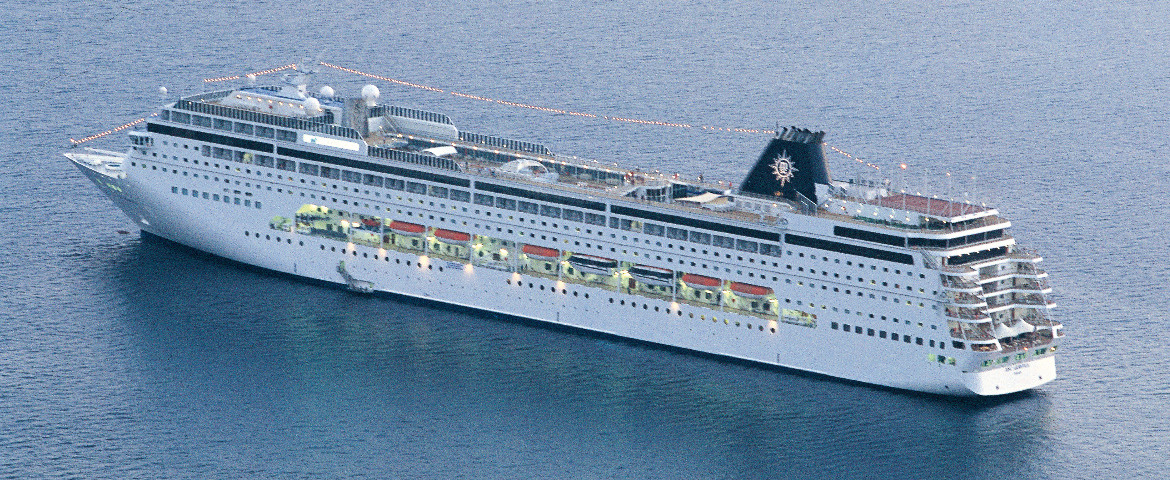
MSC Armonia
6 Cruises

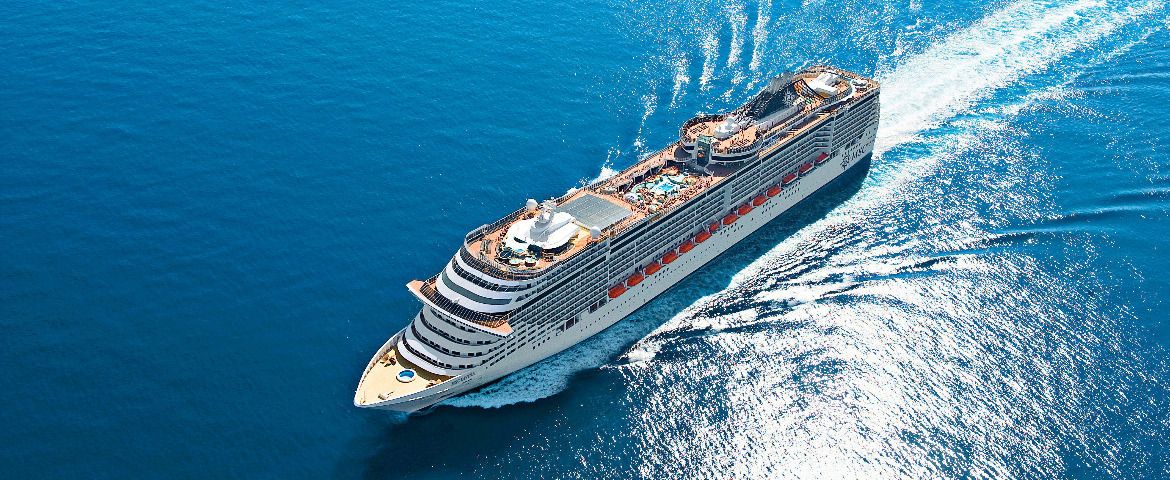
MSC Divina
19 Cruises
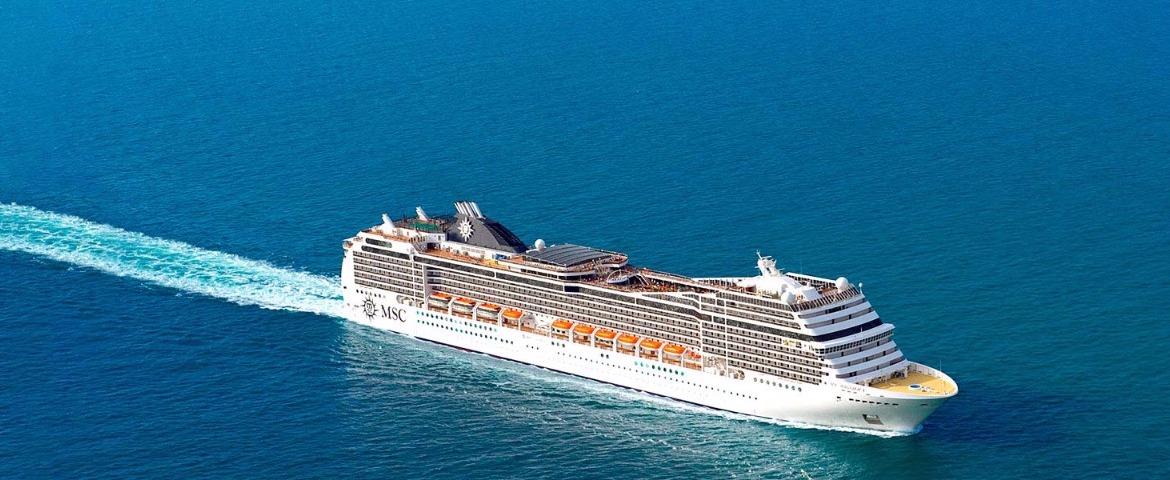
MSC Magnifica
5 Cruises
MSC Musica
9 Cruises
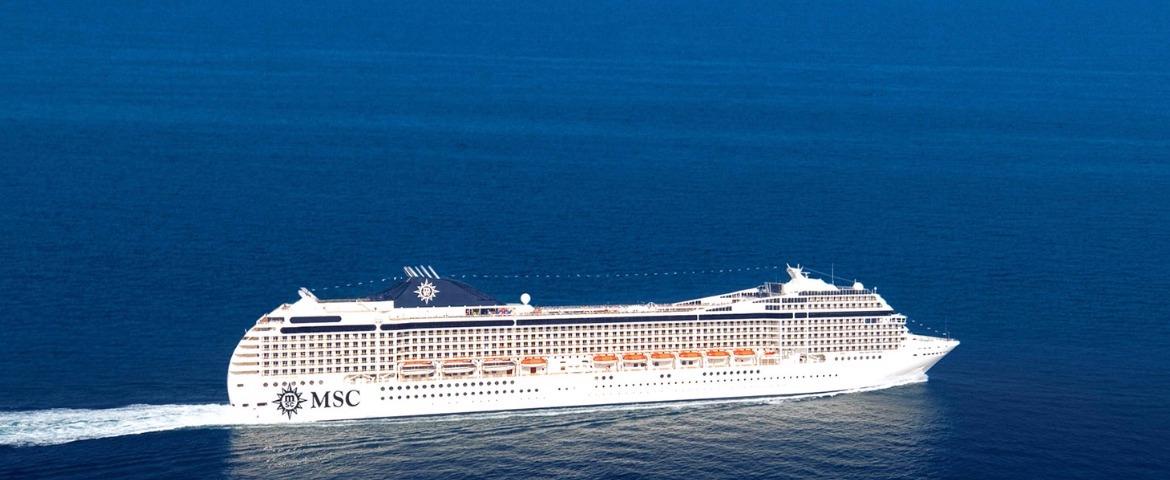
| 31 October | 23 nights | One-way from Civitavecchia-Rome to Santos |
From
4189$
|
| 31 October | 22 nights | One-way from Civitavecchia-Rome to Rio de Janeiro |
From
4563$
|
MSC Splendida
5 Cruises
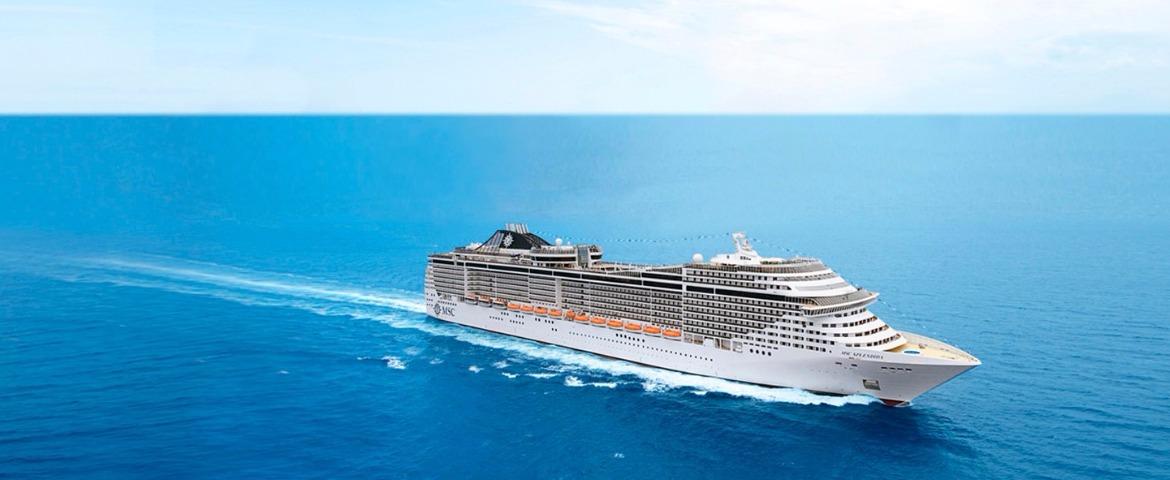
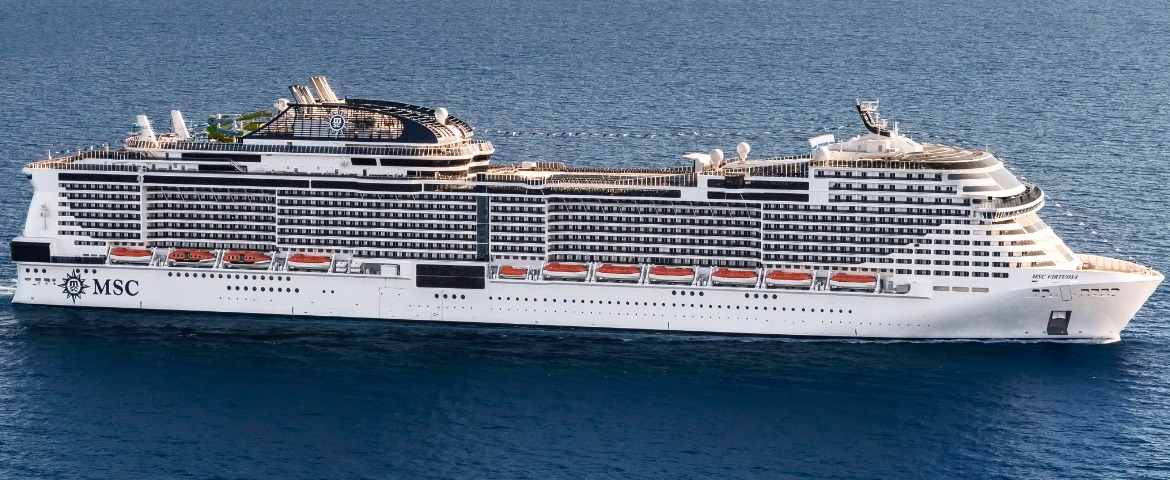
MSC Virtuosa
70 Cruises

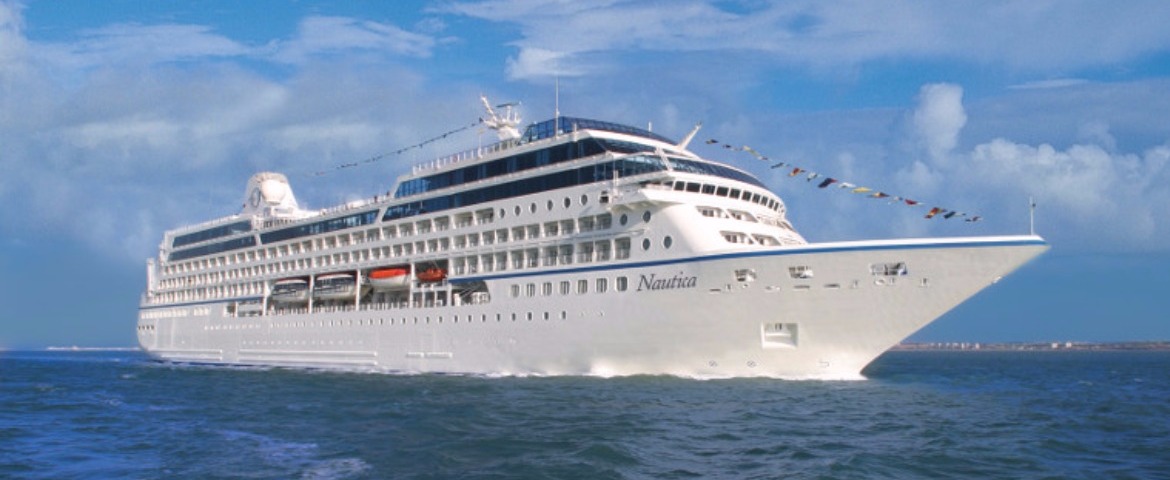
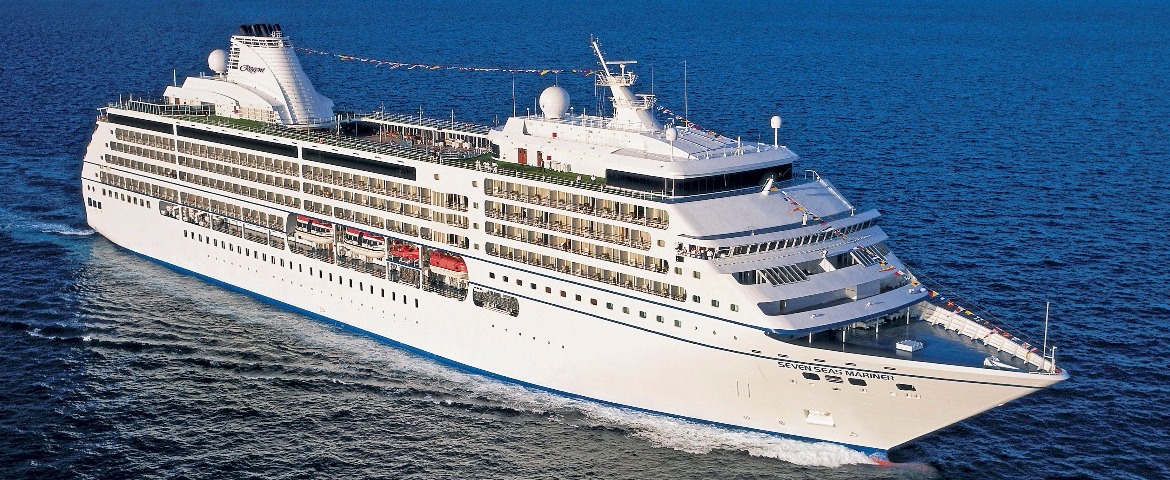

Seabourn Cruise Line (32 Cruises)
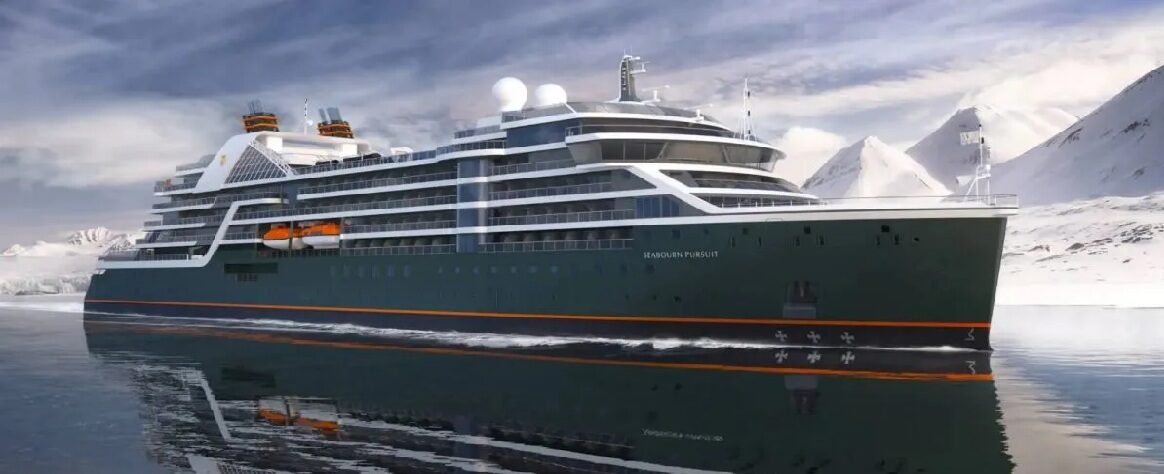

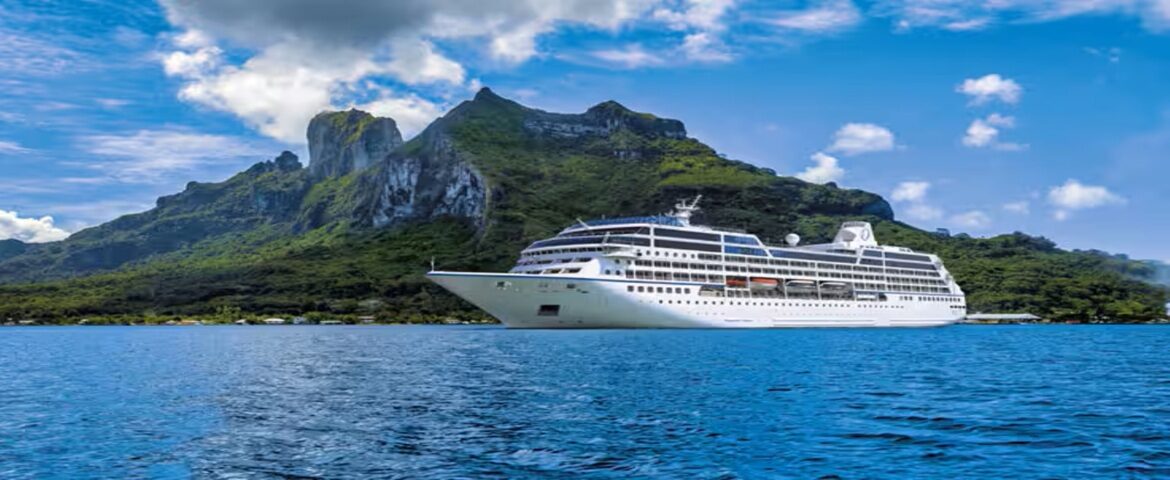
Seabourn Venture
30 Cruises
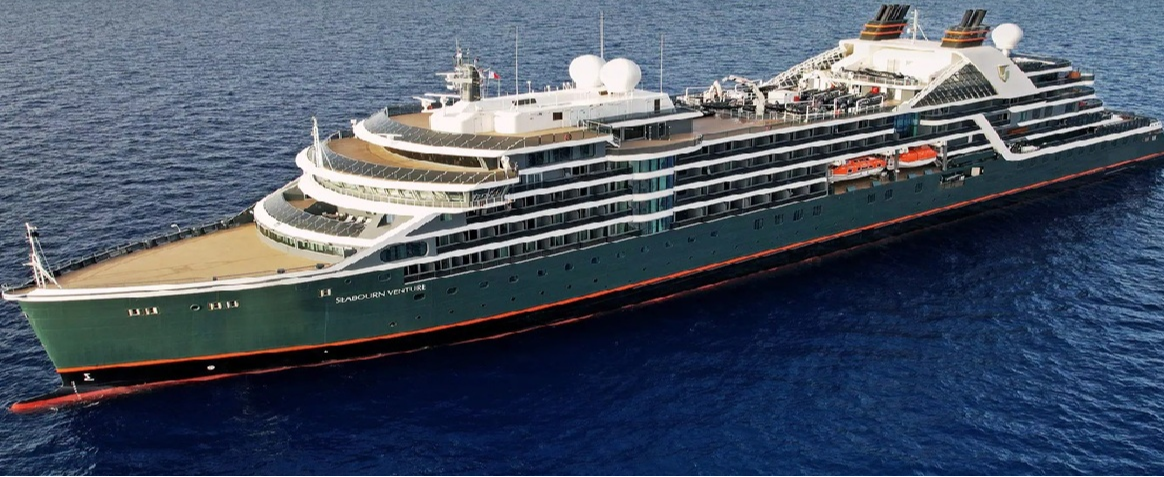
| 17 September | 38 nights | One-way from Kangerlussuaq to Rio de Janeiro |
450-628-6241
Call us
|
| 17 September | 63 nights | One-way from Kangerlussuaq to Ushuaia |
450-628-6241
Call us
|
| 18 September | 63 nights | One-way from Kangerlussuaq to Ushuaia |
450-628-6241
Call us
|
| 18 September | 38 nights | One-way from Kangerlussuaq to Rio de Janeiro |
450-628-6241
Call us
|


Salvador de Bahia, Brazil | Cruise Port Guide
Frequently Asked Questions
At the cruise terminal in the lower town, about a kilometre from the Lacerda elevator. Sidewalks are uneven, so many passengers prefer a short taxi ride or the shuttle to reach that starting point.
Because it climbs a cliff above the Bay of All Saints: the lower town holds business and trade along the docks, the upper town the churches and palaces. The Lacerda elevator links the two in seconds.
An art deco landmark set at the cliff edge, running from the port to the upper town for a token fare. At the top, the cabin opens onto one of Brazil's most famous urban views: the bay, the Mercado Modelo and the red roofs below.
The Lacerda elevator, the Pelourinho and the São Francisco church form a coherent walking route through the upper town, with a descent to the Mercado Modelo. That is a full half day already.
Salvador's UNESCO-listed historic centre: pink, turquoise and saffron colonial facades tumbling down sloped cobbles toward squares where percussion rehearsals and capoeira demonstrations ring out. The district also carries the memory of its name, the whipping post where captives were punished.
One of the most lavish religious interiors in the Americas, behind a relatively plain facade: gold-leafed woodwork from the altars to the ceilings, and a cloister lined with blue and white Portuguese azulejos. Local guides state plainly that this colonial opulence was built on enslaved labour.
A black-eyed pea fritter fried in palm oil and filled with shrimp, sold by baianas in white dresses in front of the Mercado Modelo and on the squares of the historic district. You choose it mild or hot depending on your nerve: it is Salvador in one bite.
Lace, percussion instruments, figa good-luck charms and local cachaça, spread across dozens of craft stalls. The building sits in the lower town, on the way back to the ship.
Wander in a small group and without visible valuables, particularly in the lanes of the Pelourinho. It is the usual caution for large Brazilian cities, and it need not keep you from enjoying the district by day.
The Barra lighthouse, a black and white striped sentinel at the tip of the peninsula, whose small nautical museum overlooks the Atlantic. The taxi ride follows the corniche and its lively city beaches, another face of the city.


