Shanghai China
232
Cruises availables
At departure or passage at this port
Avalon Waterways (14 Cruises)
Century Legend
14 Cruises
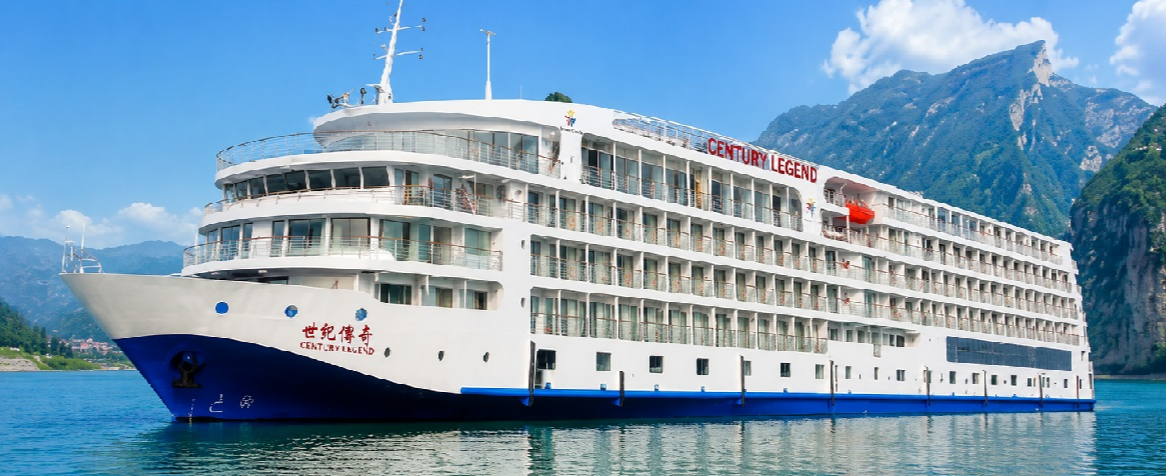

| 14 May | 15 nights | One-way from Basel to Shanghai |
450-628-6241
Call us
|
| 15 May | 15 days | One-way from Basel to Shanghai |
450-628-6241
Call us
|
| 4 June | 15 nights | One-way from Basel to Shanghai |
450-628-6241
Call us
|
| 5 June | 15 days | One-way from Basel to Shanghai |
450-628-6241
Call us
|
| 10 September | 15 nights | One-way from Basel to Shanghai |
450-628-6241
Call us
|
| 11 September | 15 days | One-way from Basel to Shanghai |
450-628-6241
Call us
|
Azamara Club Cruises (29 Cruises)
Azamara Pursuit
24 Cruises
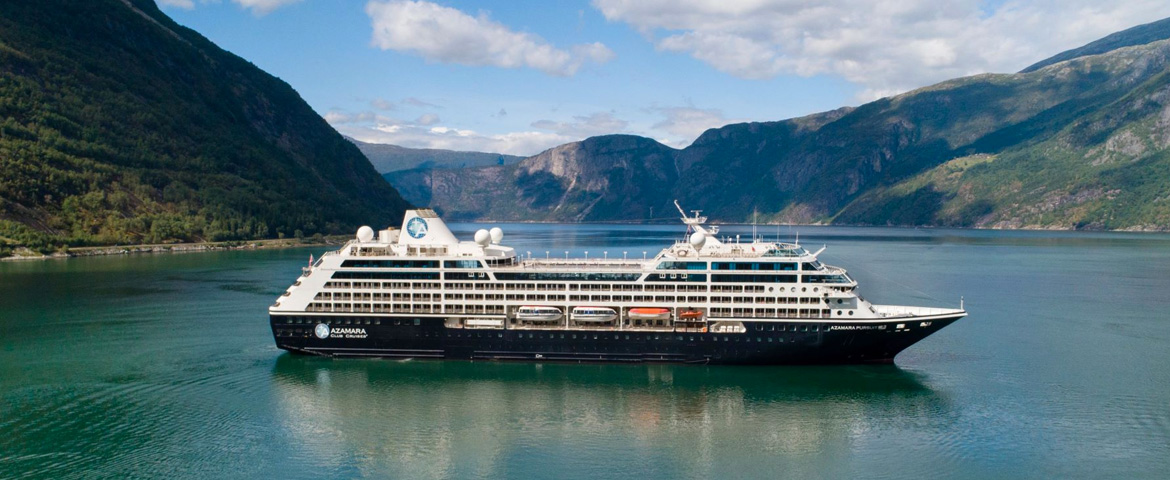

| 12 May | 23 nights | One-way from Yokohama to Hong Kong |
450-628-6241
Call us
|
| 24 May | 11 nights | One-way from Incheon to Hong Kong |
450-628-6241
Call us
|
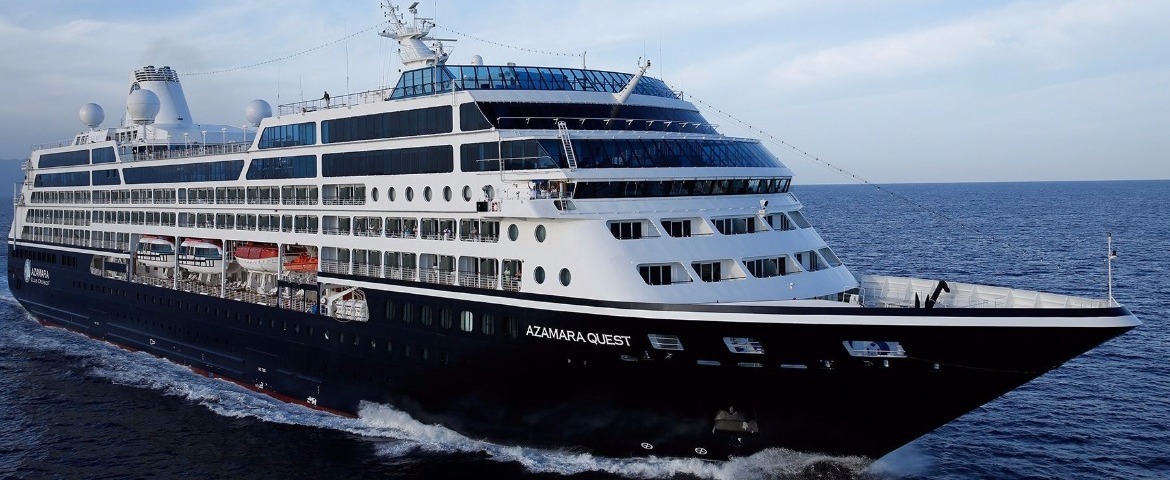
Crystal Cruises (3 Cruises)


Explora Journeys (13 Cruises)
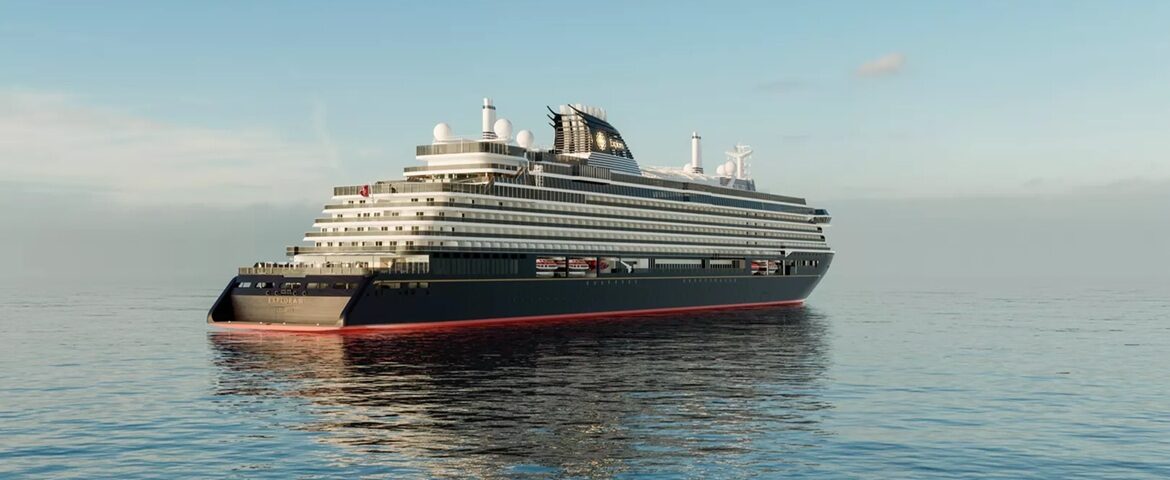
Explora III
13 Cruises

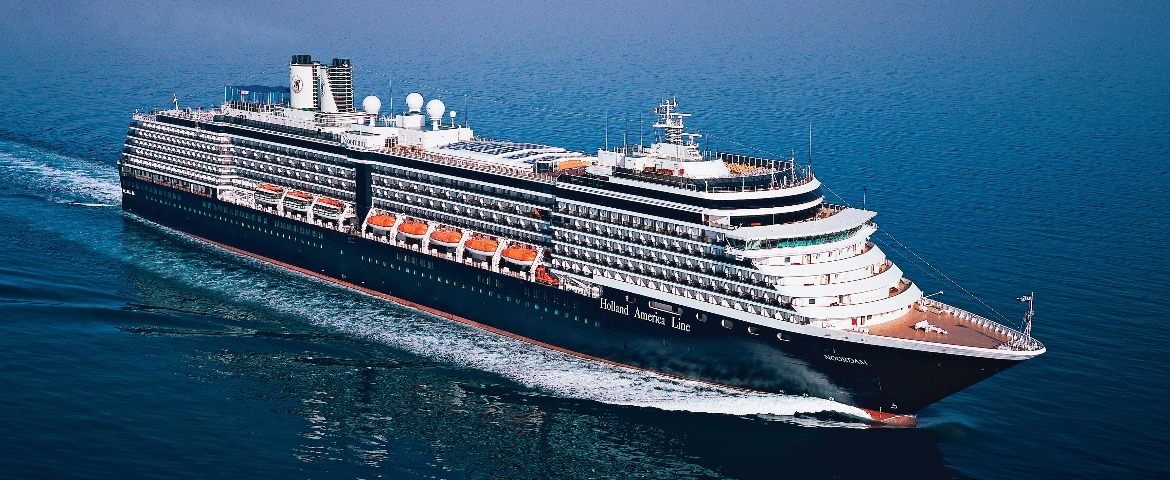
Holland America Line (6 Cruises)

MSC Cruises (32 Cruises)
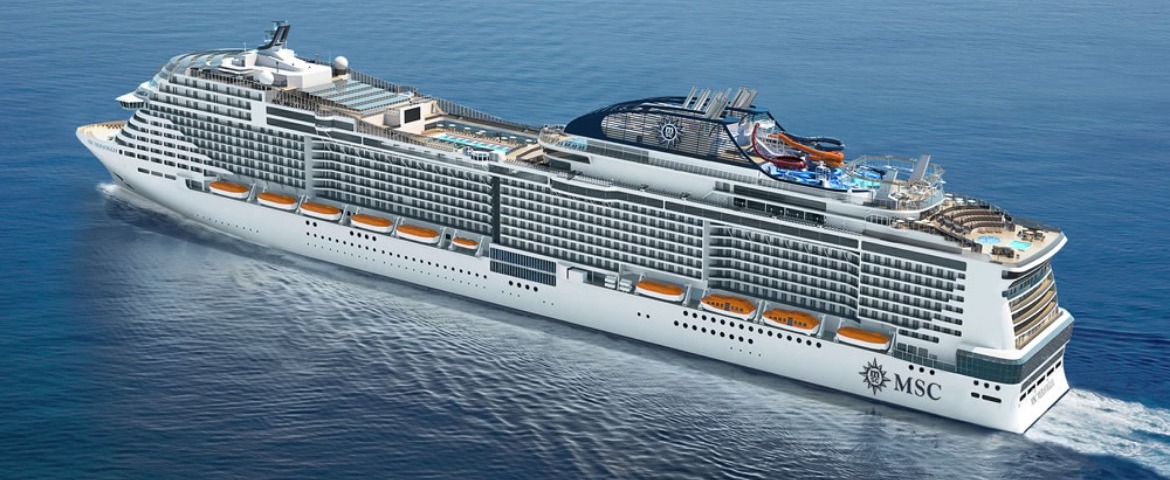
MSC Bellissima
32 Cruises

| 1 March | 4 nights | Round-trip from Shanghai, China |
From
637$
|
| 5 March | 4 nights | Round-trip from Shanghai, China |
From
960$
|
| 23 March | 4 days | One-way from Shanghai to Tokyo |
450-628-6241
Call us
|
Oceania Cruises (12 Cruises)
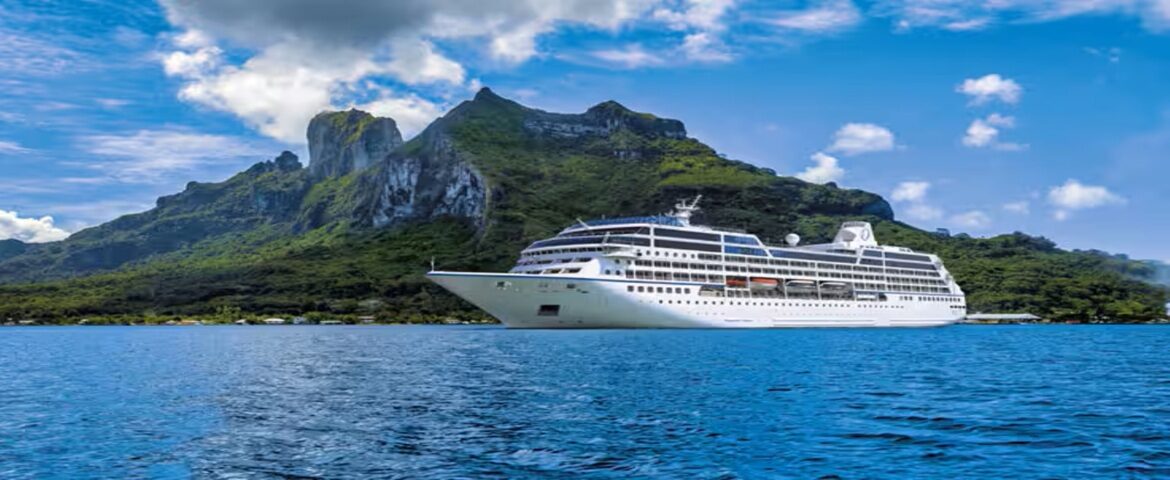

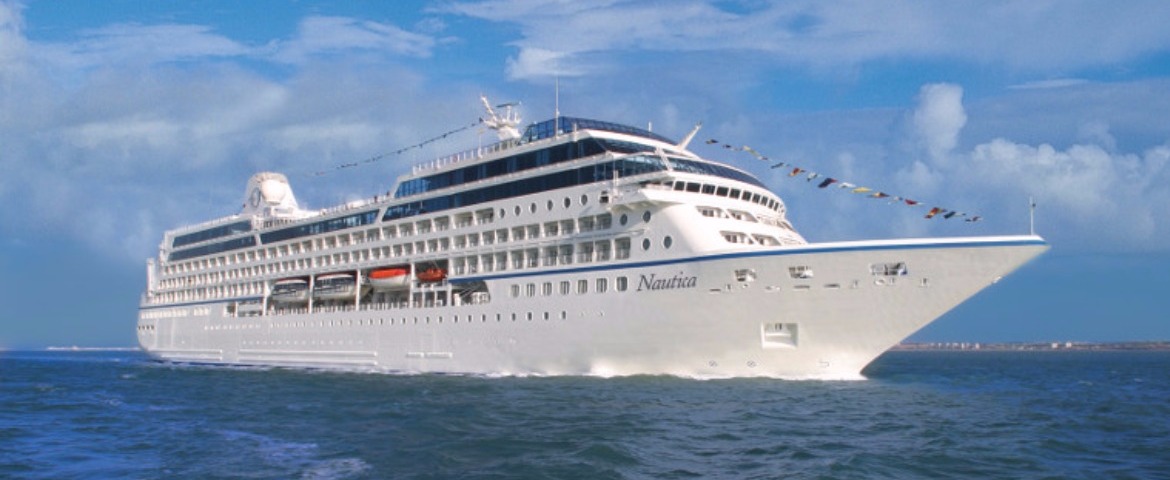
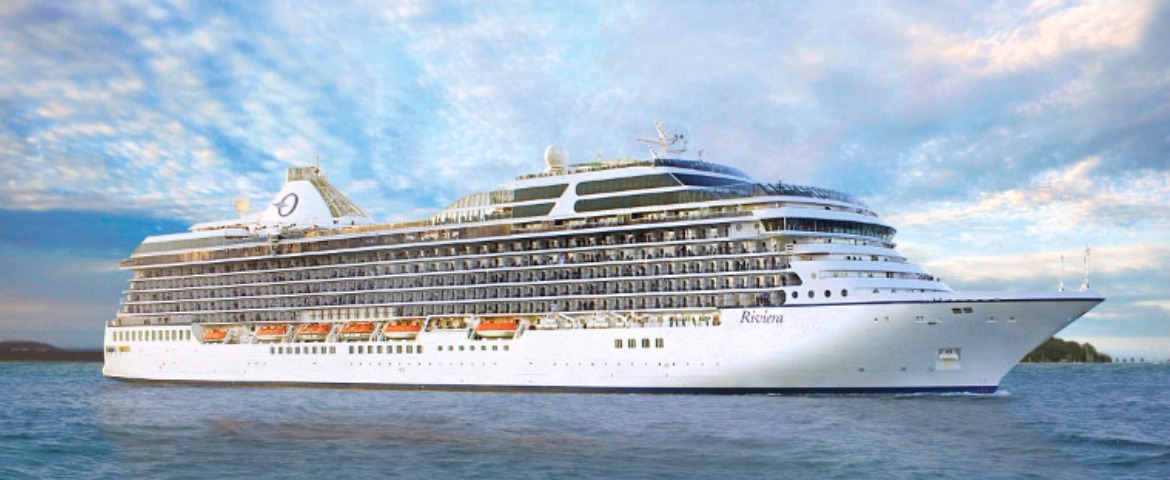
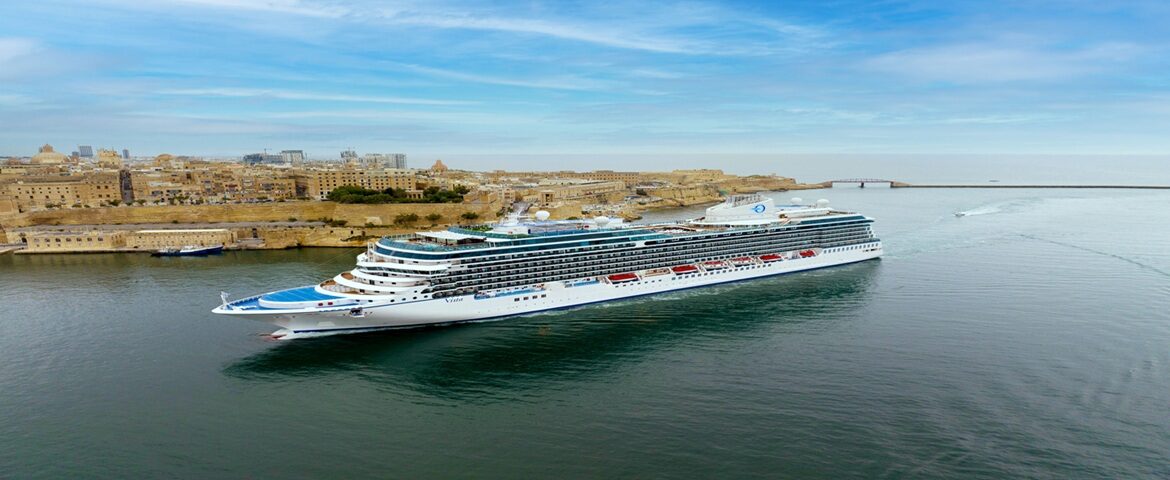
Oceania Vista
6 Cruises
| 6 January | 244 days | One-way from Miami to New York |
450-628-6241
Call us
|
| 6 January | 180 days | One-way from Miami to Southampton |
450-628-6241
Call us
|
Ponant (4 Cruises)


Regent Seven Seas Cruises (18 Cruises)
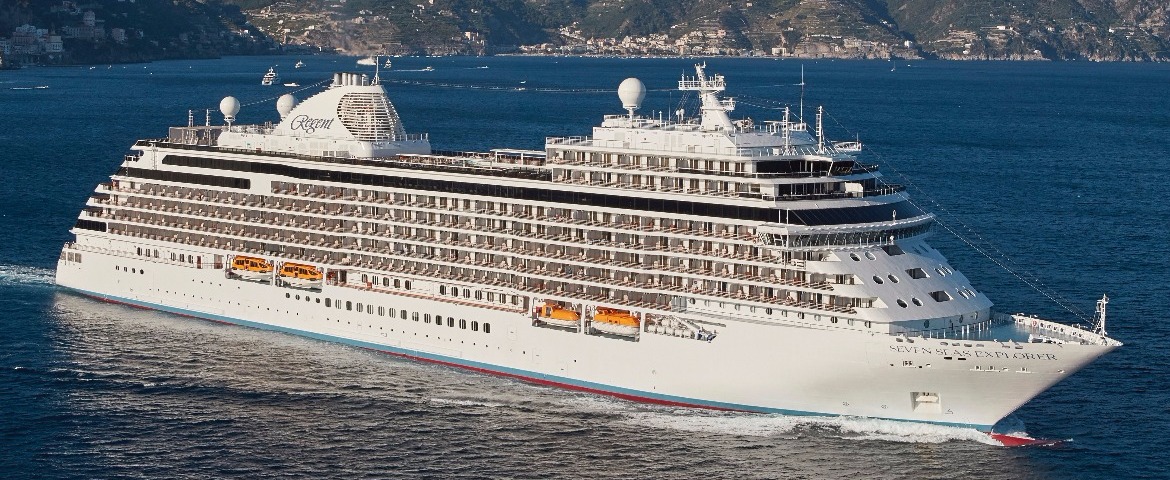
Seven Seas Explorer
7 Cruises

Seven Seas Splendor
11 Cruises
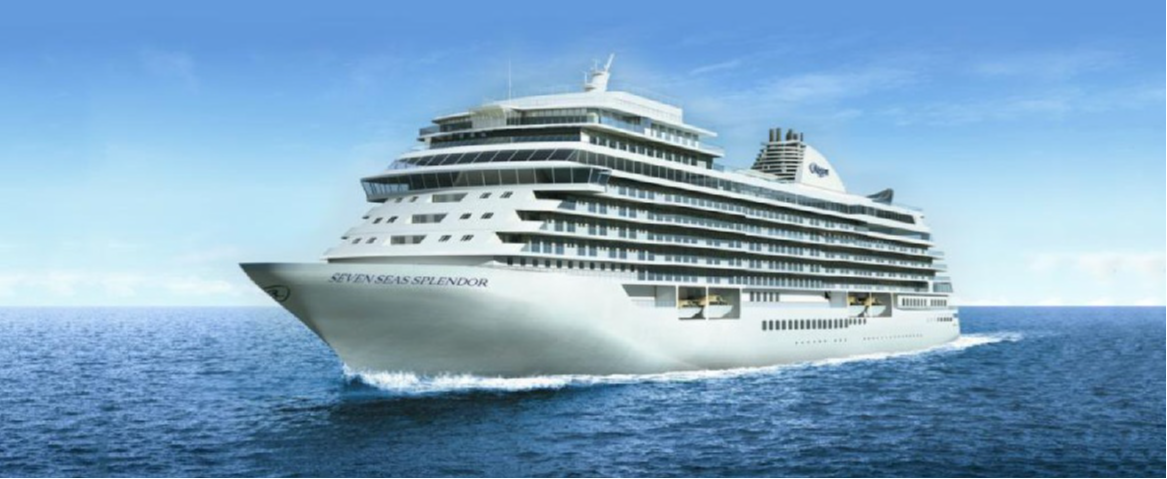
| 6 January | 132 nights | Round-trip from San Francisco, USA |
450-628-6241
Call us
|
| 6 January | 139 nights | One-way from San Francisco to Vancouver |
450-628-6241
Call us
|
Royal Caribbean Cruises (79 Cruises)
Spectrum of the Seas
79 Cruises


| 24 January | 4 nights | One-way from Hong Kong to Shanghai |
From
736$
|
| 28 January | 4 nights | Round-trip from Shanghai, China |
From
936$
|
Seabourn Cruise Line (11 Cruises)
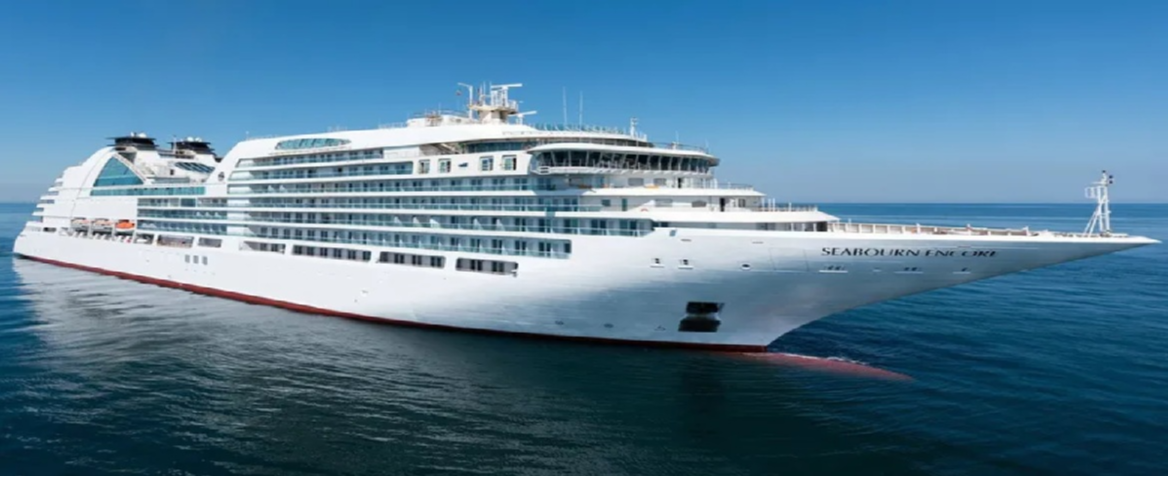
Seabourn Encore
11 Cruises



Shanghai, China | Cruise Port Guide
Frequently Asked Questions
It depends on her size. Most large ships berth at the Wusongkou international terminal in Baoshan district, about 23 km north of the urban core. Smaller ships come up the Huangpu to the North Bund terminal, minutes from the main promenades.
About 40 minutes by car, longer at peak hours and far longer by public transport. Checking your berth changes the whole plan: from Wusongkou, shuttles and organised excursions are the safest option.
From the North Bund, everything is walkable or a short taxi away: the historic waterfront, Yu Garden and Nanjing Road. From Wusongkou, take a shuttle or excursion into the city and keep a generous margin for the return.
Shanghai's most famous promenade, on the west bank of the Huangpu, lined with the stone façades of former banks and trading houses from the concession era. Across the water, Pudong lines up its towers of steel and glass. The contrast sums up the whole city.
Early morning, to see locals practising tai chi among the old lampposts, or evening, when the lighting turns the embankments into an open-air stage. Either way, walk the full length of the waterfront.
Rockeries, carp pools and pavilions with upswept roofs, laid out in the Ming era. Zigzag galleries, traditionally designed to confuse evil spirits, lead from courtyard to courtyard among ginkgos and peonies. The old town bazaar surrounds it.
In the old town bazaar around Yu Garden: the queue in front of a steamed-dumpling stall is usually the reliable sign. The wait, often shared with neighbourhood families, is well worth it.
The yuan. Mobile payment dominates, even for small purchases, but it assumes a local account: keep small notes in cash, as foreign cards are accepted only in larger establishments.
Yes, but choose carefully. Yu Garden and the bazaar entertain children, and so does the Bund promenade. Avoid cramming three districts into one day: the distances and traffic wear young travellers out fast.
Spring and autumn, March to May and September to November. Summer is hot, muggy and stormy; winter stays grey and damp, with a penetrating chill along the river.


