Saint-Tropez France Riviera
161
Cruises availables
At departure or passage at this port
Atlas Ocean Voyages (6 Cruises)



Crystal Cruises (3 Cruises)



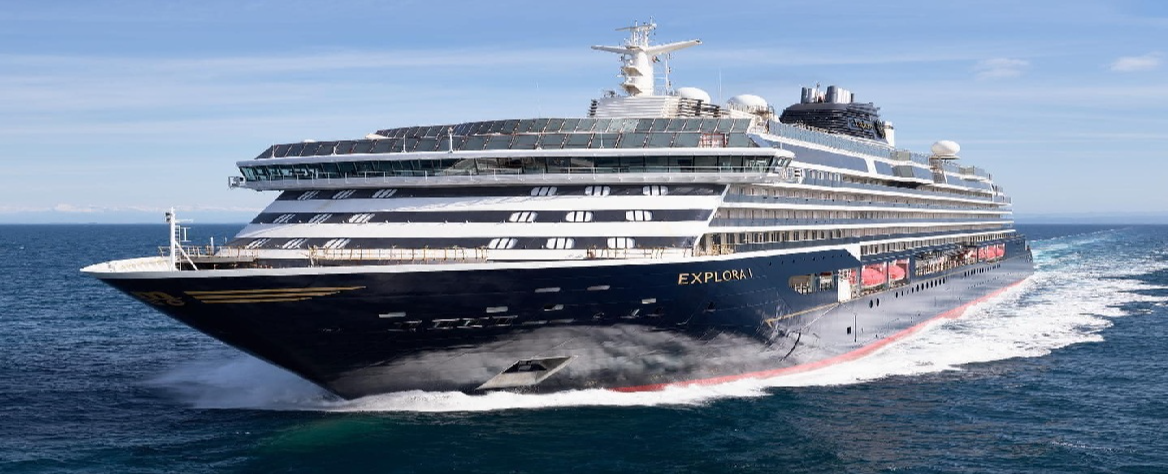
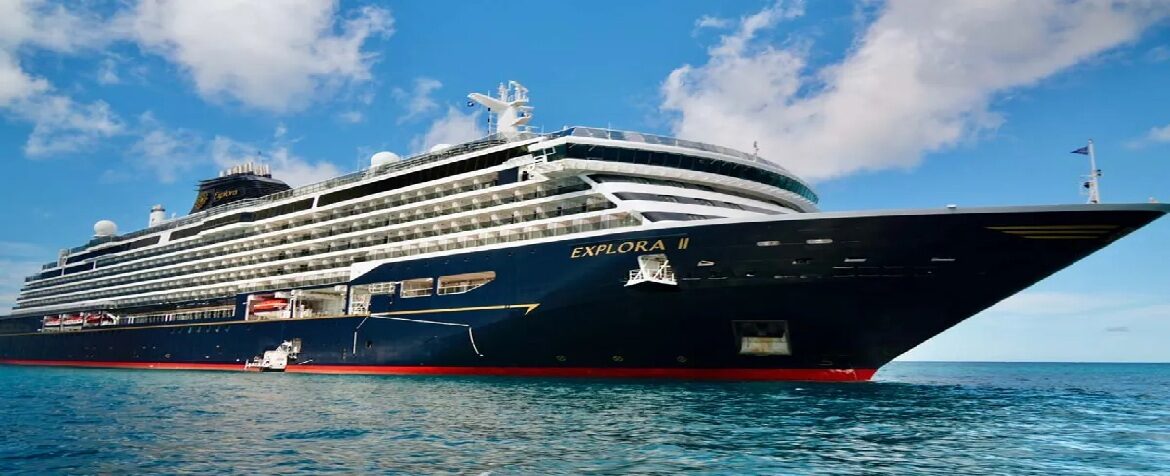
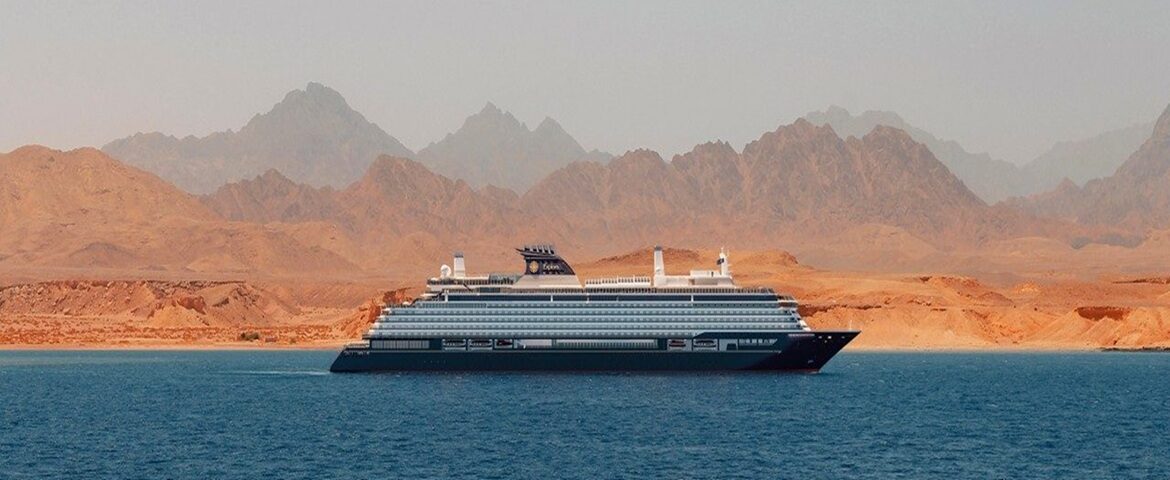
Explora Journeys (20 Cruises)
Explora I
16 Cruises

Oceania Cruises (24 Cruises)
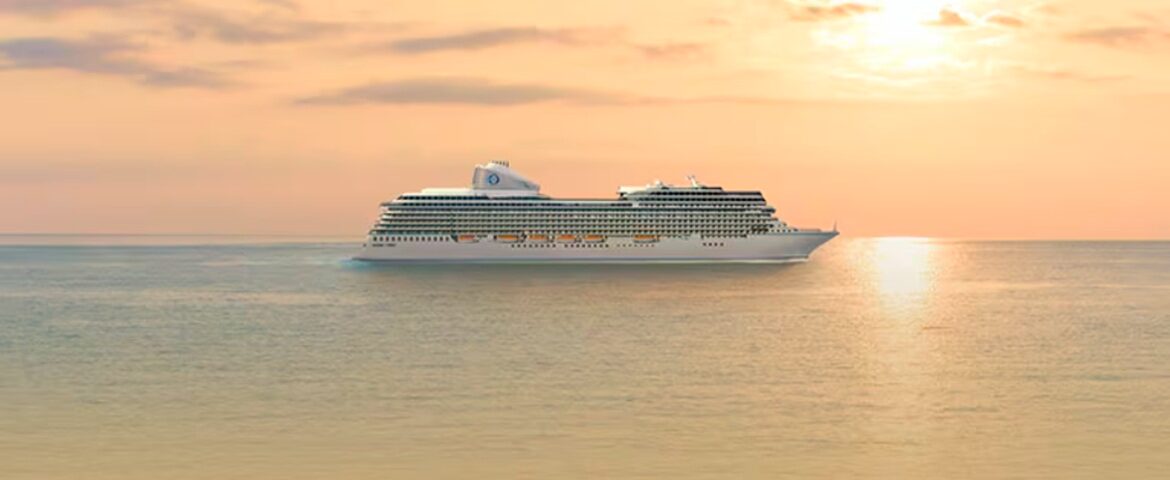

Oceania Aurelia
5 Cruises
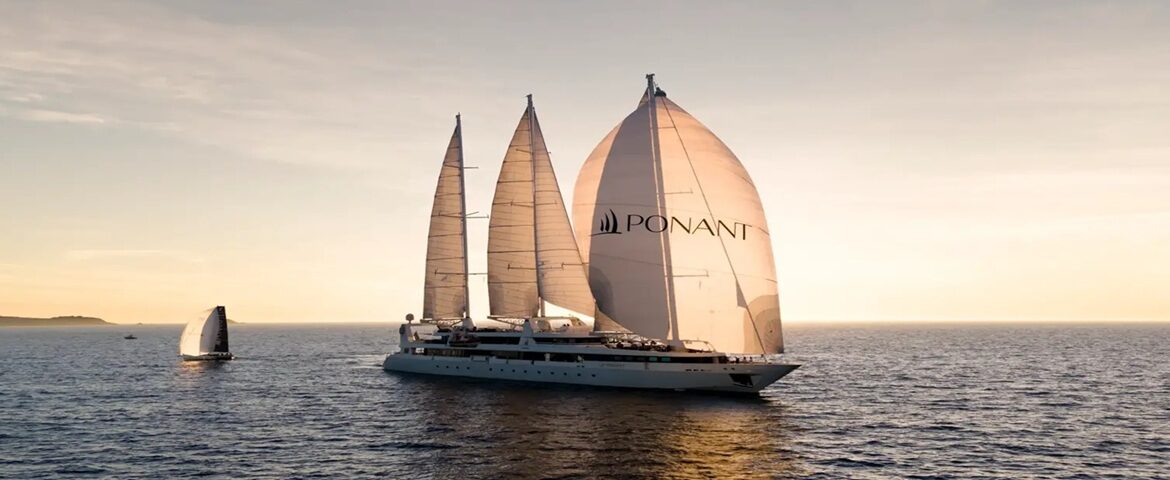
Ponant (3 Cruises)

Regent Seven Seas Cruises (17 Cruises)
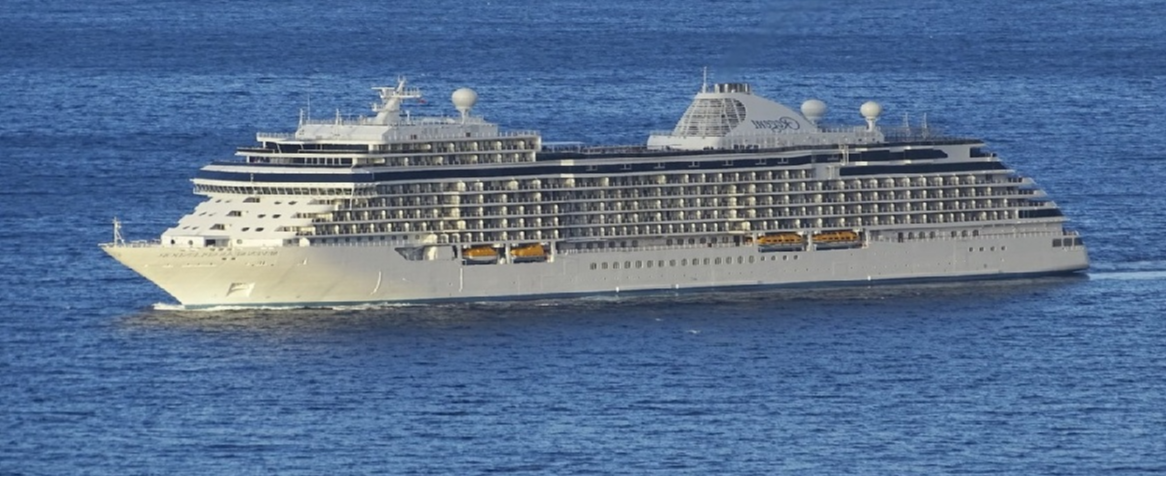
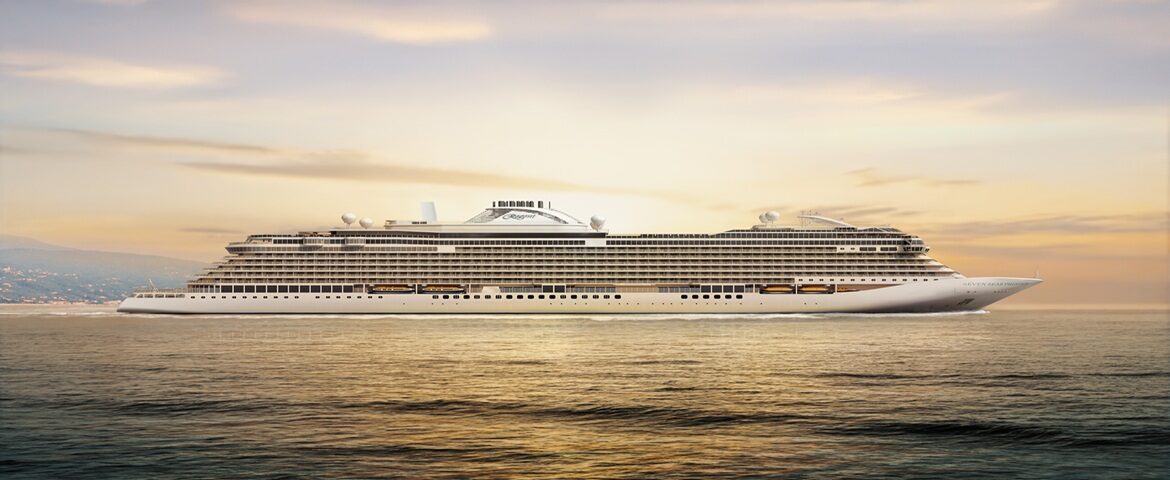
Seven Seas Grandeur
10 Cruises

| 7 June | 7 nights | One-way from Barcelona to Civitavecchia-Rome |
450-628-6241
Call us
|
| 7 June | 14 nights | One-way from Barcelona to Venice |
450-628-6241
Call us
|



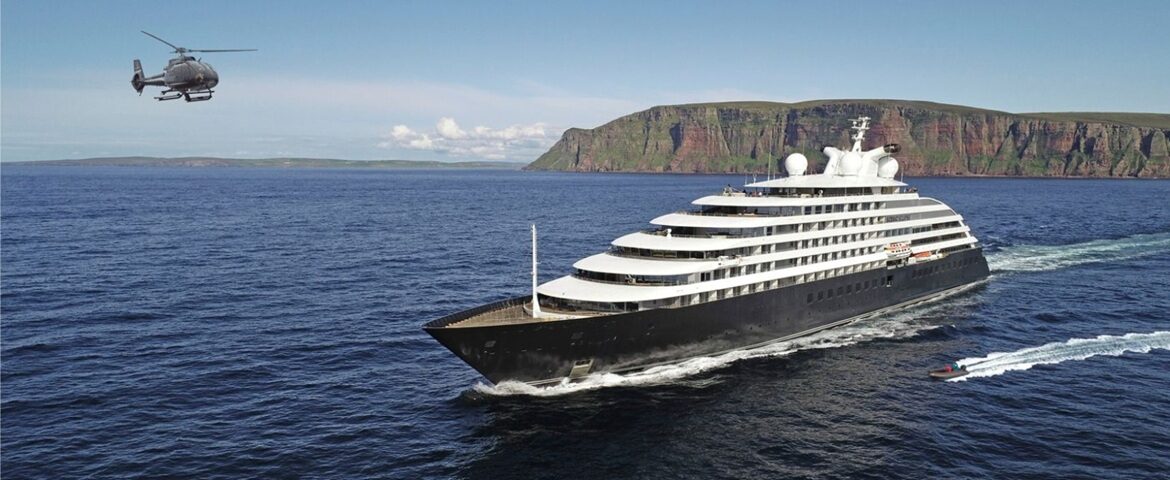
Seabourn Cruise Line (25 Cruises)
Seabourn Ovation
20 Cruises
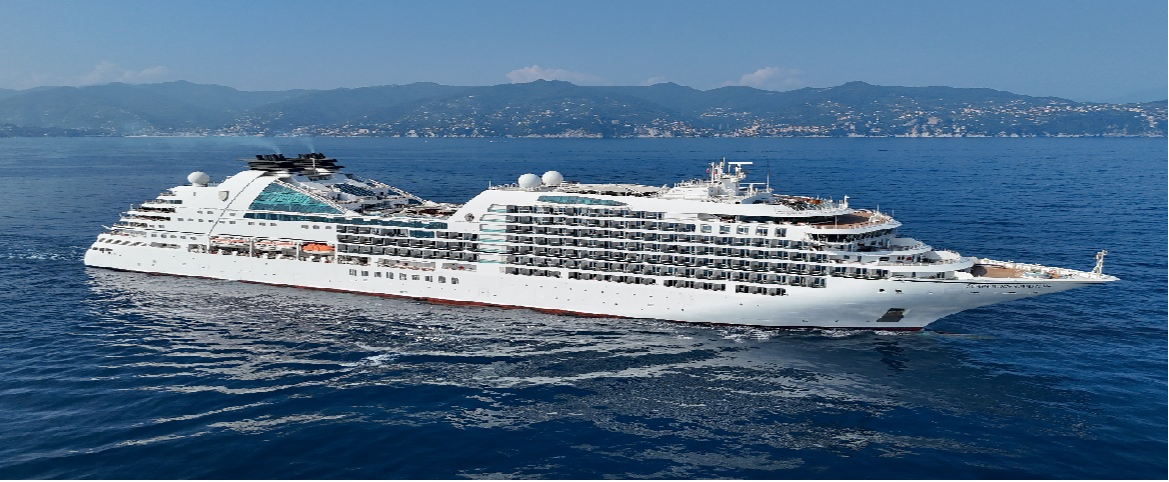

Seabourn Pursuit
5 Cruises
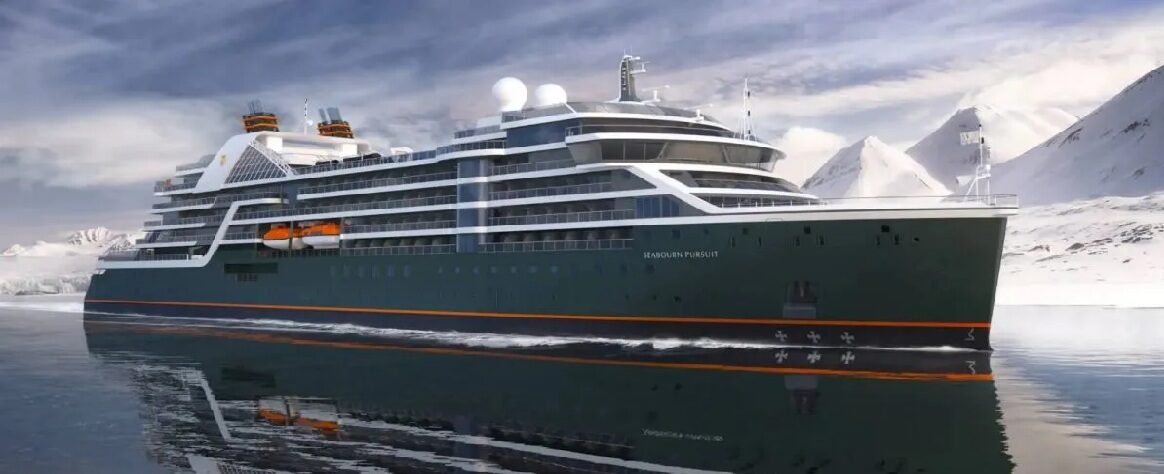
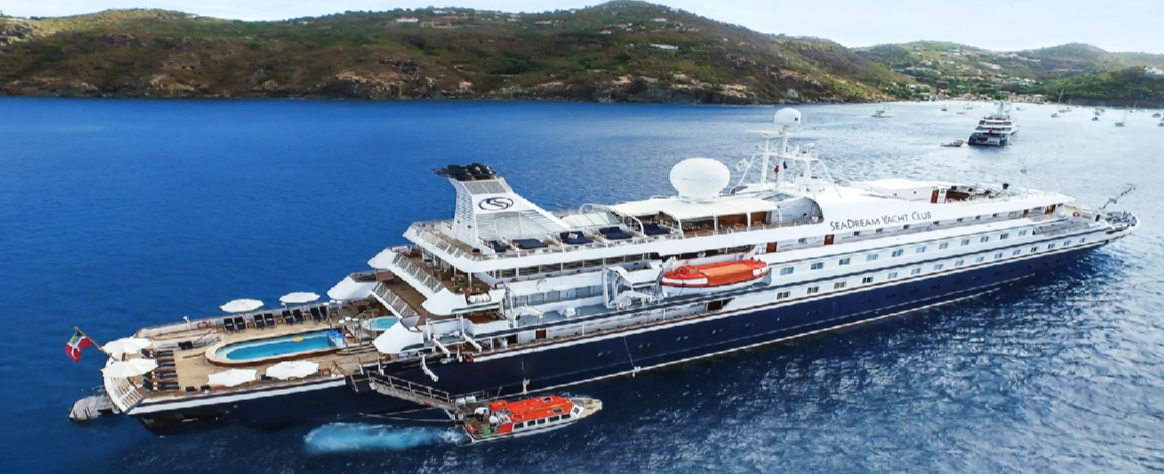
SeaDream Yacht Club (11 Cruises)
Seadream I
4 Cruises
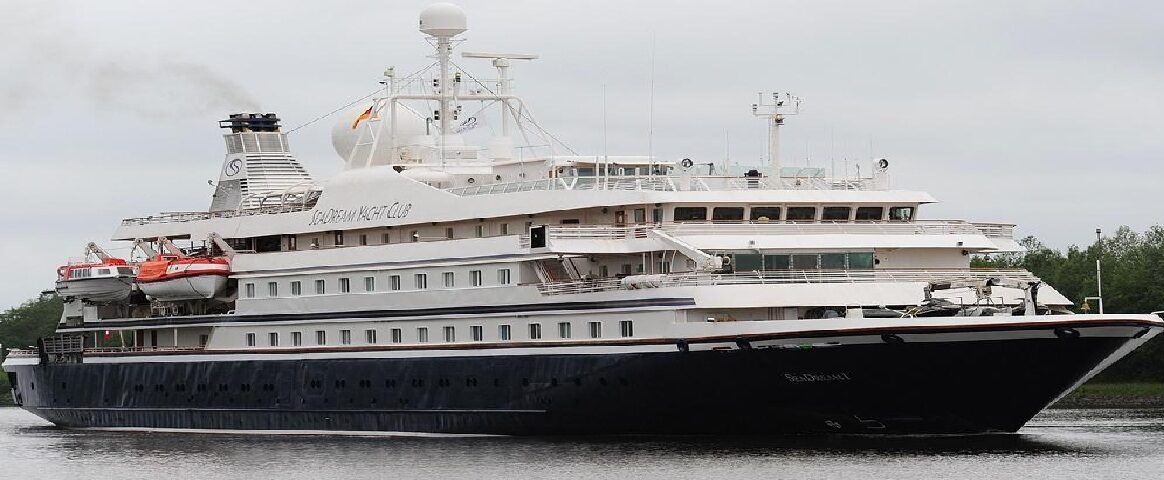

Seadream II
7 Cruises
| 16 May | 7 nights | One-way from Civitavecchia-Rome to Villefranche-sur-Mer |
450-628-6241
Call us
|
| 23 May | 5 days | Round-trip 5 Night Nice to Nice Cruise |
450-628-6241
Call us
|
Silversea Cruises (22 Cruises)
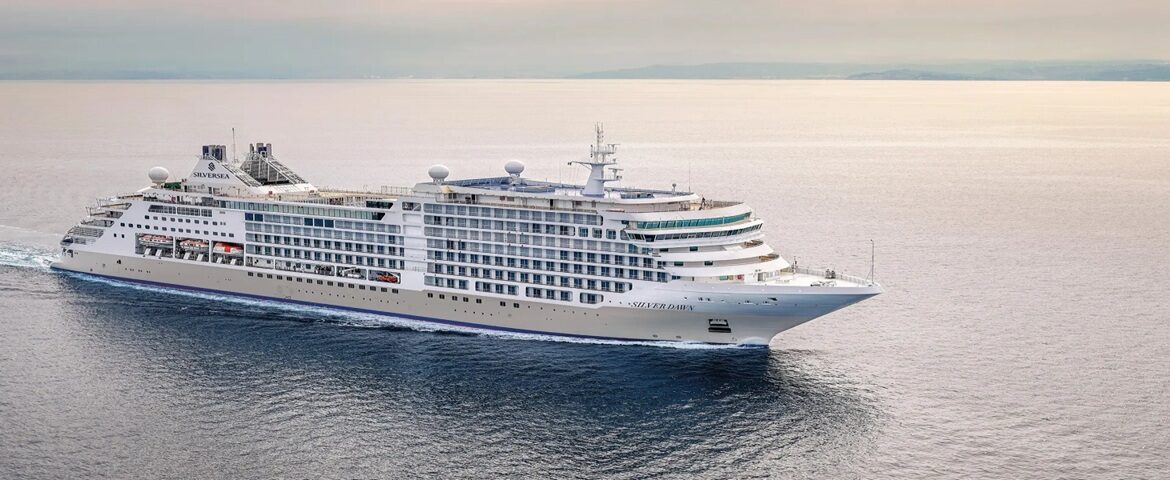

Silver Ray
14 Cruises
| 8 June | 10 nights | One-way from Barcelona to Monte Carlo |
450-628-6241
Call us
|
| 8 June | 18 nights | One-way from Barcelona to Venice |
450-628-6241
Call us
|
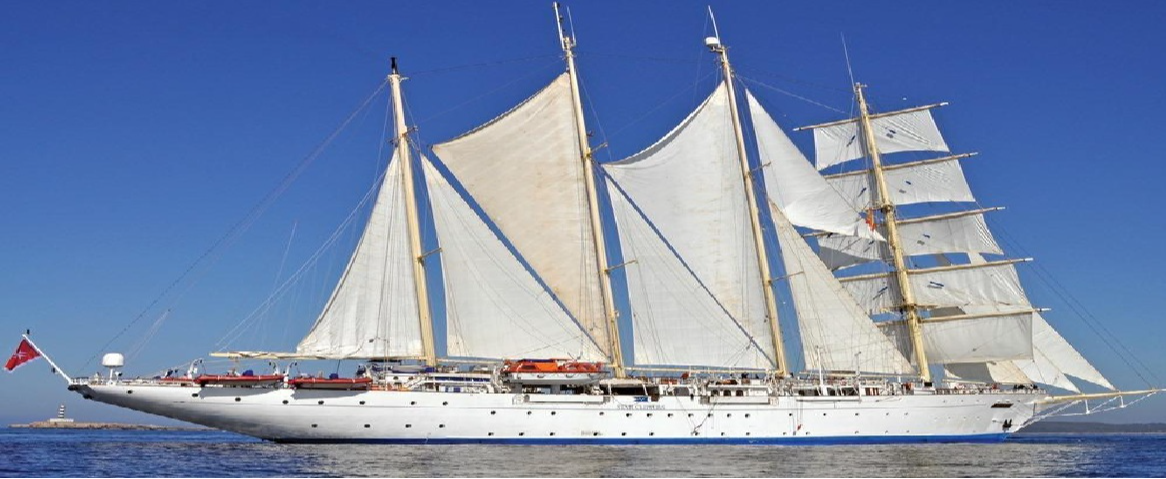
Star Clippers (10 Cruises)
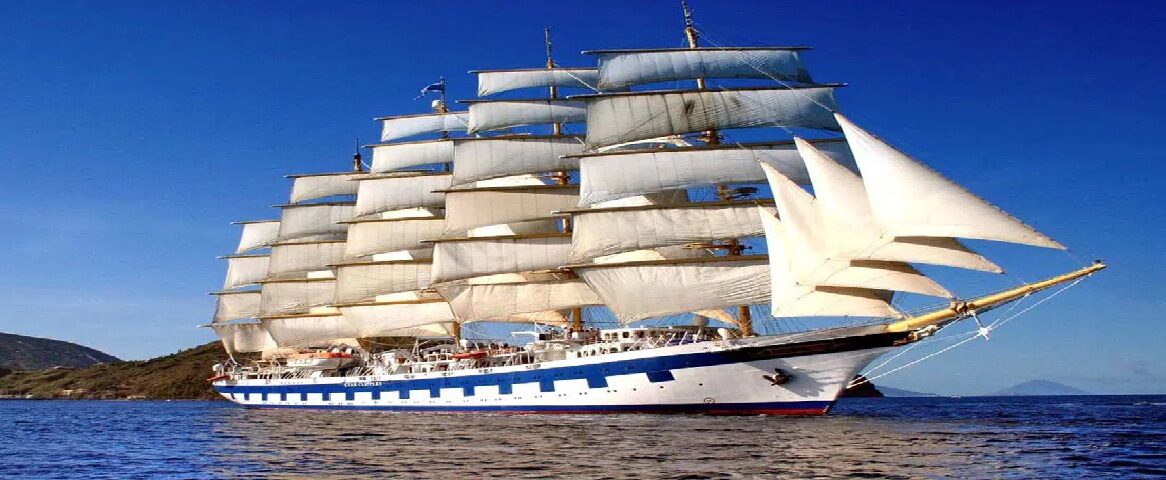
Royal Clipper
6 Cruises

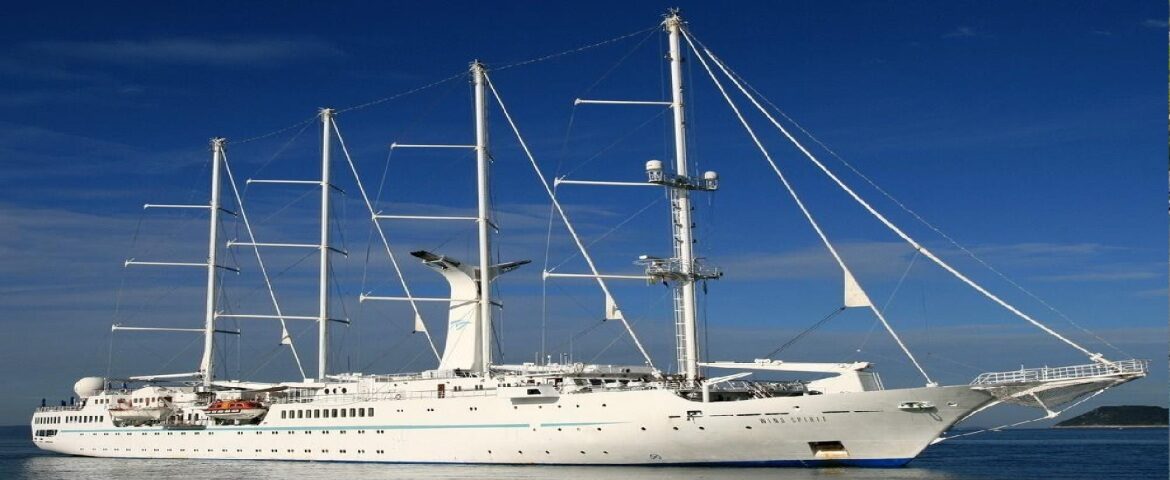
Windstar Cruises (2 Cruises)


Port of Saint-Tropez, France | Cruise Port Guide
Frequently Asked Questions
By tender, directly at the old port. From the anchorage the launch threads between classic sailing yachts and outsized motor yachts before landing passengers on the mole, among the cafes and ochre and pink facades. The crossing is already part of the show.
The village on foot, and nothing else. The Annonciade museum, the Ponche quarter, the climb to the citadel and Place des Lices fill the half day. Pampelonne beaches require a shuttle and swallow all the available time.
A museum in a former 16th-century chapel steps from the quay, holding the canvases of the painters who came here long before the film stars. Paul Signac dropped anchor in 1892 and drew in Matisse, Bonnard and the Pointillists. Seeing Place des Lices painted over a century ago, then finding it intact on the way out, is a rare pleasure.
The original village, behind Quai Jean-Jaurès: narrow lanes, washing at the windows, small squares where cats doze in the shade. The old fishermen's cove, with its tiny beach wedged between houses, seems to ignore the bustle of the quays. It opens onto the Portalet tower facing the gulf.
Yes, even without going inside. The path climbs in about fifteen minutes to the 17th-century fortress on its hill of umbrella pines, and the panorama takes in the roofs, the gulf and, on clear days, the snow-covered southern Alps. The keep holds a maritime history museum, and peacocks wander freely in the moats.
Tuesday and Saturday mornings. Provençal fabrics, candied fruit and antiques line up under century-old plane trees, between games of pétanque. This is the heart of the village, far more than the quay.
A festival observed for more than four centuries, each year in mid-May: three days of costumed processions, musket salutes and devotion to the patron saint, through the lanes of the Ponche. If your call falls on those dates, the village changes character completely.
Yes, a few kilometres away by shuttle or excursion. But a port call is well served by the village itself and its coastal path, which follows the shore toward clear coves without eating the day in transport.
The film And God Created Woman, shot here in 1956, launched the modern myth of the place. Film lovers will recognise the settings throughout, and the facade of the famous gendarmerie is now devoted to cinema.
The euro, and yes: this is one of the most famous names on the Mediterranean and very busy in summer. Cards are accepted everywhere. The village still softens late in the day, when the tenders head back and the harbour facades turn copper.


