Qaqortoq Greenland
Greenland
136
Cruises availables
At departure or passage at this port
Azamara Club Cruises (6 Cruises)
Azamara Quest
6 Cruises


| 29 July | 44 days | One-way from Copenhagen to New York |
450-628-6241
Call us
|
| 29 July | 43 days | One-way from Copenhagen to New York |
450-628-6241
Call us
|
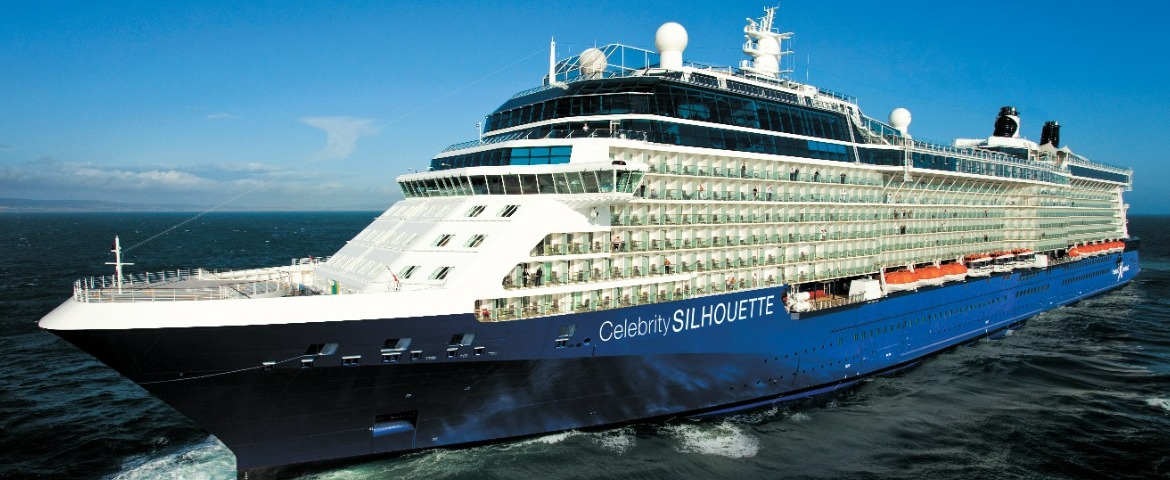
Celebrity Cruises (3 Cruises)

Crystal Cruises (8 Cruises)
Crystal Serenity
8 Cruises


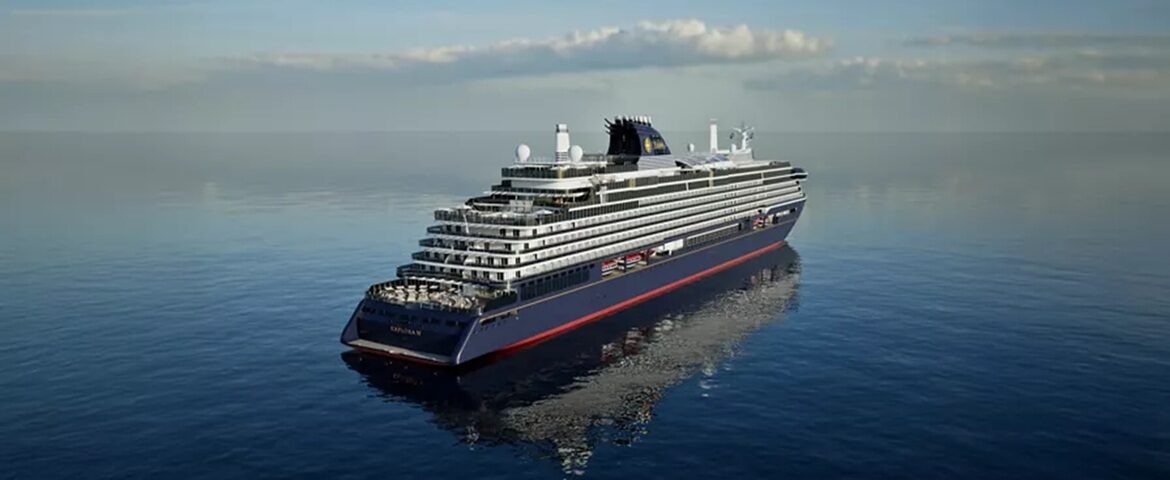
Explora Journeys (14 Cruises)
Explora IV
14 Cruises


HX Expeditions (1 Cruises)
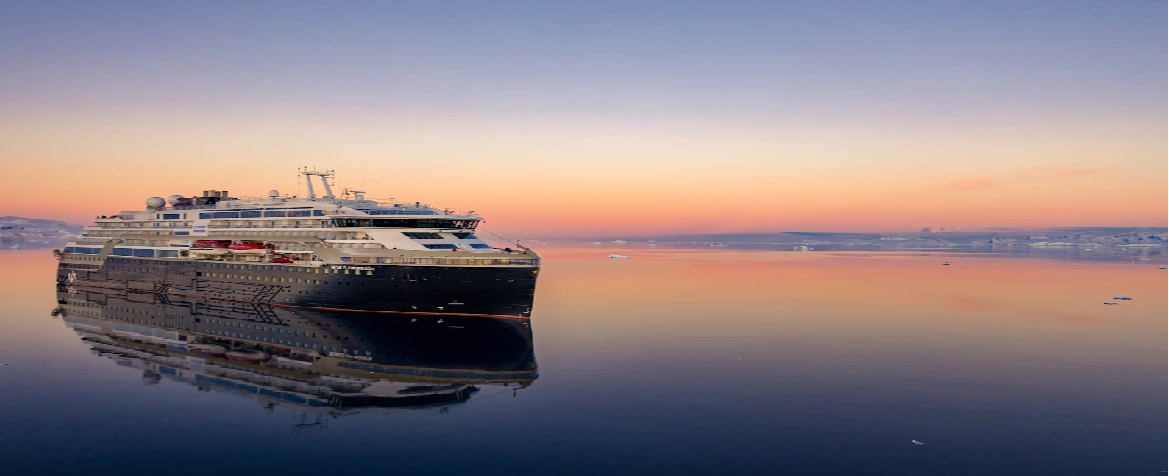

Lindblad Expeditions (7 Cruises)
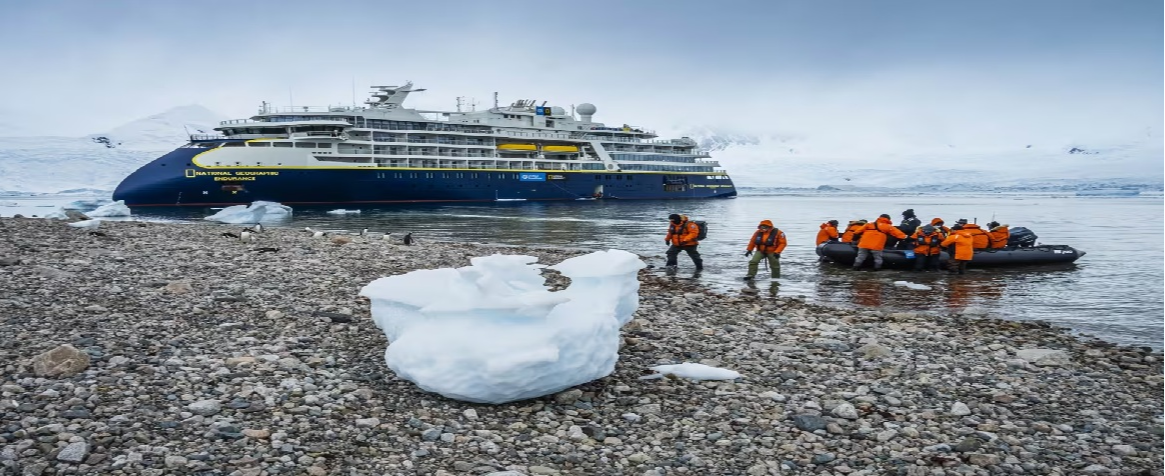
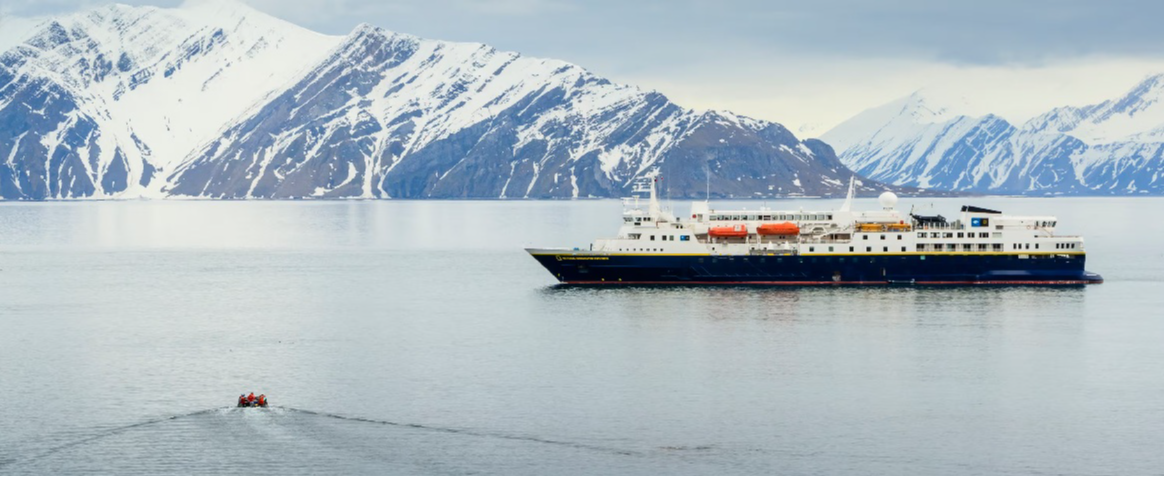
National Geographic Endurance
4 Cruises


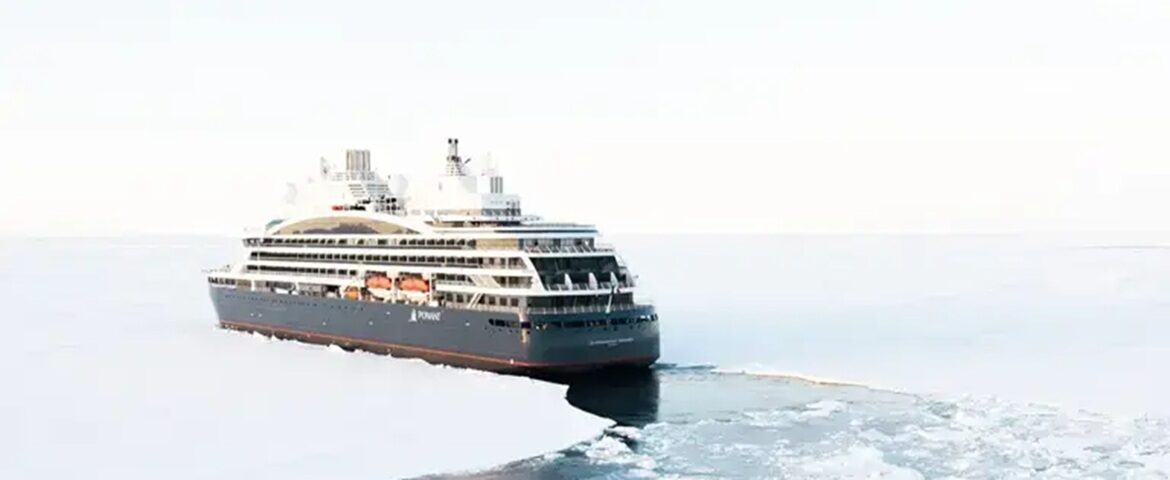
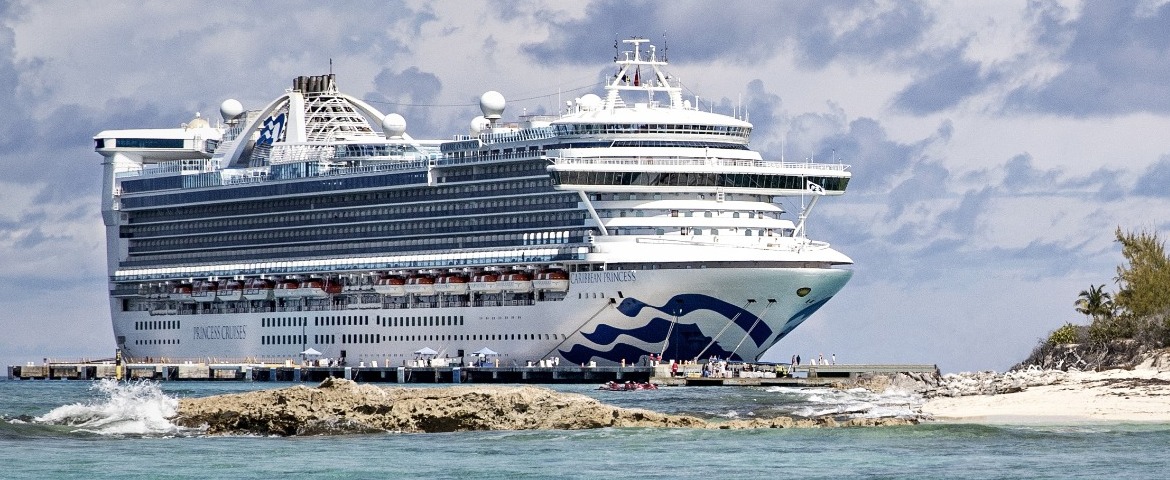
Princess Cruises (4 Cruises)

Regent Seven Seas Cruises (6 Cruises)
Seven Seas Mariner
6 Cruises


| 30 May | 101 days | One-way from Barcelona to IJmuiden |
450-628-6241
Call us
|
| 30 May | 102 days | One-way from Barcelona to IJmuiden |
450-628-6241
Call us
|
Seabourn Cruise Line (47 Cruises)
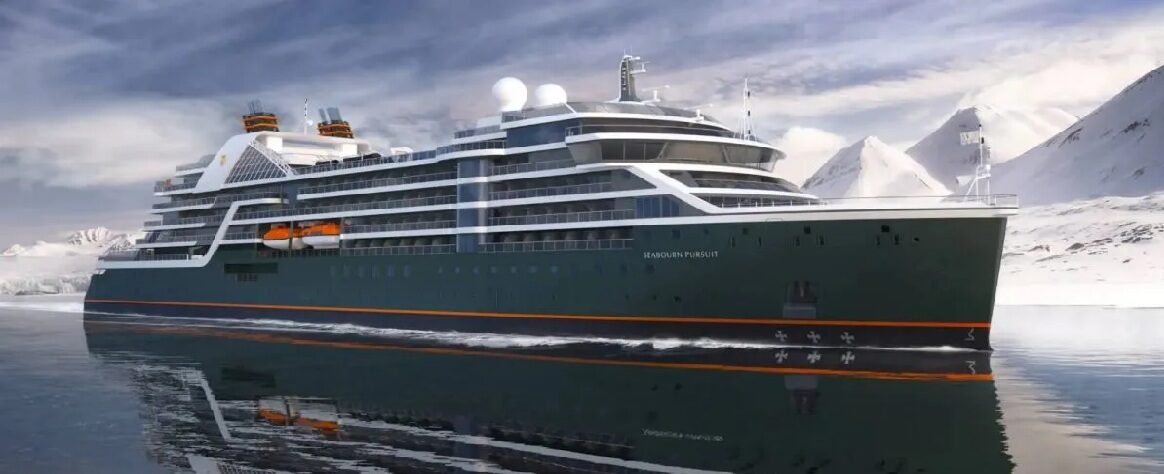
Seabourn Pursuit
8 Cruises

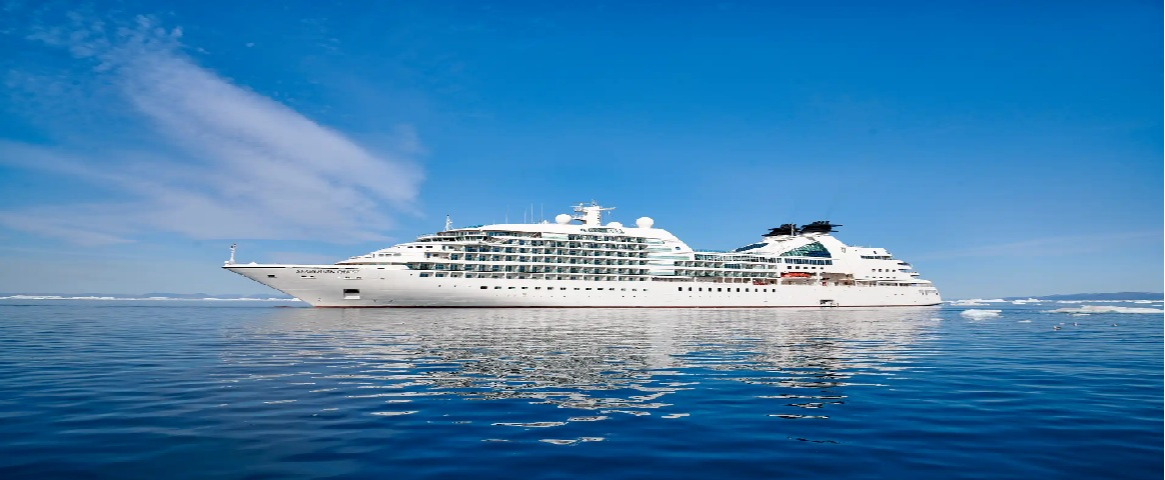
Seabourn Quest
6 Cruises
| 21 August | 36 days | One-way from Copenhagen to Montreal |
450-628-6241
Call us
|
| 21 August | 35 days | One-way from Copenhagen to Montreal |
450-628-6241
Call us
|
Seabourn Venture
33 Cruises
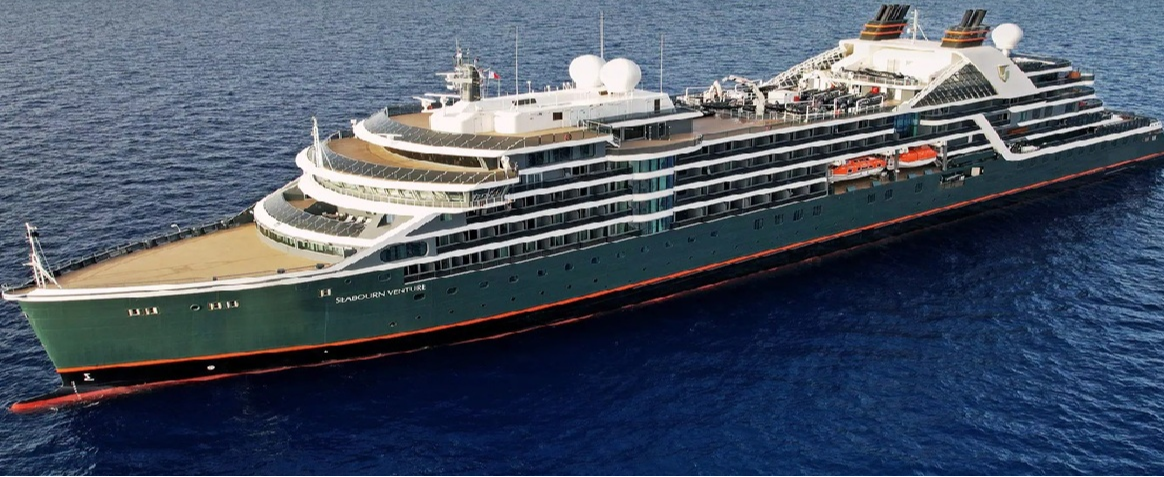
| 7 June | 41 days | One-way from London-Greenwich to Reykjavik |
450-628-6241
Call us
|
| 19 June | 29 days | One-way from Belfast to Reykjavik |
450-628-6241
Call us
|
| 12 March | 96 days | One-way from Ushuaia to St Johns NL |
450-628-6241
Call us
|
| 22 March | 86 days | One-way from Ushuaia to St Johns NL |
450-628-6241
Call us
|
| 15 June | 31 days | One-way from St Johns NL to Reykjavik |
450-628-6241
Call us
|
| 30 June | 16 days | One-way from Kangerlussuaq to Reykjavik |
450-628-6241
Call us
|

Viking Ocean Cruises (16 Cruises)
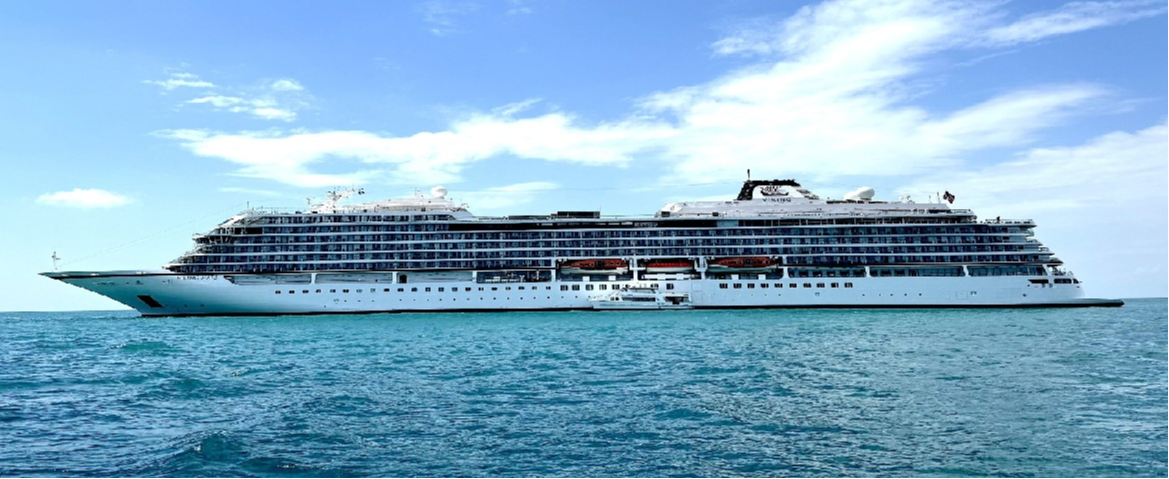

Viking Vela
8 Cruises


Qaqortoq, Greenland | Arctic Travel & Cruise Guide
Frequently Asked Questions
At anchor: ships drop the hook in the bay and tenders land passengers among the fishing boats and warehouses. Three minutes on foot brings you to the main square.
The Mindebrønden, the oldest fountain in Greenland, on the central square since 1932. Bronze whales spout water from it — the last thing you expect to find in Greenland.
Some forty sculptures carved directly into the town's bedrock, begun in the 1990s by Greenlandic artist Aka Høegh with carvers from across the Nordic world. Faces emerging from granite, whales, seals and motifs drawn from Inuit myth.
One to two hours, with a few steep climbs. Hunting them down turns the walk into a treasure hunt, map in hand or simply by wandering the lanes.
The town museum in the former colonial manager's residence, a tarred black wooden building from 1804; the Church of Our Saviour, raised in 1832 with timber shipped from Norway; and the national tannery, where sealskin from traditional hunting becomes clothing and accessories.
Yes, about twenty kilometres away by boat. These are Greenland's best-preserved Norse remains: the church walls, still standing after six centuries, hosted the 1408 wedding that is the last written record of the Scandinavian settlers. Book on board; places are limited.
Yes, at the Uunartoq hot springs, where you soak in a natural pool facing the icebergs. The trip is by boat and depends on the weather.
About 3,000, making it the largest town in southern Greenland. It was founded in 1775 as Julianehåb by the Norwegian trader Anders Olsen.
Danish kroner are useful for craft work and worked hides sold near the quays. Established shops take cards.
Under the small covered hall, hunters and fishermen sell the day's catch. One look tells you what living off the sea at this latitude means — and it is not a display staged for visitors.


