Isafjordur Westfjords Iceland
352
Cruises availables
At departure or passage at this port
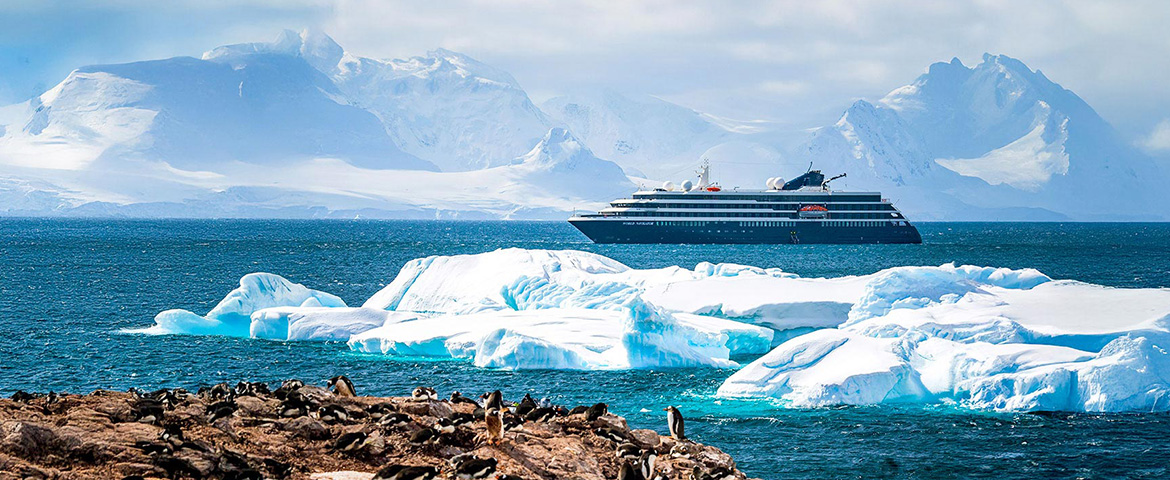

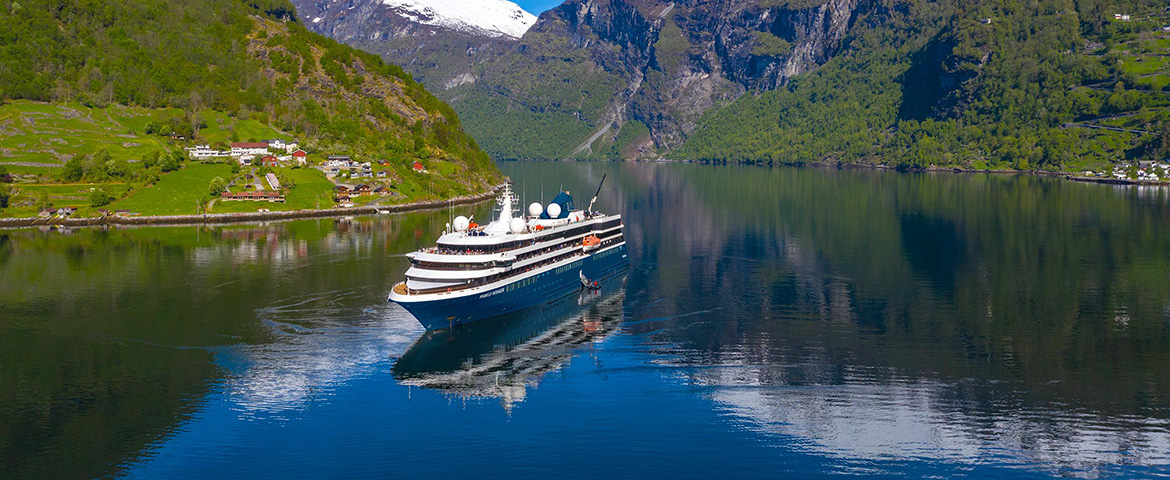
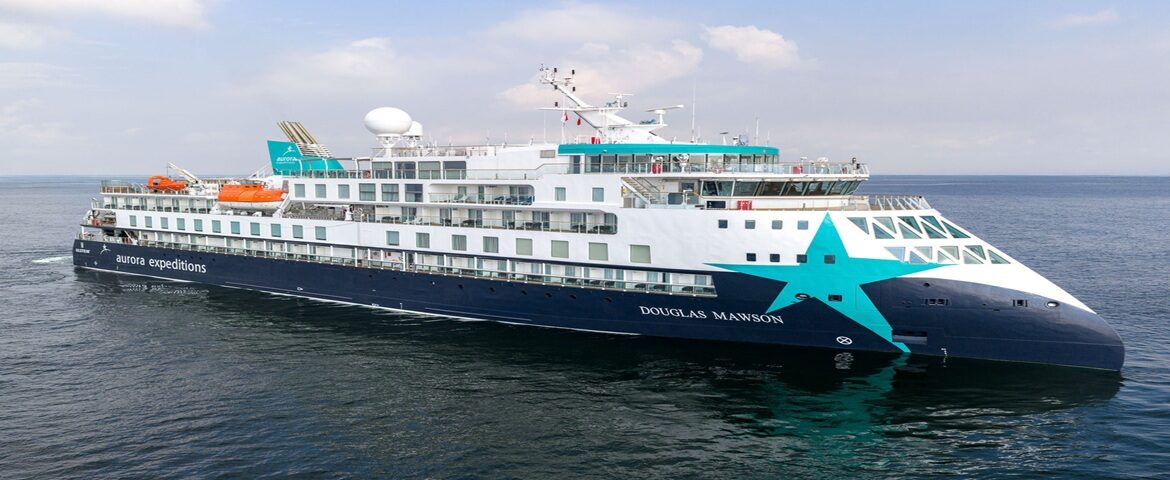
Aurora Expeditions (1 Cruises)

Azamara Club Cruises (5 Cruises)


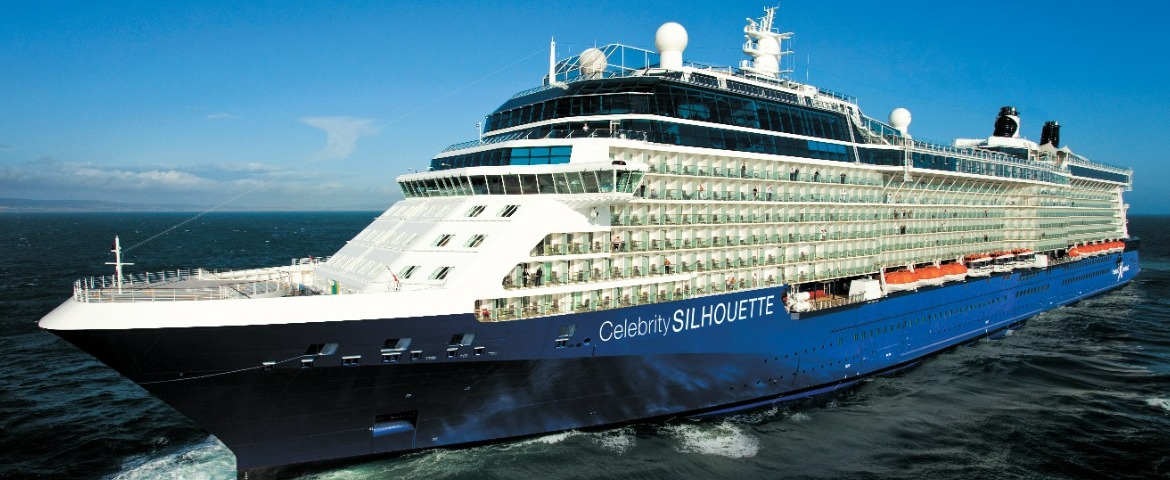
Celebrity Cruises (8 Cruises)
Celebrity Silhouette
8 Cruises

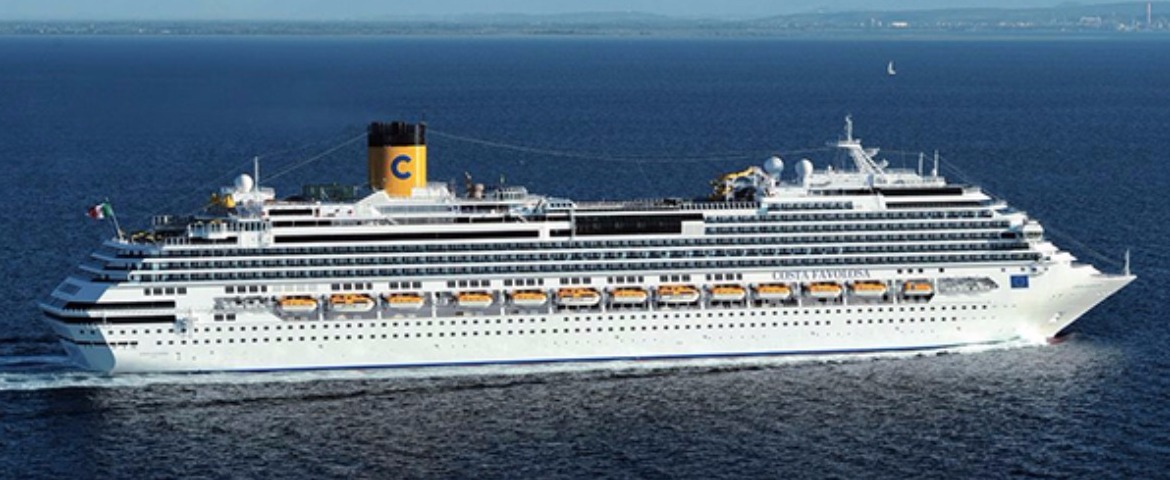
Costa Cruises (2 Cruises)





Explora Journeys (10 Cruises)
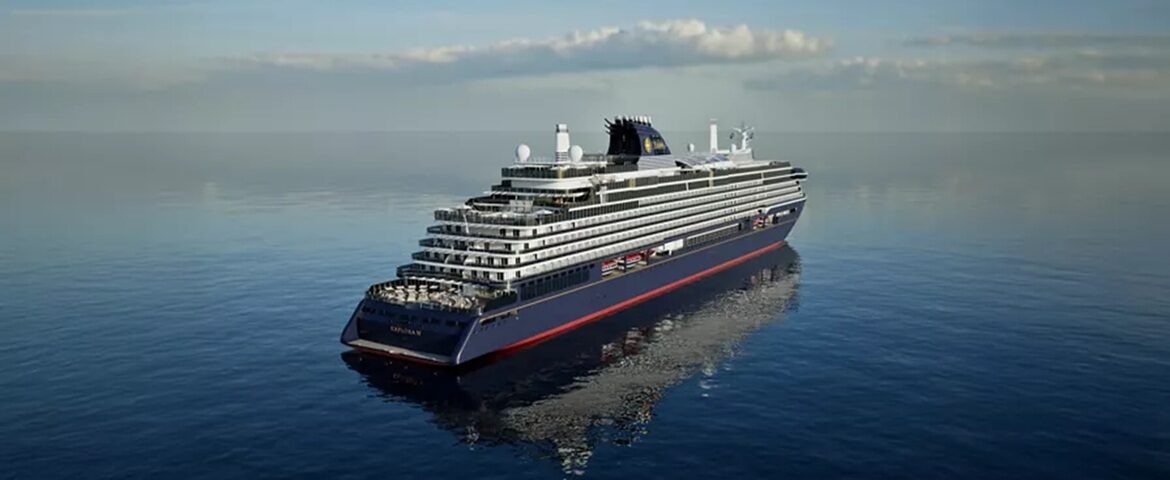
Explora IV
10 Cruises

Holland America Line (28 Cruises)
ms Rotterdam
18 Cruises
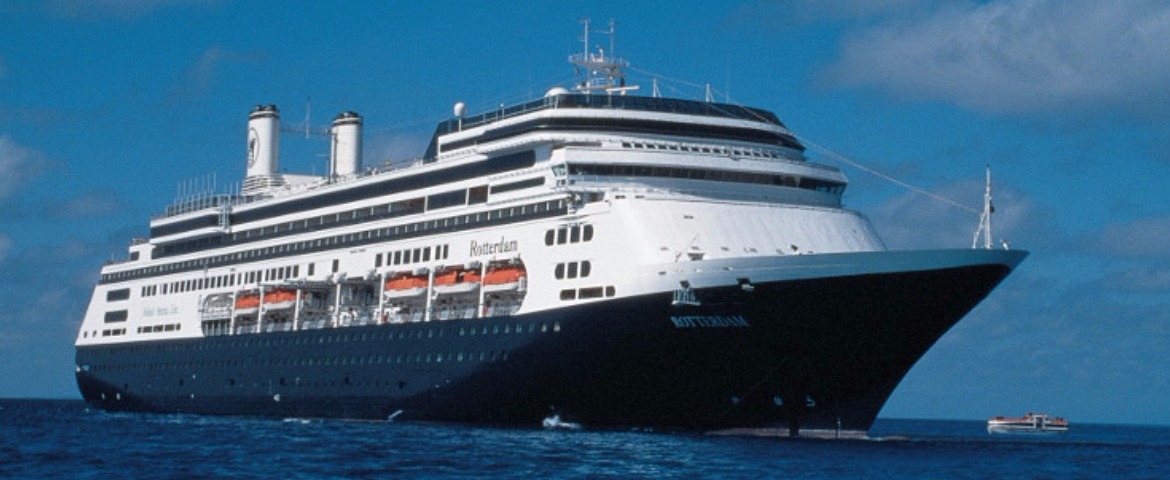

| 6 June | 14 nights | Round-trip from Rotterdam, Netherlands |
450-628-6241
Call us
|
| 6 June | 7 nights | One-way from Rotterdam to Reykjavik |
450-628-6241
Call us
|
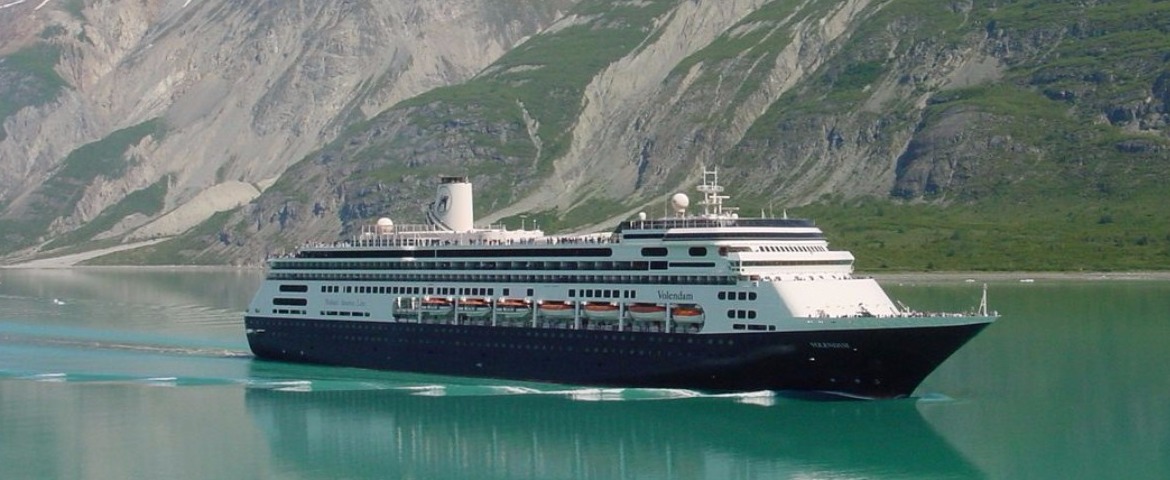
ms Zuiderdam
8 Cruises
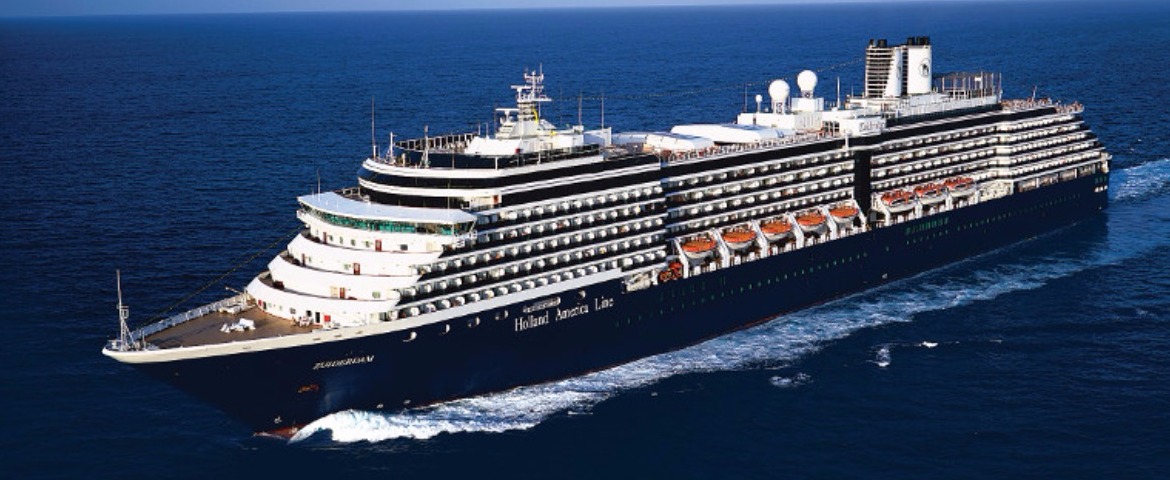
HX Expeditions (2 Cruises)
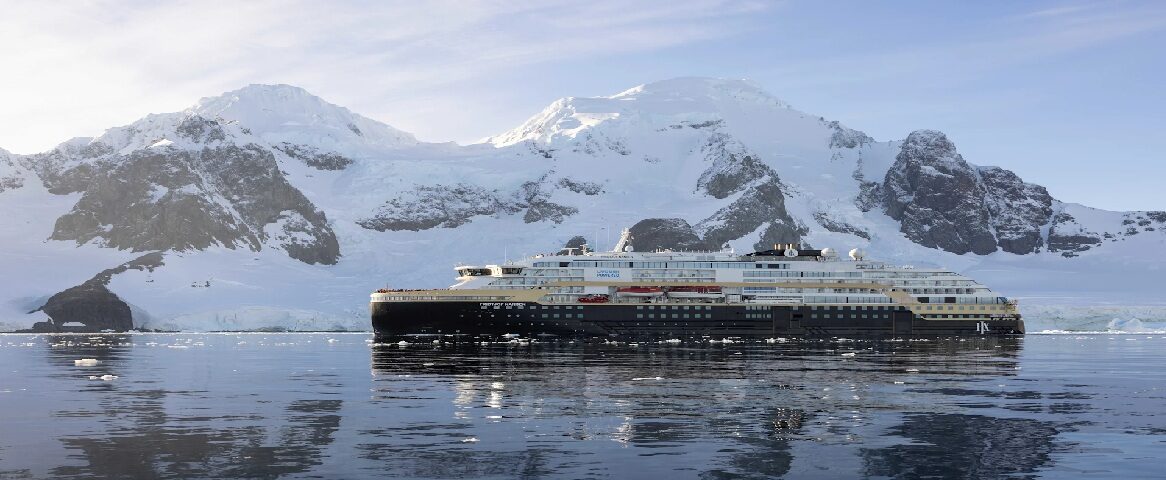

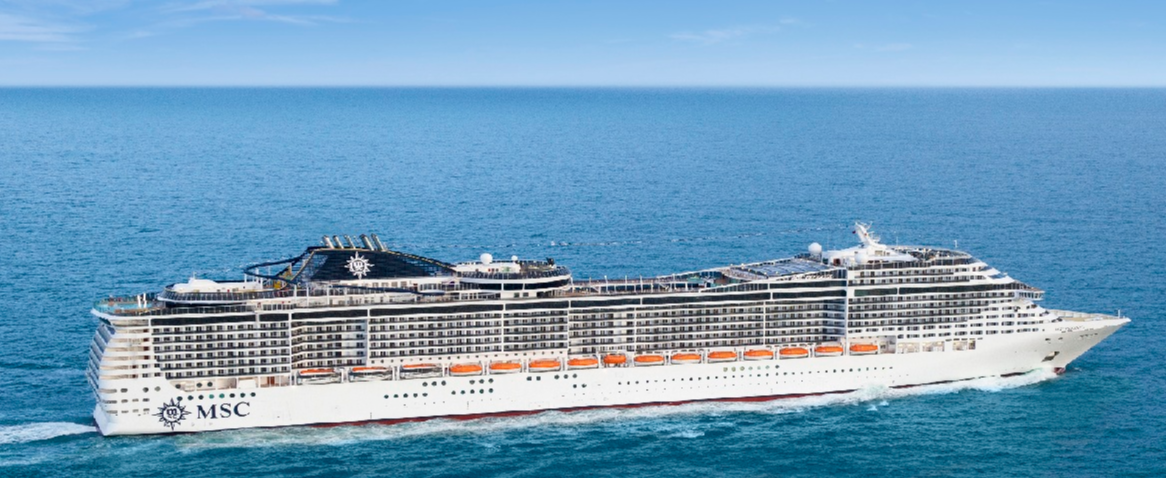
MSC Cruises (10 Cruises)

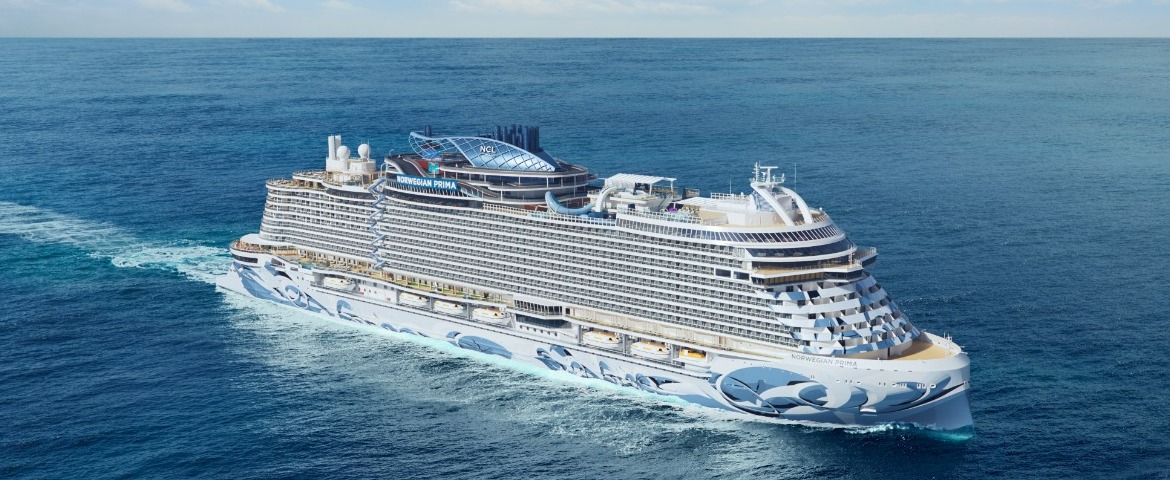
Norwegian Cruise Line (10 Cruises)
Norwegian Prima
10 Cruises

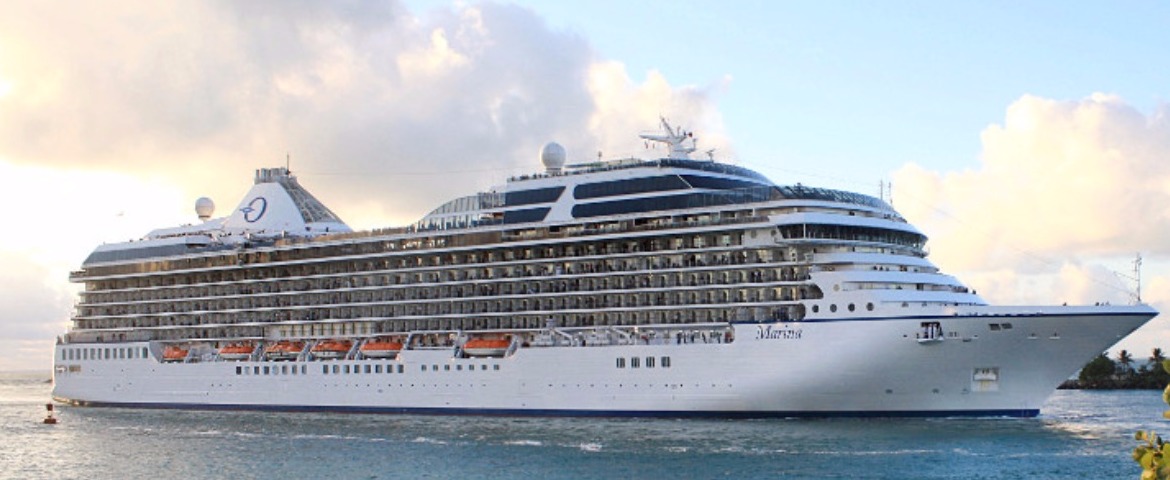
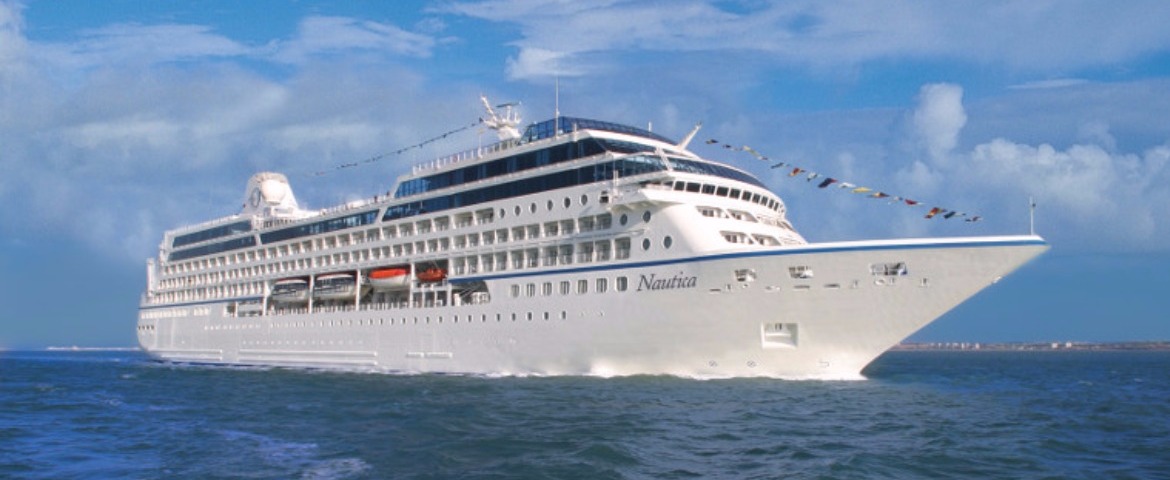
Oceania Cruises (30 Cruises)
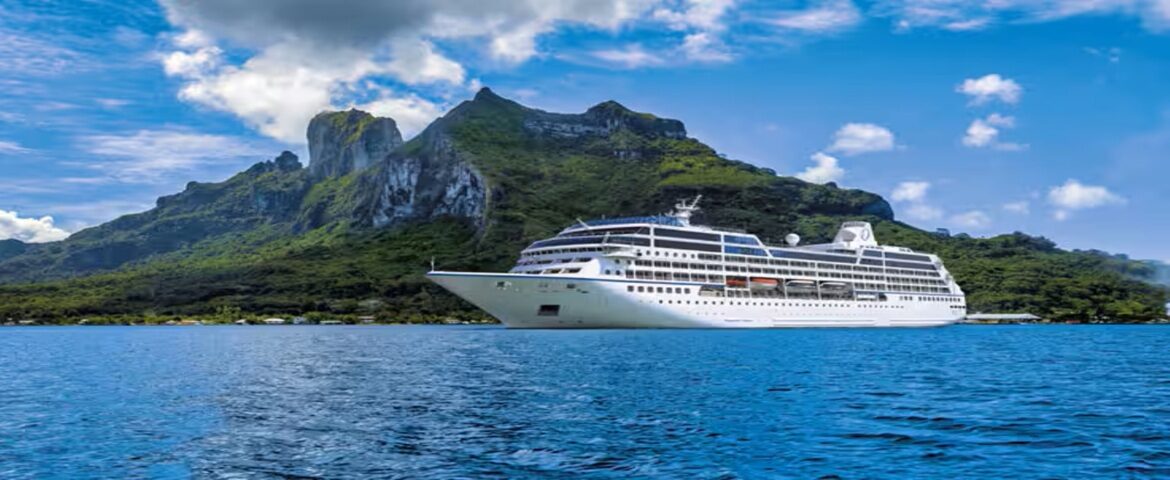

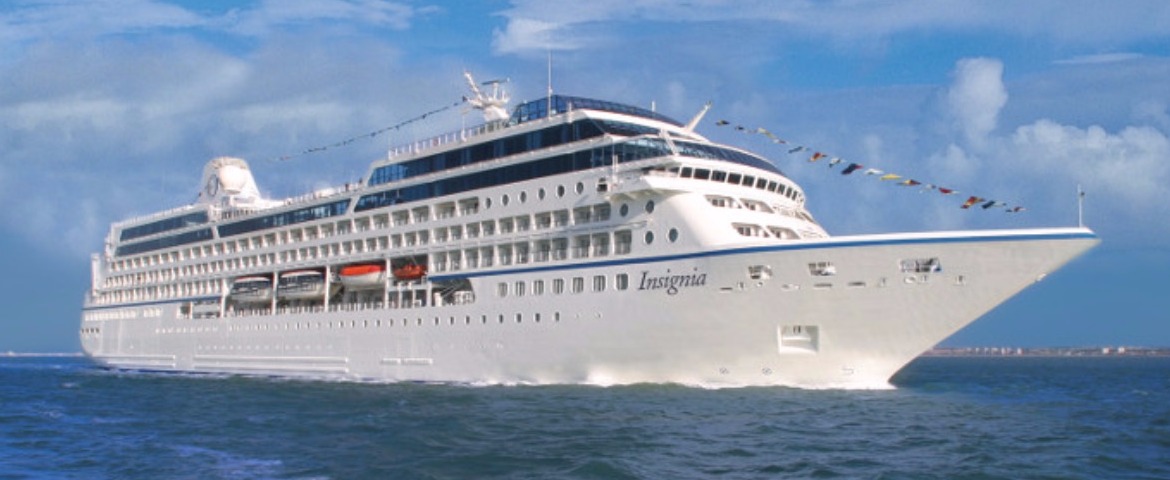
Oceania Insignia
5 Cruises
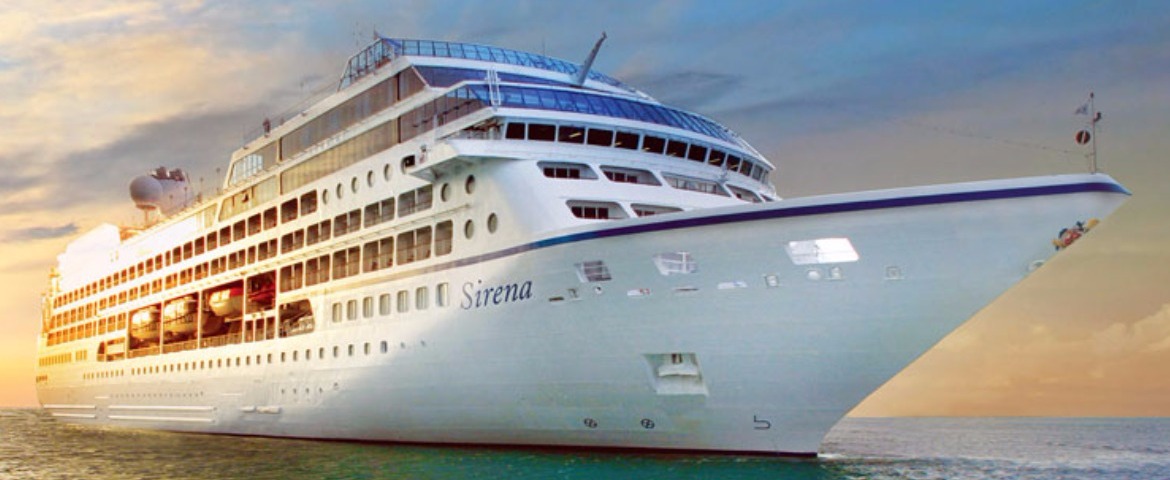
Oceania Sirena
4 Cruises
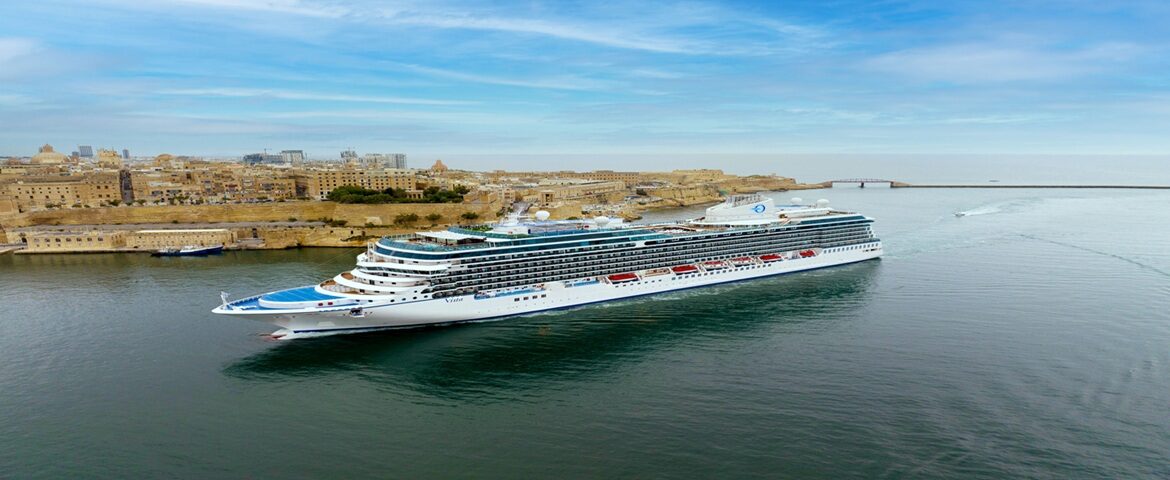
Ponant (22 Cruises)
L'Austral
6 Cruises
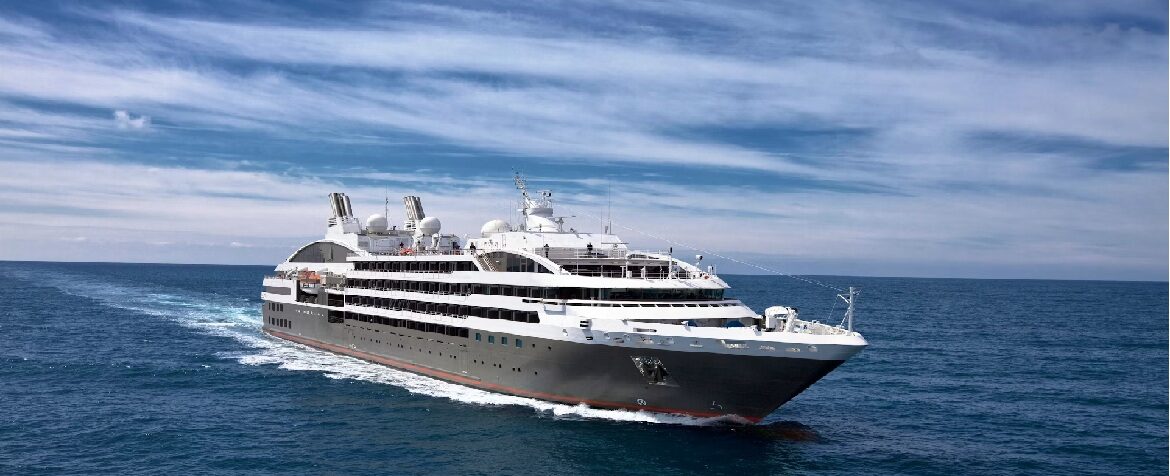

Le Bellot
10 Cruises
| 27 May | 7 nights | Round-trip from Reykjavik, Iceland |
450-628-6241
Call us
|
| 27 May | 6 days | Round-trip 7 Night Icelandic Mosaic Cruise |
450-628-6241
Call us
|
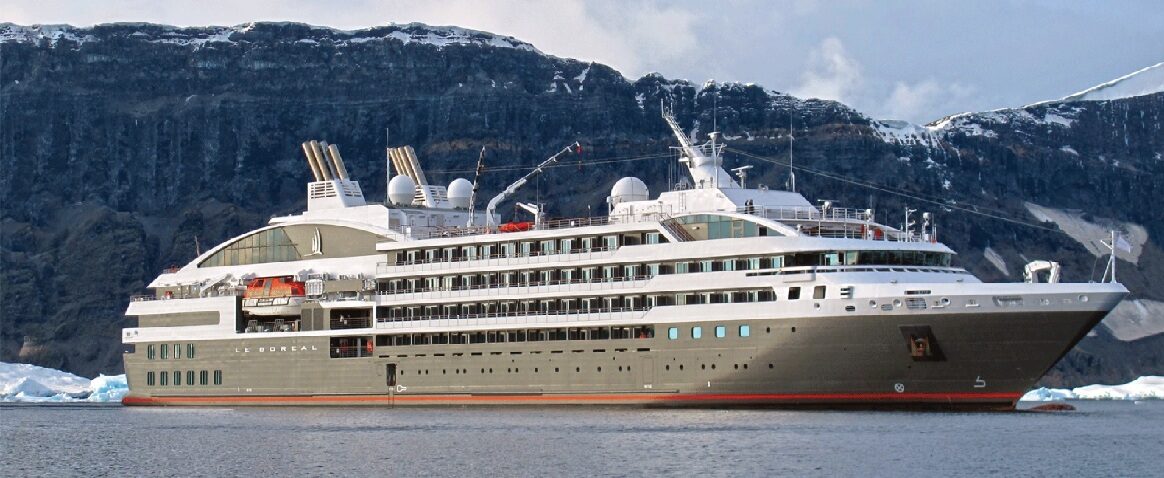
Le Boreal
6 Cruises
Princess Cruises (82 Cruises)
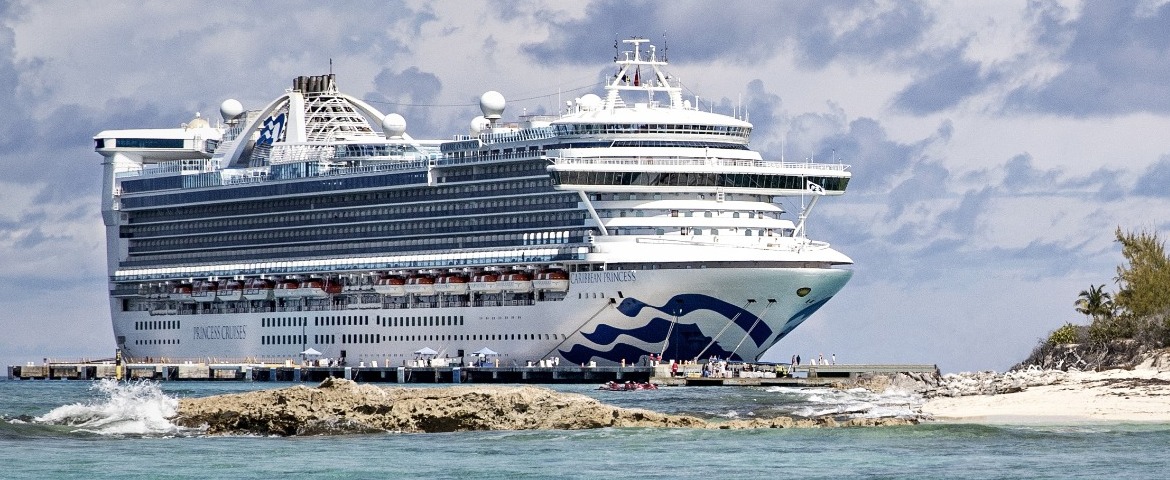
Caribbean Princess
42 Cruises

| 29 April | 40 nights | Round-trip from Southampton, United Kingdom |
450-628-6241
Call us
|
| 29 April | 31 nights | One-way from Southampton to Reykjavik |
450-628-6241
Call us
|
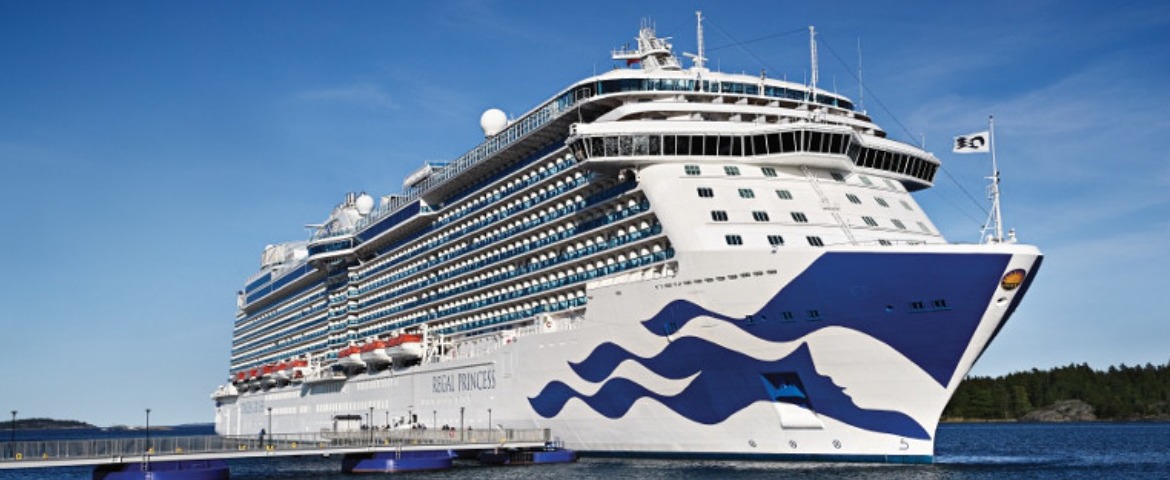
Regal Princess
34 Cruises
Regent Seven Seas Cruises (18 Cruises)
Seven Seas Mariner
8 Cruises


Seven Seas Prestige
5 Cruises
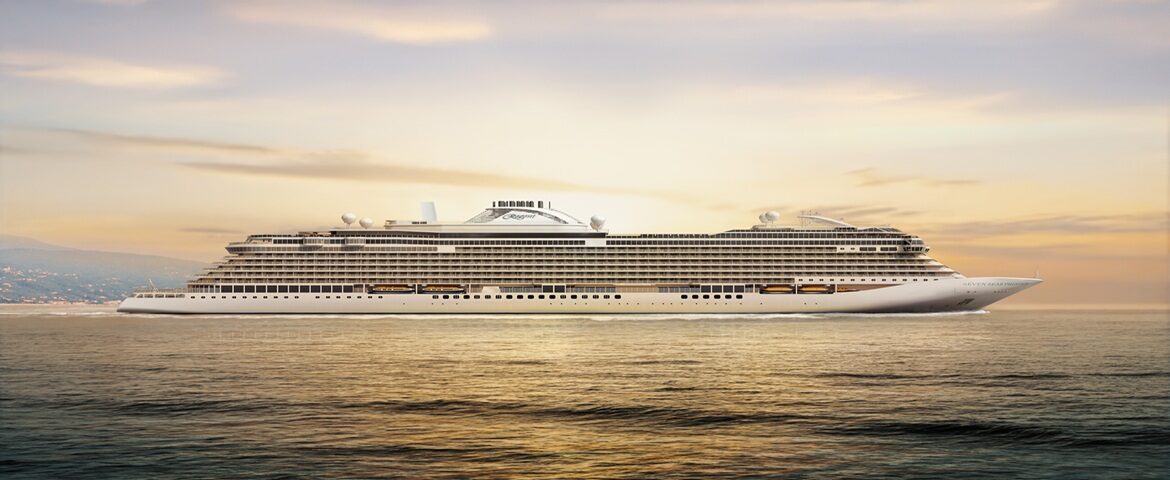
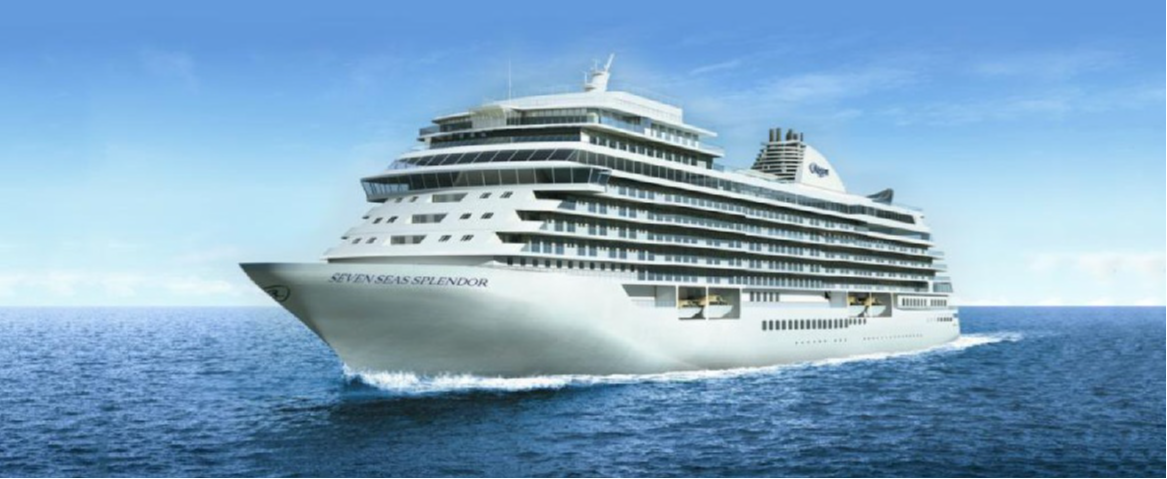
Seven Seas Splendor
5 Cruises
Scenic Cruises (34 Cruises)
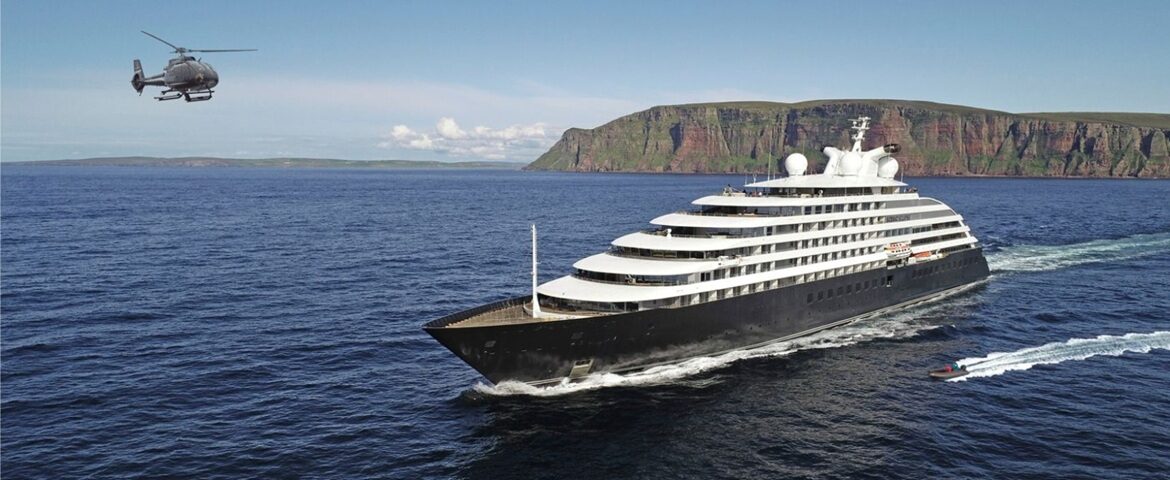
Scenic Eclipse
17 Cruises


Scenic Eclipse II
17 Cruises
Seabourn Cruise Line (21 Cruises)
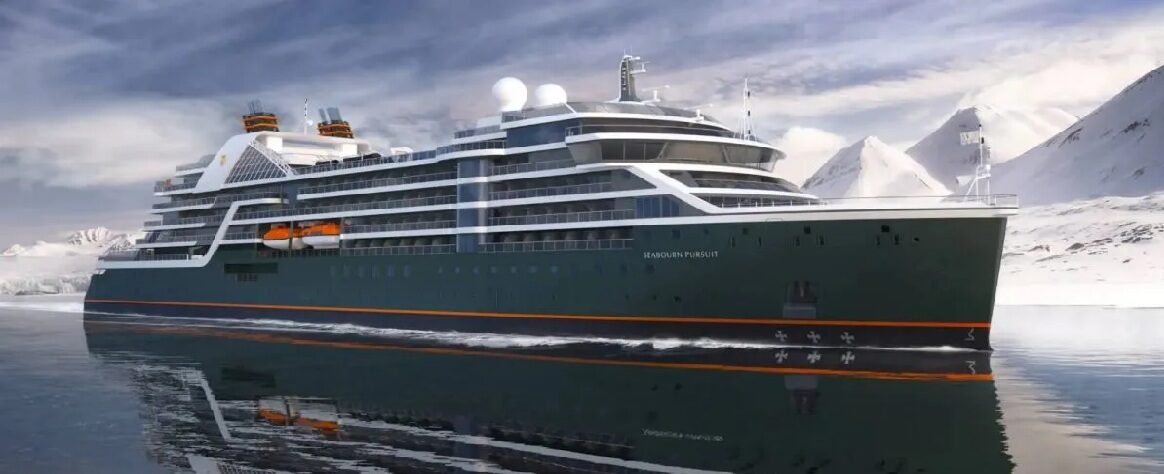
Seabourn Pursuit
12 Cruises

| 23 May | 50 nights | One-way from Genoa to Reykjavik |
450-628-6241
Call us
|
| 23 May | 62 nights | One-way from Genoa to Reykjavik |
450-628-6241
Call us
|
Seabourn Quest
9 Cruises
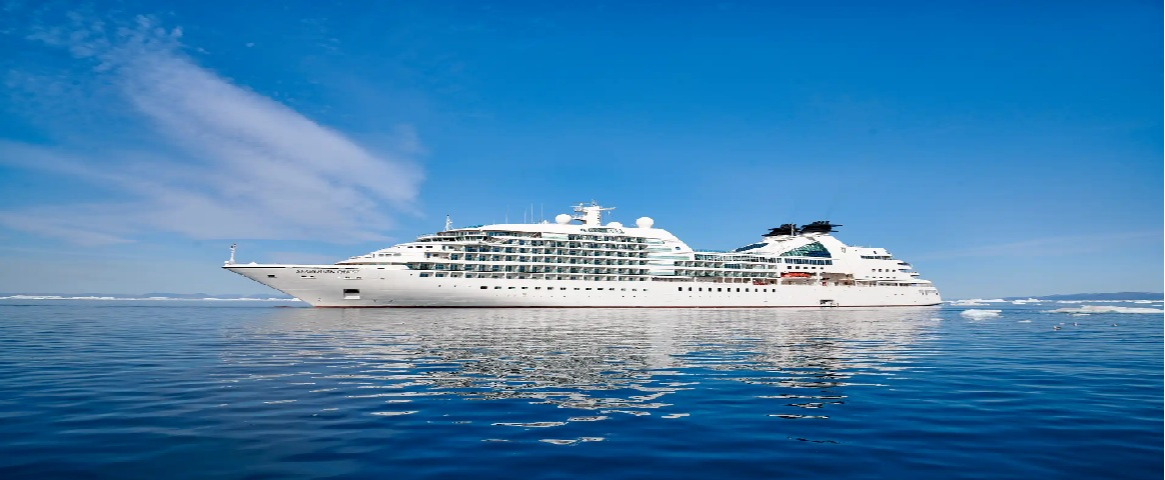
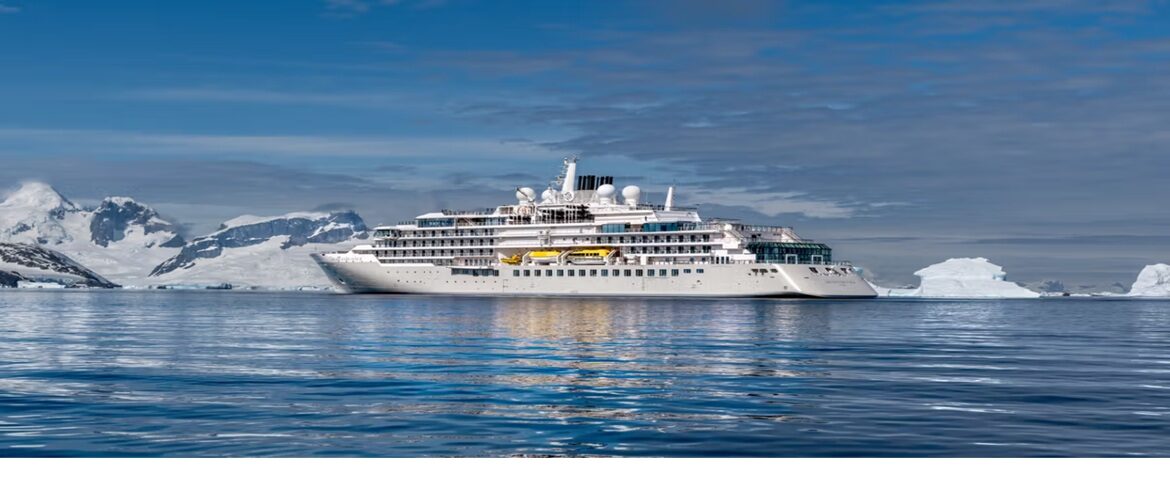
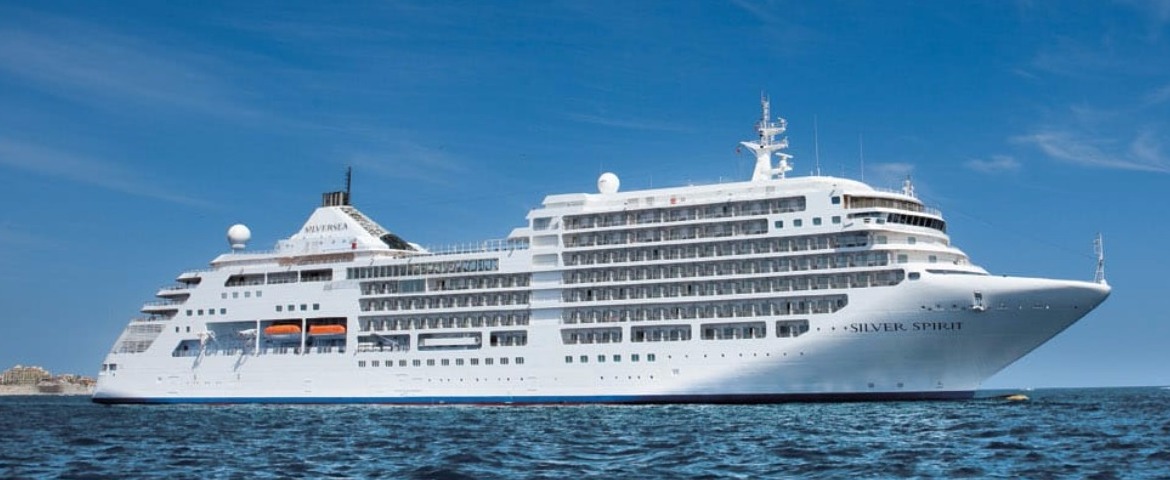
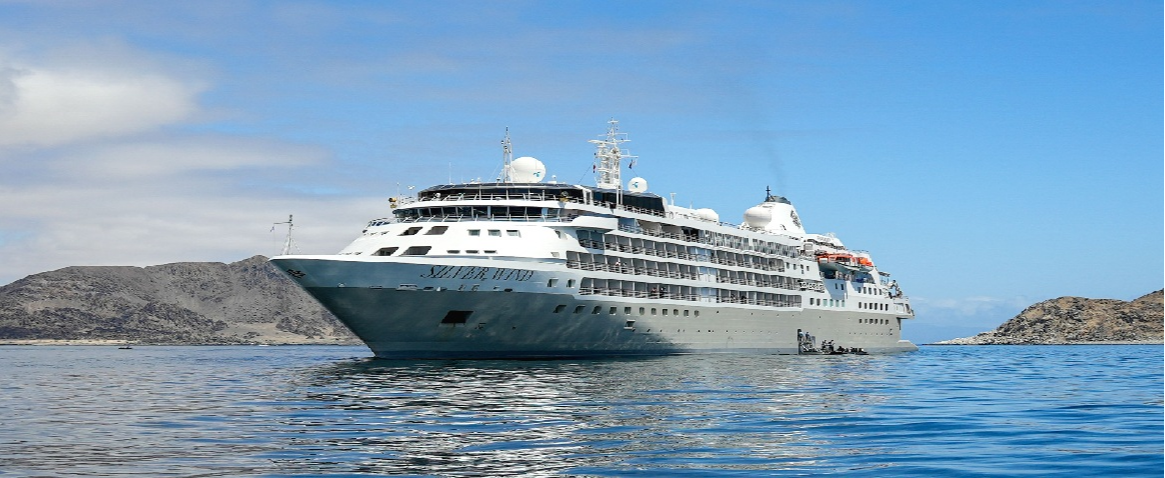
Silversea Cruises (6 Cruises)

Viking Ocean Cruises (34 Cruises)
Viking Mars
14 Cruises
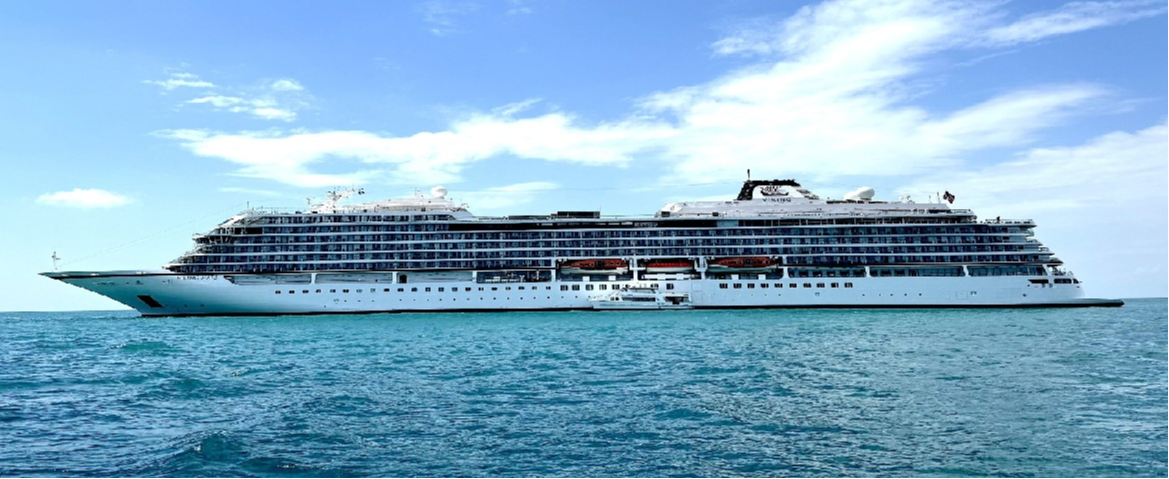

| 10 June | 10 nights | One-way from Reykjavik to Bergen |
450-628-6241
Call us
|
| 22 June | 10 nights | One-way from Bergen to Reykjavik |
450-628-6241
Call us
|
Viking Sea
13 Cruises
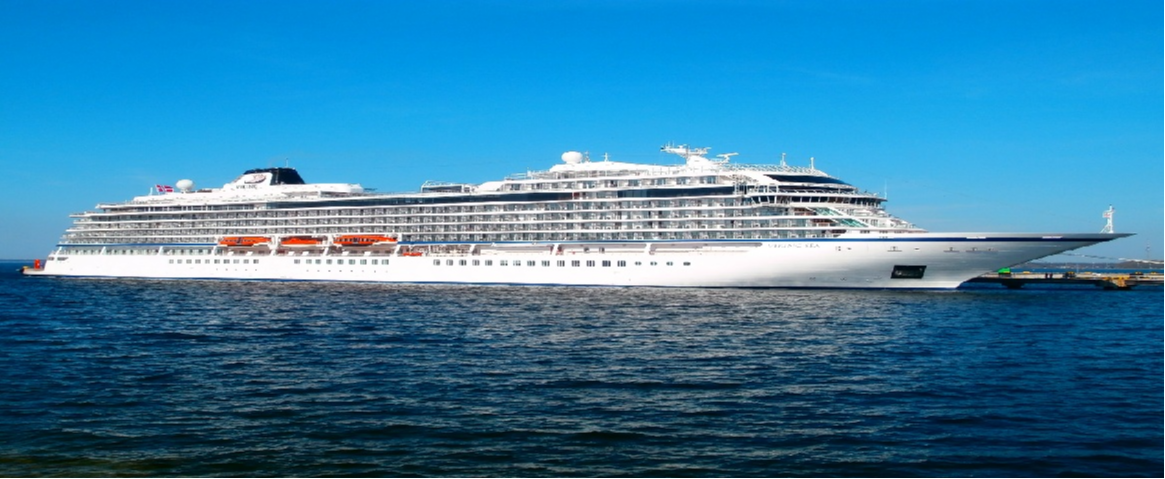
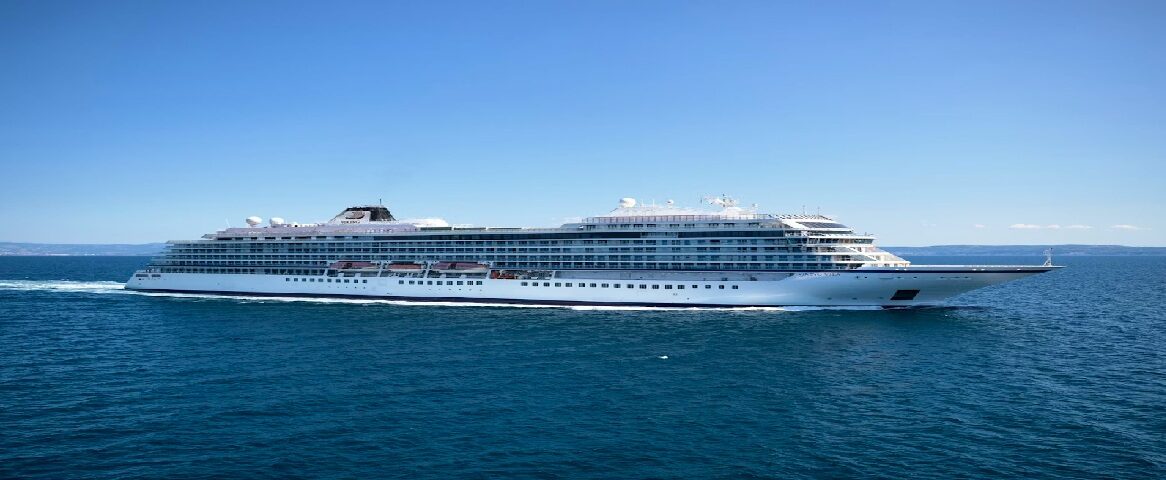
Viking Vela
7 Cruises
Windstar Cruises (10 Cruises)
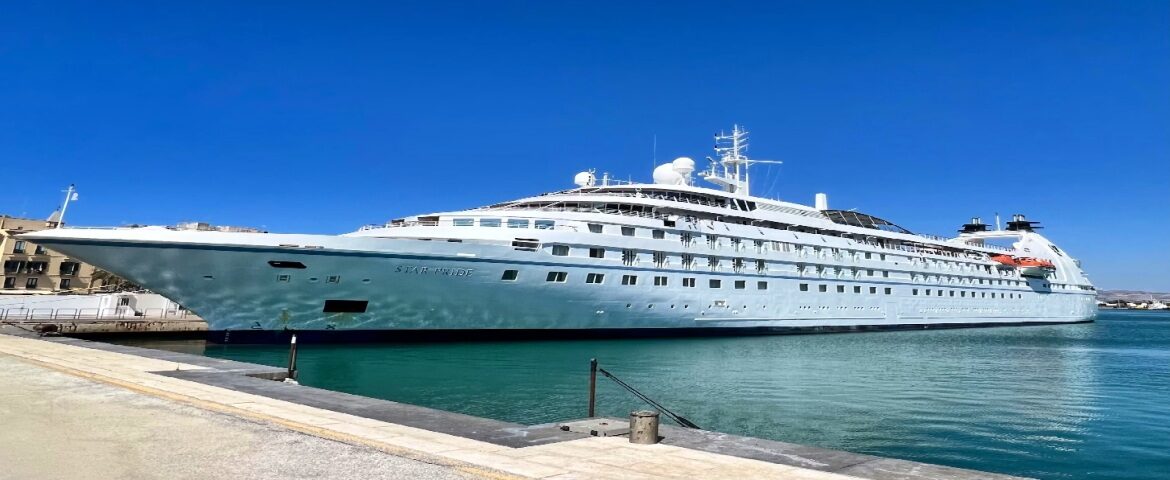
Star Pride
10 Cruises


Port of Ísafjörður, Iceland | Cruise Port Guide
Frequently Asked Questions
Mid-sized ships come alongside the quay, two or three minutes' walk from the first streets; larger ones anchor in the fjord and tender passengers ashore. Either way, the whole town fits between the quay and the mountain and is walked without a map.
Yes, it is one of the most striking in Iceland. The mountains close slowly around the ship, snow-streaked table walls fall to water of absolute calm, and at the end of the corridor a handful of coloured houses appears, packed onto a tongue of sand.
Neðstikaupstaður, the historic core at the tip of the sand spit: four tarred timber buildings around a quiet yard, among the oldest houses in Iceland, left by eighteenth-century merchants. One of them, topped by a turret, holds the Westfjords Heritage Museum.
Fishing and everyday life as they were: nets, boats, photographs of crews. It all speaks to the tenacity of a community wedged between the sea and the avalanche slopes. You leave seeing the neighbouring houses differently, knowing every plank arrived by boat.
Aðalstræti holds local life together: a well-known bakery, warm cafés and wool shops stacked with lopapeysa, the knitted Icelandic sweaters. You go in to buy and stay to talk — conversation comes easily in a town where everyone knows the baker's first name.
A small island half an hour's sailing from the quay, where a few residents still harvest eiderdown using century-old methods. Puffins, Arctic terns and guillemots nest there in their thousands; you walk between the nests with local guides before a coffee in the island's smallest house.
A reconstructed fishing station a quarter of an hour's drive away, with its stone hut and rowing boats, showing how crews once rowed out to the cod banks in oiled skins, in whatever weather the Atlantic sent them.
Yes, if the call is long enough. A spectacular road through the fjords leads to the largest waterfall in the Westfjords: a veil of water about a hundred metres high that widens as it descends the cliff, like a bridal train. The excursion takes most of the day and is booked through the ship.
The old quarter, the heritage museum and Aðalstræti take two or three hours on foot. That leaves a choice between Vigur island, Ósvör, or a trail above the last rooftops with a view over the fjord, the sand spit and the ship sitting on the water like a toy. Dynjandi takes the whole day.
Summer, when the birds nest on Vigur and the sun lingers for hours along the ridgelines, stretching the evening light out endlessly. Dress warmly anyway — the Westfjords stay cool and windy even in July.


