Ravenna Porto Corsini, Italy
251
Cruises availables
At departure or passage at this port
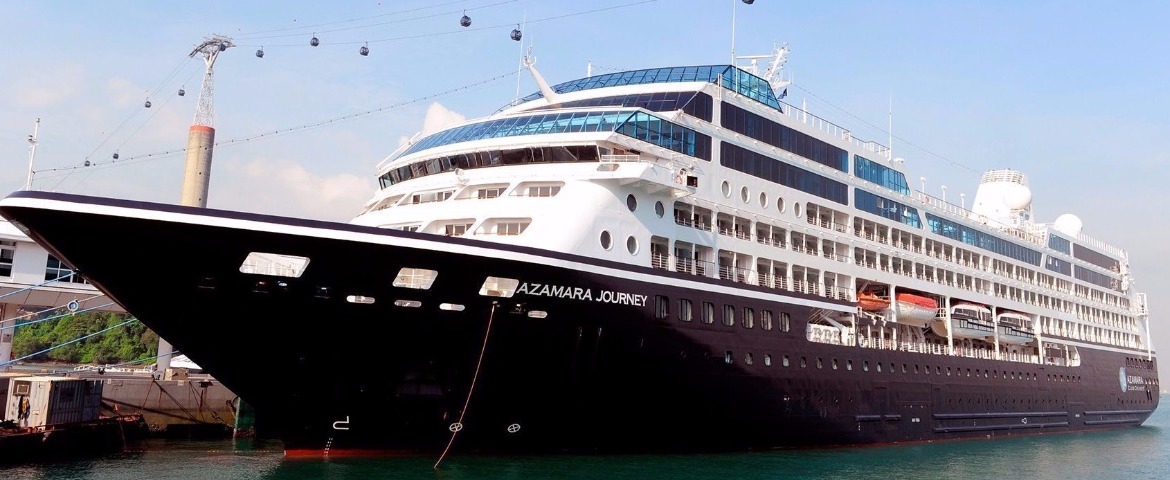
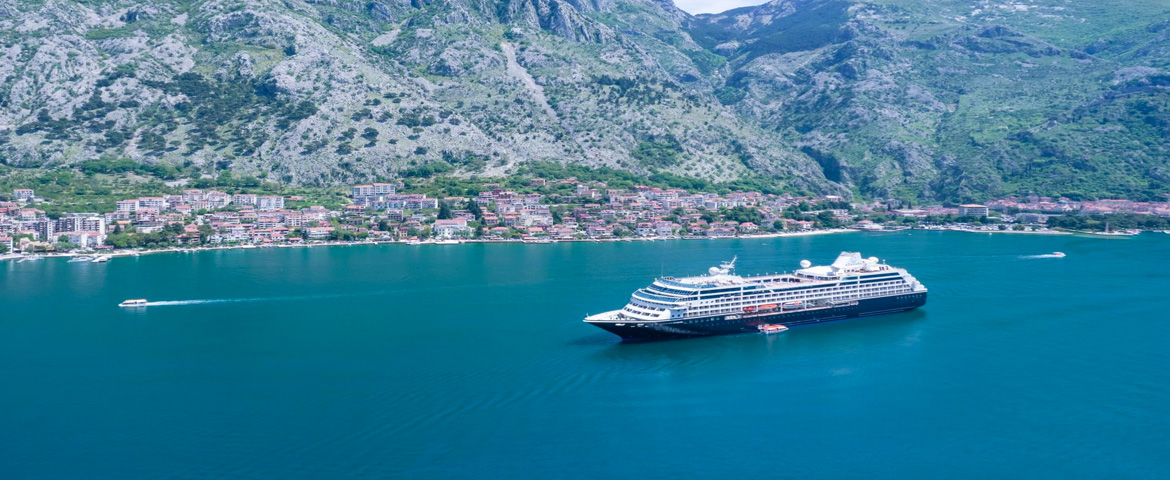
Azamara Club Cruises (5 Cruises)

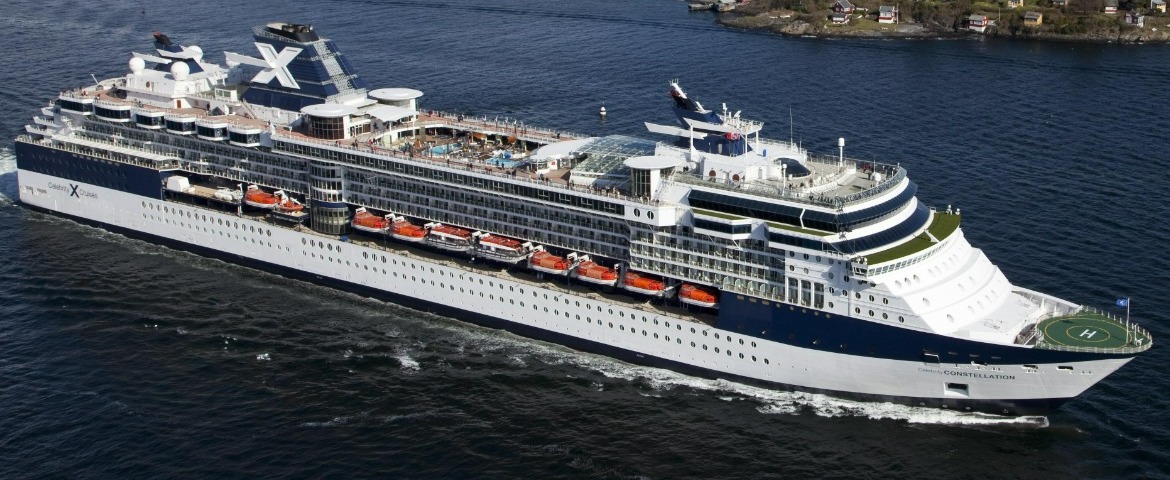
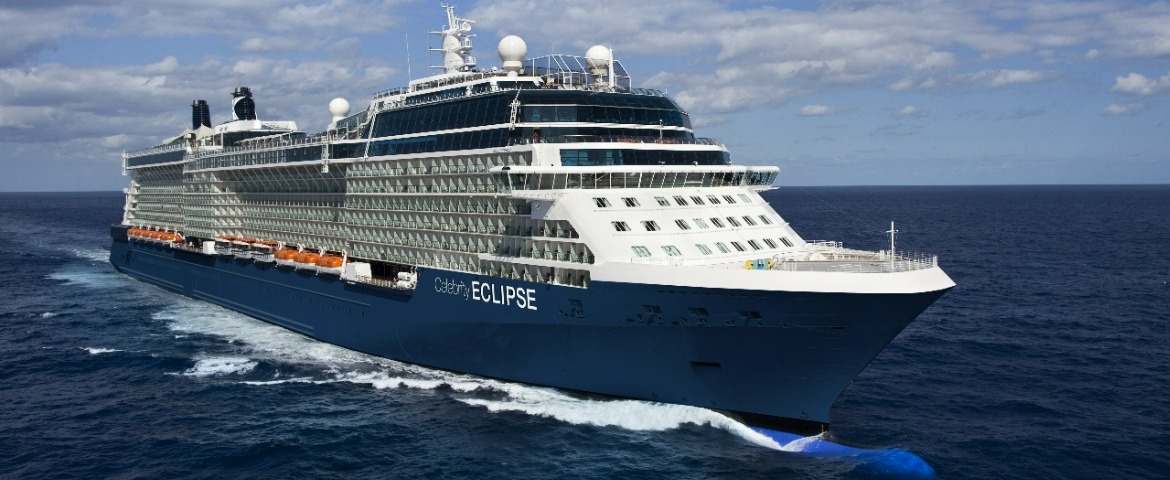
Celebrity Cruises (26 Cruises)
Celebrity Constellation
22 Cruises

Crystal Cruises (2 Cruises)


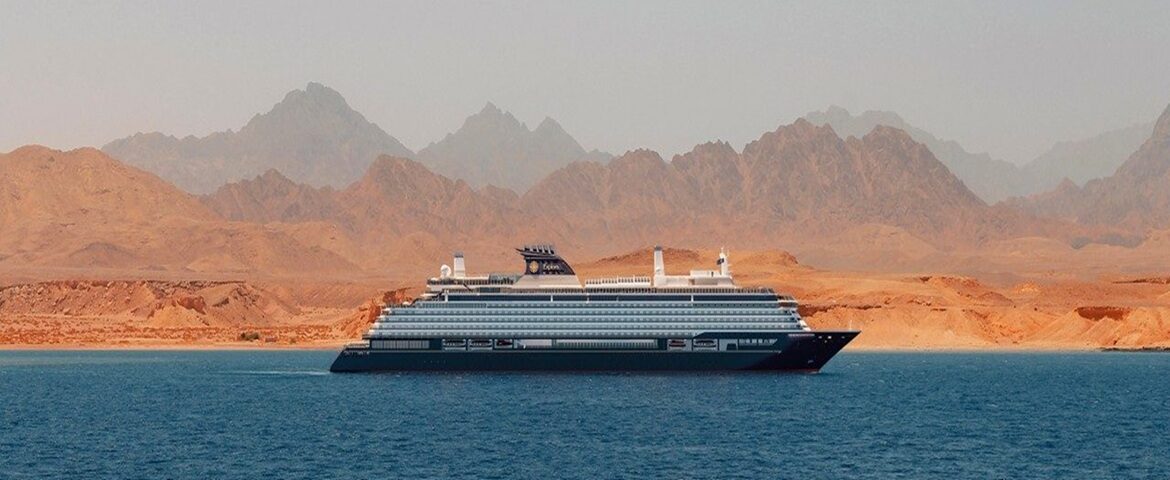
Explora Journeys (3 Cruises)

Norwegian Cruise Line (89 Cruises)
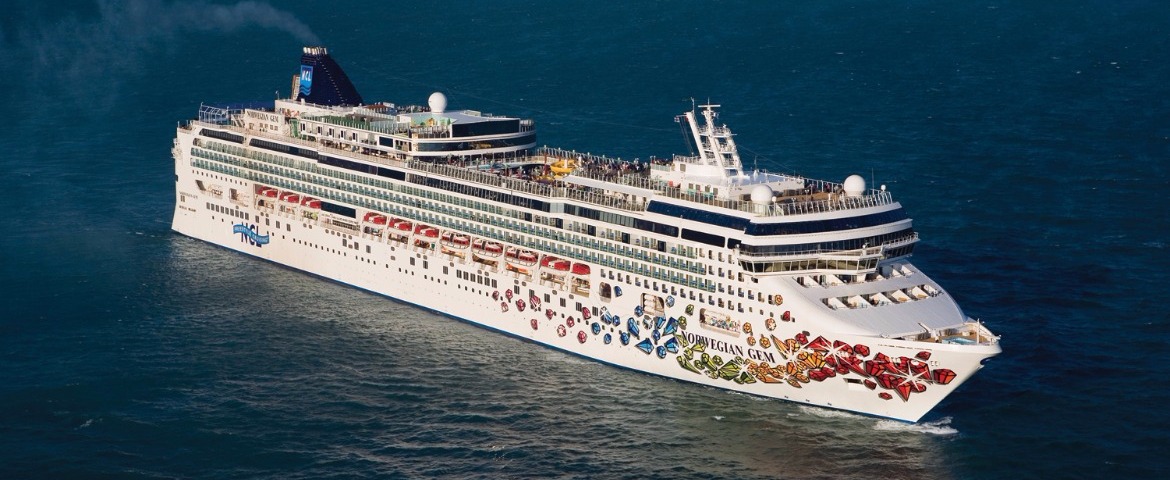
Norwegian Gem
37 Cruises

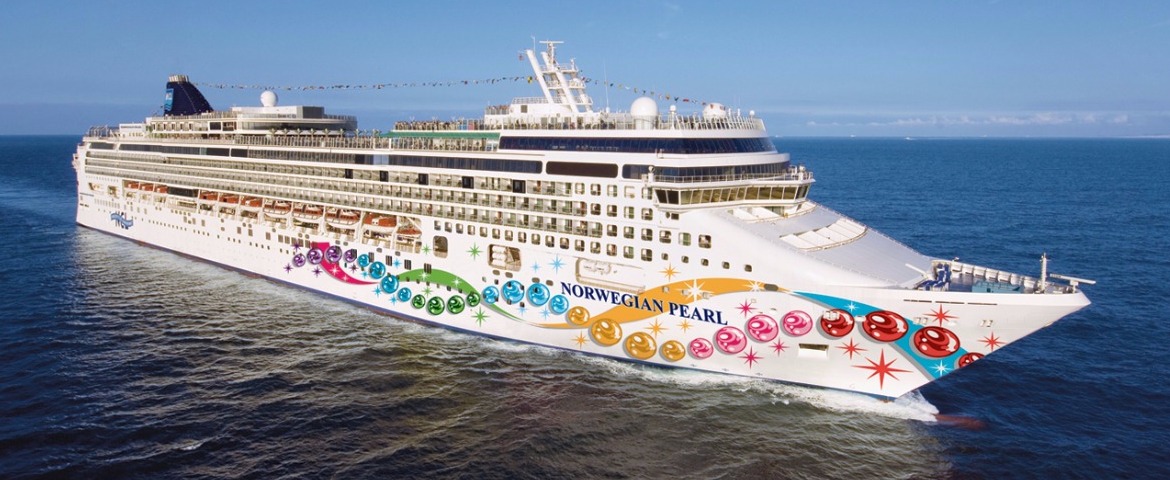
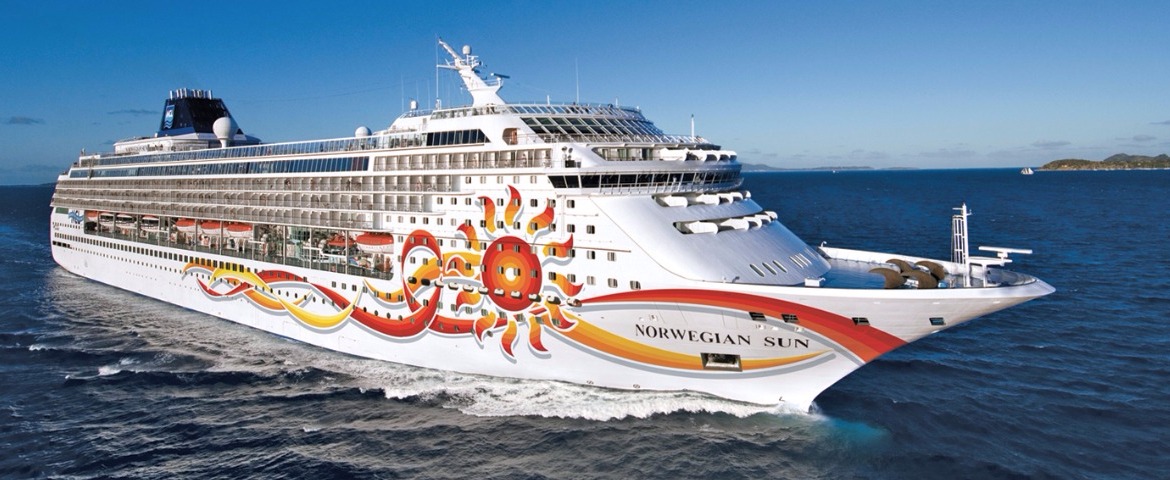
Norwegian Sun
29 Cruises
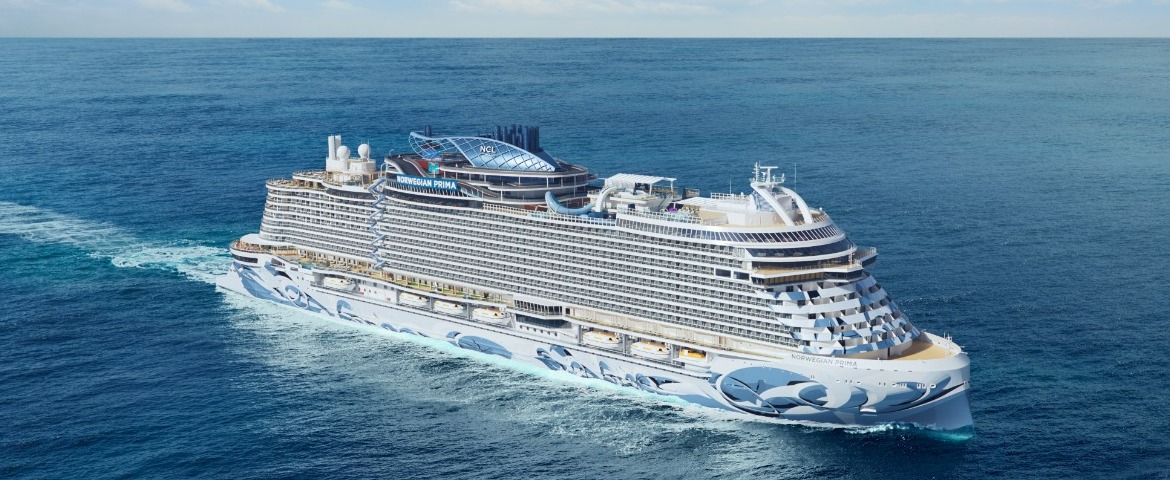
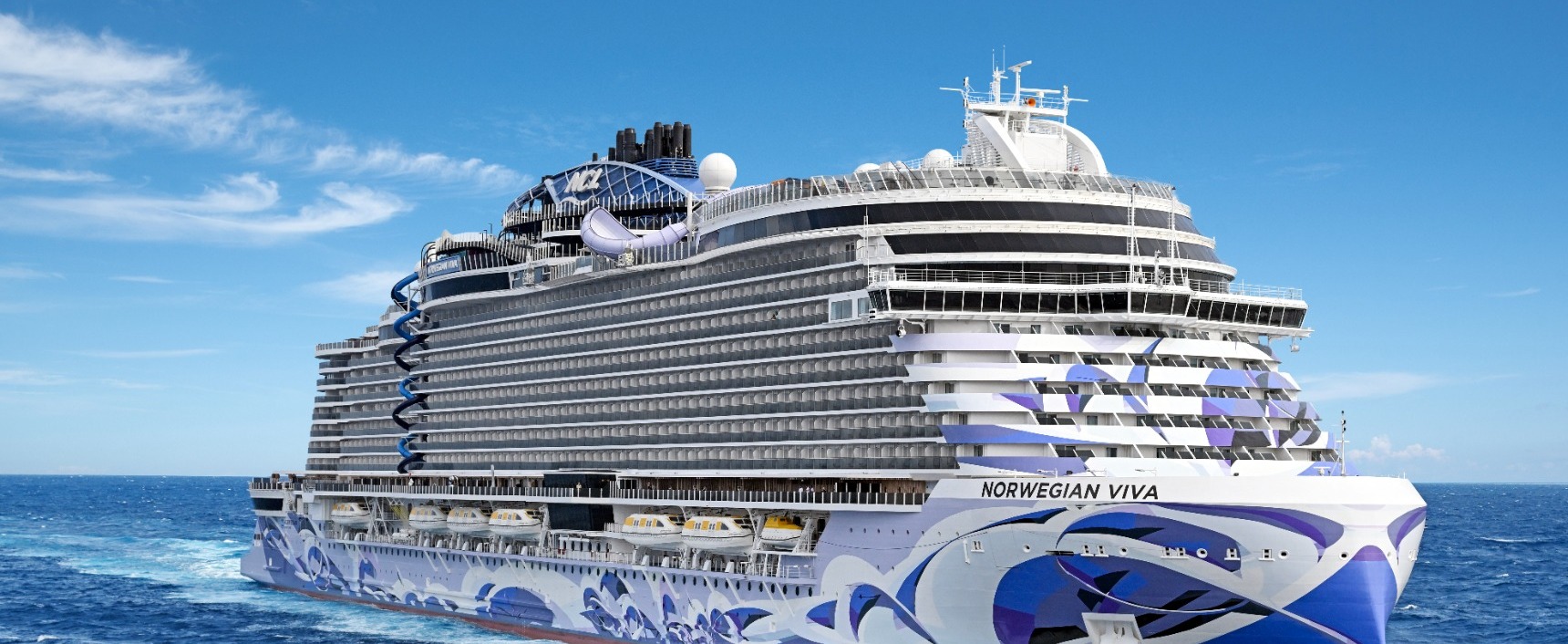
Norwegian Viva
19 Cruises
| 8 August | 10 days | One-way from Ravenna to Istanbul |
From
1871$
|
| 8 August | 10 days | One-way from Ravenna to Istanbul |
450-628-6241
Call us
|
Oceania Cruises (21 Cruises)
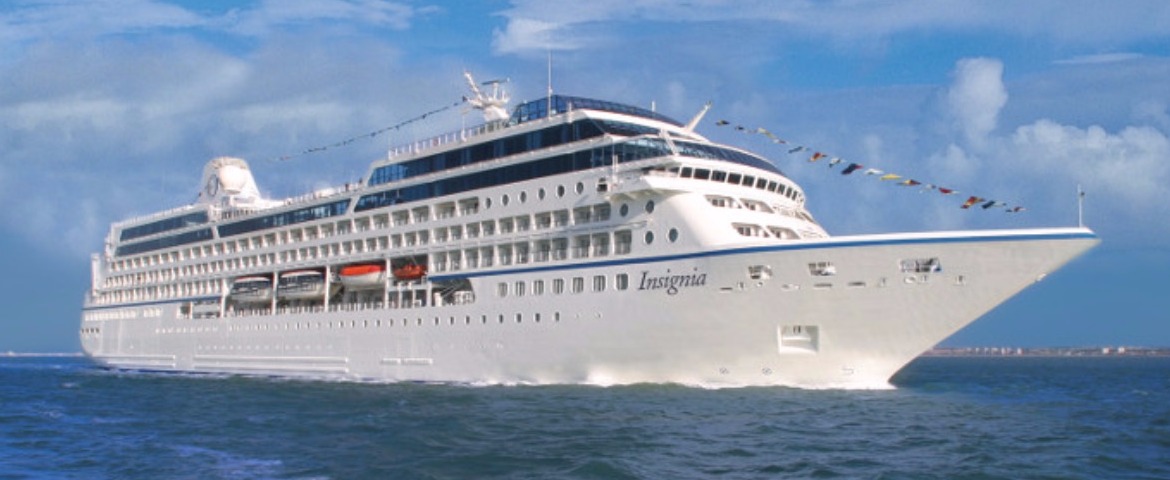

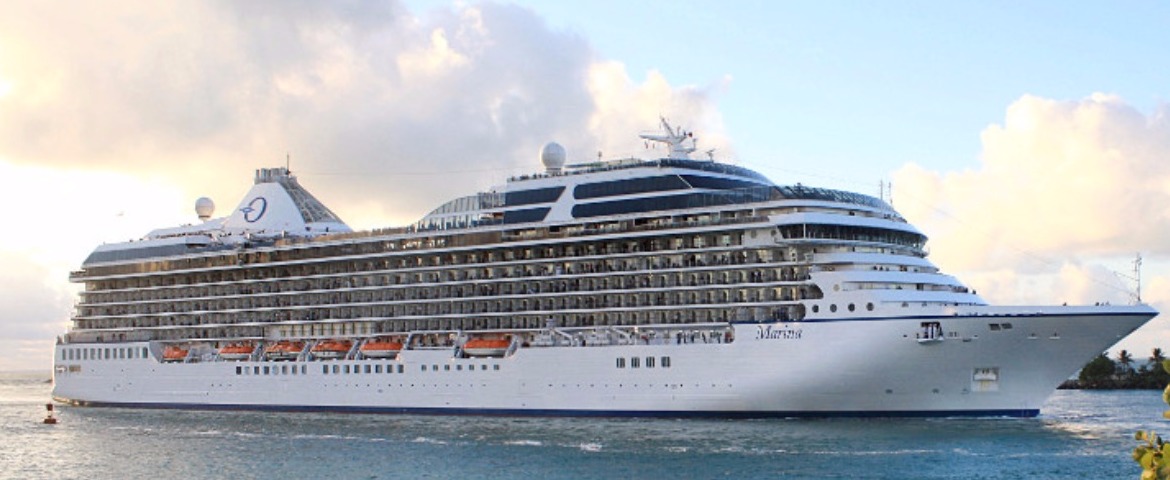
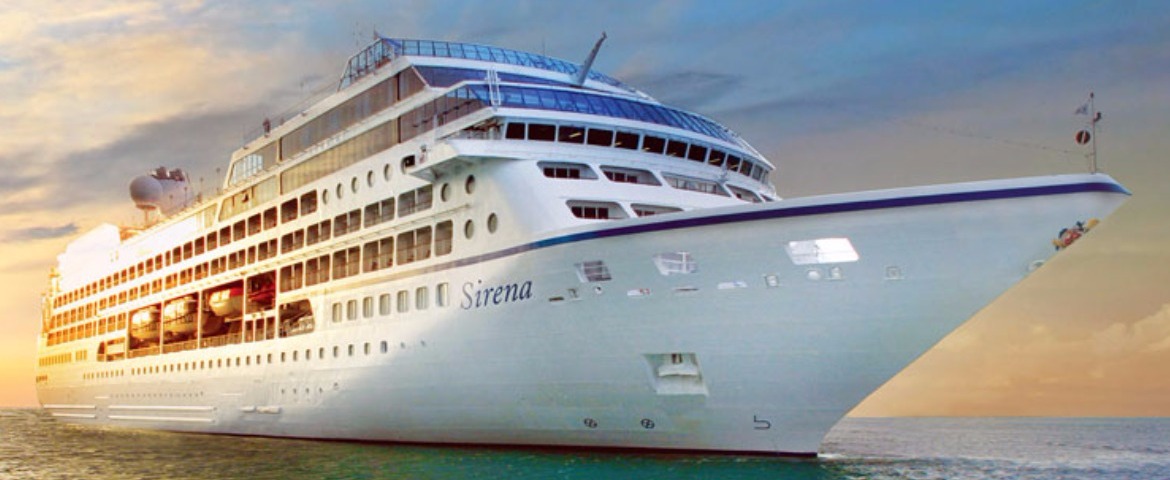
Oceania Sirena
5 Cruises
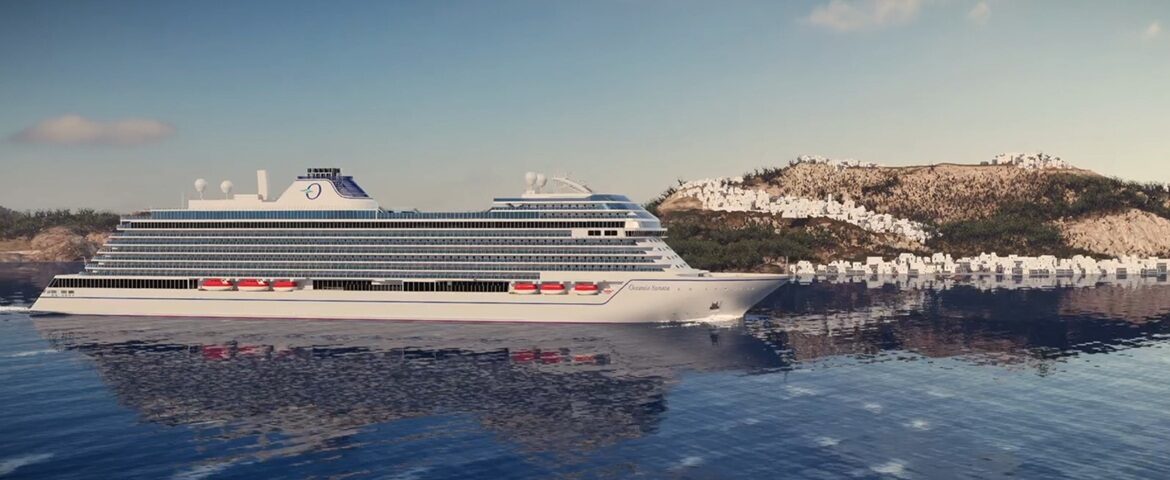
Oceania Sonata
4 Cruises
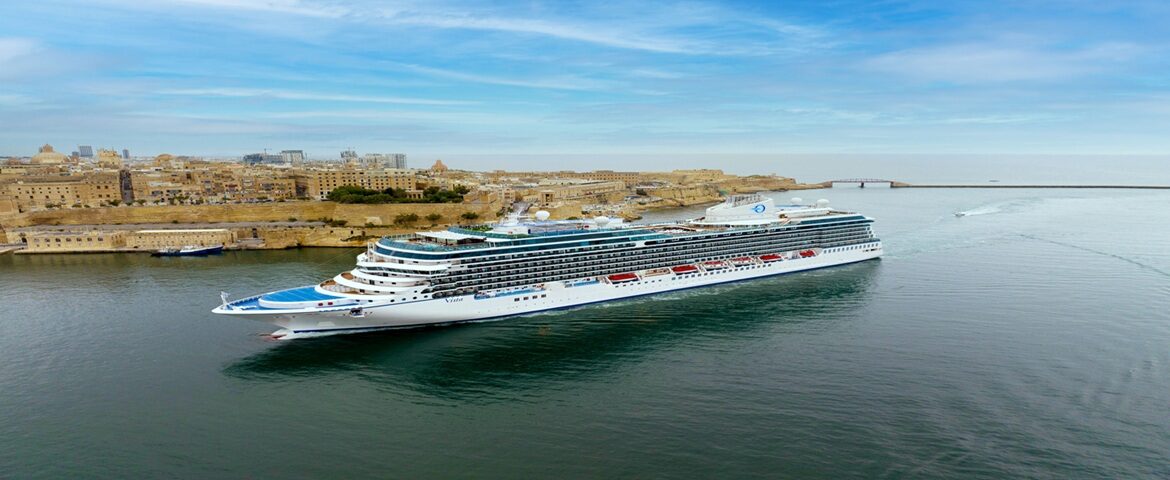
Oceania Vista
8 Cruises
| 6 January | 180 days | One-way from Miami to Southampton |
450-628-6241
Call us
|
| 6 January | 244 days | One-way from Miami to New York |
450-628-6241
Call us
|
| 26 February | 130 days | One-way from Sydney to Southampton |
450-628-6241
Call us
|
| 26 February | 129 days | One-way from Sydney to Southampton |
450-628-6241
Call us
|

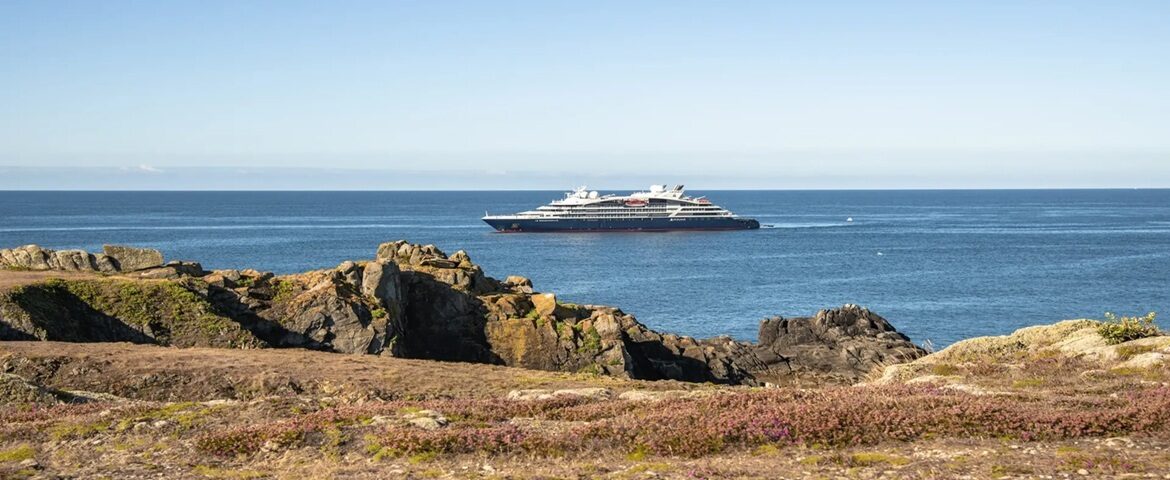
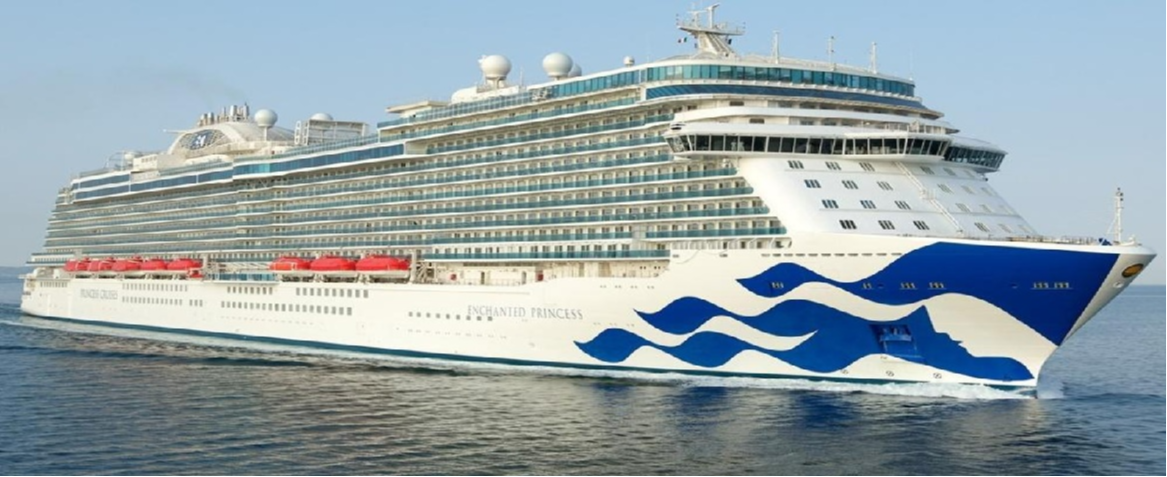
Princess Cruises (8 Cruises)
Enchanted Princess
8 Cruises

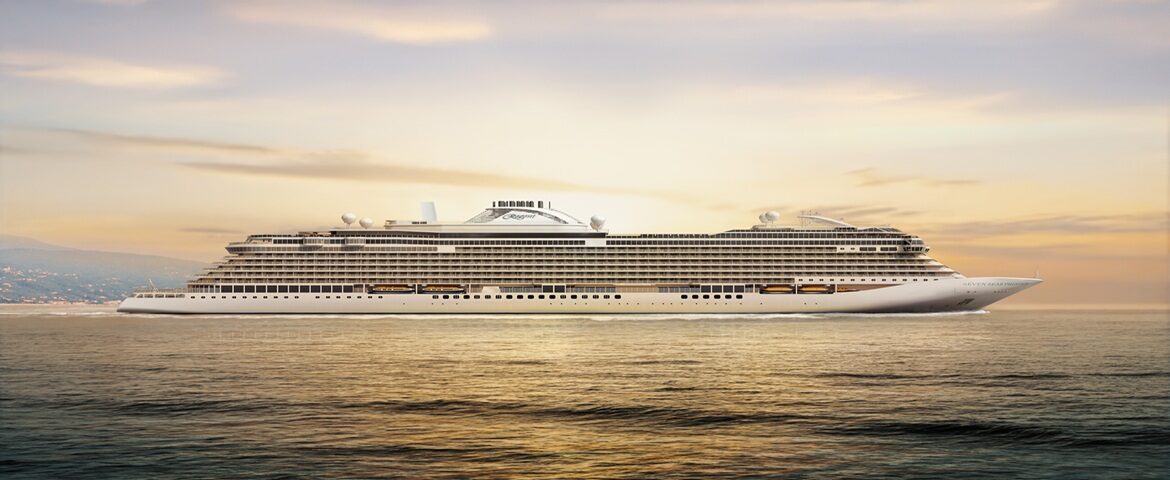

Royal Caribbean Cruises (56 Cruises)
Brilliance of the Seas
27 Cruises


Explorer of the Seas
20 Cruises

Mariner of the Seas
9 Cruises

| 5 June | 11 days | One-way from Barcelona to Ravenna |
From
2115$
|
| 15 June | 10 days | One-way from Ravenna to Barcelona |
450-628-6241
Call us
|
| 15 June | 9 days | One-way from Ravenna to Barcelona |
From
1452$
|
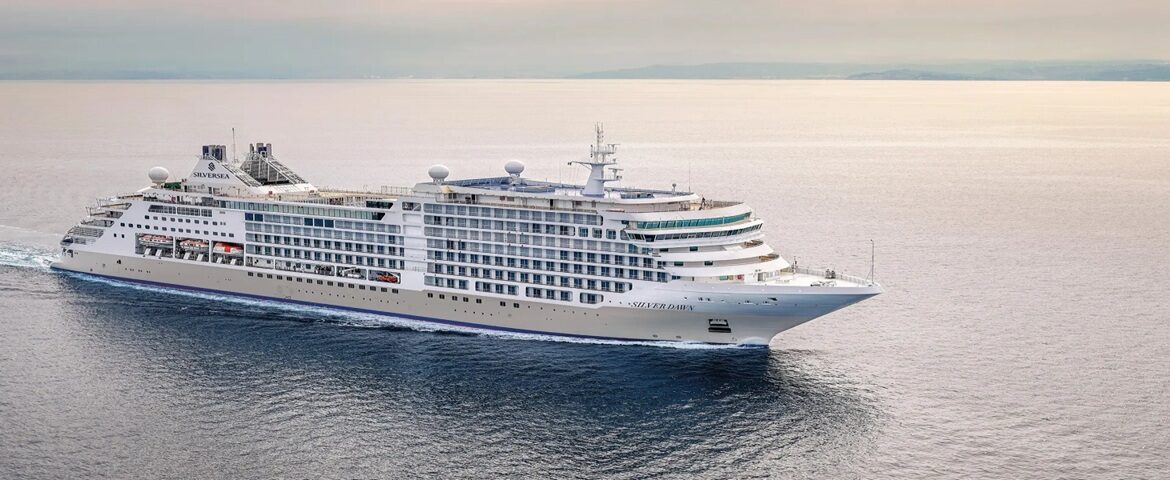
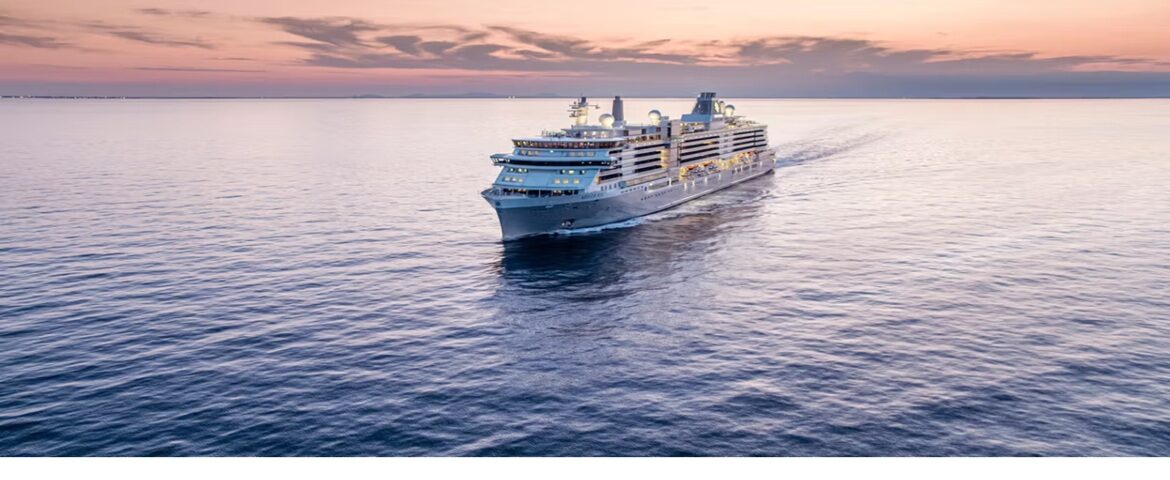
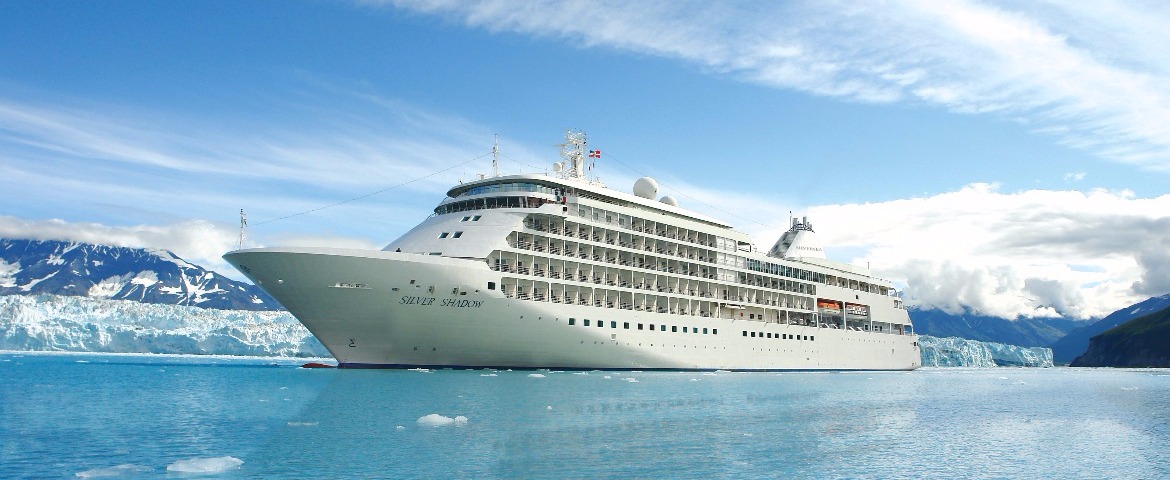
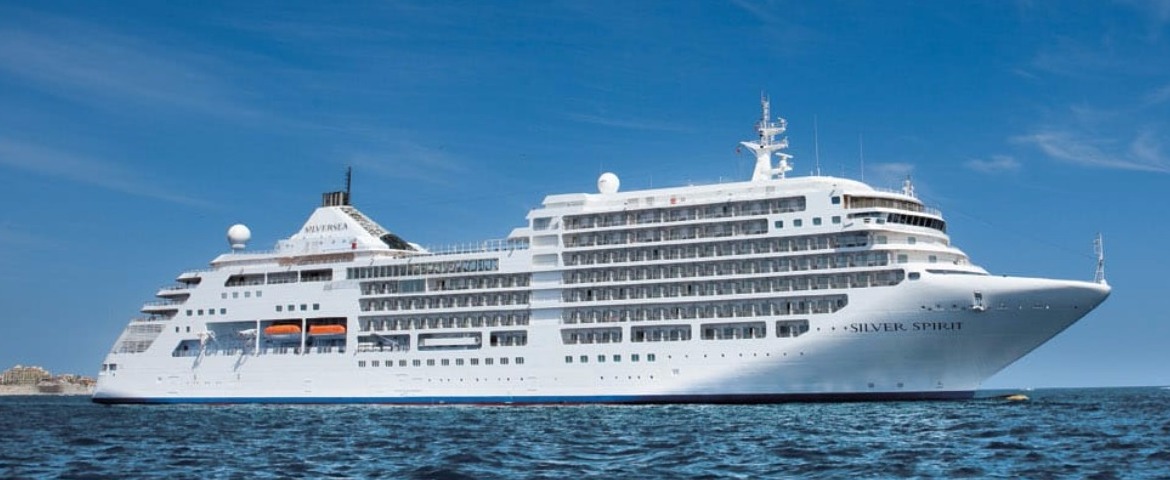
Silversea Cruises (18 Cruises)
Silver Dawn
7 Cruises

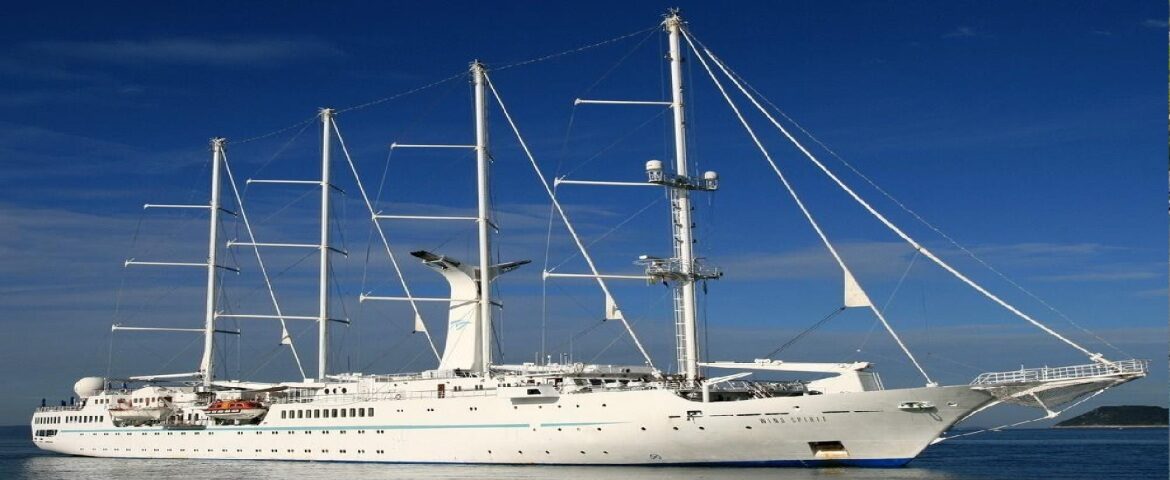
Windstar Cruises (19 Cruises)
Wind Spirit
19 Cruises

| 22 March | 26 days | One-way from Barcelona to Venice |
450-628-6241
Call us
|
| 29 March | 19 days | One-way from Civitavecchia-Rome to Venice |
450-628-6241
Call us
|
| 8 April | 9 days | Round-trip from Venice, Italy |
450-628-6241
Call us
|
| 16 April | 9 days | Round-trip from Venice, Italy |
450-628-6241
Call us
|
| 24 April | 9 days | Round-trip from Venice, Italy |
450-628-6241
Call us
|
| 2 May | 15 days | Round-trip from Venice, Italy |
450-628-6241
Call us
|
| 2 May | 8 days | One-way from Venice to Dubrovnik |
450-628-6241
Call us
|
| 2 July | 14 days | Round-trip 14 Night Star Collector Adriatic Odyssey Cruise |
450-628-6241
Call us
|
| 2 July | 7 days | One-way from Venice to Dubrovnik |
450-628-6241
Call us
|

Ravenna Italy | UNESCO Mosaics & Historic Cruise Guide
Frequently Asked Questions
At Porto Corsini, an outer port on the canal, about 15 km from the historic centre. The transfer takes 20 to 30 minutes depending on traffic: shuttles link the terminal to the city, and cruise lines also offer their own transfers.
No, that is out of the question: the outer port on the canal cannot be reached on foot. Book your shuttle early, especially when two ships share the quay on the same day, and allow a comfortable margin for the return.
Once in town, everything is walkable: the centre is flat, compact, and the major monuments cluster within a few hundred metres. San Vitale and the Mausoleum of Galla Placidia first, then Sant'Apollinare Nuovo and the Neonian Baptistery. A combined ticket covers the main sites.
Because it was a capital three times over: of the late Roman Empire, then of the Ostrogothic kings, then of the Byzantine exarchate. In two centuries the city accumulated more treasure than many capitals gather in a thousand years, and eight of its monuments are UNESCO World Heritage sites.
The chancel, which glitters in gold and green. Emperor Justinian and Empress Theodora have held the visitor's gaze since the sixth century, surrounded by a court of strikingly living faces. From the street the building looks like nothing much: russet brick walls and an almost austere octagonal shape.
A small building in the same garden as San Vitale, playing a more intimate tune. Under a midnight-blue vault sown with golden stars, light filters through thin alabaster windows. Many travellers leave this tiny space more moved than by far larger cathedrals.
Yes. Exiled from Florence, Dante Alighieri finished the Divine Comedy here and died in 1321. His tomb, a plain neoclassical chapel beside the Basilica of San Francesco, still draws Italians on literary pilgrimage. Florence has demanded the remains for centuries; Ravenna has never given them up.
Piadina, the warm flatbread filled with ham and squacquerone, the region's fresh cheese. The lanes around Piazza del Popolo hold trattorias and mosaic artisans' workshops, and the square itself, with its Venetian façades, invites you to slow down.
The euro and Italian. Cards are accepted everywhere, including for the combined monument ticket. English is well spoken at the sites and in centre shops, which welcome visitors from all over the world.
April to June and September to October. The mosaics are viewed indoors, but the centre is covered on foot and summer heat on the Adriatic plain is heavy. Spring adds the benefit of shorter queues at San Vitale.


