Siracusa Sicily Italy, Syracuse
225
Cruises availables
At departure or passage at this port
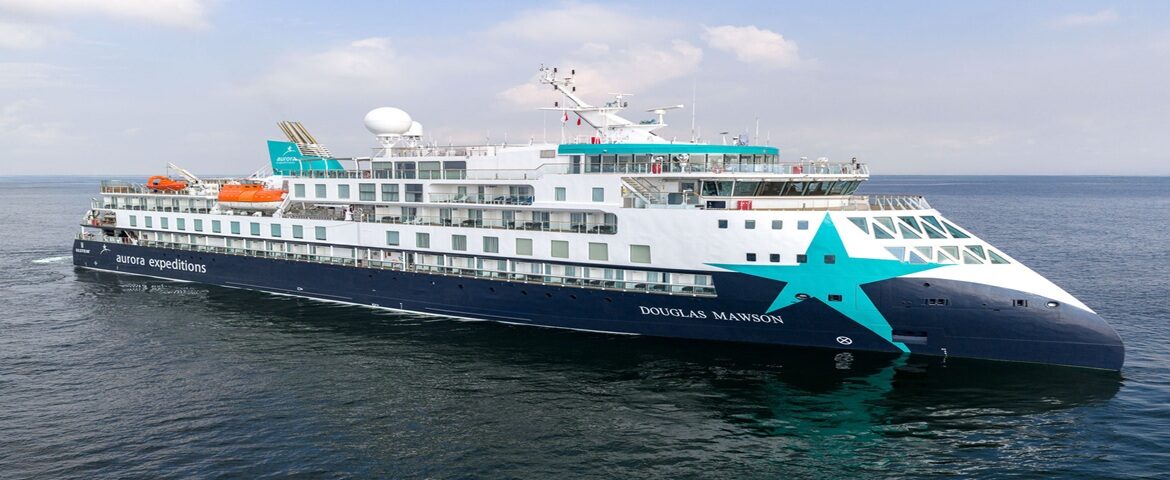
Aurora Expeditions (1 Cruises)

Azamara Club Cruises (69 Cruises)
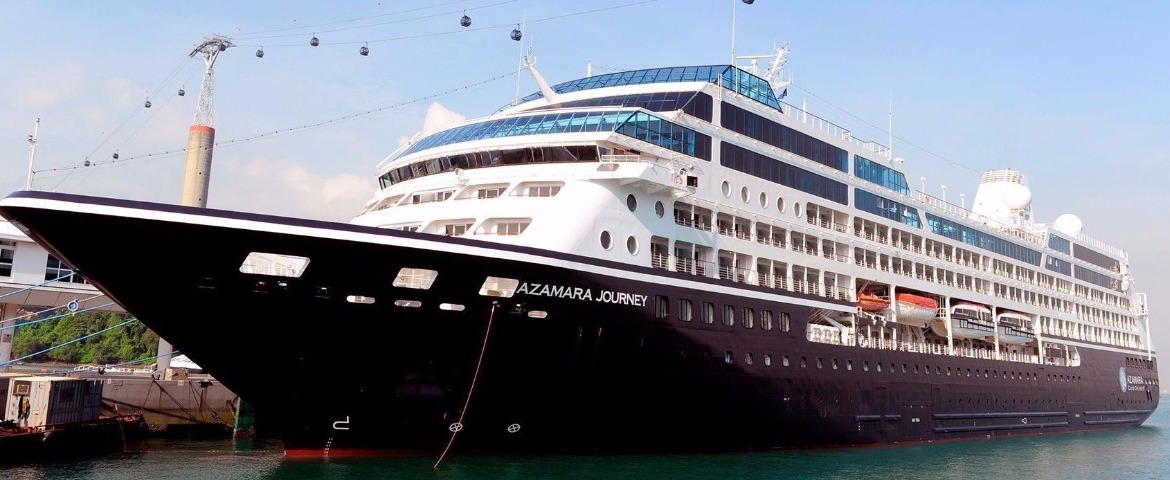
Azamara Journey
31 Cruises

| 10 October | 22 days | One-way from Venice to Barcelona |
450-628-6241
Call us
|
| 19 October | 13 days | One-way from Piraeus-Athens to Barcelona |
450-628-6241
Call us
|
| 25 March | 43 days | One-way from Lisbon to Piraeus-Athens |
450-628-6241
Call us
|
| 25 March | 42 days | One-way from Lisbon to Piraeus-Athens |
450-628-6241
Call us
|
Azamara Onward
33 Cruises
| 28 November | 14 days | One-way from Barcelona to Piraeus-Athens |
450-628-6241
Call us
|
| 28 November | 14 days | One-way from Barcelona to Piraeus-Athens |
450-628-6241
Call us
|
| 9 May | 52 days | One-way from Cape Town to Piraeus-Athens |
450-628-6241
Call us
|
| 9 May | 51 days | One-way from Cape Town to Piraeus-Athens |
450-628-6241
Call us
|
| 17 July | 21 days | One-way from Venice to Civitavecchia-Rome |
450-628-6241
Call us
|
| 26 July | 12 days | One-way from Piraeus-Athens to Civitavecchia-Rome |
450-628-6241
Call us
|
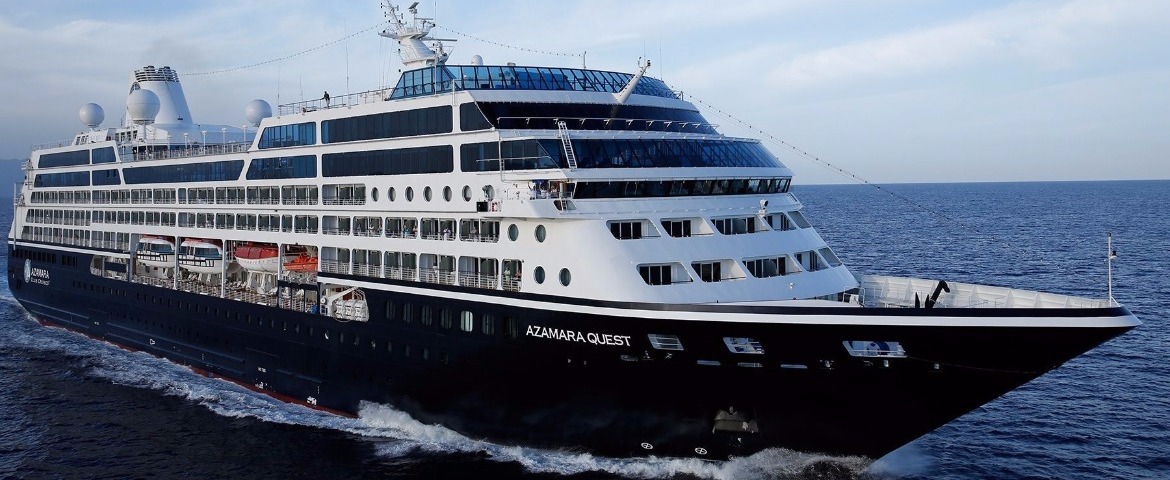
Azamara Quest
5 Cruises
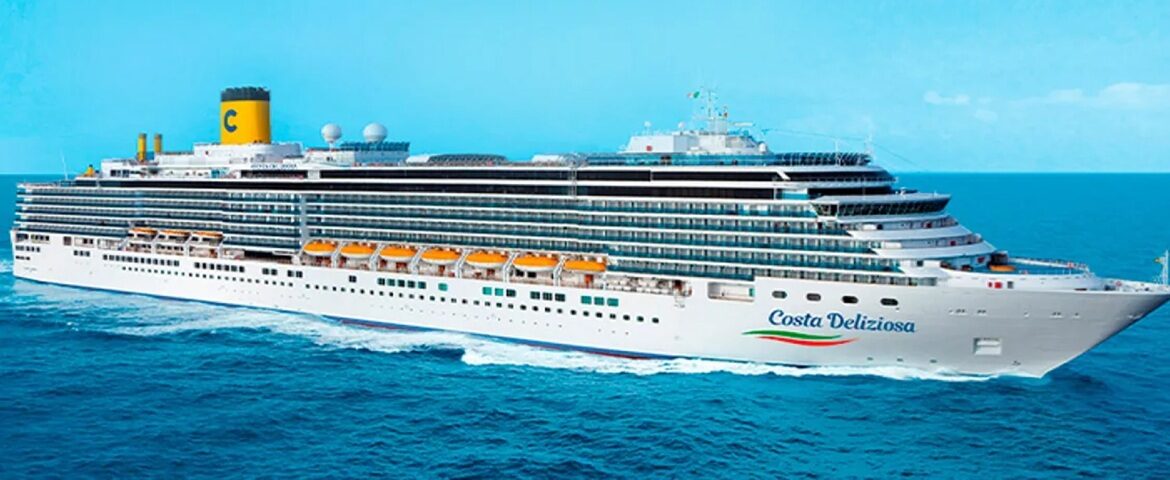
Costa Cruises (4 Cruises)

CroisiEurope (18 Cruises)
MV La Belle de L'Adriatique
18 Cruises


Crystal Cruises (10 Cruises)
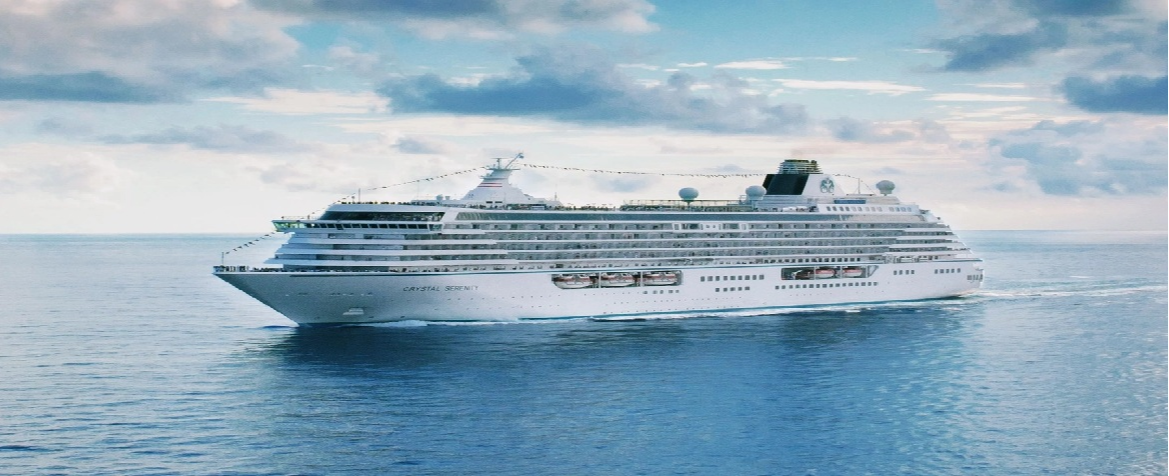

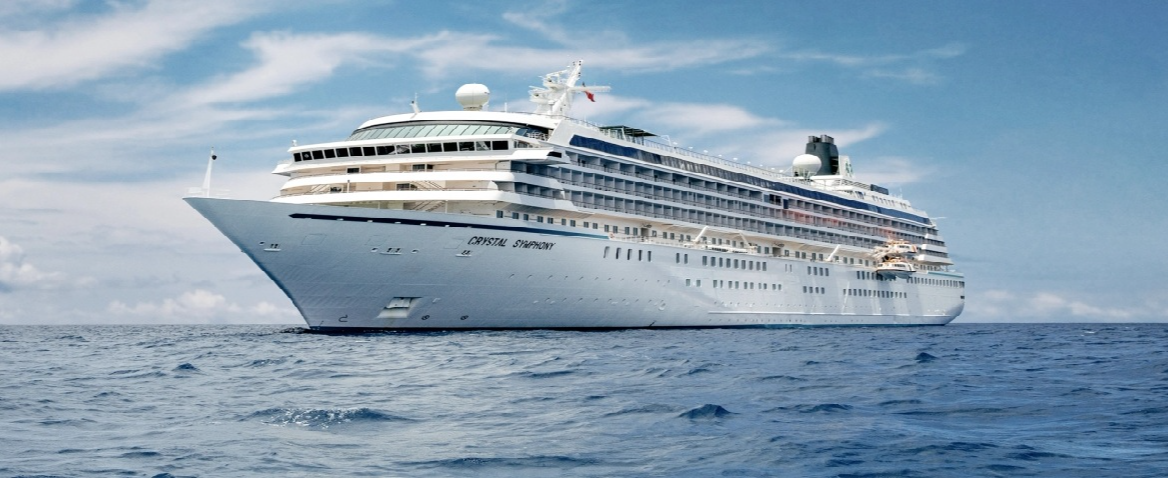
Crystal Symphony
8 Cruises
| 11 January | 137 days | One-way from Fort Lauderdale to Barcelona |
450-628-6241
Call us
|
| 11 January | 151 days | Round-trip 150 Night Roundtrip Fort Lauderdale Cruise |
450-628-6241
Call us
|
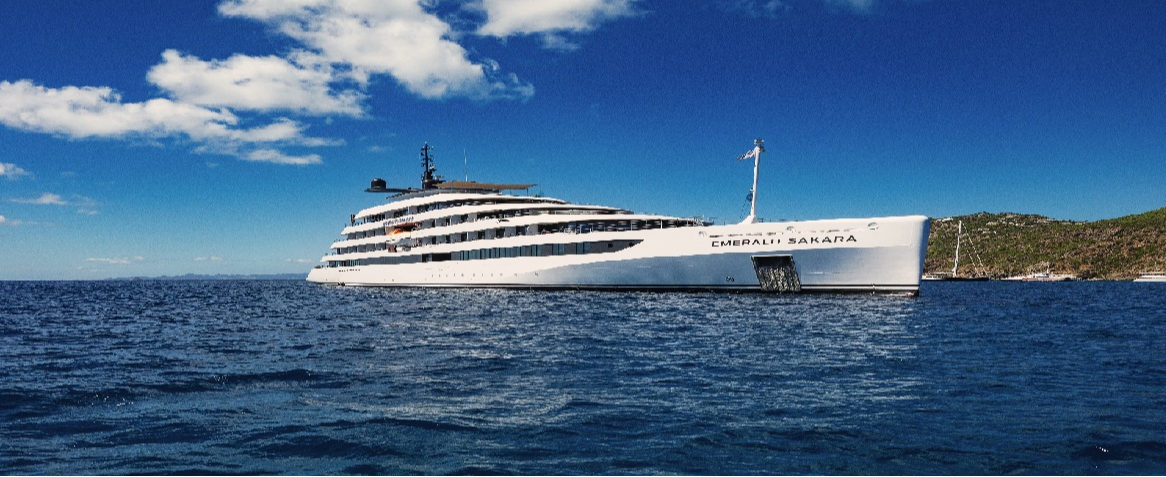
Emerald Waterways (8 Cruises)
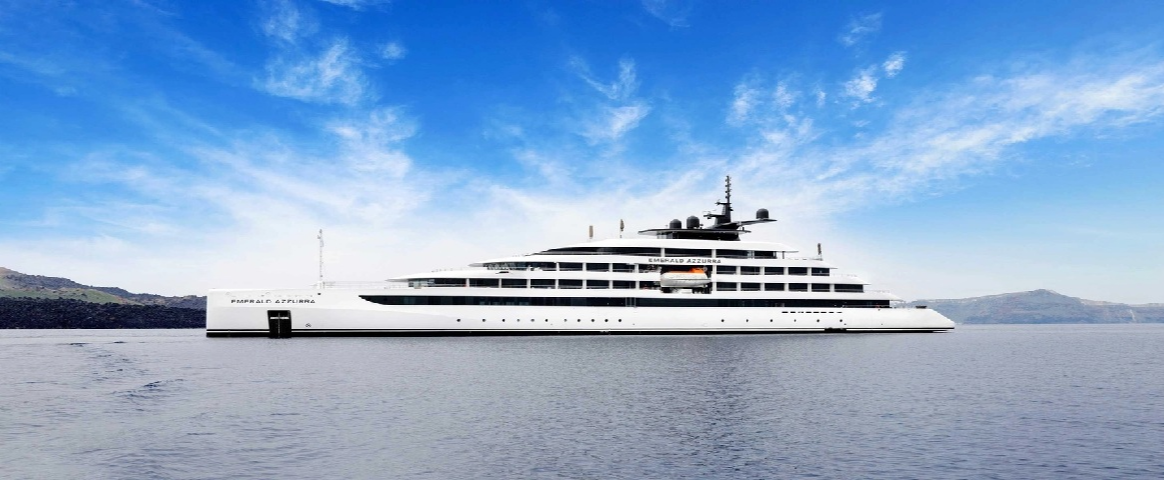
Emerald Azzurra
5 Cruises

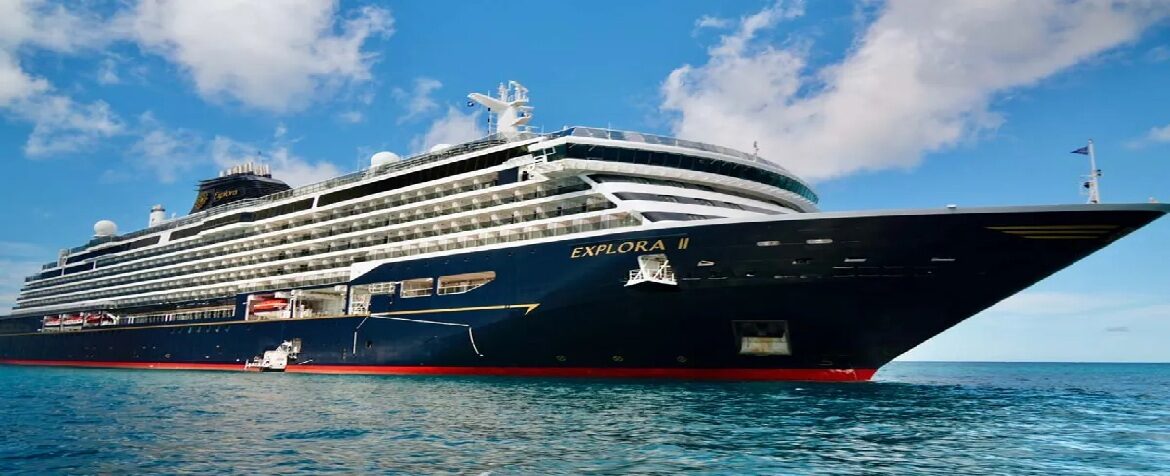
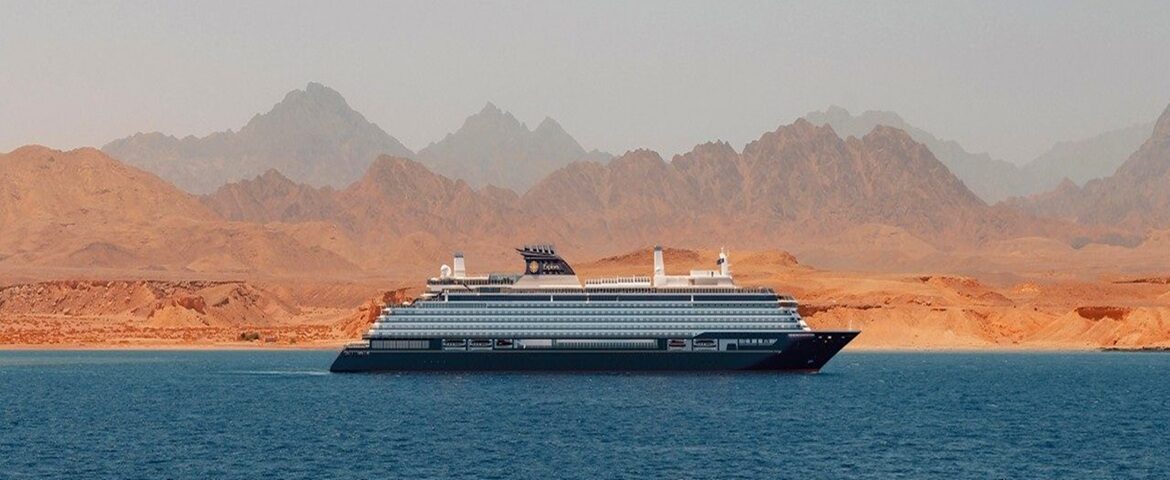
Explora Journeys (9 Cruises)

Lindblad Expeditions (12 Cruises)
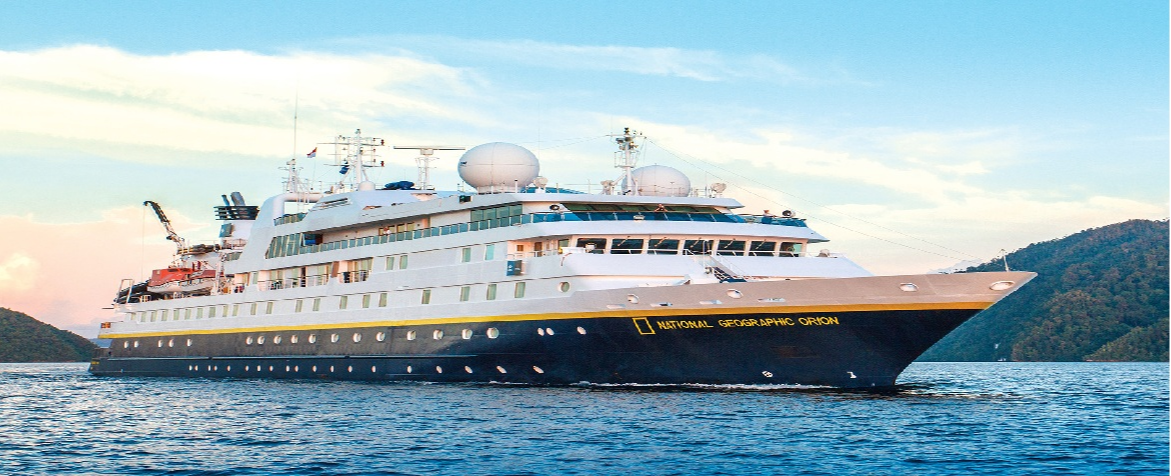
National Geographic Orion
6 Cruises

| 7 April | 13 days | One-way from Barcelona to Piraeus-Athens |
450-628-6241
Call us
|
| 7 April | 20 days | One-way from Barcelona to Piraeus-Athens |
450-628-6241
Call us
|
Sea Cloud
6 Cruises
 Image not available
MSC Cruises (2 Cruises)
MSC World Europa
2 Cruises
Image not available

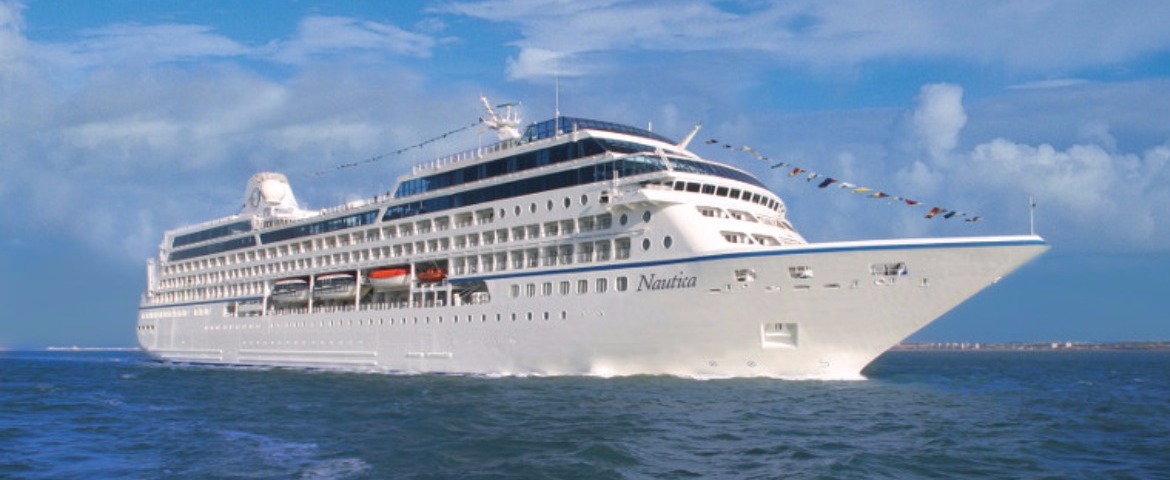
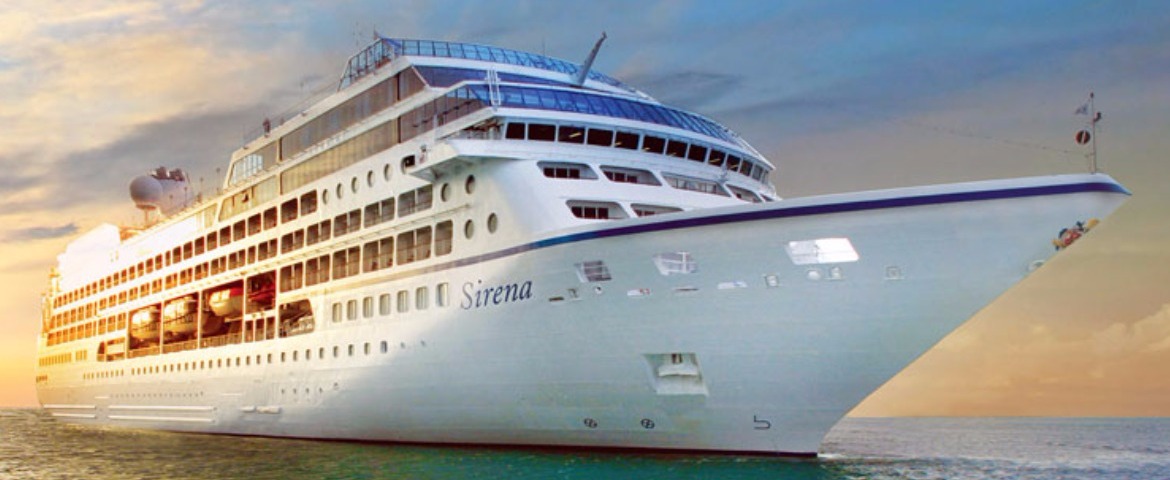
Oceania Cruises (10 Cruises)

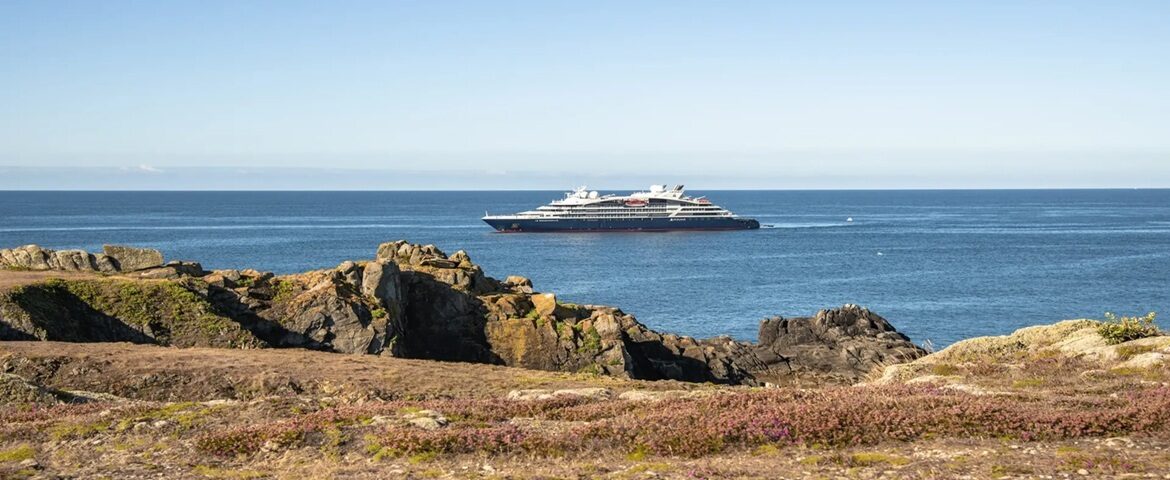
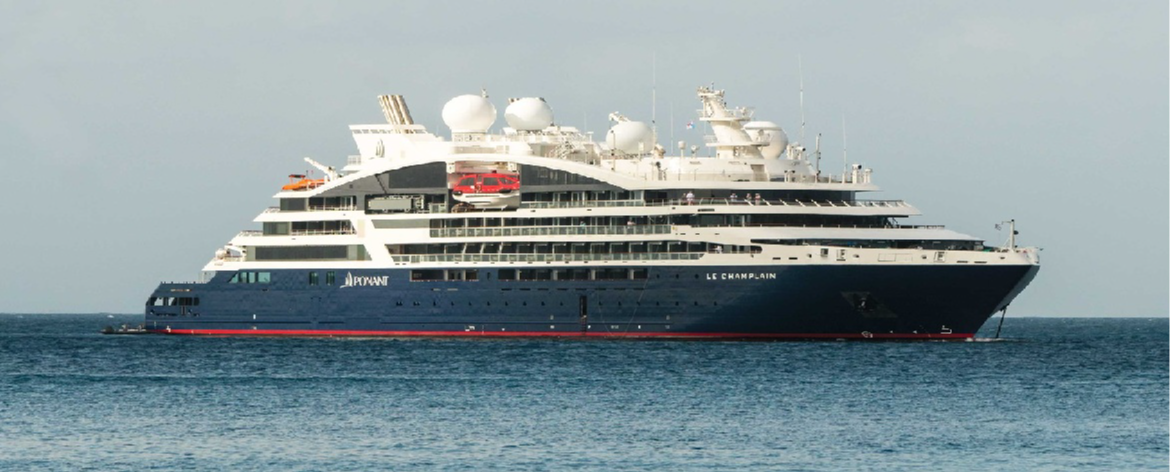
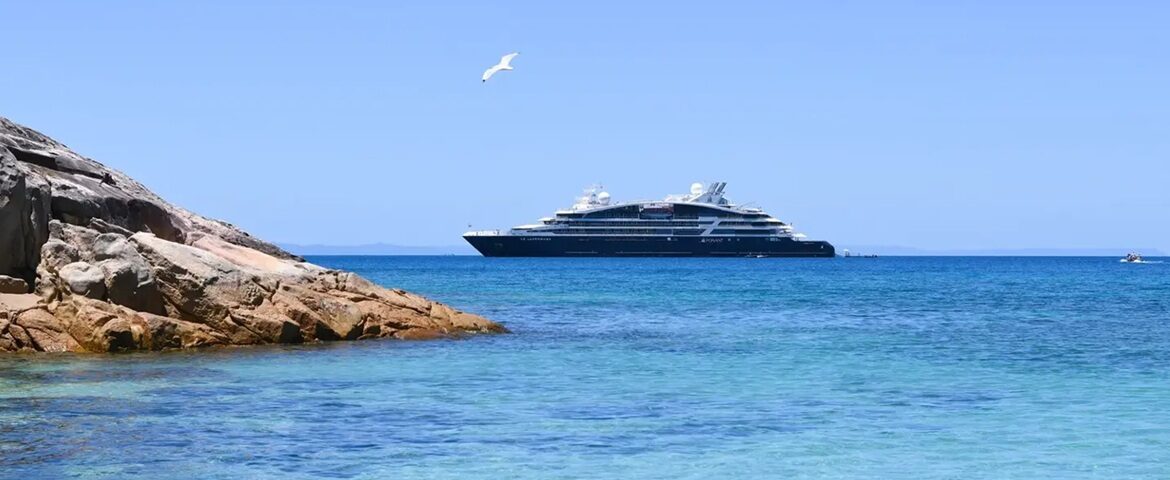
Ponant (17 Cruises)
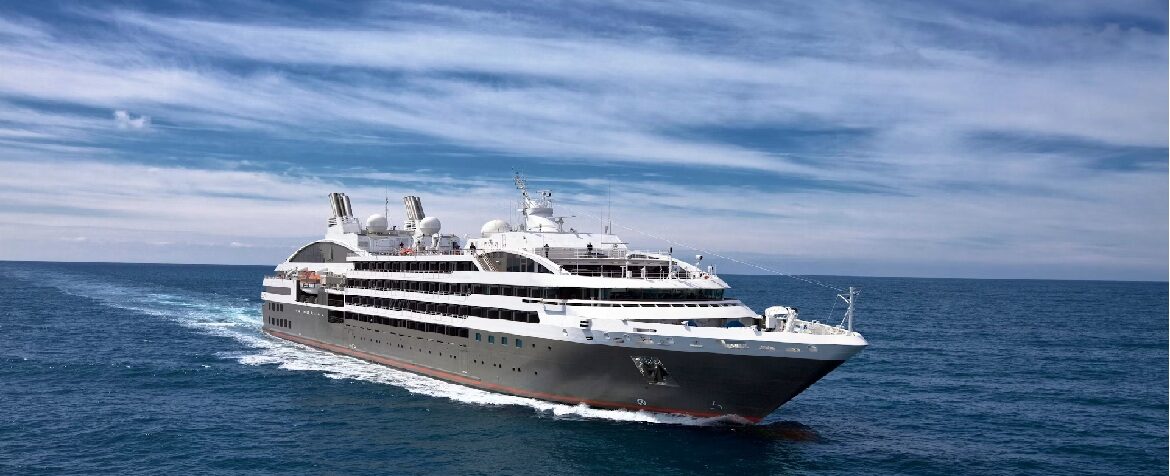

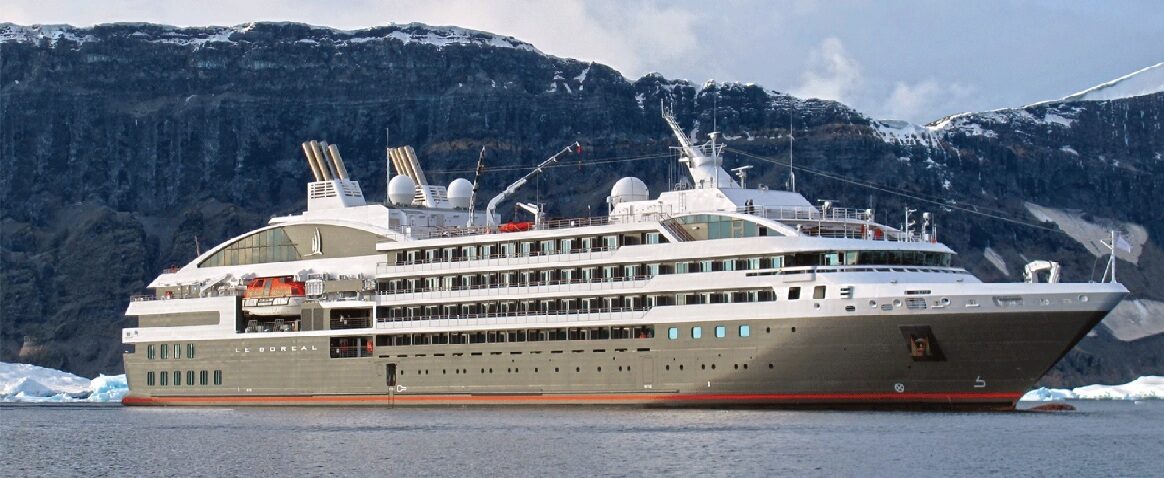
Le Boreal
5 Cruises
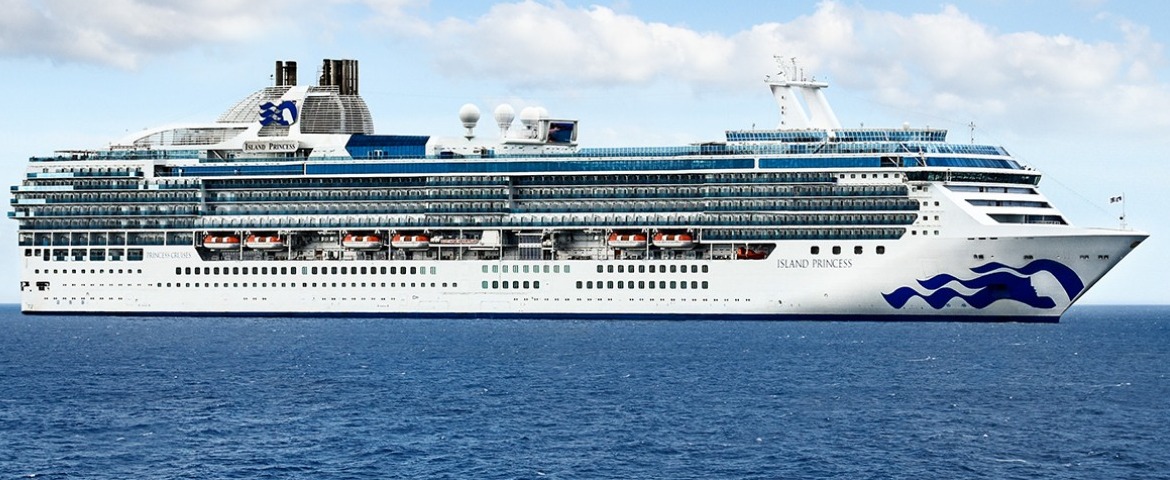
Princess Cruises (11 Cruises)
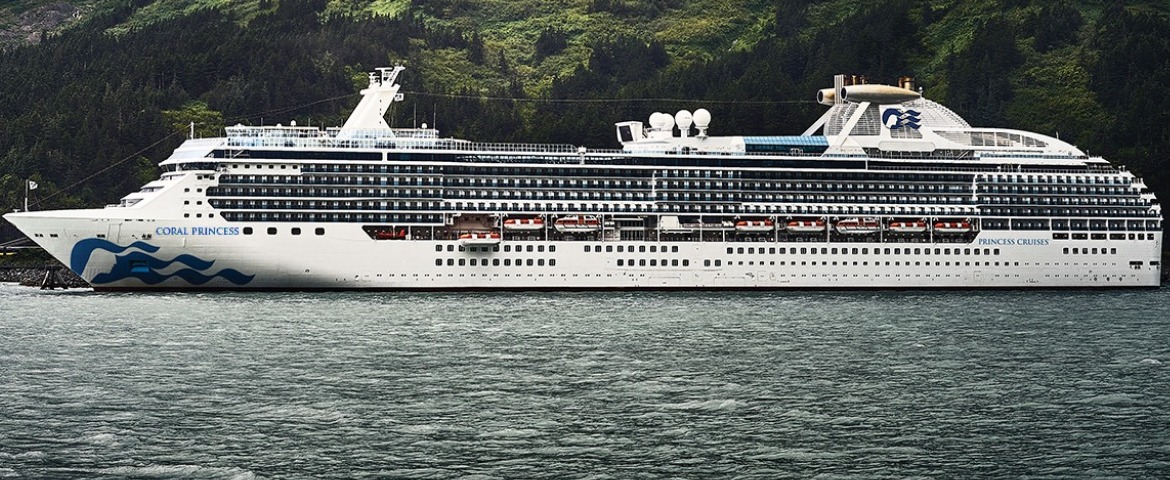
Coral Princess
10 Cruises

| 14 February | 54 days | One-way from Sydney to Civitavecchia-Rome |
450-628-6241
Call us
|
| 14 February | 55 days | One-way from Sydney to Civitavecchia-Rome |
450-628-6241
Call us
|
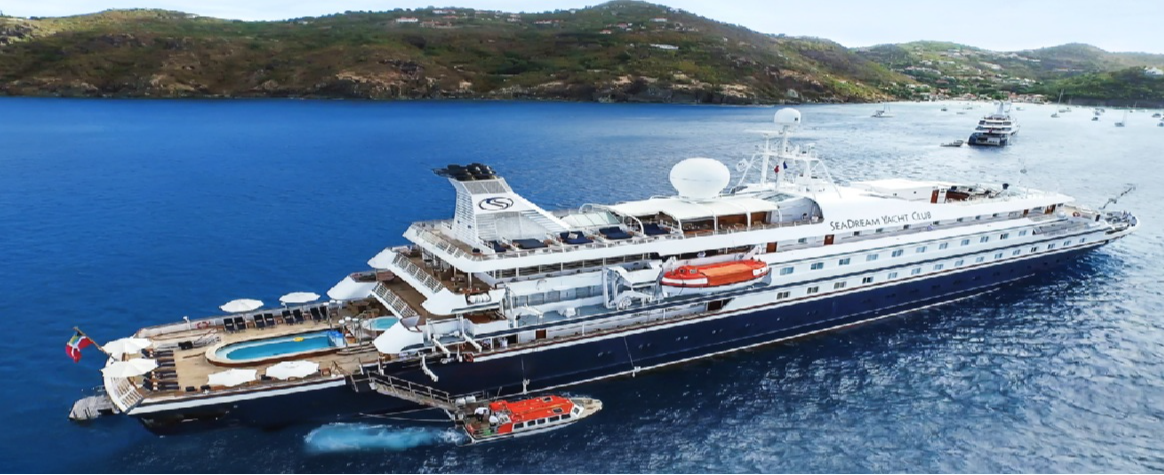
SeaDream Yacht Club (2 Cruises)

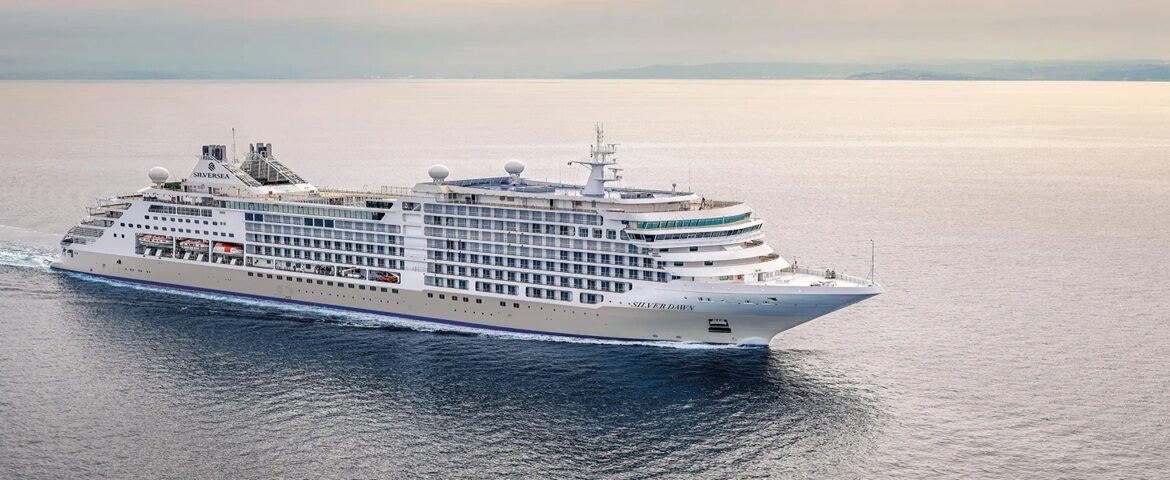
Silversea Cruises (6 Cruises)

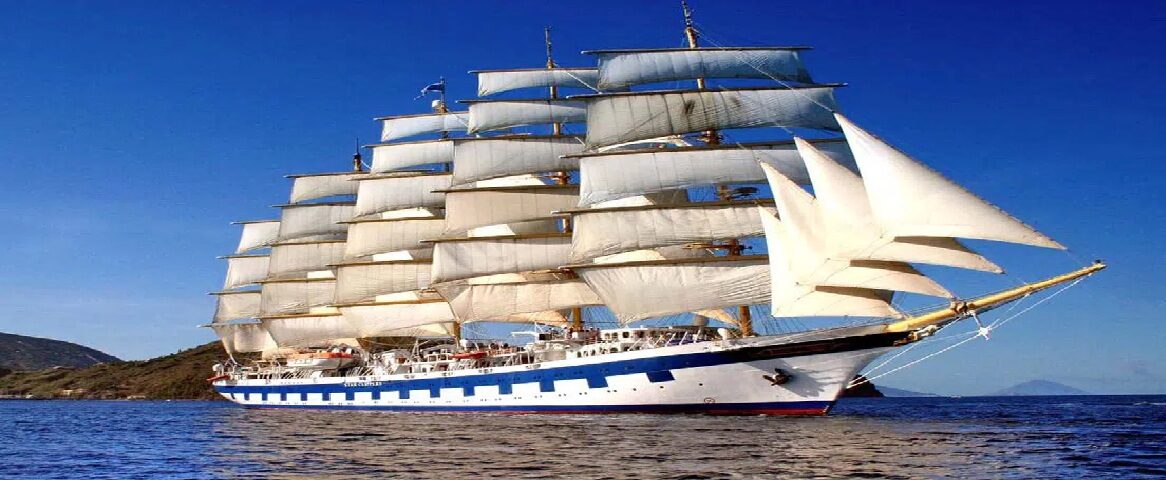
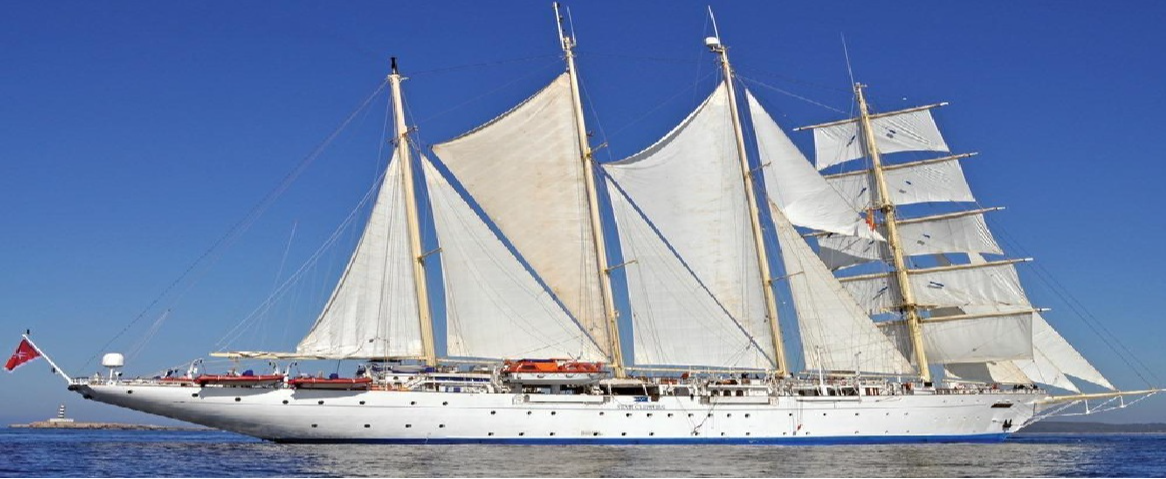
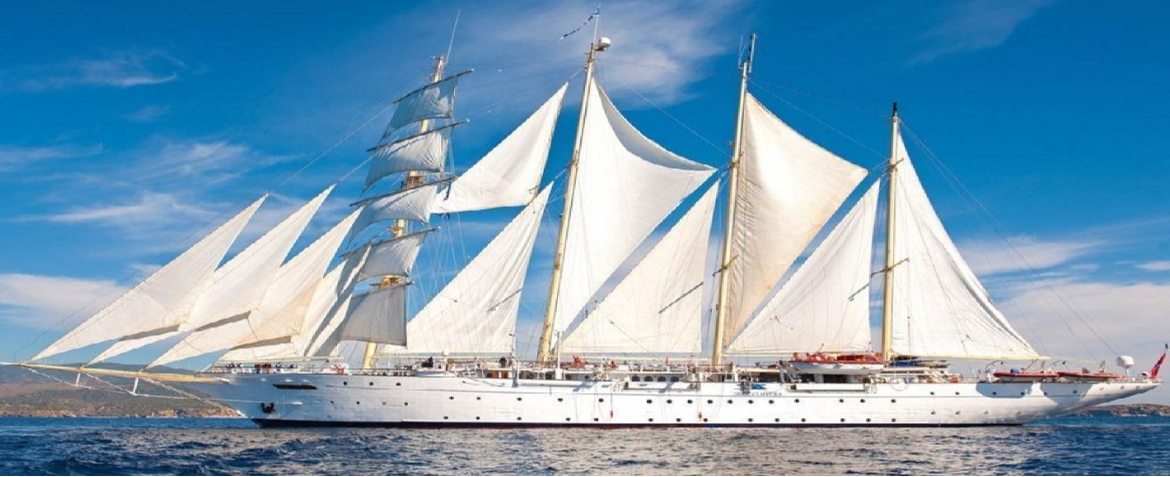
Star Clippers (11 Cruises)

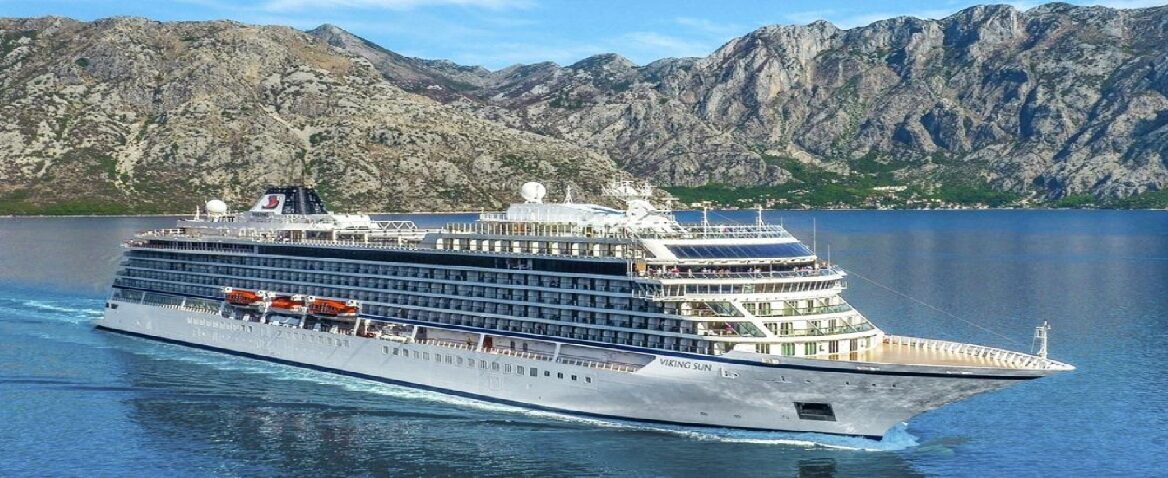
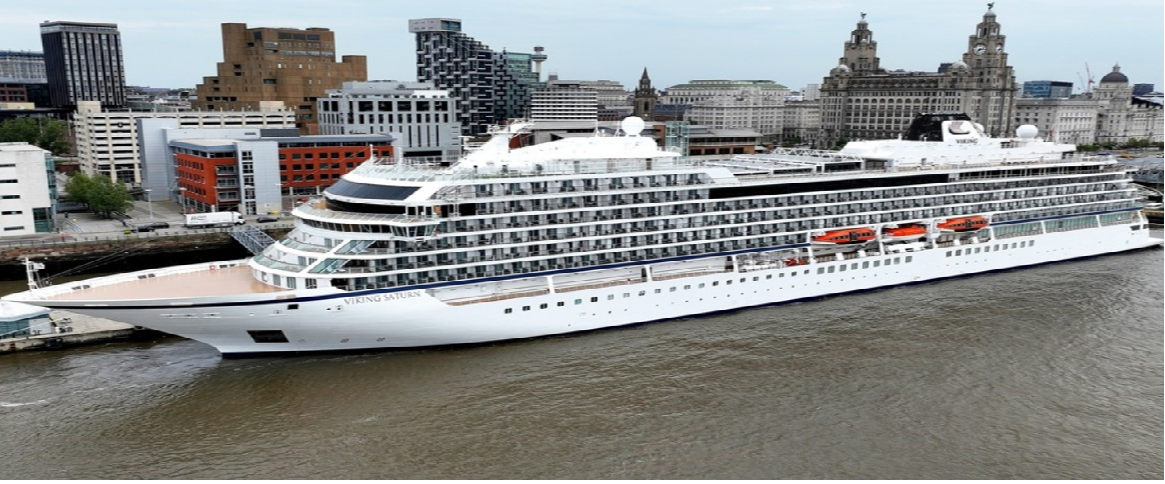
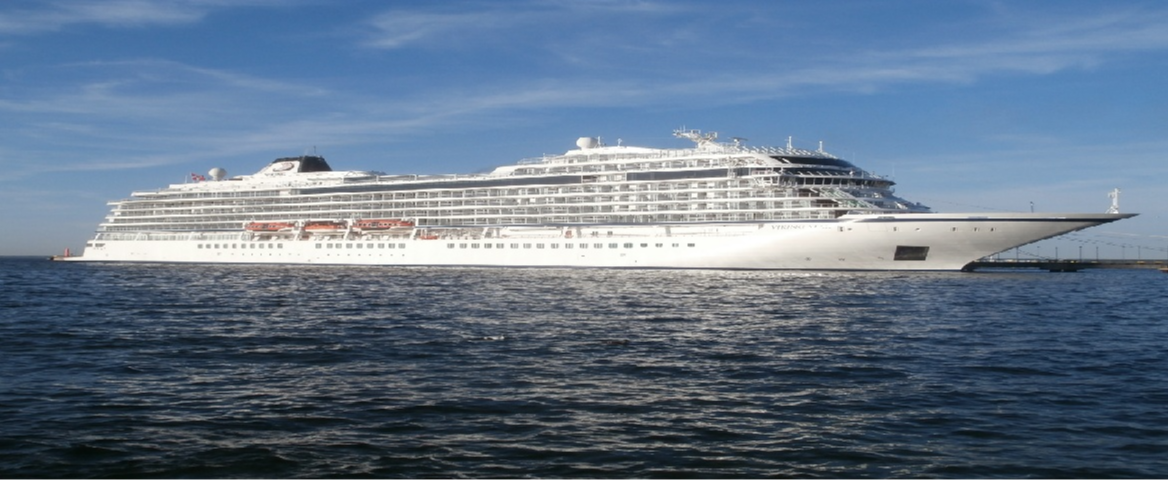
Viking Ocean Cruises (6 Cruises)

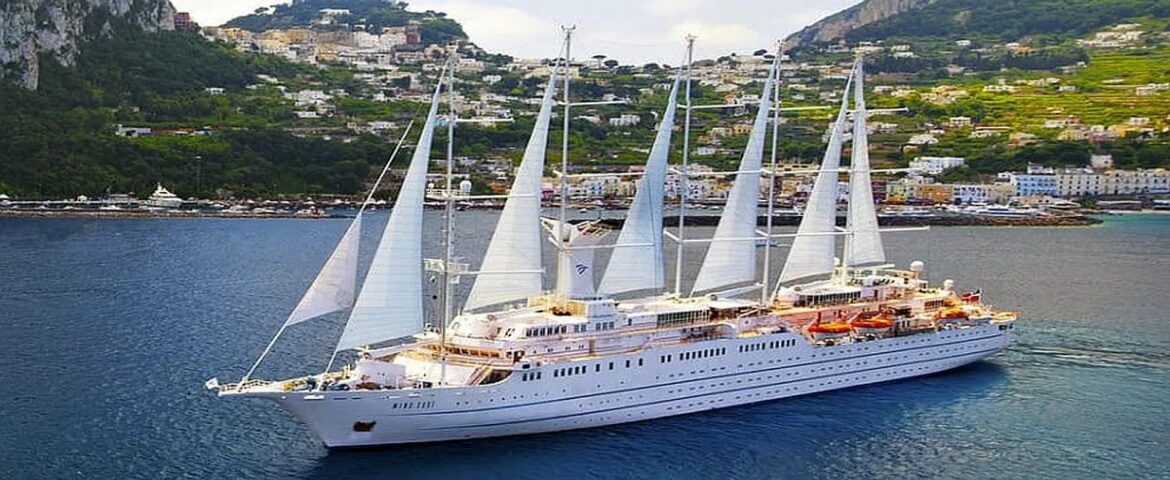
Windstar Cruises (29 Cruises)
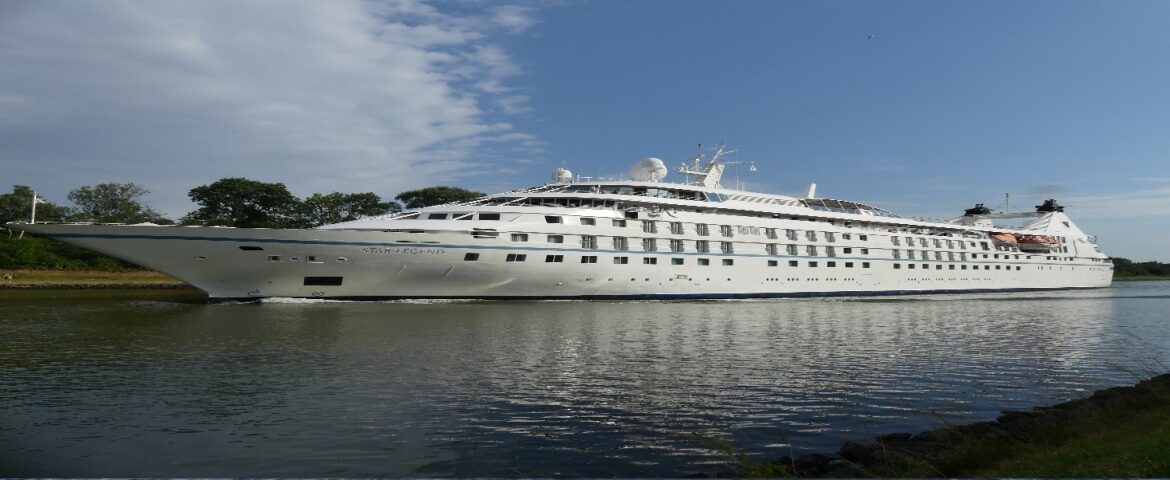
Star Legend
28 Cruises

Port of Syracuse, Sicily | Cruise Port Guide
Frequently Asked Questions
A short walk from the island of Ortygia, the city's original core, and that proximity changes everything: fifteen minutes on foot takes you across the bridge into the old quarter. Here antiquity is reached on foot, with no coach and no queue.
Ortygia, entirely. The Neapolis archaeological park, across the bridge, is about two kilometres away: under half an hour walking, or by taxi to save your energy under the Sicilian sun.
Ortygia and Neapolis combine well, unlike many Sicilian calls. The Temple of Apollo and Piazza del Duomo in the morning, the market and the Fountain of Arethusa next, then the Greek theatre and the Latomie in the afternoon. Allow two hours for the archaeological park.
It wraps around a Greek temple dedicated to Athena, whose massive Doric columns remain visible, embedded in the walls. The building alone tells twenty-five centuries, and few places in the Mediterranean show the continuity between the ancient world and ours so plainly.
The Greek theatre, cut into the rock, which hosted tragedies more than two thousand years ago. Nearby, the former Latomie quarry holds the cave known as the Ear of Dionysius, a tall, winding cavity with unsettling acoustics. Shaded paths link the remains.
A pool of fresh water held at the sea's edge, a few streets from Piazza del Duomo, where papyrus grows — a reminder of the old link between Sicily and Egypt. It is one of the strangest sights in Ortygia, and it costs nothing.
Because an earthquake devastated the region in 1693. The rebuilding that followed left the lanes their baroque palaces and churches, layered over the ancient remains. The ensemble, together with the nearby Pantalica necropolis, is a UNESCO World Heritage site.
Yes. The seafront path circling the islet of Ortygia runs between old walls and coves where locals swim as soon as the weather turns. These are not large beaches, but the water is right there.
An almond or lemon granita, served with its brioche in Sicilian style, and a pistachio gelato at the end of the day. In the Ortygia market, stalls overflow with citrus, cheese and the night's catch, with swordfish enthroned on the ice: vendors call out, and tasting is part of the visit.
April to June and September to October. The Neapolis park offers little shade and the Sicilian summer makes walking there hard going. Spring gives Ortygia's façades their finest light and the market its liveliest hour.


