Aomori City Japan Aomori
217
Cruises availables
At departure or passage at this port
Azamara Club Cruises (27 Cruises)
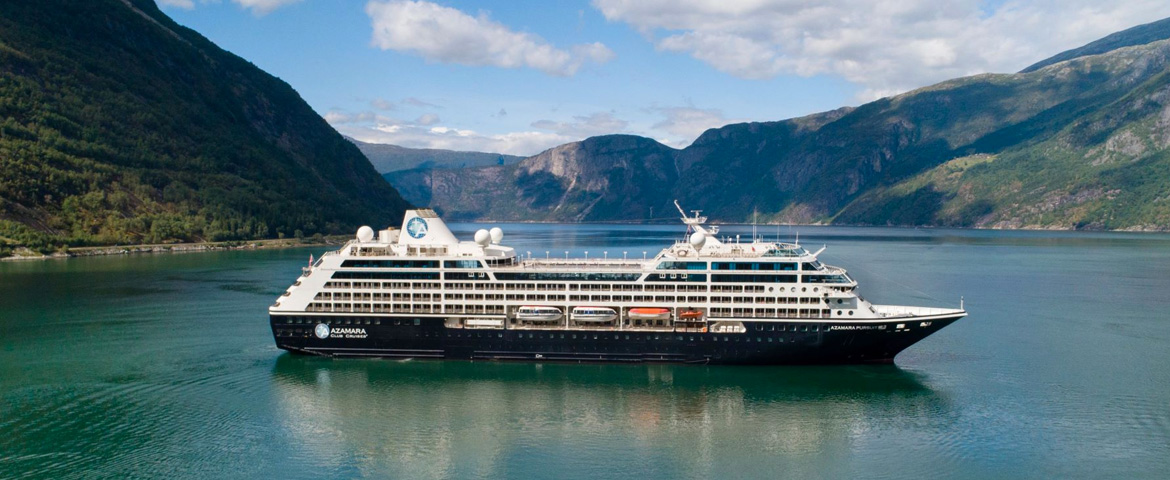
Azamara Pursuit
27 Cruises

| 5 February | 48 days | One-way from Sydney to Tokyo |
450-628-6241
Call us
|
| 5 February | 48 days | One-way from Sydney to Tokyo |
450-628-6241
Call us
|
| 11 March | 13 days | One-way from Kobe-Osaka to Tokyo |
450-628-6241
Call us
|
| 12 March | 13 days | One-way from Kobe-Osaka to Tokyo |
450-628-6241
Call us
|
| 22 April | 14 days | One-way from Tokyo to Kobe-Osaka |
450-628-6241
Call us
|
| 22 April | 14 days | One-way from Tokyo to Kobe-Osaka |
450-628-6241
Call us
|
| 26 February | 47 days | One-way from Sydney to Kobe-Osaka |
450-628-6241
Call us
|
| 27 February | 47 days | One-way from Sydney to Kobe-Osaka |
450-628-6241
Call us
|
| 31 March | 14 days | One-way from Yokohama to Kobe-Osaka |
450-628-6241
Call us
|
| 31 March | 14 days | One-way from Yokohama to Kobe-Osaka |
450-628-6241
Call us
|
| 14 April | 13 days | One-way from Kobe-Osaka to Tokyo |
450-628-6241
Call us
|
| 15 April | 13 days | One-way from Kobe-Osaka to Tokyo |
450-628-6241
Call us
|
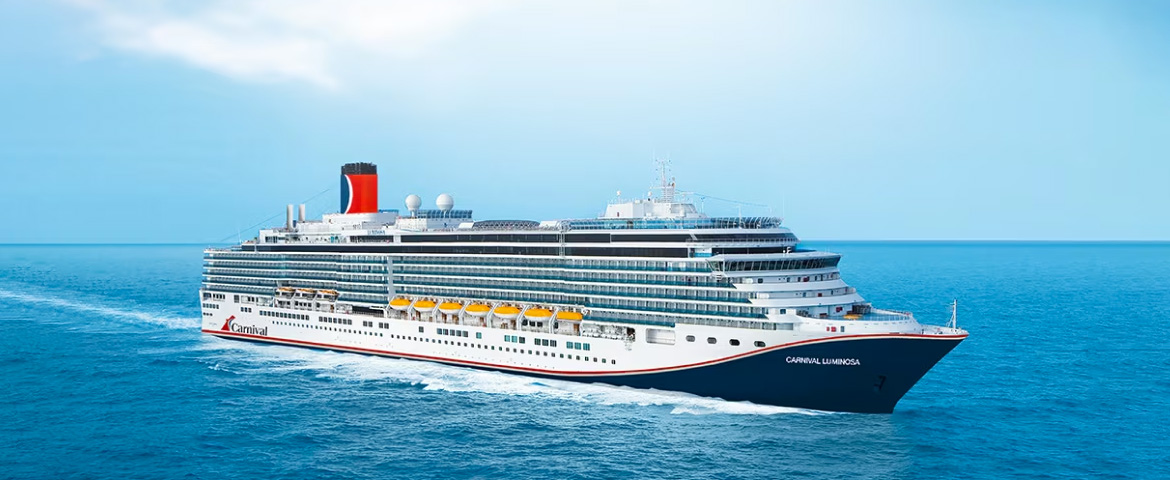
Carnival Cruise Line (1 Cruises)

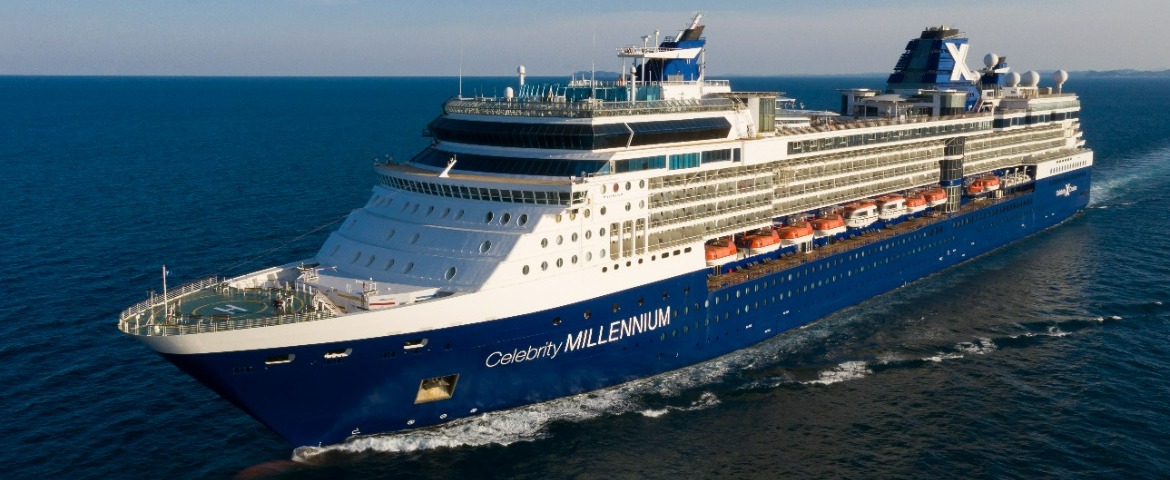
Celebrity Cruises (1 Cruises)


Explora Journeys (5 Cruises)

Holland America Line (12 Cruises)
ms Noordam
8 Cruises

Lindblad Expeditions (5 Cruises)

Norwegian Cruise Line (5 Cruises)

Oceania Cruises (7 Cruises)

Princess Cruises (48 Cruises)
Diamond Princess
32 Cruises

| 8 April | 22 days | Round-trip from Yokohama, Japan |
450-628-6241
Call us
|
| 20 April | 10 days | Round-trip from Yokohama, Japan |
450-628-6241
Call us
|
| 6 June | 18 days | Round-trip from Yokohama, Japan |
450-628-6241
Call us
|
| 6 June | 9 days | Round-trip from Yokohama, Japan |
450-628-6241
Call us
|
| 4 June | 9 days | Round-trip from Tokyo, Japan |
450-628-6241
Call us
|
| 4 June | 18 days | Round-trip from Tokyo, Japan |
450-628-6241
Call us
|
| 20 July | 16 days | Round-trip from Tokyo, Japan |
450-628-6241
Call us
|
| 27 July | 19 days | Round-trip from Tokyo, Japan |
450-628-6241
Call us
|
| 27 July | 9 days | Round-trip from Tokyo, Japan |
450-628-6241
Call us
|
Sapphire Princess
16 Cruises
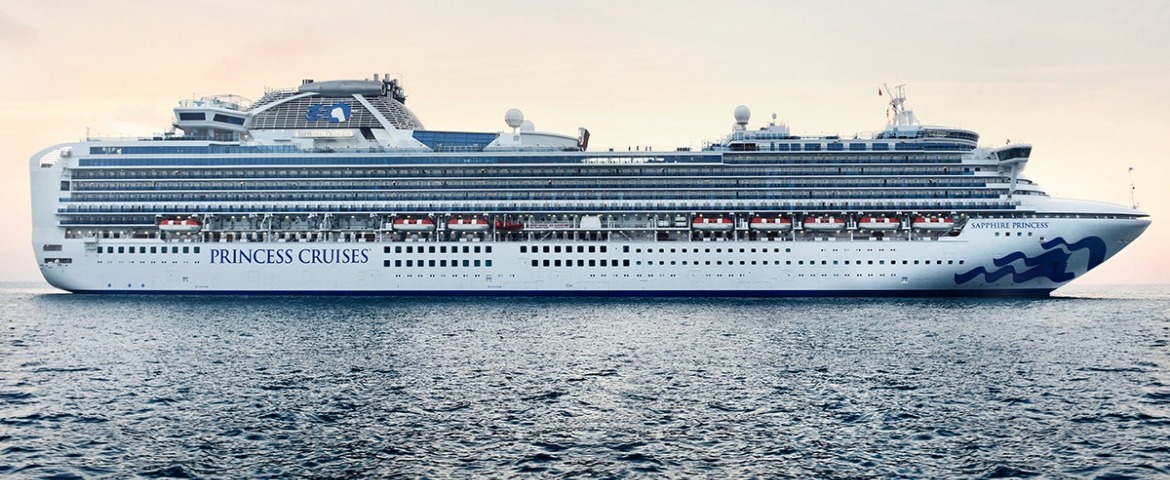
| 8 April | 21 days | Round-trip from Tokyo, Japan |
450-628-6241
Call us
|
| 19 April | 10 days | Round-trip from Tokyo, Japan |
450-628-6241
Call us
|
| 19 April | 17 days | Round-trip from Tokyo, Japan |
450-628-6241
Call us
|
Regent Seven Seas Cruises (30 Cruises)
Seven Seas Explorer
11 Cruises
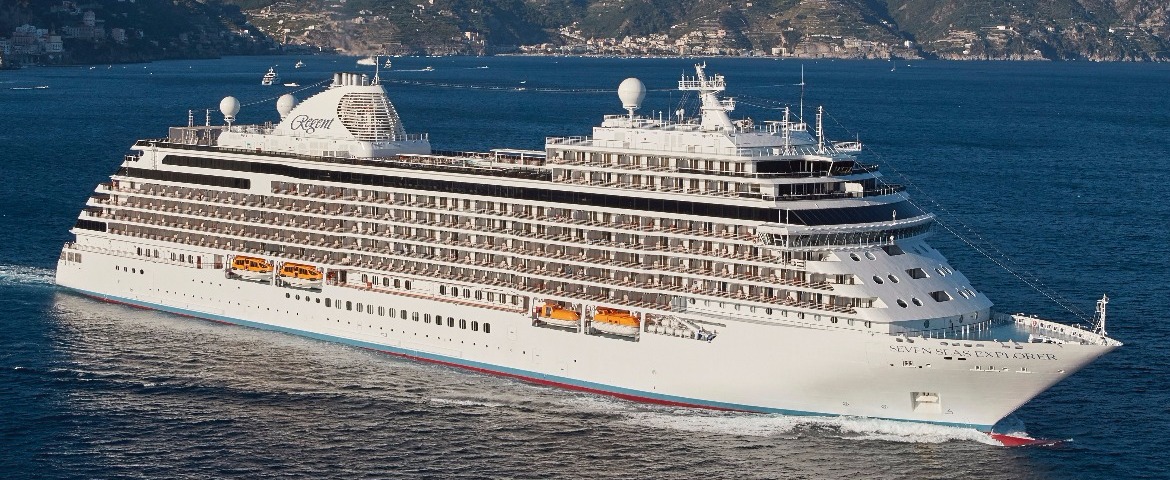
| 7 May | 19 days | One-way from Tokyo to Vancouver |
450-628-6241
Call us
|
| 7 May | 20 days | One-way from Tokyo to Vancouver |
450-628-6241
Call us
|
Seven Seas Splendor
19 Cruises
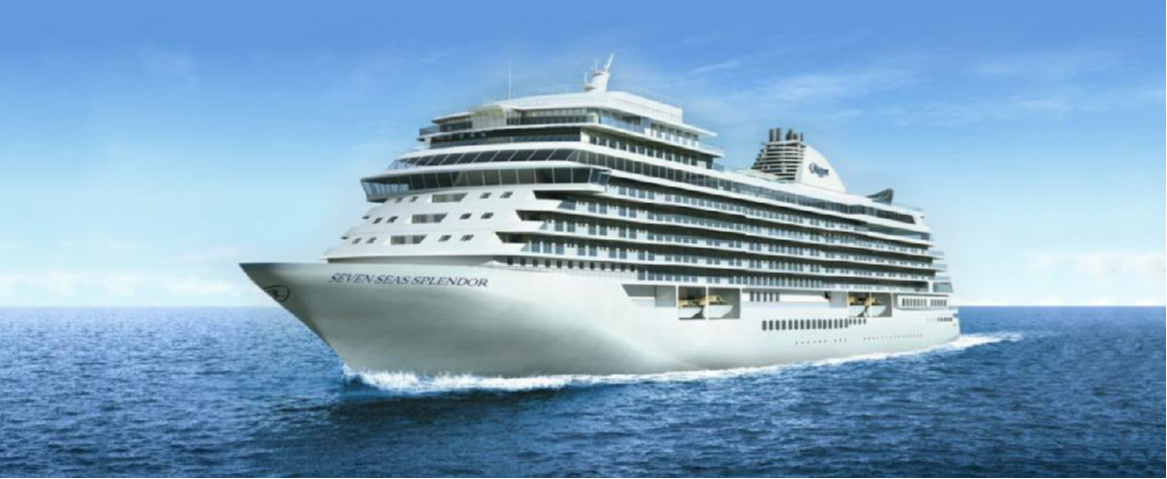
| 6 January | 133 days | Round-trip from San Francisco, USA |
450-628-6241
Call us
|
| 6 January | 140 days | One-way from San Francisco to Vancouver |
450-628-6241
Call us
|
Seabourn Cruise Line (46 Cruises)
Seabourn Encore
46 Cruises

| 25 March | 28 days | Round-trip Japan South Korea Seabourn Encore Tokyo |
450-628-6241
Call us
|
| 25 March | 29 days | Round-trip from Tokyo, Japan |
450-628-6241
Call us
|
Silversea Cruises (19 Cruises)

Silver Moon
5 Cruises
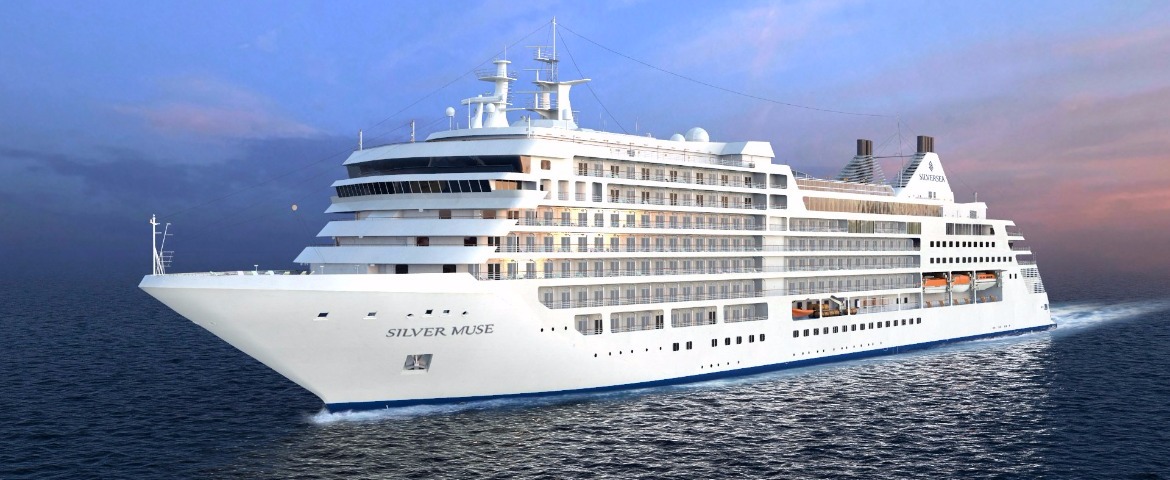
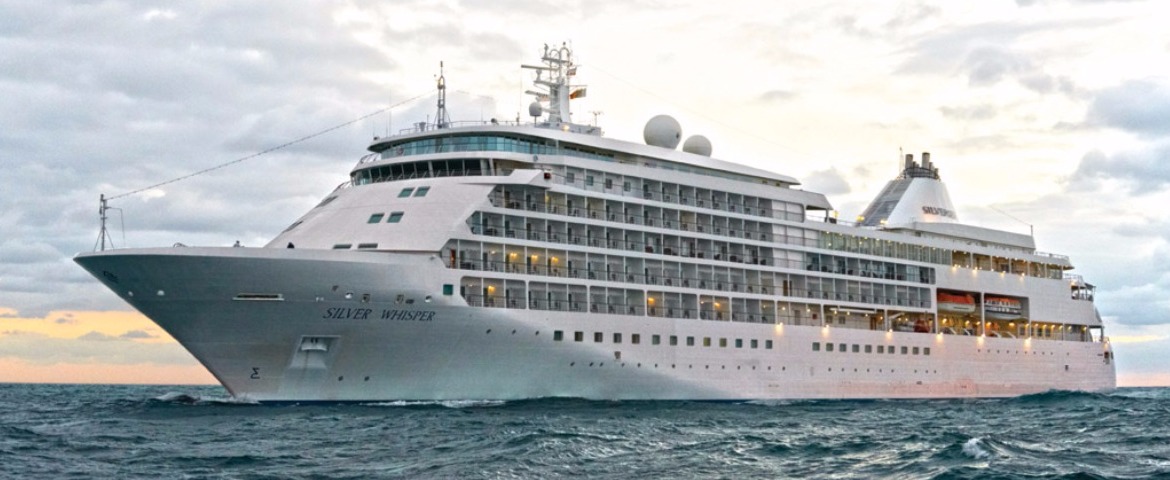
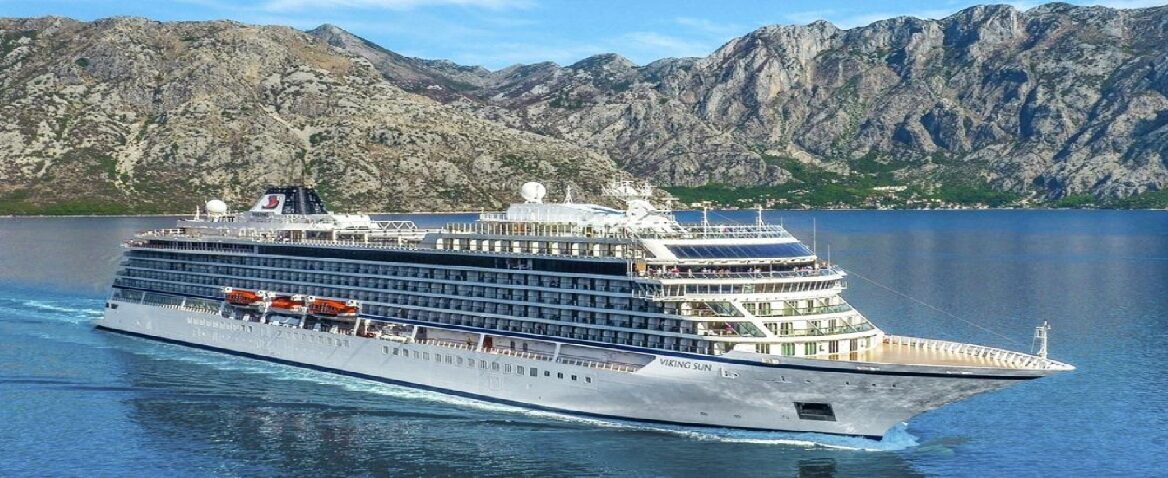

Port of Aomori, Japan | Cruise Port Guide
Frequently Asked Questions
At the Shin-Chuo quay, which practically touches the city centre. That is a rare convenience in Japan: everything worth seeing is reachable on foot along a flat waterfront promenade, with no shuttle or taxi.
The Wa-Rasse museum, Furukawa market and the A-Factory complex form a walking loop of under two kilometres from the quay. Add the ASPAM observatory and the day is full without ever getting into a vehicle.
The museum of the Nebuta festival, five minutes from the gangway. In theatrical half-light, several full-size paper floats, fierce-faced warriors and rearing dragons, light the hall from within. You learn how the craftsmen stretch paper over wire frames.
A rice bowl you build yourself. You buy tokens at the entrance, receive a bowl of rice, then move from stall to stall trading tokens for tuna, scallops, salmon roe or sea urchin depending on the season. The market is a ten-minute walk from the quay.
Because the prefecture grows more than half of Japan's apples. Under the red arches of the A-Factory complex facing the quay, cideries and counters turn the fruit into pressed juice, tarts, jams and local ciders you can taste on the spot.
At the observatory of the ASPAM centre, the glass pyramid on the waterfront: a full circle view over the bay, the city and, on a clear day, the Hakkoda mountains, whose summits hold snow late into spring.
A former ferry painted yellow, now a museum ship. It recalls the era when Aomori was the departure point for crossings to Hokkaido, before the rail tunnel took over.
Yes, the Sannai-Maruyama site, remains of a village several thousand years old and a UNESCO World Heritage listing. It is a quarter of an hour by taxi from the centre, making it the only outing of the call that needs a vehicle.
The Japanese yen and Japanese. The main waterfront sites post translations, but English is little spoken at Furukawa market. Bring cash: the nokkedon tokens and the small stalls work mostly in currency.
May to October. Early August coincides with the Nebuta festival, spectacular but it fills the entire city. In spring, the Hakkoda mountains keep their snow late, which gives the finest views from ASPAM.


