Hakata-Fukuoka City Japan Fukuoka
183
Cruises availables
At departure or passage at this port
Azamara Club Cruises (27 Cruises)
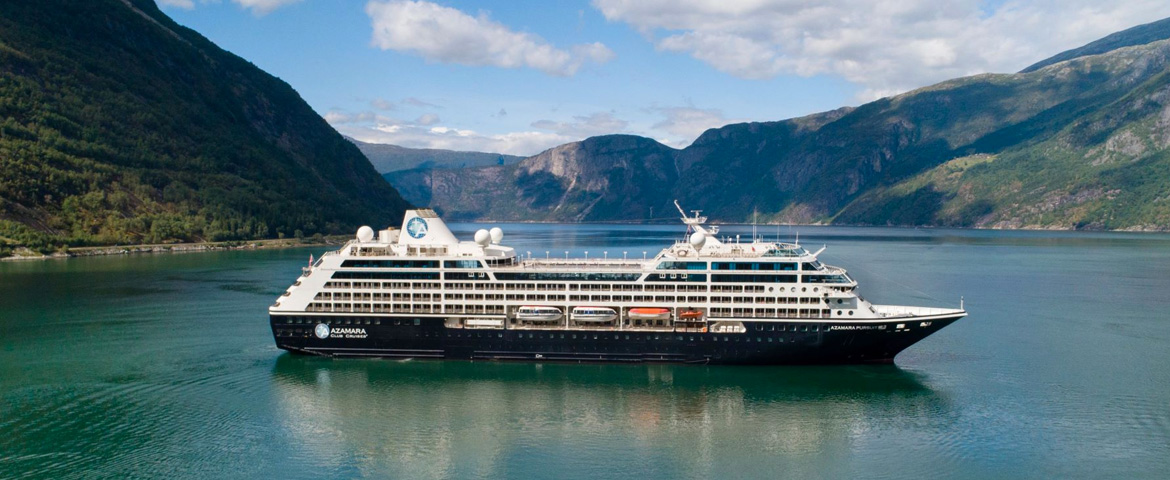
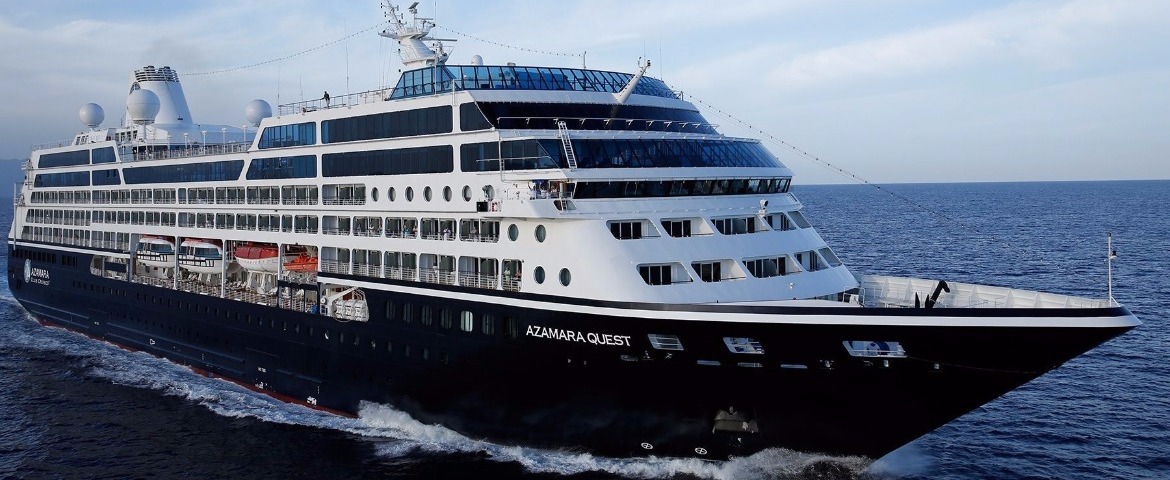
Azamara Pursuit
21 Cruises


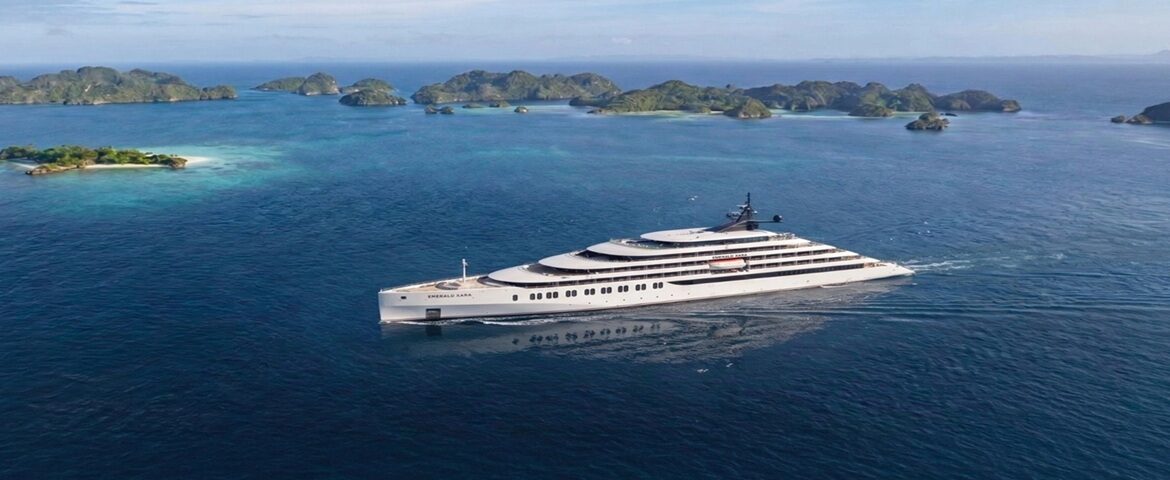
Emerald Waterways (4 Cruises)

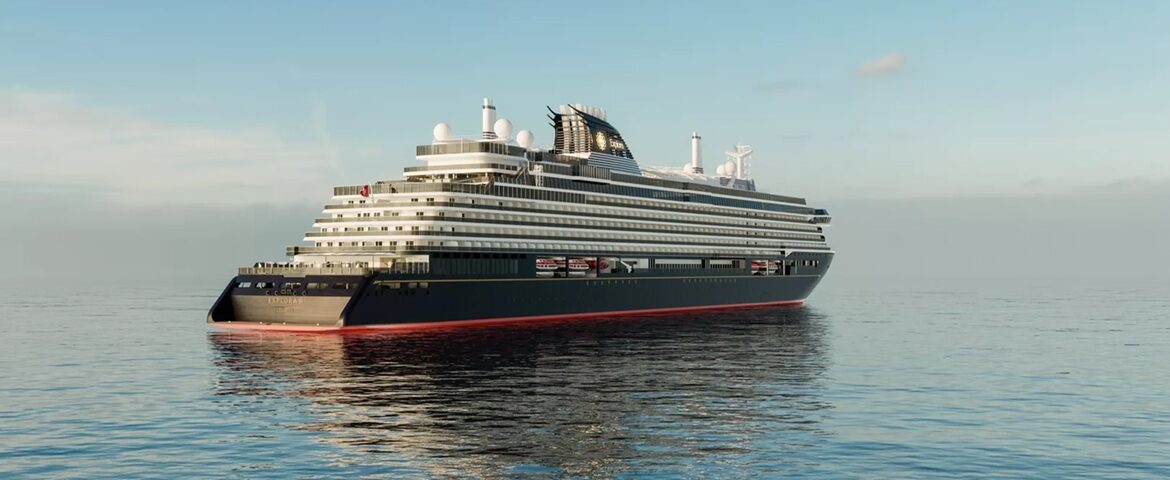
Explora Journeys (4 Cruises)

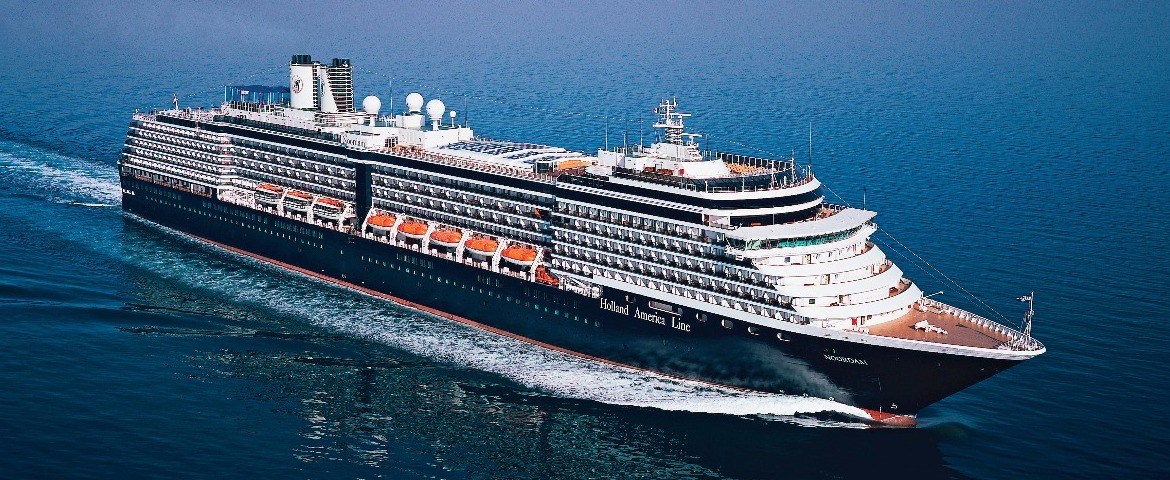
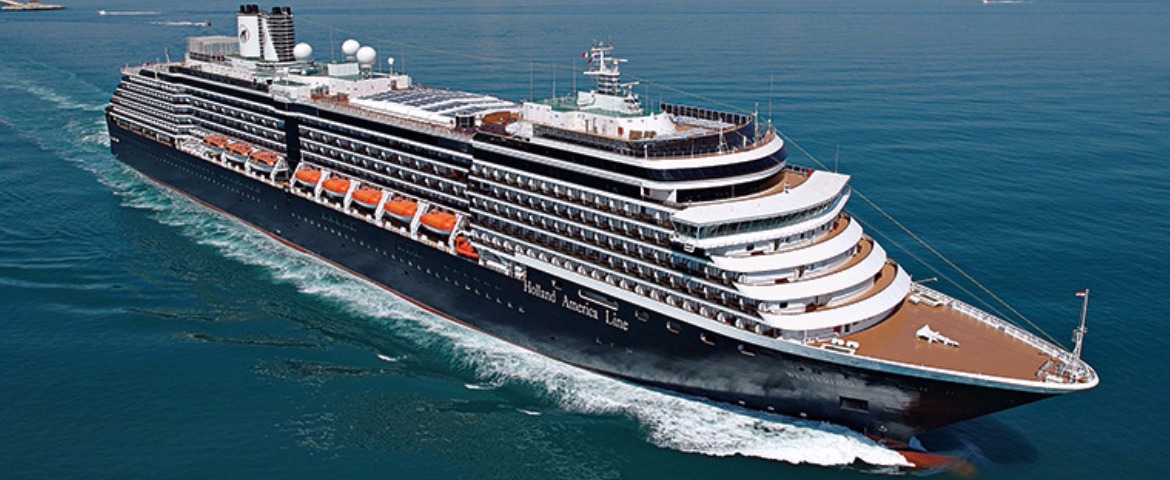
Holland America Line (21 Cruises)
ms Noordam
14 Cruises

MSC Cruises (10 Cruises)
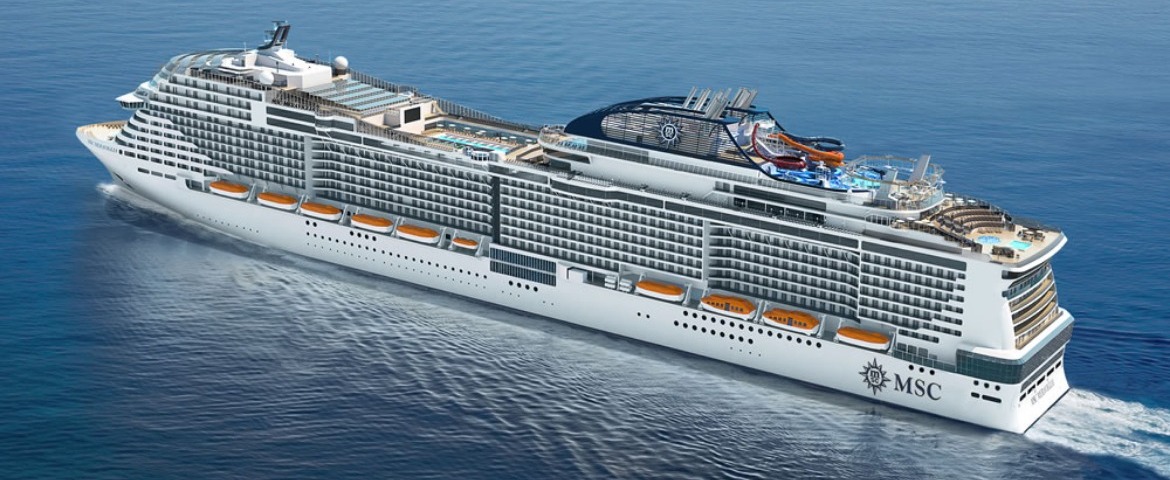
MSC Bellissima
10 Cruises

| 20 January | 9 days | Round-trip from Shanghai, China |
From
2045$
|
| 20 January | 5 days | Round-trip from Shanghai, China |
From
1016$
|
| 28 January | 6 days | Round-trip from Shanghai, China |
From
907$
|
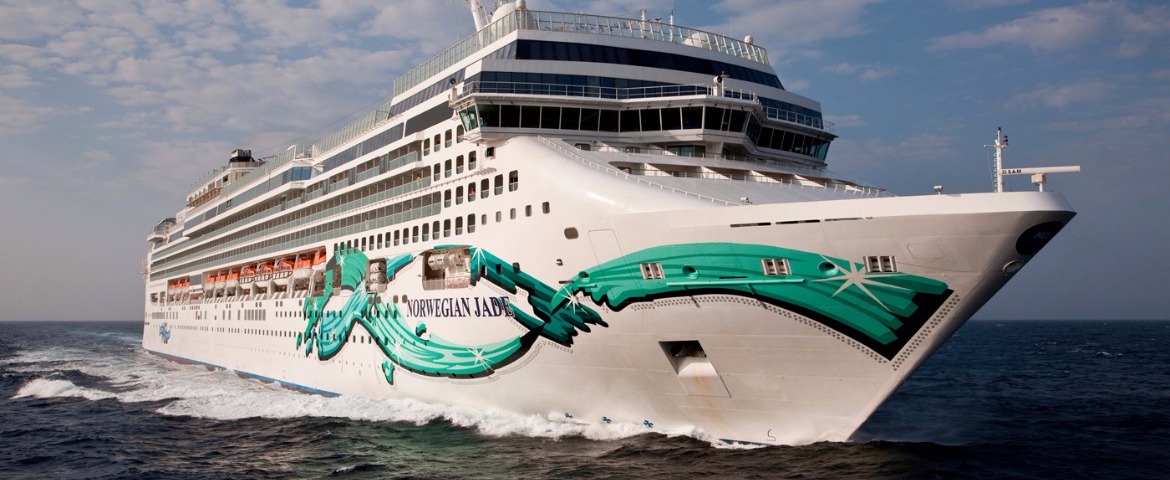
Norwegian Cruise Line (5 Cruises)

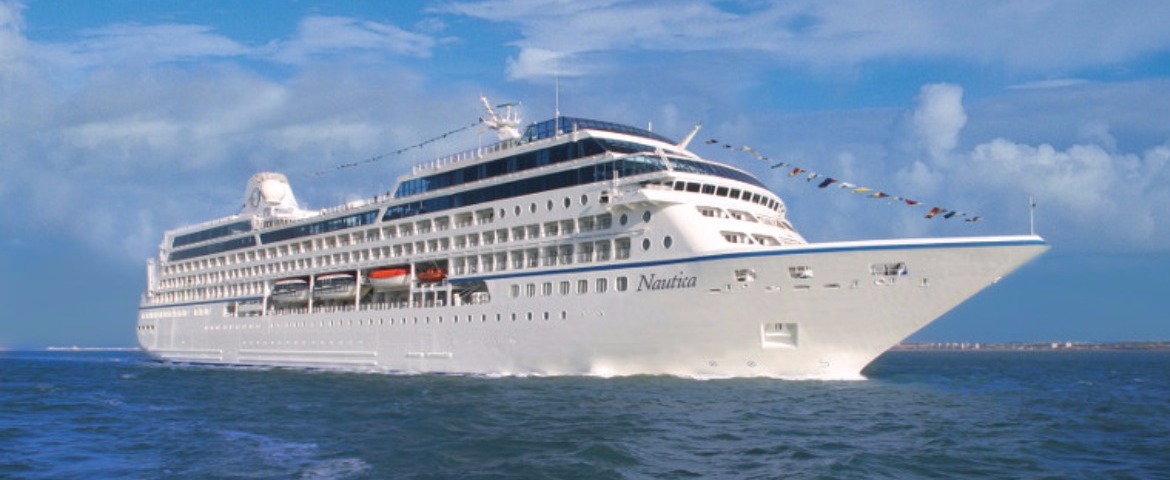
Oceania Cruises (15 Cruises)
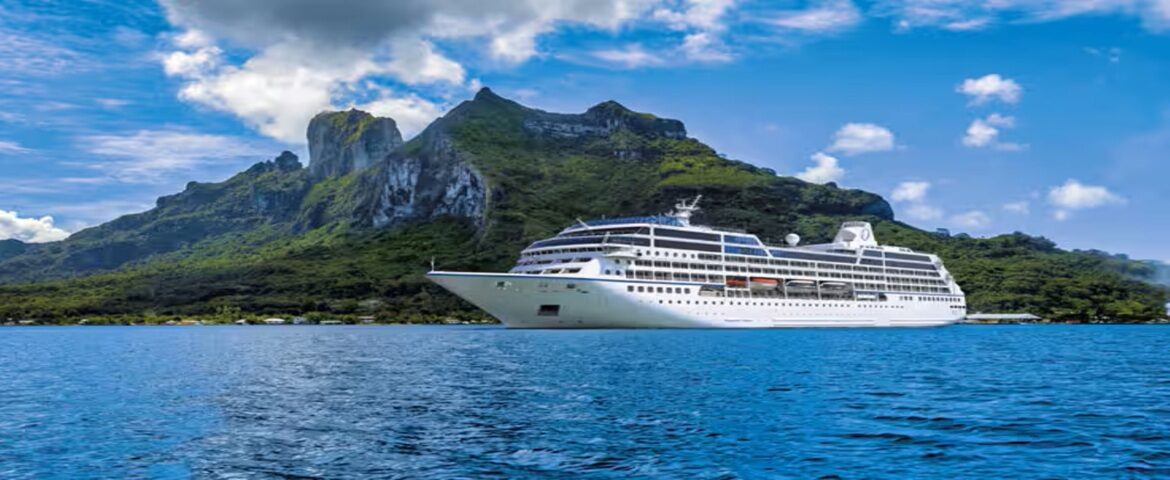

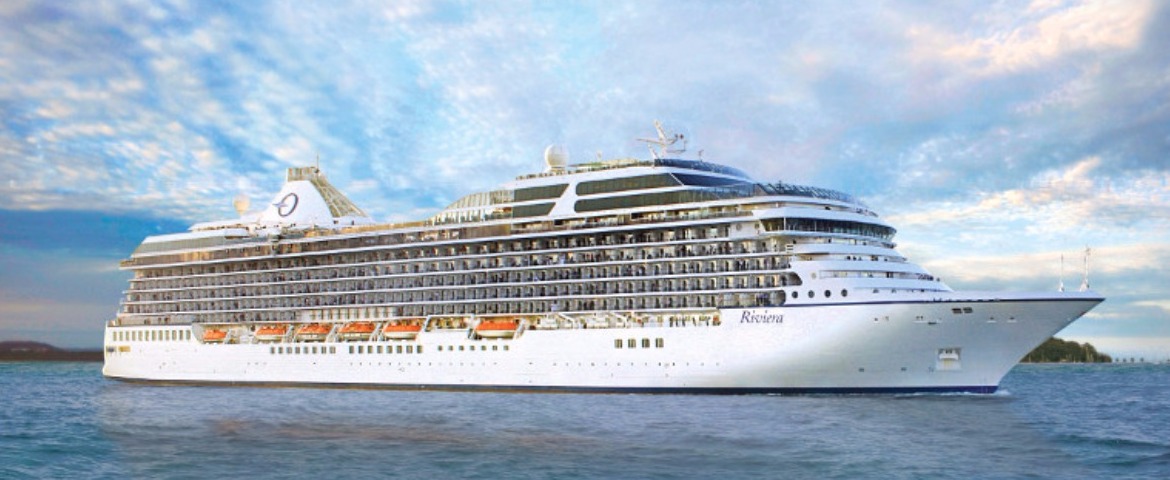
Oceania Riviera
11 Cruises
Regent Seven Seas Cruises (19 Cruises)

Royal Caribbean Cruises (18 Cruises)



Scenic Cruises (8 Cruises)
Scenic Spirit
8 Cruises


| 21 March | 27 days | One-way from Hakata-Fukuoka City to Siem Reap |
450-628-6241
Call us
|
| 21 March | 26 days | One-way from Hakata-Fukuoka City to Siem Reap |
450-628-6241
Call us
|
Seabourn Cruise Line (34 Cruises)
Seabourn Encore
34 Cruises
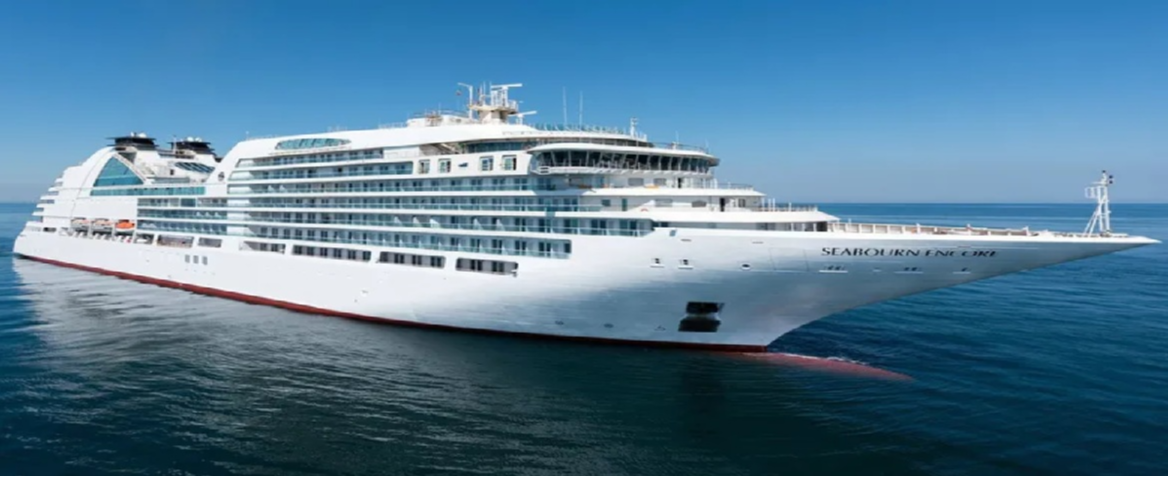

| 26 February | 29 days | Round-trip from Tokyo, Japan |
450-628-6241
Call us
|
| 26 February | 28 days | Round-trip Japan South Korea Seabourn Encore Tokyo |
450-628-6241
Call us
|
| 24 February | 29 days | Round-trip from Tokyo, Japan |
450-628-6241
Call us
|
| 24 February | 28 days | Round-trip Japan South Korea Seabourn Encore Tokyo |
450-628-6241
Call us
|



Port of Hakata-Fukuoka | Cruise Port Guide
Frequently Asked Questions
At the central quay of Hakata port, about three kilometres from Hakata station. City buses and taxis link the terminal to the centre in roughly fifteen minutes, one of the quickest gangway-to-city transitions in Japan.
The Gion district and its Kushida shrine, then Canal City by the river: the two are close together and walkable. Add Ohori Park if the call runs longer than six hours.
A kazariyama, a festival float as tall as a three-storey building, redecorated each year and displayed permanently. It commemorates the Yamakasa, the float race that has electrified Fukuoka every July for seven centuries.
Yes, at Tocho-ji temple a few streets from Kushida shrine: a seated wooden statue over ten metres tall, carved in the 20th century in the tradition of the great Buddhist workshops. The visit takes about twenty minutes.
A vast retail complex whose curved terraces wrap around an interior canal. Shops, restaurants and performances follow one another beneath fountains that dance on the hour to different music. It is the best fallback on a rainy day.
Ohori Park, a little further west: a large pond ringed by a circular promenade, laid out in the former moats of Fukuoka castle. The castle ruins on their wooded mound give a quiet view over the city.
Because it gave the world tonkotsu ramen, the milky pork broth simmered for hours and served with thin, firm noodles. From historic counters to chains born here and now global, each defends its broth with a craftsman's arguments.
Small mobile food stalls that set up at dusk along the rivers and in Tenjin: ten stools, a steaming counter, strangers raising a glass together. It is the most sociable experience in Japan, but it assumes the ship stays into the evening.
Mentaiko, pollock roe marinated in chilli, which shops in the station sell in every form. It is the city's most emblematic specialty, and it travels better than a bowl of ramen.
The Japanese yen and Japanese. Fukuoka is a metropolis of 1.6 million facing the China Sea: English is somewhat more common than at smaller calls, without being universal. Cards work throughout the large complexes, but the yatai run on cash.


