Progreso Merida, Yucatan Mexico
274
Cruises availables
At departure or passage at this port
Carnival Cruise Line (157 Cruises)
Carnival Breeze
24 Cruises
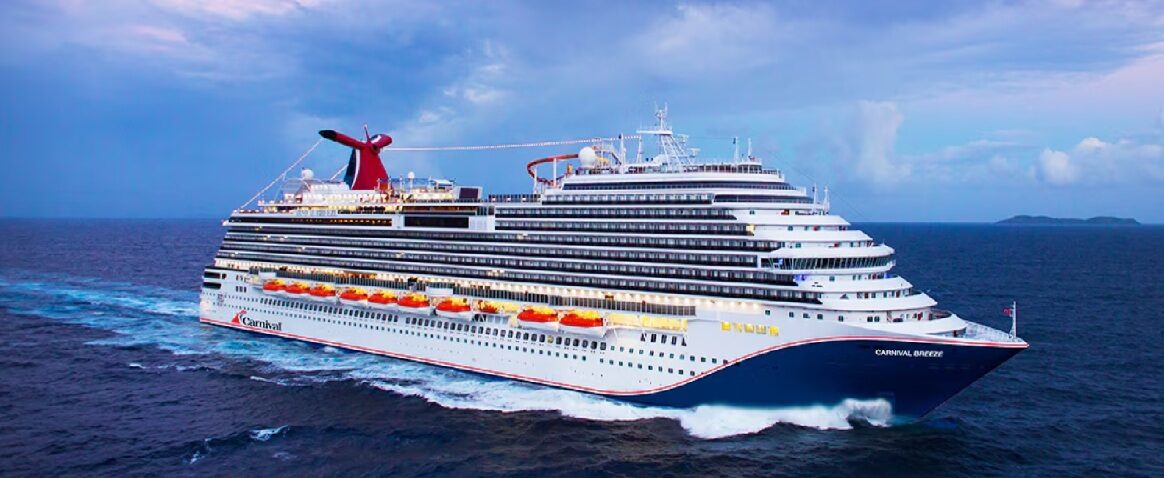

| 8 February | 6 days | Round-trip from Galveston, USA |
From
635$
|
| 13 February | 6 days | Round-trip from Galveston, USA |
From
705$
|
Carnival Dream
50 Cruises
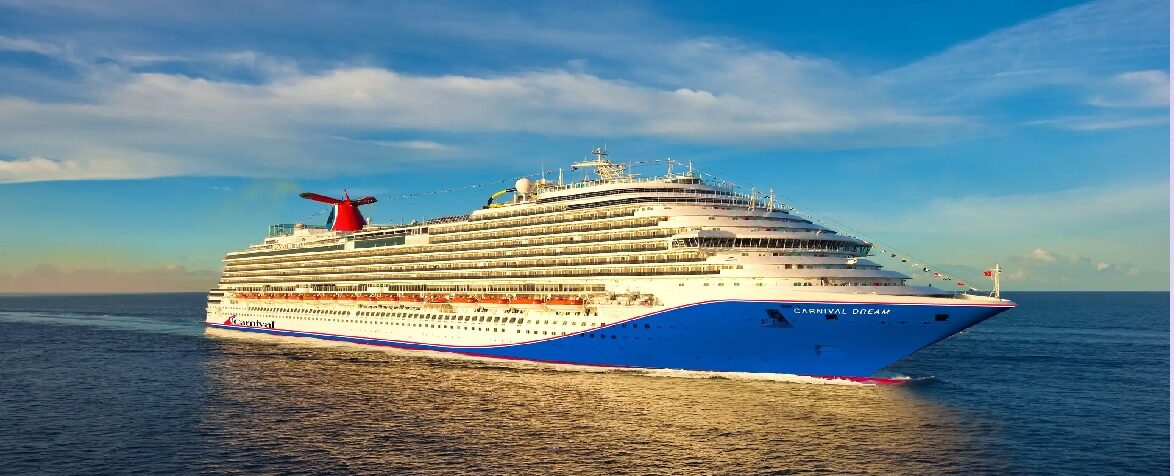
| 24 May | 6 days | Round-trip from New Orleans, USA |
From
950$
|
| 29 May | 6 days | Round-trip from New Orleans, USA |
From
1006$
|
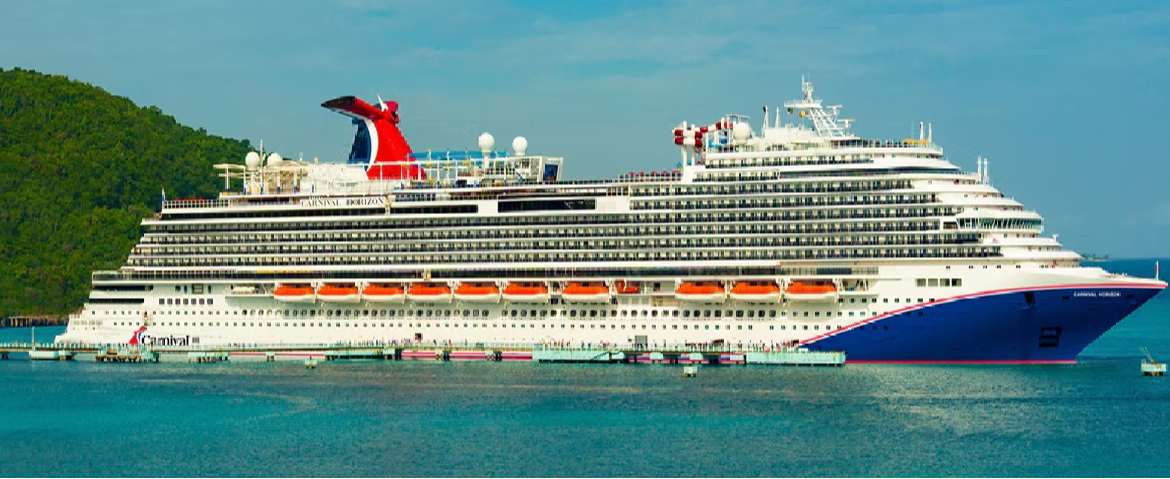
Carnival Horizon
44 Cruises
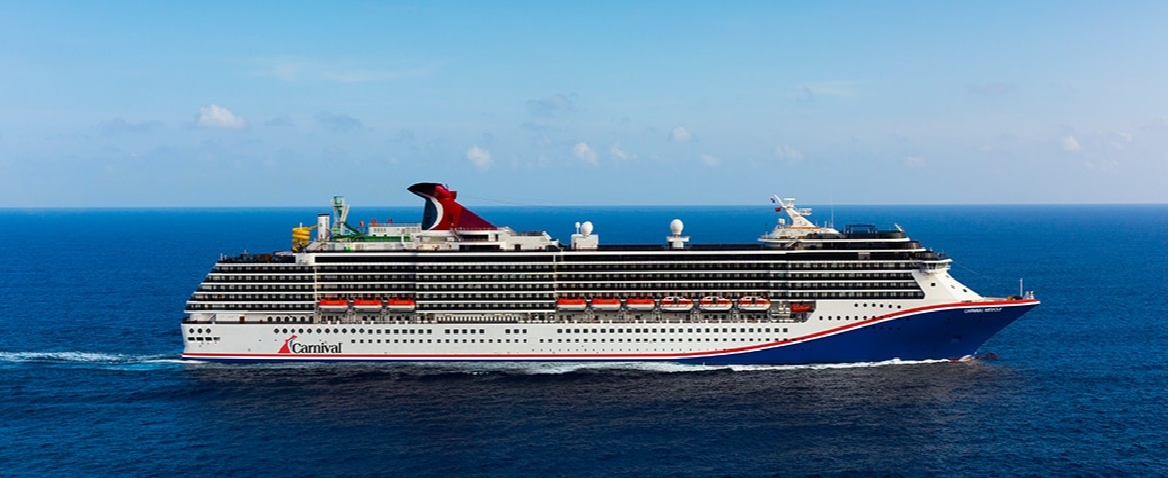

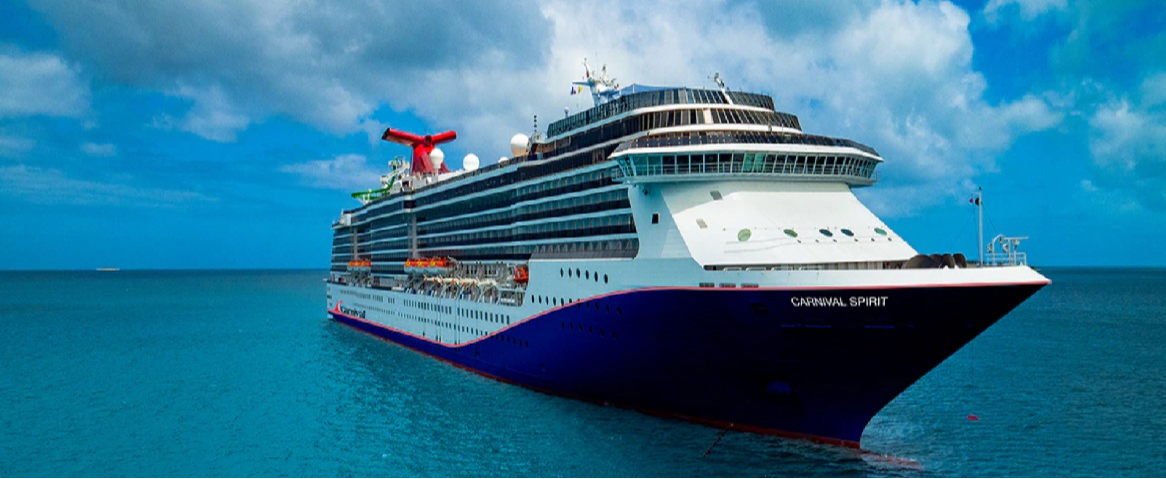
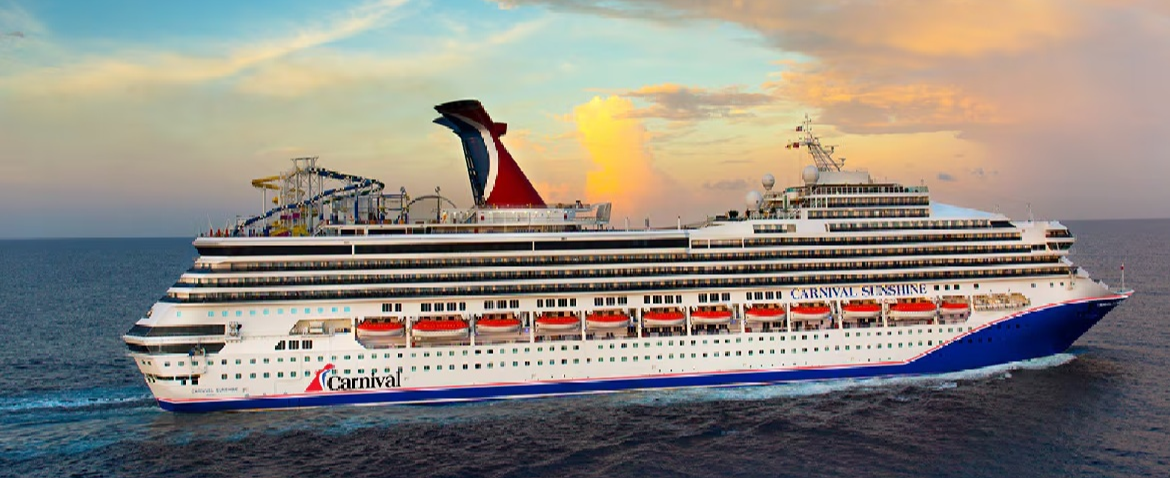
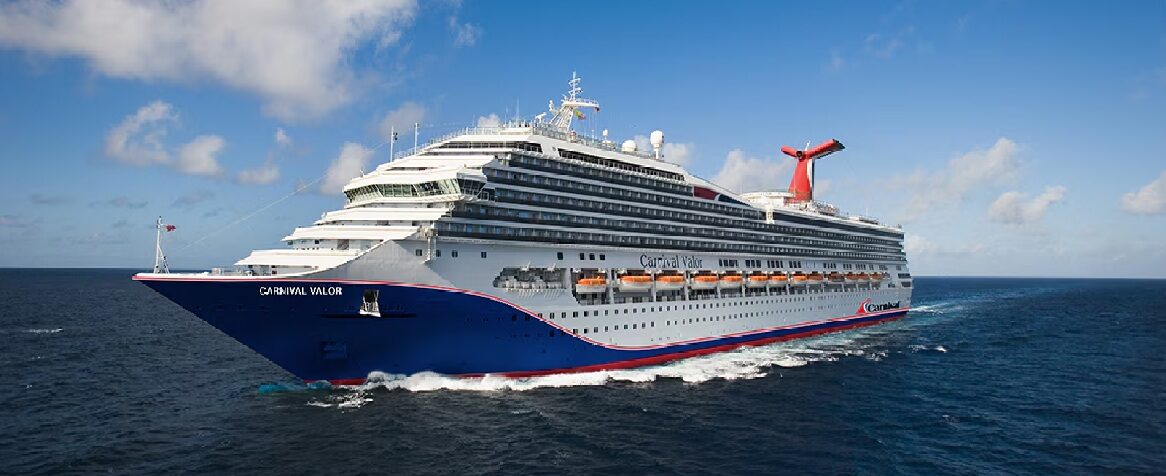
Carnival Valor
28 Cruises
| 26 October | 6 days | Round-trip from New Orleans, USA |
From
518$
|
| 31 October | 6 days | Round-trip from New Orleans, USA |
From
483$
|
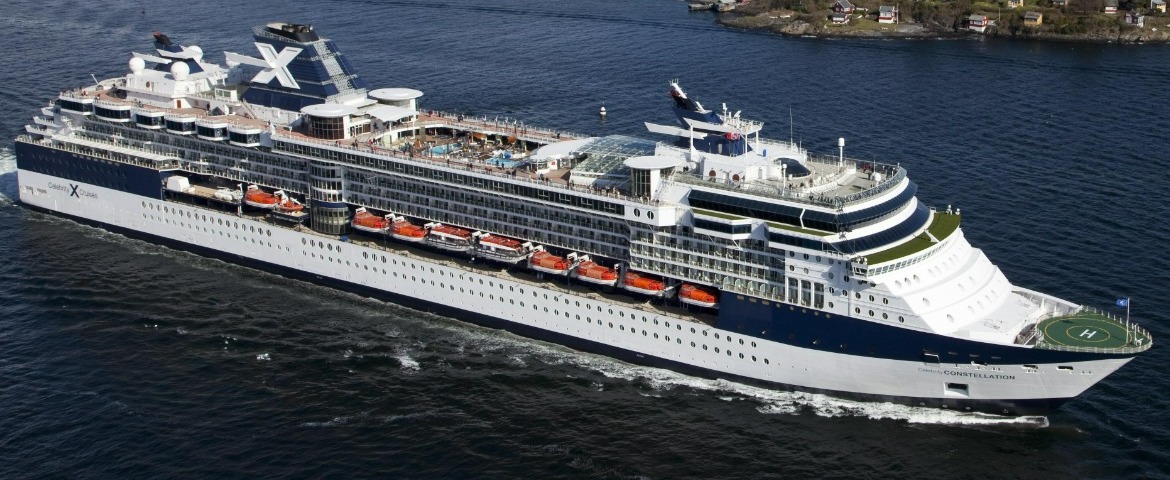

Crystal Cruises (6 Cruises)
Crystal Serenity
6 Cruises


| 12 October | 71 days | One-way from New York to Fort Lauderdale |
450-628-6241
Call us
|
| 12 October | 72 days | One-way from New York to Fort Lauderdale |
450-628-6241
Call us
|
Disney Cruise Line (28 Cruises)
Disney Magic
28 Cruises

Explora Journeys (3 Cruises)

Holland America Line (1 Cruises)

Margaritaville at Sea (48 Cruises)
Islander
48 Cruises


| 2 January | 8 days | Round-trip from Tampa, USA |
450-628-6241
Call us
|
| 16 January | 6 days | Round-trip from Tampa, USA |
450-628-6241
Call us
|
| 7 February | 9 days | Round-trip from Tampa, USA |
450-628-6241
Call us
|
| 20 February | 8 days | Round-trip from Tampa, USA |
450-628-6241
Call us
|
| 27 February | 6 days | Round-trip from Tampa, USA |
450-628-6241
Call us
|
| 10 April | 6 days | Round-trip from Tampa, USA |
450-628-6241
Call us
|
| 24 April | 6 days | Round-trip from Tampa, USA |
450-628-6241
Call us
|
| 14 June | 6 days | Round-trip from Tampa, USA |
450-628-6241
Call us
|
| 19 June | 6 days | Round-trip from Tampa, USA |
450-628-6241
Call us
|
| 28 June | 6 days | Round-trip from Tampa, USA |
450-628-6241
Call us
|
| 12 July | 6 days | Round-trip from Tampa, USA |
450-628-6241
Call us
|
| 17 July | 6 days | Round-trip from Tampa, USA |
450-628-6241
Call us
|
| 26 July | 5 days | Round-trip Mexico Duo |
450-628-6241
Call us
|
Oceania Cruises (6 Cruises)
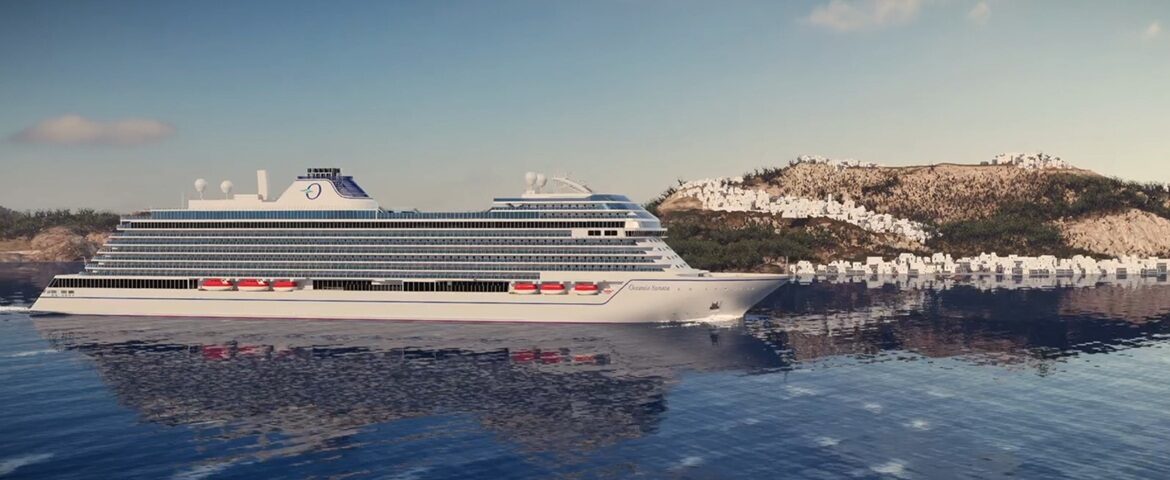

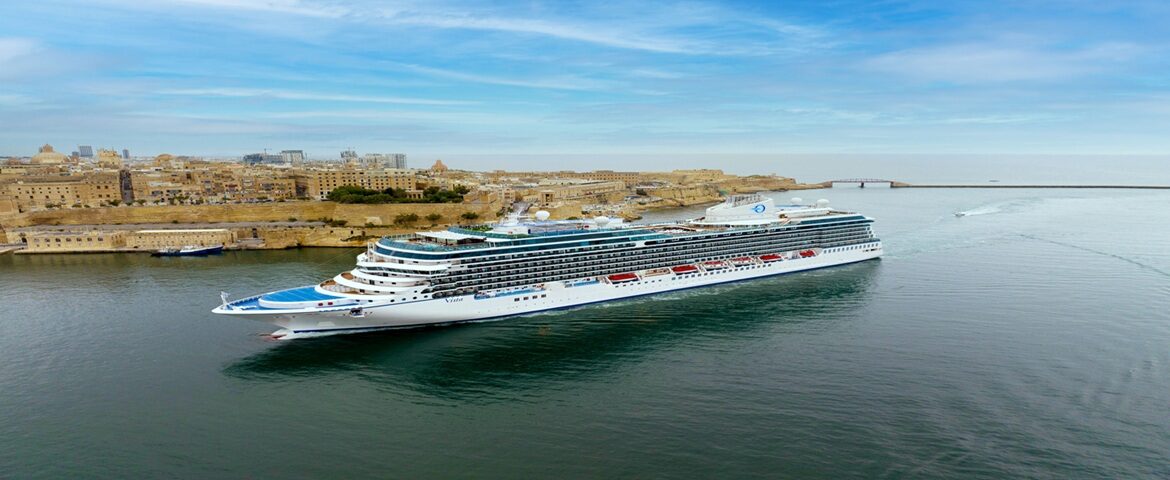
Regent Seven Seas Cruises (5 Cruises)
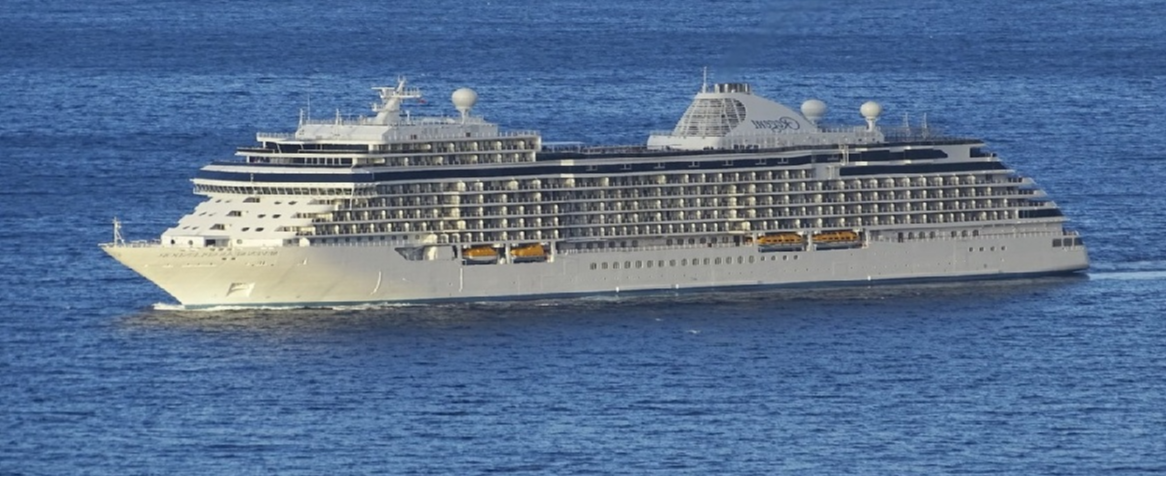


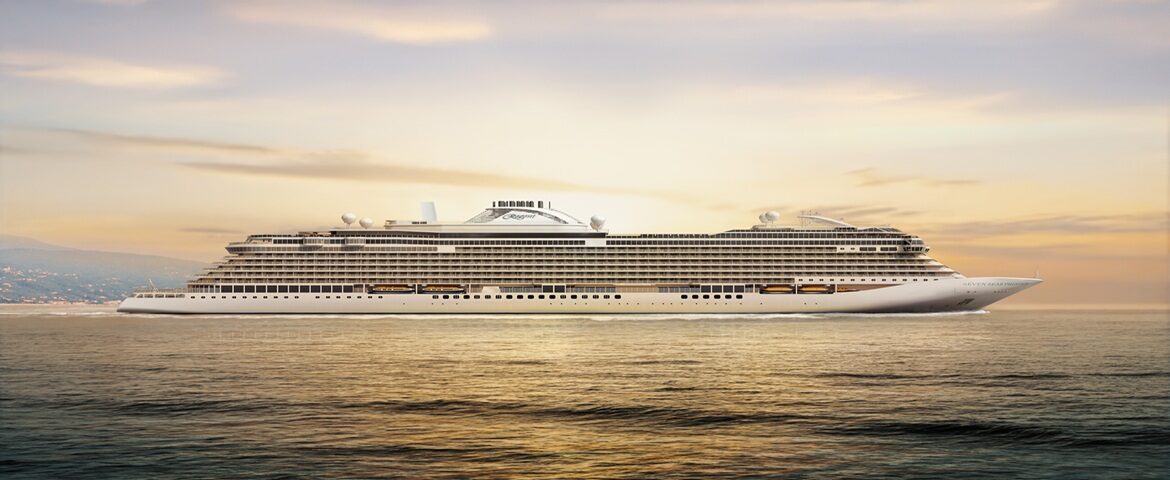
Royal Caribbean Cruises (12 Cruises)




Viking Ocean Cruises (4 Cruises)

Virgin Voyages (1 Cruises)


Port of Progreso, Mexico | Cruise Port Guide
Frequently Asked Questions
At the end of a six-and-a-half kilometre pier, the longest in the world, poured in reinforced concrete because the Gulf here is too shallow. A shuttle runs it in about ten minutes to the terminal: the pier cannot be walked.
Yes, once the shuttle drops you in town. The refurbished malecón and the beach start at the terminal. Mérida, Dzibilchaltún and the major Maya sites, however, require a coach.
The malecón and the beach if you want to keep it simple, or Mérida and Dzibilchaltún as a combined outing. Chichén Itzá needs a full day: over two hours of driving each way.
Wide, warm and without serious surf, with a steady breeze. The renovated waterfront lines up palapas, playgrounds and restaurants where families from Mérida spend their Sundays. A chair costs a few pesos and the afternoon takes care of itself.
An ecological reserve across the channel that borders the town, with three cenotes ringed by mangroves. You cross by boat in a few minutes; coatis and iguanas patrol the boardwalks while you swim in surprisingly cool fresh water. Bring a swimsuit: the outing is short, affordable and ideal for families.
Yes, about forty-five minutes away. The Yucatán capital spreads its colonial mansions around the Plaza Grande, where the 16th-century cathedral was built with stones from the old Maya city of T'hó. Paseo de Montejo lines up the palaces of the sisal barons.
An archaeological site on the road to Mérida, with the Temple of the Seven Dolls, known for the solar alignment that lights it at the equinoxes, and an open cenote where fish swim among water lilies. Two hours is enough, and it combines easily with the white city.
Yes, but the outing takes the whole day: over two hours of driving each way. Save it for archaeology enthusiasts willing to spend time on a coach. Uxmal, about ninety minutes south, is often a more comfortable compromise.
Cochinita pibil, pork marinated in achiote and slow-cooked, and sopa de lima scented with citrus. Habaneros come on the side: a dab is plenty. Several waterfront places serve these classics facing the water.
Water, a hat and shade breaks, no negotiation: Yucatán heat is crushing at midday and the malecón offers little cover. Bring small peso notes too, which are more practical along the waterfront.


