Fiordland National Park New Zealand
New Zealand
188
Cruises availables
At departure or passage at this port
Azamara Club Cruises (24 Cruises)
Azamara Onward
7 Cruises

Azamara Pursuit
12 Cruises
Azamara Quest
5 Cruises
Carnival Cruise Line (7 Cruises)

Celebrity Cruises (19 Cruises)
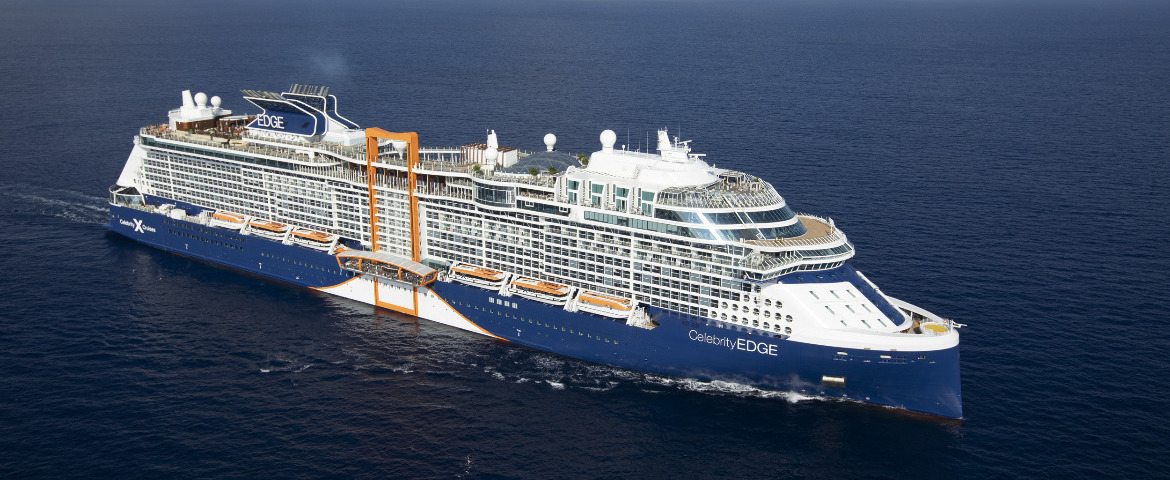
Celebrity Edge
18 Cruises

| 14 January | 12 days | One-way from Sydney to Auckland |
From
4420$
|
| 25 January | 13 days | One-way from Auckland to Sydney |
From
22116$
|
| 6 February | 13 days | Round-trip from Sydney, Australia |
From
4460$
|
| 18 February | 13 days | Round-trip from Sydney, Australia |
From
4612$
|
Crystal Cruises (4 Cruises)

Explora Journeys (3 Cruises)

Holland America Line (19 Cruises)
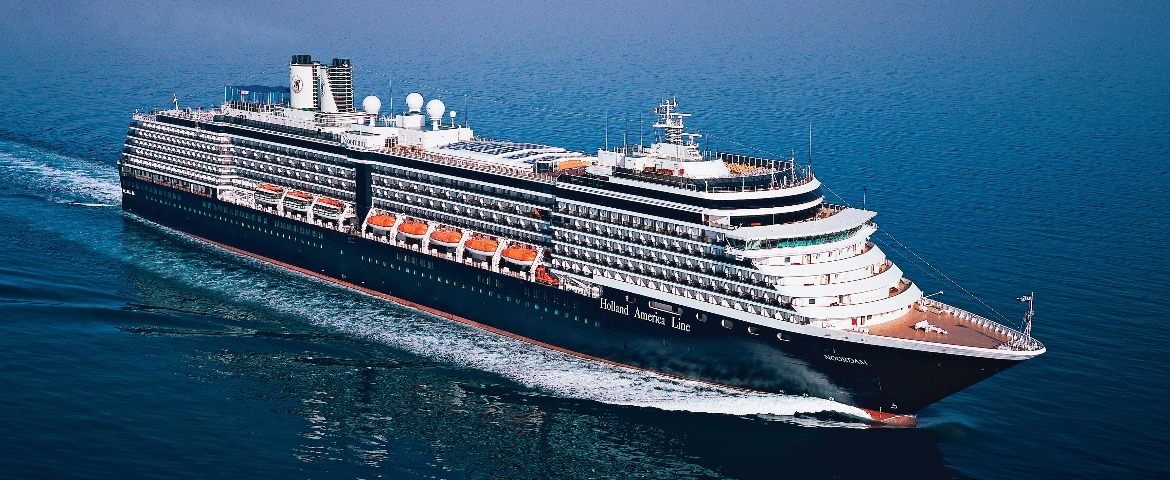
ms Noordam
7 Cruises

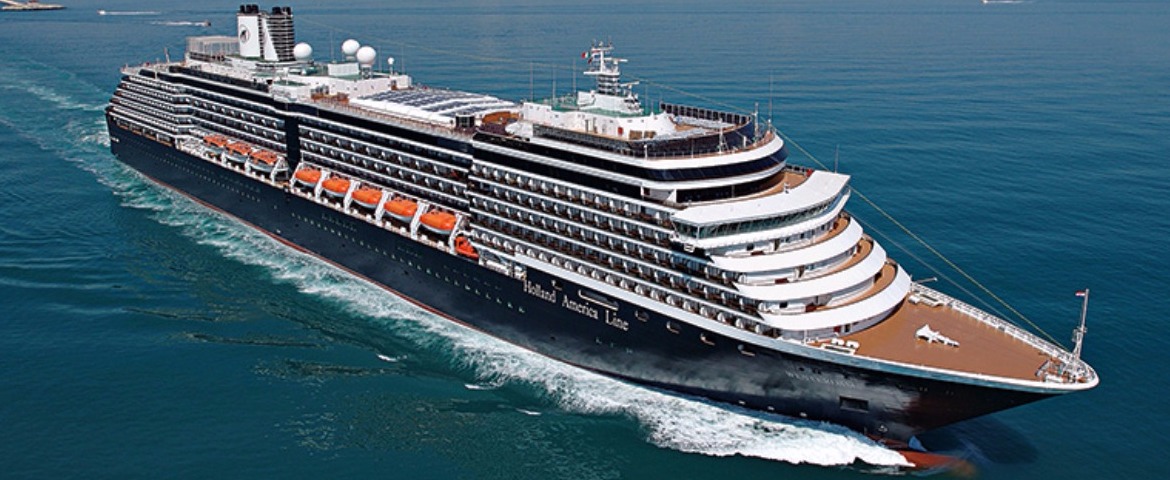
ms Westerdam
12 Cruises
MSC Cruises (9 Cruises)
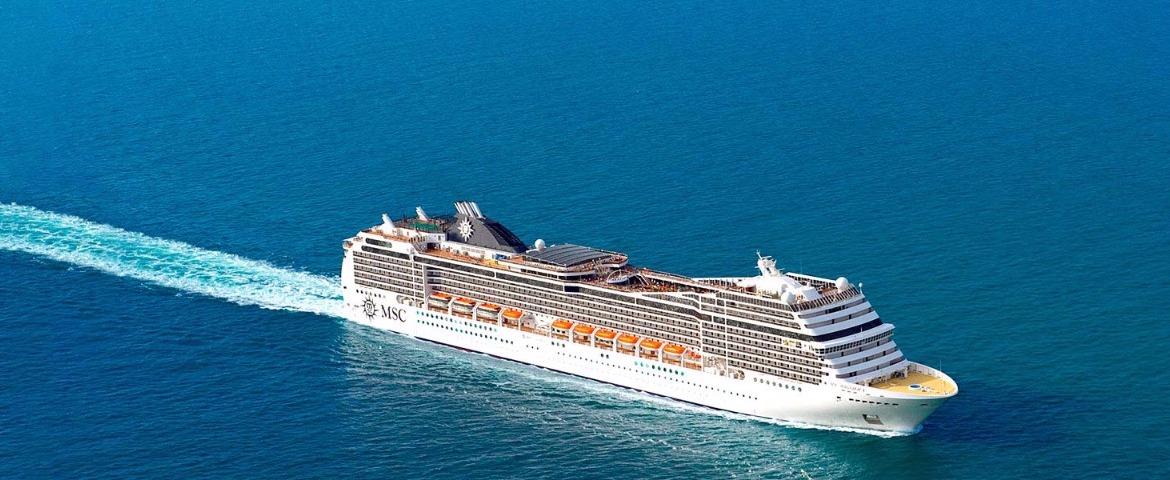
MSC Magnifica
9 Cruises

Norwegian Cruise Line (17 Cruises)
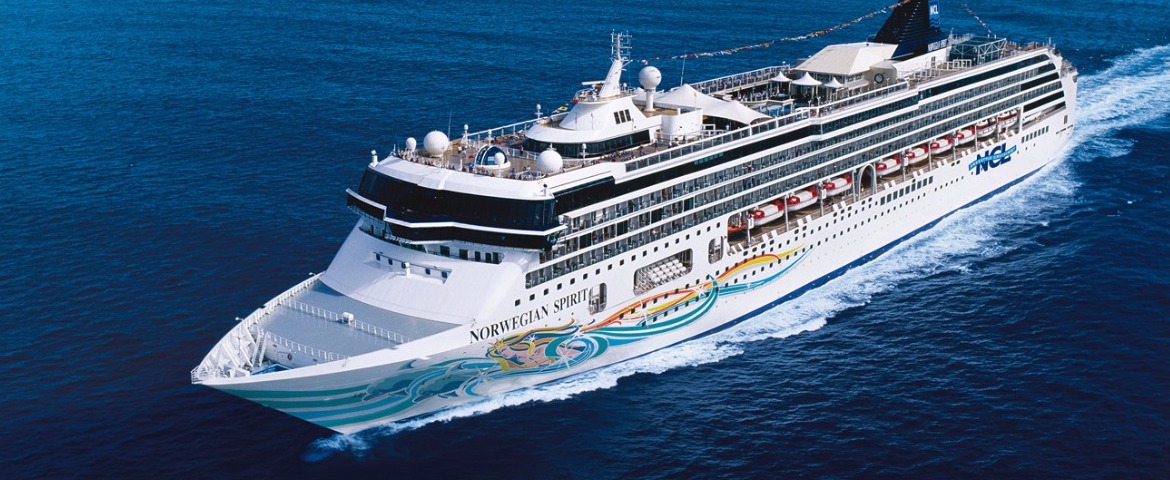
Norwegian Spirit
17 Cruises

| 5 February | 12 days | One-way from Auckland to Sydney |
From
1374$
|
| 16 February | 12 days | One-way from Sydney to Auckland |
From
1297$
|
| 27 February | 12 days | One-way from Auckland to Sydney |
From
1268$
|
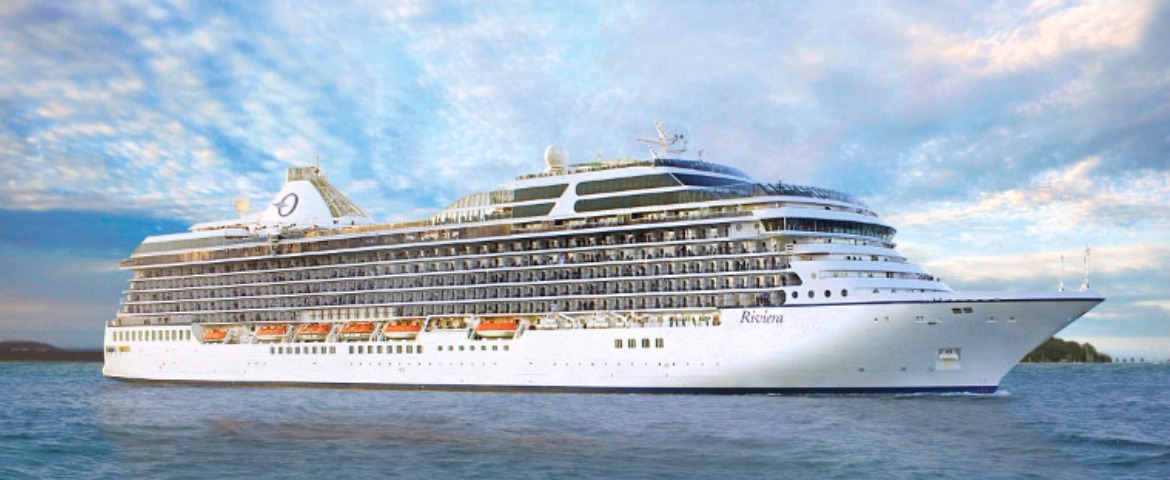
Oceania Cruises (4 Cruises)

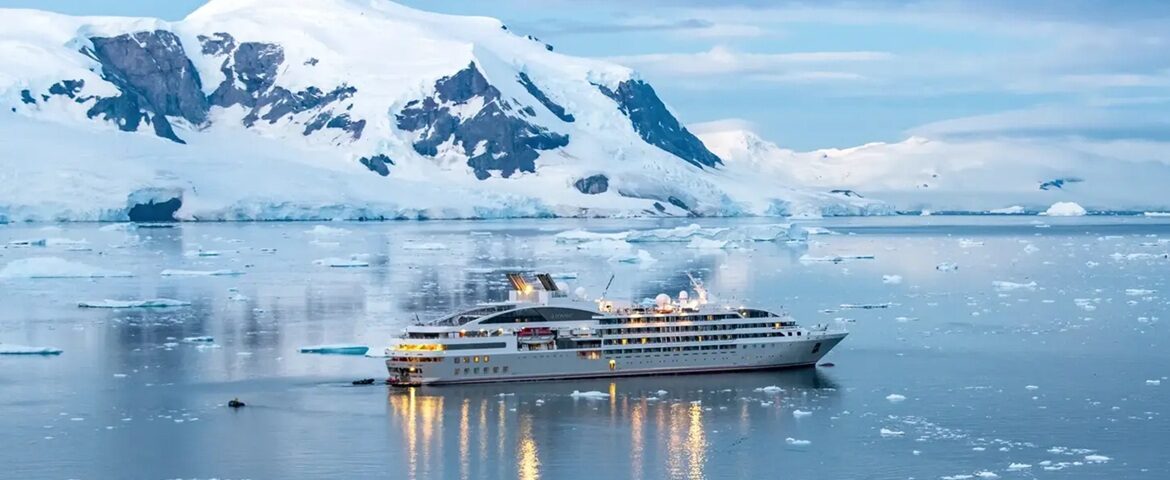
Ponant (2 Cruises)

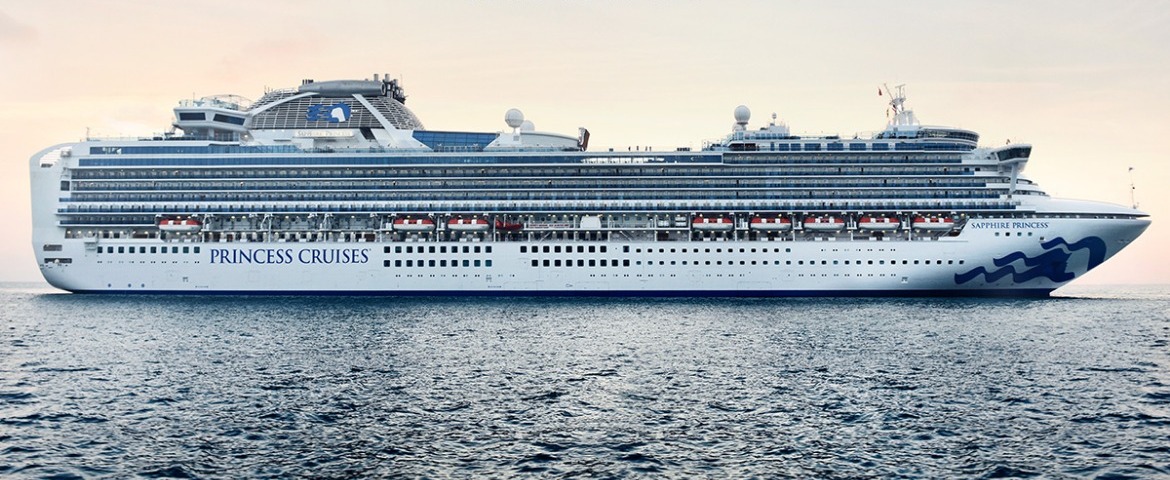
Princess Cruises (42 Cruises)
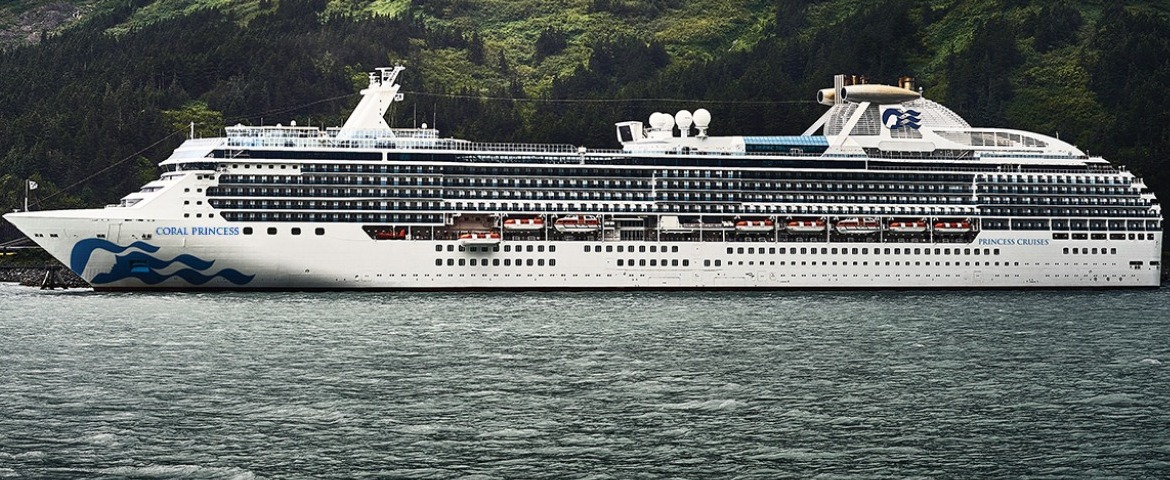
Coral Princess
11 Cruises

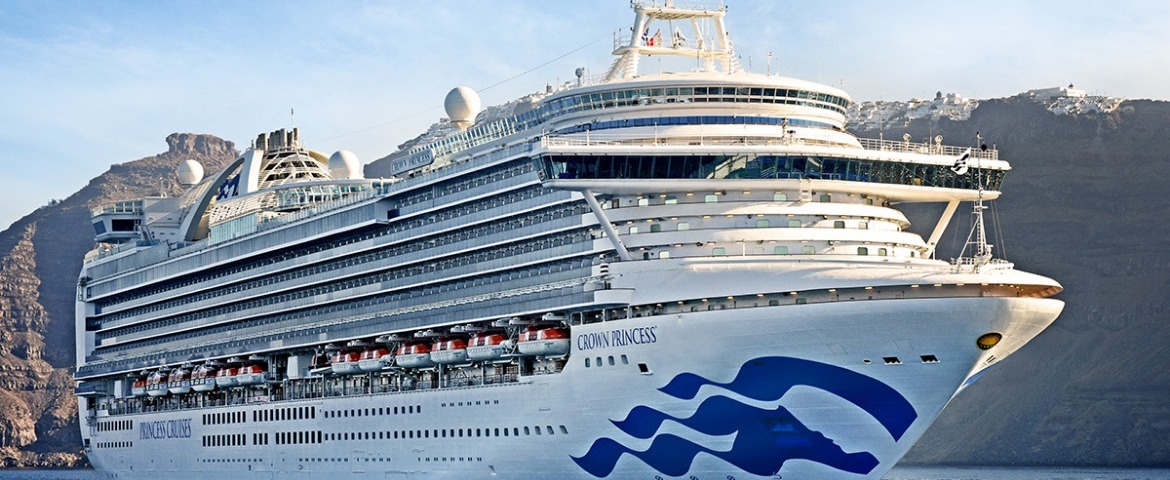
Grand Princess
10 Cruises
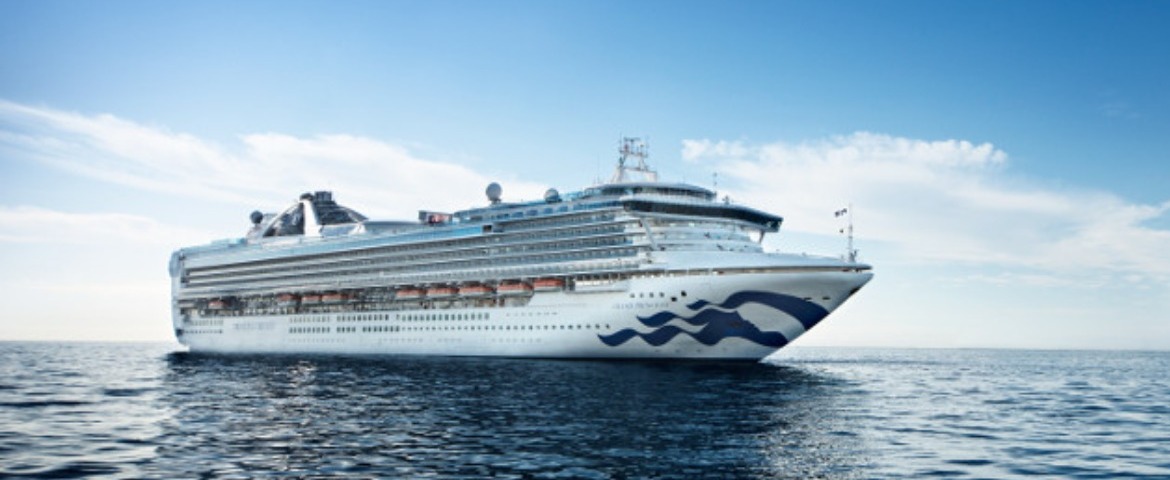
| 1 February | 15 days | Round-trip from Brisbane, Australia |
450-628-6241
Call us
|
| 15 February | 15 days | Round-trip from Brisbane, Australia |
450-628-6241
Call us
|
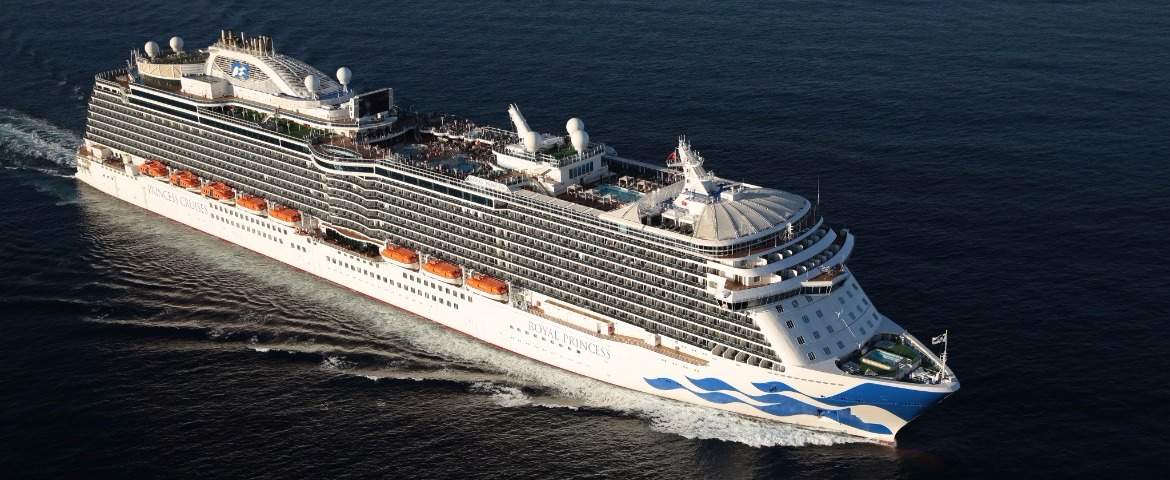
Royal Princess
17 Cruises
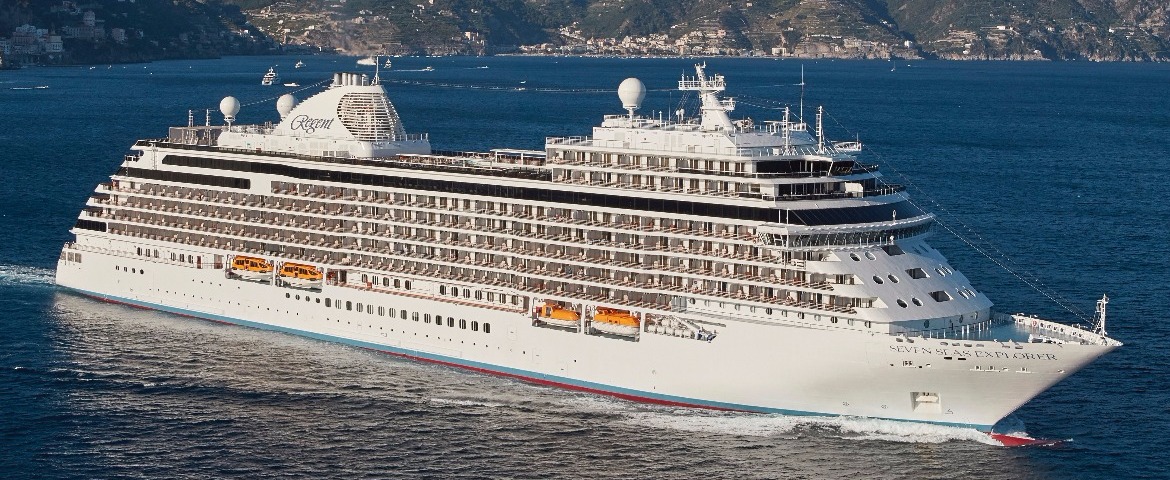
Regent Seven Seas Cruises (7 Cruises)

Royal Caribbean Cruises (8 Cruises)


Seabourn Cruise Line (10 Cruises)
Seabourn Quest
10 Cruises



Fiordland National Park | Cruise Port Guide
Frequently Asked Questions
No, and that is the whole point of this call: there is no wharf. The park is experienced entirely from the sea, without setting foot ashore. No formalities, no excursion to book.
The standard itinerary takes in three: Milford to the north, then Doubtful and Dusky further south. The ship enters slowly, runs to the head of the inlet, turns and comes back out.
Large ships crossing between Australia and New Zealand usually give a full day to this coast. Entry into the first fiord is often in the early morning: set an alarm.
Mitre Peak rises 1,692 metres straight out of the water, the Stirling and Bowen falls drop more than 150 metres, and the walls close in until the ship seems to brush the rock. Rudyard Kipling called it the eighth wonder of the world.
Quite the opposite. Several metres of rain fall here each year, and after a downpour dozens of temporary waterfalls stripe the cliffs — something dry days never show.
Doubtful is wider and deeper; New Zealanders call it the sound of silence. Dusky is the longest at around forty kilometres, more intimate with its wooded islets and side arms — often the favourite of those who know the region.
Bottlenose dolphins that come to play at the bow, fur seals sprawled on Seal Rock and, with luck, the Fiordland crested penguin, one of the world's rarest, recognizable by its yellow eyebrows.
Outside. The best views are earned on the open decks, so dress warmly. Naturalist commentary usually accompanies the transit.
Warm and waterproof clothing, even in the austral summer — the weather changes in minutes. Binoculars are strongly recommended for wildlife and distant waterfalls.
'The place of greenstone' in Māori. It is the name of the World Heritage site of which Fiordland is the heart, where Māori came for the nephrite jade of their pendants and weapons. Milford itself carries the name Piopiotahi.


