Koh Samui Island Thailand
332
Cruises availables
At departure or passage at this port
Azamara Club Cruises (37 Cruises)
Azamara Onward
11 Cruises
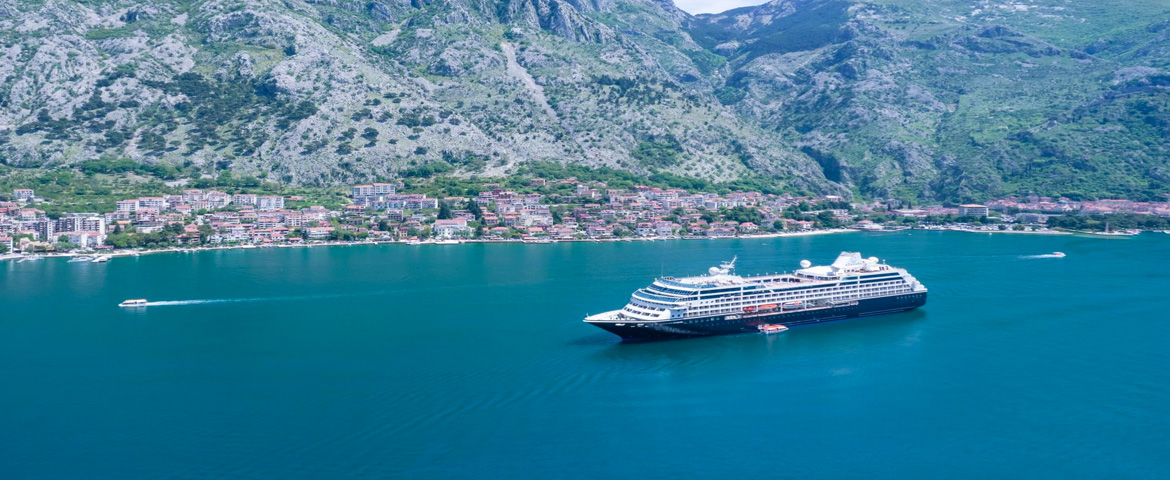

Azamara Pursuit
18 Cruises
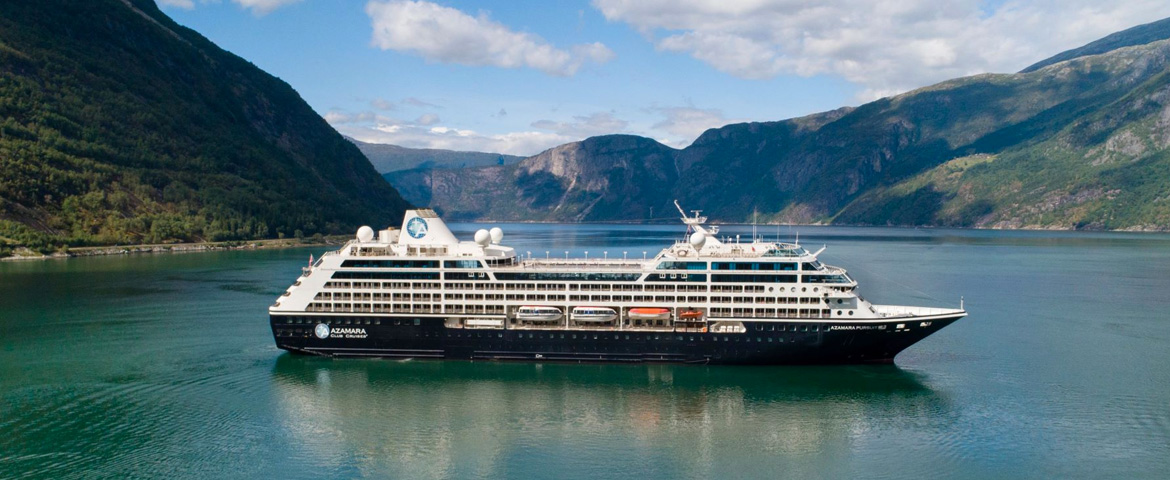
Azamara Quest
8 Cruises

Carnival Cruise Line (1 Cruises)

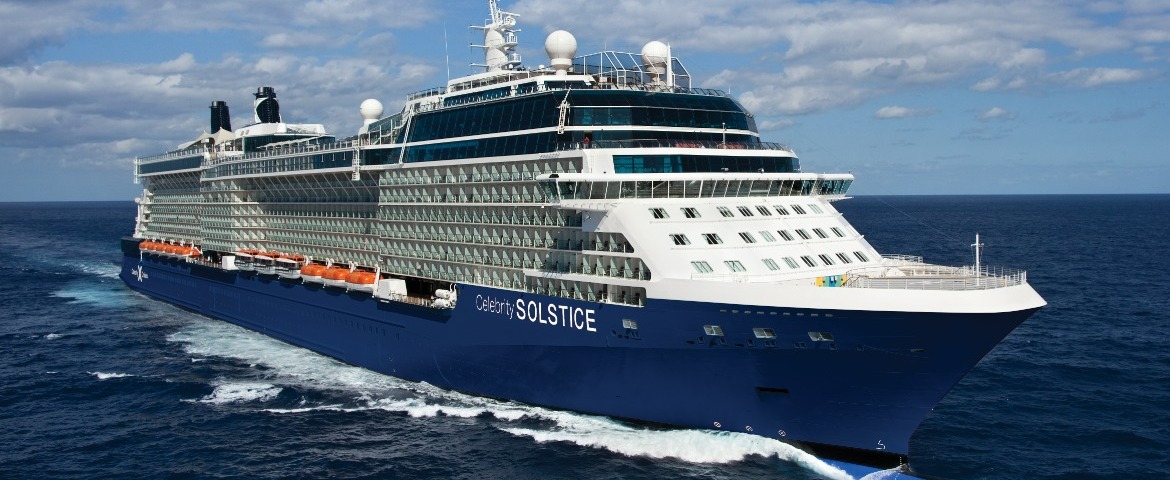
Celebrity Cruises (17 Cruises)
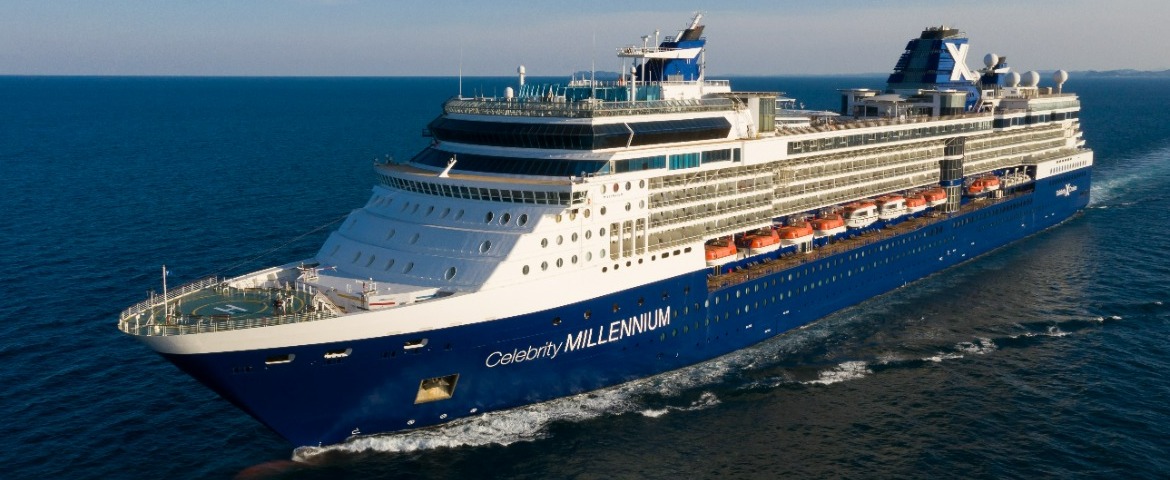

Celebrity Solstice
16 Cruises
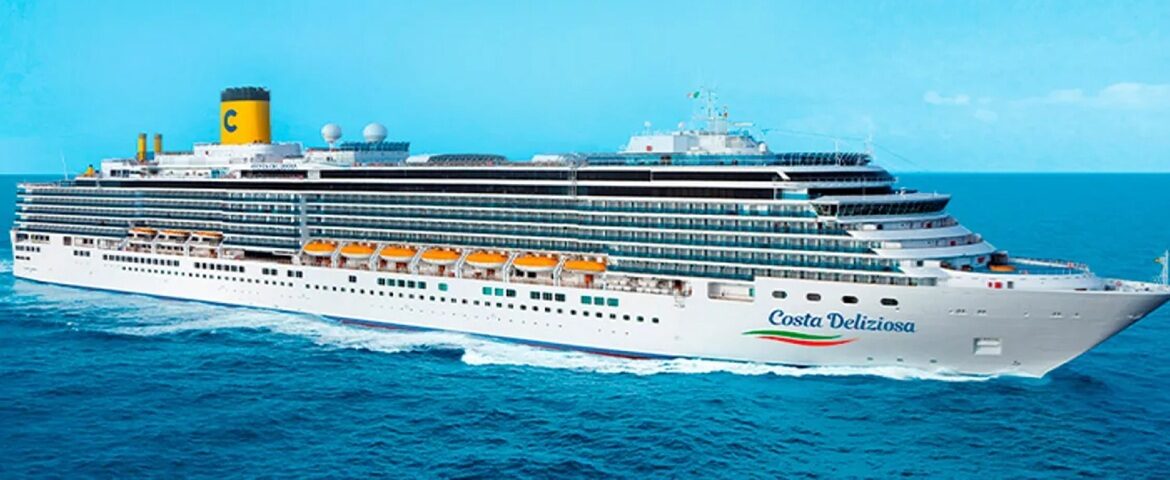
Costa Cruises (26 Cruises)
Costa Deliziosa
26 Cruises

Crystal Cruises (4 Cruises)


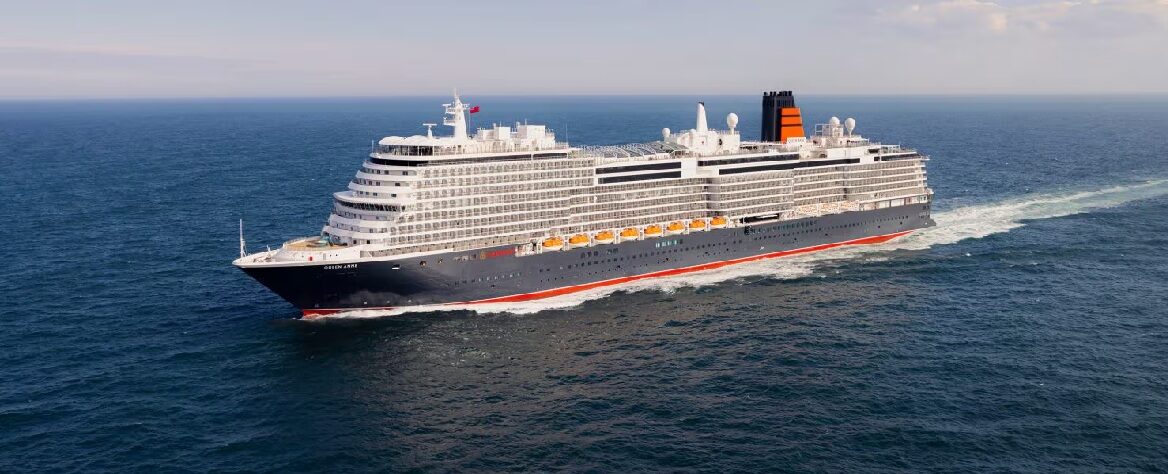
Cunard (19 Cruises)
Queen Anne
19 Cruises

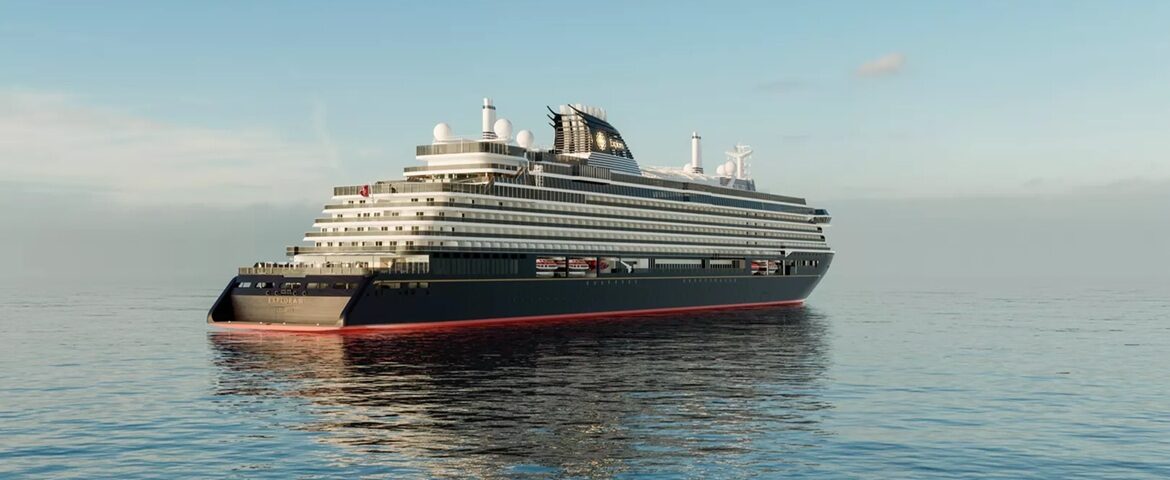
Explora Journeys (14 Cruises)
Explora III
14 Cruises

| 26 November | 14 days | Round-trip Malaysia Thailand Singapore Explora Iii |
450-628-6241
Call us
|
| 26 November | 15 days | Round-trip from Singapore, Singapore |
450-628-6241
Call us
|
Holland America Line (17 Cruises)
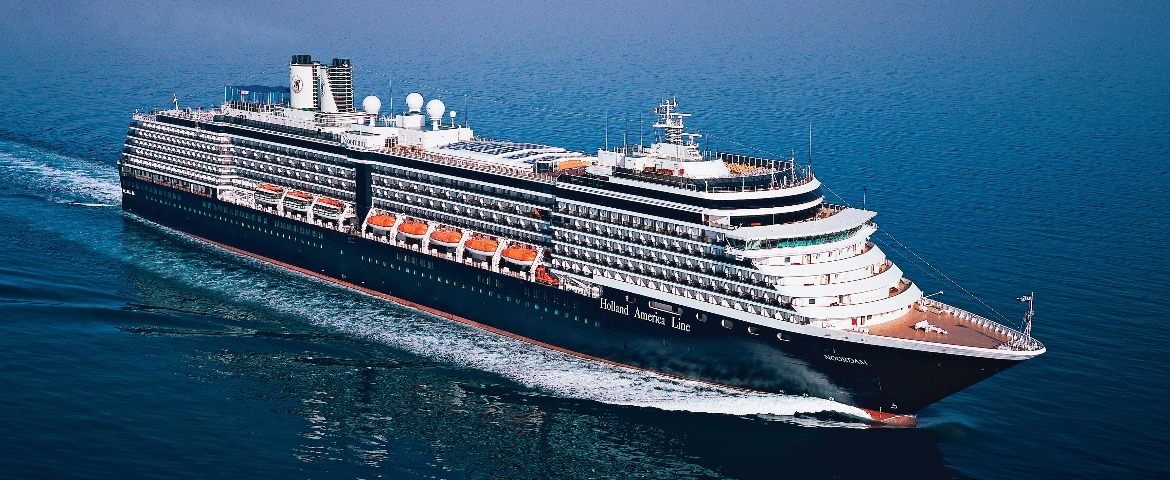
ms Noordam
10 Cruises

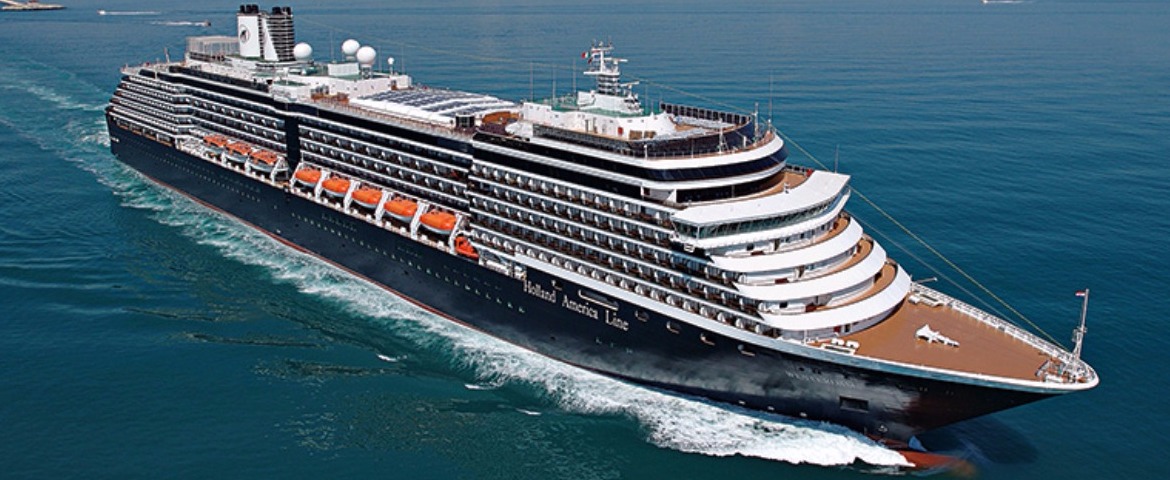
ms Westerdam
7 Cruises
Norwegian Cruise Line (19 Cruises)
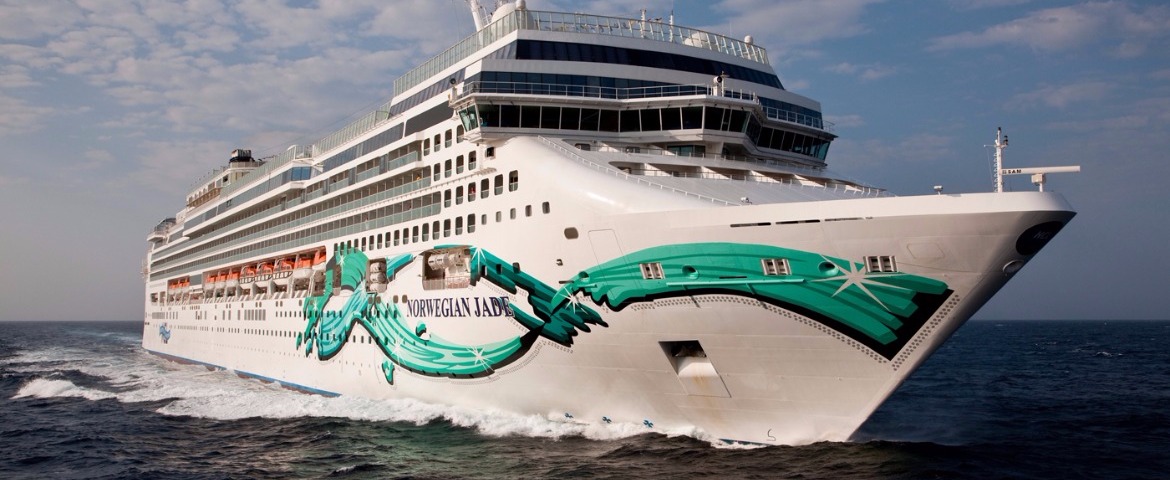
Norwegian Jade
19 Cruises

Oceania Cruises (64 Cruises)
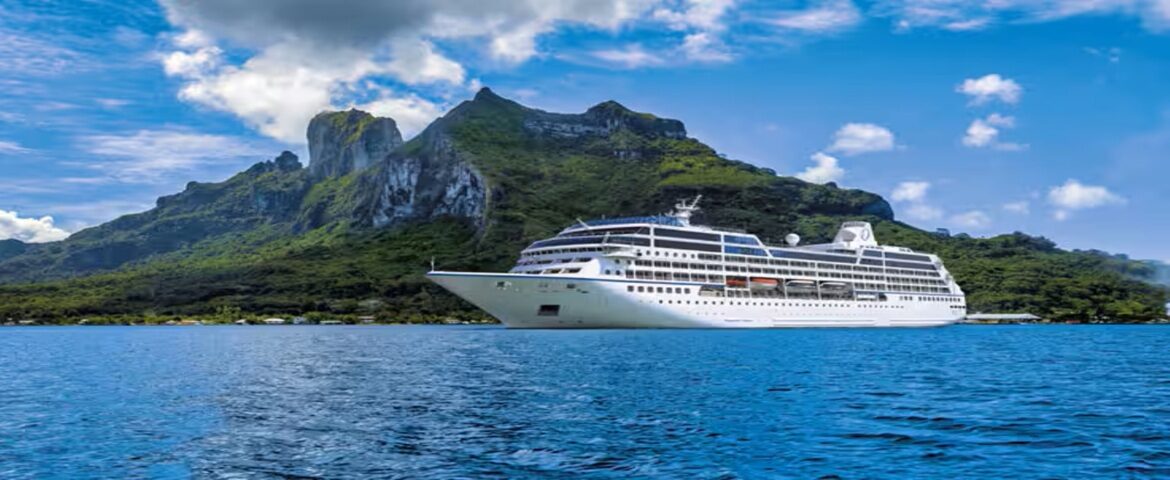
Oceania Aurelia
18 Cruises

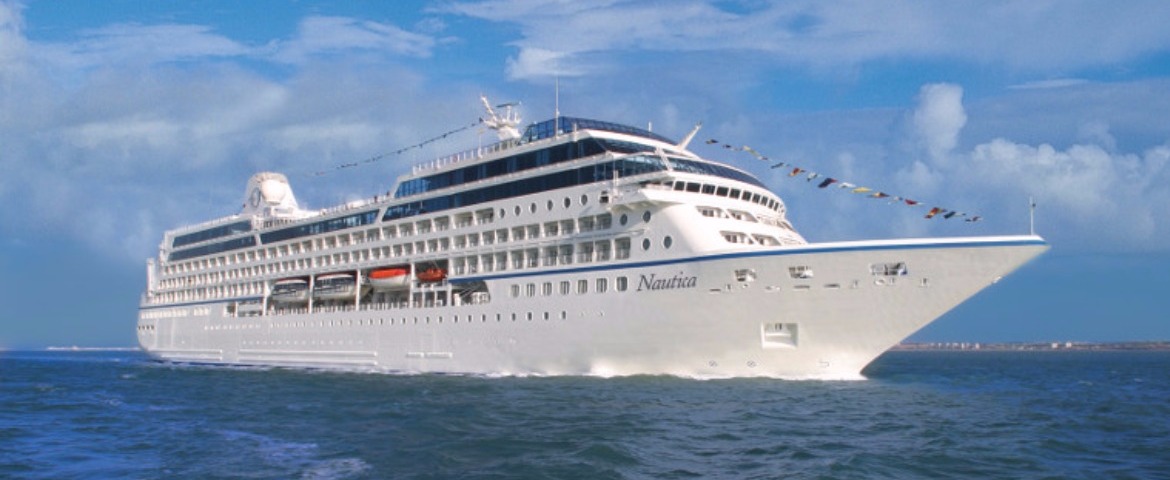
Oceania Nautica
18 Cruises
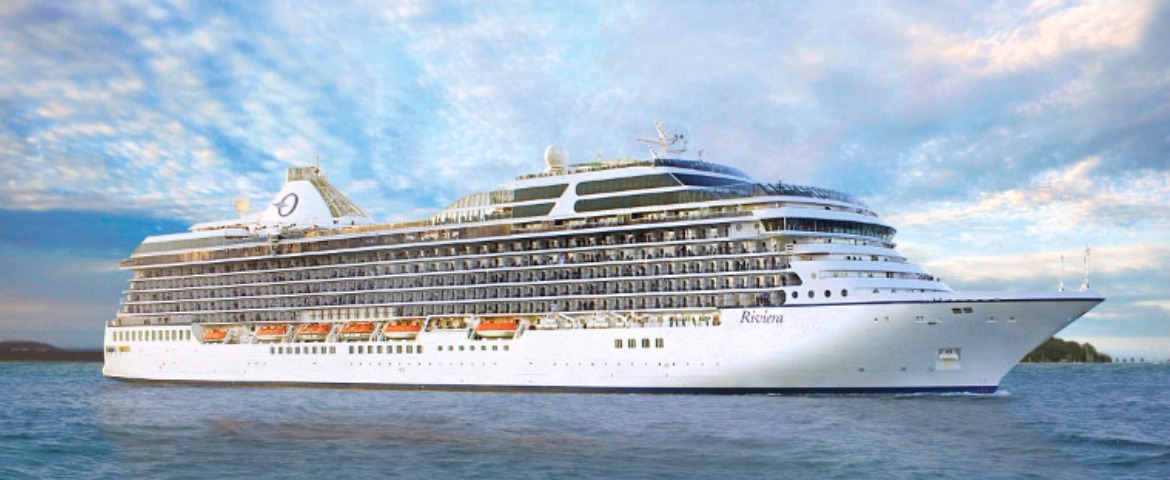
Oceania Riviera
21 Cruises
| 21 February | 43 days | One-way from Auckland to Singapore |
450-628-6241
Call us
|
| 21 February | 43 days | One-way from Auckland to Singapore |
450-628-6241
Call us
|
| 26 January | 11 days | One-way from Singapore to Laem Chabang |
450-628-6241
Call us
|
| 27 January | 12 days | One-way from Singapore to Laem Chabang |
450-628-6241
Call us
|
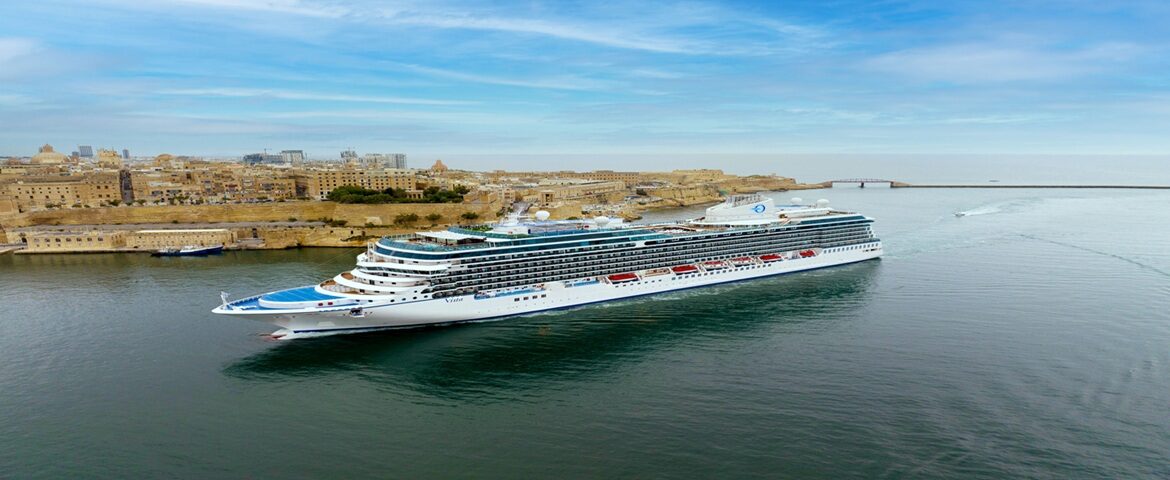
Oceania Vista
7 Cruises
| 6 January | 180 days | One-way from Miami to Southampton |
450-628-6241
Call us
|
| 6 January | 244 days | One-way from Miami to New York |
450-628-6241
Call us
|
Princess Cruises (25 Cruises)
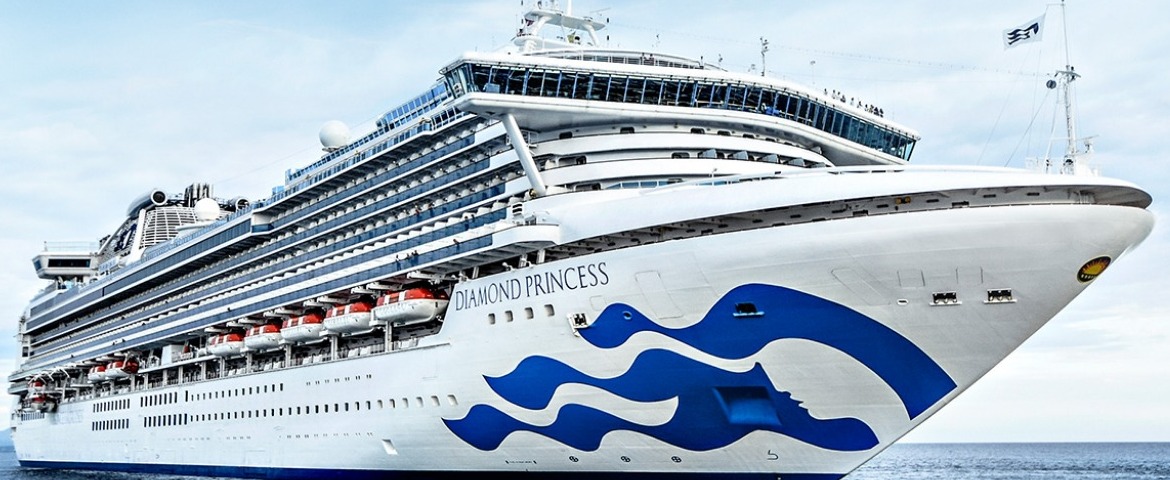
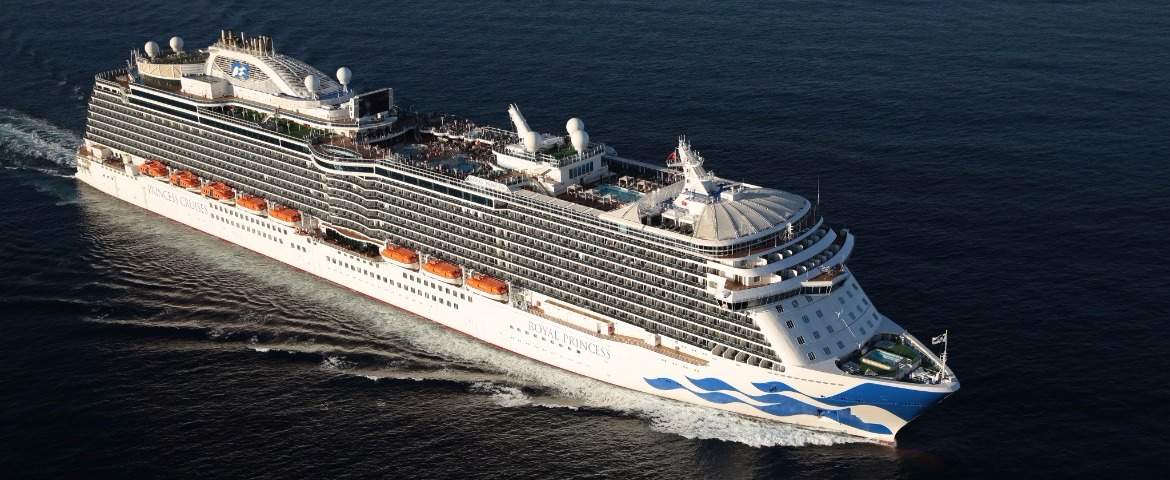
Diamond Princess
6 Cruises

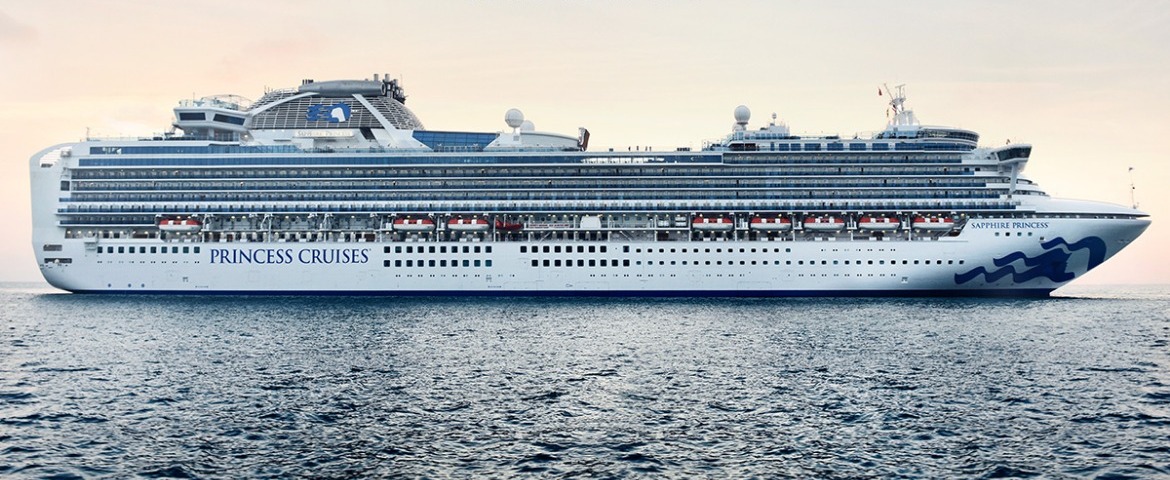
Sapphire Princess
16 Cruises
Regent Seven Seas Cruises (34 Cruises)
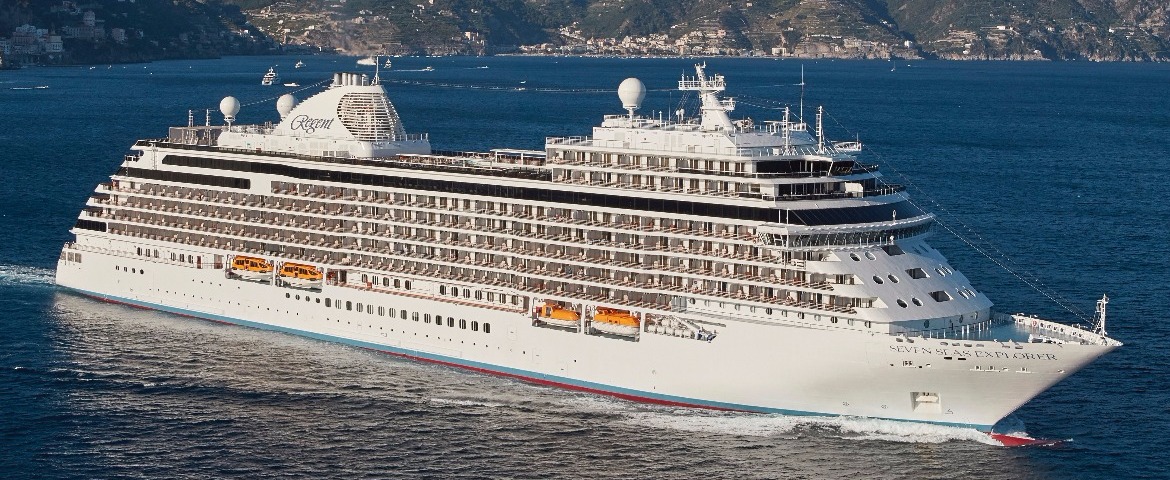
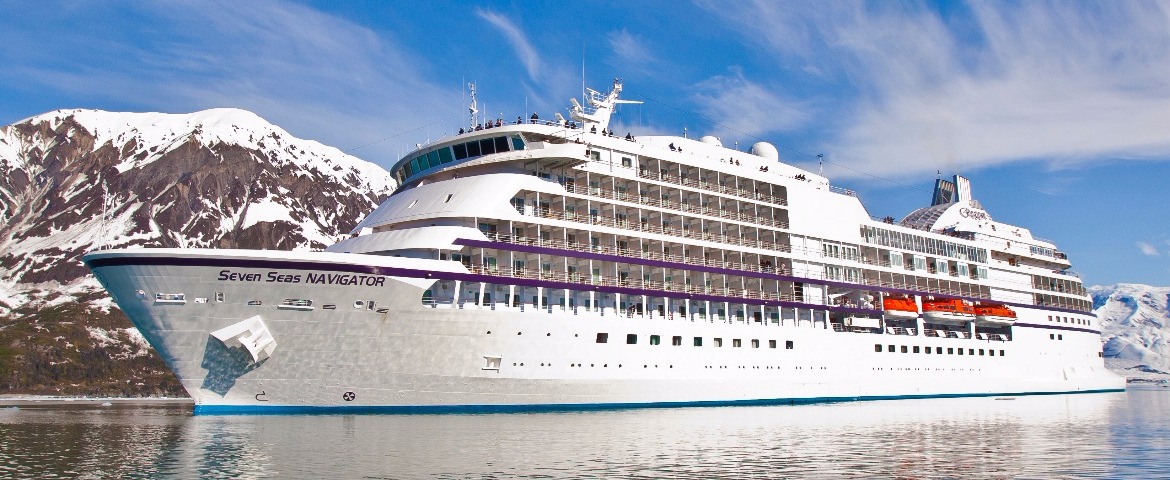
Seven Seas Explorer
20 Cruises

Seven Seas Splendor
13 Cruises
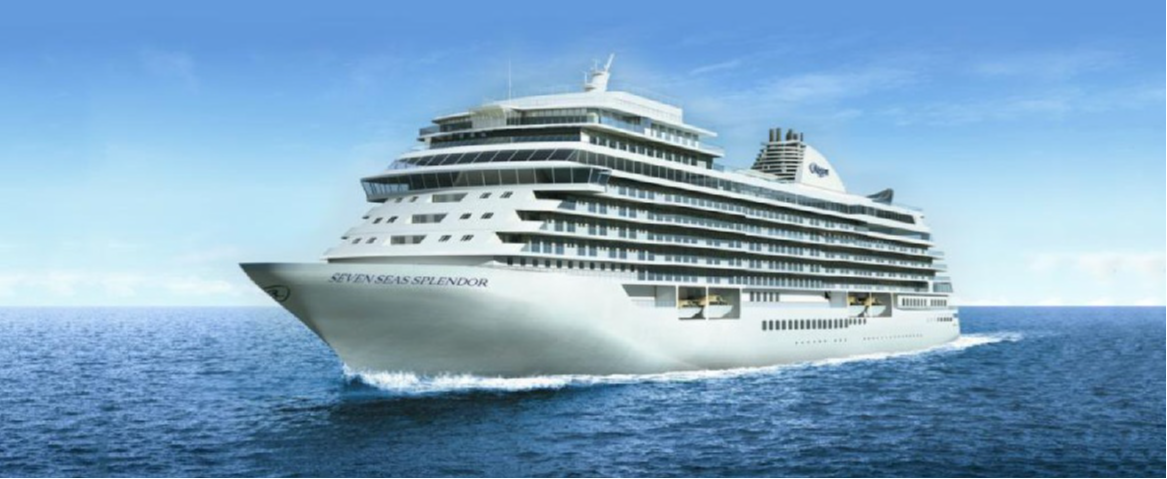
| 6 January | 133 days | Round-trip from San Francisco, USA |
450-628-6241
Call us
|
| 6 January | 140 days | One-way from San Francisco to Vancouver |
450-628-6241
Call us
|
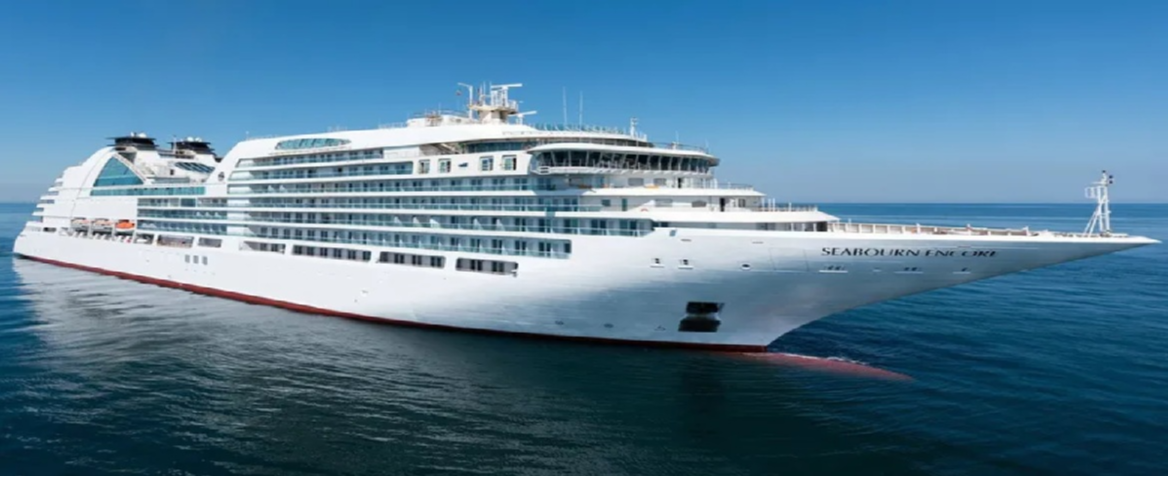
Seabourn Cruise Line (2 Cruises)

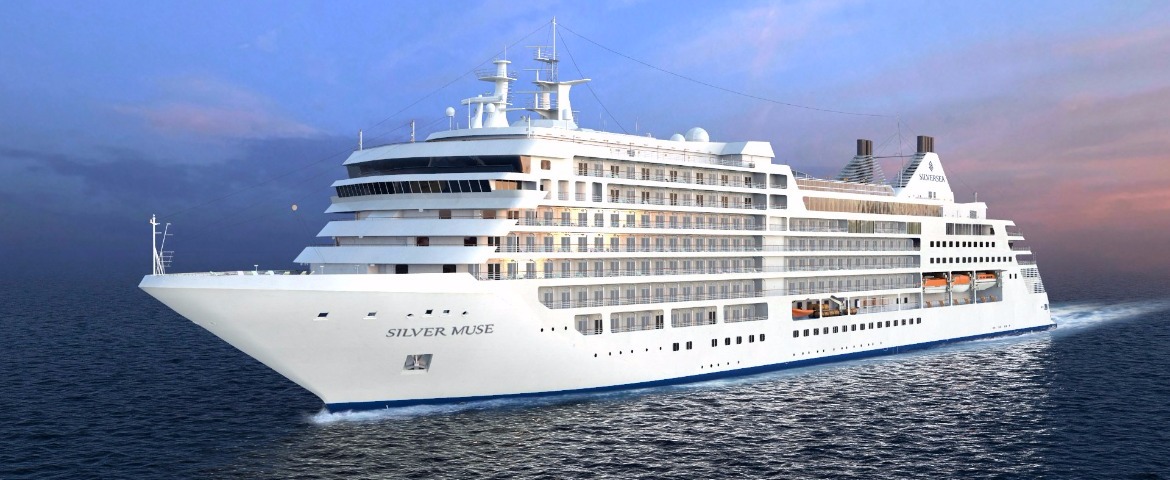
Silversea Cruises (3 Cruises)

Viking Ocean Cruises (50 Cruises)
Viking Orion
23 Cruises
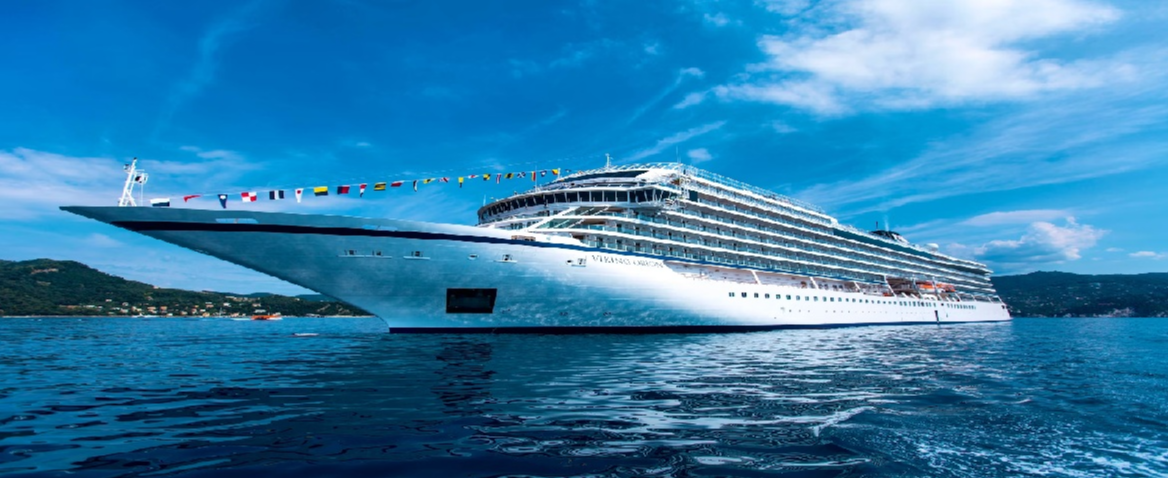

| 23 February | 91 days | One-way from Auckland to Vancouver |
450-628-6241
Call us
|
| 23 February | 90 days | One-way from Auckland to Vancouver |
450-628-6241
Call us
|
Viking Venus
27 Cruises
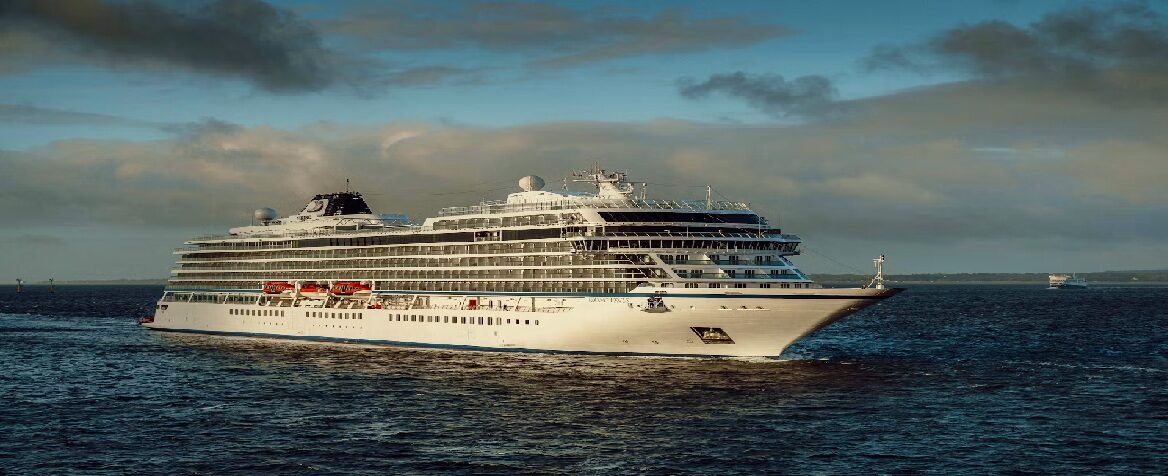

Koh Samui Island, Thailand | Cruise Port Guide
Frequently Asked Questions
It doesn't dock. Ships anchor in the Gulf of Thailand off Nathon, the main town on the west coast, and tenders land passengers at the town pier. The crossing is short, but like any anchorage it depends on sea conditions.
All of Nathon, and it's worth your time. The town keeps its rows of wooden Sino-Thai shophouses, old-style pharmacies, noodle stalls and a covered market piled with mangoes, pineapples and dried fish. An hour's stroll covers it.
By shared pickup truck (songthaew) or taxi, both waiting at the Nathon pier. Allow half an hour northeast for the Big Buddha, a little more for the east-coast beaches. Agree on the fare and the return time before you set off.
The most rewarding loop combines the Big Buddha at Wat Phra Yai, the neighbouring Wat Plai Laem shrine and the old fishing quarter of Bophut, all clustered in the northeast. Beach-goers head instead for Chaweng or Lamai, on the far side of the hills.
A twelve-metre gilded statue seated facing the open sea on an islet linked to the coast by a causeway, half an hour northeast of Nathon. Visible from far off on a clear day, it is reached by a naga-flanked staircase lined with stalls. Covered shoulders and knees are required.
Yes, but they are on the opposite side of the island. Chaweng offers several kilometres of pale sand backed by restaurants and shallow water; neighbouring Lamai is a calmer version of the same, popular with families. Factor in the drive both ways before committing.
The Thai baht. Hotels, larger Chaweng restaurants and some shops take cards, but Nathon market, pickup trucks and street stalls are cash only. Carry small notes: change for a large bill is often a problem.
Thai. English is widely used in tourist areas and by drivers; French is rare. Nathon shopkeepers speak less English than those in Chaweng, but there is no hard selling there and the exchange is easier.
Yes. Lamai and the shallow water at Chaweng suit children well, and the temples are quick to visit without wearing anyone out. The only real obstacle is the tender transfer, worth considering if anyone in the group is unsteady on their feet or has reduced mobility.
February to September, which sets Samui apart from the rest of Thailand. Sitting in the Gulf rather than on the Andaman coast, the island gets its heaviest rain from October to December, at the height of Phuket's dry season. An autumn itinerary may therefore find Samui grey while the west coast is dry.


