Glacier Bay Alaska
885
Cruises availables
At departure or passage at this port
American Cruise Lines (212 Cruises)
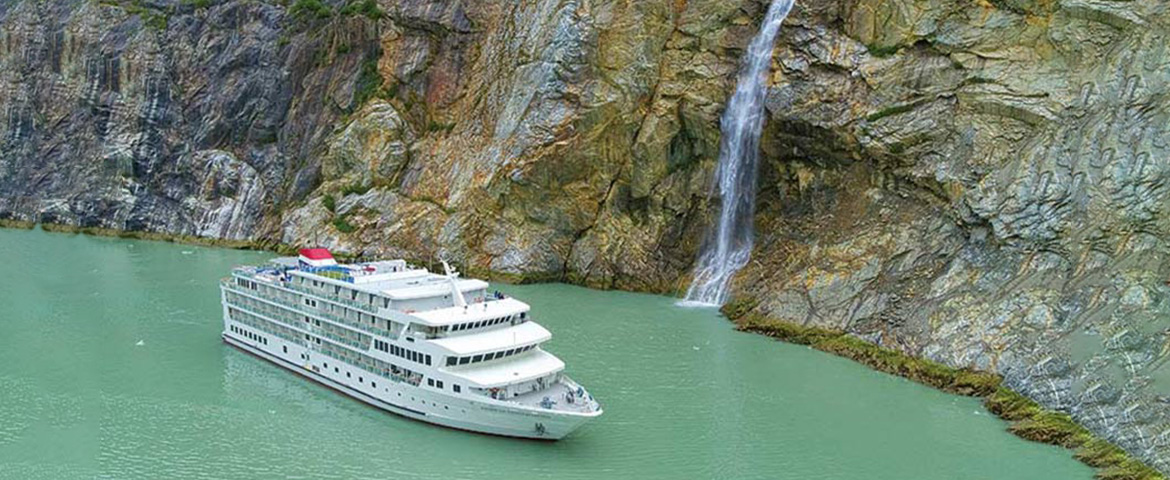
American Constellation
100 Cruises

| 25 May | 16 days | One-way from Tacoma WA to Juneau |
450-628-6241
Call us
|
| 26 May | 13 days | One-way from Tacoma WA to Juneau |
450-628-6241
Call us
|
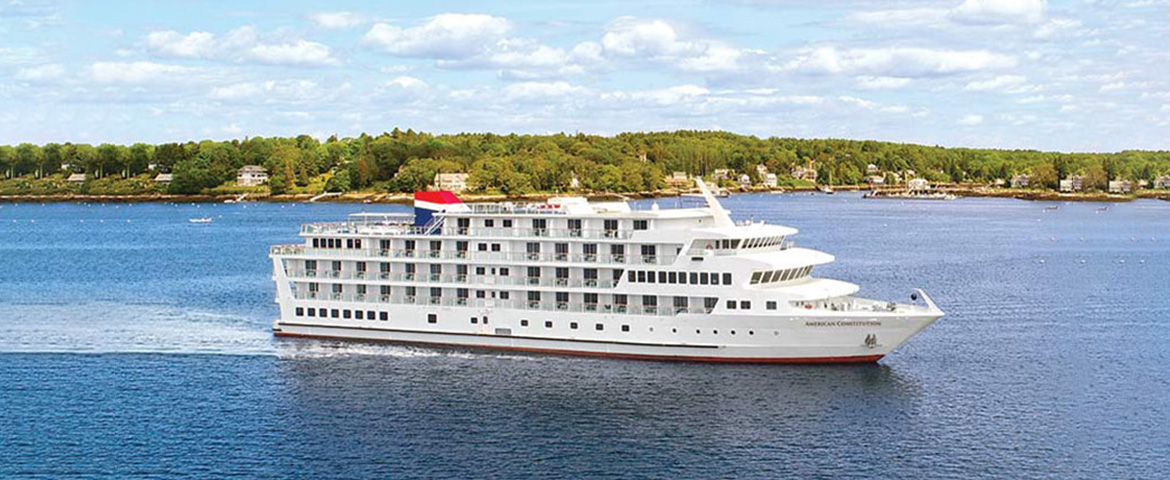
American Constitution
98 Cruises
| 25 May | 16 days | One-way from Tacoma WA to Juneau |
450-628-6241
Call us
|
| 26 May | 13 days | One-way from Tacoma WA to Juneau |
450-628-6241
Call us
|
| 24 May | 16 days | One-way from Tacoma WA to Juneau |
450-628-6241
Call us
|
| 25 May | 13 days | One-way from Tacoma WA to Juneau |
450-628-6241
Call us
|
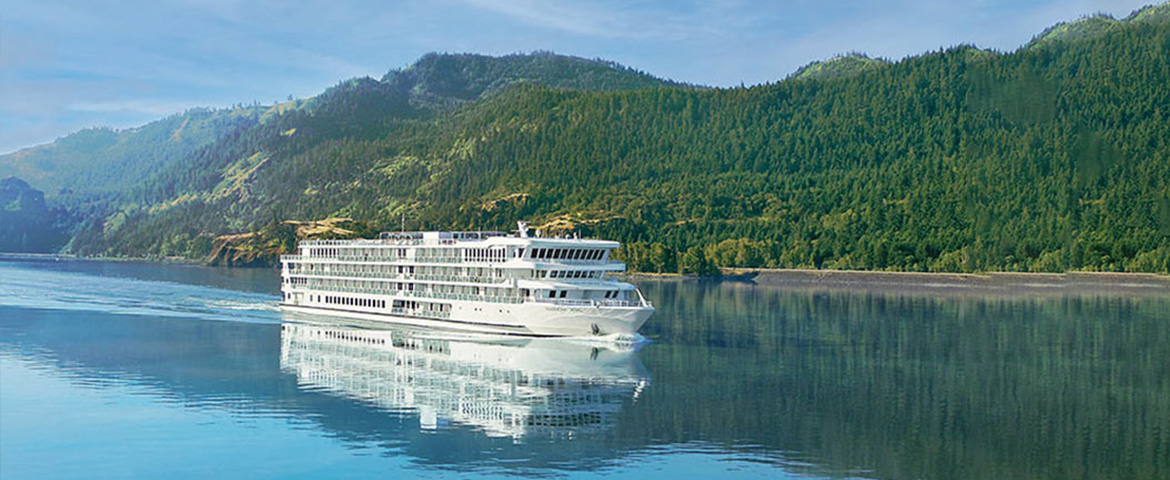
American Song
14 Cruises
| 23 June | 15 days | One-way from land tour to Portland OR |
450-628-6241
Call us
|
| 27 June | 8 days | One-way from Glacier Bay to Portland OR |
450-628-6241
Call us
|
Holland America Line (320 Cruises)
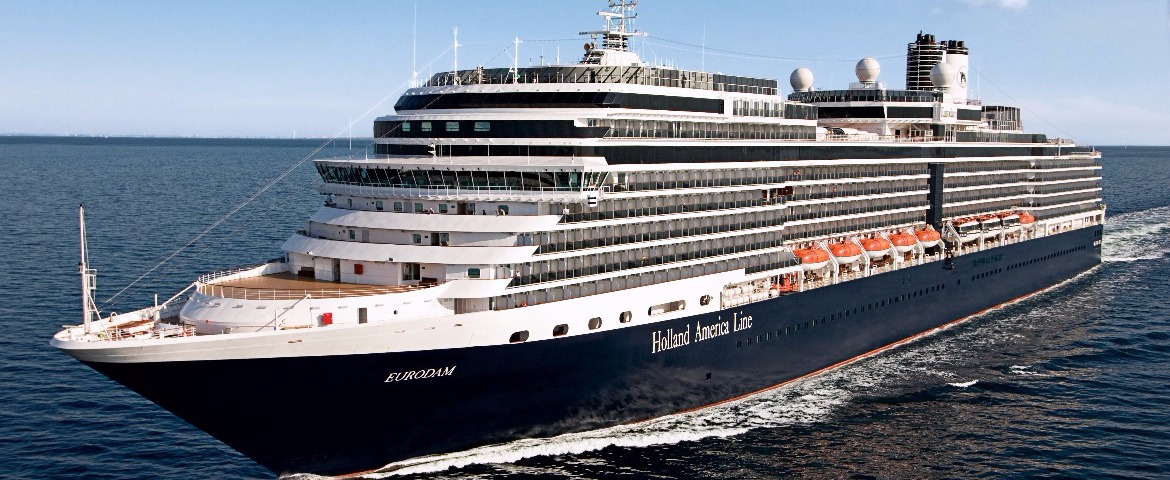
ms Eurodam
42 Cruises

| 24 April | 8 days | Round-trip from Seattle, USA |
450-628-6241
Call us
|
| 24 April | 7 days | Round-trip Alaska Eurodam Seattle Wa |
450-628-6241
Call us
|
ms Koningsdam
59 Cruises
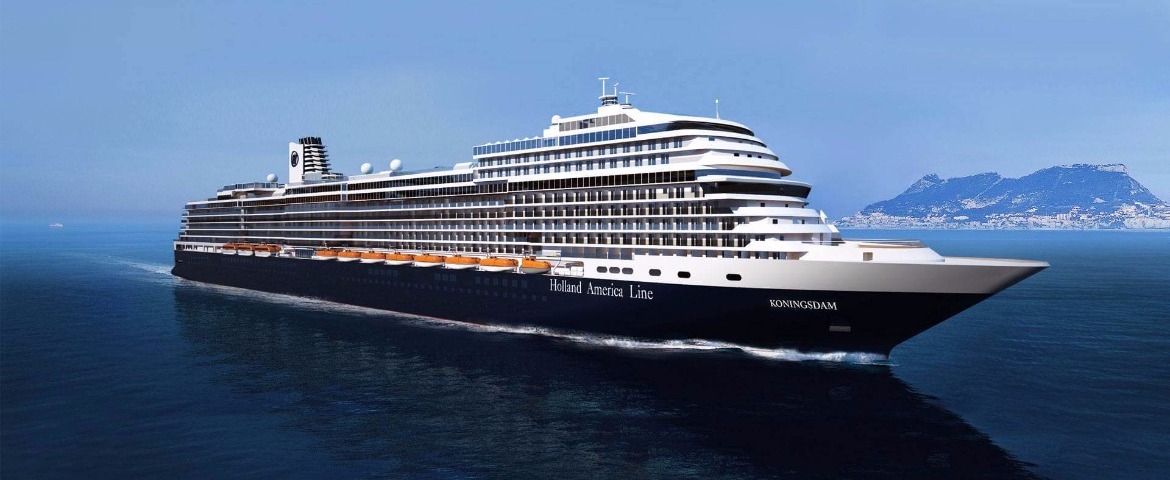
| 24 April | 7 days | Round-trip Alaska Koningsdam Vancouver |
450-628-6241
Call us
|
| 24 April | 8 days | Round-trip from Vancouver, Canada |
450-628-6241
Call us
|
ms Nieuw Amsterdam
54 Cruises
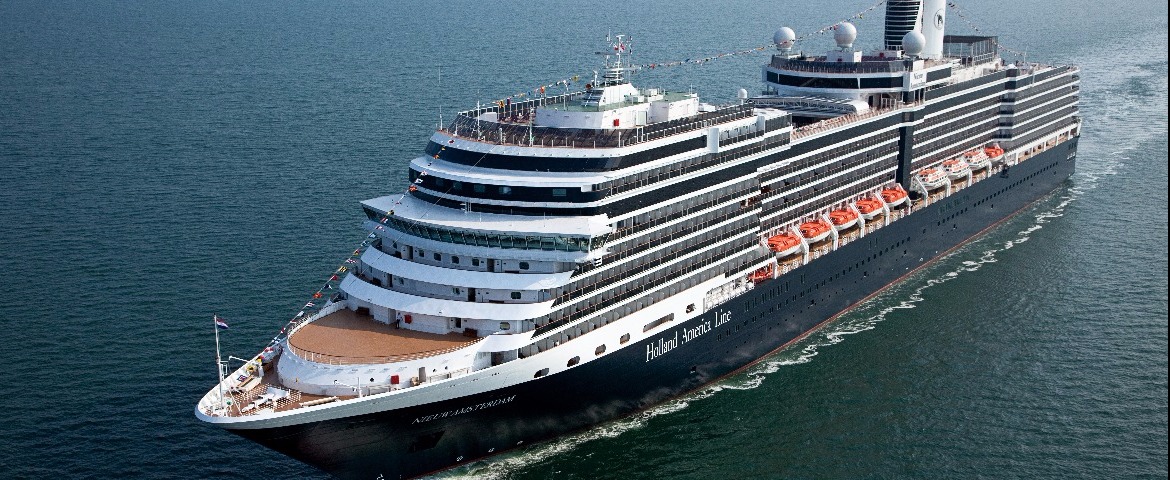
ms Nieuw Statendam
54 Cruises
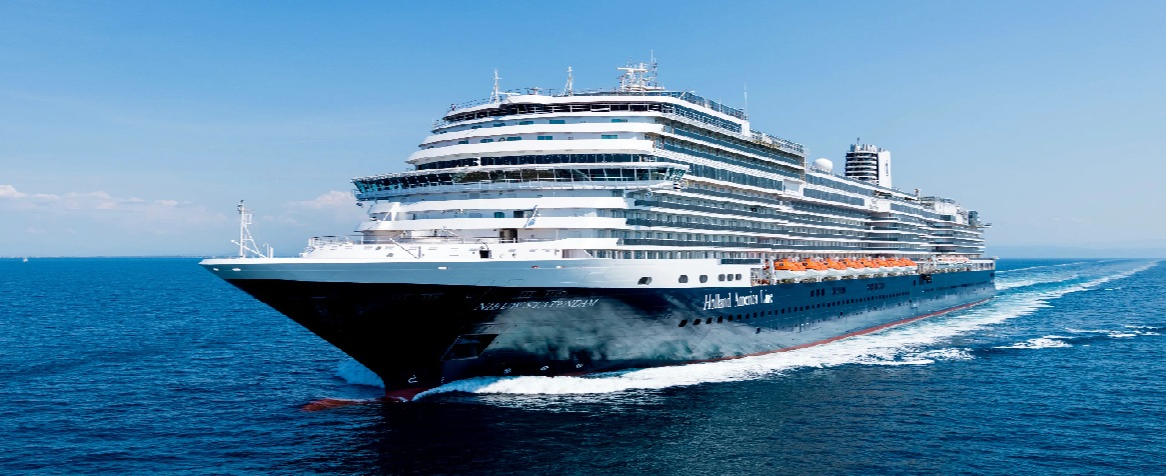
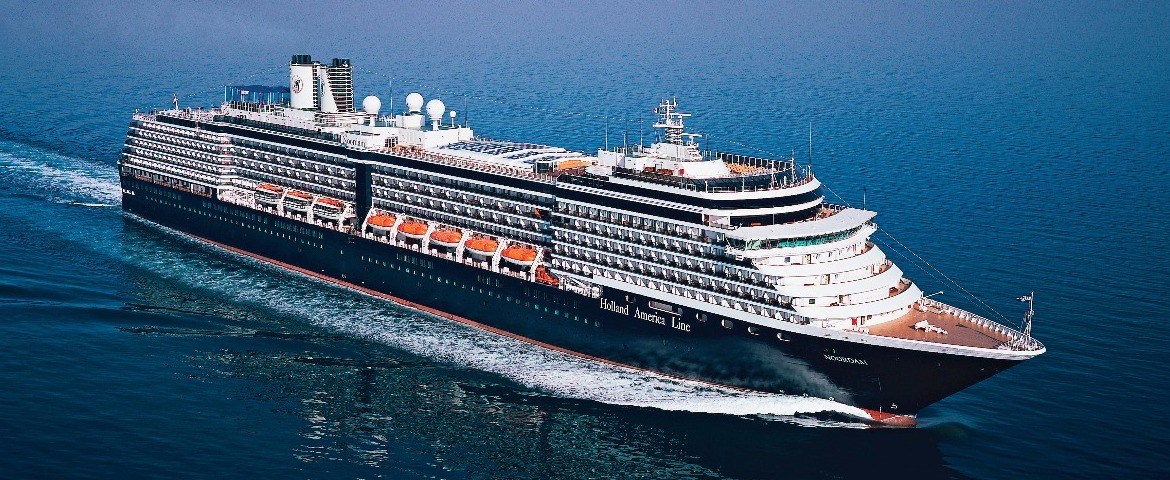
ms Westerdam
54 Cruises
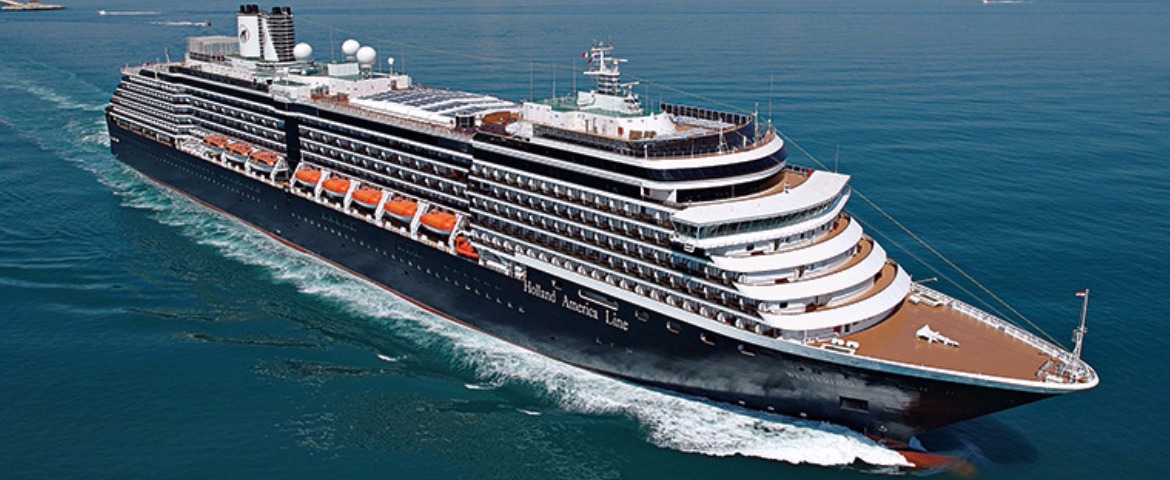
ms Zaandam
55 Cruises
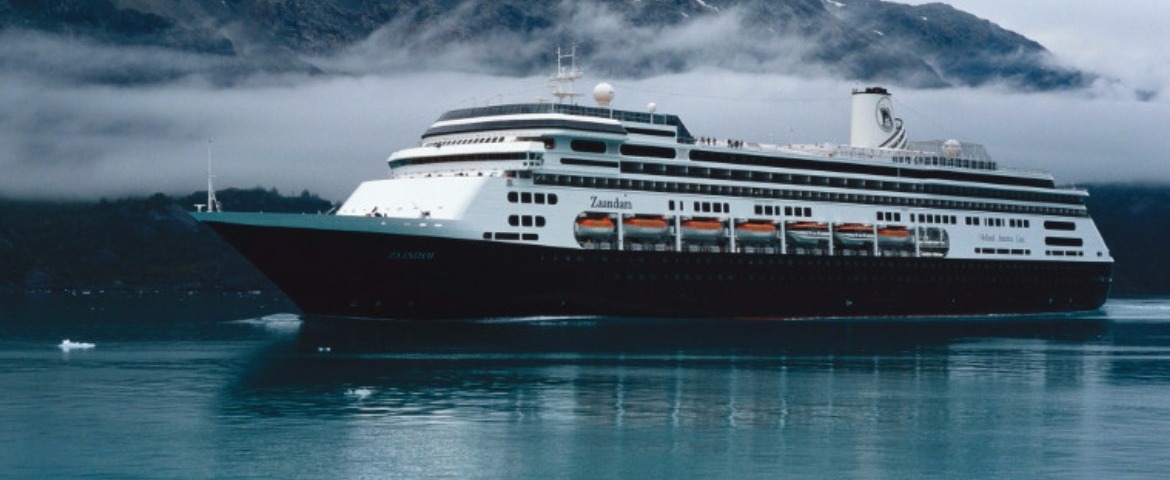
| 24 April | 18 days | Round-trip Alaska Zaandam Vancouver |
450-628-6241
Call us
|
| 24 April | 19 days | Round-trip from Vancouver, Canada |
450-628-6241
Call us
|
Lindblad Expeditions (42 Cruises)
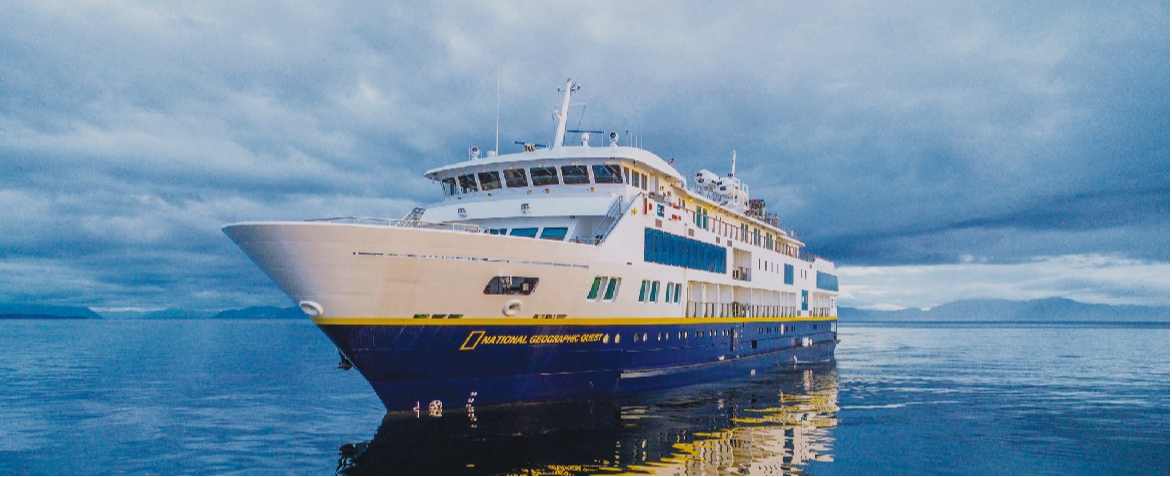
National Geographic Quest
22 Cruises

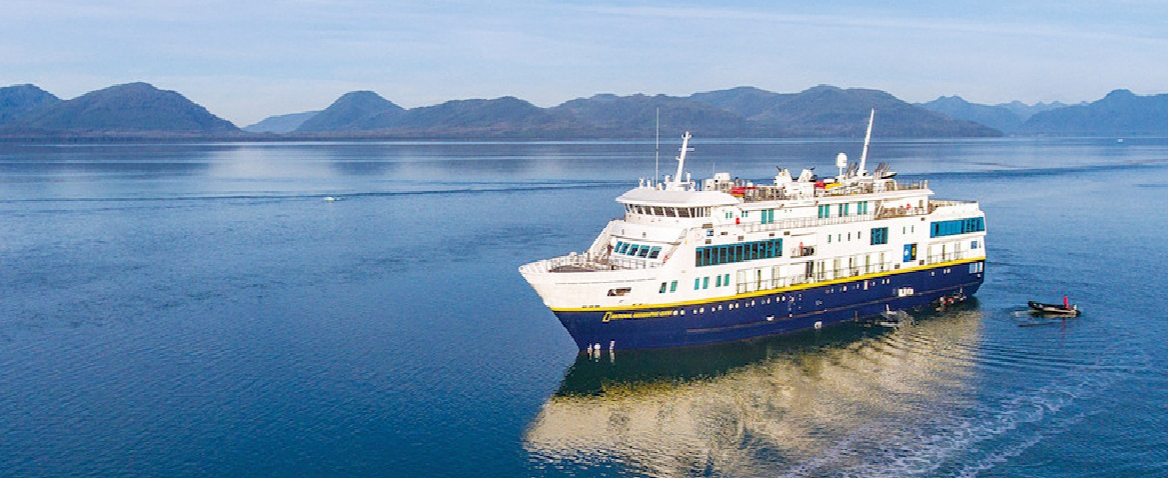
National Geographic Venture
20 Cruises
Norwegian Cruise Line (43 Cruises)
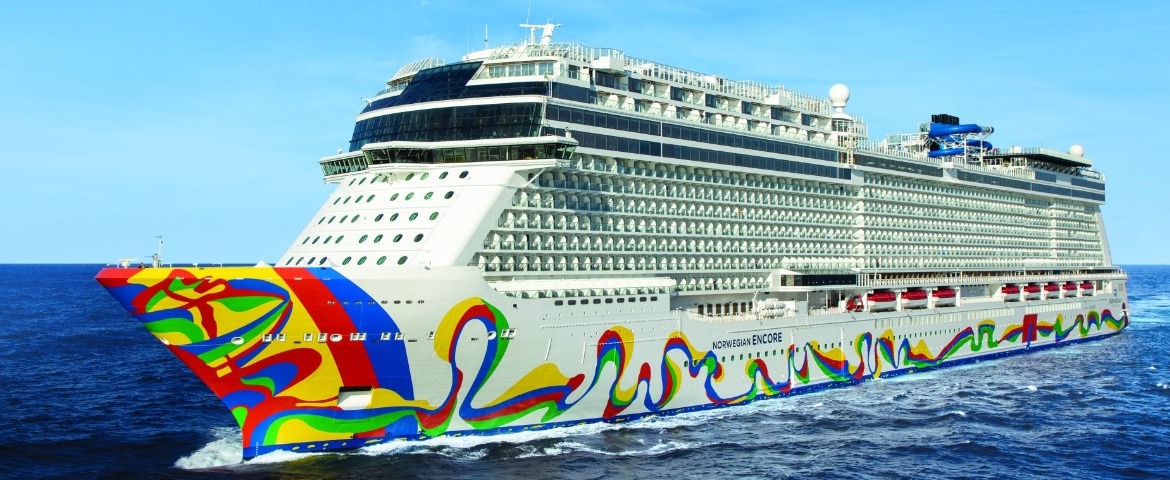
Norwegian Encore
24 Cruises

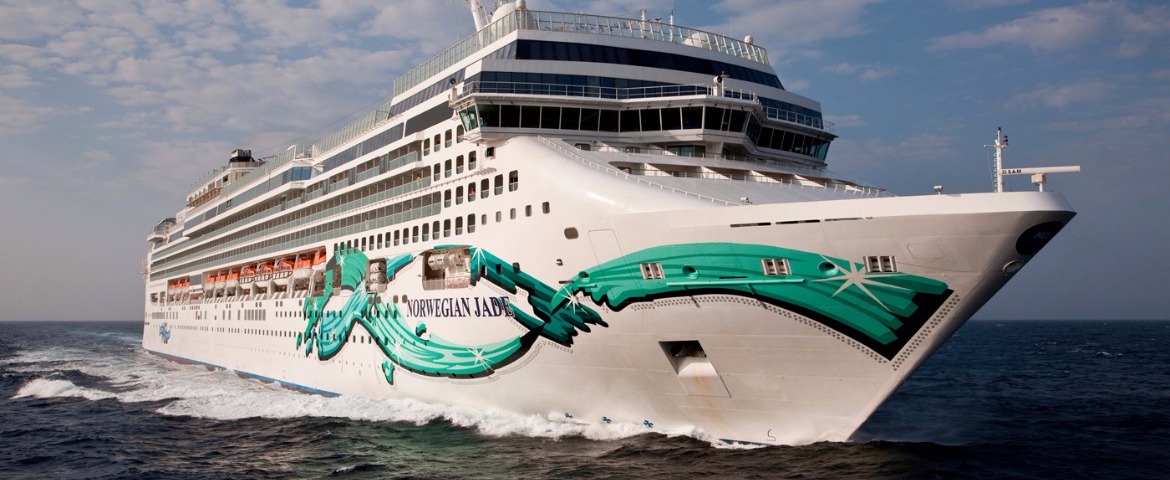
Norwegian Jade
6 Cruises
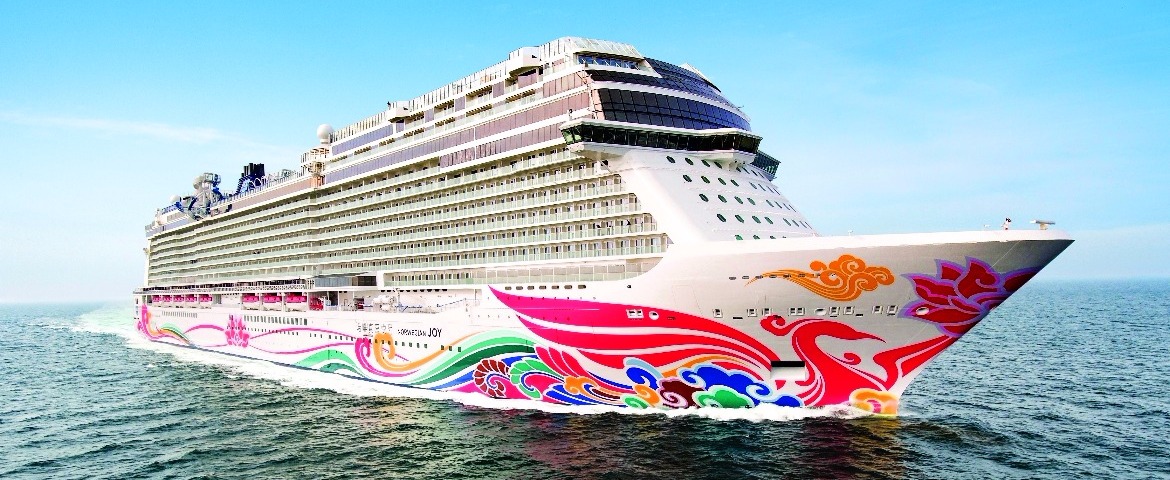
Norwegian Joy
13 Cruises
| 19 May | 10 days | Round-trip from Seattle, USA |
From
1135$
|
| 28 May | 11 days | Round-trip from Seattle, USA |
From
1205$
|
Princess Cruises (175 Cruises)
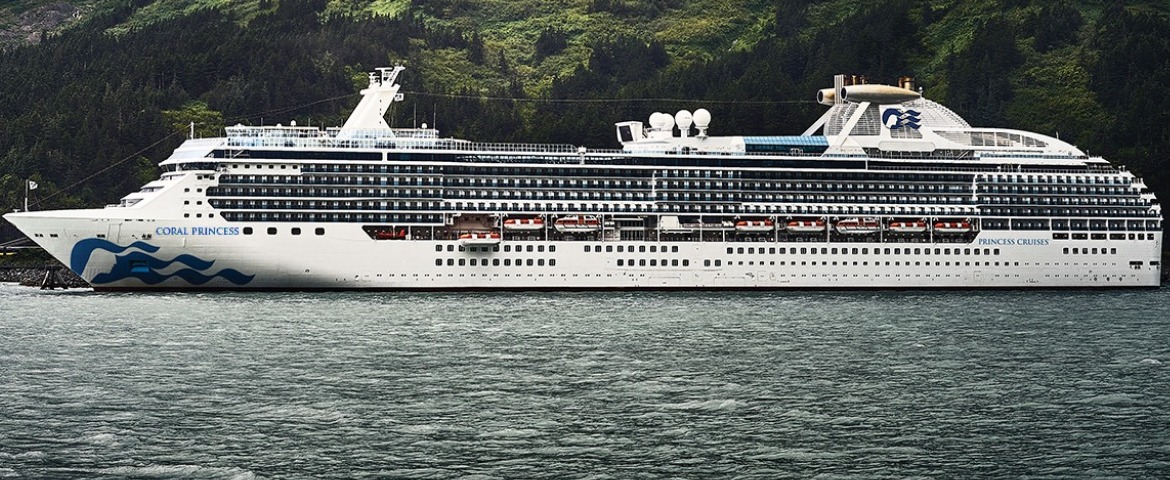
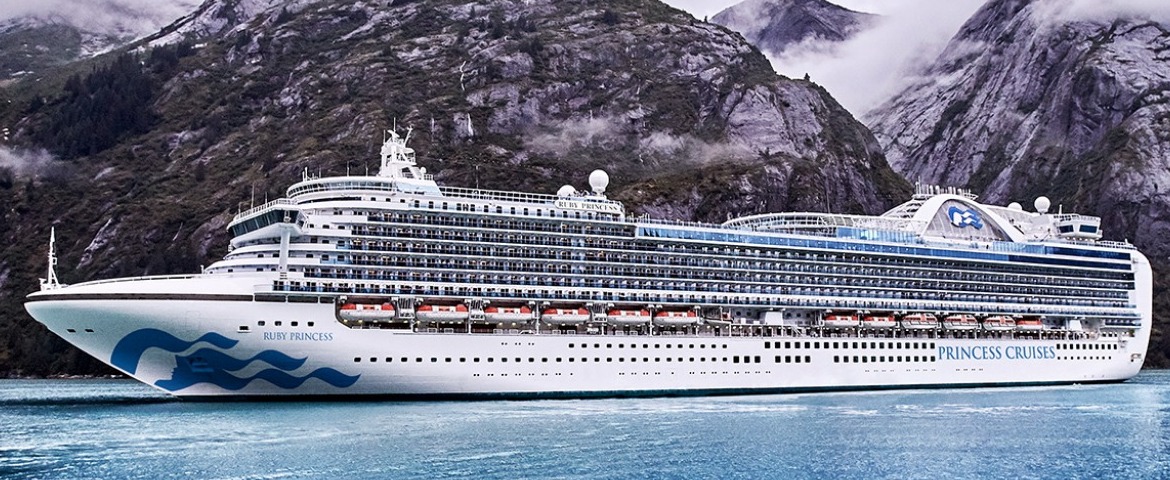
Coral Princess
26 Cruises

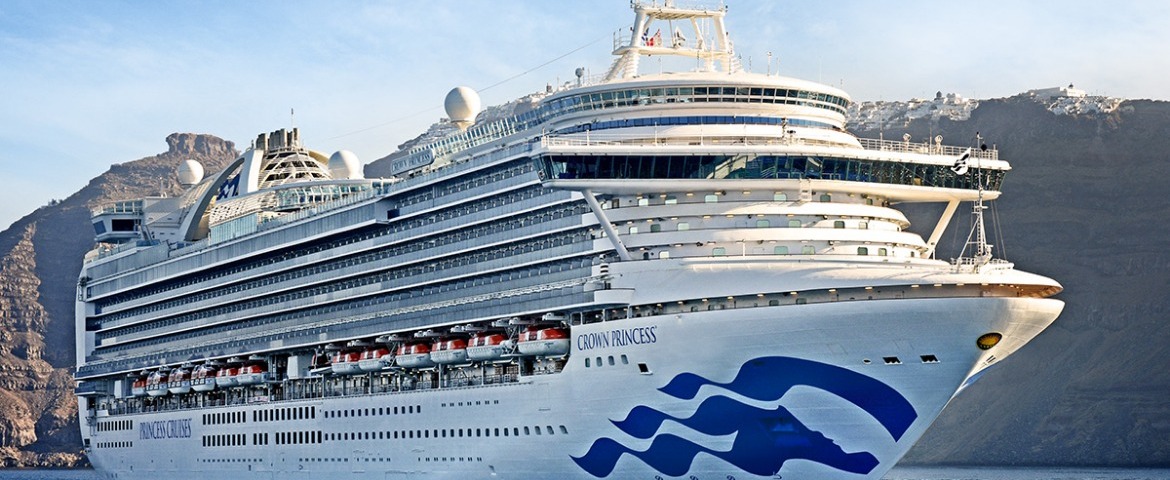
Crown Princess
45 Cruises
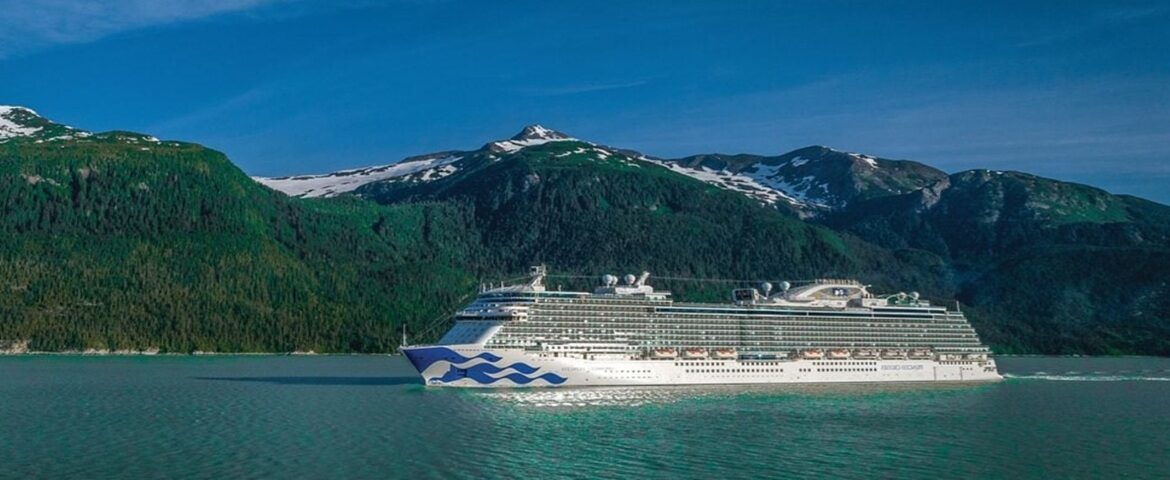
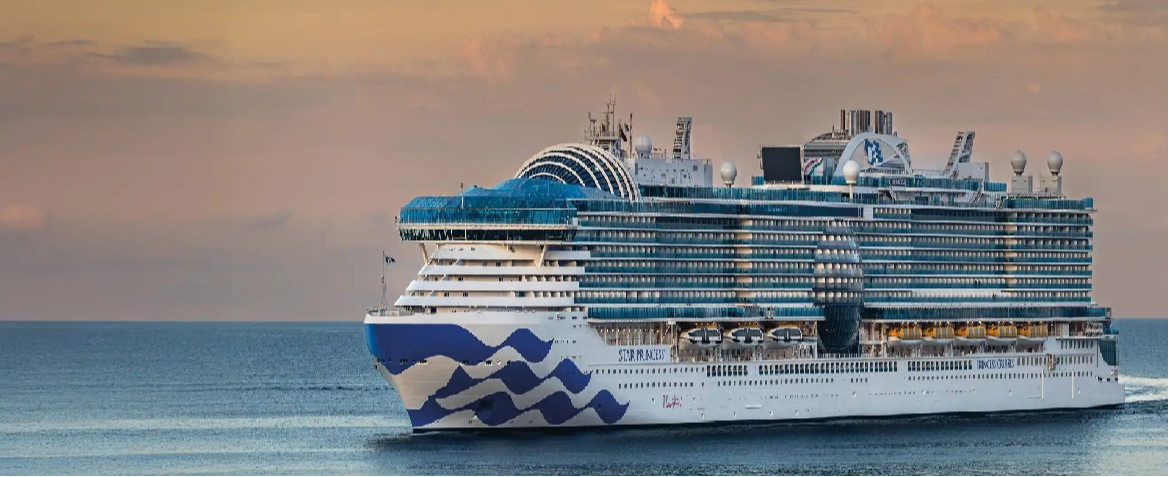
Discovery Princess
29 Cruises
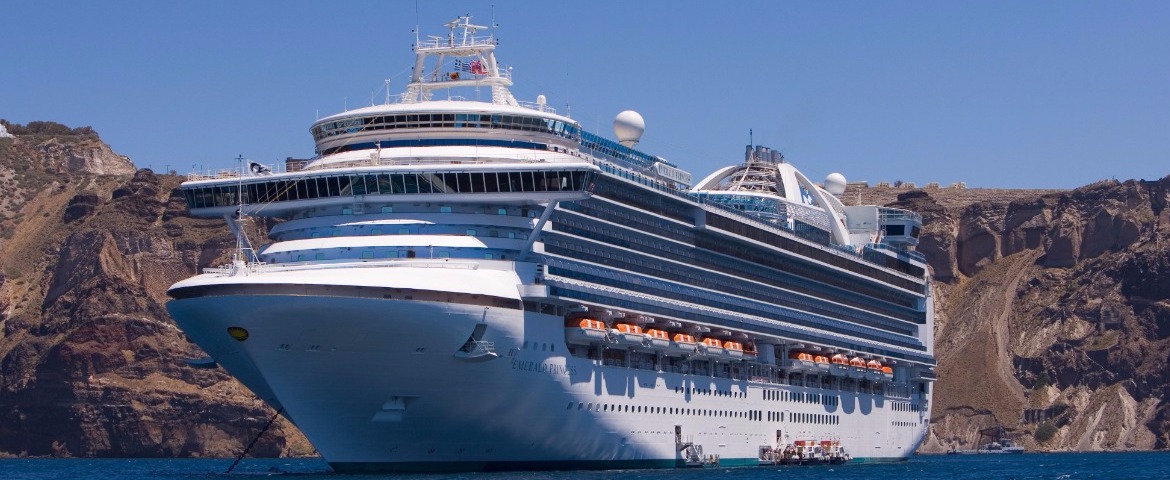
Emerald Princess
8 Cruises
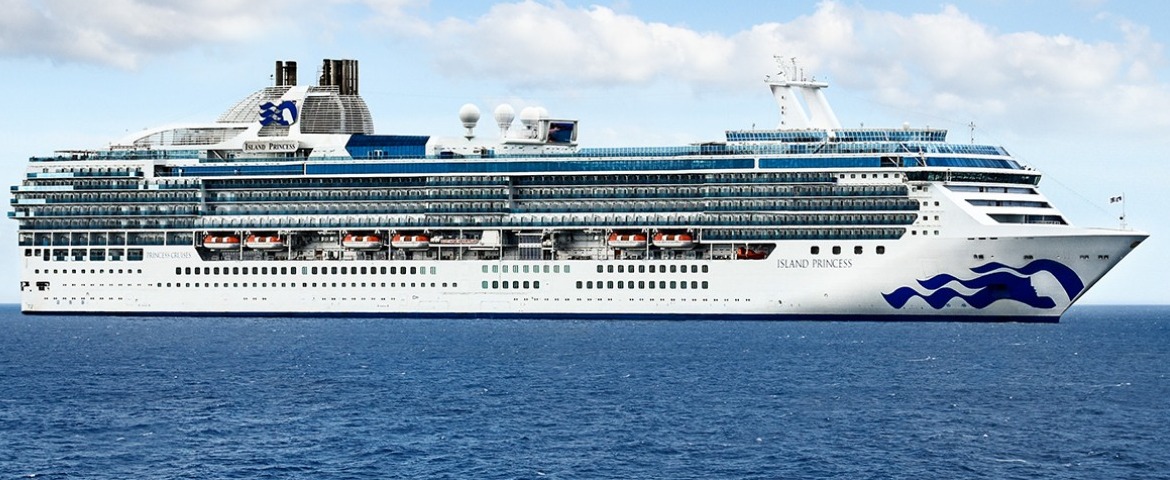
Island Princess
43 Cruises
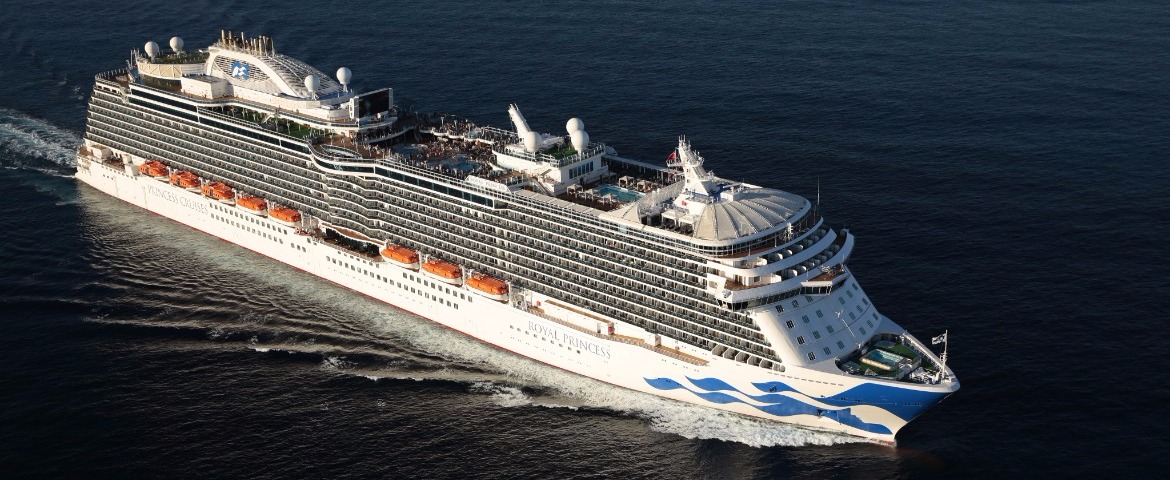
Royal Princess
20 Cruises
Seabourn Cruise Line (61 Cruises)
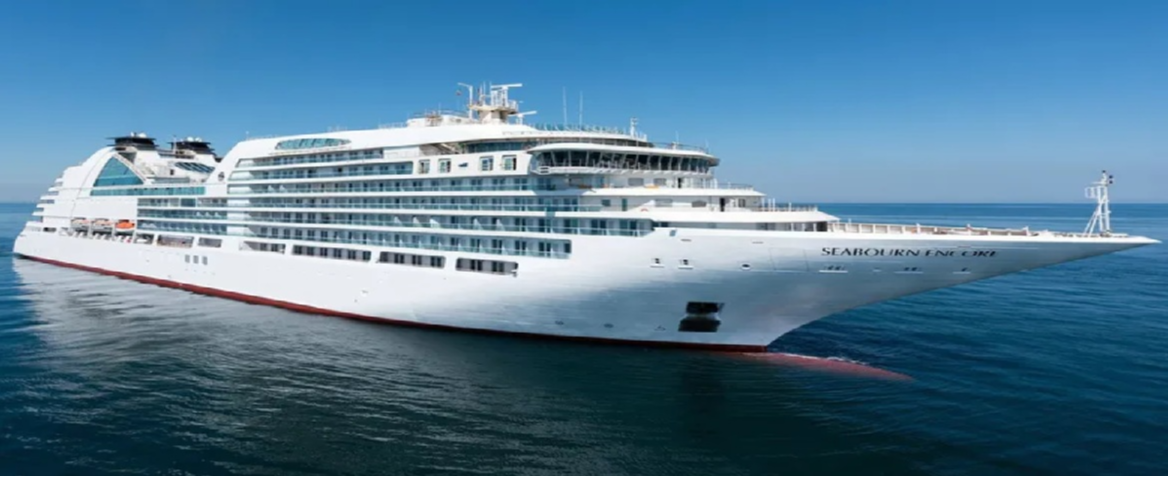
Seabourn Encore
61 Cruises

| 27 March | 48 days | One-way from Tokyo to Vancouver |
450-628-6241
Call us
|
| 27 March | 49 days | One-way from Tokyo to Vancouver |
450-628-6241
Call us
|
| 2 July | 8 days | One-way from Juneau to Vancouver |
450-628-6241
Call us
|
| 2 July | 7 days | One-way from Juneau to Vancouver |
450-628-6241
Call us
|
Viking Ocean Cruises (32 Cruises)
Viking Orion
22 Cruises
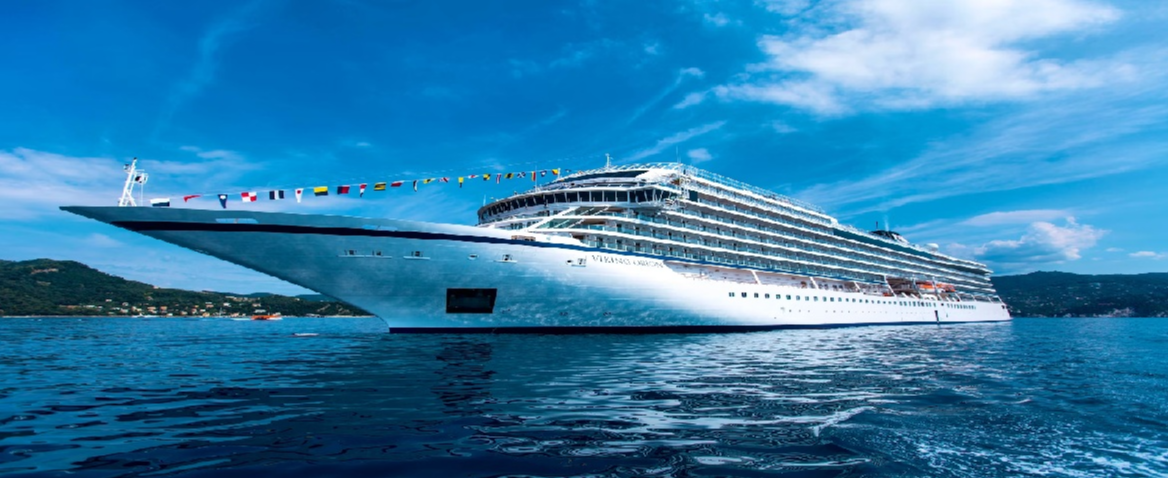

| 23 February | 90 days | One-way from Auckland to Vancouver |
450-628-6241
Call us
|
| 23 February | 91 days | One-way from Auckland to Vancouver |
450-628-6241
Call us
|
| 8 March | 77 days | One-way from Sydney to Vancouver |
450-628-6241
Call us
|
| 8 March | 78 days | One-way from Sydney to Vancouver |
450-628-6241
Call us
|
| 20 April | 34 days | One-way from Hong Kong to Vancouver |
450-628-6241
Call us
|
| 20 April | 35 days | One-way from Hong Kong to Vancouver |
450-628-6241
Call us
|
| 4 May | 20 days | One-way from Tokyo to Vancouver |
450-628-6241
Call us
|
| 4 May | 21 days | One-way from Tokyo to Vancouver |
450-628-6241
Call us
|
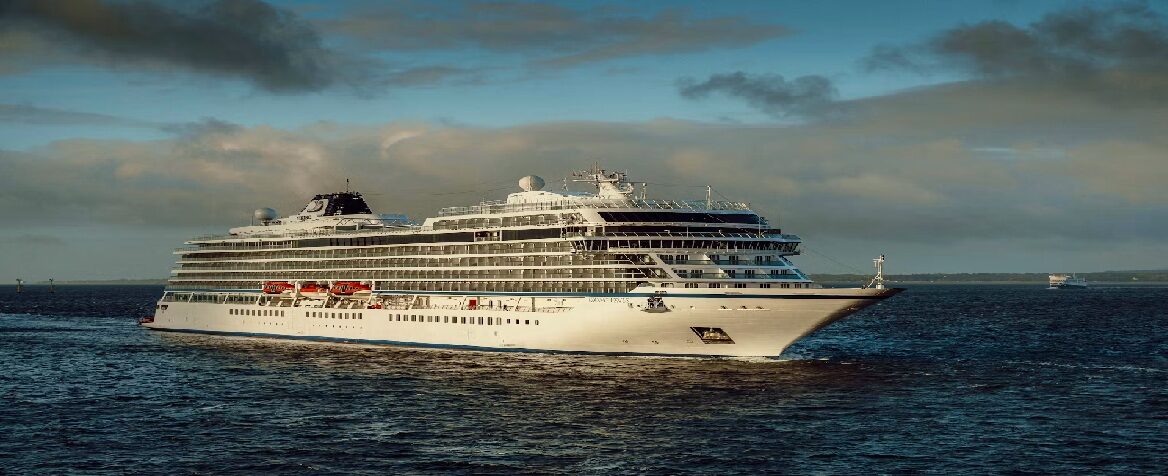
Viking Venus
10 Cruises
Glacier Bay, Alaska | Cruise Port Guide
Frequently Asked Questions
No. Glacier Bay is a full day of scenic cruising inside a national park: the ship sails up the bay and back down without ever docking. There is no pier, no shore excursion and no village to visit.
Because navigation inside the park is regulated. Off Bartlett Cove, a launch comes alongside and rangers board for the day: they narrate the landscape, give presentations and leave again in the evening.
Margerie Glacier, at the head of Tarr Inlet. Its face, roughly seventy metres high, stands directly before the ship, and this is where the vessel holds position longest to listen to the ice work.
A full day, generally eight to ten hours. The ship covers about a hundred kilometres to the head of the bay, holds position before the glaciers, then returns toward Icy Strait.
Humpback whales in the shallows, sea otters, seals hauled out on floating ice, puffins and bald eagles. With luck, brown bears and mountain goats on the slopes.
Because 250 years ago everything the ship crosses today lay beneath a single glacier. The ice retreated within a few generations: the forest you see is rebuilding itself before your eyes.
The people whose ancestral land this is: the Huna Tlingit lived in the bay before the advancing ice drove them out. Their presence and their account are now part of the park's interpretation.
In layers, with a waterproof windbreaker. It is markedly colder on deck than alongside a pier in Alaska: glacier wind pours down the bay and the day is spent outdoors.
May to September, the Alaska cruise season. June and July give the longest days; August and September bring more rain but superb light.
Yes, provided everyone accepts a full day on deck. The ranger presentations are built for all ages, and a glacier calving is a memory that stays.


