Punta Arenas Chile Antarctica
Chile
283
Cruises availables
At departure or passage at this port
Aurora Expeditions (17 Cruises)
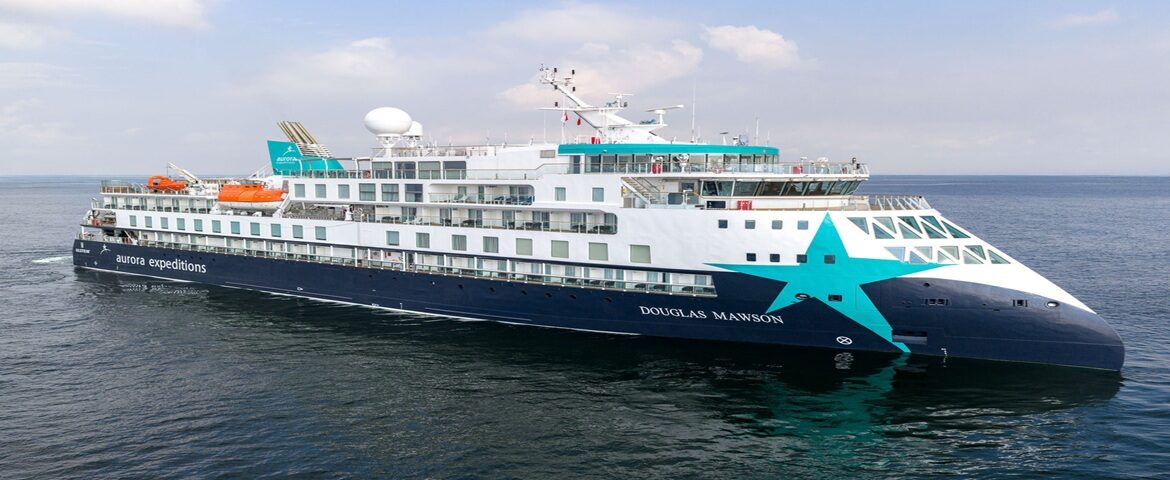
Douglas Mawson
8 Cruises

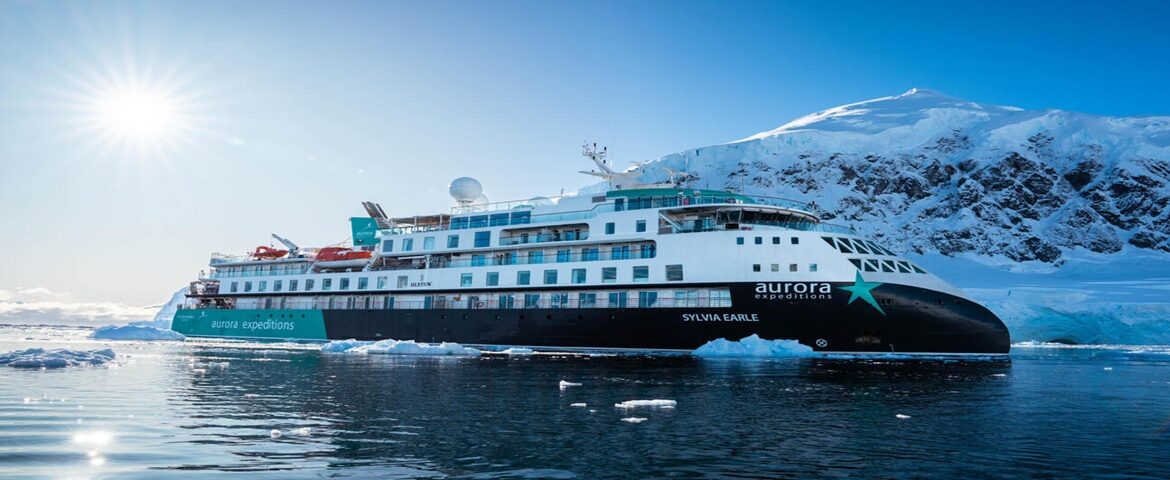
Sylvia Earle
7 Cruises
| 8 January | 19 nights | One-way from Ushuaia to Punta Arenas |
450-628-6241
Call us
|
| 25 January | 11 nights | One-way from Punta Arenas to Ushuaia |
450-628-6241
Call us
|
Azamara Club Cruises (12 Cruises)
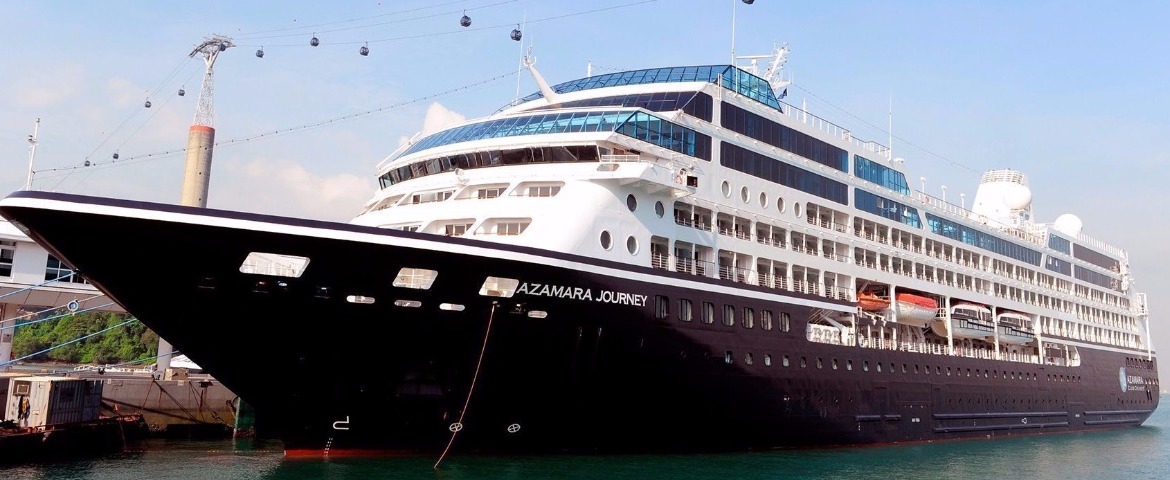
Azamara Journey
5 Cruises

Azamara Quest
7 Cruises

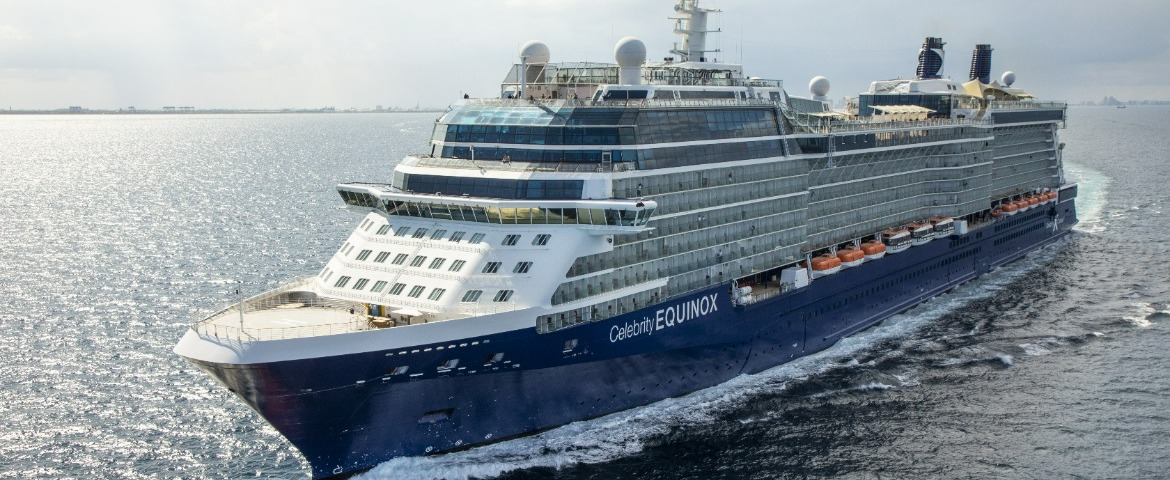
Celebrity Cruises (7 Cruises)

Costa Cruises (1 Cruises)
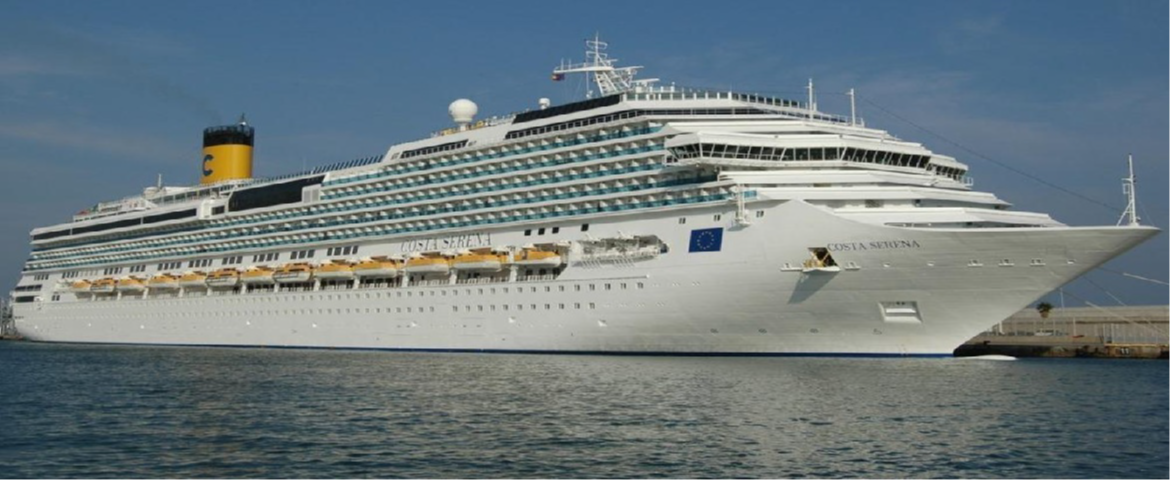




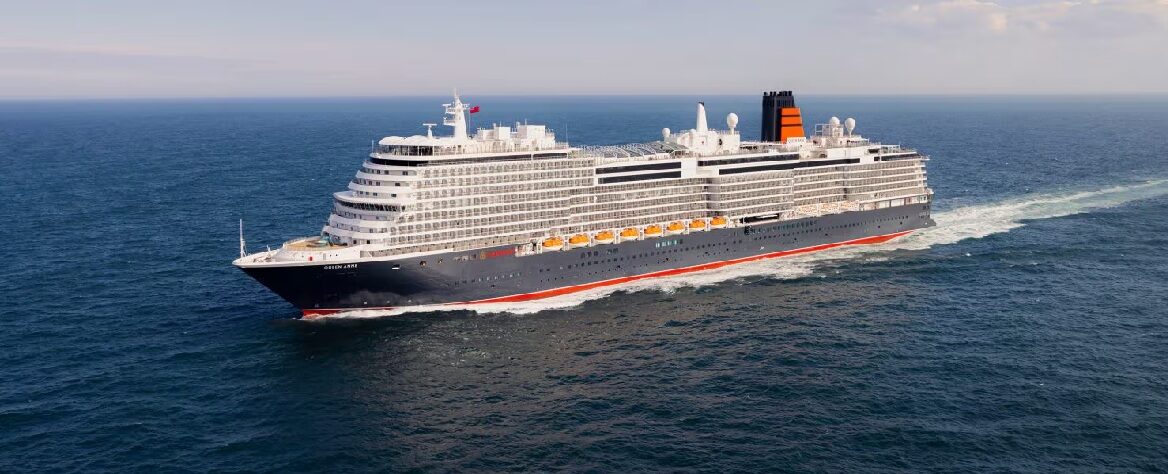
Cunard (5 Cruises)
Queen Anne
5 Cruises

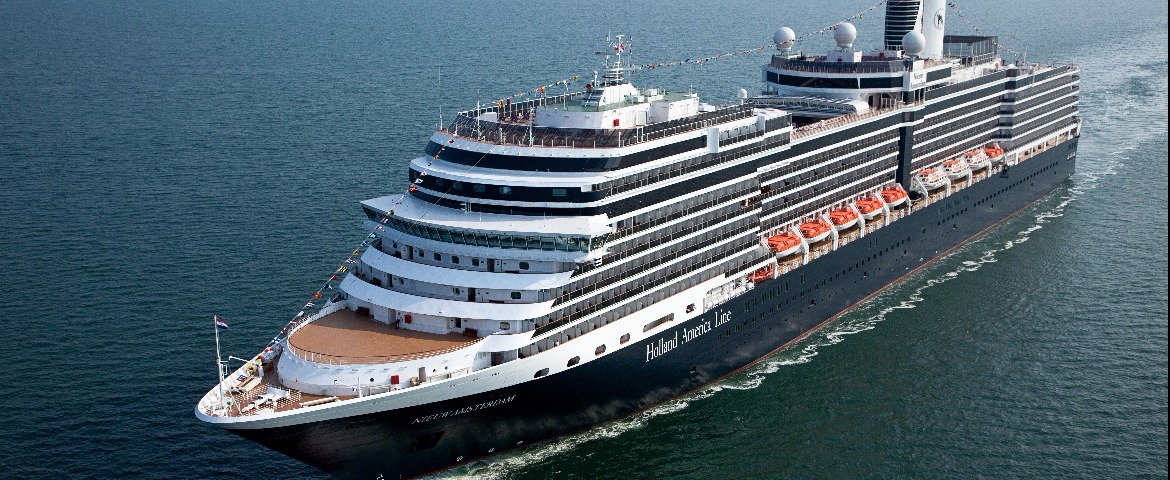
Holland America Line (45 Cruises)
ms Nieuw Amsterdam
16 Cruises

| 7 October | 40 nights | One-way from Vancouver to Buenos Aires |
450-628-6241
Call us
|
| 12 October | 35 nights | One-way from San Diego to Buenos Aires |
450-628-6241
Call us
|
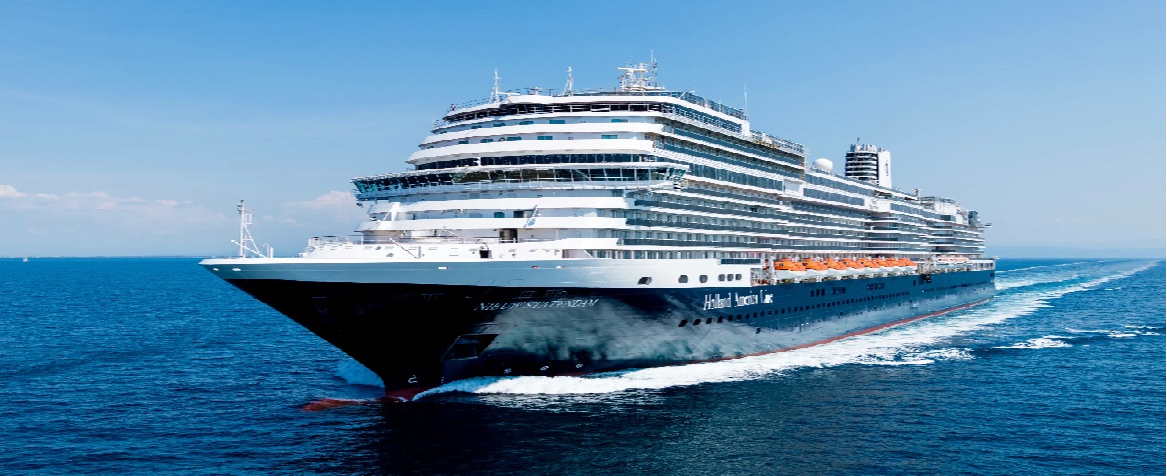
ms Nieuw Statendam
16 Cruises
| 7 October | 40 nights | One-way from Vancouver to Buenos Aires |
450-628-6241
Call us
|
| 12 October | 35 nights | One-way from San Diego to Buenos Aires |
450-628-6241
Call us
|
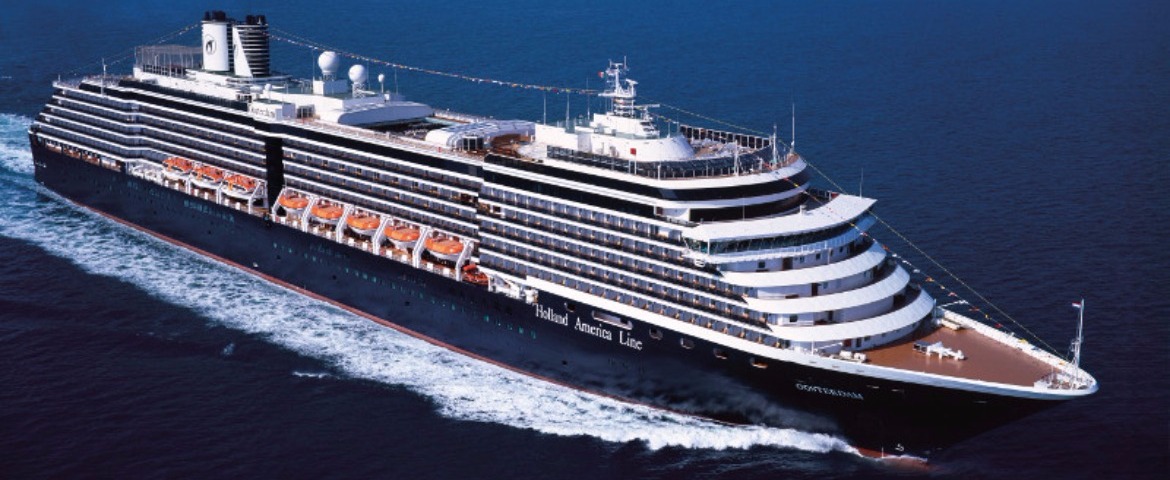
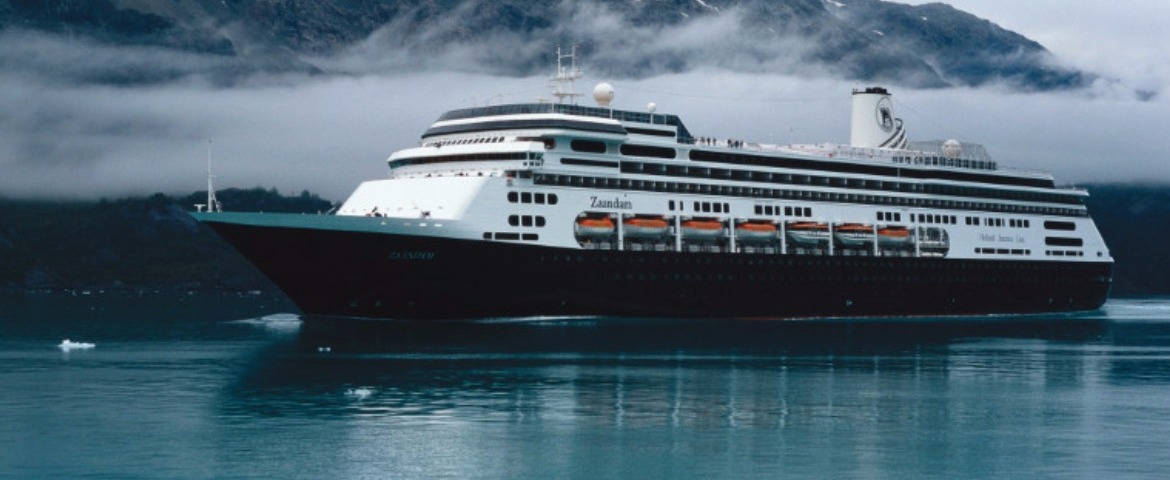
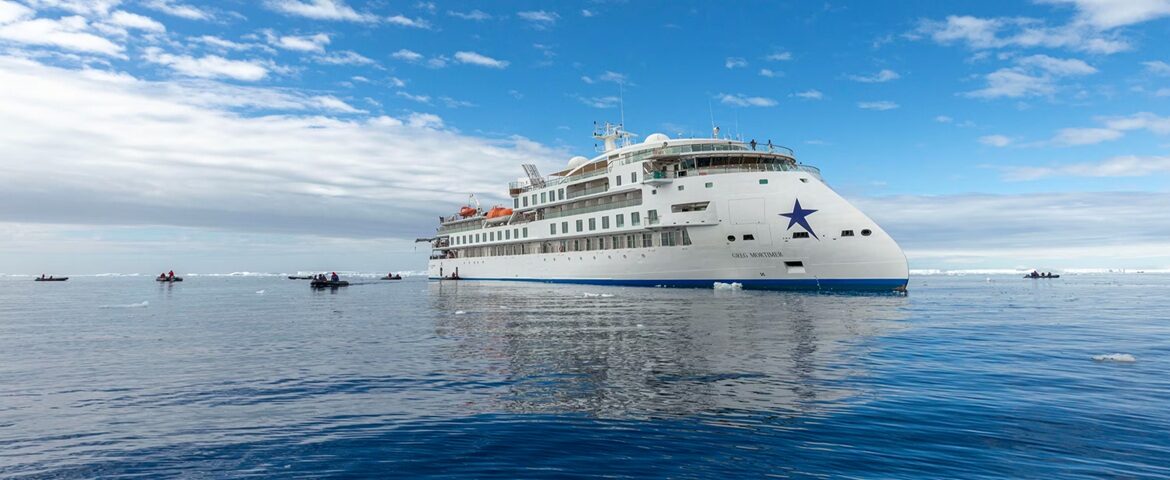
Lindblad Expeditions (10 Cruises)
Greg mortimer
4 Cruises

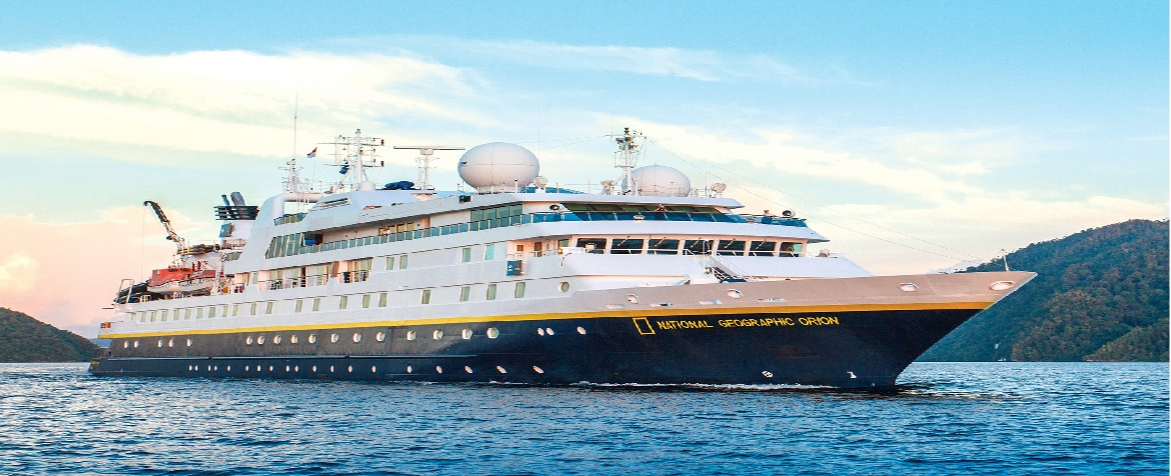
National Geographic Orion
3 Cruises
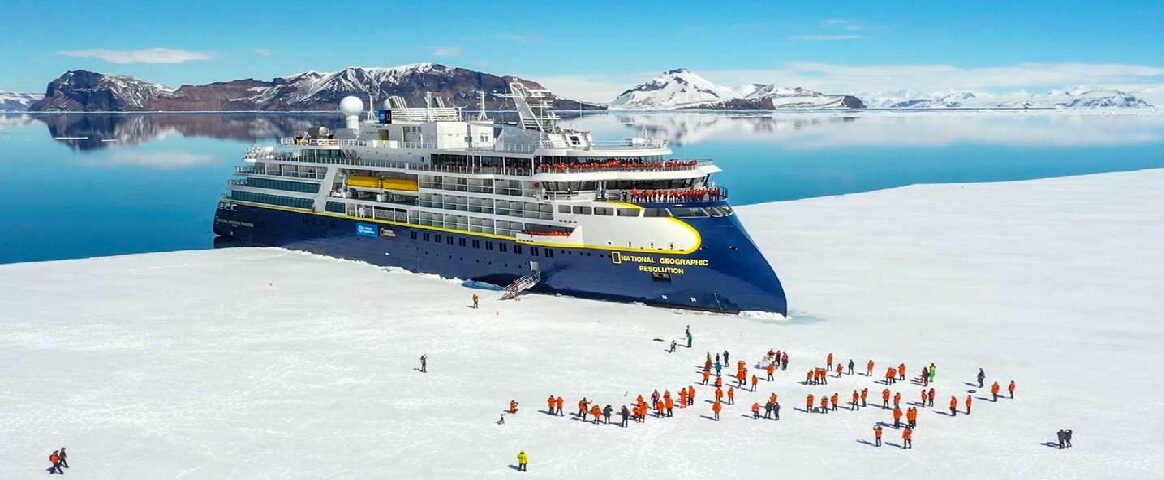
National Geographic Resolution
3 Cruises
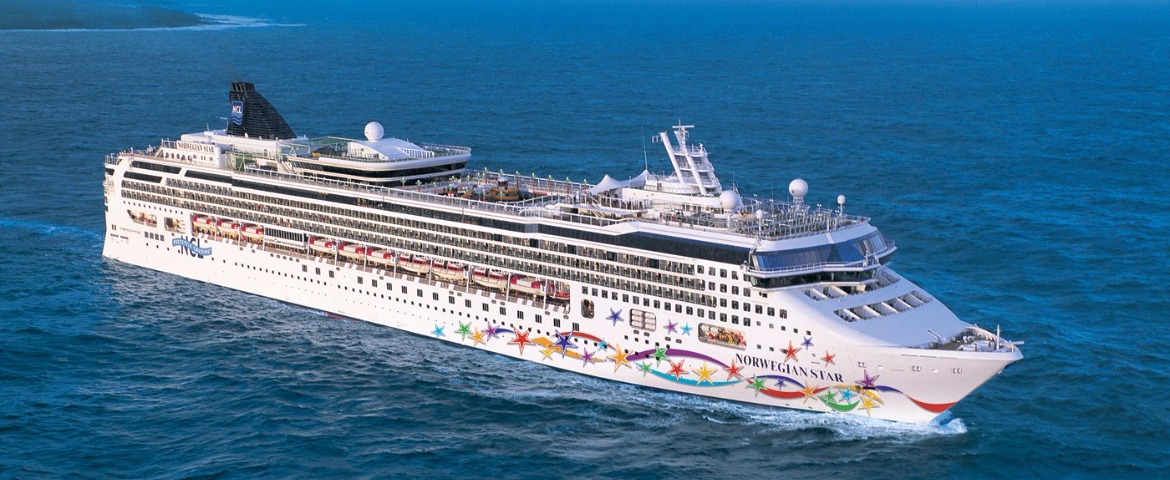
Norwegian Cruise Line (1 Cruises)

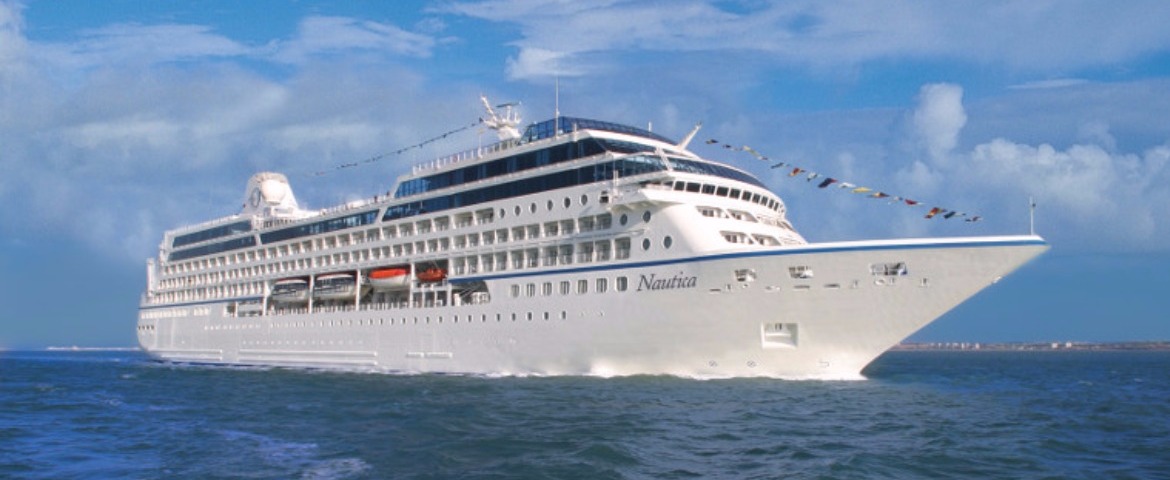
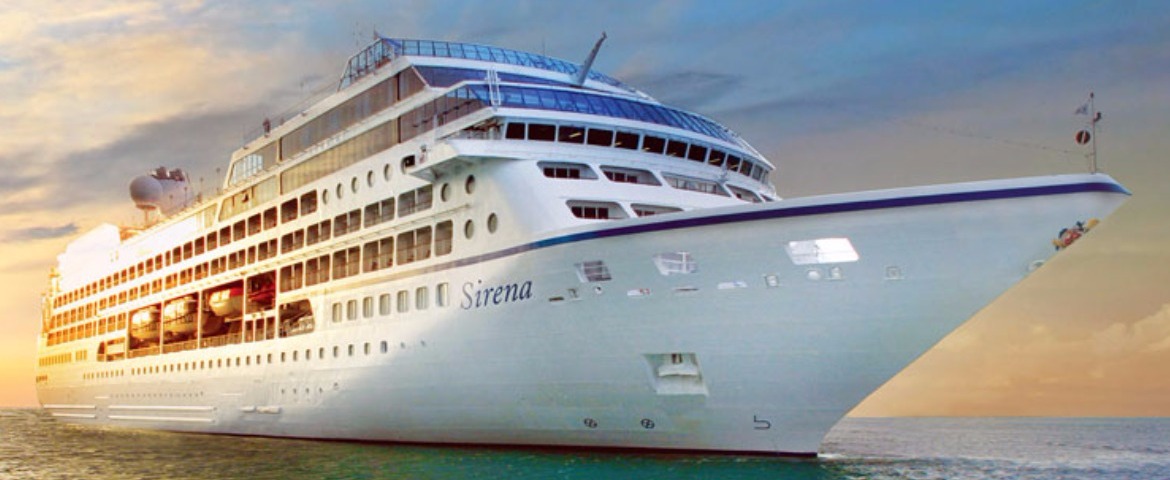
Oceania Cruises (13 Cruises)
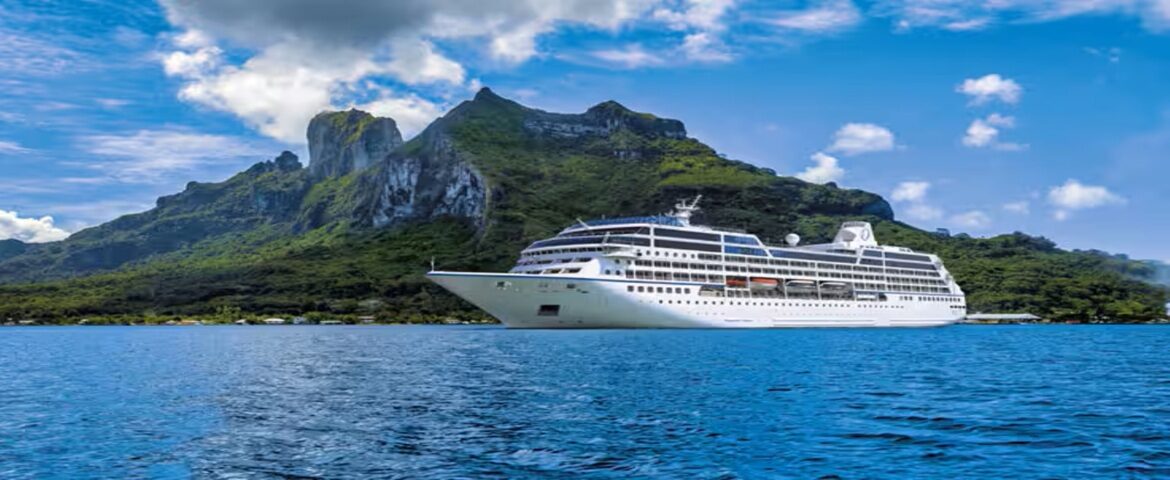

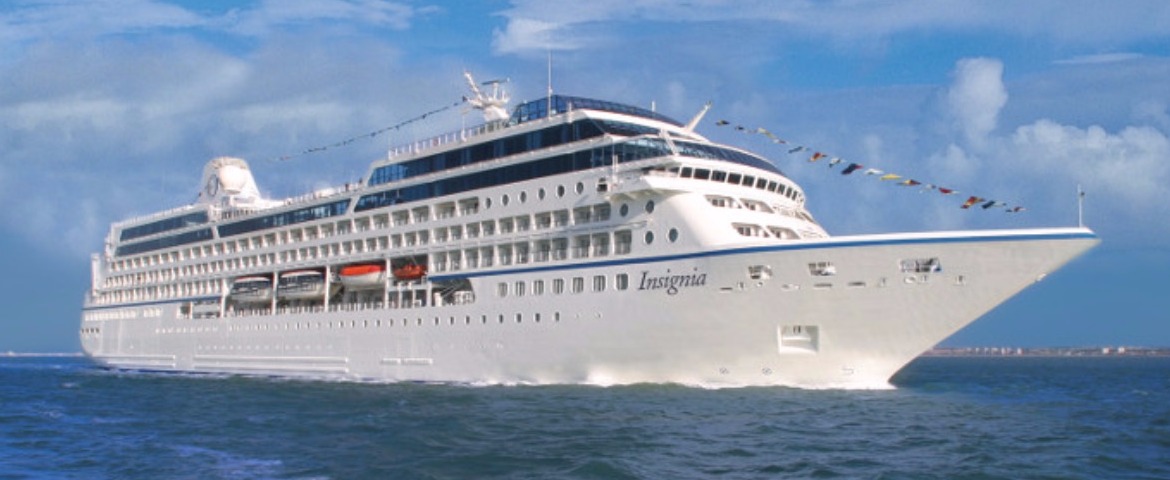
Oceania Insignia
6 Cruises
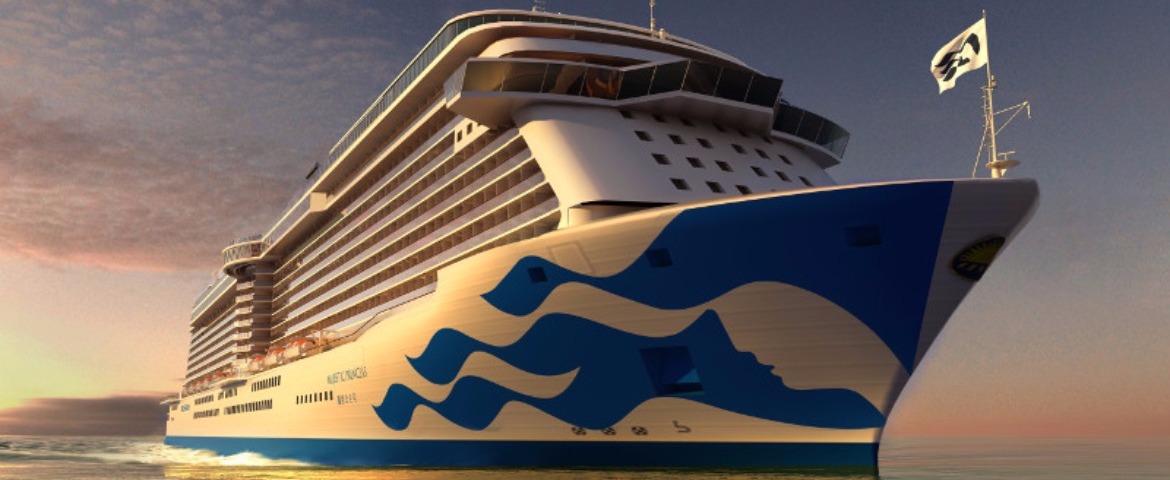
Princess Cruises (20 Cruises)
Majestic Princess
20 Cruises



Scenic Cruises (54 Cruises)
Scenic Eclipse
27 Cruises


| 20 February | 28 nights | One-way from Valparaiso-Santiago to Rio de Janeiro |
450-628-6241
Call us
|
| 21 February | 26 days | One-way from Valparaiso-Santiago to Rio de Janeiro |
450-628-6241
Call us
|
| 10 January | 27 nights | One-way from Buenos Aires to Valparaiso-Santiago |
450-628-6241
Call us
|
| 11 January | 25 days | One-way from Buenos Aires to Valparaiso-Santiago |
450-628-6241
Call us
|
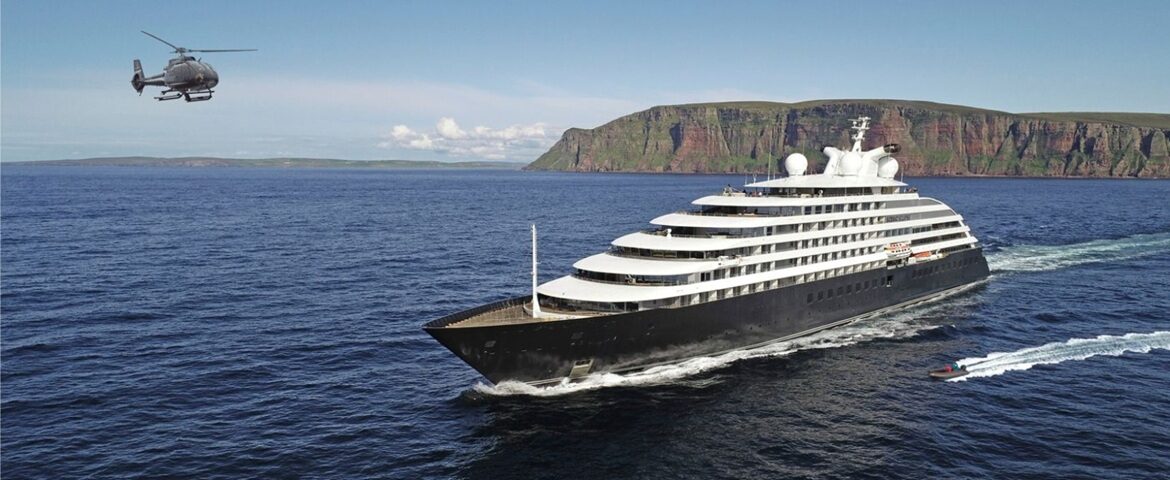
Scenic Eclipse II
27 Cruises
| 20 February | 28 nights | One-way from Valparaiso-Santiago to Rio de Janeiro |
450-628-6241
Call us
|
| 21 February | 26 days | One-way from Valparaiso-Santiago to Rio de Janeiro |
450-628-6241
Call us
|
| 10 January | 27 nights | One-way from Buenos Aires to Valparaiso-Santiago |
450-628-6241
Call us
|
| 11 January | 25 days | One-way from Buenos Aires to Valparaiso-Santiago |
450-628-6241
Call us
|
Seabourn Cruise Line (20 Cruises)
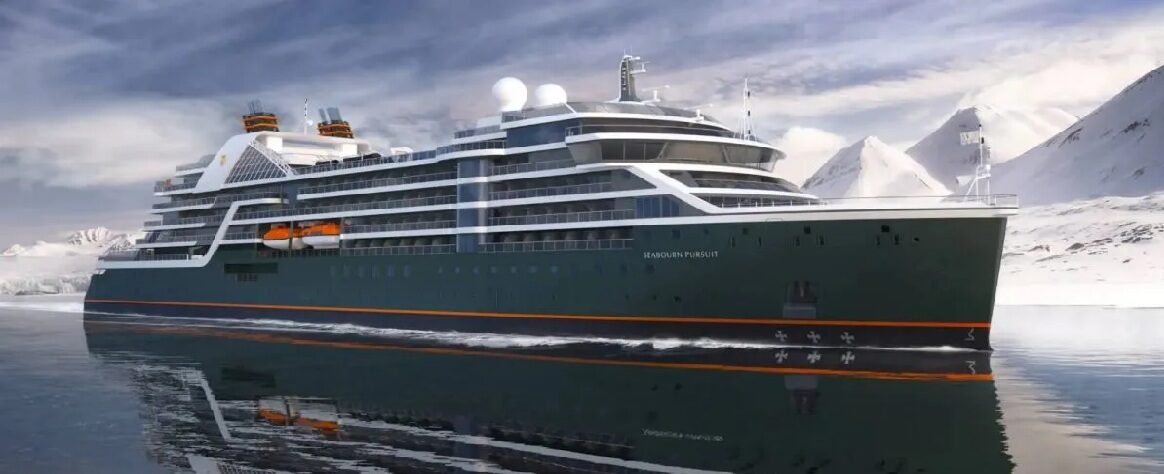
Seabourn Pursuit
14 Cruises

| 16 August | 81 nights | One-way from Broome WA to Ushuaia |
450-628-6241
Call us
|
| 26 August | 71 nights | One-way from Darwin to Ushuaia |
450-628-6241
Call us
|
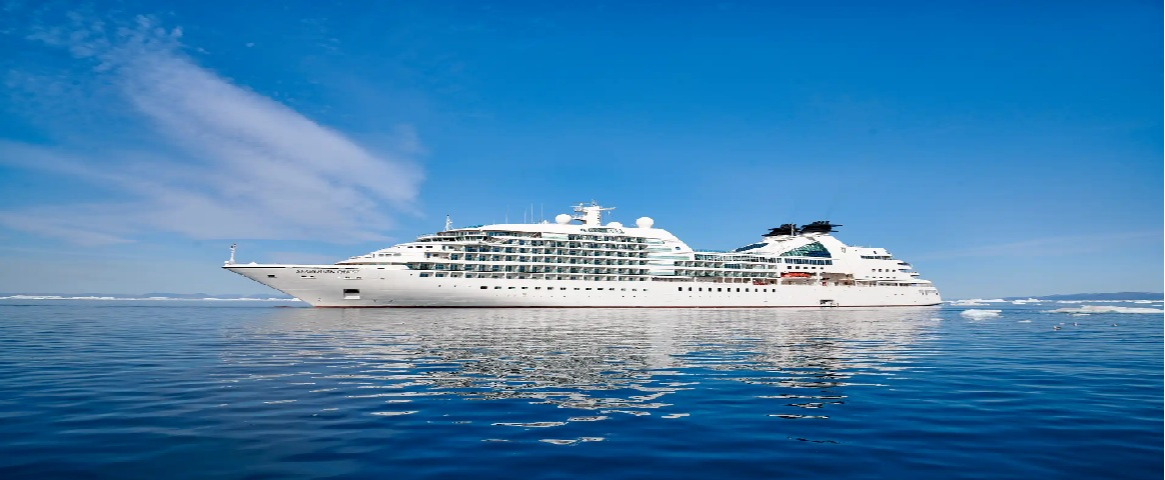
Seabourn Quest
6 Cruises
Silversea Cruises (14 Cruises)
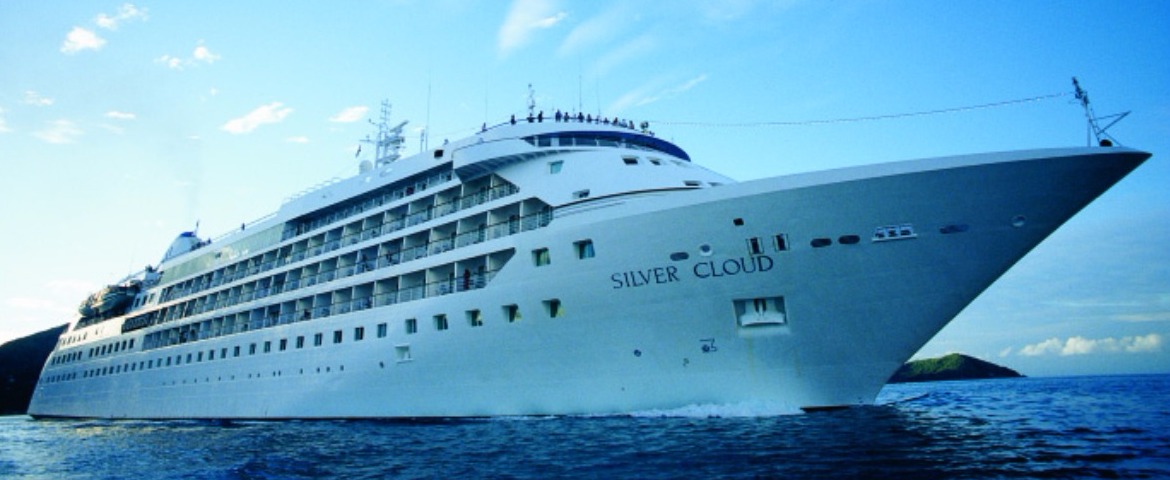

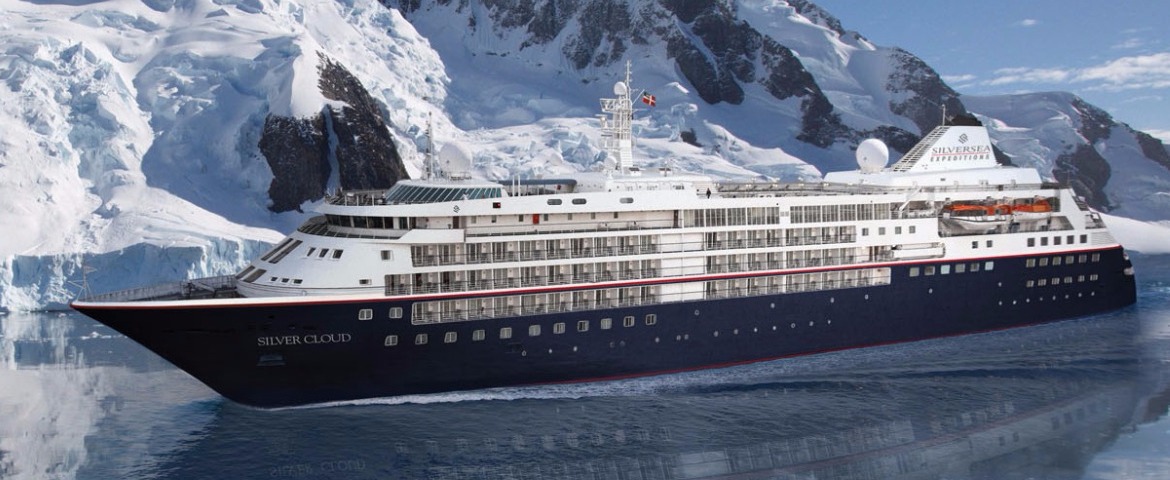
Silver Ray
4 Cruises
Viking Ocean Cruises (50 Cruises)
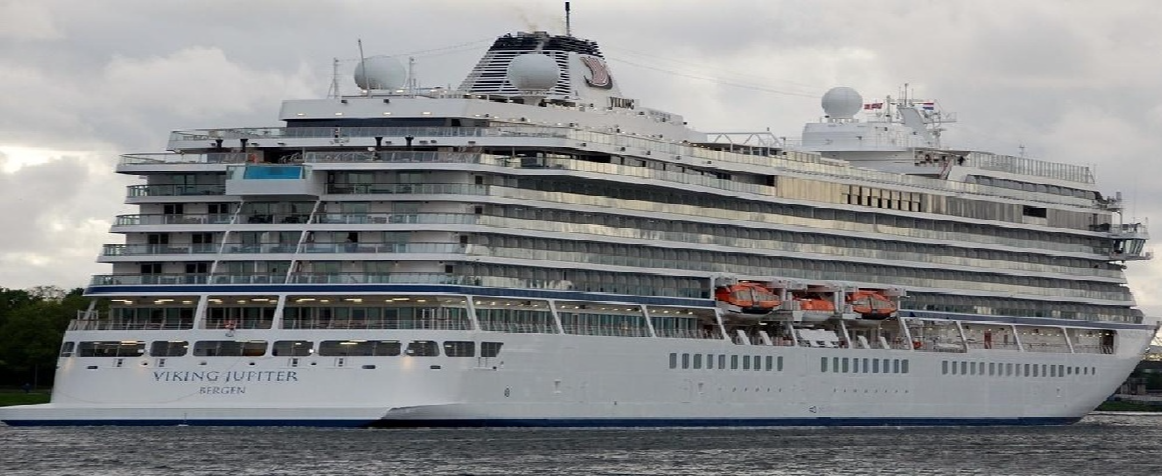
Viking Jupiter
11 Cruises

| 6 January | 15 nights | One-way from Buenos Aires to Valparaiso-Santiago |
450-628-6241
Call us
|
| 23 January | 15 nights | One-way from Valparaiso-Santiago to Buenos Aires |
450-628-6241
Call us
|
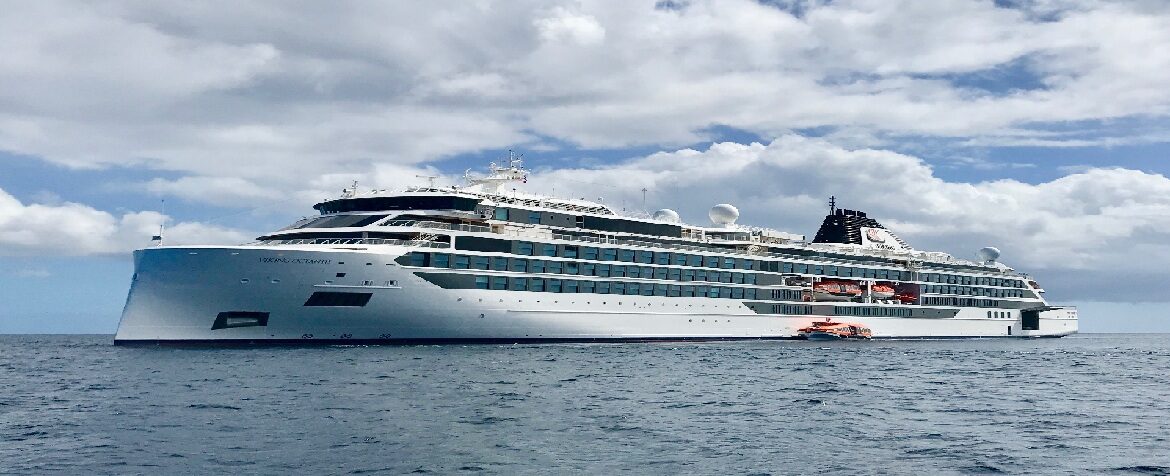
Viking Octantis
22 Cruises
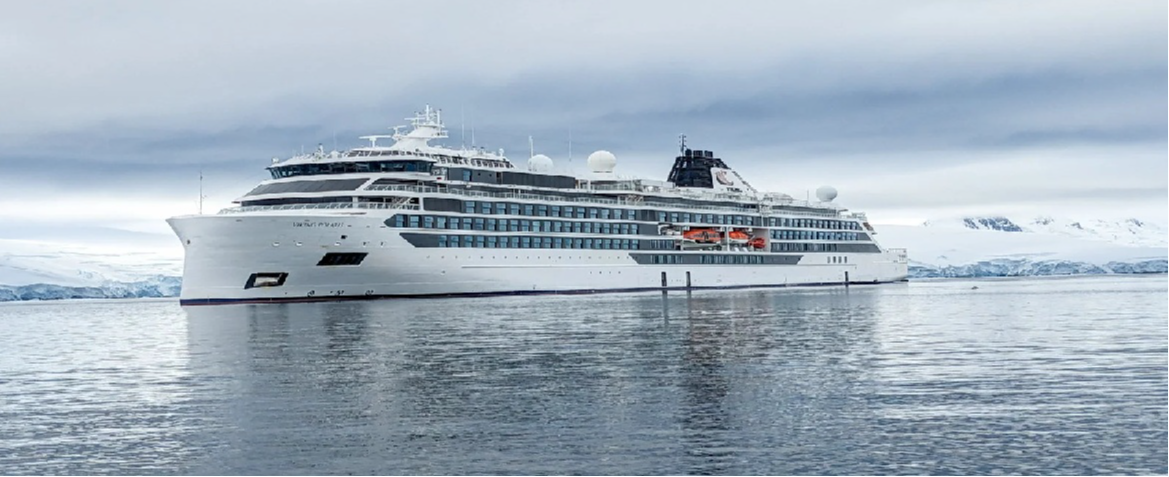
Viking Polaris
17 Cruises
| 26 February | 41 nights | One-way from Buenos Aires to Fort Lauderdale |
450-628-6241
Call us
|
| 27 February | 40 days | One-way from Buenos Aires to Fort Lauderdale |
450-628-6241
Call us
|
| 28 March | 13 nights | One-way from Buenos Aires to Valparaiso-Santiago |
450-628-6241
Call us
|
| 29 March | 12 days | One-way from Buenos Aires to Valparaiso-Santiago |
450-628-6241
Call us
|

Punta Arenas, Chile | Cruise Port Guide
Frequently Asked Questions
It depends on the day. Some ships berth at the Arturo Prat quay, about fifteen minutes' walk from the centre; others at the Mardones terminal further out, some twenty minutes by vehicle from town. A few vessels tender passengers to the central landing.
Plaza Muñoz Gamero, the municipal cemetery and the Nao Victoria museum make a fine day without leaving town. Magdalena Island and its penguins need a separate half day: you have to choose between the two programmes.
Tradition holds that a kiss guarantees a return to Patagonia. The statue sits at the foot of the Magellan monument on araucaria-shaded Plaza Muñoz Gamero, and its polished toe shows how seriously the custom is taken.
Because wool and coal made it one of the most prosperous ports in the South Pacific. The homes of the great wool-era families line the square, starting with the Sara Braun palace, whose period rooms furnished from Europe are partly open to visitors.
Yes, it is among the most remarkable on the continent. Avenues lined with cypresses clipped into spindles lead to the mausoleums of Croatian, British and Spanish pioneers. Entry is free and the walk, oddly, is not at all sombre.
A waterfront museum displaying full-scale replicas of the ships behind the local legend: Magellan's Victoria, whose round hull looks tiny against the vastness it crossed, and the James Caird boat from the Shackleton expedition. You can go aboard and touch the frames.
On Magdalena Island, 35 kilometres offshore, from October to March. More than 100,000 Magellanic penguins dig their burrows around a century-old lighthouse, and a marked path crosses the colony. Book early: places go fast.
Windy and changeable, even in summer. The famous local wind turns a mild noon into a biting late afternoon without warning. Keep an extra layer in the bag, and gloves if you are heading out to Magdalena Island.
Slow-roasted Magellanic lamb and centolla, the king crab of these cold waters. Old-style cafes downtown also serve strong hot tea in the local manner, a legacy of the British families who settled here during the wool boom.
Wool. Shops and craft markets supply hats and sweaters, souvenirs as useful as they are handsome at this latitude, and often put to the test the moment you step outside.


