Aarhus Denmark
Denmark
185
Cruises availables
At departure or passage at this port
Carnival Cruise Line (4 Cruises)


Costa Cruises (13 Cruises)
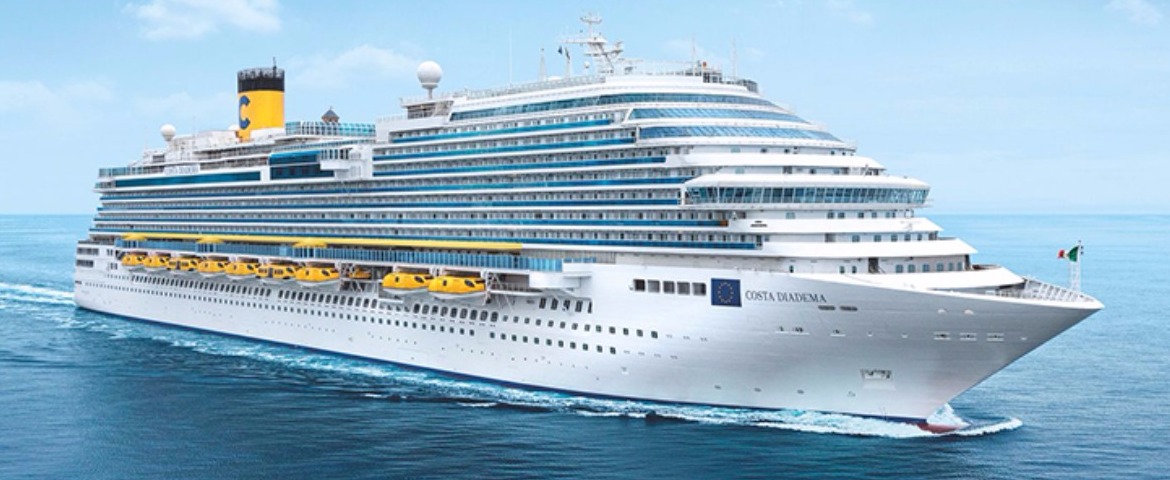
Costa Diadema
13 Cruises

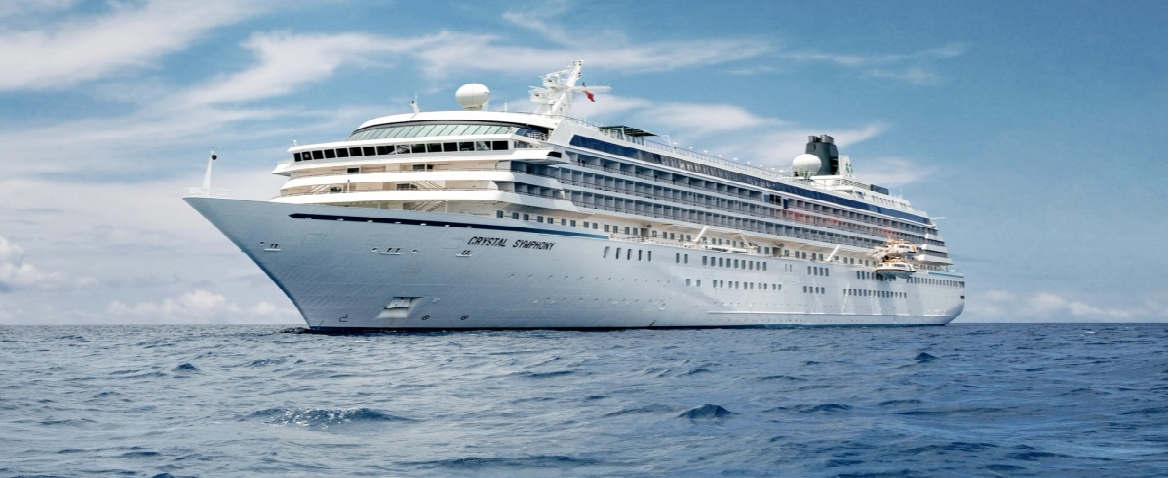
Crystal Cruises (3 Cruises)


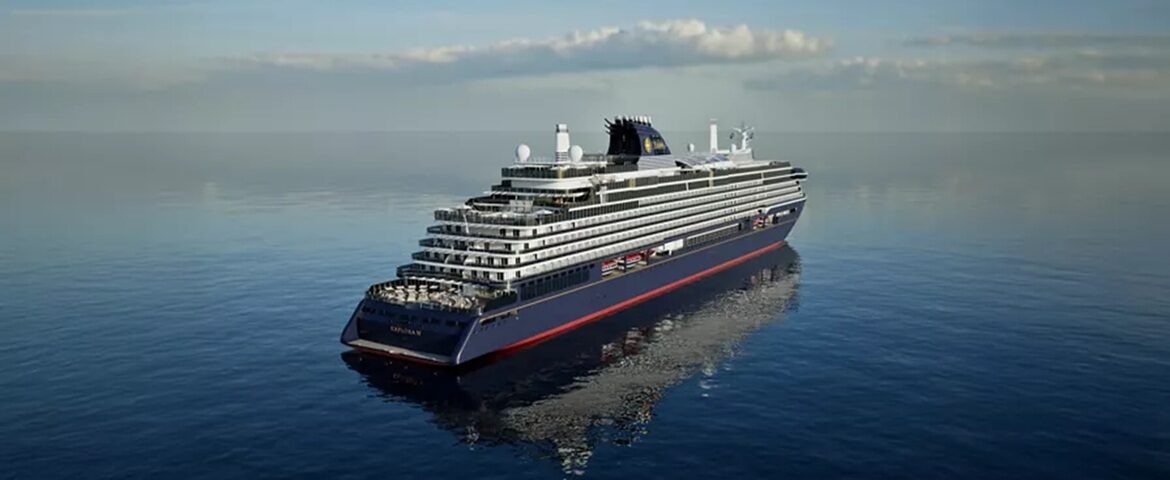
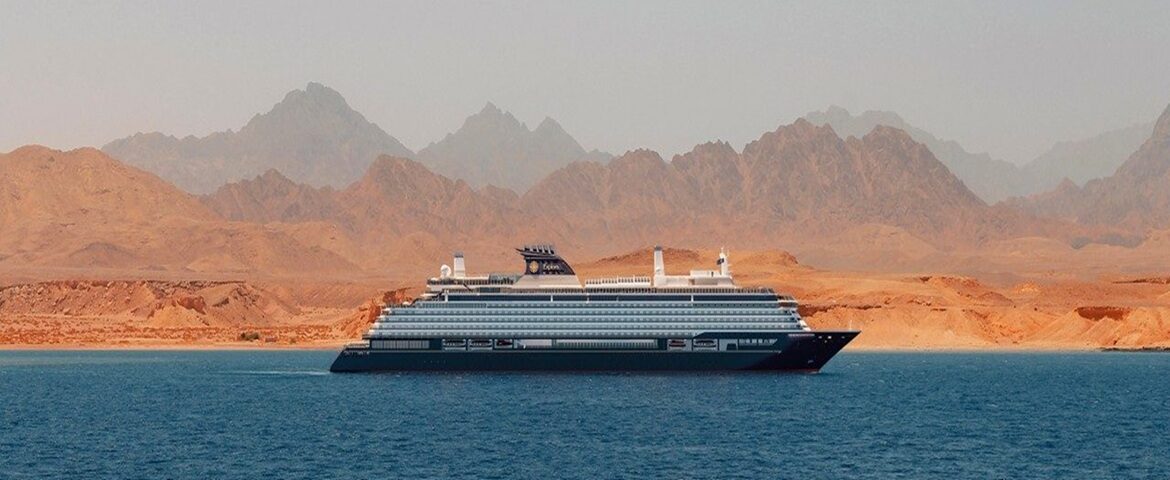
Explora Journeys (11 Cruises)
Explora IV
10 Cruises

Holland America Line (12 Cruises)

MSC Cruises (2 Cruises)
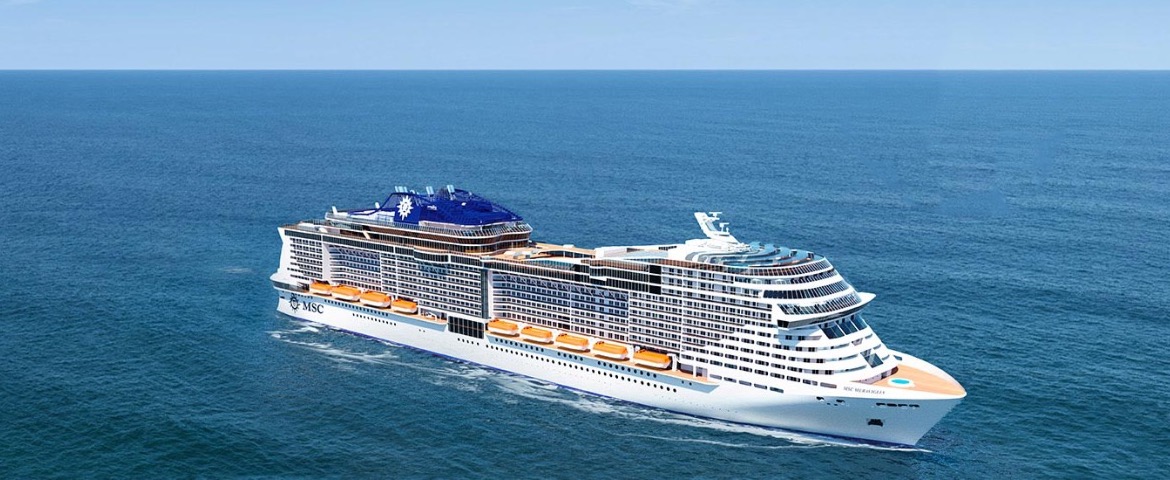

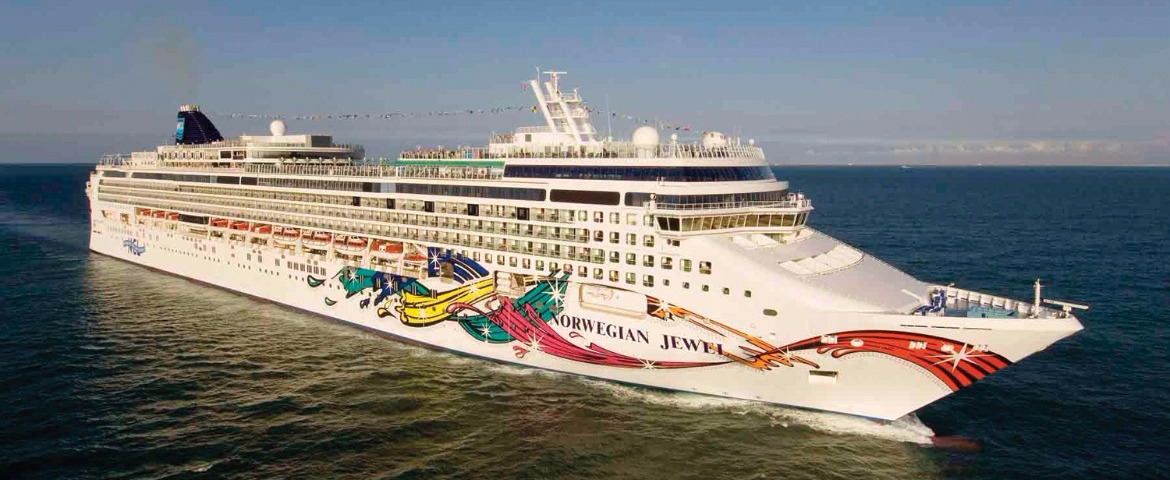
Norwegian Cruise Line (1 Cruises)

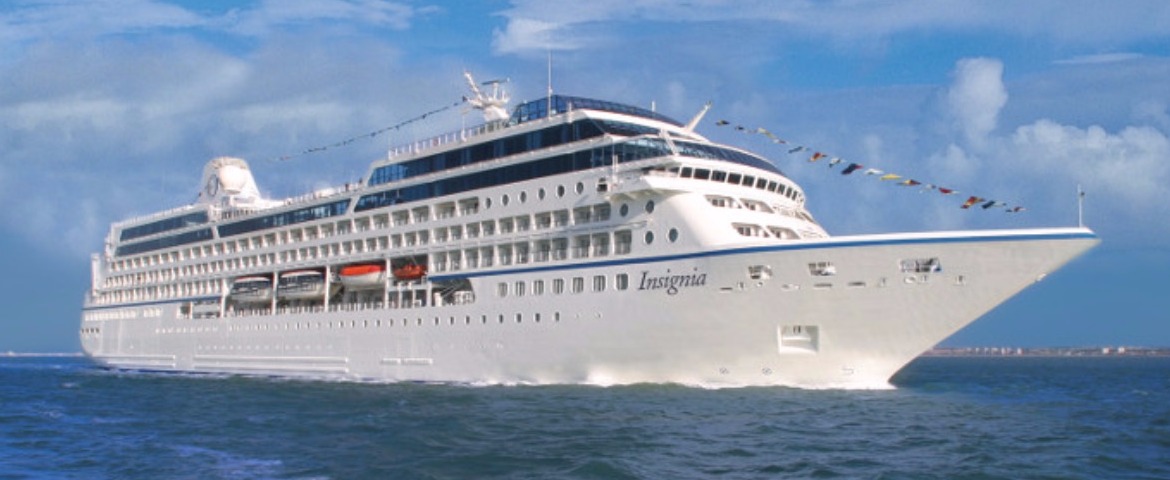
Oceania Cruises (23 Cruises)

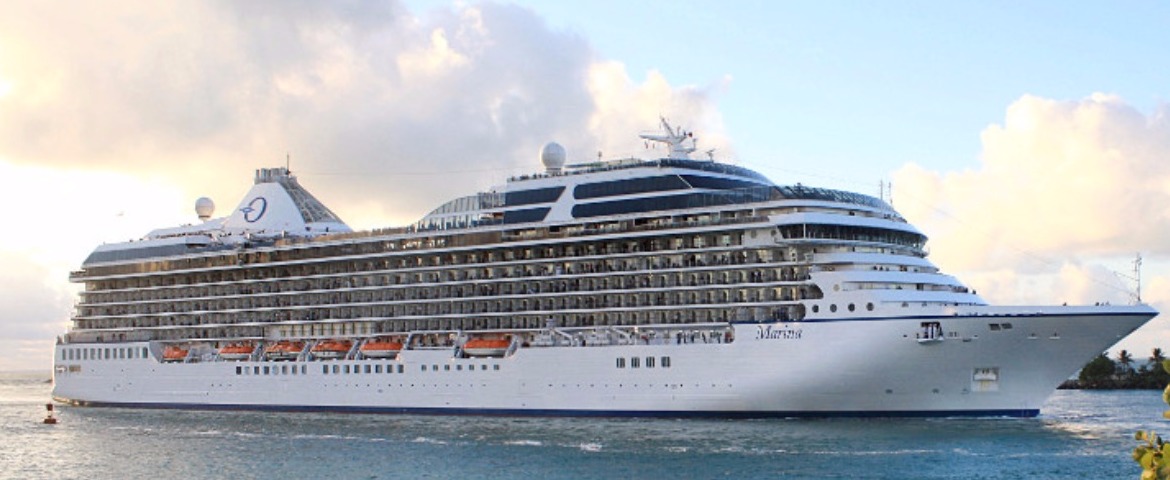
Oceania Marina
7 Cruises
| 10 May | 43 nights | One-way from Lisbon to Southampton |
450-628-6241
Call us
|
| 27 May | 26 nights | Round-trip from Southampton, United Kingdom |
450-628-6241
Call us
|
Oceania Sonata
10 Cruises
Ponant (1 Cruises)

Princess Cruises (54 Cruises)
Caribbean Princess
34 Cruises

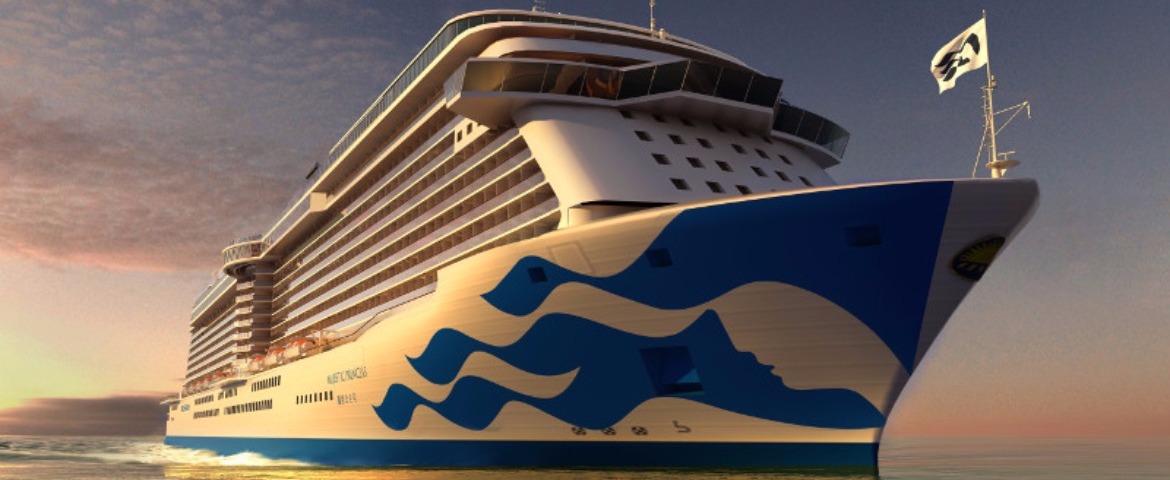
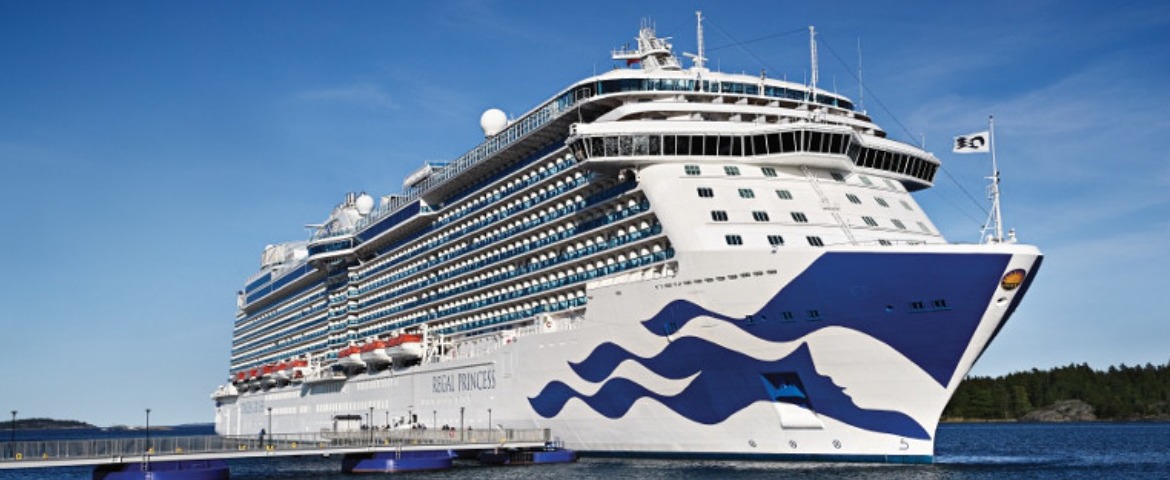
Regal Princess
18 Cruises
Regent Seven Seas Cruises (13 Cruises)
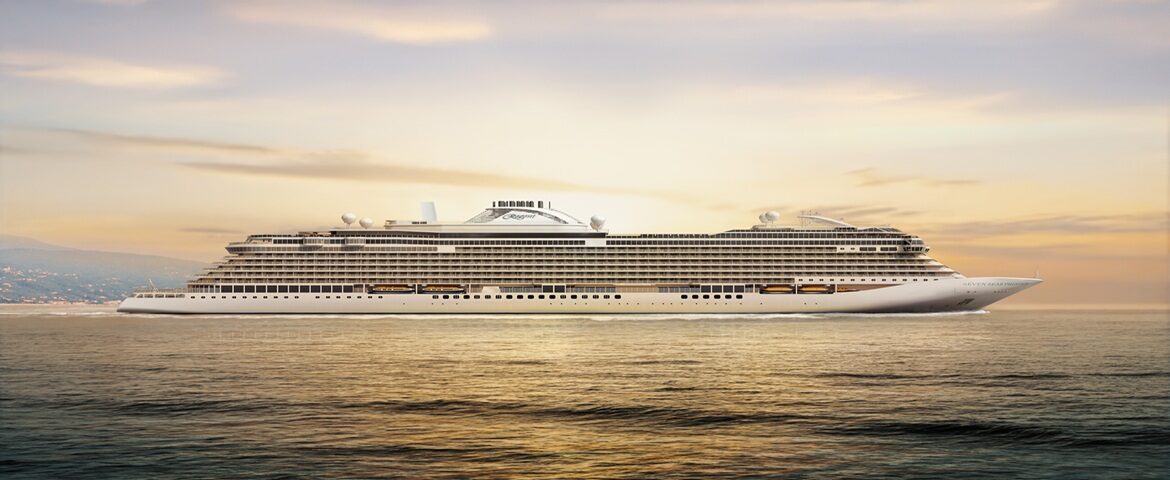
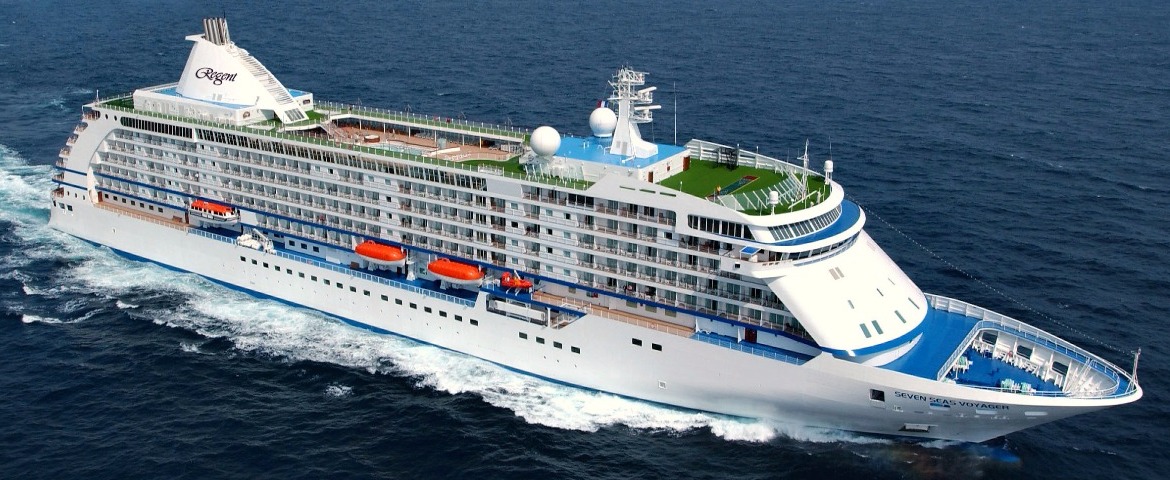
Seven Seas Mariner
9 Cruises




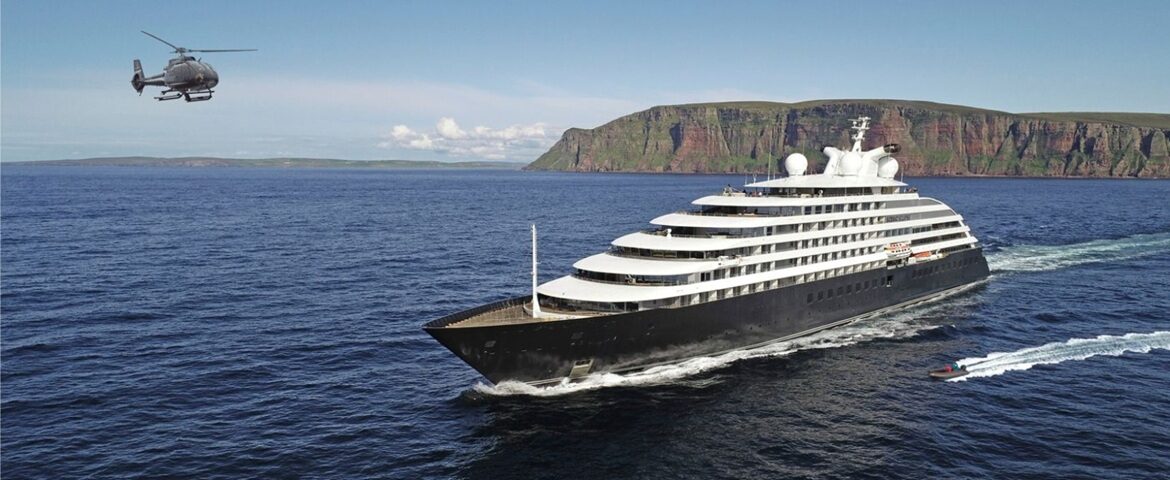
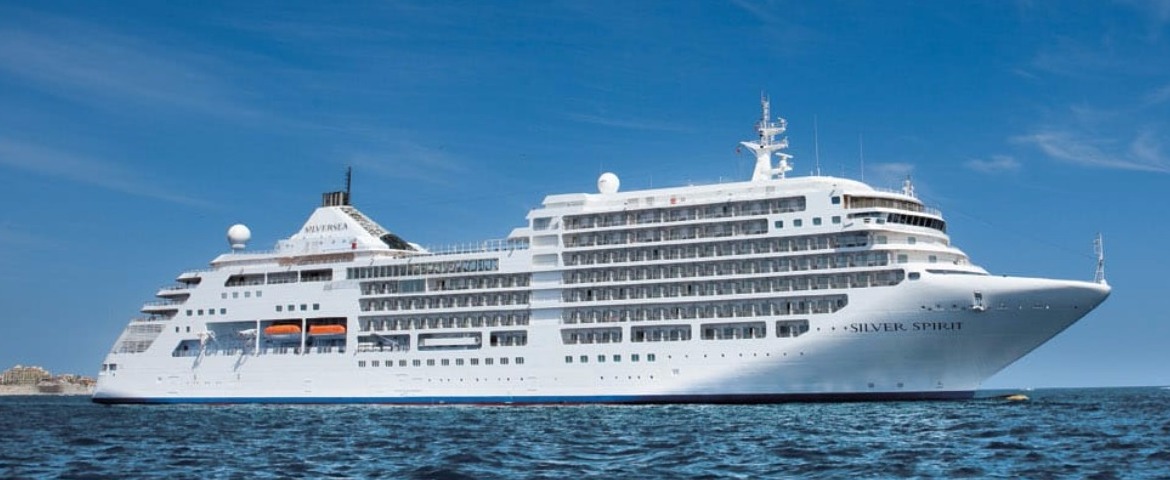
Silversea Cruises (4 Cruises)

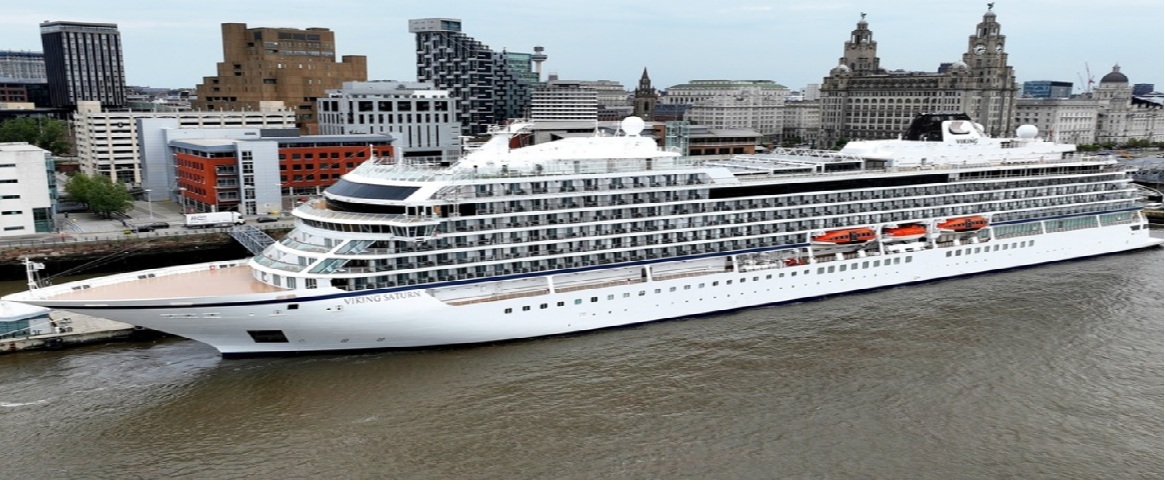
Viking Ocean Cruises (36 Cruises)
Viking Saturn
36 Cruises


Port of Aarhus, Denmark | Cruise Port Guide
Frequently Asked Questions
Barely a kilometre from the centre, on a waterfront in full transformation. Fifteen minutes' walk over flat ground brings you to the cathedral. On the way, the new Aarhus Ø district lines up its contemporary blocks facing the bay.
Yes for the essentials: the cathedral and old streets about 1 kilometre away, ARoS about 2 kilometres, Den Gamle By about 2.5 kilometres, roughly half an hour on foot. Only Moesgaard Museum, some 10 kilometres out, needs the city bus.
The cathedral, the Latin Quarter and ARoS with its coloured ring fit into four hours. With six, add Den Gamle By, which the hurried can cover in two hours. Moesgaard Museum needs half a day on its own: it is a choice, not an add-on.
It holds a double national record: the longest and the tallest church in Denmark. Its brick nave preserves 15th-century frescoes that are remarkably legible, with saints, ships and demons parading in reds and ochres barely faded. Admission is free.
The oldest part of town, just behind the cathedral: cobbled lanes of medieval origin, low houses in bold colours, independent shops, galleries and cafés. You can get lost without risk, the district being tiny. Do not miss Møllestien lane, buried under hollyhocks in summer.
An open-air museum that has spent more than a century gathering historic buildings dismantled across the country and reassembled here, street by street. Bakers, craftspeople and costumed guides keep the houses alive, and you move from an 1864 market street to furnished 1974 flats.
For the coloured glass ring by the artist Olafur Eliasson. You walk this circular corridor high above the city and the view scrolls past through red, orange and blue panels: the harbour, the spires, the cranes, the bay. The collections, from the Danish Golden Age to contemporary art, already justify the visit on their own.
The Danish krone. Denmark has not adopted the euro. Cards work everywhere, including on buses and for a pastry: cash has become rare in daily life.
Danish, and fluent English everywhere — the city has tens of thousands of students and the habit is entirely natural. French turns up occasionally in museums, but English is more than enough.
For archaeology enthusiasts, yes. Buried beneath a grass ramp you can walk on, it devotes its galleries to Nordic prehistory. Its most unsettling exhibit is the Grauballe Man, an Iron Age body preserved by peat. The round trip by city bus takes half a day.


