Skagen Denmark
Denmark

264 Cruises availables At departure or passage at this port

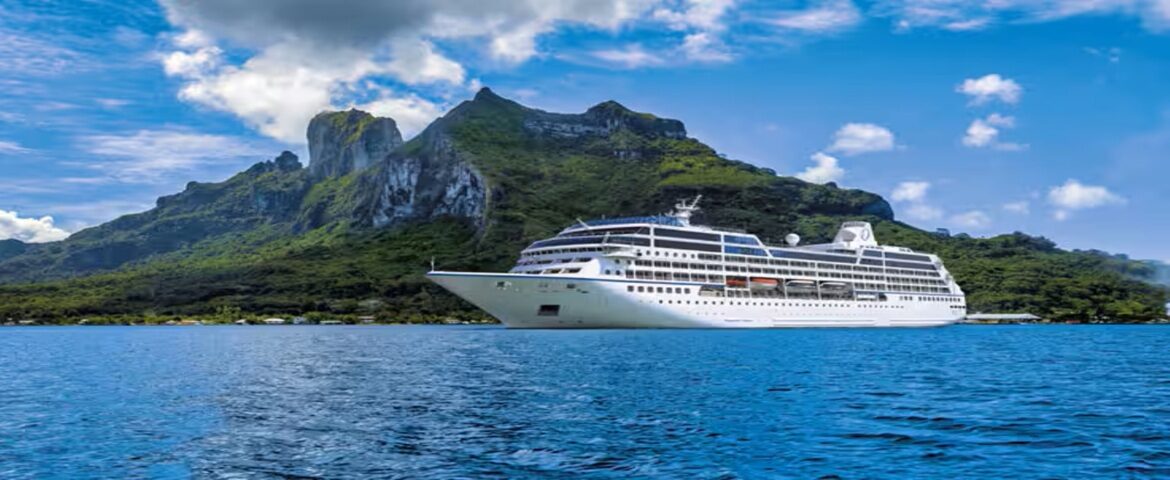
Oceania Cruises (17 Cruises)

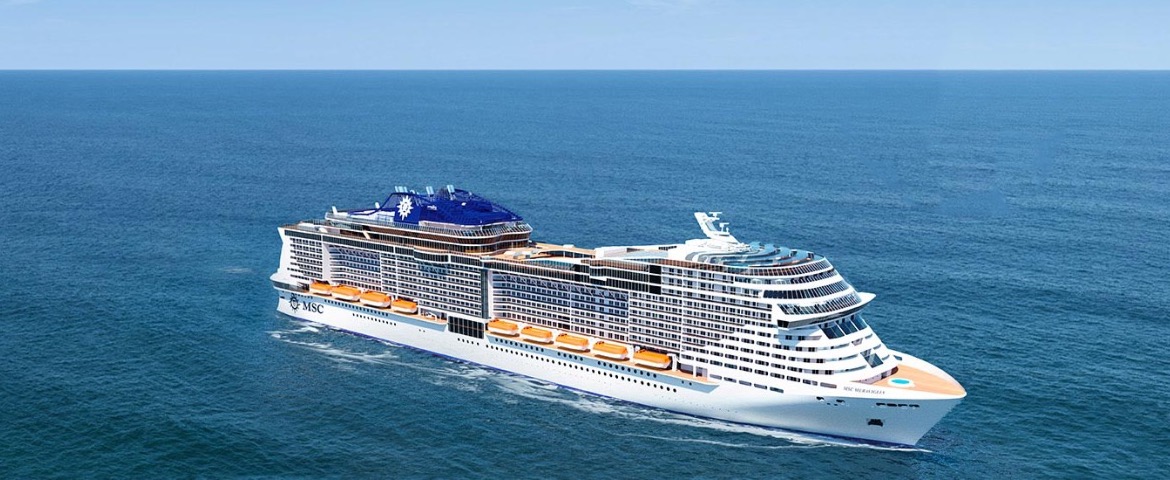
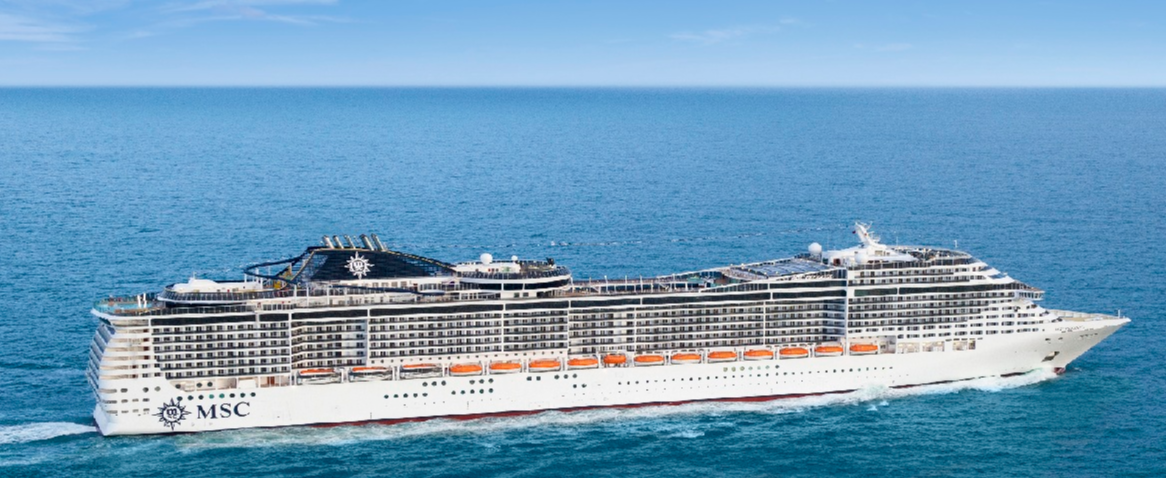
Princess Cruises (123 Cruises)

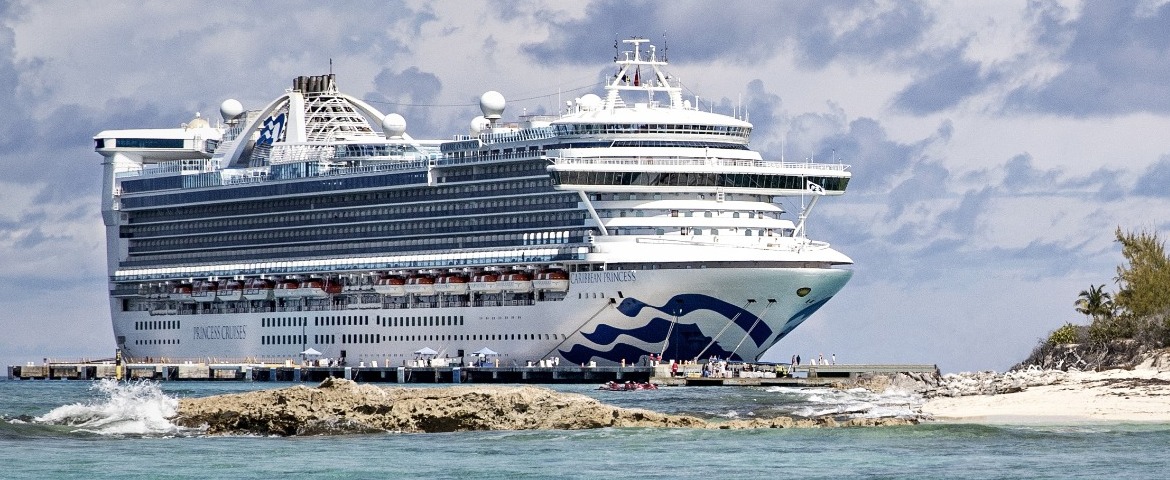
Cruise PCL Princess Caribbean ship

Caribbean Princess

3140 Passengers
112894 tons
Visit the ship's page
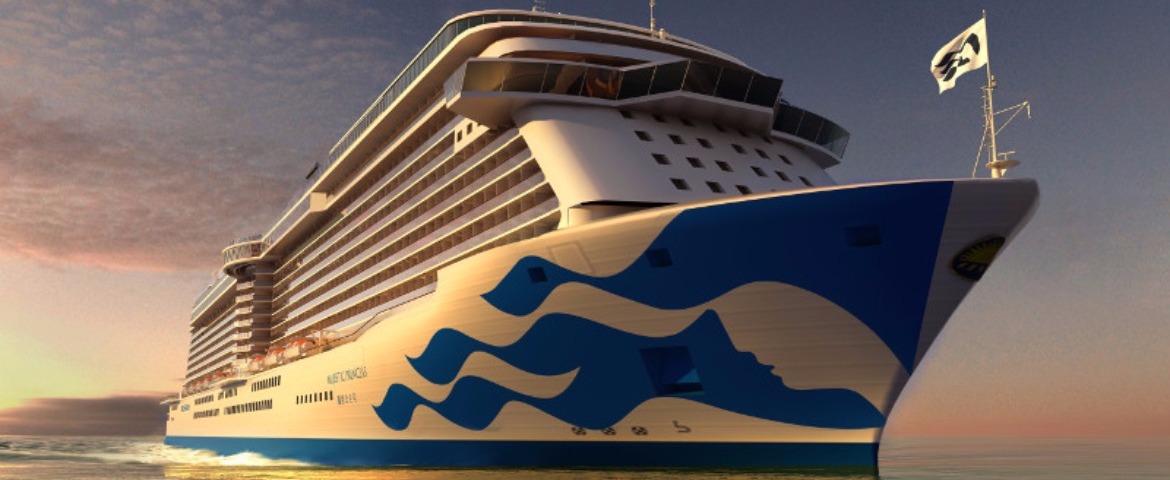
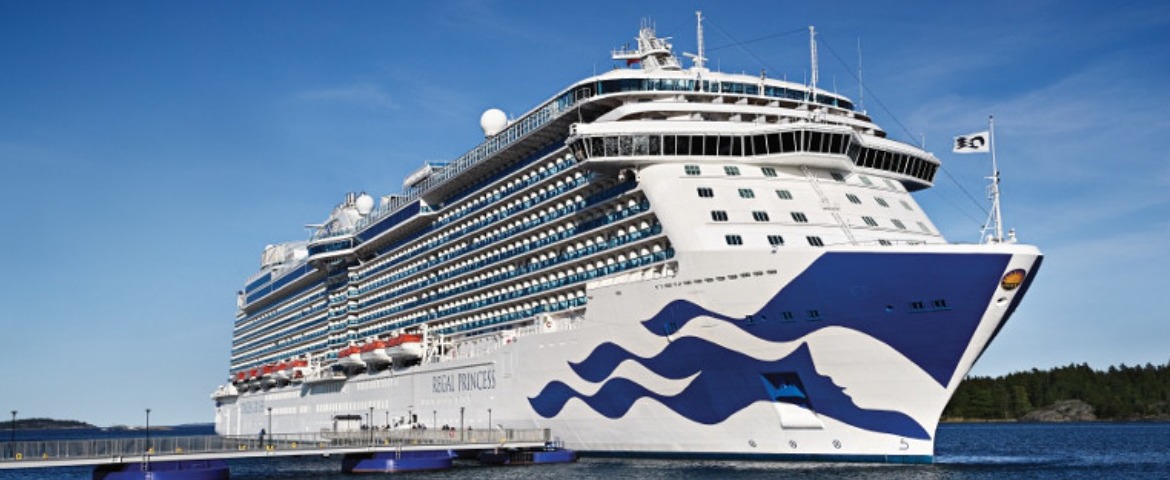
Cruise PCL Princess Regal Ship

Regal Princess

3560 Passengers
142299 tons
Visit the ship's page
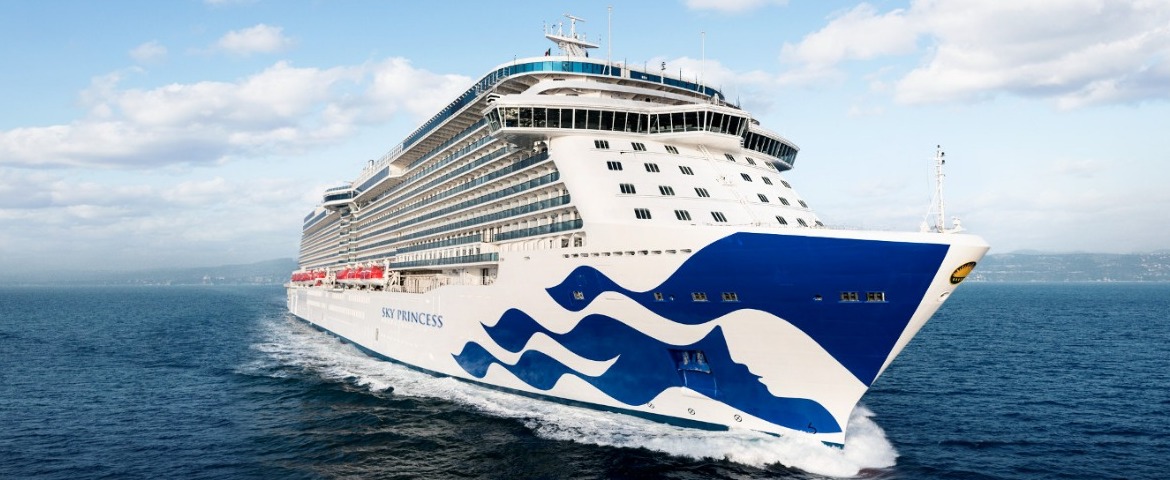
Cruise PCL Sky Princess ship

Sky Princess

3660 Passengers
144650 tons
Visit the ship's page

Viking Ocean Cruises (45 Cruises)

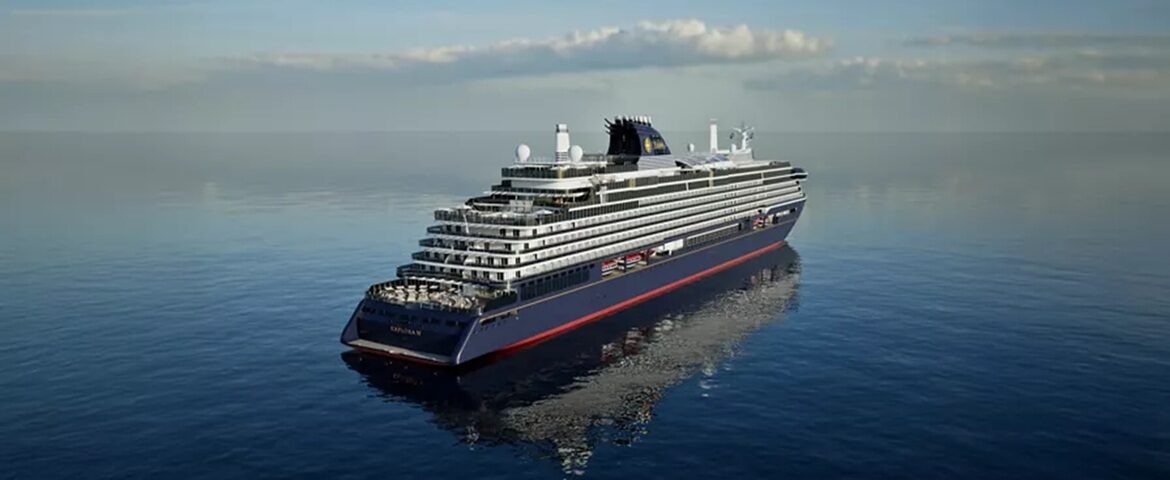
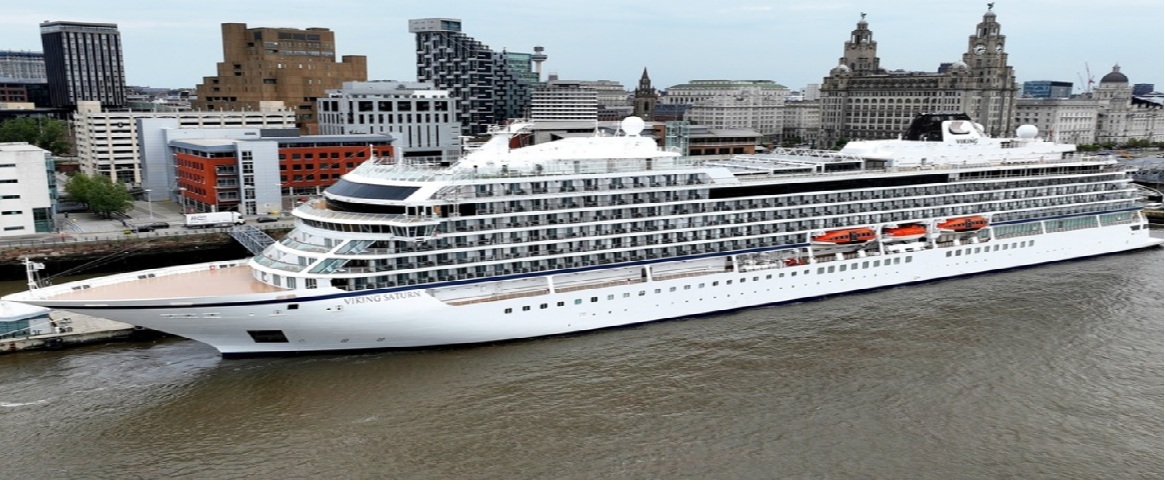
Viking Saturn.

Viking Saturn

Visit the ship's page

Port of Skagen, Denmark | Cruise Port Guide

First, there's that particular clarity. Painters noticed it long before cruise passengers did: at the northern tip of Jutland, between two seas competing for the same stretch of sand, the light has a transparency found nowhere else in Denmark. It illuminates yellow houses with red roofs, a real fishing port that smells of tar and smoked fish, and kilometres of beaches where the wind never quite stops. Skagen doesn't try to dazzle. It simply lets visitors slow down at their own pace.

From the quay to the village centre

Ships dock in the industrial port, about a kilometre and a half from the shopping streets. A blue line painted on the ground guides passengers to the centre, along the basins where trawlers and sailboats sit side by side. The walk takes about twenty minutes and already sets the tone for the port call: here, fishing isn't a backdrop, it's still the town's livelihood. Bikes can be rented near the port for those who want to range farther, and it's an excellent idea, since everything that matters in Skagen is a few kilometres away, on flat ground.

Grenen, where two seas meet

Four kilometres north of the village, the sandspit of Grenen marks the northernmost tip of Denmark. This is where the Skagerrak and the Kattegat meet, and the meeting is visible to the naked eye: two sets of waves arrive head-on and break against each other in a shifting line of foam. Visitors take photos of themselves with one foot in each sea. From the parking lot, you reach the tip on foot along the beach in half an hour, or aboard the Sandormen, a curious bus pulled by a tractor that rolls over the sand. Seals often bask on the nearby sandbanks. Swimming, however, is forbidden at the tip itself: the clashing currents are unforgiving.

The sand-buried church

South of the village, a white stepped-gable tower rises alone from a pine plantation. It's all that remains visible of St. Lawrence Church, built in the 14th century and gradually swallowed by the shifting dunes. By the late 18th century, parishioners had to shovel out the entrance before every service; they gave up in 1795 and dismantled the nave, leaving the tower to serve as a landmark for sailors. The old church path, the Gamle Kirkesti, leads there on foot or by bike from the centre, crossing heath and woodland. Few monuments tell so simply of this region's centuries-old struggle against the sand.

The Skagen Painters

In the 1870s, the light and the life of the fishermen drew a colony of artists here from Copenhagen and elsewhere in Scandinavia. Michael and Anna Ancher, Peder Severin Krøyer and their friends painted boats pulled up on the beach, evenings among friends, evening walks along the water. The Skagen Museum, in the heart of the village, brings their canvases together in a collection that ranks among the most endearing in Denmark. Even passengers not much given to museums happily spend an hour there: these paintings show exactly what you've just seen outside, the same beach, the same clarity, a hundred and forty years apart and with almost nothing changed.

Strolling, tasting, breathing

The rest of the port call is for wandering. The main street lines up shops and cafés in the old fishermen's houses, saffron yellow beneath tiled roofs. At the harbour, the counters serve the morning's catch: northern shrimp, sole meunière, pickled herring, or the classic fiskefrikadelle, the local fish cake, eaten outdoors facing the boats. Ice cream in hand, you watch the trawlers come in. It's exactly the kind of afternoon this small town knows how to offer.

Departure

When the ship casts off, the coast drops away quickly, reduced to a line of sand between two seas. The white tower of the buried church remains visible for a long while, true to its role as a landmark. From Skagen, you don't bring back a list of monuments. You bring back a light, the scent of a smokehouse, the crash of two seas against each other. The painters came back every summer. You quickly understand why.

Frequently Asked Questions

Cruise ships dock in Skagen's working harbour, about 1.5 km from the shopping streets. A blue line painted on the pavement guides passengers to the town centre, a walk of about twenty minutes along the fishing basins.
Yes, the whole town centre is easily explored on foot from the pier. Bicycles can be rented near the harbour to go further: the terrain is flat and distances are short, making Skagen one of Denmark's easiest ports.
Grenen lies 4 km north of Skagen's centre, reachable by bike, bus or taxi. From the parking area, it is a thirty-minute walk along the beach to the tip, or a ride on the Sandormen, a tractor-pulled bus that drives on the sand.
No, swimming is forbidden at the tip itself: the currents of the Skagerrak and Kattegat collide there and are dangerous. Swim instead at supervised beaches south of town, such as Sønderstrand.
It is the tower of St. Lawrence's church, built in the 14th century and gradually buried by drifting dunes; the parish gave up in 1795. You can reach it from town on foot or by bike along the Gamle Kirkesti trail, 3 to 4 km from the port.
Half a day covers the essentials: Grenen point to watch the two seas meet, the Skagens Museum and its painters, then a stroll among the yellow houses with a fish stop at the harbour. With a bicycle, you can add the sand-covered church at an easy pace.
It holds the paintings of the artists' colony that made the town famous in the late 19th century, including Anna and Michael Ancher and P.S. Krøyer. The canvases show the very beaches and light you have just seen outside, almost unchanged.
The currency is the Danish krone (DKK), and credit cards are accepted almost everywhere, often preferred to cash. Danish is the local language, but English is widely spoken in shops and restaurants.
May through September, when days are long and Skagen's famous light is at its best. Even in summer, bring a layer: the wind off the sea never quite stops at the tip of Denmark.