Samana Dominicana

131 Cruises availables At departure or passage at this port

Costa Cruises (20 Cruises)

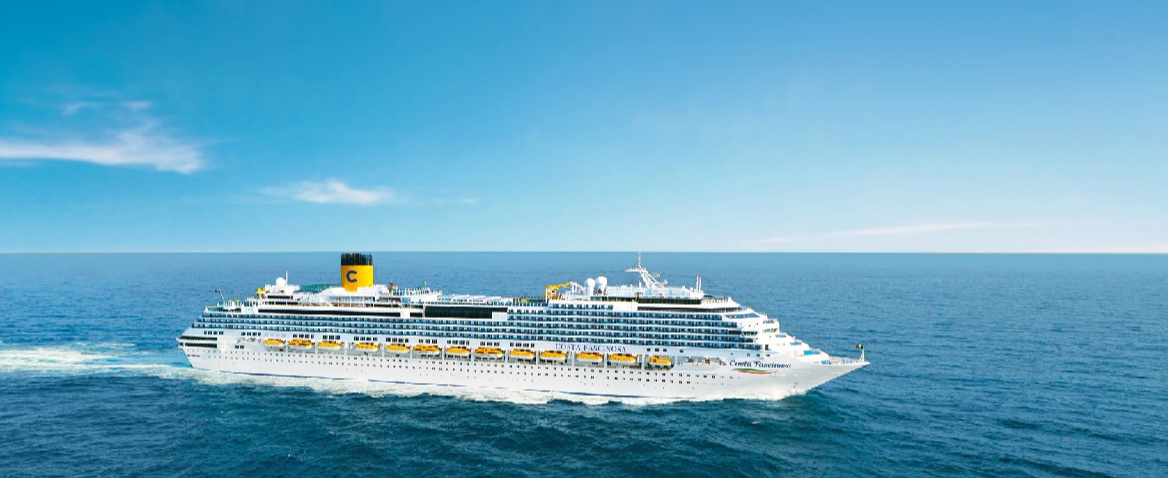
Costa Fascinosa.

Costa Fascinosa

4108 Passengers
114 tons
Visit the ship's page

Royal Caribbean Cruises (40 Cruises)

Port of Samaná, Dominican Republic | Cruise Port Guide

From mid-January to the end of March, the bay turns into a nursery: thousands of humpback whales leave the North Atlantic to come here to give birth and mate in these warm waters. Samaná owes to this rendezvous a fame that far exceeds its size. The rest of the year, the peninsula in the northeastern Dominican Republic cultivates other assets: hills covered in coconut palms, waterfalls, islets and one of the most unusual nature parks in the Greater Antilles, right across from the anchorage.

Santa Bárbara, the bay's little capital

Tenders drop passengers in the heart of Santa Bárbara de Samaná, a colourful town rising in tiers above its waterfront. Two pedestrian walkways, nicknamed the bridges to nowhere, span the water to wooded islets: the walk offers the best viewpoint over the harbour. In town, a wooden church known as La Churcha recalls a little-known chapter of history: freed African Americans from Philadelphia settled here in the 1820s, and their descendants still carry on certain traditions, right down to the local cuisine. Along the waterfront, vendors offer pescado con coco, fish simmered in coconut milk that has become the peninsula's culinary signature.

The giants of winter

In season, whale-watching boats head out every morning to the breeding grounds, under regulated supervision. Spouts, breaches and fin slaps sometimes follow one another just a few dozen metres from the boats; the males sing beneath the hull, and some captains lower a hydrophone into the water so you can hear these long, otherworldly calls. Few Caribbean port calls offer a natural spectacle of this scale so close to the pier. Ashore, a small museum run by a local association completes the outing with an impressive skeleton and explanations of the migrations.

Cayo Levantado, the islet of happy idlers

A fifteen-minute boat ride away, Cayo Levantado combines golden sand, leaning palm trees and crystal-clear water. Old-timers still call it Bacardi Island, a reminder of a rum commercial that made its beach famous around the world in the 1970s. Its public section is perfect for a few hours of swimming with no other program than the coming and going of the waves. Many excursions combine whale watching in the morning with the islet in the afternoon, a formula that sums up the peninsula on its own.

El Limón and Los Haitises

Inland, El Limón waterfall drops some forty metres in the depths of the forest; you reach it on horseback or on foot from the ranches of the neighbouring village, an hour's effort rewarded with a swim in the pool; the ranches provide horses, helmets and guides. On the other side of the bay, Los Haitises National Park lines up its mogotes, jungle-capped limestone knolls that rise straight out of the sea. Boat outings wind between mangroves and caves decorated with Taíno pictographs, beneath frigatebirds and pelicans in flight — an escape that feels like travelling far back in time.

As the ship departs, a spout sometimes bursts up one last time in the wake, like a farewell. Samaná is not so much visited as listened to: whale songs, rain on the palm fronds, the bell of the old wooden church. You'll have to come back one winter, for the season of the giants.

Practical pointers

  • Tender landing at Santa Bárbara de Samaná or, depending on the cruise line, directly at Cayo Levantado.
  • Whale watching from mid-January to the end of March only; supervised outings, limited spots: book early.
  • El Limón and Los Haitises each require half a day: choose one rather than trying to do both.
  • Dominican peso; US dollars accepted; bring cash for guides and ranches.

Frequently Asked Questions

By tender, in the heart of Santa Bárbara de Samaná, or directly at Cayo Levantado depending on the line. There is no alongside berth for large ships: they anchor in the bay.
Yes, and it is the best way. The town rises above its waterfront, and the two pedestrian bridges known as the bridges to nowhere lead to wooded islets with the finest view over the harbour.
Mid-January to late March only. Thousands of whales leave the North Atlantic then to calve and mate in the bay. Outside that window, no whale-watching trips operate.
Boats head out in the morning to the breeding grounds under regulated supervision. Blows, breaches and fin slaps sometimes happen within tens of metres, and some captains drop a hydrophone so you can hear the males singing. Places are limited, so book early.
An islet fifteen minutes away by boat, with golden sand, leaning palms and clear water. Older locals still call it Bacardi Island, after a 1970s rum advertisement. Its public section suits a few hours of swimming with no other agenda.
One thing, done properly. In season, whale watching in the morning then Cayo Levantado if the schedule allows. Off season, the town on foot plus Los Haitises, or El Limón waterfall. Do not try to combine El Limón and Los Haitises: each takes half a day.
A cluster of mogotes, jungle-topped limestone humps rising straight out of the sea, on the far side of the bay. Boat trips weave among mangroves and caves decorated with Taíno pictographs, under flights of frigatebirds and pelicans.
No. You reach it on horseback or on foot from the ranches in the nearby village, about an hour of effort on a trail that is often muddy. The ranches provide mounts, helmets and guides. The reward is a swim in the pool beneath a forty-metre fall.
The Dominican peso; US dollars are accepted. Carry cash for guides and ranches, where cards rarely work. The language is Spanish, with traces of English inherited from the African-American freedmen who settled here in the 1820s.
Pescado con coco, fish simmered in coconut milk, the culinary signature of the peninsula. You will find it along the Santa Bárbara waterfront, at stalls and unpretentious little restaurants.