Grundarfjordur Iceland
240
Cruises availables
At departure or passage at this port
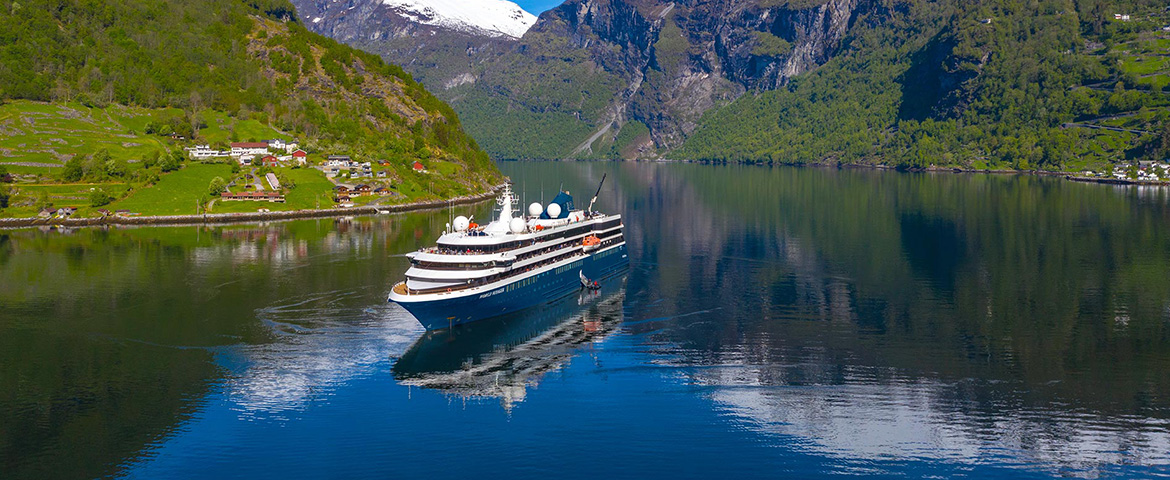
Atlas Ocean Voyages (3 Cruises)

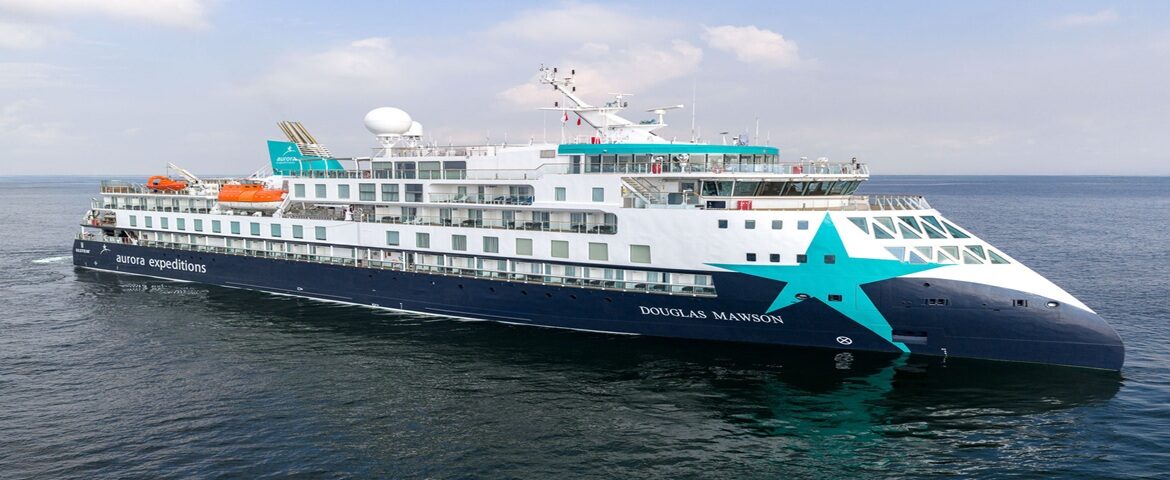
Aurora Expeditions (2 Cruises)

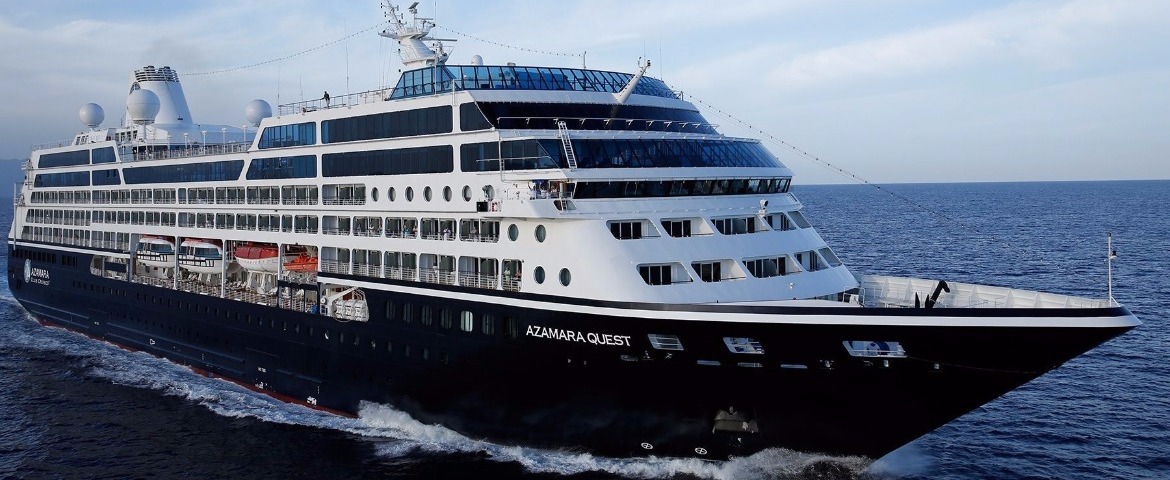
Azamara Club Cruises (2 Cruises)

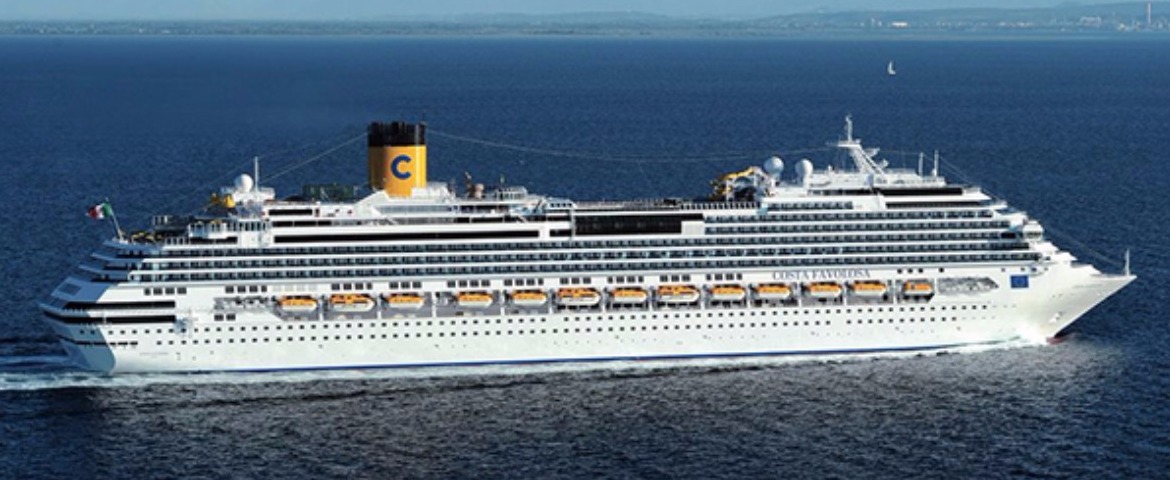
Costa Cruises (2 Cruises)

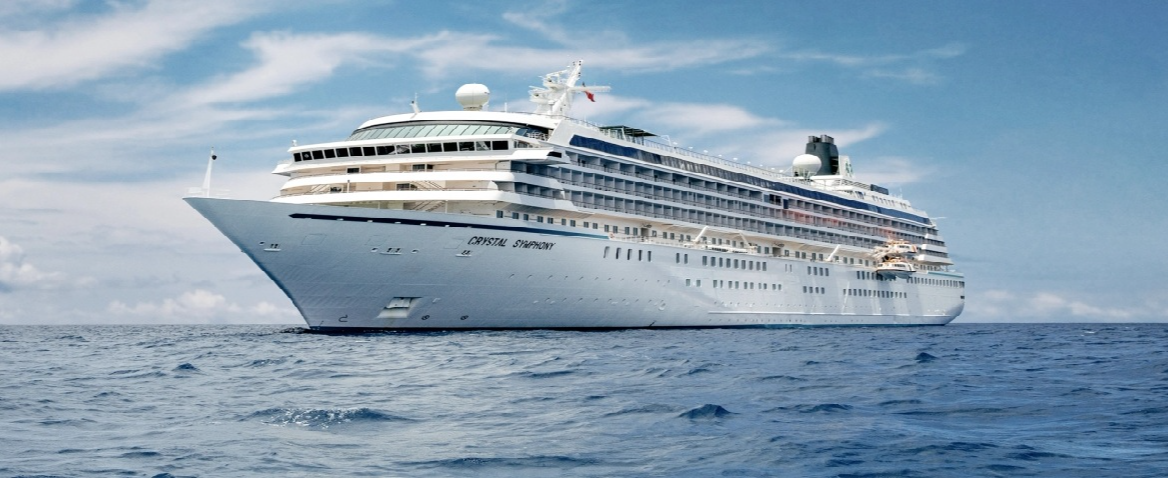
Crystal Cruises (6 Cruises)
Crystal Symphony
6 Cruises

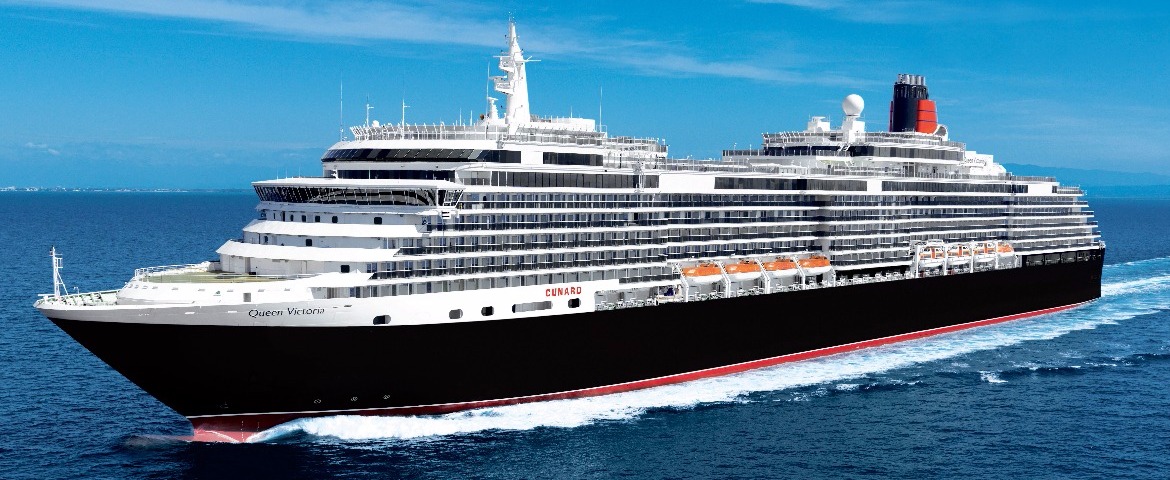
Cunard (4 Cruises)
Queen Victoria
4 Cruises

Holland America Line (25 Cruises)
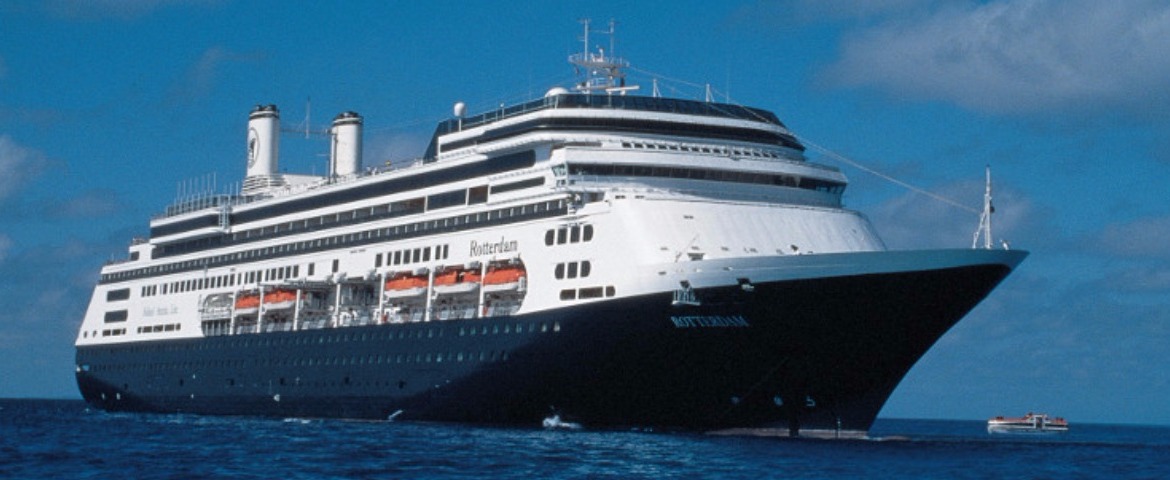
ms Rotterdam
9 Cruises

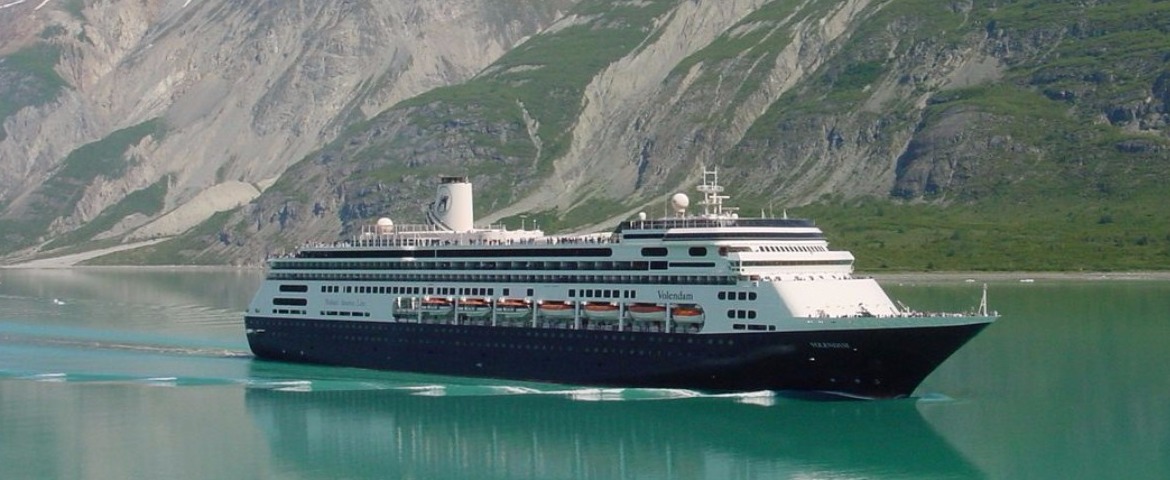
ms Zuiderdam
12 Cruises
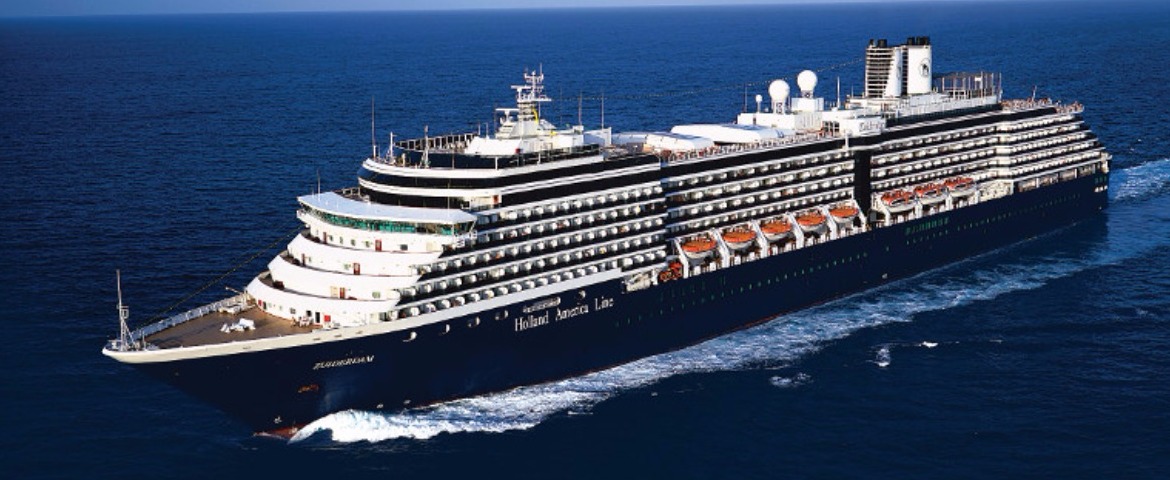
| 22 June | 25 days | Round-trip Iceland Ireland And Scotland Zuiderdam Amsterdam |
450-628-6241
Call us
|
| 22 June | 26 days | Round-trip from Amsterdam, Netherlands |
450-628-6241
Call us
|
HX Expeditions (2 Cruises)
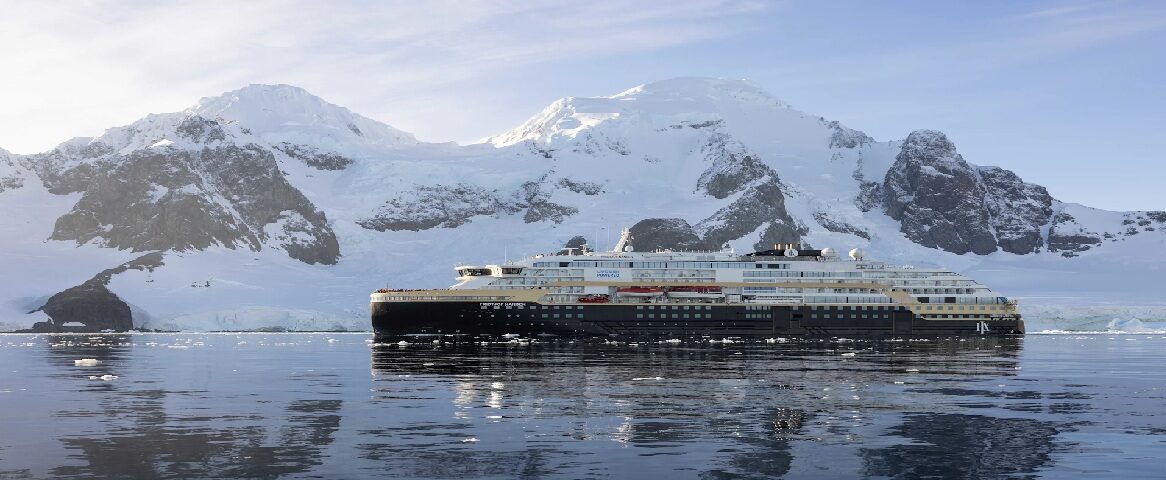

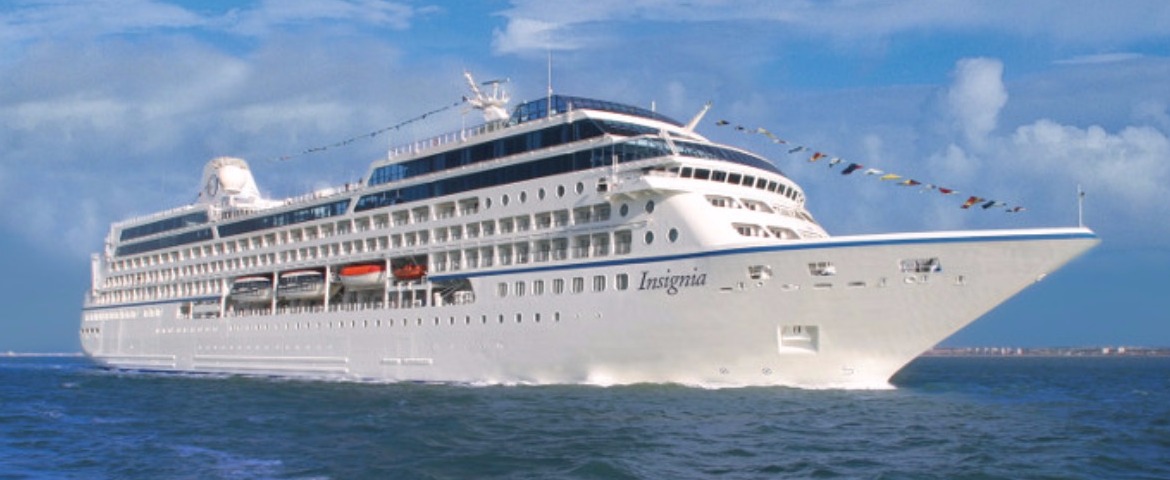
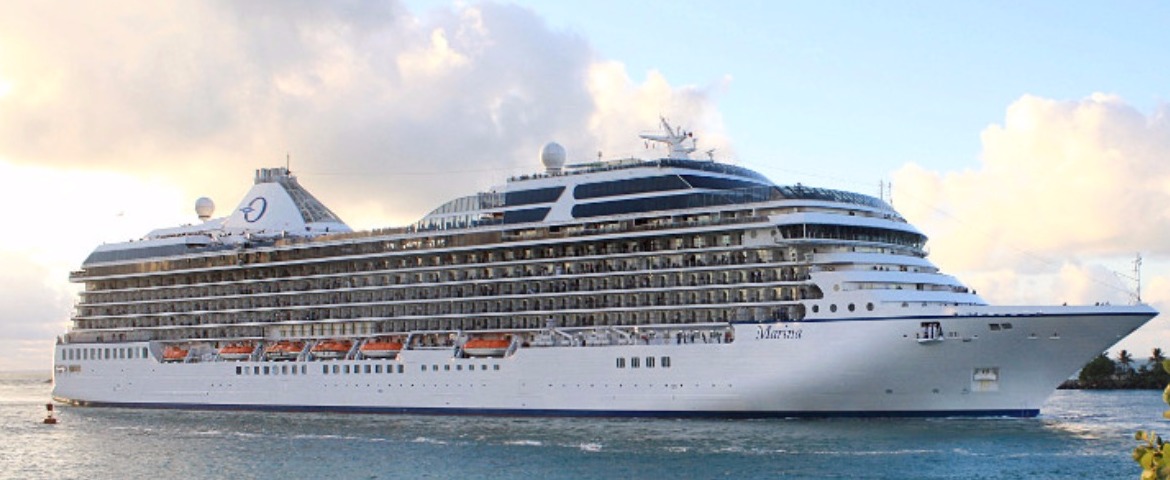
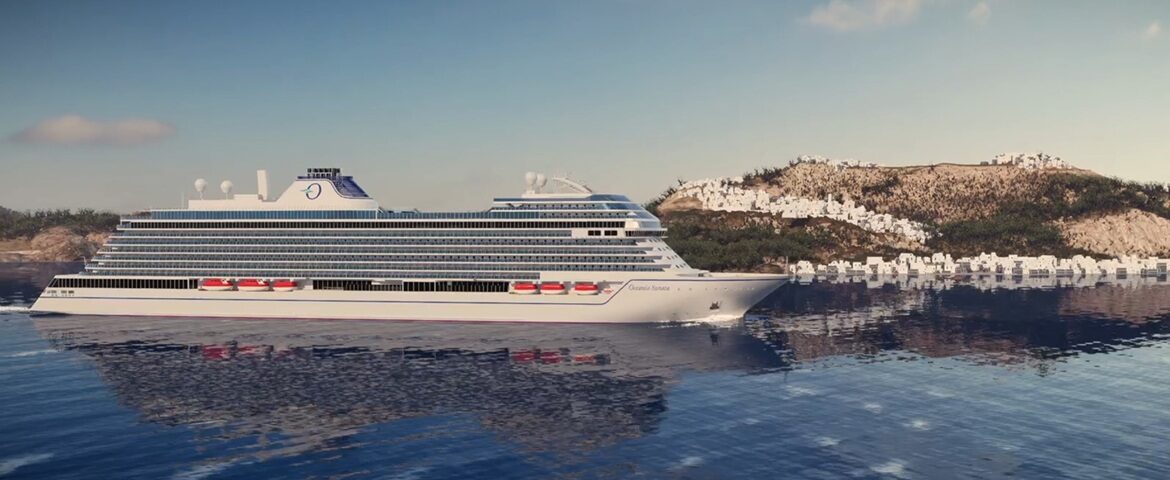
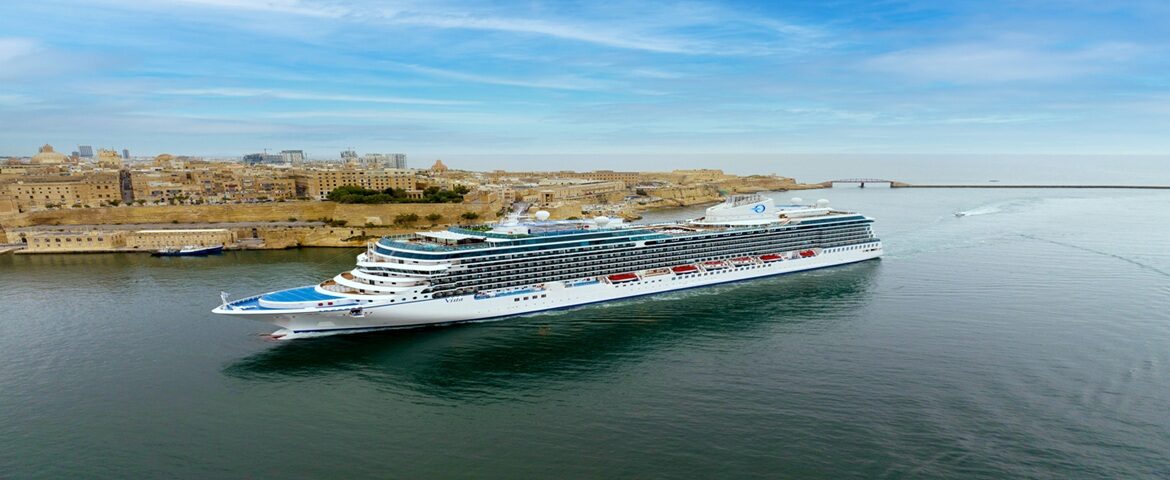
Oceania Cruises (12 Cruises)

Ponant (24 Cruises)
L'Austral
6 Cruises
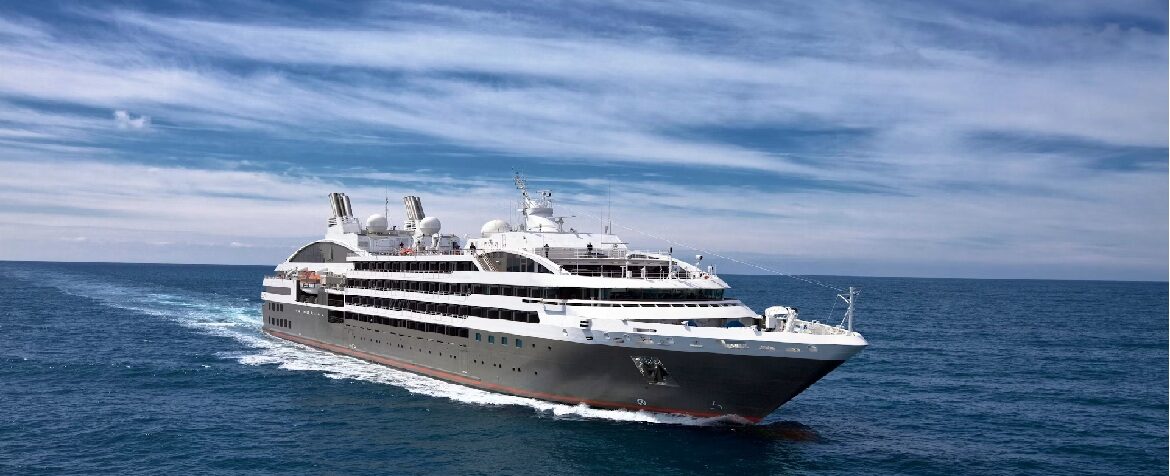

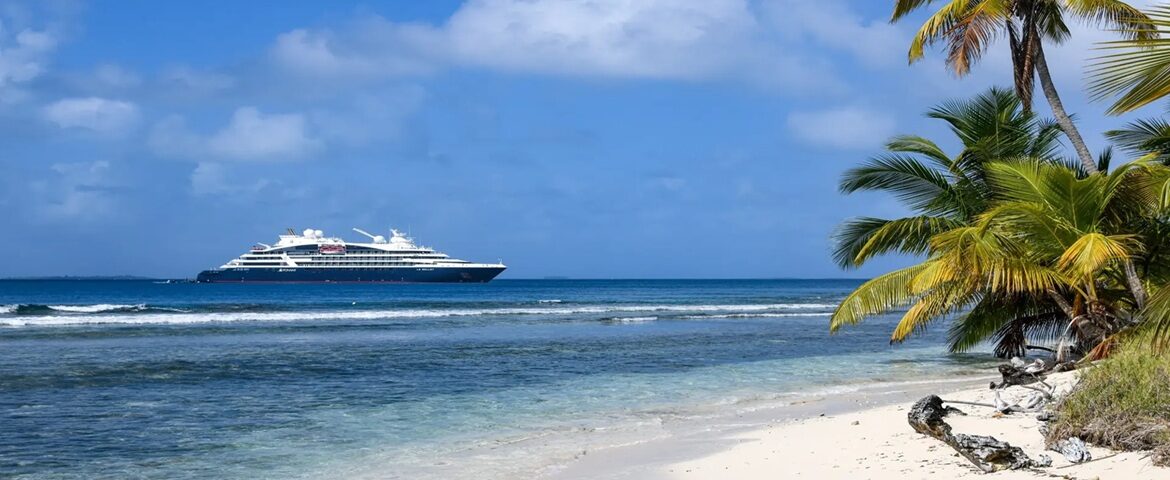
Le Bellot
10 Cruises
| 27 May | 6 days | Round-trip 7 Night Icelandic Mosaic Cruise |
450-628-6241
Call us
|
| 27 May | 8 days | Round-trip from Reykjavik, Iceland |
450-628-6241
Call us
|
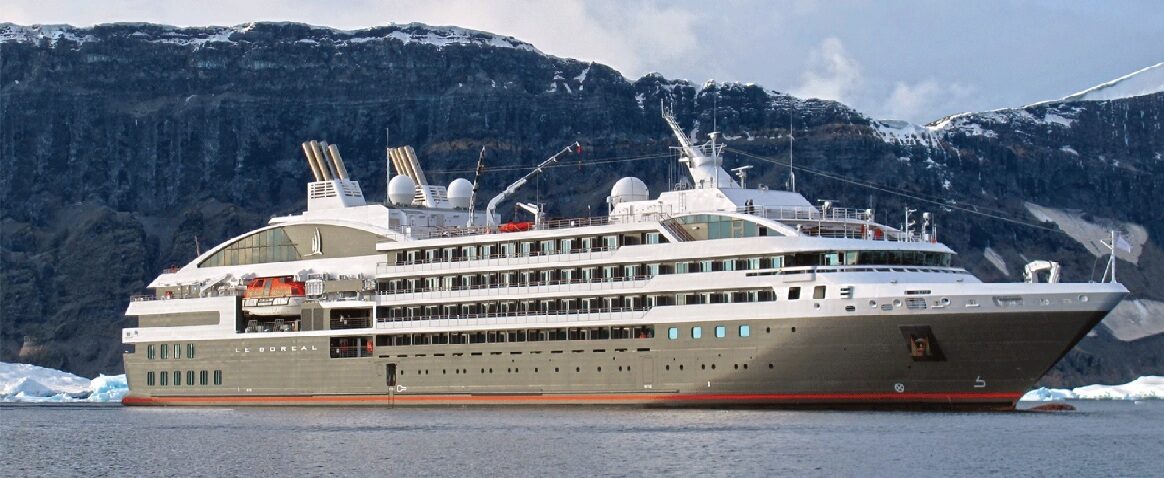
Le Boreal
6 Cruises
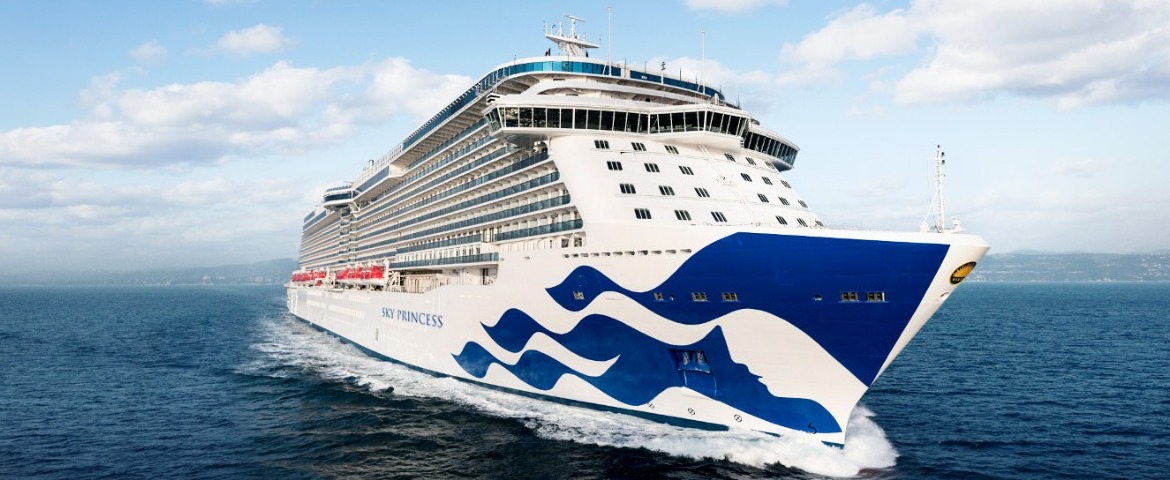
Princess Cruises (39 Cruises)
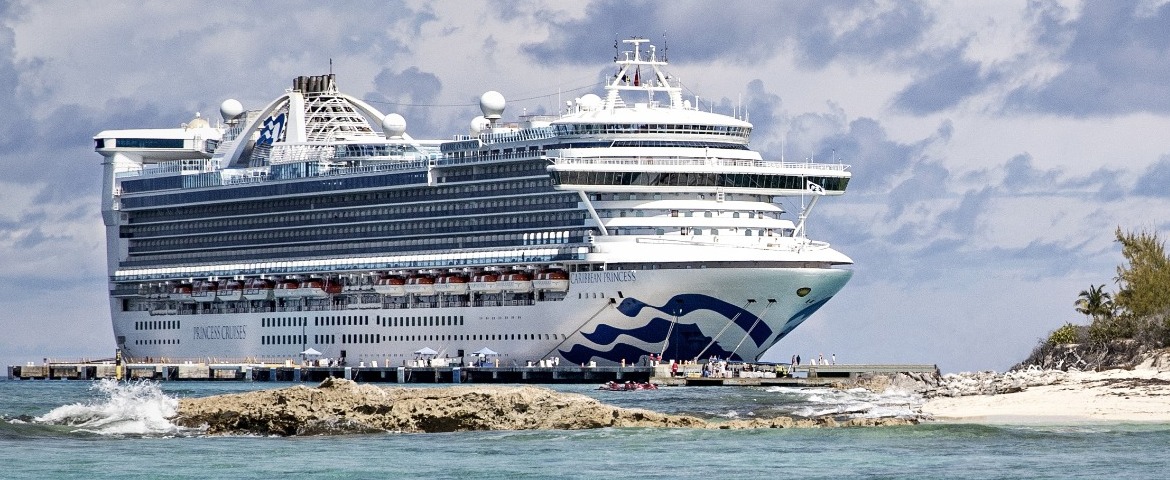
Caribbean Princess
17 Cruises

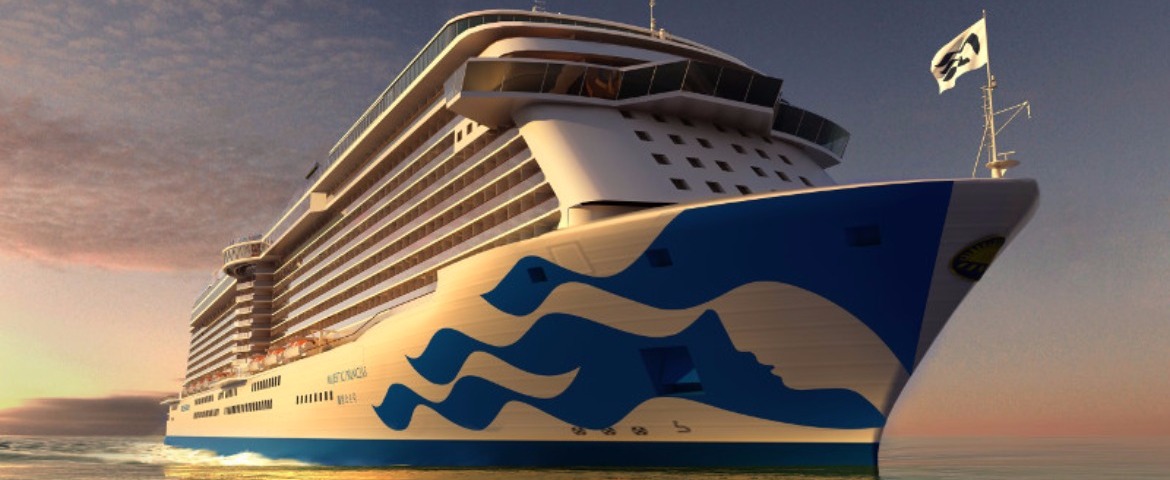
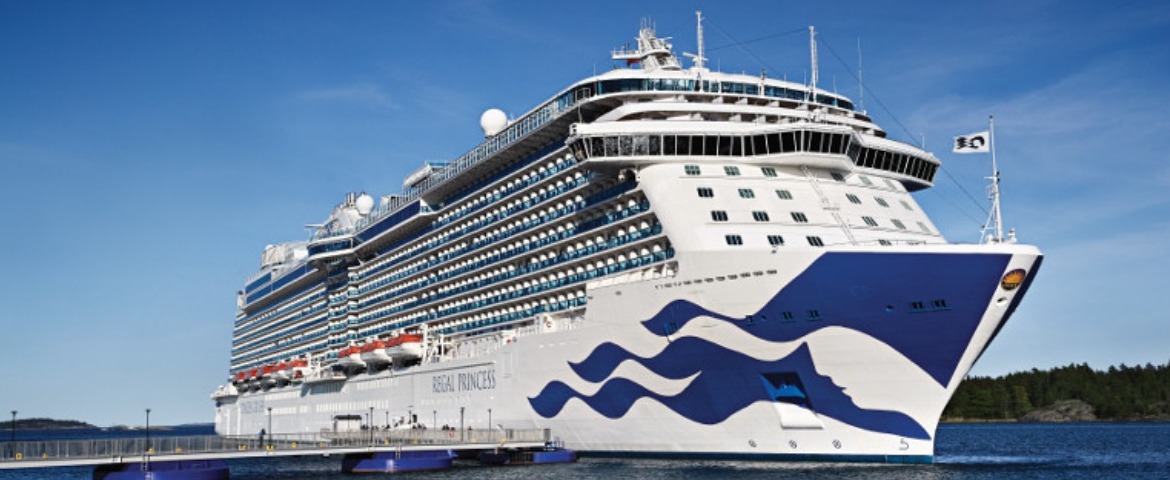
Regal Princess
14 Cruises
Regent Seven Seas Cruises (22 Cruises)
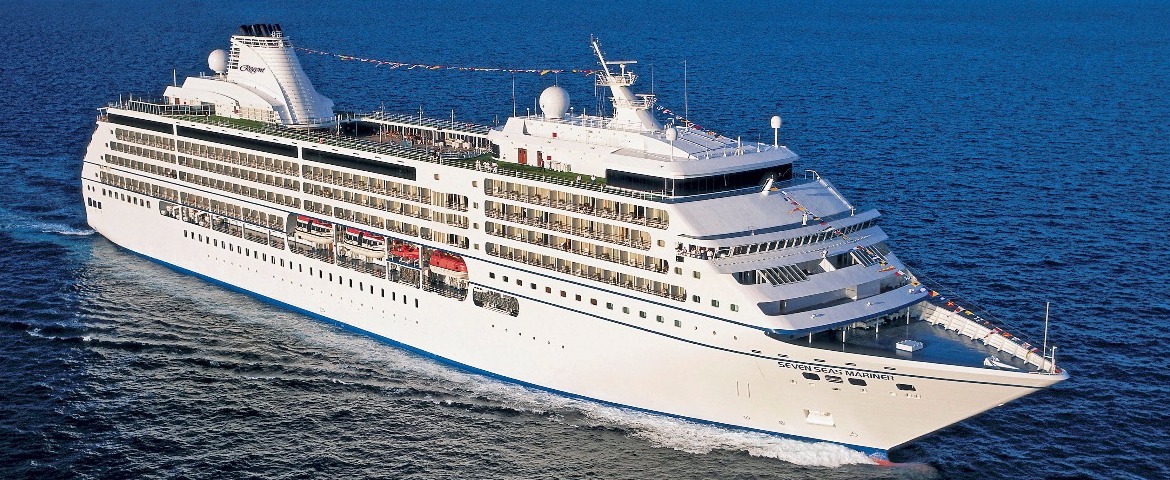
Seven Seas Mariner
12 Cruises

| 30 May | 101 days | One-way from Barcelona to IJmuiden |
450-628-6241
Call us
|
| 30 May | 102 days | One-way from Barcelona to IJmuiden |
450-628-6241
Call us
|
| 23 June | 24 days | Round-trip Greenland Iceland British Isles Seven Seas Mariner Southampton |
450-628-6241
Call us
|
| 23 June | 25 days | Round-trip from Southampton, United Kingdom |
450-628-6241
Call us
|
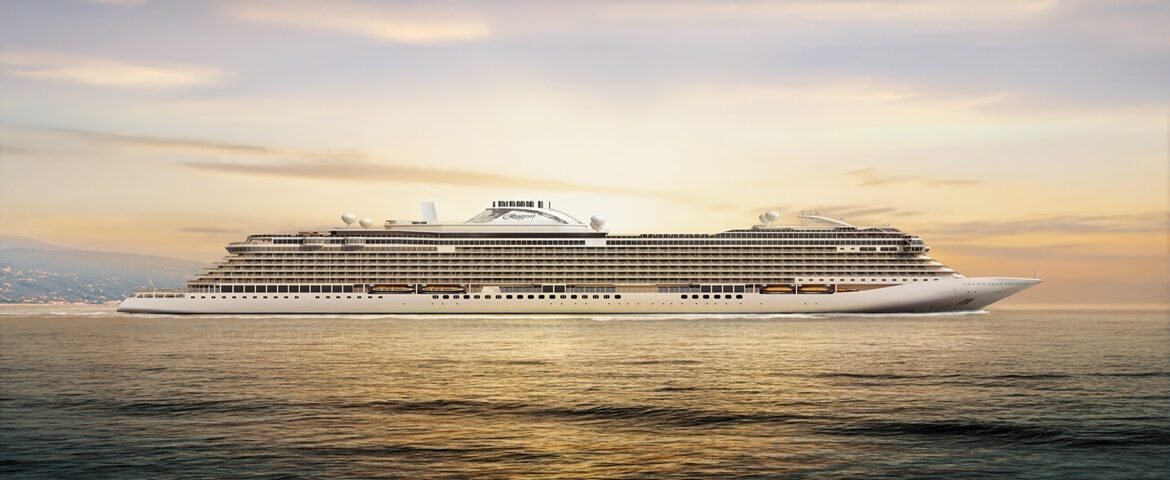
Seven Seas Splendor
6 Cruises
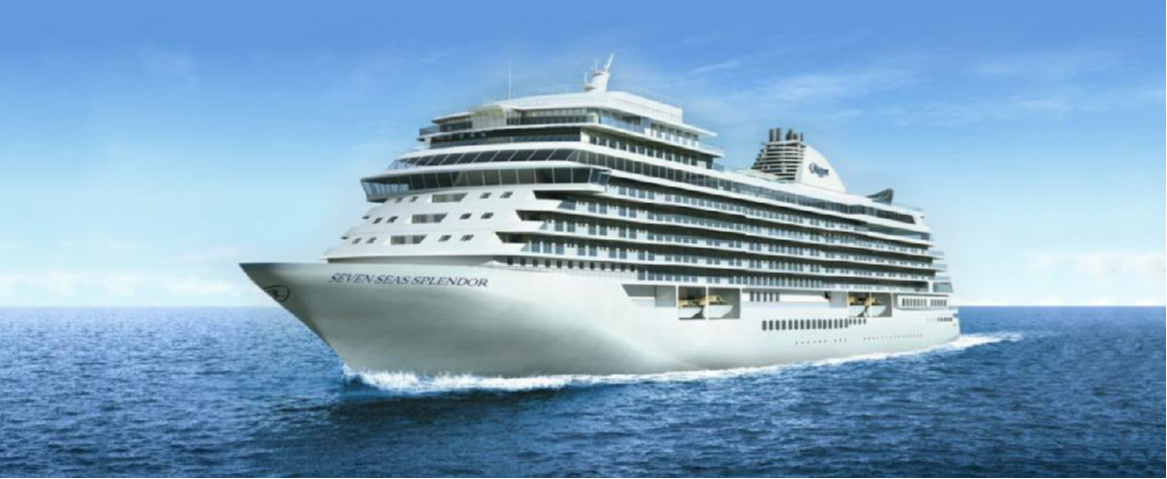
| 25 July | 15 days | One-way from Southampton to Reykjavik |
450-628-6241
Call us
|
| 25 July | 14 days | One-way from Southampton to Reykjavik |
450-628-6241
Call us
|
Scenic Cruises (12 Cruises)
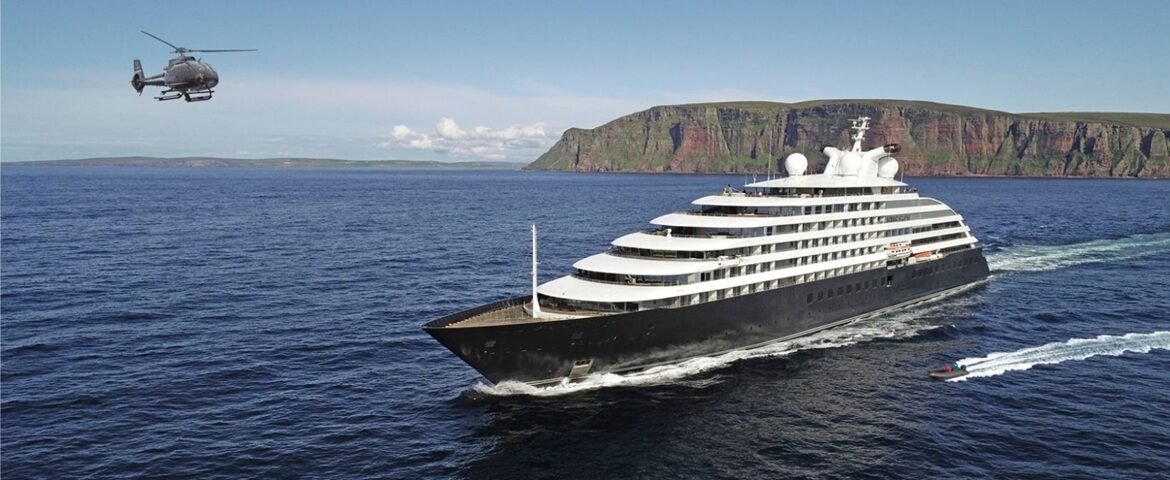
Scenic Eclipse
6 Cruises


Scenic Eclipse II
6 Cruises
Seabourn Cruise Line (63 Cruises)
Seabourn Pursuit
8 Cruises
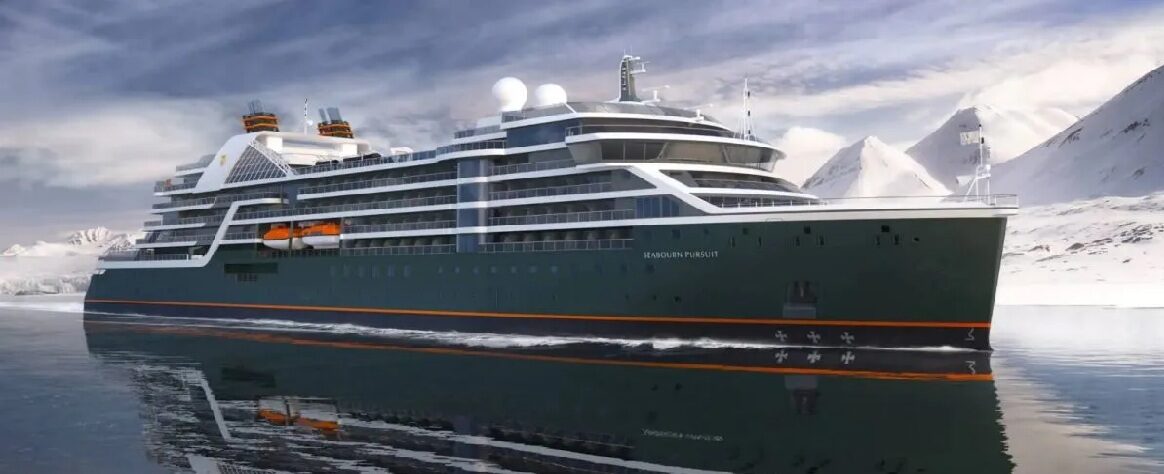

| 12 July | 43 days | Round-trip from Reykjavik, Iceland |
450-628-6241
Call us
|
| 24 July | 31 days | Round-trip from Reykjavik, Iceland |
450-628-6241
Call us
|
Seabourn Quest
19 Cruises
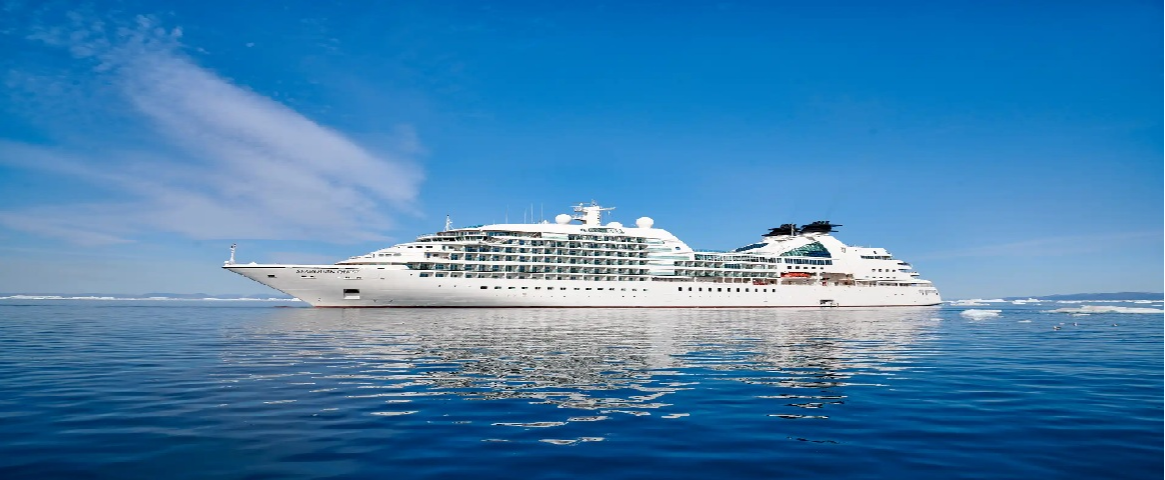
Seabourn Venture
36 Cruises
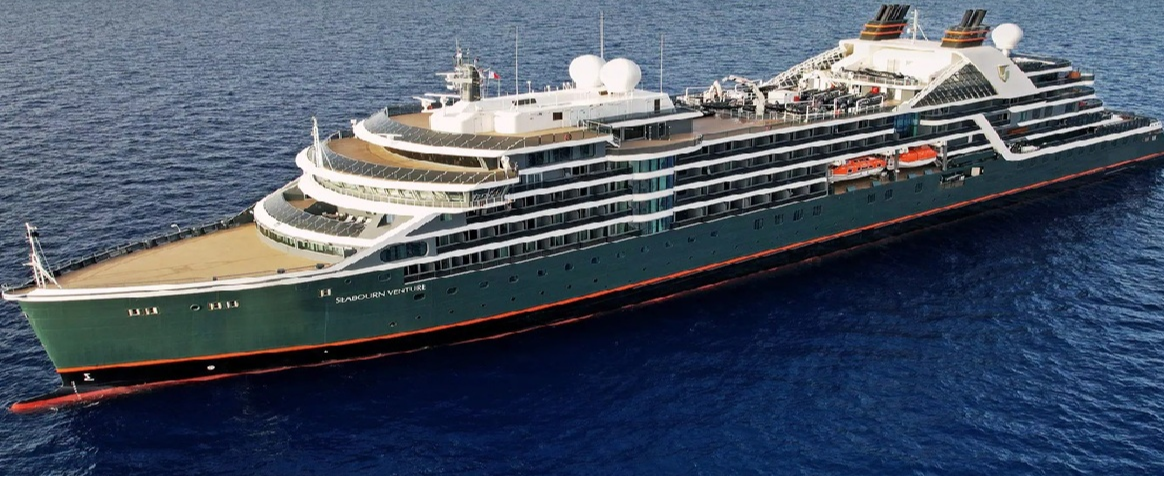
| 7 June | 41 days | One-way from London-Greenwich to Reykjavik |
450-628-6241
Call us
|
| 19 June | 29 days | One-way from Belfast to Reykjavik |
450-628-6241
Call us
|
| 15 June | 31 days | One-way from St Johns NL to Reykjavik |
450-628-6241
Call us
|
| 30 June | 16 days | One-way from Kangerlussuaq to Reykjavik |
450-628-6241
Call us
|

Windstar Cruises (19 Cruises)
Star Pride
19 Cruises
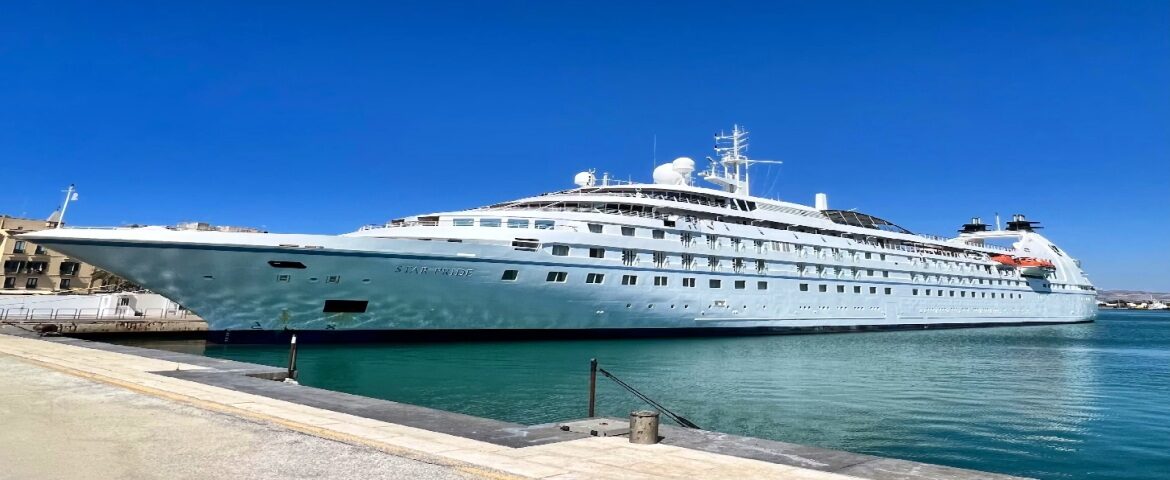

| 28 June | 18 days | One-way from Copenhagen to Reykjavik |
450-628-6241
Call us
|
| 28 June | 17 days | One-way from Copenhagen to Reykjavik |
450-628-6241
Call us
|

Port of Grundarfjörður, Iceland | Cruise Port Guide
Frequently Asked Questions
At a jetty right in the heart of the village. No compulsory shuttle, no distant terminal: within a few steps you pass drying racks, fishing boats and houses with coloured metal roofs, in a clean smell of ocean and fresh fish.
Yes, about a kilometre and a half, roughly twenty minutes along the bay. The walk follows the coast road, whose shoulders narrow in places: take extra care on foggy days.
Because its shape is unique: a 463-metre cone streaked with green and basalt, carved by glaciers and set at the water's edge like a natural church spire. It is the most photographed mountain in Iceland, made better known still as the "arrowhead mountain" in Game of Thrones.
From Kirkjufellsfoss, the waterfall directly opposite the mountain, which drops in steps and gives the ideal foreground. Go early: when low light sets the slopes glowing, the site belongs almost entirely to the ship's passengers.
Two clear options. Stay near the village and walk to Kirkjufell and its waterfall, leaving time for the quays and a café. Or take an excursion across the Snæfellsnes peninsula, which needs four to five hours and leaves next to nothing for the village.
Icelanders call it their country in miniature, and the shorthand fits: mossy lava fields, black pebble beaches, bird cliffs and fishing villages. At its tip stands Snæfellsjökull, a glacier-capped volcano that Jules Verne chose as the entrance to his Journey to the Centre of the Earth. Most sites are within an hour's drive of the quay.
The rusted remains of a British trawler wrecked in 1948, scattered among the black pebbles and left in place as a memorial. Further along the peninsula, the small black church at Búðir stands alone in the middle of the lava.
Sea kayaking beneath the streaked slopes, birdwatching around the protected islet of Melrakkaey, a seabird refuge at the mouth of the bay, or a stroll to the local heritage centre when it is open, where the story of the cod fishermen who worked Icelandic waters is told.
In the village cafés, which serve fish soup and homemade bread — welcome when the wind picks up. The village has around nine hundred residents: the offer is simple and sufficient, but do not expect a dining scene.
Summer, when daylight barely leaves the sky: at midnight the slopes keep a pink glow that photographers wait for in silence on the quay. Bring windproof clothing in any season — the bay does not forgive optimistic dressing.


