Reykjavik Iceland
584
Cruises availables
At departure or passage at this port
Atlas Ocean Voyages (22 Cruises)
World Navigator
10 Cruises
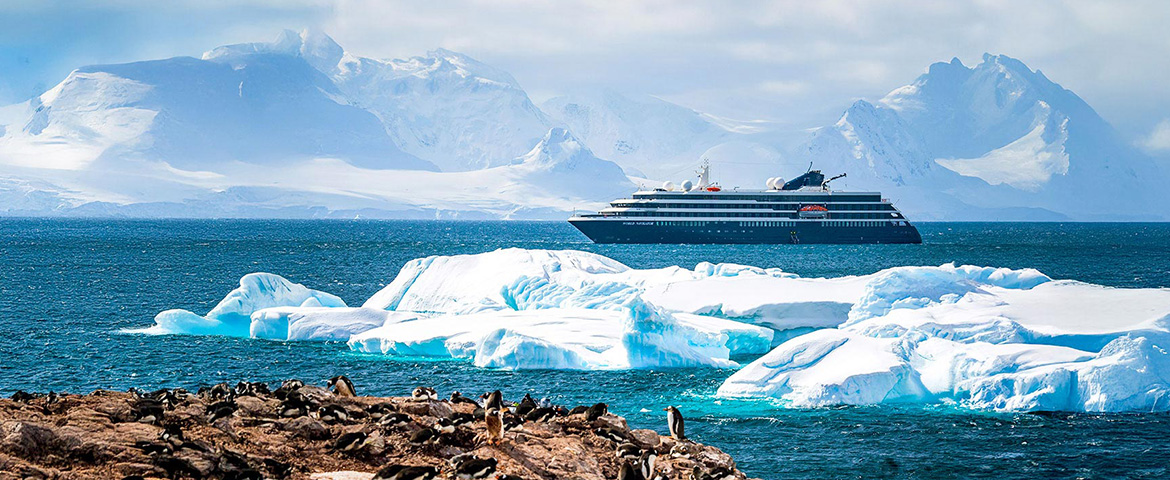

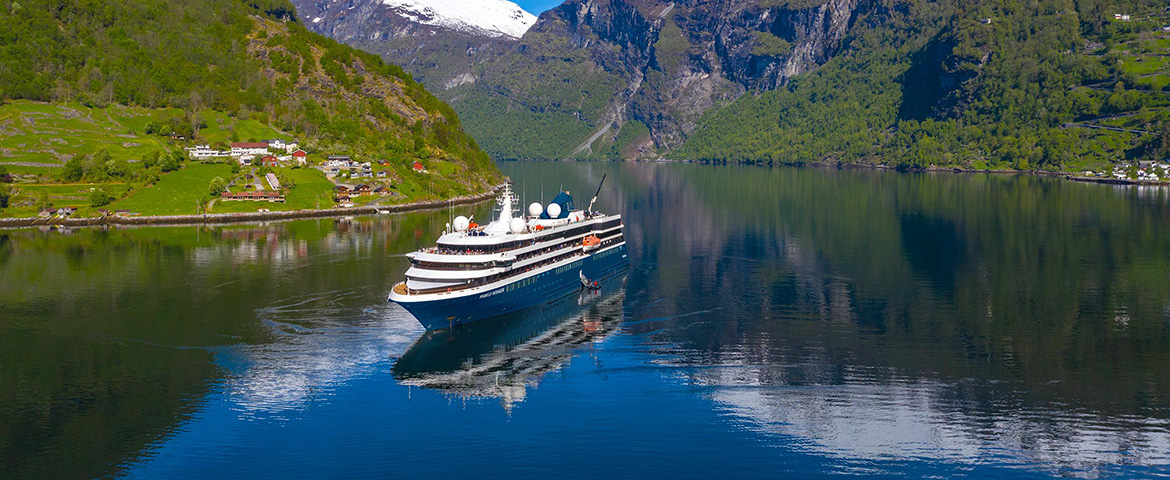
World Voyager
12 Cruises
| 5 June | 7 nights | Round-trip from Reykjavik, Iceland |
450-628-6241
Call us
|
| 12 June | 11 nights | One-way from Reykjavik to Longyearbyen |
450-628-6241
Call us
|

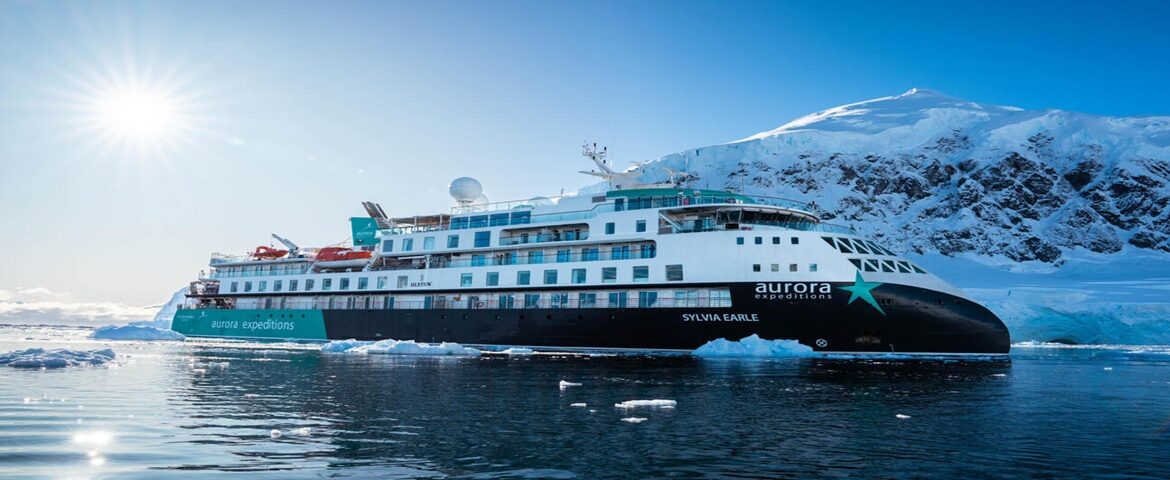
Azamara Club Cruises (6 Cruises)
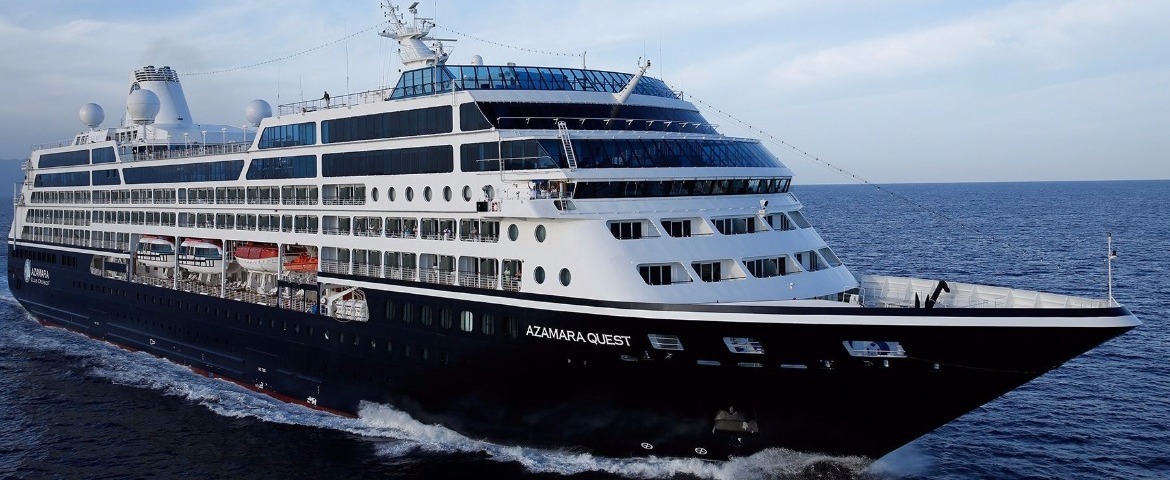

Celebrity Cruises (8 Cruises)
Celebrity Silhouette
8 Cruises
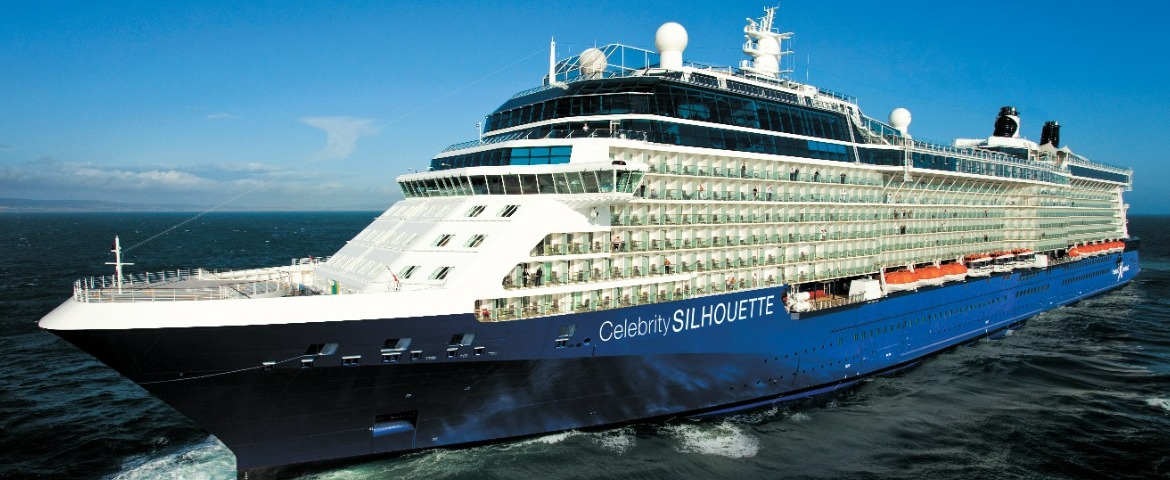

Costa Cruises (2 Cruises)
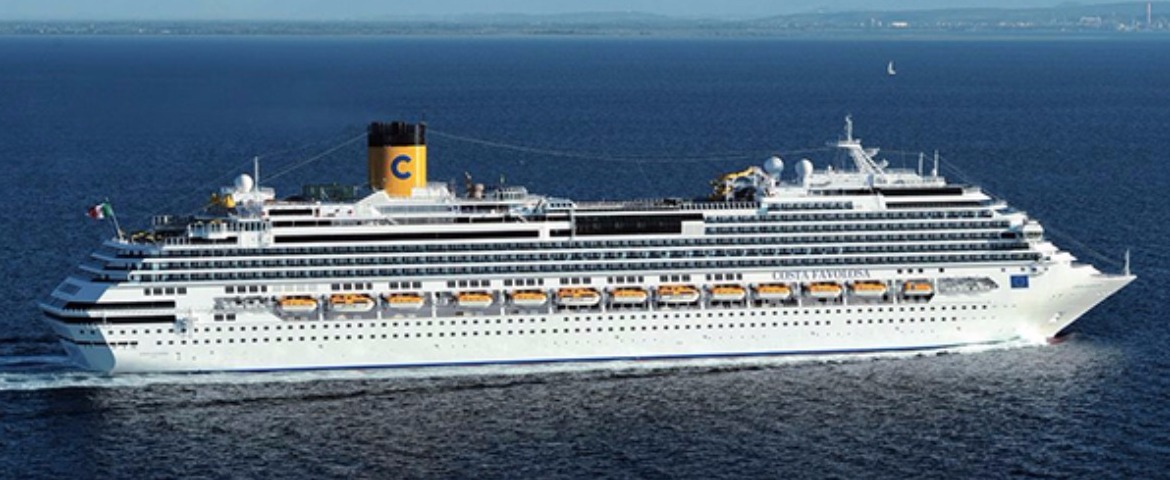

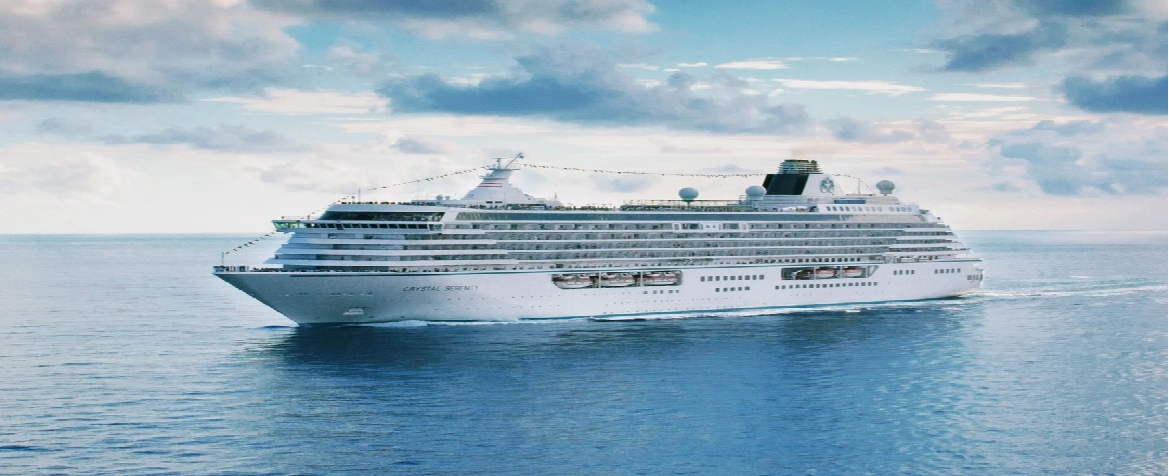
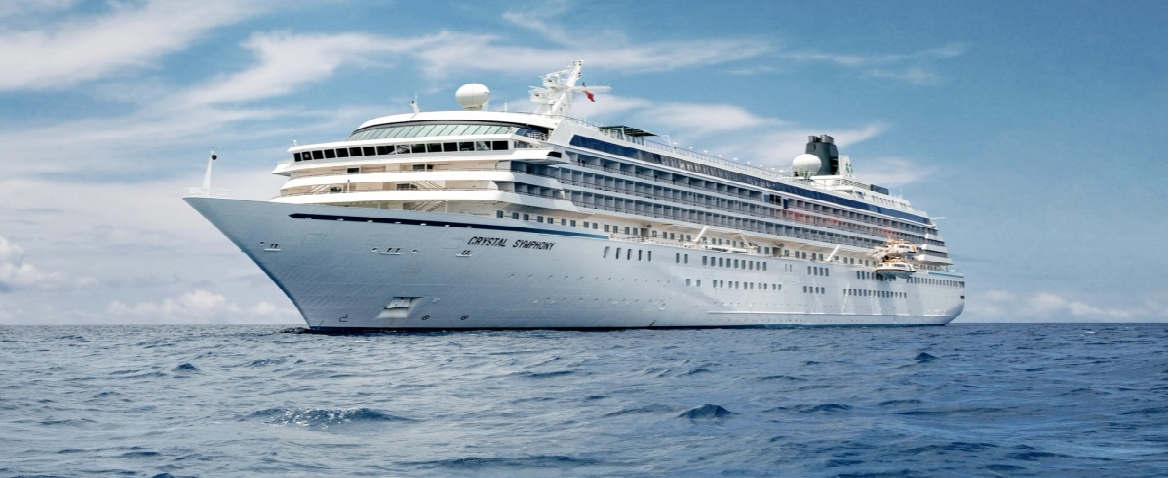
Crystal Cruises (12 Cruises)
Crystal Serenity
6 Cruises


Explora Journeys (14 Cruises)
Explora IV
14 Cruises
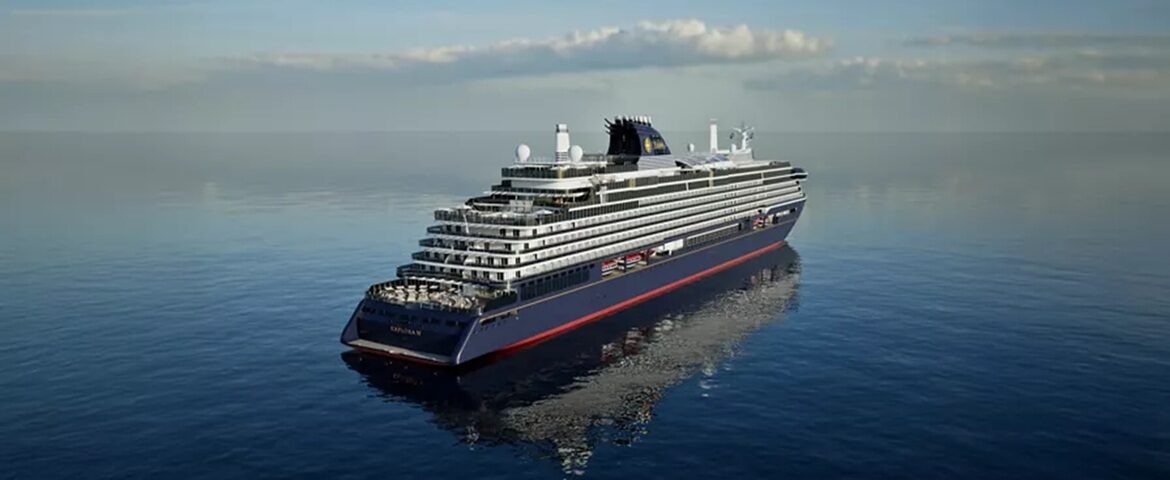

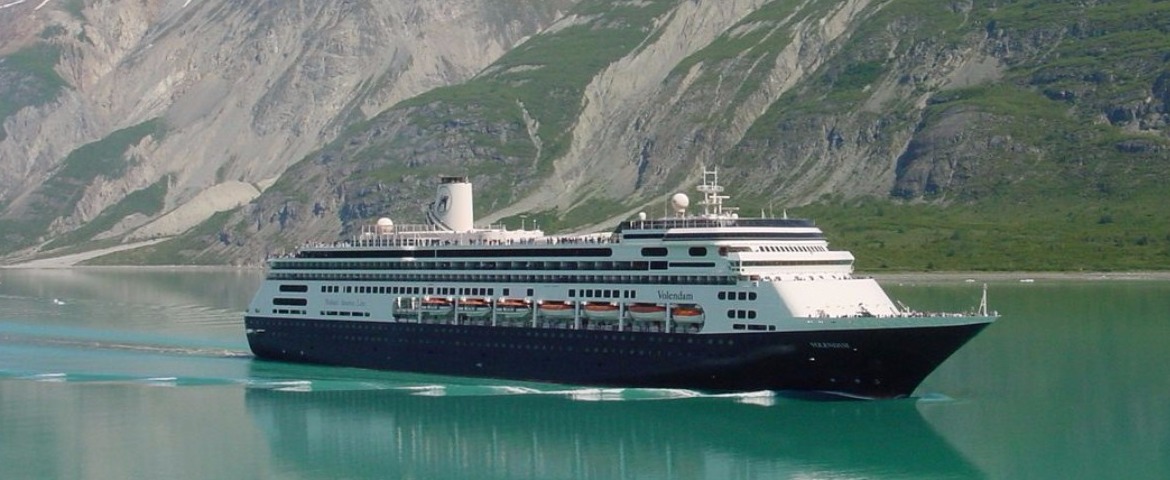
Holland America Line (42 Cruises)
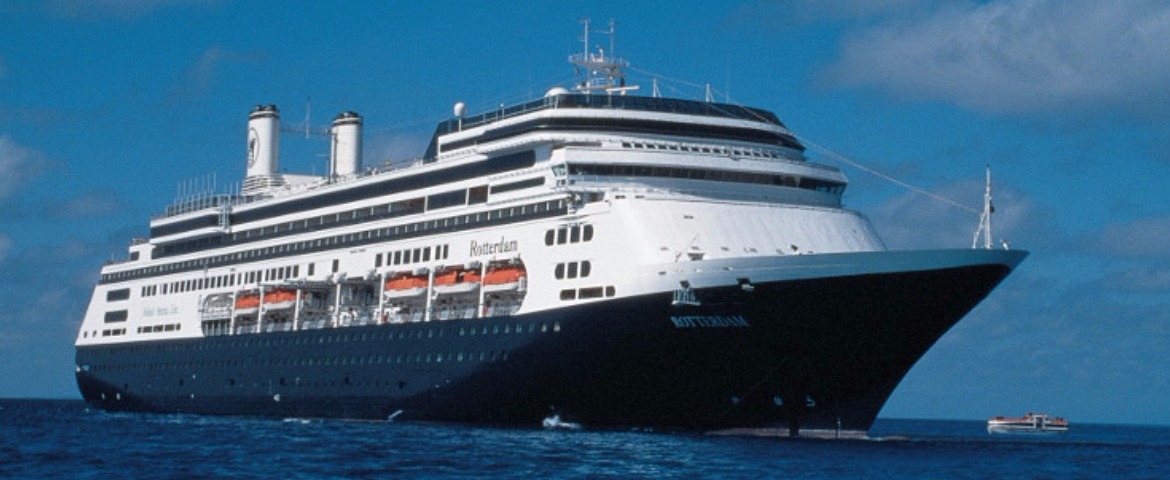
ms Rotterdam
30 Cruises

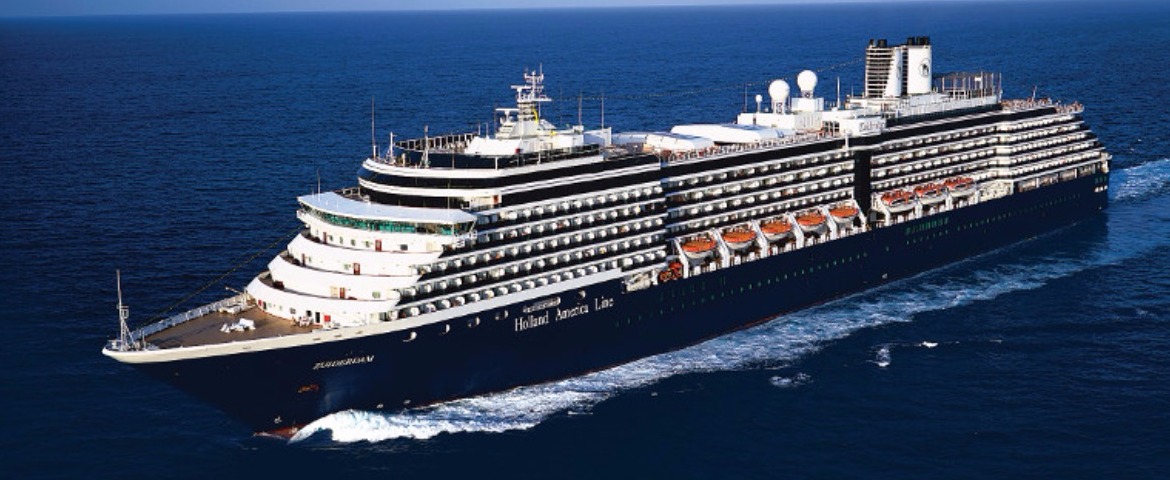
ms Zuiderdam
10 Cruises
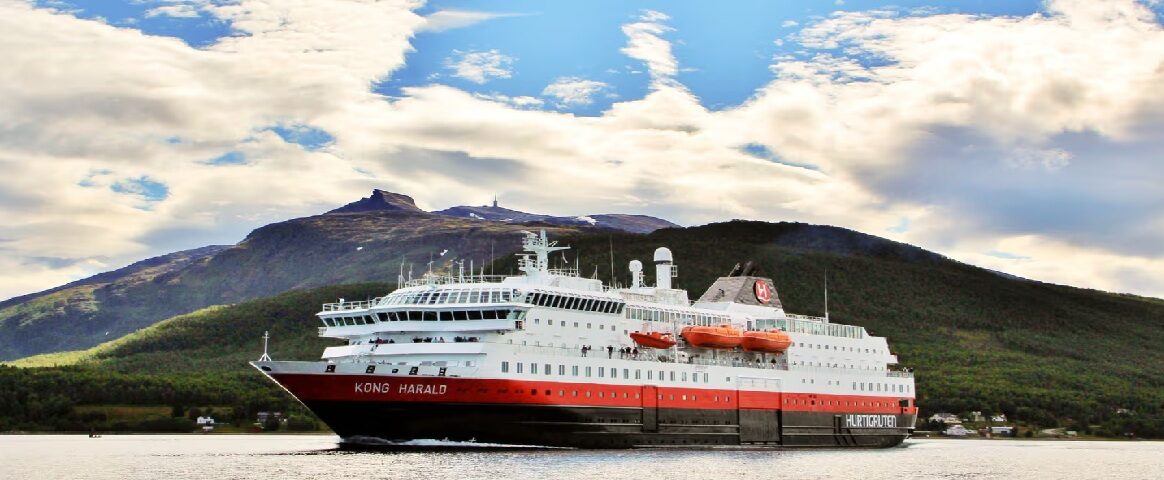

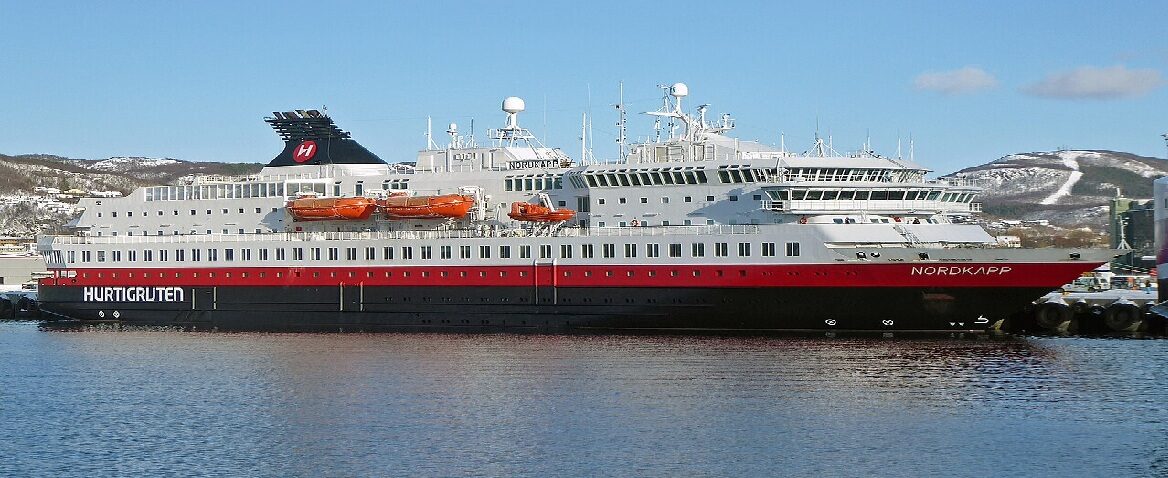
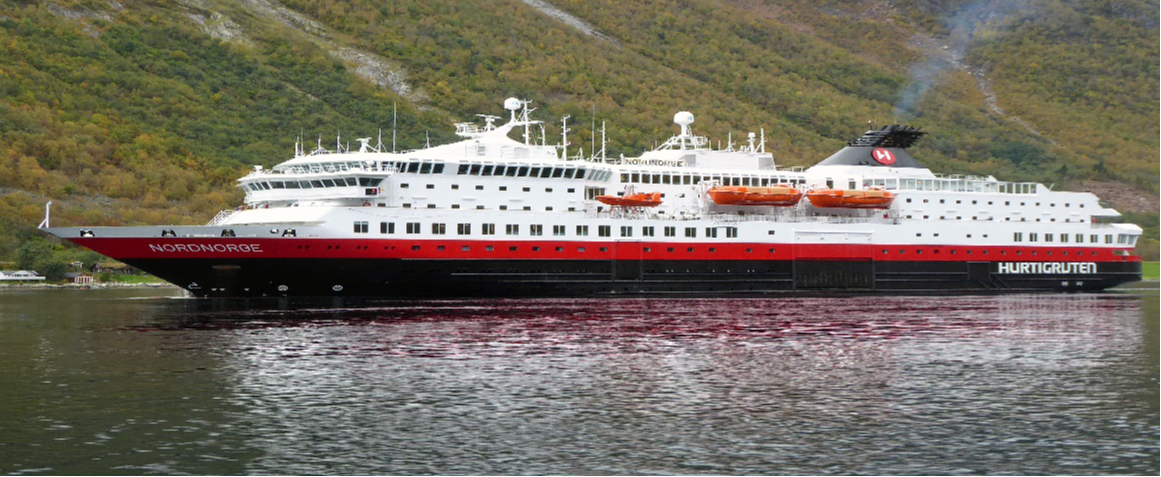
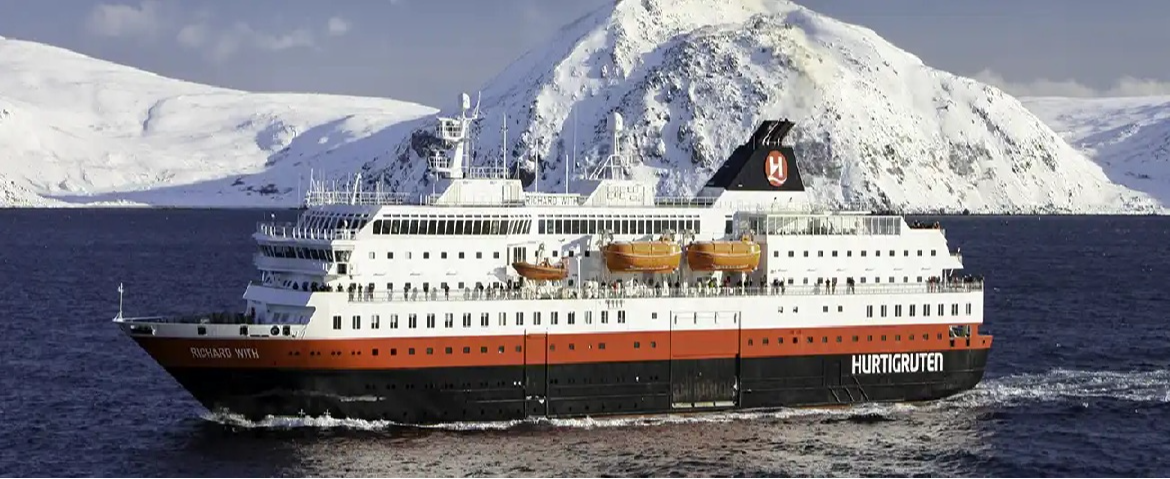
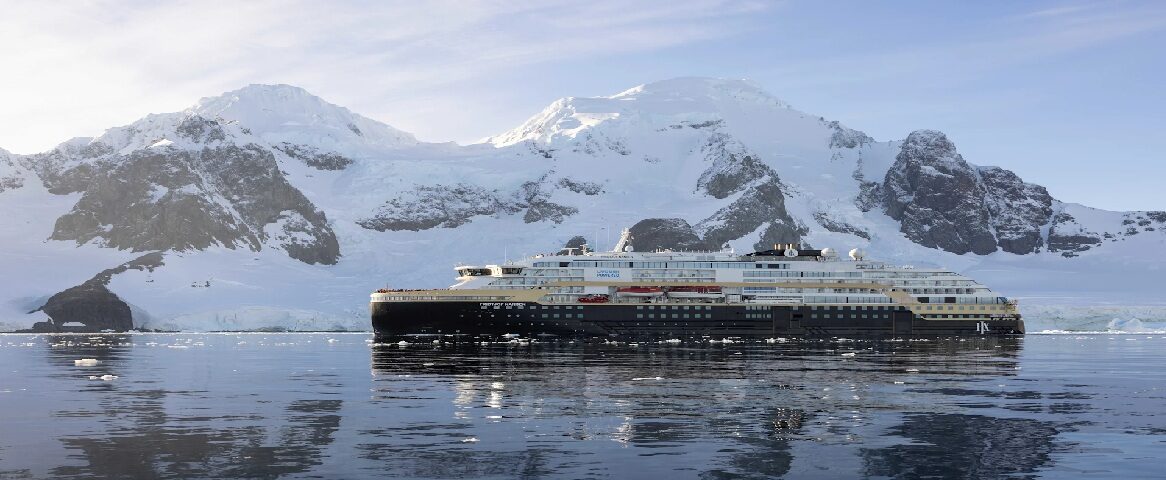
HX Expeditions (8 Cruises)
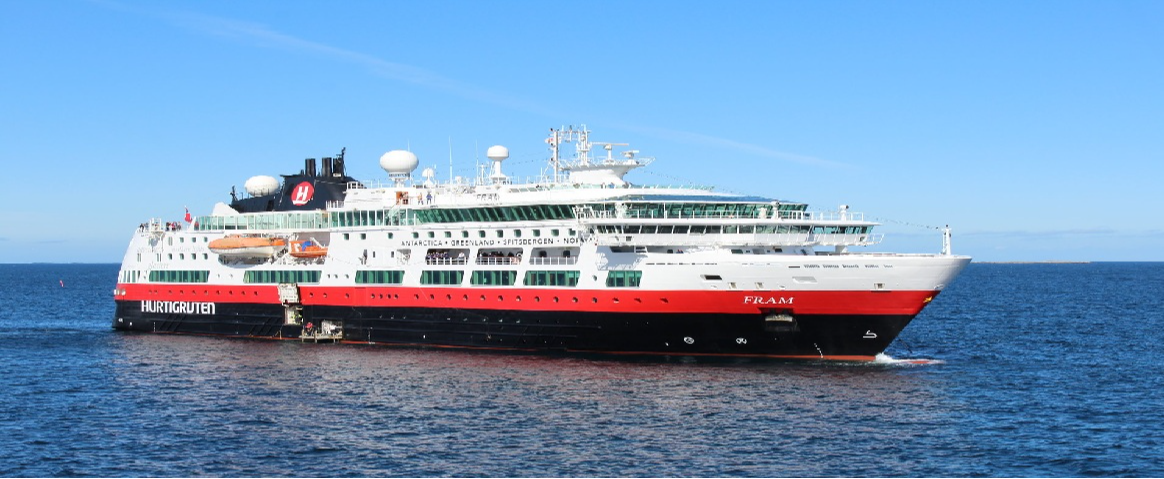
MS Fram
4 Cruises

Lindblad Expeditions (33 Cruises)

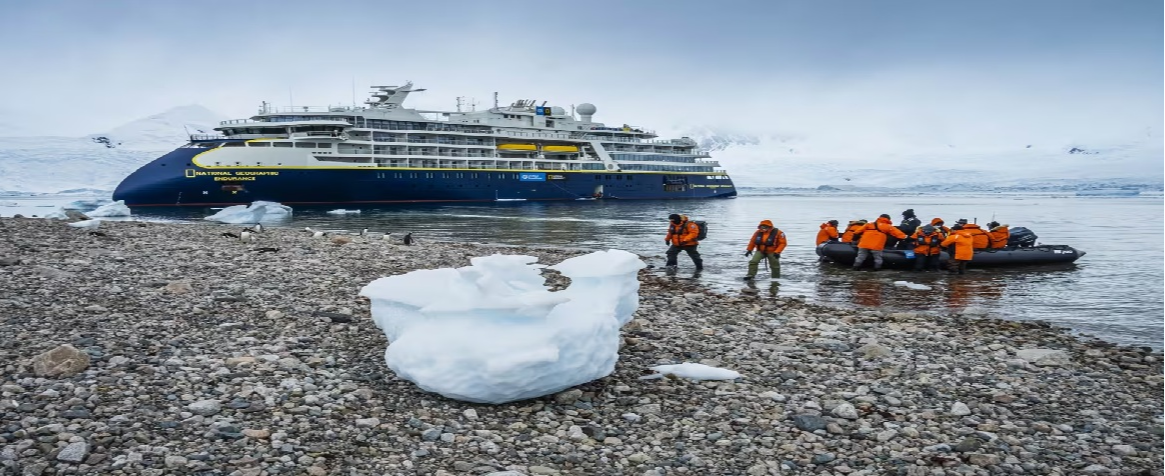
National Geographic Endurance
12 Cruises
| 5 August | 11 nights | Round-trip from Reykjavik, Iceland |
450-628-6241
Call us
|
| 16 August | 11 nights | Round-trip from Reykjavik, Iceland |
450-628-6241
Call us
|
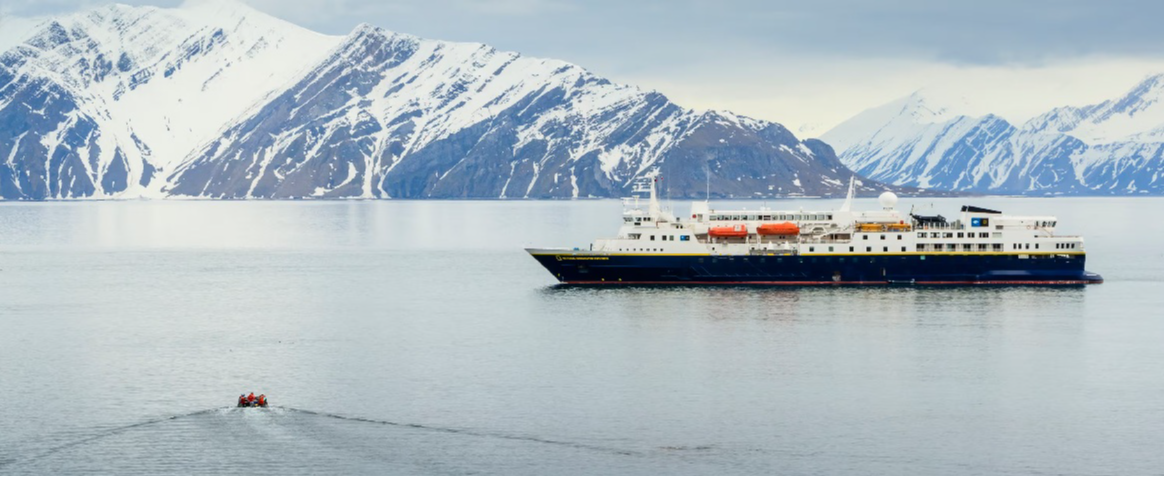
National Geographic Explorer
11 Cruises
| 16 June | 10 nights | One-way from Leith-Edinburgh to Reykjavik |
450-628-6241
Call us
|
| 26 June | 7 nights | Round-trip from Reykjavik, Iceland |
450-628-6241
Call us
|
National Geographic Resolution
8 Cruises
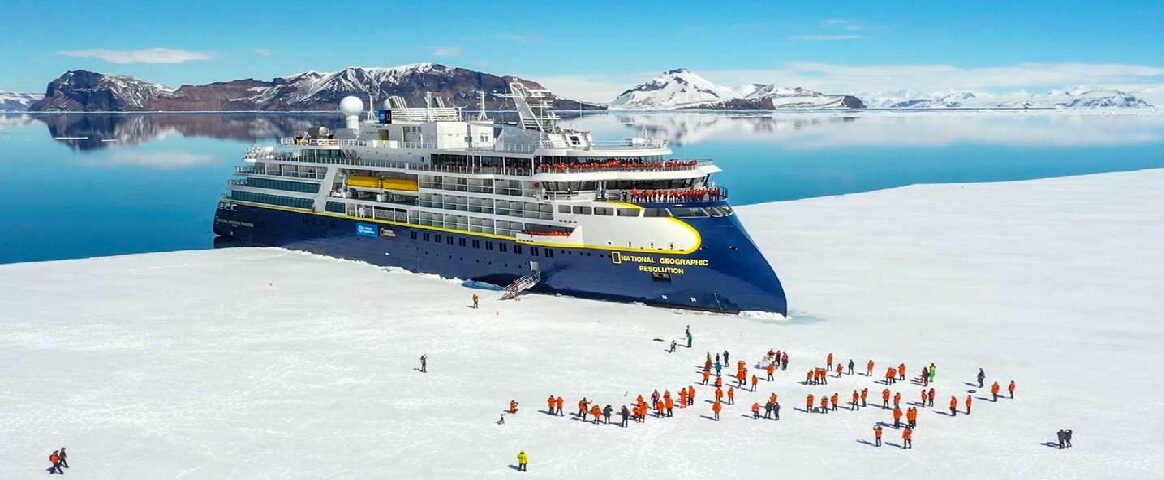
| 29 July | 23 nights | One-way from Anchorage AK to Reykjavik |
450-628-6241
Call us
|
| 30 July | 21 days | One-way from Anchorage AK to Reykjavik |
450-628-6241
Call us
|
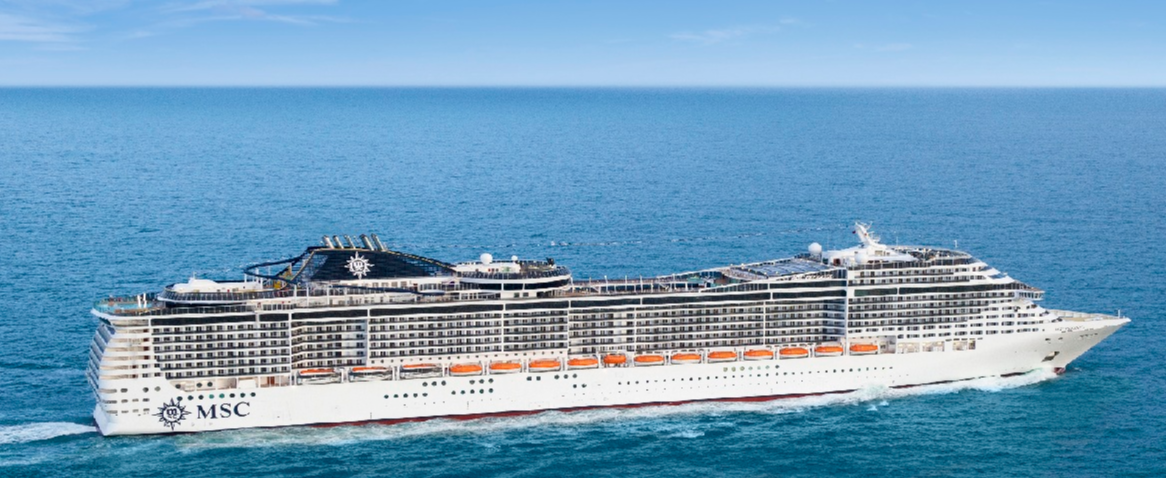
MSC Cruises (10 Cruises)

Norwegian Cruise Line (12 Cruises)


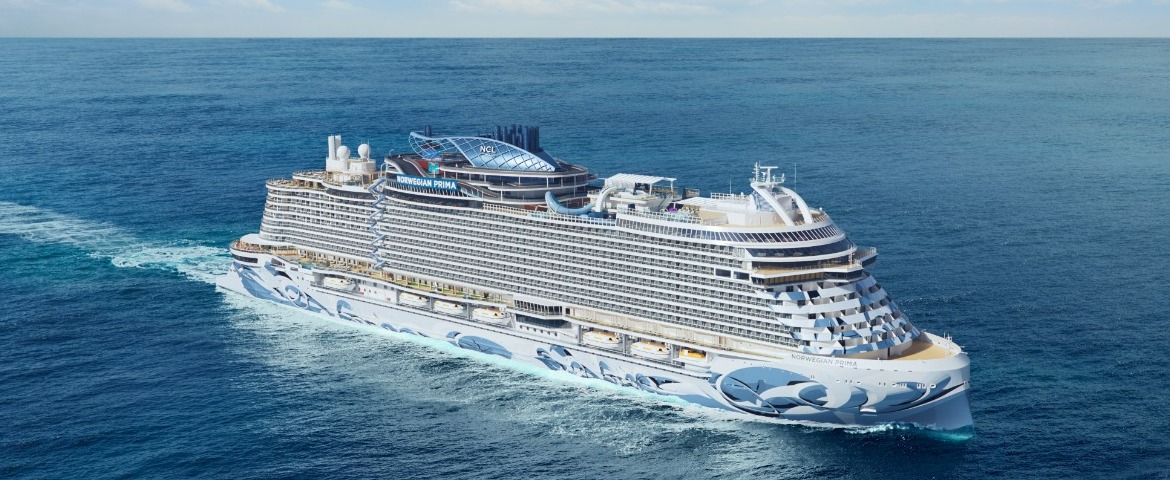
Norwegian Prima
11 Cruises
Oceania Cruises (34 Cruises)
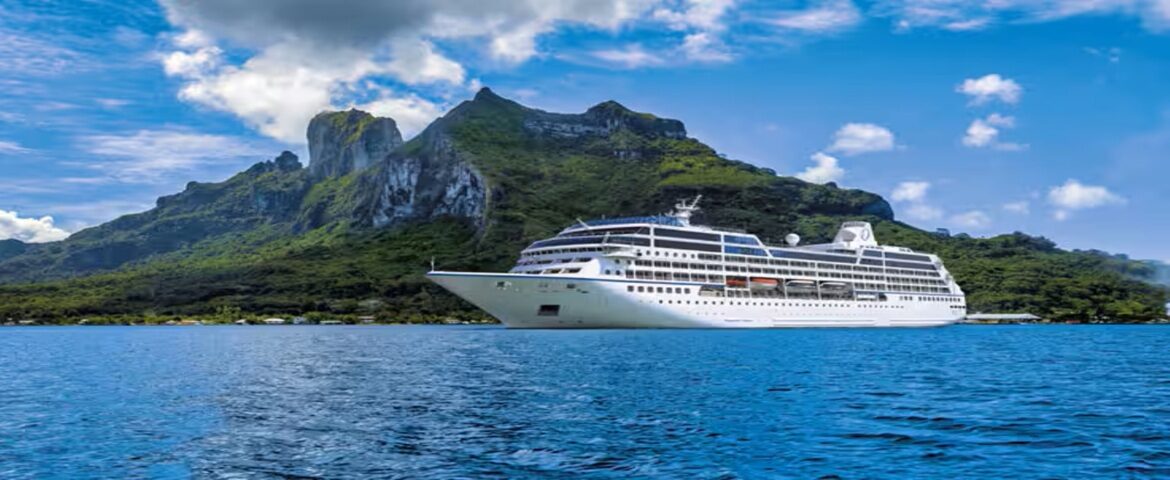

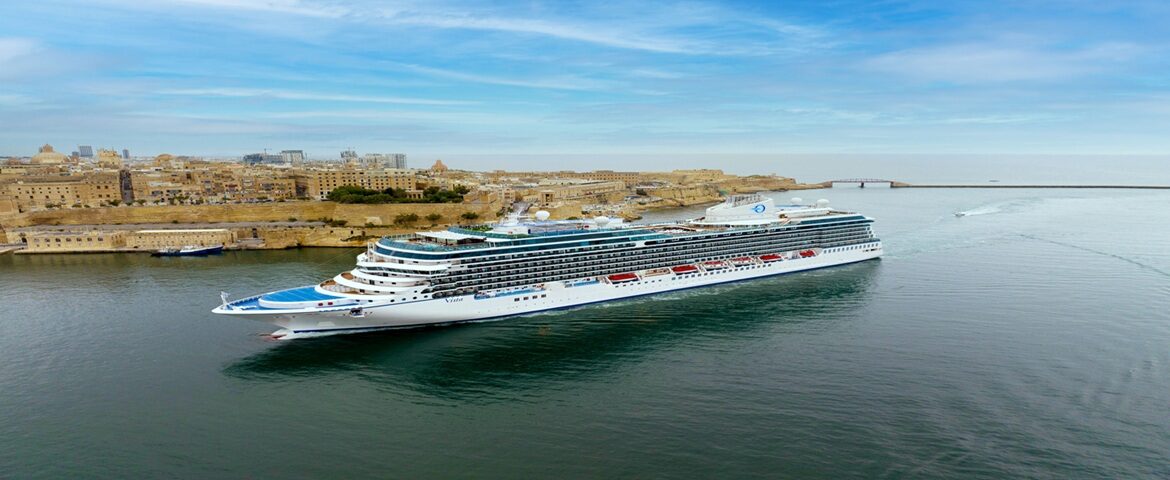
Oceania Insignia
5 Cruises
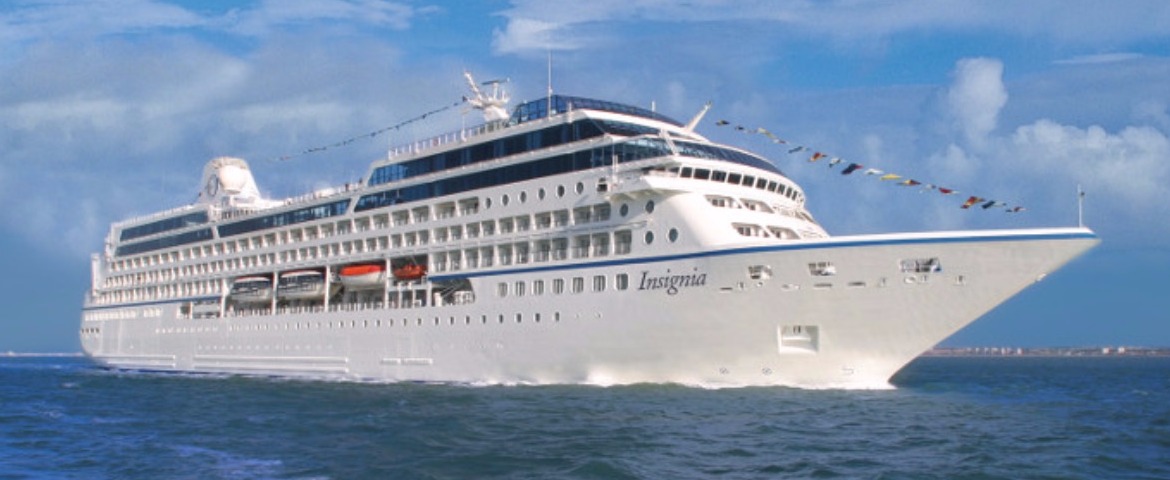
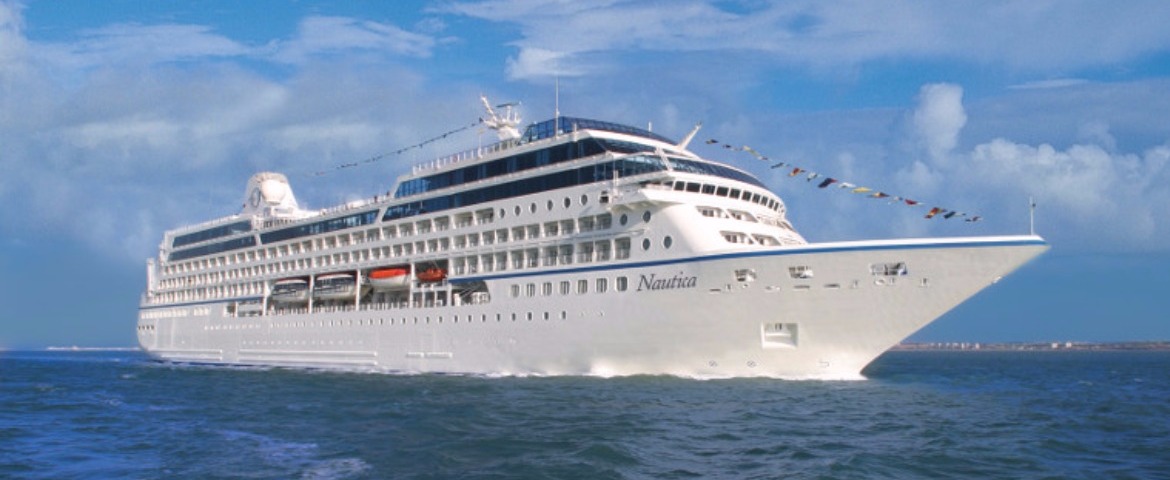
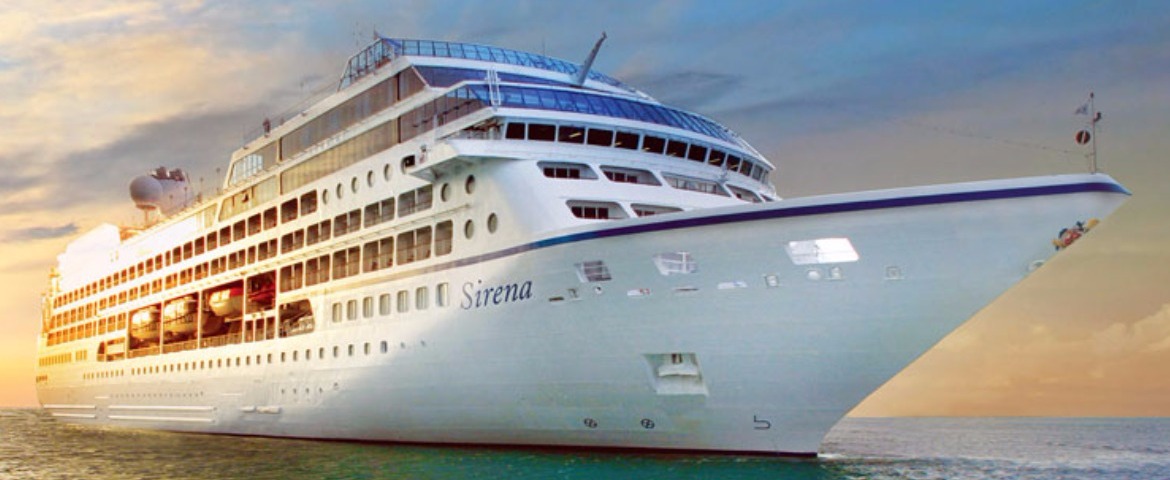
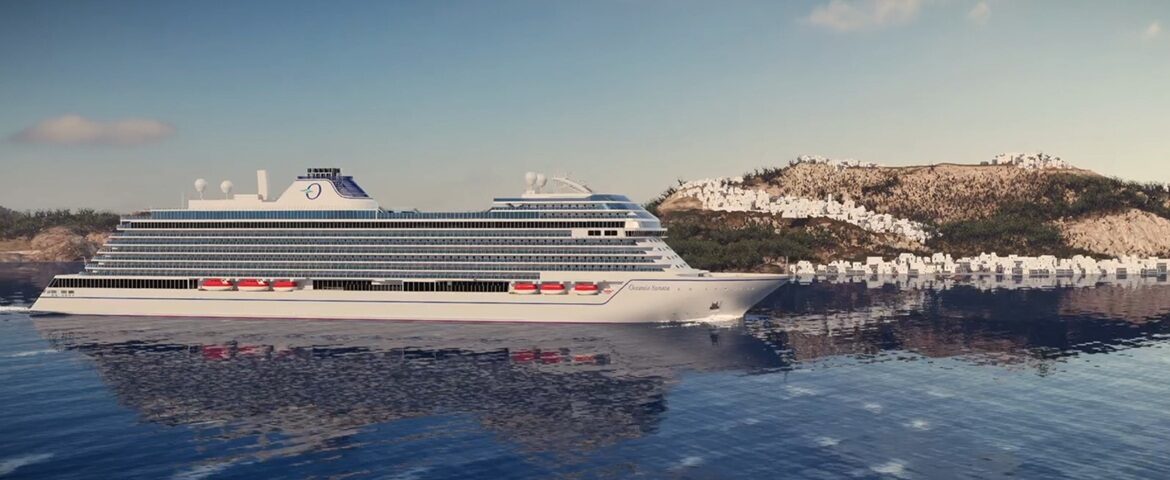
Oceania Sirena
4 Cruises
Ponant (57 Cruises)
L'Austral
11 Cruises
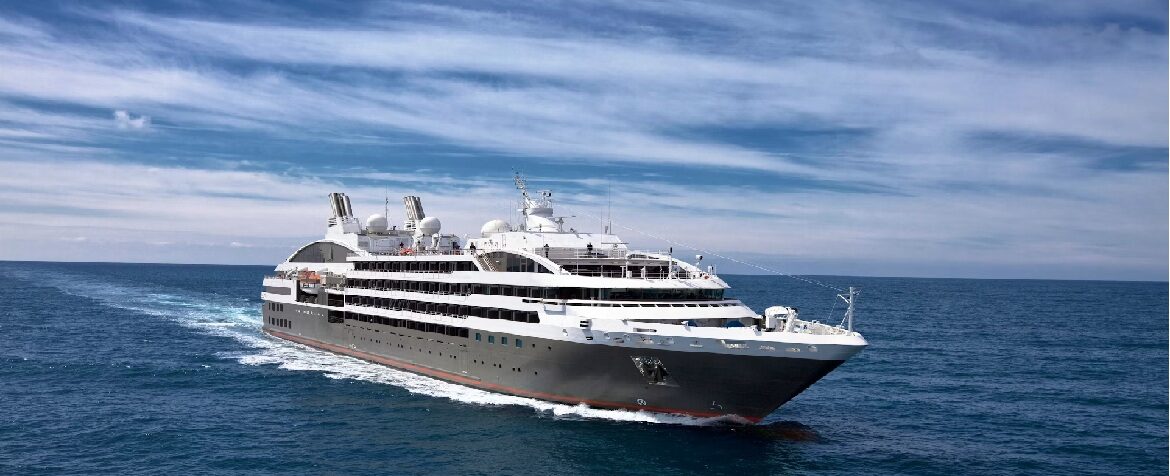

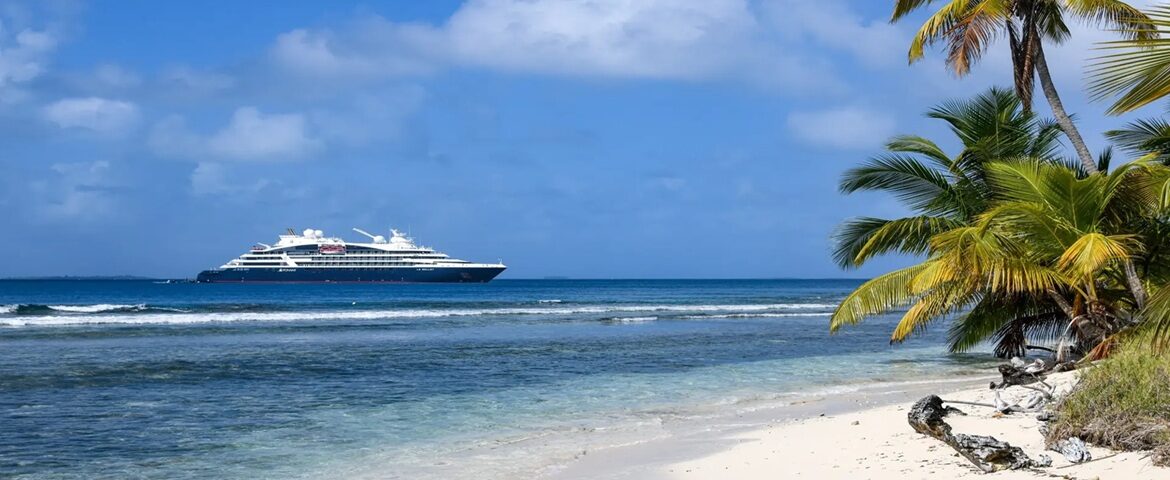
Le Bellot
16 Cruises
| 22 May | 9 days | One-way from Greenock-Glasgow to Reykjavik |
450-628-6241
Call us
|
| 22 May | 10 nights | One-way from Greenock-Glasgow to Reykjavik |
450-628-6241
Call us
|
| 1 June | 7 nights | Round-trip from Reykjavik, Iceland |
450-628-6241
Call us
|
| 1 June | 6 days | Round-trip 7 Night Iceland Voyage Land of Fire and Ice with Smithsonian Journeys Cruise |
450-628-6241
Call us
|
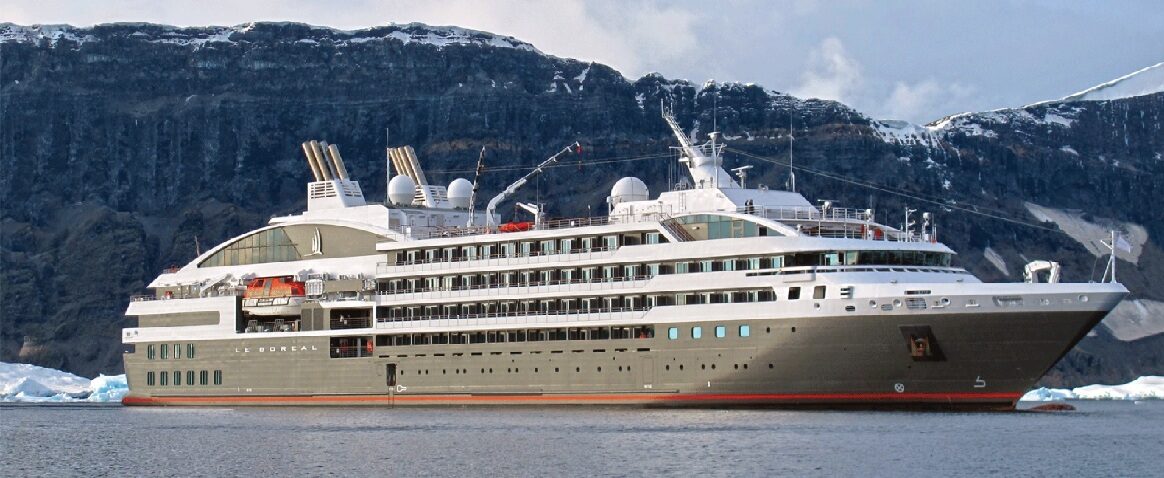
Le Boreal
8 Cruises
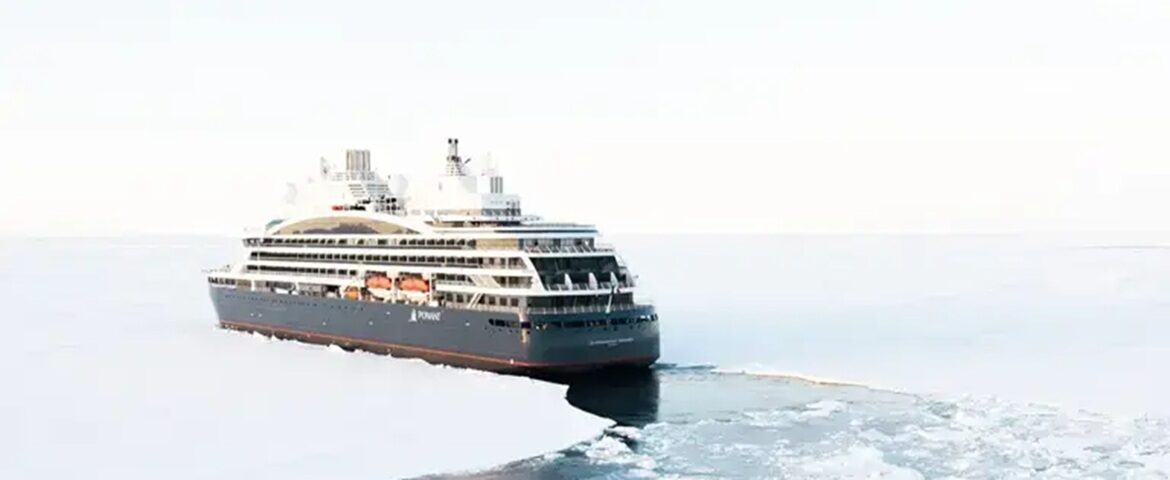
Le Commandant Charcot
16 Cruises
| 15 May | 10 nights | Round-trip from Reykjavik, Iceland |
450-628-6241
Call us
|
| 25 May | 14 nights | Round-trip from Reykjavik, Iceland |
450-628-6241
Call us
|
Princess Cruises (82 Cruises)
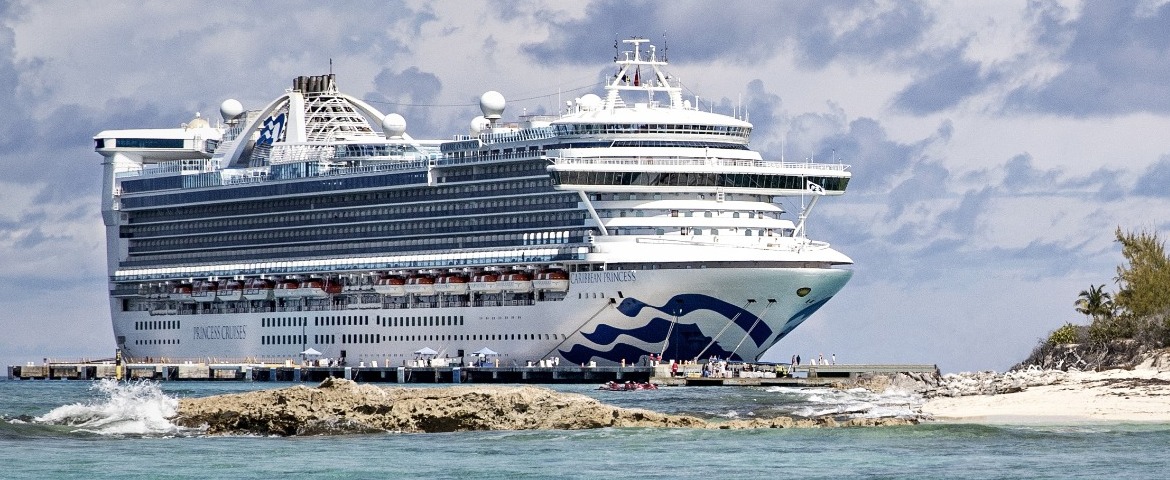
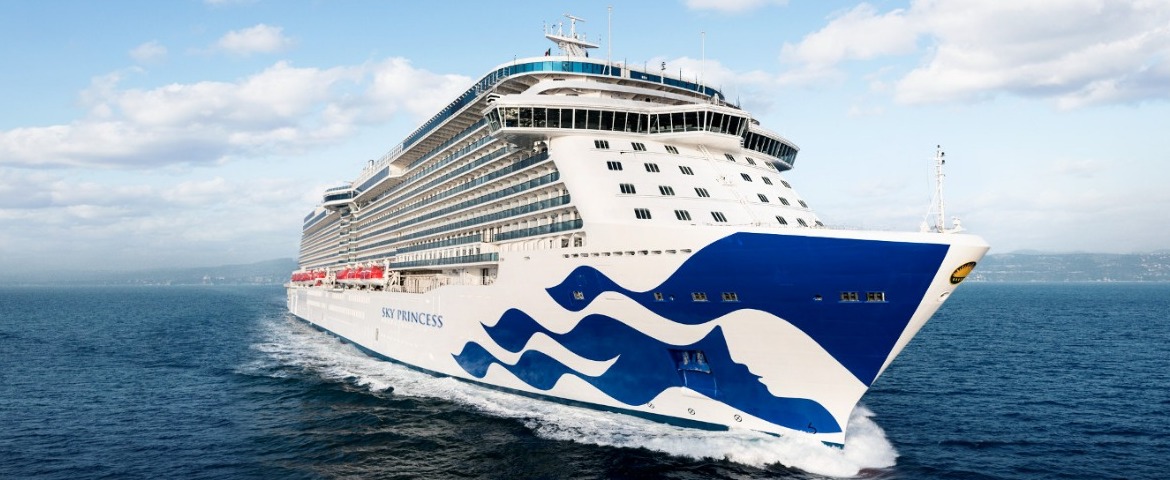
Caribbean Princess
42 Cruises

| 29 April | 40 nights | Round-trip from Southampton, United Kingdom |
450-628-6241
Call us
|
| 29 April | 31 nights | One-way from Southampton to Reykjavik |
450-628-6241
Call us
|
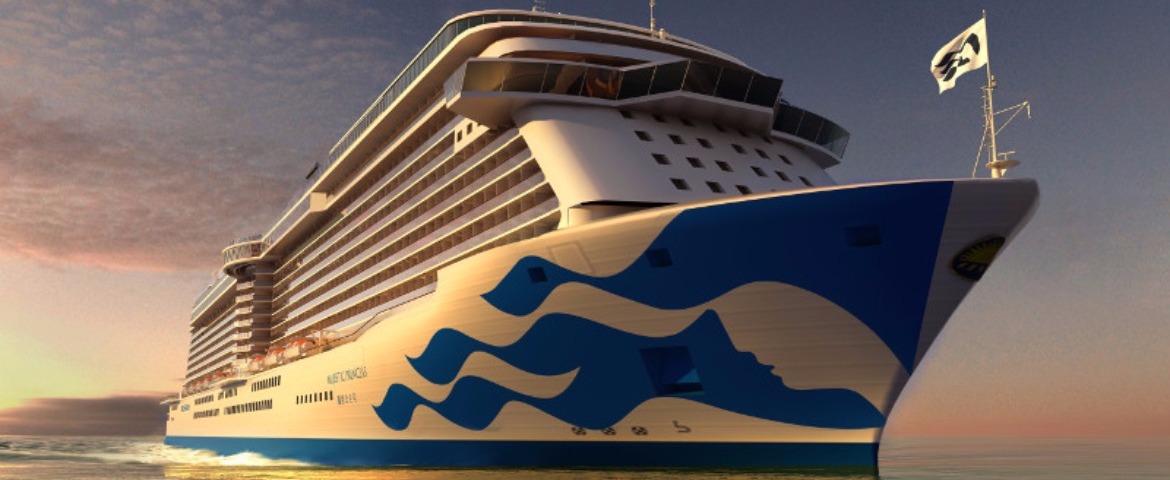
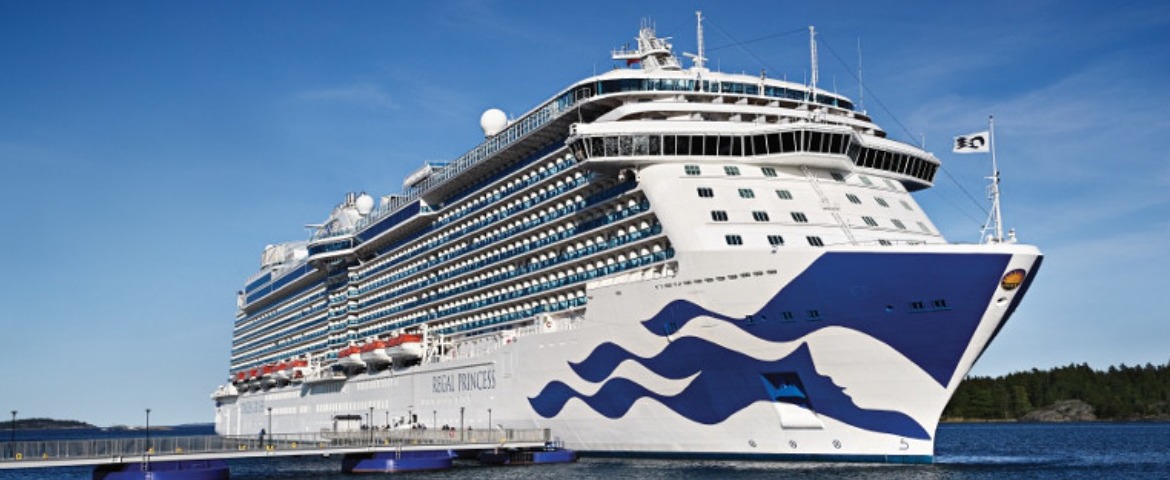
Regal Princess
34 Cruises
Regent Seven Seas Cruises (23 Cruises)
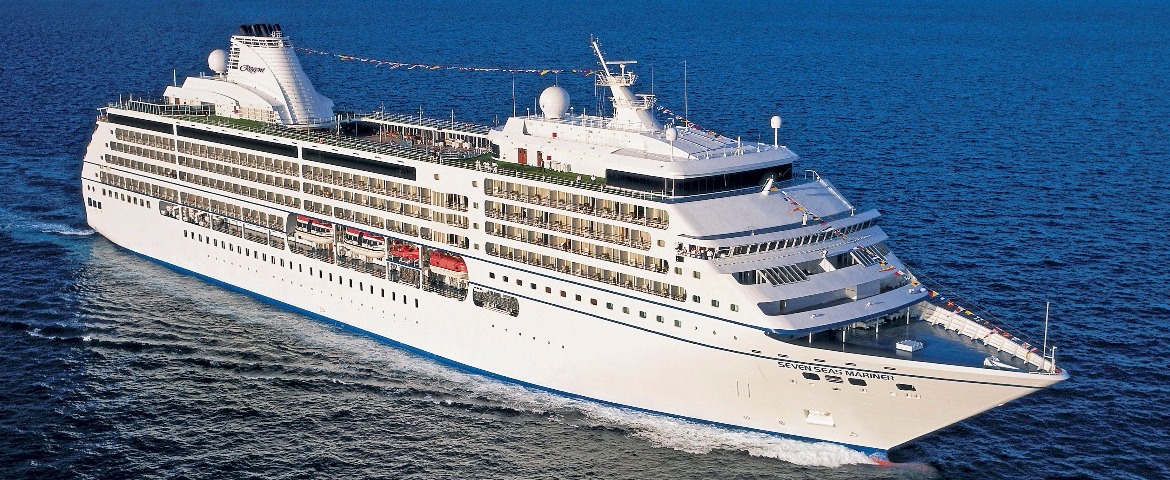
Seven Seas Mariner
11 Cruises

| 23 June | 14 nights | One-way from Southampton to Reykjavik |
450-628-6241
Call us
|
| 23 June | 24 nights | Round-trip from Southampton, United Kingdom |
450-628-6241
Call us
|
Seven Seas Prestige
5 Cruises
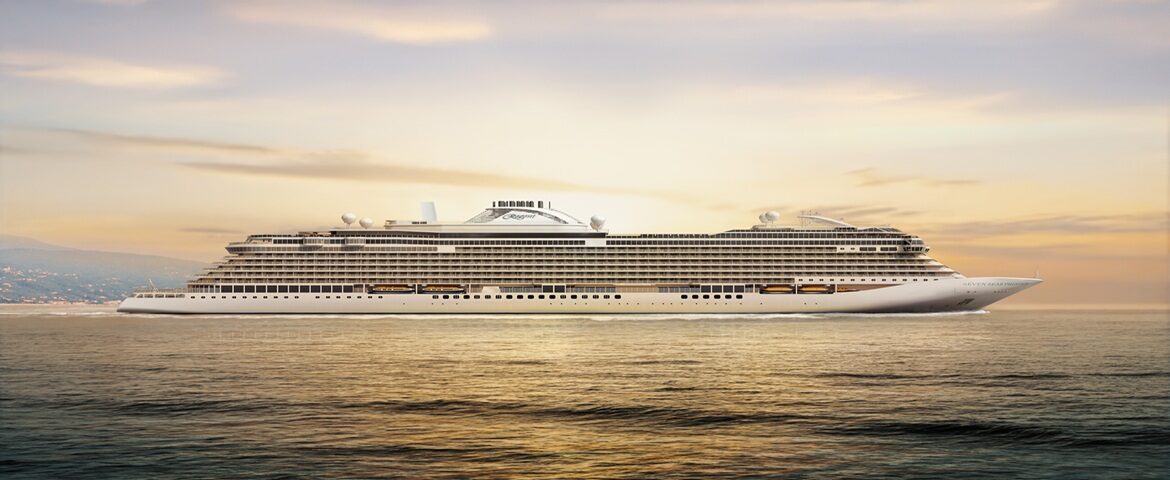
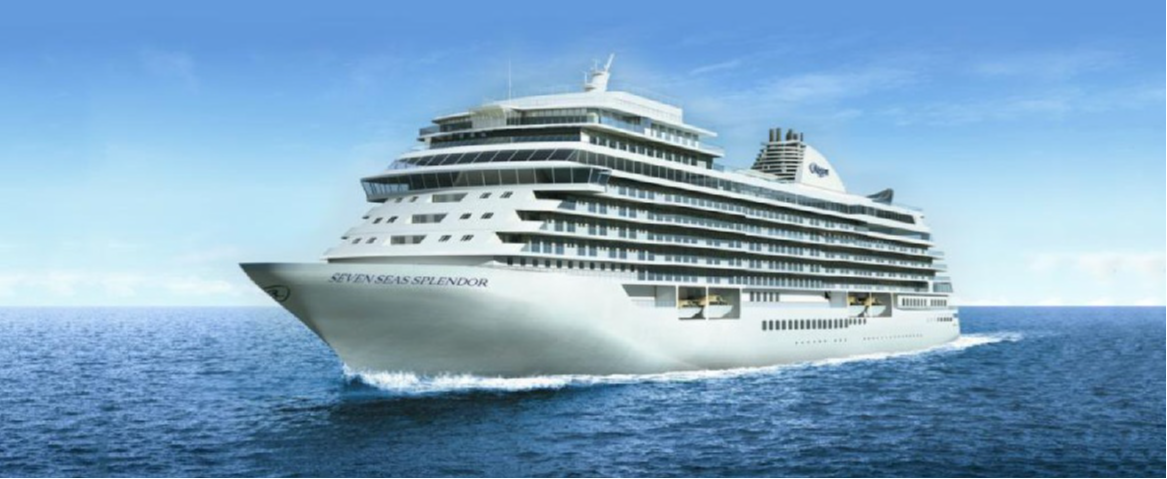
Seven Seas Splendor
7 Cruises
Scenic Cruises (44 Cruises)
Scenic Eclipse
22 Cruises


| 20 July | 15 nights | One-way from Oslo to Reykjavik |
450-628-6241
Call us
|
| 21 July | 14 days | One-way from Oslo to Reykjavik |
450-628-6241
Call us
|
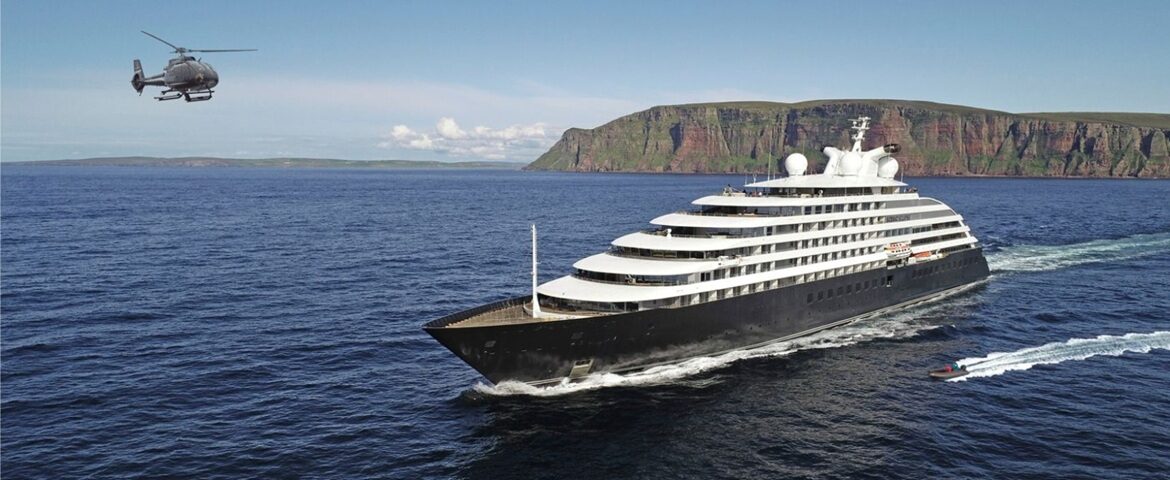
Scenic Eclipse II
22 Cruises
| 20 July | 15 nights | One-way from Oslo to Reykjavik |
450-628-6241
Call us
|
| 21 July | 14 days | One-way from Oslo to Reykjavik |
450-628-6241
Call us
|
Seabourn Cruise Line (80 Cruises)
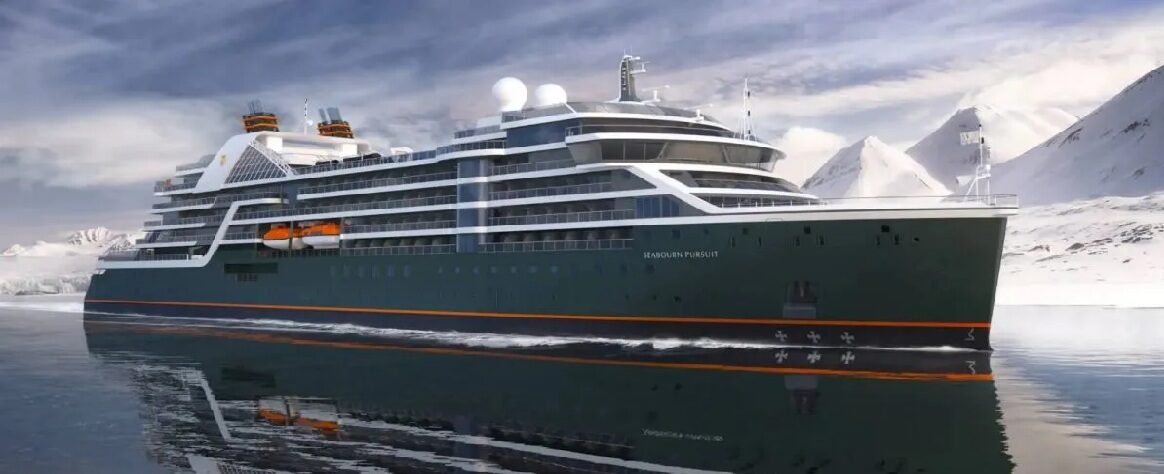
Seabourn Pursuit
26 Cruises

Seabourn Quest
14 Cruises
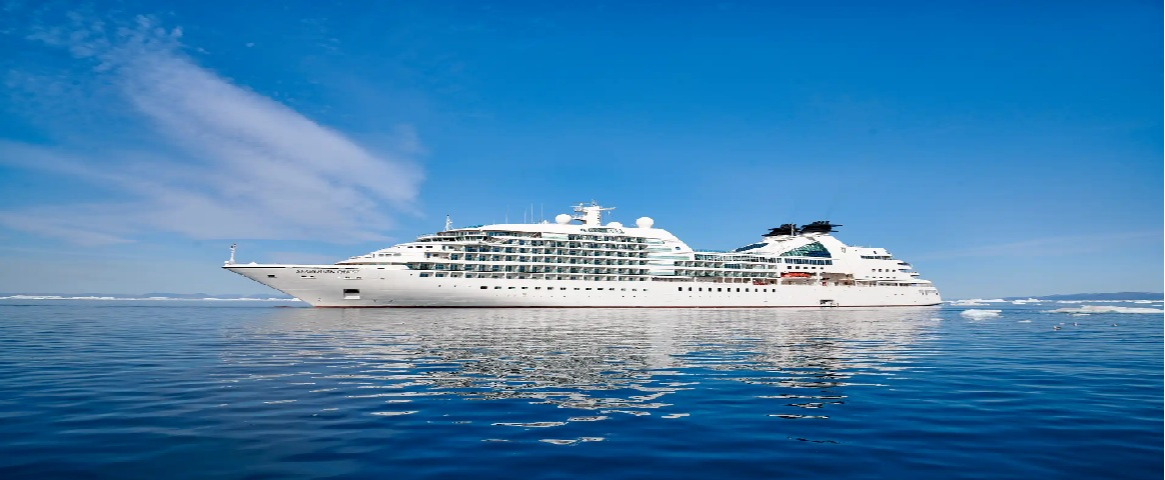
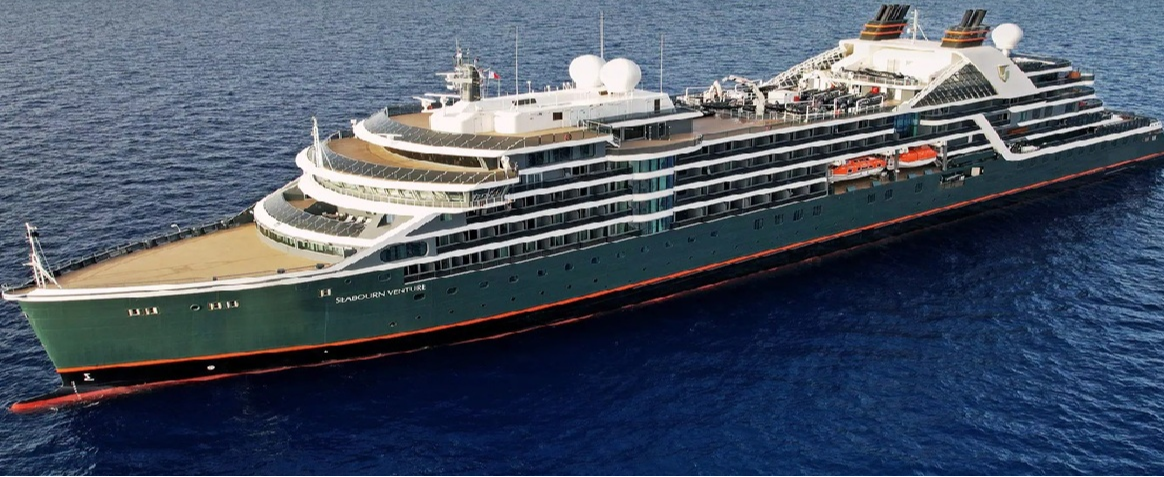
Seabourn Venture
40 Cruises
| 15 June | 30 nights | One-way from St Johns NL to Reykjavik |
450-628-6241
Call us
|
| 30 June | 15 nights | One-way from Kangerlussuaq to Reykjavik |
450-628-6241
Call us
|
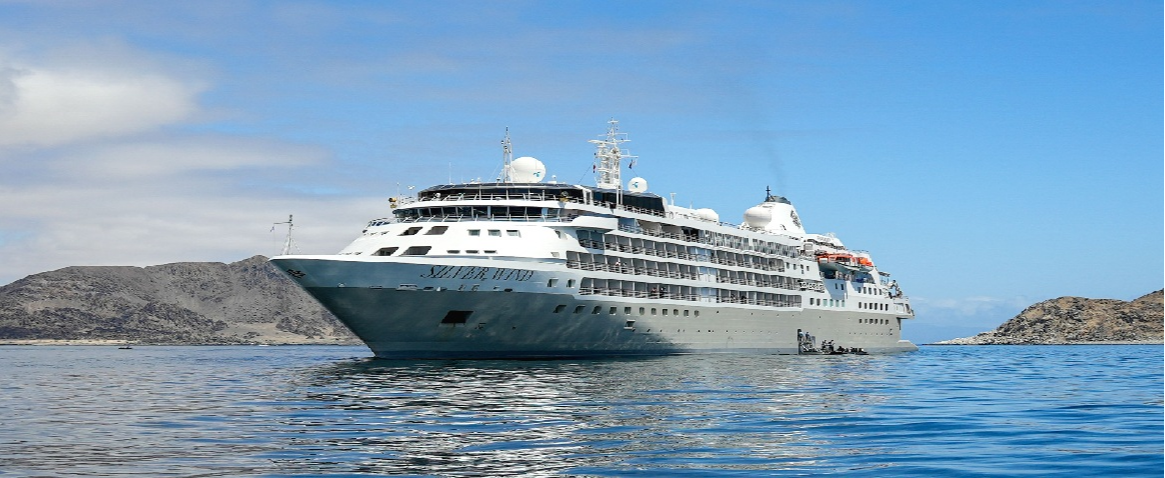
Silversea Cruises (16 Cruises)
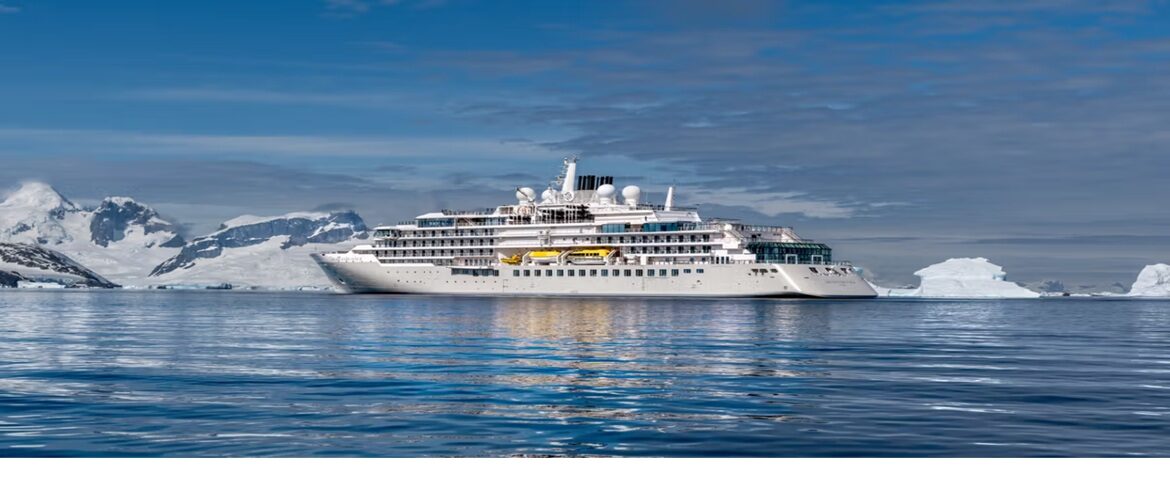
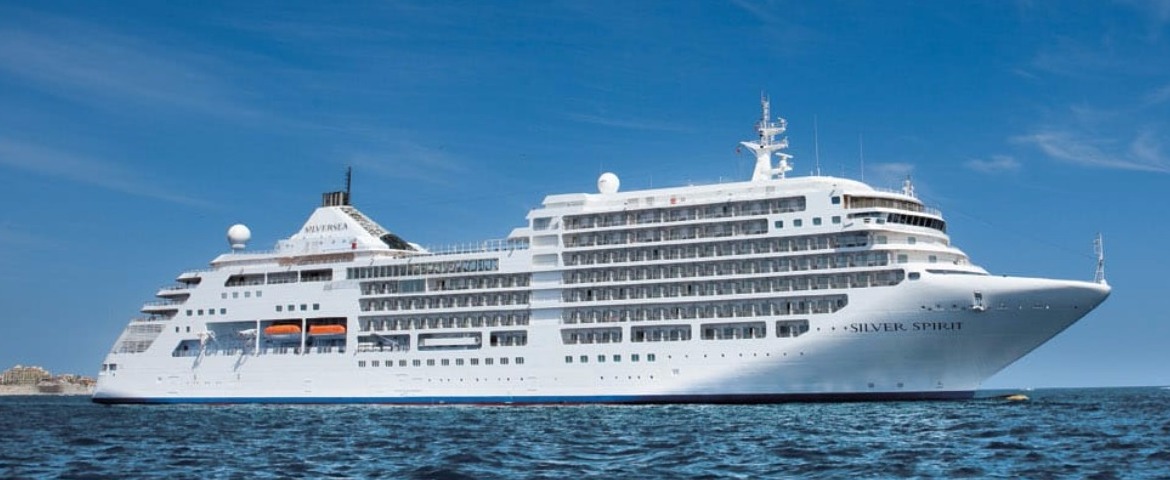
Silver Endeavour
7 Cruises

Viking Ocean Cruises (40 Cruises)
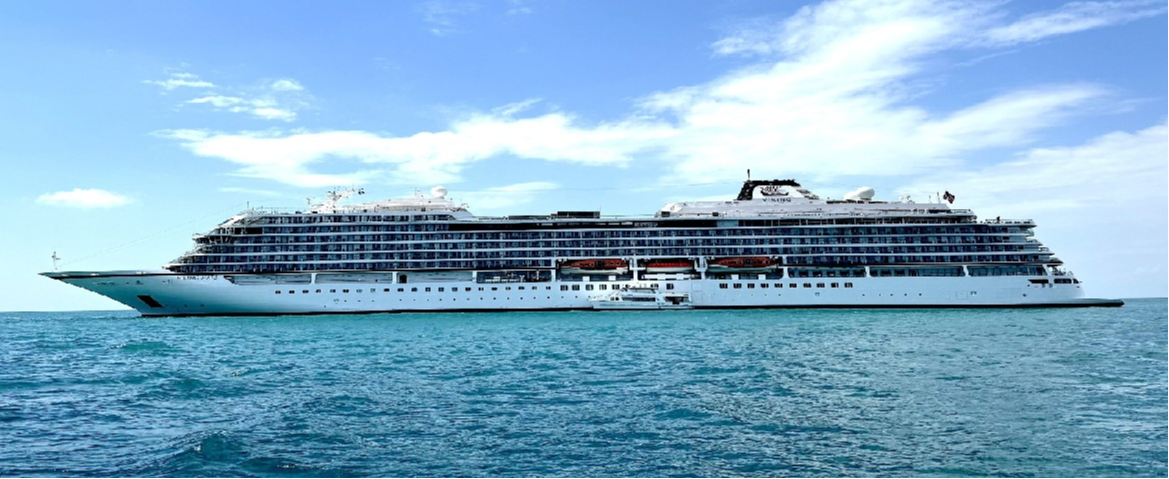
Viking Mars
16 Cruises

| 10 June | 10 nights | One-way from Reykjavik to Bergen |
450-628-6241
Call us
|
| 22 June | 10 nights | One-way from Bergen to Reykjavik |
450-628-6241
Call us
|
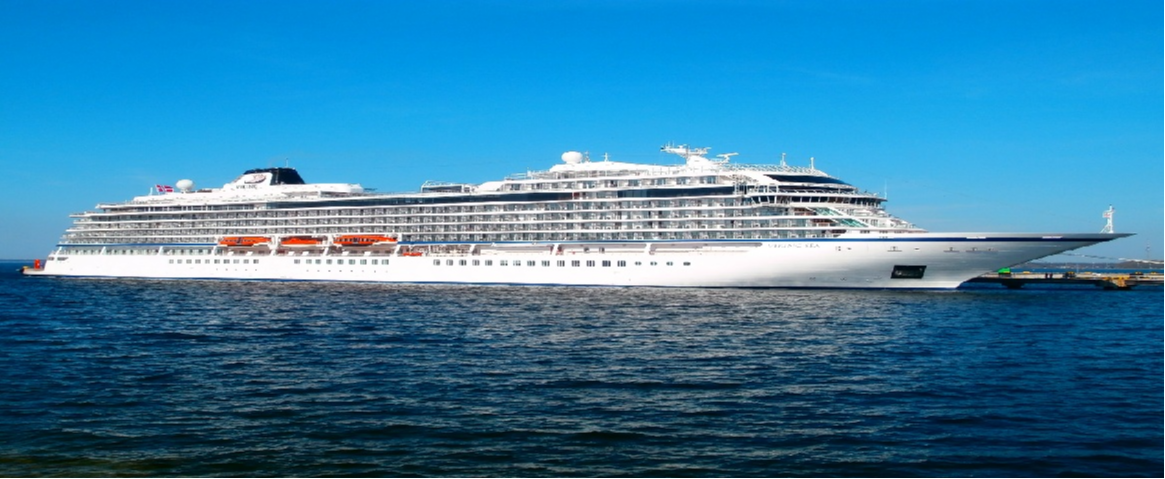
Viking Sea
17 Cruises
| 14 June | 13 nights | One-way from Barcelona to Reykjavik |
450-628-6241
Call us
|
| 29 June | 6 nights | Round-trip from Reykjavik, Iceland |
450-628-6241
Call us
|
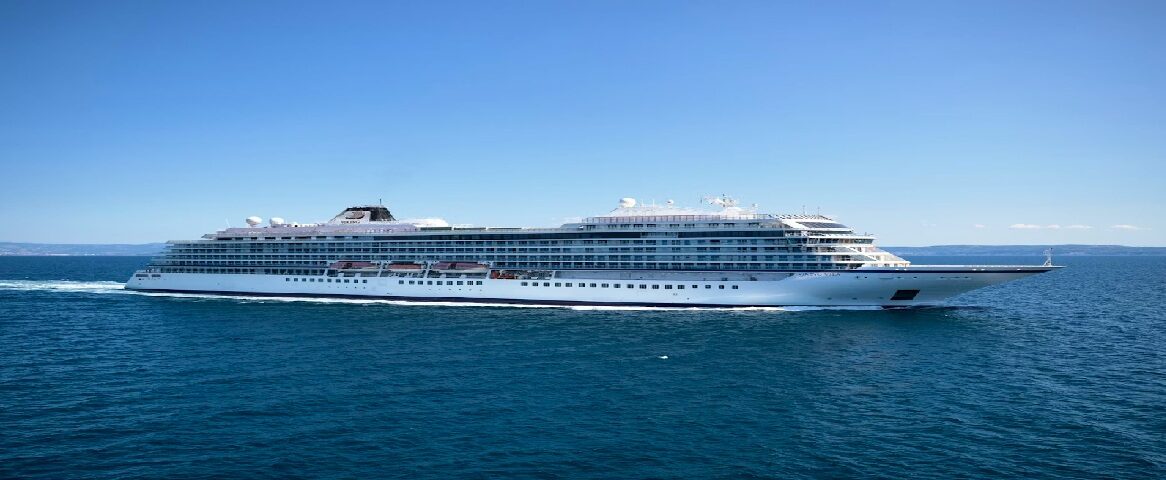
Viking Vela
7 Cruises
Windstar Cruises (14 Cruises)
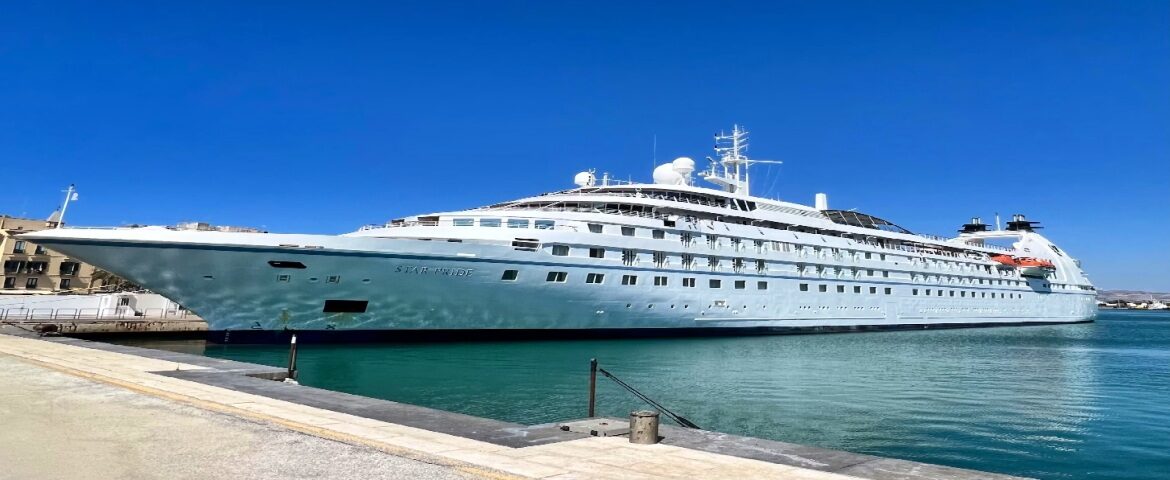
Star Pride
14 Cruises


Reykjavik, Iceland | Cruise Port Guide
Frequently Asked Questions
At Skarfabakki, the cruise terminal, about four kilometres from the heart of the capital. Taxis, city buses and cruise line shuttles cover the distance, and walkers can follow the waterfront in around fifty minutes, past sculptures and views of Mount Esja.
Yes, but allow about fifty minutes along the bay from Skarfabakki. Once downtown, the entire centre fits within a kilometre and is easily covered on foot: the world's northernmost national capital is also one of the simplest to walk.
The 73-metre pale concrete church that dominates the city, its façade suggesting basalt columns. It is the day's most reliable landmark, visible from almost anywhere. The tower lift leads to a commanding view over the red, blue and green metal roofs tumbling towards the bay.
On Skólavörðustígur and Laugavegur, which hold the Icelandic wool shops, galleries, cafés and bookshops. The first, painted in rainbow colours, leads the eye straight to the Hallgrímskirkja forecourt.
The waterfront concert hall, whose thousands of glass cells inspired by basalt crystals catch the light. Its façade was designed with the artist Olafur Eliasson. A few minutes along the water stands the Sun Voyager, a steel skeleton of a ship facing the open sea and one of the country's most popular photo stops.
Yes, trips leave from the old harbour a few minutes from the centre and meet minke whales, white-beaked dolphins and sometimes humpbacks in Faxaflói bay. Allow three to four hours: this is one of the few capitals where you can watch cetaceans starting from downtown.
The route combines, in one day, Þingvellir National Park — a rift valley that hosted one of the world's oldest parliaments — the Geysir geothermal field, where Strokkur erupts every five to ten minutes, and the double waterfall of Gullfoss. Plan on nearly a full day: it does not combine with seeing the city.
Yes, it sits near Keflavík airport, about 50 minutes' drive away. Booking is essential and the round trip takes up much of the day. Always keep a comfortable margin before your all-aboard time.
Three formats. The centre on foot — church, Harpa, old harbour — takes three to four hours and suits a first visit. A whale-watching trip from the old harbour also takes three to four hours and works well for families. The Golden Circle or a geothermal lagoon fills nearly the whole day.
Pack for four seasons in one day: the advice is local and entirely serious. A waterproof shell, a warm layer and comfortable shoes settle the matter, whatever the date on the calendar.


