Catania Sicily Italy
264
Cruises availables
At departure or passage at this port
Azamara Club Cruises (44 Cruises)
Azamara Journey
26 Cruises
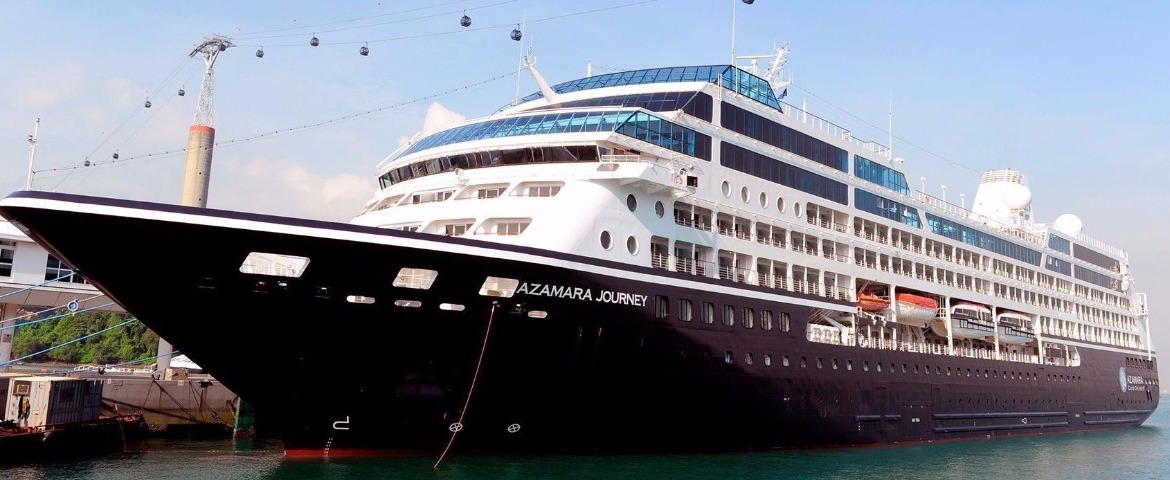

| 5 May | 11 days | One-way from Chioggia to Civitavecchia-Rome |
450-628-6241
Call us
|
| 5 May | 10 days | One-way from Venice to Civitavecchia-Rome |
450-628-6241
Call us
|
| 22 January | 49 days | One-way from Lisbon to Barcelona |
450-628-6241
Call us
|
| 22 January | 50 days | One-way from Lisbon to Barcelona |
450-628-6241
Call us
|
Azamara Onward
11 Cruises
Azamara Quest
7 Cruises
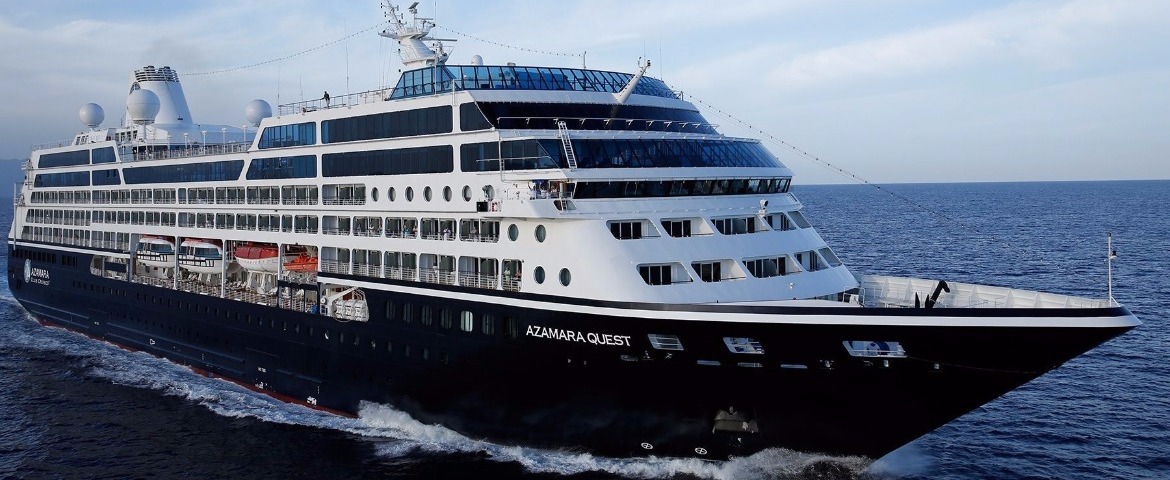
| 10 August | 79 days | One-way from Stockholm to Piraeus-Athens |
450-628-6241
Call us
|
| 10 August | 80 days | One-way from Stockholm to Piraeus-Athens |
450-628-6241
Call us
|
Carnival Cruise Line (1 Cruises)

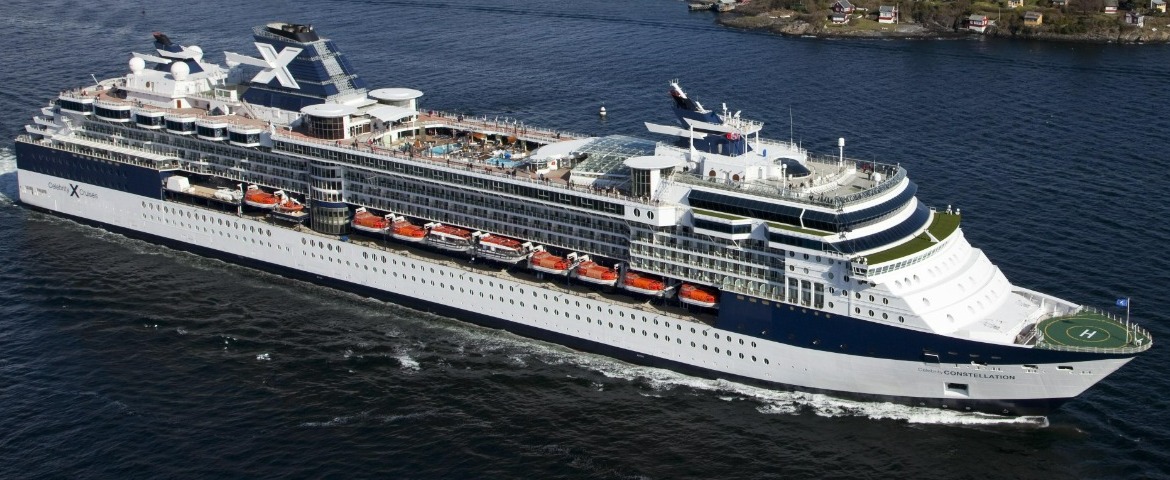
Celebrity Cruises (2 Cruises)

Costa Cruises (85 Cruises)
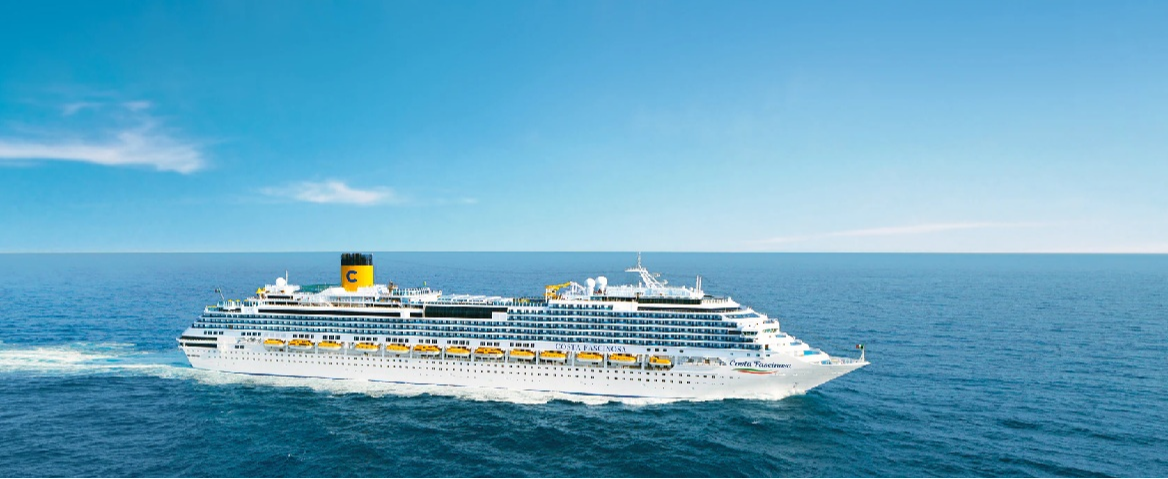
Costa Fascinosa
18 Cruises

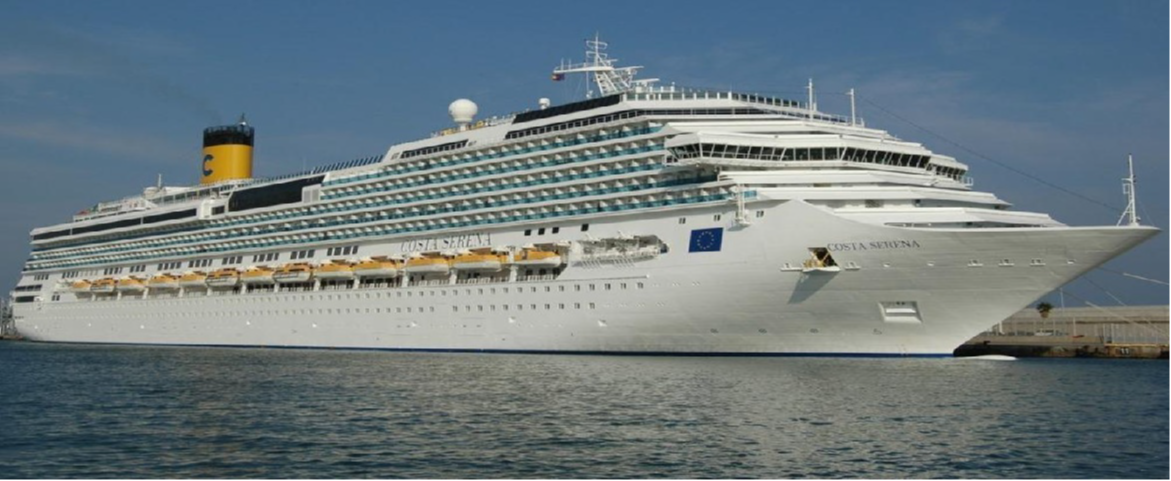
Costa Serena
67 Cruises
CroisiEurope (16 Cruises)
MV La Belle de L'Adriatique
16 Cruises


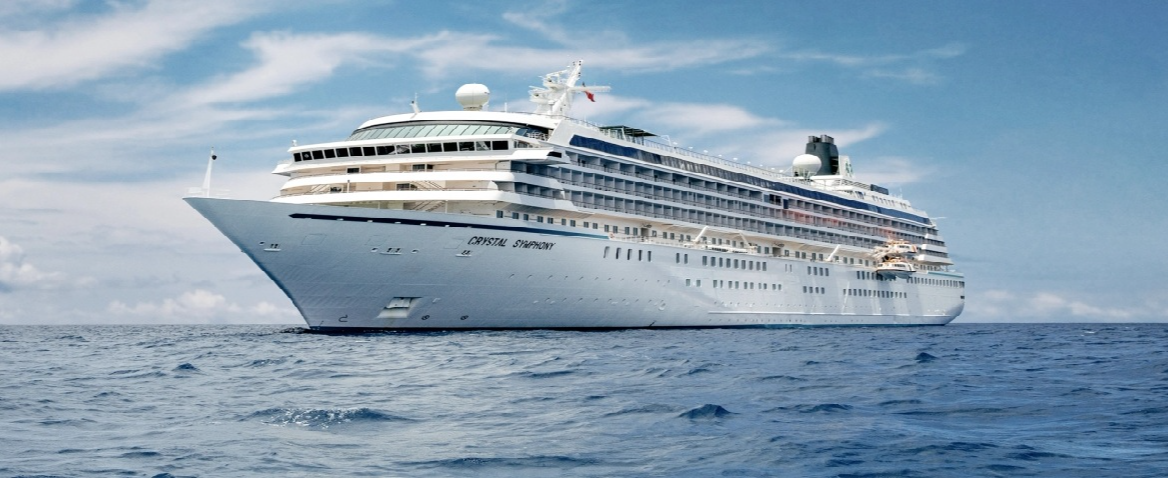
Crystal Cruises (2 Cruises)

MSC Cruises (1 Cruises)
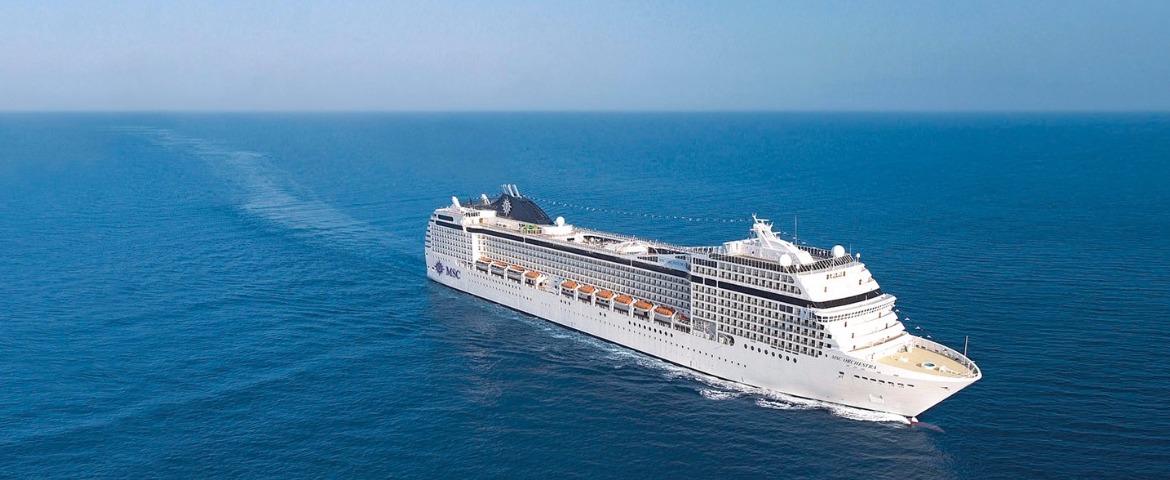

Norwegian Cruise Line (40 Cruises)
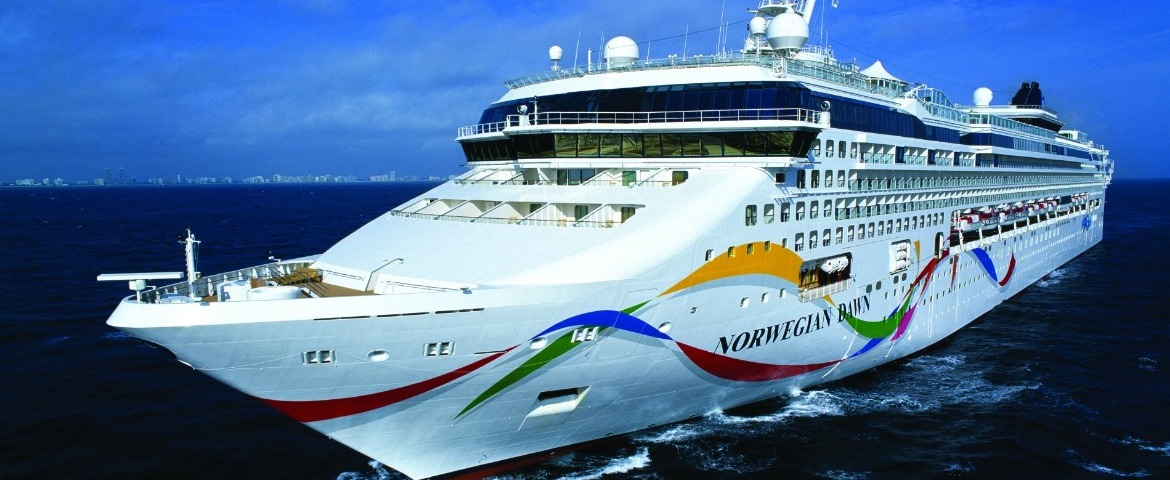

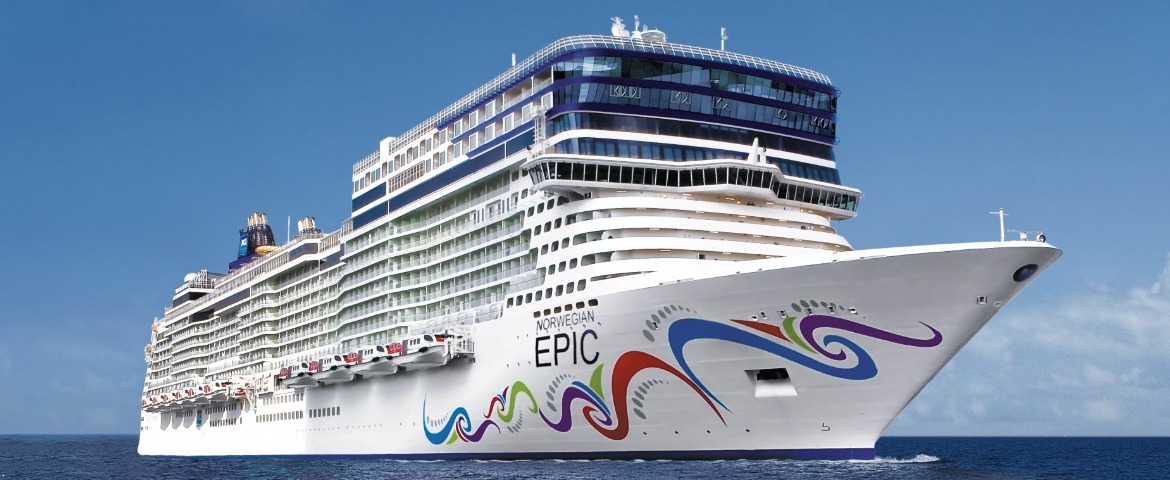
Norwegian Epic
18 Cruises
| 4 July | 8 days | One-way from Civitavecchia-Rome to Barcelona |
From
862$
|
| 18 July | 8 days | One-way from Civitavecchia-Rome to Barcelona |
From
876$
|
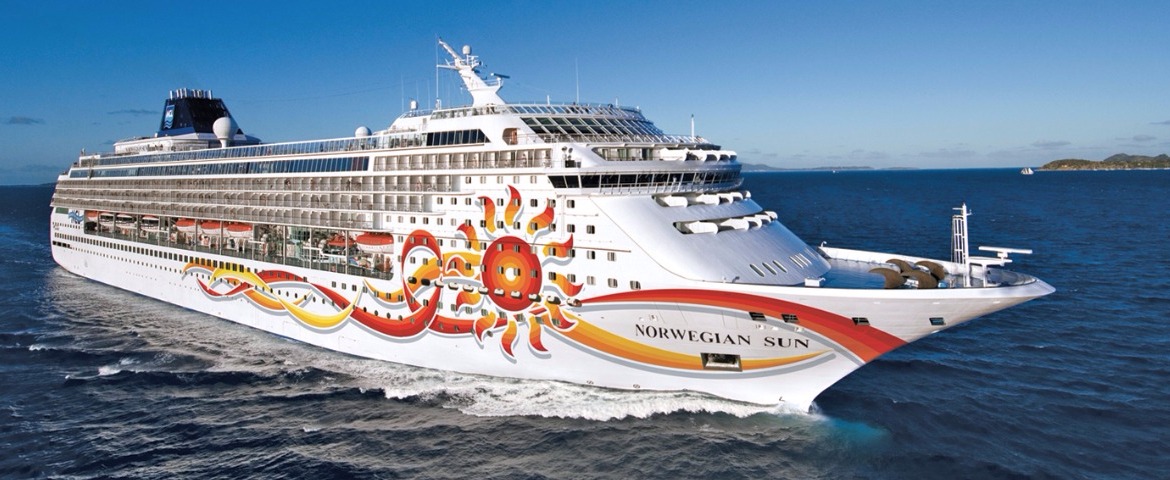
Norwegian Sun
11 Cruises
| 13 June | 8 days | One-way from Civitavecchia-Rome to Ravenna |
From
960$
|
| 27 June | 8 days | One-way from Civitavecchia-Rome to Ravenna |
From
974$
|
Norwegian Viva
9 Cruises
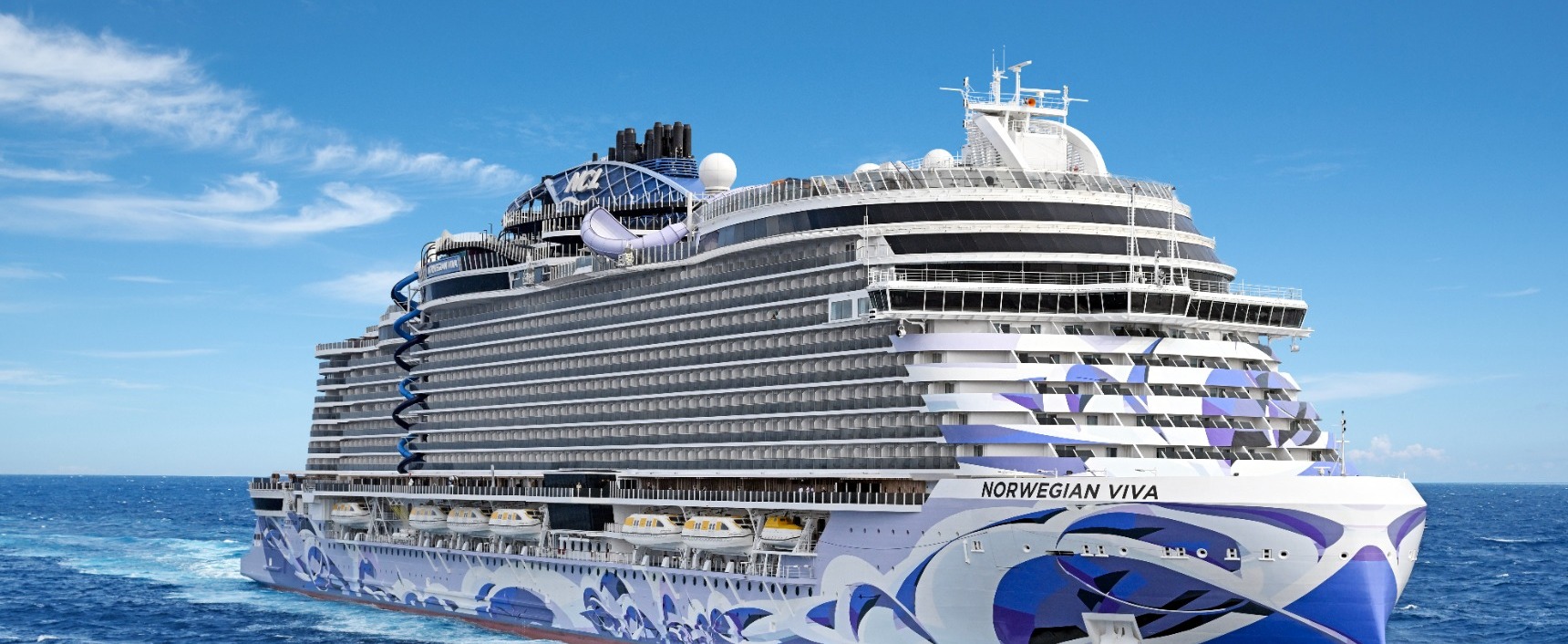
| 4 June | 10 days | One-way from Barcelona to Ravenna |
450-628-6241
Call us
|
| 23 June | 10 days | One-way from Istanbul to Civitavecchia-Rome |
From
2061$
|
| 2 July | 9 days | One-way from Civitavecchia-Rome to Istanbul |
From
1864$
|
| 2 July | 9 days | One-way from Civitavecchia-Rome to Istanbul |
450-628-6241
Call us
|
Oceania Cruises (31 Cruises)
Oceania Allura
11 Cruises

| 7 May | 8 days | One-way from Piraeus-Athens to Civitavecchia-Rome |
450-628-6241
Call us
|
| 14 May | 10 days | One-way from Civitavecchia-Rome to Trieste |
450-628-6241
Call us
|
| 18 June | 22 days | One-way from Trieste to Barcelona |
450-628-6241
Call us
|
| 25 June | 8 days | One-way from Piraeus-Athens to Civitavecchia-Rome |
450-628-6241
Call us
|
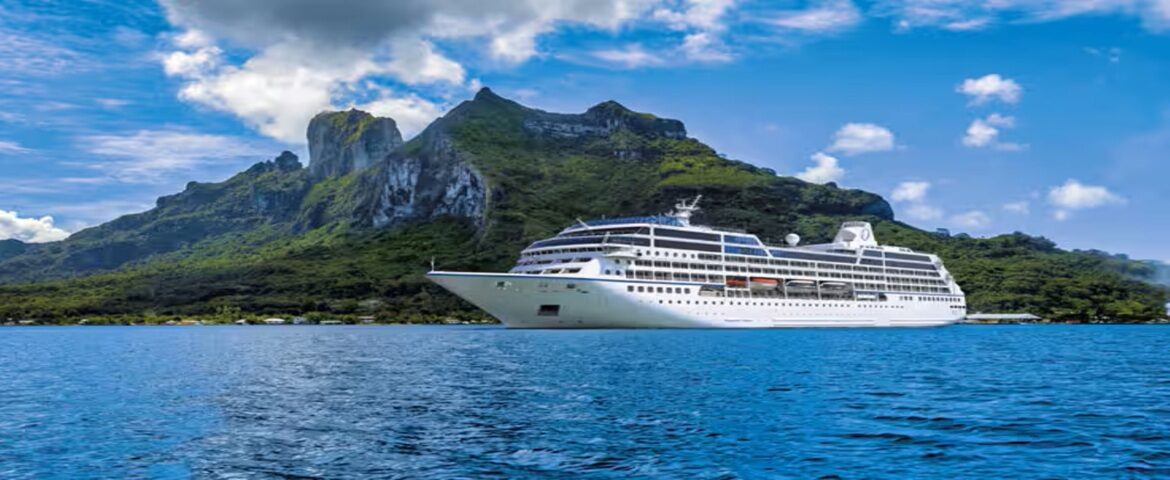
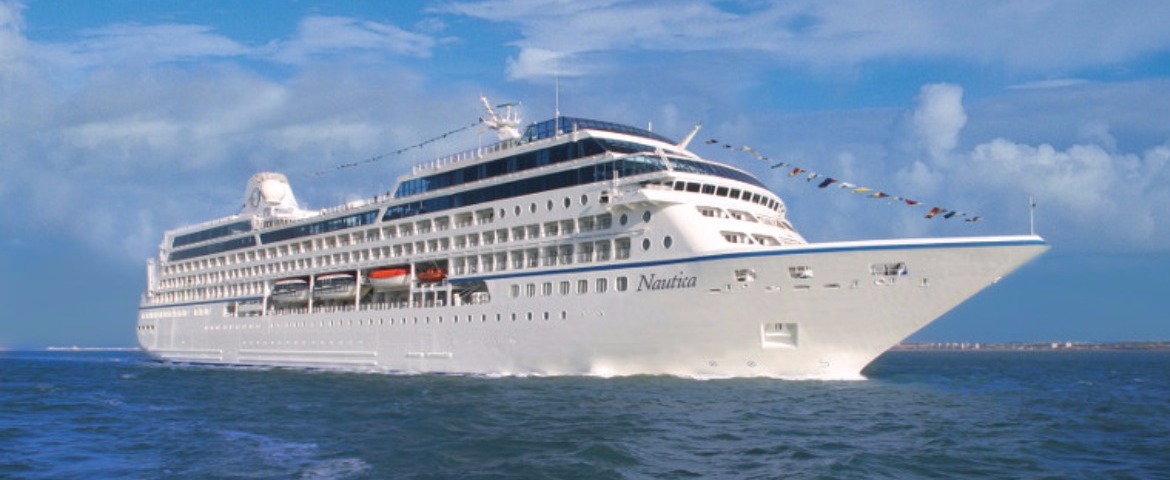
Oceania Marina
7 Cruises
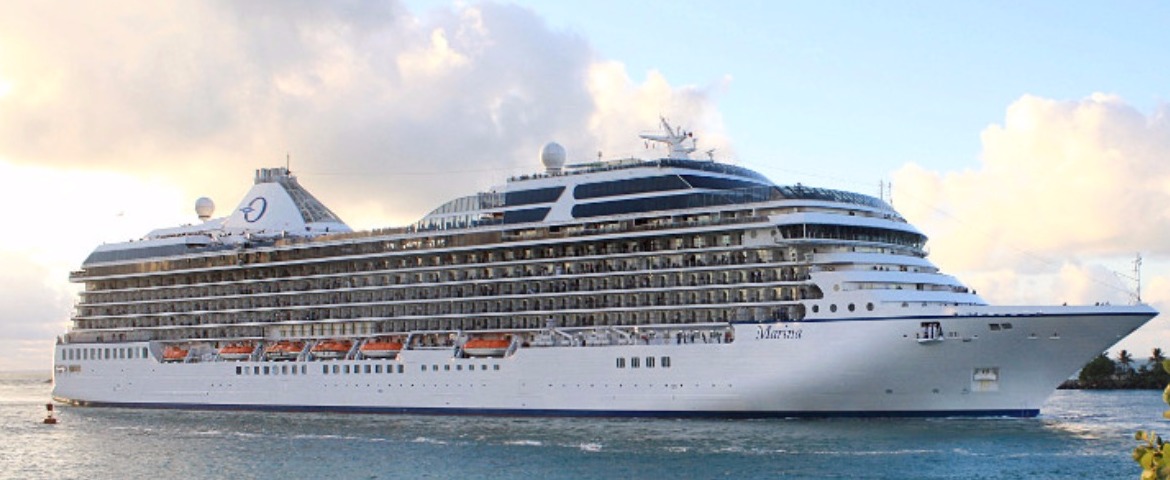
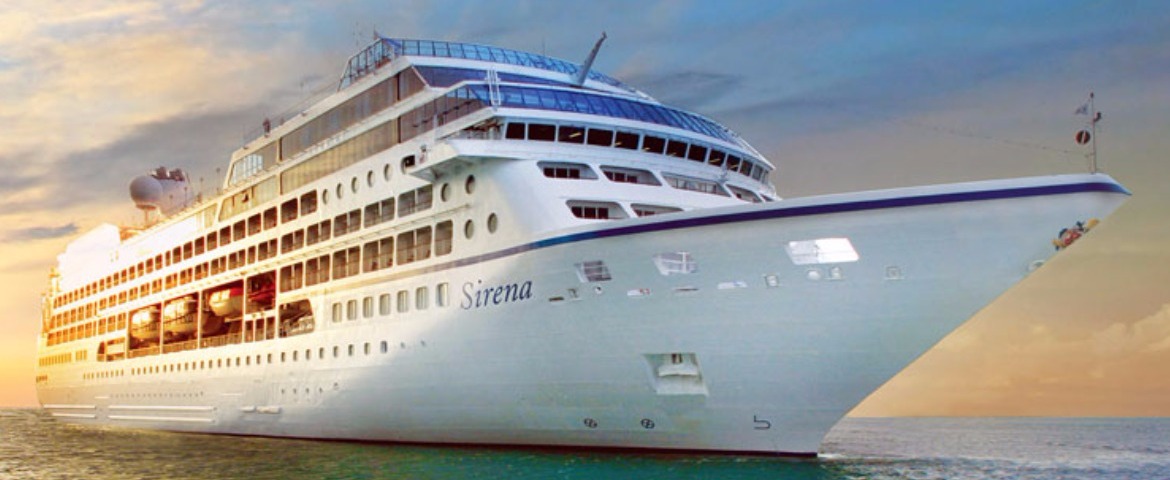
Oceania Sirena
5 Cruises
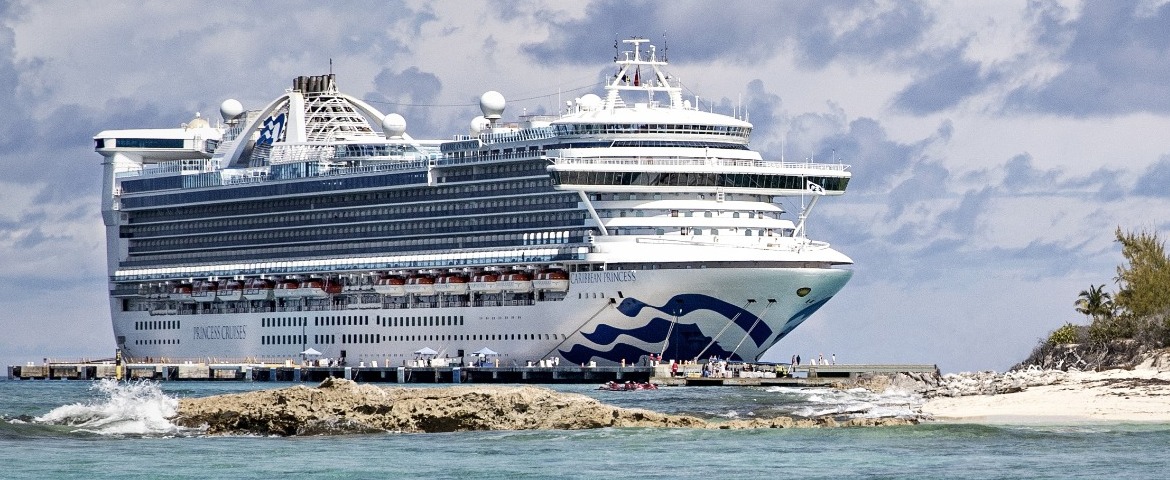
Princess Cruises (6 Cruises)
Caribbean Princess
6 Cruises

Regent Seven Seas Cruises (12 Cruises)
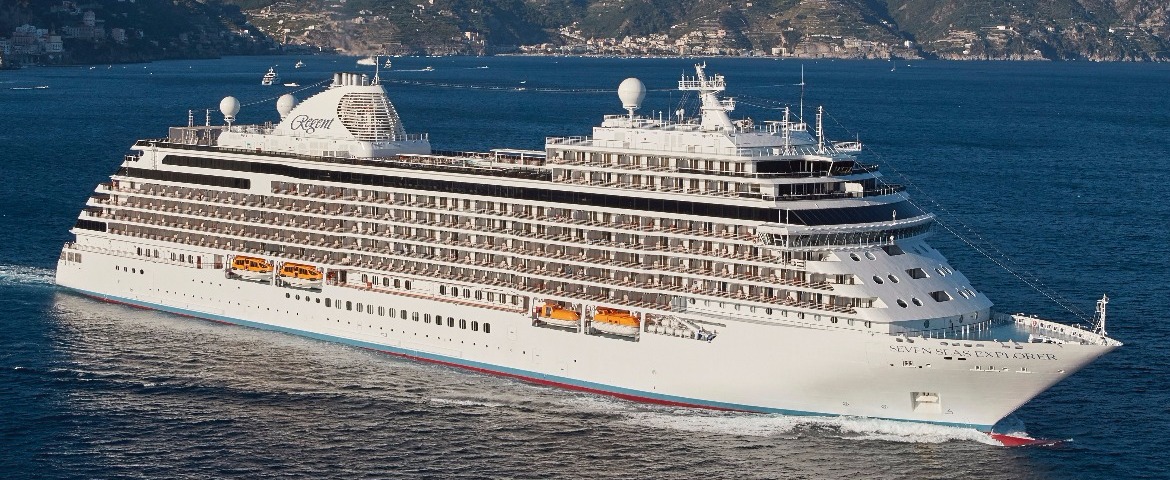

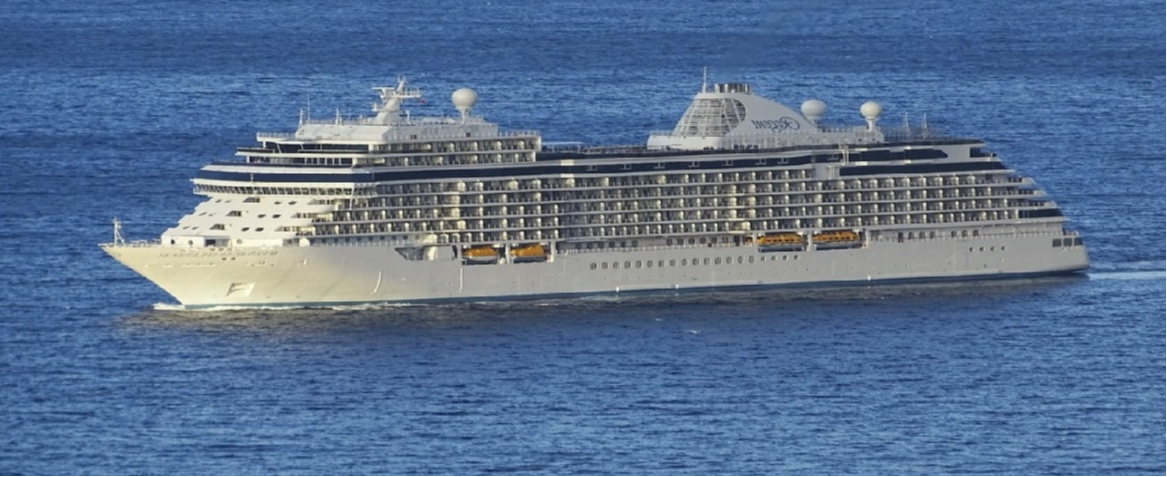
Seven Seas Grandeur
8 Cruises
| 20 June | 15 days | One-way from Civitavecchia-Rome to Piraeus-Athens |
450-628-6241
Call us
|
| 20 June | 8 days | One-way from Civitavecchia-Rome to Venice |
450-628-6241
Call us
|



Viking Ocean Cruises (4 Cruises)

Catania Sicily Italy | Mediterranean Cruise Port Guide
Frequently Asked Questions
At the port quay, fifteen to twenty minutes' flat walk from Piazza del Duomo. The return is gently downhill, along the same level streets: one of the easiest Sicilian calls to do on foot.
Because lava stone was used to rebuild everything after the 1693 earthquake: palaces, churches, paving, fountains. The result, a dark and theatrical baroque listed by UNESCO, resembles nothing else in Sicily.
The elephant fountain, a black lava pachyderm topped with an obelisk that locals nickname u Liotru. Facing it, the cathedral dedicated to Saint Agatha, the city's patron, displays its baroque facade of pale stone and dark lava.
The historic fish market, just below Piazza del Duomo. Whole swordfish on ice, glistening octopus, mountains of sardines, vendors calling out to customers. The market is at full tilt in the morning: going early guarantees the truest atmosphere.
The city alone is plenty. Piazza del Duomo, the Pescheria first thing, via dei Crociferi with its rare density of baroque churches, then via Etnea for a granita at the counter. Many passengers leave regretting they did not give Catania everything.
When the ship stays six to eight hours, yes: coaches climb in about an hour and a half to the high craters, between frozen black lava flows and forest. On a shorter call it is too tight.
A street a few minutes north of Piazza del Duomo that lines up, over a few hundred metres, a rare density of baroque churches and convents built in a single sweep after the earthquake. It is the city's most photogenic quarter, and often its most peaceful.
A lemon or almond granita with a warm brioche, taken standing at the counter as locals do on via Etnea. Then arancini and cannoli. Fish bought at the Pescheria appears from midday in the osterias around the stalls.
The euro and Italian, with Sicilian very present. English is spoken on via Etnea and in tourist businesses, less at the market. Keep cash: the Pescheria and historic cafes often work in coin.
The volcano is active and its eruptive episodes can disrupt flights and, more rarely, dust the city with fine ash. This does not prevent calls, but high-altitude excursions are sometimes suspended by the authorities. Catania lives with its mountain like an unpredictable neighbour.


