Hakodate Japan Oshima
245
Cruises availables
At departure or passage at this port
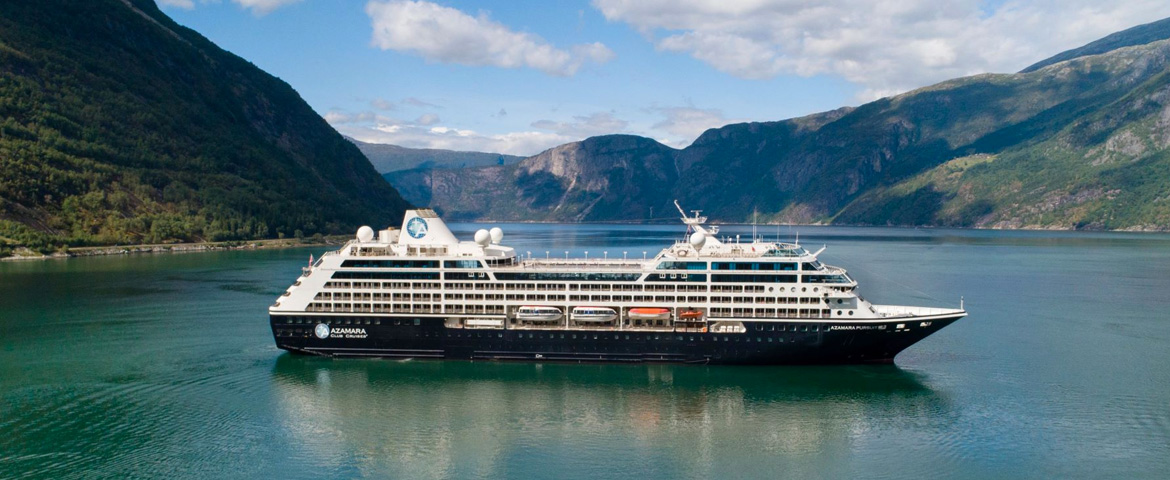
Azamara Club Cruises (24 Cruises)
Azamara Pursuit
24 Cruises

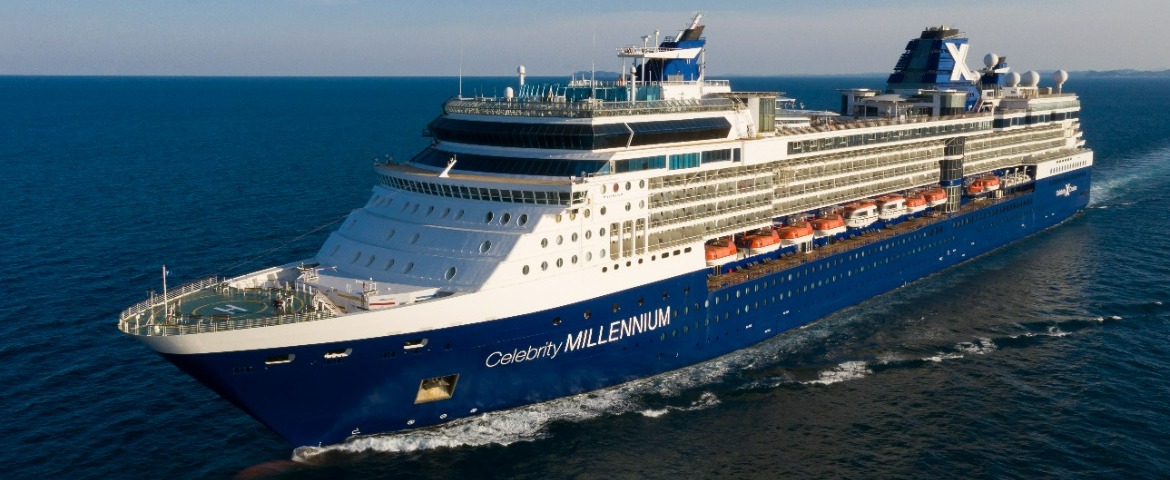
Celebrity Cruises (1 Cruises)

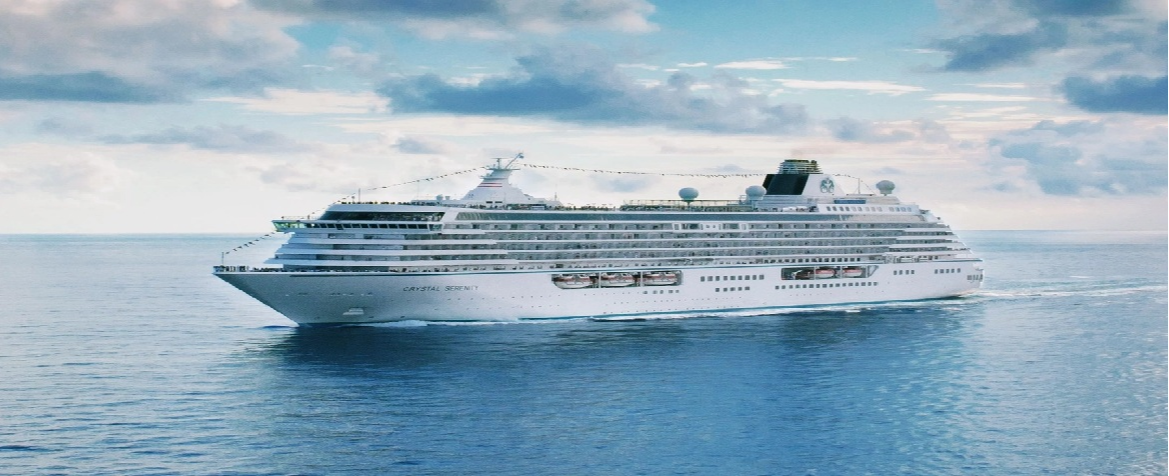

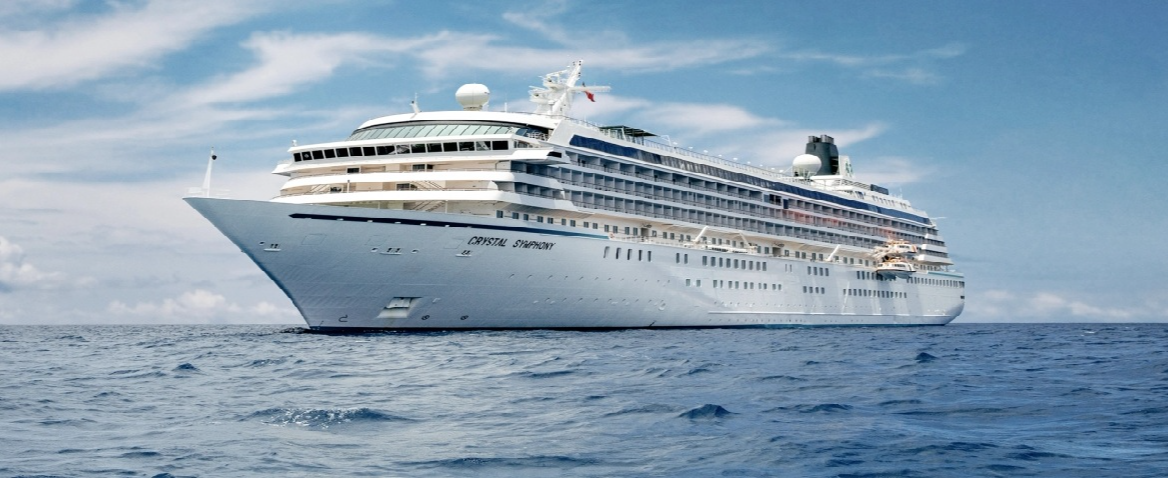
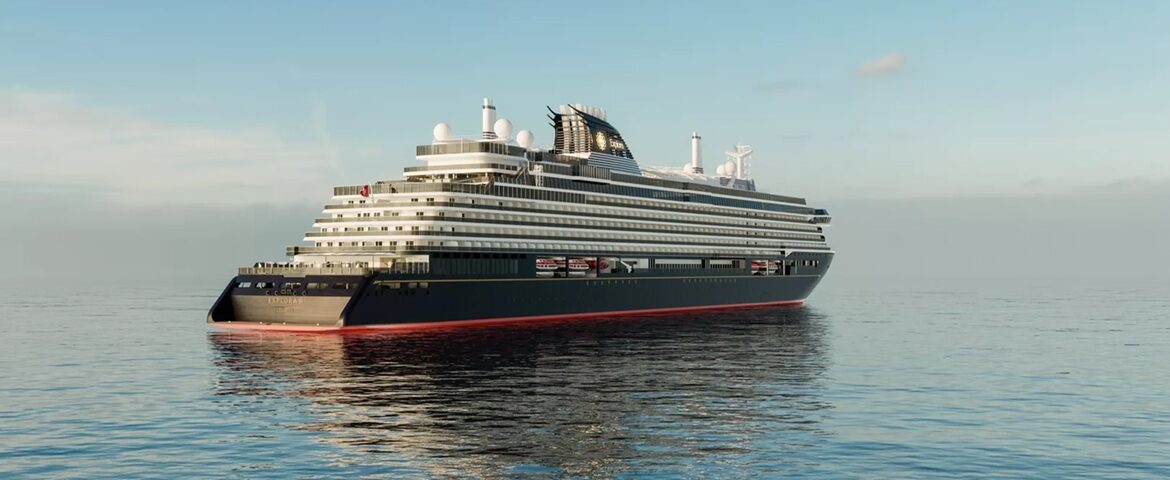
Explora Journeys (1 Cruises)

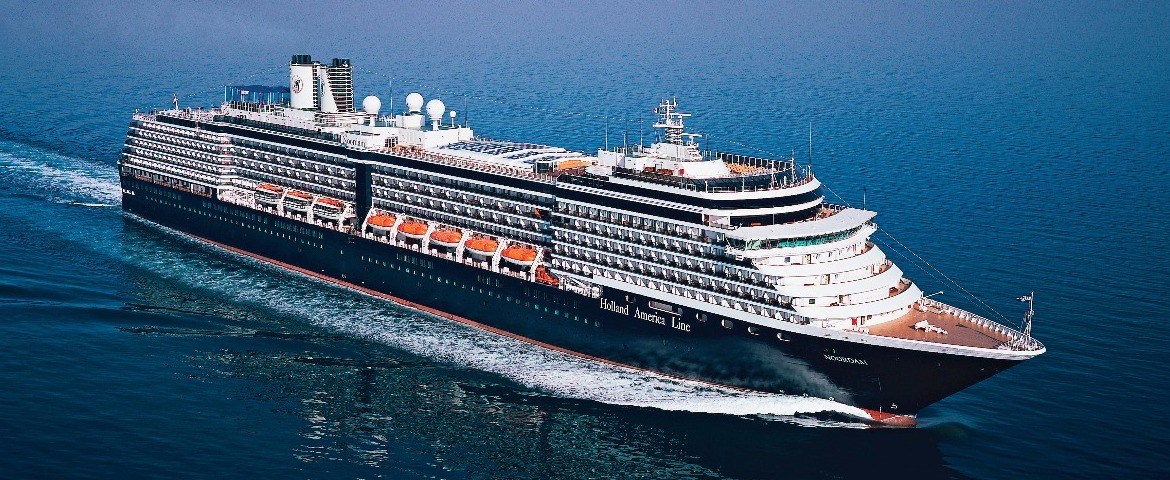
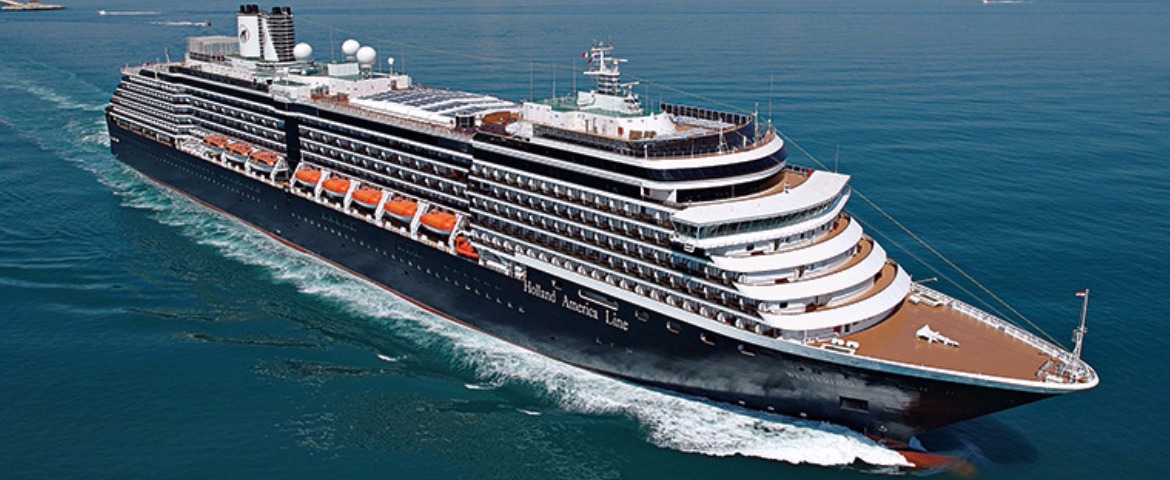
Holland America Line (14 Cruises)
ms Noordam
10 Cruises

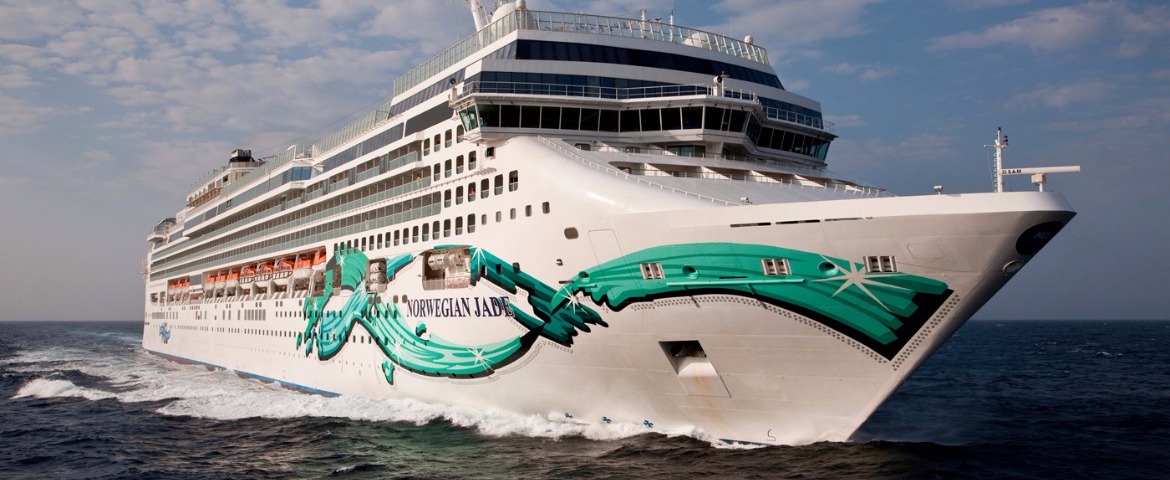
Norwegian Cruise Line (12 Cruises)
Norwegian Jade
12 Cruises

| 10 April | 15 days | Round-trip from Yokohama, Japan |
From
3182$
|
| 24 April | 17 days | One-way from Yokohama to Vancouver |
450-628-6241
Call us
|
| 24 April | 16 days | One-way from Yokohama to Vancouver |
From
1084$
|
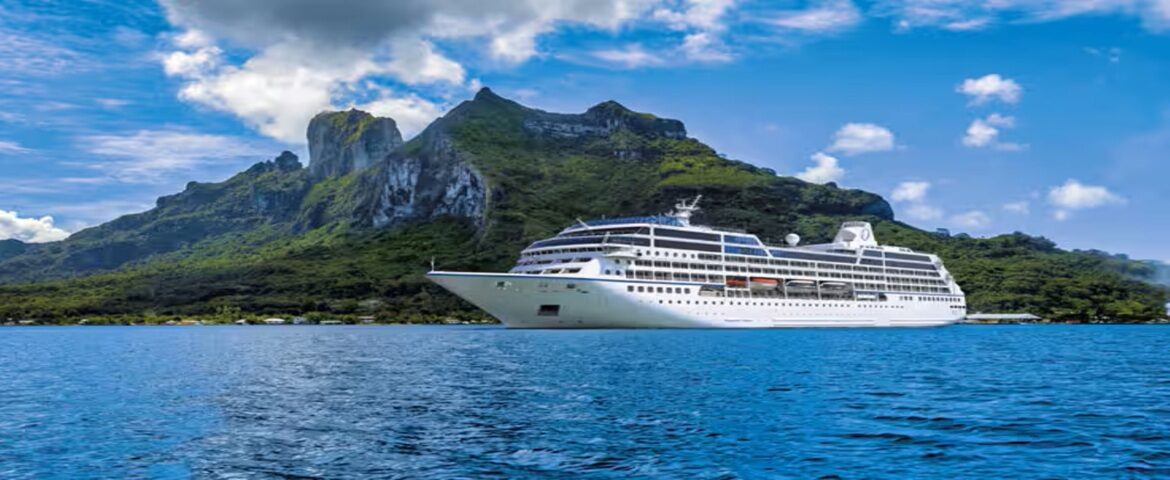
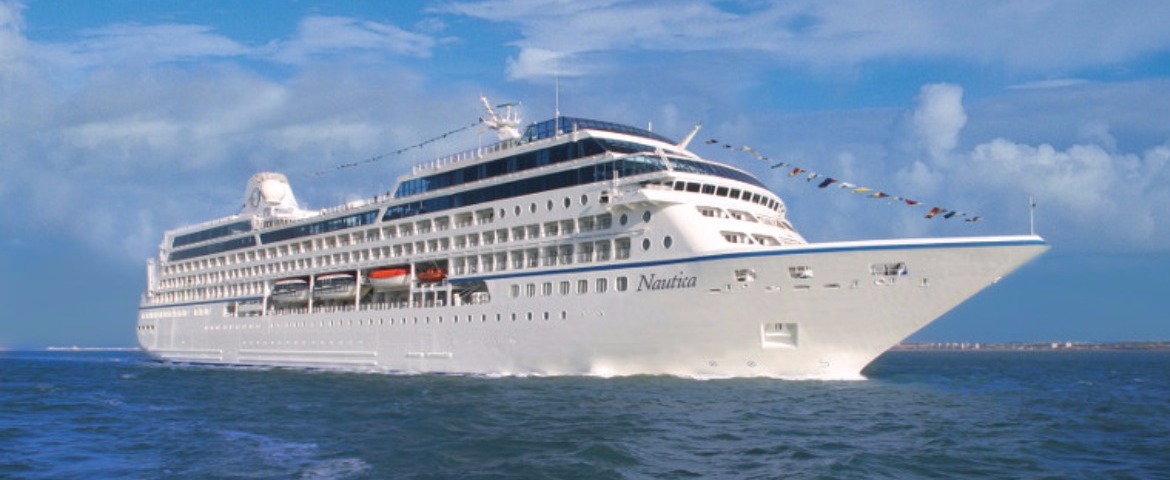
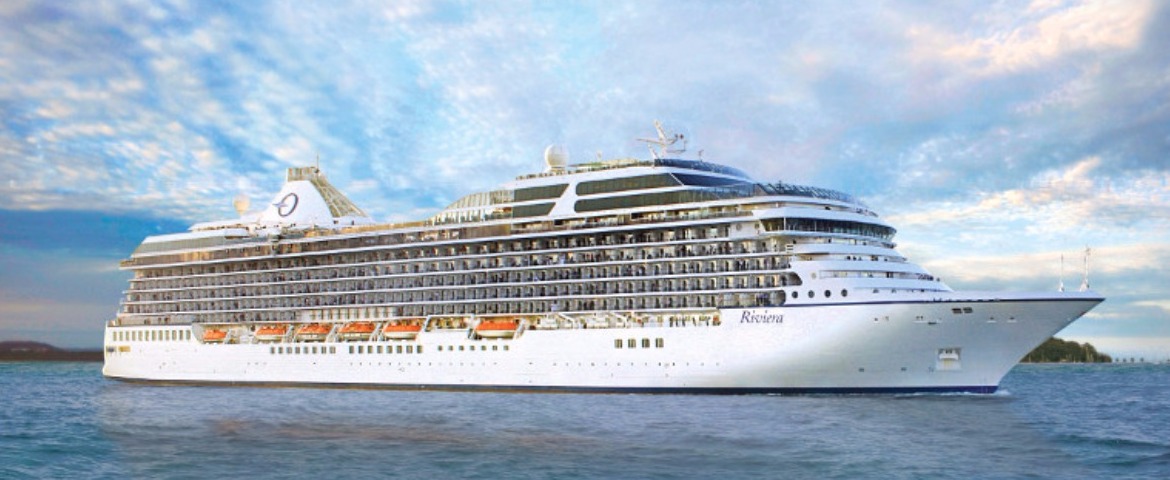
Oceania Cruises (11 Cruises)

Princess Cruises (91 Cruises)
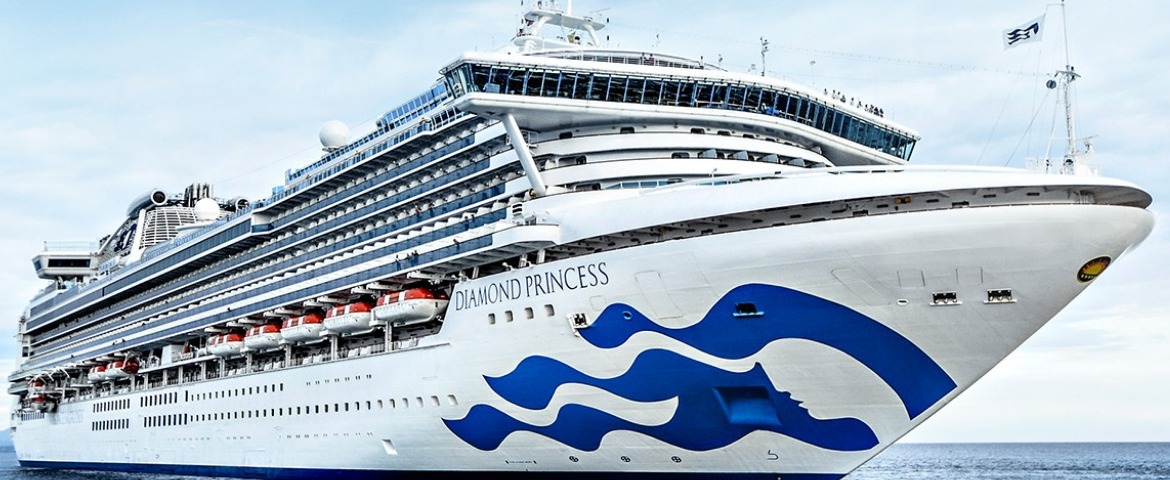
Diamond Princess
49 Cruises

| 8 May | 21 days | Round-trip from Yokohama, Japan |
450-628-6241
Call us
|
| 18 May | 11 days | Round-trip from Yokohama, Japan |
450-628-6241
Call us
|
| 5 September | 20 days | Round-trip from Yokohama, Japan |
450-628-6241
Call us
|
| 5 September | 11 days | Round-trip from Yokohama, Japan |
450-628-6241
Call us
|
| 21 June | 19 days | Round-trip from Tokyo, Japan |
450-628-6241
Call us
|
| 30 June | 21 days | Round-trip from Tokyo, Japan |
450-628-6241
Call us
|
| 30 June | 10 days | Round-trip from Tokyo, Japan |
450-628-6241
Call us
|
| 20 July | 16 days | Round-trip from Tokyo, Japan |
450-628-6241
Call us
|
| 27 July | 19 days | Round-trip from Tokyo, Japan |
450-628-6241
Call us
|
| 27 July | 9 days | Round-trip from Tokyo, Japan |
450-628-6241
Call us
|
| 3 September | 10 days | Round-trip from Tokyo, Japan |
450-628-6241
Call us
|
| 3 September | 20 days | Round-trip from Tokyo, Japan |
450-628-6241
Call us
|
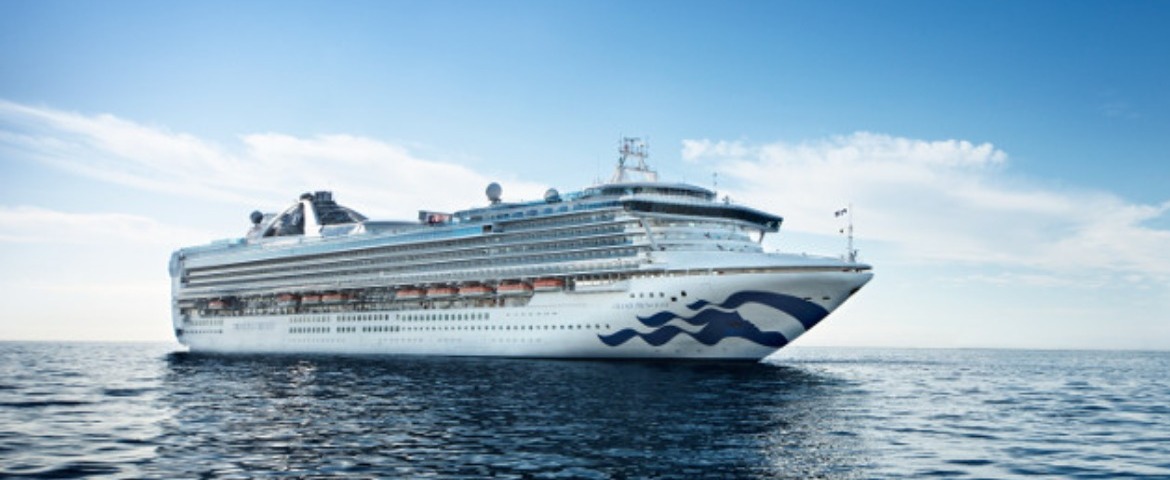
Grand Princess
8 Cruises
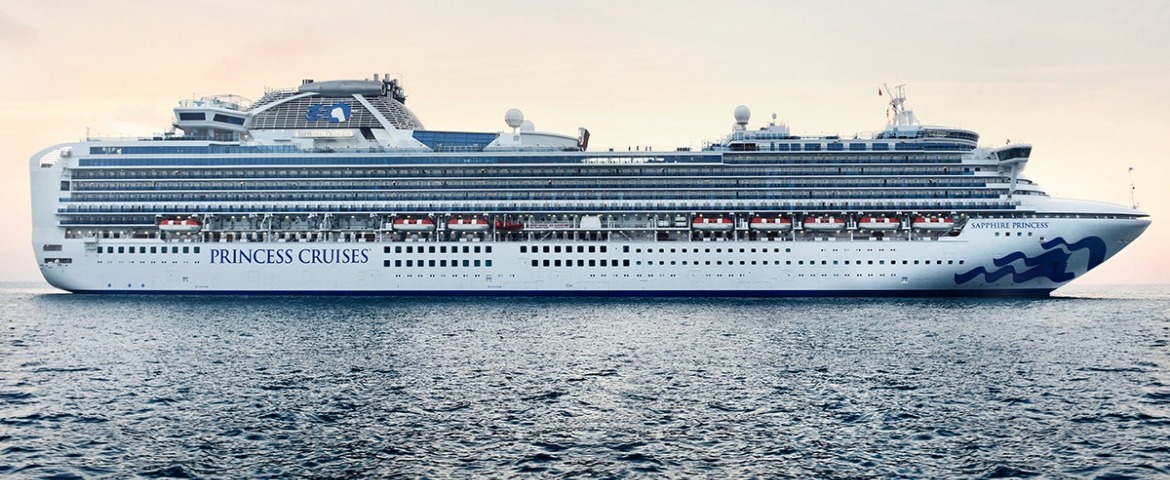
Sapphire Princess
34 Cruises
| 8 April | 25 days | Round-trip from Tokyo, Japan |
450-628-6241
Call us
|
| 8 April | 14 days | Round-trip from Tokyo, Japan |
450-628-6241
Call us
|
| 21 April | 12 days | Round-trip from Tokyo, Japan |
450-628-6241
Call us
|
| 9 May | 10 days | Round-trip from Tokyo, Japan |
450-628-6241
Call us
|
| 9 May | 21 days | Round-trip from Tokyo, Japan |
450-628-6241
Call us
|
| 29 May | 19 days | Round-trip from Tokyo, Japan |
450-628-6241
Call us
|
| 5 May | 23 days | Round-trip from Tokyo, Japan |
450-628-6241
Call us
|
| 5 May | 13 days | Round-trip from Tokyo, Japan |
450-628-6241
Call us
|
| 27 May | 19 days | Round-trip from Tokyo, Japan |
450-628-6241
Call us
|
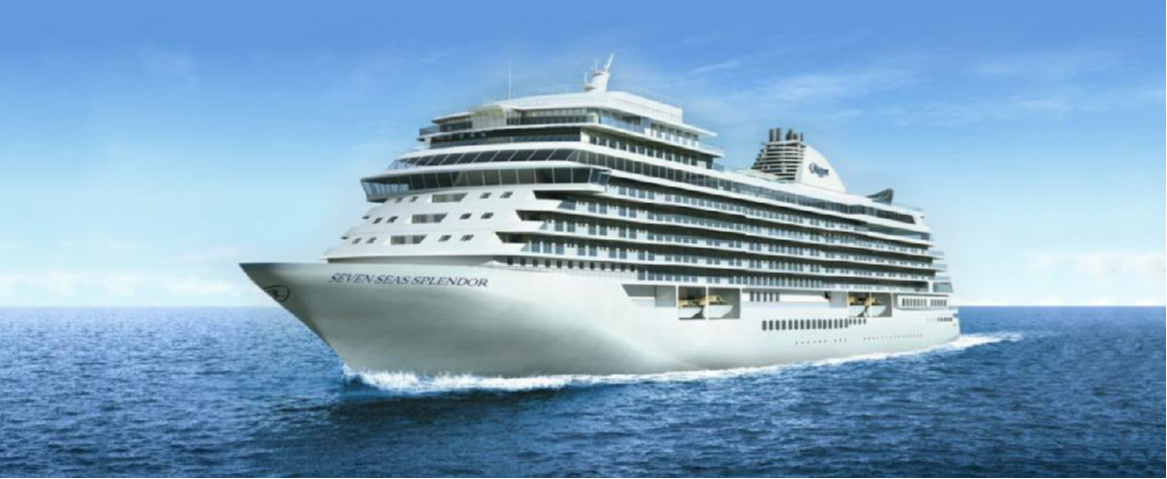



Seabourn Cruise Line (39 Cruises)
Seabourn Encore
39 Cruises
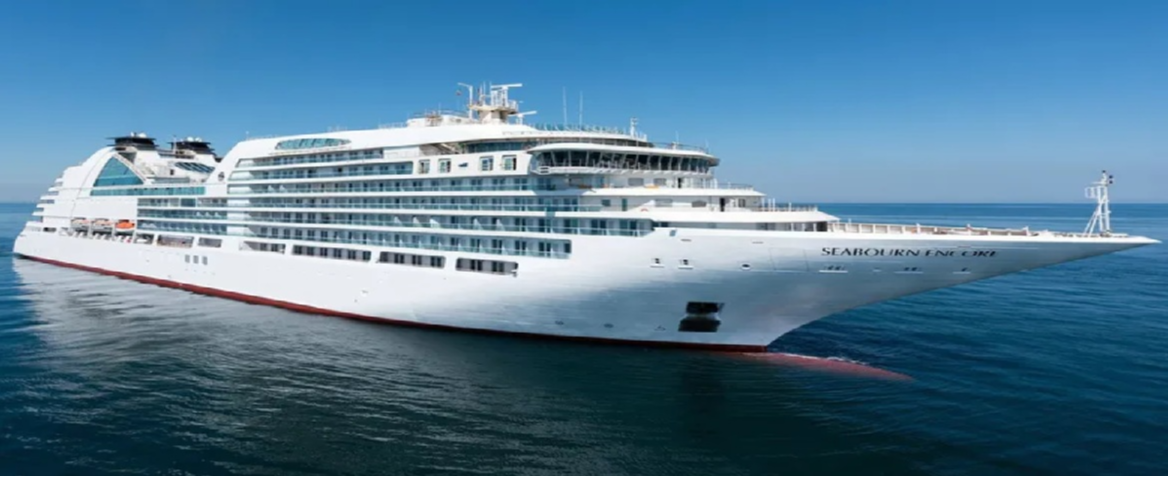

| 25 March | 28 days | Round-trip Japan South Korea Seabourn Encore Tokyo |
450-628-6241
Call us
|
| 25 March | 29 days | Round-trip from Tokyo, Japan |
450-628-6241
Call us
|
| 24 March | 28 days | Round-trip Asia Seabourn Encore Tokyo |
450-628-6241
Call us
|
| 24 March | 29 days | Round-trip from Tokyo, Japan |
450-628-6241
Call us
|
Silversea Cruises (35 Cruises)
Silver Moon
13 Cruises
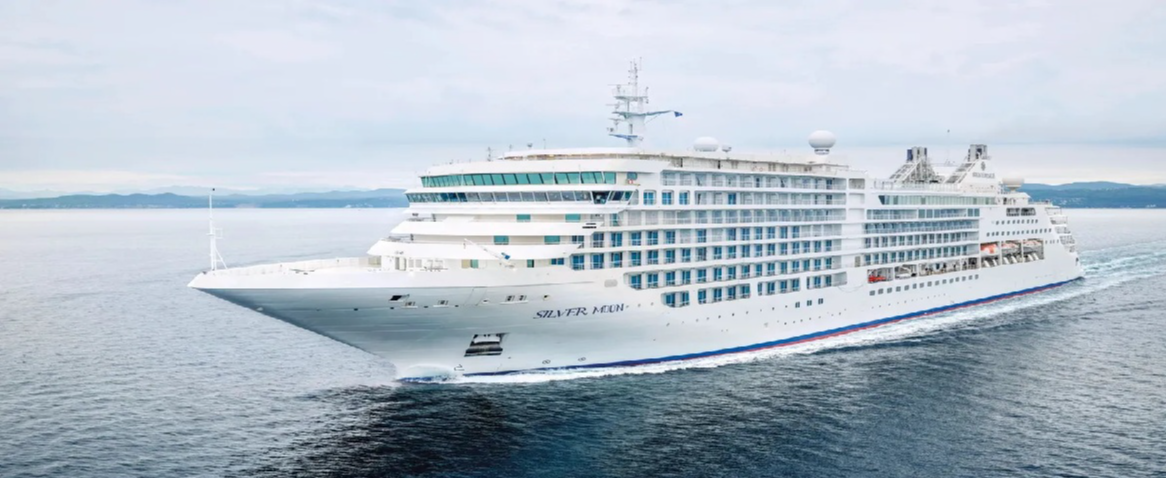

Silver Muse
12 Cruises
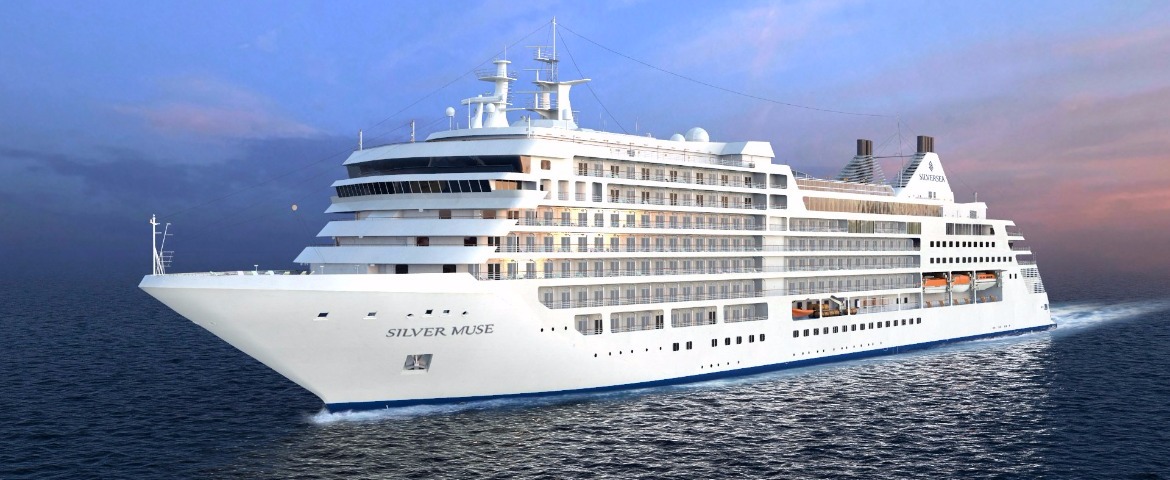
| 14 March | 30 days | One-way from Singapore to Yokohama |
450-628-6241
Call us
|
| 29 March | 15 days | One-way from Tokyo to Yokohama |
450-628-6241
Call us
|
Silver Whisper
10 Cruises
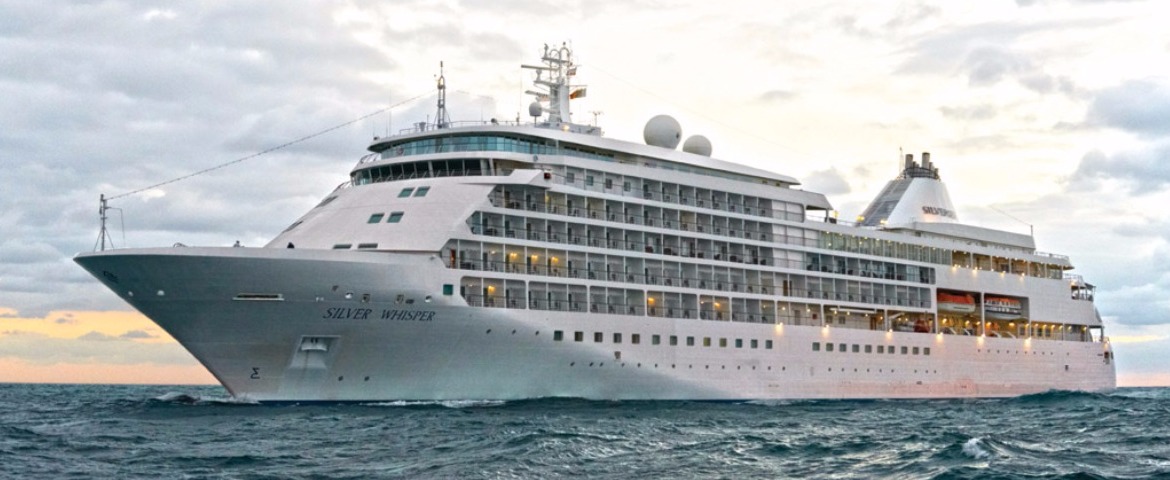
| 1 June | 18 days | One-way from Vancouver to Tokyo |
450-628-6241
Call us
|
| 18 June | 26 days | Round-trip from Tokyo, Japan |
450-628-6241
Call us
|
| 1 July | 13 days | One-way from Incheon to Tokyo |
450-628-6241
Call us
|
| 13 July | 27 days | Round-trip from Tokyo, Japan |
450-628-6241
Call us
|
| 25 July | 15 days | Round-trip from Tokyo, Japan |
450-628-6241
Call us
|

Port of Hakodate | Cruise Port Guide
Frequently Asked Questions
At quays near the station, sometimes a little further out depending on ship size. That is fortunate: the morning market is steps from the station, and the historic Motomachi district is a 20 to 30 minute walk from the port.
Because in 1859 it was, with Yokohama and Nagasaki, one of three ports opened to foreign trade after two centuries of closure. Consuls, merchants and missionaries settled here: Orthodox churches, red brick warehouses and cobbled slopes form a setting found nowhere else.
The morning market first thing, then the Motomachi slopes, then the Kanemori warehouses on the way back down to the port. Mount Hakodate and Goryokaku each require a separate round trip: keep only one.
A fish market steps from the station, busy from dawn. Sea urchin, crab, scallops and squid are sold barely out of the water. In the neighbouring hall, donburi alley, some twenty counters serve the rice bowl topped with raw seafood.
The Russian Orthodox church, Japan's first, founded in 1860, the former British consulate with its tea room, and the old public hall with its blue-grey colonnades. Every sloping street frames the sea at the end of its perspective; Hachiman-zaka is the most photographed.
A five-pointed star citadel, unique in Japan, modelled on European designs and completed in 1864 to defend the new port. It served as the last stronghold of the shogun's loyalists in 1869. The site is now a park, with a viewing tower that reveals the geometry of the moats.
Yes, and the Japanese consider this panorama among the finest in the country. The ropeway lifts you 334 metres in three minutes; from the top, the city appears pinched between its two bays. If your call ends in the evening, go up before reboarding.
The seafood donburi from the morning market, the local emblem: rice with sea urchin, scallop and salmon roe depending on the season. Some stalls even let you fish your own squid from a tank. In town, a few ice cream shops dare a squid flavour.
Largely yes, but with climbs. Motomachi rises in broad cobbles from the port, which rules out strollers and tires untrained legs. The city's historic tram solves the problem for a modest fare.
May to October. Goryokaku's cherry trees bloom in May, later than the rest of Japan because this is Hokkaido. Summer is mild compared with the south of the archipelago, and sea fog can veil the view from Mount Hakodate.


