Nagoya Japan Aichi
153
Cruises availables
At departure or passage at this port
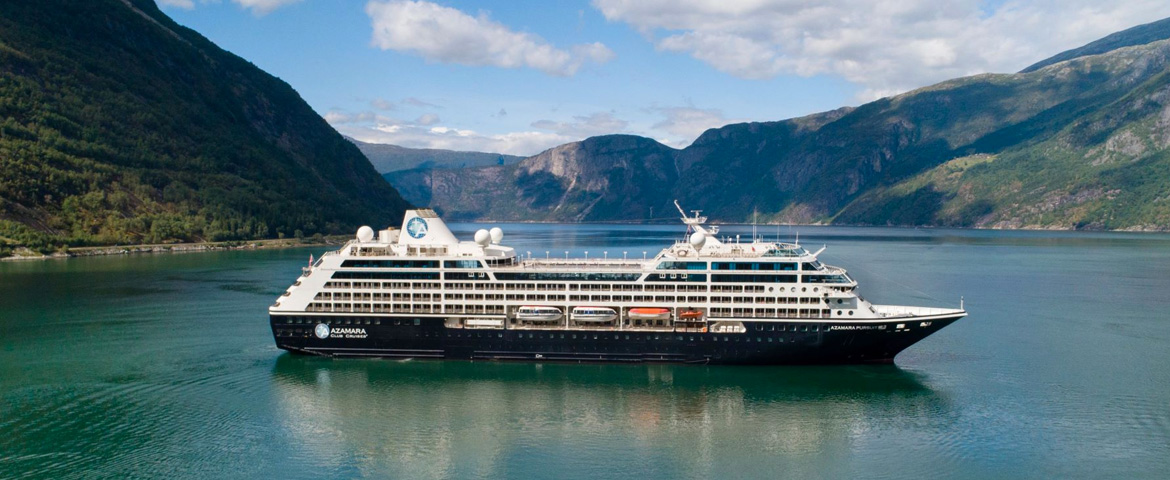
Azamara Club Cruises (23 Cruises)
Azamara Pursuit
23 Cruises

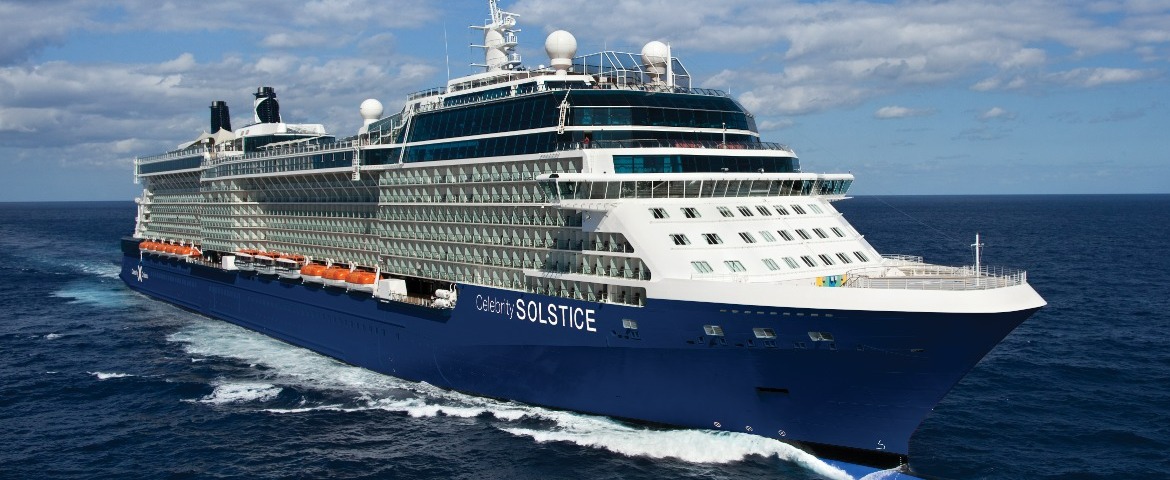
Celebrity Cruises (1 Cruises)
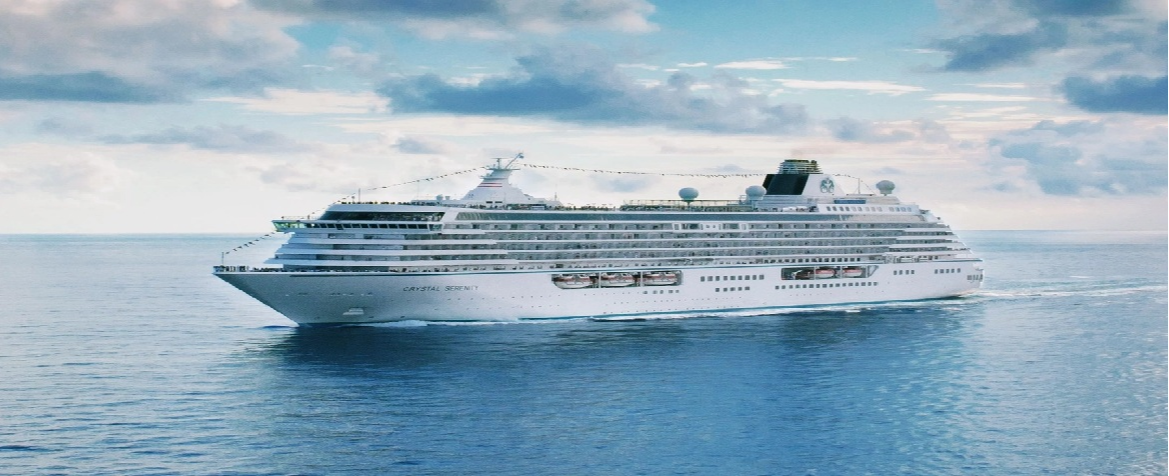
Crystal Cruises (3 Cruises)
Explora Journeys (7 Cruises)
MSC Cruises (1 Cruises)

Norwegian Cruise Line (21 Cruises)
Norwegian Jade
21 Cruises
| 1 April | 10 days | One-way from Incheon to Yokohama |
From
2089$
|
| 10 April | 15 days | Round-trip from Yokohama, Japan |
From
3182$
|
Oceania Cruises (23 Cruises)
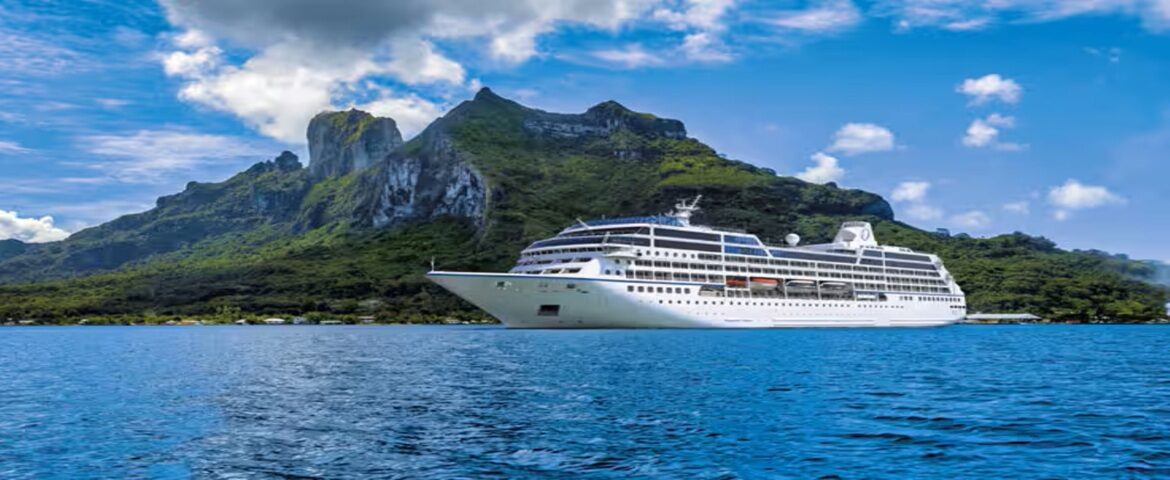

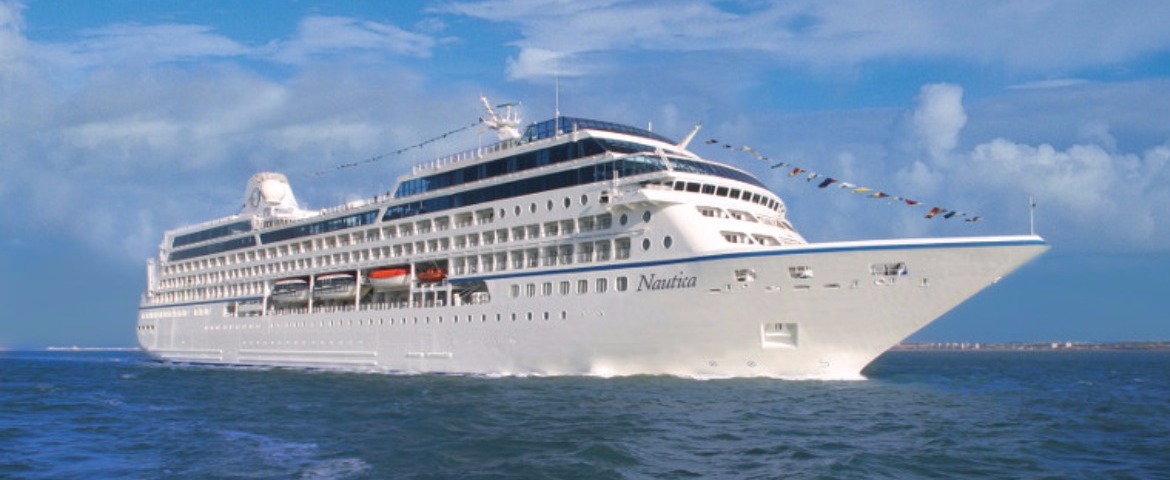
Oceania Riviera
19 Cruises
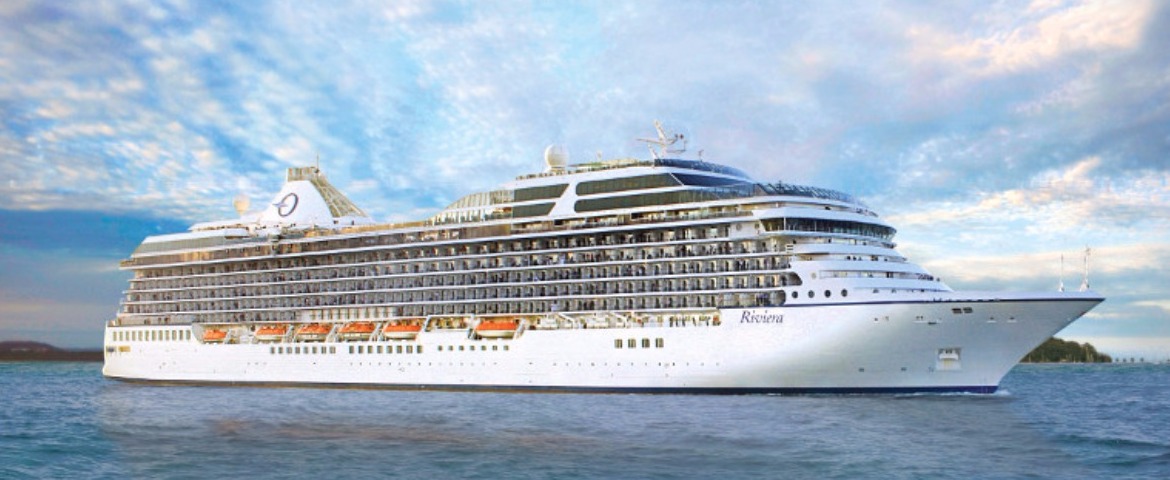
Princess Cruises (47 Cruises)
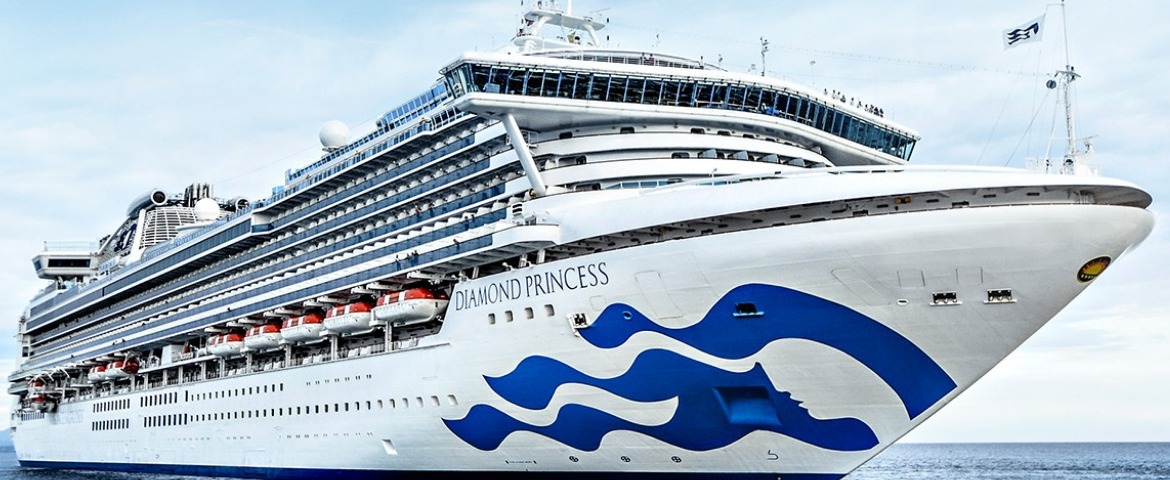
Diamond Princess
12 Cruises
| 4 June | 18 days | Round-trip from Tokyo, Japan |
450-628-6241
Call us
|
| 12 June | 10 days | Round-trip from Tokyo, Japan |
450-628-6241
Call us
|
| 12 June | 19 days | Round-trip from Tokyo, Japan |
450-628-6241
Call us
|
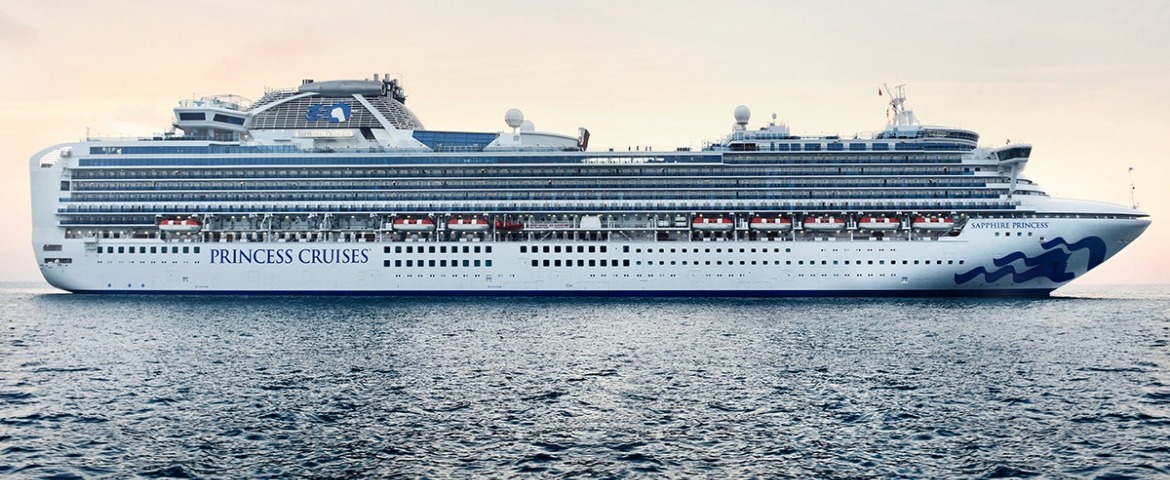
Sapphire Princess
35 Cruises
| 6 March | 24 days | Round-trip from Tokyo, Japan |
450-628-6241
Call us
|
| 17 March | 13 days | Round-trip from Tokyo, Japan |
450-628-6241
Call us
|
| 17 March | 23 days | Round-trip from Tokyo, Japan |
450-628-6241
Call us
|
| 9 May | 21 days | Round-trip from Tokyo, Japan |
450-628-6241
Call us
|
| 18 May | 19 days | Round-trip from Tokyo, Japan |
450-628-6241
Call us
|
| 18 May | 12 days | Round-trip from Tokyo, Japan |
450-628-6241
Call us
|
| 9 March | 11 days | Round-trip from Tokyo, Japan |
450-628-6241
Call us
|
| 29 March | 22 days | Round-trip from Tokyo, Japan |
450-628-6241
Call us
|
| 29 March | 11 days | Round-trip from Tokyo, Japan |
450-628-6241
Call us
|




Port of Nagoya, Japan | Cruise Port Guide
Frequently Asked Questions
Large ships use the Kinjo quay in the port zone south of the city; smaller vessels come up to the Garden Pier. Either way, downtown is about ten kilometres off: cruise line shuttles or the rail network take over.
By the Meiko subway line from Nagoyako station near the Garden Pier, or the Aonami line from Kinjo-futo. Allow 30 to 40 minutes to the castle, about twenty to Atsuta shrine.
One of Japan's largest aquariums is within walking distance of the quay, with an icebreaker turned Antarctic museum right beside it. Allow two hours for the aquarium: it is the simplest option on a short call.
The city's symbol, rebuilt after the 1945 bombings and recognizable by its two golden shachihoko, half-tiger half-fish creatures glinting on the ridge of the keep. The adjoining Honmaru Palace, restored exactly with its gold-leaf painted partitions, is worth as much as the keep itself.
A shrine approaching nineteen hundred years old, set in a grove of century-old camphor trees, said to house the sacred sword Kusanagi, one of Japan's three imperial treasures. It is never shown to the public. Allow an hour for the visit.
Yes, even without an interest in machinery. Housed in the Toyoda family's former spinning mill, it traces the shift from looms to car assembly lines, and its demonstrations of working machines fascinate well beyond the enthusiast crowd.
The city science museum, recognizable by its giant silver globe housing one of the largest planetariums in the world. The port aquarium and the working machine demonstrations at the Toyota museum round out the day well.
Shopping arcades around a temple with a red lantern, mixing vintage clothing, second-hand electronics and street food in a bazaar atmosphere locals love. It is the down-to-earth counterpoint to the Sakae district and its TV tower.
Anything involving red miso, defended here with pride: breaded cutlet under miso sauce, flat kishimen noodles, and grilled eel served three ways in the hitsumabushi ritual. The kishimen stands in Atsuta park let you eat without a detour.
Yes, provided you know what you are after. This is not Kyoto: it is the Japan of workshops and engineers, with a famous castle, a deeply revered shrine and a regional cuisine with real character. It does not pose, it produces.


