Shimizu Japan Shizuoka
372
Cruises availables
At departure or passage at this port
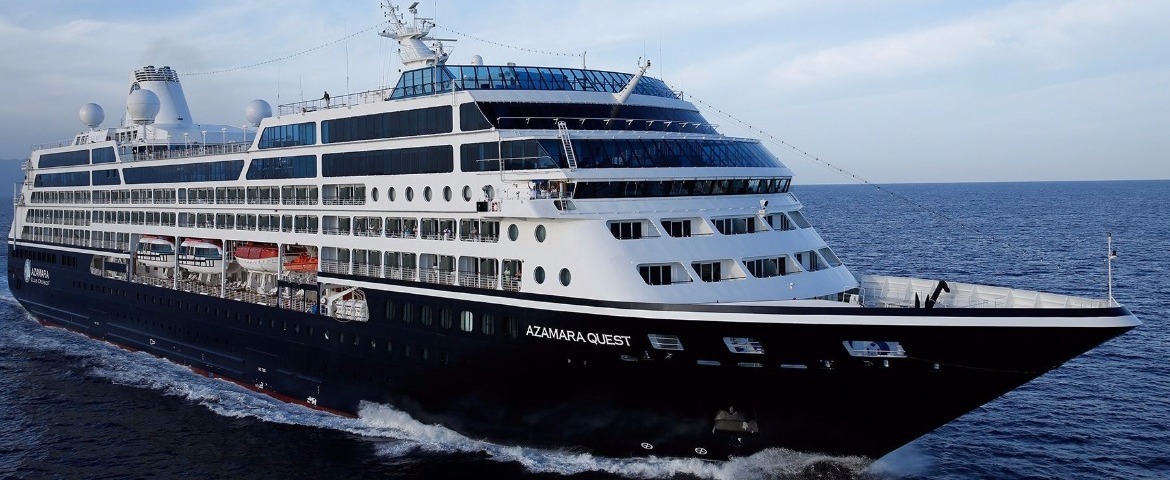
Azamara Club Cruises (33 Cruises)
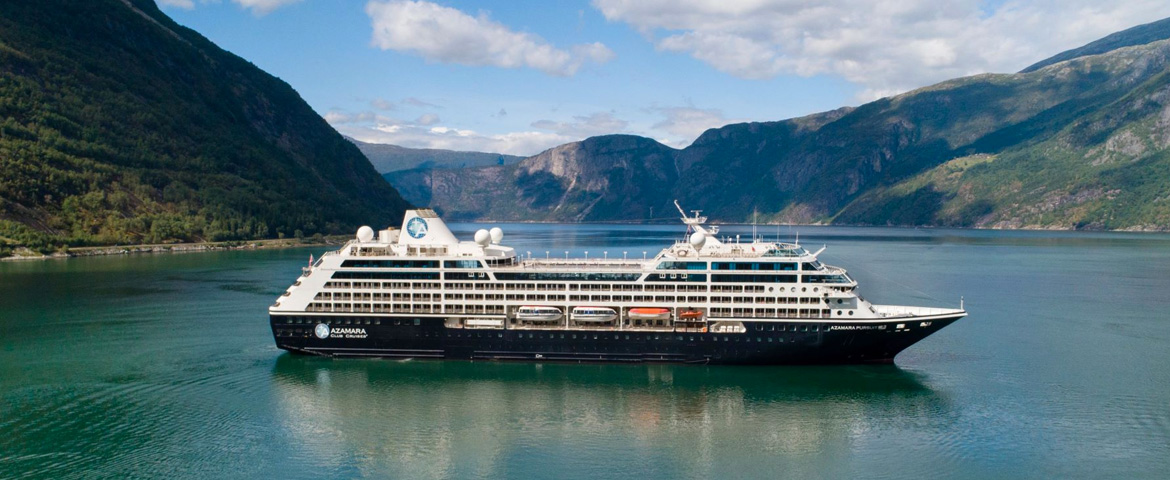
Azamara Pursuit
28 Cruises

Celebrity Cruises (29 Cruises)
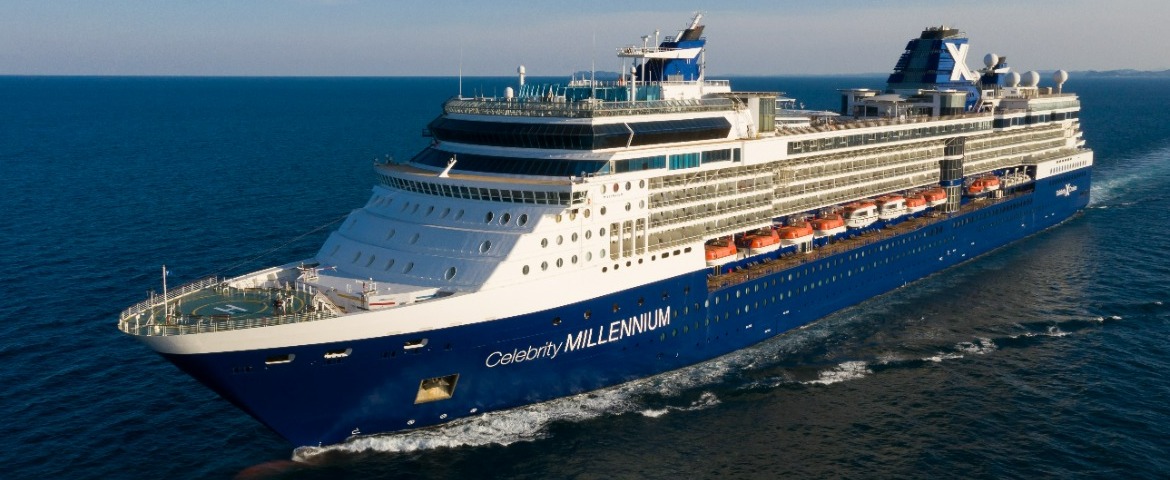
Celebrity Millennium
24 Cruises

| 7 April | 11 nights | Round-trip from Tokyo, Japan |
450-628-6241
Call us
|
| 19 April | 11 nights | Round-trip from Tokyo, Japan |
450-628-6241
Call us
|
| 1 May | 11 nights | Round-trip from Tokyo, Japan |
450-628-6241
Call us
|
| 13 May | 13 nights | One-way from Tokyo to Incheon |
From
9745$
|
| 26 May | 13 nights | One-way from Incheon to Tokyo |
From
8278$
|
| 8 June | 11 nights | Round-trip from Tokyo, Japan |
450-628-6241
Call us
|
| 20 June | 11 nights | Round-trip from Tokyo, Japan |
450-628-6241
Call us
|
| 2 July | 11 nights | Round-trip from Tokyo, Japan |
450-628-6241
Call us
|
| 14 July | 11 nights | Round-trip from Tokyo, Japan |
450-628-6241
Call us
|
| 26 July | 12 nights | Round-trip from Tokyo, Japan |
From
2094$
|
| 7 August | 11 nights | Round-trip from Tokyo, Japan |
450-628-6241
Call us
|
| 19 August | 11 nights | Round-trip from Tokyo, Japan |
450-628-6241
Call us
|
| 31 August | 12 nights | One-way from Tokyo to Incheon |
From
3215$
|
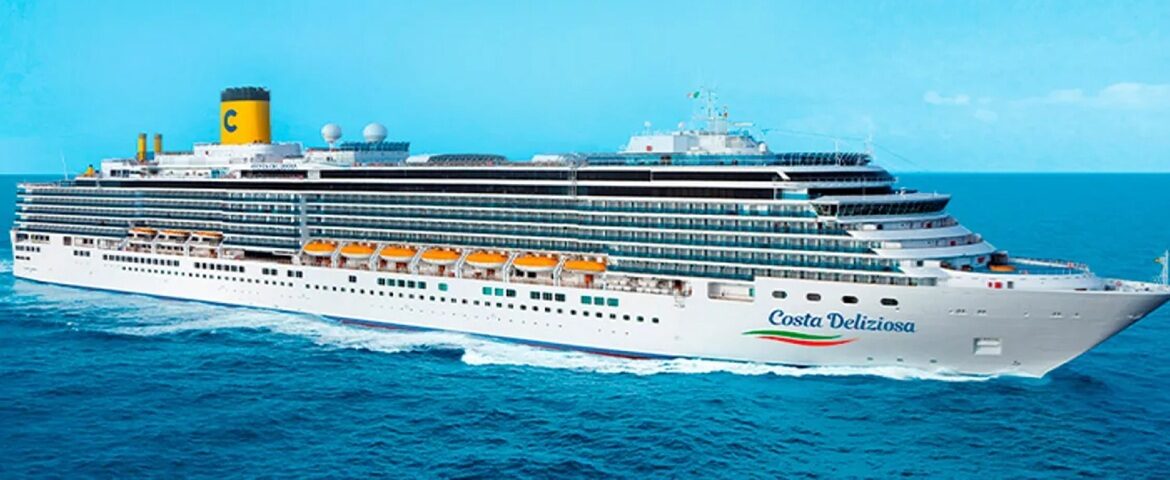
Costa Cruises (8 Cruises)
Costa Deliziosa
8 Cruises

Emerald Waterways (4 Cruises)

Explora Journeys (5 Cruises)

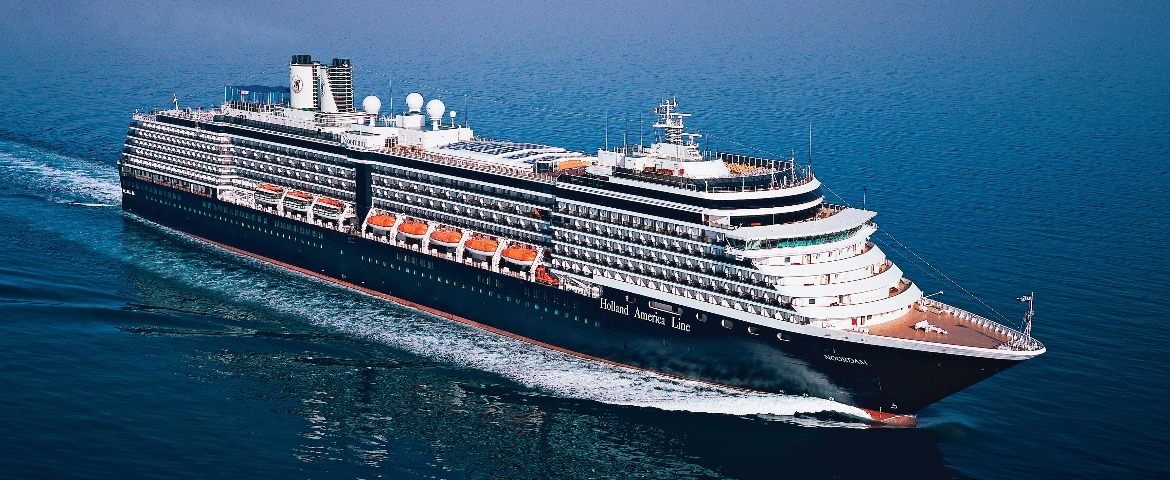
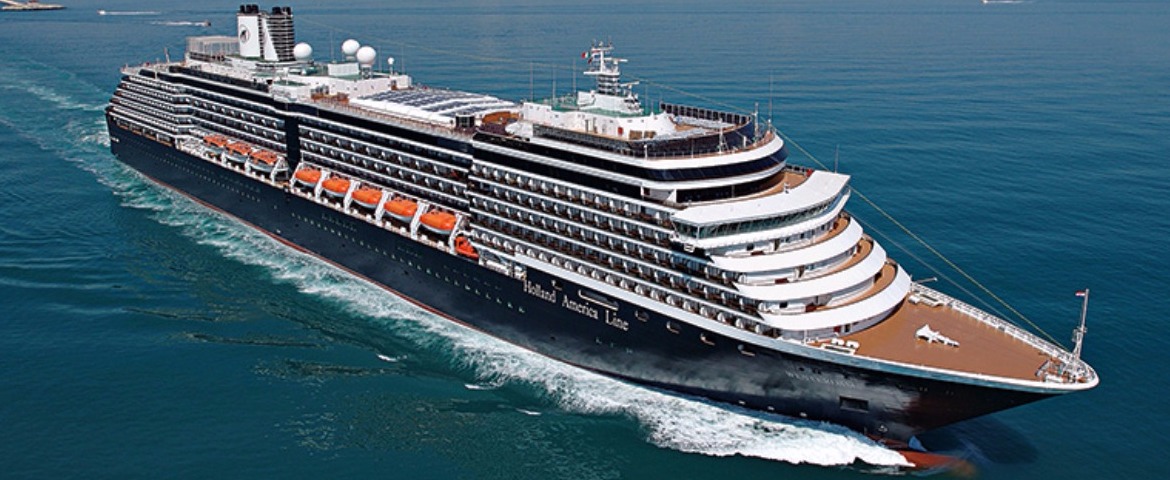
Holland America Line (18 Cruises)
ms Noordam
14 Cruises

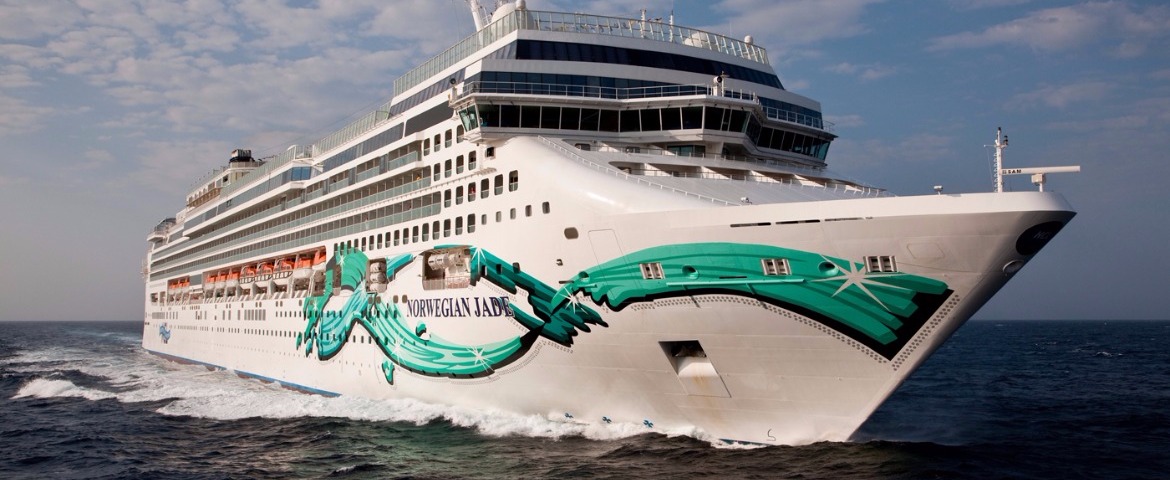
Norwegian Cruise Line (17 Cruises)
Norwegian Jade
17 Cruises

| 5 March | 9 nights | One-way from Tokyo to Incheon |
From
1582$
|
| 14 March | 9 nights | One-way from Incheon to Yokohama |
From
1711$
|
| 23 March | 9 nights | One-way from Yokohama to Incheon |
From
1854$
|
Oceania Cruises (30 Cruises)
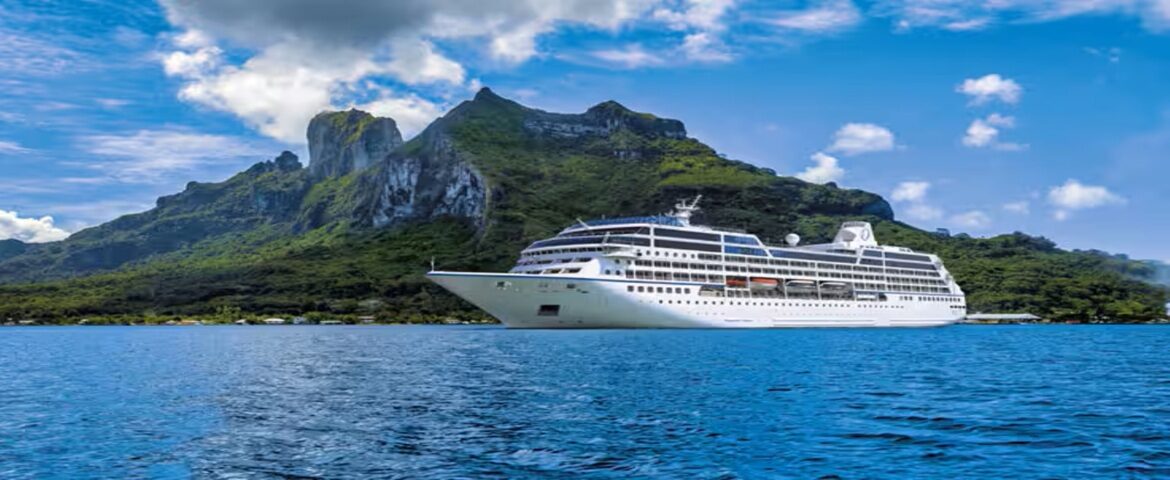

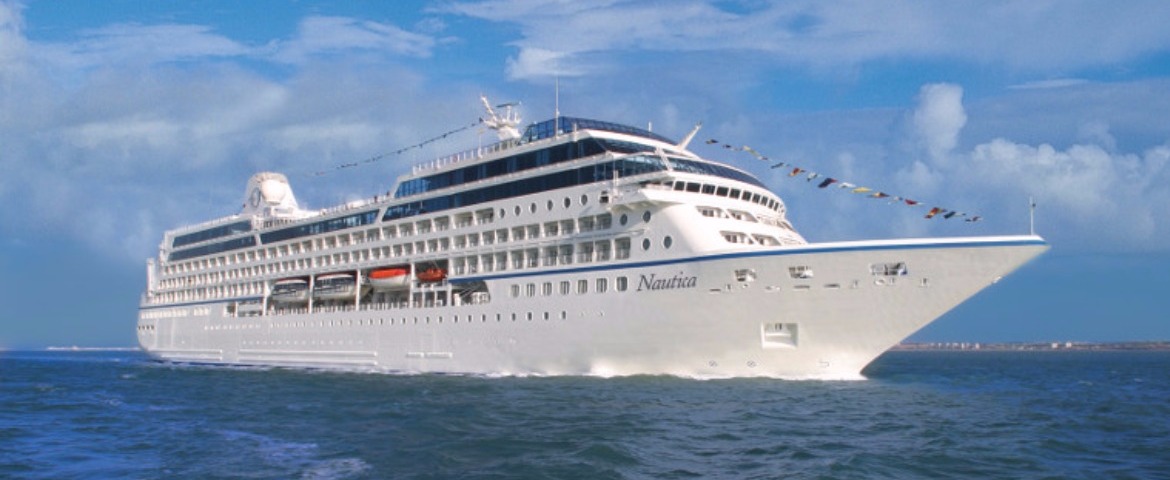
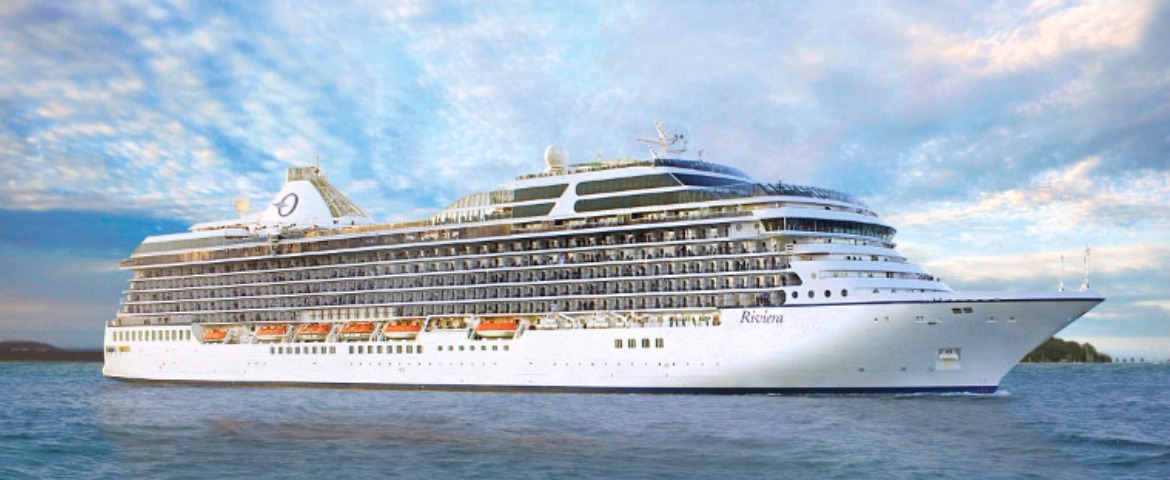
Oceania Riviera
18 Cruises
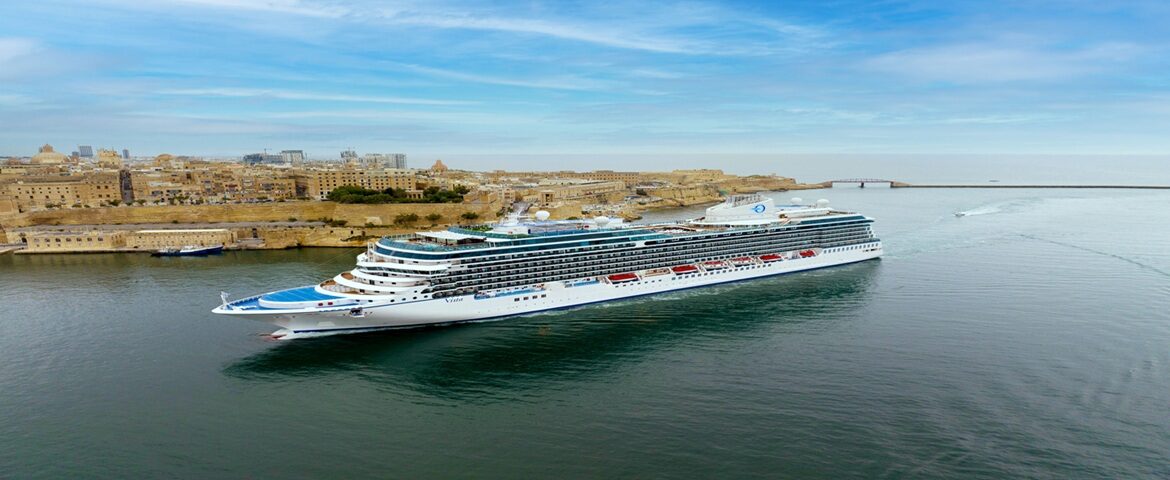
Oceania Vista
6 Cruises
| 6 January | 244 days | One-way from Miami to New York |
450-628-6241
Call us
|
| 6 January | 180 days | One-way from Miami to Southampton |
450-628-6241
Call us
|
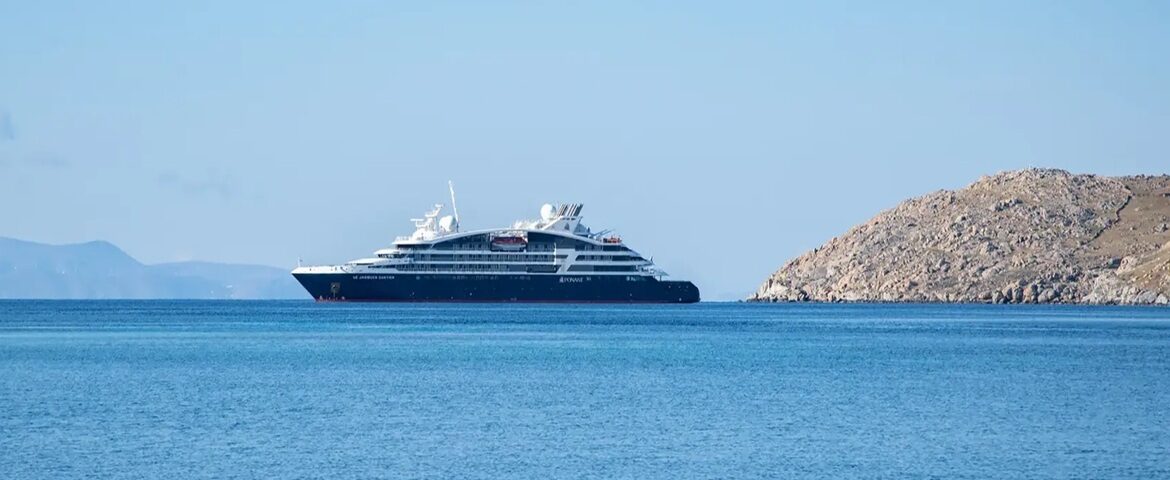
Ponant (3 Cruises)

Princess Cruises (89 Cruises)
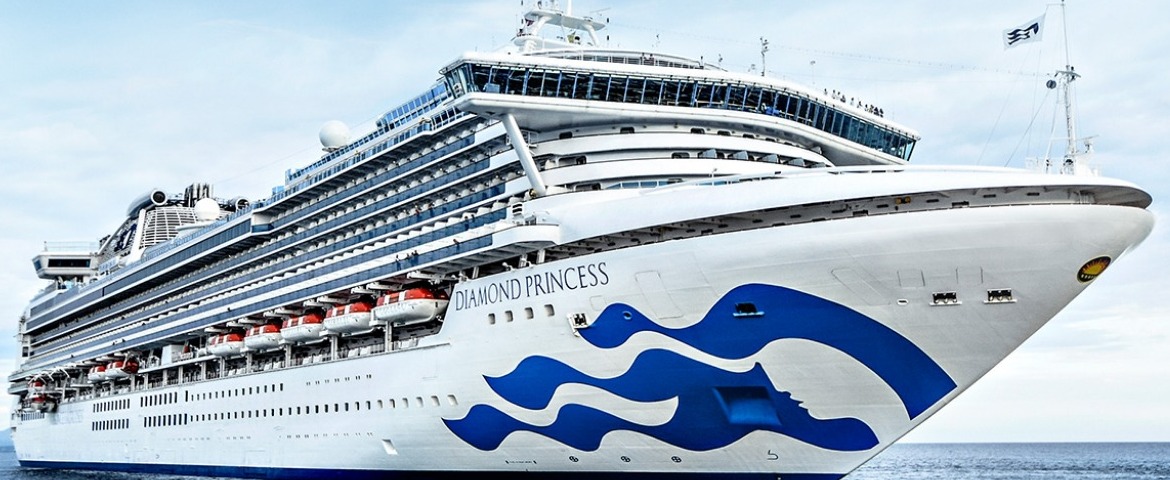
Diamond Princess
56 Cruises
| 8 May | 20 nights | Round-trip from Yokohama, Japan |
450-628-6241
Call us
|
| 18 May | 10 nights | Round-trip from Yokohama, Japan |
450-628-6241
Call us
|
| 3 September | 19 nights | Round-trip from Tokyo, Japan |
450-628-6241
Call us
|
| 3 September | 9 nights | Round-trip from Tokyo, Japan |
450-628-6241
Call us
|
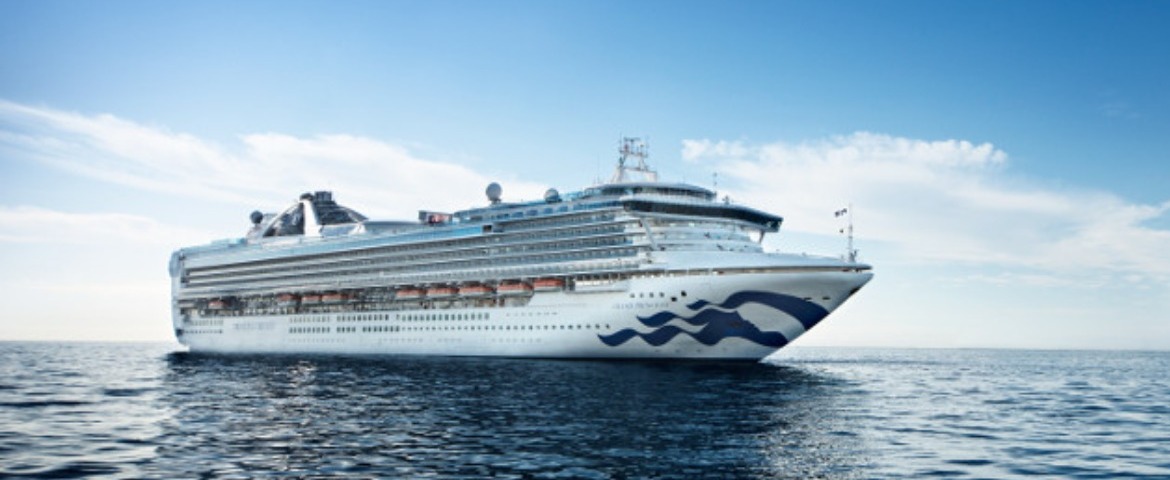
Grand Princess
5 Cruises
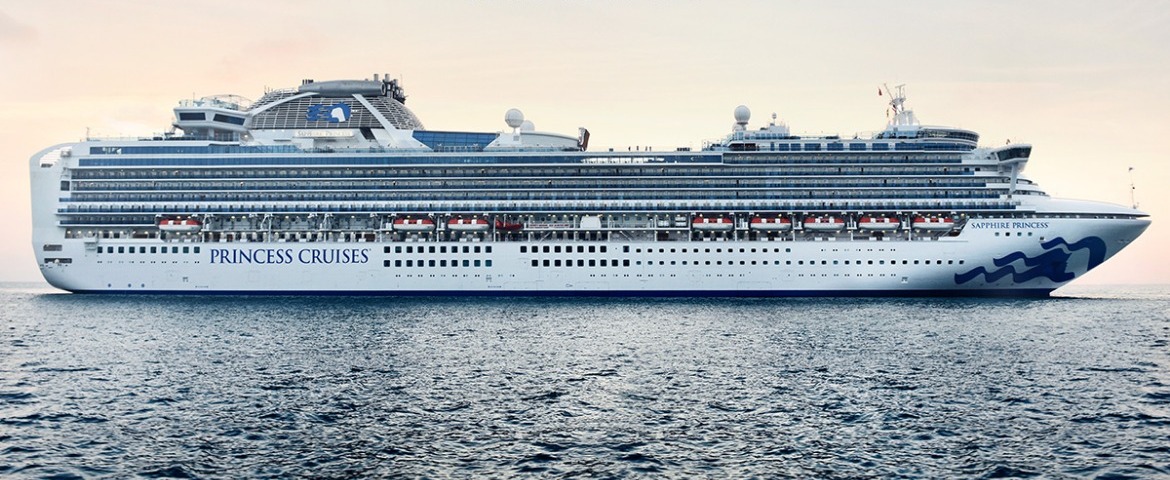
Sapphire Princess
28 Cruises
| 8 April | 24 nights | Round-trip from Tokyo, Japan |
450-628-6241
Call us
|
| 8 April | 13 nights | Round-trip from Tokyo, Japan |
450-628-6241
Call us
|
| 9 May | 20 nights | Round-trip from Tokyo, Japan |
450-628-6241
Call us
|
| 18 May | 11 nights | Round-trip from Tokyo, Japan |
450-628-6241
Call us
|
| 18 May | 18 nights | Round-trip from Tokyo, Japan |
450-628-6241
Call us
|
| 7 July | 10 nights | Round-trip from Tokyo, Japan |
450-628-6241
Call us
|
| 7 July | 17 nights | Round-trip from Tokyo, Japan |
450-628-6241
Call us
|
| 5 May | 12 nights | Round-trip from Tokyo, Japan |
450-628-6241
Call us
|
| 5 May | 22 nights | Round-trip from Tokyo, Japan |
450-628-6241
Call us
|
| 27 May | 18 nights | Round-trip from Tokyo, Japan |
450-628-6241
Call us
|
Regent Seven Seas Cruises (26 Cruises)
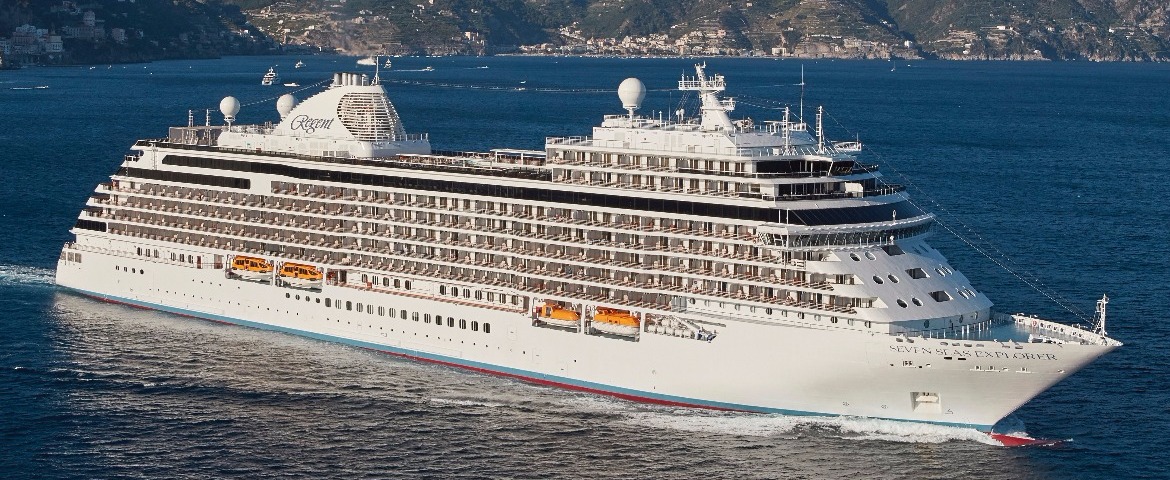
Seven Seas Explorer
11 Cruises

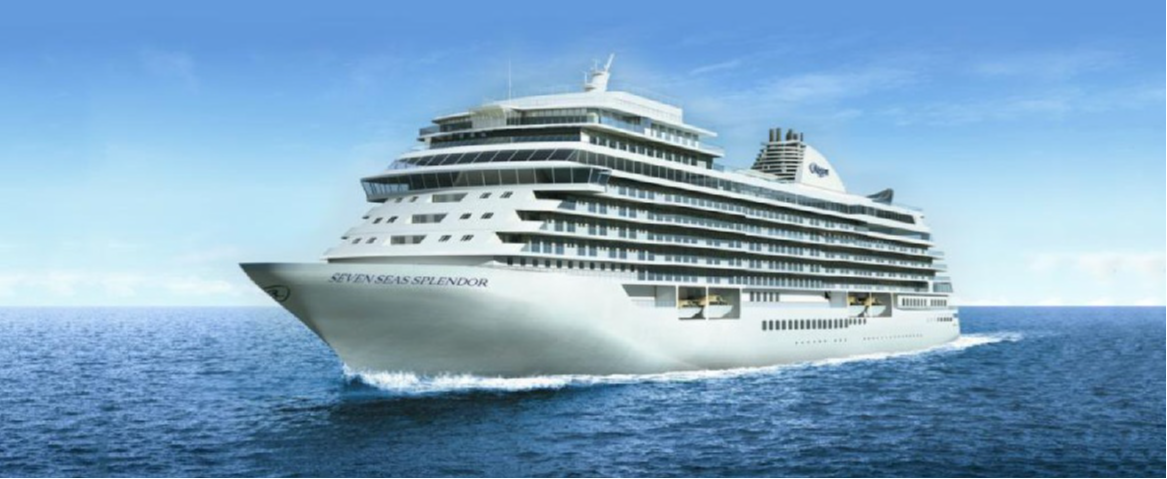
Seven Seas Splendor
15 Cruises
| 6 January | 139 nights | One-way from San Francisco to Vancouver |
450-628-6241
Call us
|
| 6 January | 132 nights | Round-trip from San Francisco, USA |
450-628-6241
Call us
|



Seabourn Cruise Line (37 Cruises)
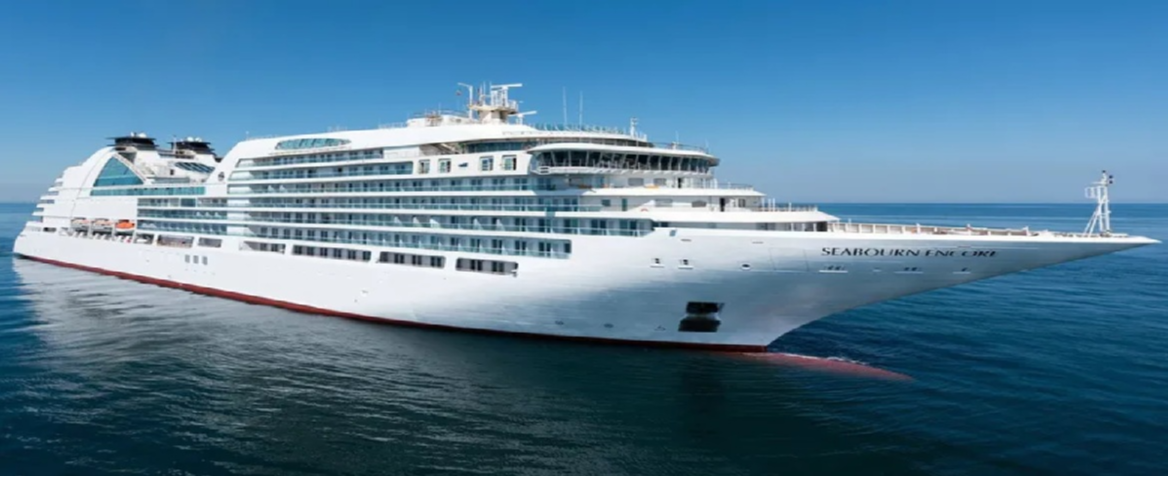
Seabourn Encore
37 Cruises

| 31 January | 40 nights | One-way from Hong Kong to Tokyo |
450-628-6241
Call us
|
| 31 January | 26 nights | One-way from Hong Kong to Tokyo |
450-628-6241
Call us
|
| 17 January | 38 nights | One-way from Singapore to Tokyo |
450-628-6241
Call us
|
| 31 January | 24 nights | One-way from Hong Kong to Tokyo |
450-628-6241
Call us
|
Silversea Cruises (29 Cruises)
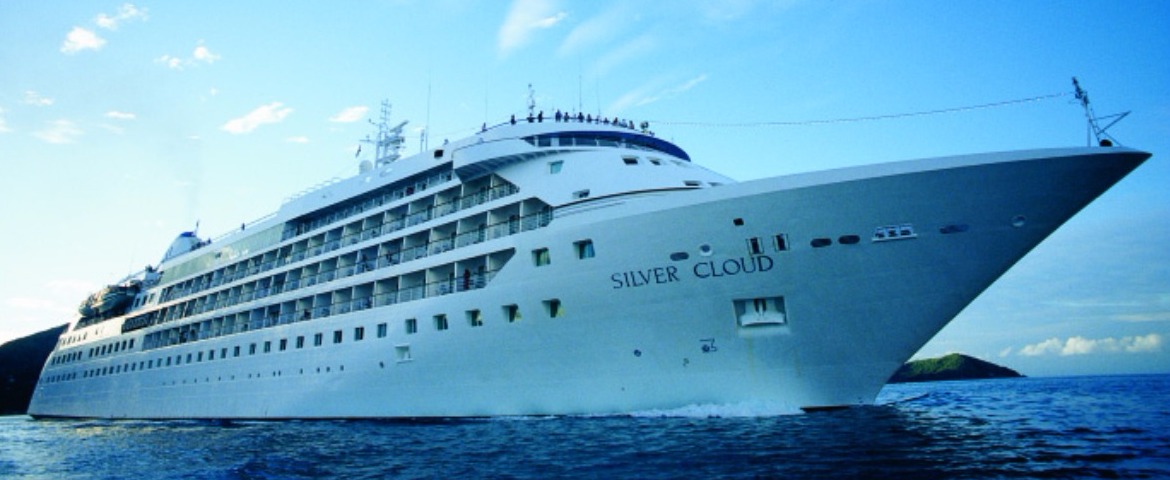

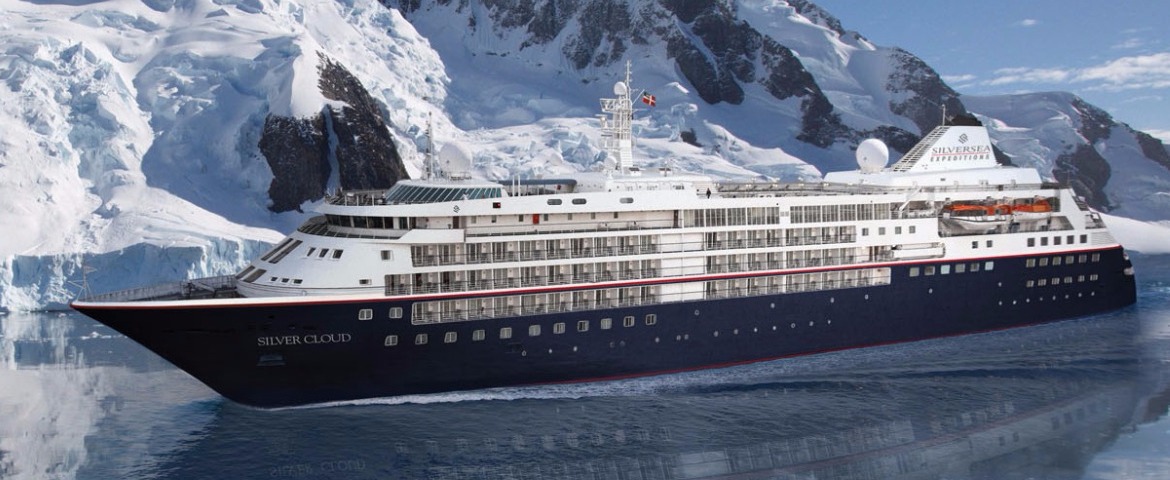
Silver Muse
17 Cruises
| 14 March | 29 nights | One-way from Singapore to Yokohama |
450-628-6241
Call us
|
| 29 March | 14 nights | One-way from Tokyo to Yokohama |
450-628-6241
Call us
|
| 12 April | 14 nights | One-way from Yokohama to Tokyo |
450-628-6241
Call us
|
| 26 April | 14 nights | One-way from Tokyo to Incheon |
450-628-6241
Call us
|
| 21 June | 12 nights | Round-trip from Tokyo, Japan |
450-628-6241
Call us
|
| 21 June | 24 nights | Round-trip from Tokyo, Japan |
450-628-6241
Call us
|
| 8 August | 24 nights | Round-trip from Tokyo, Japan |
450-628-6241
Call us
|
| 8 August | 12 nights | One-way from Tokyo to Incheon |
450-628-6241
Call us
|
Viking Ocean Cruises (37 Cruises)
Viking Neptune
7 Cruises

| 5 July | 12 nights | One-way from Tokyo to Hong Kong |
450-628-6241
Call us
|
| 19 July | 12 nights | One-way from Hong Kong to Tokyo |
450-628-6241
Call us
|
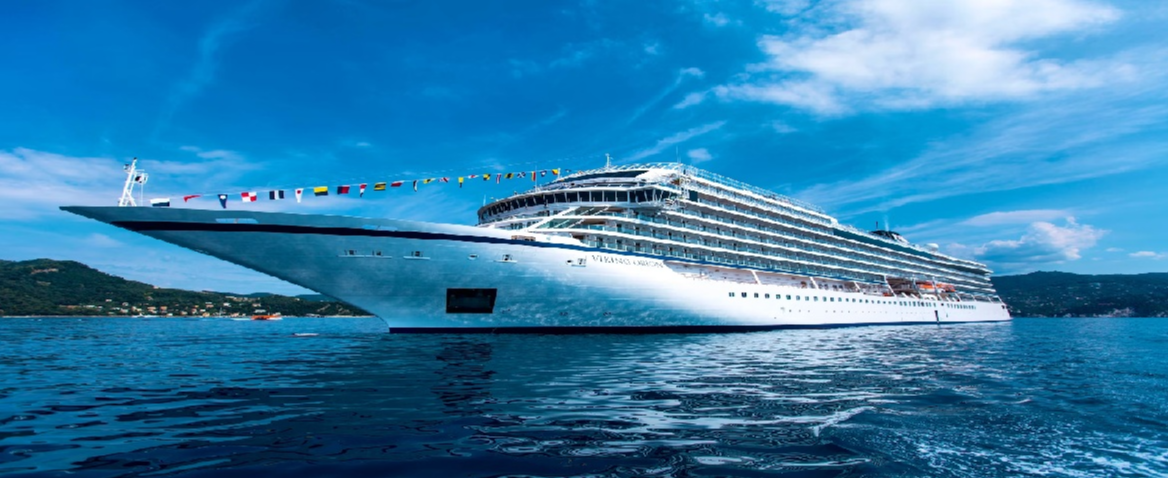
Viking Orion
14 Cruises
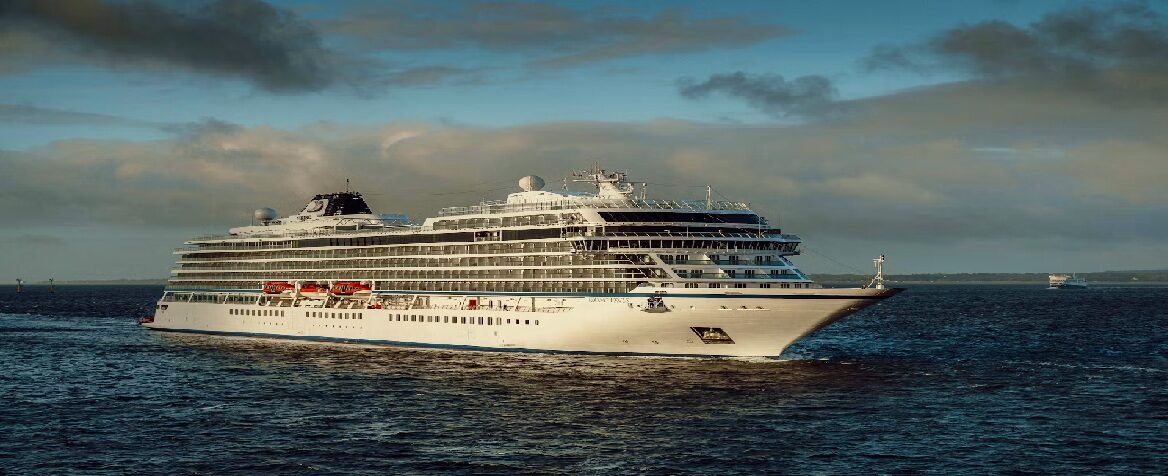
Viking Venus
16 Cruises
| 1 March | 90 nights | One-way from Auckland to Vancouver |
450-628-6241
Call us
|
| 14 March | 77 nights | One-way from Sydney to Vancouver |
450-628-6241
Call us
|
| 4 February | 90 nights | One-way from Auckland to Vancouver |
450-628-6241
Call us
|
| 17 February | 77 nights | One-way from Sydney to Vancouver |
450-628-6241
Call us
|

Shimizu, Japan | Cruise Port Guide
Frequently Asked Questions
Some mornings, yes: when the air is clear, the cone appears whole from the ship's deck, snow clinging to the summit much of the year. But the peak often veils over by midday; the clearest views come early. Some days it does not show at all.
At Hinode Pier, which can take two ships at once, with a terminal offering wireless internet, tourist information and a currency exchange counter. The port area is modern, tidy and made for walking.
Yes, a full half-day. The S-Pulse Dream Plaza complex, named after the local soccer team, holds shops, restaurants, a museum devoted to sushi and a Ferris wheel called Dream Sky. Water buses link the quays to the Kashi-no-ichi market.
A spit of sand where more than 30,000 pines lean towards the sea, with Fuji behind them. The site is World Heritage listed as a component of Fujisan, and Japanese artists have depicted it for centuries.
A famous tale has a celestial being descend here to hang her feathered robe on a pine. Walking under the needles, listening to the waves roll the pebbles, you quickly see why this beach inspired so many woodblock painters.
A shrine clinging to the slopes above the bay, spreading its lacquered and gilded pavilions through the vegetation. It honours the founder of the Tokugawa shogunate and preserves decorative craftsmanship of remarkable finesse, gold and lacquer chiselled into the smallest beams. You have to earn it: the site sits high up.
Three options. Simple: Dream Plaza, the fish market and the waterfront, on foot or by water bus. Nature: shuttle or taxi to Miho no Matsubara and a walk under the pines. Full: combine the pine grove with Kunozan Toshogu, keeping an eye on the return time.
Restaurants around the port showcase the catch of Suruga Bay, the deepest in Japan, known among other things for its sakura shrimp, served as light fritters or raw over rice. The Kashi-no-ichi market overflows with bay produce.
Yes, the prefecture produces a significant share of Japan's green tea, and the terraced hills around the city show it. Several excursions add a tasting or a photo stop among the rows of tea bushes.
Do not build the whole day around Fuji. Japan itself ranks this port among its three finest, and the pine grove, the shrine and the market stand on their own without the volcano. Locals say the mountain chooses who it reveals itself to.


