Wellington New Zealand
New Zealand
170
Cruises availables
At departure or passage at this port
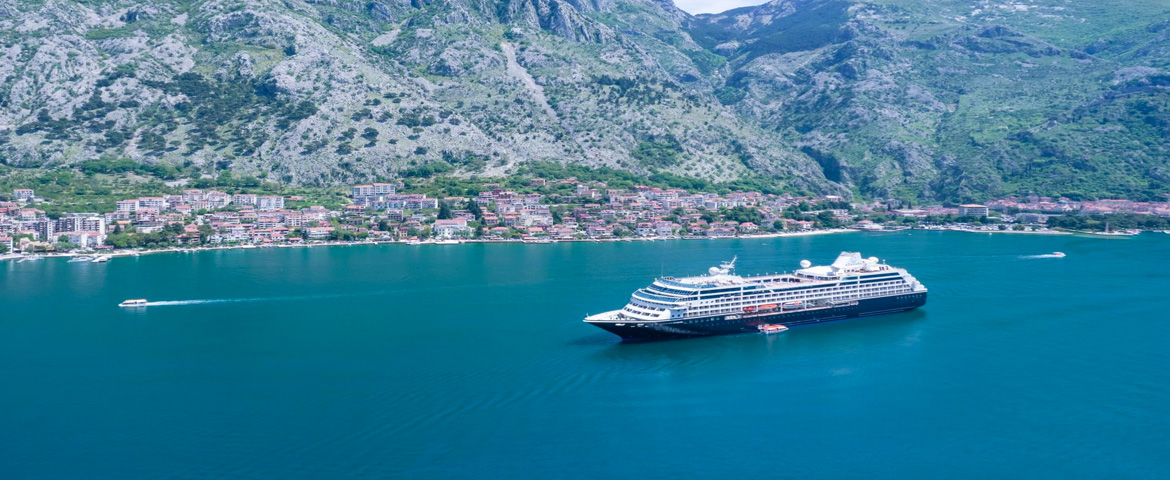
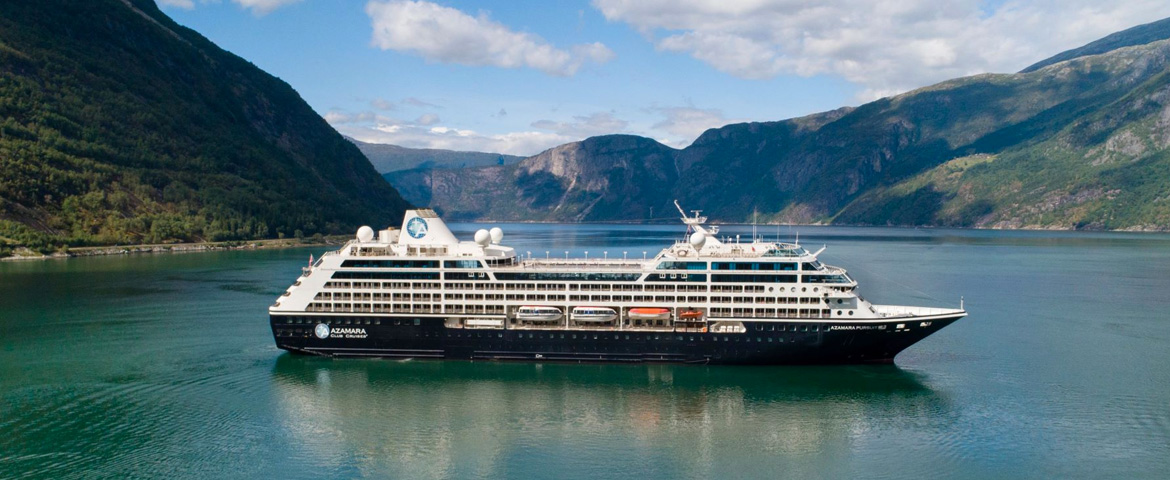
Azamara Club Cruises (14 Cruises)

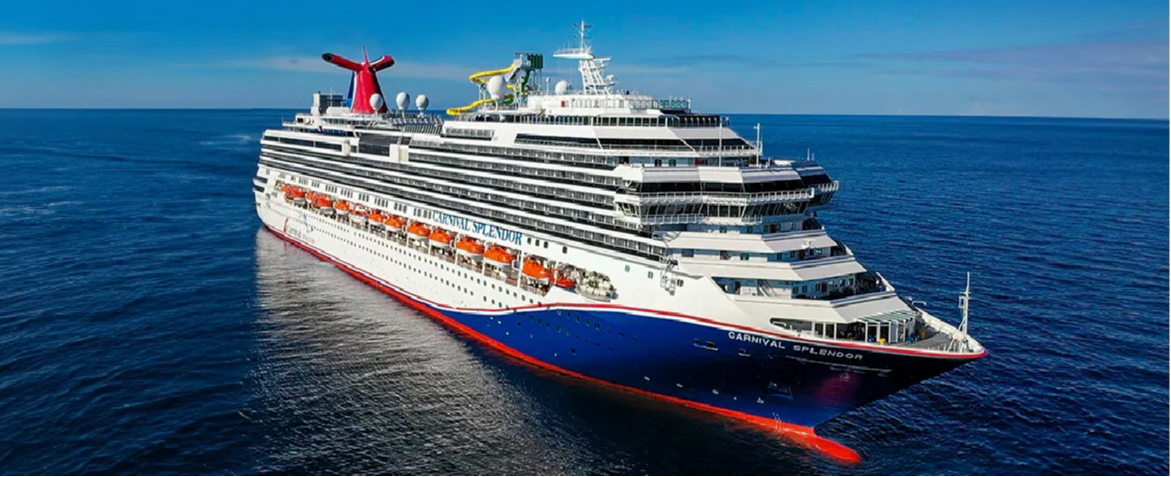
Carnival Cruise Line (6 Cruises)

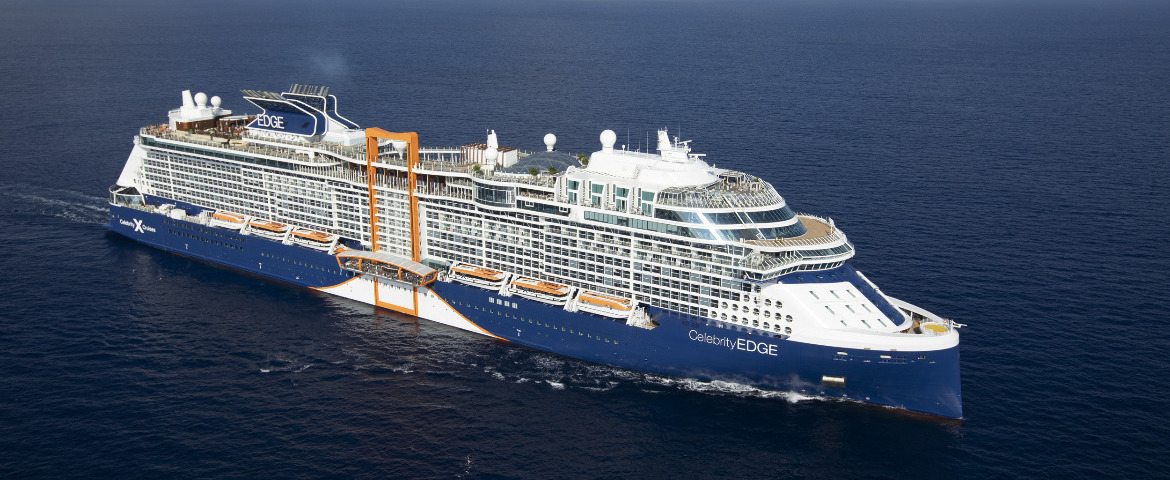
Celebrity Cruises (7 Cruises)

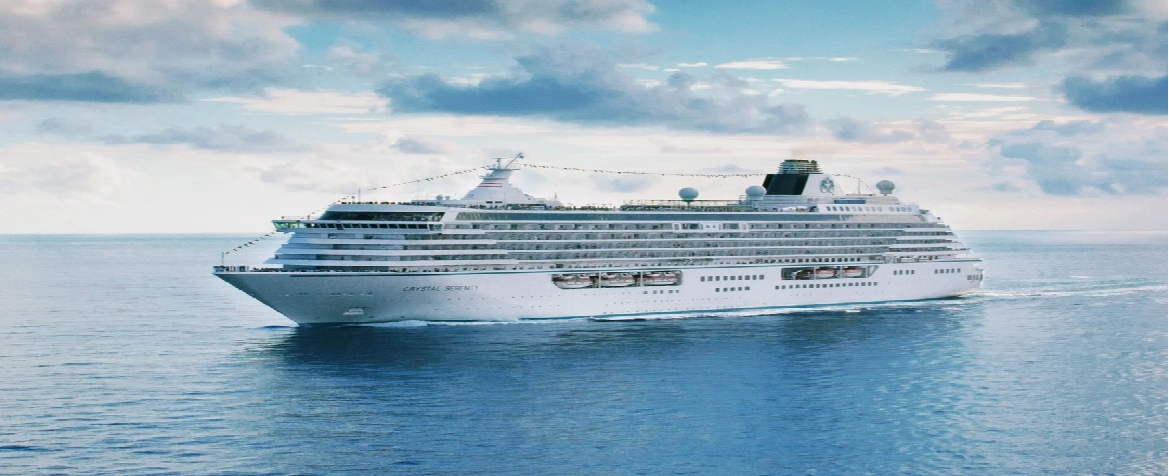
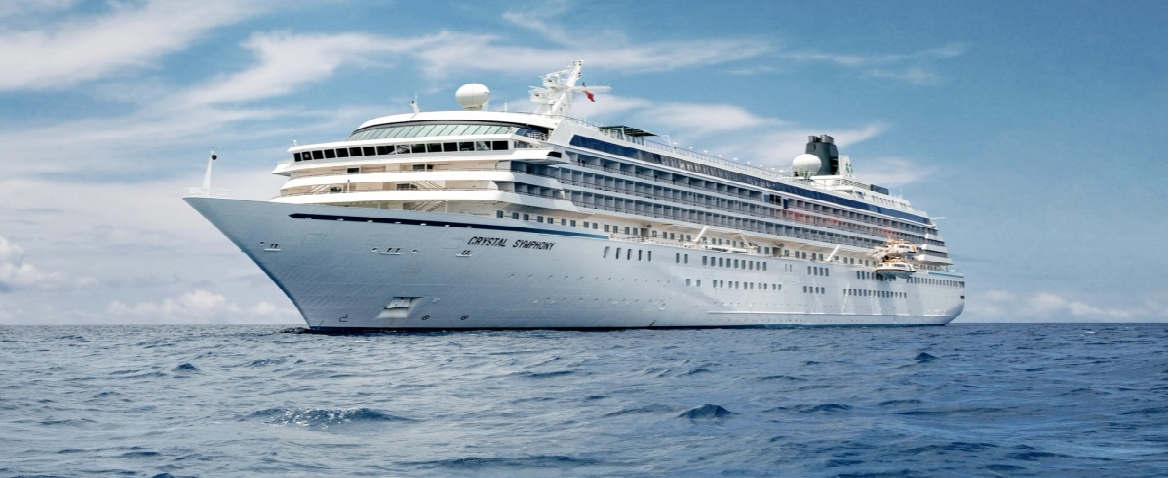
Crystal Cruises (11 Cruises)

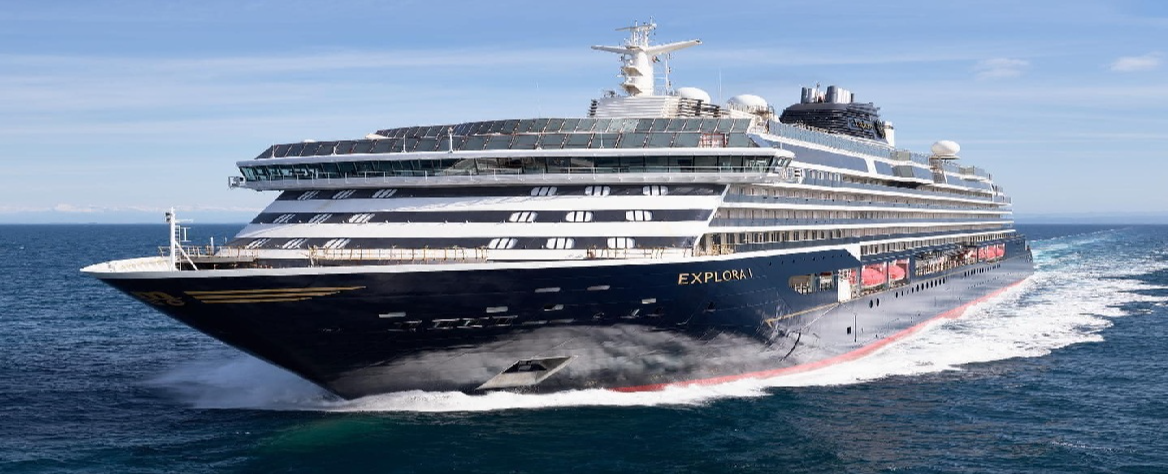
Explora Journeys (3 Cruises)

Holland America Line (20 Cruises)
ms Noordam
7 Cruises
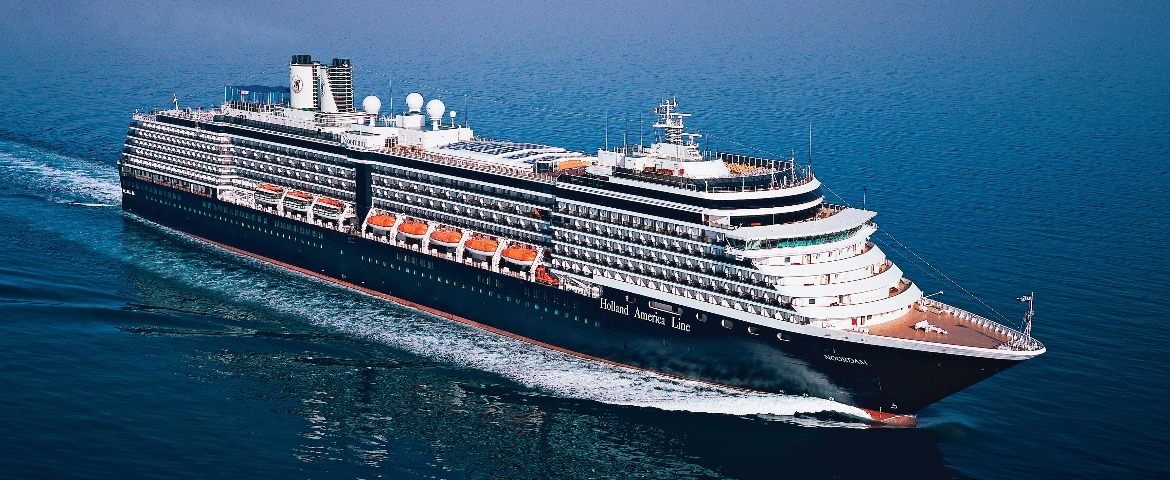

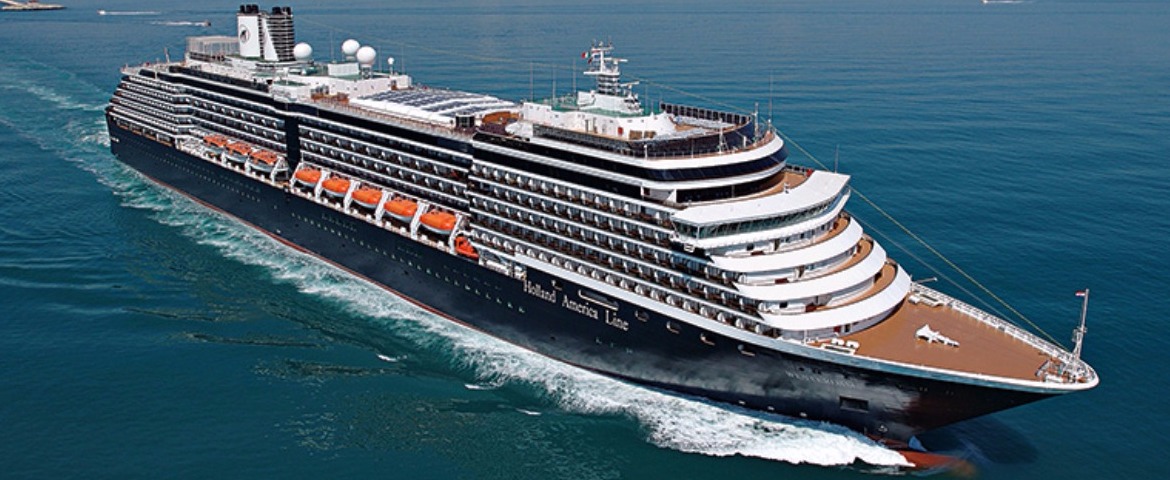
ms Westerdam
13 Cruises
| 19 September | 35 nights | One-way from Seattle to Sydney |
450-628-6241
Call us
|
| 19 September | 49 nights | One-way from Seattle to Auckland |
450-628-6241
Call us
|
| 4 January | 40 nights | Round-trip from Sydney, Australia |
450-628-6241
Call us
|
| 30 January | 14 nights | One-way from Auckland to Sydney |
450-628-6241
Call us
|
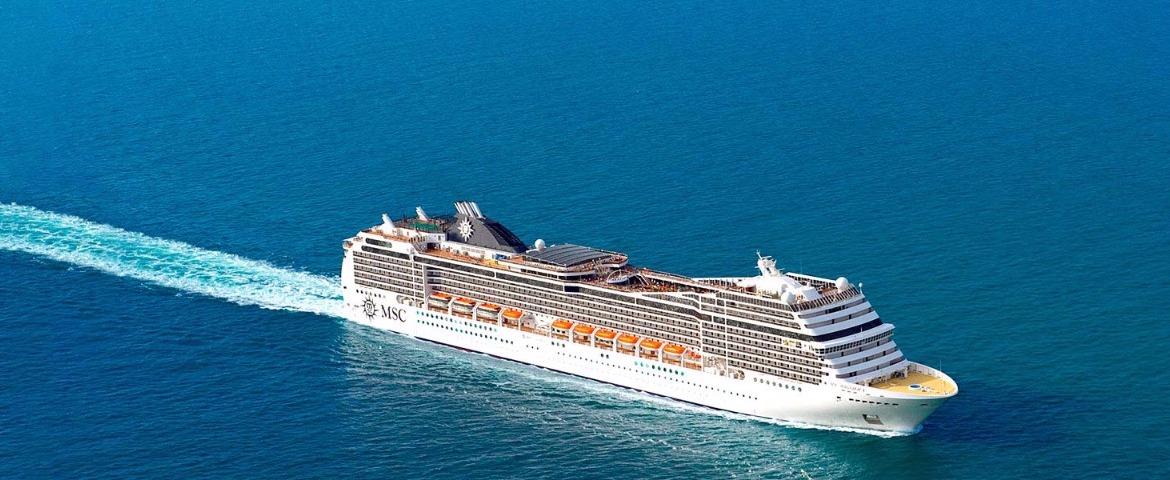
MSC Cruises (4 Cruises)

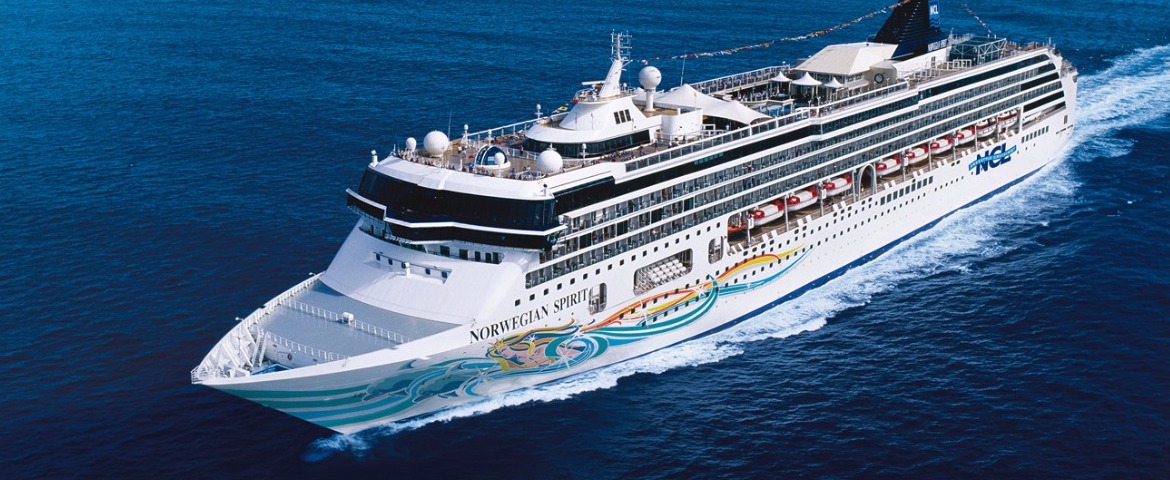
Norwegian Cruise Line (2 Cruises)

Oceania Cruises (14 Cruises)
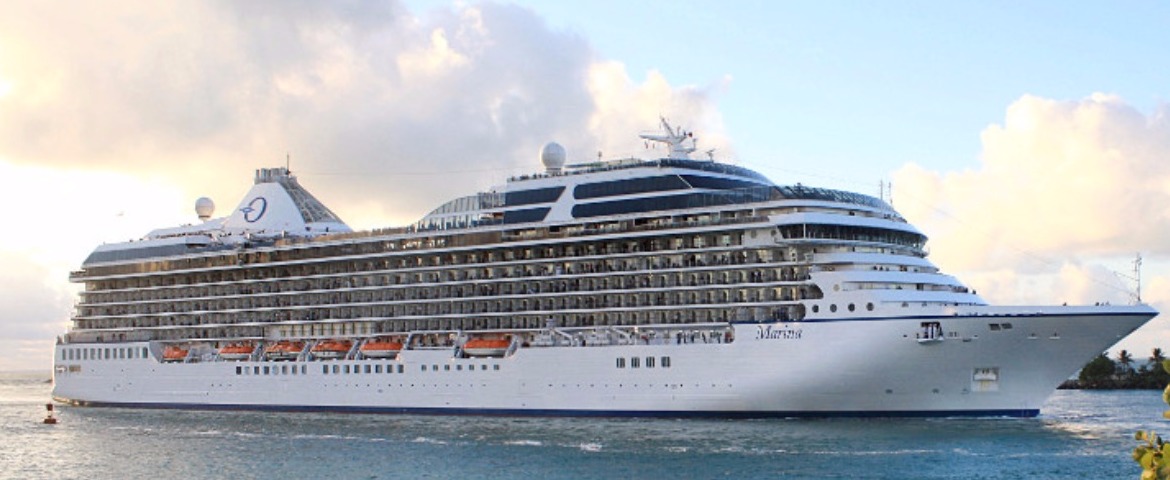

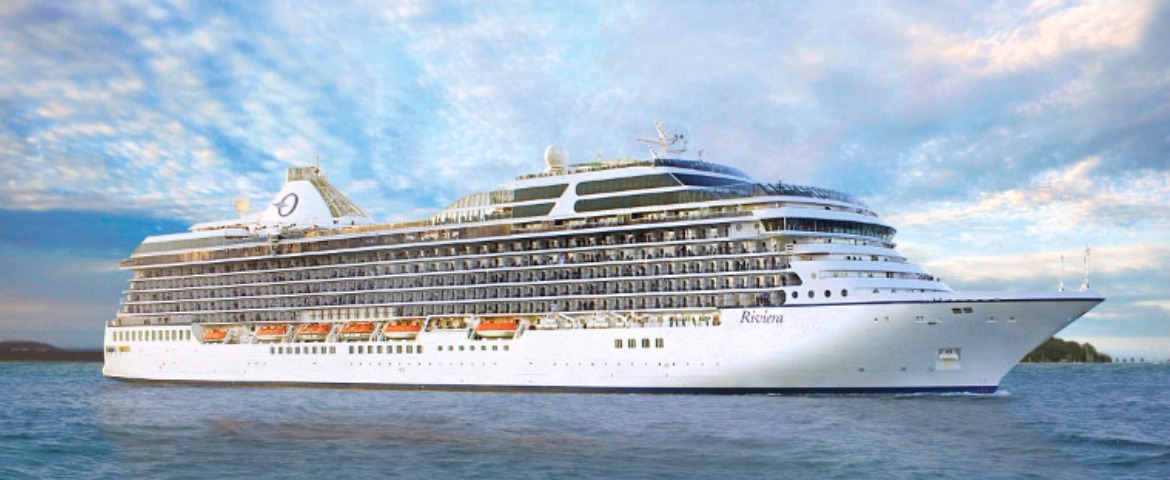
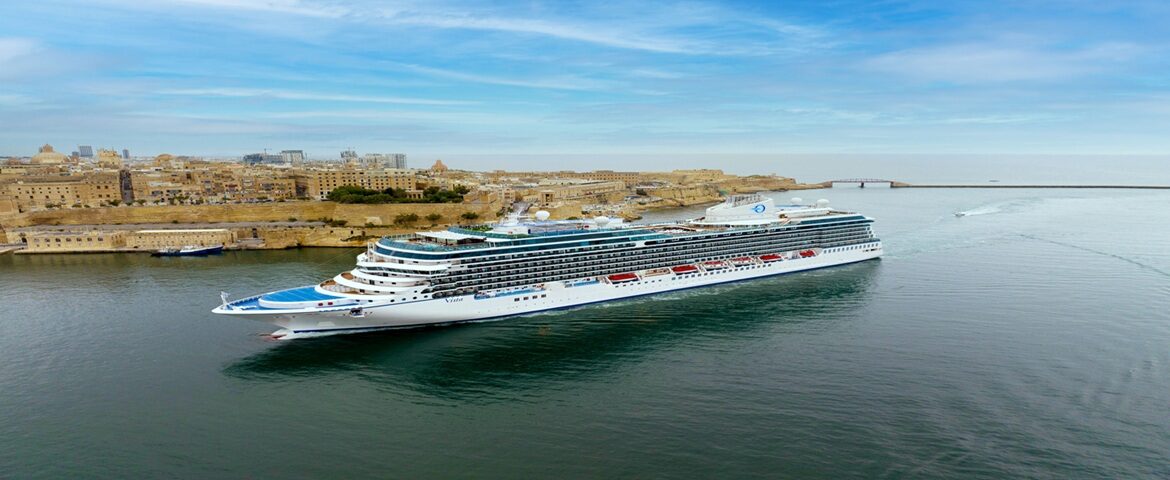
Oceania Riviera
6 Cruises
Princess Cruises (20 Cruises)
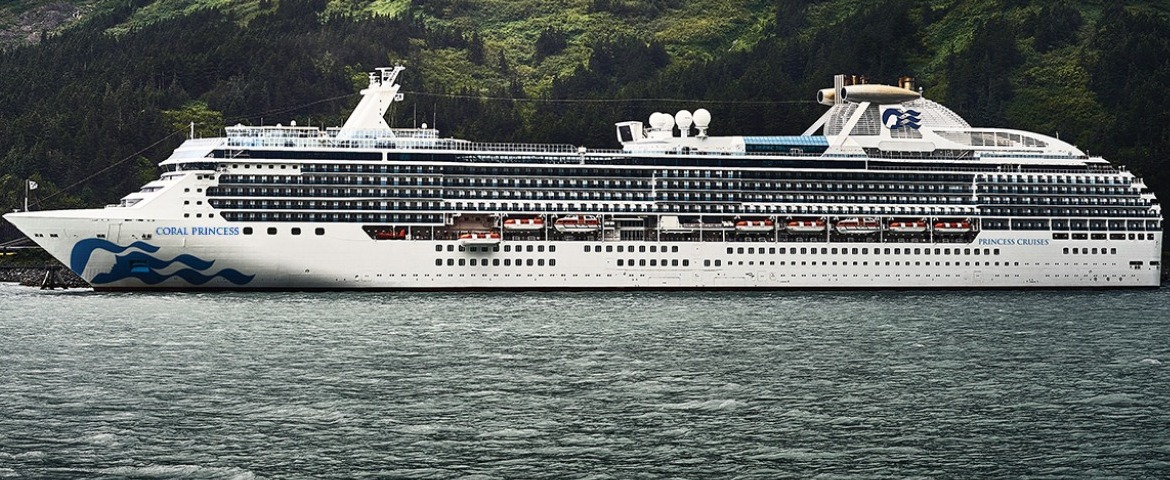
Coral Princess
7 Cruises

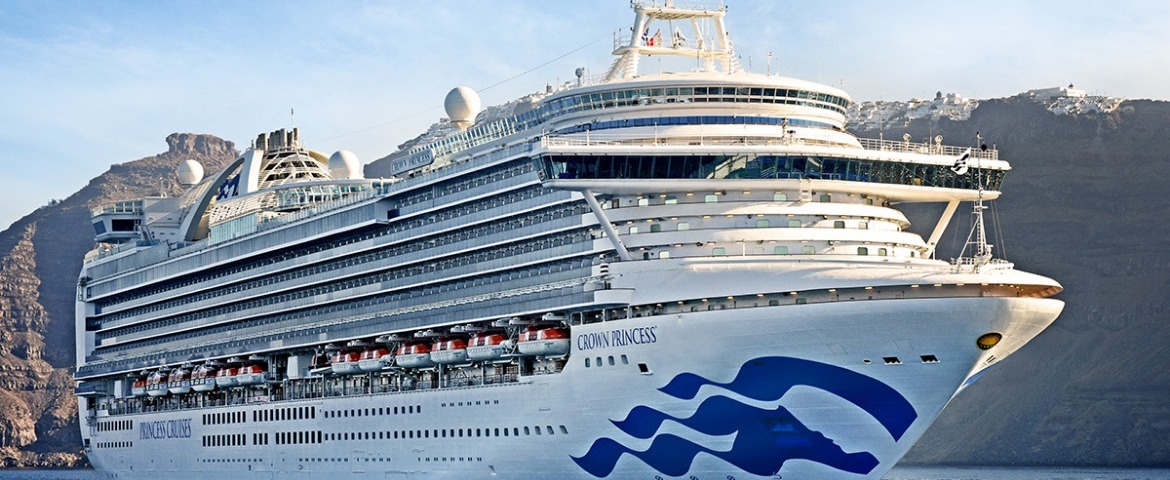
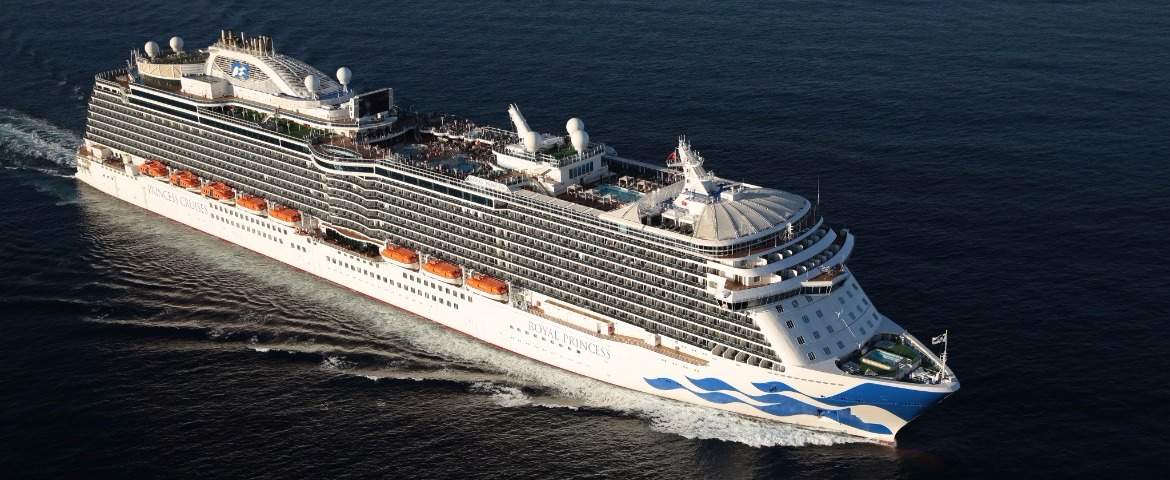
Royal Princess
10 Cruises
| 21 September | 32 nights | One-way from Vancouver to Sydney |
450-628-6241
Call us
|
| 25 September | 28 nights | One-way from Los Angeles to Sydney |
450-628-6241
Call us
|
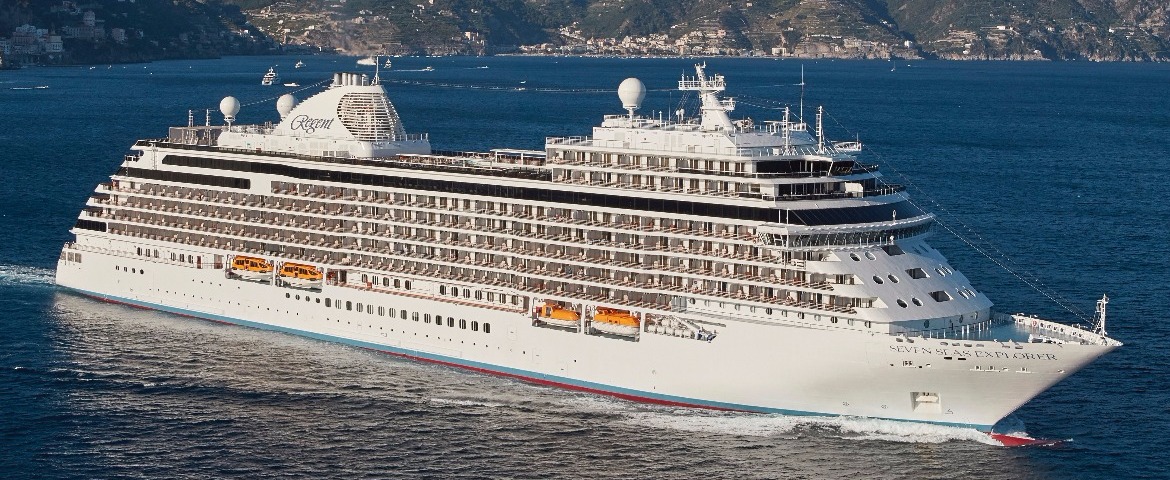
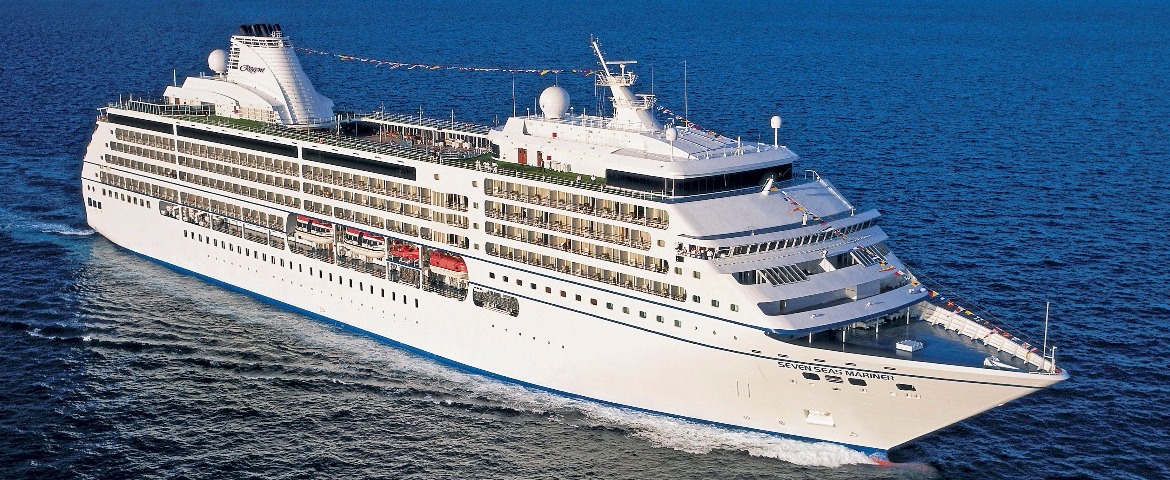
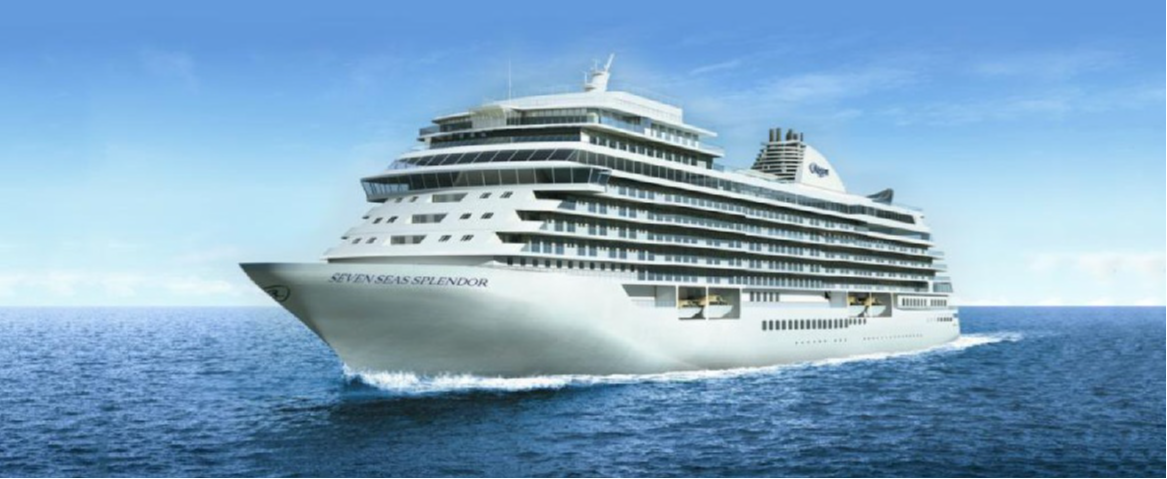
Regent Seven Seas Cruises (14 Cruises)

Royal Caribbean Cruises (4 Cruises)


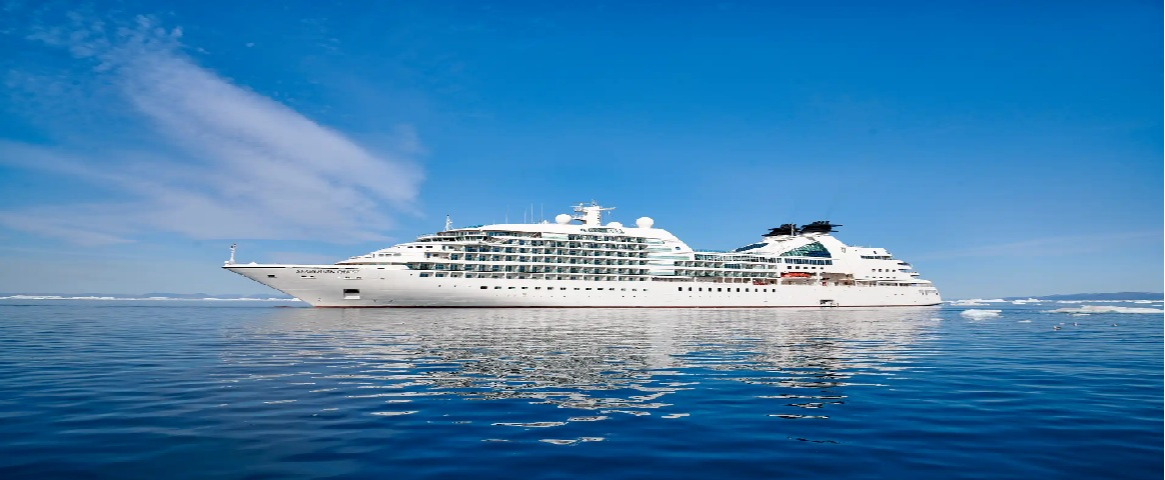
Seabourn Cruise Line (5 Cruises)

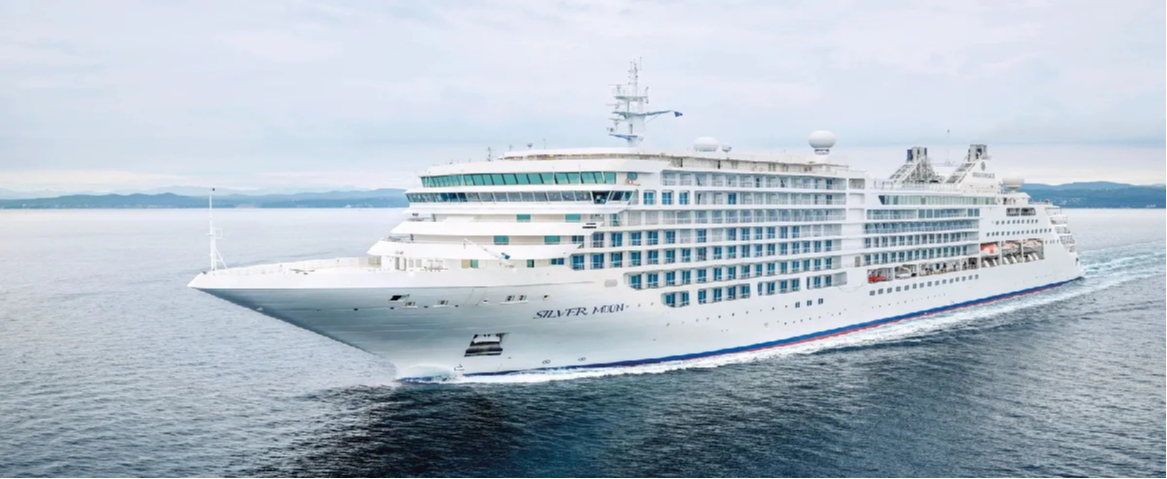
Silversea Cruises (7 Cruises)

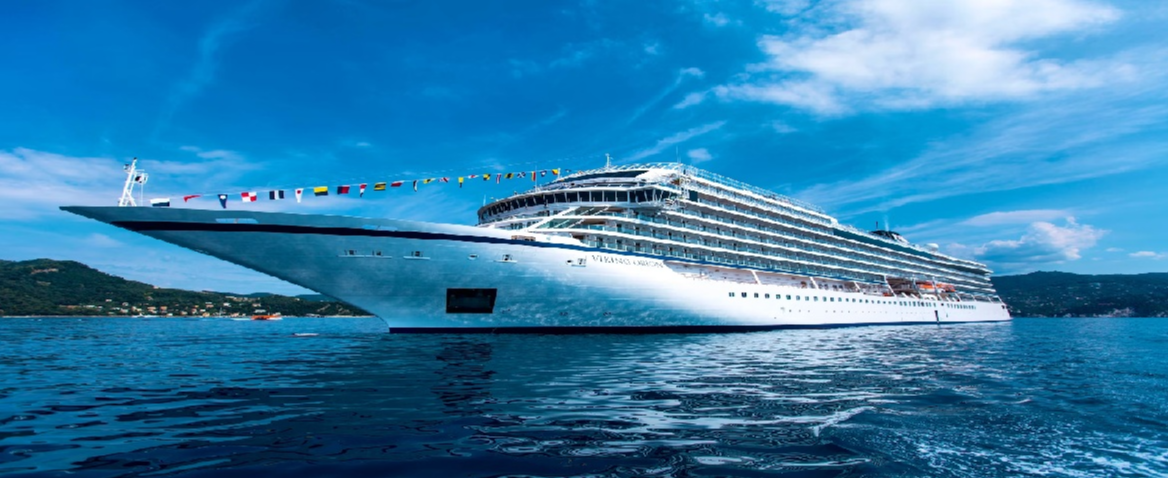
Viking Ocean Cruises (39 Cruises)
Viking Orion
15 Cruises

| 12 January | 11 nights | One-way from Sydney to Auckland |
450-628-6241
Call us
|
| 26 January | 12 nights | One-way from Auckland to Sydney |
450-628-6241
Call us
|
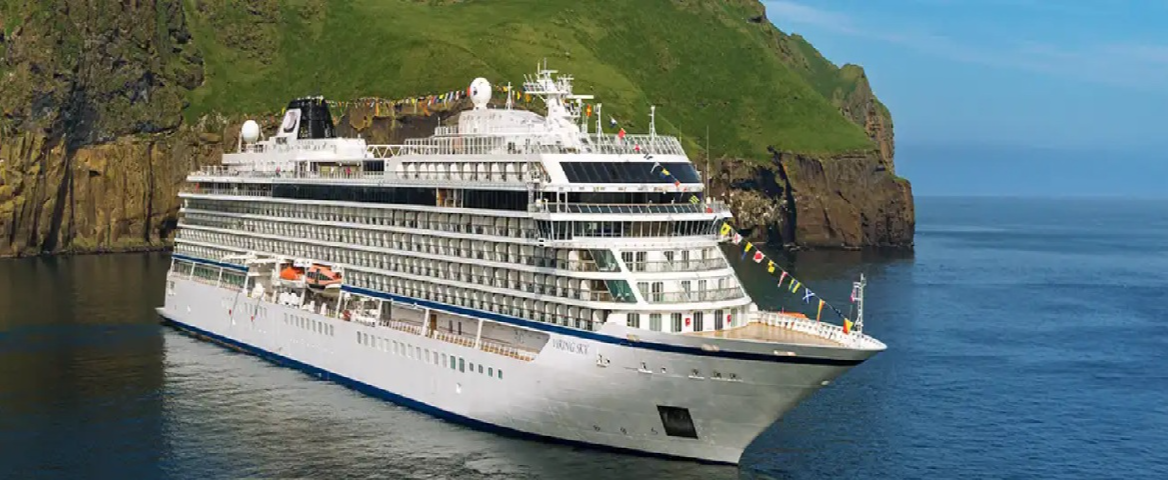
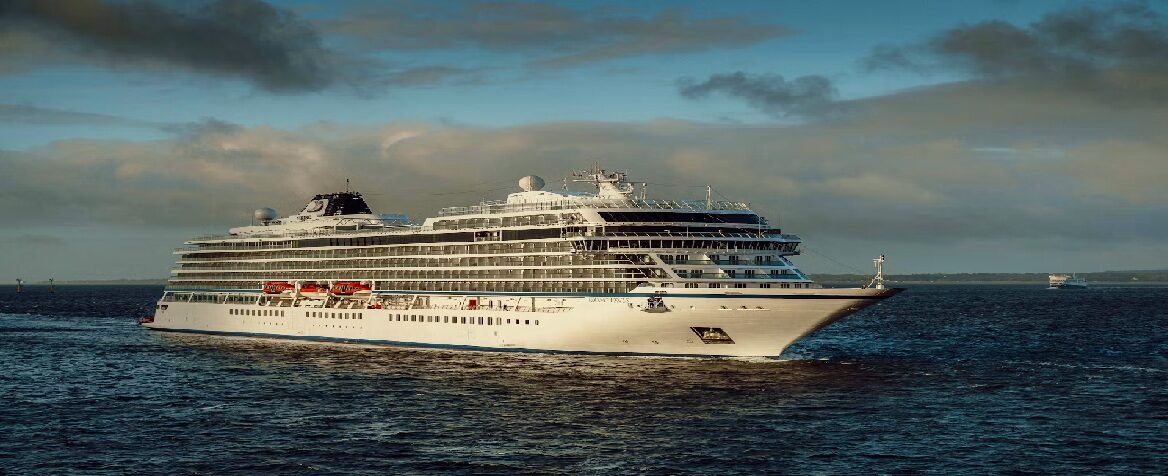
Viking Venus
20 Cruises
| 4 January | 12 nights | One-way from Auckland to Sydney |
450-628-6241
Call us
|
| 18 January | 12 nights | One-way from Sydney to Auckland |
450-628-6241
Call us
|
| 1 February | 12 nights | One-way from Auckland to Sydney |
450-628-6241
Call us
|
| 15 February | 12 nights | One-way from Sydney to Auckland |
450-628-6241
Call us
|

Port of Wellington | Cruise Port Guide
Frequently Asked Questions
At Aotea Quay, about two kilometres from the city centre. A shuttle drops passengers at the edge of the business district, and everything after that is on foot.
Te Papa museum alone deserves much of the morning. Add the waterfront promenade, the red cable car up to Kelburn and the walk back down through the botanic garden, then a stop on Cuba Street.
The national museum, over six levels: Polynesian migrations, Māori treasures around a contemporary marae, an earthquake simulator and a colossal squid several metres long. One of the most visited museums in the southern hemisphere, and it is easy to see why.
The city sits in an amphitheatre of hills around a deep harbour, at the point where Cook Strait funnels the wind. It combs the waterfront pines and pours down the sloping streets — locals wear the nickname with humour. Keep your coat done up.
A small red funicular that climbs from Lambton Quay, the main shopping street, to the hilltop suburb of Kelburn in a few minutes. From the lookout the harbour opens at a glance, with ferries tracing their wakes towards the South Island.
Through the botanic garden: twenty-five hectares of tree ferns, giant conifers and rose beds that come out near Parliament and its striking Beehive, the circular executive building. It is the pleasantest way back.
Wellington's bohemian quarter: vintage shops, record stores, secondhand bookshops and a colourful bucket fountain that has soaked the inattentive since the 1960s. Coffee roasters, craft breweries and good kitchens sit side by side.
A valley protected by a predator-proof fence, about ten minutes from the centre, where you can watch kaka, tui and other rare birds living free — birds barely heard anywhere else on earth.
The Mount Victoria lookout, reached by bus or taxi: the harbour, the southern suburbs and the hills in a single sweep. Film fans may recognize the woods below, where scenes from the Lord of the Rings trilogy were shot.
Bronze plaques along the waterfront carrying quotations from New Zealand writers. They punctuate the continuous promenade linking converted sheds, jetties and museums, all the way to Te Papa's grey bulk.


