La Goulette-Tunis Tunisia
907
Cruises availables
At departure or passage at this port
Azamara Club Cruises (16 Cruises)
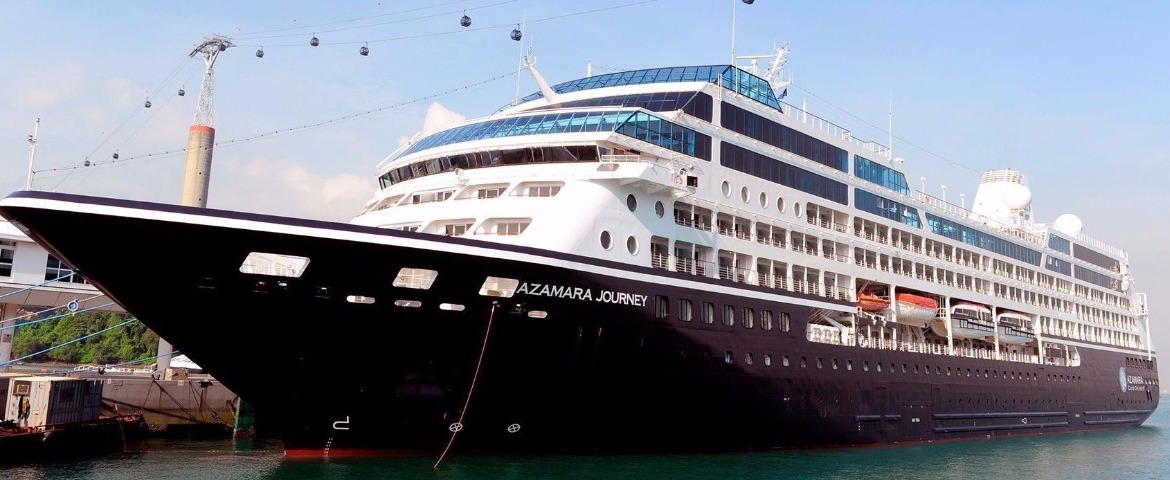
Azamara Journey
8 Cruises

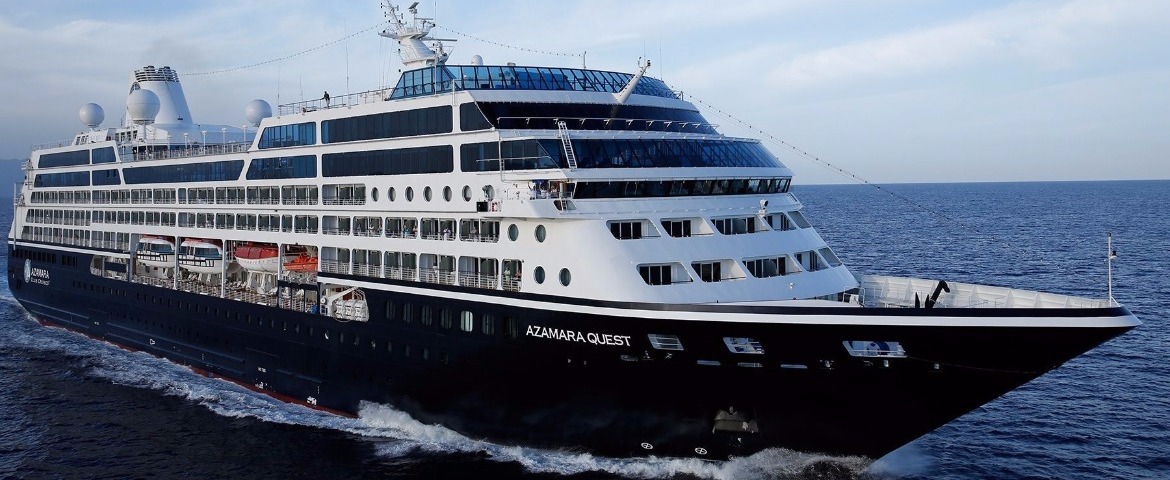
Azamara Quest
4 Cruises
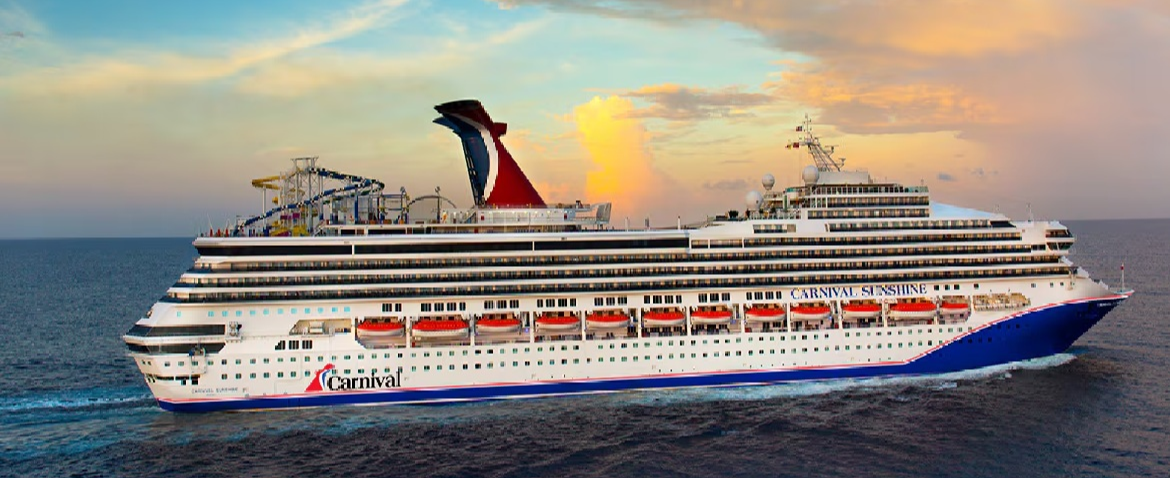
Carnival Cruise Line (7 Cruises)

Costa Cruises (174 Cruises)
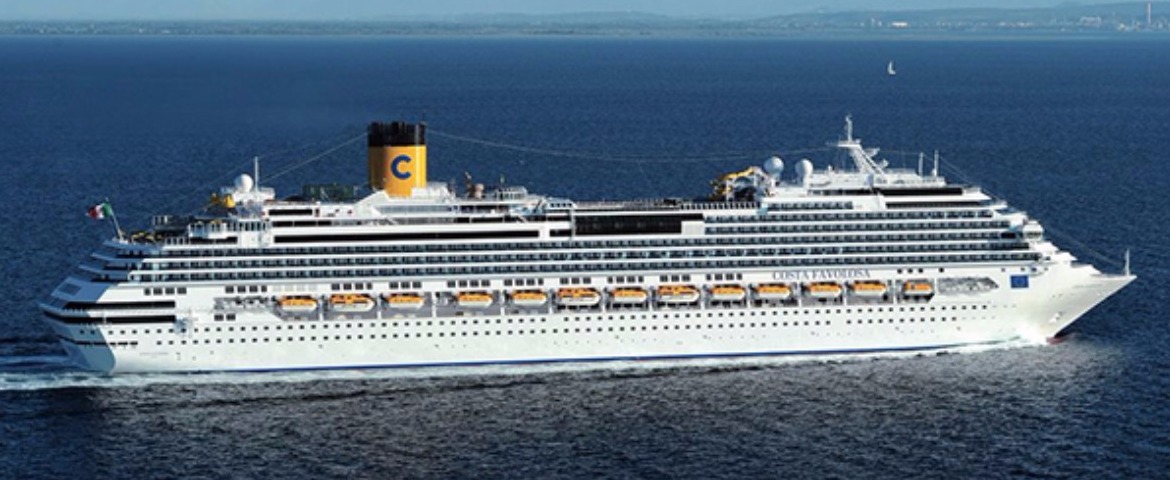
Costa Favolosa
14 Cruises

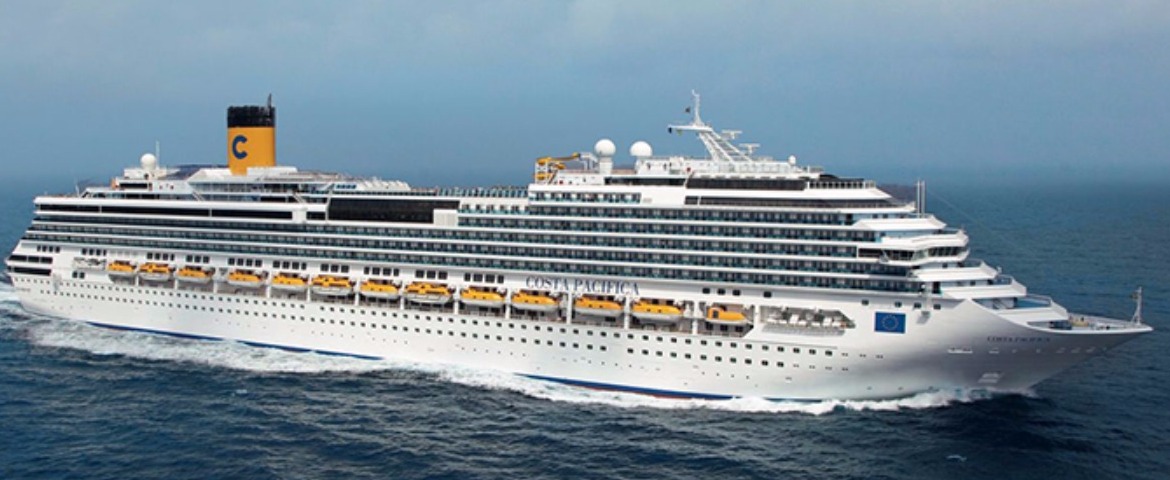
Costa Pacifica
132 Cruises
Costa Toscana
28 Cruises
Crystal Cruises (27 Cruises)
Crystal Grace
8 Cruises

Crystal Serenity
6 Cruises
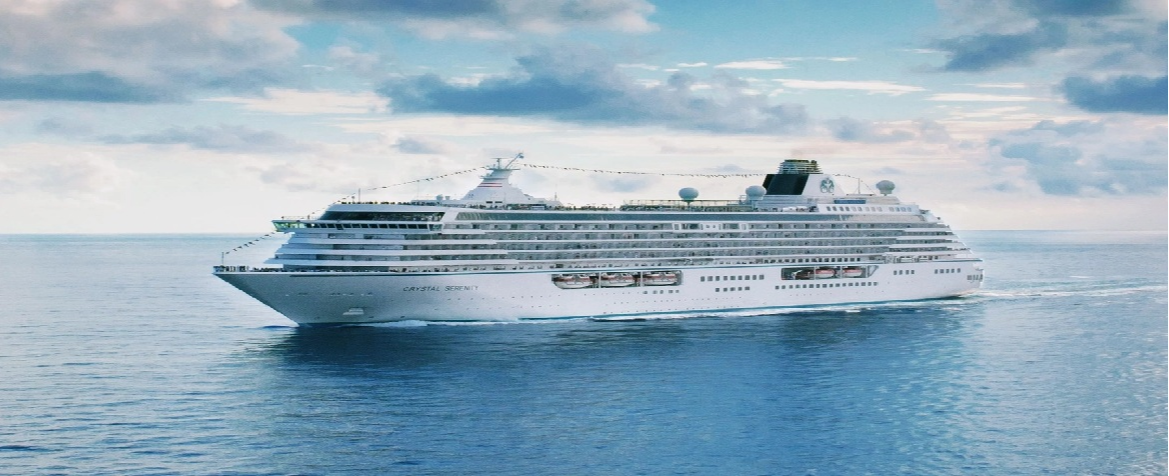
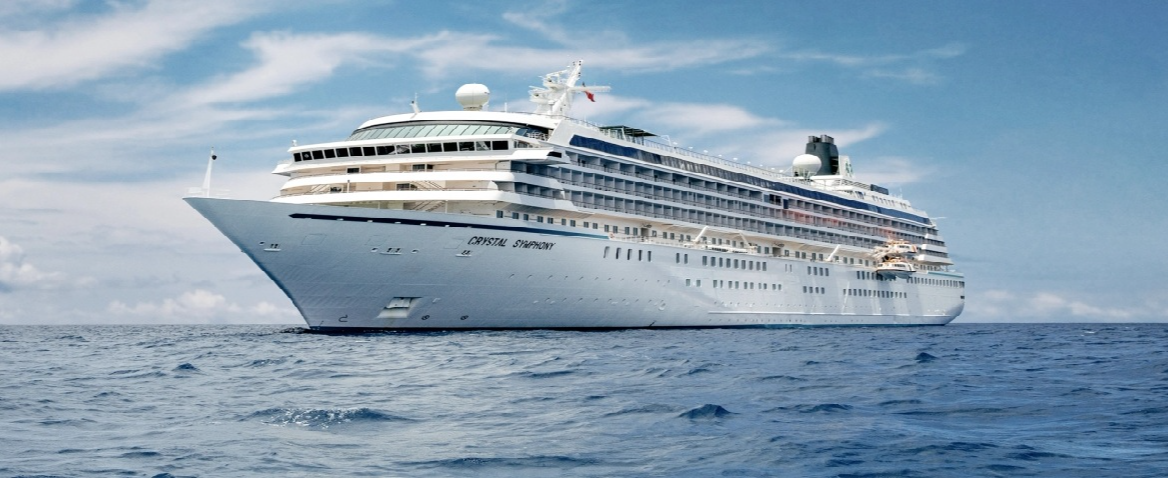
Crystal Symphony
13 Cruises
| 20 May | 24 days | Round-trip from Civitavecchia-Rome, Italy |
450-628-6241
Call us
|
| 27 May | 8 days | One-way from Valletta to Barcelona |
450-628-6241
Call us
|
| 11 January | 137 days | One-way from Fort Lauderdale to Barcelona |
450-628-6241
Call us
|
| 11 January | 151 days | Round-trip 150 Night Roundtrip Fort Lauderdale Cruise |
450-628-6241
Call us
|
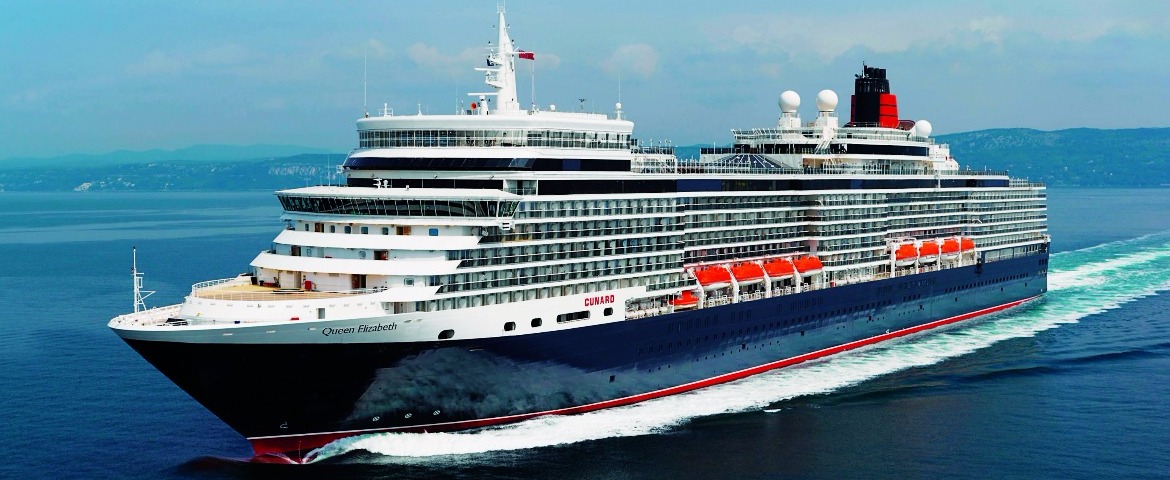
Cunard (3 Cruises)

Explora Journeys (29 Cruises)
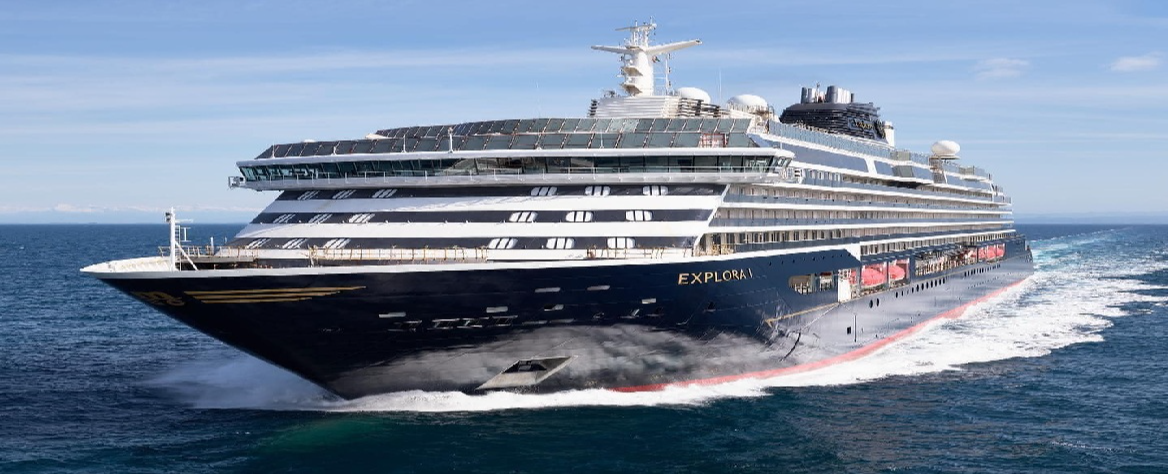
Explora I
17 Cruises

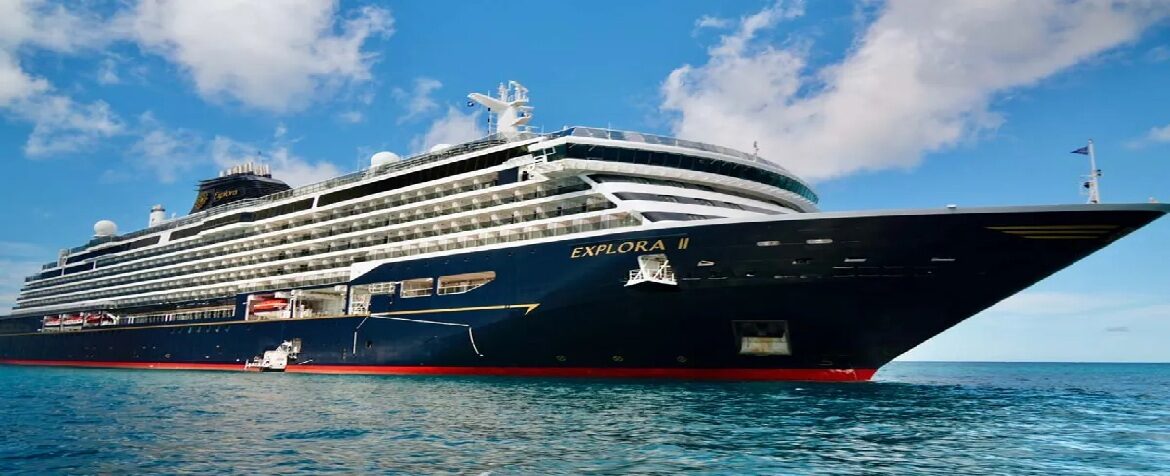
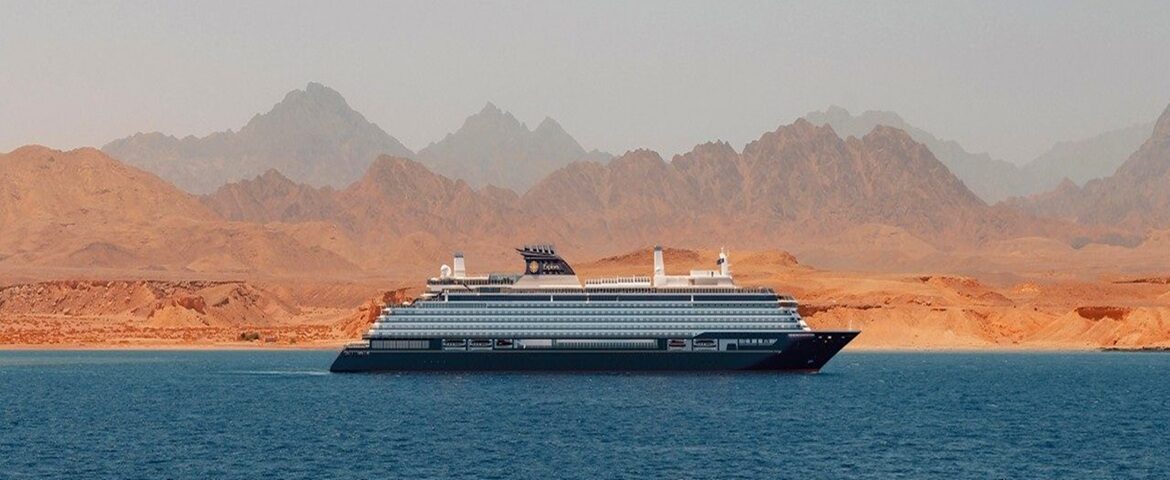
Explora II
8 Cruises
Holland America Line (10 Cruises)
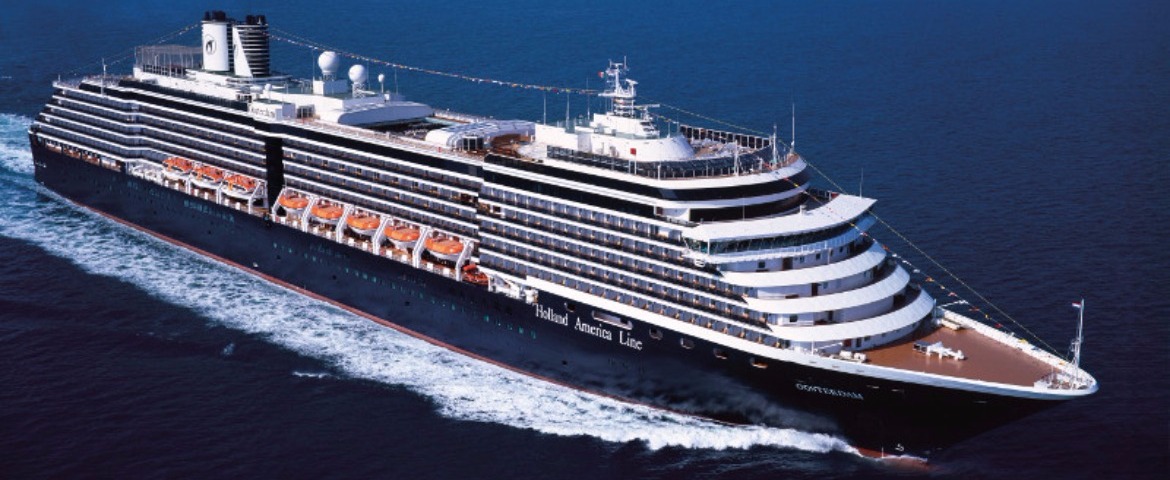
ms Oosterdam
6 Cruises

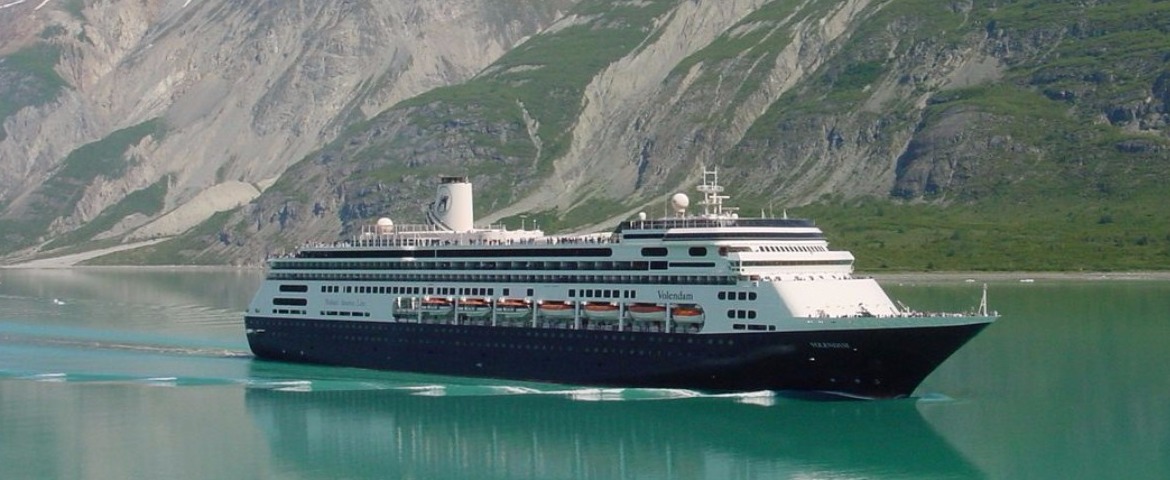
ms Volendam
4 Cruises
MSC Cruises (472 Cruises)
MSC Euribia
218 Cruises
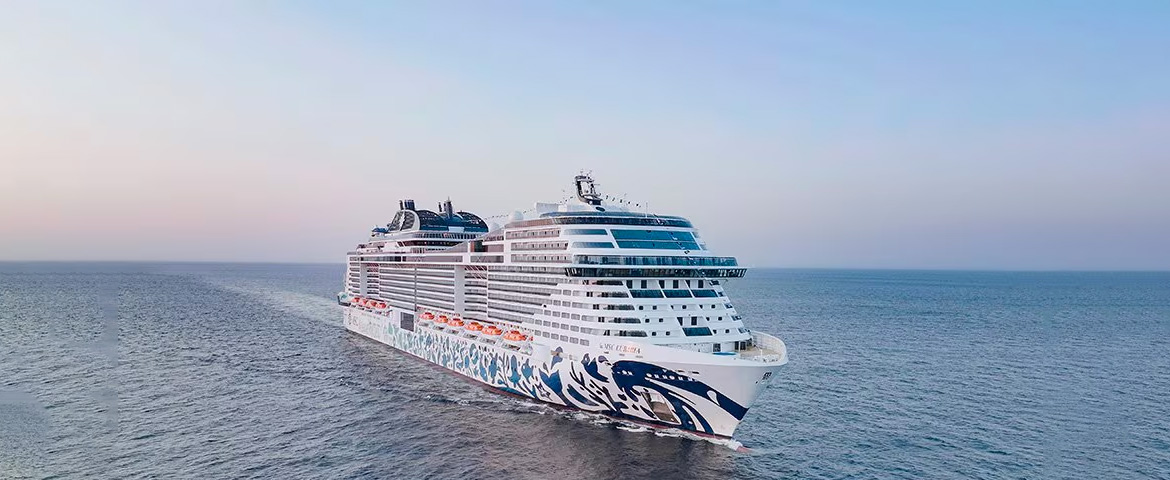

| 28 October | 8 days | Round-trip from Palermo, Italy |
450-628-6241
Call us
|
| 31 October | 8 days | Round-trip from Barcelona, Spain |
From
1787$
|
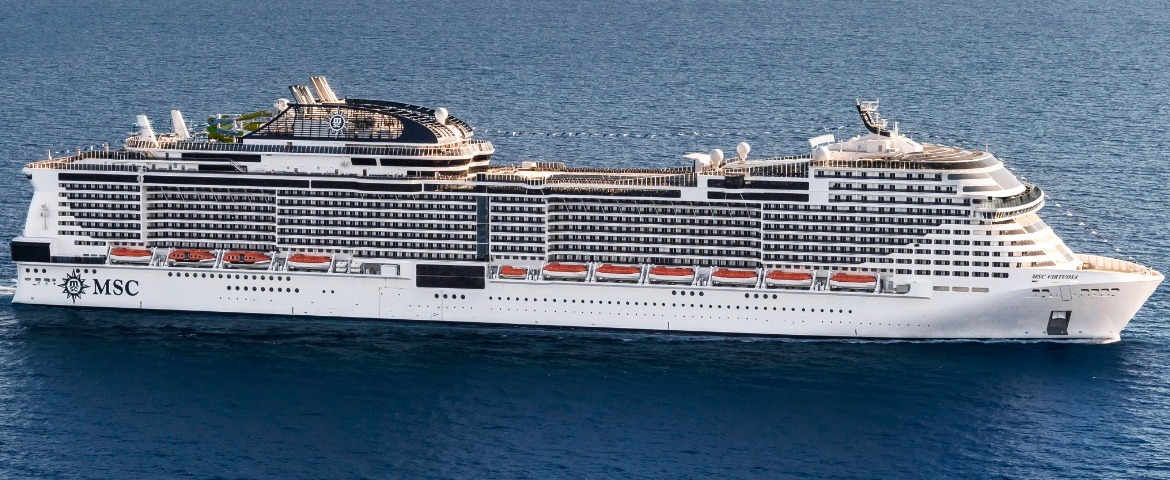
MSC Virtuosa
254 Cruises
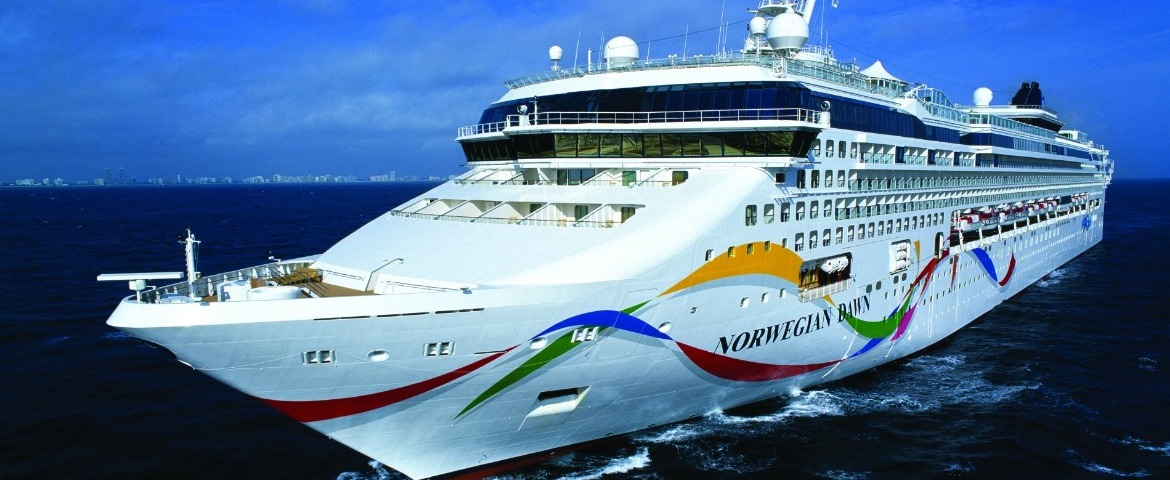
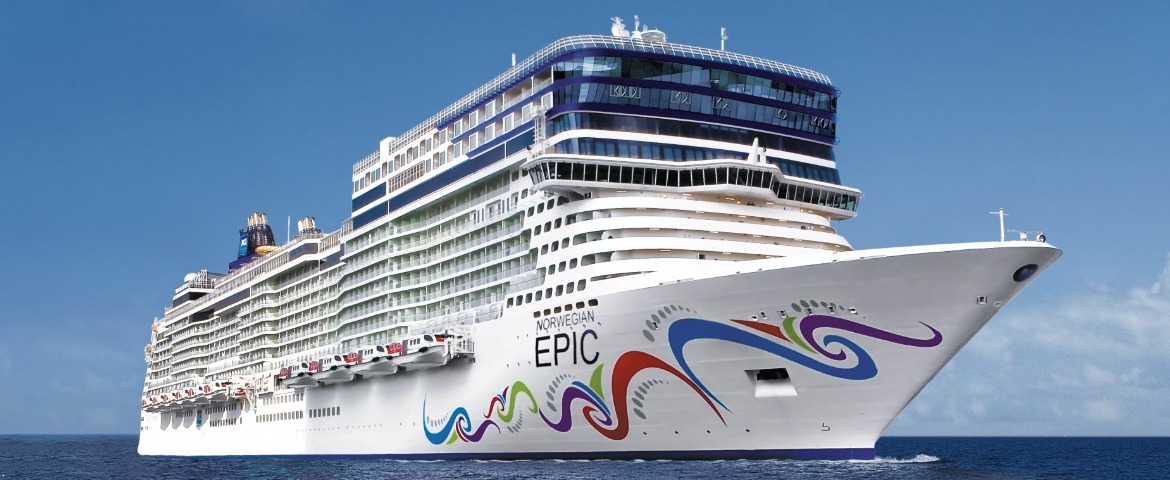
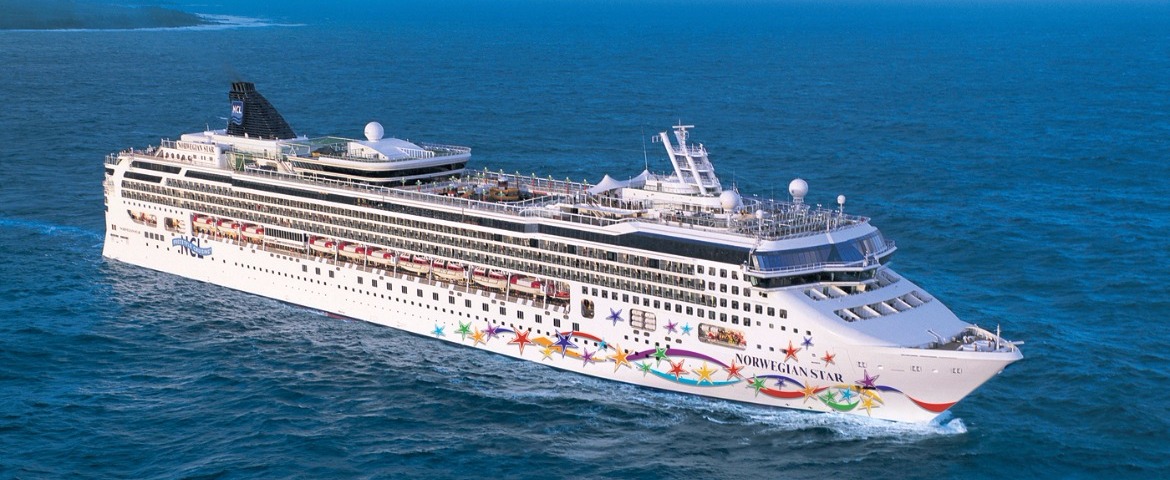
Norwegian Cruise Line (6 Cruises)

Oceania Cruises (44 Cruises)
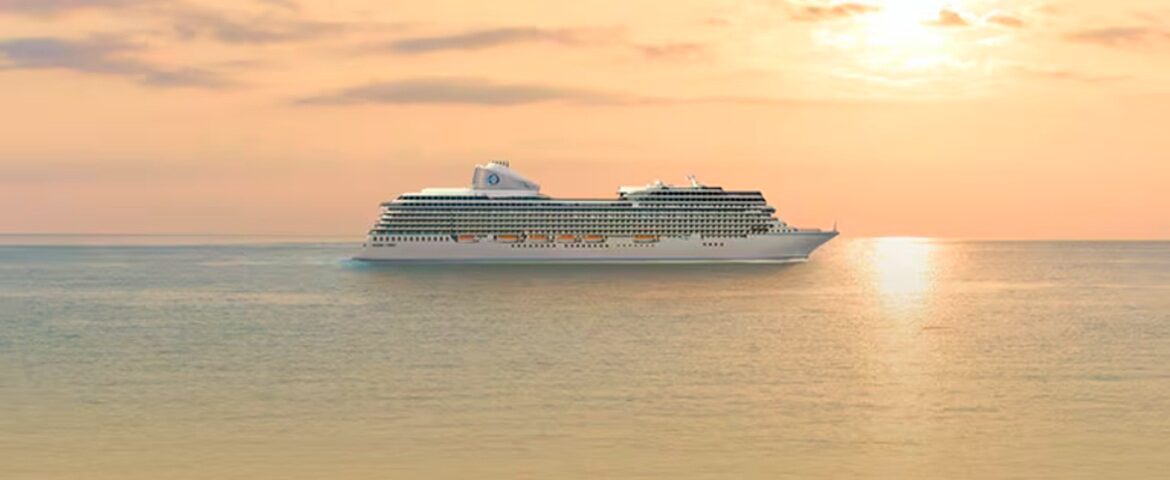
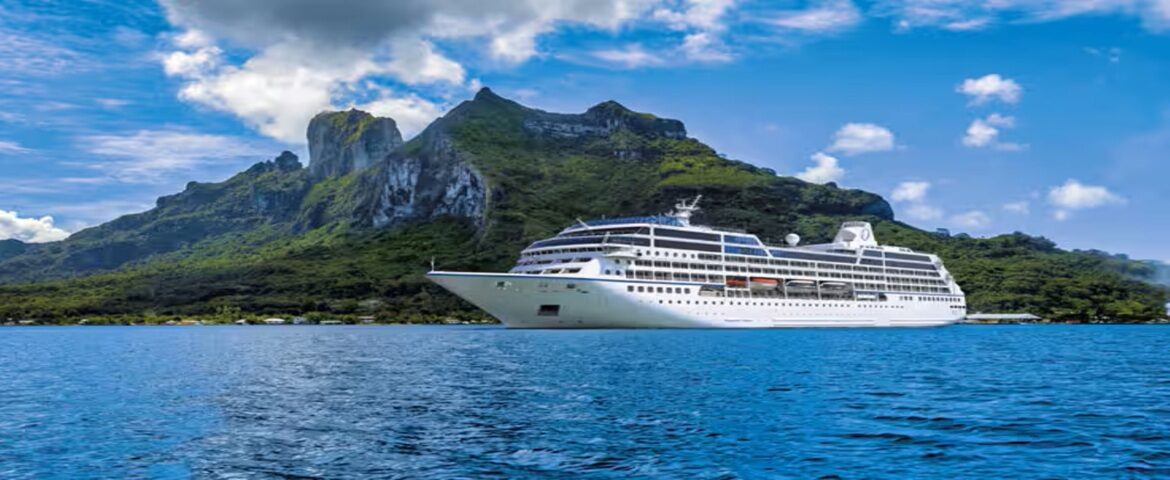
Oceania Allura
29 Cruises

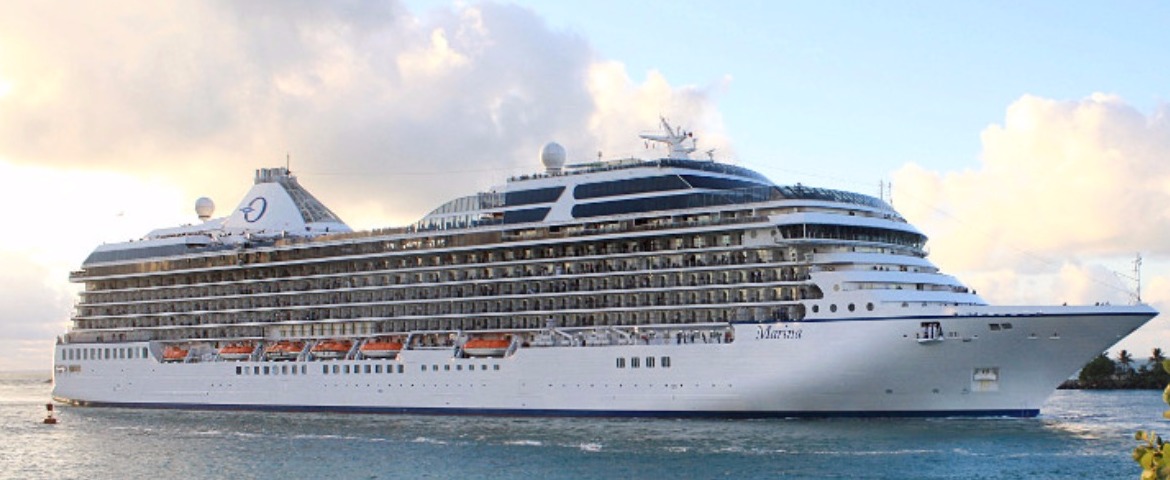
Oceania Marina
7 Cruises
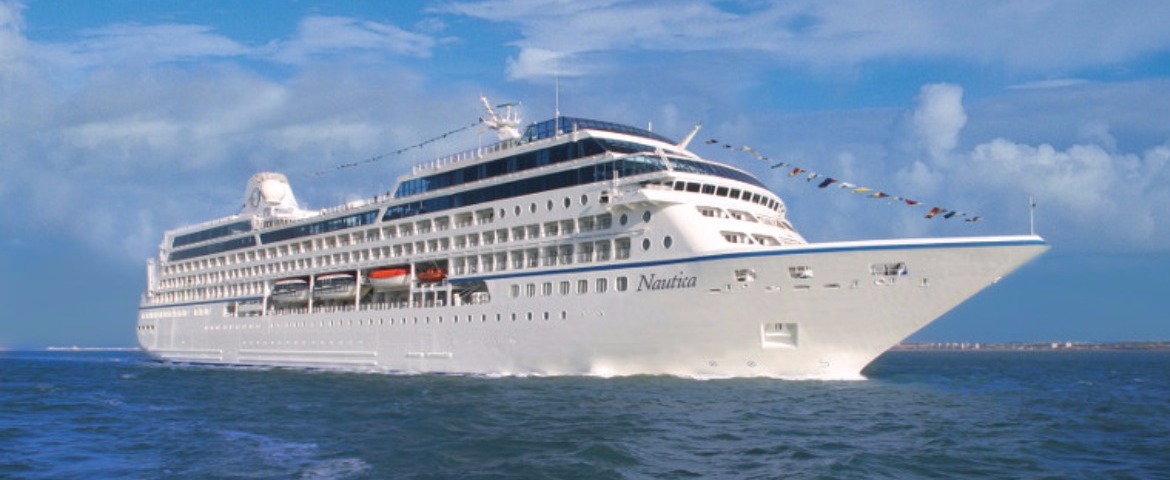
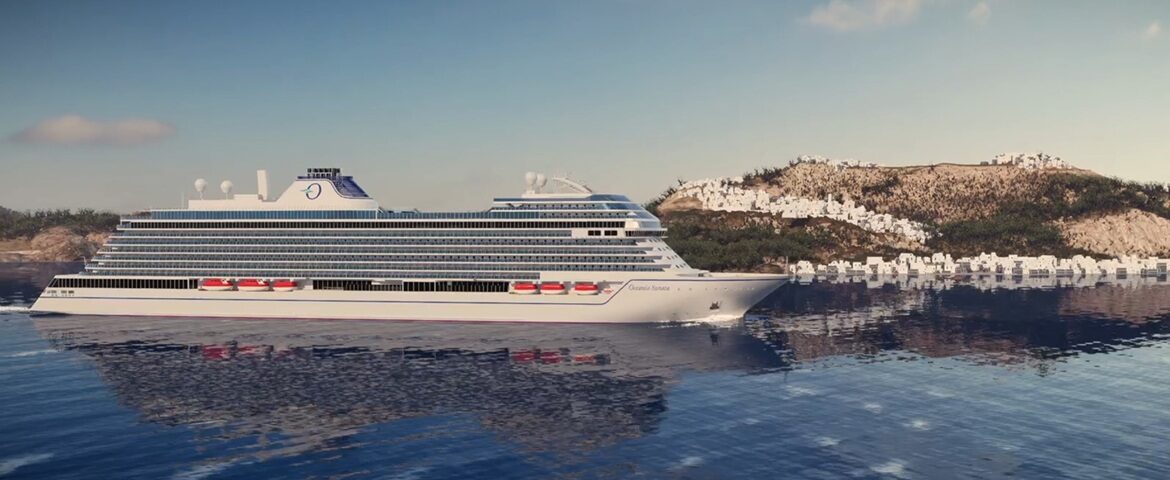
Oceania Sonata
4 Cruises

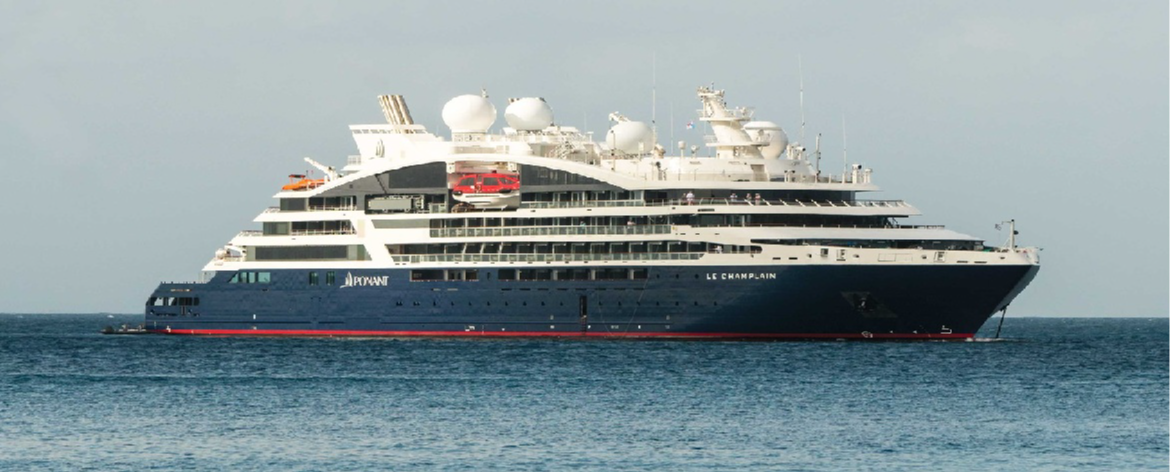
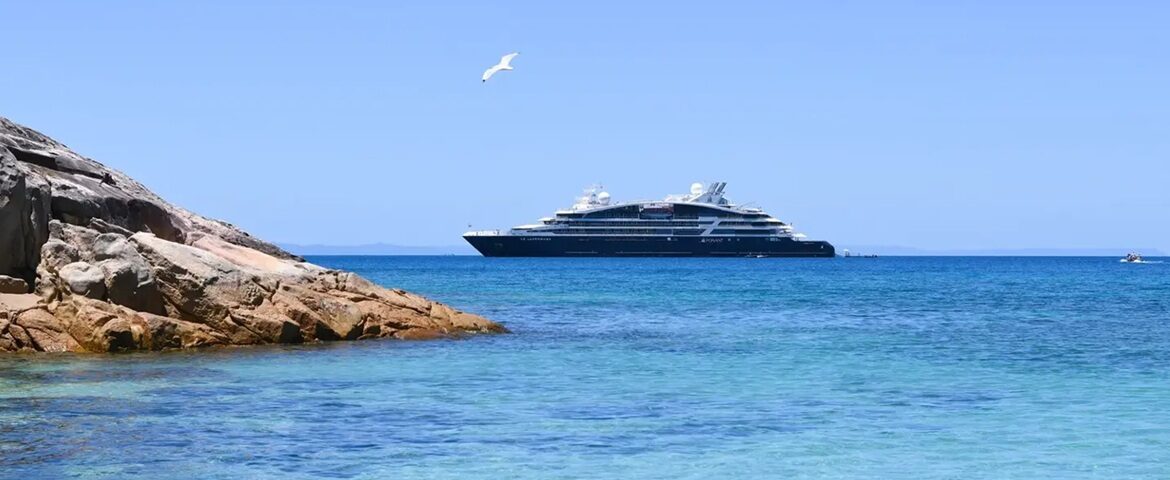
Regent Seven Seas Cruises (23 Cruises)
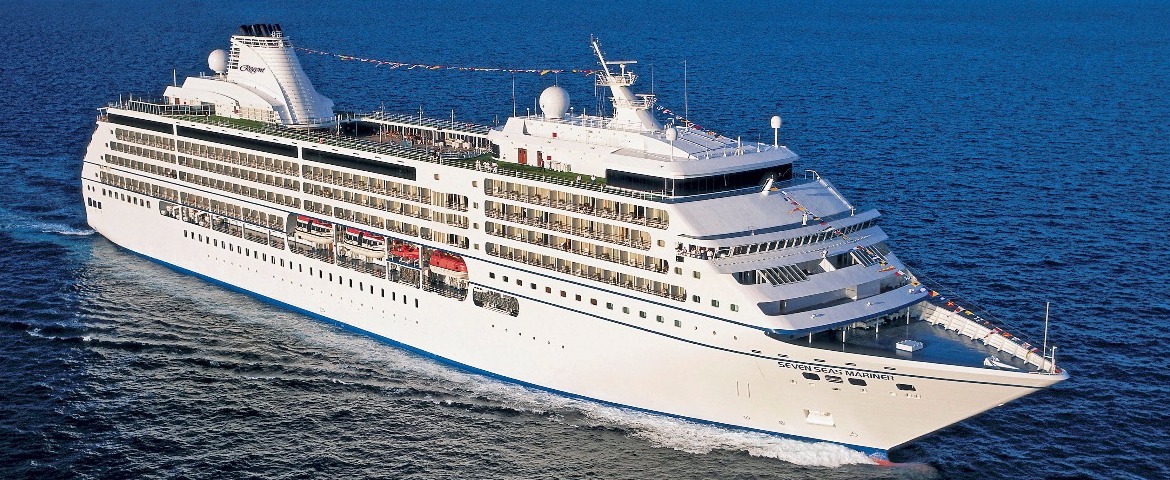
Seven Seas Mariner
5 Cruises
| 29 April | 175 days | One-way from New York to Piraeus-Athens |
450-628-6241
Call us
|
| 29 April | 174 days | One-way from New York to Piraeus-Athens |
450-628-6241
Call us
|
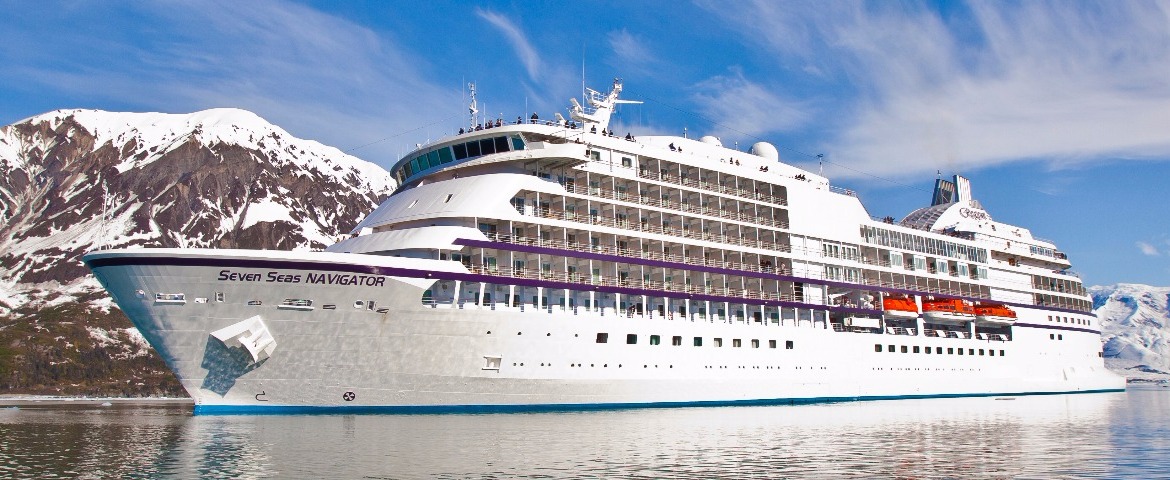
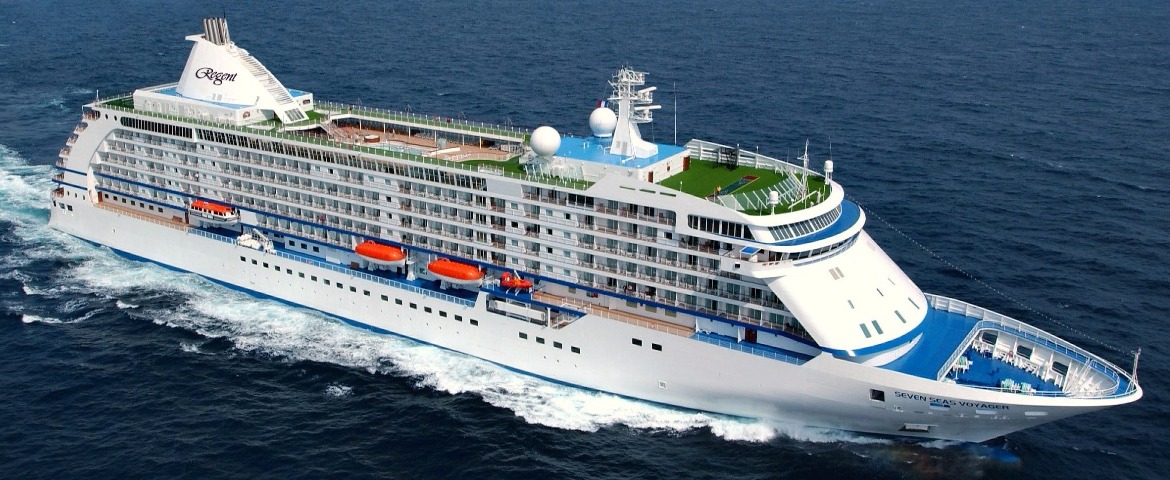
Seven Seas Voyager
14 Cruises
| 27 September | 14 days | One-way from Lisbon to Civitavecchia-Rome |
450-628-6241
Call us
|
| 27 September | 15 days | One-way from Lisbon to Civitavecchia-Rome |
450-628-6241
Call us
|


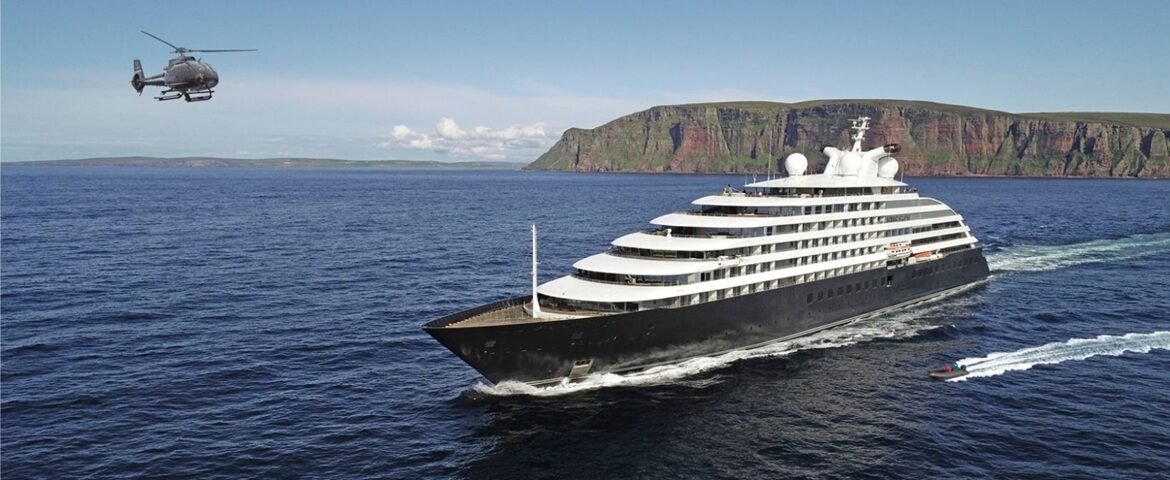
Seabourn Cruise Line (14 Cruises)
Seabourn Ovation
14 Cruises
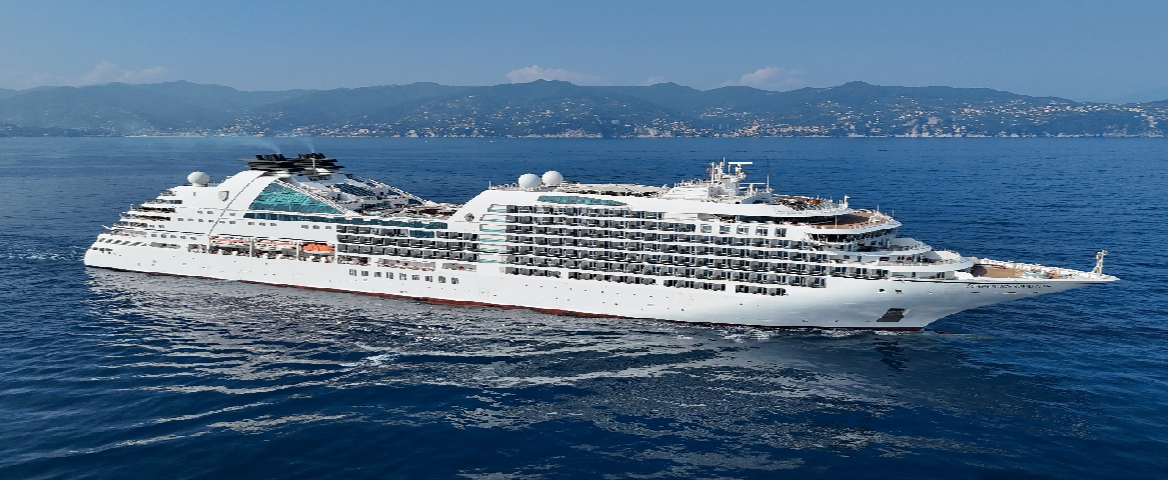

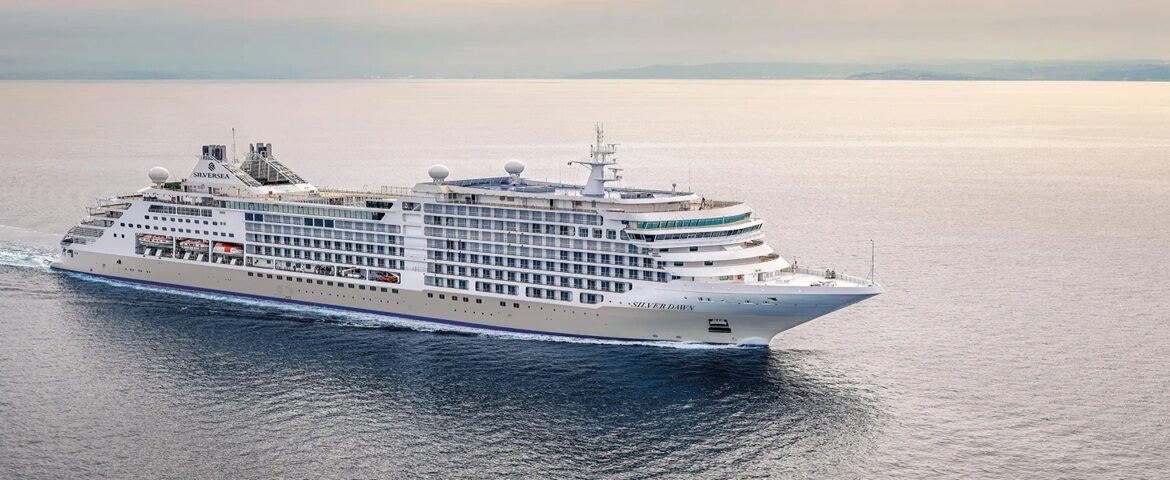
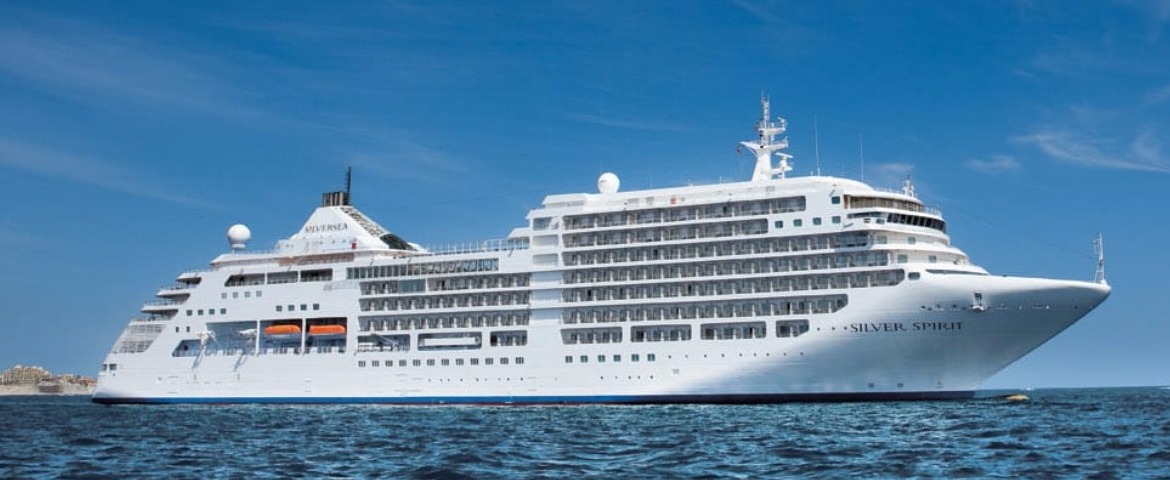
Silversea Cruises (7 Cruises)
Silver Dawn
4 Cruises

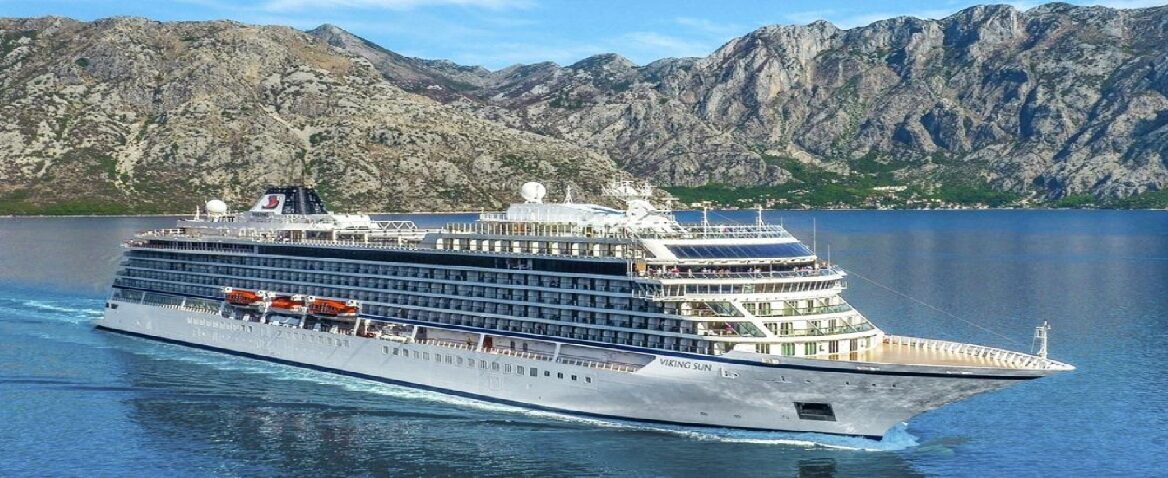
Viking Ocean Cruises (60 Cruises)
Viking Neptune
6 Cruises

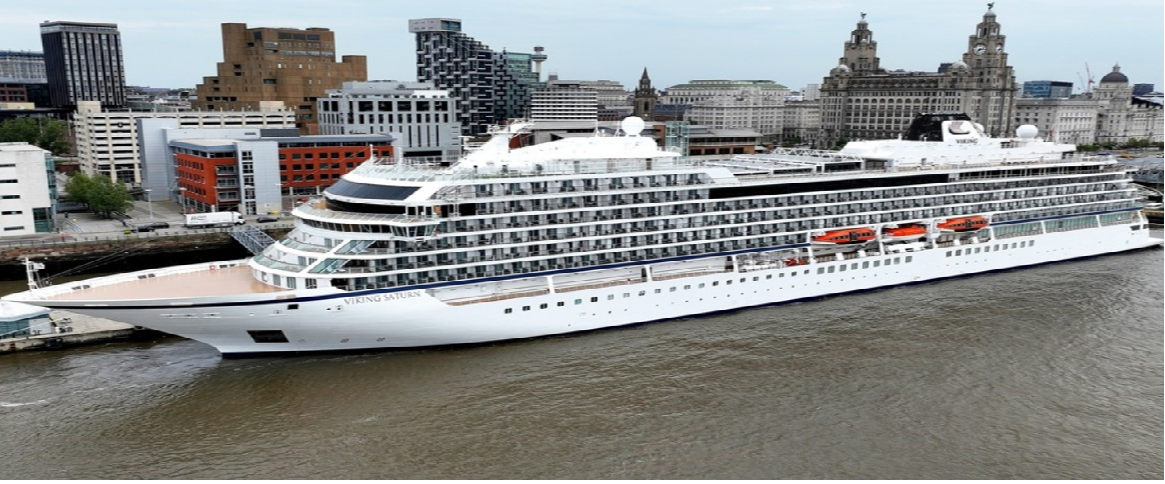
Viking Saturn
8 Cruises
| 7 January | 14 days | One-way from Piraeus-Athens to Barcelona |
450-628-6241
Call us
|
| 13 January | 8 days | One-way from Civitavecchia-Rome to Barcelona |
450-628-6241
Call us
|
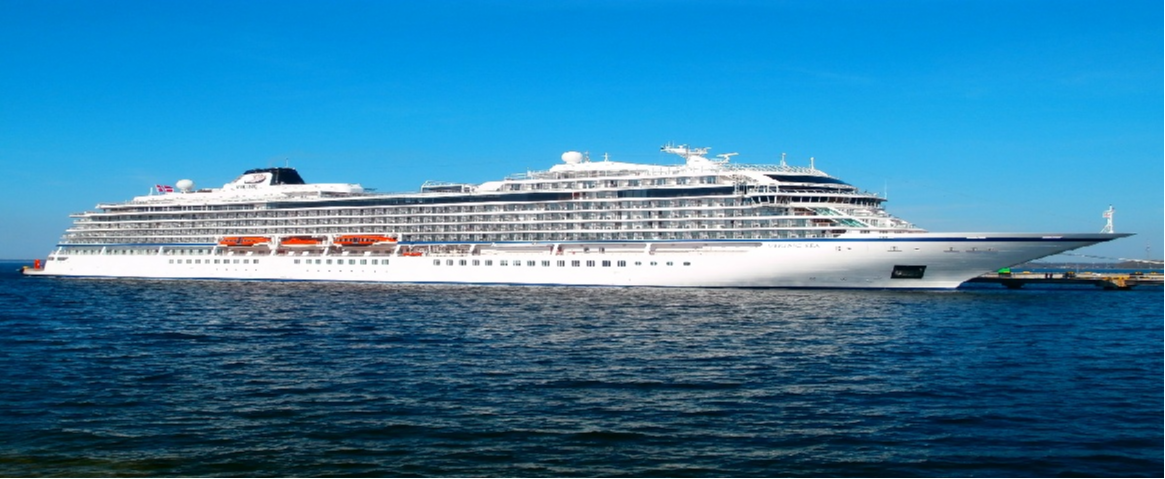
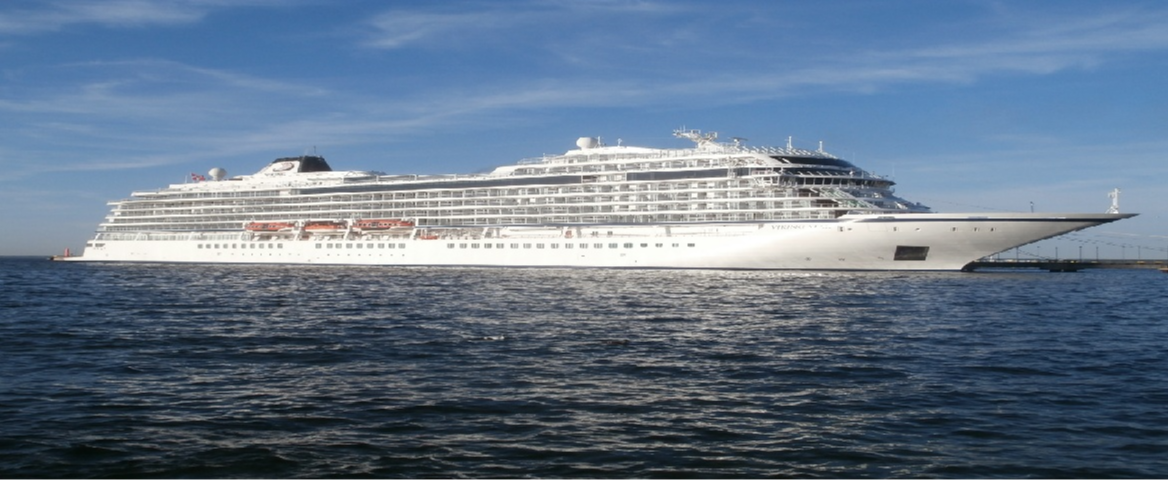
Viking Star
29 Cruises
| 5 January | 15 days | Round-trip from Civitavecchia-Rome, Italy |
450-628-6241
Call us
|
| 5 January | 8 days | One-way from Civitavecchia-Rome to Barcelona |
450-628-6241
Call us
|
| 3 January | 8 days | One-way from Barcelona to Civitavecchia-Rome |
450-628-6241
Call us
|
| 3 January | 14 days | Round-trip from Barcelona, Spain |
450-628-6241
Call us
|
Port of La Goulette, Tunisia | Cruise Port Guide
Frequently Asked Questions
Alongside a 657-metre quay in the outer harbour of the Tunisian capital. No tendering is needed: you set foot in North Africa shortly after the lines are made fast. The terminal has shops and services, and taxis wait just outside.
Half an hour's drive at most. The ruins are scattered among villas and umbrella pines: the Baths of Antoninus, facing the sea, rank among the largest in the Roman Empire, and from Byrsa hill the view takes in the whole gulf.
Carthage and Sidi Bou Saïd, in that order, with a taxi for the day. The two sites are close together and combine naturally. The medina of Tunis also deserves a few hours, but trying to do everything in an ordinary call guarantees seeing everything badly.
A village clinging to its cliff above the sea north of Carthage, whose cobbled lanes climb between whitewashed walls, studded doors and deep blue latticed windows. You wander without a plan, glass of pine-nut tea in hand. The village has drawn painters and writers for over a century.
The Tunisian dinar, which can only be exchanged inside the country: you cannot obtain it before you travel and cannot take it home. Bring small euro notes for quick purchases, which most merchants gladly accept, or change money at the terminal on arrival.
Agree the fare before getting in: meters are rarely used, and negotiating afterwards goes nowhere good. For a Carthage and Sidi Bou Saïd day, set a round-trip price including waiting time, and agree a return time to the ship with a comfortable margin.
Arabic is the official language, but French is very widely spoken, in shops as well as among drivers and guides. It is one of the easiest Mediterranean calls for a French speaker: you can bargain, ask directions and follow explanations without an intermediary.
Modestly, without great constraint. Tunisia is more relaxed than many countries in the region, but covered shoulders and knees spare you lingering stares in the medina and are required to enter places of worship. Bring good shoes too: the lanes of Sidi Bou Saïd are cobbled and steep.
It is a working-class district rather than a sight, but it has character: a narrow strip of land between the Mediterranean and the Lake of Tunis, grilled fish, cafés made for lingering, and a squat old fort still guarding the channel entrance, a relic of the struggles between Spain and the Ottomans.
April to June and September to October. Spring and early autumn offer bearable heat for crossing the open ground at Carthage and climbing the lanes of Sidi Bou Saïd. In July and August, the heat of the Gulf of Tunis makes the archaeological sites punishing before noon.


