Bodrum Turkey
Turkey
172
Cruises availables
At departure or passage at this port
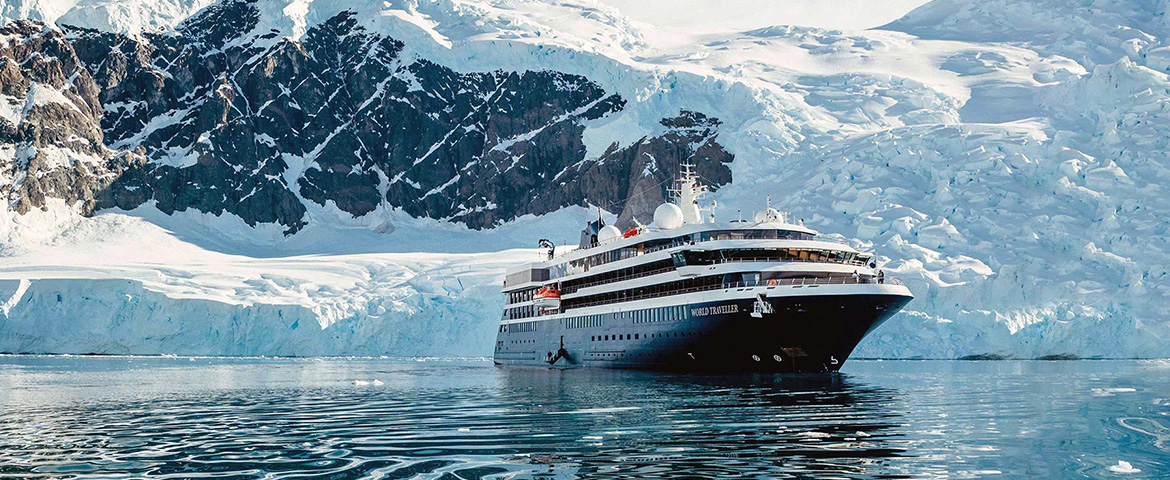
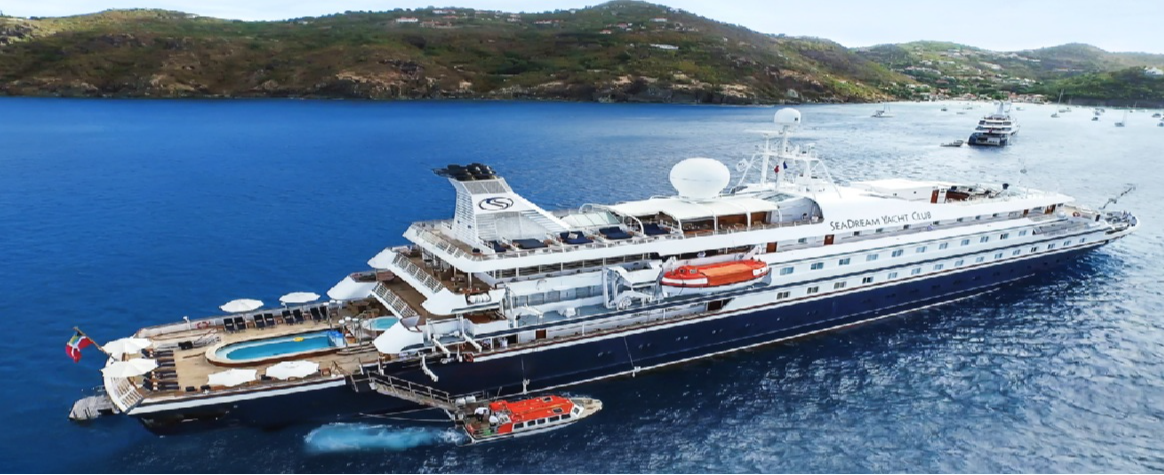
Atlas Ocean Voyages (2 Cruises)

Azamara Club Cruises (21 Cruises)
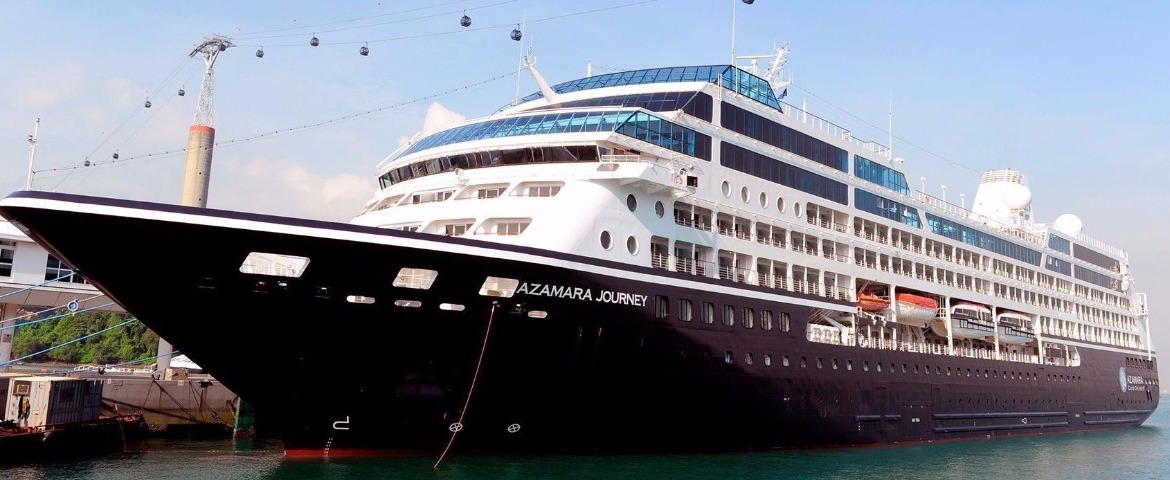
Azamara Journey
6 Cruises

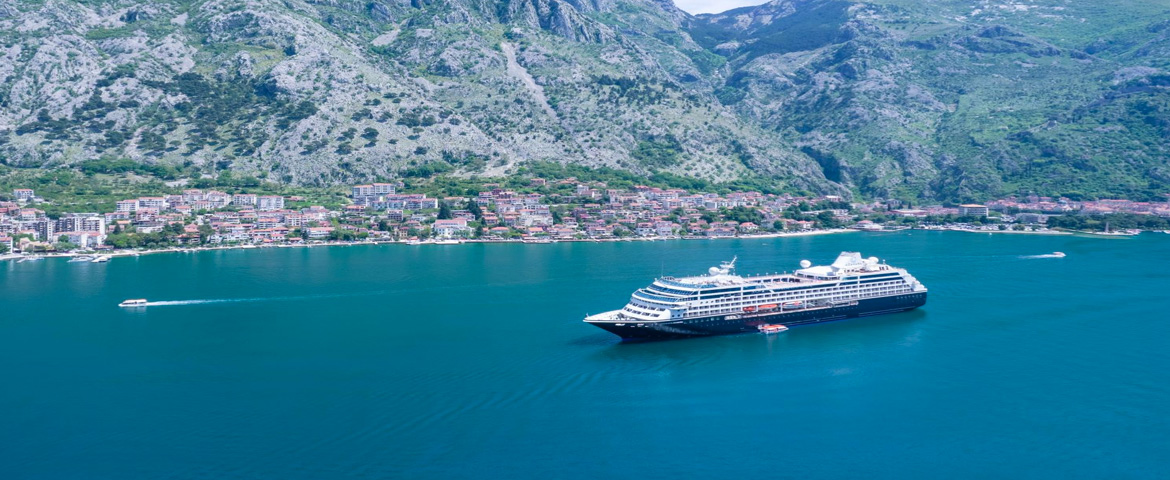
Azamara Onward
15 Cruises
| 9 May | 52 days | One-way from Cape Town to Piraeus-Athens |
450-628-6241
Call us
|
| 9 May | 51 days | One-way from Cape Town to Piraeus-Athens |
450-628-6241
Call us
|
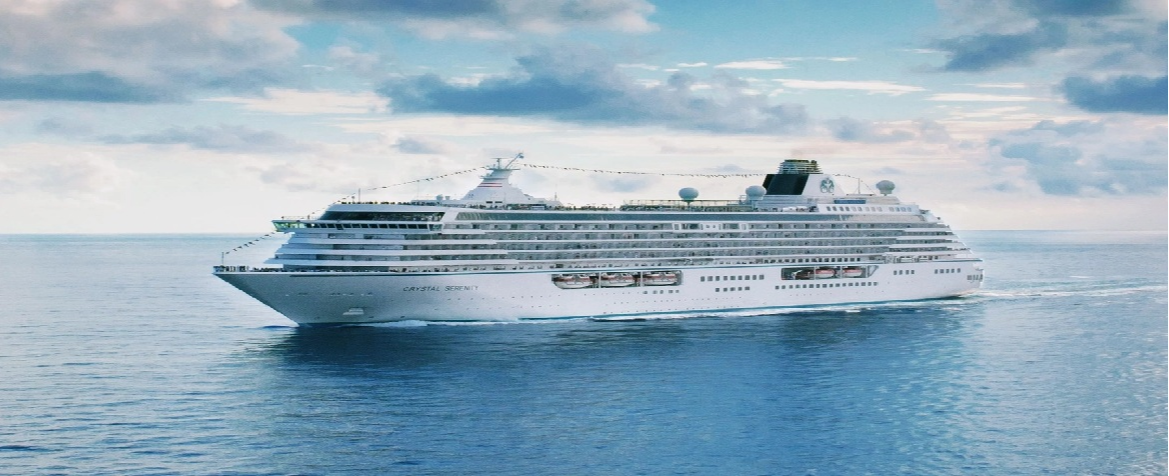
Crystal Cruises (7 Cruises)
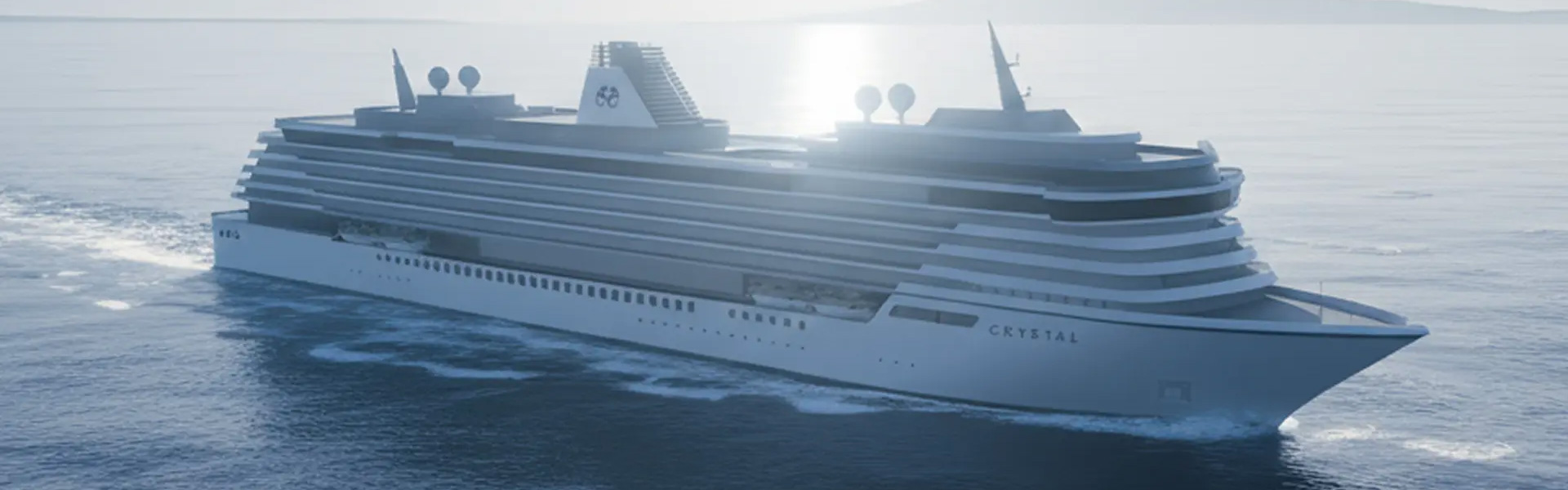
Crystal Grace
6 Cruises
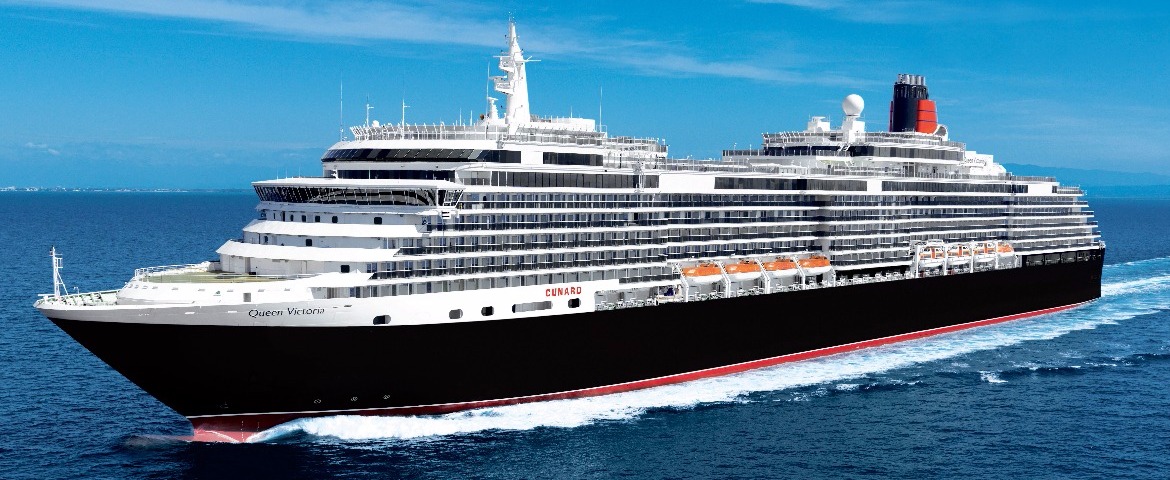
Cunard (1 Cruises)
Emerald Waterways (4 Cruises)

Explora Journeys (9 Cruises)
Explora II
9 Cruises

| 14 April | 20 days | Round-trip from Venice, Italy |
450-628-6241
Call us
|
| 14 April | 11 days | One-way from Venice to Piraeus-Athens |
450-628-6241
Call us
|
| 10 May | 15 days | Round-trip from Piraeus-Athens, Greece |
450-628-6241
Call us
|
| 17 May | 8 days | One-way from Istanbul to Piraeus-Athens |
450-628-6241
Call us
|
Holland America Line (3 Cruises)

Oceania Cruises (19 Cruises)
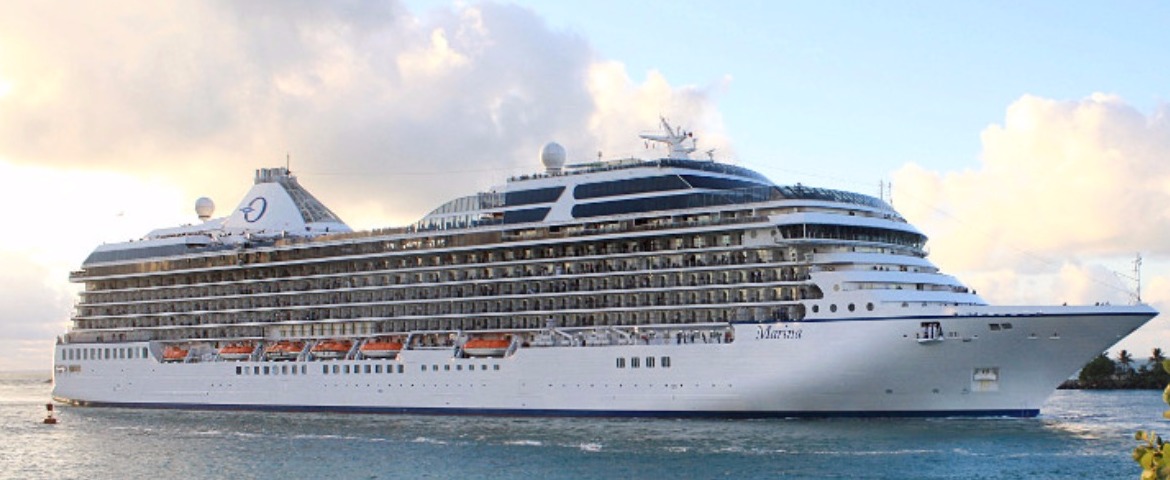
Oceania Allura
8 Cruises

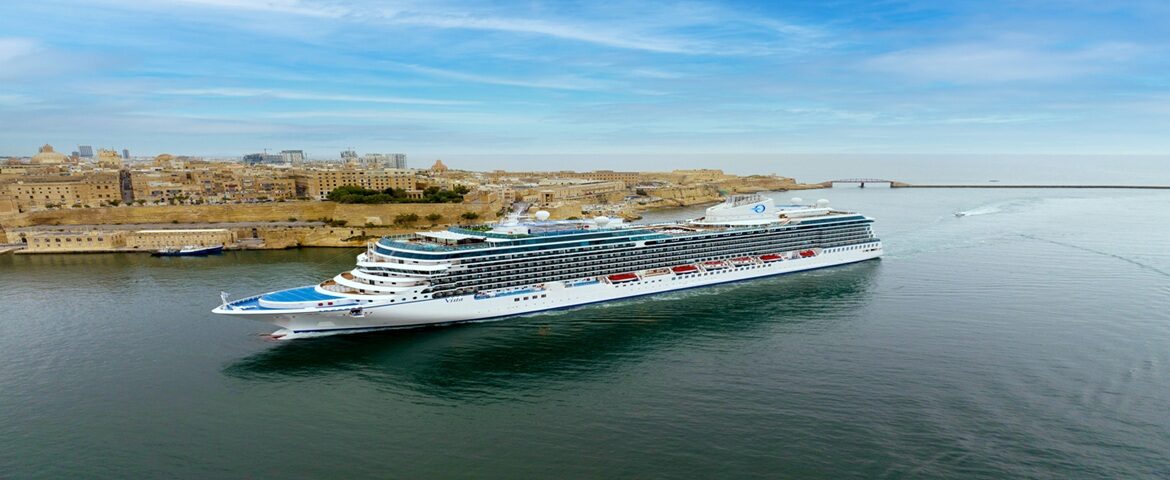
Oceania Vista
7 Cruises
| 4 January | 97 days | One-way from Auckland to Civitavecchia-Rome |
450-628-6241
Call us
|
| 4 January | 96 days | One-way from Auckland to Civitavecchia-Rome |
450-628-6241
Call us
|
Regent Seven Seas Cruises (12 Cruises)
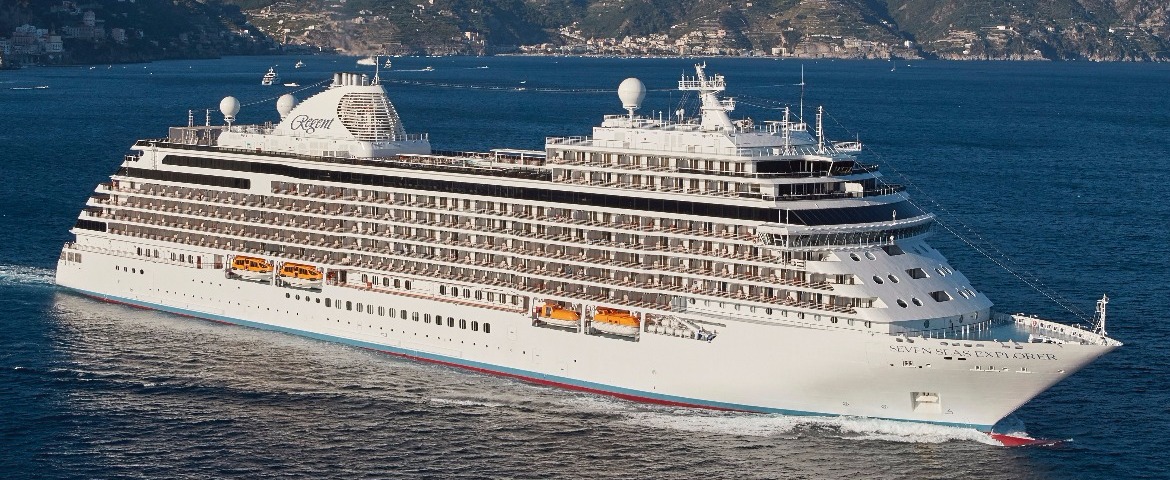
Seven Seas Mariner
7 Cruises
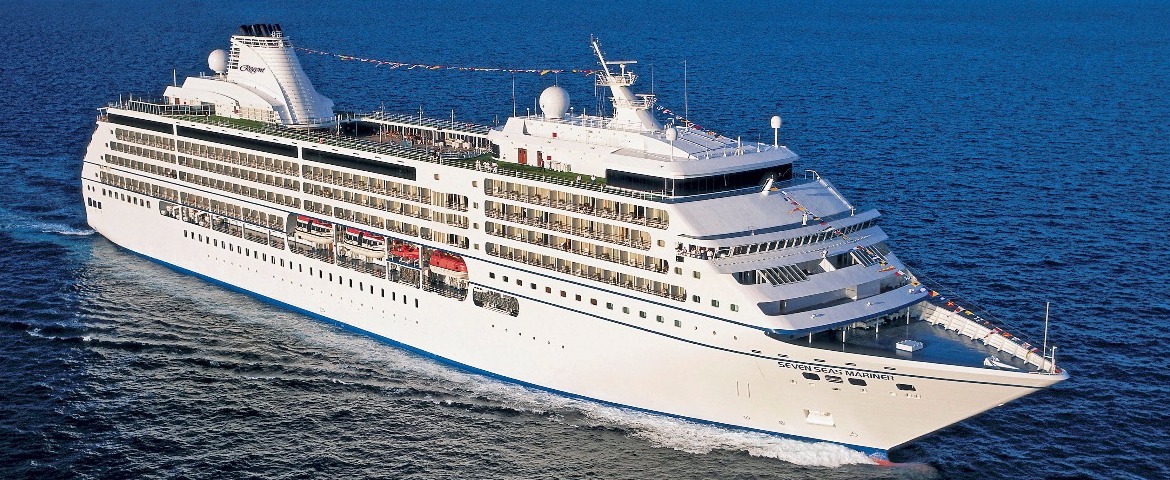
| 29 April | 175 days | One-way from New York to Piraeus-Athens |
450-628-6241
Call us
|
| 29 April | 174 days | One-way from New York to Piraeus-Athens |
450-628-6241
Call us
|
Royal Caribbean Cruises (10 Cruises)



Seabourn Cruise Line (37 Cruises)
Seabourn Ovation
37 Cruises


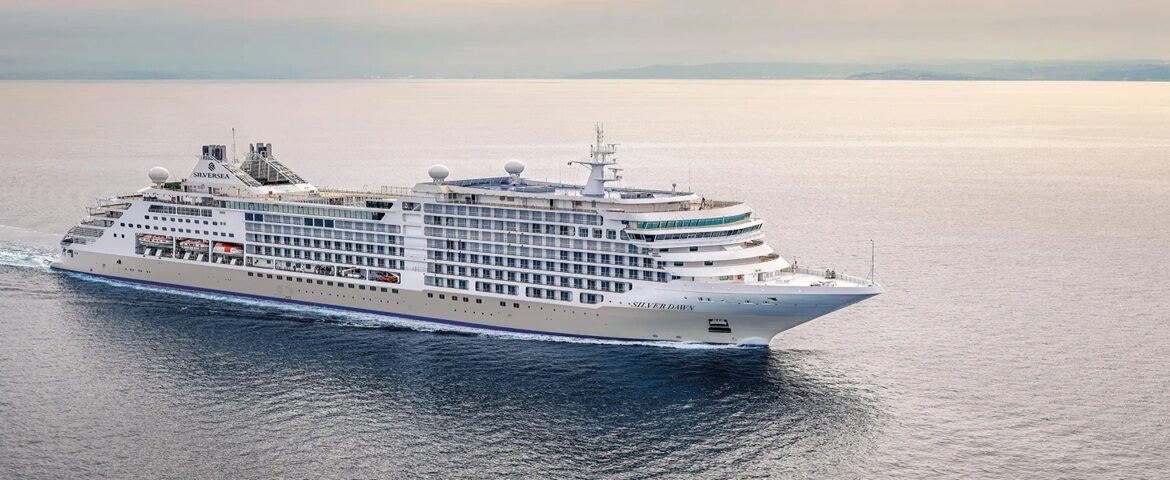
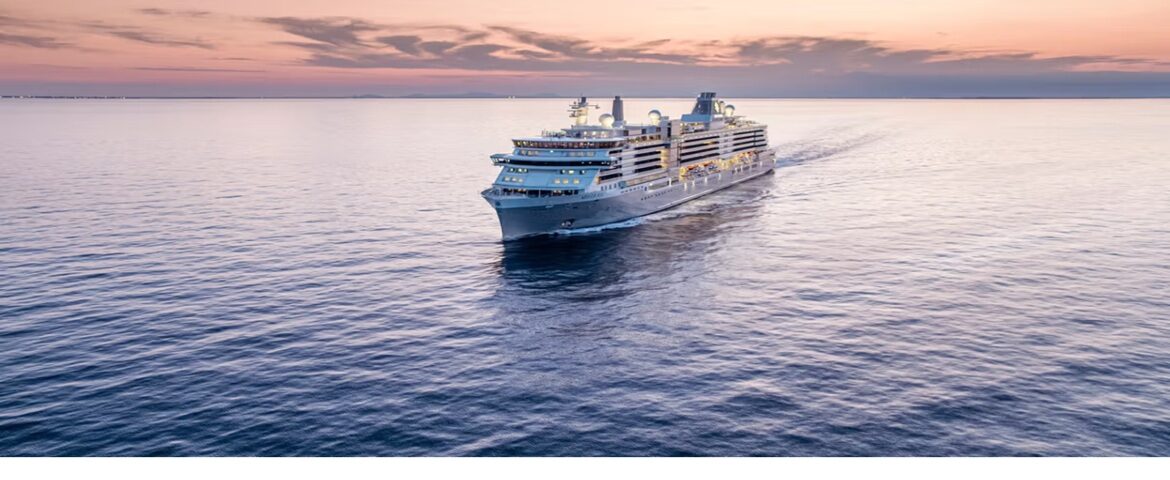
Silversea Cruises (4 Cruises)

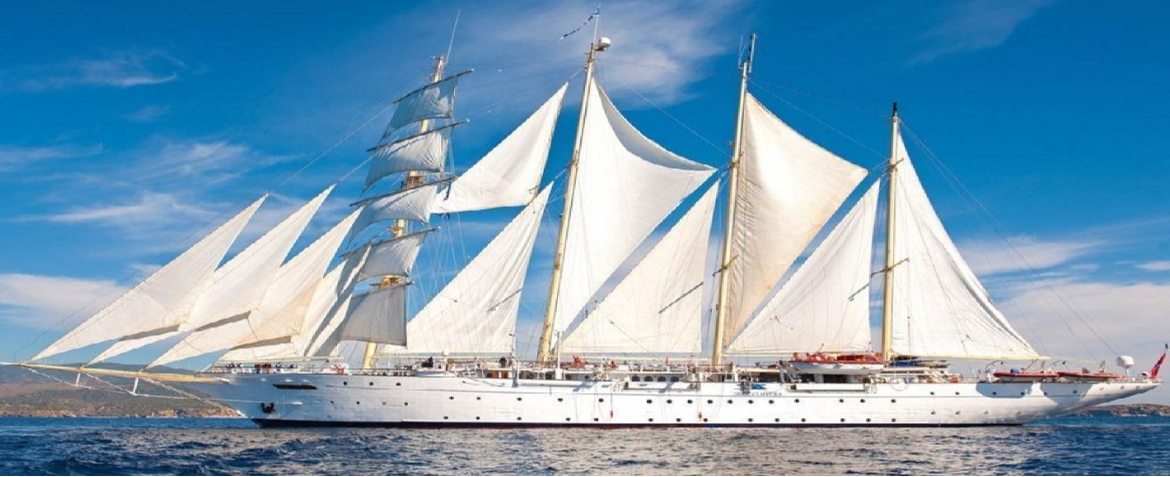
Star Clippers (4 Cruises)

Virgin Voyages (15 Cruises)
Scarlet Lady
15 Cruises
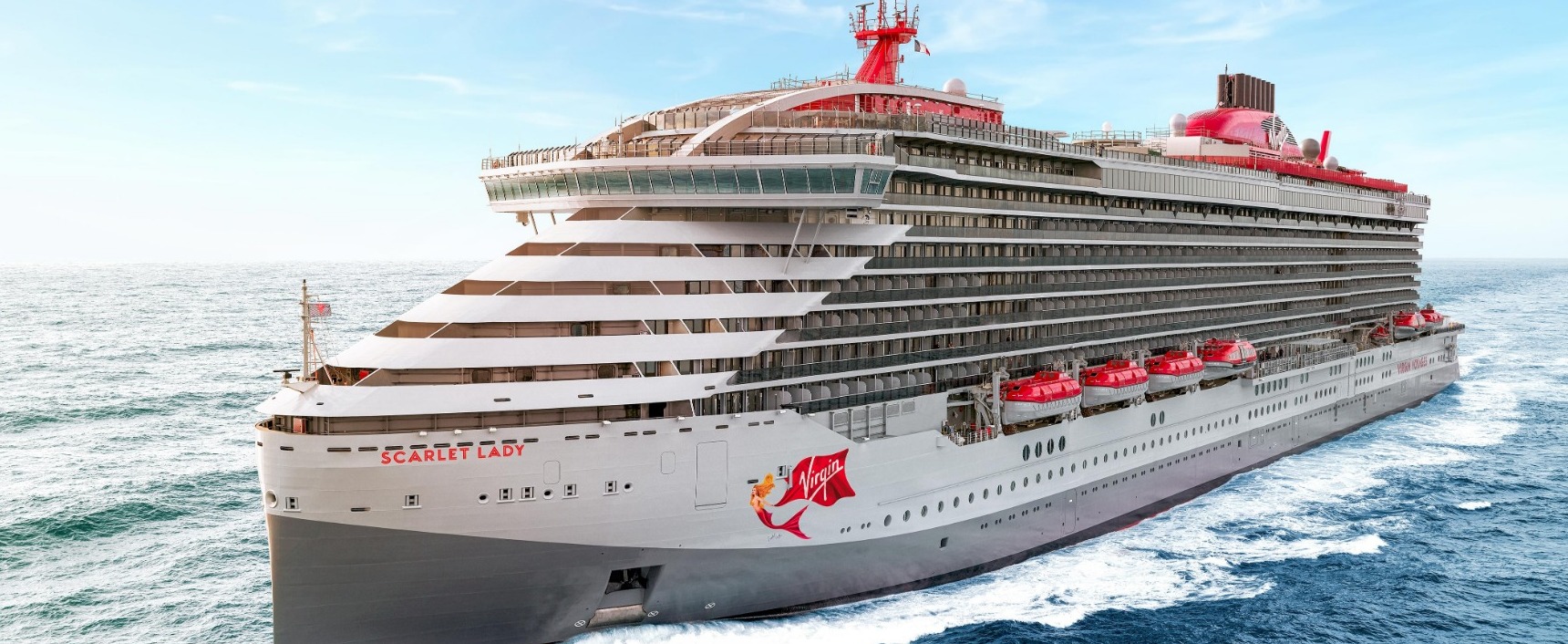
| 23 May | 8 days | Round-trip from Piraeus-Athens, Greece |
450-628-6241
Call us
|
| 30 May | 12 days | Round-trip from Piraeus-Athens, Greece |
450-628-6241
Call us
|
Windstar Cruises (19 Cruises)
Star Legend
19 Cruises
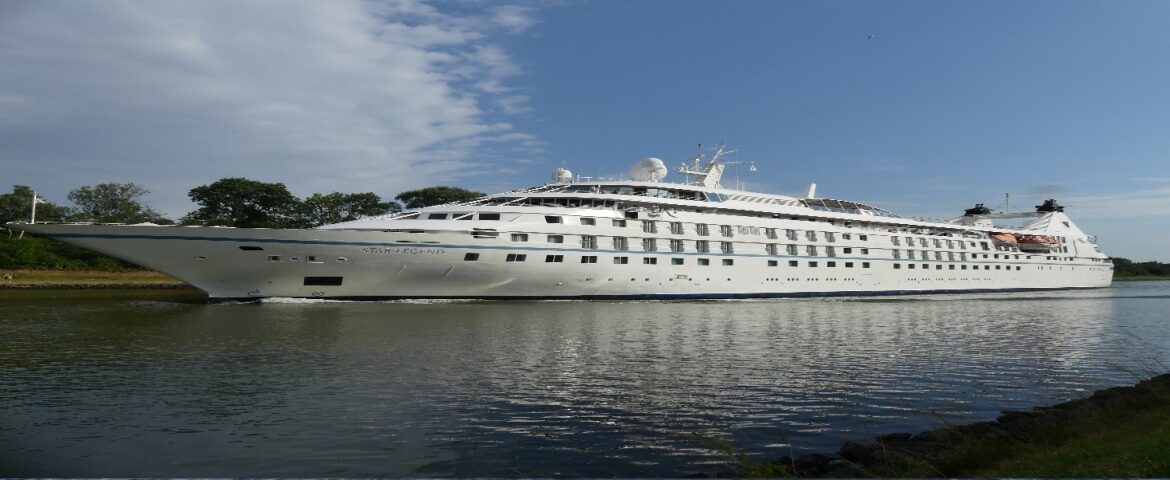

| 3 May | 17 days | One-way from Istanbul to Civitavecchia-Rome |
450-628-6241
Call us
|
| 3 May | 9 days | One-way from Istanbul to Piraeus-Athens |
450-628-6241
Call us
|
Frequently Asked Questions
At the cruise terminal, about a kilometre and a half from the heart of the resort. The walk there follows the shore: some twenty minutes among cafés, palms and town beaches. Water shuttles also drop passengers near the castle for a modest fare.
Yes, entirely, and that is one of the call's great strengths. The castle, the bazaar, the mausoleum and the theatre are all walkable from the centre: you go from a thousand-year-old wreck to a town beach without ever boarding a bus.
The Castle of St Peter, which has locked the bay since the 15th century. The Knights of St John built it stone by stone, each tongue of the order having its own tower: English, French, Italian, German. From the curtain walls the view runs out over moored gulets and the hills of the peninsula.
The Museum of Underwater Archaeology, one of the most unusual collections in Turkey. Ancient wrecks, amphorae and cargoes of glass tell the story of shipwrecks three thousand years old. It is the attraction that justifies the call on its own, and it deserves at least an hour and a half.
Not really, and it's better to know that before going. Earthquakes brought it down, the knights reused its blocks for their fortress, and only the foundations and a few carved fragments remain in a quiet enclosure twenty-five minutes' walk from the terminal. The place calls for imagination.
Because it was one of the Seven Wonders of the ancient world. Raised in the 4th century BC for King Mausolus, it gave the word mausoleum itself. Standing on that ground, even reduced to foundations, is a strange thing.
The castle and its underwater museum first, that's the essential. Then the bazaar and the harbour promenade, with a meal on a terrace facing the gulets. The mausoleum and the Greco-Roman theatre follow if the call is long and archaeology appeals to you.
Turkish, though it has the look of a Greek island: cube-shaped houses of brilliant white, bougainvillea spilling over walls, a castle set in turquoise water. Ancient Halicarnassus, birthplace of the historian Herodotus in the 5th century BC, has become the most fashionable resort on the Turkish Aegean without erasing its past.
The Turkish lira. Cards work in restaurants, hotels and waterfront shops, but the bazaar, the water shuttles and taxis prefer cash. ATMs are plentiful in the centre.
May, June, September and October. The heat stays manageable for walking and the meltem, the Aegean's summer wind, keeps the air breathable. In July and August the resort is packed and the climb to the theatre becomes an ordeal before late afternoon.


