Greenock-Glasgow Clydeport, Scotland
United Kingdom
250
Cruises availables
At departure or passage at this port
Atlas Ocean Voyages (2 Cruises)

Aurora Expeditions (1 Cruises)

Azamara Club Cruises (23 Cruises)
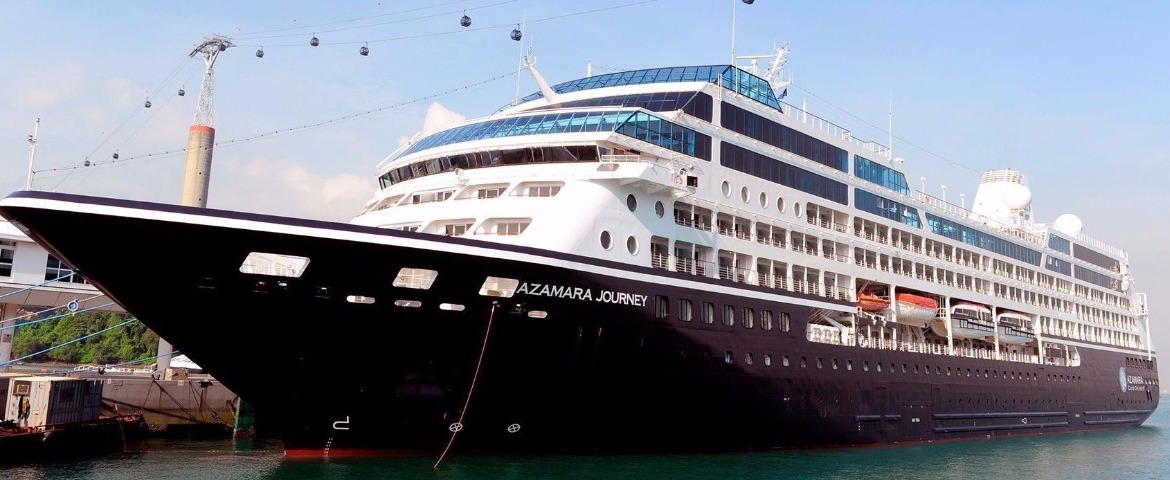
Azamara Journey
13 Cruises

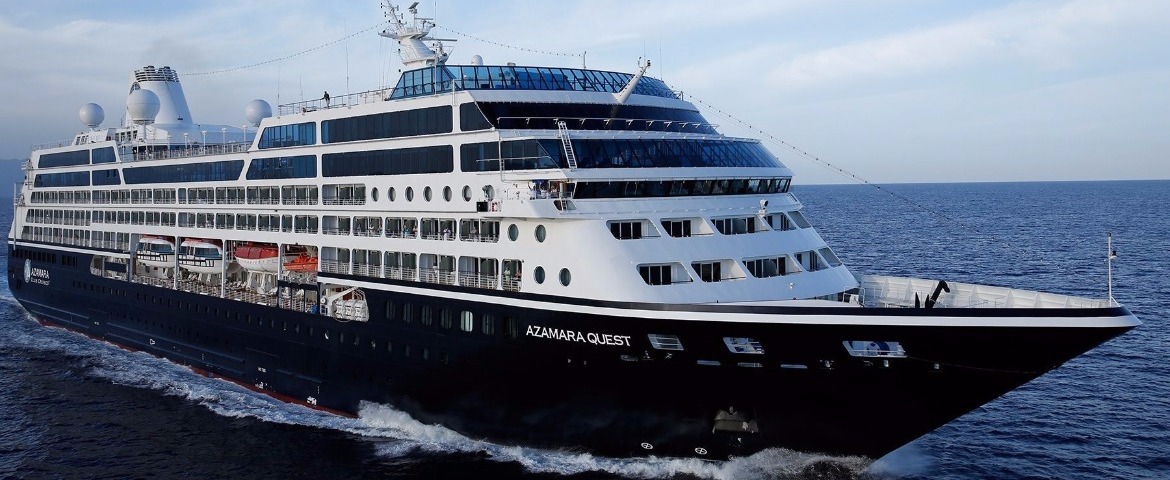
Azamara Quest
10 Cruises
| 20 May | 24 days | One-way from Portsmouth UK to Leith-Edinburgh |
450-628-6241
Call us
|
| 20 May | 24 days | One-way from Portsmouth UK to Leith-Edinburgh |
450-628-6241
Call us
|
| 1 June | 12 days | One-way from Portsmouth UK to Leith-Edinburgh |
450-628-6241
Call us
|
| 1 June | 12 days | One-way from Portsmouth UK to Leith-Edinburgh |
450-628-6241
Call us
|
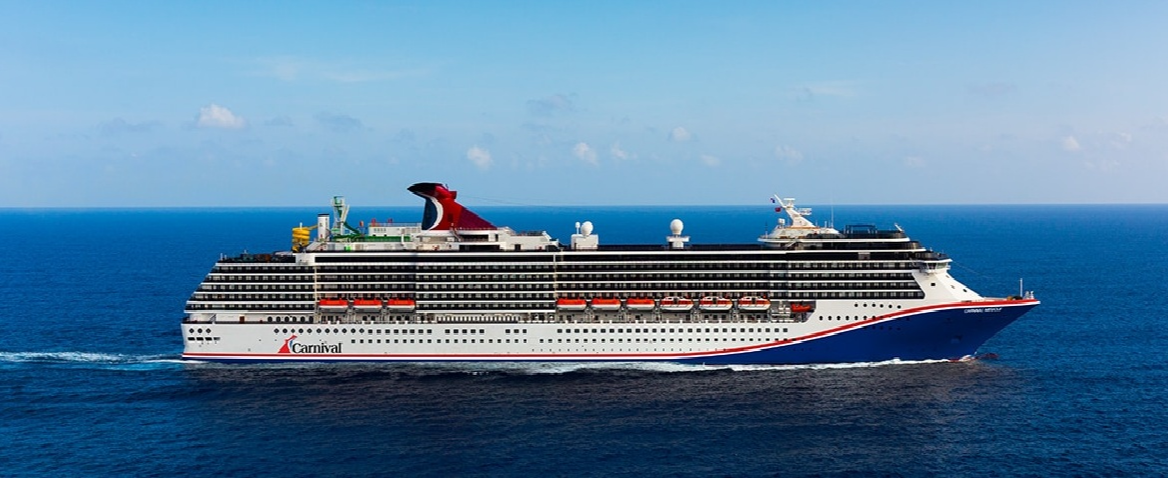
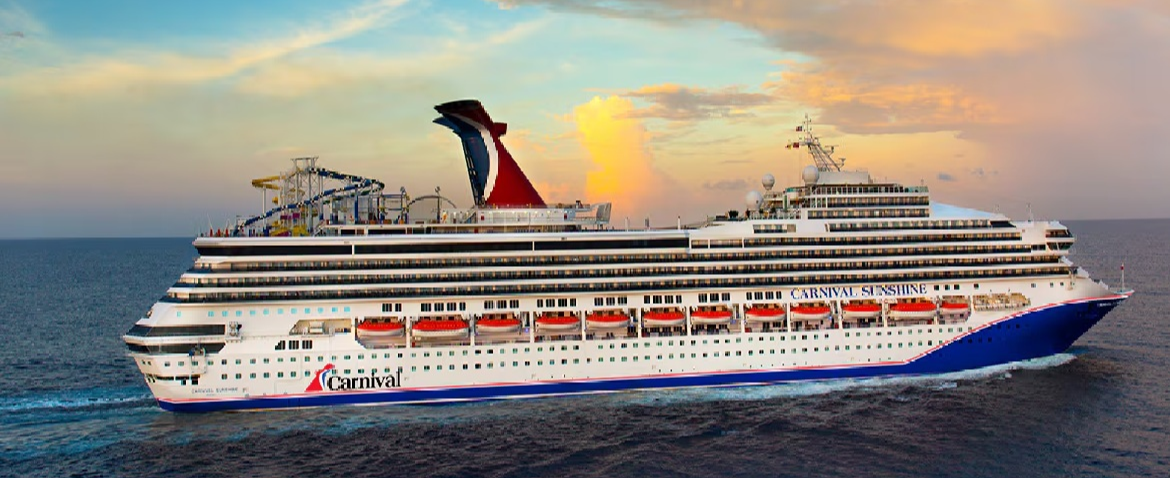
Carnival Cruise Line (5 Cruises)
Carnival Miracle
4 Cruises

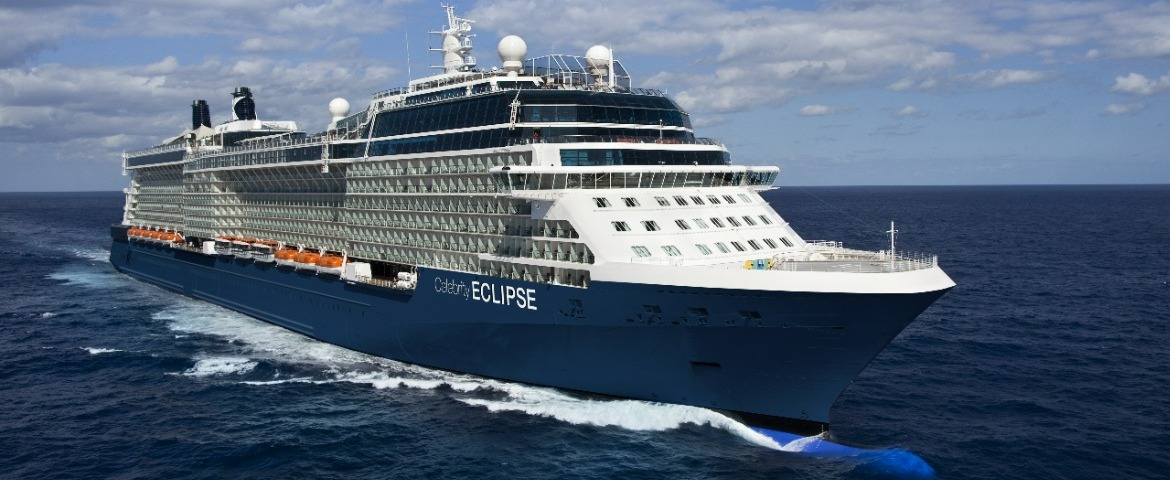
Celebrity Cruises (5 Cruises)

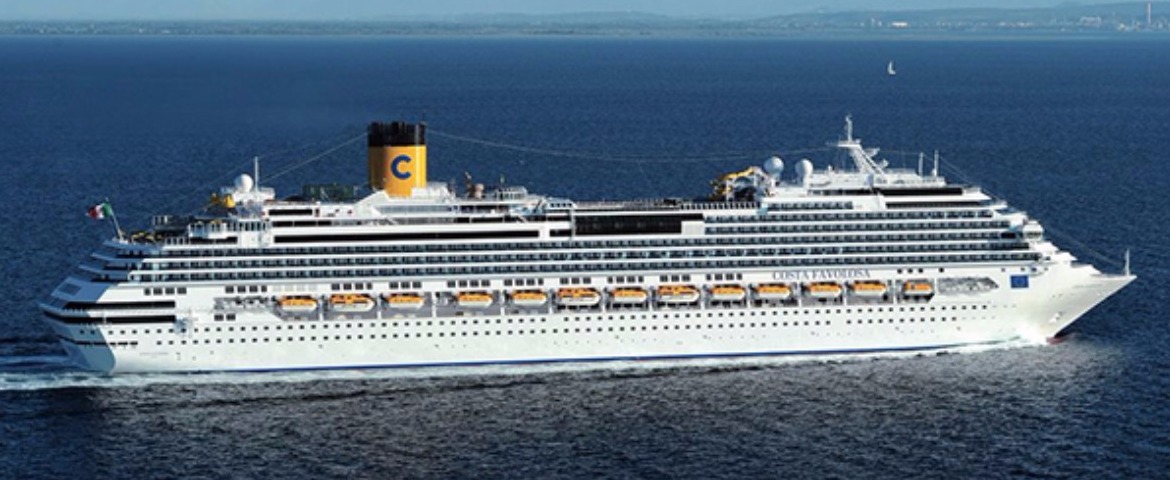
Costa Cruises (2 Cruises)

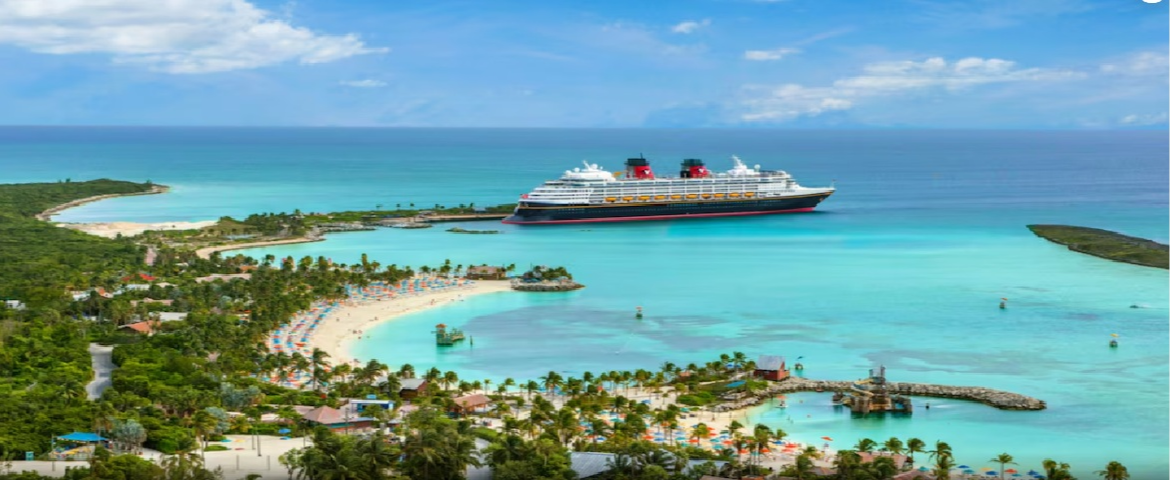
Disney Cruise Line (1 Cruises)

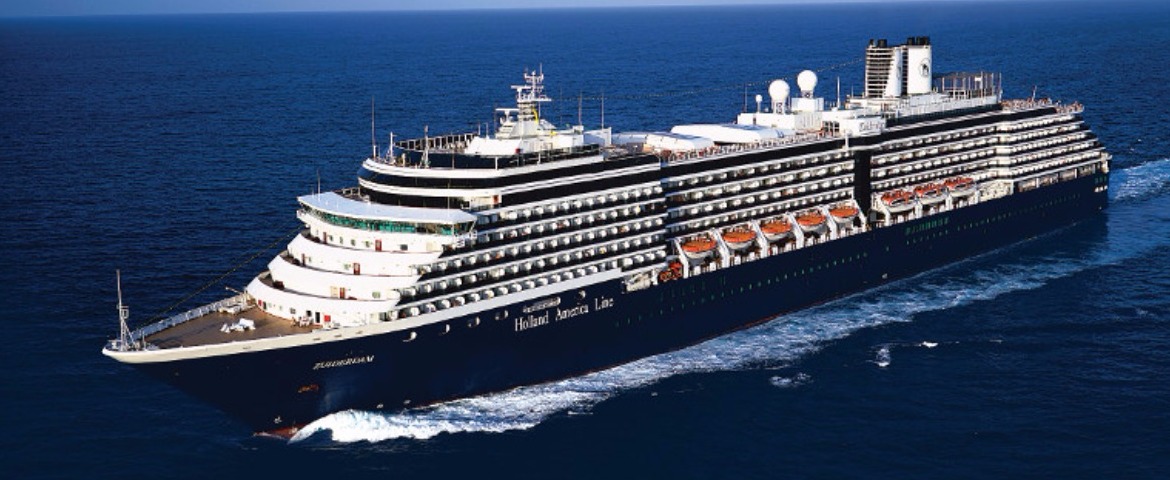
Holland America Line (6 Cruises)
ms Zuiderdam
6 Cruises

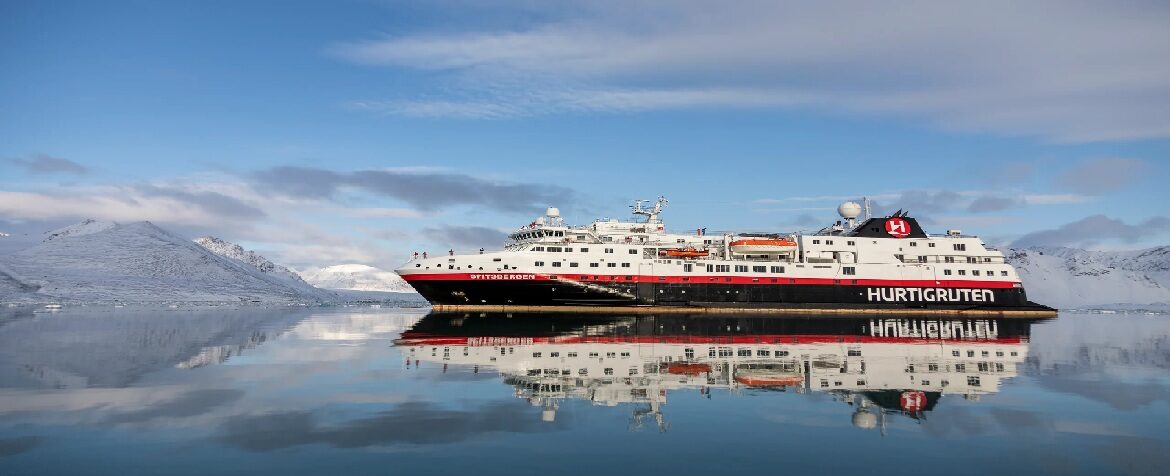
HX Expeditions (5 Cruises)


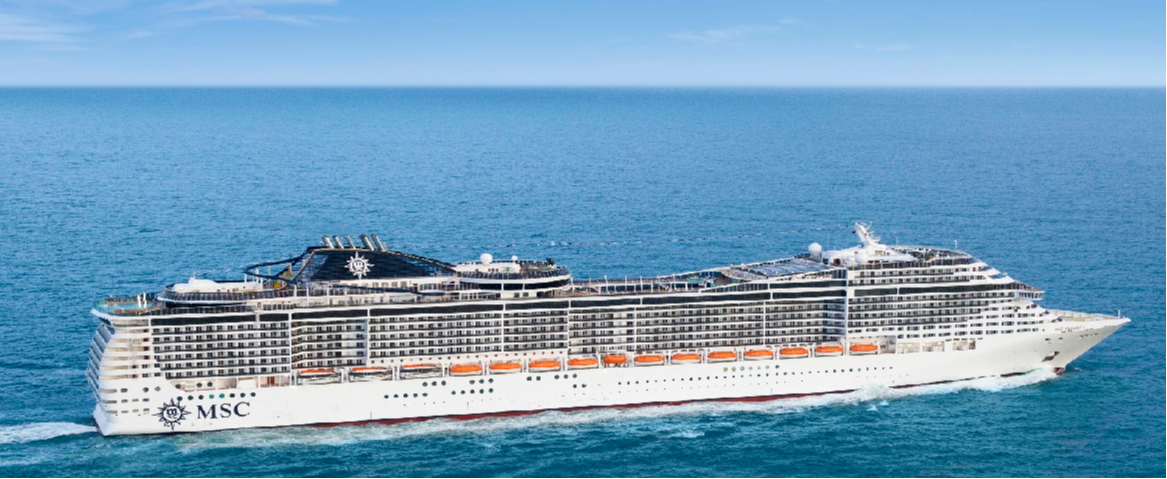
Oceania Cruises (21 Cruises)
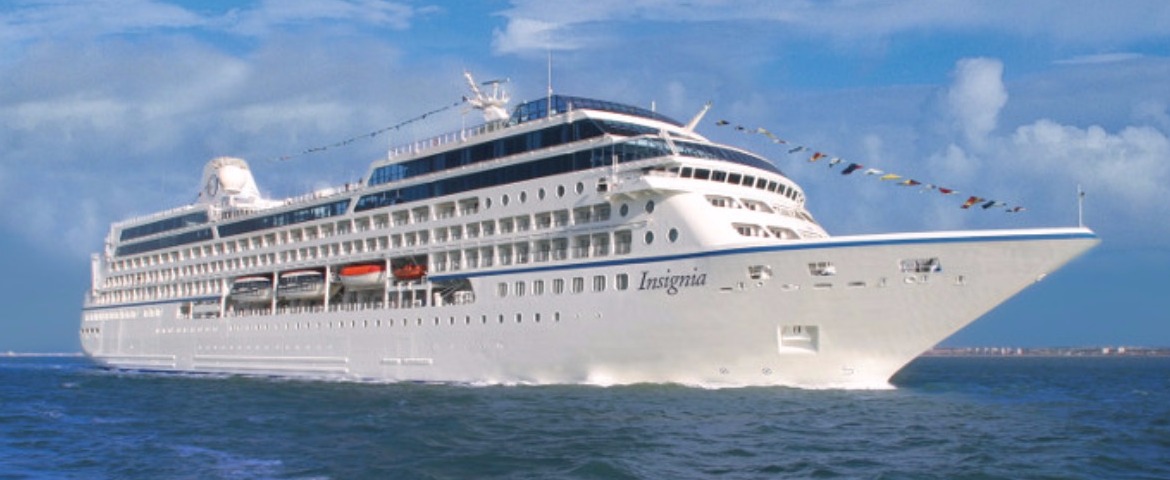
Oceania Insignia
6 Cruises

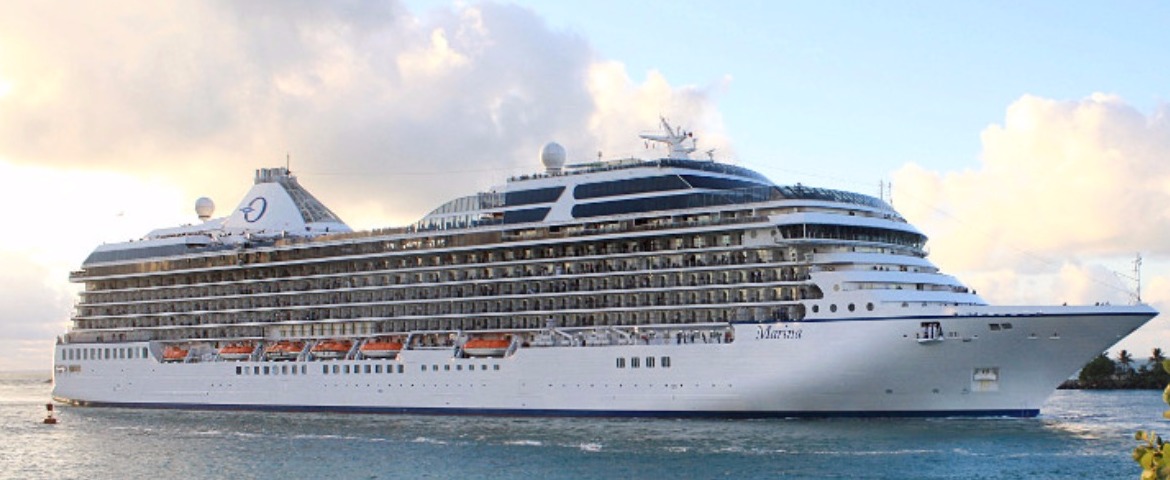
Oceania Marina
5 Cruises
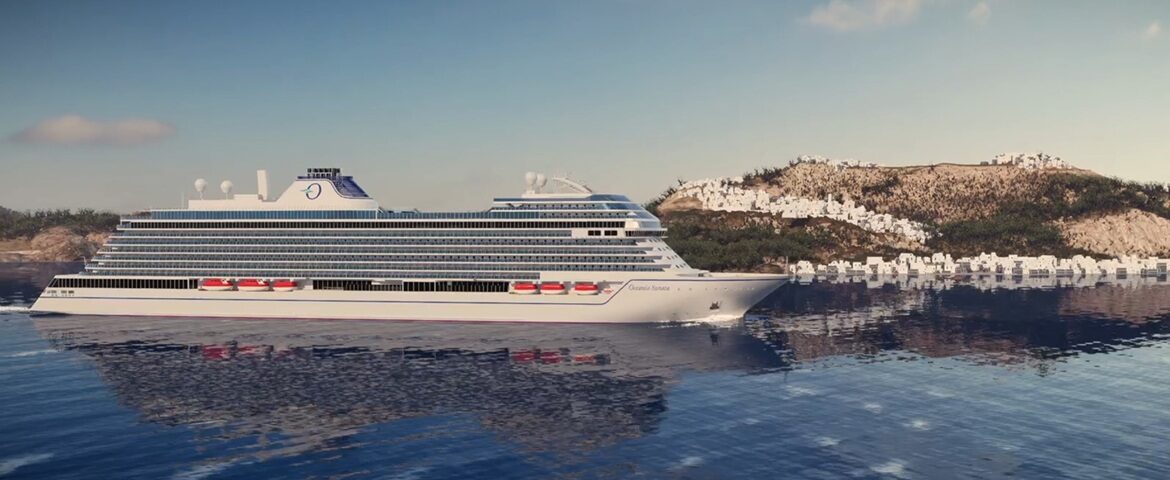
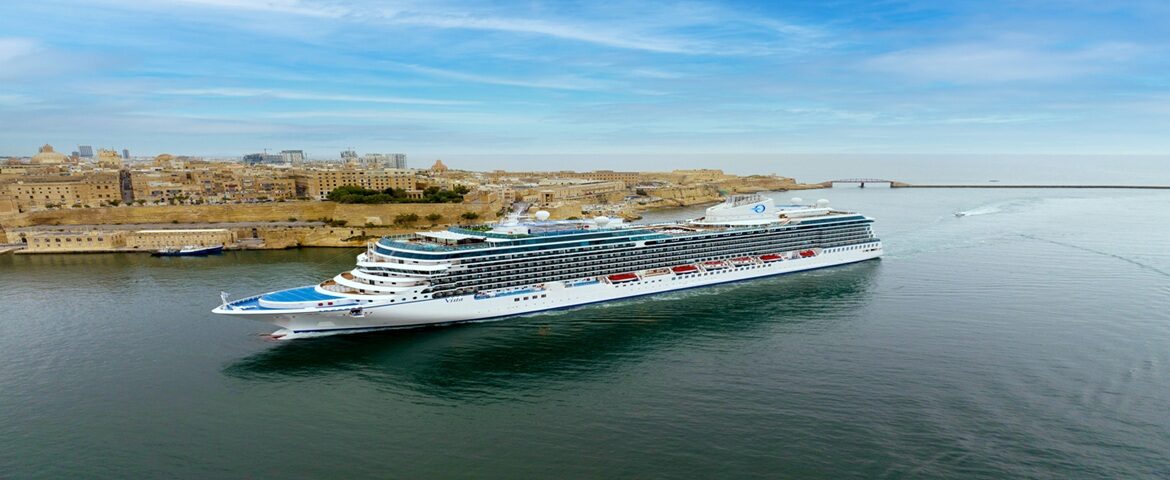
Oceania Vista
7 Cruises
| 24 June | 23 days | One-way from Lisbon to Le Havre-Paris |
450-628-6241
Call us
|
| 24 June | 22 days | One-way from Lisbon to Le Havre-Paris |
450-628-6241
Call us
|
Ponant (33 Cruises)
L'Austral
4 Cruises
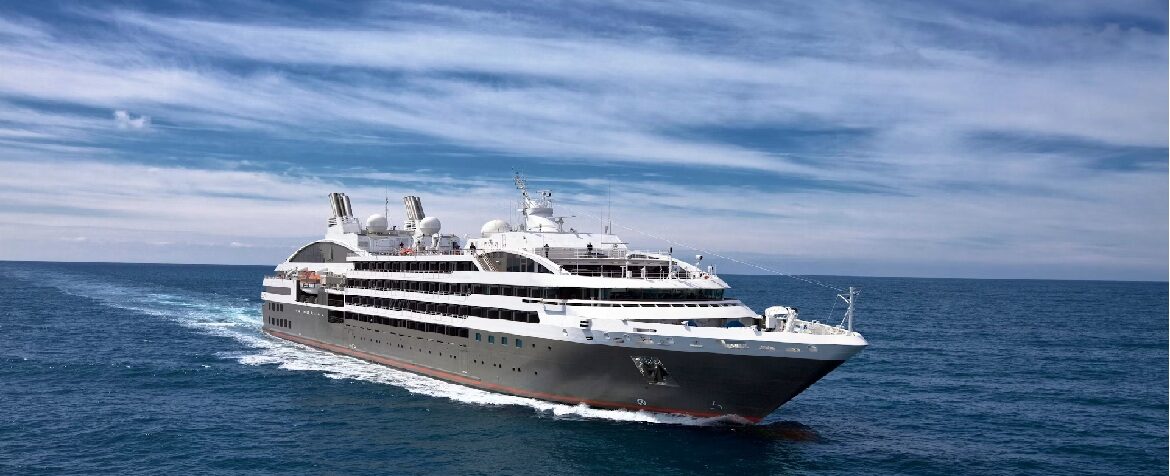

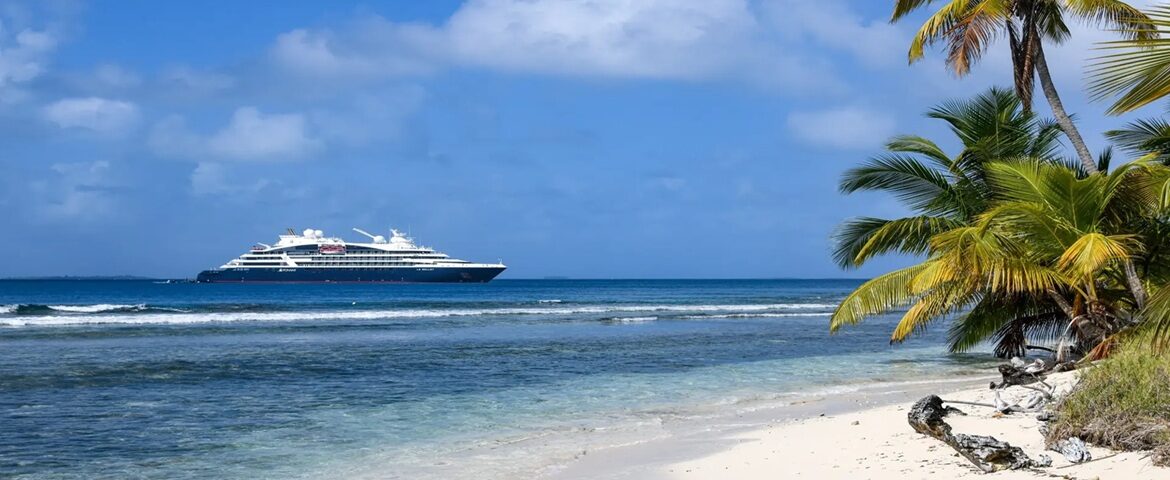
Le Champlain
10 Cruises
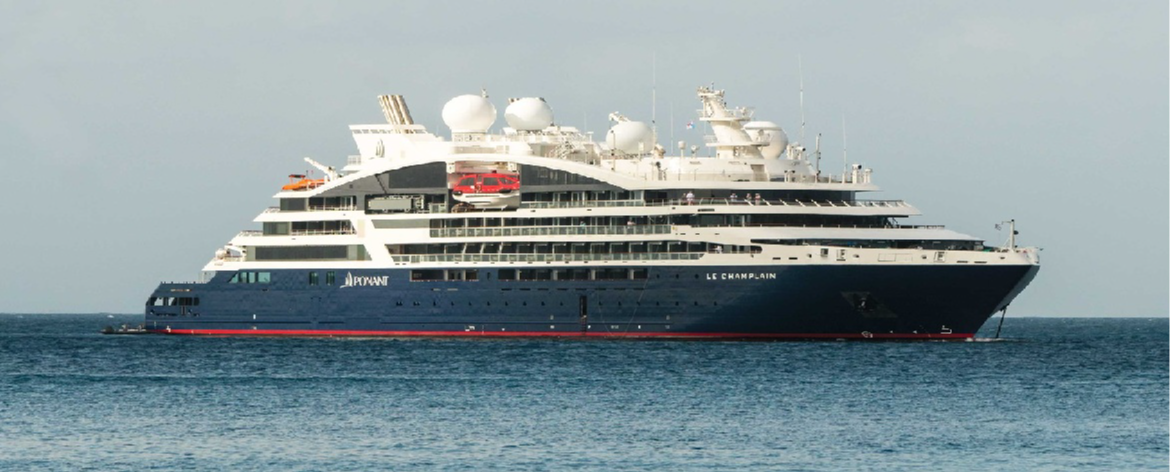
Le Laperouse
7 Cruises
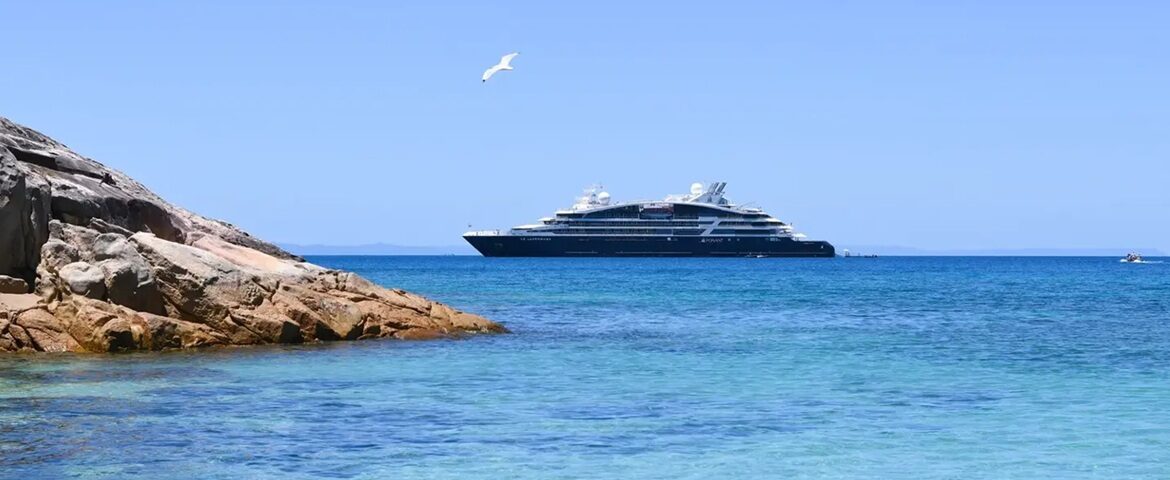
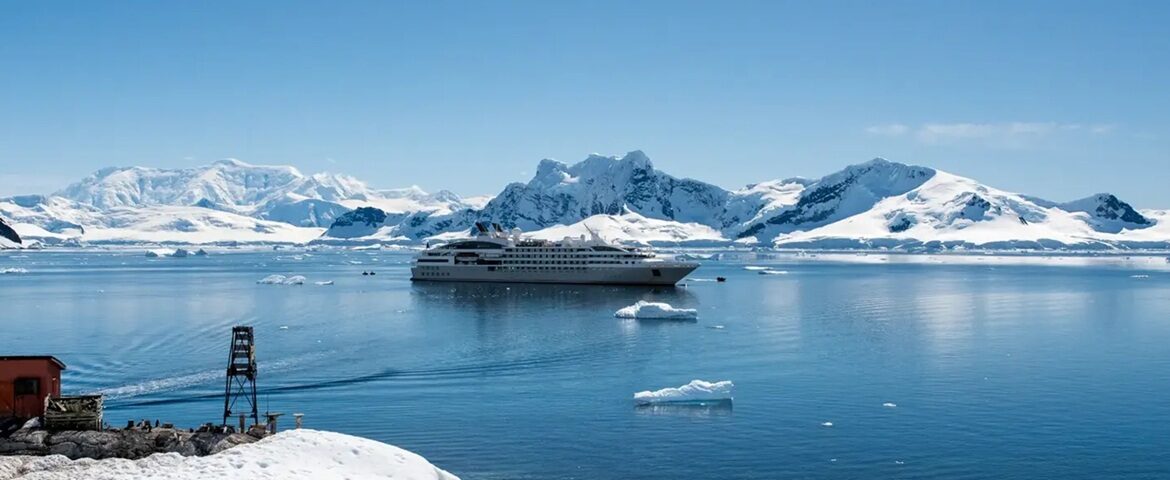
Le Lyrial
6 Cruises
Princess Cruises (83 Cruises)
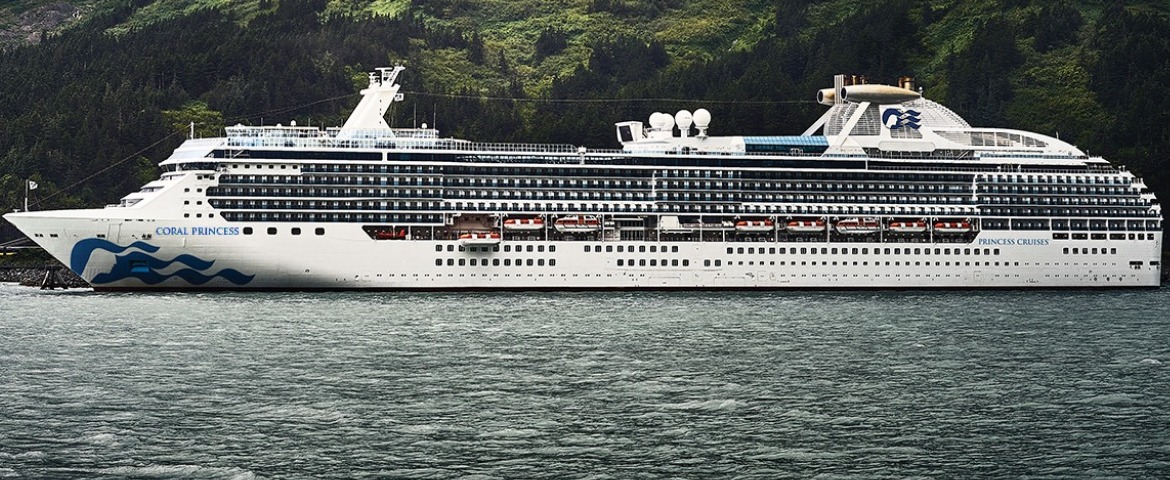

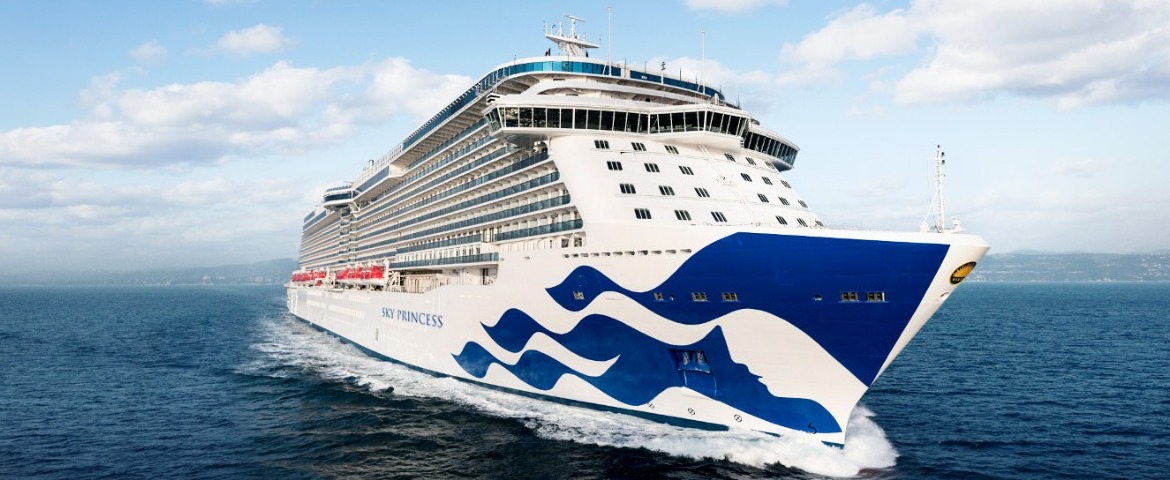
Majestic Princess
45 Cruises
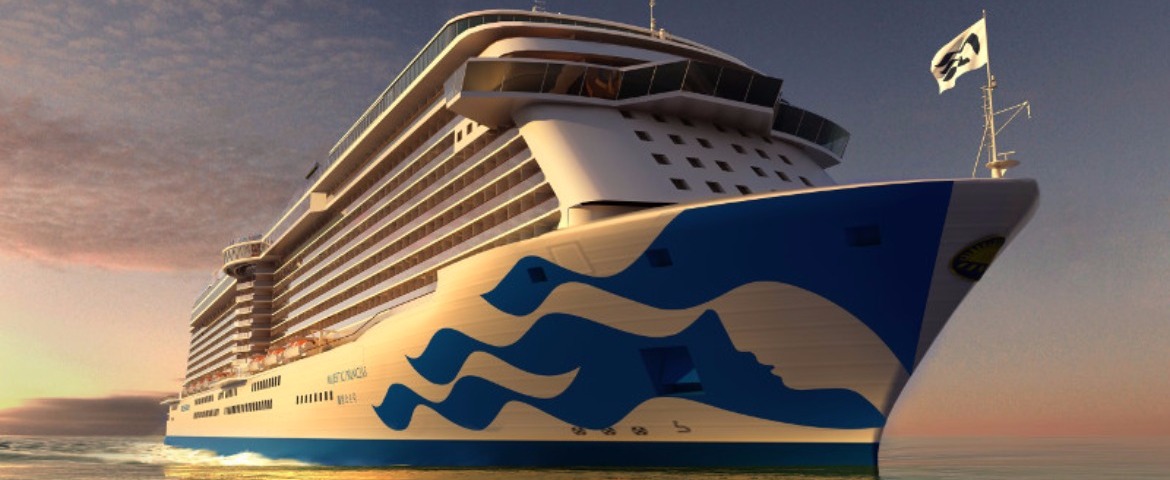
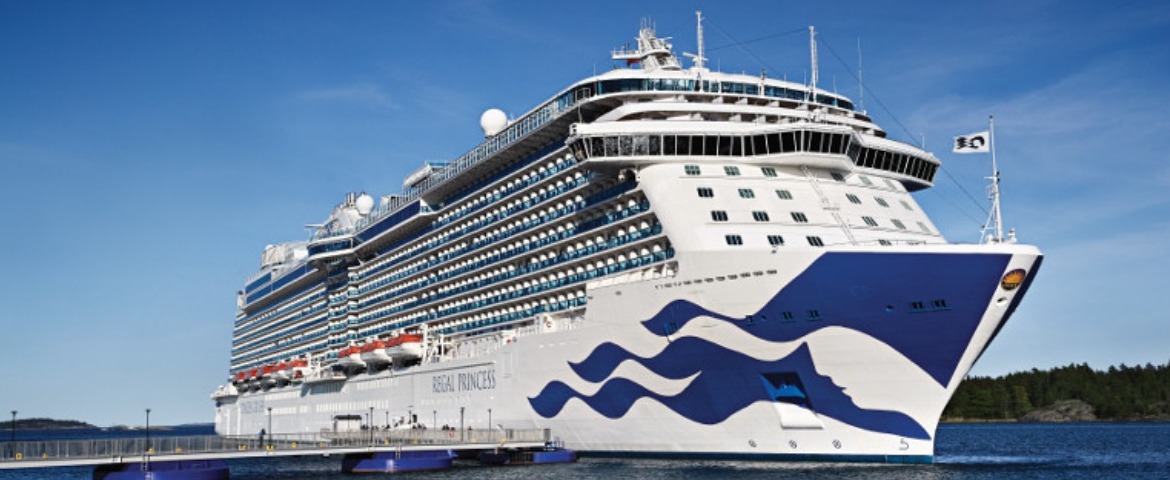
Regal Princess
34 Cruises
Regent Seven Seas Cruises (25 Cruises)
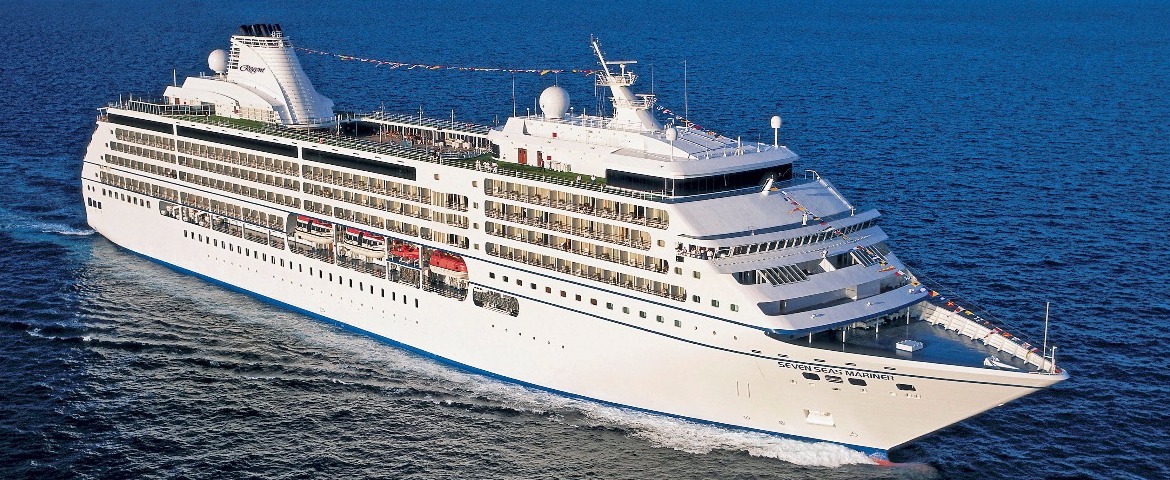
Seven Seas Mariner
8 Cruises

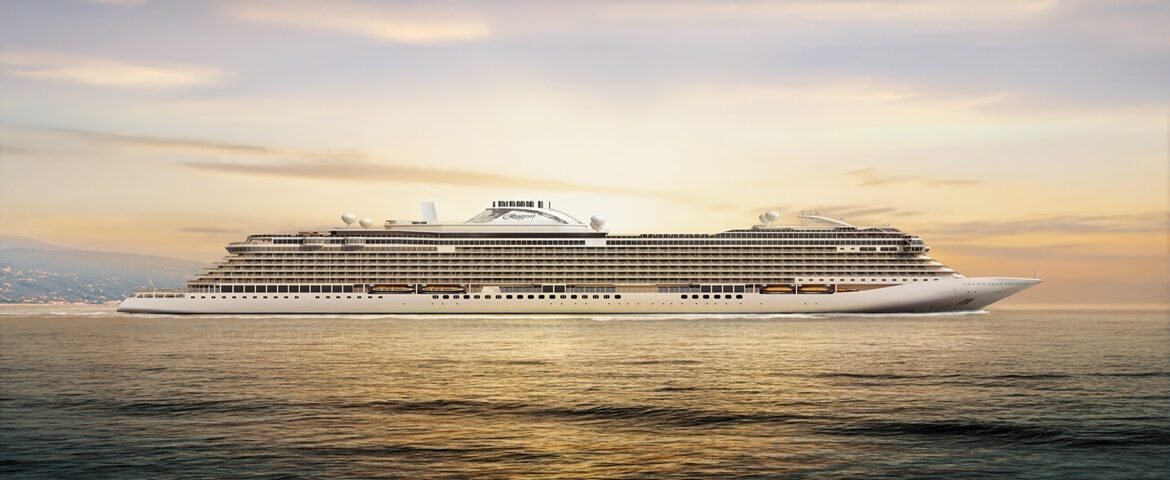
Seven Seas Prestige
4 Cruises
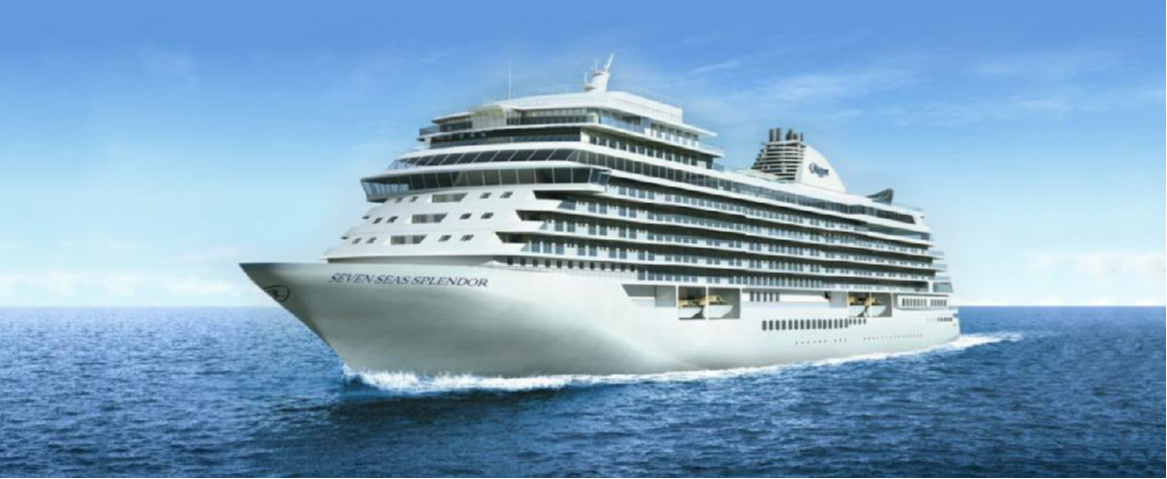
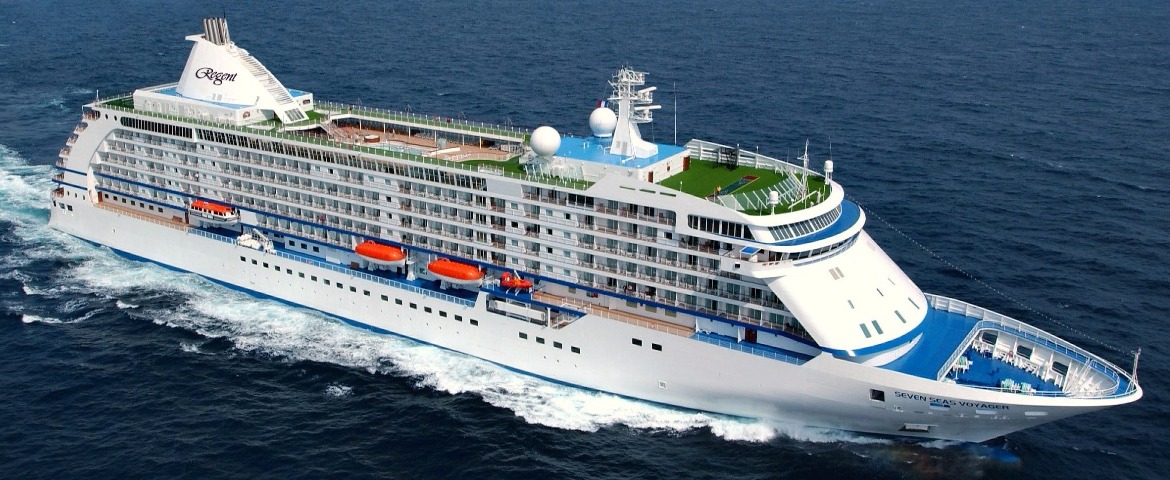
Seven Seas Voyager
11 Cruises
| 10 May | 12 days | One-way from Southampton to Leith-Edinburgh |
450-628-6241
Call us
|
| 10 May | 11 days | One-way from Southampton to Leith-Edinburgh |
450-628-6241
Call us
|
Scenic Cruises (18 Cruises)


Scenic Jade
6 Cruises


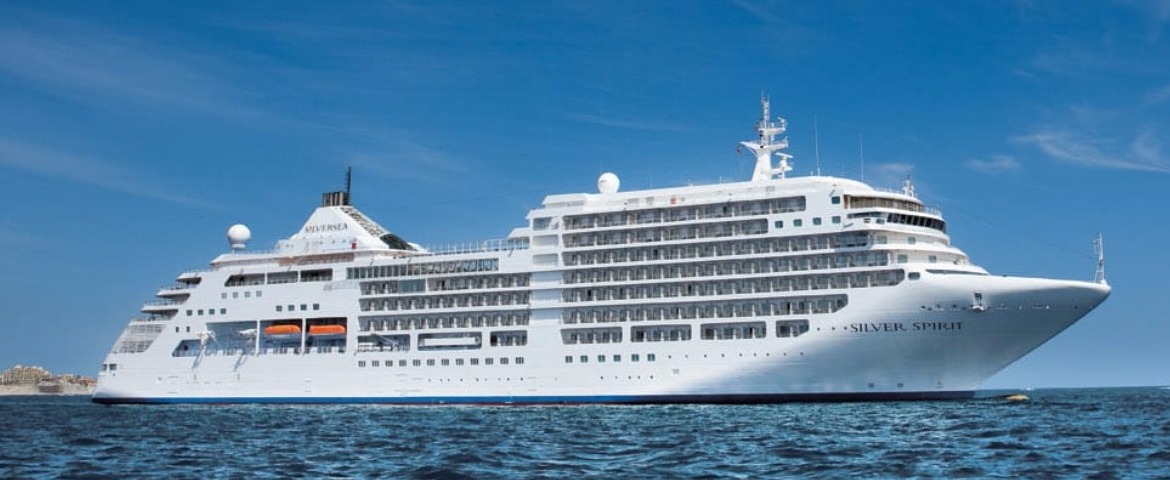
Silversea Cruises (4 Cruises)

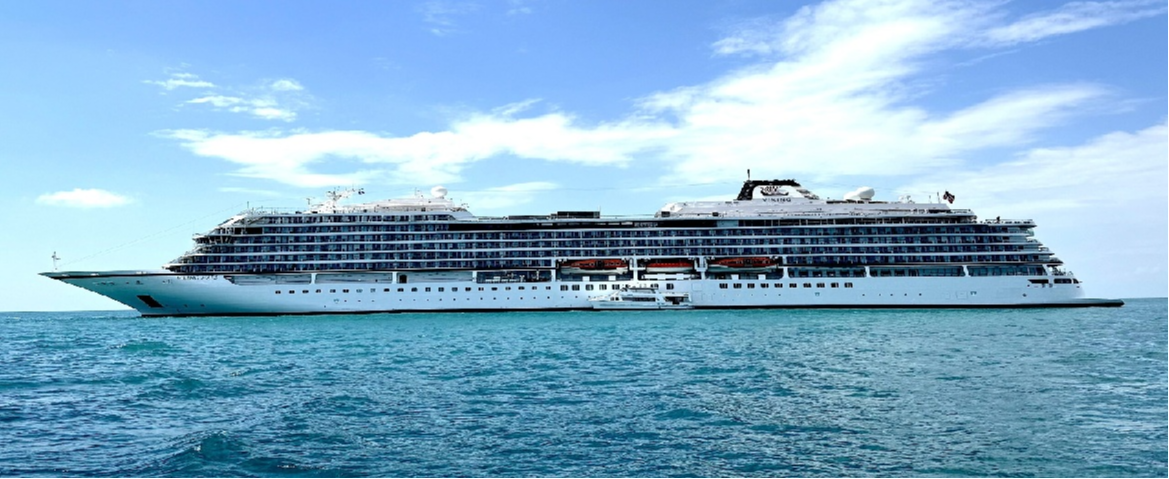
Viking Ocean Cruises (11 Cruises)
Viking Mars
4 Cruises

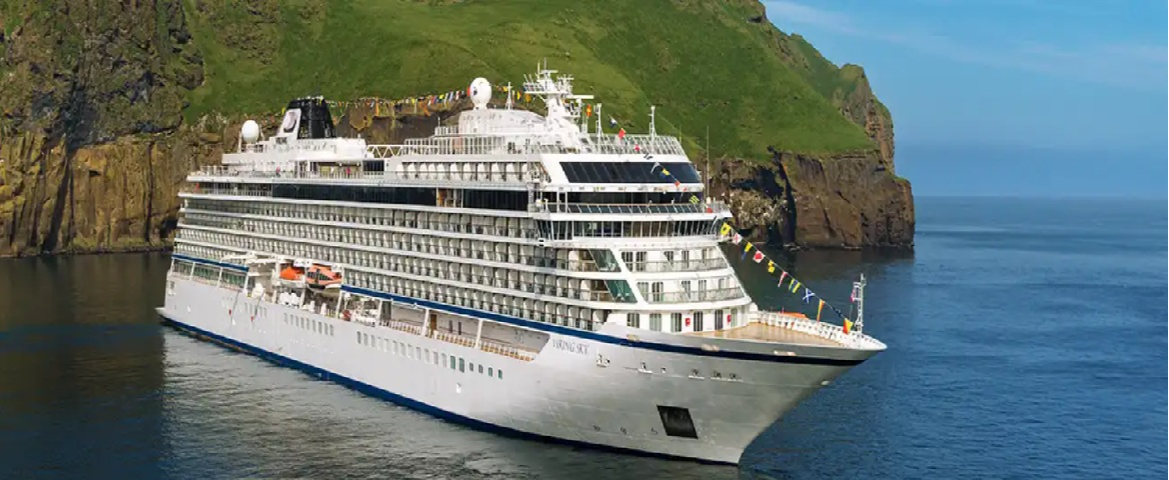

Port of Greenock (Glasgow) | Cruise Port Guide
Frequently Asked Questions
At Ocean Terminal, a glass building opened in 2020, on the south bank of the Clyde estuary. Greenock's shopping streets are about ten minutes' walk away on flat ground. This is Glasgow's cruise gateway.
By train from Greenock Central station, about fifteen minutes' walk from the berth: three to four departures an hour and roughly 40 minutes to Glasgow Central. It is far simpler and more predictable than a taxi.
Two options that pull in opposite directions. With six hours, a return trip to Glasgow works: George Square, the Kelvingrove museum and one central district. With four hours, it is better to stay on the south bank: the Esplanade, the McLean Museum and the climb to Lyle Hill.
The Kelvingrove museum, free like most of the city's major museums, mixes European masters, natural history and Charles Rennie Mackintosh design under its red sandstone vaults. Around George Square, Victorian façades tell the story of the Empire's old industrial capital. The medieval cathedral and its necropolis offer the finest city panorama.
The Esplanade, a long waterside promenade, opens views onto the Highland mountains and the lochs across the estuary. The McLean Museum, devoted to James Watt — born here — and to local shipbuilding, gathers models and instruments. The top of Lyle Hill, on foot for strong walkers or by taxi, reaches as far as the Argyll peaks on a clear day.
Because he was born here. The man whose steam engine launched the industrial revolution grew up on this bank of the Clyde, where shipyards and sugar refineries later made the town's fortune. The McLean Museum devotes a substantial part of its collections to him.
Yes, but the choice matters. A return trip to Glasgow with young children fills the day and tires everyone; the Kelvingrove museum, on the other hand, is one of the most family-friendly in Scotland. Staying in Greenock makes for a quieter day by the water.
Pounds sterling and English, with a Glaswegian accent that even Britons find hard going. Cards work everywhere, including for train tickets. Scotland issues its own banknotes, valid locally but sometimes refused elsewhere in the UK.
No, tickets are bought at the station or from a machine, and with three to four trains an hour booking is unnecessary. Do note the last useful return departure, though, and keep a good margin against the all-aboard time.
May to September, for the long days and the clear view of the Highlands from Lyle Hill. Scotland's west coast is among the rainiest parts of the country in any season: waterproofs are basic kit, even under a sky that promises otherwise.


