Port Vila Efate Island Vanuatu
Vanuatu
132
Cruises availables
At departure or passage at this port
Carnival Cruise Line (40 Cruises)
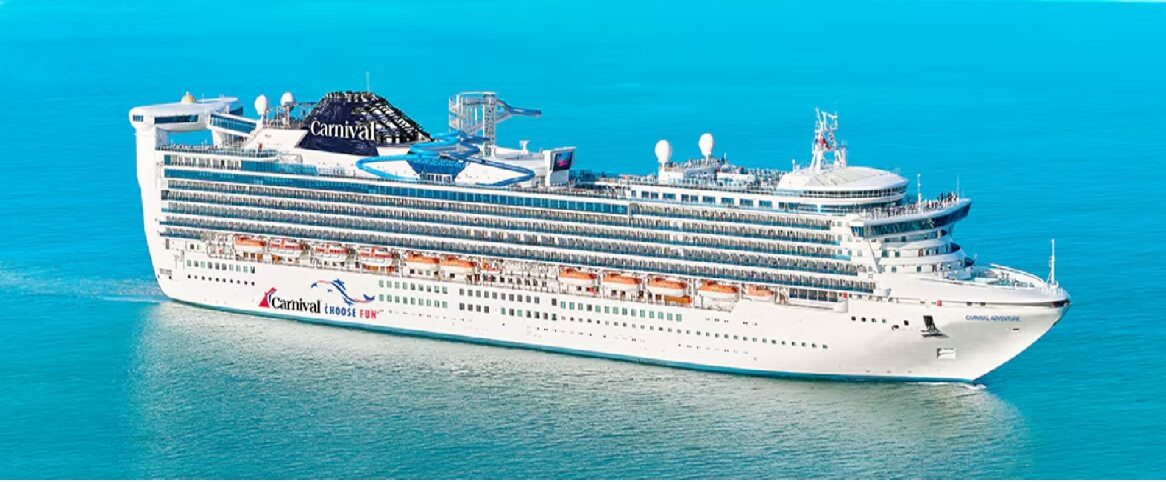
Carnival Adventure
10 Cruises

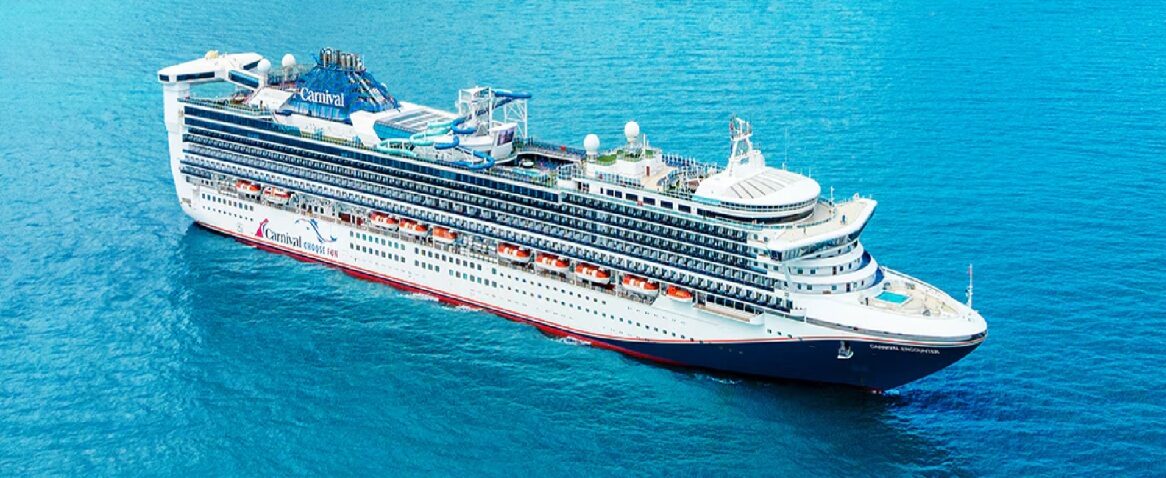
Carnival Encounter
19 Cruises
| 13 February | 7 nights | Round-trip from Brisbane, Australia |
450-628-6241
Call us
|
| 27 February | 7 nights | Round-trip from Brisbane, Australia |
450-628-6241
Call us
|
| 13 March | 8 nights | Round-trip from Brisbane, Australia |
450-628-6241
Call us
|
| 29 March | 8 nights | Round-trip from Brisbane, Australia |
450-628-6241
Call us
|
| 10 May | 12 nights | Round-trip from Brisbane, Australia |
450-628-6241
Call us
|
| 22 May | 8 nights | Round-trip from Brisbane, Australia |
450-628-6241
Call us
|
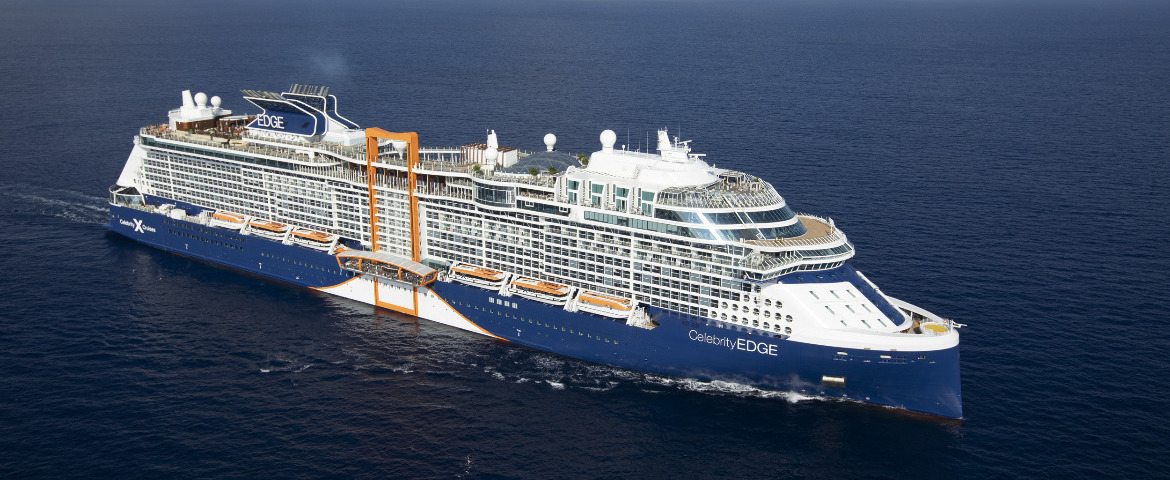
Celebrity Cruises (3 Cruises)

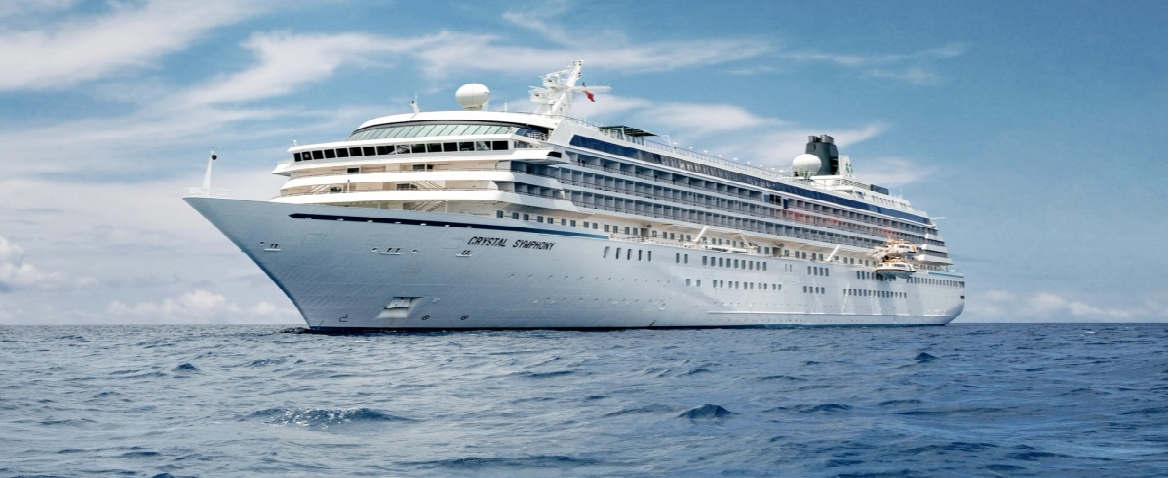
Crystal Cruises (6 Cruises)


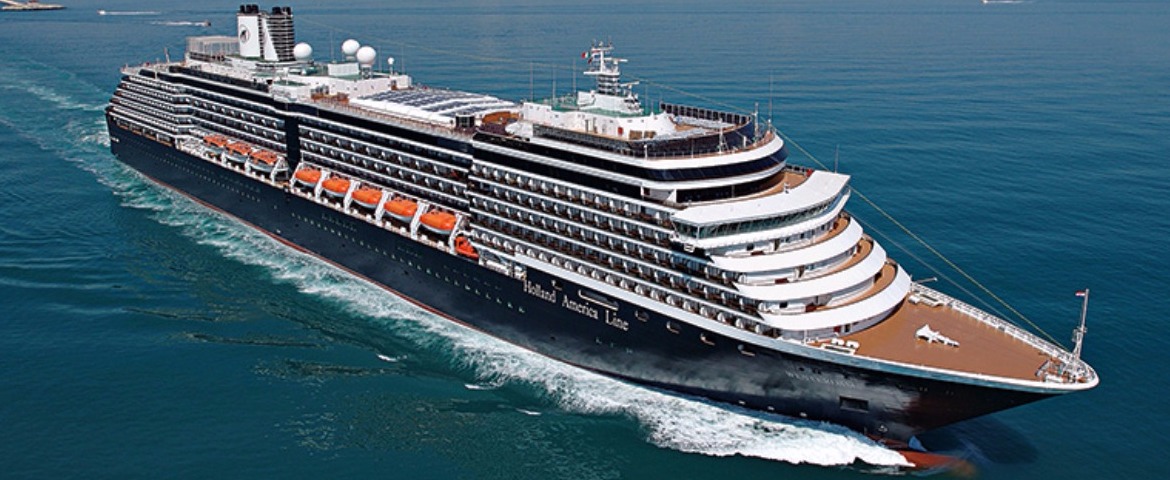
Holland America Line (5 Cruises)

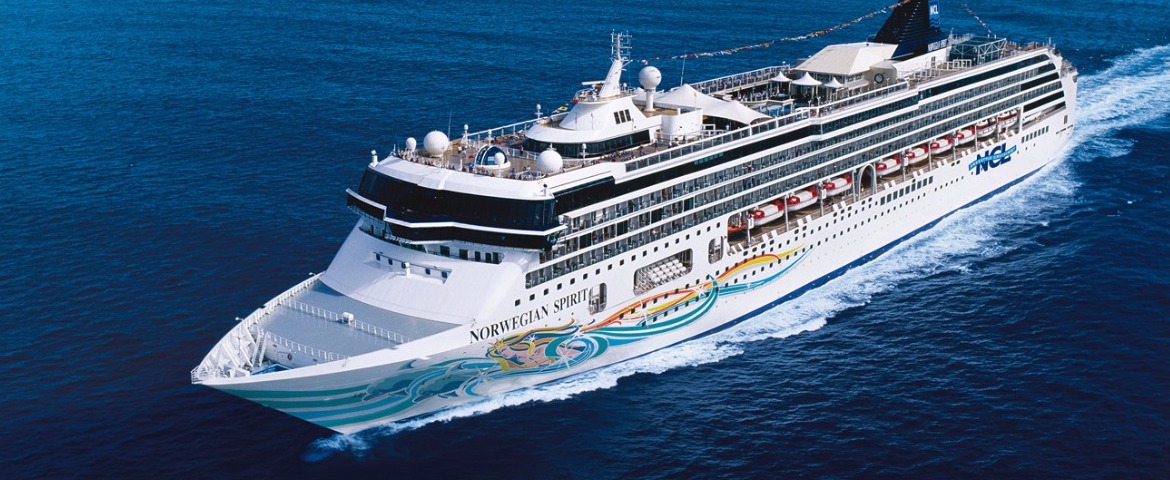
Norwegian Cruise Line (3 Cruises)

Oceania Cruises (6 Cruises)
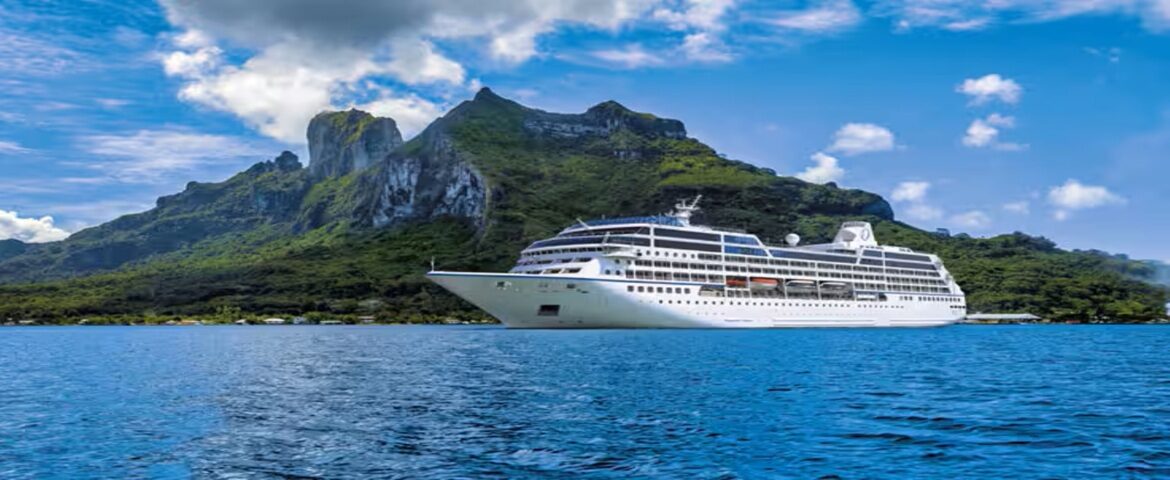

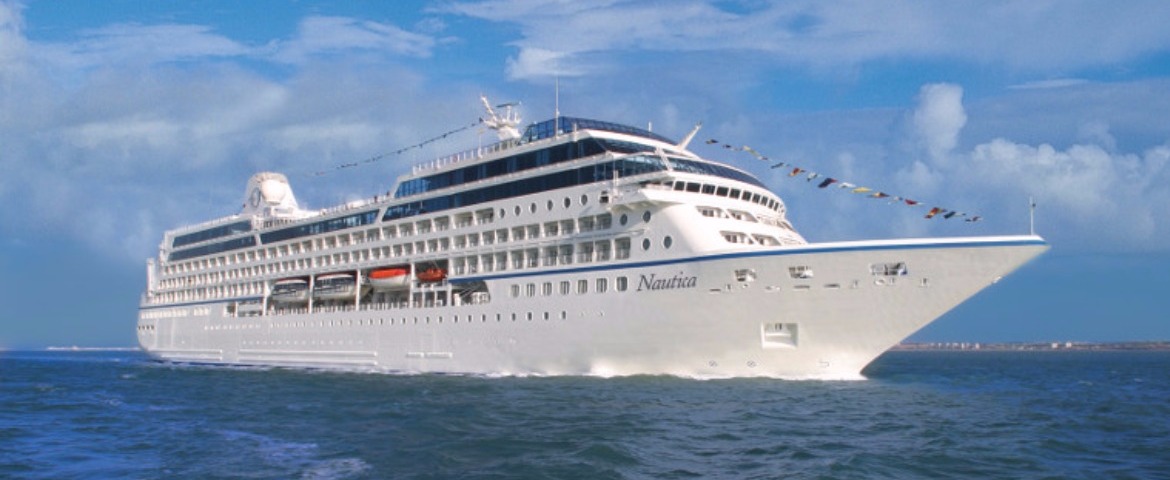
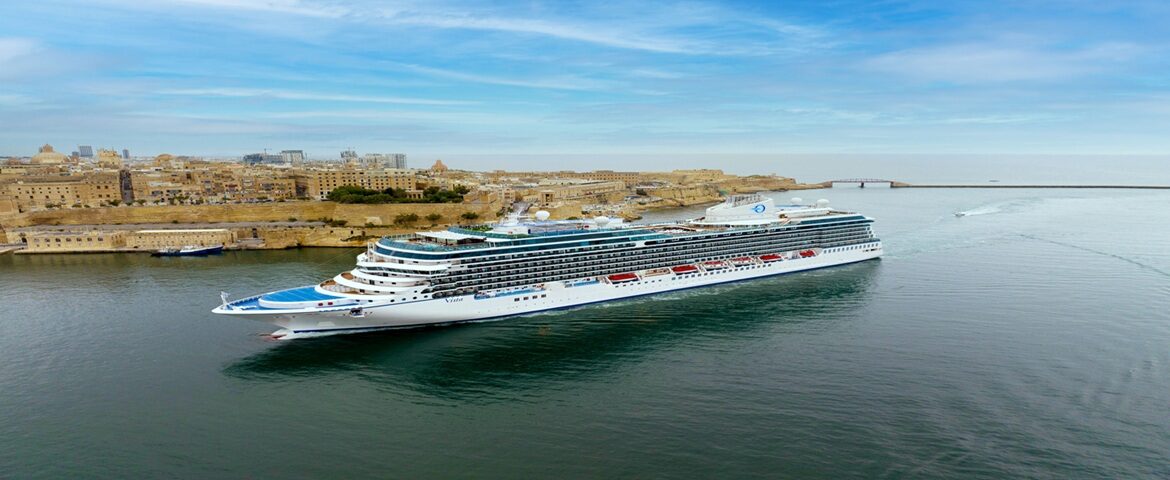
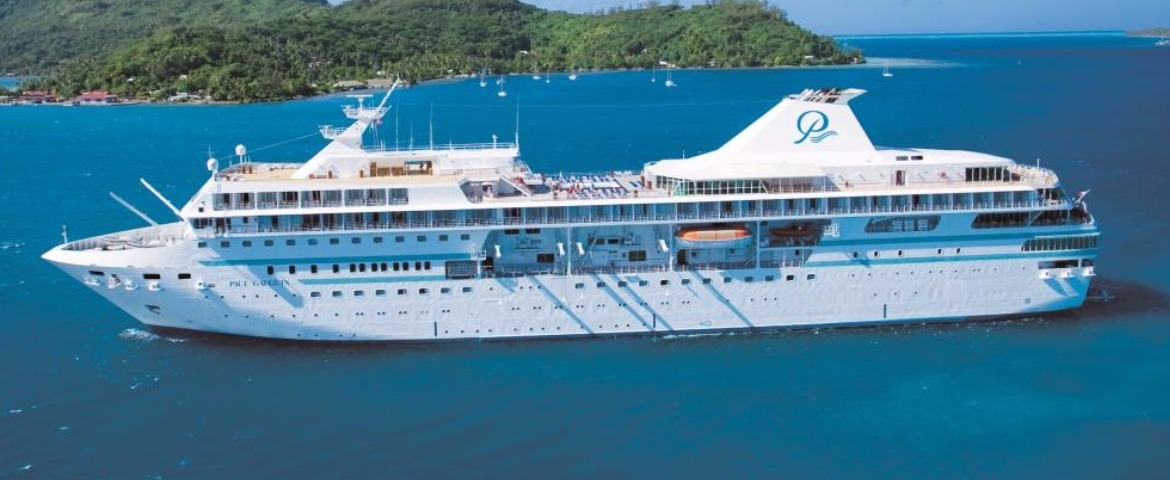
Paul Gauguin Cruises (2 Cruises)

Princess Cruises (9 Cruises)
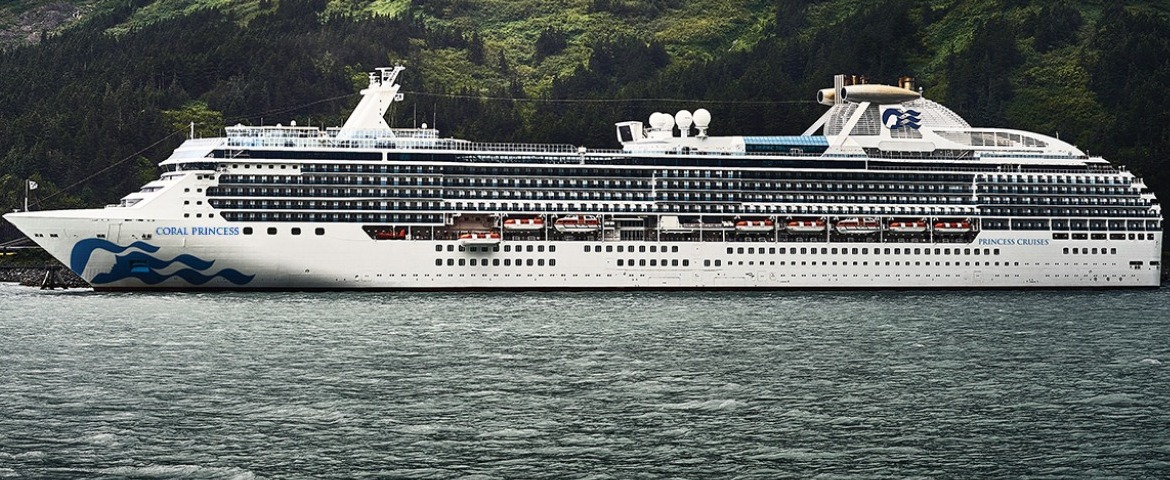
Coral Princess
7 Cruises

Regent Seven Seas Cruises (8 Cruises)


Royal Caribbean Cruises (34 Cruises)
Anthem of the Seas
18 Cruises


| 6 January | 9 nights | Round-trip from Sydney, Australia |
From
2234$
|
| 15 January | 9 nights | Round-trip from Sydney, Australia |
From
2231$
|
| 5 March | 9 nights | Round-trip from Sydney, Australia |
From
1675$
|
| 14 March | 9 nights | Round-trip from Sydney, Australia |
From
1611$
|
Quantum of the Seas
9 Cruises



Windstar Cruises (12 Cruises)
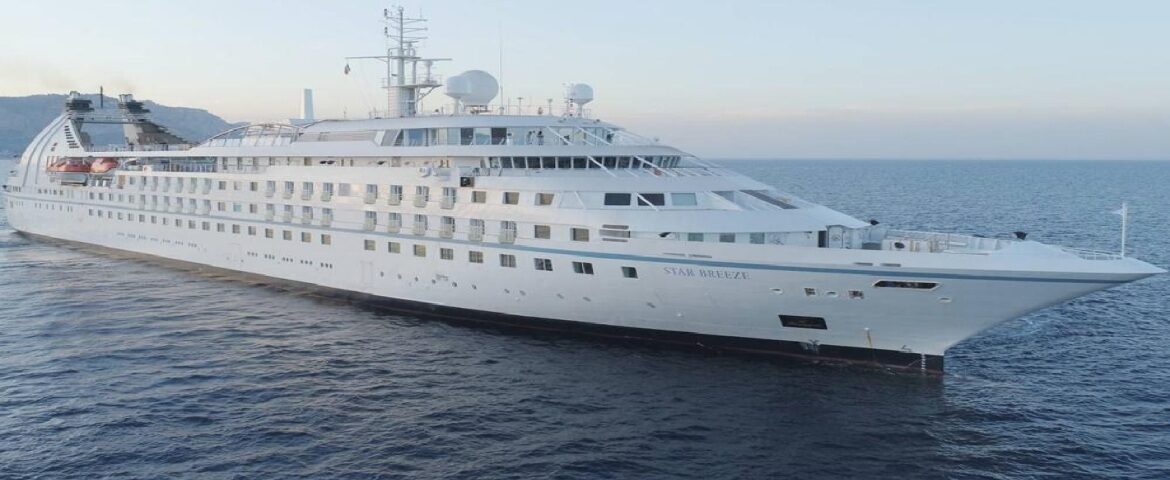
Star Breeze
12 Cruises


Port Vila, Vanuatu | Cruise Port Guide
Frequently Asked Questions
At the main wharf, about three kilometres from the centre. Depending on the state of the facilities, some ships come alongside while others land passengers by tender. Shuttles and shared taxis cover the distance in no time.
It is possible but not recommended: three kilometres in tropical heat along a road with little continuous shade. The ship's shuttles and the shared taxis, windows down and local music playing, do the trip in minutes.
Two options: the centre on foot with the municipal market and the national museum, or the trip to the Mele cascades about ten kilometres away. Combining both is feasible if you start early, but it means cutting the market short.
The beating heart of the town, humming from morning to night: mamas in floral dresses sell yams, pineapples, coconut crabs and flower crowns. Many come in from the villages for several days and take turns on the stall until Saturday evening.
Giant slit drums, ceremonial headdresses and outrigger canoes. The sand drawing demonstrations, a narrative art inscribed on UNESCO's intangible heritage list, are worth the visit alone: the storyteller traces with one unbroken finger figures that tell myths and genealogies.
The most popular outing of the call, about ten kilometres away. From the car park a path follows the stream up in around twenty minutes, fording milky blue pools held back by limestone terraces. Swimming is allowed in the main fall's basin.
Closed sandals: the limestone terraces are slippery and the climb is far more pleasant with good soles. Bring swimwear, a towel and a change of clothes too, because you will come out soaked.
Bislama, English and French. The Anglo-French condominium that governed the archipelago until 1980 left flavourful traces: you order a croissant in English, a meat pie in French, and everyone understands each other.
The vatu. Hotels, restaurants and town-centre shops generally take cards, but keep cash in small denominations for the market, the shared taxis and the village stalls.
May to October, Vanuatu's dry season: more bearable heat, less rain and outside the cyclone period. From November to April humidity rises and tropical depressions can alter itineraries.


