Buenos Aires Argentina
972
Cruises availables
At departure or passage at this port
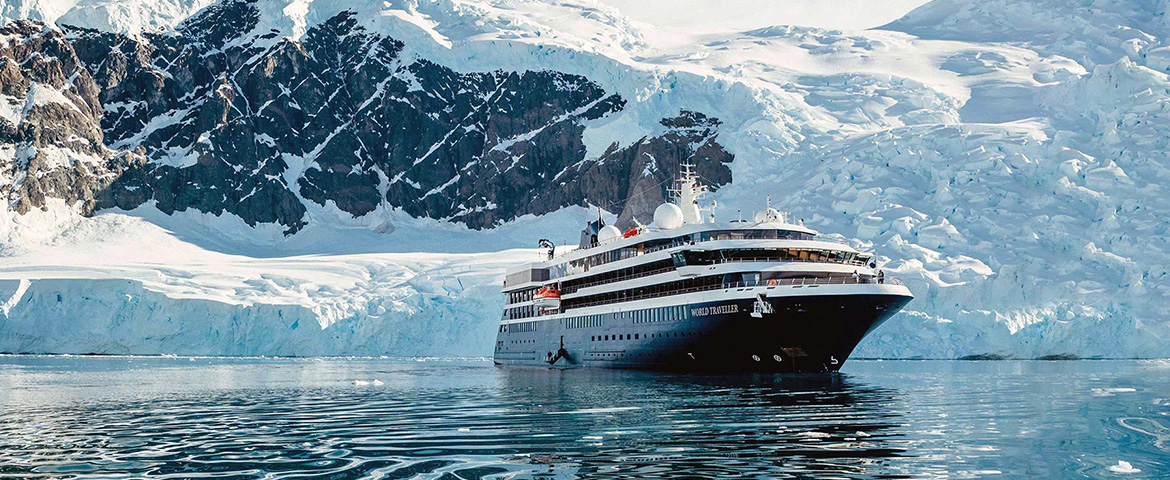
Atlas Ocean Voyages (2 Cruises)

Azamara Club Cruises (31 Cruises)
Azamara Journey
11 Cruises
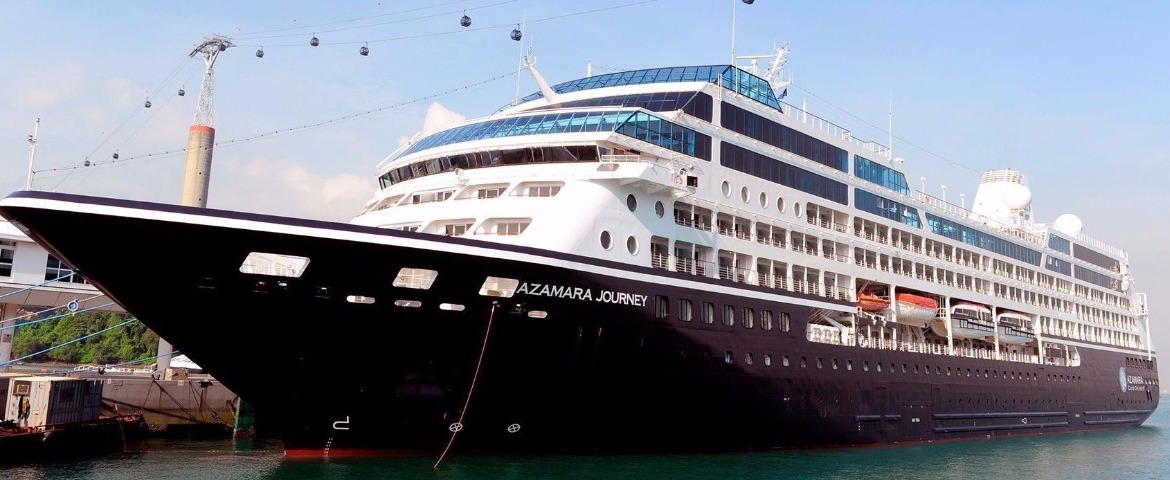

Azamara Quest
20 Cruises
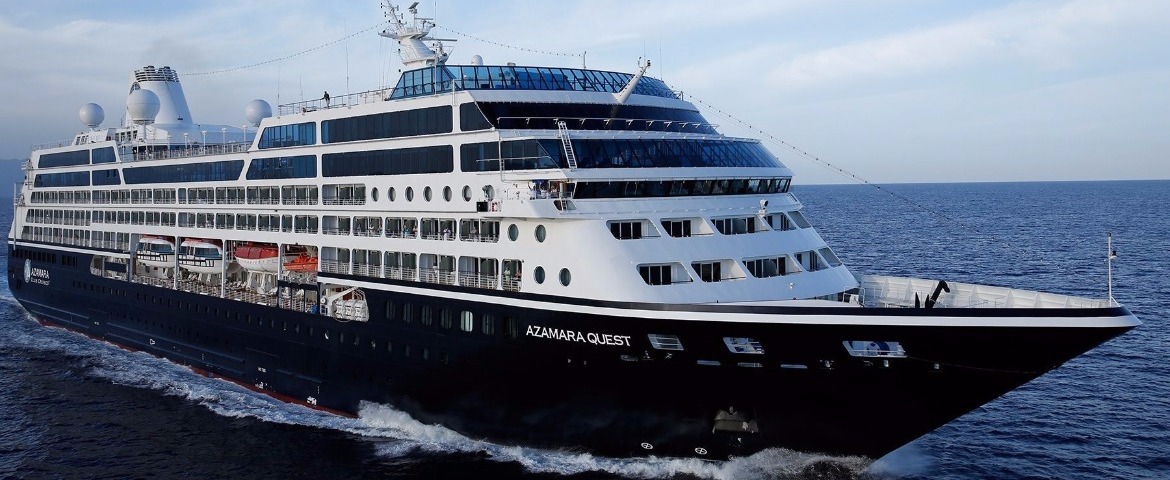
Carnival Cruise Line (3 Cruises)
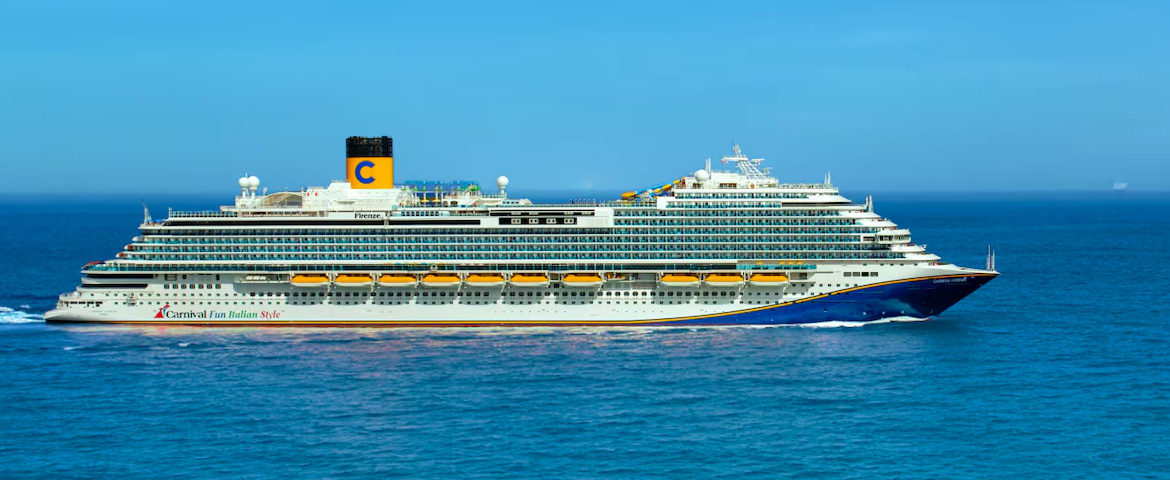

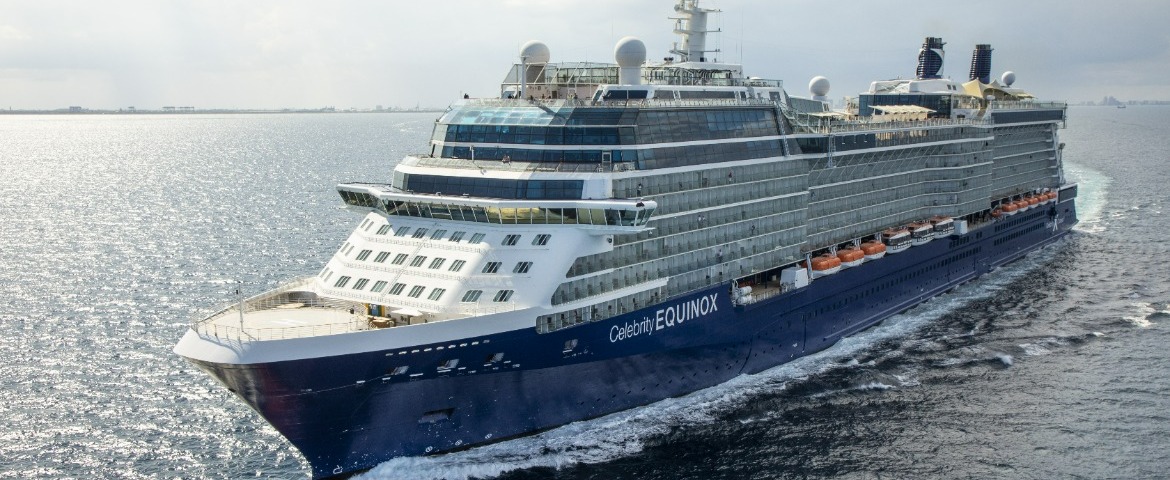
Celebrity Cruises (27 Cruises)
Celebrity Equinox
27 Cruises

Costa Cruises (92 Cruises)
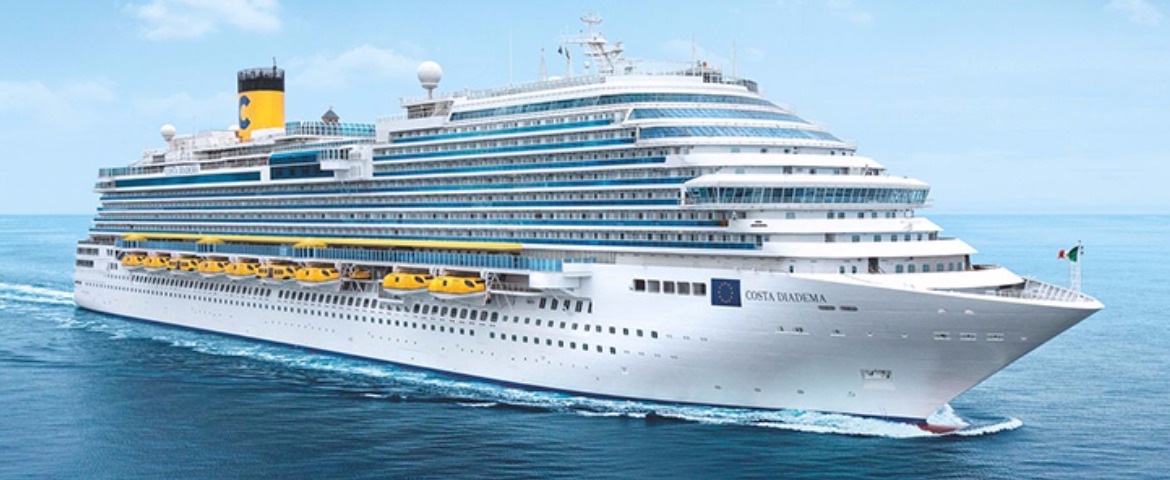
Costa Diadema
50 Cruises

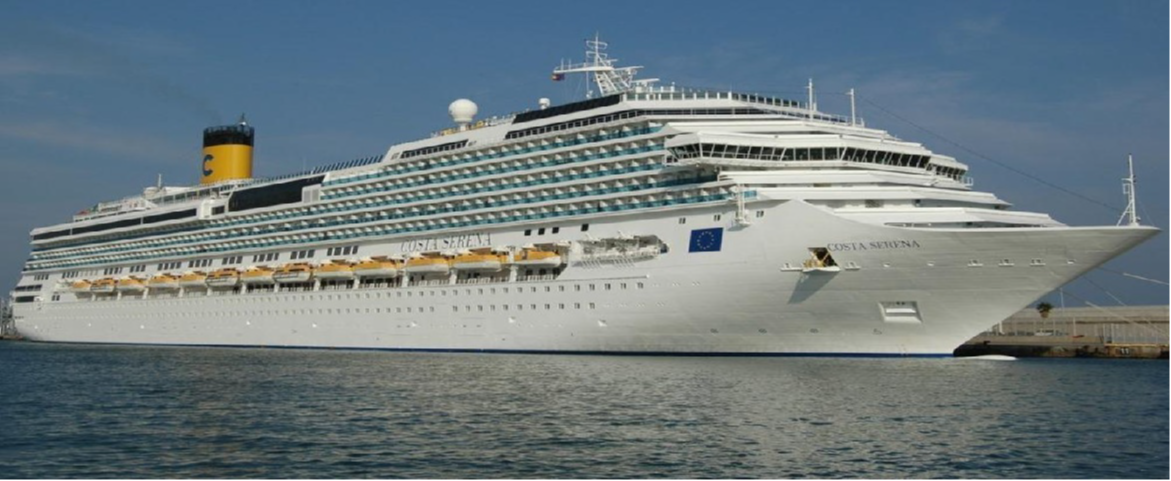
Costa Serena
42 Cruises
Crystal Cruises (14 Cruises)
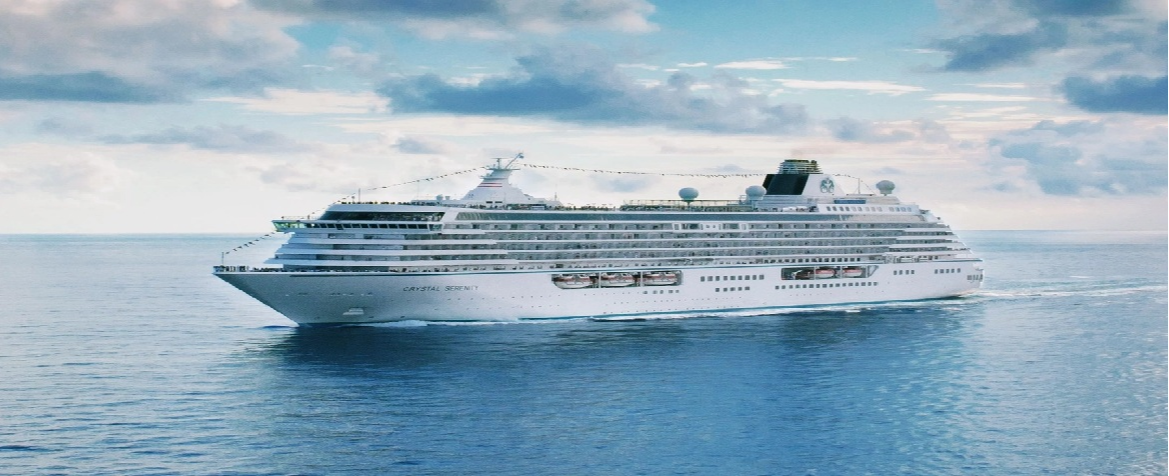
Crystal Serenity
11 Cruises

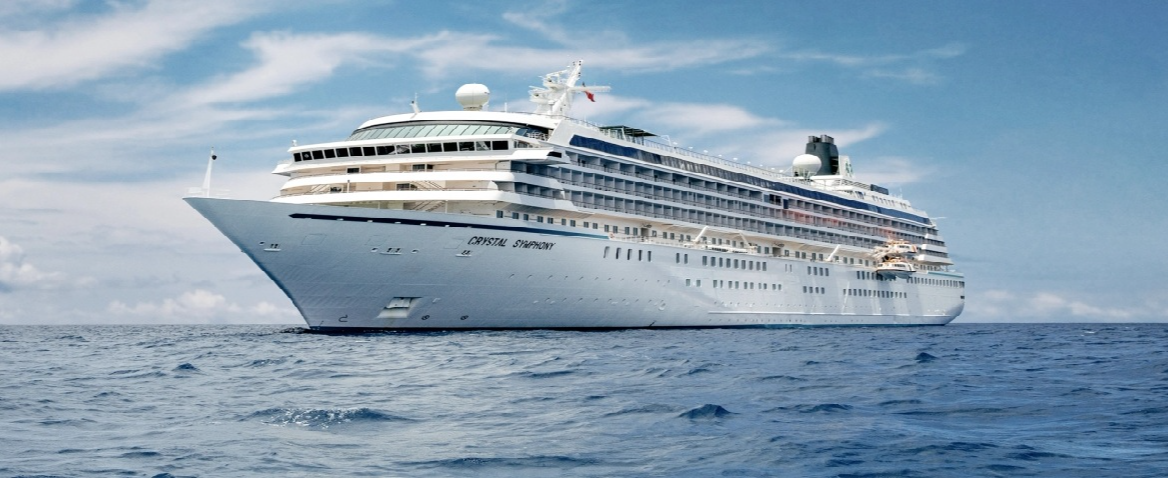
Cunard (10 Cruises)
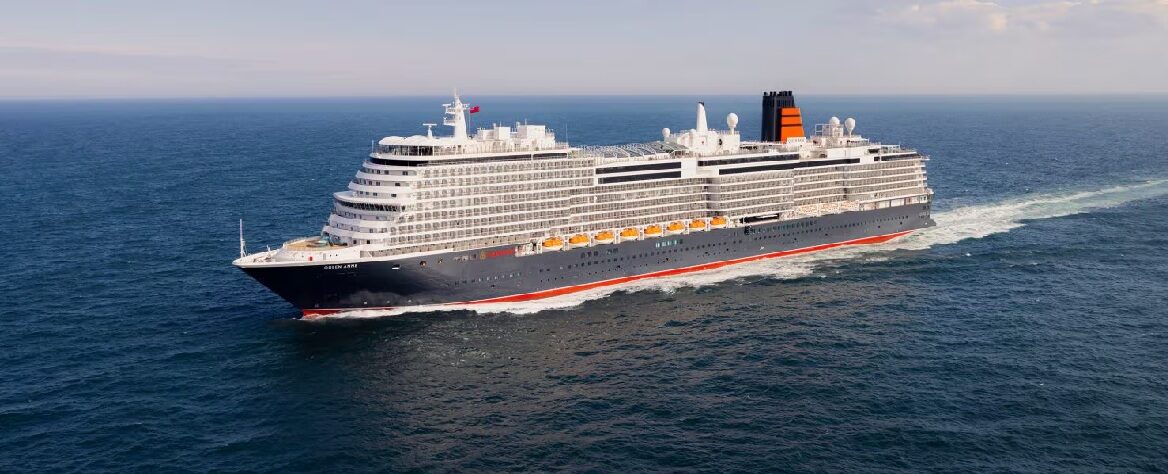
Queen Anne
10 Cruises

Holland America Line (63 Cruises)
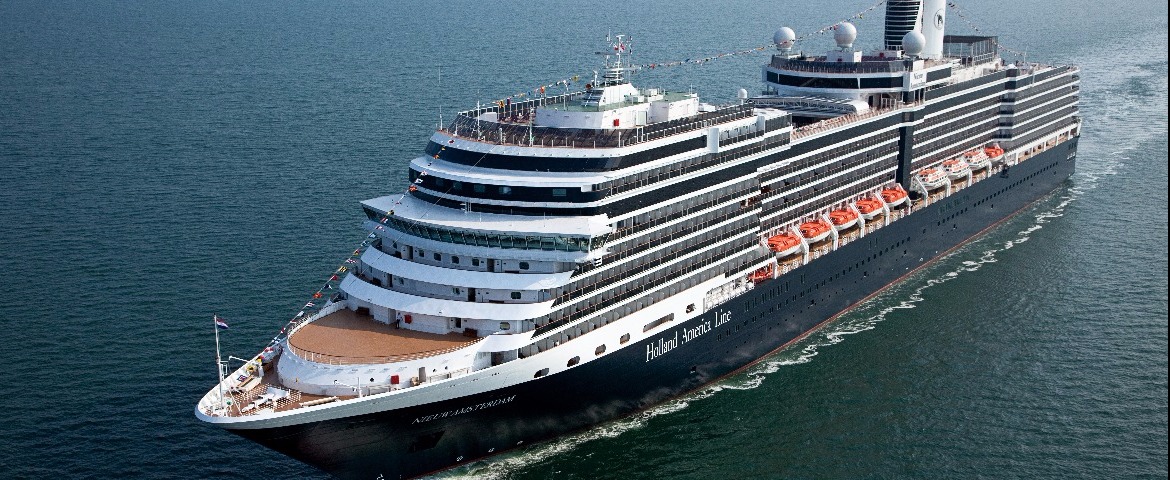
ms Nieuw Amsterdam
22 Cruises

| 21 February | 15 days | One-way from San Antonio to Buenos Aires |
450-628-6241
Call us
|
| 21 February | 14 days | One-way from San Antonio to Buenos Aires |
450-628-6241
Call us
|
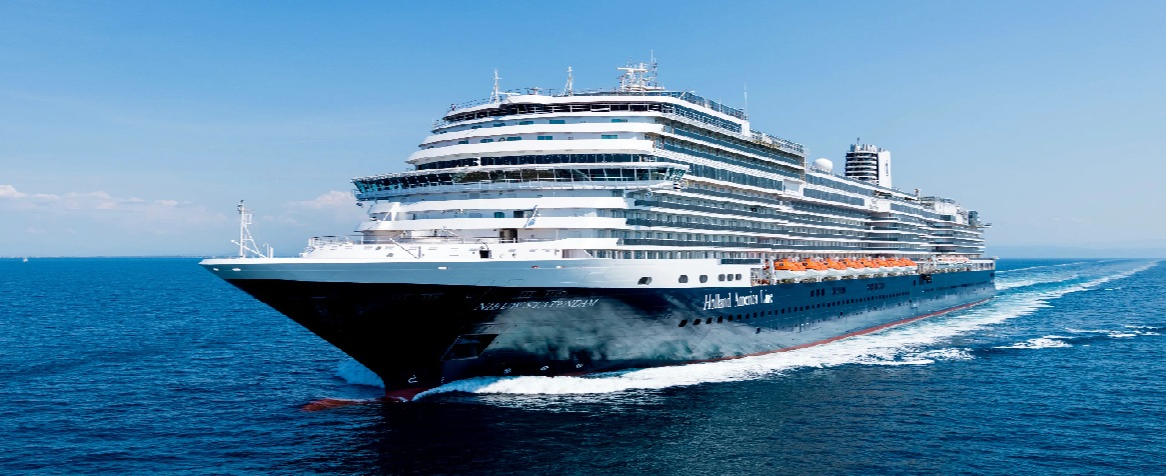
ms Nieuw Statendam
22 Cruises
| 21 February | 14 days | One-way from San Antonio to Buenos Aires |
450-628-6241
Call us
|
| 21 February | 15 days | One-way from San Antonio to Buenos Aires |
450-628-6241
Call us
|
ms Oosterdam
15 Cruises
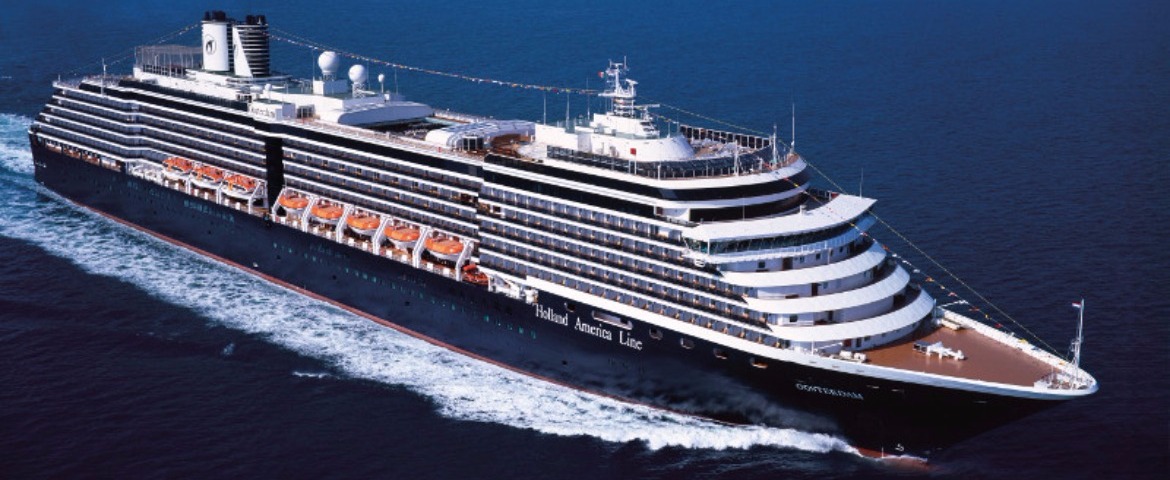
| 18 November | 31 days | One-way from Fort Lauderdale to Buenos Aires |
450-628-6241
Call us
|
| 18 November | 31 days | One-way from Fort Lauderdale to Buenos Aires |
450-628-6241
Call us
|
| 10 January | 22 days | One-way from San Antonio to Buenos Aires |
450-628-6241
Call us
|
| 10 January | 22 days | One-way from San Antonio to Buenos Aires |
450-628-6241
Call us
|
HX Expeditions (111 Cruises)
MS Fridtjof Nansen
69 Cruises
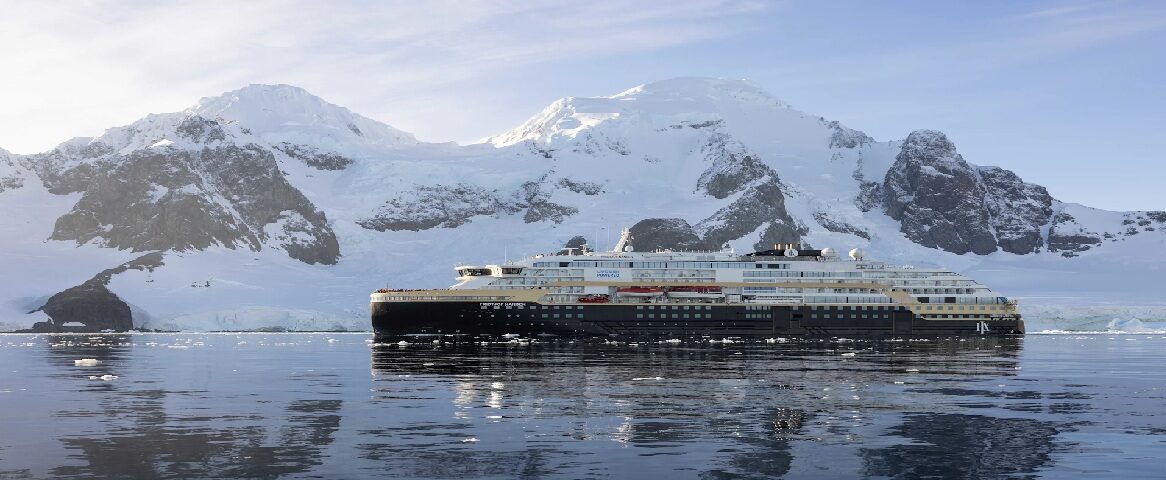

| 30 October | 12 days | Round-trip from Buenos Aires, Argentina |
450-628-6241
Call us
|
| 31 October | 10 days | Round-trip 11 Night Highlights of Antarctica Expedition Cruise and Land Tour |
450-628-6241
Call us
|
MS Roald Amundsen
42 Cruises
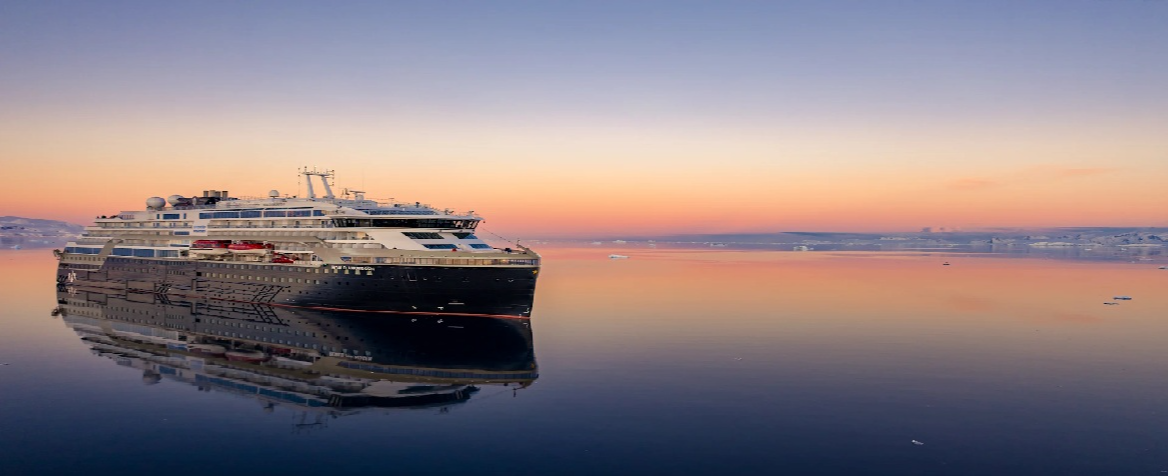
| 19 January | 12 days | Round-trip from Buenos Aires, Argentina |
450-628-6241
Call us
|
| 20 January | 10 days | Round-trip 11 Night Highlights of Antarctica Expedition Cruise and Land Tour |
450-628-6241
Call us
|
| 18 February | 16 days | Round-trip from Buenos Aires, Argentina |
450-628-6241
Call us
|
| 19 February | 14 days | Round-trip 15 Night Antarctic Circle Expedition Cruise and Land Tour |
450-628-6241
Call us
|
| 1 April | 15 days | One-way from Buenos Aires to Valparaiso-Santiago |
450-628-6241
Call us
|
| 2 April | 13 days | One-way from Buenos Aires to Valparaiso-Santiago |
450-628-6241
Call us
|
| 29 October | 12 days | Round-trip from Buenos Aires, Argentina |
450-628-6241
Call us
|
| 30 October | 10 days | Round-trip 11 Night Highlights of Antarctica Expedition Cruise and Land Tour |
450-628-6241
Call us
|
Lindblad Expeditions (46 Cruises)
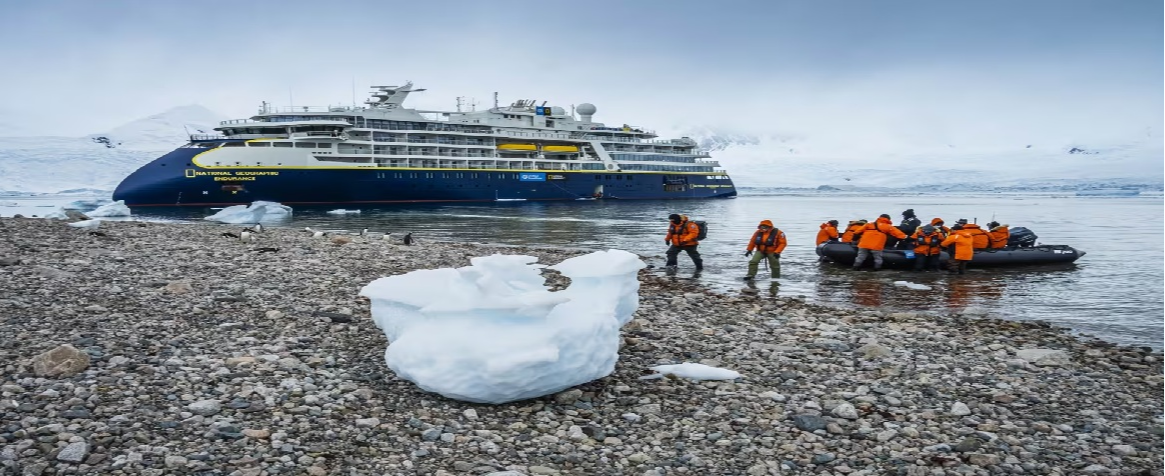
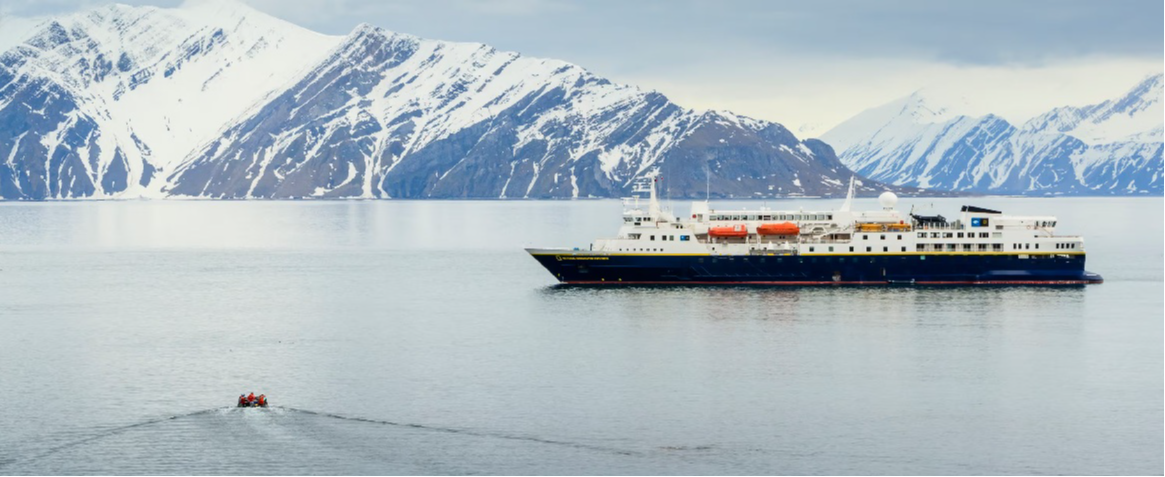
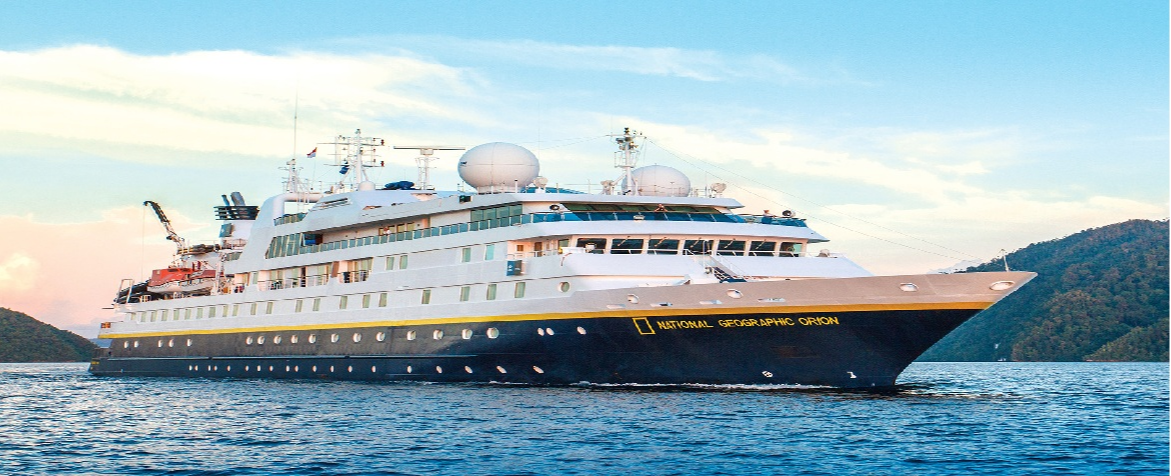
National Geographic Endurance
24 Cruises

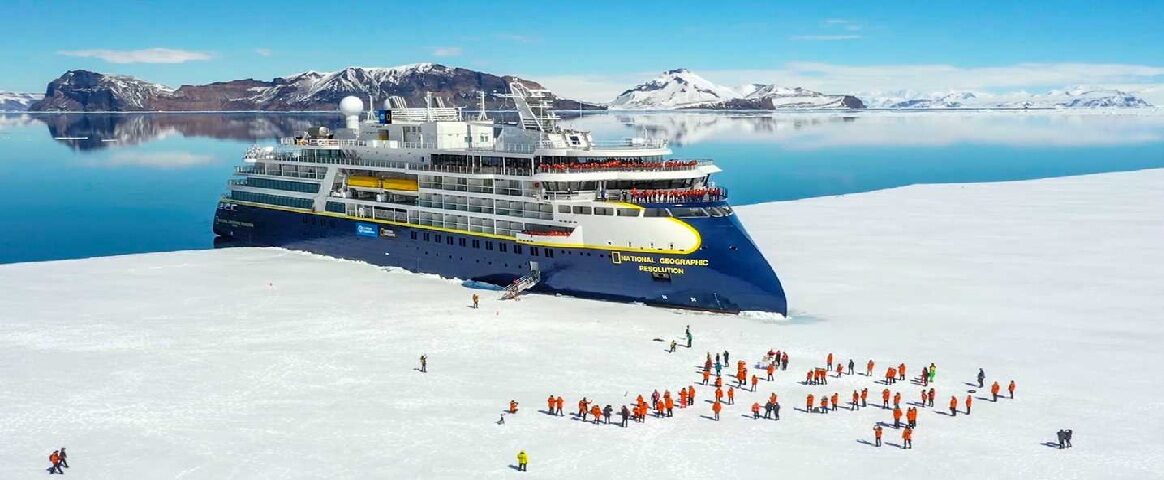
National Geographic Resolution
17 Cruises
| 15 October | 12 days | One-way from Valparaiso-Santiago to Buenos Aires |
450-628-6241
Call us
|
| 25 October | 12 days | One-way from Valparaiso-Santiago to Buenos Aires |
450-628-6241
Call us
|
MSC Cruises (96 Cruises)
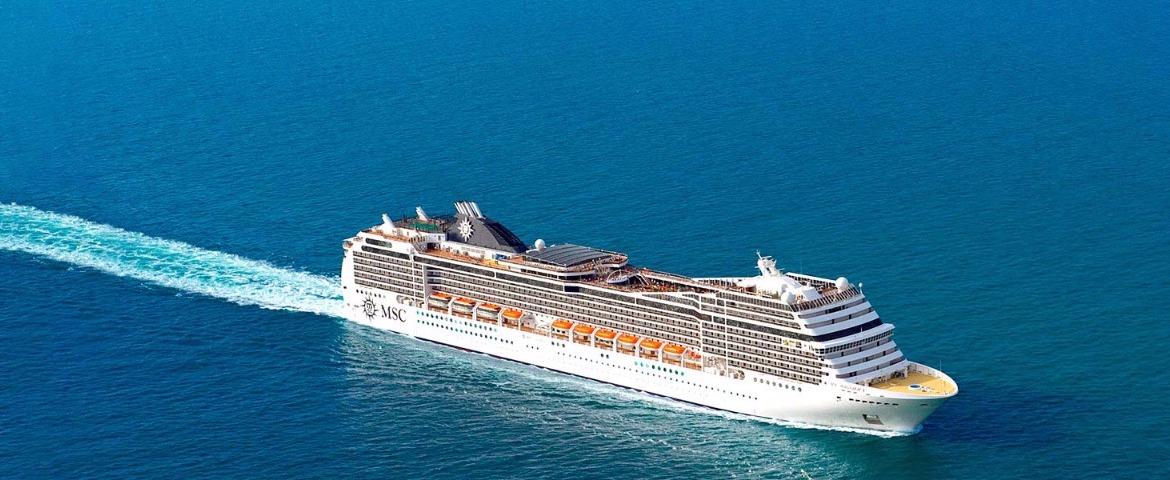
MSC Magnifica
8 Cruises

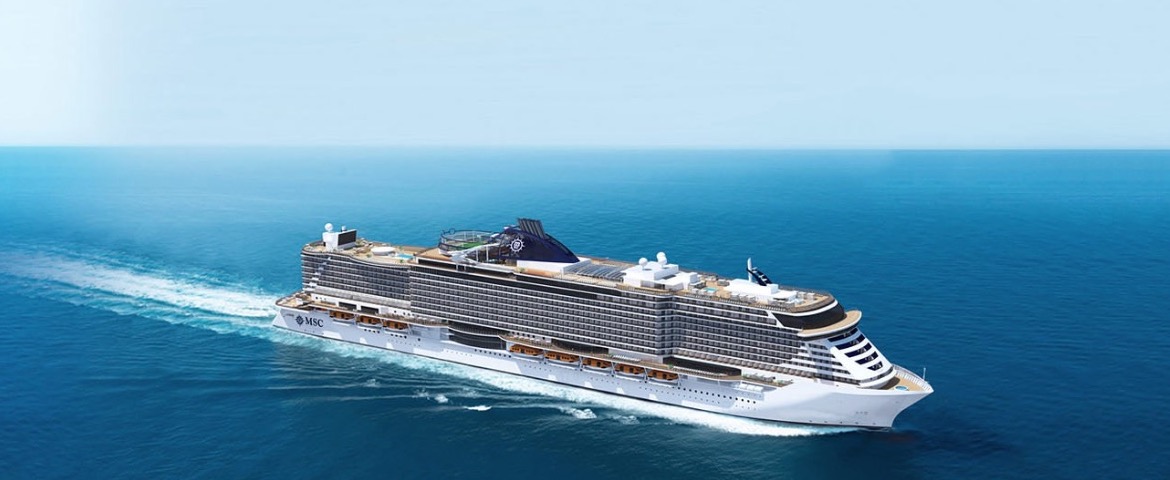
MSC Seaview
43 Cruises
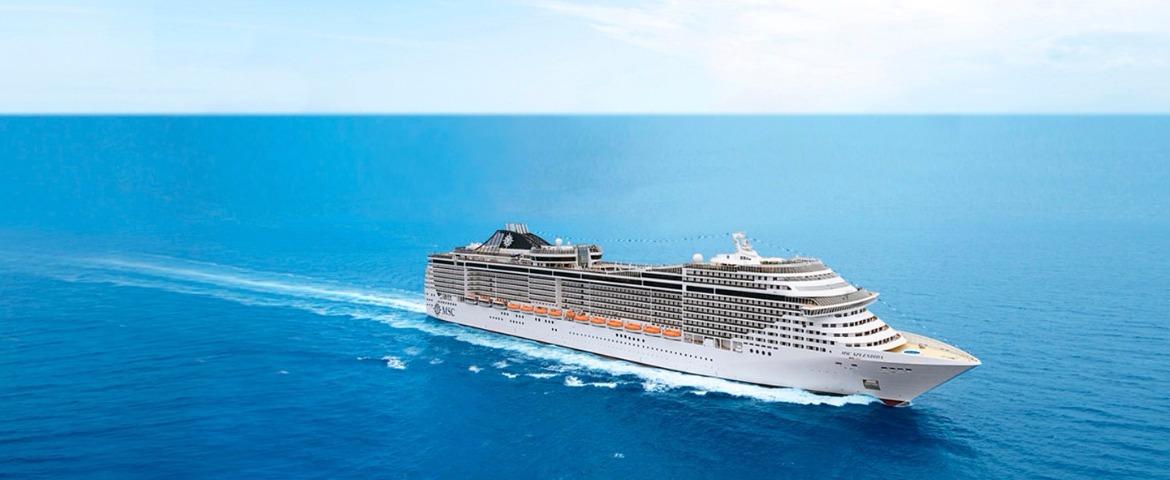
MSC Splendida
45 Cruises
Norwegian Cruise Line (8 Cruises)
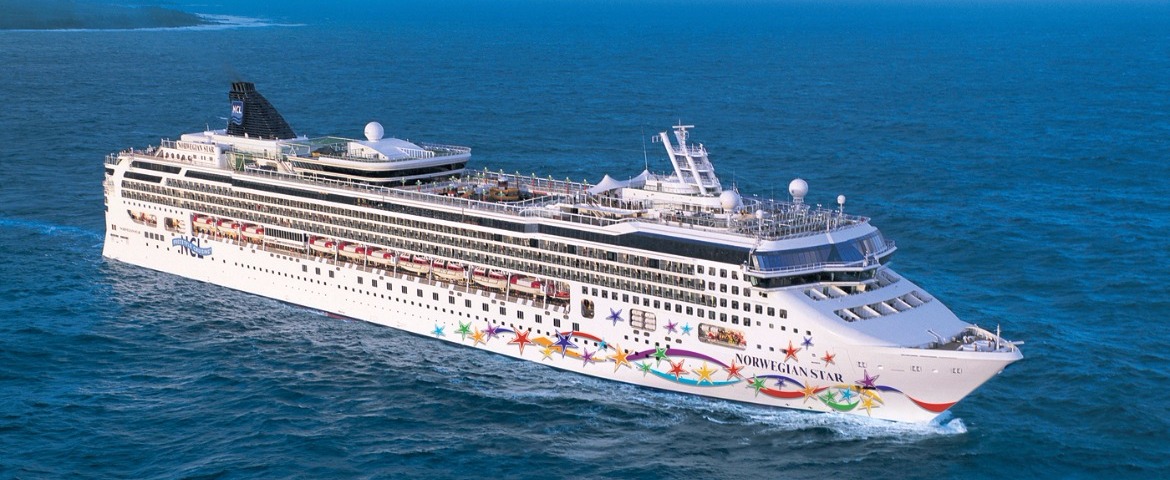
Norwegian Star
8 Cruises

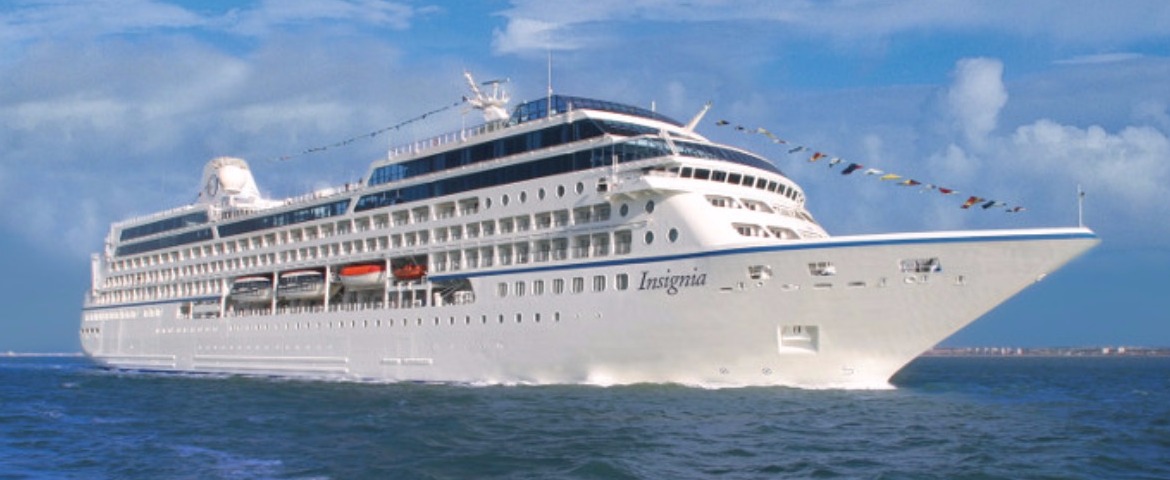
Oceania Cruises (17 Cruises)
Oceania Insignia
13 Cruises


Princess Cruises (44 Cruises)
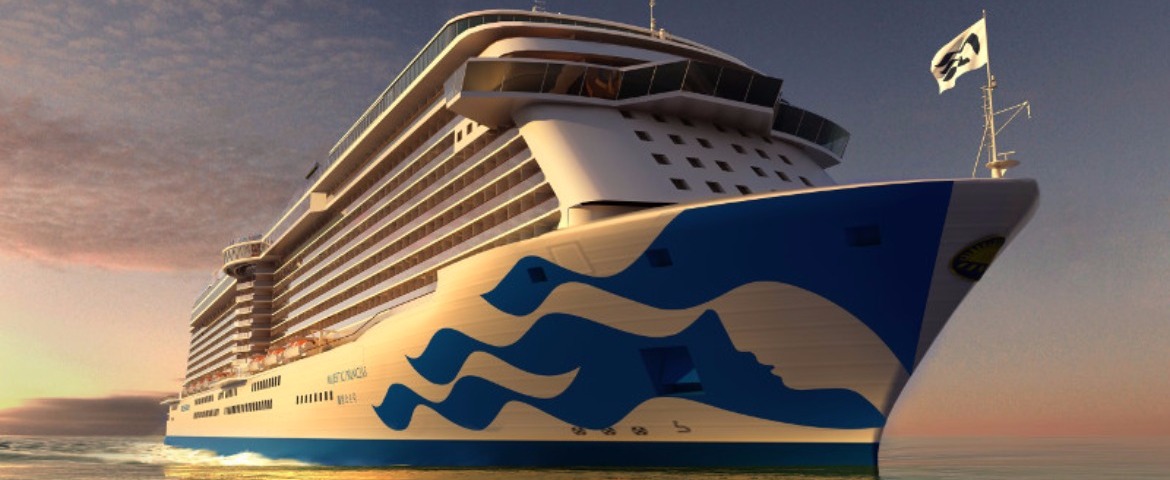
Majestic Princess
44 Cruises

| 21 November | 14 days | One-way from Buenos Aires to San Antonio |
450-628-6241
Call us
|
| 22 November | 15 days | One-way from Buenos Aires to San Antonio |
450-628-6241
Call us
|
Regent Seven Seas Cruises (14 Cruises)
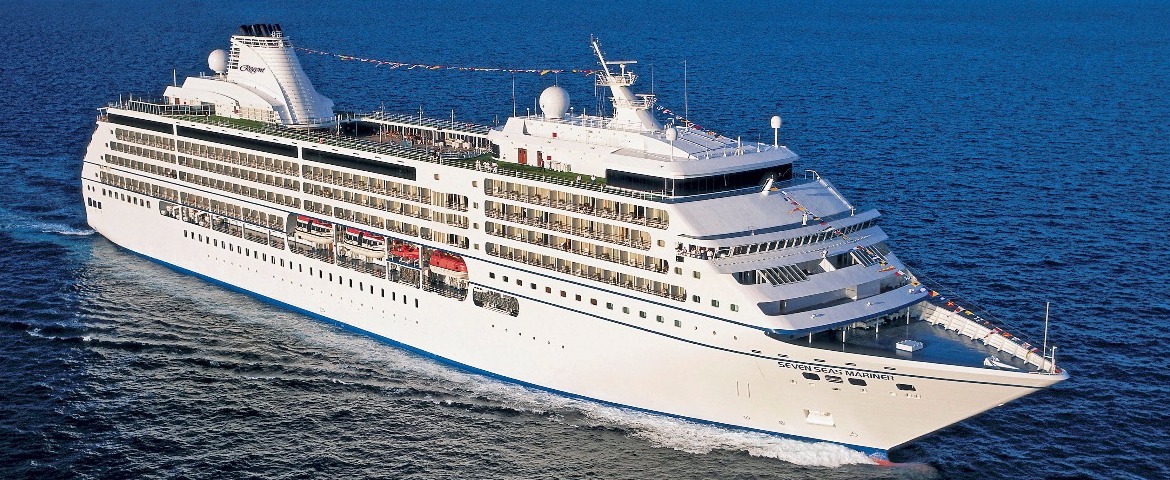
Seven Seas Mariner
11 Cruises

| 6 January | 149 days | One-way from Miami to Civitavecchia-Rome |
450-628-6241
Call us
|
| 7 January | 26 days | One-way from Miami to Buenos Aires |
450-628-6241
Call us
|
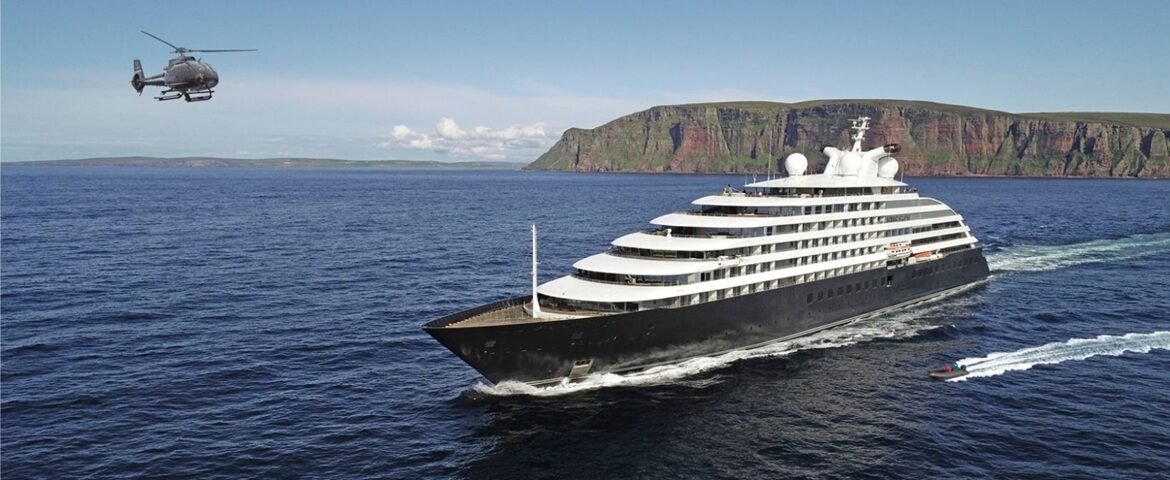
Scenic Cruises (170 Cruises)
Scenic Eclipse
85 Cruises


Scenic Eclipse II
85 Cruises
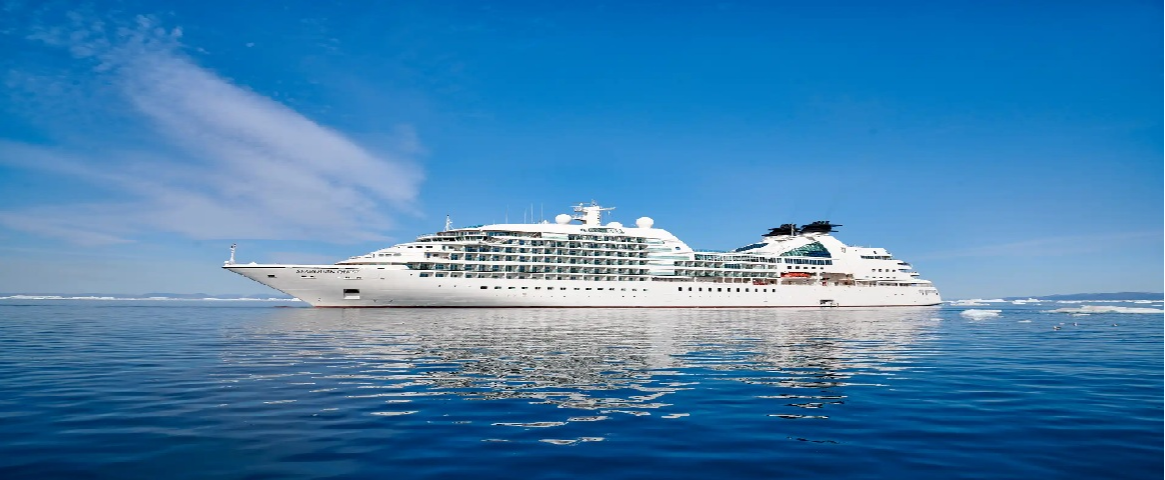
Seabourn Cruise Line (18 Cruises)
Seabourn Quest
18 Cruises

Silversea Cruises (15 Cruises)
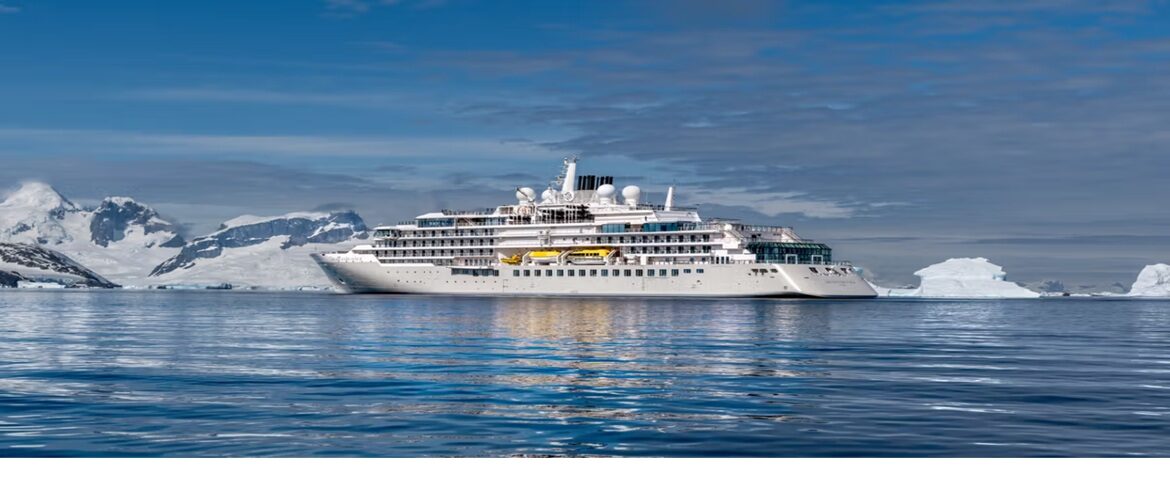

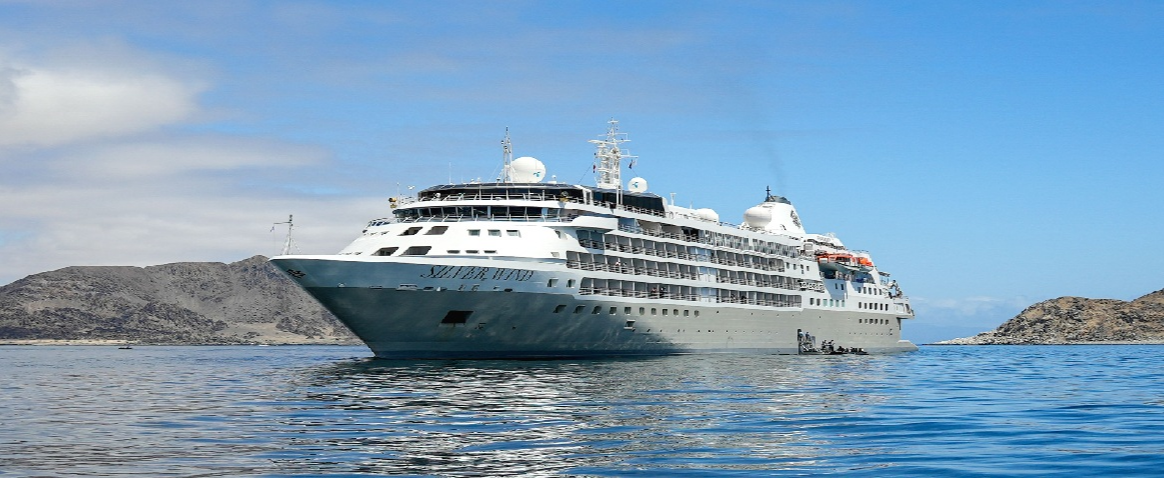
Silver Ray
6 Cruises
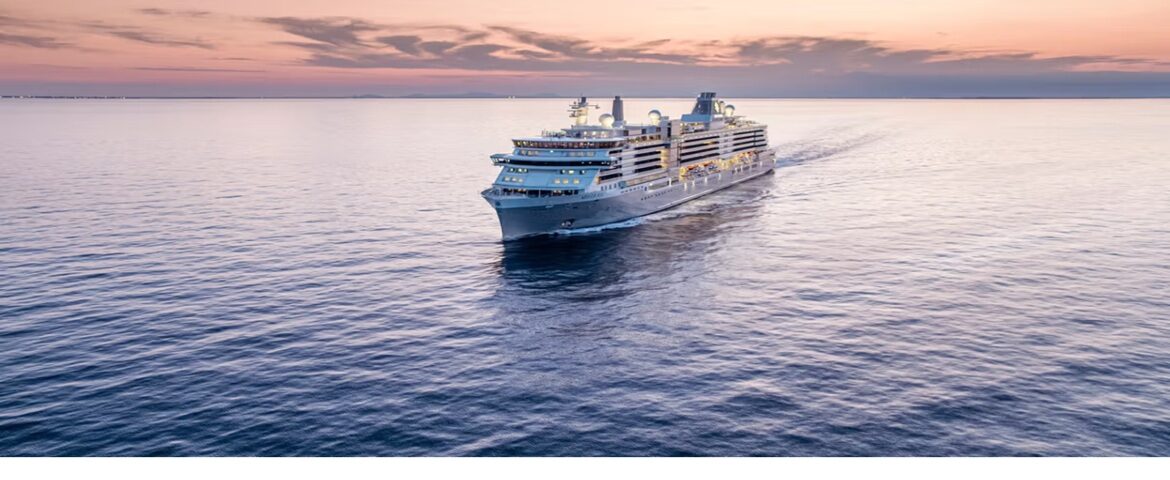
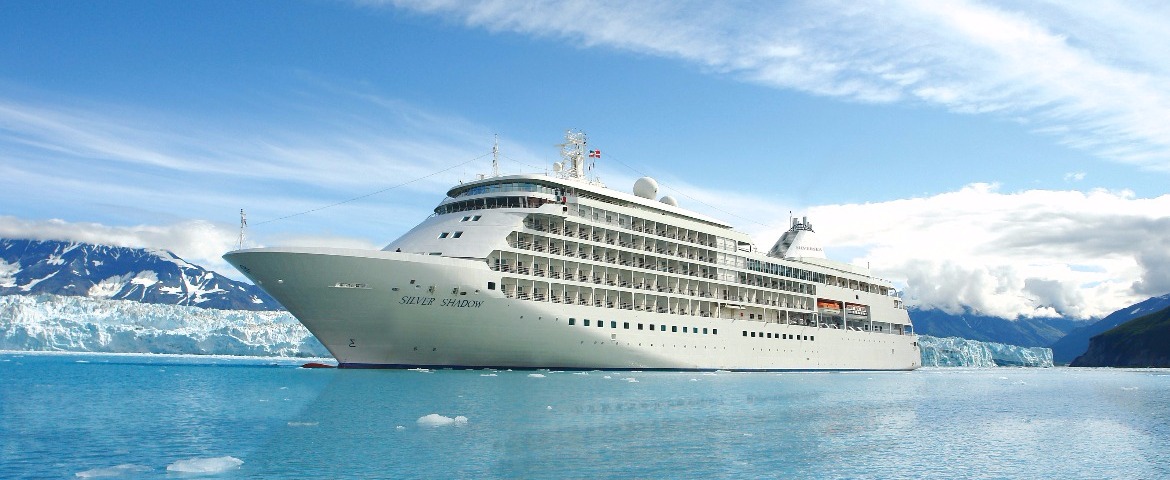
Silver Shadow
6 Cruises
Viking Ocean Cruises (178 Cruises)
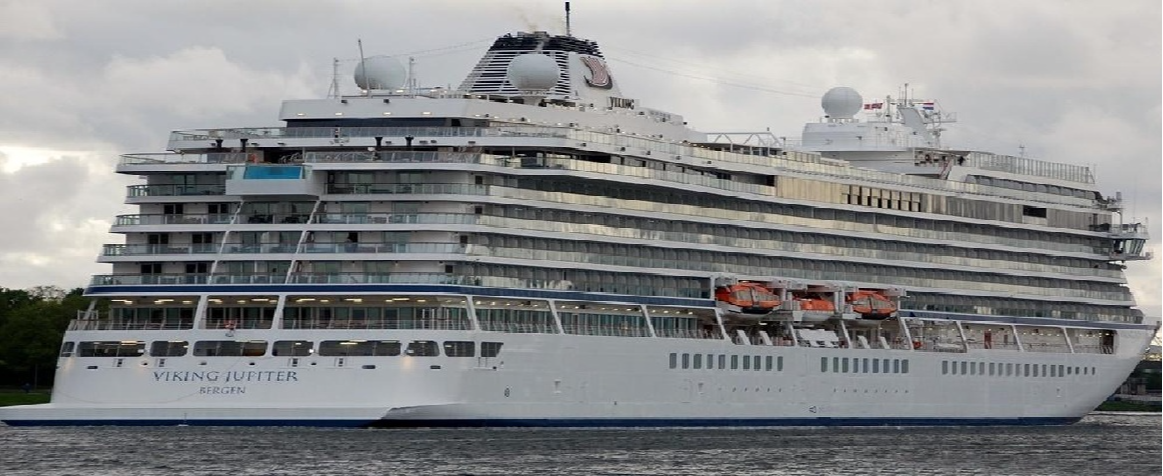
Viking Jupiter
30 Cruises

| 4 November | 28 days | One-way from Civitavecchia-Rome to Buenos Aires |
450-628-6241
Call us
|
| 12 November | 20 days | One-way from Barcelona to Buenos Aires |
450-628-6241
Call us
|
| 6 November | 28 days | One-way from Civitavecchia-Rome to Buenos Aires |
450-628-6241
Call us
|
| 14 November | 20 days | One-way from Barcelona to Buenos Aires |
450-628-6241
Call us
|
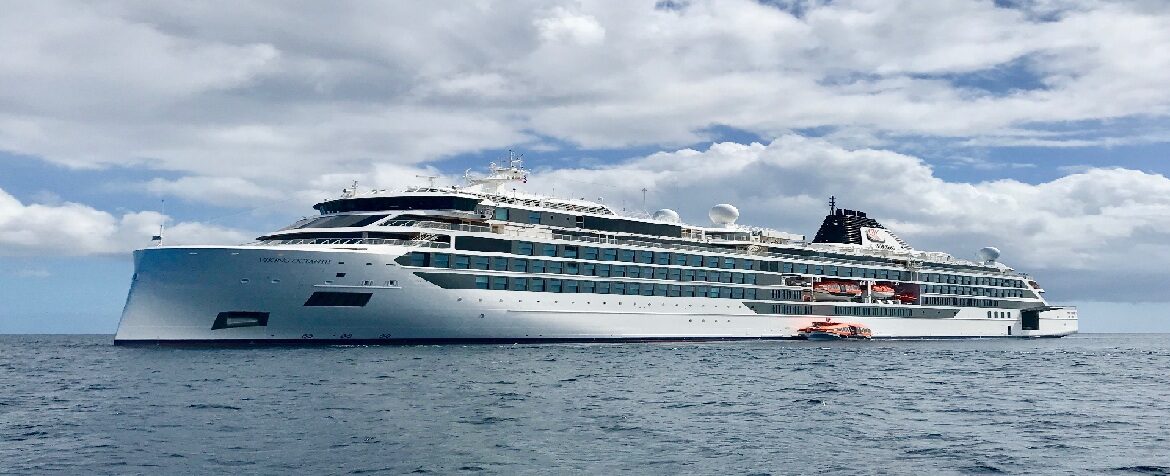
Viking Octantis
76 Cruises
Viking Polaris
72 Cruises
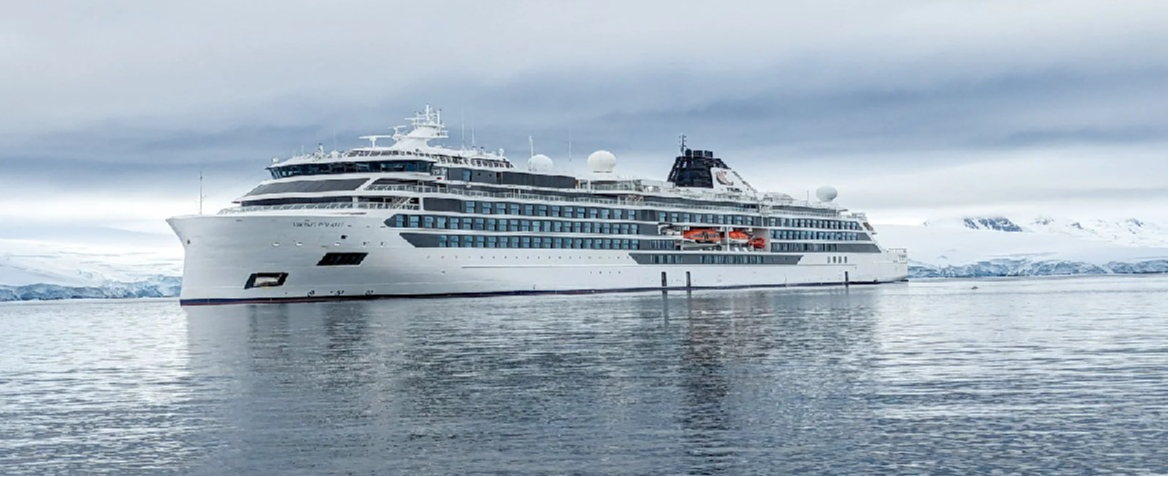
| 24 November | 19 days | One-way from Buenos Aires to Ushuaia |
450-628-6241
Call us
|
| 25 November | 17 days | One-way from Buenos Aires to Ushuaia |
450-628-6241
Call us
|
| 9 March | 14 days | One-way from Buenos Aires to Valparaiso-Santiago |
450-628-6241
Call us
|
| 10 March | 12 days | One-way from Buenos Aires to Valparaiso-Santiago |
450-628-6241
Call us
|
| 22 November | 13 days | One-way from Buenos Aires to Ushuaia |
450-628-6241
Call us
|
| 23 November | 11 days | One-way from Buenos Aires to Ushuaia |
450-628-6241
Call us
|
Port of Buenos Aires | Cruise Port Guide
Frequently Asked Questions
At the Quinquela Martín terminal, about two kilometres from downtown. The port area is not walkable, but shuttles and taxis reach Plaza San Martín and the heart of the capital in a few minutes.
Not from the terminal. Take the shuttle or a taxi downtown; from there Plaza de Mayo, Avenida de Mayo and San Telmo are very walkable. The obelisk on Avenida 9 de Julio makes a handy central landmark.
Plaza de Mayo and the Casa Rosada, San Telmo and its cobbled streets, La Boca and the Caminito, then Recoleta and its cemetery. It is a full day, fitting for a capital that does nothing by halves.
The founding square of Buenos Aires, where Argentine history concentrates. The Casa Rosada, the pink presidential palace, closes the view; the cathedral and the old colonial cabildo complete the setting. Protests, celebrations and mourning have gathered here for two centuries.
For its cobbled streets and old houses turned into cafes, workshops and antique shops. Plaza Dorrego hosts a popular antiques market on Sundays, and tango couples dance on the cobbles for passersby.
A street of corrugated metal facades painted blue, yellow and red, in the working class district where Italian immigrants came ashore. They painted their houses with leftover ship's paint. The spot is touristy, certainly, but it tells you plainly where these neighbourhoods came from.
Yes. It is a miniature city of marble mausoleums, one of the most unusual visits on the continent, where you hunt for Eva Perón's tomb between silent alleys. The National Museum of Fine Arts is close by.
Because of districts like Recoleta, with its Haussmann style buildings, embassies and well appointed cafes. The historic cafes downtown, dark woodwork and waiters in white jackets, extend that European feel.
Yes, if the ship stays overnight : keep an evening for it. Otherwise couples dance during the day on the cobbles of Plaza Dorrego in San Telmo, with nothing to book.
Spanish and the Argentine peso. English gets you by in hotels and tourist areas; French is rare. Carry cash for taxis and small shops.


