Darwin NT Australia
Australia
435
Cruises availables
At departure or passage at this port
Azamara Club Cruises (36 Cruises)
Azamara Onward
13 Cruises
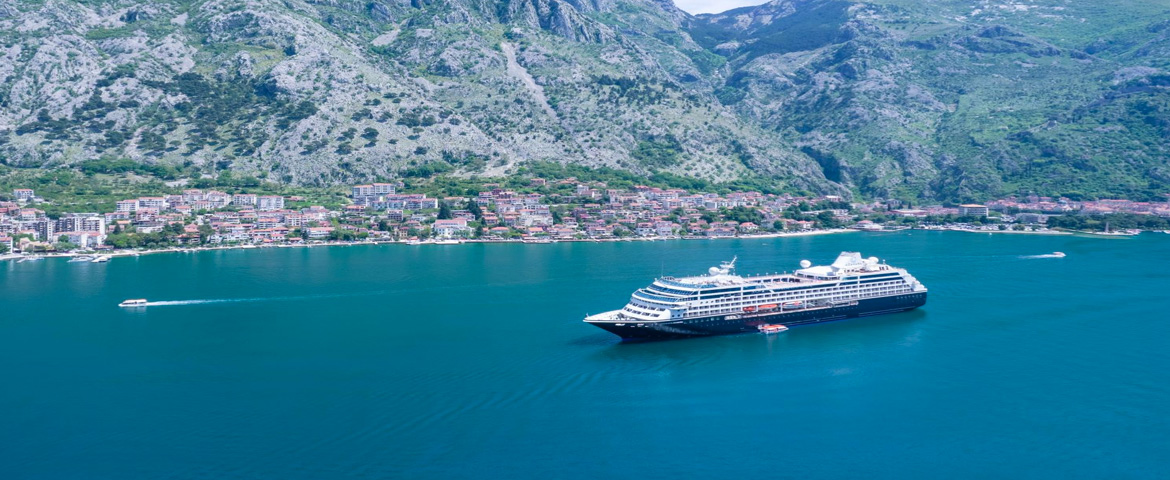

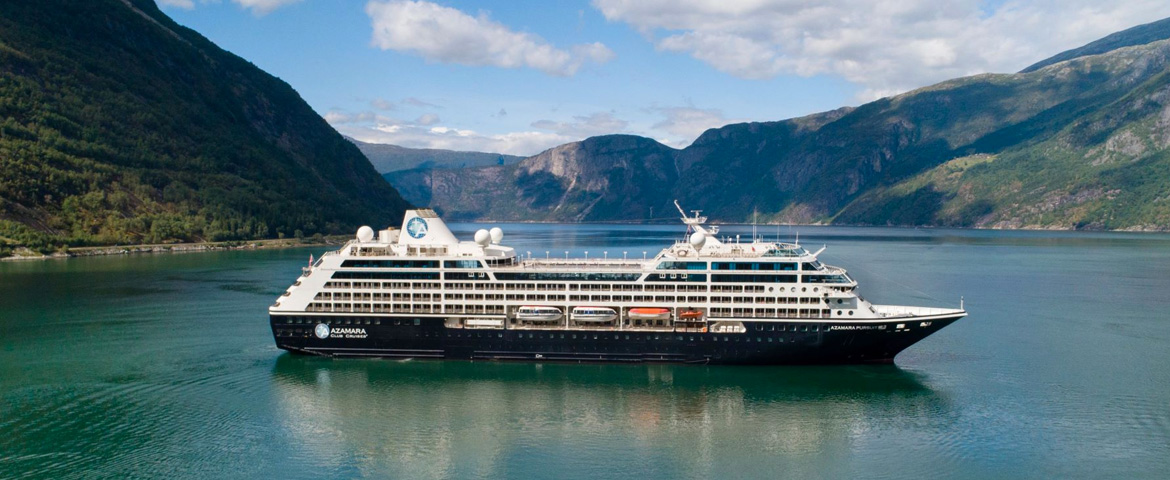
Azamara Pursuit
23 Cruises
| 20 January | 35 days | One-way from Auckland to Singapore |
450-628-6241
Call us
|
| 20 January | 35 days | One-way from Auckland to Singapore |
450-628-6241
Call us
|

Celebrity Cruises (3 Cruises)

Costa Cruises (7 Cruises)
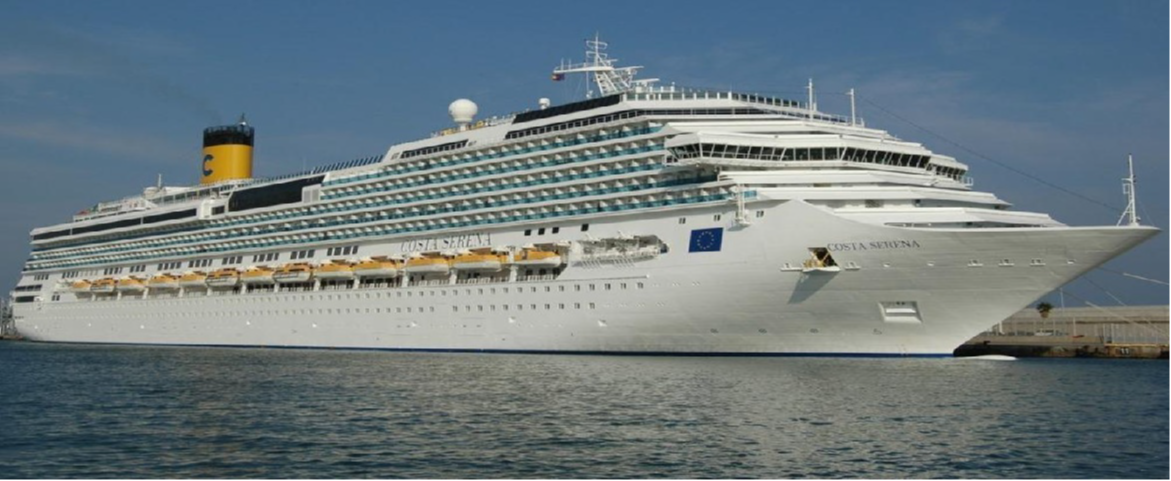
Costa Serena
7 Cruises


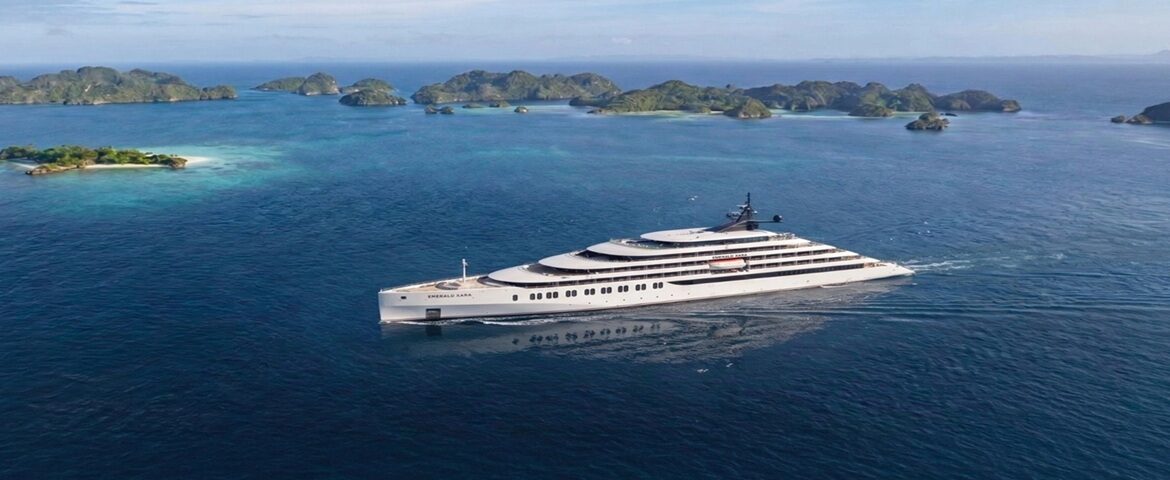
Emerald Waterways (30 Cruises)
Emerald Xara
30 Cruises

Explora Journeys (3 Cruises)


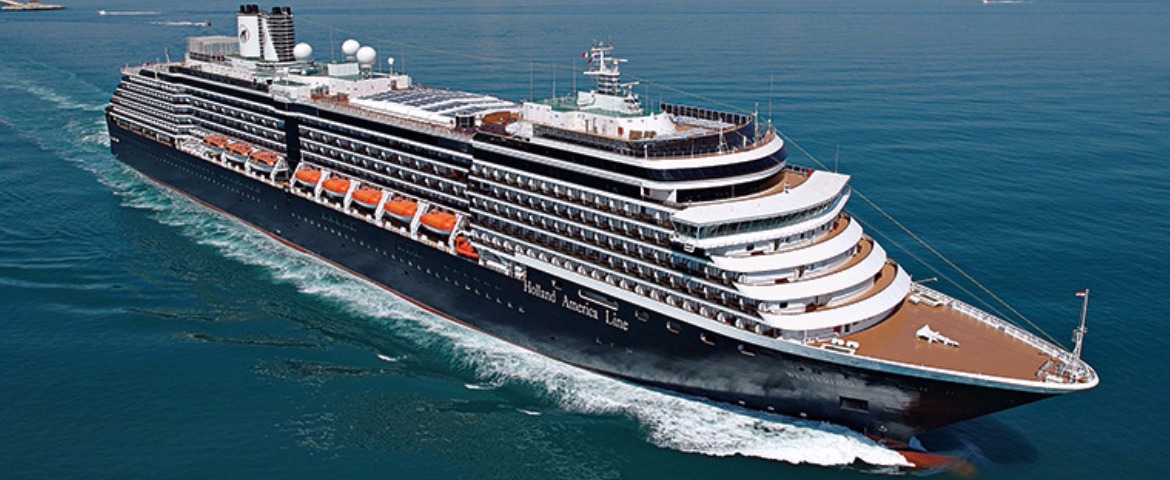
Oceania Cruises (31 Cruises)
Oceania Marina
9 Cruises
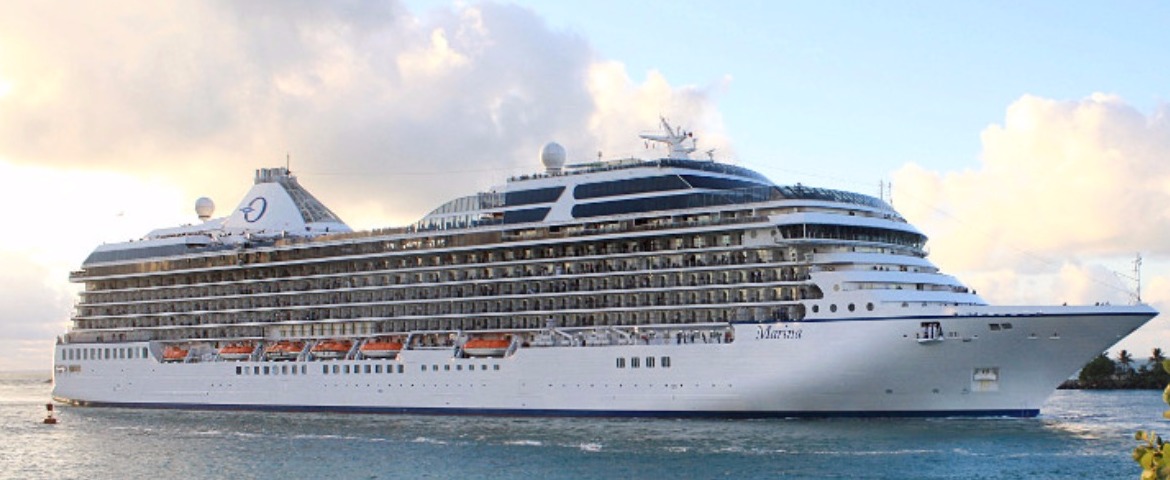

| 7 January | 29 days | One-way from Benoa to Auckland |
450-628-6241
Call us
|
| 7 January | 14 days | One-way from Benoa to Sydney |
450-628-6241
Call us
|
Oceania Riviera
15 Cruises
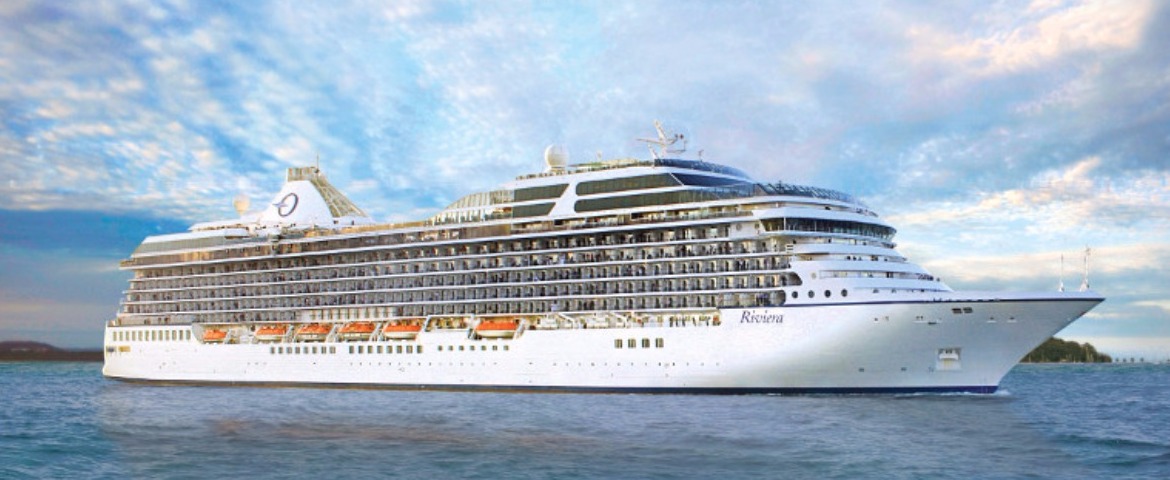
| 21 February | 43 days | One-way from Auckland to Singapore |
450-628-6241
Call us
|
| 21 February | 43 days | One-way from Auckland to Singapore |
450-628-6241
Call us
|
Oceania Vista
7 Cruises
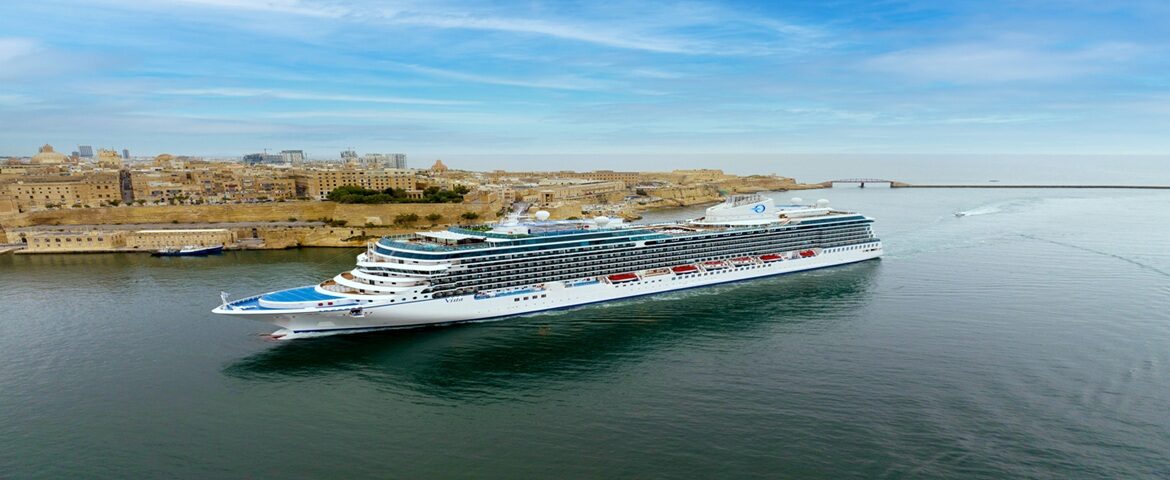
| 6 January | 180 days | One-way from Miami to Southampton |
450-628-6241
Call us
|
| 6 January | 244 days | One-way from Miami to New York |
450-628-6241
Call us
|
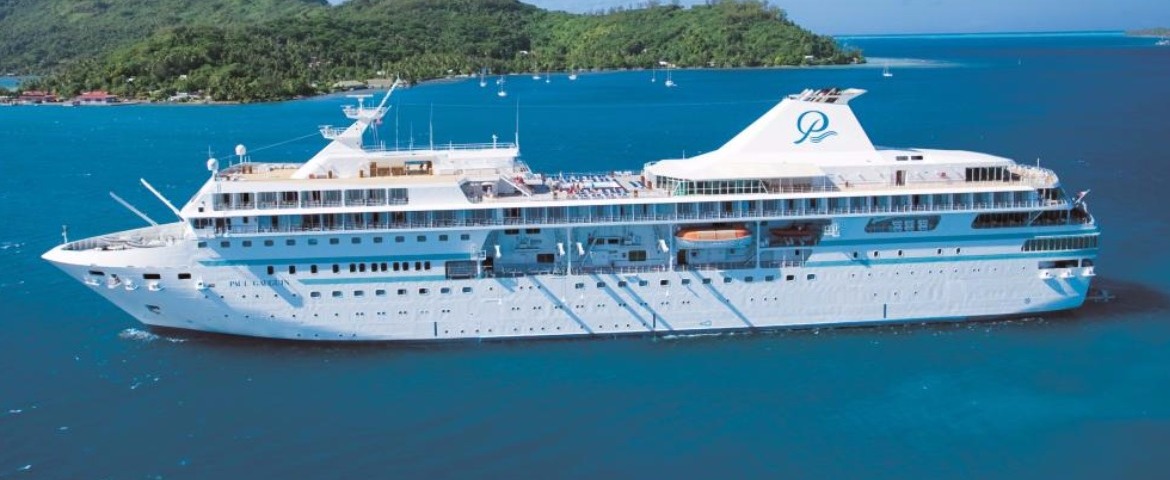
Paul Gauguin Cruises (2 Cruises)

Ponant (42 Cruises)
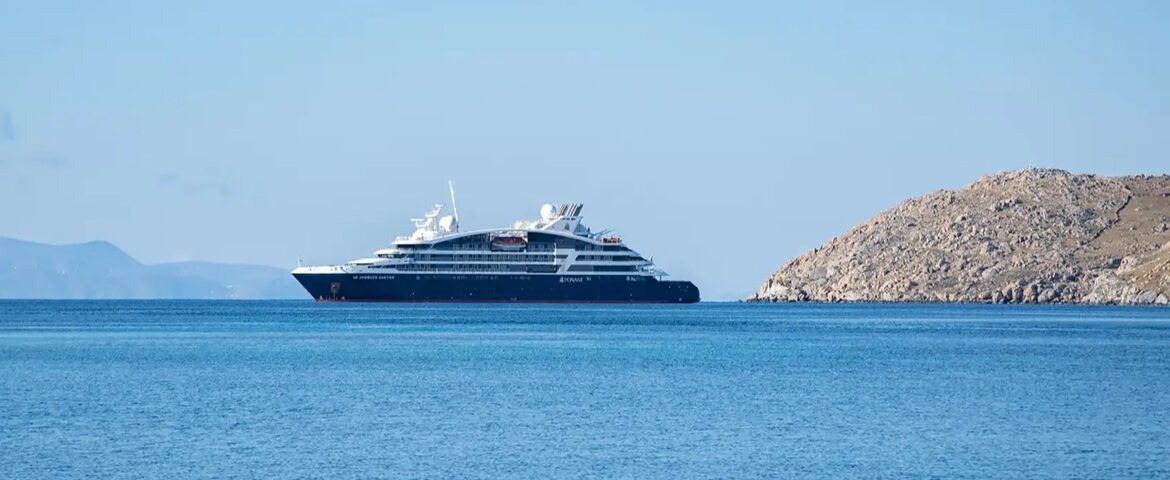
Le Jacques Cartier
21 Cruises

| 15 May | 12 days | One-way from Benoa to Darwin |
450-628-6241
Call us
|
| 27 May | 11 days | One-way from Darwin to Broome WA |
450-628-6241
Call us
|
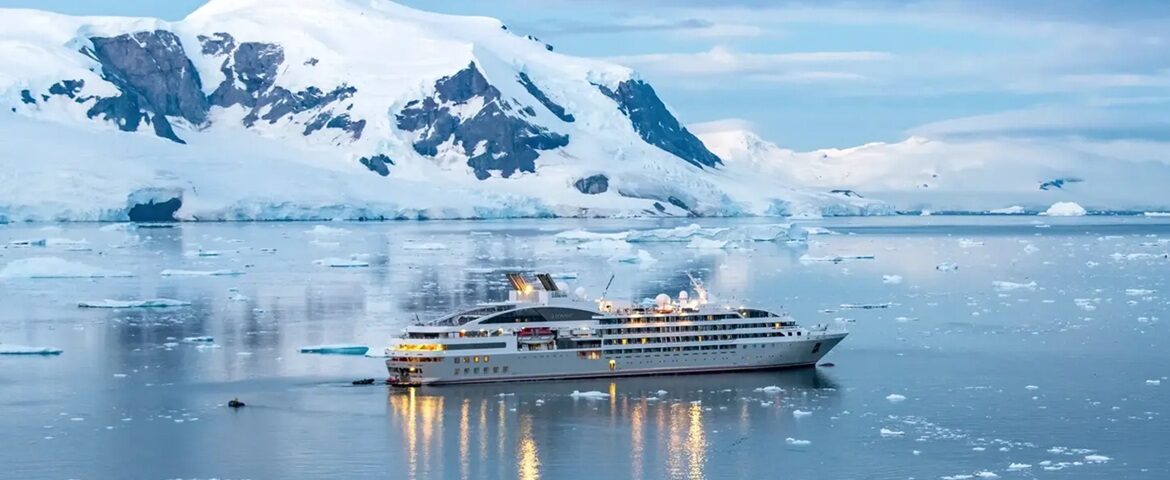
Le Soleal
21 Cruises
| 6 July | 11 days | One-way from Darwin to Broome WA |
450-628-6241
Call us
|
| 26 July | 11 days | One-way from Darwin to Broome WA |
450-628-6241
Call us
|
Princess Cruises (88 Cruises)
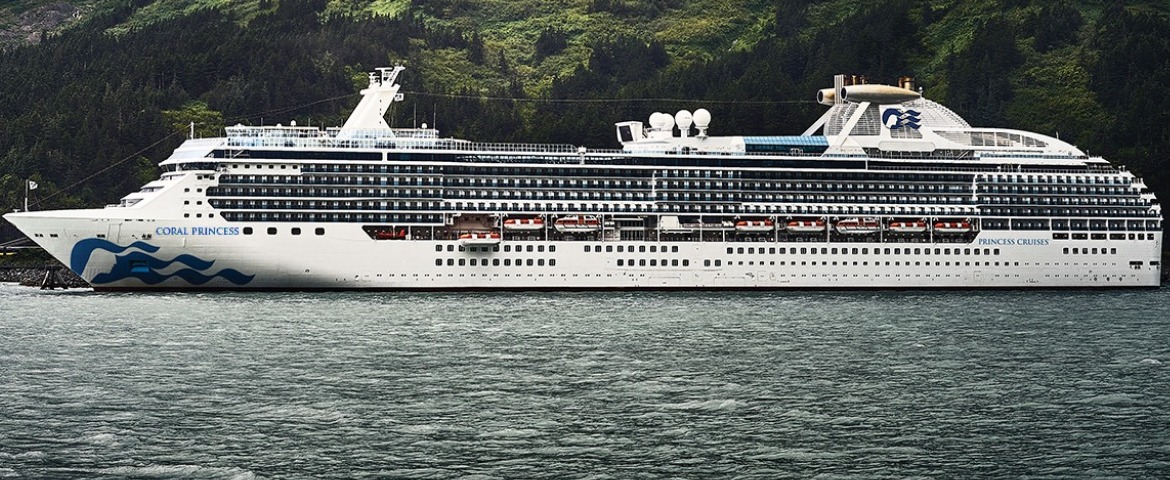
Coral Princess
11 Cruises

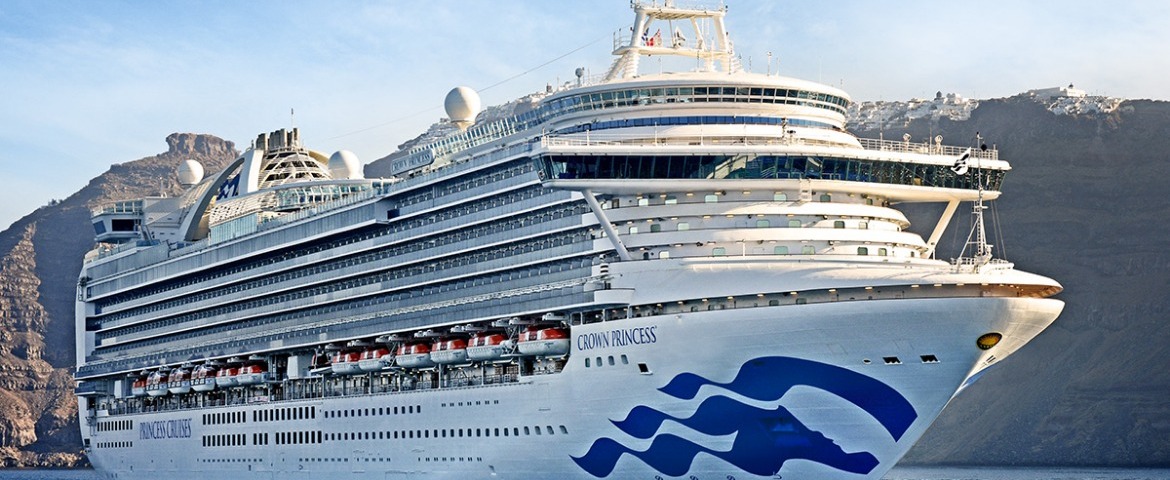
Crown Princess
8 Cruises
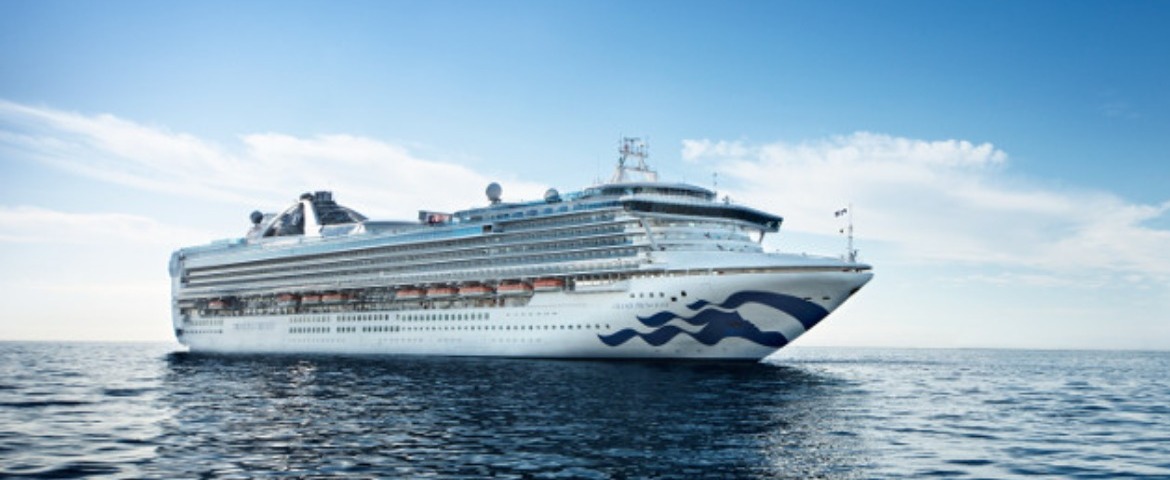
Grand Princess
53 Cruises
| 28 February | 31 days | One-way from Brisbane to Sydney |
450-628-6241
Call us
|
| 28 February | 32 days | One-way from Brisbane to Sydney |
450-628-6241
Call us
|
| 13 April | 19 days | One-way from Sydney to Singapore |
450-628-6241
Call us
|
| 16 April | 16 days | One-way from Brisbane to Singapore |
450-628-6241
Call us
|
| 15 May | 20 days | One-way from Singapore to Sydney |
450-628-6241
Call us
|
| 15 May | 17 days | One-way from Singapore to Brisbane |
450-628-6241
Call us
|
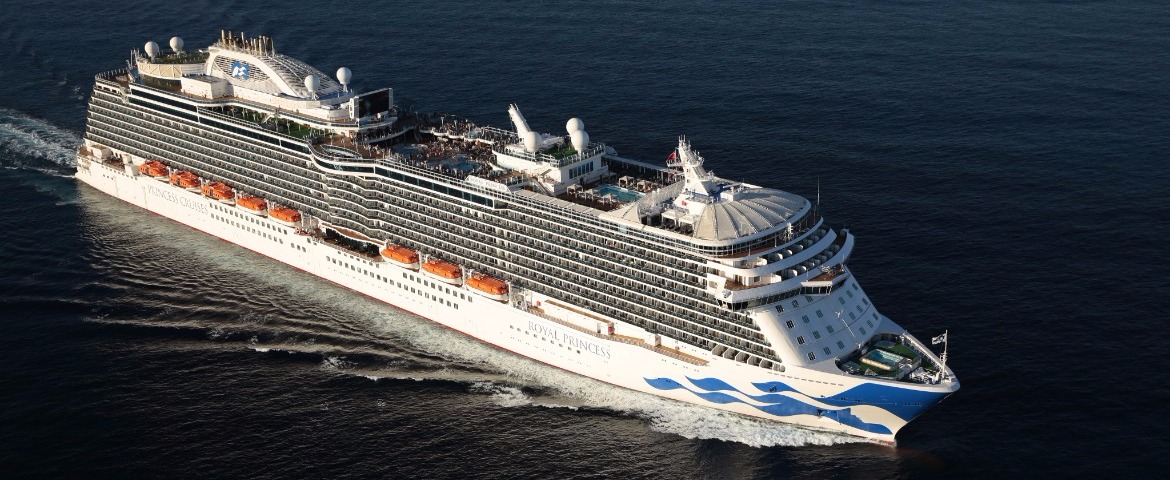
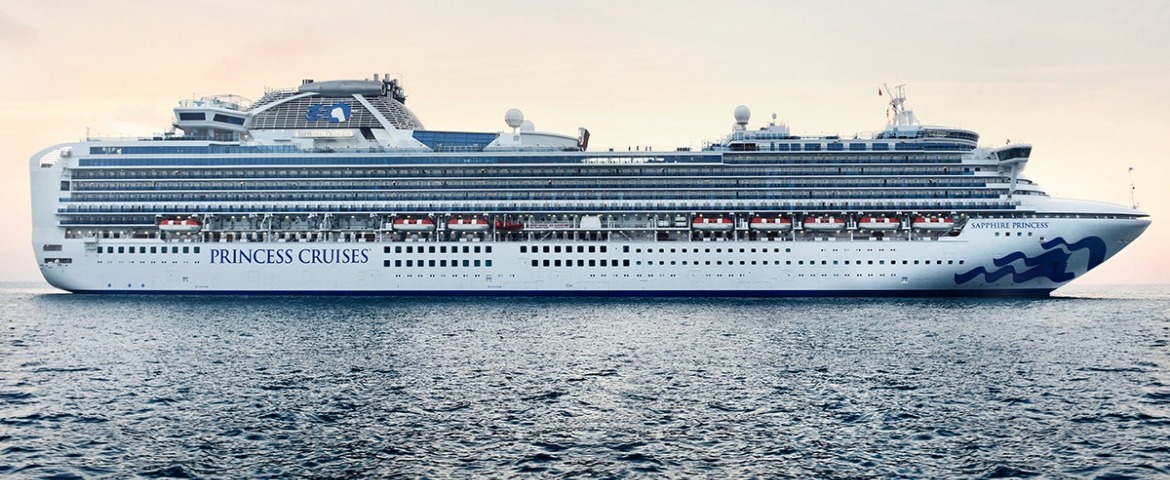
Sapphire Princess
12 Cruises
Regent Seven Seas Cruises (42 Cruises)
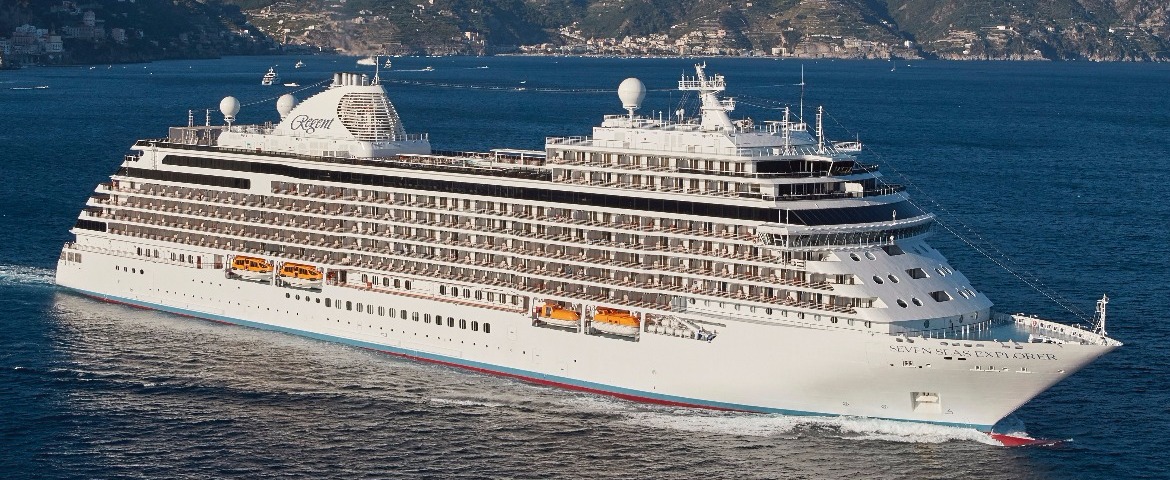
Seven Seas Explorer
17 Cruises

Seven Seas Mariner
14 Cruises
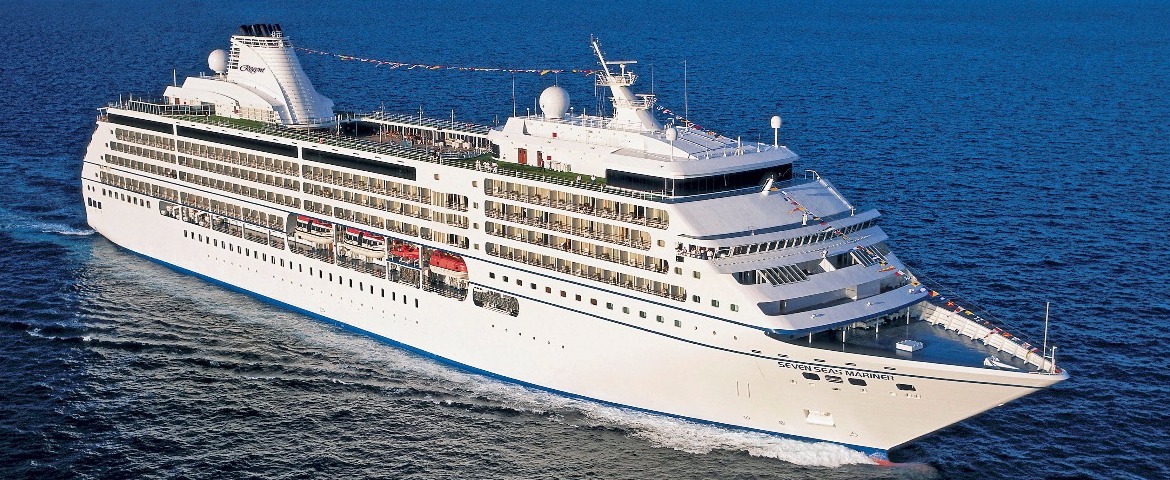
| 18 January | 33 days | Round-trip from Sydney, Australia |
450-628-6241
Call us
|
| 18 January | 32 days | Round-trip Australia Seven Seas Mariner Sydney |
450-628-6241
Call us
|
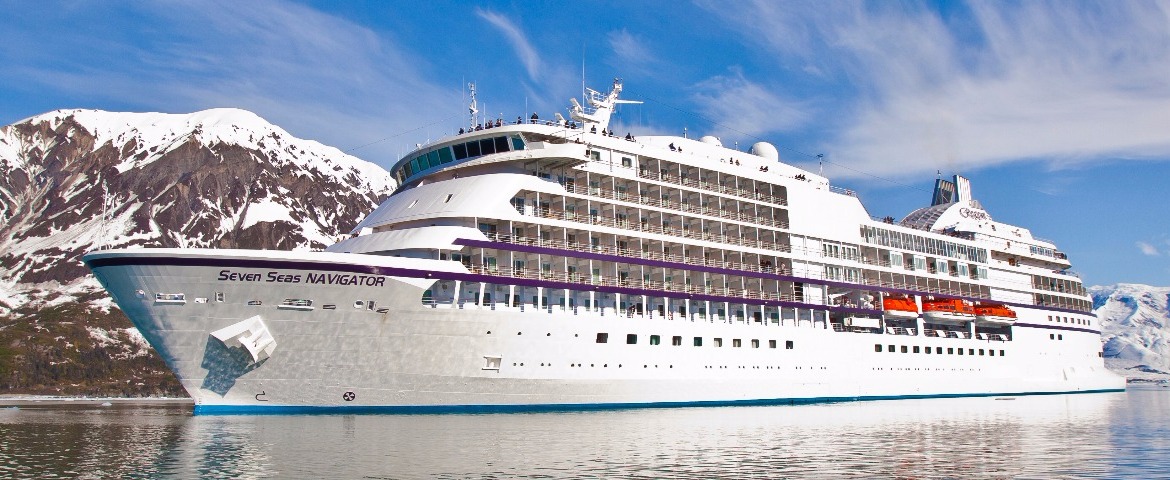
Seven Seas Navigator
7 Cruises
Seabourn Cruise Line (26 Cruises)
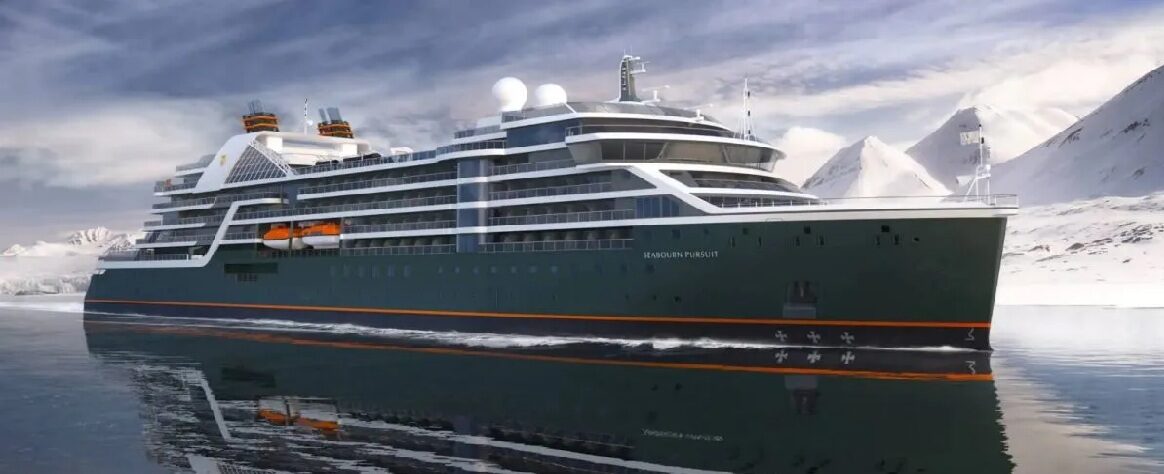
Seabourn Pursuit
14 Cruises

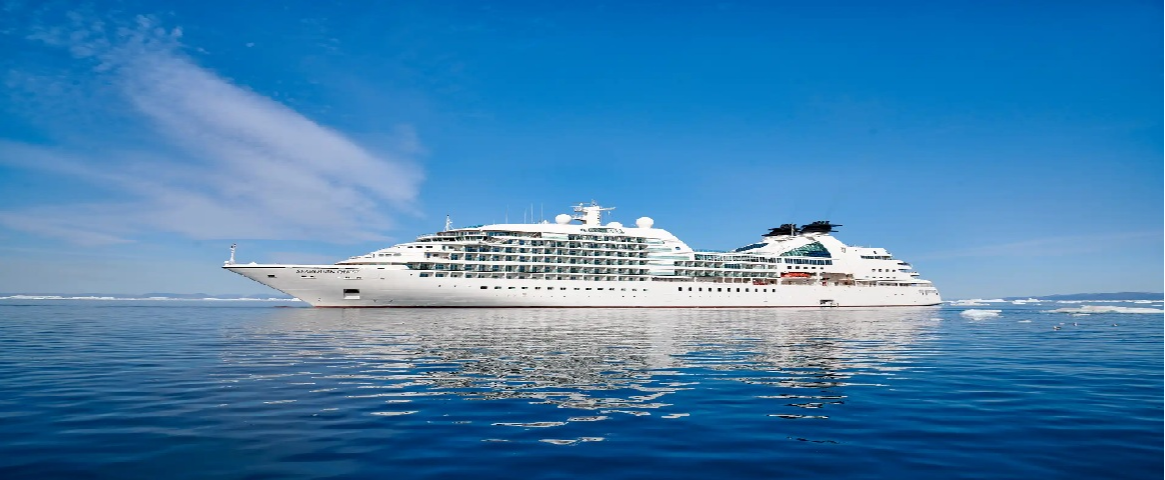
Seabourn Quest
12 Cruises
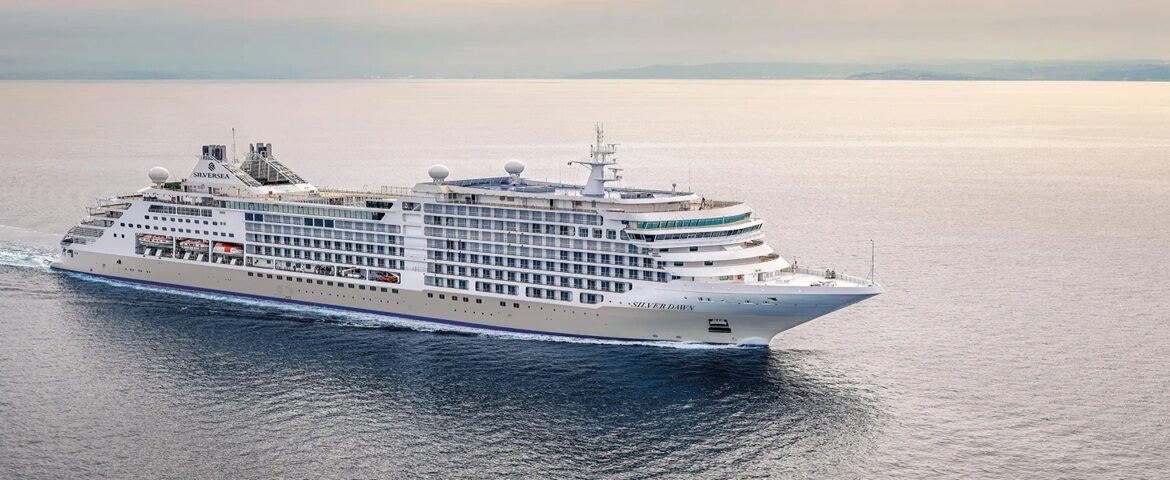
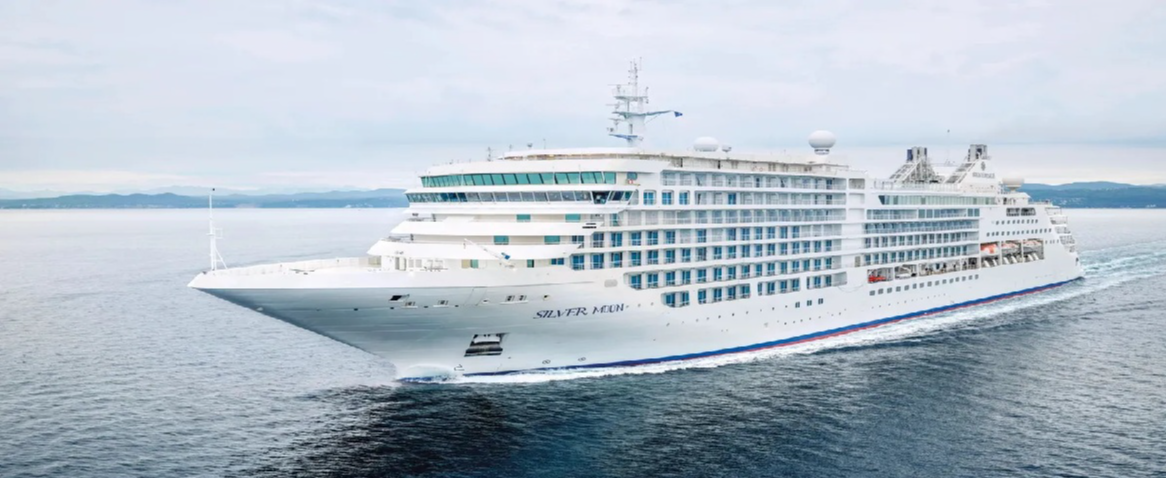
Silversea Cruises (37 Cruises)
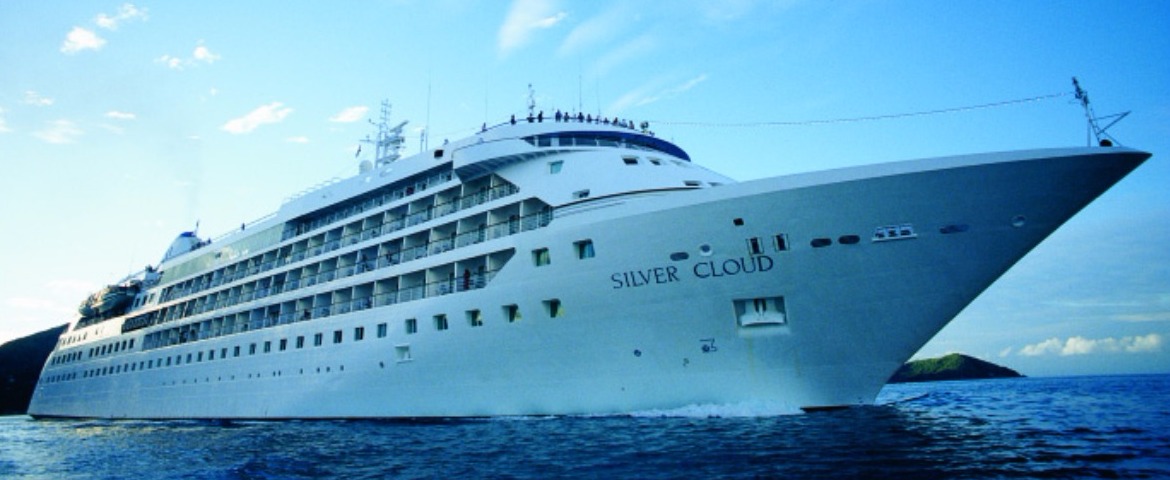
Silver Cloud
14 Cruises

| 23 June | 21 days | One-way from Manila to Darwin |
450-628-6241
Call us
|
| 23 June | 22 days | One-way from Manila to Darwin |
450-628-6241
Call us
|
| 15 July | 11 days | One-way from Darwin to Broome WA |
450-628-6241
Call us
|
| 25 July | 11 days | One-way from Broome WA to Darwin |
450-628-6241
Call us
|
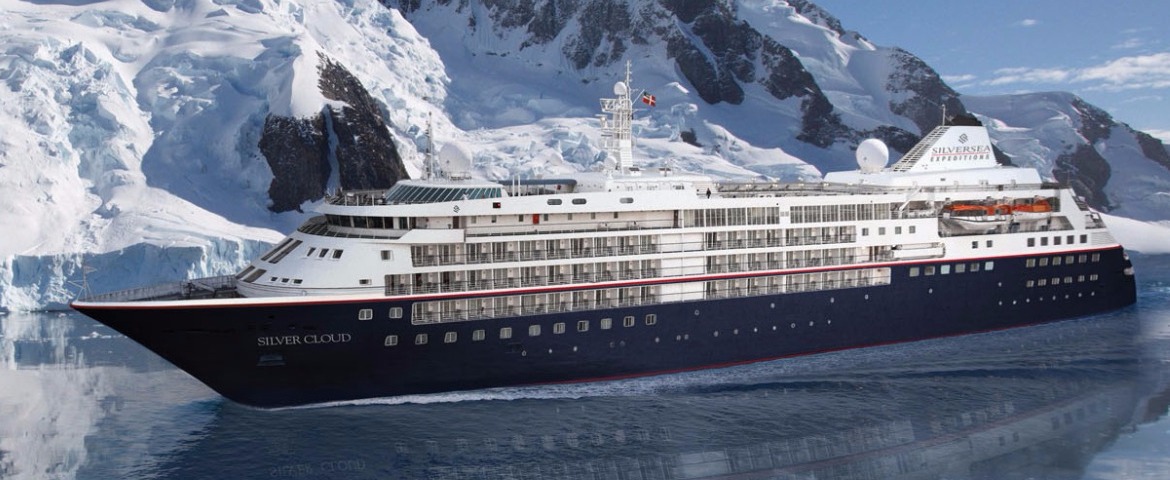
Silver Cloud Expedition
14 Cruises
| 23 June | 21 days | One-way from Manila to Darwin |
450-628-6241
Call us
|
| 23 June | 22 days | One-way from Manila to Darwin |
450-628-6241
Call us
|
| 15 July | 11 days | One-way from Darwin to Broome WA |
450-628-6241
Call us
|
| 25 July | 11 days | One-way from Broome WA to Darwin |
450-628-6241
Call us
|
Viking Ocean Cruises (68 Cruises)
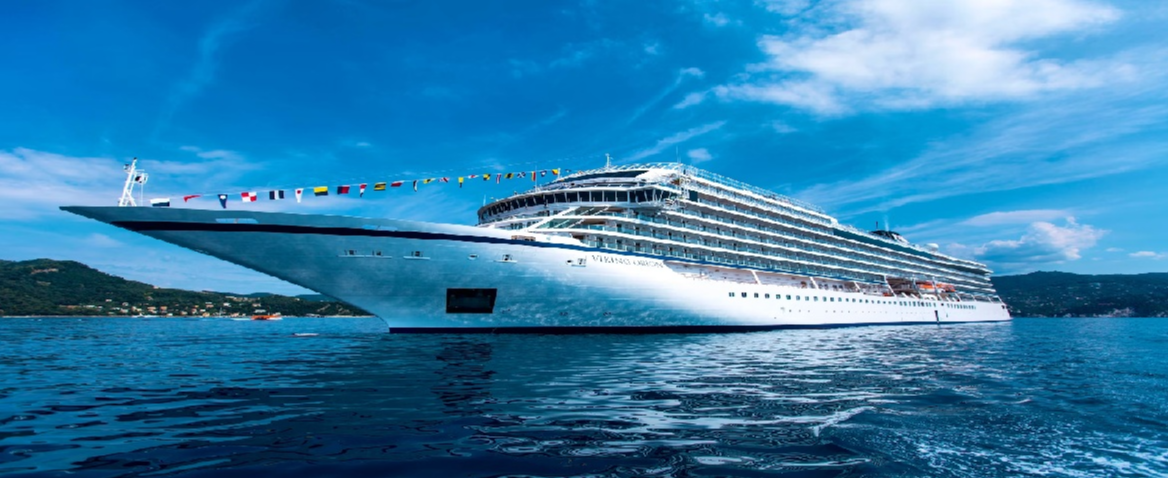
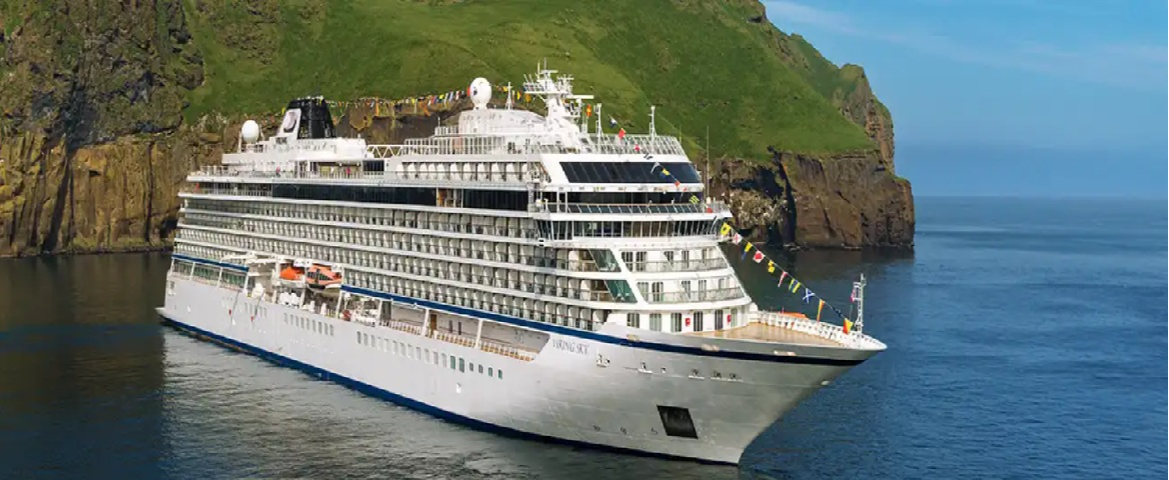
Viking Orion
28 Cruises

Viking Venus
36 Cruises
Frequently Asked Questions
At Fort Hill Wharf, right at the edge of the city centre. That closeness shapes the whole call: you can set off on foot without depending on a shuttle.
Yes, about fifteen minutes. The shaded lawns of Bicentennial Park make the pleasantest shortcut, away from the traffic. Shuttles and taxis also wait on the hottest days, which is no luxury in this climate.
Not in the sea: jellyfish and saltwater crocodiles rule it out. The Darwin Waterfront, right beside the terminal, has a netted artificial lagoon and swimming basins where you can cool off safely. Families could happily spend the whole day there.
The Waterfront and the wartime oil storage tunnels cut into the cliff, both steps from the wharf, then Smith Street with its Aboriginal art galleries. With a little more time, the Museum and Art Gallery of the Northern Territory is worth the short taxi ride.
Storage galleries dug into the cliff during the Second World War, now open to walk through. Photographs and accounts tell the story of the Japanese air raids of 1942, the heaviest ever mounted against Australian soil. The cool air inside is a welcome bonus.
Yes, at Crocosaurus Cove in the city centre, where large saltwater crocodiles can be watched through glass. That's the safe option: in the wild, these animals are precisely why nobody swims in the sea here.
Paintings from Aboriginal communities, mounted wildlife and a room devoted to Cyclone Tracy, which flattened the city in 1974, including a darkened chamber playing the recorded roar of the wind. It's a few minutes by taxi or on the hop-on bus.
The dry season, May to September: bearable heat, clear skies and open-air night markets. The wet season, November to April, brings crushing humidity, storms and cyclone risk.
Cooking that sits halfway between Australia and nearby Asia: grilled barramundi, Territory mangoes, curries inherited from Indonesian and Malaysian communities, and above all laksa, close to a local signature dish. Stokes Hill Wharf lines up its grilled-fish counters over the water.
Australian dollars and English. Cards and contactless payment work everywhere, including the Stokes Hill Wharf food counters and the Aboriginal art galleries.


