Quebec City Canada
322
Cruises availables
At departure or passage at this port
Azamara Club Cruises (4 Cruises)

Celebrity Cruises (4 Cruises)

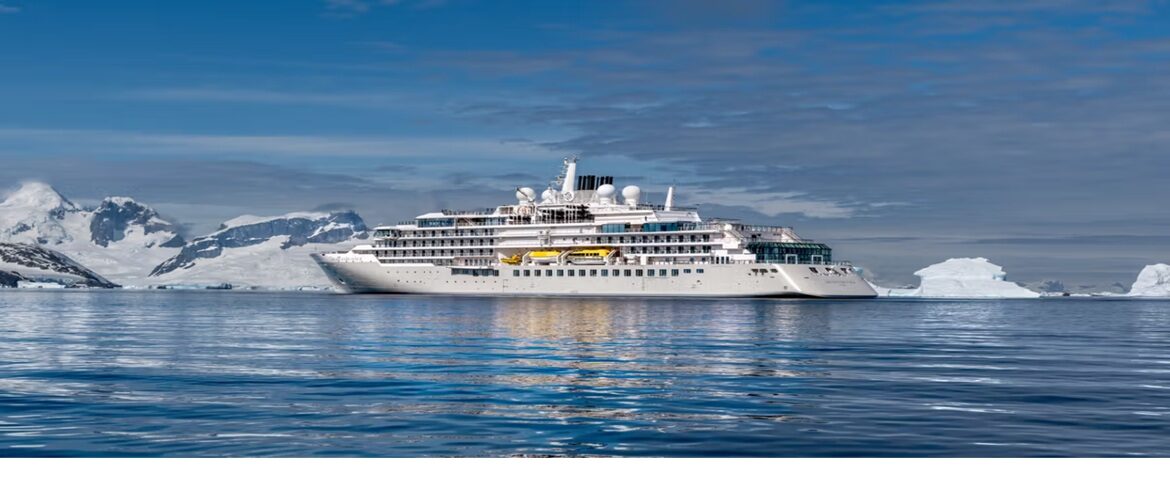
Crystal Cruises (7 Cruises)
Crystal Grace
4 Cruises

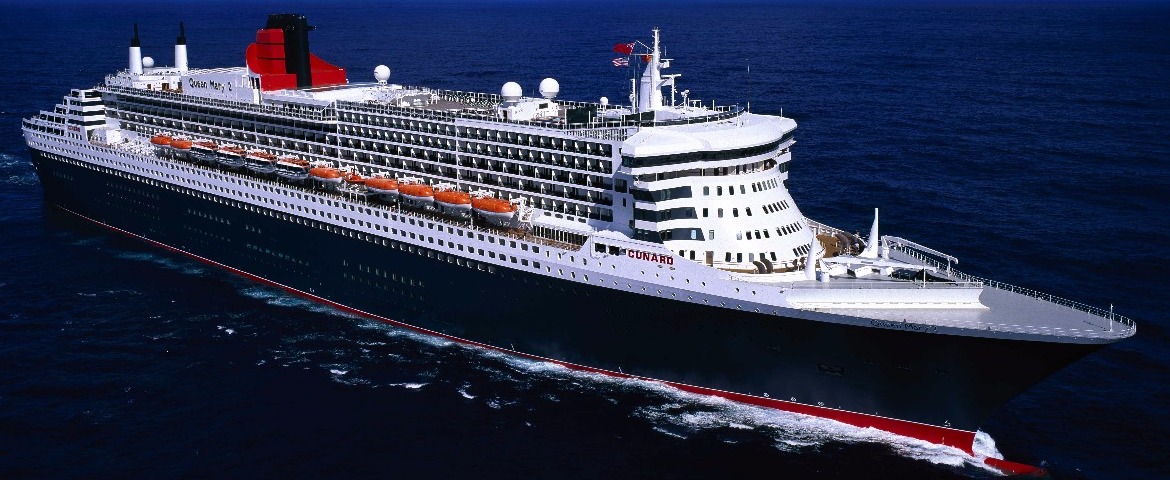
Cunard (21 Cruises)
Queen Mary 2
21 Cruises

Explora Journeys (25 Cruises)
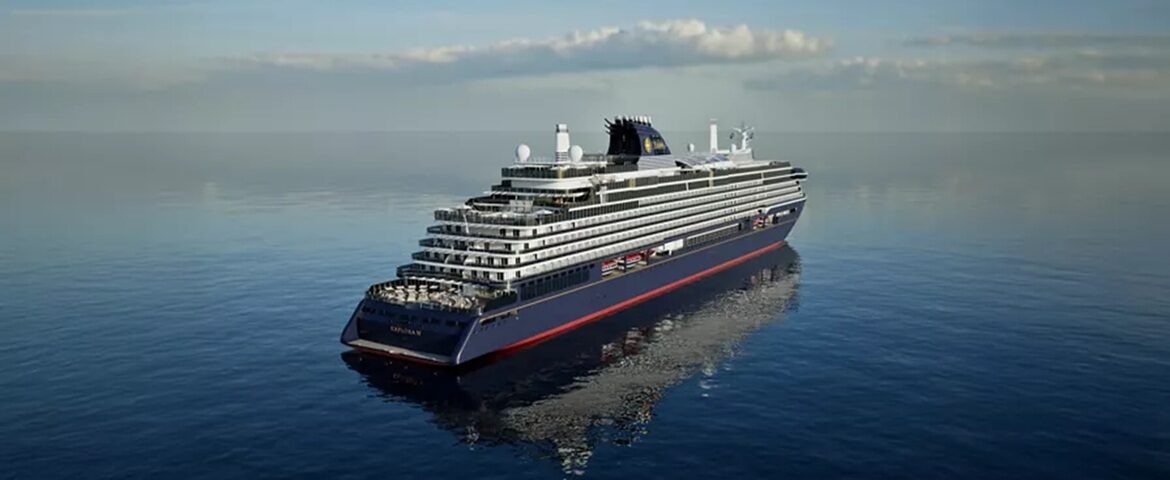
Explora IV
25 Cruises

Holland America Line (48 Cruises)
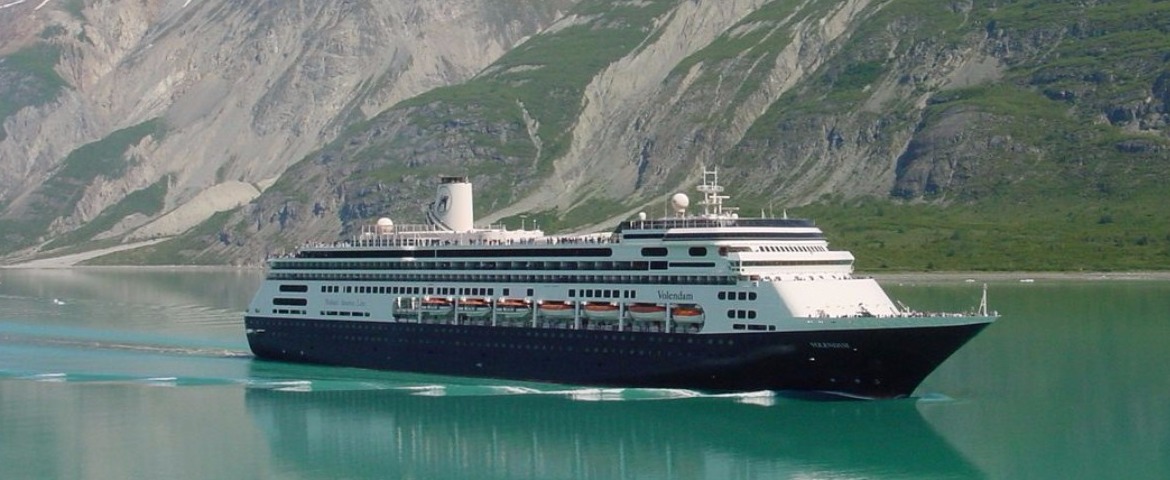
ms Volendam
30 Cruises

| 21 August | 11 days | One-way from Boston to Montreal |
450-628-6241
Call us
|
| 21 August | 12 days | One-way from Boston to Montreal |
450-628-6241
Call us
|
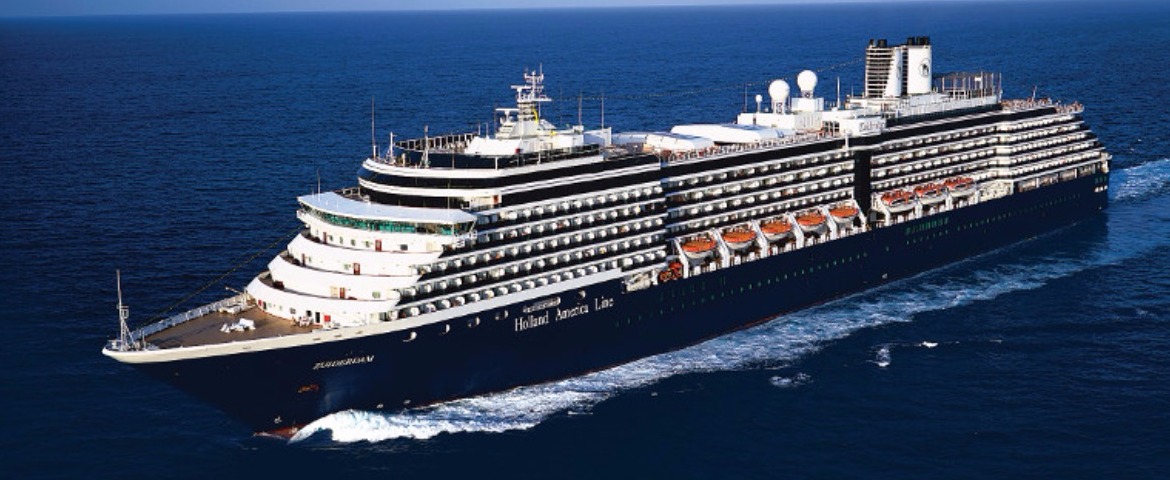
ms Zuiderdam
18 Cruises

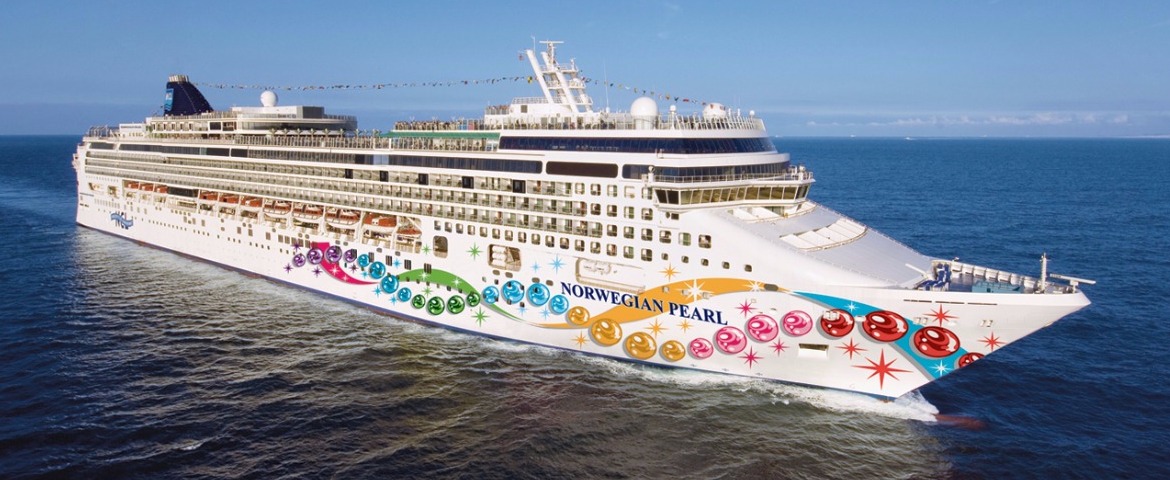
Norwegian Cruise Line (8 Cruises)
Norwegian Pearl
8 Cruises

Oceania Cruises (15 Cruises)



Princess Cruises (11 Cruises)
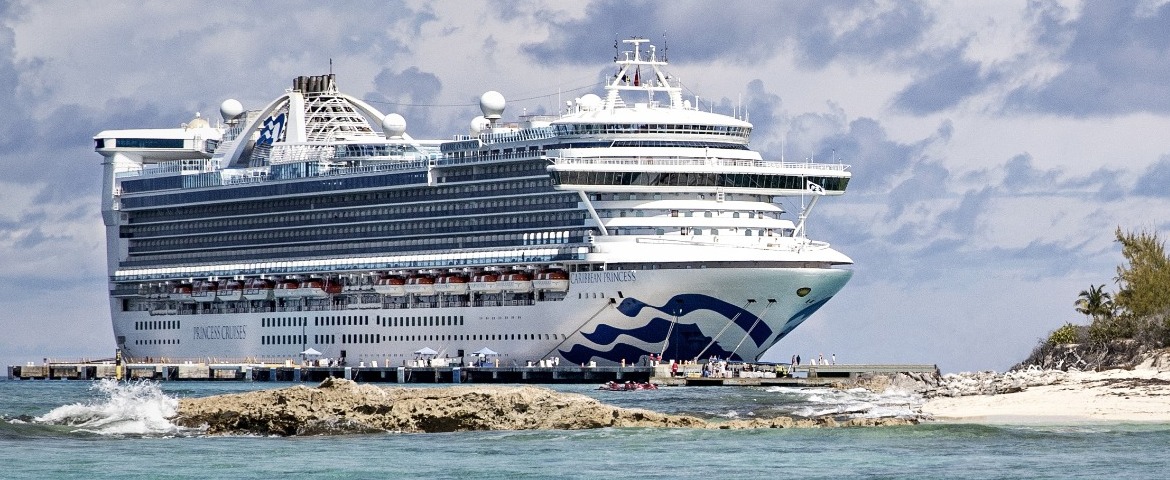
Caribbean Princess
11 Cruises

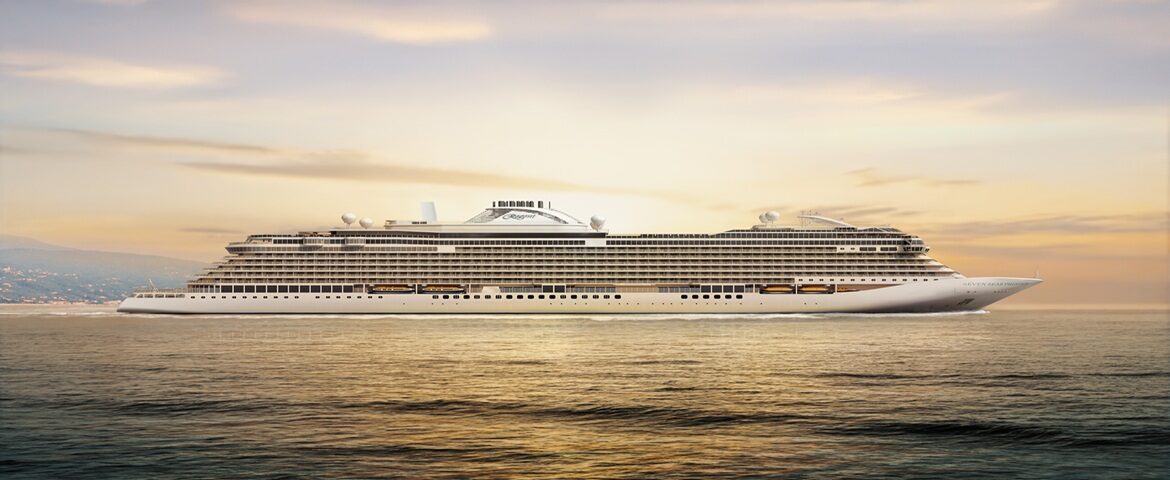
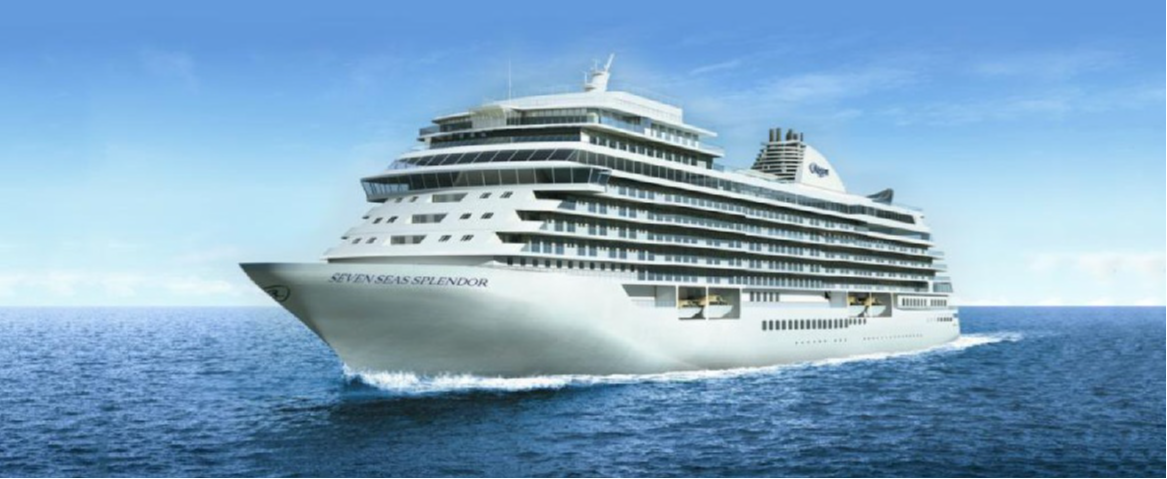
Regent Seven Seas Cruises (20 Cruises)
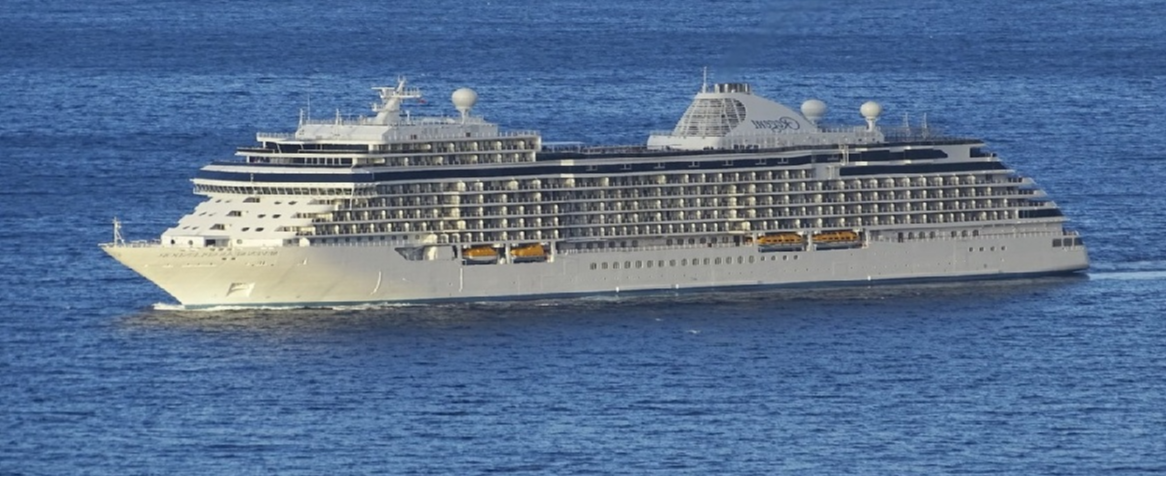
Seven Seas Grandeur
12 Cruises

| 10 September | 11 days | One-way from Montreal to New York |
450-628-6241
Call us
|
| 10 September | 12 days | One-way from Montreal to New York |
450-628-6241
Call us
|
Seven Seas Prestige
6 Cruises
Scenic Cruises (12 Cruises)
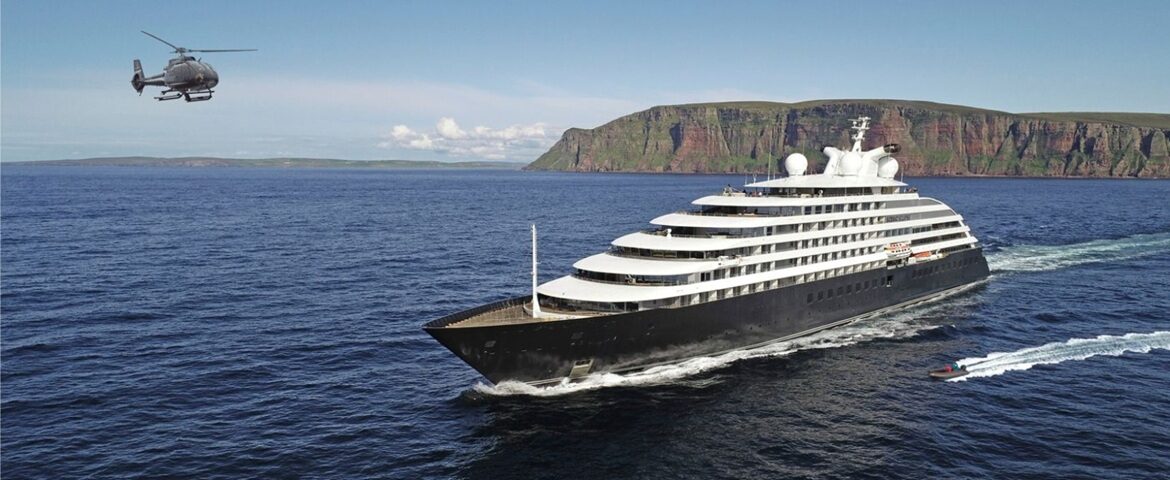
Scenic Eclipse
6 Cruises


Scenic Eclipse II
6 Cruises
Seabourn Cruise Line (27 Cruises)
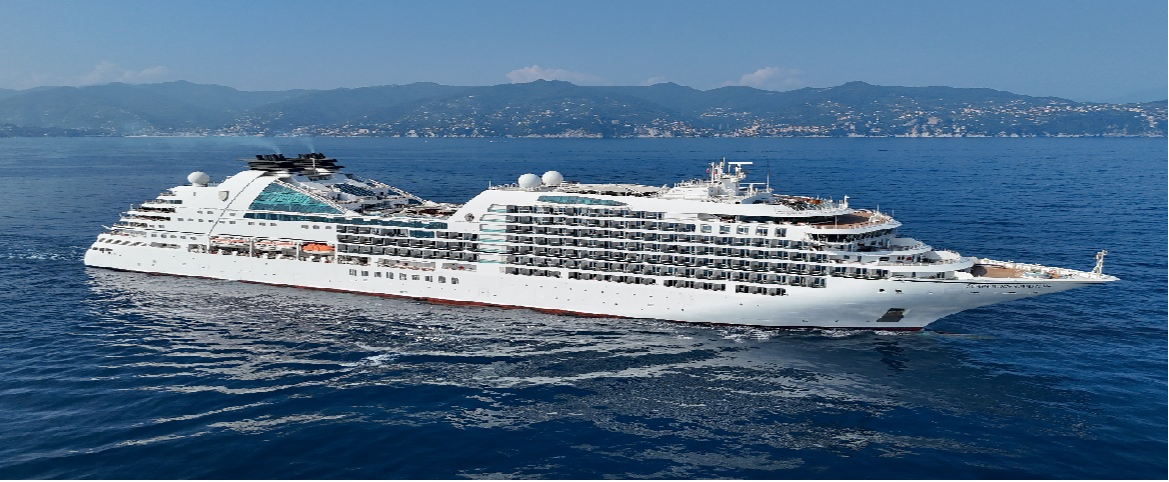

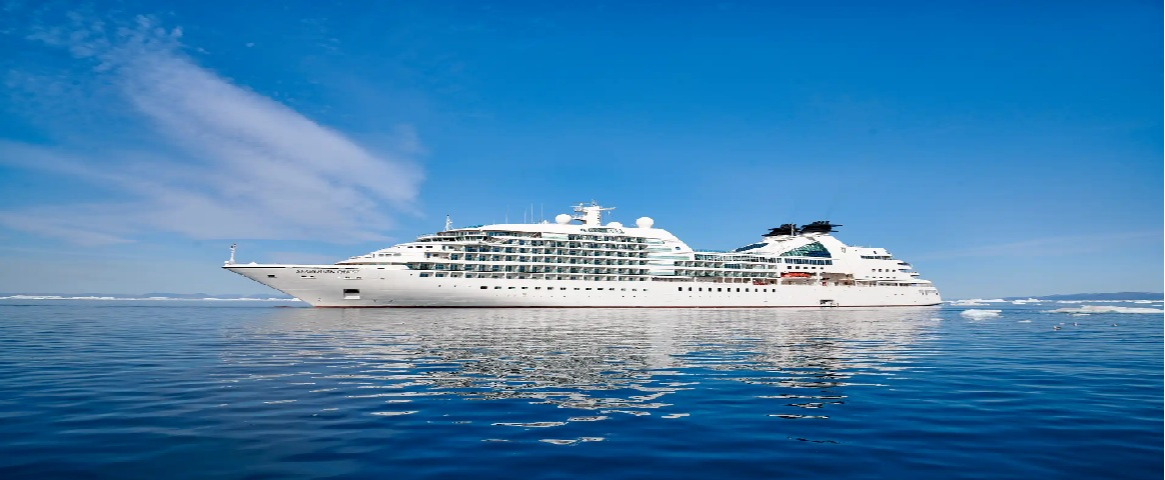
Seabourn Quest
26 Cruises
| 21 August | 35 days | One-way from Copenhagen to Montreal |
450-628-6241
Call us
|
| 21 August | 36 days | One-way from Copenhagen to Montreal |
450-628-6241
Call us
|
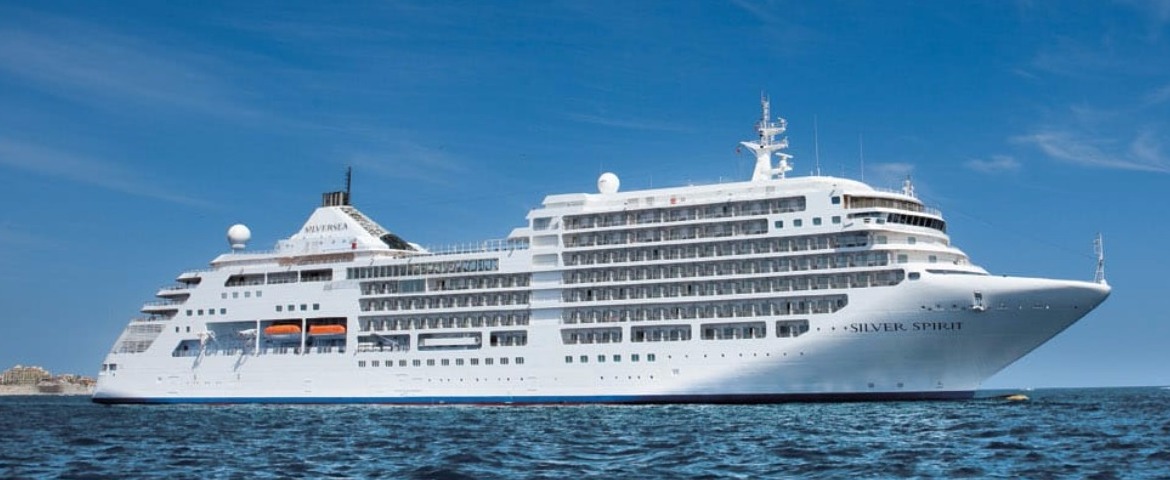
Silversea Cruises (14 Cruises)

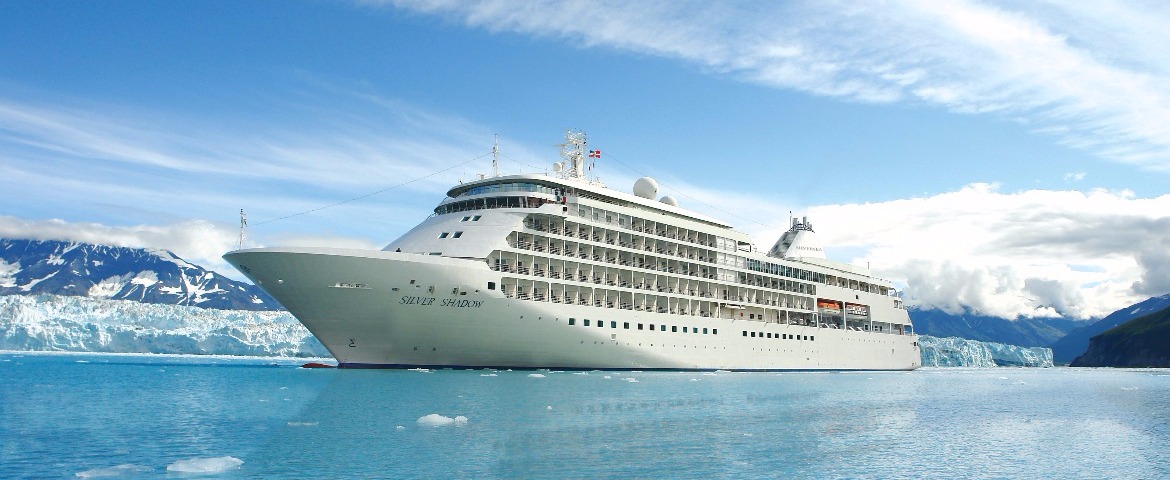
Silver Shadow
8 Cruises
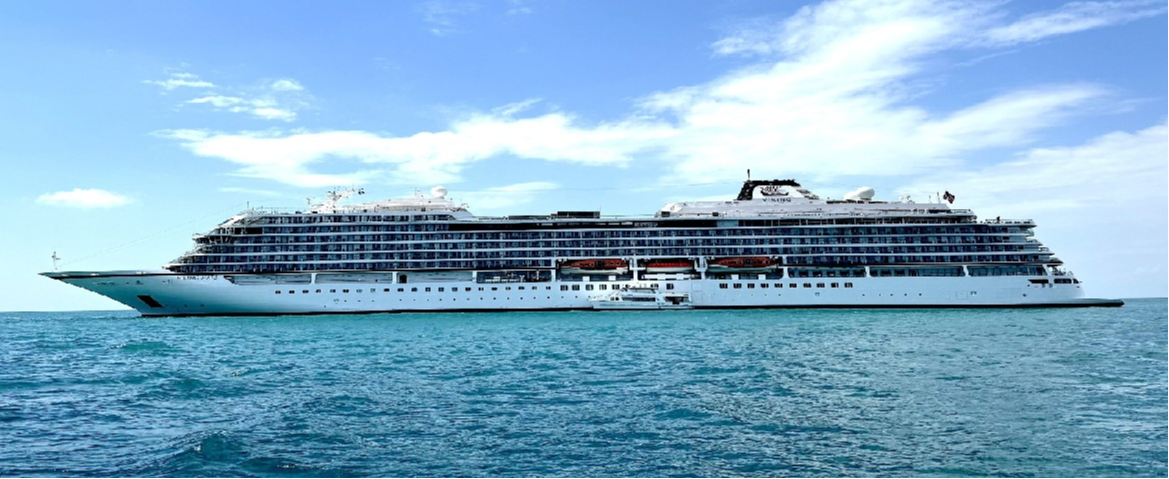
Viking Ocean Cruises (80 Cruises)
Viking Mars
15 Cruises

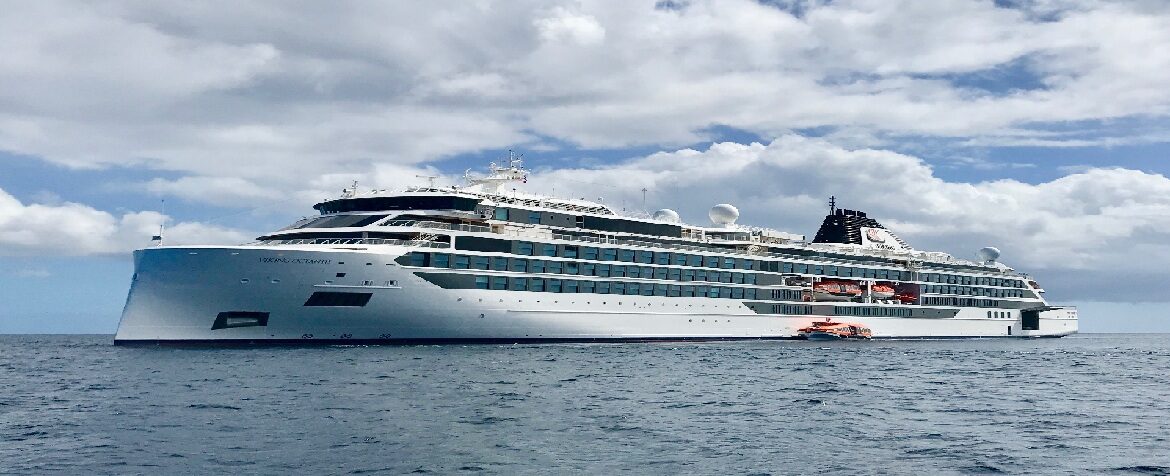
Viking Octantis
40 Cruises
| 2 March | 69 days | One-way from Buenos Aires to Milwaukee WI |
450-628-6241
Call us
|
| 3 March | 66 days | One-way from Buenos Aires to Milwaukee WI |
450-628-6241
Call us
|
| 20 April | 13 days | One-way from New York to Toronto |
450-628-6241
Call us
|
| 20 April | 11 days | One-way from New York to Toronto |
450-628-6241
Call us
|
| 15 March | 63 days | One-way from Buenos Aires to Milwaukee WI |
450-628-6241
Call us
|
| 16 March | 60 days | One-way from Buenos Aires to Milwaukee WI |
450-628-6241
Call us
|
| 27 April | 11 days | One-way from New York to Toronto |
450-628-6241
Call us
|
| 27 April | 13 days | One-way from New York to Toronto |
450-628-6241
Call us
|
| 19 March | 63 days | One-way from Buenos Aires to Milwaukee WI |
450-628-6241
Call us
|
| 20 March | 60 days | One-way from Buenos Aires to Milwaukee WI |
450-628-6241
Call us
|
| 1 May | 13 days | One-way from New York to Toronto |
450-628-6241
Call us
|
| 1 May | 11 days | One-way from New York to Toronto |
450-628-6241
Call us
|
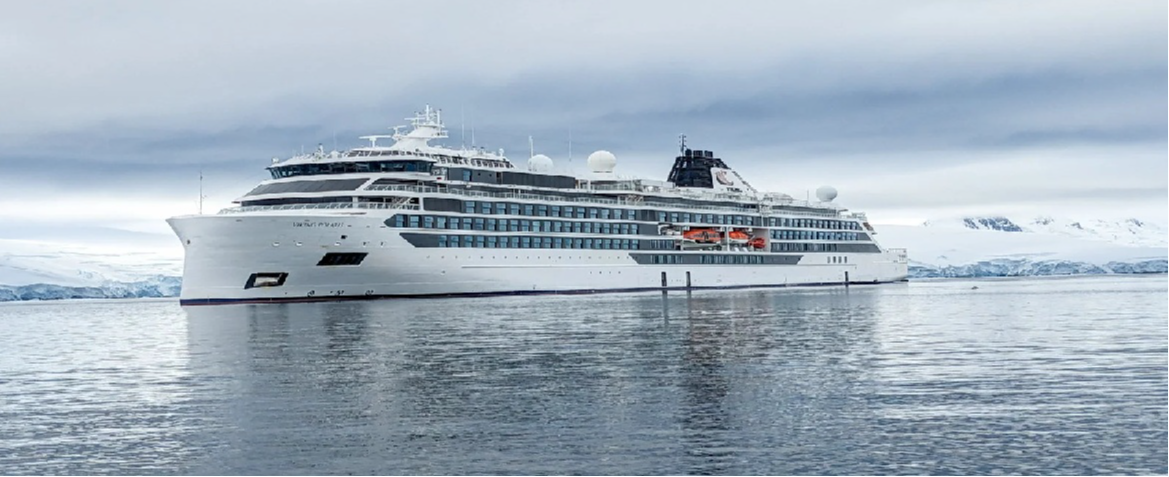
Viking Polaris
25 Cruises
| 14 March | 63 days | One-way from Buenos Aires to Milwaukee WI |
450-628-6241
Call us
|
| 15 March | 60 days | One-way from Buenos Aires to Milwaukee WI |
450-628-6241
Call us
|
| 26 April | 11 days | One-way from New York to Toronto |
450-628-6241
Call us
|
| 26 April | 13 days | One-way from New York to Toronto |
450-628-6241
Call us
|
| 29 April | 11 days | One-way from New York to Toronto |
450-628-6241
Call us
|
| 29 April | 13 days | One-way from New York to Toronto |
450-628-6241
Call us
|
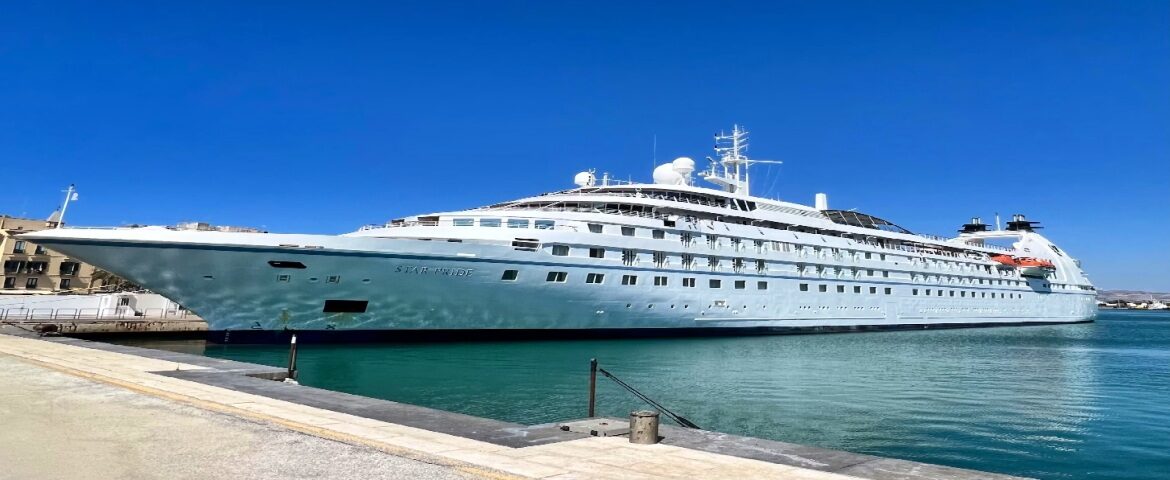
Windstar Cruises (14 Cruises)
Star Pride
14 Cruises


Port of Quebec City, Canada | Cruise Port Guide
Frequently Asked Questions
At the Pointe-à-Carcy terminal, right in the Old Port. The largest ships sometimes berth slightly downstream at Pier 30, connected to the main terminal by shuttle or a fifteen-minute walk.
Yes, and it is the best way. The Petit-Champlain district is about ten minutes away along the basins and old stone warehouses. No shuttle is needed from Pointe-à-Carcy.
Lower Town first: Place Royale, Notre-Dame-des-Victoires church, rue du Petit-Champlain and the Fresque des Québécois mural. Then climb to Upper Town by funicular or the Breakneck Steps to Dufferin Terrace and the Château Frontenac. The old city alone easily fills a day.
Two ways. The Breakneck Steps, the oldest staircase in the city, earn their name. The funicular climbs the cliff face from the Louis-Jolliet house and drops passengers on Dufferin Terrace at the foot of the Château Frontenac.
The cradle of French America. Notre-Dame-des-Victoires church stands on the exact site of the habitation founded by Samuel de Champlain in 1608, surrounded by steep-roofed stone houses rebuilt in the spirit of the French Regime.
Yes, you can wander the lobby without being a guest. The hotel, built in 1893 for the Canadian Pacific, is probably the most photographed building in the country.
The Governors' Promenade follows the cliff to the Citadelle, a star-shaped fortress still garrisoned by the Royal 22e Régiment; in summer the changing of the guard takes place in scarlet tunics, led by the regimental goat. Just beyond lie the Plains of Abraham, where the fate of New France was decided in 1759.
Only on a long call. It lies about fifteen kilometres from the pier: an 83-metre curtain of water, higher than Niagara, spanned by a suspension bridge and flanked by a cable car. Several excursions combine it with Île d'Orléans.
The Canadian dollar and French, the official and everyday language. In Old Quebec, staff serve visitors in English without difficulty. Cards and contactless payment are accepted everywhere.
May through October, when ships come up the river. Autumn is spectacular: the colours of Charlevoix and Île d'Orléans are visible from Dufferin Terrace on a clear day. Bring good shoes, the city climbs and descends constantly.


