Raiatea Island Uturoa, French Polynesia
French Polynesia
415
Cruises availables
At departure or passage at this port

Crystal Cruises (18 Cruises)
Crystal Serenity
7 Cruises
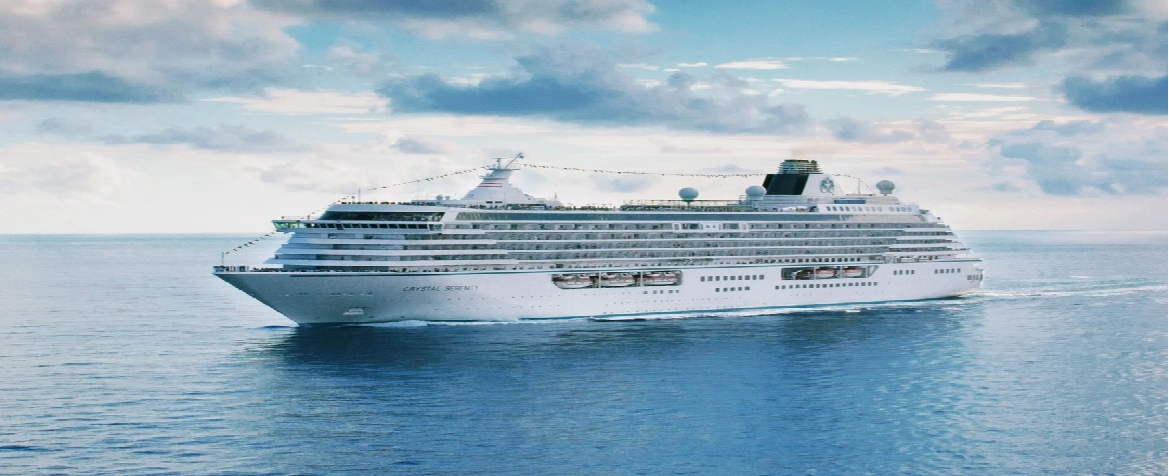

Crystal Symphony
11 Cruises
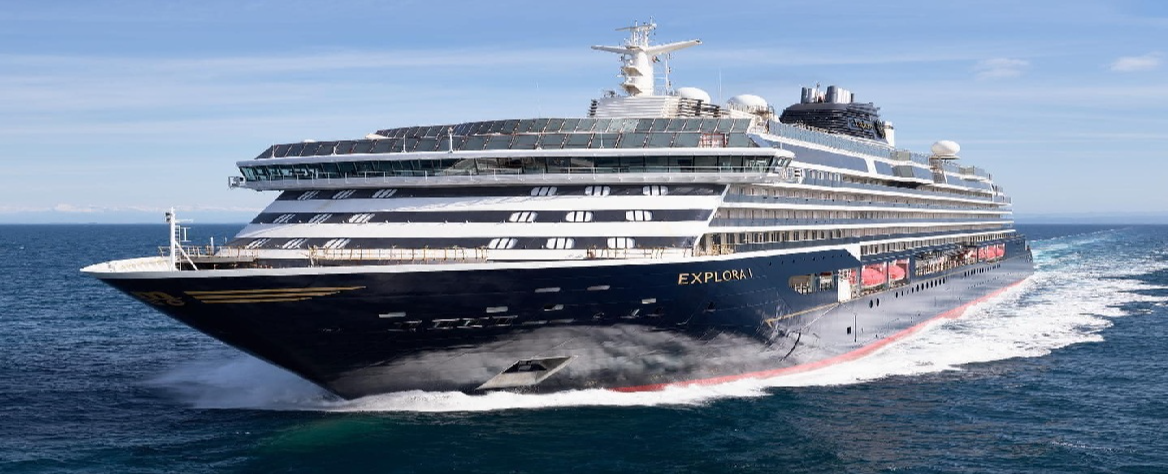
Explora Journeys (3 Cruises)

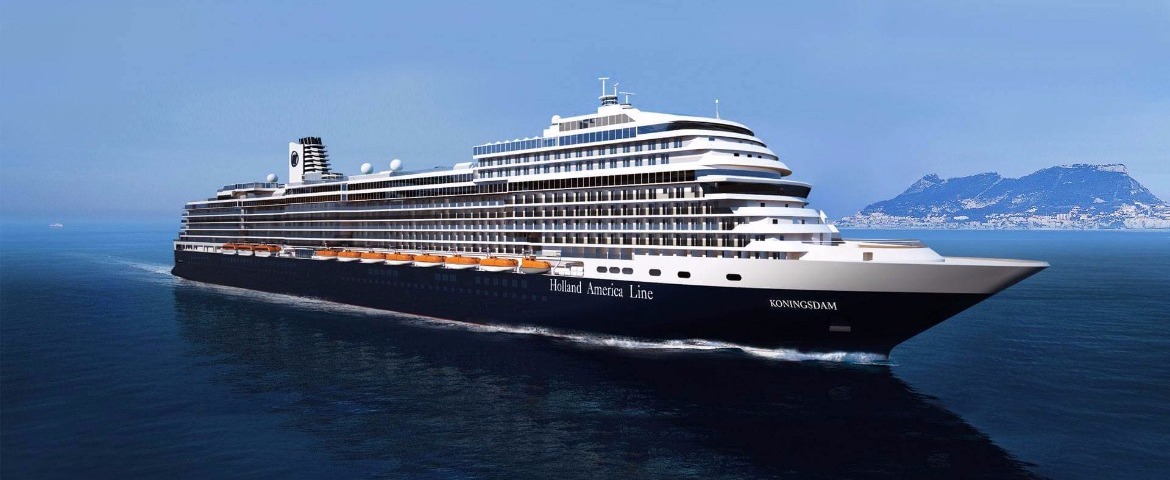
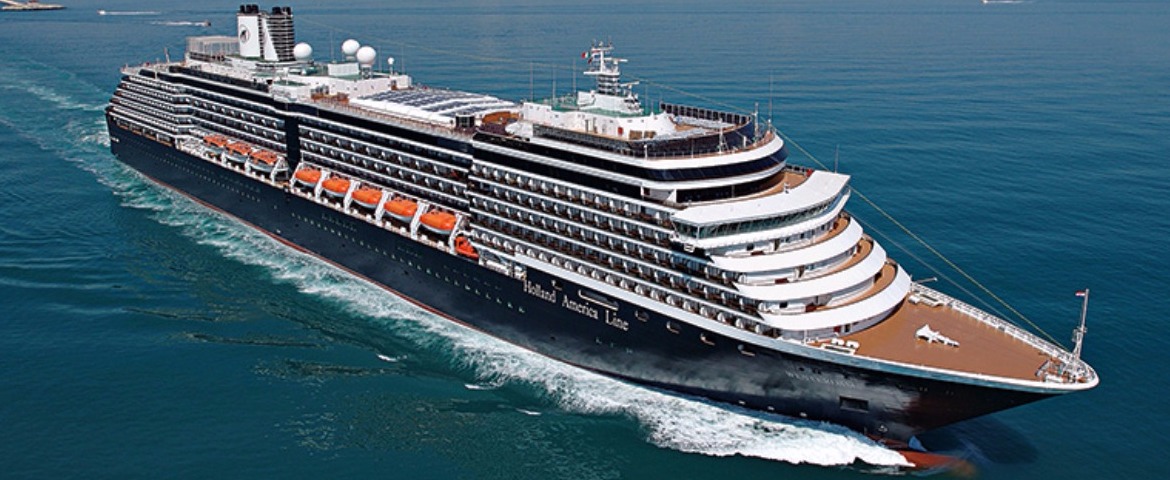
Holland America Line (7 Cruises)

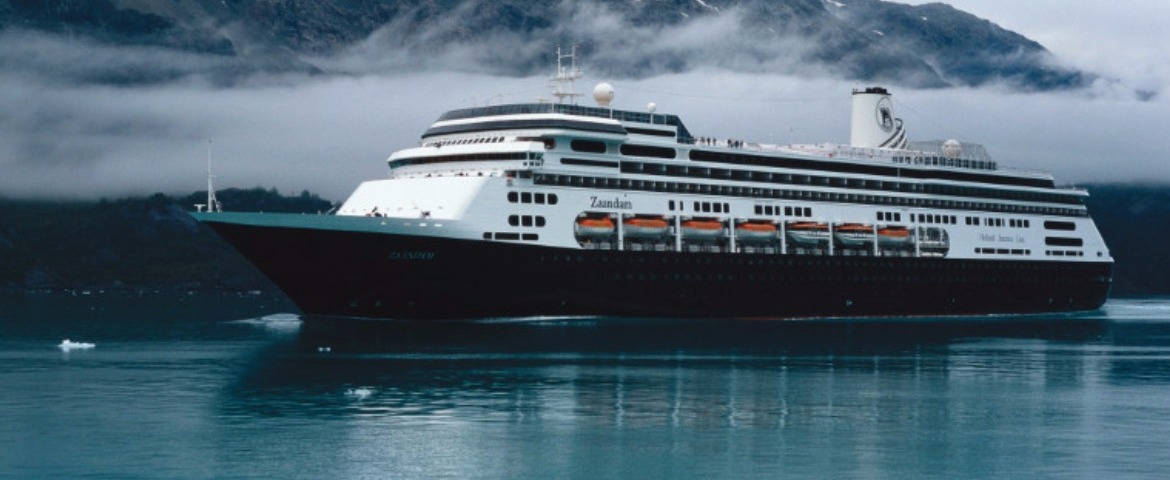
Lindblad Expeditions (2 Cruises)
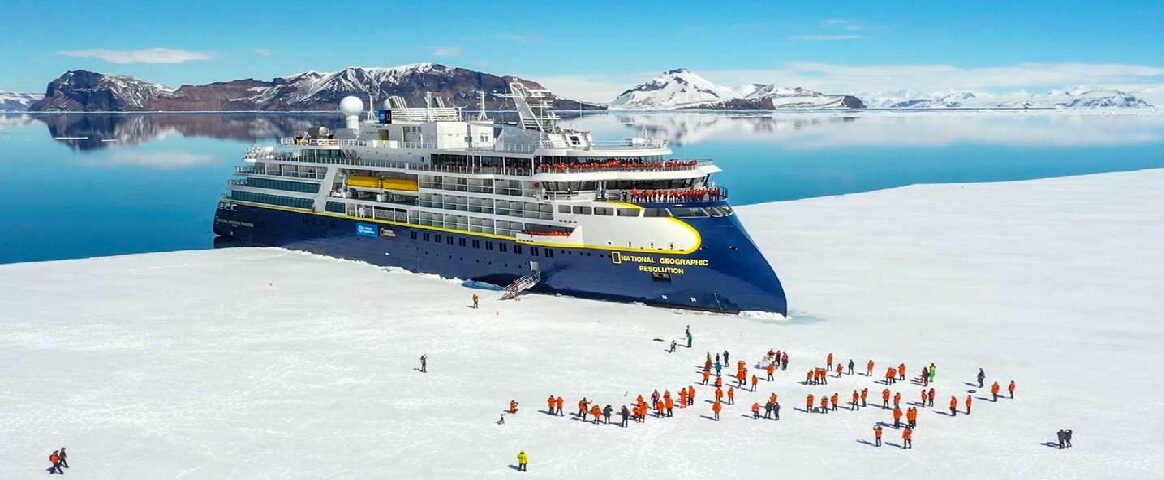

Norwegian Cruise Line (26 Cruises)
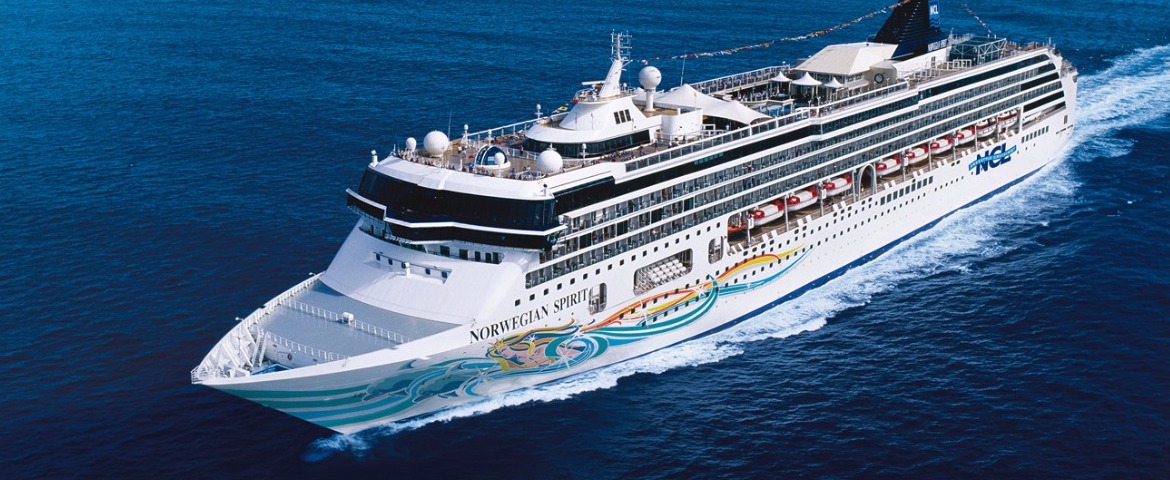
Norwegian Spirit
26 Cruises

| 11 July | 14 days | One-way from Papeete to Lautoka |
From
1857$
|
| 24 July | 13 days | One-way from Lautoka to Papeete |
From
1801$
|
Oceania Cruises (3 Cruises)

Paul Gauguin Cruises (56 Cruises)
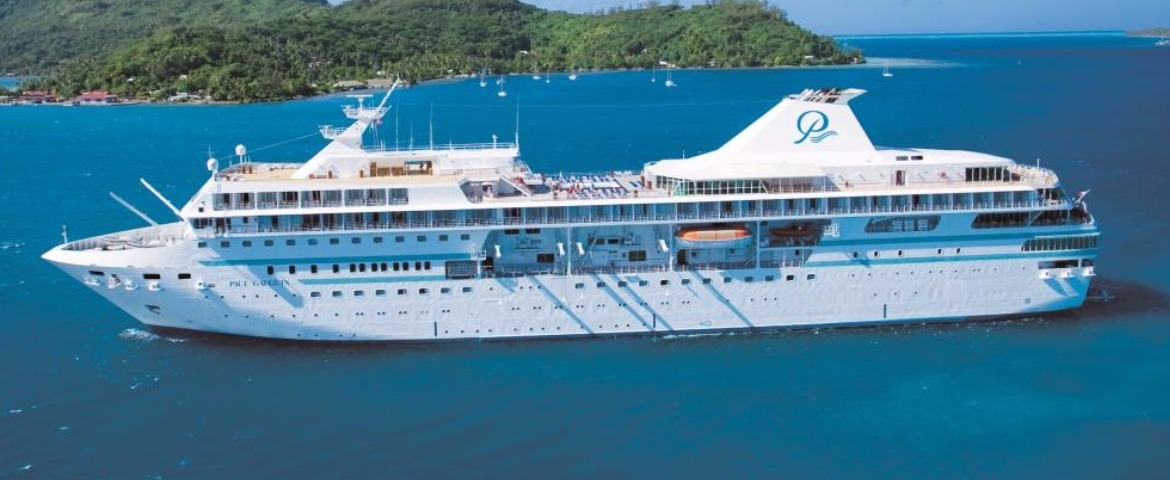
M/S Paul Gauguin
56 Cruises

| 28 April | 10 days | Round-trip from Papeete, Tahiti, French Polynesia |
450-628-6241
Call us
|
| 28 April | 9 days | Round-trip 10 Night More Tuamotus and Society Islands Cruise |
450-628-6241
Call us
|
| 9 June | 9 days | Round-trip 10 Night More Tuamotus and Society Islands Cruise |
450-628-6241
Call us
|
| 9 June | 10 days | Round-trip from Papeete, Tahiti, French Polynesia |
450-628-6241
Call us
|
| 4 August | 10 days | Round-trip from Papeete, Tahiti, French Polynesia |
450-628-6241
Call us
|
| 4 August | 9 days | Round-trip 10 Night More Tuamotus and Society Islands Cruise |
450-628-6241
Call us
|
| 17 November | 10 days | Round-trip from Papeete, Tahiti, French Polynesia |
450-628-6241
Call us
|
| 17 November | 9 days | Round-trip 10 Night More Tuamotus and Society Islands Cruise |
450-628-6241
Call us
|
| 5 February | 6 days | Round-trip 7 Night Pearl of the Society Islands Cruise |
450-628-6241
Call us
|
| 5 February | 7 days | Round-trip from Papeete, Tahiti, French Polynesia |
450-628-6241
Call us
|
| 11 March | 11 days | Round-trip from Papeete, Tahiti, French Polynesia |
450-628-6241
Call us
|
| 11 March | 10 days | Round-trip 11 Night Society Islands and the Tuamotus Cruise |
450-628-6241
Call us
|
| 27 May | 6 days | Round-trip 7 Night Pearl of the Society Islands Cruise |
450-628-6241
Call us
|
| 27 May | 7 days | Round-trip from Papeete, Tahiti, French Polynesia |
450-628-6241
Call us
|
| 3 June | 11 days | Round-trip from Papeete, Tahiti, French Polynesia |
450-628-6241
Call us
|
| 3 June | 10 days | Round-trip 11 Night Society Islands and the Tuamotus Cruise |
450-628-6241
Call us
|
| 16 September | 7 days | Round-trip from Papeete, Tahiti, French Polynesia |
450-628-6241
Call us
|
| 16 September | 6 days | Round-trip 7 Night Pearl of the Society Islands Cruise |
450-628-6241
Call us
|
| 7 October | 11 days | Round-trip from Papeete, Tahiti, French Polynesia |
450-628-6241
Call us
|
| 7 October | 10 days | Round-trip 11 Night Society Islands and the Tuamotus Cruise |
450-628-6241
Call us
|
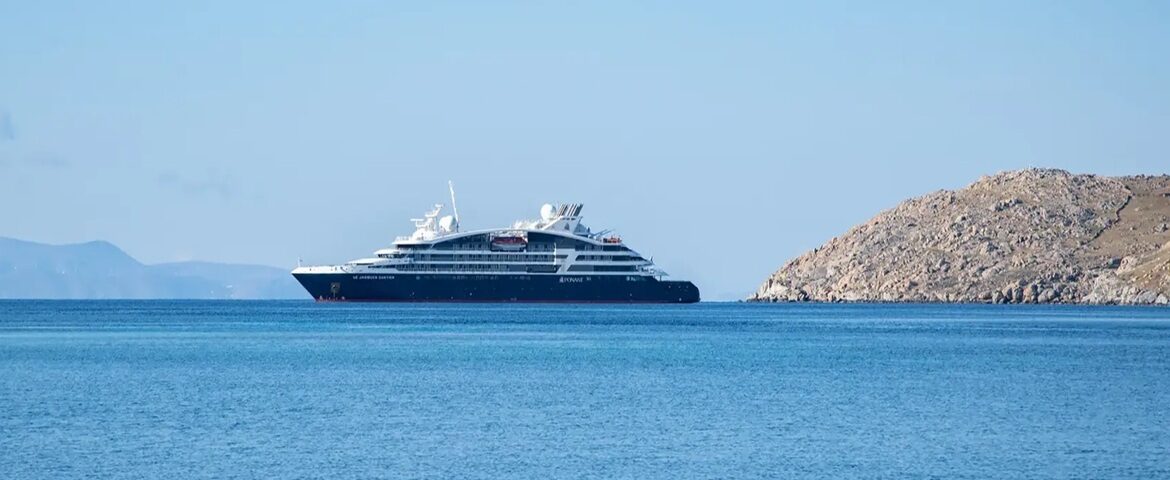
Ponant (2 Cruises)

Princess Cruises (8 Cruises)
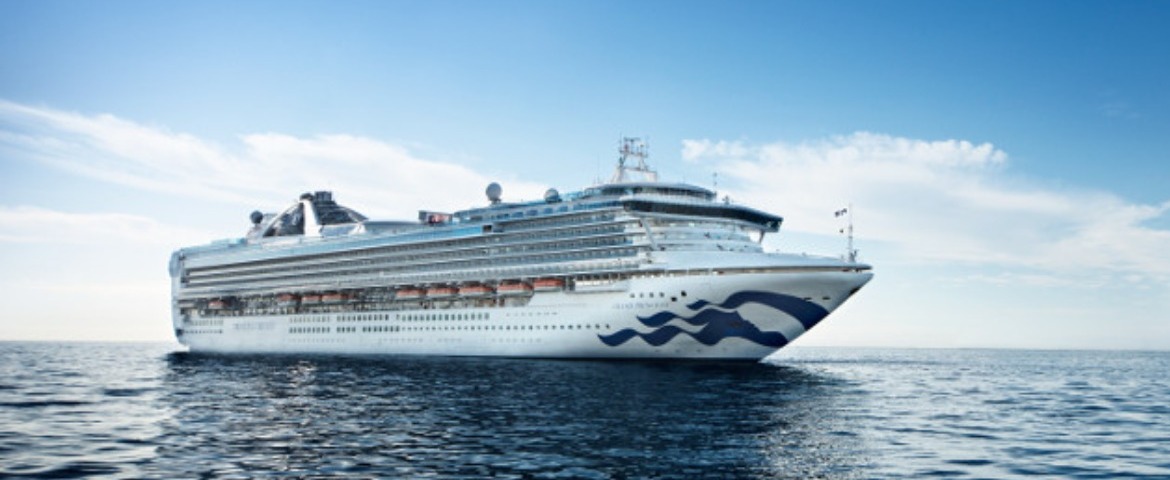
Grand Princess
8 Cruises


Royal Caribbean Cruises (7 Cruises)




Seabourn Cruise Line (9 Cruises)
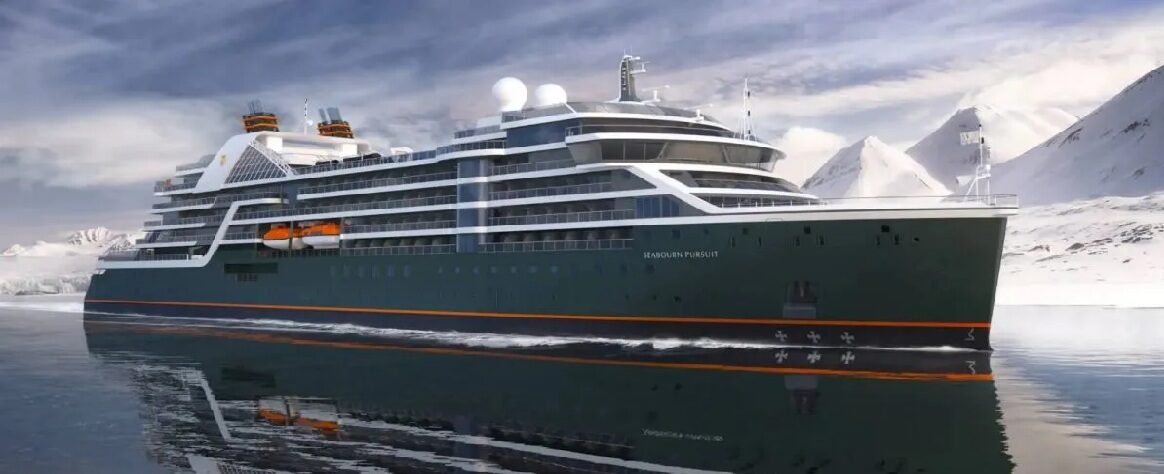
Seabourn Pursuit
9 Cruises

Silversea Cruises (62 Cruises)
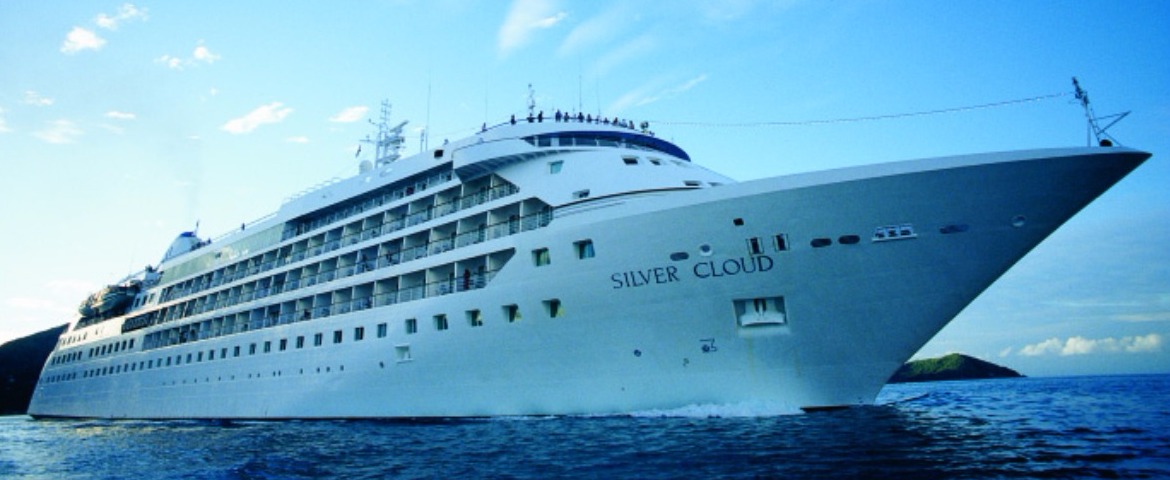

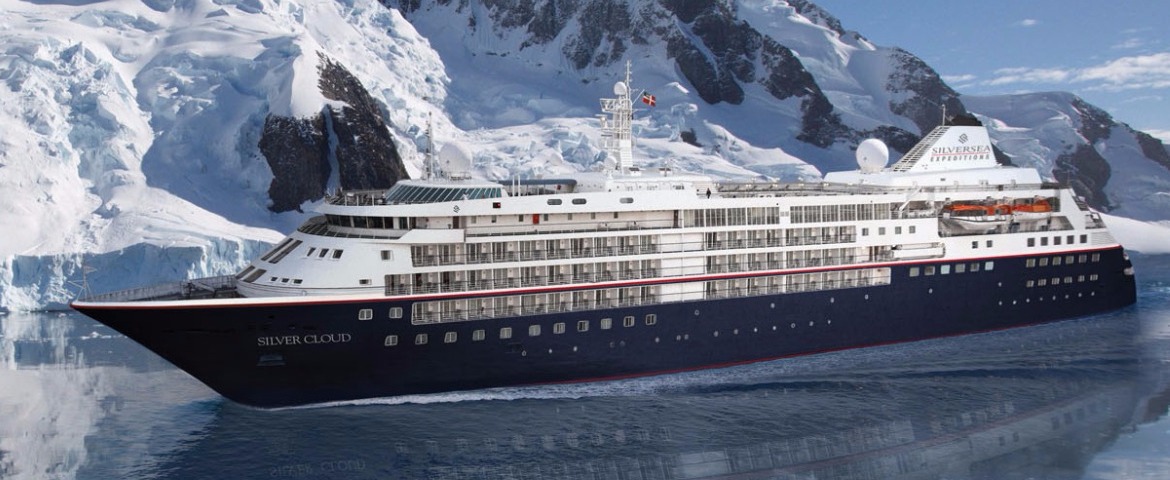
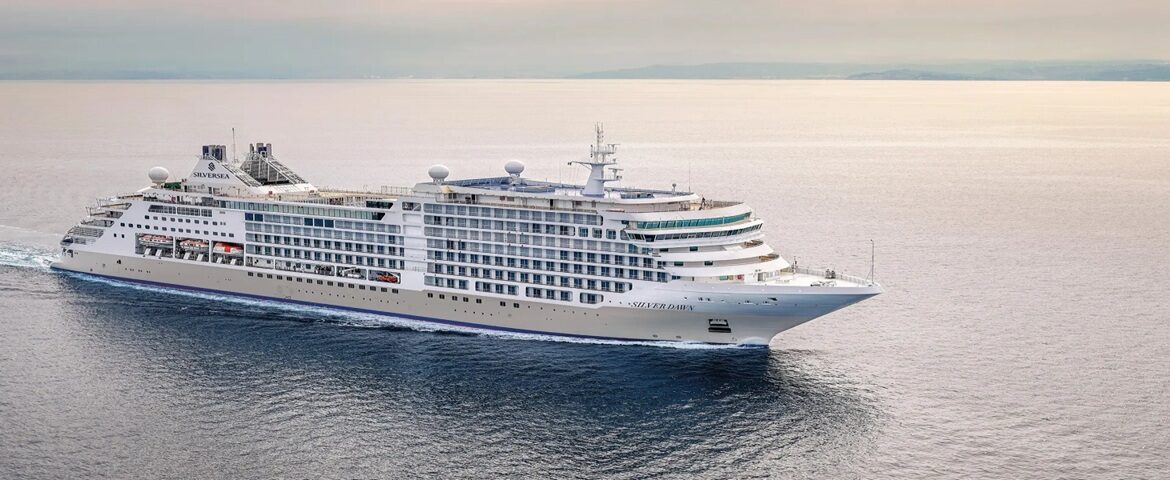
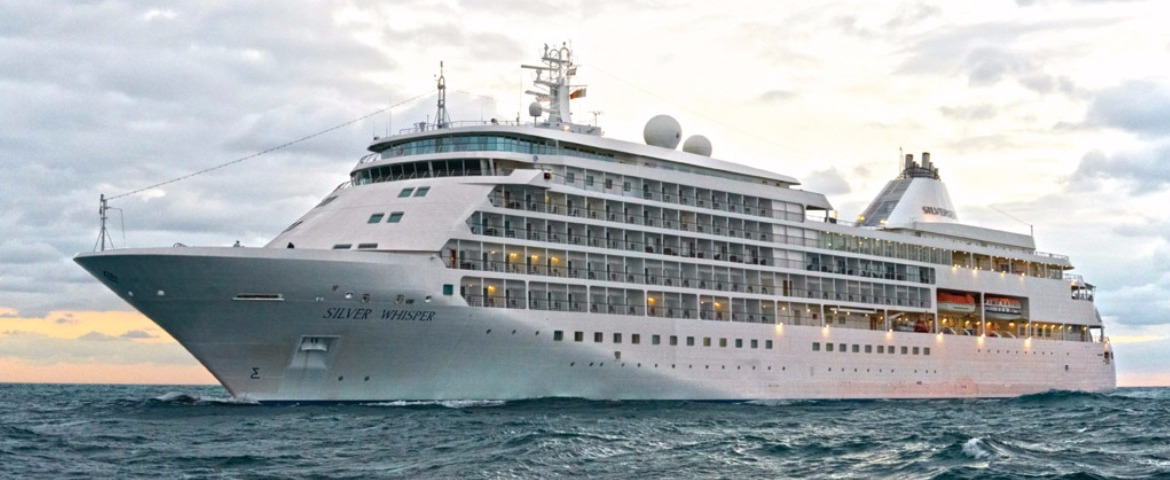
Silver Whisper
56 Cruises
| 7 March | 15 days | Round-trip from Papeete, Tahiti, French Polynesia |
450-628-6241
Call us
|
| 21 March | 15 days | Round-trip from Papeete, Tahiti, French Polynesia |
450-628-6241
Call us
|
Windstar Cruises (201 Cruises)
Star Breeze
104 Cruises
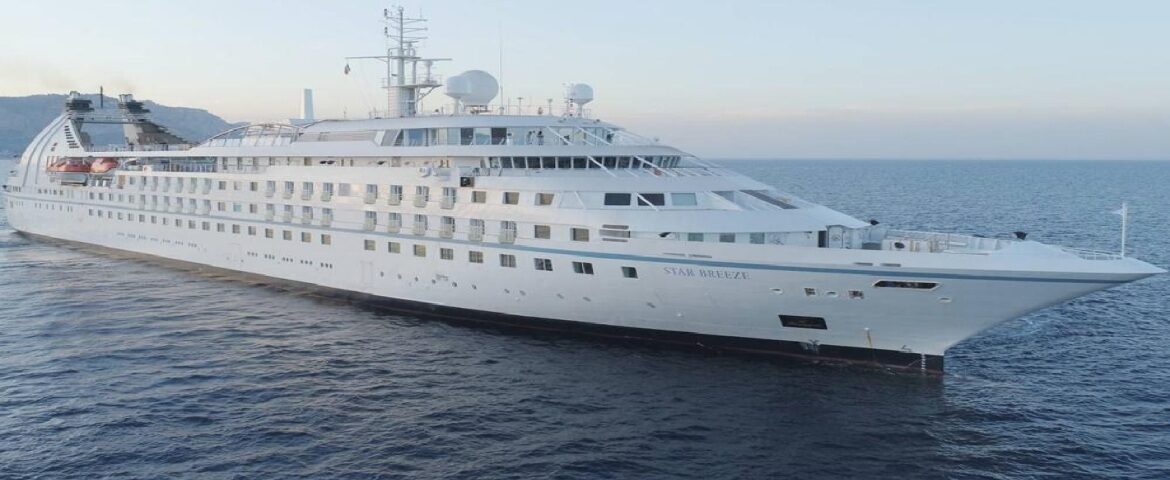

| 17 February | 28 days | One-way from Lautoka to Papeete |
450-628-6241
Call us
|
| 17 February | 14 days | One-way from Lautoka to Papeete |
450-628-6241
Call us
|
Wind Star
97 Cruises
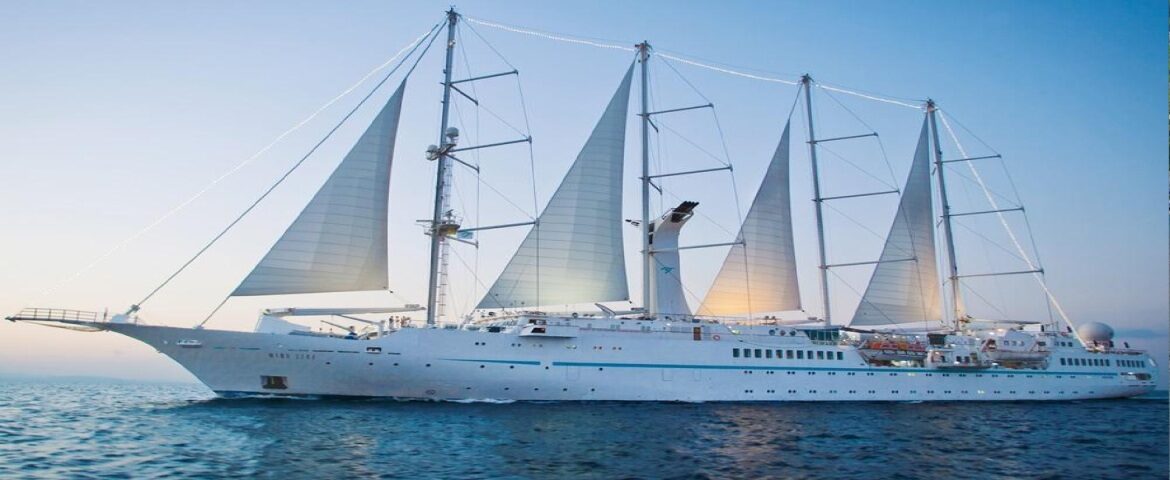
| 31 January | 35 days | One-way from Colon to Papeete |
450-628-6241
Call us
|
| 31 January | 36 days | One-way from Colon to Papeete |
450-628-6241
Call us
|

Raiatea (Uturoa), French Polynesia | Cruise Port Guide
Frequently Asked Questions
At the Uturoa maritime station, in the centre of the small capital of the Leeward Society Islands. You walk down the gangway and you are already in town, between the market and the pearl shops. It is one of the few Polynesian islands where the ship ties up alongside.
Polynesian navigators regarded it as their spiritual cradle, the departure point of the great canoes that settled Hawaii and New Zealand. Long before Tahiti, there was Raiatea. That is what makes this call far more than a beach stop.
The most influential religious and political centre of the central Pacific, inscribed on the UNESCO World Heritage list in 2017. This vast complex of volcanic stone platforms lies between the mountains and the sea, about 45 minutes by road from Uturoa. Voyages of discovery set out from here.
Allow a half-day including the coastal drive both ways. The place imposes a natural silence: even guides lower their voices when describing the ceremonies of the past. It is a sacred site and calls for appropriate restraint.
The covered market sets the tone: bright pareos, wood carvings, vanilla pods tied in fragrant bundles, lagoon fish on beds of ice. A few streets are enough to take the pulse of this unhurried town where scooters slow down to greet an acquaintance.
Yes, Mount Tapioi behind Uturoa has a path climbing to a full panorama over the barrier reef and the neighbouring islands. Allow two to three hours round trip, ideally before the heat sets in. It does not combine with a Taputapuatea excursion on the same day.
The only navigable river in French Polynesia. By kayak or small motorboat you move slowly upstream between wild hibiscus, bamboo and purau leaning over the brown water, as the green ridges close in overhead. The only sounds are birds and paddles.
Yes, the two islands share the same lagoon and are about fifteen minutes apart by boat. Excursions often combine a Taha'a vanilla plantation, a pearl farm and a swim along a coral-fringed motu.
A five-petalled flower that grows on the slopes of the Temehani plateau and nowhere else on Earth. Botanists worldwide have tried to transplant it without success. Do not pick it: it is protected and fragile.
The Pacific franc. Conversations slide between French and Tahitian without transition, and English is spoken in visitor-facing businesses. Keep cash for the market and small craftspeople.


