Seydisfjordur Iceland
213
Cruises availables
At departure or passage at this port
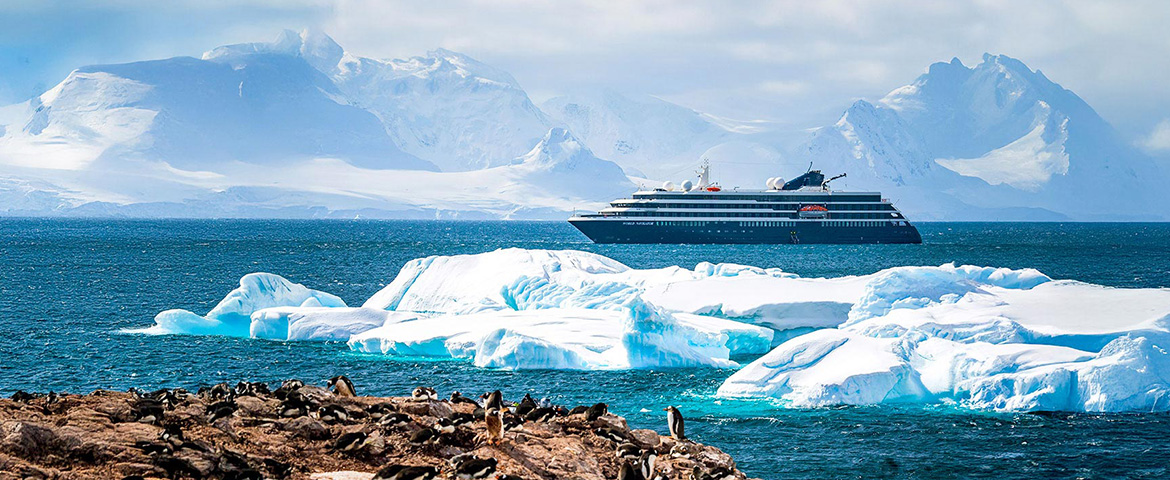

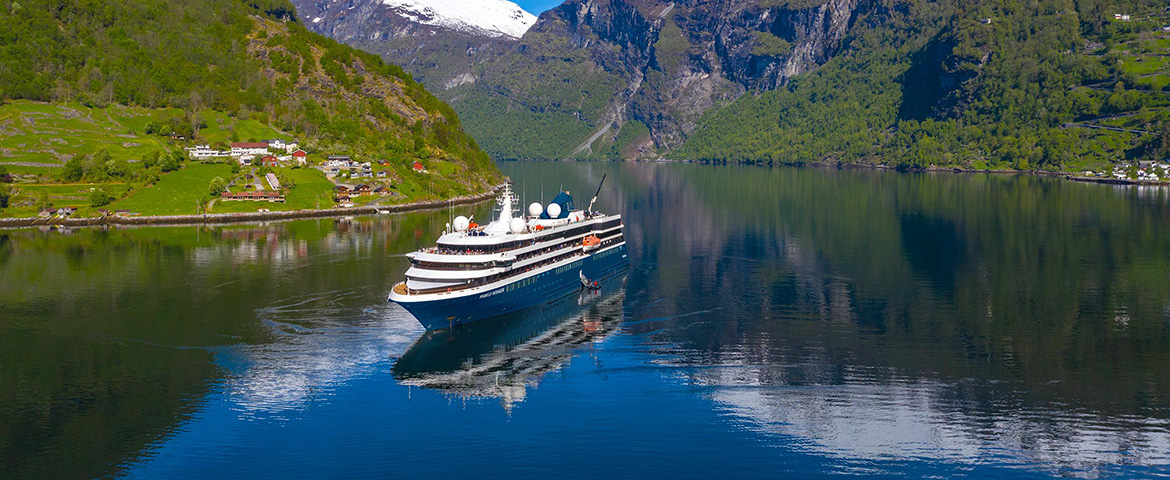
Aurora Expeditions (1 Cruises)
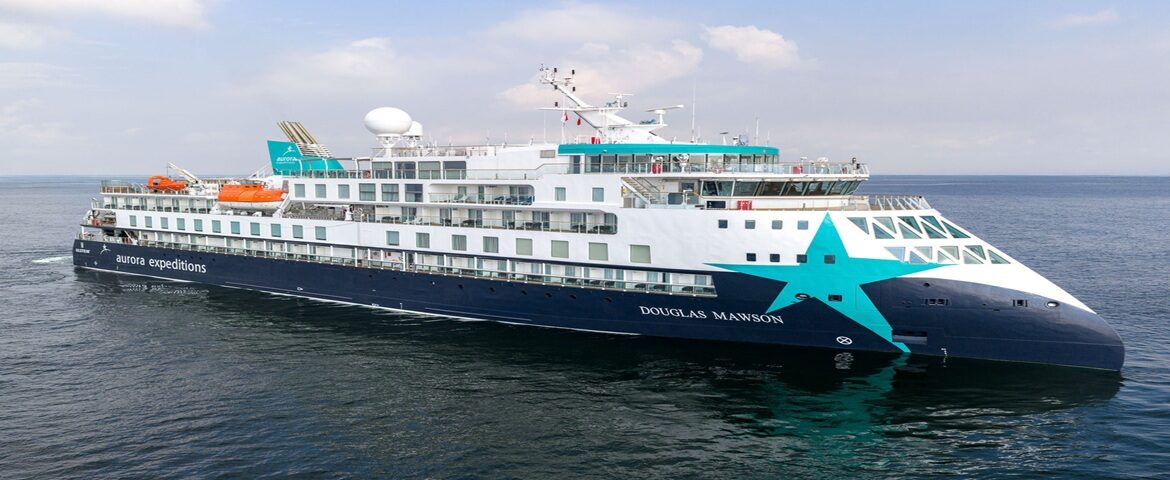

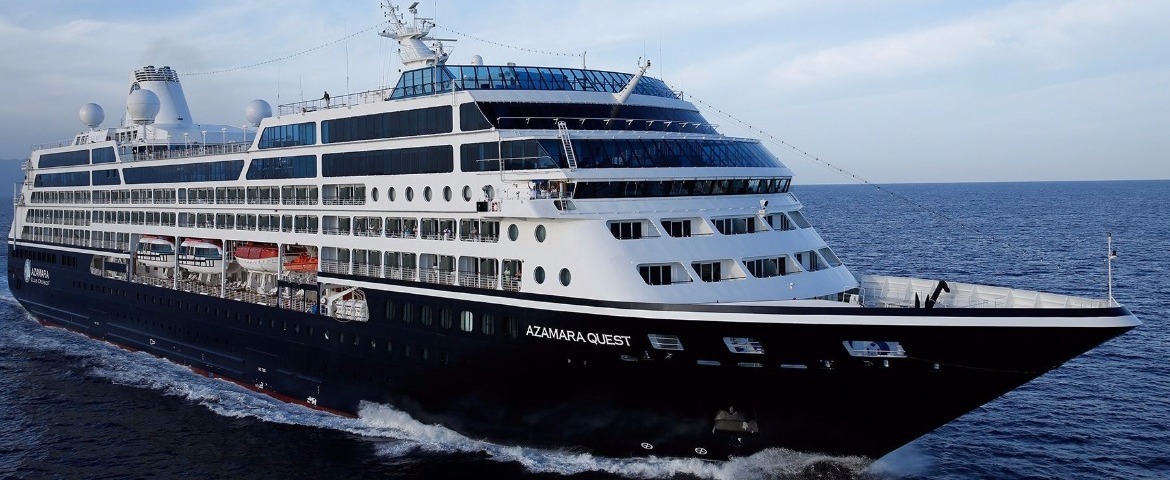
Azamara Club Cruises (2 Cruises)

Celebrity Cruises (6 Cruises)
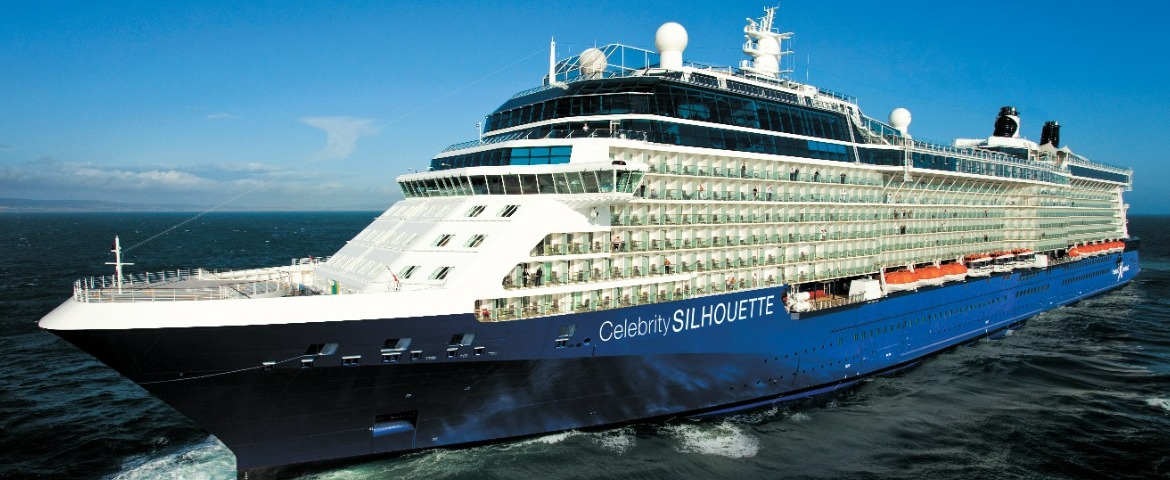
Celebrity Silhouette
6 Cruises

Costa Cruises (2 Cruises)

Crystal Cruises (2 Cruises)

Explora Journeys (3 Cruises)

Holland America Line (23 Cruises)
ms Rotterdam
18 Cruises
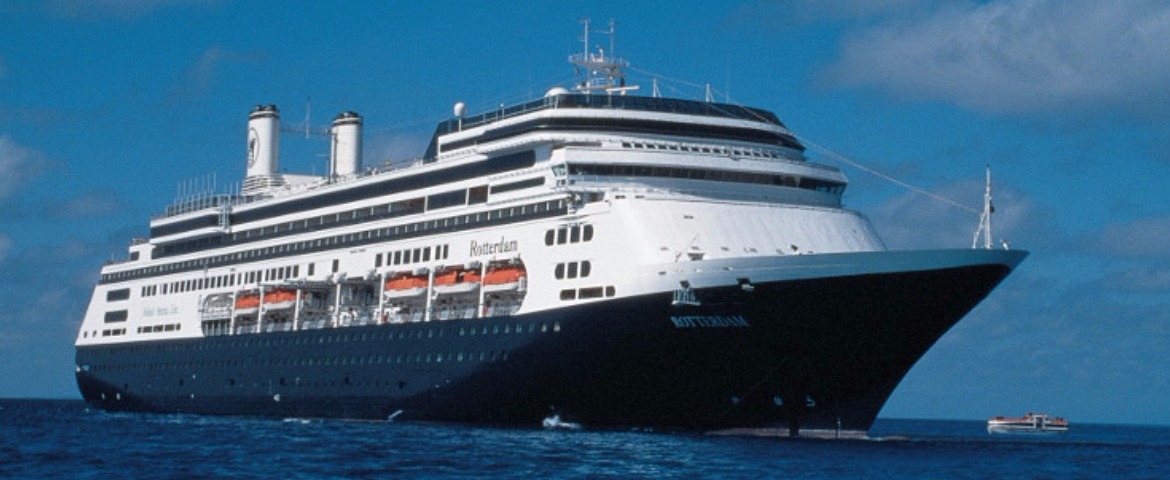

| 6 June | 7 nights | One-way from Rotterdam to Reykjavik |
450-628-6241
Call us
|
| 6 June | 14 nights | Round-trip from Rotterdam, Netherlands |
450-628-6241
Call us
|
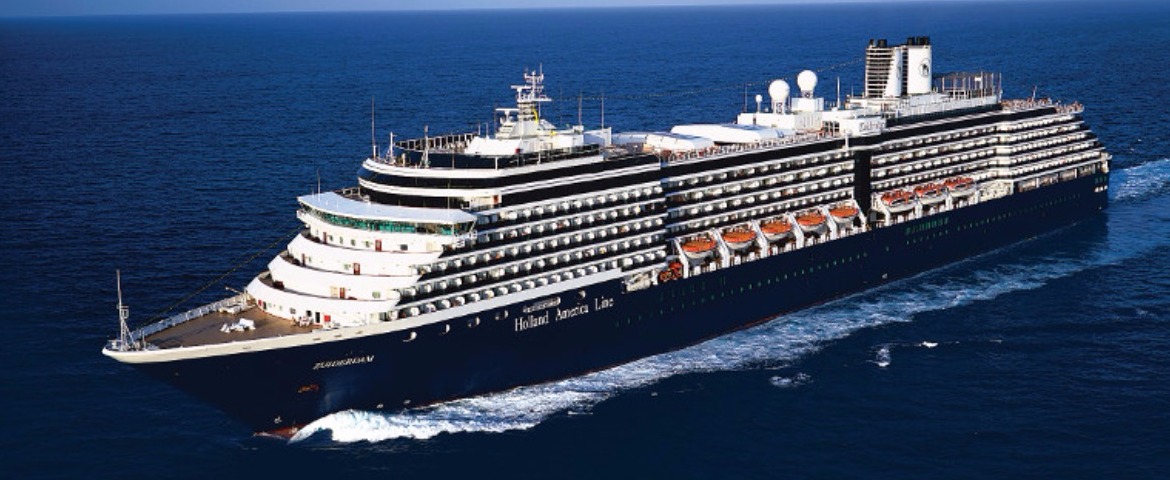
HX Expeditions (1 Cruises)
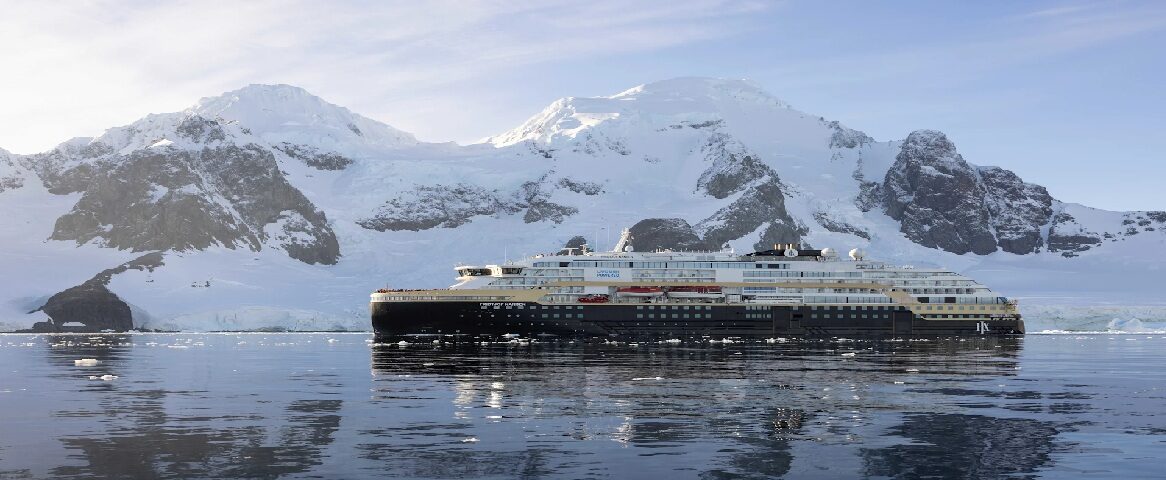

MSC Cruises (2 Cruises)
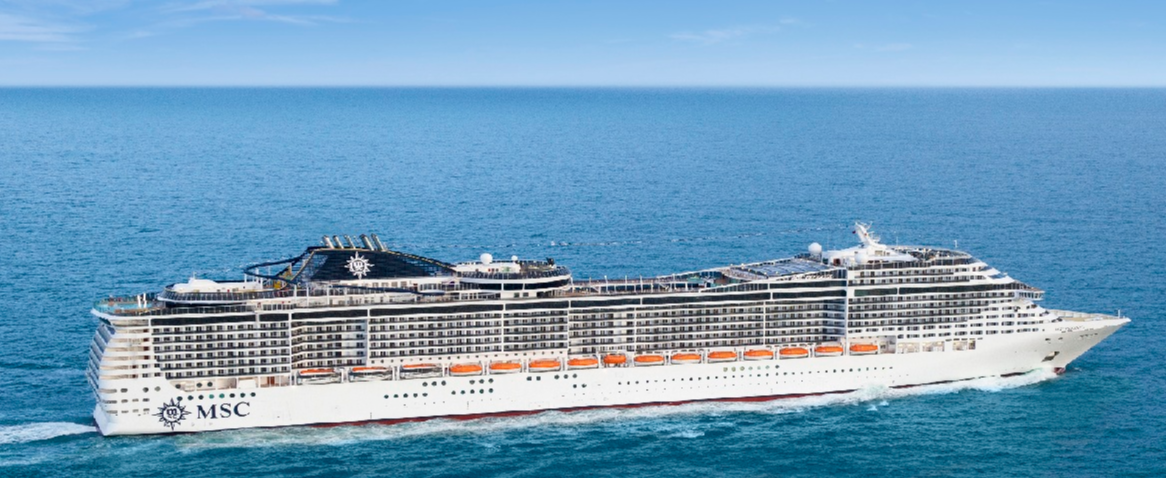

Oceania Cruises (18 Cruises)
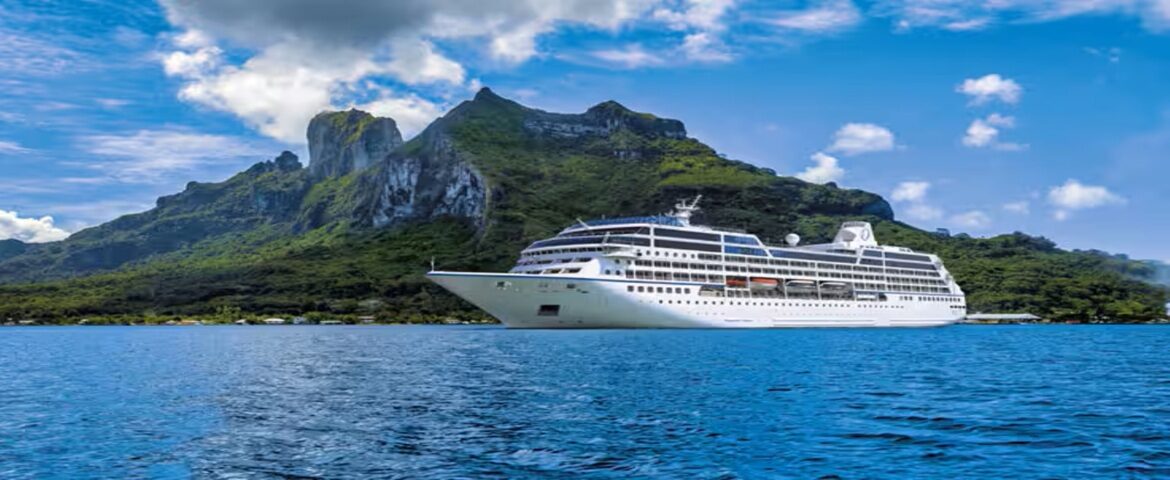

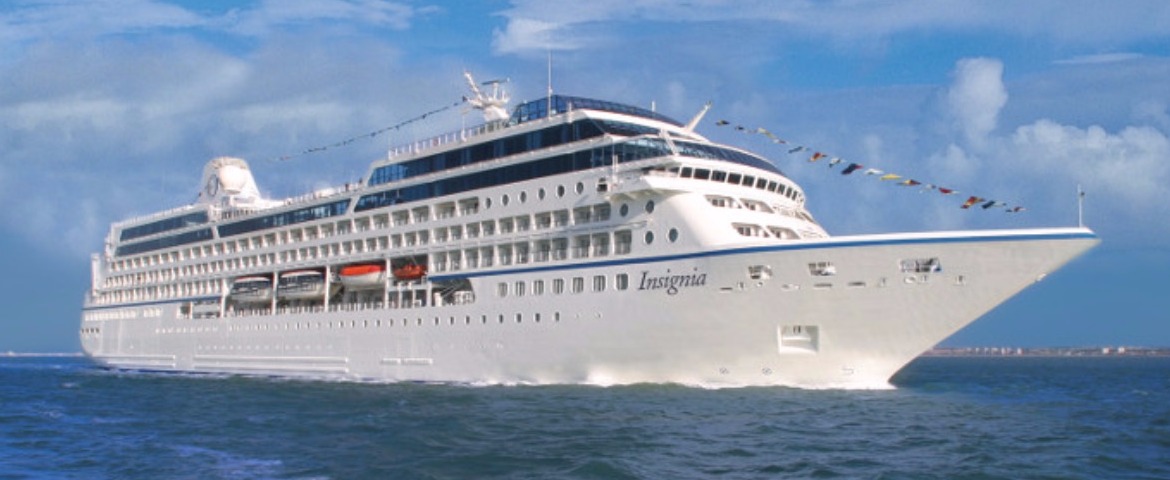
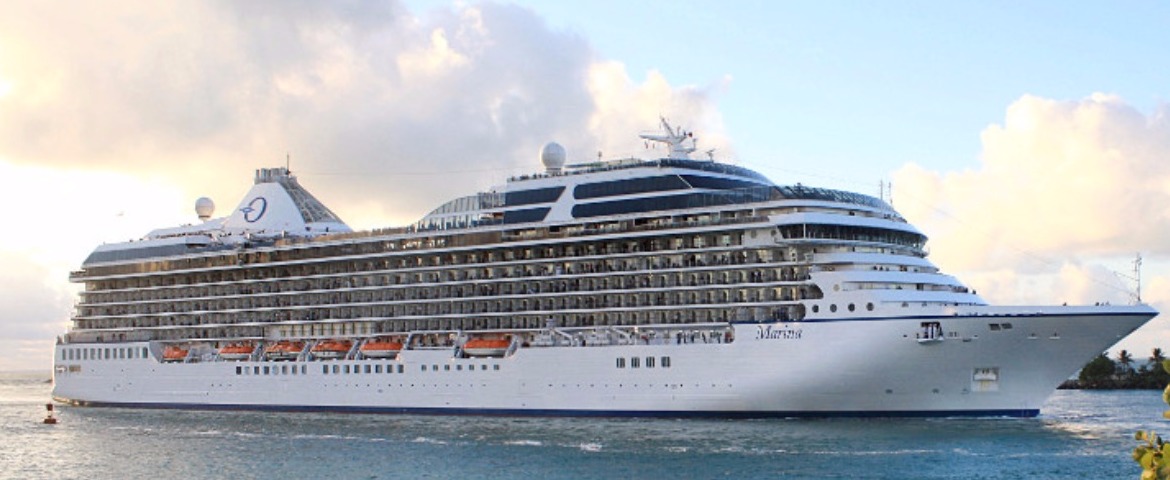
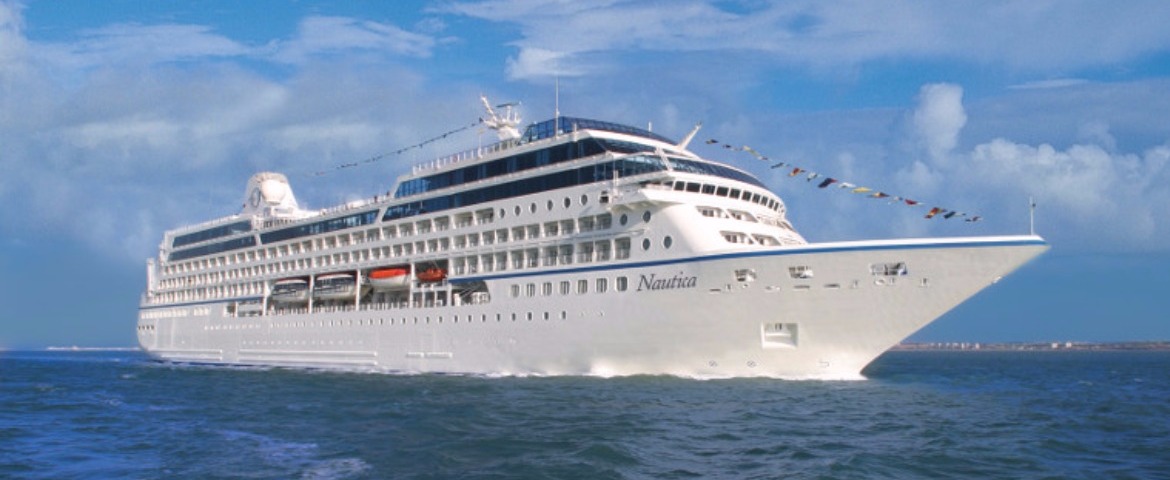
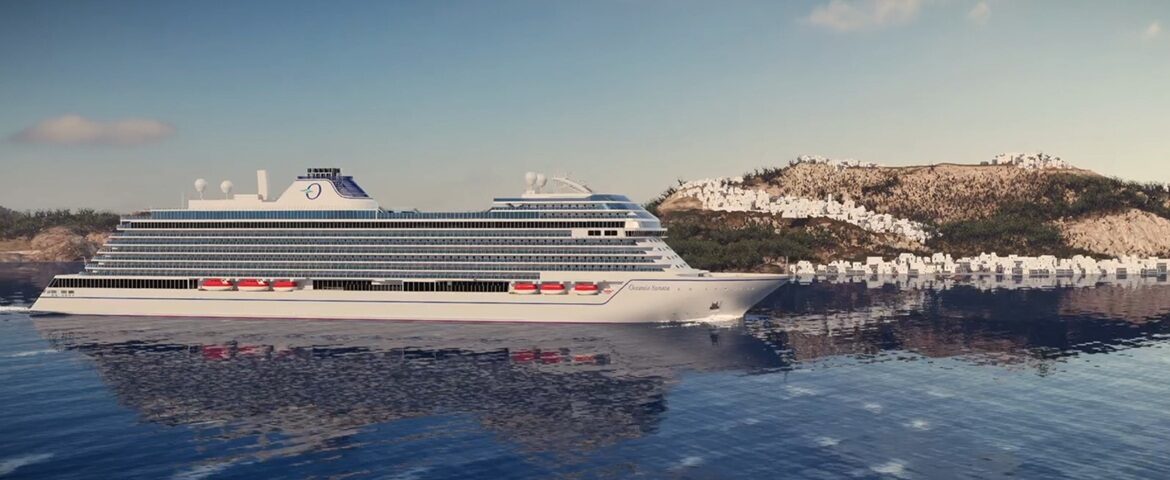
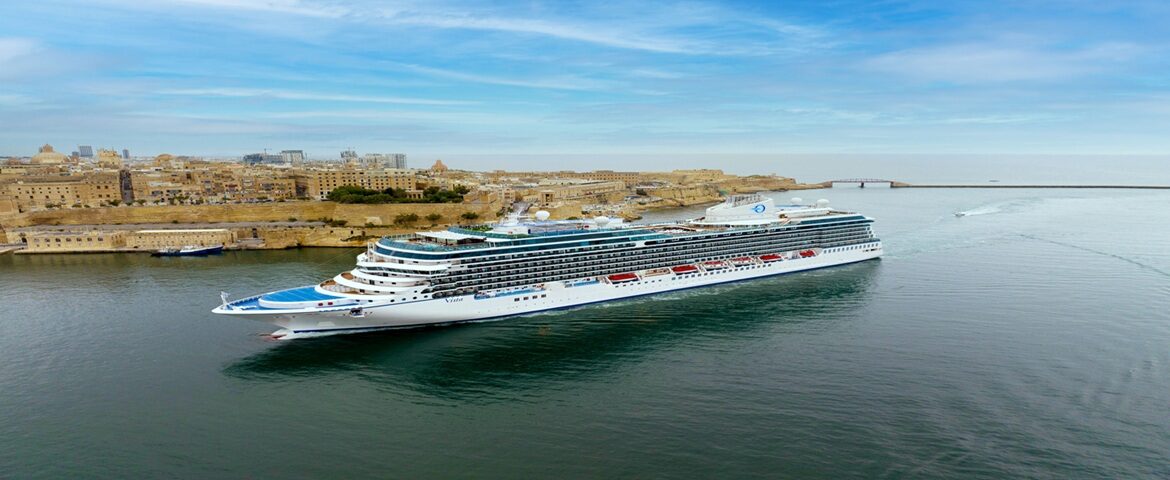
Princess Cruises (67 Cruises)
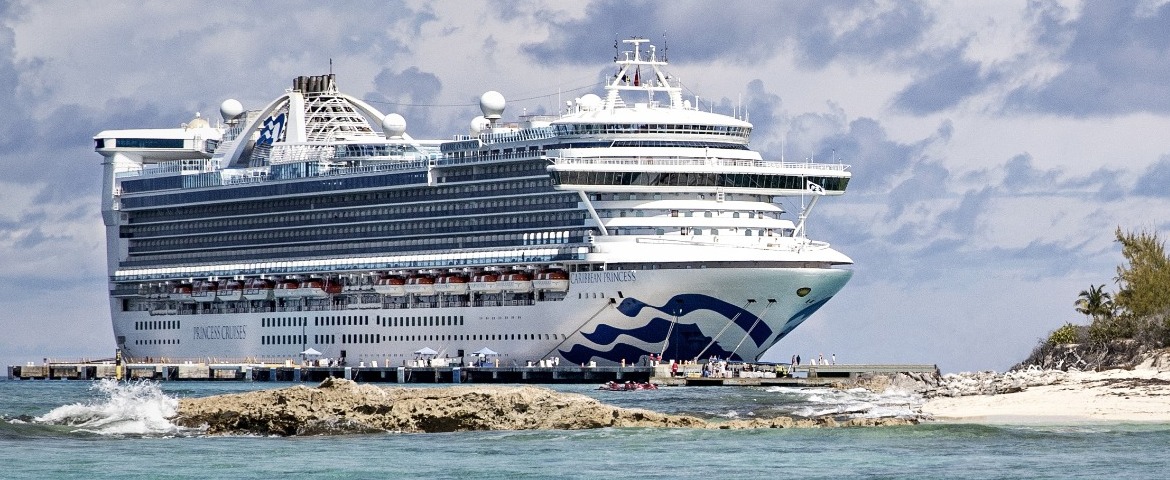
Caribbean Princess
38 Cruises

| 29 April | 40 nights | Round-trip from Southampton, United Kingdom |
450-628-6241
Call us
|
| 29 April | 31 nights | One-way from Southampton to Reykjavik |
450-628-6241
Call us
|
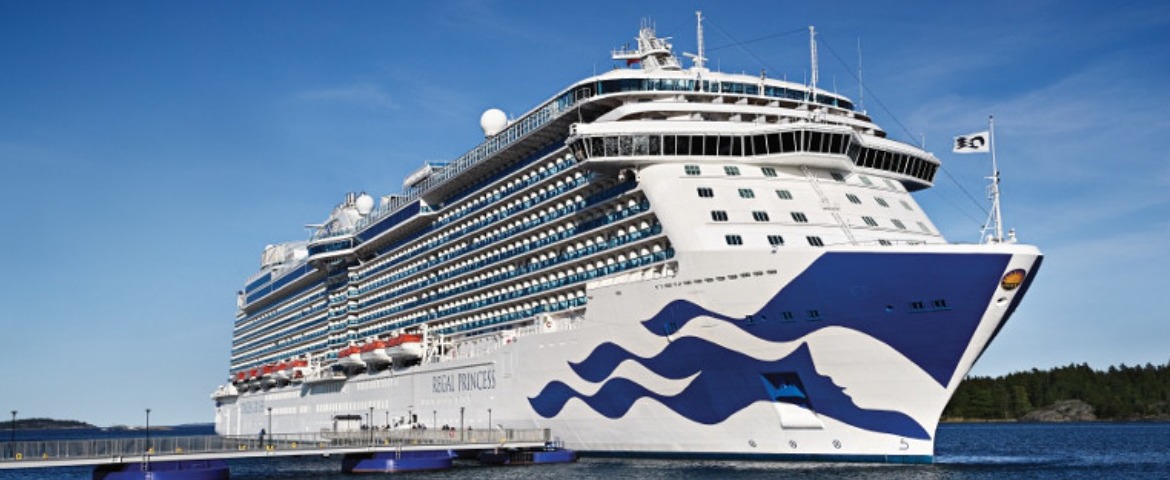
Regal Princess
29 Cruises
Regent Seven Seas Cruises (14 Cruises)
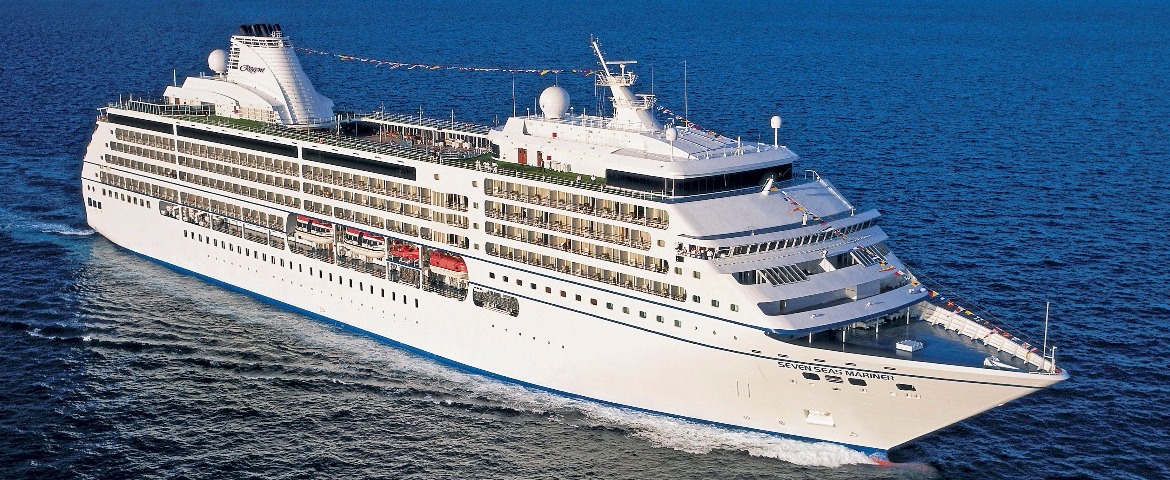
Seven Seas Mariner
8 Cruises

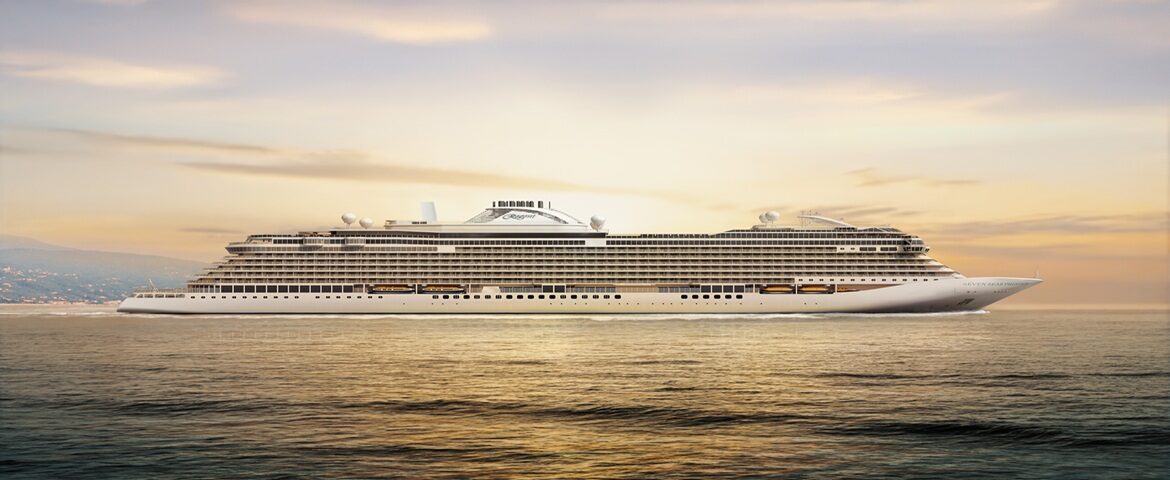
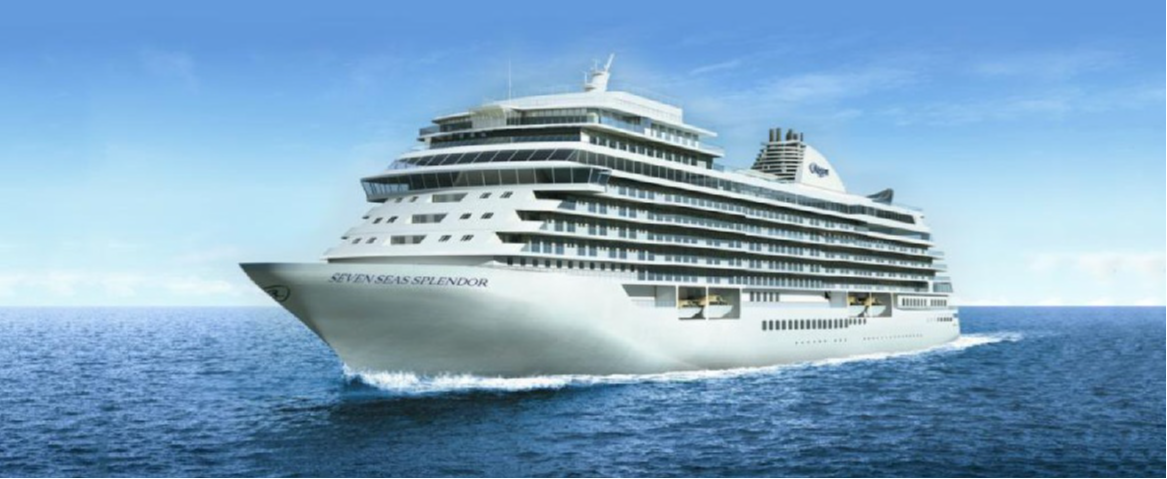
Seven Seas Prestige
5 Cruises
Seabourn Cruise Line (23 Cruises)
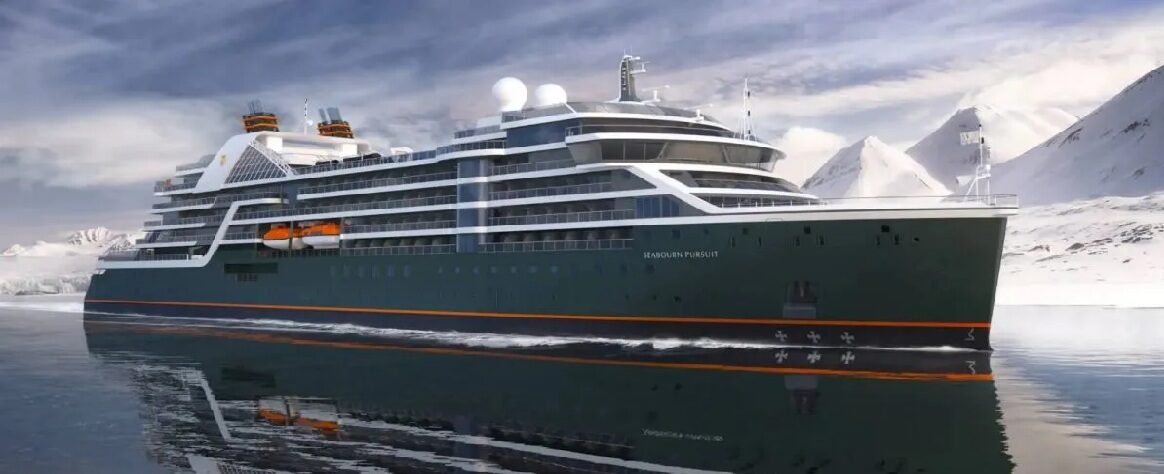
Seabourn Pursuit
7 Cruises

Seabourn Venture
16 Cruises
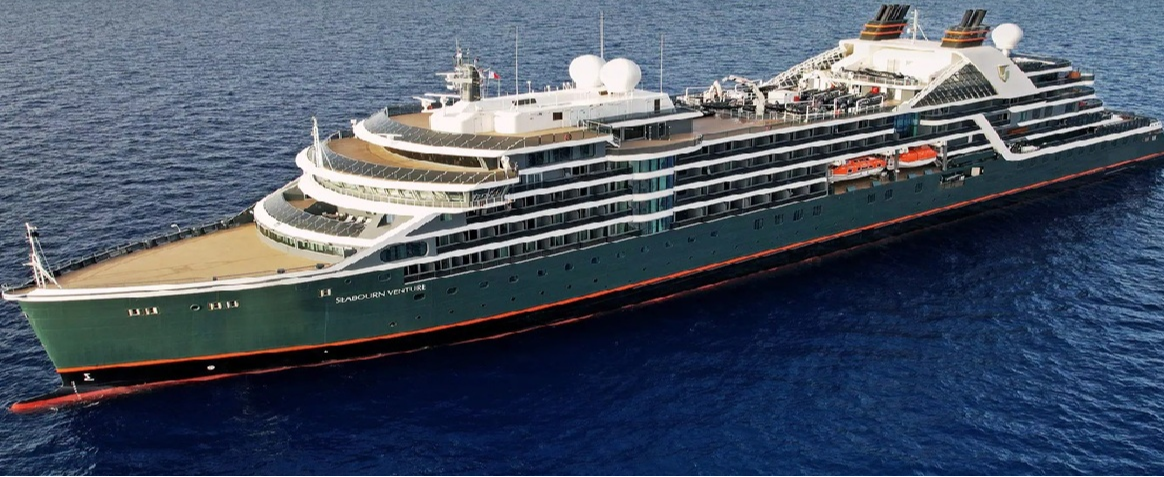
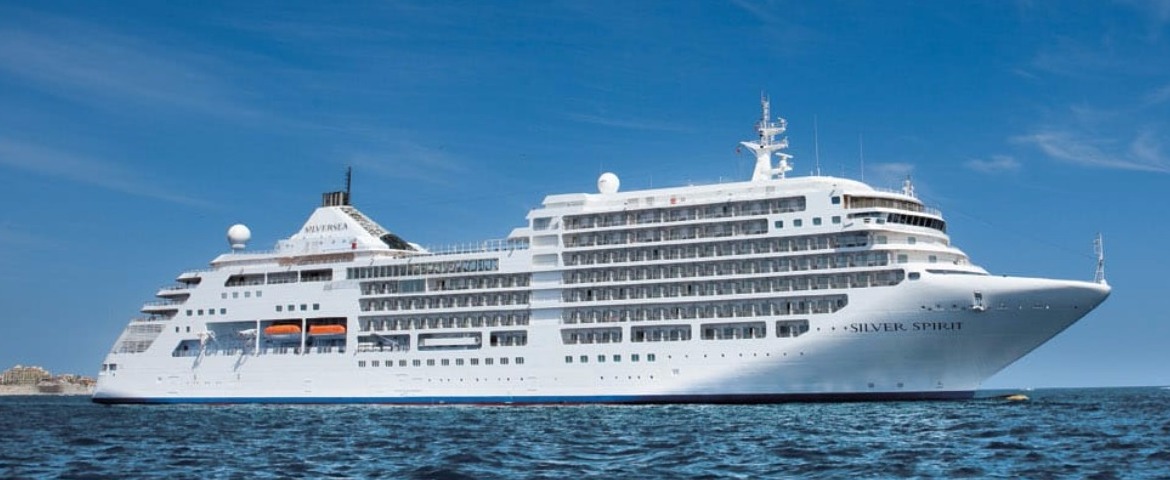
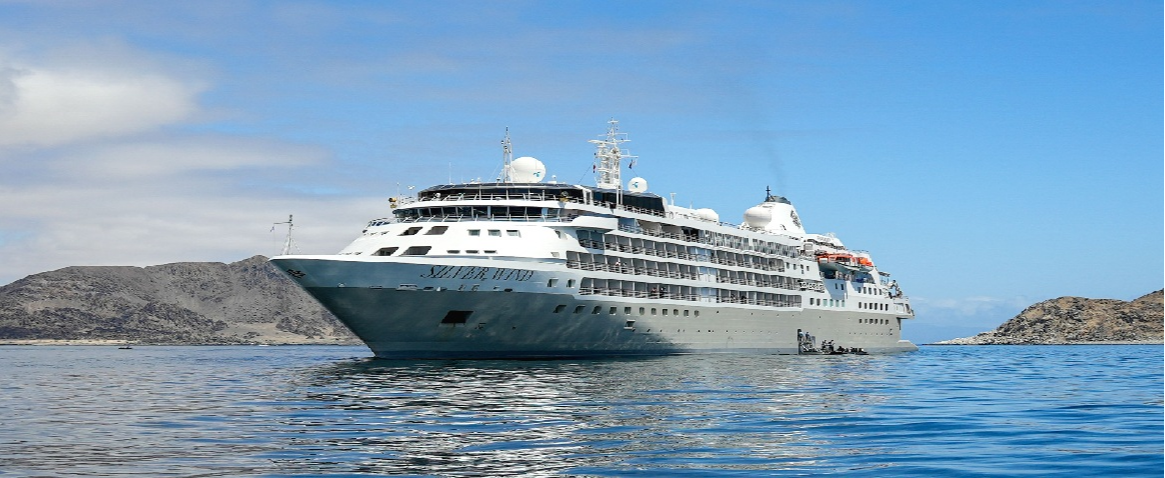
Silversea Cruises (4 Cruises)

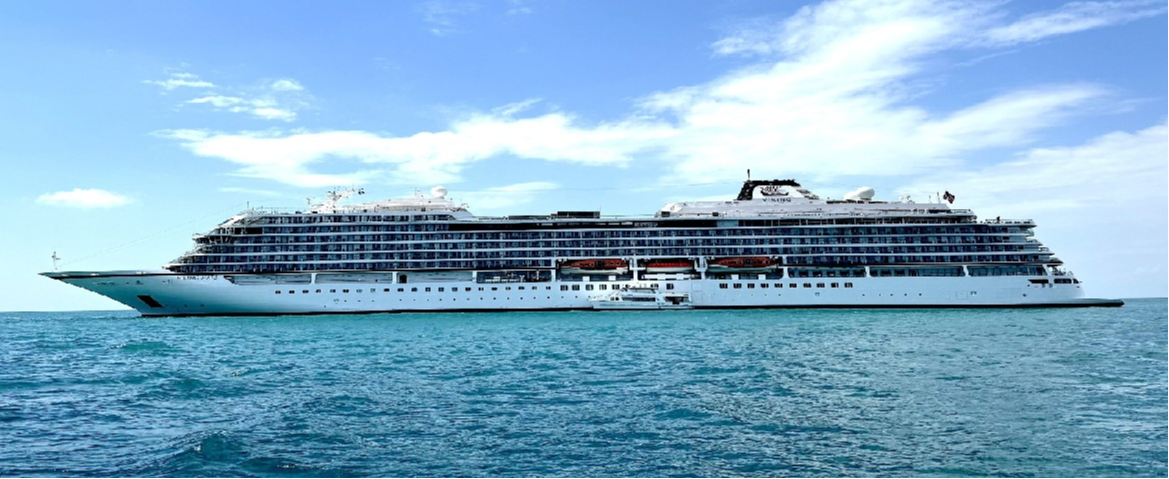
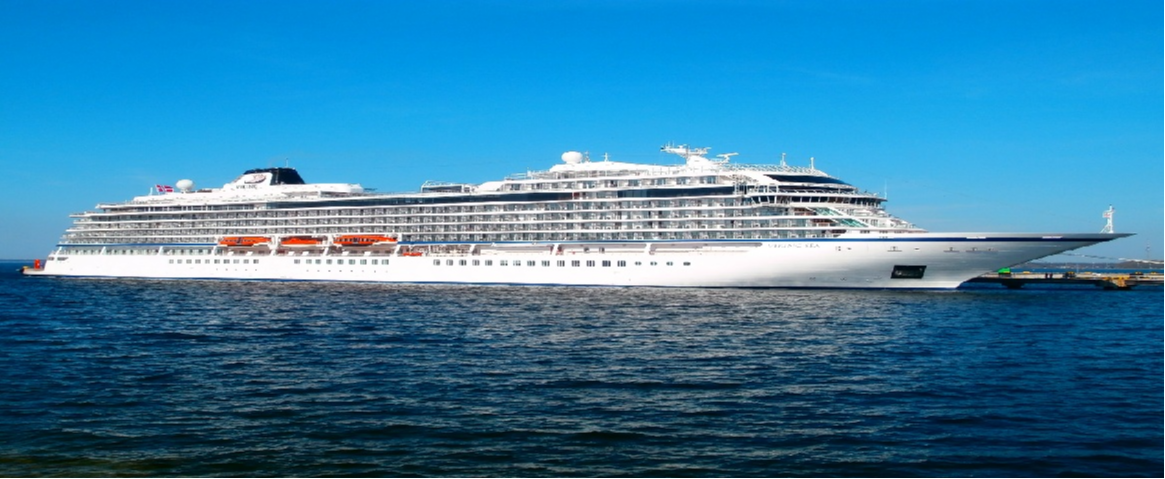
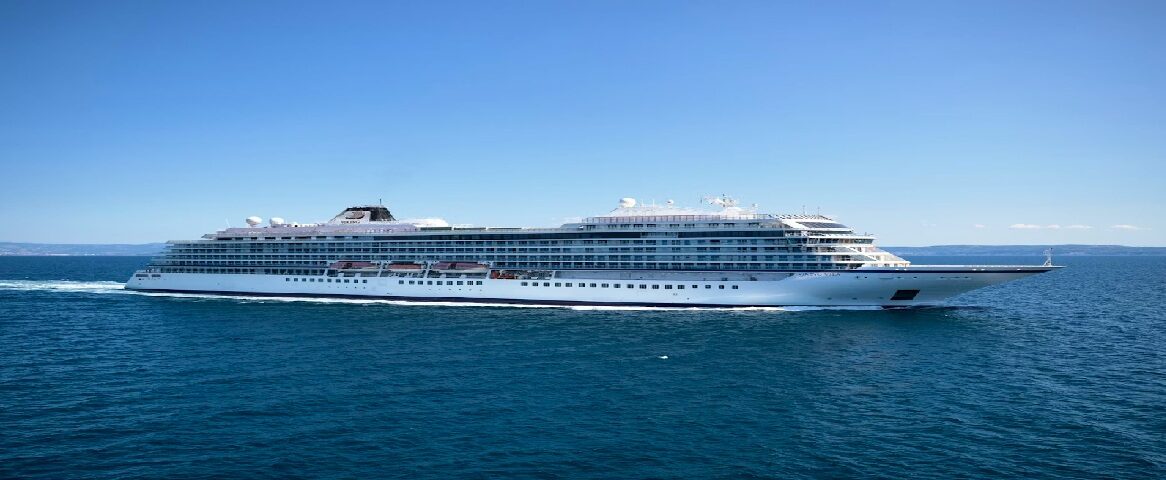
Viking Ocean Cruises (29 Cruises)
Viking Mars
10 Cruises

| 10 June | 10 nights | One-way from Reykjavik to Bergen |
450-628-6241
Call us
|
| 22 June | 10 nights | One-way from Bergen to Reykjavik |
450-628-6241
Call us
|
Viking Sea
13 Cruises
Windstar Cruises (10 Cruises)
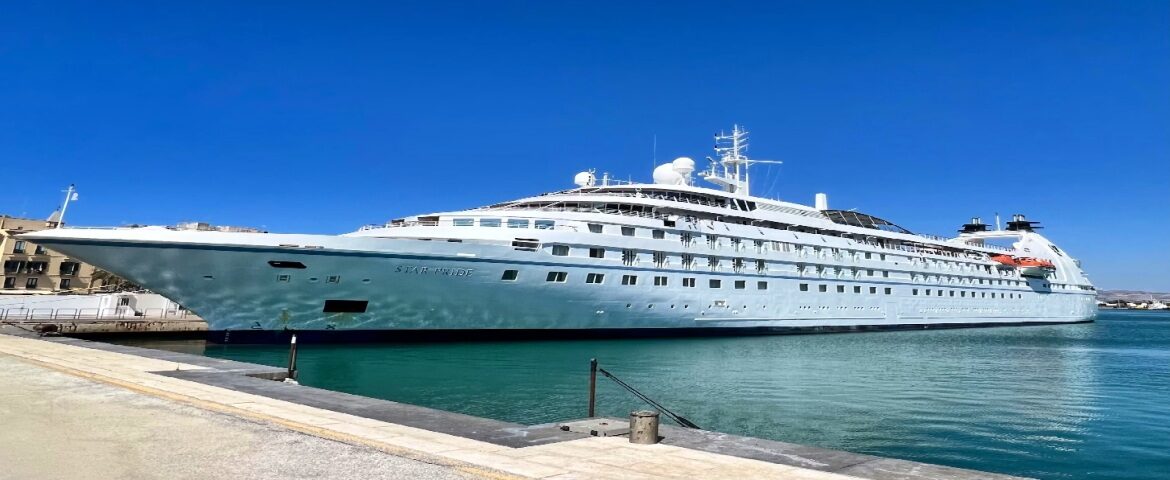
Star Pride
10 Cruises


Port of Seyðisfjörður, Iceland | Cruise Port Guide
Frequently Asked Questions
The quay touches the village: no anonymous terminal, no shuttle. Small and mid-sized ships tie up in the middle of everything; larger ones anchor in the fjord and land passengers by tender. You cross the gangway and you have arrived.
A lane painted in rainbow colours, five minutes from the quay, climbing between cafés and studios to Seyðisfjarðarkirkja, the pale blue church that has become the village's signature. It is one of Iceland's most photographed scenes, yet the queue stays modest.
Because they were built by the Norwegian merchants who founded the settlement in the nineteenth century around herring fishing. They now reflect in the lagoon at the head of the fjord, between high walls streaked with waterfalls.
More than twenty-five between the heights and the lagoon: the Fjarðará river drops down the valley in a chain of falls. The path along it starts straight from the upper streets, and every bend reveals another pool.
The most imposing waterfall in the area, a curtain of water reached in a few minutes' walk from the pass road. You get there by excursion or taxi. In wet weather — which is frequent — the whole mountain cirque starts streaming, and the sight is worth a raincoat.
A sound sculpture of five interconnected concrete domes set on the mountainside a short distance from the centre. Each dome resonates on a different note: you step inside, hum, and let the wind do its part. The access path climbs moderately and gives a plunging view over the fjord and your ship.
Because its few hundred residents have built a genuine creative community: galleries, studios, a bookshop-café. You feel it in the shop windows and in the general mood, gentle and slightly bohemian.
The whole village is walkable. The church and rainbow street are under ten minutes from the quay; the waterfall trail and the Tvísöngur path start in the village itself. With a little more time, add Gufufoss on the pass road. Walking shoes are recommended.
Yes, one of the simplest in Iceland. Cafés, galleries and restaurants cluster around the main street and the water, minutes from each other. No transport is needed for most of the programme.
In layers: eastern Iceland's weather changes hour by hour. A raincoat earns its place here, where wet spells are frequent and the waterfall paths stay slippery.


