Bari Italy
934
Cruises availables
At departure or passage at this port
Atlas Ocean Voyages (2 Cruises)
Carnival Cruise Line (1 Cruises)
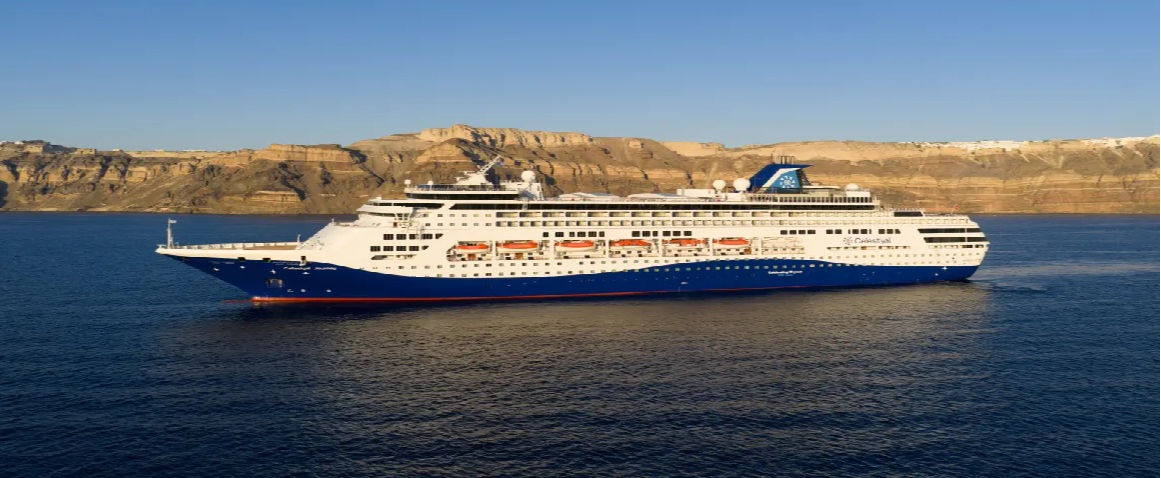
Celestyal Cruises (49 Cruises)
Celestyal Journey
49 Cruises

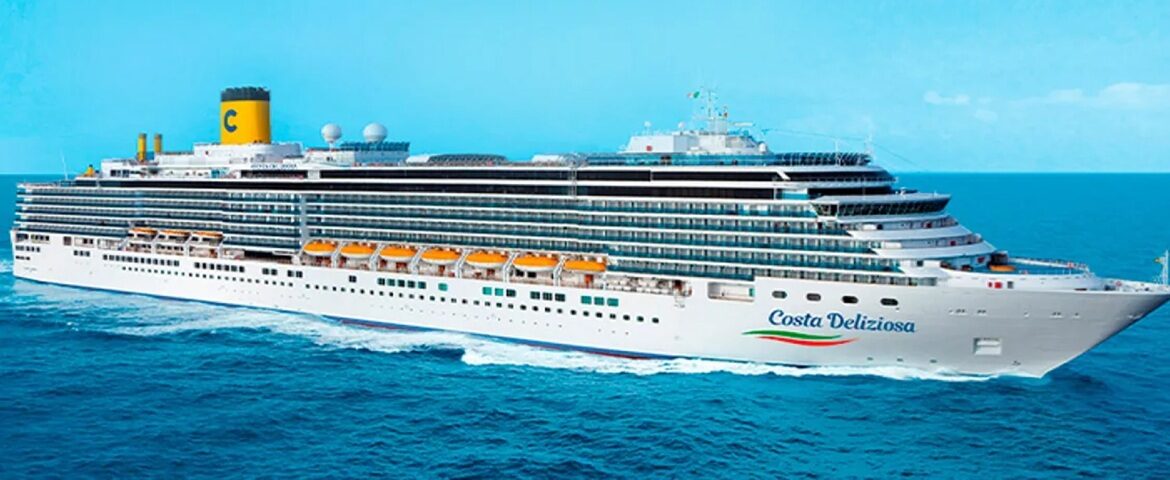
Costa Cruises (58 Cruises)
Costa Deliziosa
58 Cruises

CroisiEurope (2 Cruises)

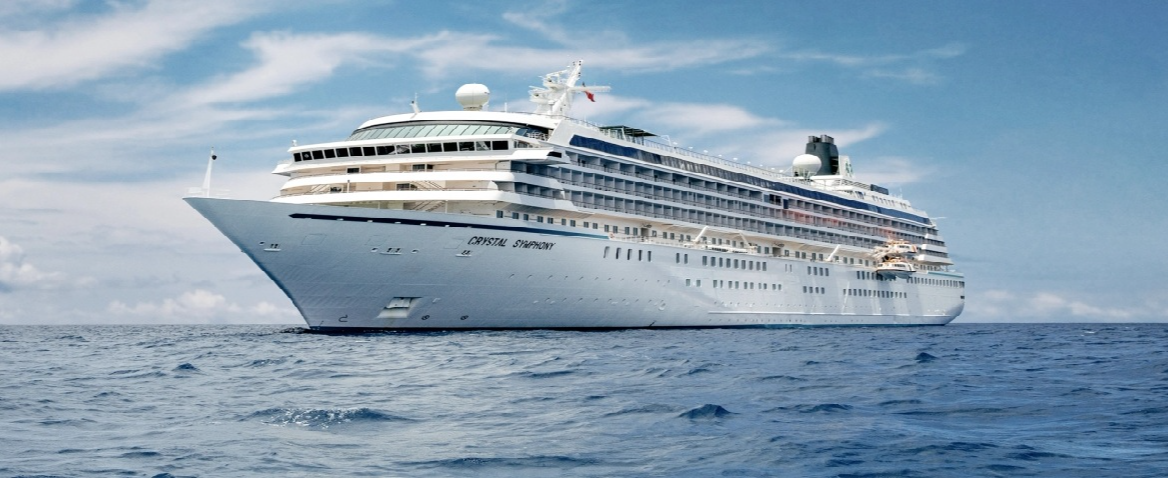
Crystal Cruises (2 Cruises)

Cunard (10 Cruises)
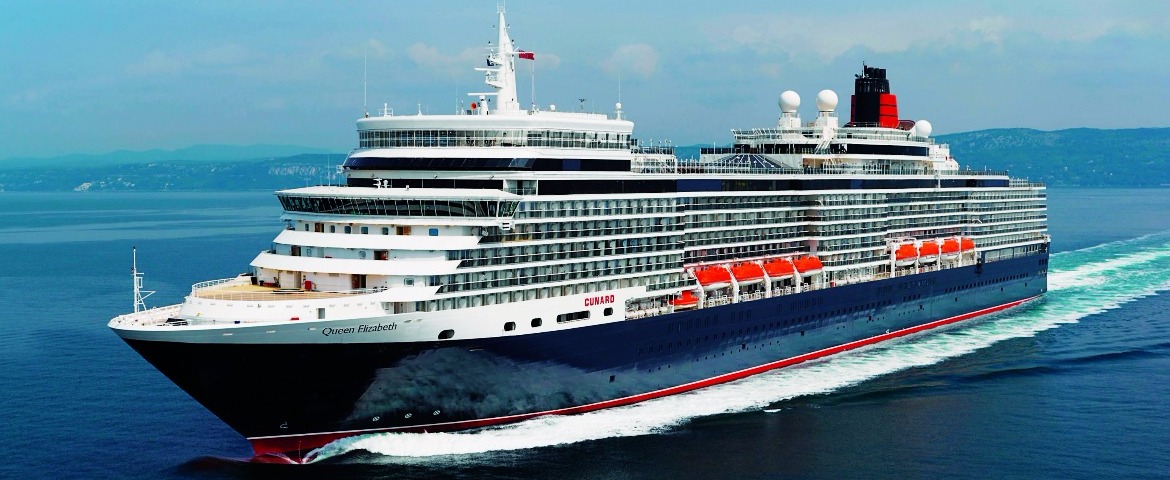
Queen Elizabeth
10 Cruises
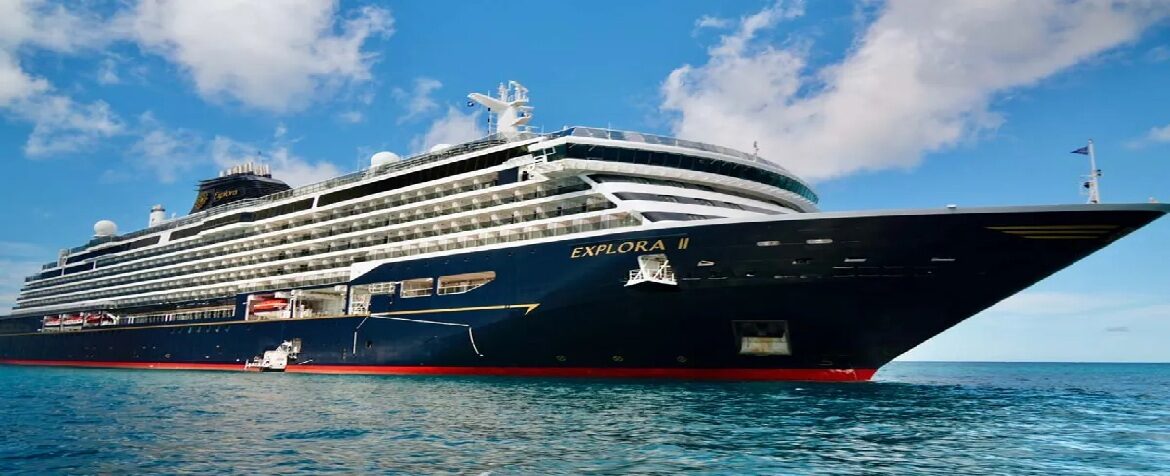
Explora Journeys (14 Cruises)
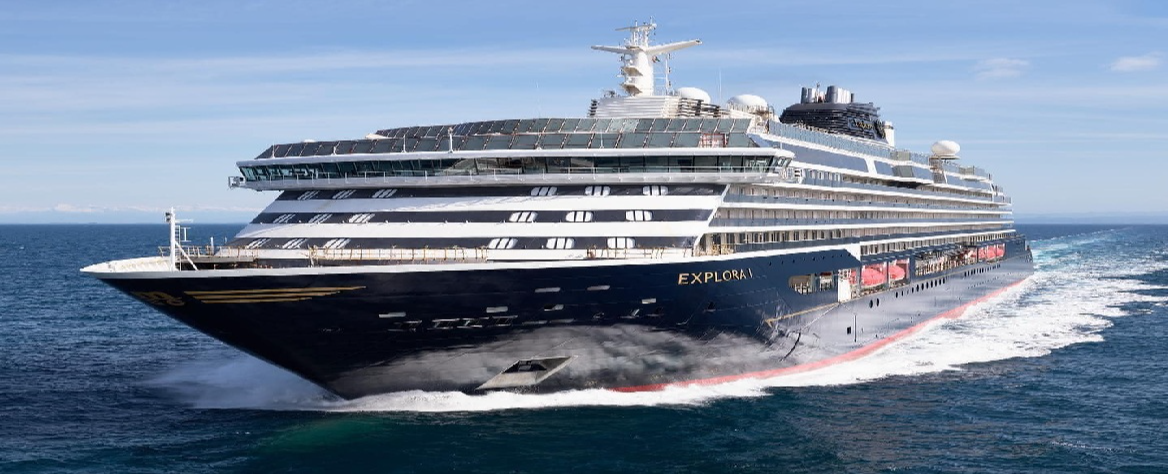
Explora II
11 Cruises
MSC Cruises (438 Cruises)
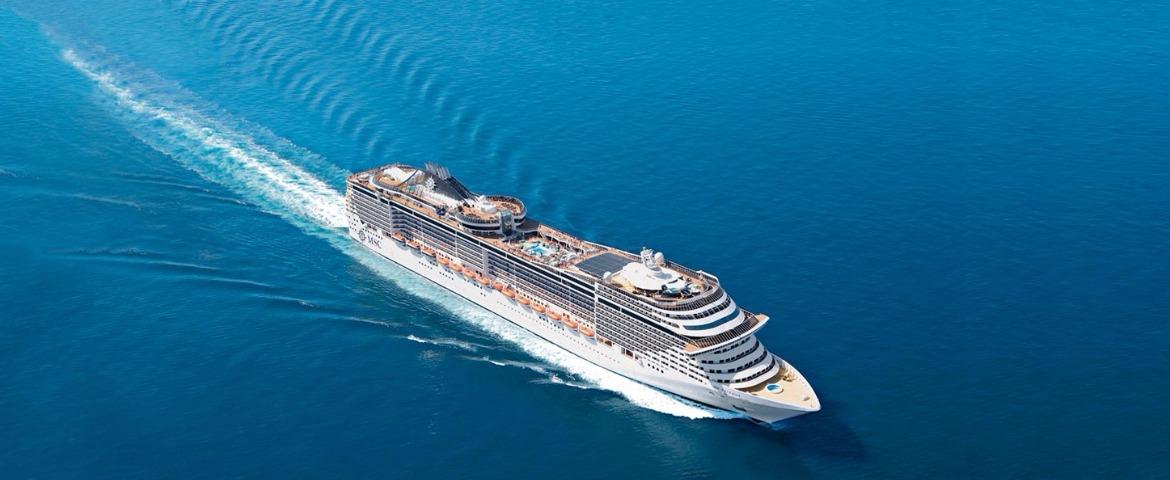
MSC Fantasia
8 Cruises

| 29 October | 10 days | Round-trip from Bari, Italy |
450-628-6241
Call us
|
| 30 October | 10 days | Round-trip from Trieste, Italy |
From
2015$
|
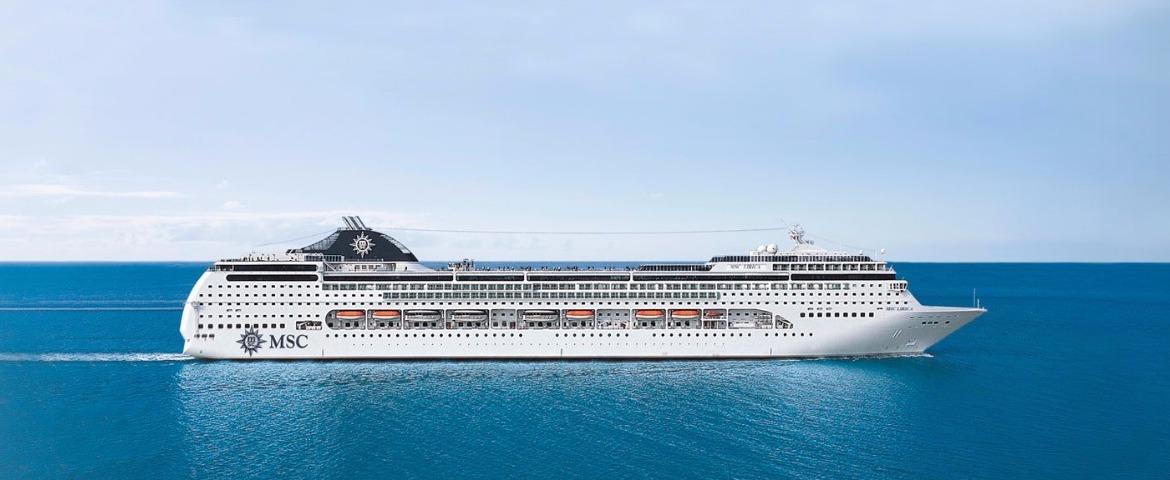
MSC Lirica
31 Cruises
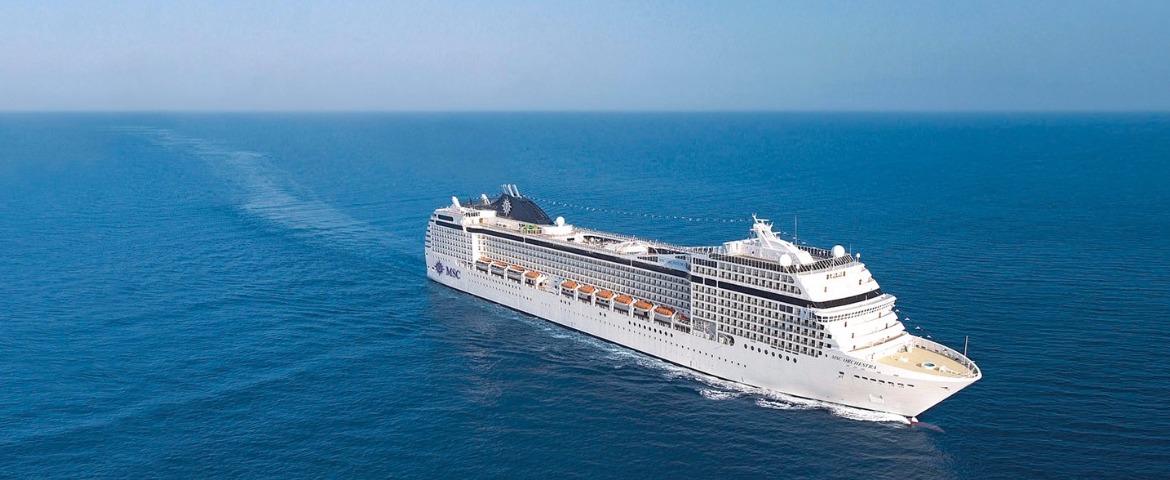
MSC Orchestra
229 Cruises
MSC Seaview
74 Cruises
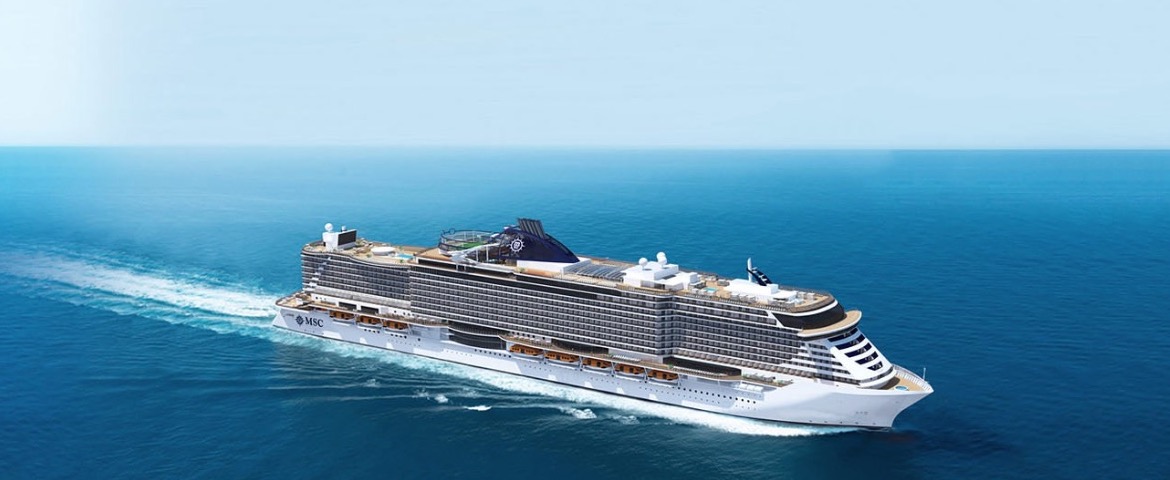
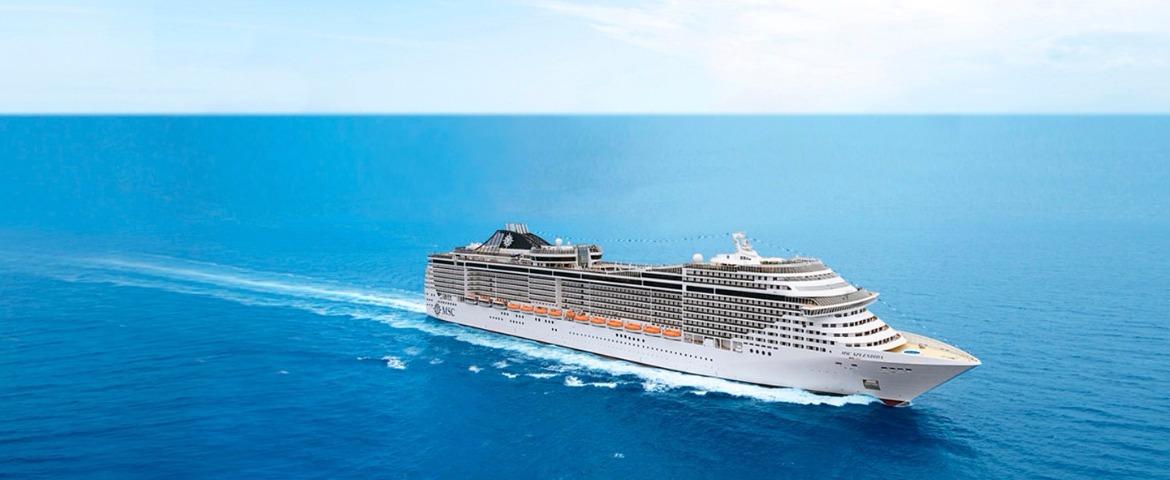
MSC Splendida
96 Cruises
| 31 March | 23 days | One-way from Buenos Aires to Trieste |
From
2275$
|
| 31 March | 22 days | One-way from Buenos Aires to Bari |
450-628-6241
Call us
|
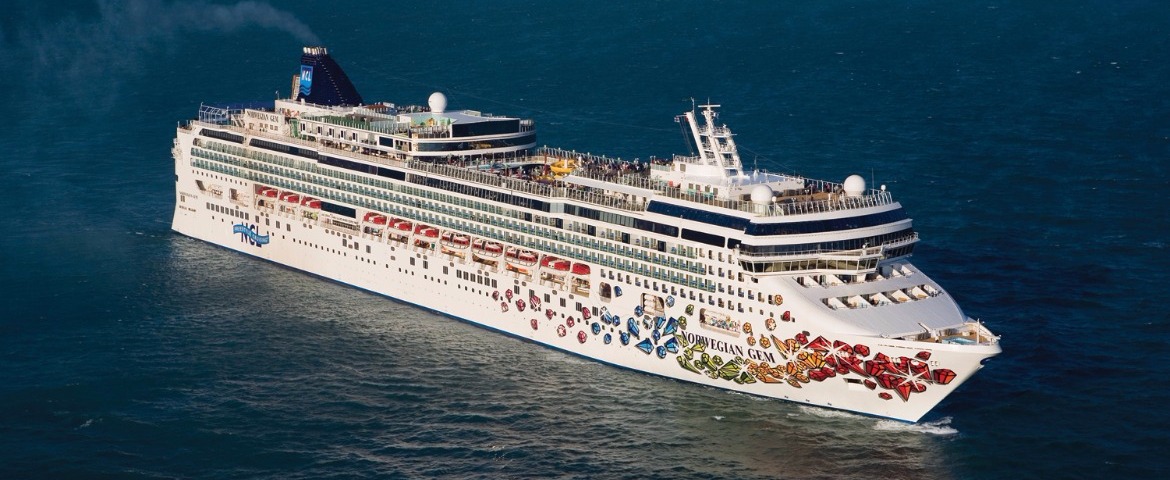
Norwegian Cruise Line (1 Cruises)
Oceania Cruises (28 Cruises)
Oceania Allura
5 Cruises

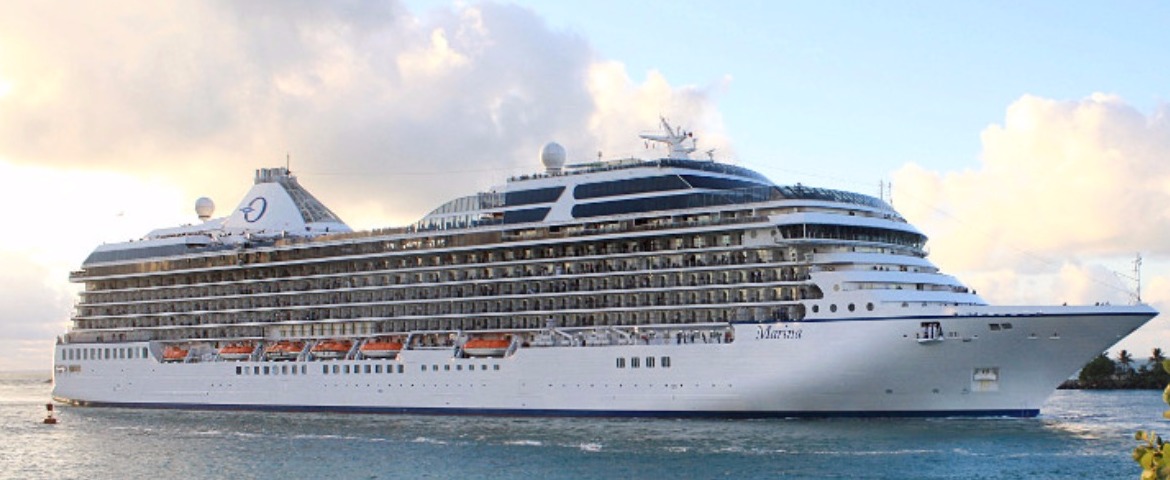
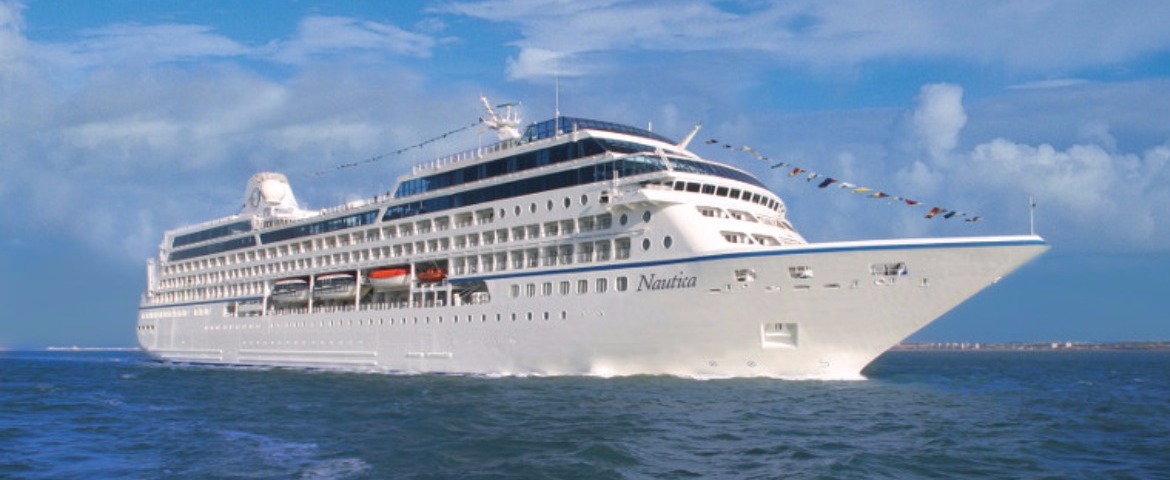
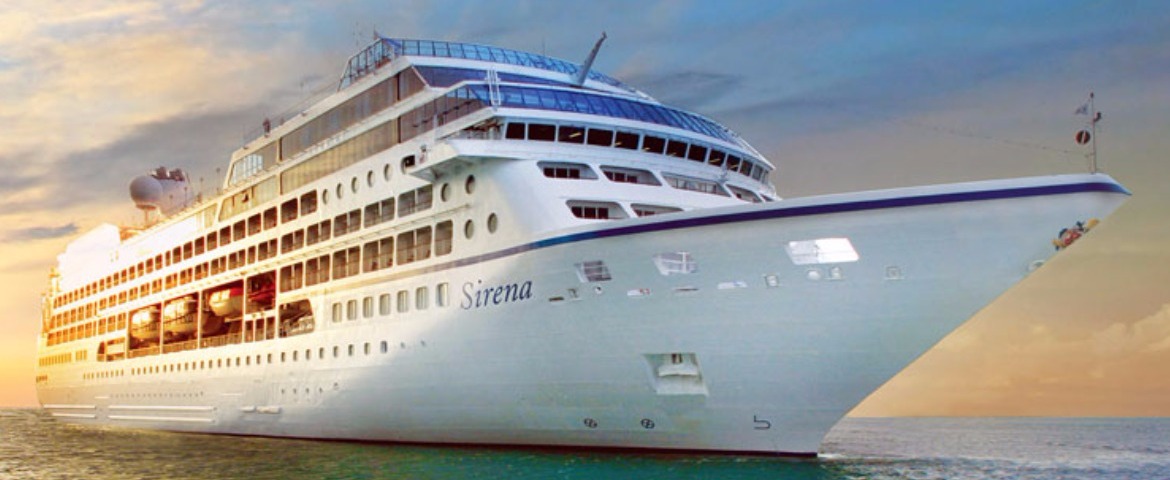
Oceania Sirena
11 Cruises
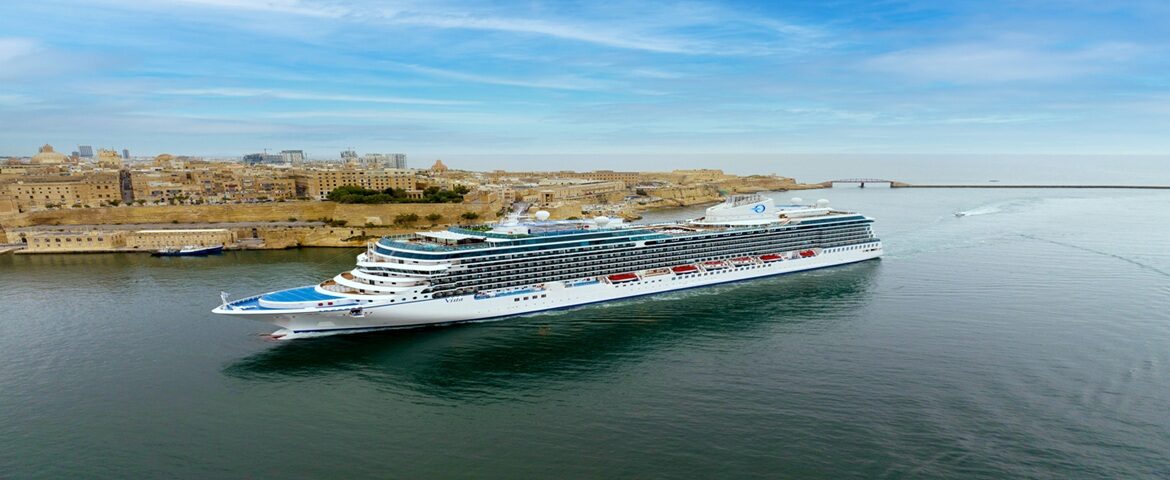
Oceania Vista
8 Cruises
| 6 January | 244 days | One-way from Miami to New York |
450-628-6241
Call us
|
| 6 January | 180 days | One-way from Miami to Southampton |
450-628-6241
Call us
|
| 26 February | 129 days | One-way from Sydney to Southampton |
450-628-6241
Call us
|
| 26 February | 130 days | One-way from Sydney to Southampton |
450-628-6241
Call us
|
Regent Seven Seas Cruises (26 Cruises)
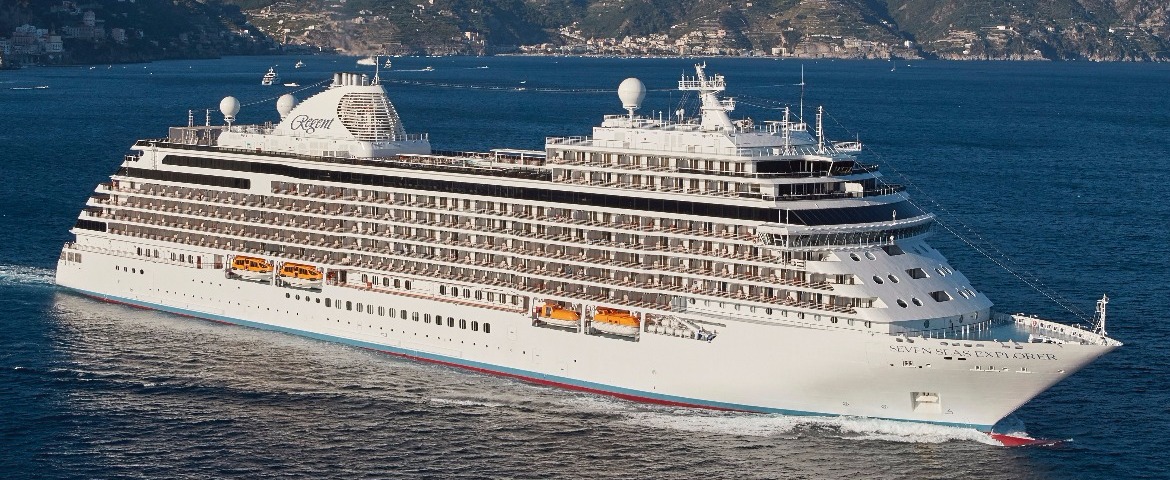
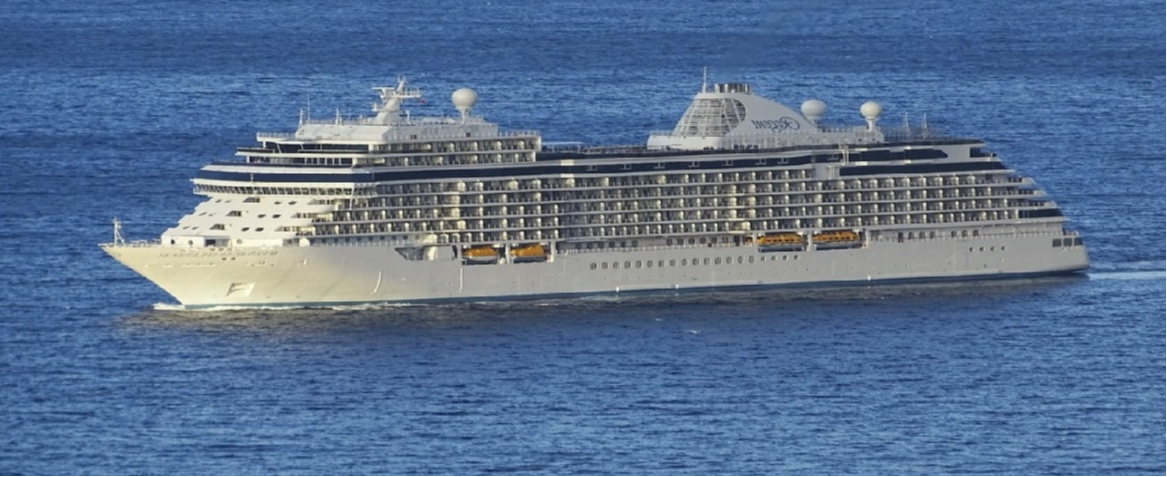
Seven Seas Explorer
4 Cruises
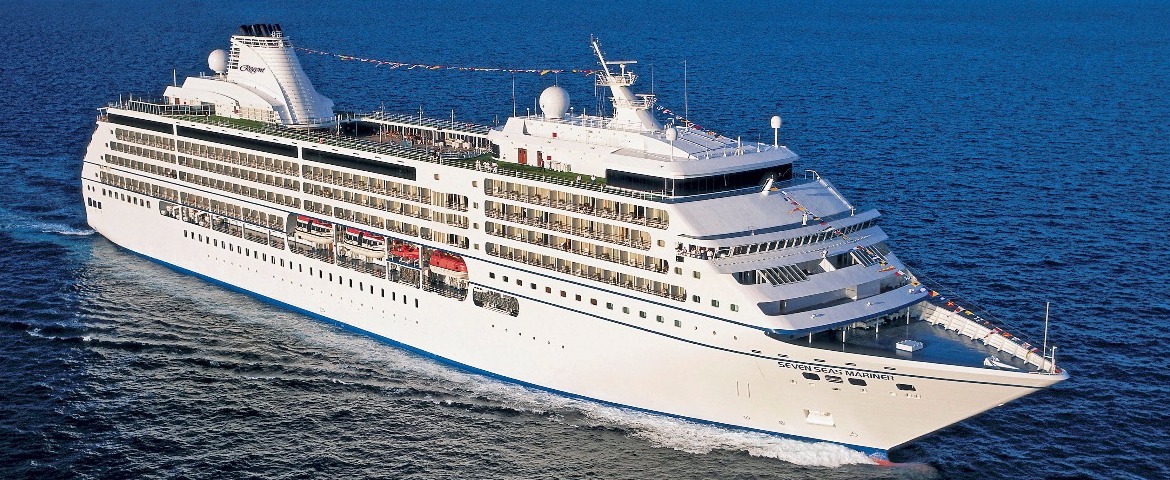
Seven Seas Mariner
7 Cruises
| 29 April | 175 days | One-way from New York to Piraeus-Athens |
450-628-6241
Call us
|
| 29 April | 174 days | One-way from New York to Piraeus-Athens |
450-628-6241
Call us
|
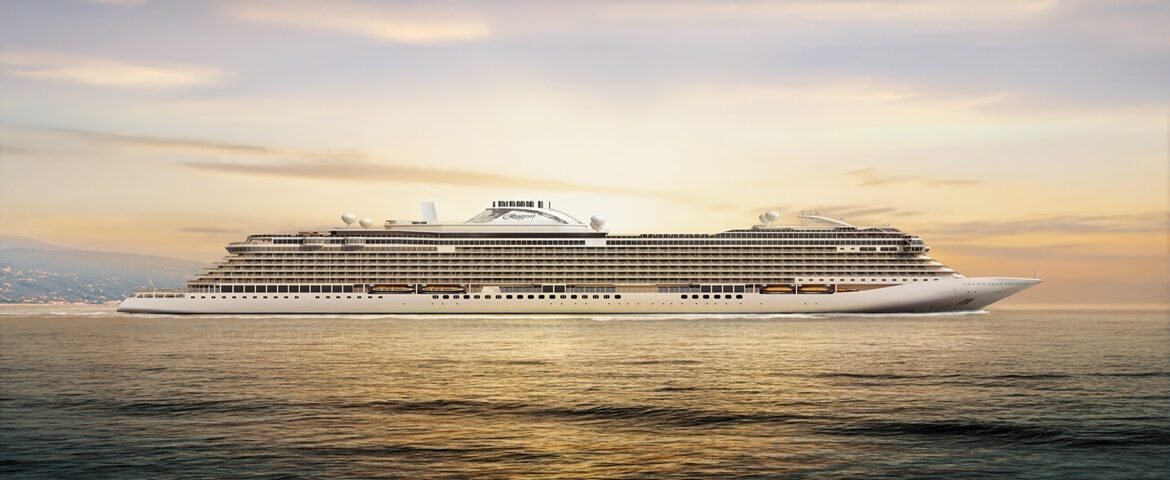
Seven Seas Prestige
10 Cruises
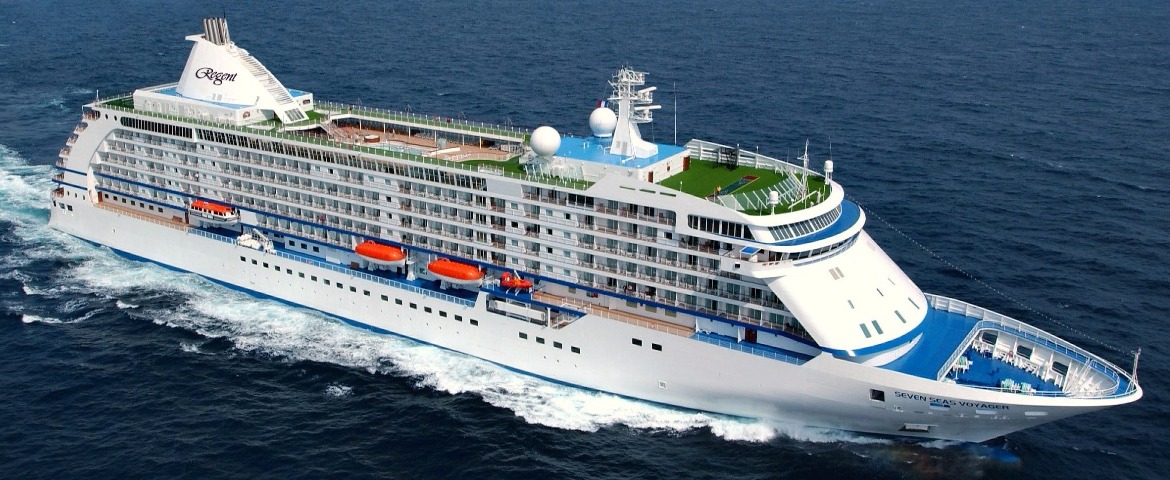
Seven Seas Voyager
4 Cruises
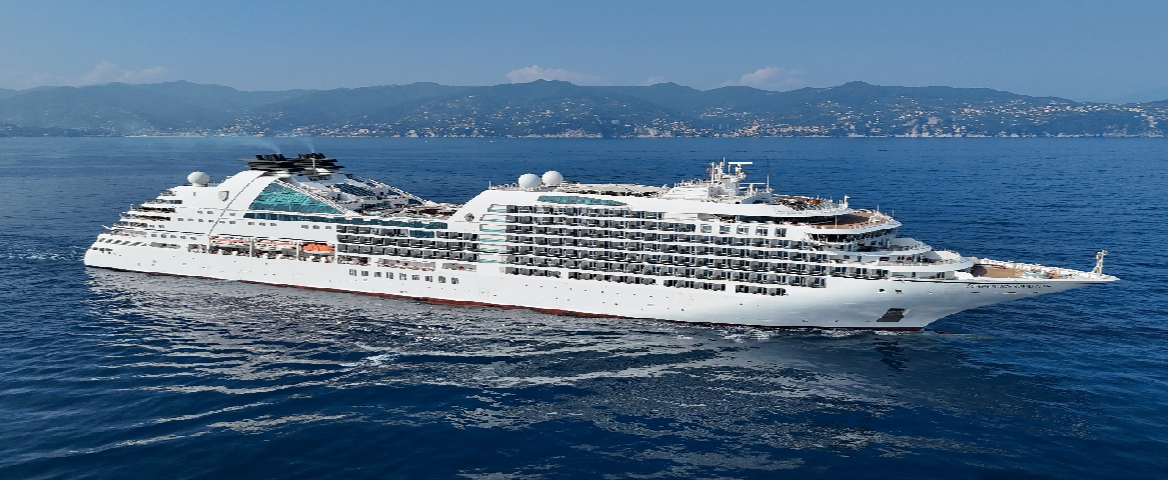
Seabourn Cruise Line (5 Cruises)
Seabourn Ovation
5 Cruises
Silversea Cruises (11 Cruises)
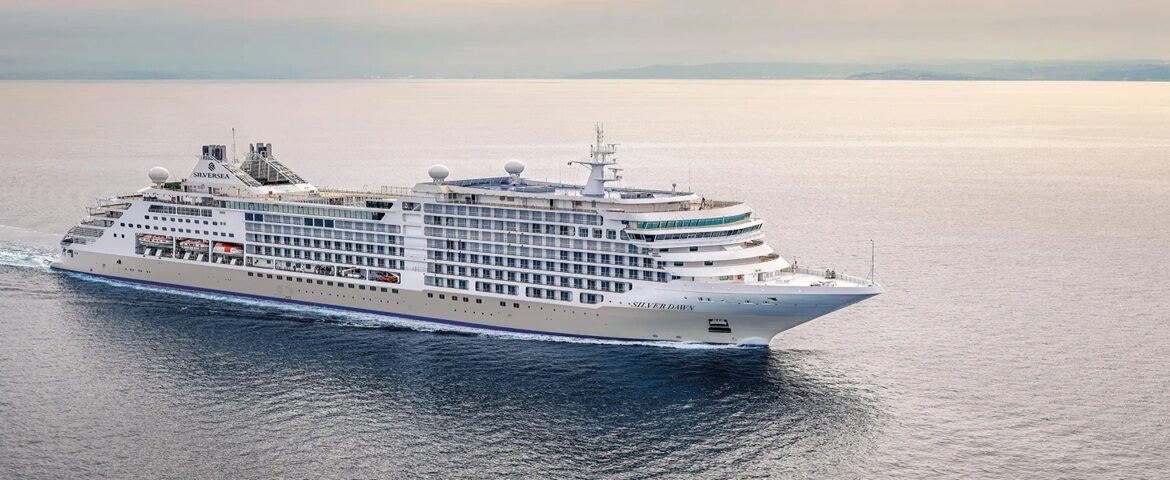

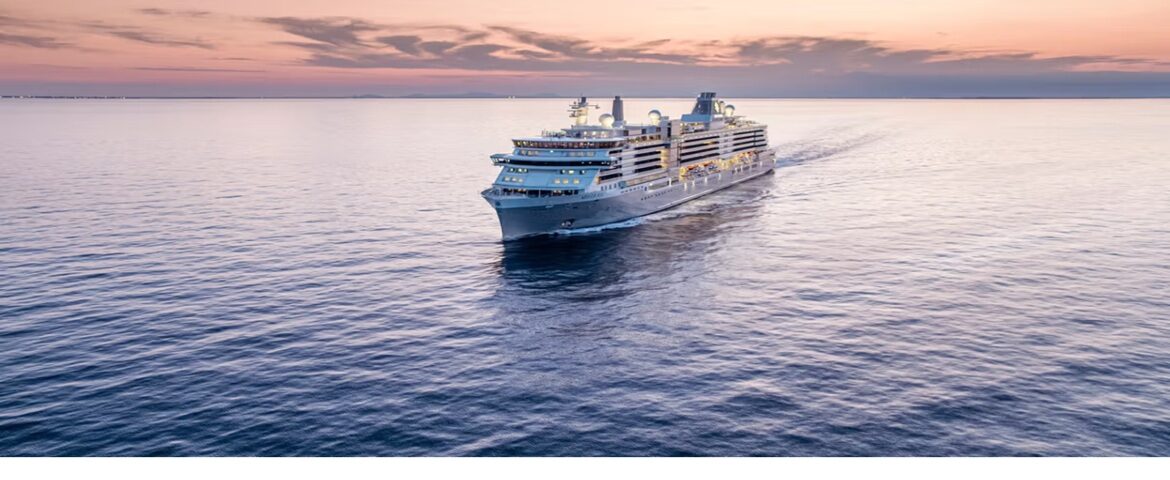
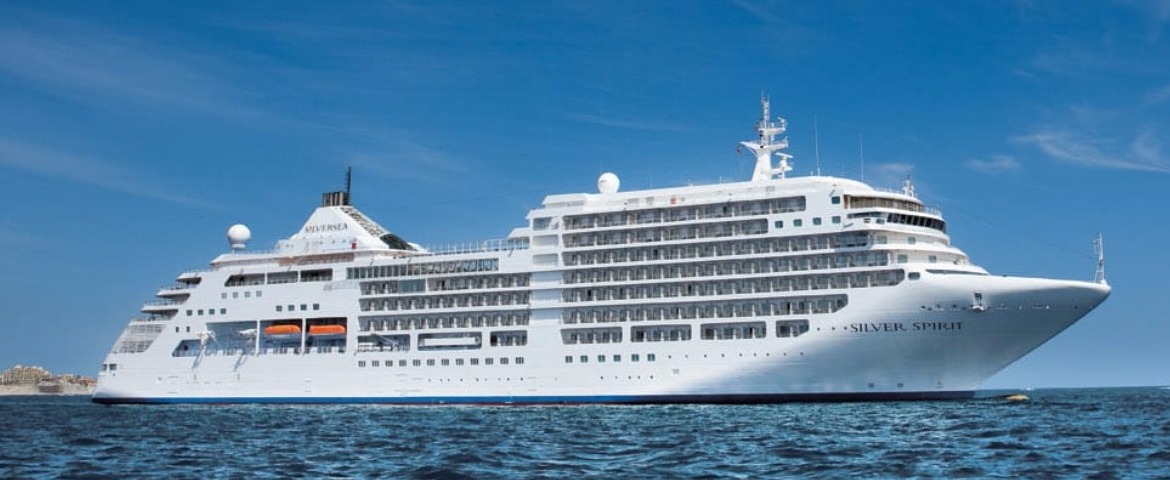
Silver Spirit
7 Cruises
Viking Ocean Cruises (287 Cruises)
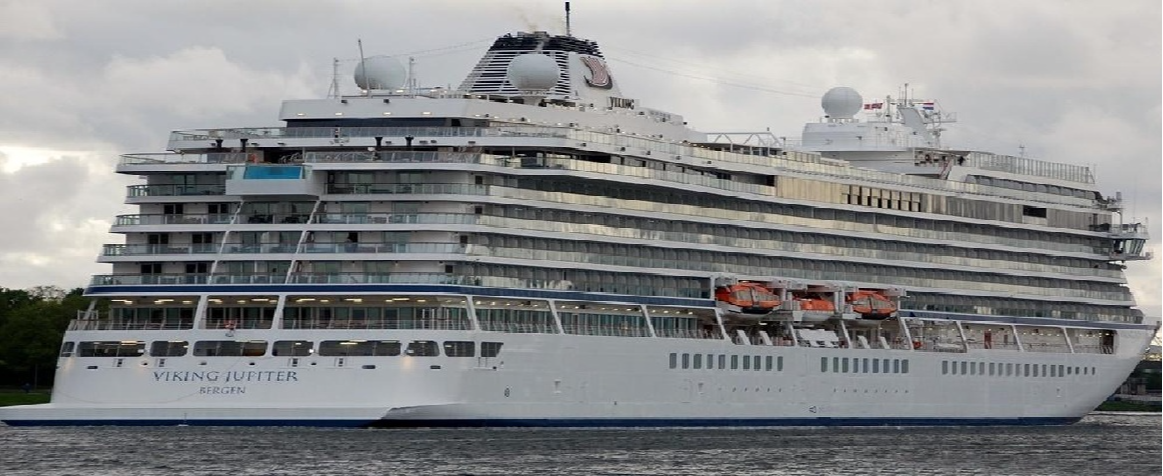
Viking Jupiter
88 Cruises

Viking Mars
30 Cruises
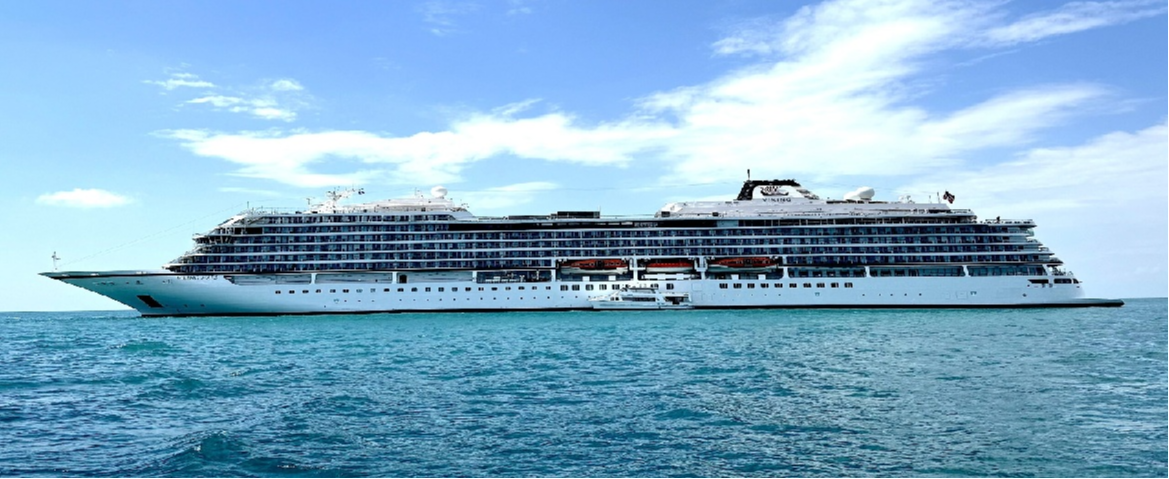
Viking Neptune
77 Cruises
| 5 June | 13 days | One-way from Venice to Barcelona |
450-628-6241
Call us
|
| 5 June | 7 days | One-way from Venice to Civitavecchia-Rome |
450-628-6241
Call us
|
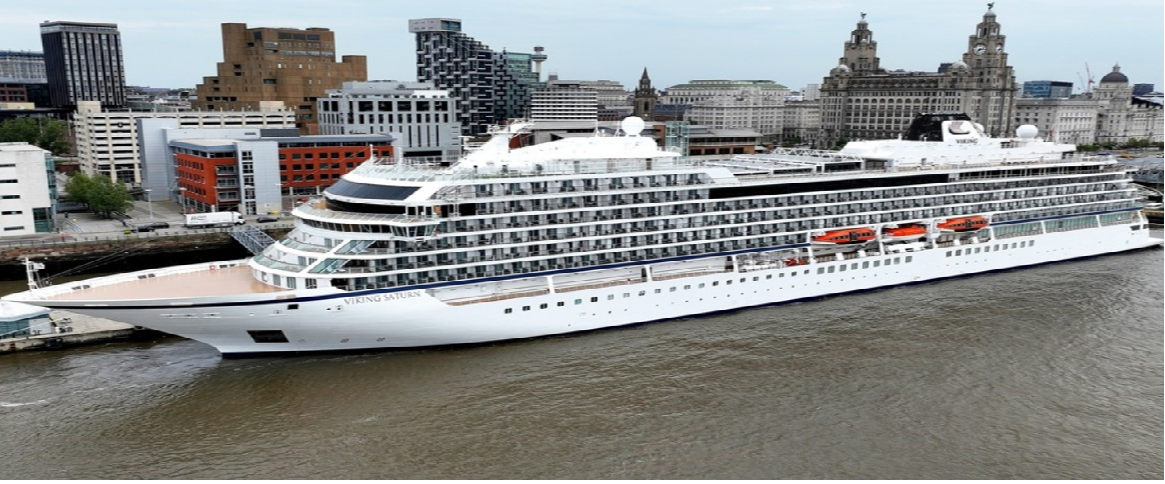
Viking Saturn
11 Cruises
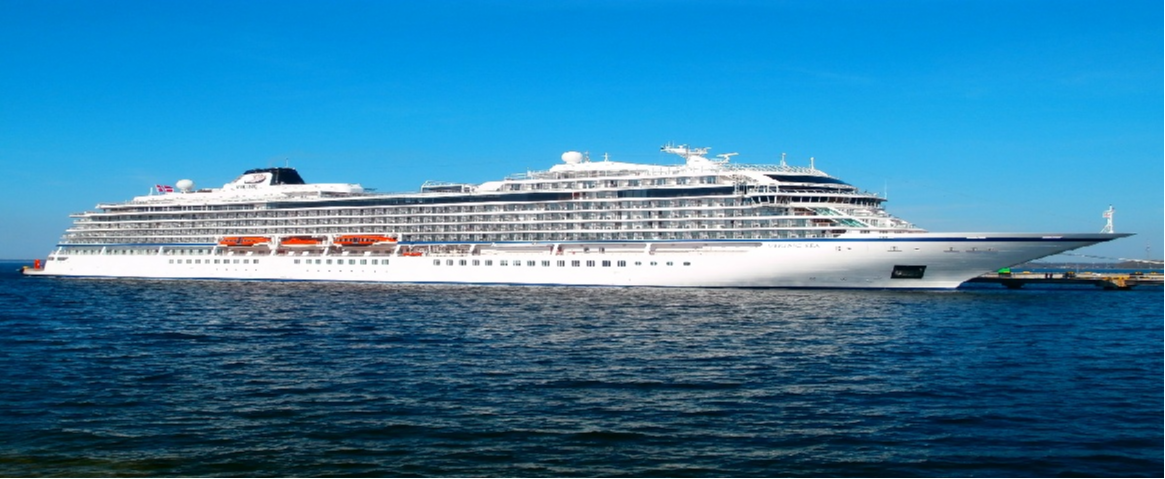
Viking Sea
15 Cruises
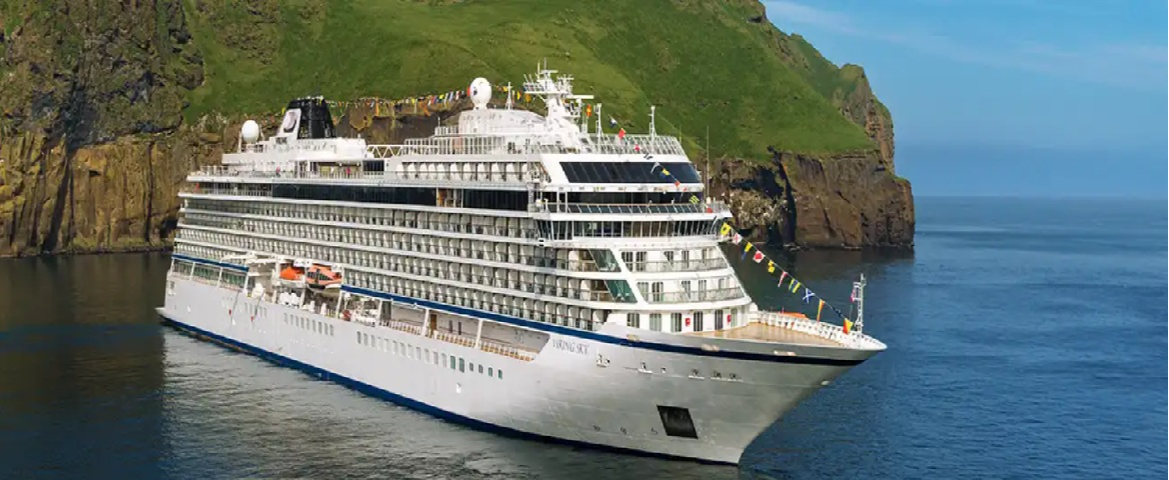
Viking Sky
24 Cruises
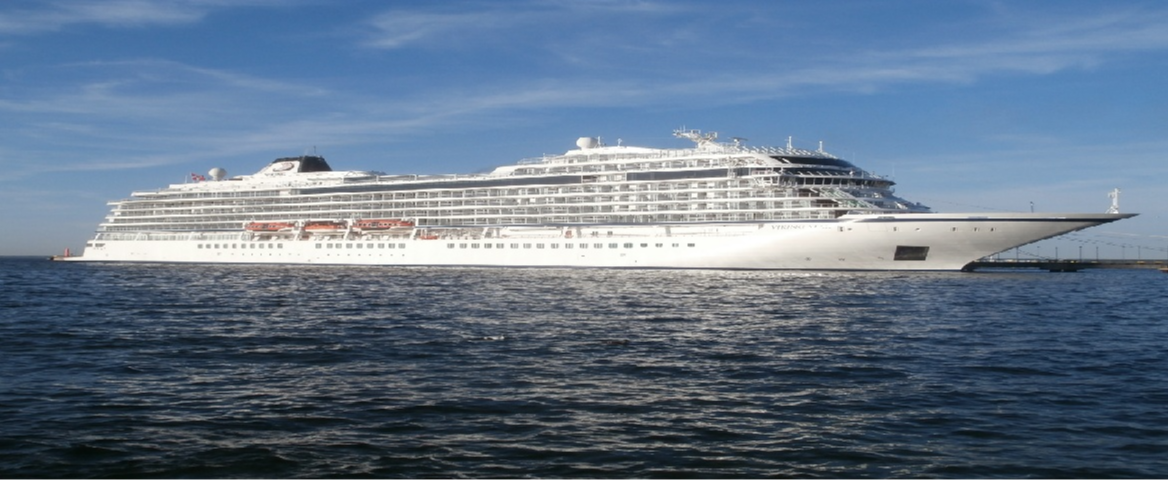
Viking Star
16 Cruises
Viking Vela
26 Cruises
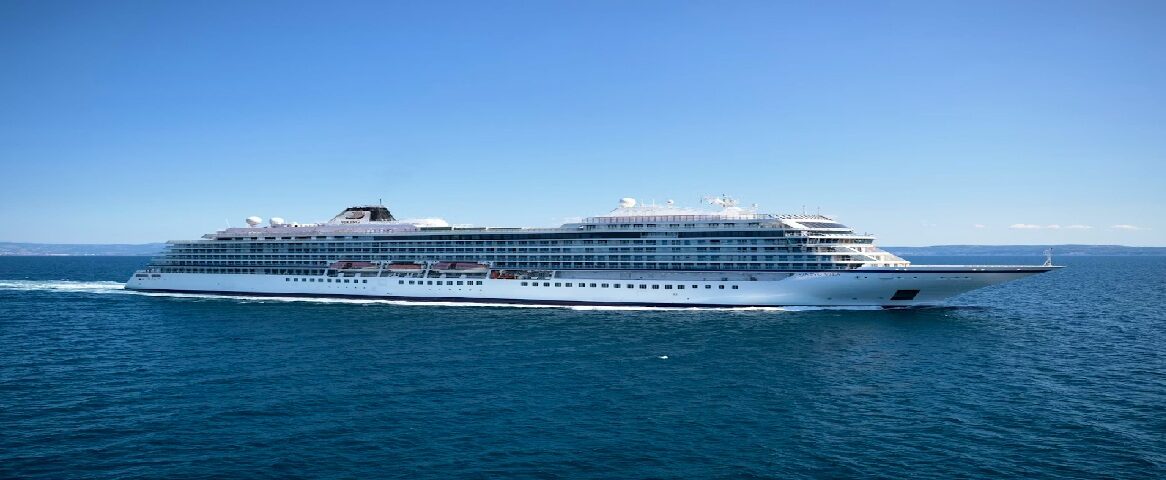
| 23 February | 20 days | One-way from Lisbon to Venice |
450-628-6241
Call us
|
| 23 February | 28 days | One-way from Lisbon to Piraeus-Athens |
450-628-6241
Call us
|

Bari Italy | Mediterranean Cruise Port Guide
Frequently Asked Questions
At the modern port, about two kilometres from the historic centre. Most lines run a shuttle, but walking is a fine option: twenty to twenty-five minutes along the seafront, the Adriatic on one side and the ramparts growing on the other.
Both work. Twenty to twenty-five minutes of flat walking leads from the terminal to Bari Vecchia, with sea views the whole way. The shuttle takes a few minutes and helps in heavy heat or with children.
The labyrinth is the monument. Lanes so tight that hanging laundry almost touches the wall opposite, vaulted passages, weathered squares. The basilica of San Nicola, San Sabino cathedral and the Castello Svevo mark the fixed points.
Because since the eleventh century it has held the relics of Saint Nicholas of Myra, the very figure who inspired Santa Claus. Catholic and Orthodox pilgrims meet here in shared devotion, a rarity in Europe. The crypt, held up by its ancient columns, imposes silence.
Via dell'Arco Basso, where women sitting in their doorways shape orecchiette by hand, the small ear-shaped pasta of Puglia. A round-bladed knife, a wooden board, durum wheat semolina. It happens every morning, and you can carry a bag away with you.
Everything is walkable: the basilica of San Nicola, the cathedral, the Castello Svevo, via dell'Arco Basso, then piazza del Ferrarese and piazza Mercantile for a coffee standing at the bar. Finish on the lungomare before catching the shuttle back.
One of the longest seafront promenades in Italy. Lamp posts from the 1930s punctuate the white balustrade, fishermen sometimes sell the morning catch near the old mole, and the Adriatic light gilds the official buildings.
Focaccia barese and panzerotti from the old quarter's bakeries, orecchiette with cime di rapa in the trattorias. Bring coins: many of these places do not take cards.
The euro and Italian, with a very much alive Barese dialect in the lanes. English is spoken in the centre and near the main sites; keep cash for bakeries, markets and the orecchiette street.
Yes, the historic centre and seafront can be walked without concern during the day. As in any large port city, keep an eye on your belongings in the crowded narrow lanes and around the busiest sites.


