Portofino Italy Riviera
249
Cruises availables
At departure or passage at this port
Atlas Ocean Voyages (3 Cruises)
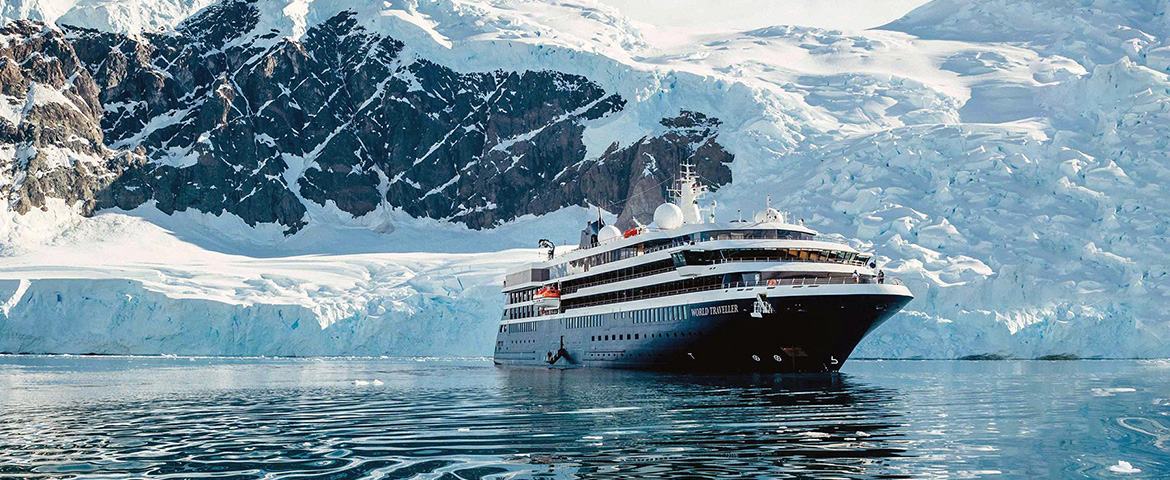

Celebrity Cruises (31 Cruises)
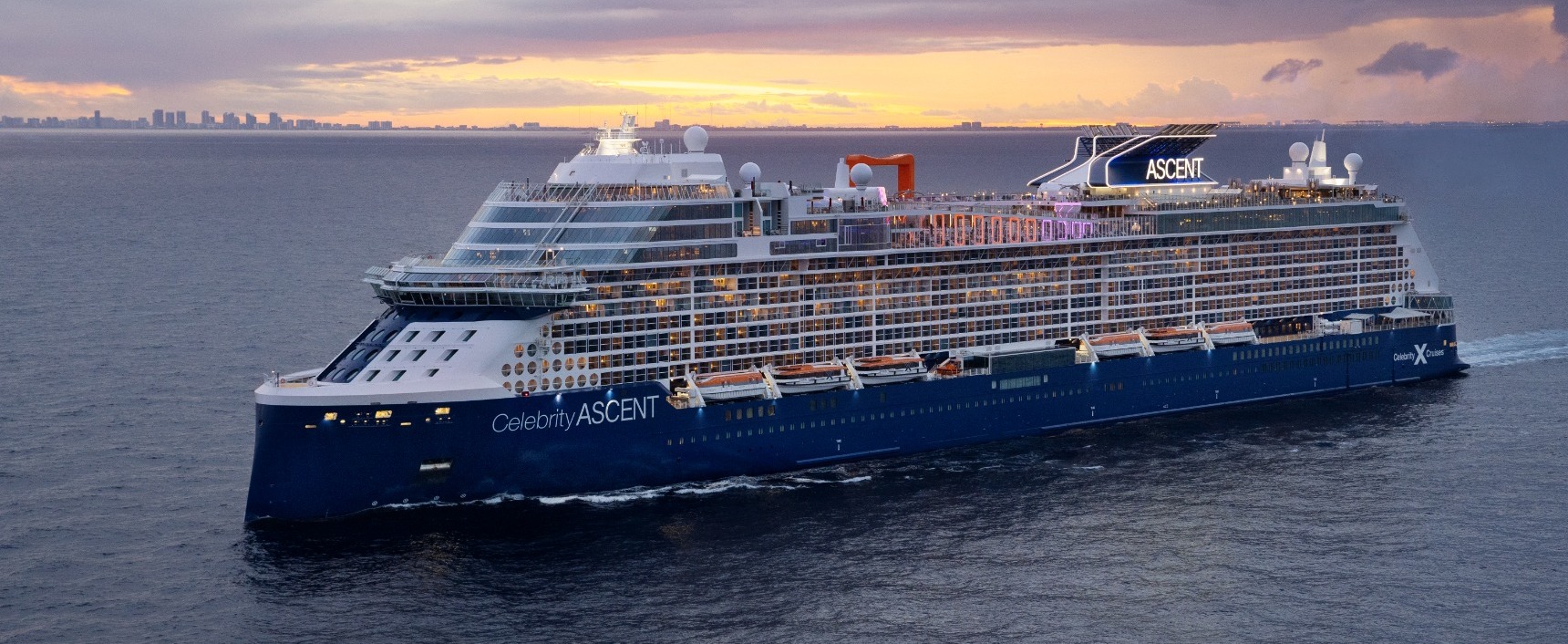

Celebrity Constellation
15 Cruises
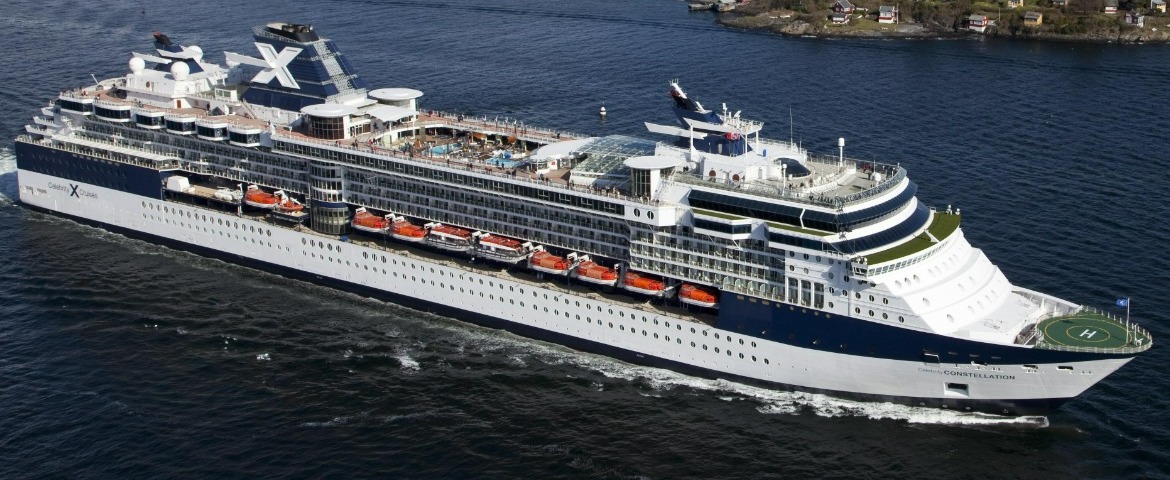
Celebrity Equinox
7 Cruises
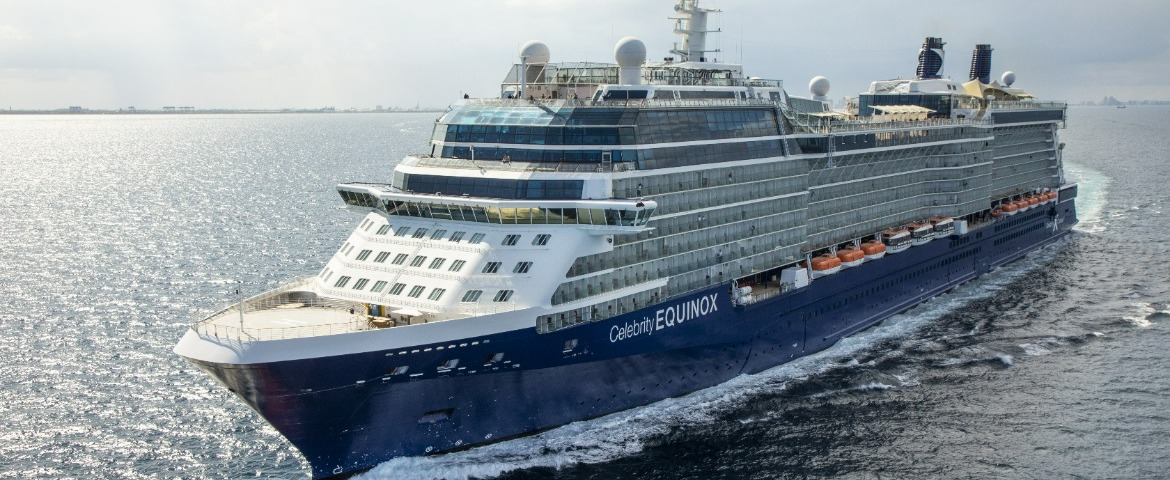
Celebrity XCEL
8 Cruises
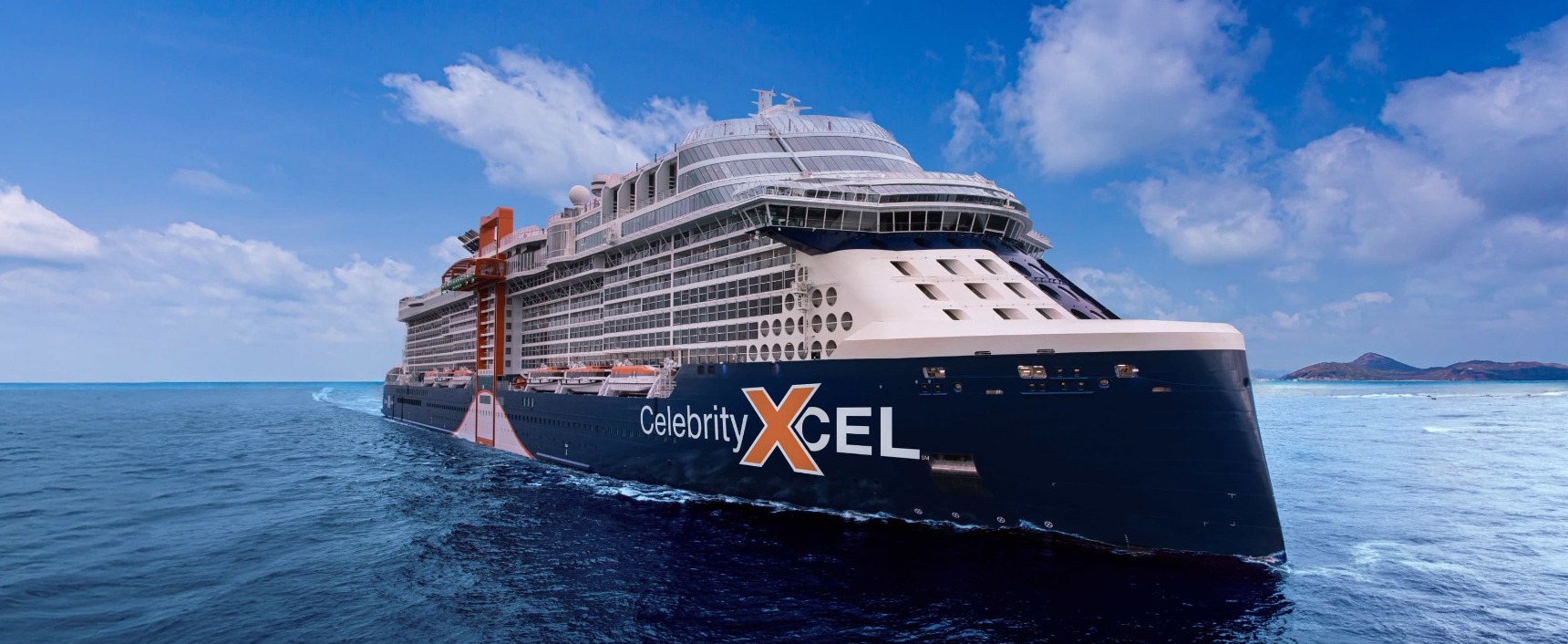
| 7 May | 10 nights | Round-trip from Barcelona, Spain |
From
2510$
|
| 28 May | 10 nights | Round-trip from Barcelona, Spain |
From
2503$
|
| 3 July | 7 nights | Round-trip from Barcelona, Spain |
From
2250$
|
| 10 July | 7 nights | Round-trip from Barcelona, Spain |
From
1818$
|
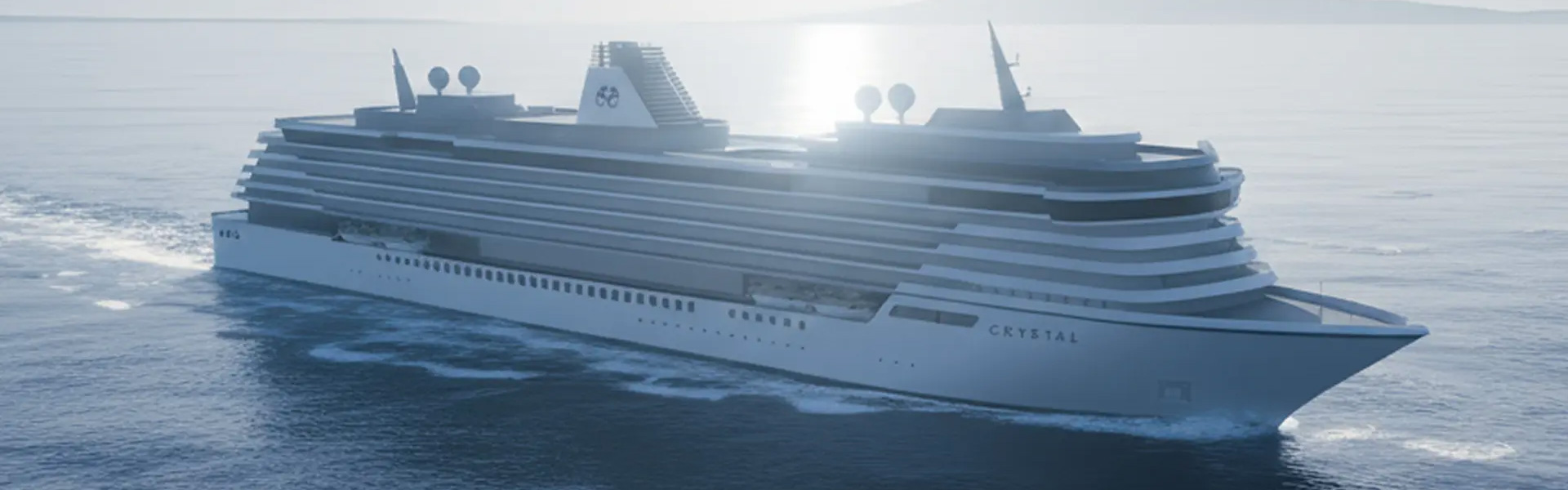
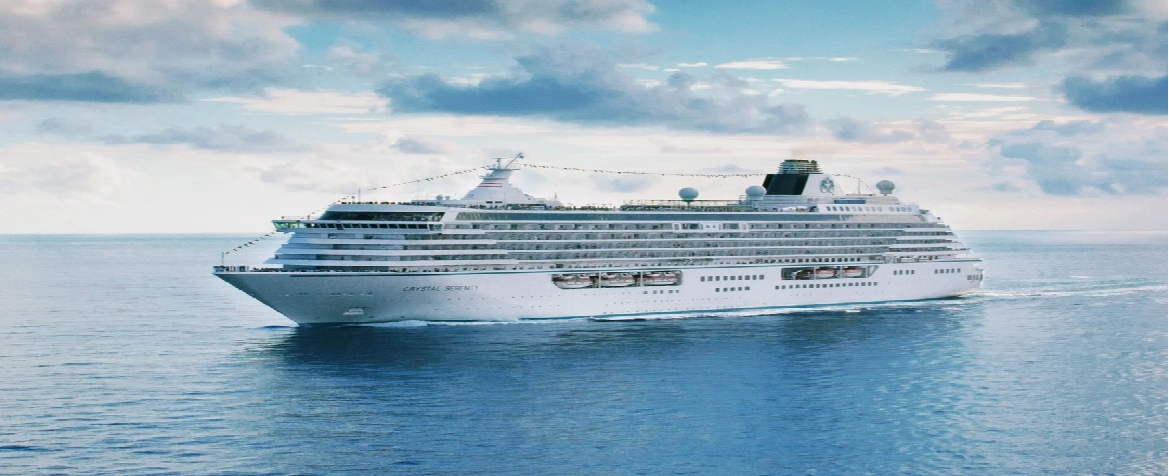
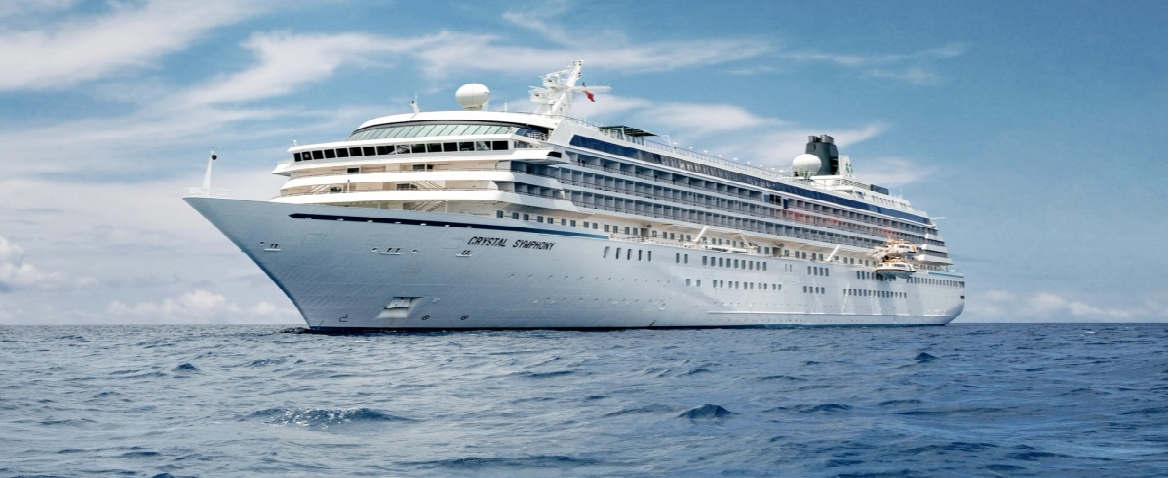
Crystal Cruises (9 Cruises)
Crystal Grace
4 Cruises

Emerald Waterways (23 Cruises)
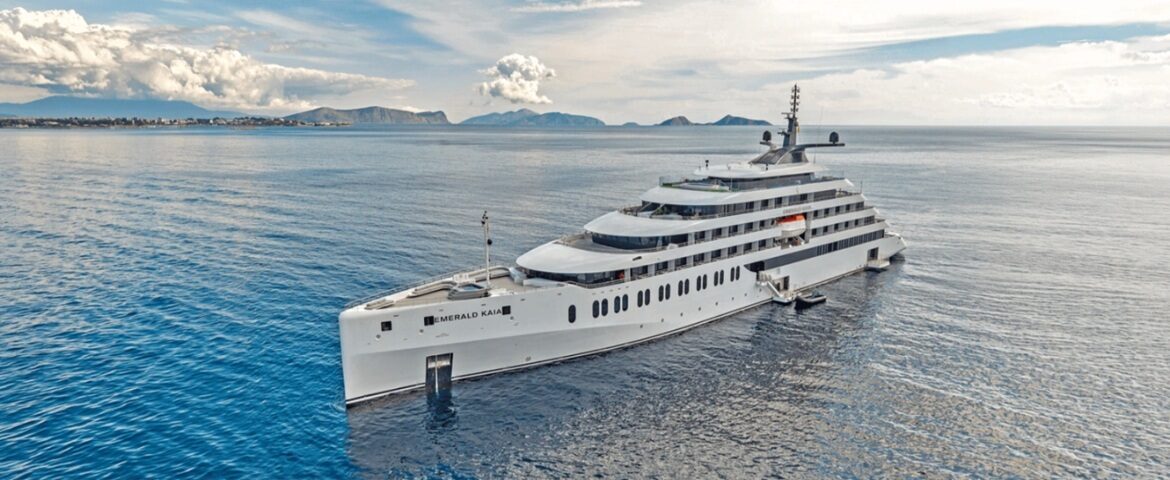
Emerald Kaia
6 Cruises

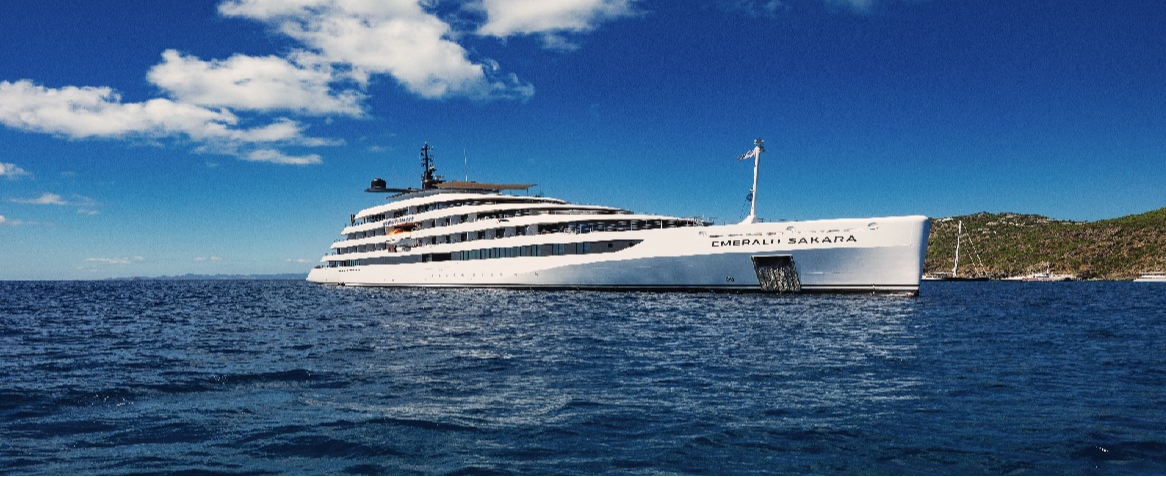
Emerald Sakara
17 Cruises
| 4 June | 8 nights | One-way from Villefranche-sur-Mer to Rome City |
450-628-6241
Call us
|
| 30 June | 17 nights | One-way from Valletta to Villefranche-sur-Mer |
450-628-6241
Call us
|
Explora Journeys (16 Cruises)
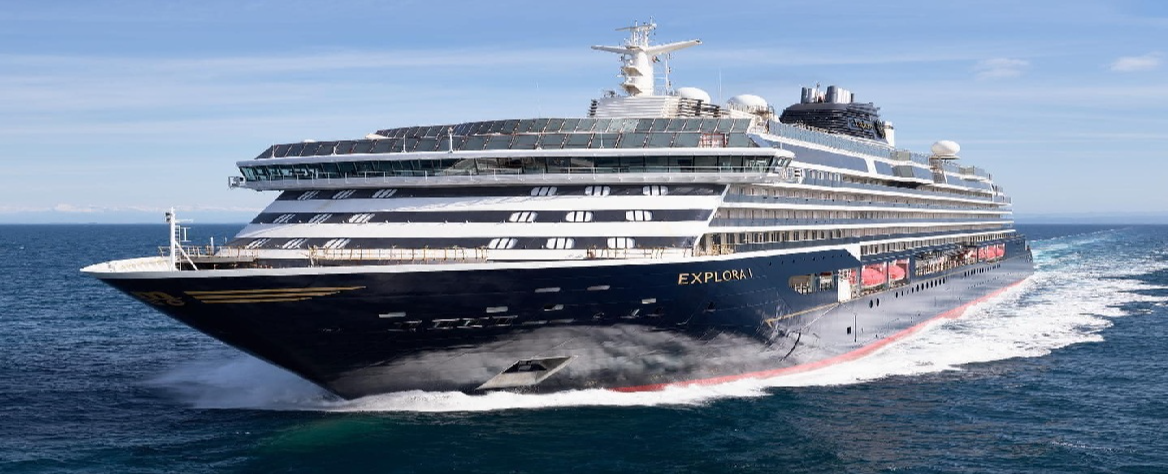
Explora I
16 Cruises

| 24 May | 8 nights | Round-trip from Civitavecchia-Rome, Italy |
450-628-6241
Call us
|
| 24 May | 9 nights | One-way from Civitavecchia-Rome to Monte Carlo |
450-628-6241
Call us
|
Holland America Line (12 Cruises)
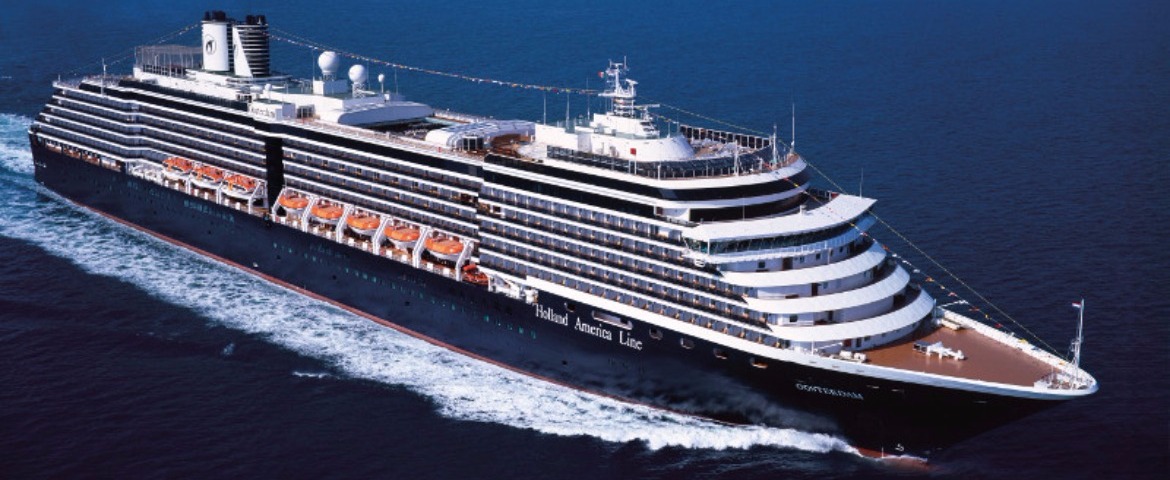
ms Oosterdam
12 Cruises

Oceania Cruises (6 Cruises)

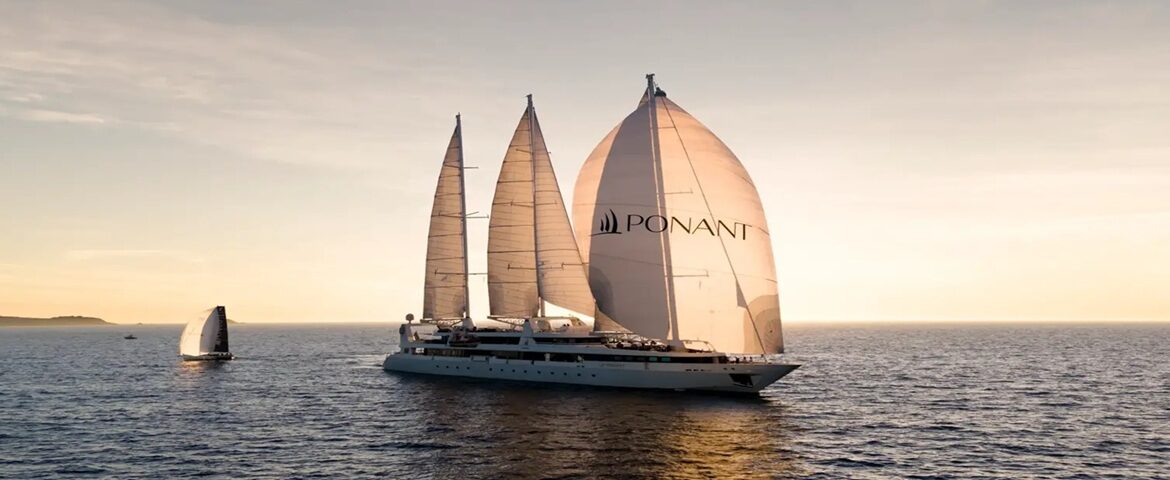
Ponant (11 Cruises)
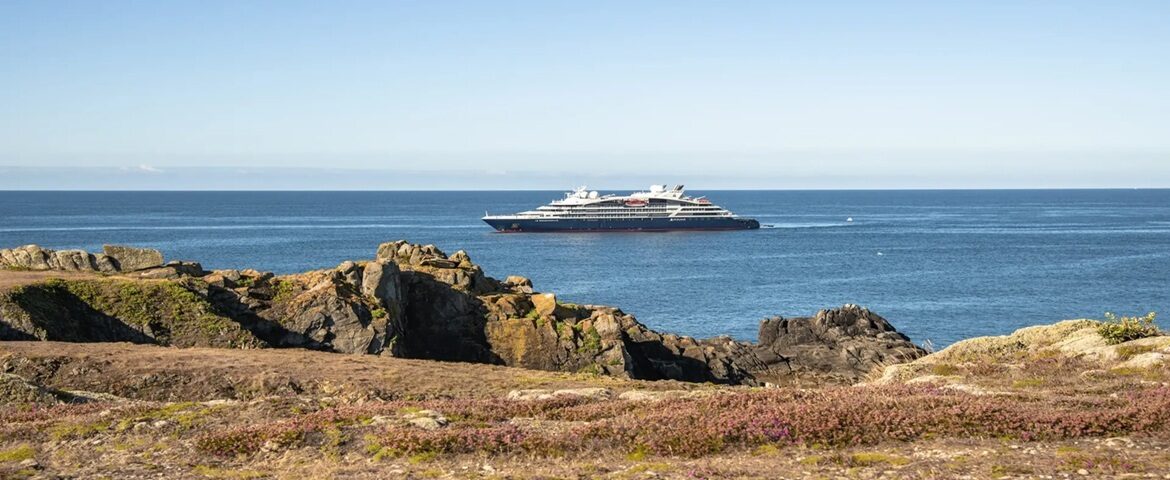
Le Boreal
5 Cruises

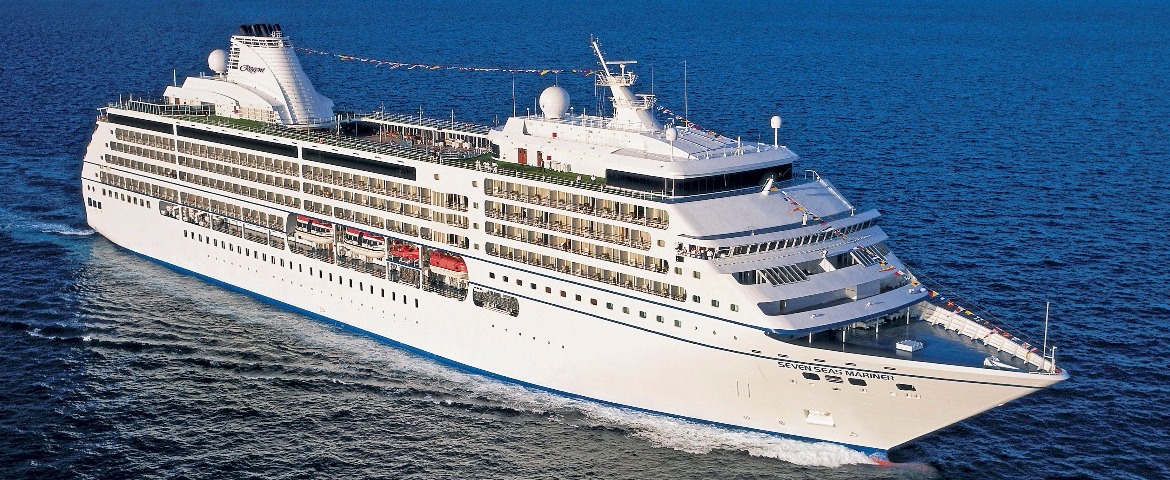
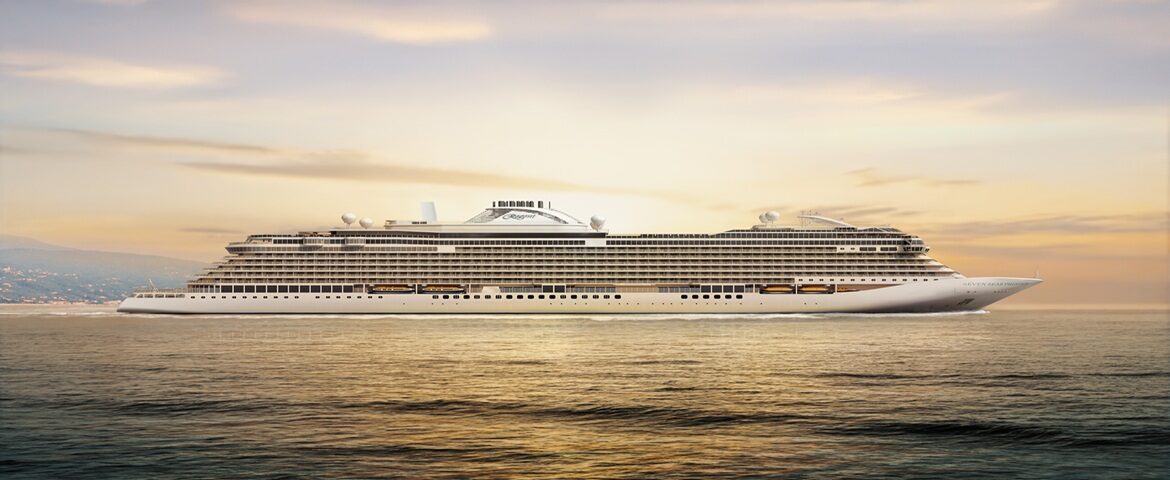
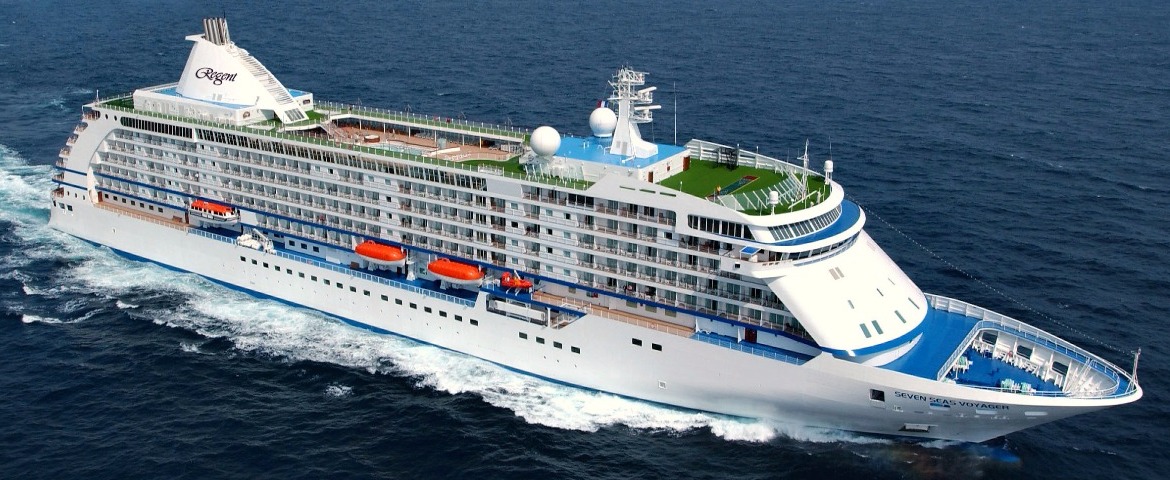
Regent Seven Seas Cruises (25 Cruises)
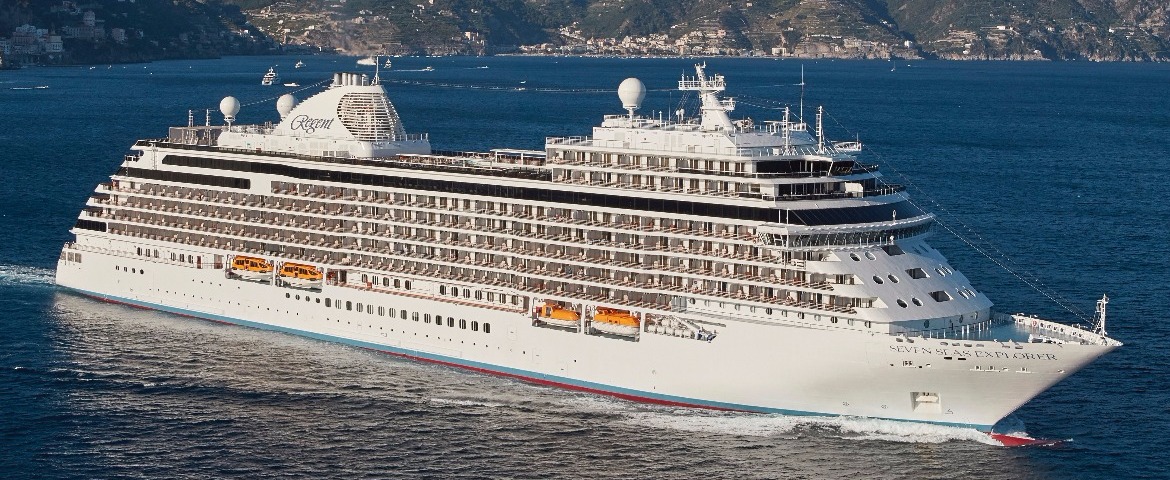
Seven Seas Explorer
6 Cruises

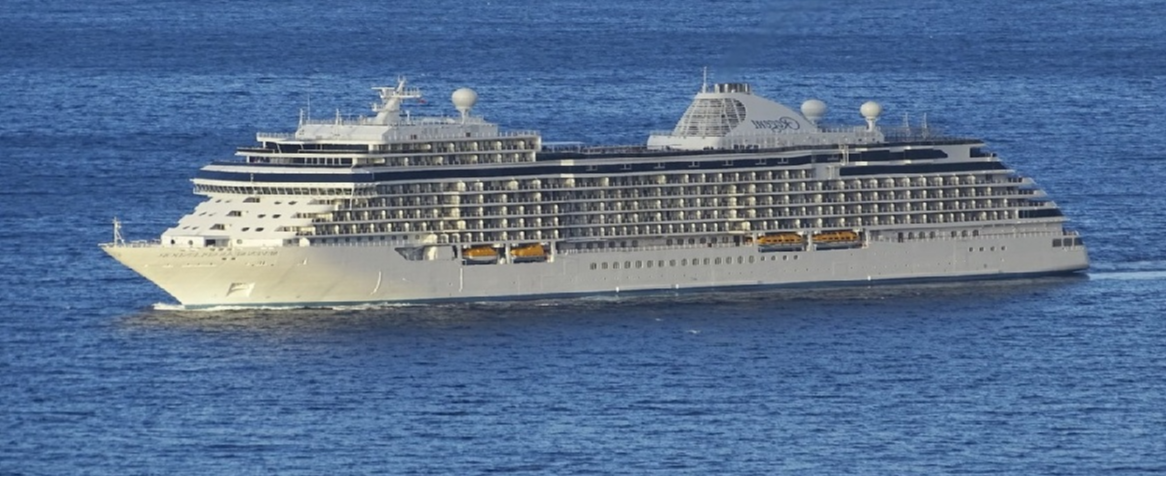
Seven Seas Grandeur
11 Cruises
| 7 June | 7 nights | One-way from Barcelona to Civitavecchia-Rome |
450-628-6241
Call us
|
| 7 June | 14 nights | One-way from Barcelona to Venice |
450-628-6241
Call us
|
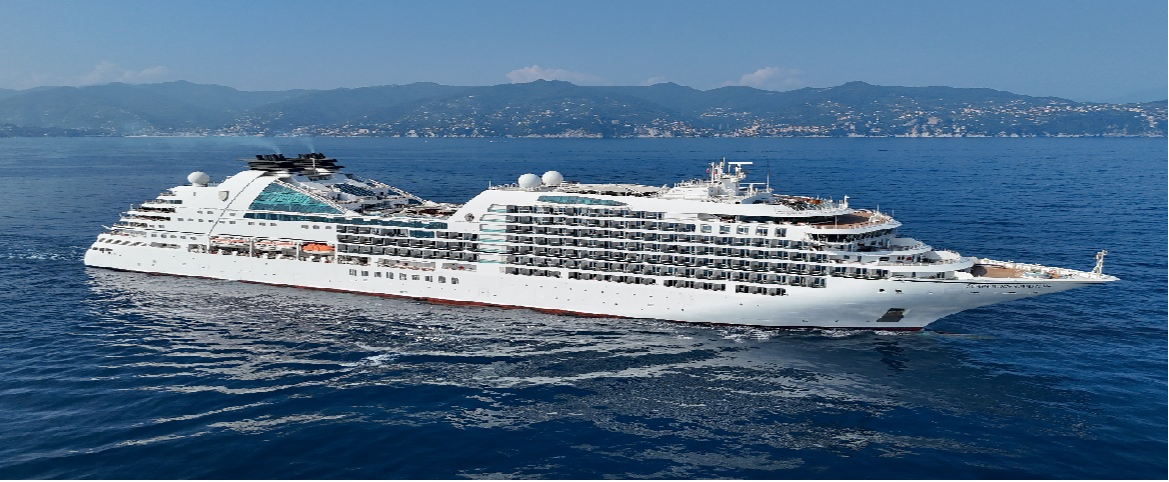
Seabourn Cruise Line (44 Cruises)
Seabourn Ovation
44 Cruises

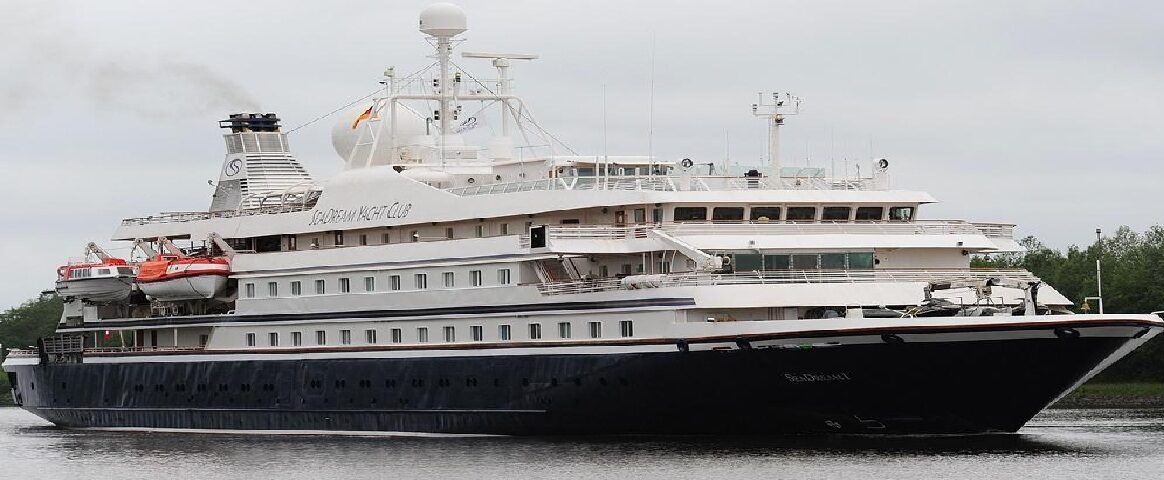
SeaDream Yacht Club (15 Cruises)
Seadream I
5 Cruises

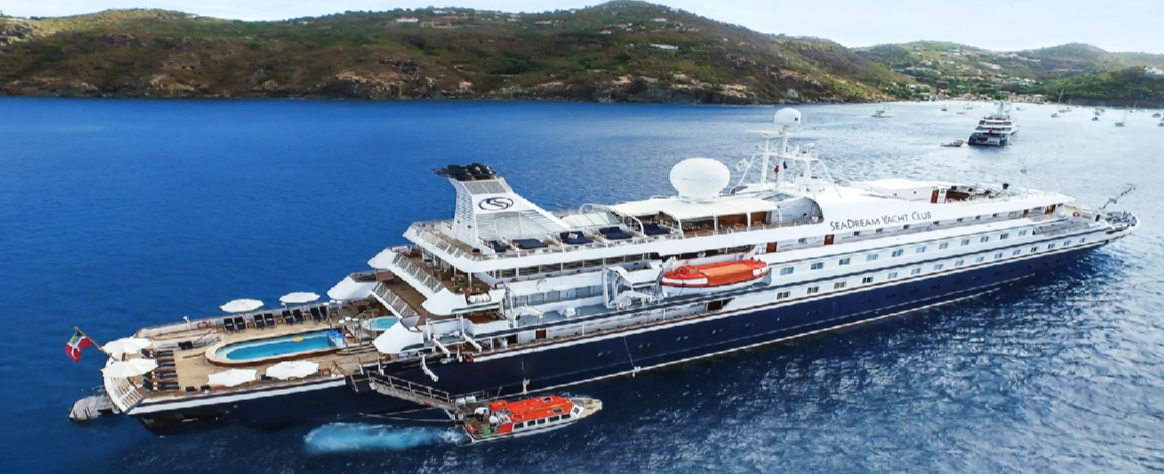
Seadream II
10 Cruises
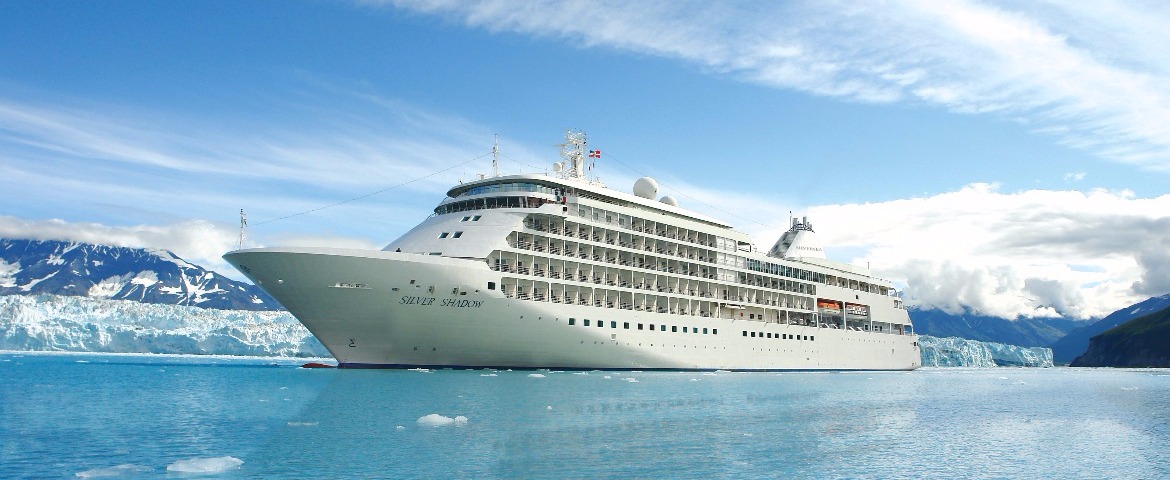
Silversea Cruises (29 Cruises)
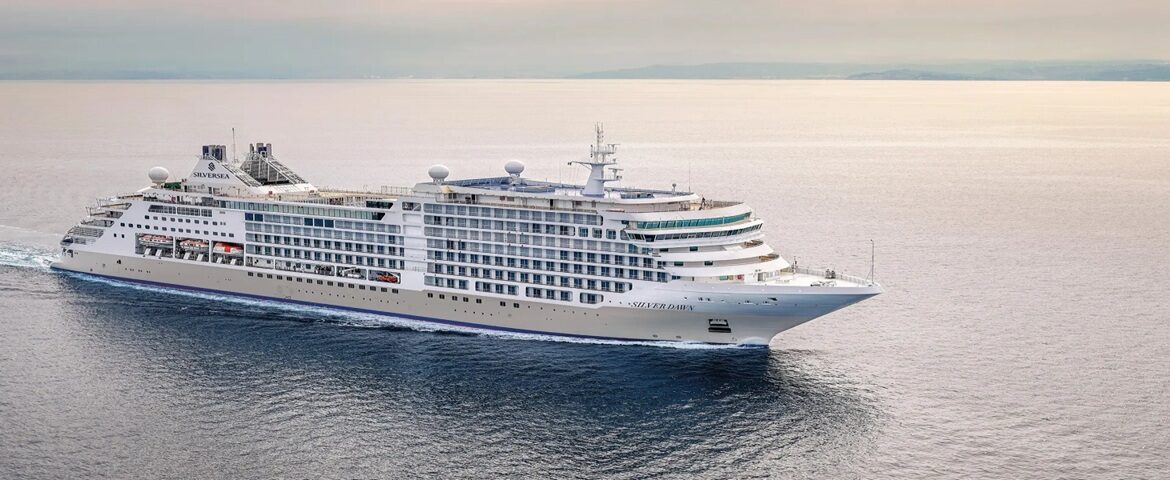

Silver Ray
18 Cruises
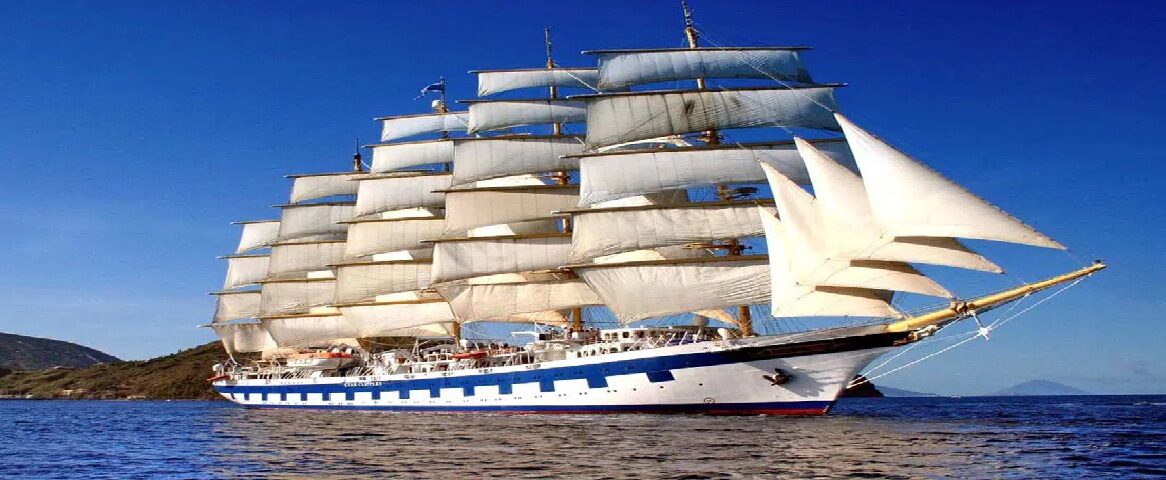
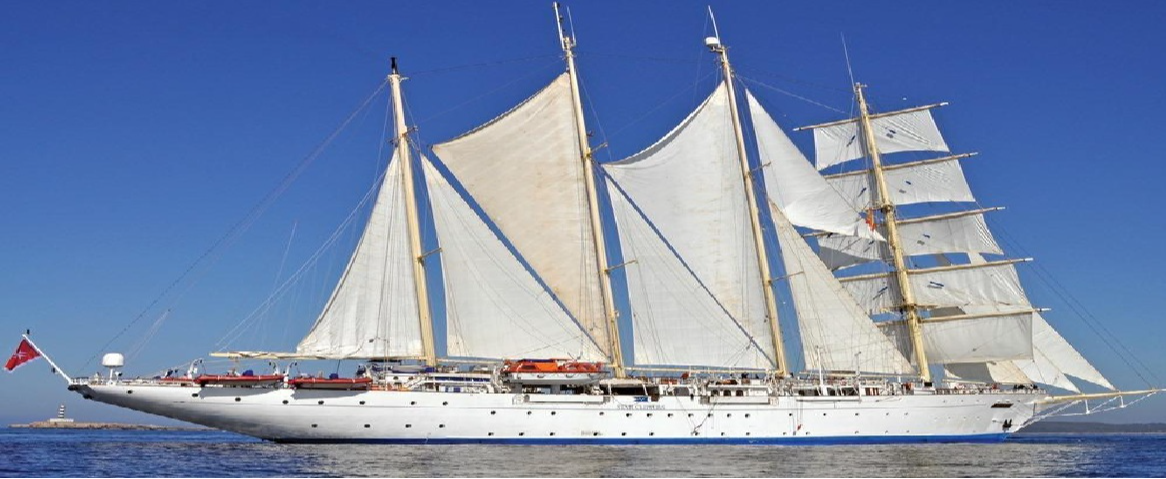
Star Clippers (10 Cruises)
Royal Clipper
5 Cruises

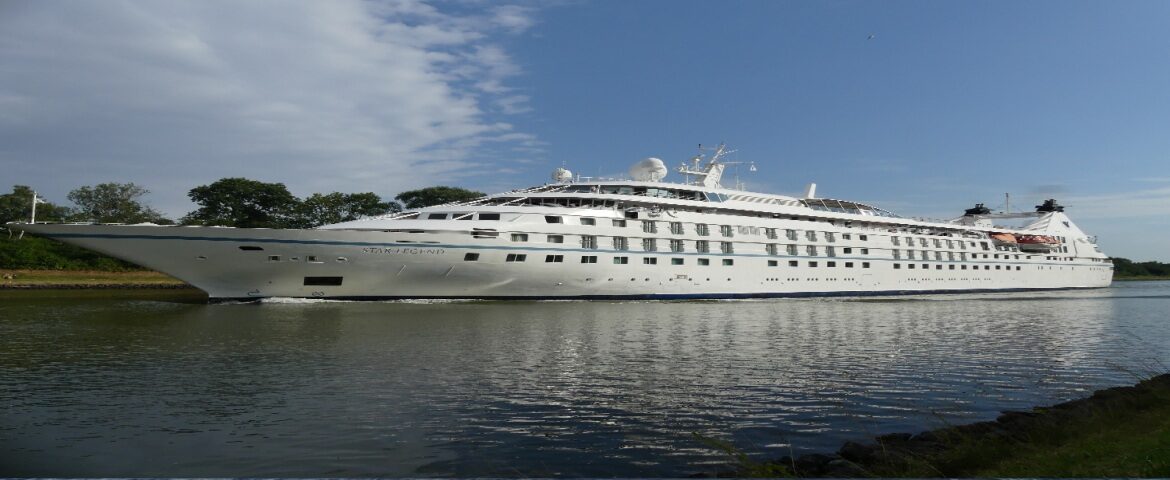
Windstar Cruises (15 Cruises)
Star Legend
7 Cruises


Portofino Italy | Luxury Italian Riviera Cruise Guide
Frequently Asked Questions
No. No pier can take cruise ships: they anchor offshore and tenders land passengers at the Calata Marconi, right in the heart of the harbour. Like any tendered call, it depends on sea conditions.
Entirely, and quickly: the village has a few hundred residents and the whole of it is visible from the tender. The Piazzetta is a minute from the landing, and the paths to the castle and lighthouse start there.
The Piazzetta and the waterfront, the ten-minute climb to the church of San Giorgio, then Castello Brown a quarter of an hour higher. Walkers carry on to the lighthouse at Punta del Capo: allow a good hour round trip from the Piazzetta, photo stops included.
A 16th-century fortress reworked in the 19th by the British consul Montague Yeats Brown, who made it his home. Now a museum, it keeps its rooms, its terraces and a garden where wisteria pergolas frame the bay.
For the view, reached in about ten minutes of steps from the square. The church is said to hold relics of the saint brought back from the crusades, and the small adjoining cemetery overlooks both the harbour cove and the open sea.
Yes, by boat shuttle. The 10th-century abbey sits in a cove reachable only by sea or on foot, which makes it one of the most unusual places in Liguria. Check the schedules: the return time shapes the whole end of your call.
Yes. Marked paths link the village to Paraggi beach and on to Santa Margherita Ligure, about an hour of shaded coastline above the coves. The whole headland forms a regional nature park, protected since 1935.
Often, yes, and it is worth saying: the ship can hold more people than the village. Portofino is tiny, and luxury boutiques have grown up behind the fishing boats. Climbing toward San Giorgio or the lighthouse restores the quiet within minutes.
The two classics of the gulf: trofie al pesto, the region's twisted pasta, and fried squid. The terraces on the Piazzetta face the fishing boats, which gives lunch a setting that is hard to beat.
The euro and Italian, though English is widely spoken: the clientele has been international for a century. Cards are accepted everywhere, including on the boat shuttles.


