Trapani Sicily Italy
127
Cruises availables
At departure or passage at this port
Atlas Ocean Voyages (2 Cruises)
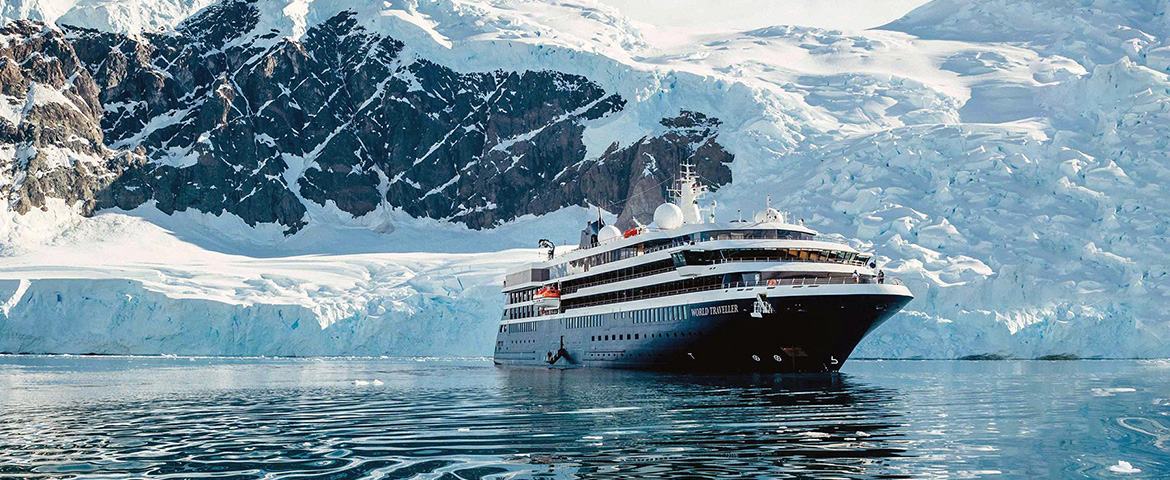

Aurora Expeditions (1 Cruises)
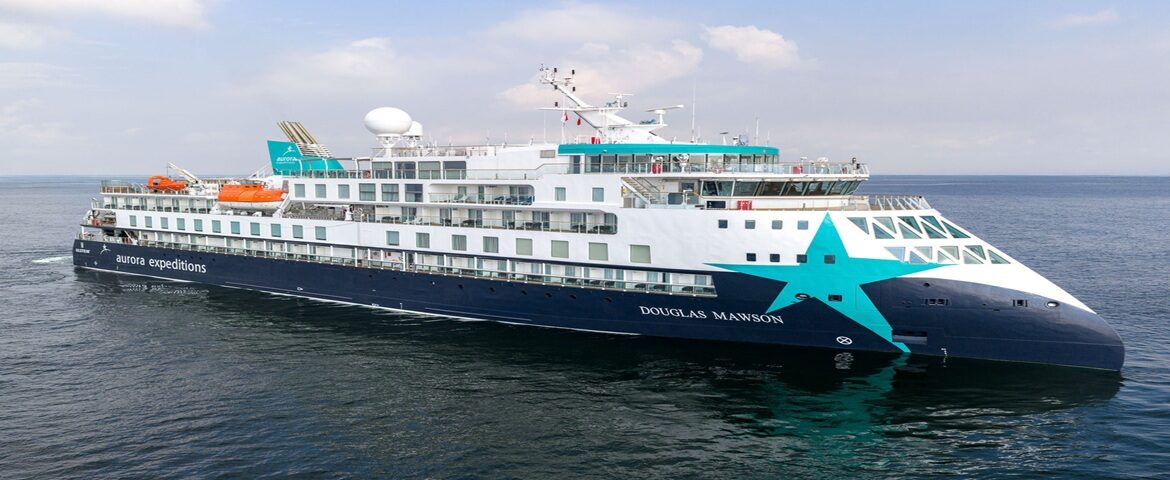

Azamara Club Cruises (12 Cruises)
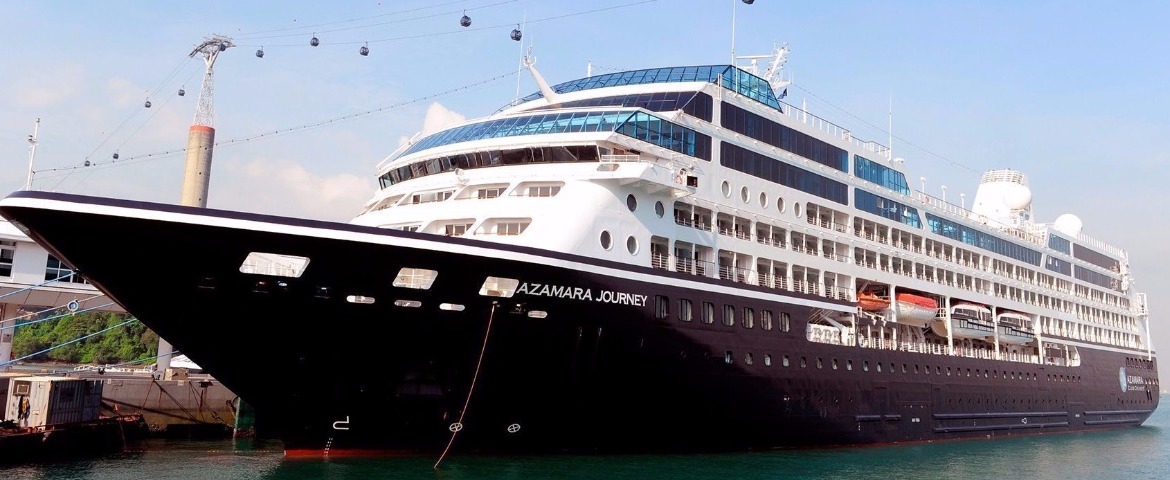

Azamara Onward
8 Cruises
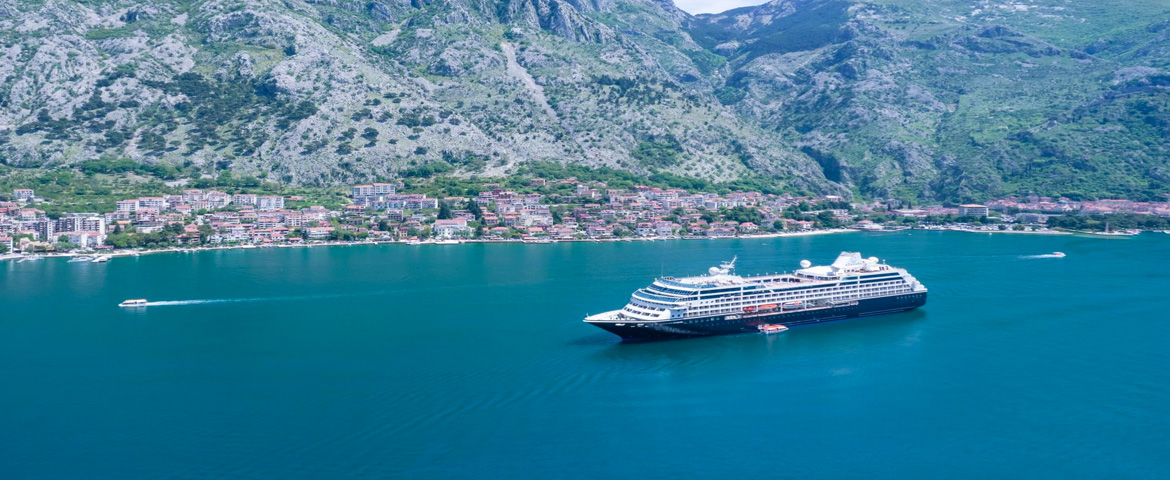
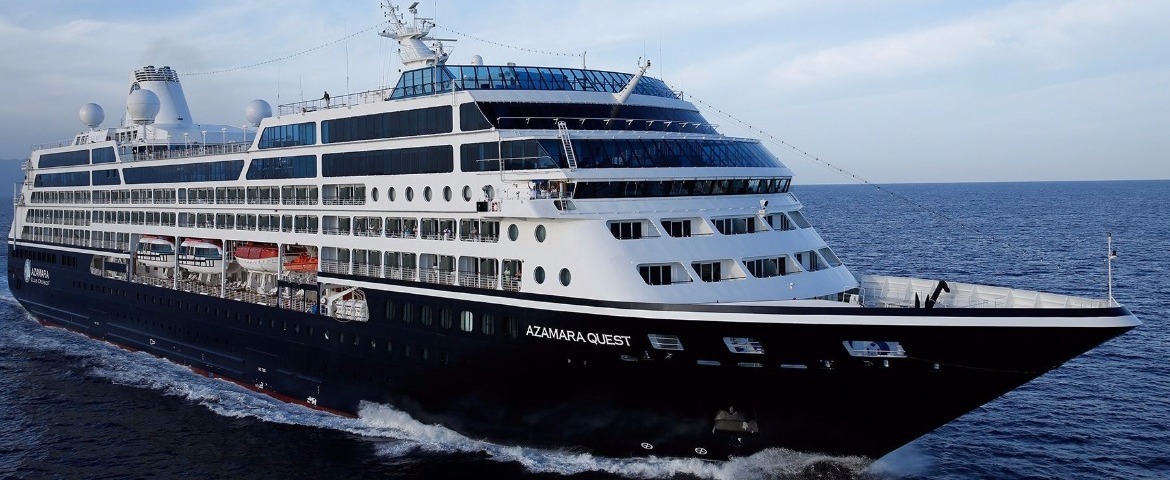
Costa Cruises (4 Cruises)
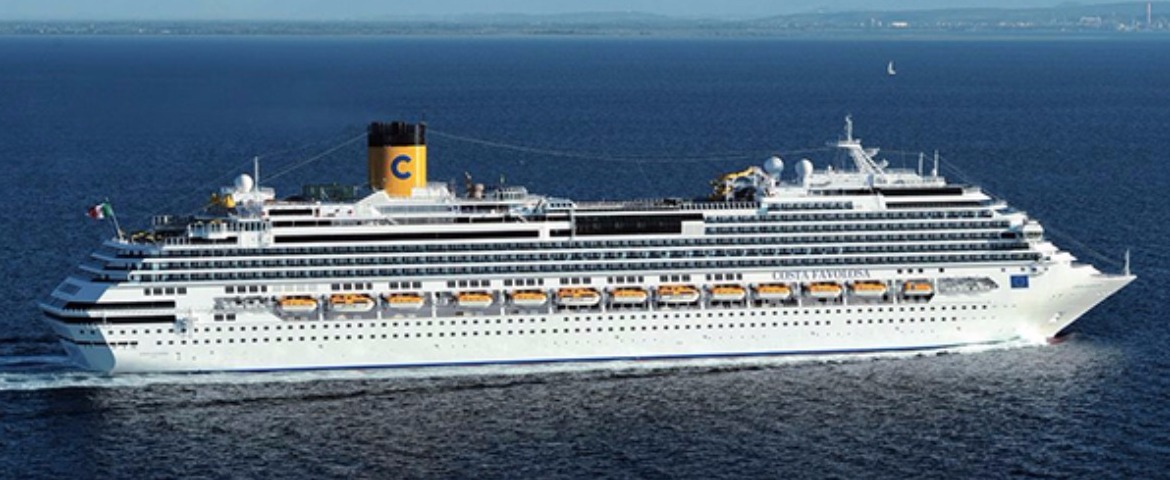

CroisiEurope (7 Cruises)


Crystal Cruises (8 Cruises)
Crystal Symphony
8 Cruises
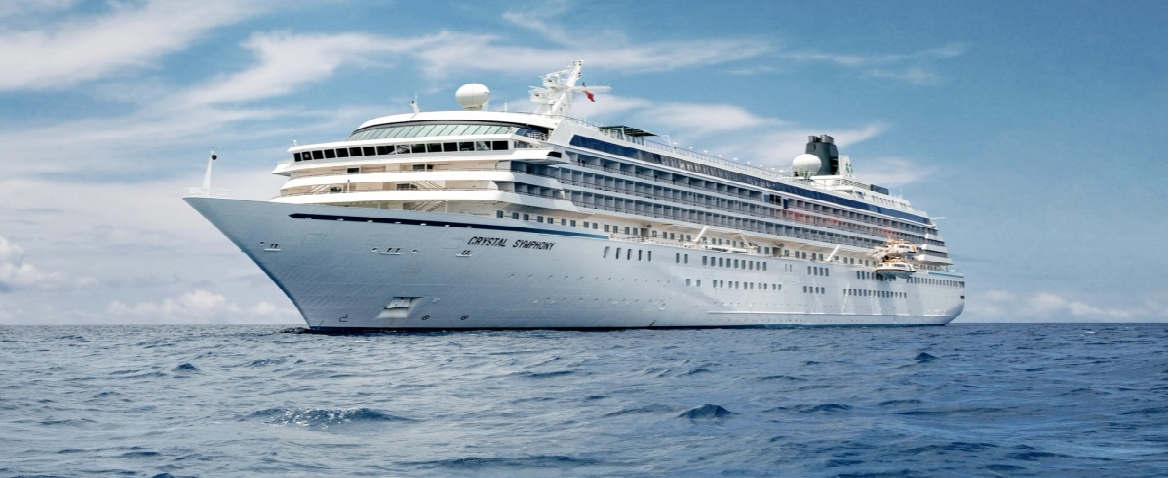

| 11 January | 151 days | Round-trip 150 Night Roundtrip Fort Lauderdale Cruise |
450-628-6241
Call us
|
| 11 January | 137 days | One-way from Fort Lauderdale to Barcelona |
450-628-6241
Call us
|
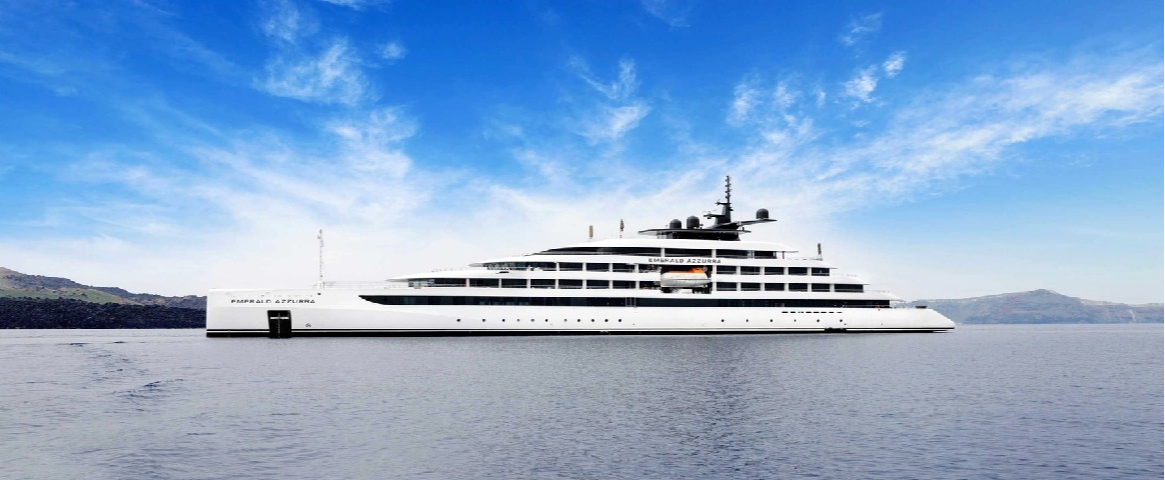
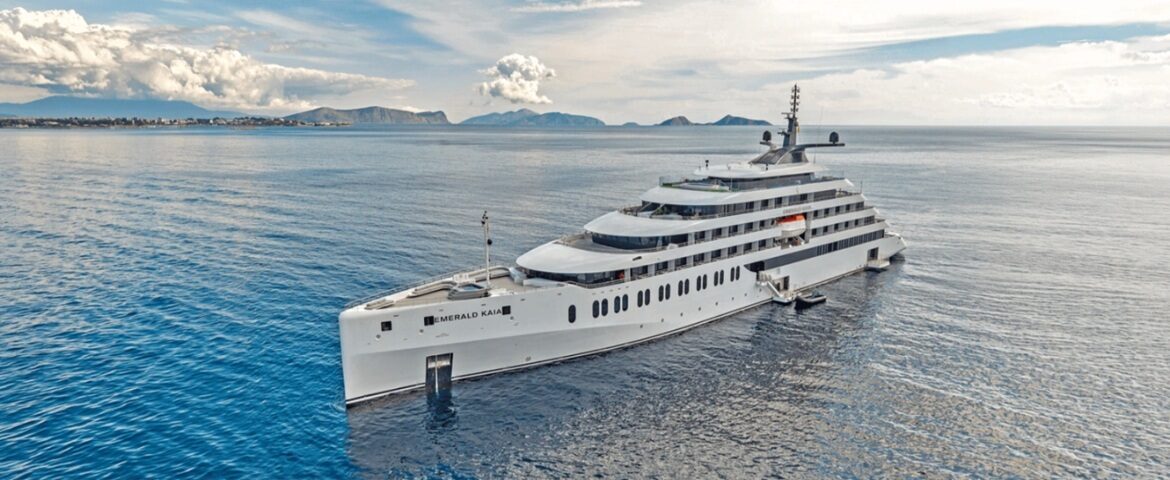
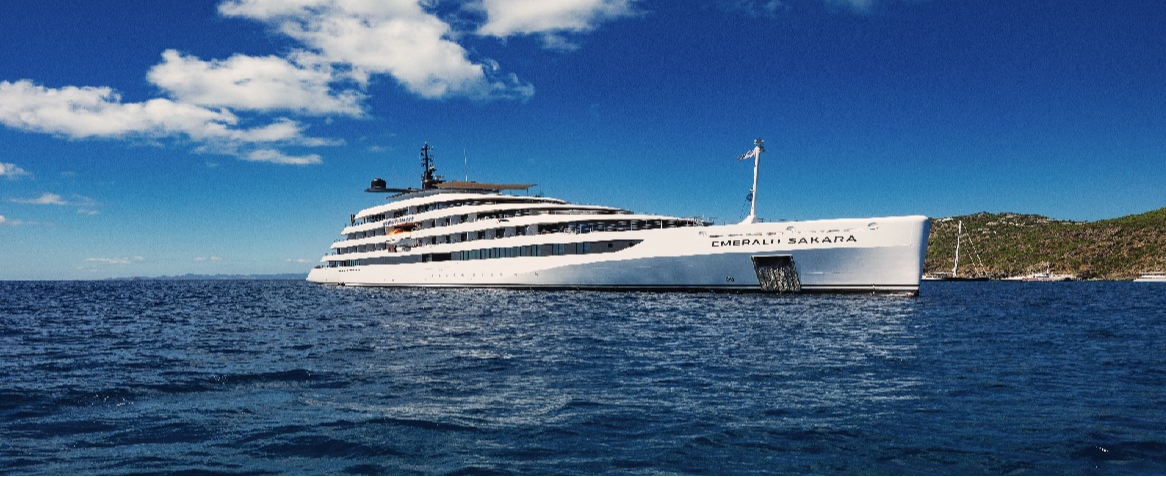
Emerald Waterways (10 Cruises)

Lindblad Expeditions (4 Cruises)
Sea Cloud
4 Cruises
 Image not available


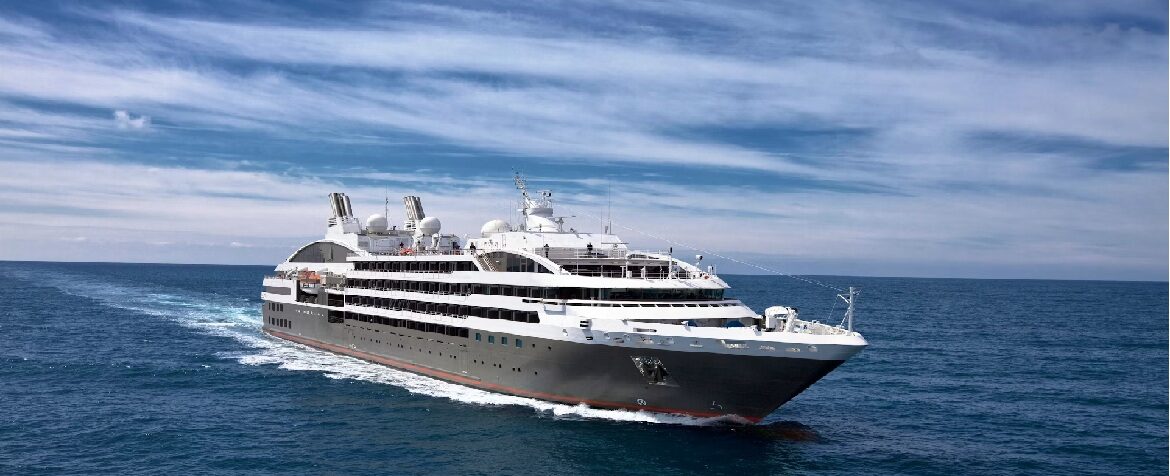

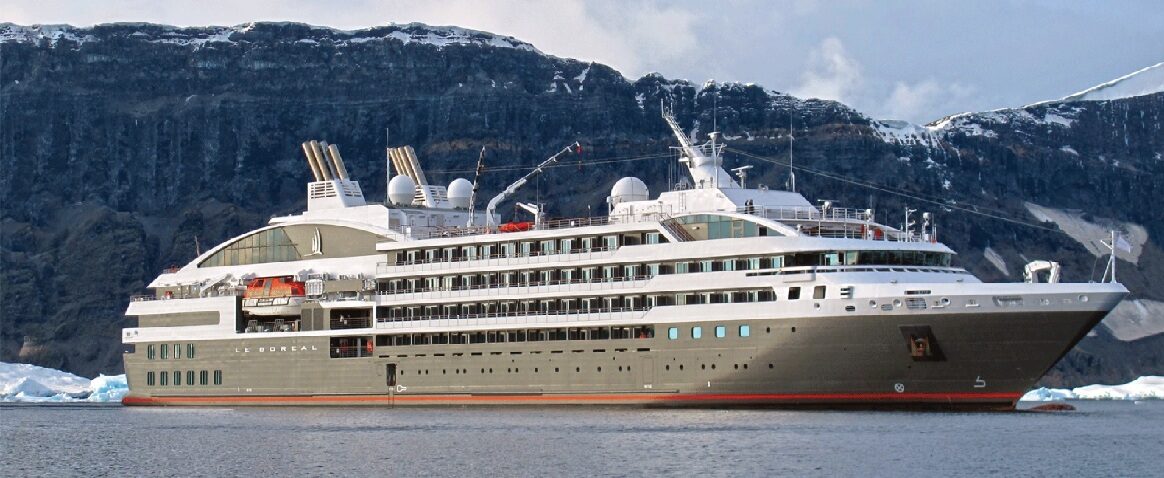
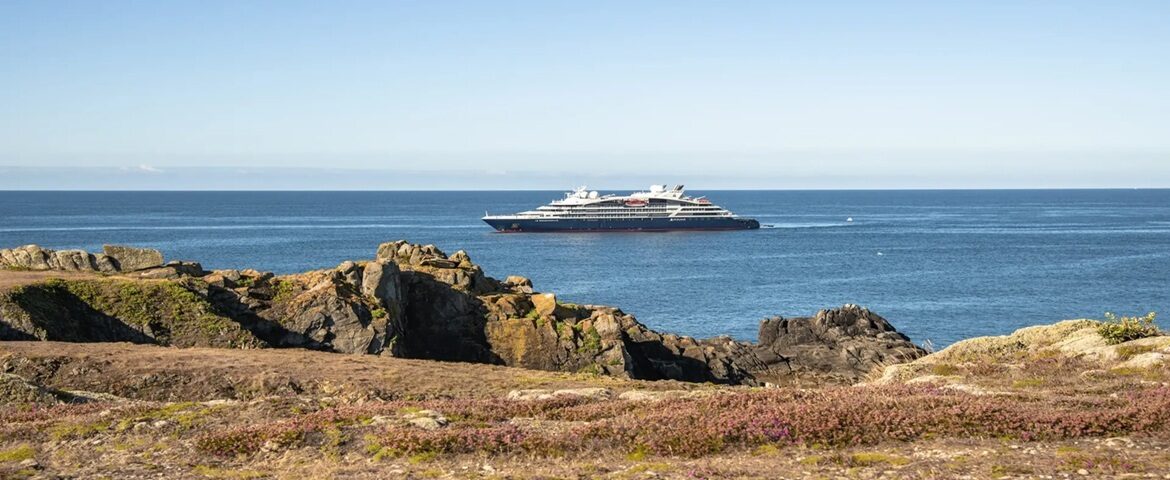
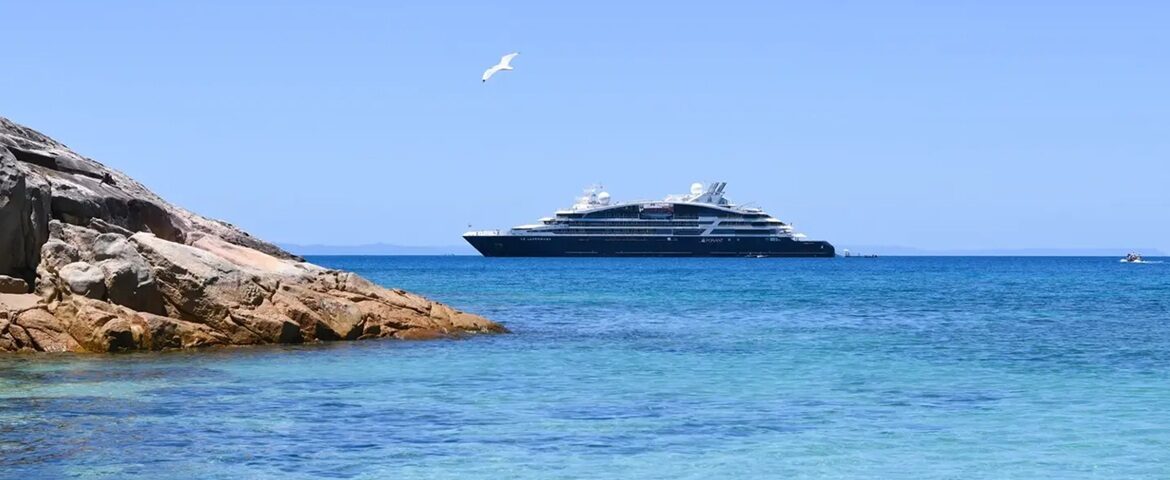
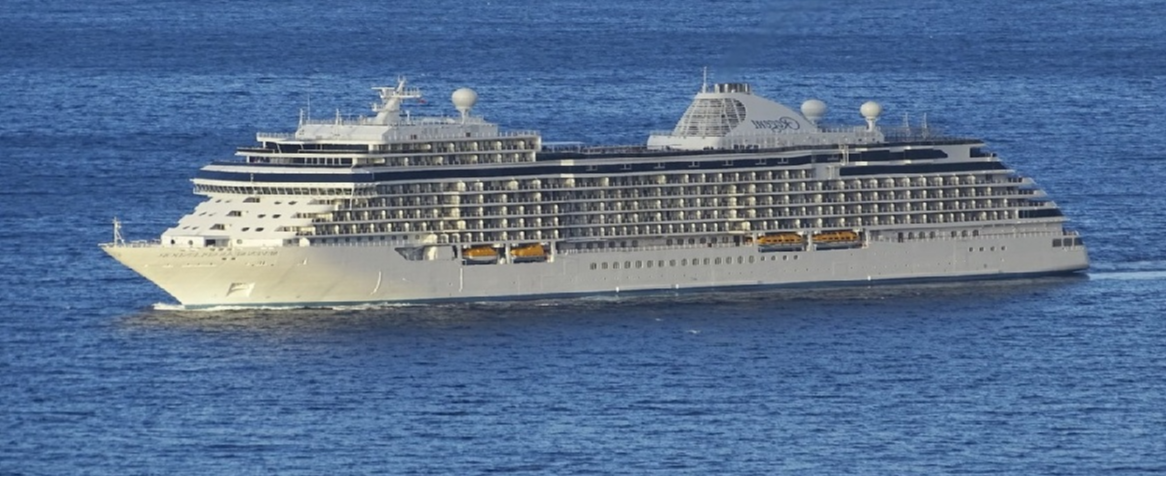
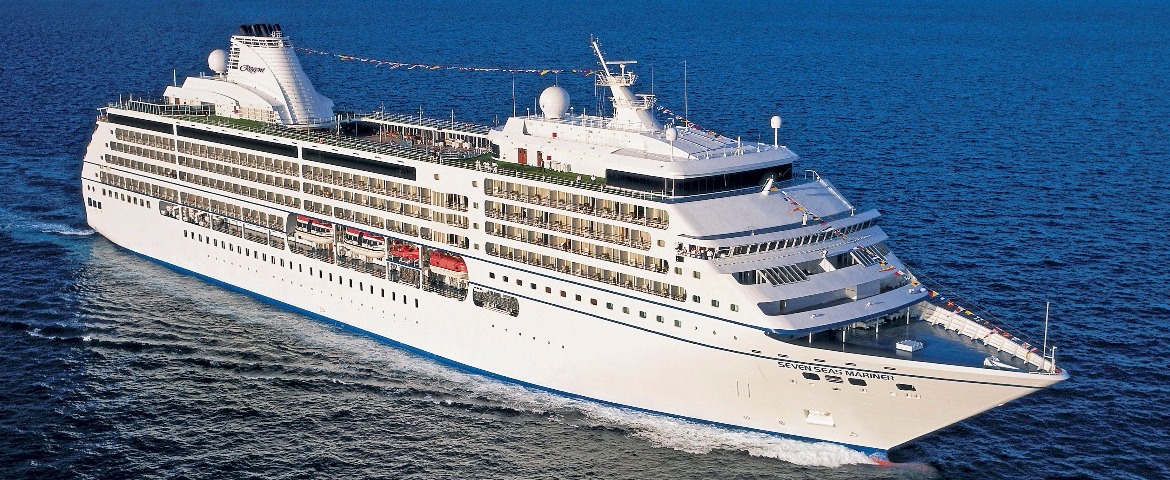
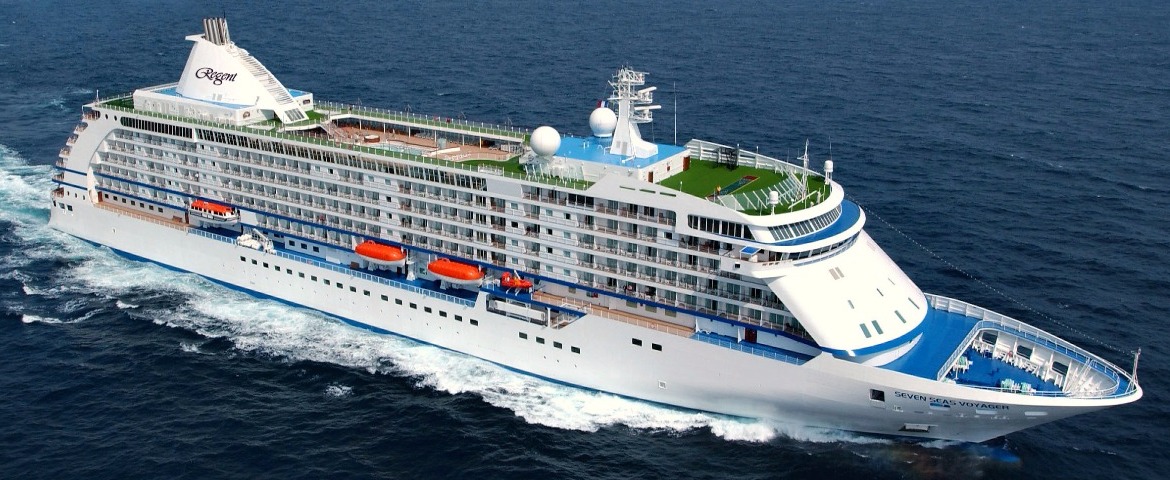
Regent Seven Seas Cruises (13 Cruises)
Seven Seas Grandeur
9 Cruises



Seabourn Cruise Line (12 Cruises)
Seabourn Ovation
12 Cruises
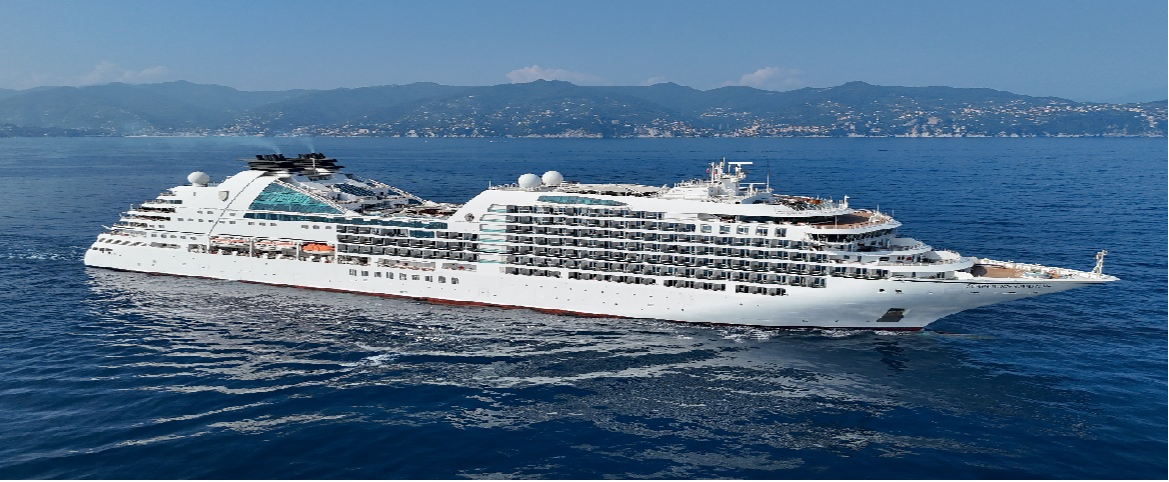

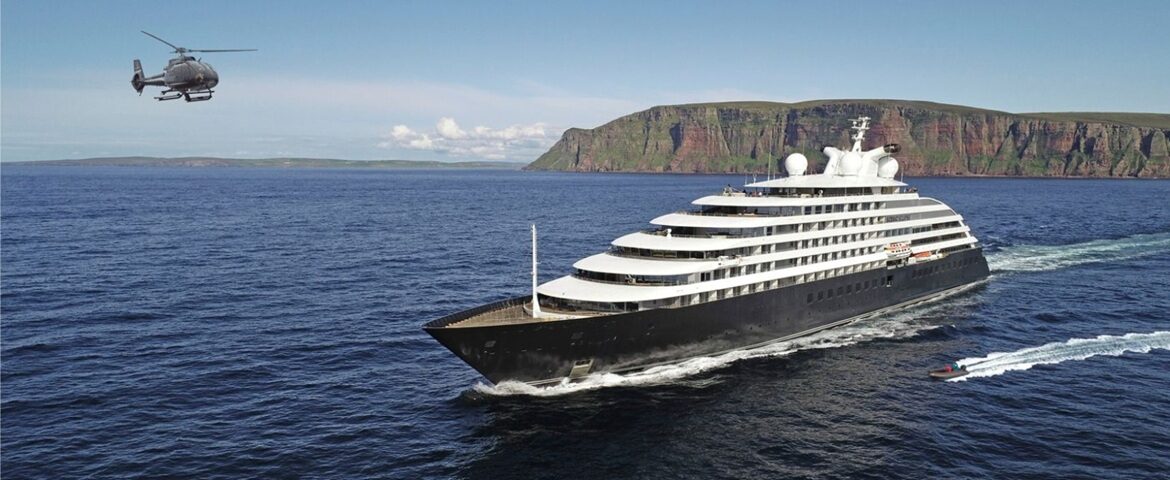
Silversea Cruises (17 Cruises)
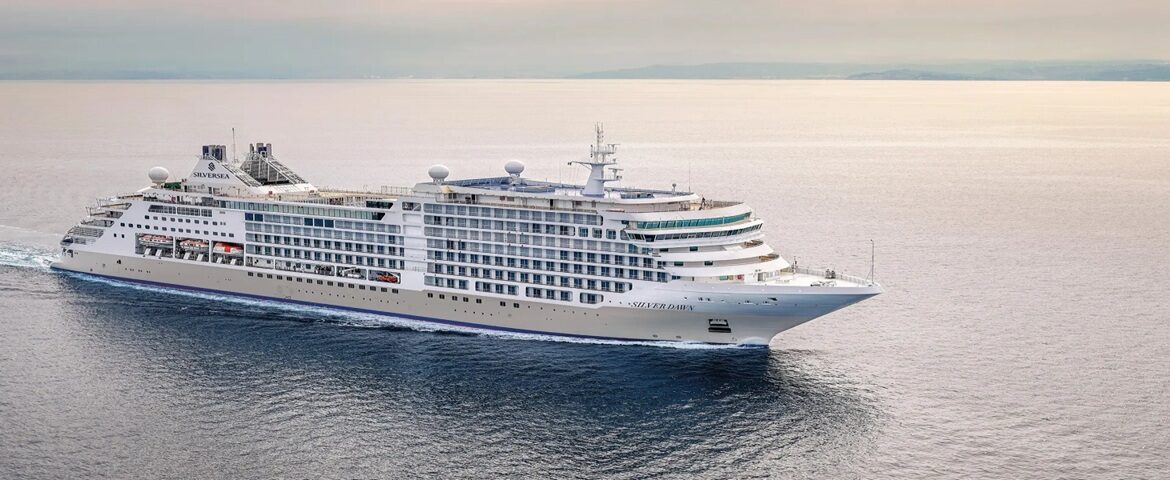

Silver Ray
8 Cruises
| 20 May | 9 nights | One-way from Piraeus-Athens to Civitavecchia-Rome |
450-628-6241
Call us
|
| 20 May | 19 nights | One-way from Piraeus-Athens to Barcelona |
450-628-6241
Call us
|
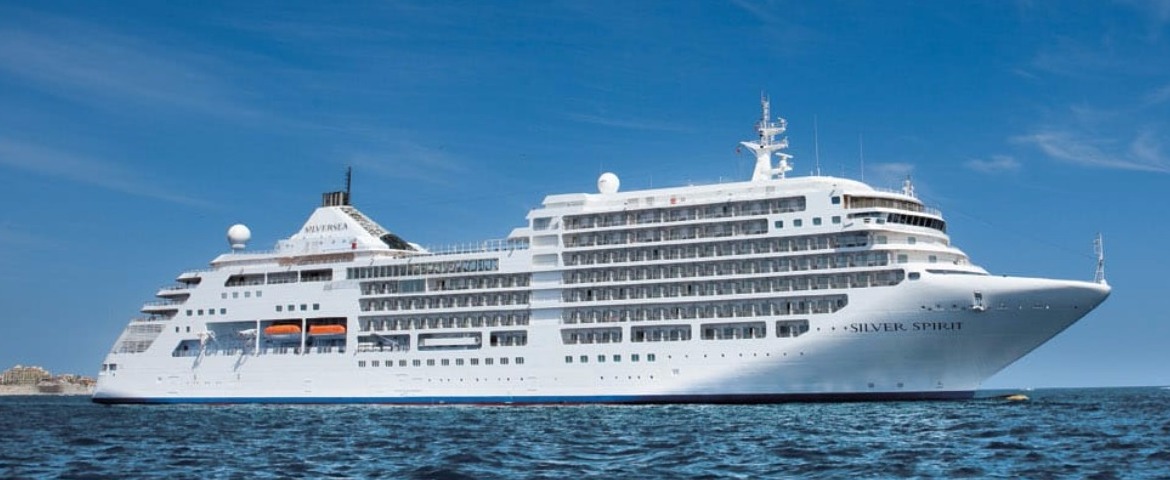
Star Clippers (1 Cruises)
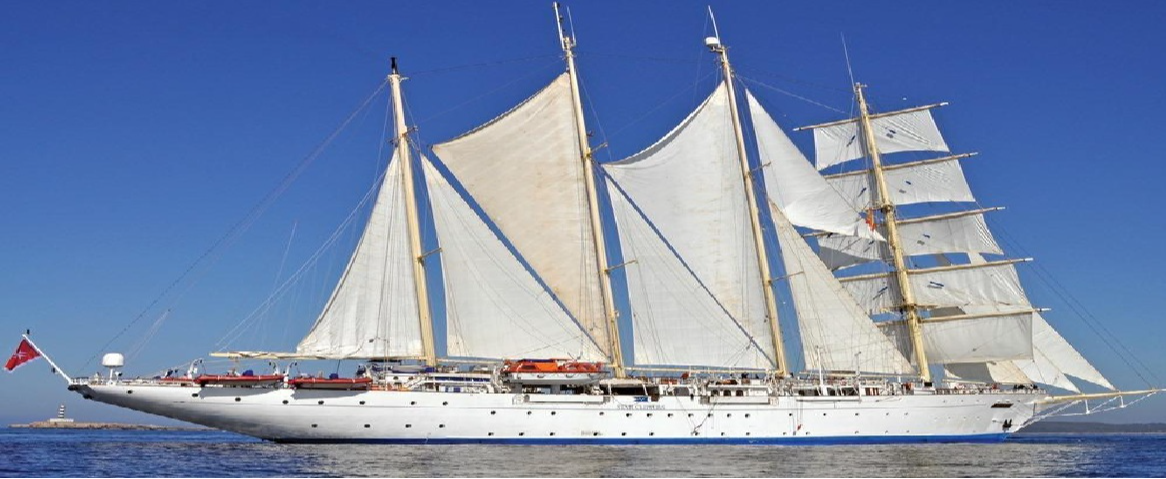

Windstar Cruises (14 Cruises)
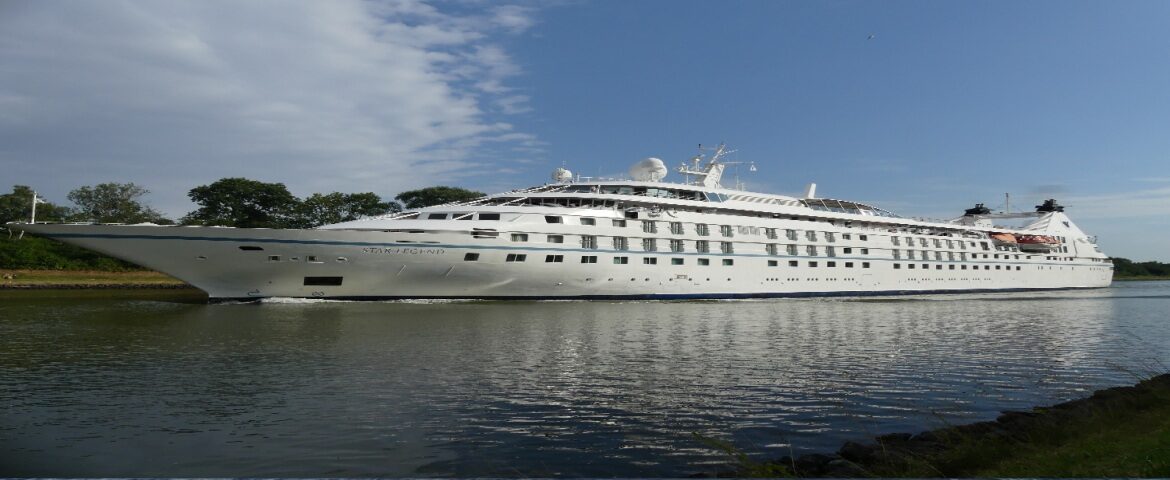
Star Legend
14 Cruises

| 24 June | 21 nights | One-way from Barcelona to Civitavecchia-Rome |
450-628-6241
Call us
|
| 28 June | 17 nights | One-way from Barcelona to Civitavecchia-Rome |
450-628-6241
Call us
|
| 5 July | 16 nights | Round-trip from Civitavecchia-Rome, Italy |
450-628-6241
Call us
|
| 5 July | 10 nights | Round-trip from Civitavecchia-Rome, Italy |
450-628-6241
Call us
|

Port of Trapani, Sicily | Cruise Port Guide
Frequently Asked Questions
Right at the foot of the historic centre. Once off the gangway, the baroque palaces of Corso Vittorio Emanuele are five minutes' walk away: few Sicilian ports are this convenient.
Yes, and quickly. The town juts into the sea on a scythe-shaped spit so narrow that some streets have water at both ends. The old town is crossed from shore to shore in a quarter of an hour, which does not stop you spending hours there.
Two possible days. Either the baroque centre, the fish market and the Torre di Ligny, with the salt pans in the afternoon. Or the cable car up to Erice, which takes a good half-day on its own. The two combine poorly on a short call.
By cable car, which leaves from the eastern outskirts a few kilometres from the terminal, reachable by taxi or city bus. Ten minutes later you step out into this medieval town perched on its triangular plateau at 750 metres.
Cobbled lanes glistening with mist, hidden courtyards and a Norman castle set over the void. On a clear day the view takes in the salt pans, the Egadi Islands and as far as Cape Bon in Tunisia. Maria Grammatico's pastry shop, whose warm cream-filled genovesi alone justify the trip up, is an institution.
A nature reserve south of town, a chequerboard of pink and white basins dotted with windmills and pyramids of salt. White gold has been harvested here since the Phoenicians, and a small museum in a windmill explains the salt workers' craft. Flamingos and waders pass through, especially in spring and autumn.
Late in the day, when the low light turns the site into a mirror. Photographers know the spot. The site shop sells salt in cloth bags — a souvenir that is both light and useful.
Couscous di pesce, semolina in fish broth, an identity dish inherited from the nearby Tunisian coast, served in harbour trattorias and in homes alike. Then busiate al pesto trapanese, twisted pasta with almonds, tomatoes and garlic, and bluefin tuna in every form, a legacy of the old tuna traps.
Yes, hydrofoils reach Favignana, the nearest, in half an hour, with its turquoise coves and former tuna traps. Tickets are sold at the harbour ticket office, but the option requires a long call and constant attention to the clock.
The euro and Italian. Cards work in restaurants and Corso shops, but keep cash for the fish market, granita at the bar and the cable car. English is reasonably spoken at Erice, less so in Trapani's back lanes.


