Hiroshima City Japan Hiroshima
446
Cruises availables
At departure or passage at this port
Azamara Club Cruises (74 Cruises)
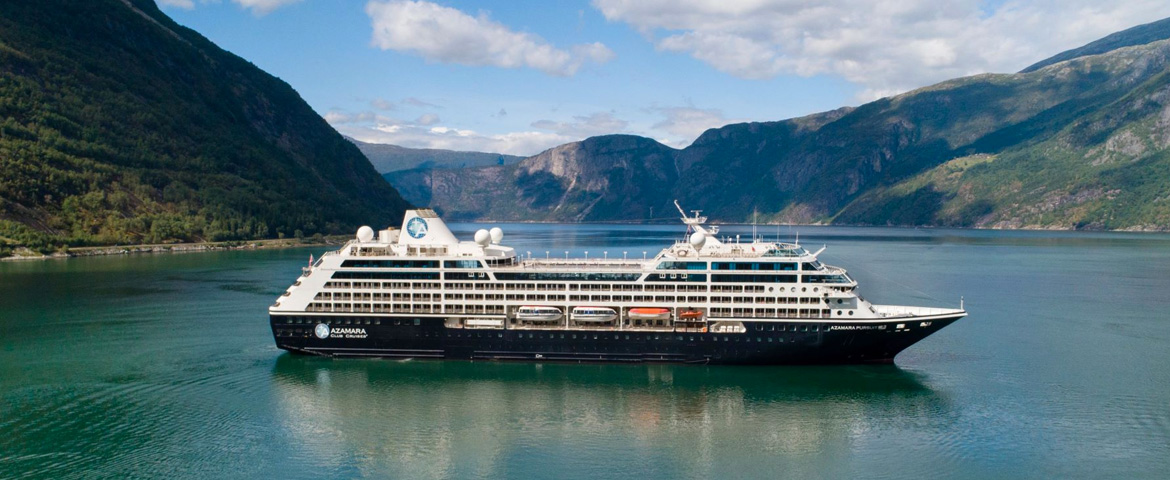
Azamara Pursuit
68 Cruises

| 5 February | 48 days | One-way from Sydney to Tokyo |
450-628-6241
Call us
|
| 5 February | 48 days | One-way from Sydney to Tokyo |
450-628-6241
Call us
|
| 26 February | 47 days | One-way from Sydney to Kobe-Osaka |
450-628-6241
Call us
|
| 27 February | 47 days | One-way from Sydney to Kobe-Osaka |
450-628-6241
Call us
|
| 31 March | 14 days | One-way from Yokohama to Kobe-Osaka |
450-628-6241
Call us
|
| 31 March | 14 days | One-way from Yokohama to Kobe-Osaka |
450-628-6241
Call us
|

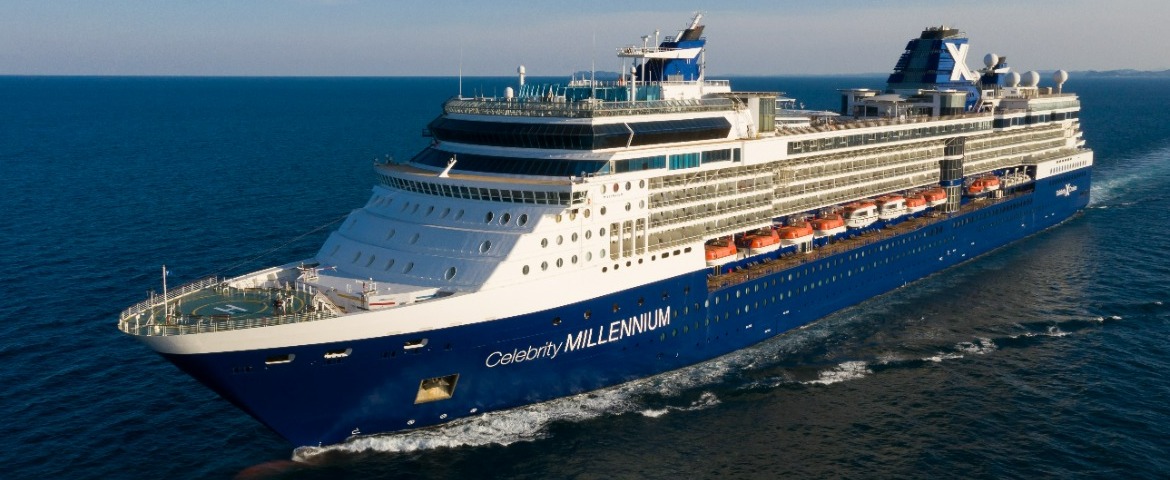
Celebrity Cruises (7 Cruises)

Crystal Cruises (3 Cruises)


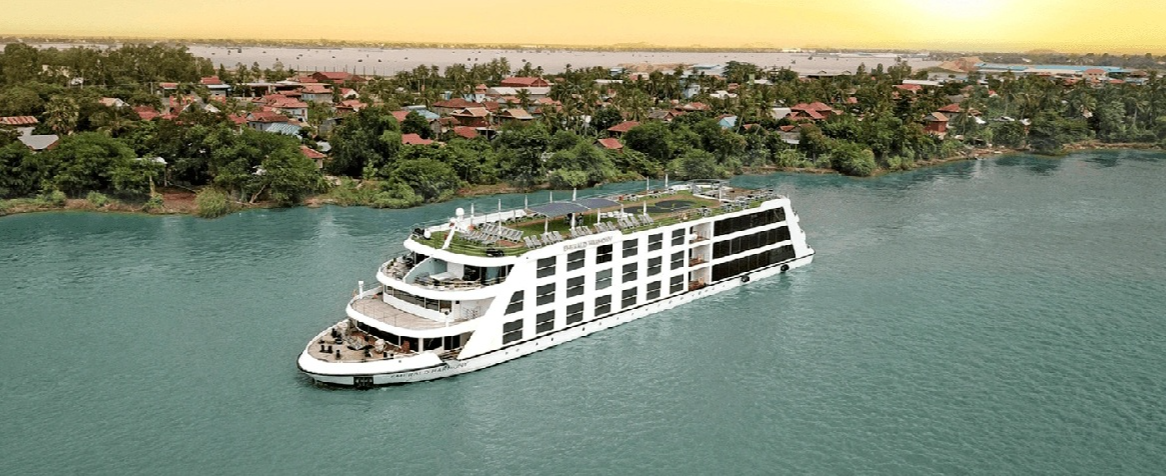
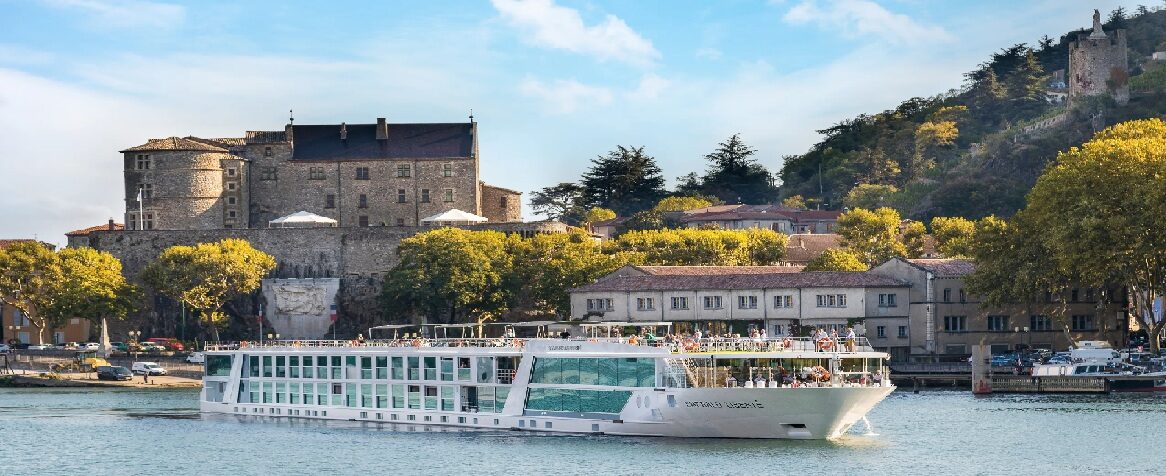
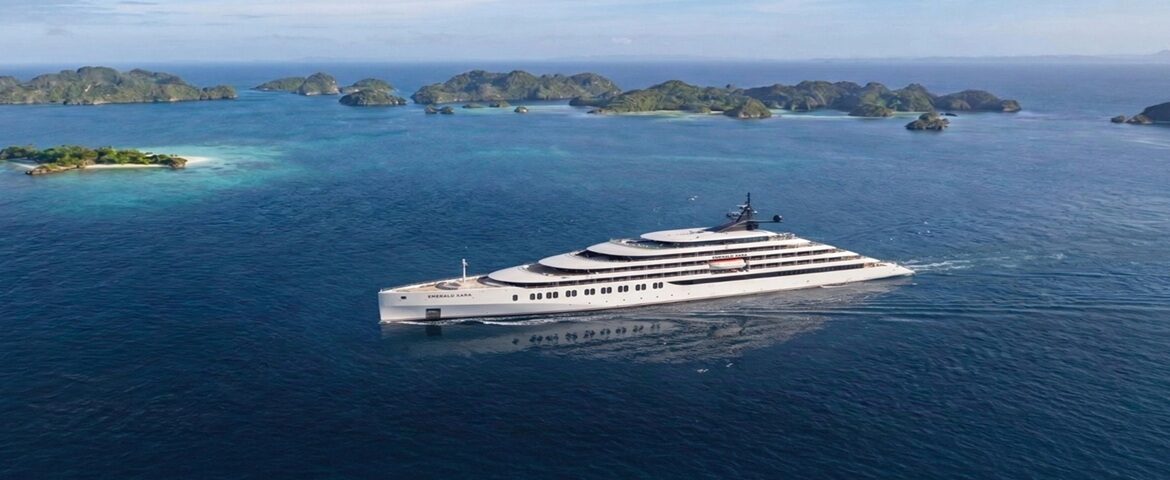
Emerald Waterways (8 Cruises)

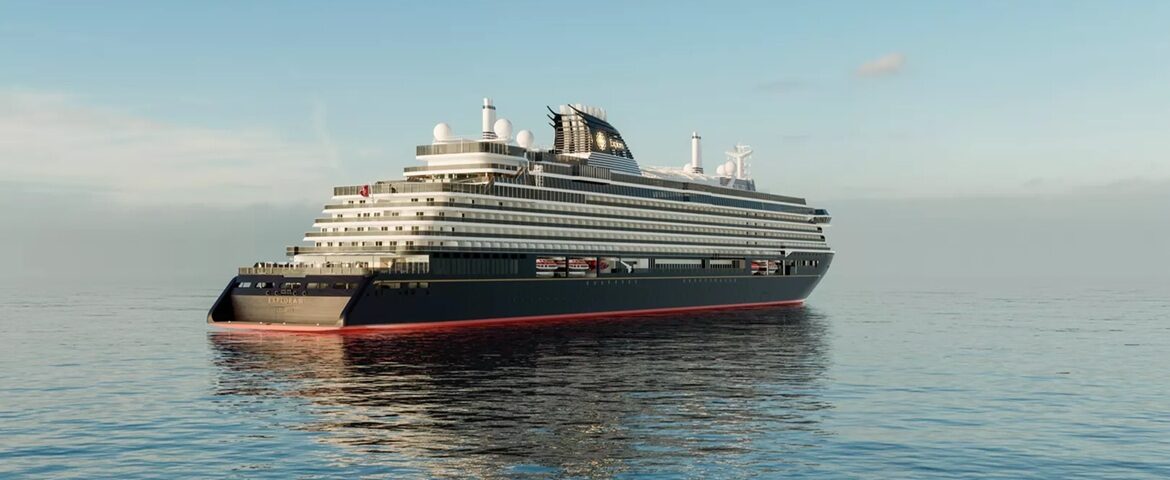
Explora Journeys (4 Cruises)

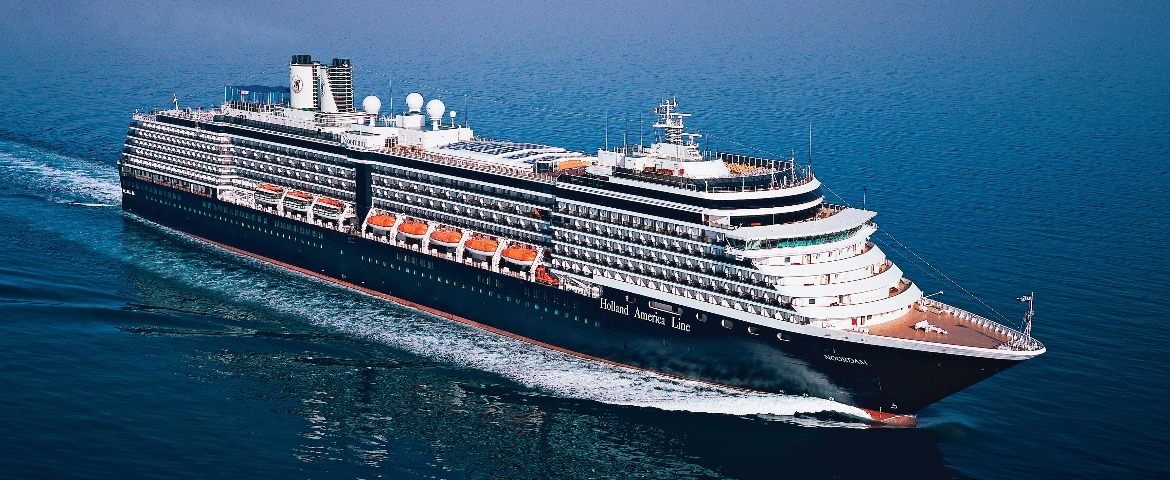
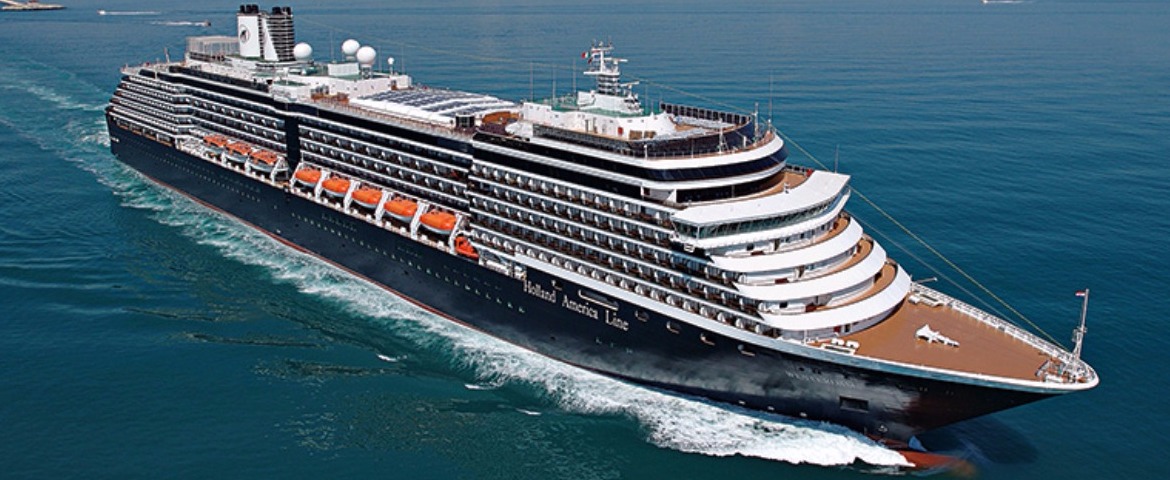
Holland America Line (16 Cruises)
ms Noordam
11 Cruises

Lindblad Expeditions (9 Cruises)
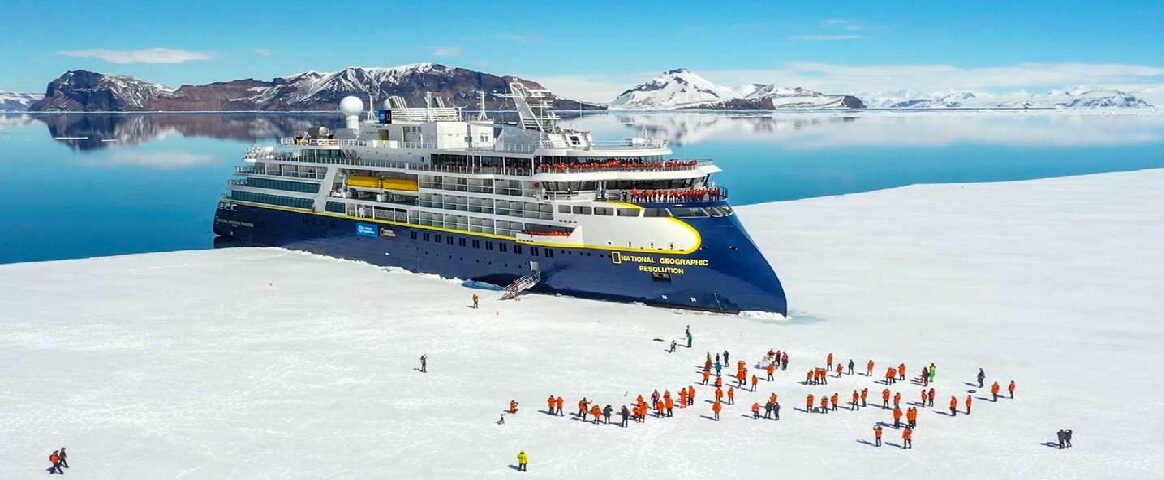
National Geographic Resolution
9 Cruises

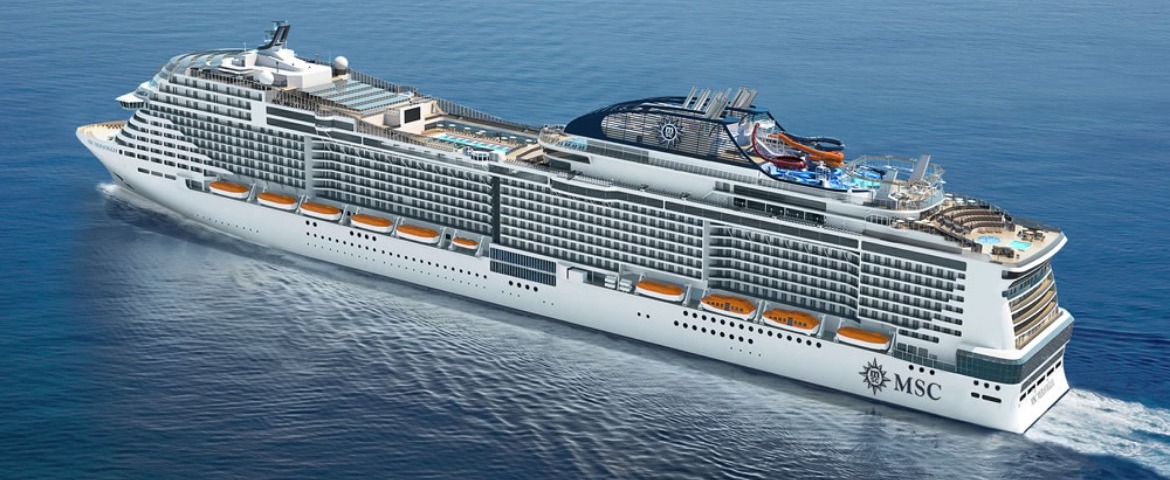
MSC Cruises (3 Cruises)

Norwegian Cruise Line (24 Cruises)
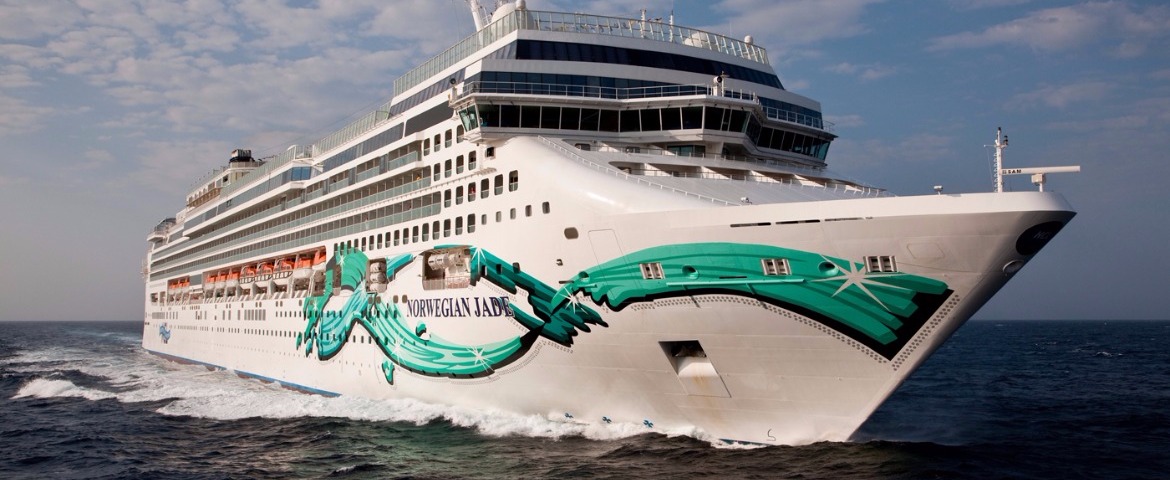
Norwegian Jade
24 Cruises

| 1 April | 10 days | One-way from Incheon to Yokohama |
From
2089$
|
| 10 April | 15 days | Round-trip from Yokohama, Japan |
From
3182$
|
| 22 February | 12 days | One-way from Hong Kong to Tokyo |
450-628-6241
Call us
|
| 22 February | 11 days | One-way from Hong Kong to Tokyo |
From
1468$
|
Oceania Cruises (31 Cruises)
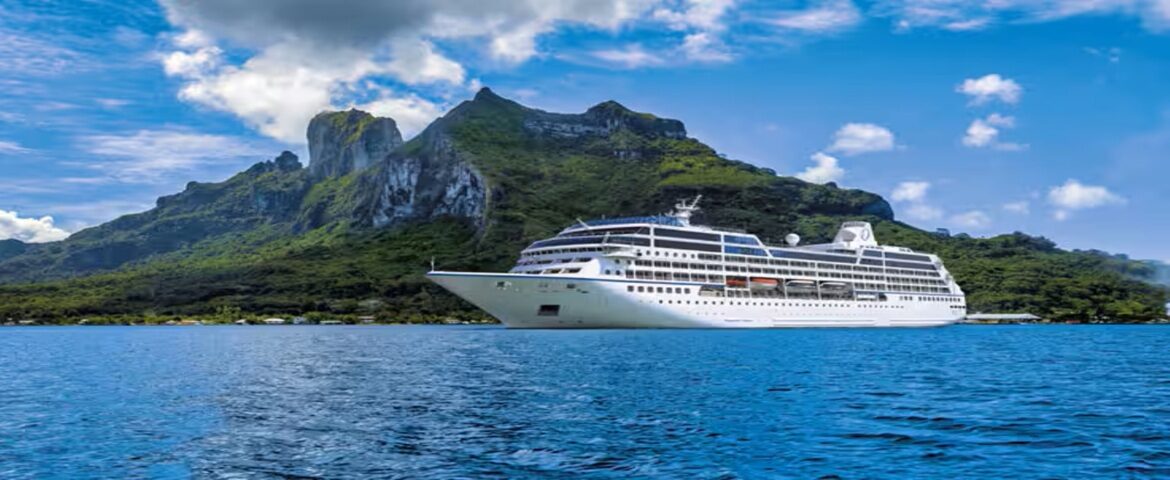

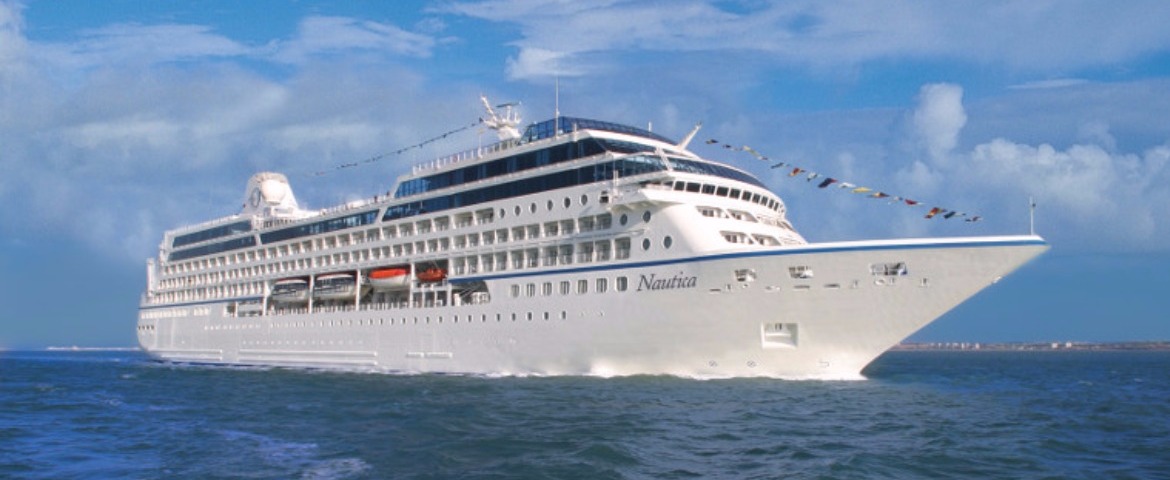
Oceania Riviera
20 Cruises
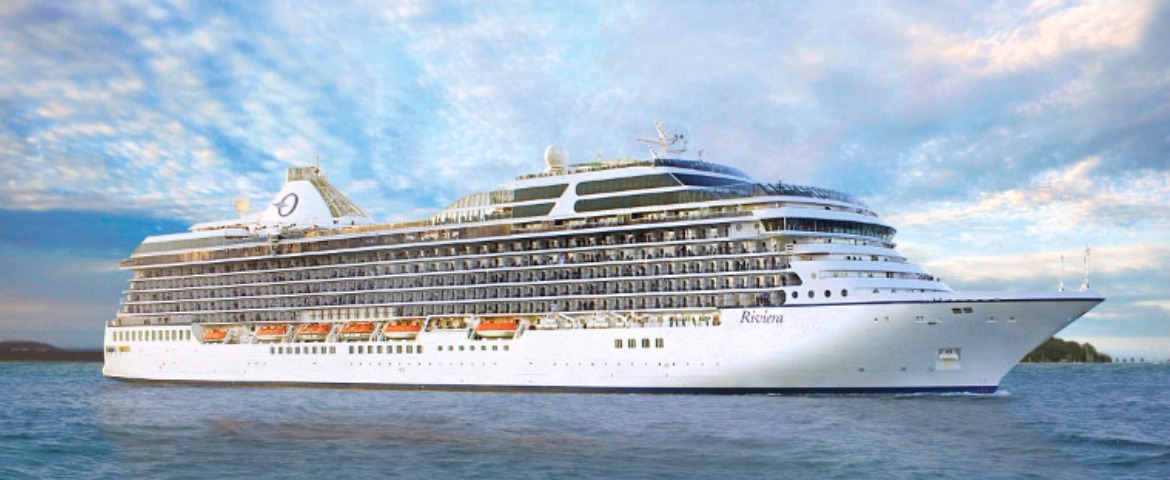
Oceania Vista
7 Cruises
| 6 January | 180 days | One-way from Miami to Southampton |
450-628-6241
Call us
|
| 6 January | 244 days | One-way from Miami to New York |
450-628-6241
Call us
|
Ponant (16 Cruises)
Le Jacques Cartier
6 Cruises
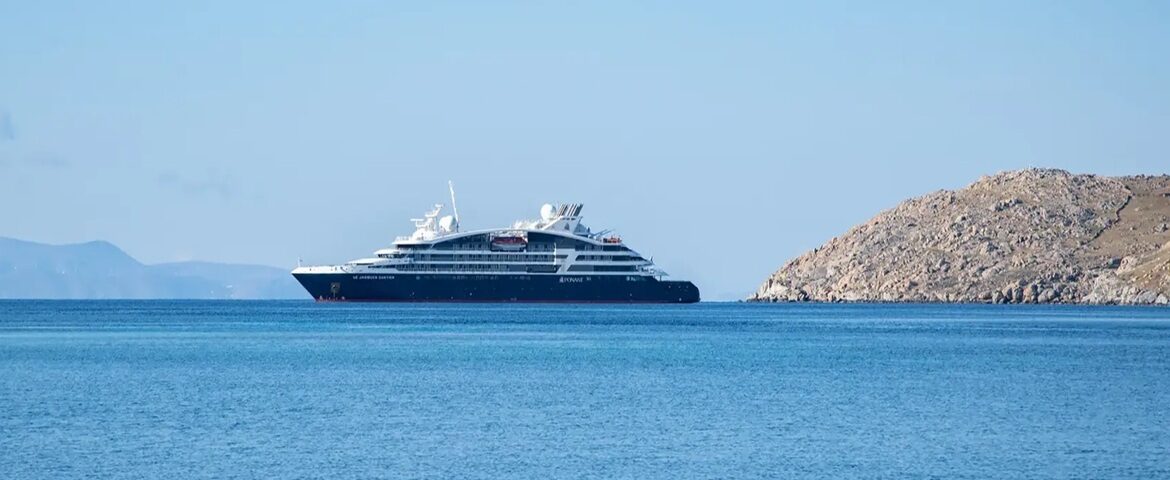

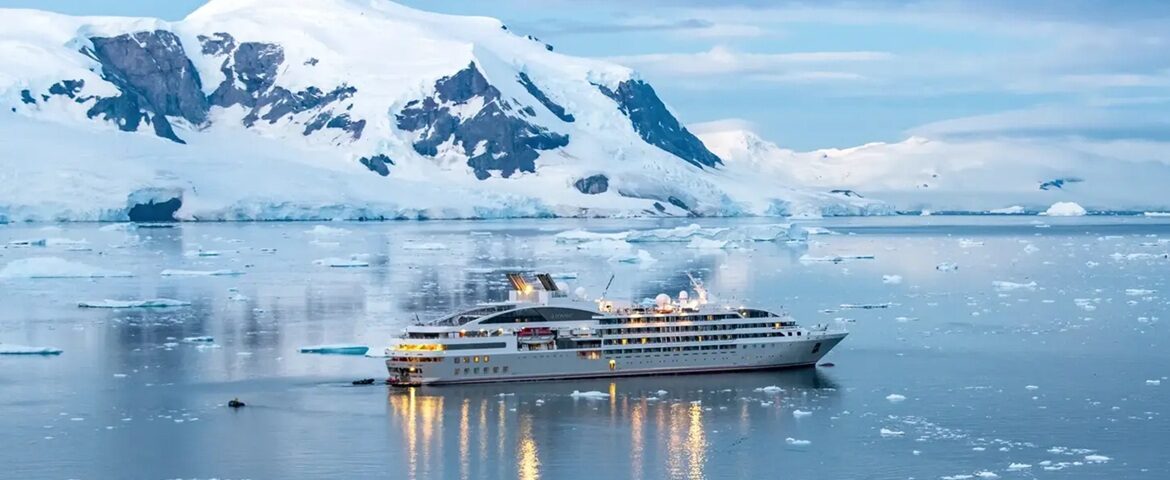
Le Soleal
10 Cruises
| 14 March | 13 days | One-way from Kobe-Osaka to Busan |
450-628-6241
Call us
|
| 26 March | 13 days | One-way from Busan to Kobe-Osaka |
450-628-6241
Call us
|
Princess Cruises (78 Cruises)
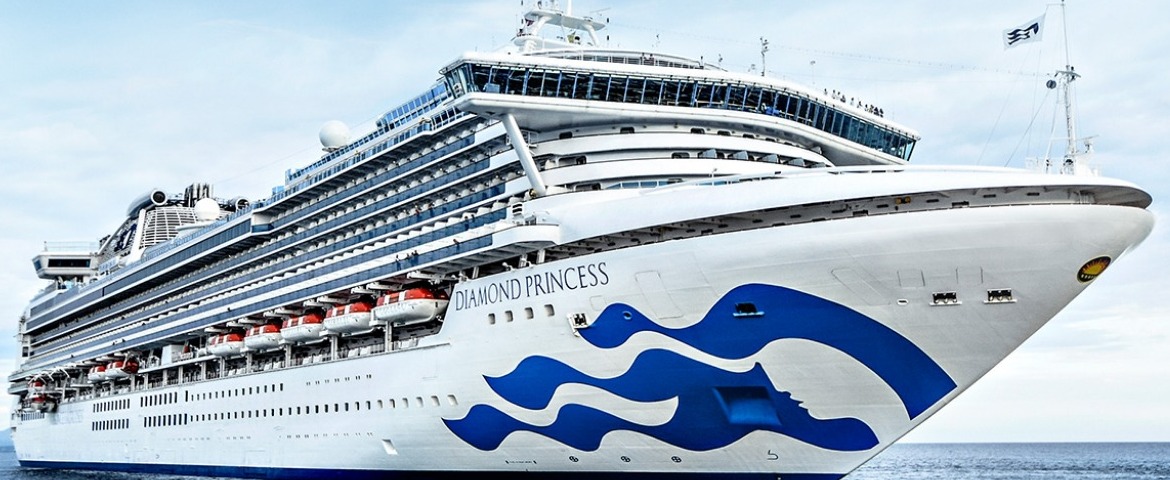
Diamond Princess
42 Cruises

| 8 May | 21 days | Round-trip from Yokohama, Japan |
450-628-6241
Call us
|
| 8 May | 11 days | Round-trip from Yokohama, Japan |
450-628-6241
Call us
|
| 30 April | 16 days | One-way from Yokohama to Tokyo |
450-628-6241
Call us
|
| 30 April | 17 days | Round-trip from Tokyo, Japan |
450-628-6241
Call us
|
| 9 July | 19 days | Round-trip from Tokyo, Japan |
450-628-6241
Call us
|
| 9 July | 12 days | Round-trip from Tokyo, Japan |
450-628-6241
Call us
|
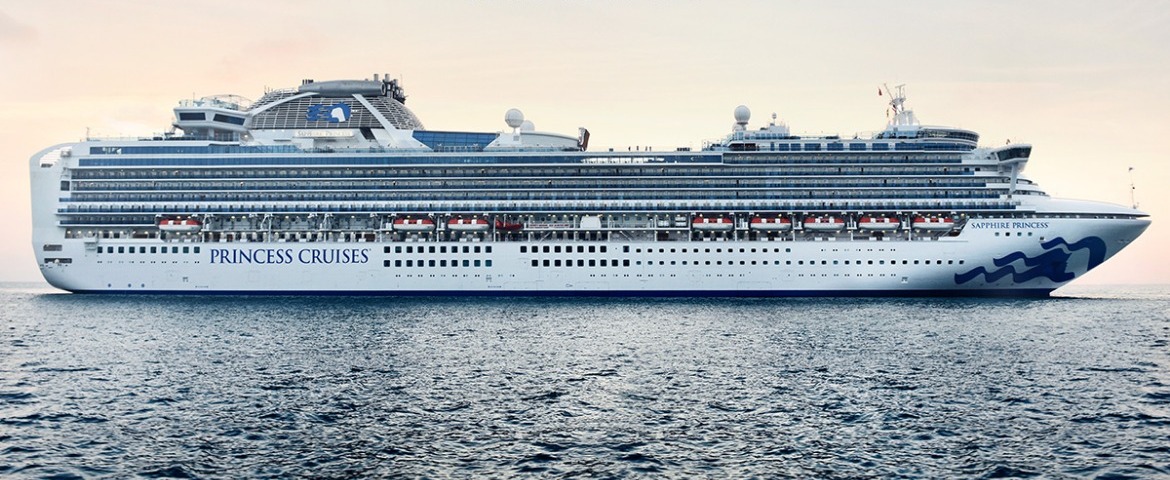
Sapphire Princess
36 Cruises
| 9 May | 21 days | Round-trip from Tokyo, Japan |
450-628-6241
Call us
|
| 18 May | 12 days | Round-trip from Tokyo, Japan |
450-628-6241
Call us
|
| 18 May | 19 days | Round-trip from Tokyo, Japan |
450-628-6241
Call us
|
| 5 May | 23 days | Round-trip from Tokyo, Japan |
450-628-6241
Call us
|
| 17 May | 11 days | Round-trip from Tokyo, Japan |
450-628-6241
Call us
|
| 17 May | 18 days | Round-trip from Tokyo, Japan |
450-628-6241
Call us
|
Regent Seven Seas Cruises (36 Cruises)
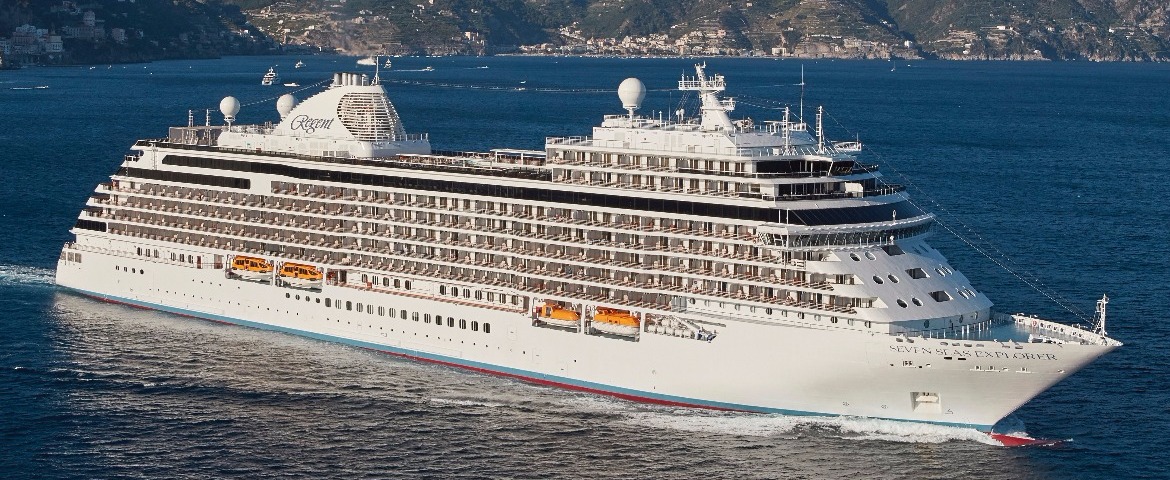
Seven Seas Explorer
12 Cruises

| 15 September | 31 days | One-way from Vancouver to Tokyo |
450-628-6241
Call us
|
| 15 September | 30 days | One-way from Vancouver to Tokyo |
450-628-6241
Call us
|
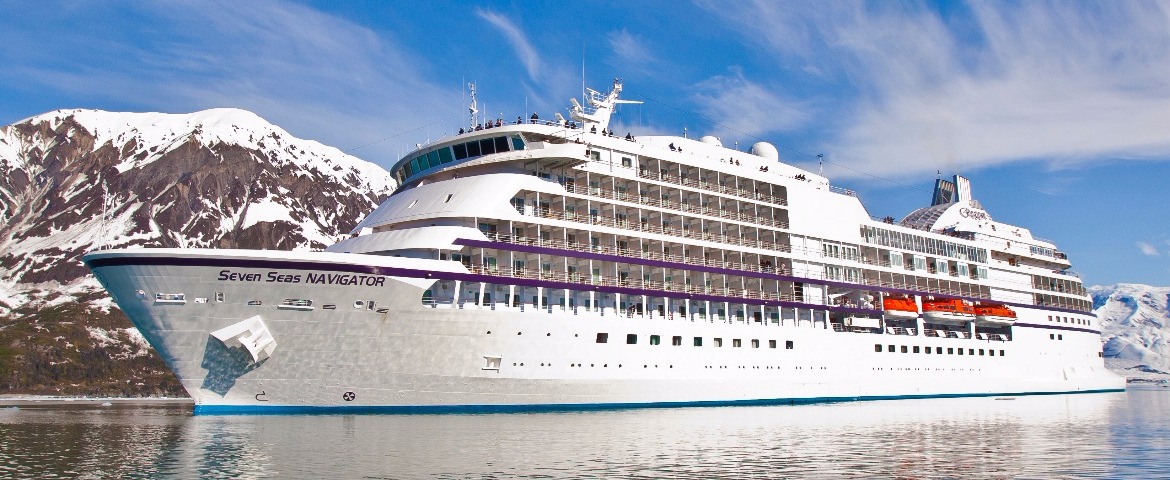
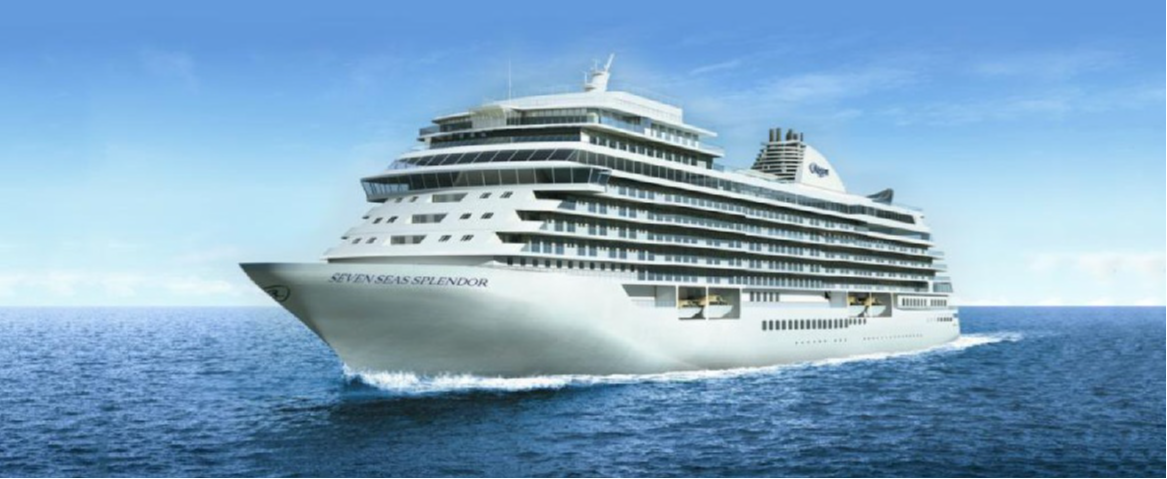
Seven Seas Splendor
20 Cruises
| 6 January | 133 days | Round-trip from San Francisco, USA |
450-628-6241
Call us
|
| 6 January | 140 days | One-way from San Francisco to Vancouver |
450-628-6241
Call us
|
| 13 September | 31 days | One-way from Vancouver to Tokyo |
450-628-6241
Call us
|
| 13 September | 30 days | One-way from Vancouver to Tokyo |
450-628-6241
Call us
|
Scenic Cruises (8 Cruises)
Scenic Spirit
8 Cruises


| 21 March | 27 days | One-way from Hakata-Fukuoka City to Siem Reap |
450-628-6241
Call us
|
| 21 March | 26 days | One-way from Hakata-Fukuoka City to Siem Reap |
450-628-6241
Call us
|
Seabourn Cruise Line (41 Cruises)
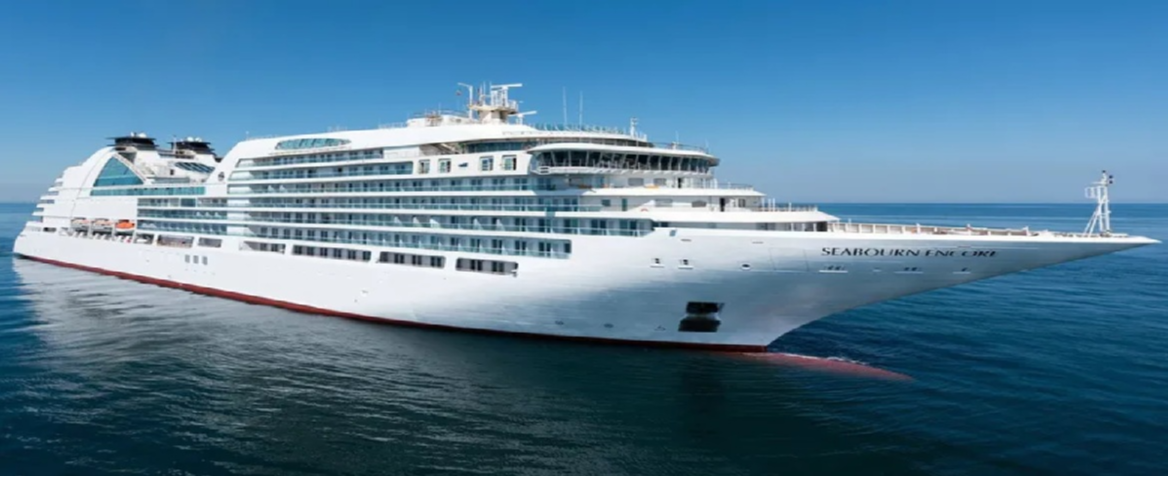
Seabourn Encore
41 Cruises

| 26 February | 28 days | Round-trip Japan South Korea Seabourn Encore Tokyo |
450-628-6241
Call us
|
| 26 February | 29 days | Round-trip from Tokyo, Japan |
450-628-6241
Call us
|
| 24 February | 29 days | Round-trip from Tokyo, Japan |
450-628-6241
Call us
|
| 24 February | 28 days | Round-trip Japan South Korea Seabourn Encore Tokyo |
450-628-6241
Call us
|
Silversea Cruises (35 Cruises)
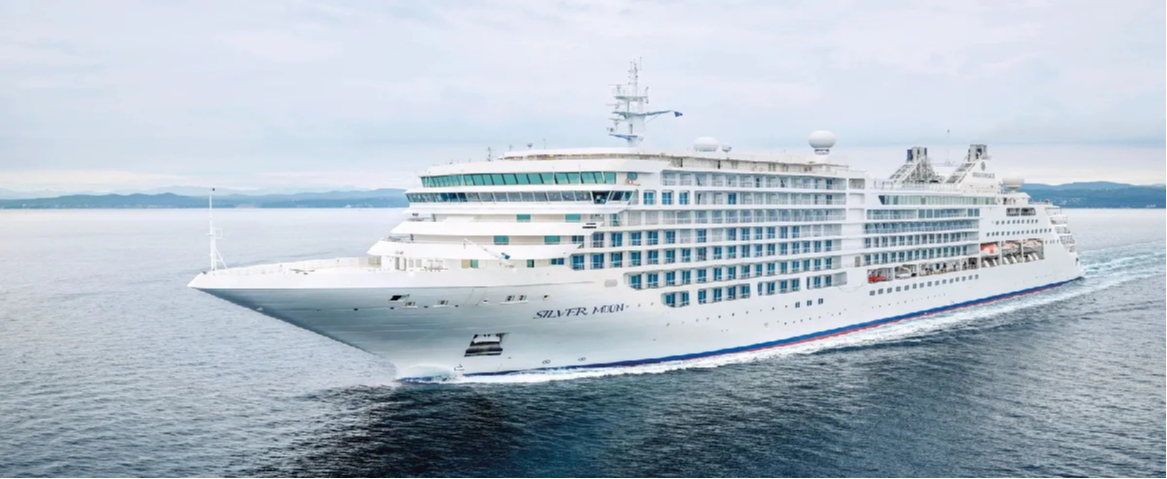
Silver Moon
14 Cruises

| 4 March | 17 days | One-way from Singapore to Tokyo |
450-628-6241
Call us
|
| 20 March | 15 days | Round-trip from Tokyo, Japan |
450-628-6241
Call us
|
| 3 April | 15 days | Round-trip from Tokyo, Japan |
450-628-6241
Call us
|
| 17 April | 15 days | Round-trip from Tokyo, Japan |
450-628-6241
Call us
|
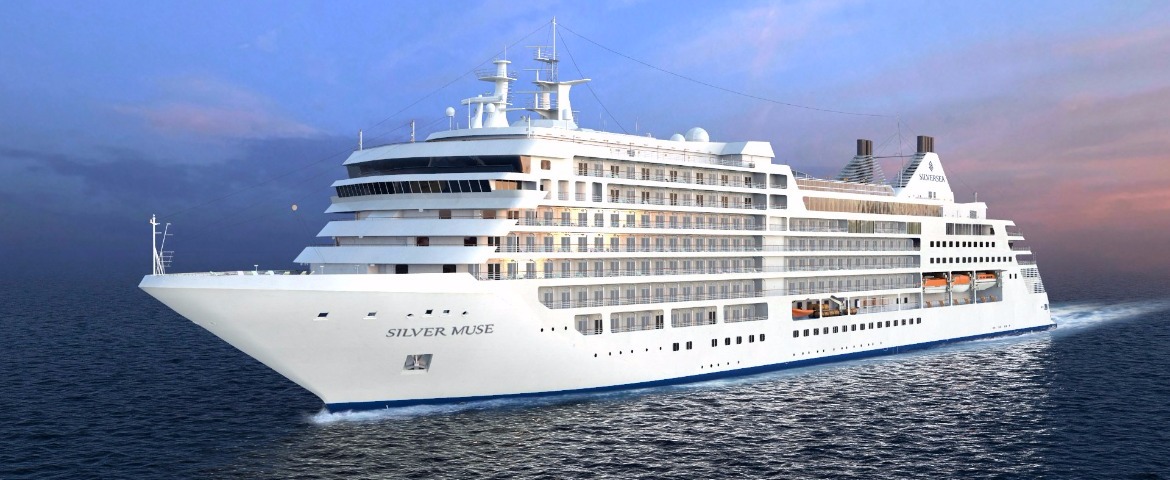
Silver Muse
18 Cruises
| 10 May | 15 days | One-way from Incheon to Tokyo |
450-628-6241
Call us
|
| 24 May | 15 days | One-way from Tokyo to Incheon |
450-628-6241
Call us
|
| 7 June | 15 days | One-way from Incheon to Tokyo |
450-628-6241
Call us
|
| 21 June | 25 days | Round-trip from Tokyo, Japan |
450-628-6241
Call us
|
| 8 August | 25 days | Round-trip from Tokyo, Japan |
450-628-6241
Call us
|
| 20 August | 13 days | One-way from Incheon to Tokyo |
450-628-6241
Call us
|
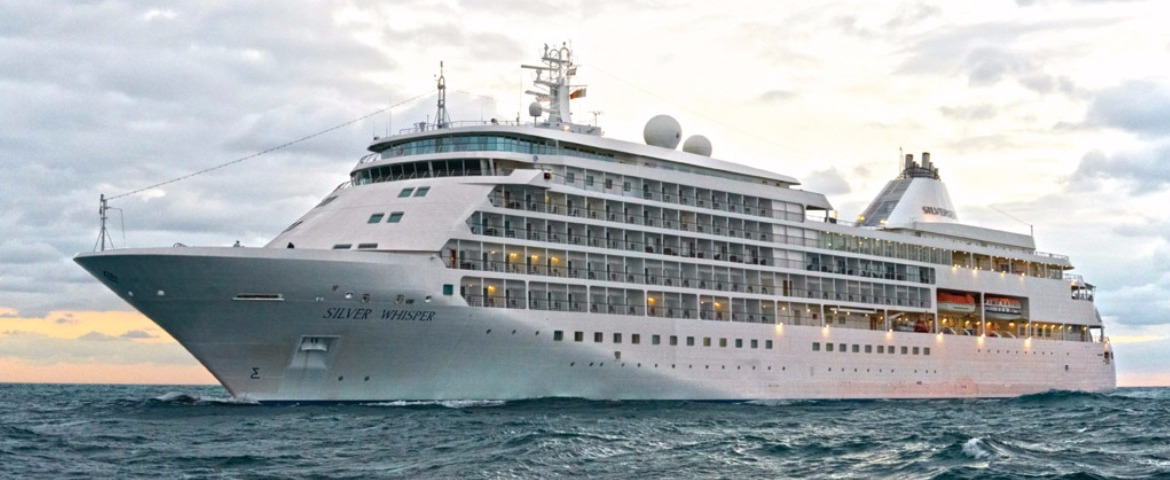
Viking Ocean Cruises (53 Cruises)
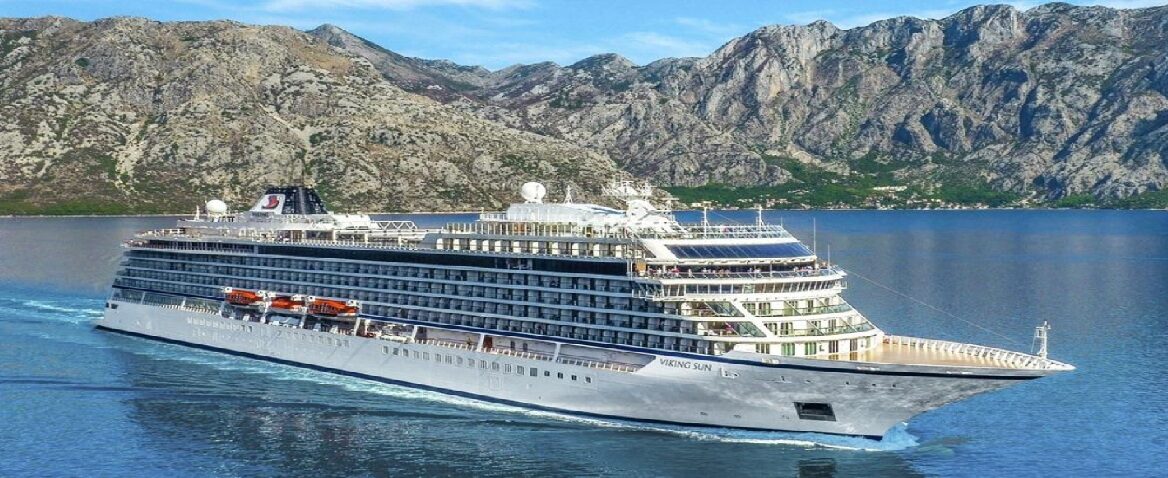
Viking Neptune
7 Cruises

| 5 July | 13 days | One-way from Tokyo to Hong Kong |
450-628-6241
Call us
|
| 19 July | 13 days | One-way from Hong Kong to Tokyo |
450-628-6241
Call us
|
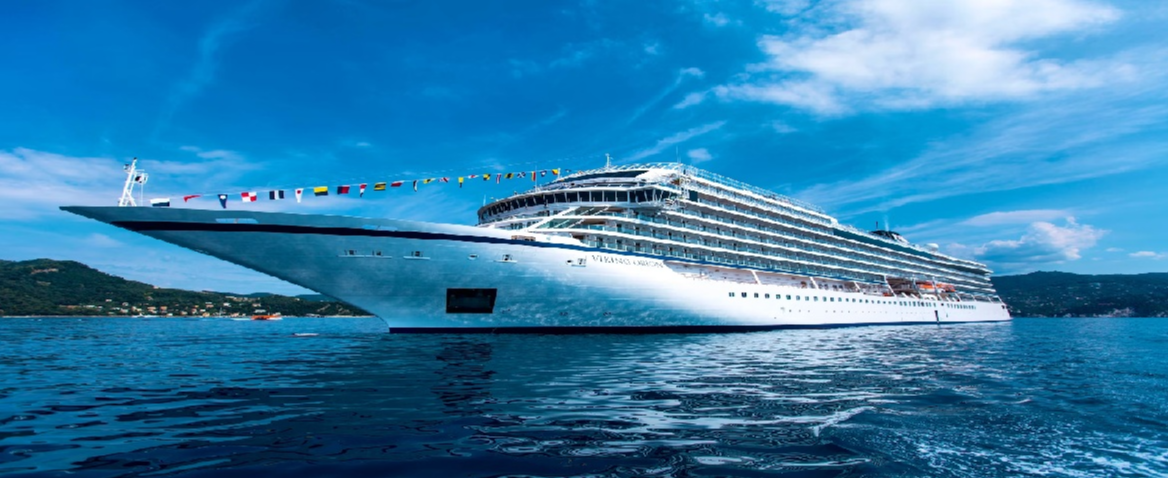
Viking Orion
21 Cruises
| 23 February | 91 days | One-way from Auckland to Vancouver |
450-628-6241
Call us
|
| 23 February | 90 days | One-way from Auckland to Vancouver |
450-628-6241
Call us
|
| 8 March | 78 days | One-way from Sydney to Vancouver |
450-628-6241
Call us
|
| 8 March | 77 days | One-way from Sydney to Vancouver |
450-628-6241
Call us
|
Viking Venus
25 Cruises
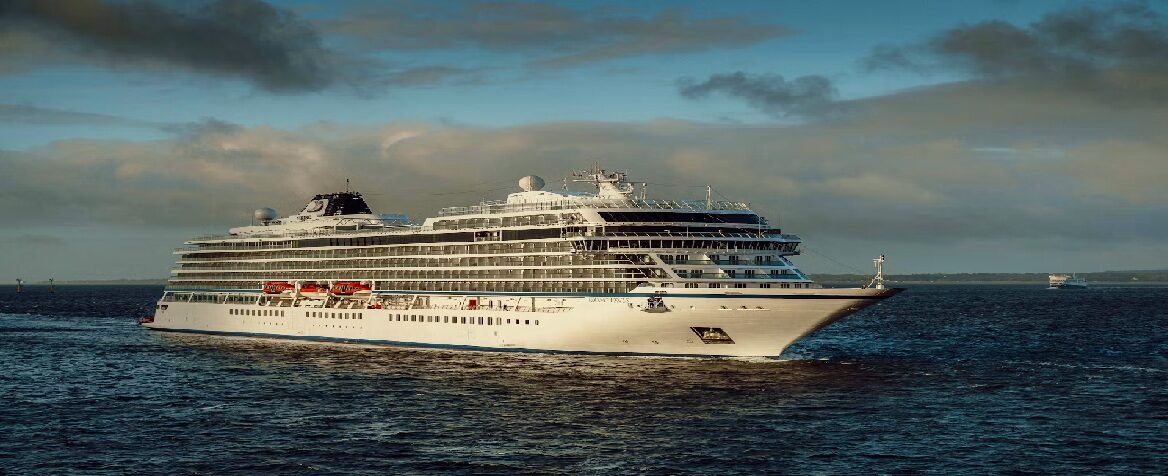

Port of Hiroshima | Cruise Port Guide
Frequently Asked Questions
At the Ujina cruise terminal or, for the largest ships, at the Itsukaichi quay. From Ujina, the historic tram reaches the city centre in about thirty minutes for a few hundred yen; taxis and cruise line shuttles shorten the trip.
The Peace Memorial Park and its museum, then the Hondori arcades for a meal: that is the honest programme. Miyajima needs a half-day on its own and does not combine with the memorial on a short call.
The only building left standing near the hypocentre of 6 August 1945. Its skeleton of girders is a UNESCO World Heritage site and stands at the entrance of the Peace Memorial Park, on a point between two branches of the Ota river.
It is harrowing, and worth knowing before you go in. Objects, photographs and testimonies are presented with a restraint that moves more than any speech could. It is not a place for young children; you leave silent, then strangely grateful.
A memorial covered in garlands of paper cranes folded by schoolchildren worldwide, in memory of young Sadako and her thousand unfinished cranes. Under the nearby trees, anyone can ring the peace bell with a wooden striker.
By fast boat from the Ujina terminal, about twenty minutes. The Itsukushima shrine and its great vermilion torii appear to float at high tide. Allow a full half-day, plus the Mount Misen ropeway if you choose to add it.
Okonomiyaki the local way: a layered pancake of cabbage, noodles and pork seared on a hot plate and served straight from the counter. The covered Hondori arcades are full of them, often several floors of the same building.
Shukkei-en garden, a miniature landscape around a pond crossed by stone bridges, steps from the reconstructed castle. It is the breathing space many visitors need after leaving the museum.
Yes, once you reach the centre. The historic and shopping core sits in a compact area between the branches of the Ota, everything is flat and the bridges are pedestrian. Only the trip from the quay requires a tram or taxi.
The Japanese yen and Japanese. The memorial and museum are fully translated, including French on some materials, and staff are used to foreign visitors. The tram is paid in cash or with a transit card.


