Nagasaki City Japan Nagasaki
601
Cruises availables
At departure or passage at this port
Azamara Club Cruises (47 Cruises)
Azamara Pursuit
47 Cruises
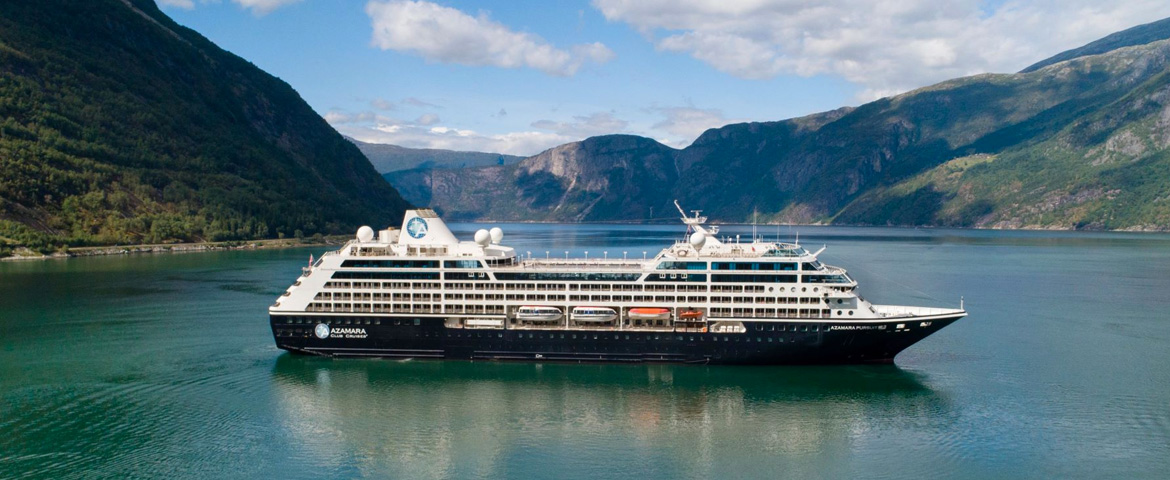

| 25 March | 17 days | Round-trip Japan And South Korea Azamara Pursuit Tokyo |
450-628-6241
Call us
|
| 26 March | 18 days | Round-trip from Tokyo, Japan |
450-628-6241
Call us
|
| 26 February | 47 days | One-way from Sydney to Kobe-Osaka |
450-628-6241
Call us
|
| 27 February | 47 days | One-way from Sydney to Kobe-Osaka |
450-628-6241
Call us
|
| 31 March | 14 days | One-way from Yokohama to Kobe-Osaka |
450-628-6241
Call us
|
| 31 March | 14 days | One-way from Yokohama to Kobe-Osaka |
450-628-6241
Call us
|
Celebrity Cruises (38 Cruises)
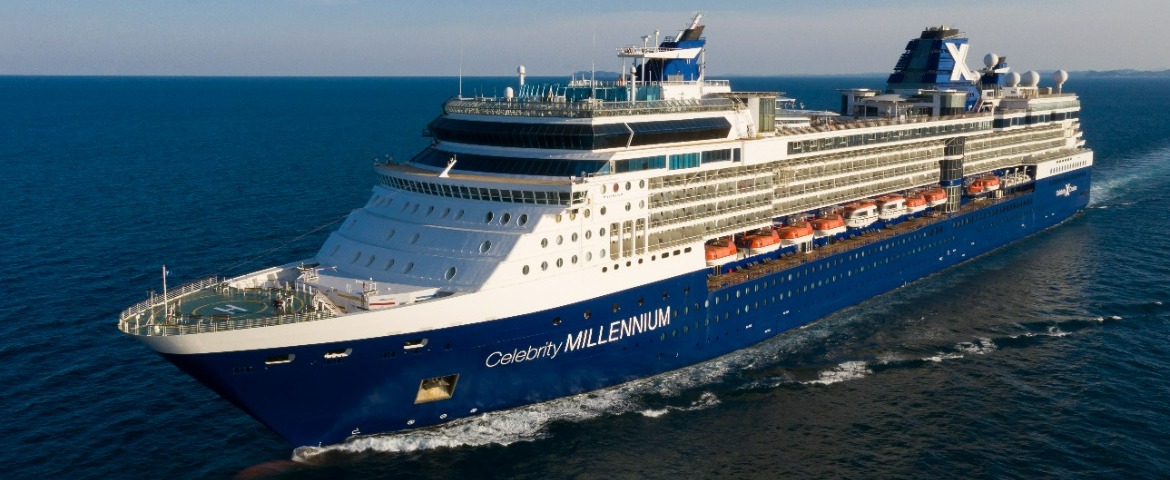
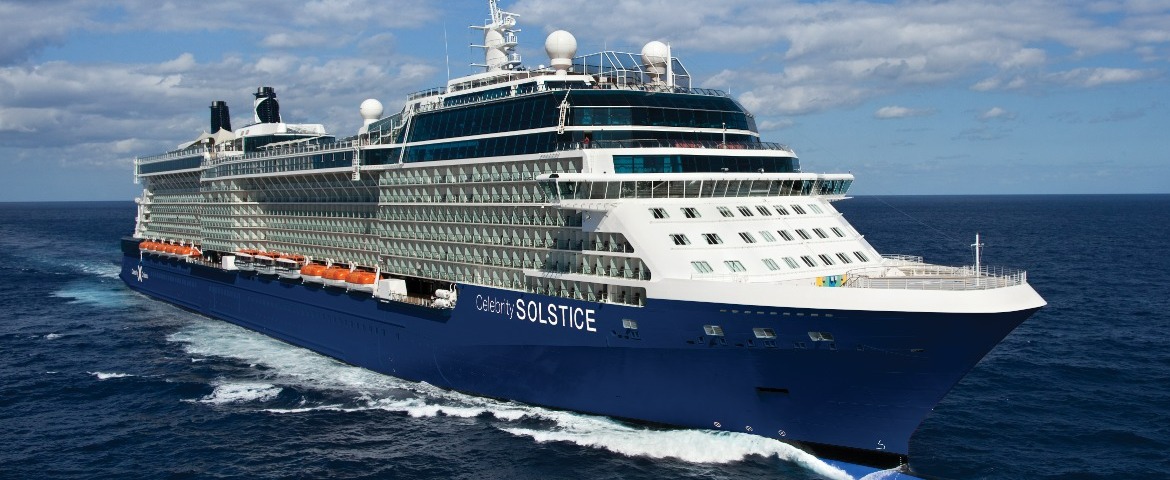
Celebrity Millennium
35 Cruises

Costa Cruises (24 Cruises)
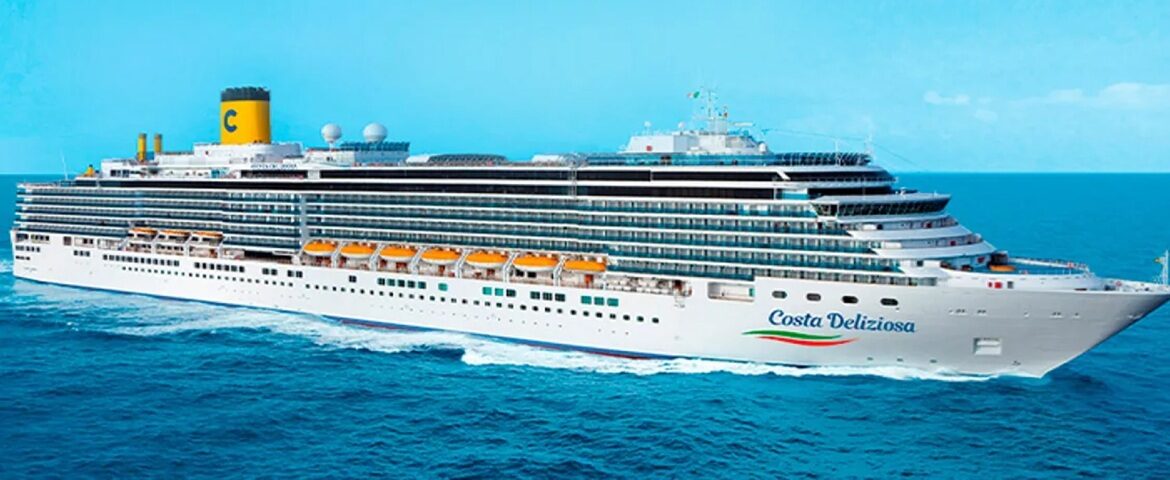
Costa Deliziosa
24 Cruises

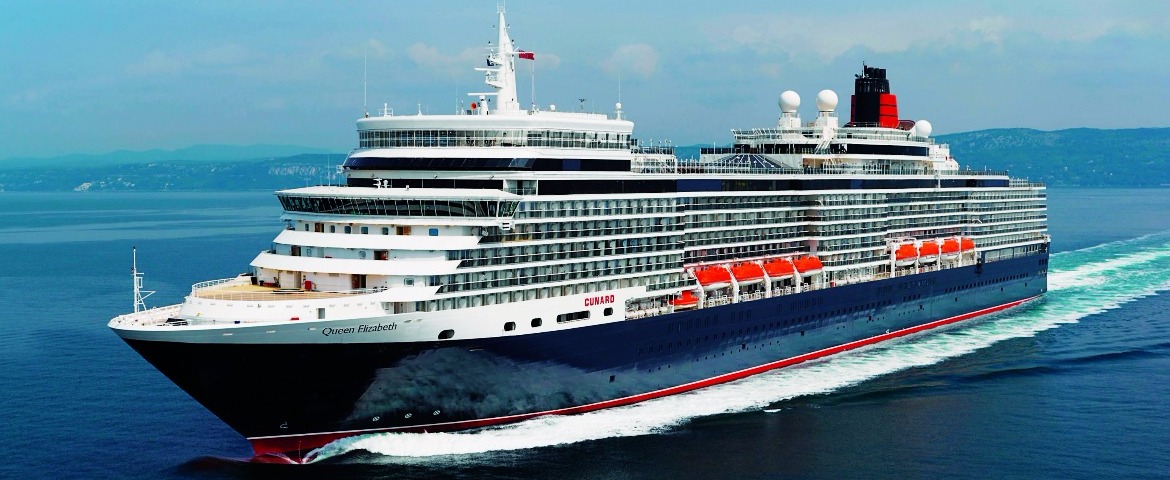
Cunard (14 Cruises)
Queen Elizabeth
14 Cruises

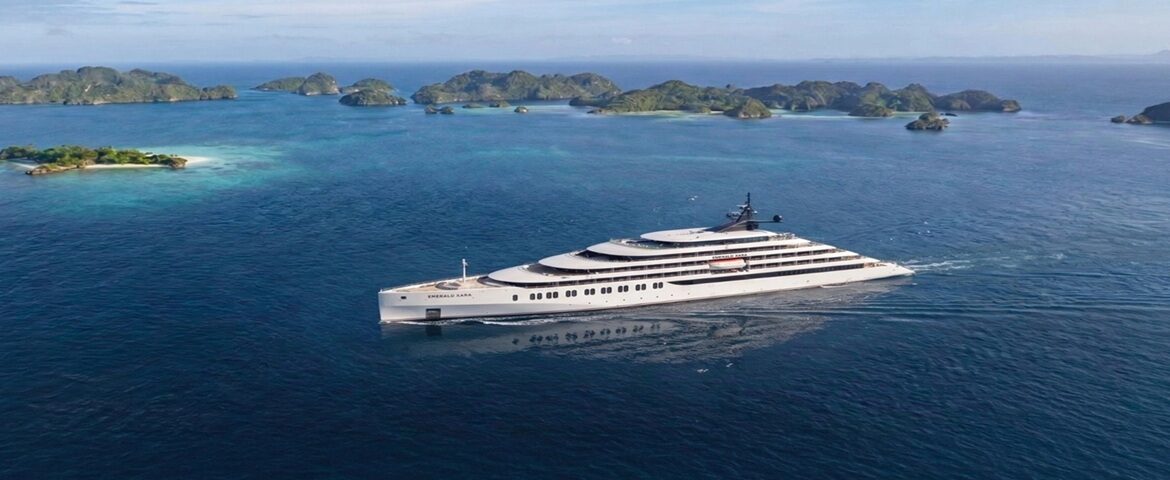
Emerald Waterways (7 Cruises)

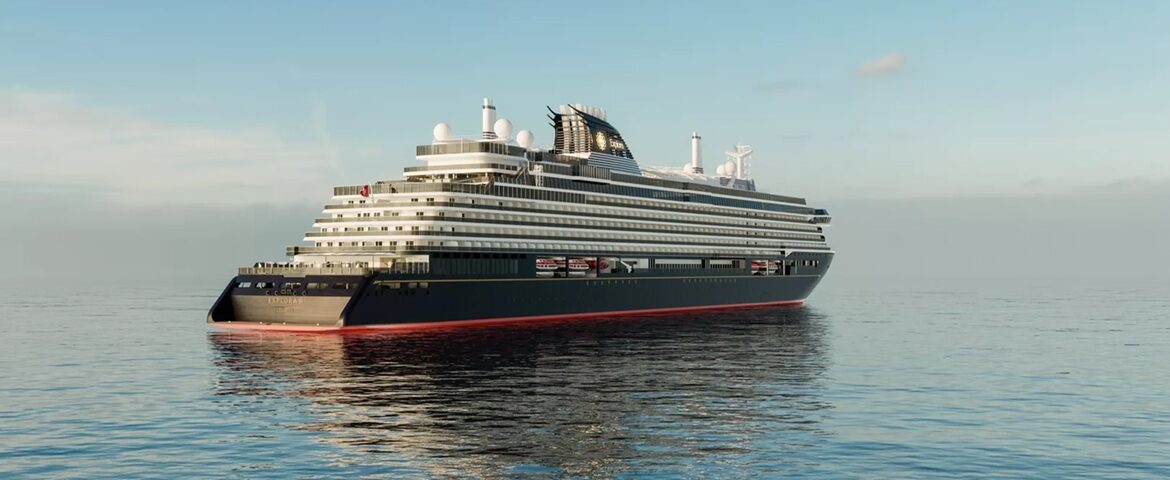
Explora Journeys (9 Cruises)
Explora III
9 Cruises

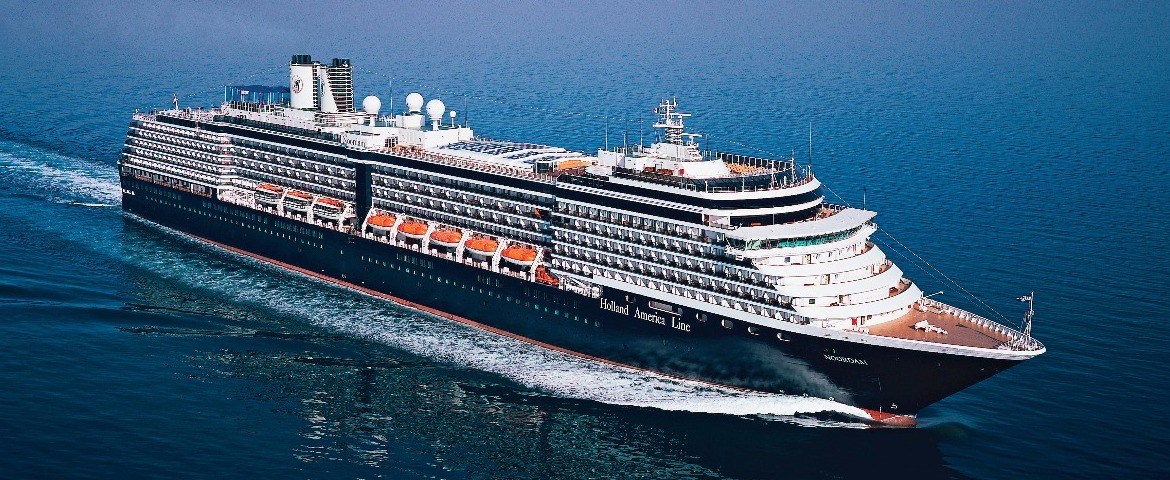
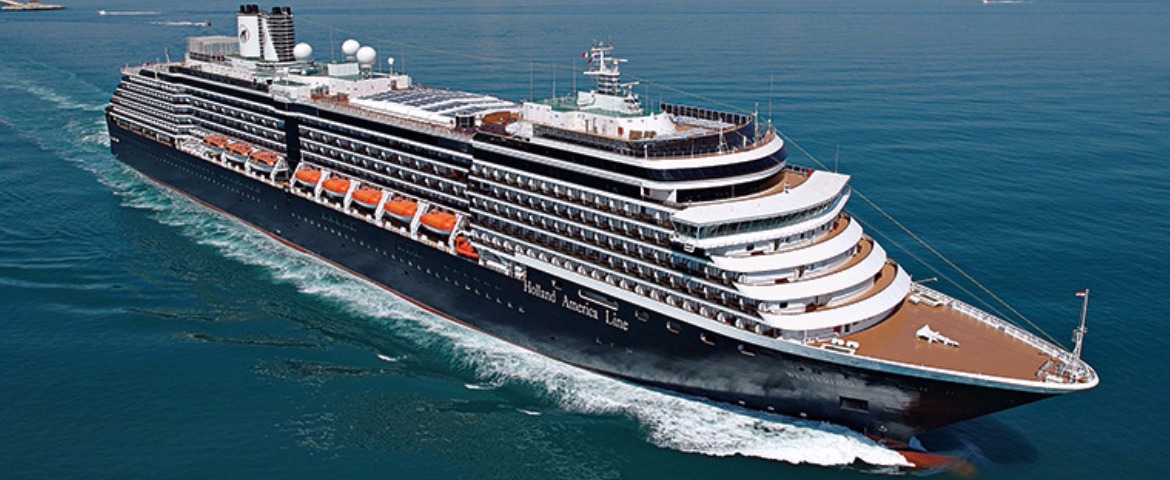
Holland America Line (11 Cruises)
ms Noordam
9 Cruises

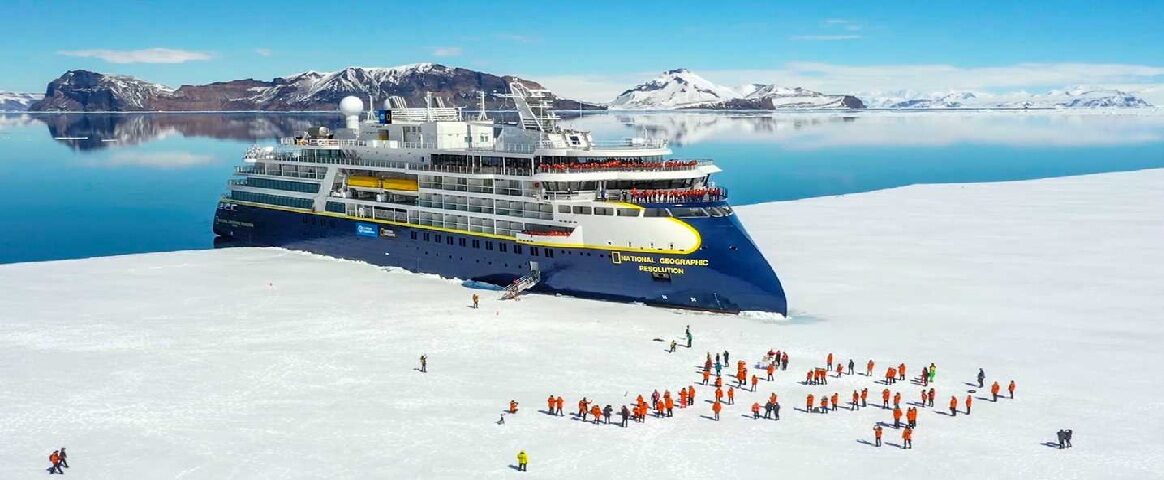
Lindblad Expeditions (9 Cruises)
National Geographic Resolution
9 Cruises

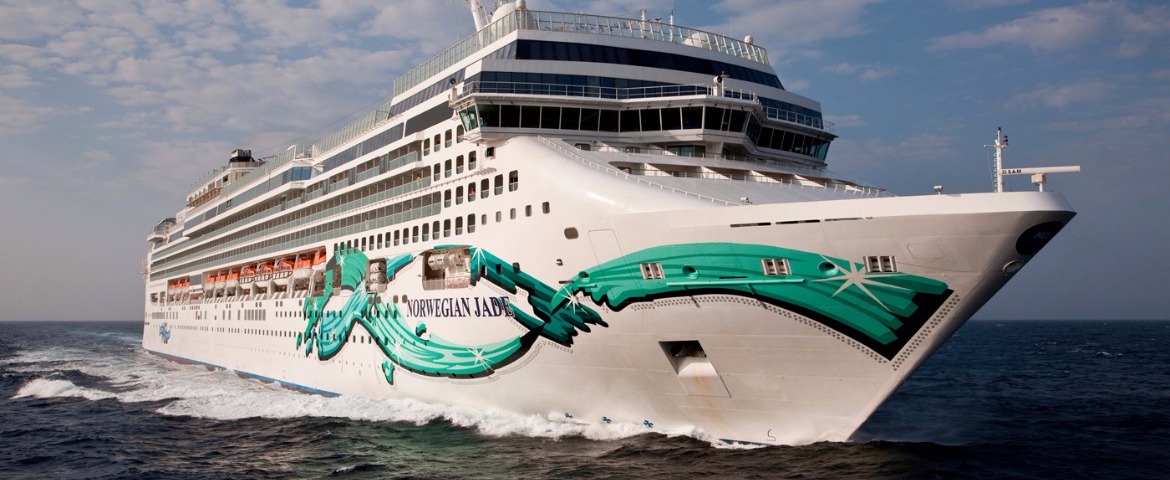
Norwegian Cruise Line (19 Cruises)
Norwegian Jade
19 Cruises

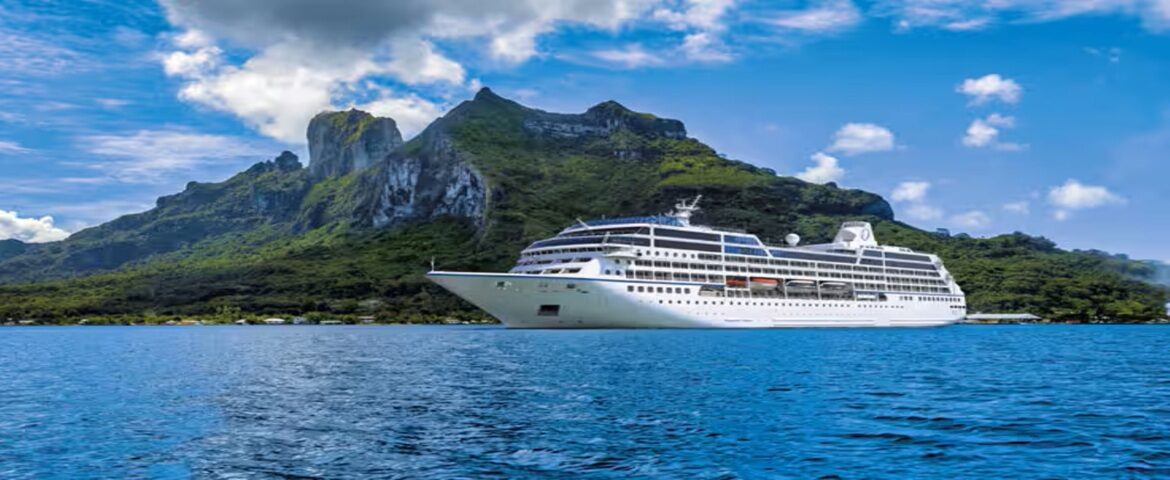
Oceania Cruises (53 Cruises)
Oceania Aurelia
9 Cruises

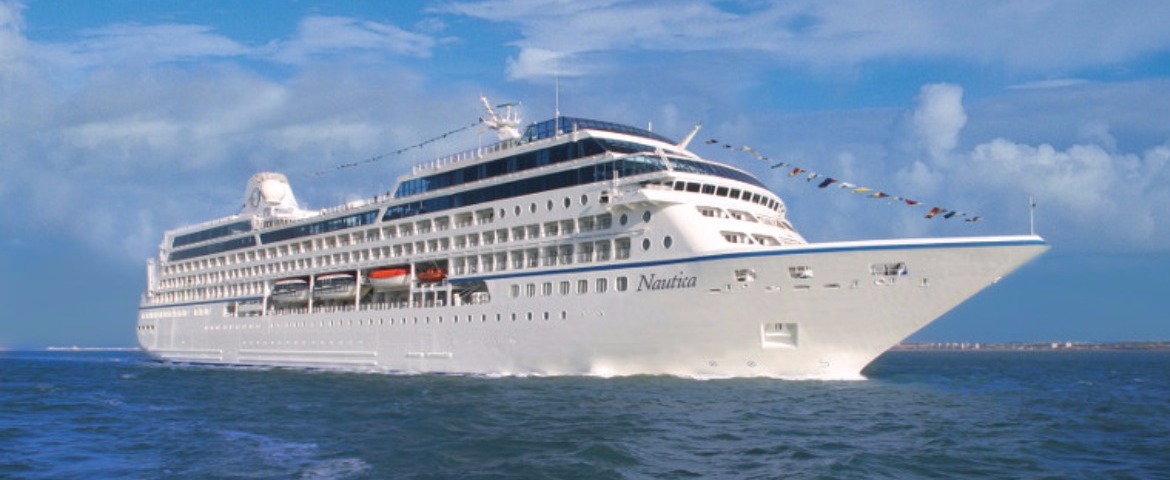
Oceania Nautica
9 Cruises
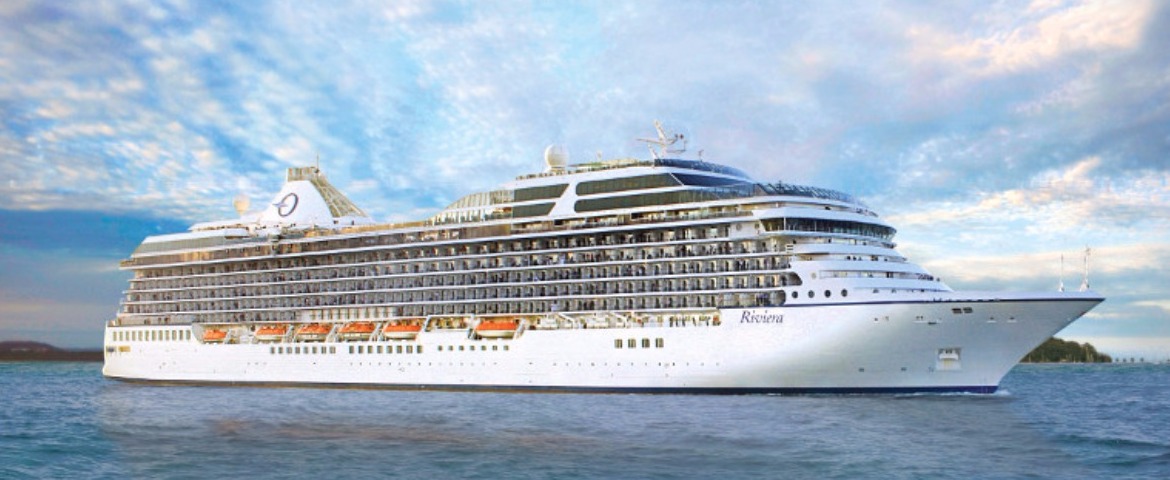
Oceania Riviera
28 Cruises
| 2 March | 10 days | One-way from Yokohama to Incheon |
450-628-6241
Call us
|
| 2 March | 10 days | One-way from Yokohama to Incheon |
450-628-6241
Call us
|
| 7 September | 32 days | One-way from Seattle to Tokyo |
450-628-6241
Call us
|
| 27 September | 12 days | Round-trip from Tokyo, Japan |
450-628-6241
Call us
|
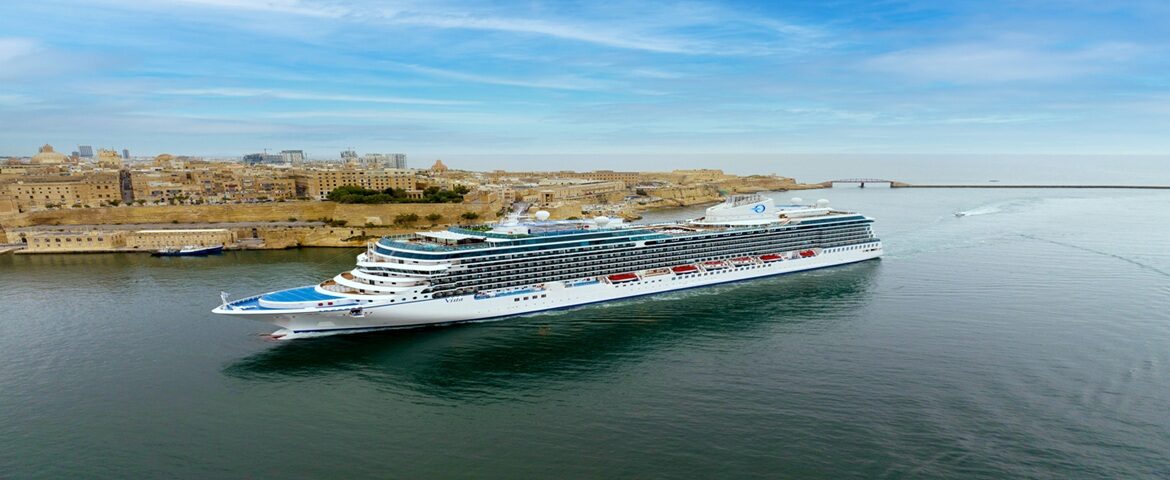
Oceania Vista
7 Cruises
| 6 January | 180 days | One-way from Miami to Southampton |
450-628-6241
Call us
|
| 6 January | 244 days | One-way from Miami to New York |
450-628-6241
Call us
|
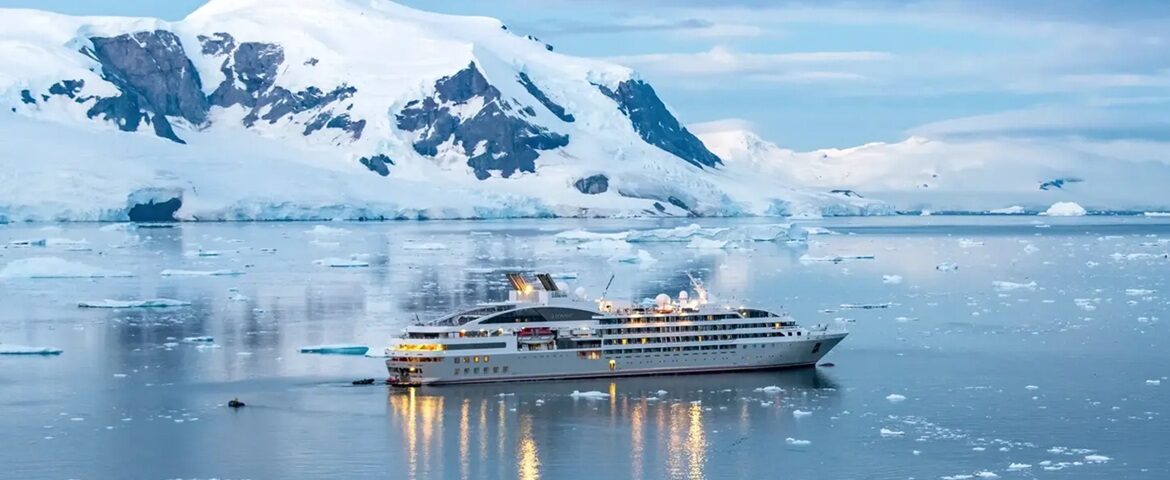
Ponant (15 Cruises)
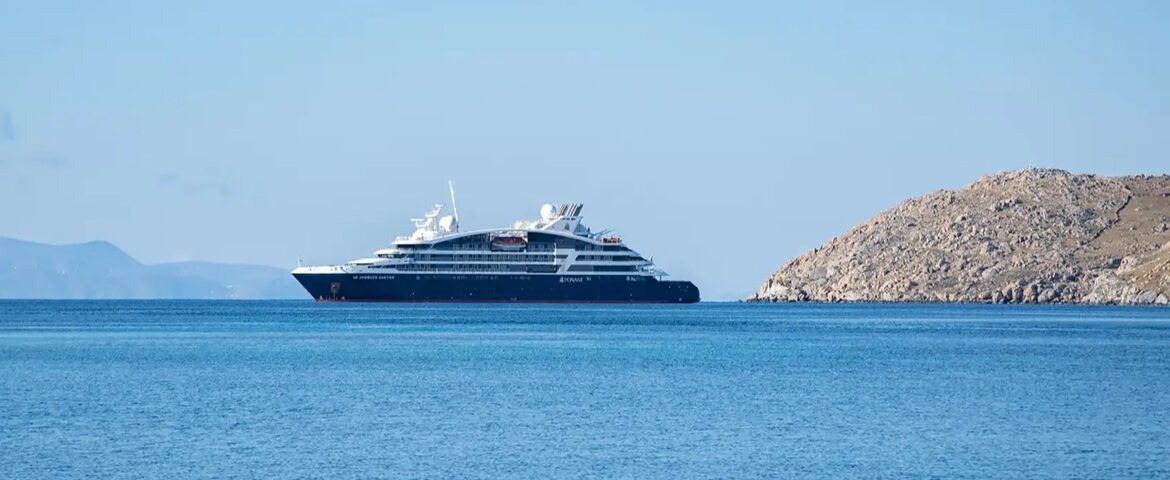
Le Jacques Cartier
6 Cruises

Princess Cruises (172 Cruises)
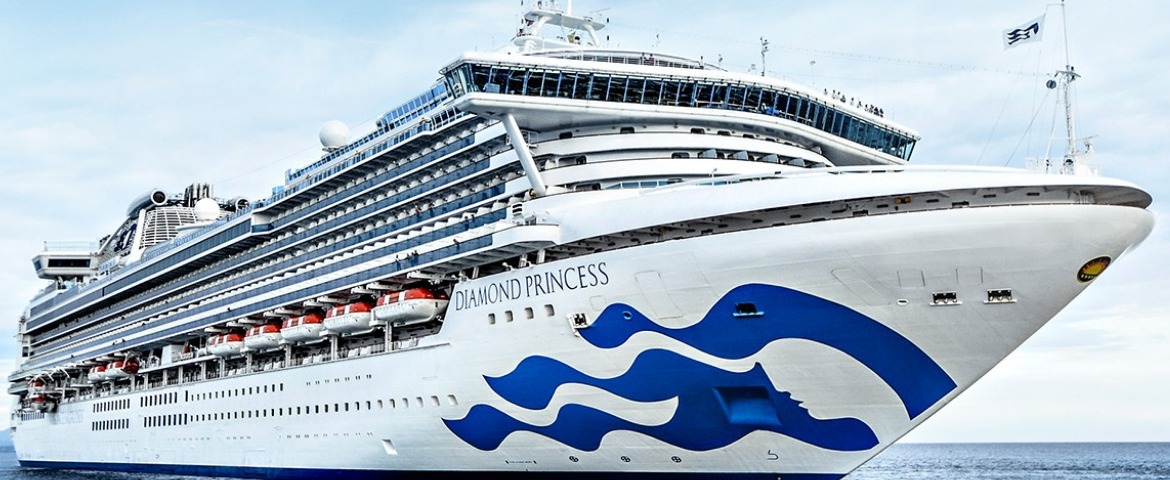
Diamond Princess
95 Cruises

| 28 October | 15 days | Round-trip from Yokohama, Japan |
450-628-6241
Call us
|
| 28 October | 29 days | Round-trip from Yokohama, Japan |
450-628-6241
Call us
|
| 9 July | 12 days | Round-trip from Tokyo, Japan |
450-628-6241
Call us
|
| 9 July | 19 days | Round-trip from Tokyo, Japan |
450-628-6241
Call us
|
Grand Princess
7 Cruises
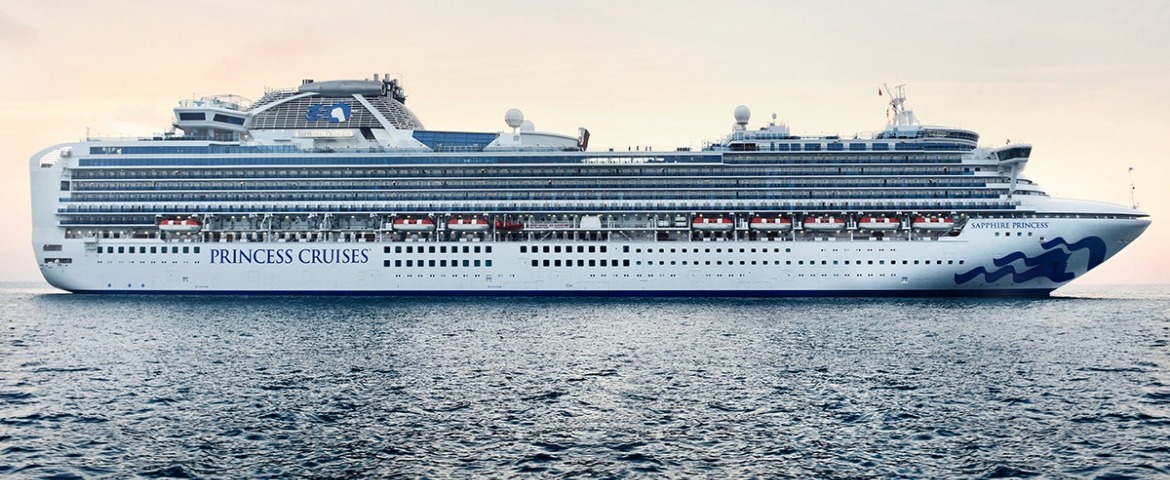
Sapphire Princess
70 Cruises
| 8 April | 25 days | Round-trip from Tokyo, Japan |
450-628-6241
Call us
|
| 8 April | 14 days | Round-trip from Tokyo, Japan |
450-628-6241
Call us
|
| 21 April | 12 days | Round-trip from Tokyo, Japan |
450-628-6241
Call us
|
| 23 February | 16 days | One-way from Singapore to Tokyo |
450-628-6241
Call us
|
| 24 February | 14 days | One-way from Singapore to Tokyo |
450-628-6241
Call us
|
| 19 March | 11 days | Round-trip from Tokyo, Japan |
450-628-6241
Call us
|
| 29 March | 22 days | Round-trip from Tokyo, Japan |
450-628-6241
Call us
|
Regent Seven Seas Cruises (41 Cruises)
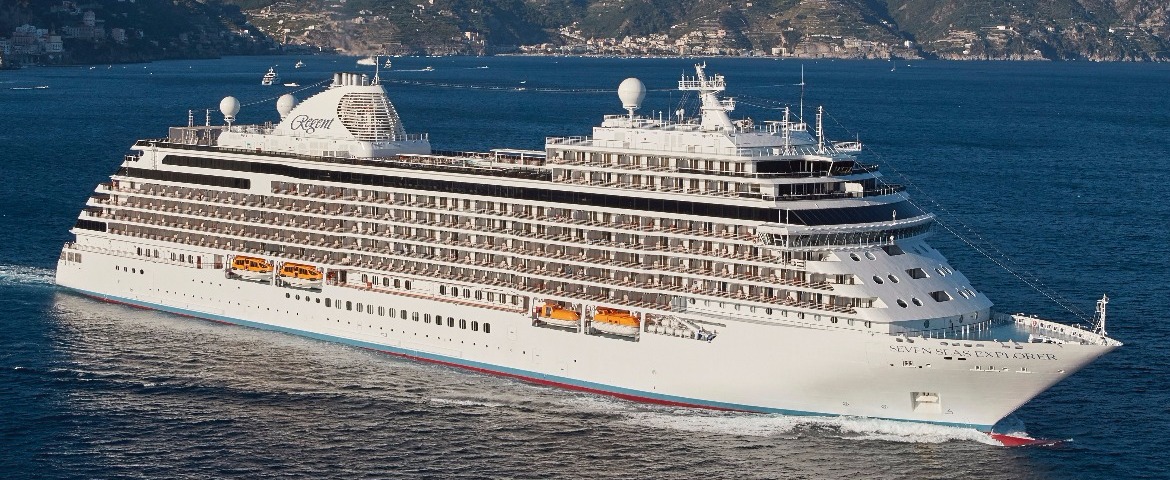
Seven Seas Explorer
17 Cruises

| 13 April | 12 days | One-way from Tokyo to Incheon |
450-628-6241
Call us
|
| 13 April | 12 days | One-way from Tokyo to Incheon |
450-628-6241
Call us
|
| 15 September | 31 days | One-way from Vancouver to Tokyo |
450-628-6241
Call us
|
| 15 September | 30 days | One-way from Vancouver to Tokyo |
450-628-6241
Call us
|
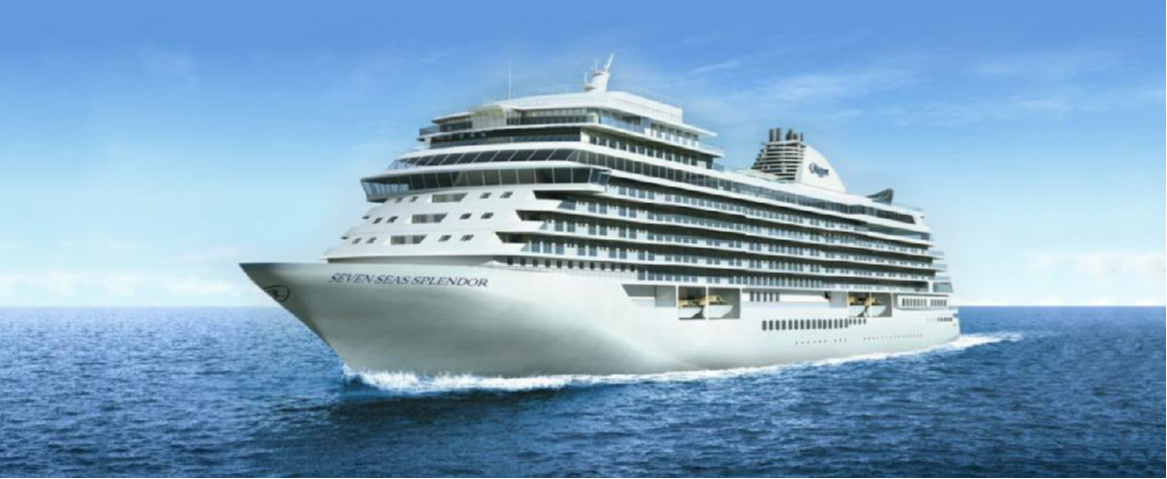
Seven Seas Splendor
20 Cruises
| 6 January | 133 days | Round-trip from San Francisco, USA |
450-628-6241
Call us
|
| 6 January | 140 days | One-way from San Francisco to Vancouver |
450-628-6241
Call us
|
| 13 September | 31 days | One-way from Vancouver to Tokyo |
450-628-6241
Call us
|
| 13 September | 30 days | One-way from Vancouver to Tokyo |
450-628-6241
Call us
|
Royal Caribbean Cruises (17 Cruises)



Seabourn Cruise Line (41 Cruises)
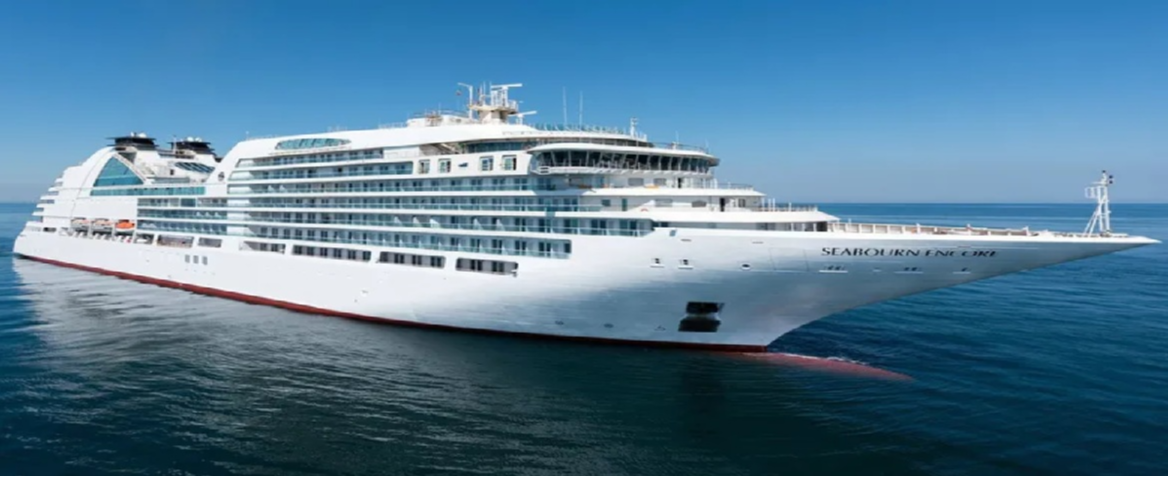
Seabourn Encore
41 Cruises

| 26 February | 28 days | Round-trip Japan South Korea Seabourn Encore Tokyo |
450-628-6241
Call us
|
| 26 February | 29 days | Round-trip from Tokyo, Japan |
450-628-6241
Call us
|
| 24 February | 29 days | Round-trip from Tokyo, Japan |
450-628-6241
Call us
|
| 24 February | 28 days | Round-trip Japan South Korea Seabourn Encore Tokyo |
450-628-6241
Call us
|
Silversea Cruises (36 Cruises)
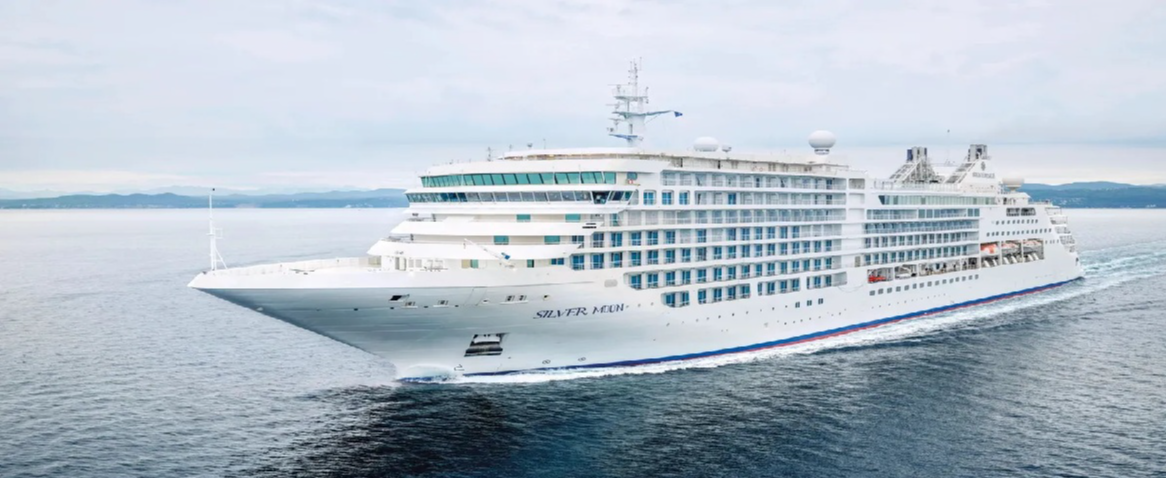
Silver Moon
10 Cruises

| 1 May | 11 days | Round-trip from Tokyo, Japan |
450-628-6241
Call us
|
| 1 May | 27 days | One-way from Tokyo to Vancouver |
450-628-6241
Call us
|
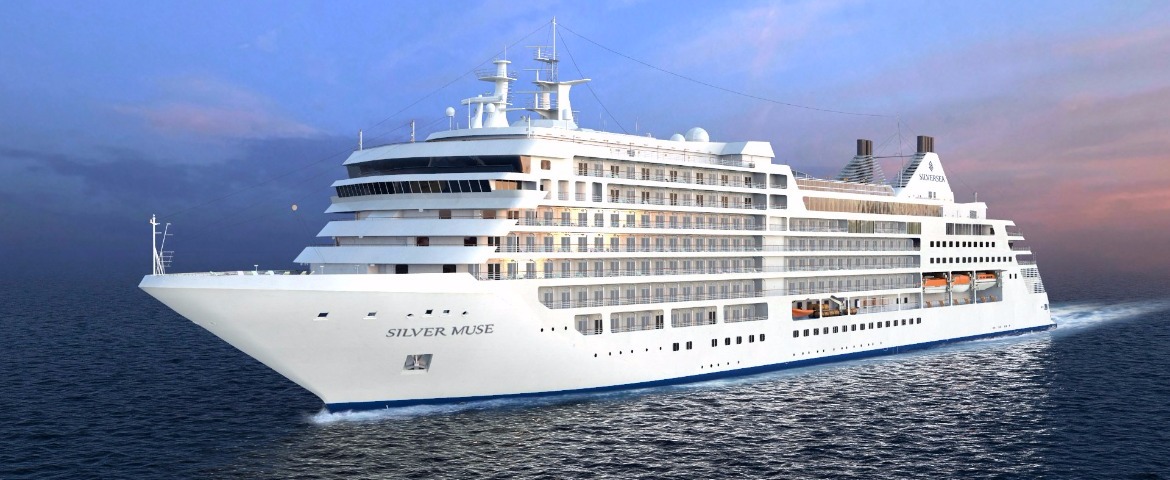
Silver Muse
17 Cruises
| 14 March | 30 days | One-way from Singapore to Yokohama |
450-628-6241
Call us
|
| 29 March | 15 days | One-way from Tokyo to Yokohama |
450-628-6241
Call us
|
| 7 June | 15 days | One-way from Incheon to Tokyo |
450-628-6241
Call us
|
| 21 June | 13 days | Round-trip from Tokyo, Japan |
450-628-6241
Call us
|
| 21 June | 25 days | Round-trip from Tokyo, Japan |
450-628-6241
Call us
|
| 15 July | 13 days | Round-trip from Tokyo, Japan |
450-628-6241
Call us
|
| 15 July | 25 days | Round-trip from Tokyo, Japan |
450-628-6241
Call us
|
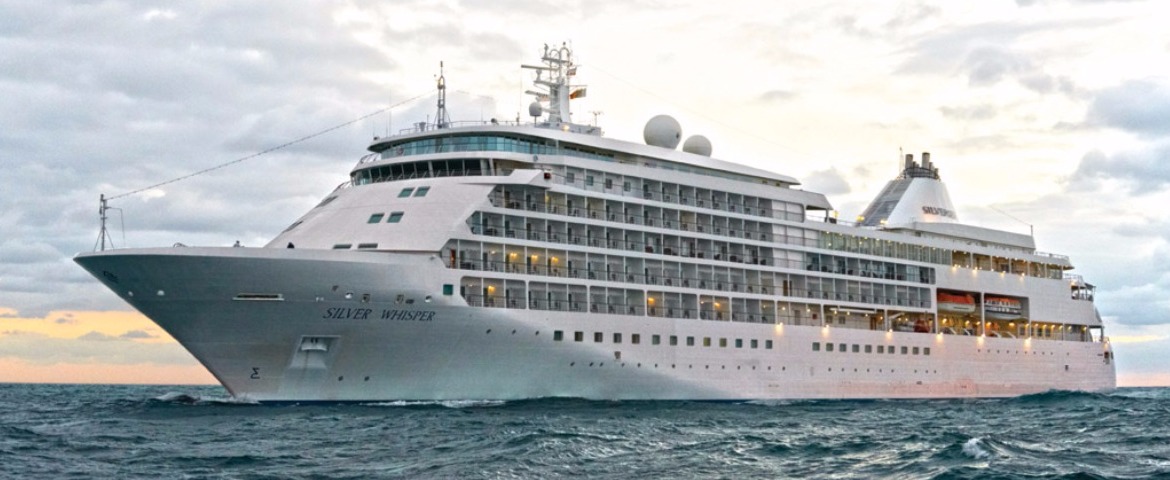
Silver Whisper
9 Cruises
| 1 July | 13 days | One-way from Incheon to Tokyo |
450-628-6241
Call us
|
| 13 July | 27 days | Round-trip from Tokyo, Japan |
450-628-6241
Call us
|
| 13 July | 13 days | Round-trip from Tokyo, Japan |
450-628-6241
Call us
|
Viking Ocean Cruises (48 Cruises)
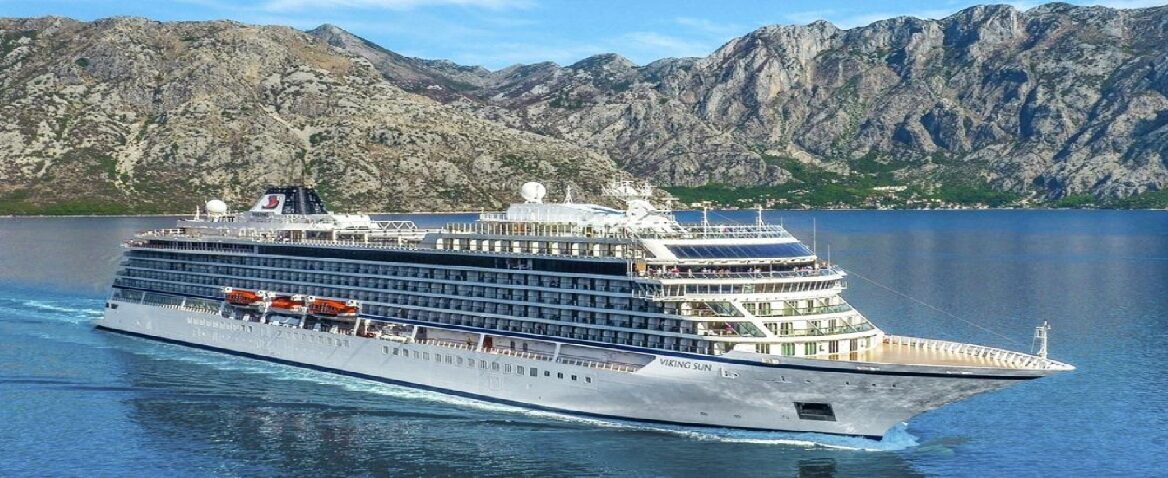

Viking Orion
21 Cruises
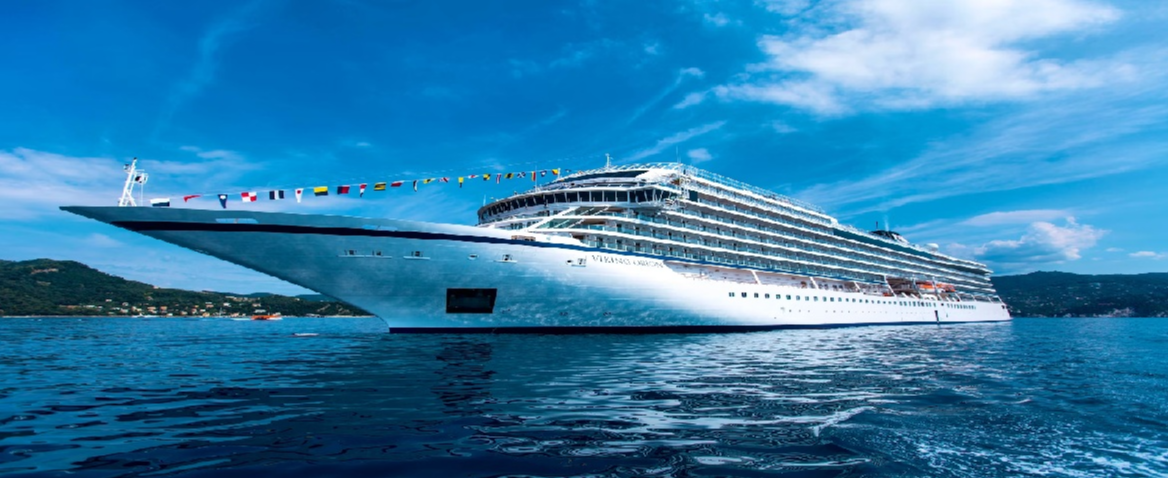
| 23 February | 91 days | One-way from Auckland to Vancouver |
450-628-6241
Call us
|
| 23 February | 90 days | One-way from Auckland to Vancouver |
450-628-6241
Call us
|
| 8 March | 78 days | One-way from Sydney to Vancouver |
450-628-6241
Call us
|
| 8 March | 77 days | One-way from Sydney to Vancouver |
450-628-6241
Call us
|
Viking Venus
25 Cruises
Port of Nagasaki, Japan | Cruise Port Guide
Frequently Asked Questions
At the Matsugae terminal, remarkably well placed: Glover Garden is about ten minutes on foot, the reconstructed Dejima quarter about twenty. The nearest tram stop is a few minutes' walk from the quay.
By tram. Four lines cover most of the city for a modest fare, and these old cars swaying up the curves are an attraction in themselves. They simplify a topography that is otherwise demanding, the city rising in an amphitheatre around its bay.
Glover Garden and Oura cathedral in the morning, on foot from the quay, then the Peace Park by tram in the afternoon. Allow an hour and a half to two hours for the memorial, travel included.
The hill above the quay, gathering the residences of Western merchants who settled after Japan reopened, including that of the Scot Thomas Glover. Pools, escalators hidden in the greenery, and a plunging view over the bay and the shipyards.
Considered Japan's oldest church, it bears witness to the clandestine survival of Japanese Christians through two and a half centuries of persecution. It is an episode few visitors know on arrival, and it sits right beside Glover Garden.
A former fan-shaped islet that was, during the country's isolation, the sole official point of contact between the archipelago and the West. A handful of Dutch merchants lived there under surveillance. The restored buildings, warehouses, quarters and kitchens, recreate that closed world with remarkable care.
It is harrowing and necessary. The Atomic Bomb Museum and the park keep the memory of 9 August 1945 with a restraint that commands respect. Allow a moment of silence at the hypocentre; this is not a place for young children.
The spectacles bridge, so named because its two arches and their reflection draw a pair of eyeglasses on the river. It is one of the most cherished photo stops among residents, ten minutes from Dejima.
Champon, the noodle soup inherited from Chinese cooks, and castella, the cake introduced by the Portuguese. The Shinchi Chinatown, one of Japan's oldest, gathers the restaurants where this blended cuisine is best sampled.
Take the ropeway up Mount Inasa: the Japanese rank the night panorama over the bay among the country's finest. It is the chance to watch the amphitheatre city light up above the water.


