Naha Okinawa Island Japan
211
Cruises availables
At departure or passage at this port
Azamara Club Cruises (16 Cruises)
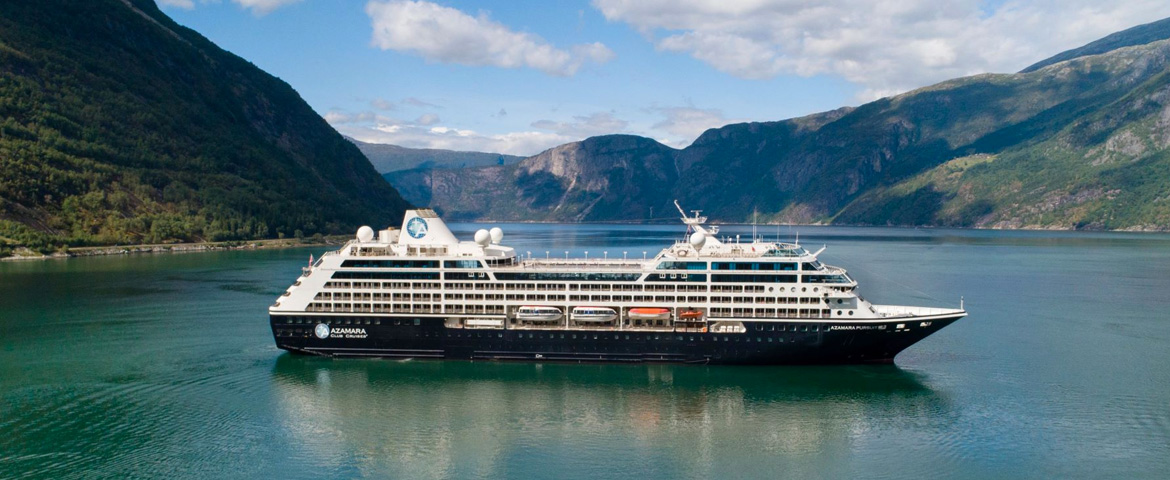
Azamara Pursuit
11 Cruises


Emerald Waterways (5 Cruises)
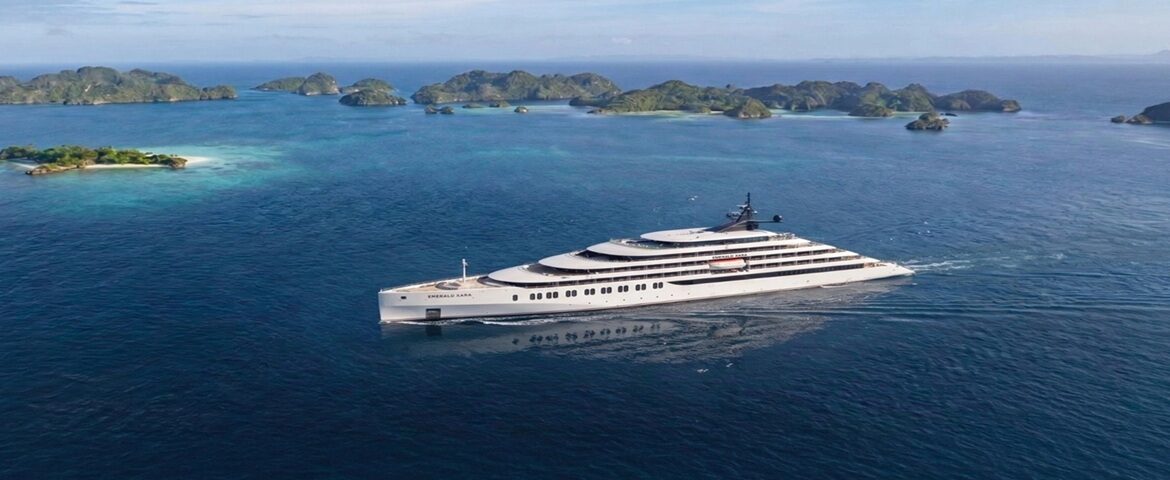

Explora Journeys (12 Cruises)
Explora III
12 Cruises
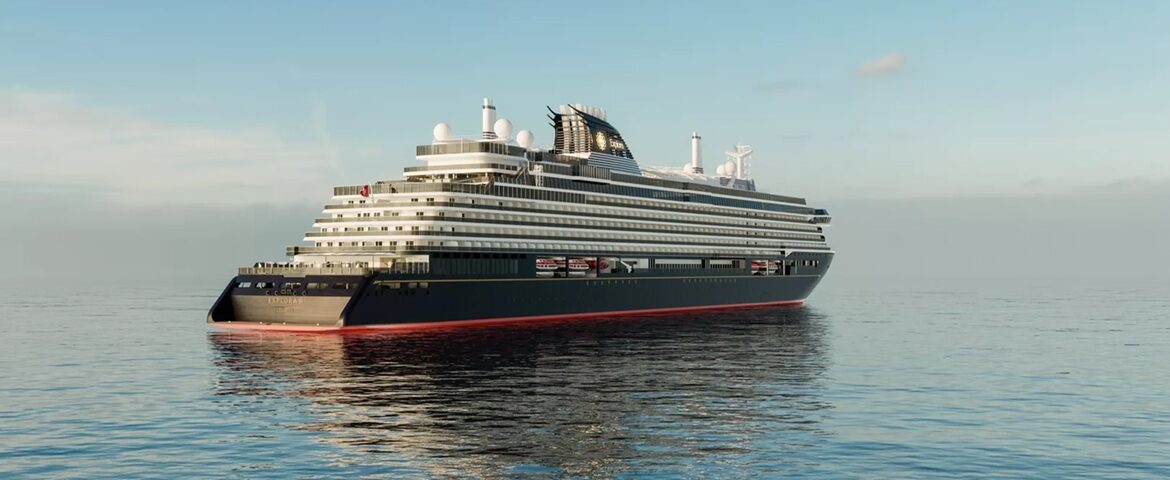

Holland America Line (2 Cruises)
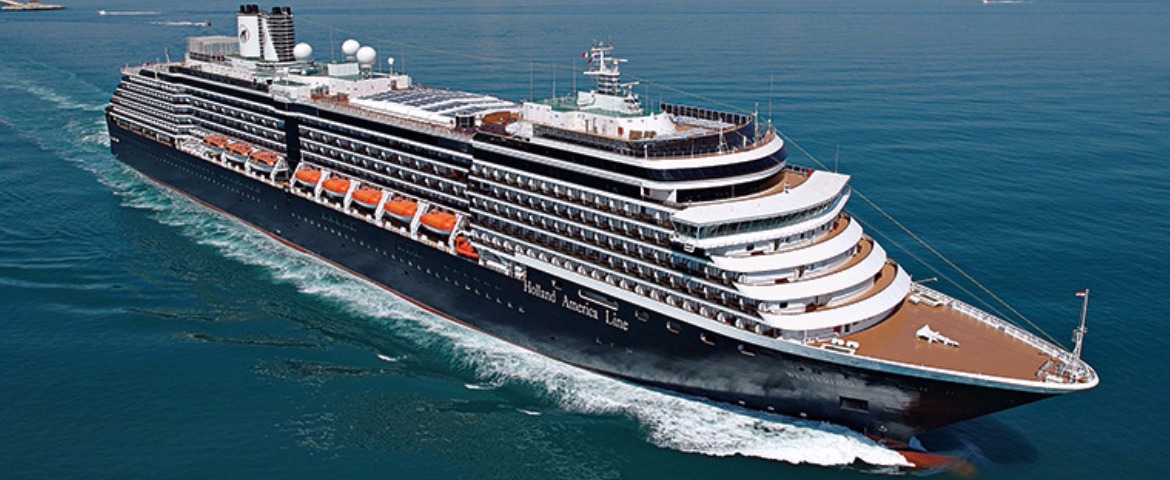

MSC Cruises (27 Cruises)
MSC Bellissima
27 Cruises
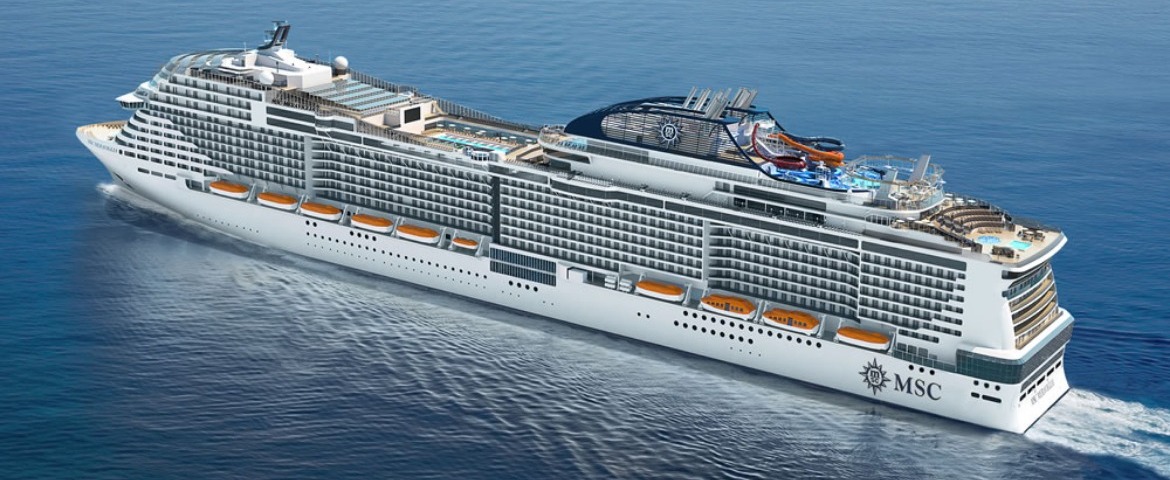

| 25 November | 5 days | Round-trip from Keelung, Taiwan |
From
1144$
|
| 27 November | 6 days | Round-trip from Naha, Japan |
From
1307$
|
| 29 November | 6 days | Round-trip from Keelung, Taiwan |
From
1207$
|
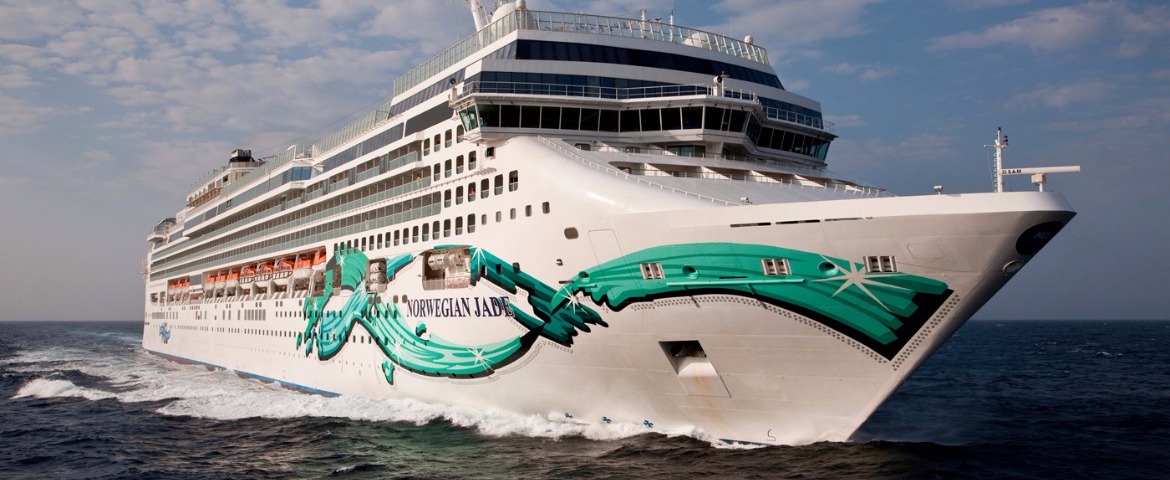
Norwegian Cruise Line (2 Cruises)

Oceania Cruises (12 Cruises)

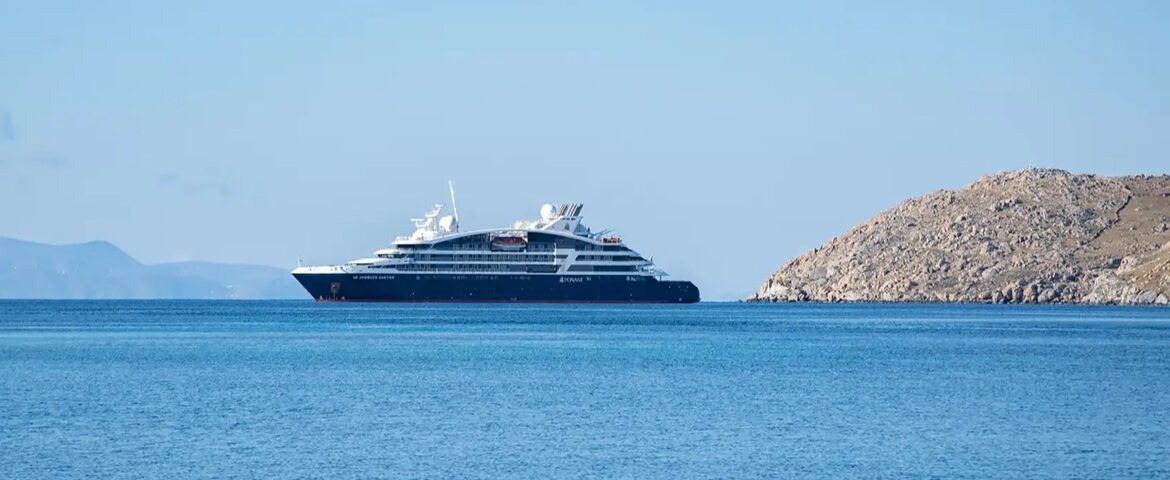
Ponant (12 Cruises)


Princess Cruises (37 Cruises)
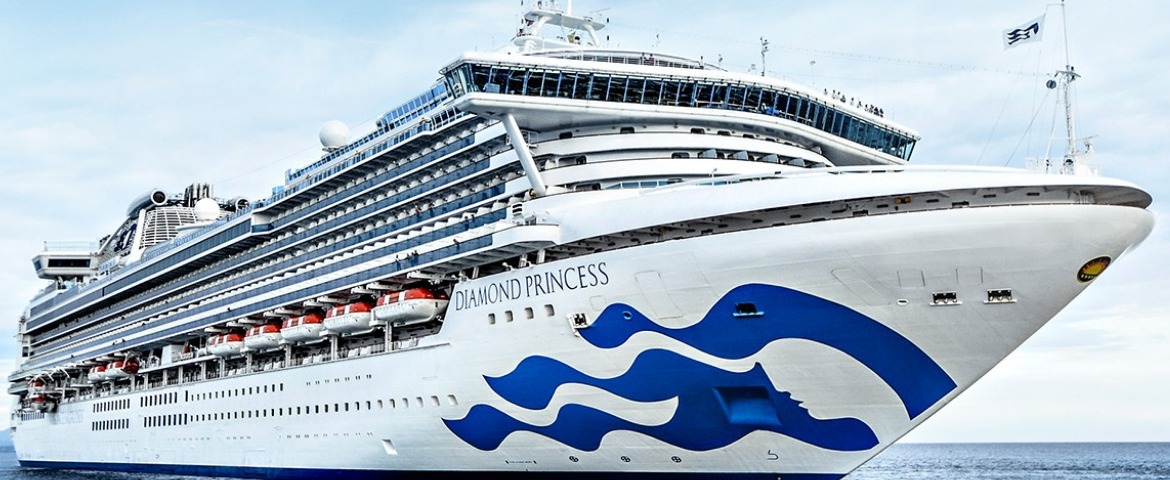
Diamond Princess
19 Cruises

| 13 February | 32 days | One-way from Singapore to Yokohama |
450-628-6241
Call us
|
| 13 February | 31 days | One-way from Singapore to Yokohama |
450-628-6241
Call us
|
| 1 March | 27 days | One-way from Singapore to Yokohama |
450-628-6241
Call us
|
| 1 March | 16 days | One-way from Singapore to Yokohama |
450-628-6241
Call us
|
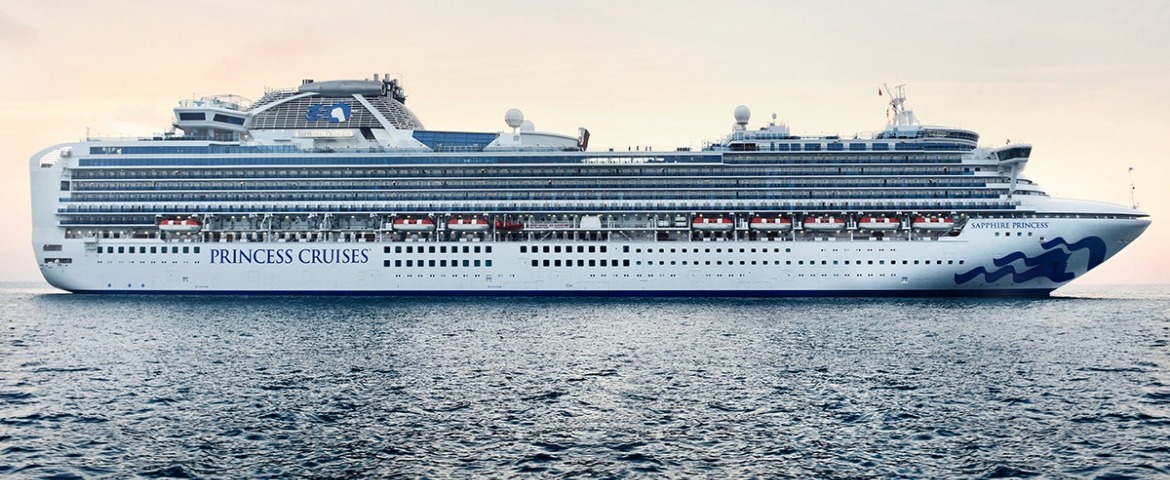
Sapphire Princess
18 Cruises
Regent Seven Seas Cruises (18 Cruises)
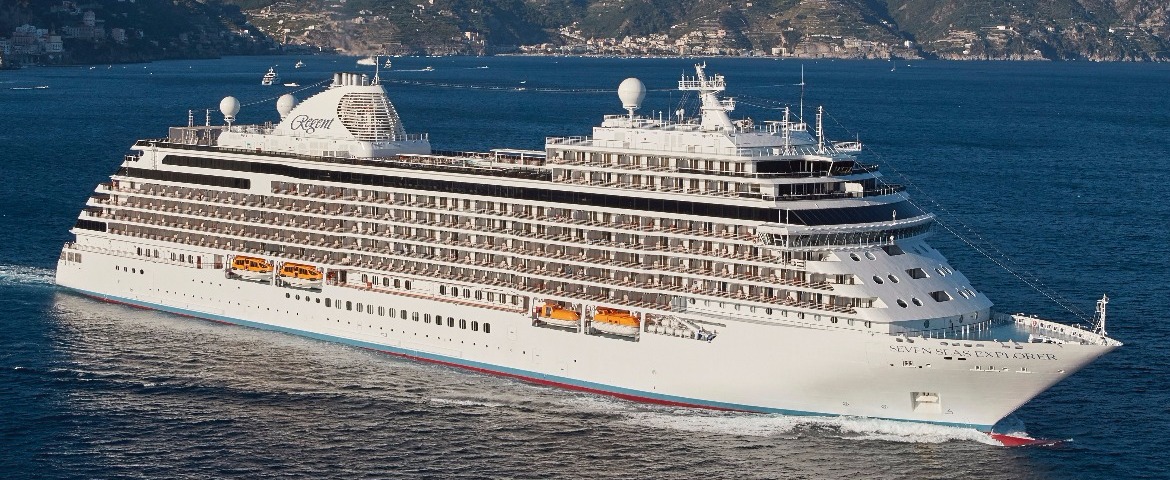

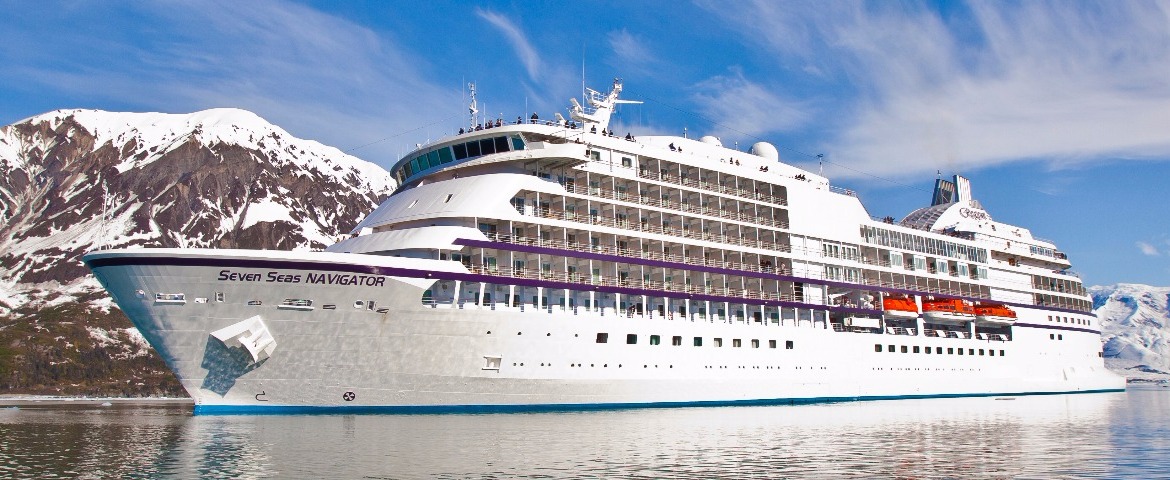
Seven Seas Splendor
8 Cruises
Royal Caribbean Cruises (28 Cruises)



Spectrum of the Seas
25 Cruises

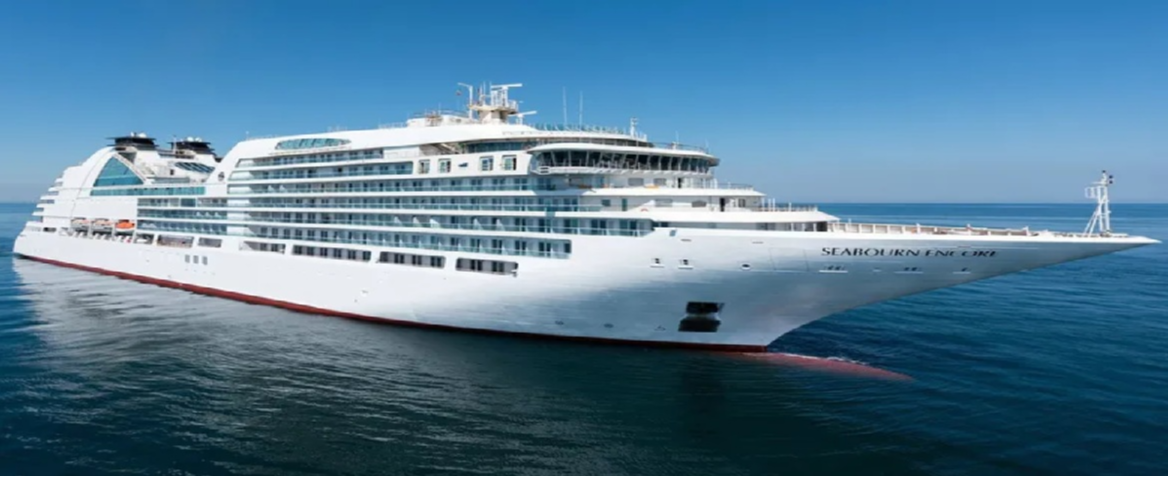
Seabourn Cruise Line (16 Cruises)
Seabourn Encore
16 Cruises

Silversea Cruises (16 Cruises)
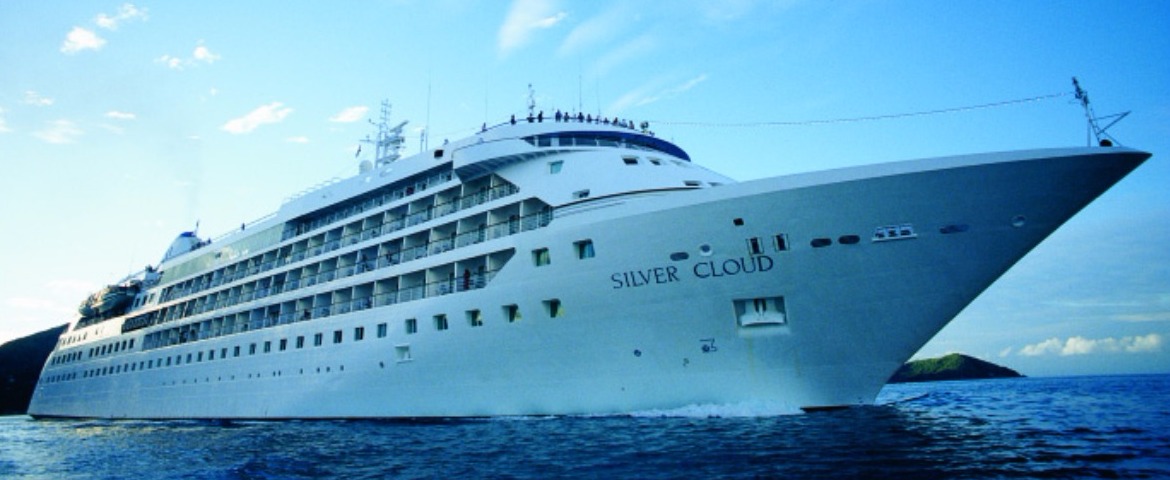

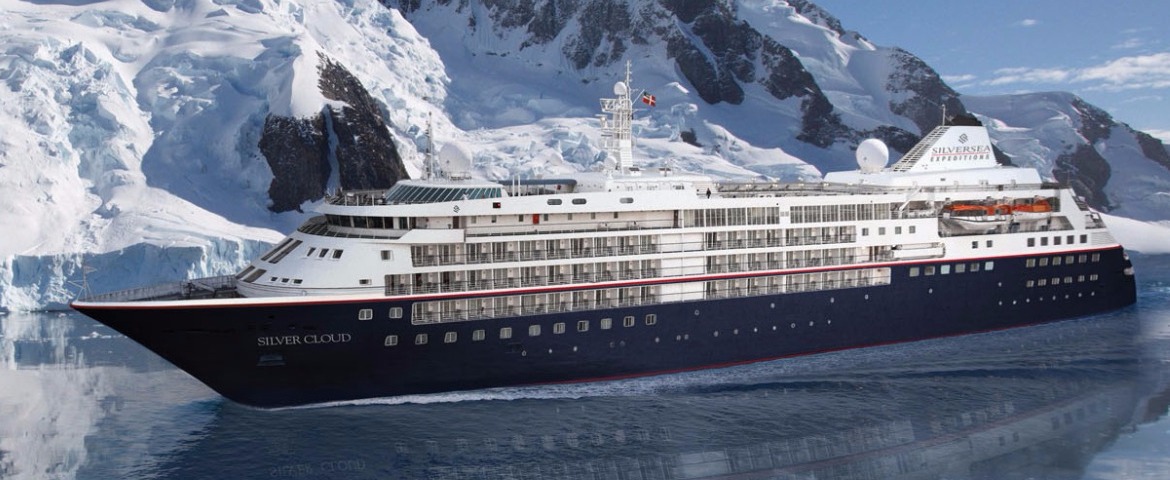
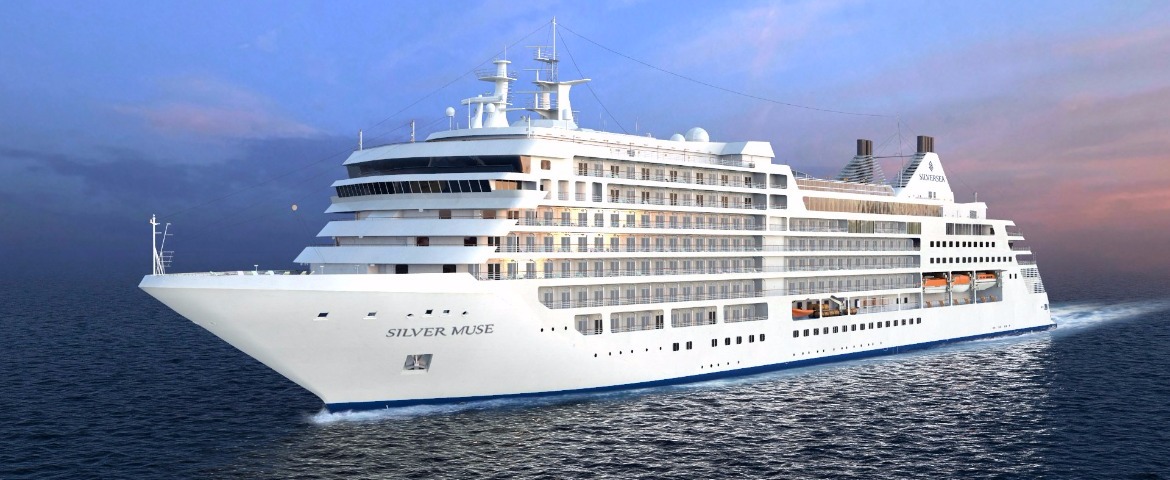
Silver Muse
12 Cruises
| 14 March | 30 days | One-way from Singapore to Yokohama |
450-628-6241
Call us
|
| 14 March | 16 days | One-way from Singapore to Tokyo |
450-628-6241
Call us
|
| 21 June | 13 days | Round-trip from Tokyo, Japan |
450-628-6241
Call us
|
| 21 June | 25 days | Round-trip from Tokyo, Japan |
450-628-6241
Call us
|
| 15 July | 25 days | Round-trip from Tokyo, Japan |
450-628-6241
Call us
|
| 15 July | 13 days | Round-trip from Tokyo, Japan |
450-628-6241
Call us
|


Port of Naha Okinawa | Cruise Port Guide
Frequently Asked Questions
The cruise terminal sits right on the edge of downtown. Depending on the berth, allow fifteen to twenty minutes on foot to Kokusai-dori, the main street, or a short taxi or shuttle ride.
Downtown is very walkable: Kokusai-dori, the Makishi market and the Tsuboya pottery district are all within a short distance of one another. For the heights of Shuri, take the Yui Rail monorail, which is also close to the port.
One walking loop is plenty: Kokusai-dori, the covered arcades that extend it, the Daiichi Makishi public market and the paved lane of Tsuboya. If you prefer history, swap the market for the monorail up to Shuri Castle and keep downtown for the end of the day.
Yes, the site remains open during reconstruction. The fire destroyed the main buildings, but the winding coral-stone ramparts, the monumental gates including the elegant Shureimon and the views over the city to the sea are all still accessible. Watching Japan patiently rebuild a monument adds something to the visit.
Take the Yui Rail monorail, about thirty minutes from the port area, followed by a fifteen-minute walk up a gentle slope. The monorail runs thirteen kilometres across the city and makes every trip of the day simpler.
Its past as capital of the Ryukyu Kingdom, an island state that traded with China and Southeast Asia for centuries before being absorbed into Japan. That double identity colours the language, the food, the sanshin music and even the shisa lions guarding the rooftops.
The currency is the Japanese yen and cards are accepted almost everywhere. Still, keep some cash for the small market stalls and the Tsuboya workshops, where notes are simpler.
Yes, it is the most entertaining stop downtown. The stalls display turquoise parrotfish, pork in every possible form and goya, the bitter melon that symbolises Okinawan longevity. Upstairs, kitchens will cook whatever you bought on the ground floor.
Spring and autumn, which are milder. The subtropical heat calls for water and a hat much of the year, and the short, heavy summer downpours can be waited out under the covered arcades downtown without losing the day.
Three products sum up the islands: Okinawan blown glass, born from recycling postwar bottles, bingata textiles in bold colours, and awamori, the local rice spirit aged in clay jars. Tsuboya's ceramic shisa range from keychains to collector pieces.


