Agadir Morocco
Morocco
131
Cruises availables
At departure or passage at this port

Aurora Expeditions (1 Cruises)

Azamara Club Cruises (22 Cruises)
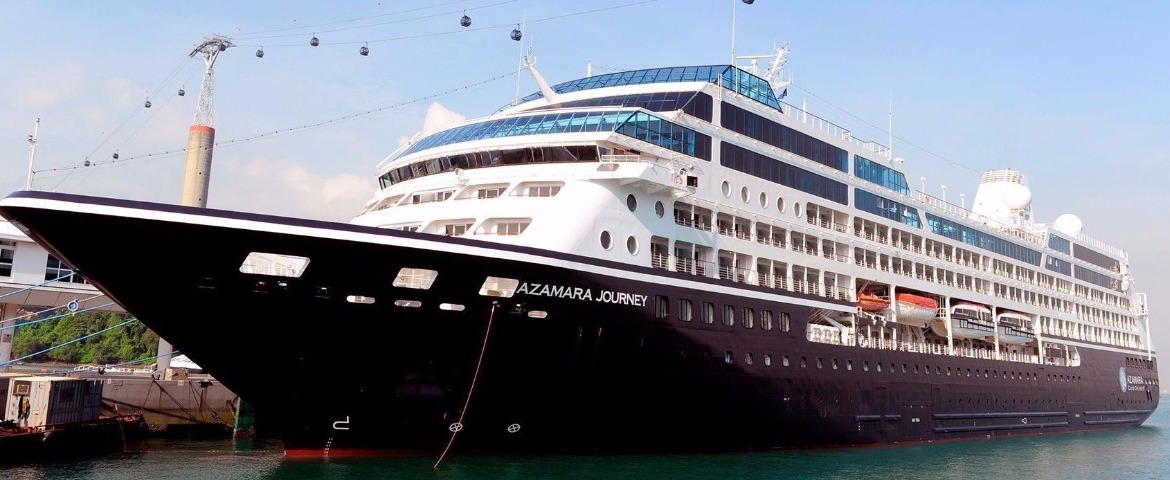
Azamara Journey
7 Cruises

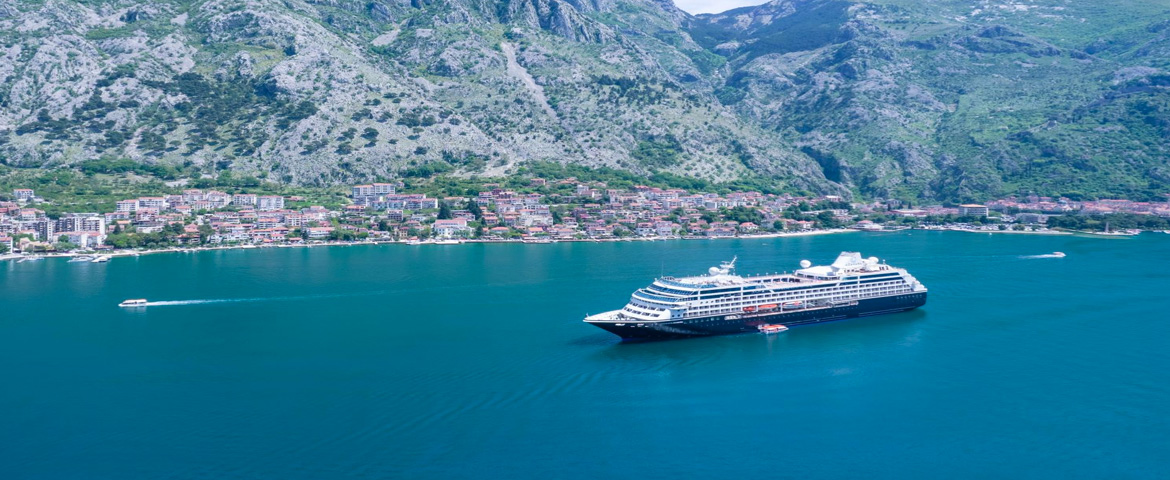
Azamara Onward
15 Cruises
| 1 March | 94 days | One-way from Sydney to Barcelona |
450-628-6241
Call us
|
| 1 March | 93 days | One-way from Sydney to Barcelona |
450-628-6241
Call us
|
| 10 April | 54 days | One-way from Singapore to Barcelona |
450-628-6241
Call us
|
| 10 April | 53 days | One-way from Singapore to Barcelona |
450-628-6241
Call us
|
Costa Cruises (18 Cruises)
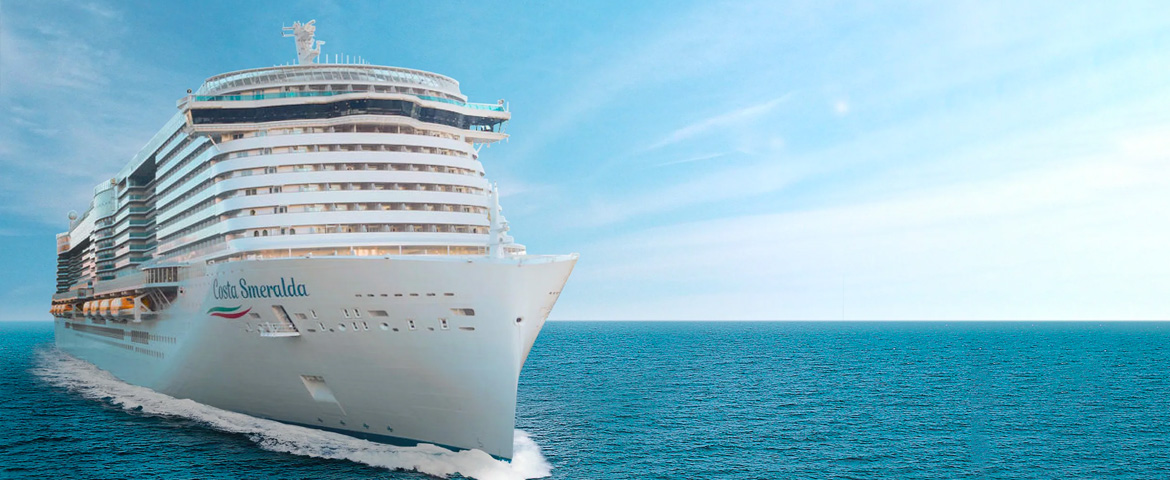
Costa Smeralda
18 Cruises

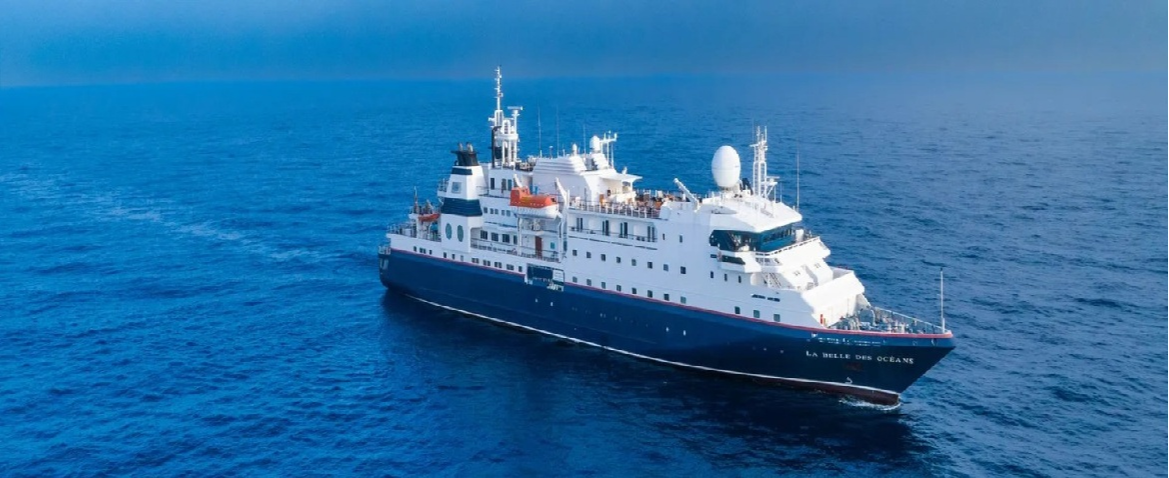
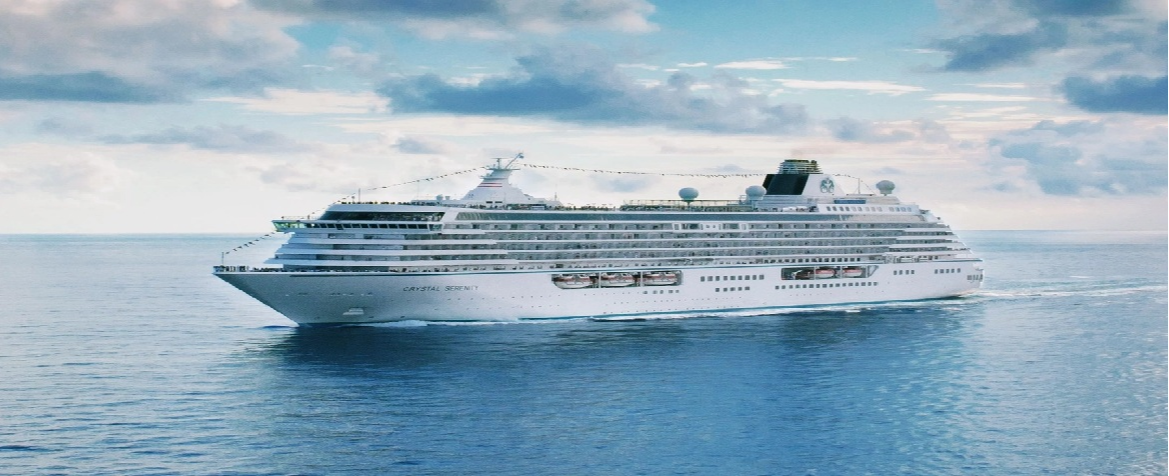
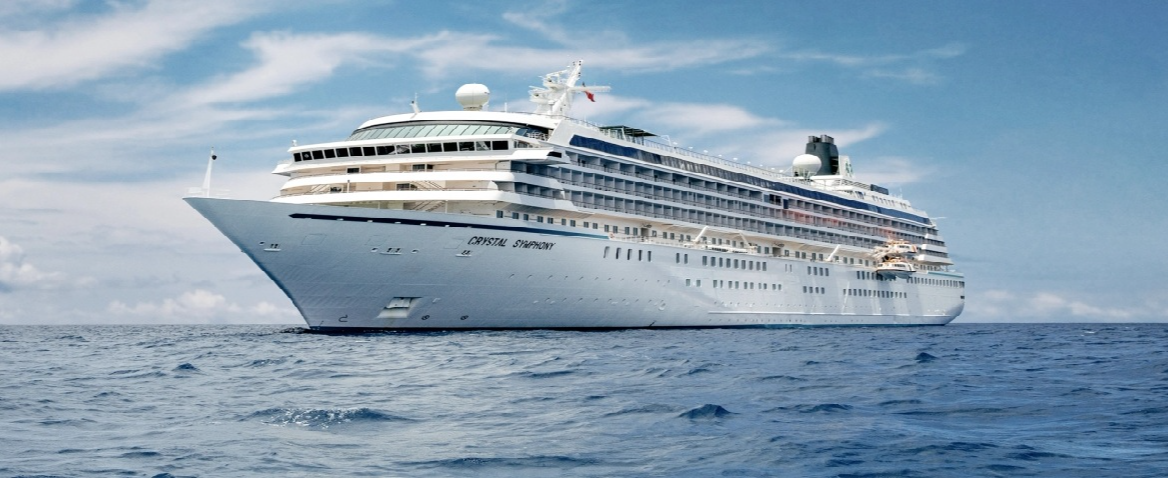
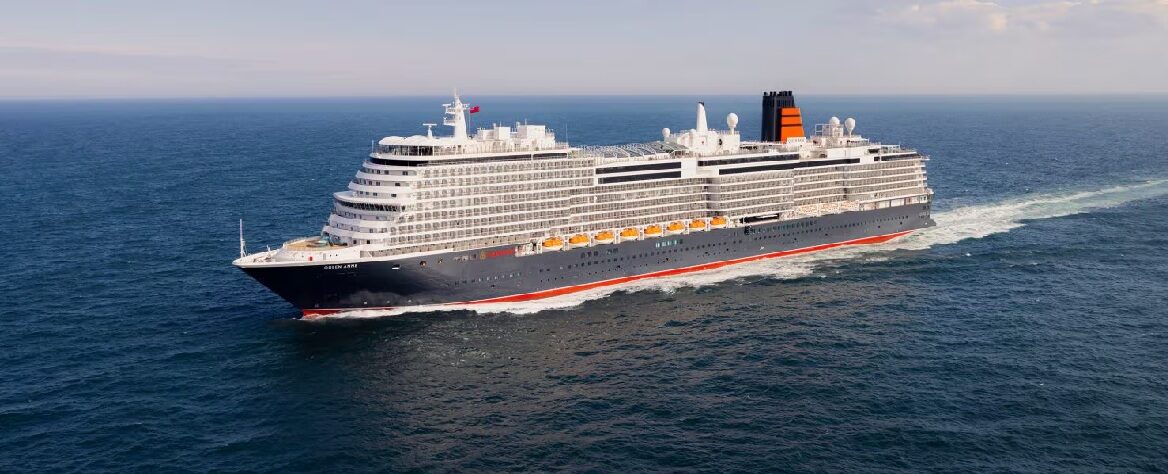
CroisiEurope (2 Cruises)

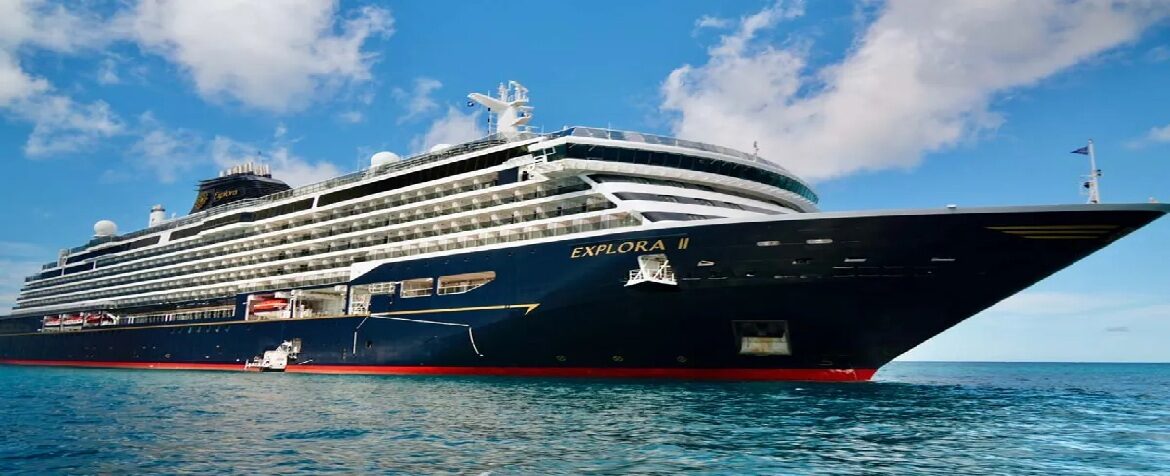
Explora Journeys (5 Cruises)


Oceania Cruises (21 Cruises)
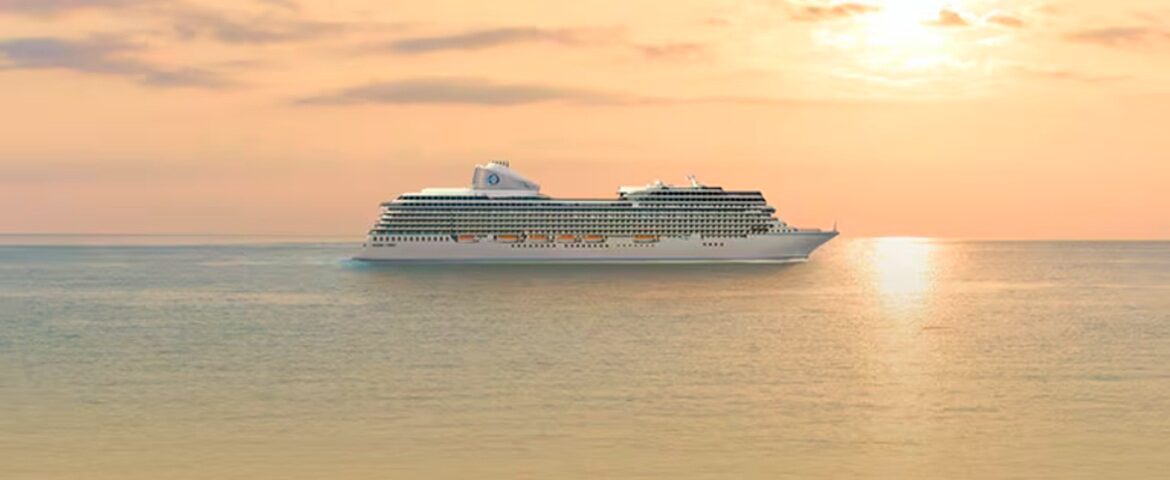
Oceania Allura
9 Cruises

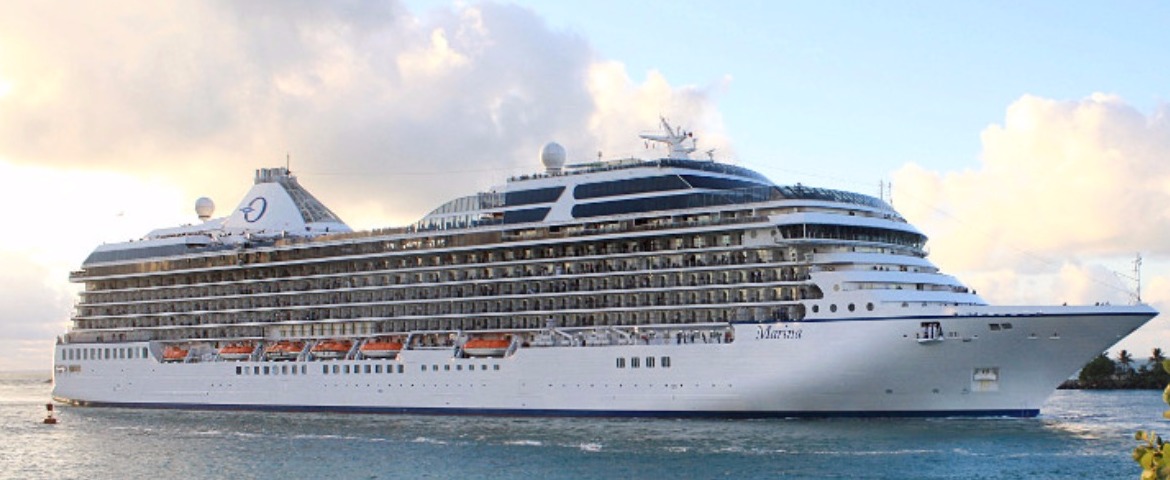
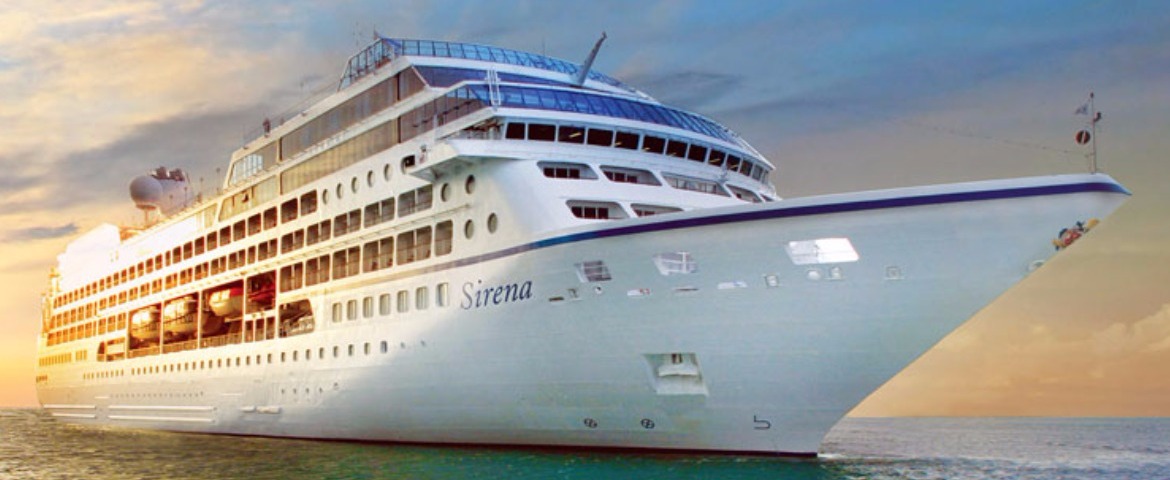
Oceania Sirena
8 Cruises
| 12 November | 40 days | One-way from Istanbul to Lisbon |
450-628-6241
Call us
|
| 12 November | 39 days | One-way from Istanbul to Lisbon |
450-628-6241
Call us
|
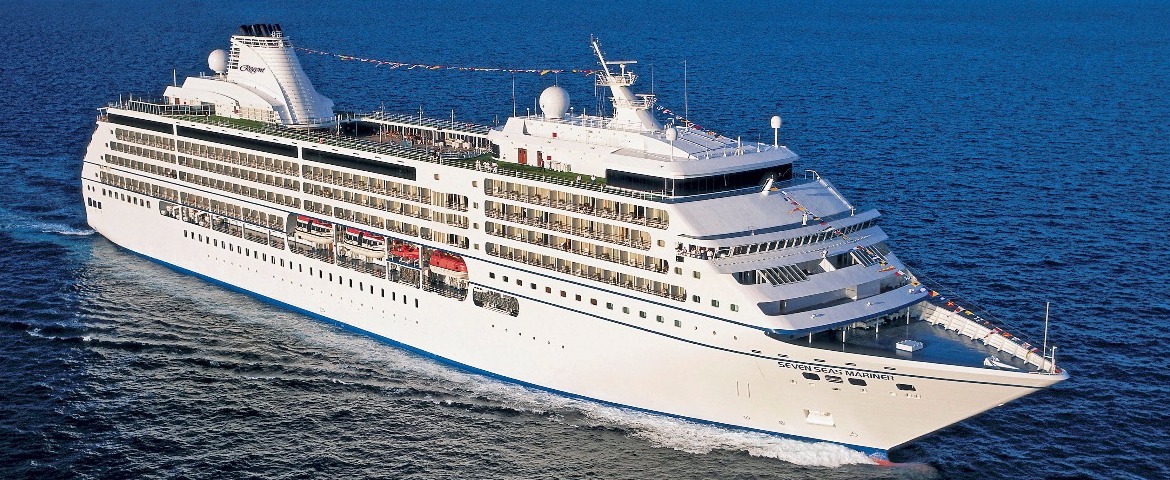
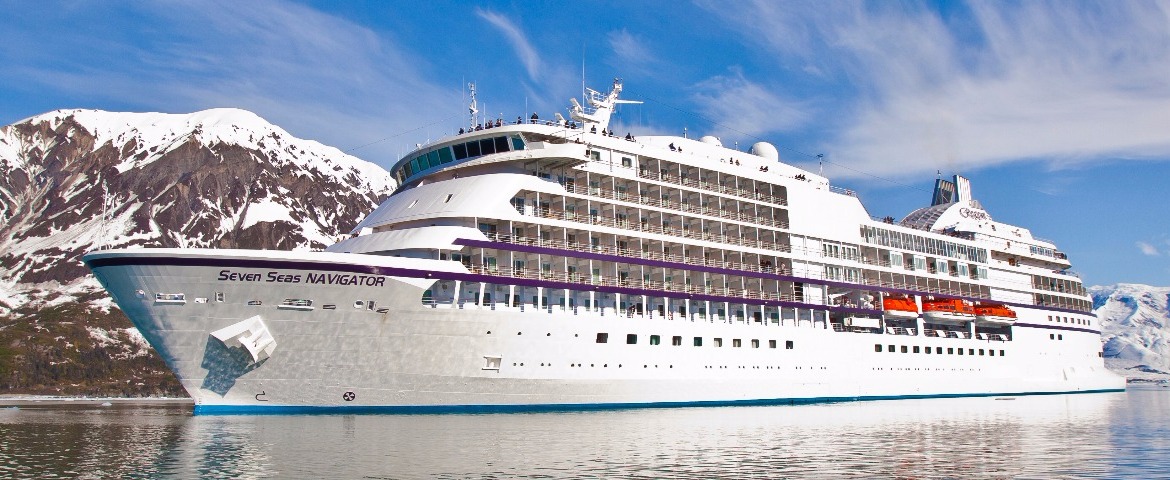
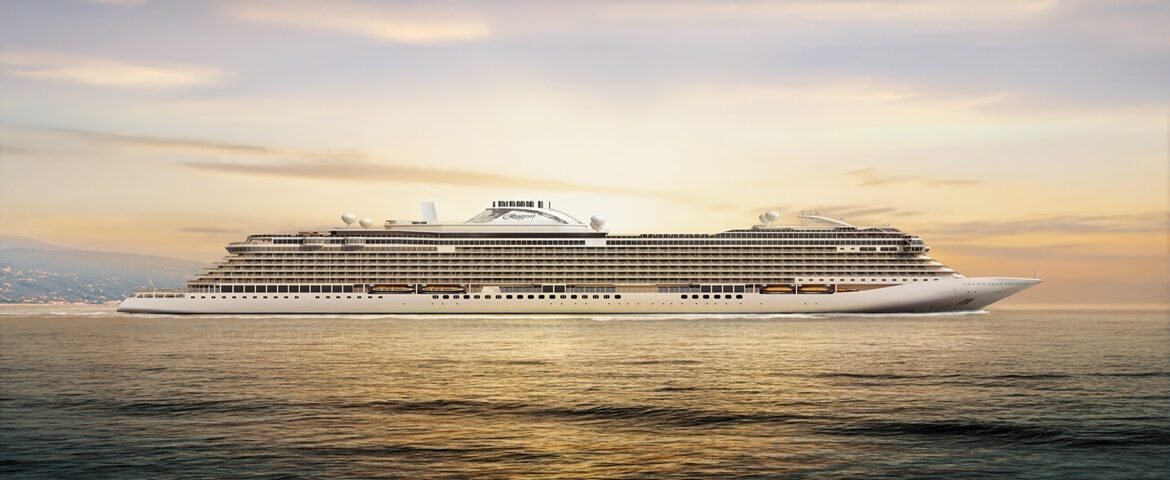
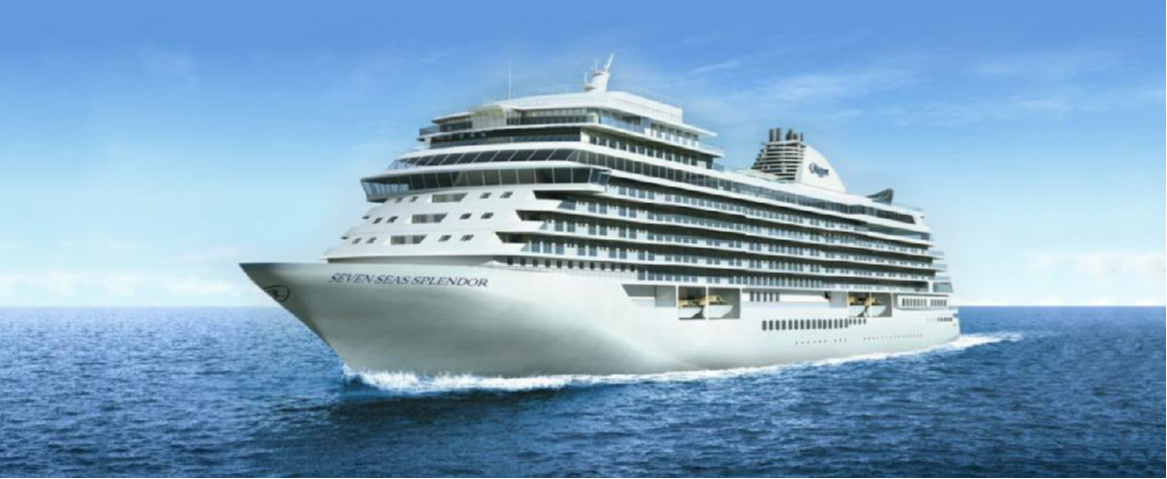
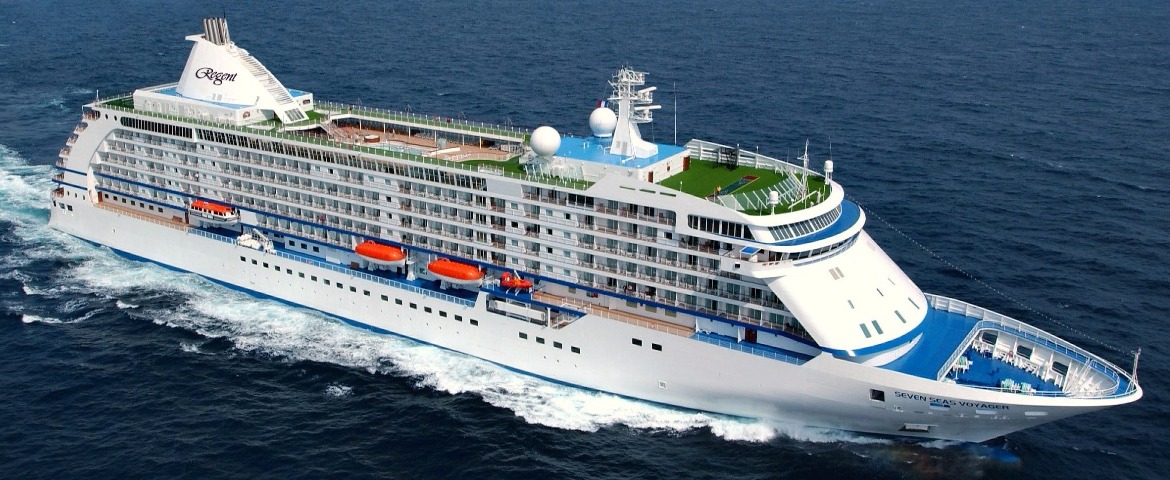
Regent Seven Seas Cruises (18 Cruises)
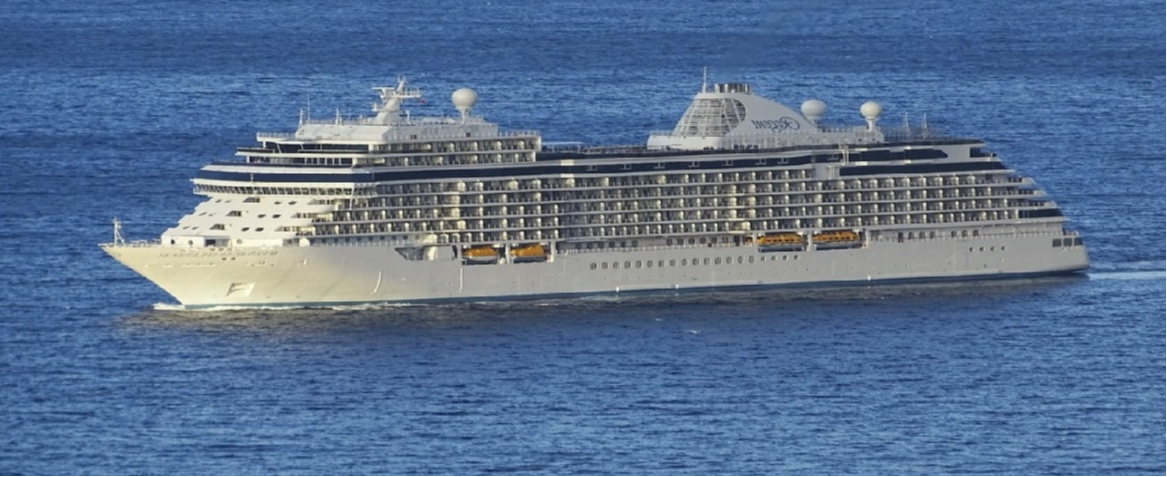
Seven Seas Mariner
6 Cruises

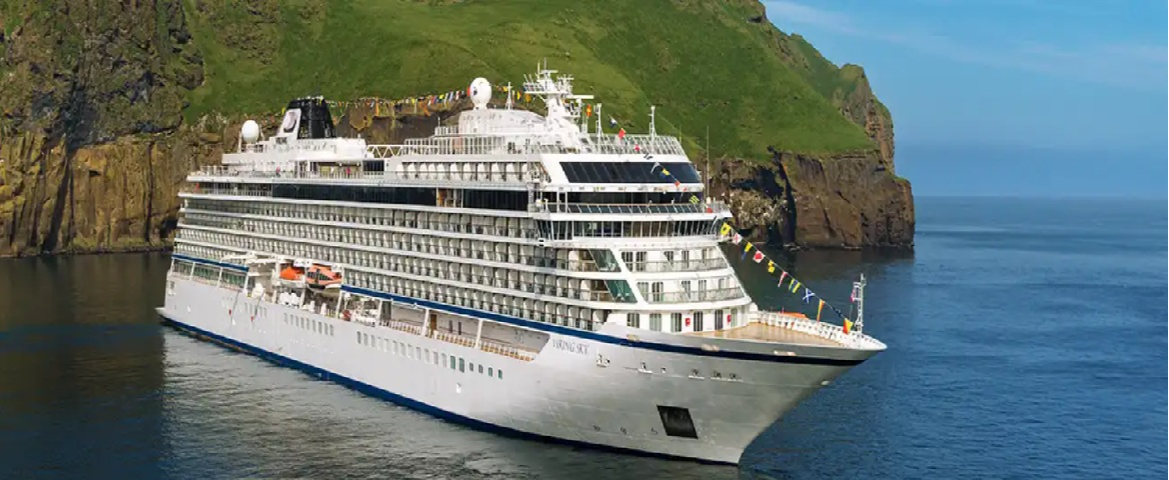
Viking Ocean Cruises (4 Cruises)

Windstar Cruises (6 Cruises)

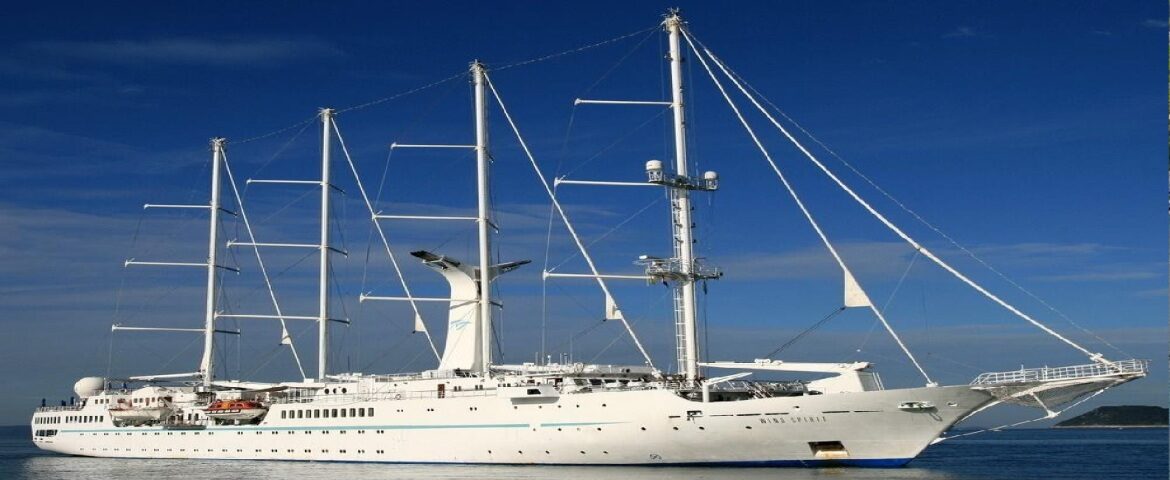
Wind Spirit
5 Cruises
Frequently Asked Questions
In the commercial port, a few kilometres north of downtown. Walking out means passing dull port installations: take the ship's shuttle or an orange petit taxi, about ten minutes to the beach district.
No, and that surprises most visitors. The 1960 earthquake destroyed the city, which was rebuilt slightly further south with wide avenues and low buildings. You come here for the light, the sea and a seaside ease, not for a maze of lanes.
The seafront promenade and the marina, then the cable car up to the Agadir Oufella kasbah for the view. Souk El Had, a short drive from the shore, rounds out the day if you enjoy markets.
The walls of a fortress built in the 16th century by the Saadians, atop the hill closing the bay to the north at 236 metres. The 1960 earthquake flattened the quarter they protected, but the restored enclosure still watches over the harbour.
By a modern cable car that climbs to the summit. The reward needs no explanation: the whole bay, the sardine port, the ocean to the horizon. This is where Agadir's geography makes sense, between mountains, nearby desert and Atlantic.
One of the largest markets in Morocco, ringed by crenellated walls: pyramids of spices, olives, argan oil, babouches, Berber rugs, silverwork. It is still used mainly by Agadir residents themselves. Plan a short drive from the coast and some time to get lost.
The words God, Homeland, King, in huge white letters on the ochre hills above the bay. They are lit at the end of the day and visible from the ship's deck.
The Moroccan dirham, which cannot be taken out of the country: change on arrival and spend before you leave. Cards work at the marina and in hotels, far less in the souk.
Arabic and Amazigh, with French very widely used in shops and tourism. French speakers manage easily; English is less common.
Taghazout, a former fishing village turned surfers' haunt, about thirty minutes north. Along the way, argan trees clinging to the slopes are a reminder that this species grows almost nowhere else, and you may spot goats perched in the branches.


