Southampton England
United Kingdom
1089
Cruises availables
At departure or passage at this port
Celebrity Cruises (17 Cruises)
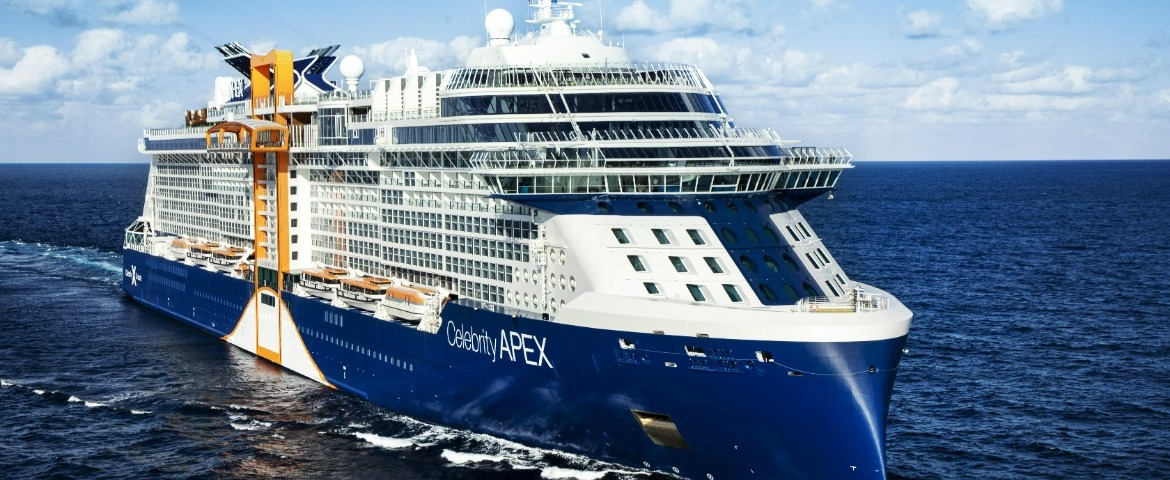
Celebrity Apex
17 Cruises

Costa Cruises (11 Cruises)
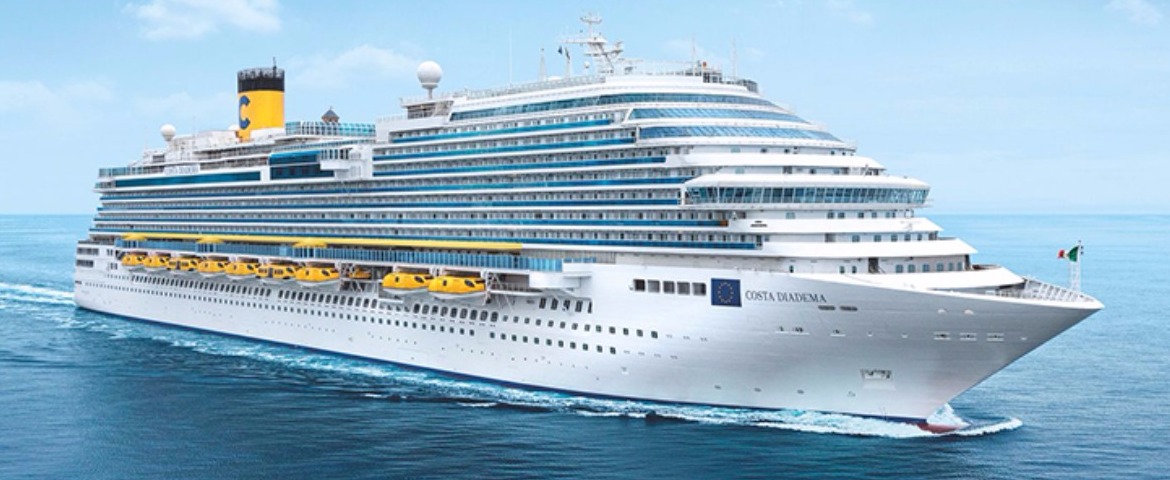
Costa Diadema
8 Cruises

Cunard (364 Cruises)
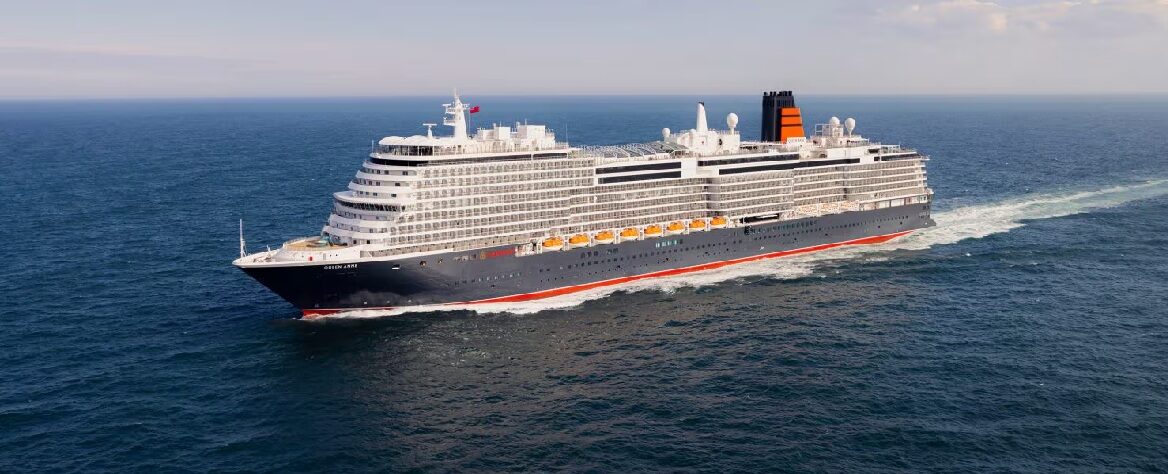
Queen Anne
113 Cruises

| 28 February | 35 days | One-way from San Antonio to Hamburg |
450-628-6241
Call us
|
| 28 February | 32 days | One-way from San Antonio to Southampton |
450-628-6241
Call us
|
| 15 April | 19 nights | One-way from Cape Town to Hamburg |
450-628-6241
Call us
|
| 15 April | 17 nights | One-way from Cape Town to Southampton |
450-628-6241
Call us
|
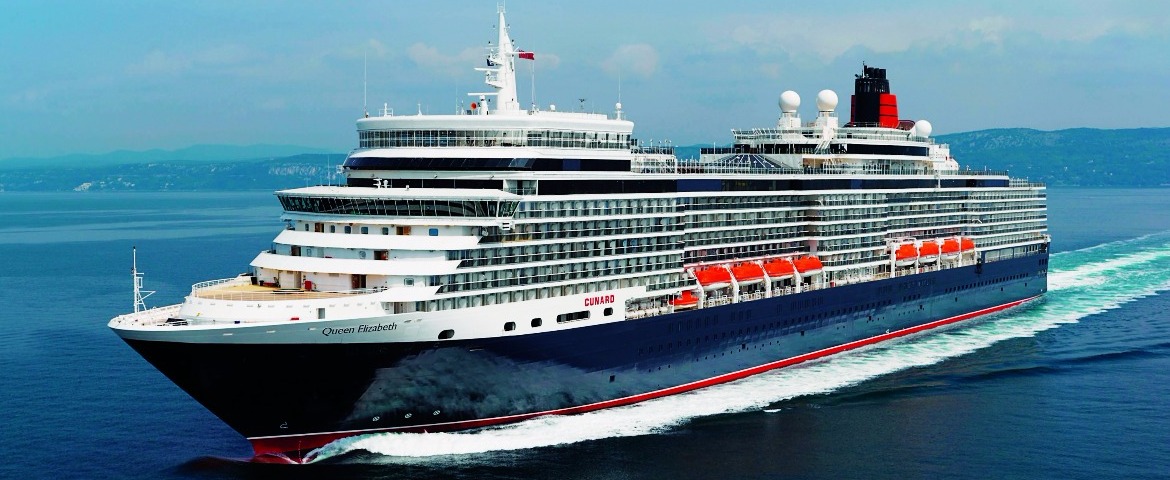
Queen Elizabeth
40 Cruises
| 7 January | 12 nights | One-way from Miami to Southampton |
450-628-6241
Call us
|
| 19 January | 16 nights | Round-trip from Southampton, United Kingdom |
450-628-6241
Call us
|
| 12 March | 16 nights | Round-trip from Southampton, United Kingdom |
450-628-6241
Call us
|
| 28 March | 7 nights | Round-trip from Southampton, United Kingdom |
450-628-6241
Call us
|
| 9 March | 61 days | One-way from Yokohama to Southampton |
450-628-6241
Call us
|
| 25 March | 45 days | One-way from Sydney to Southampton |
450-628-6241
Call us
|
| 13 April | 26 nights | One-way from Los Angeles to Southampton |
450-628-6241
Call us
|
| 27 April | 12 nights | One-way from Miami to Southampton |
450-628-6241
Call us
|
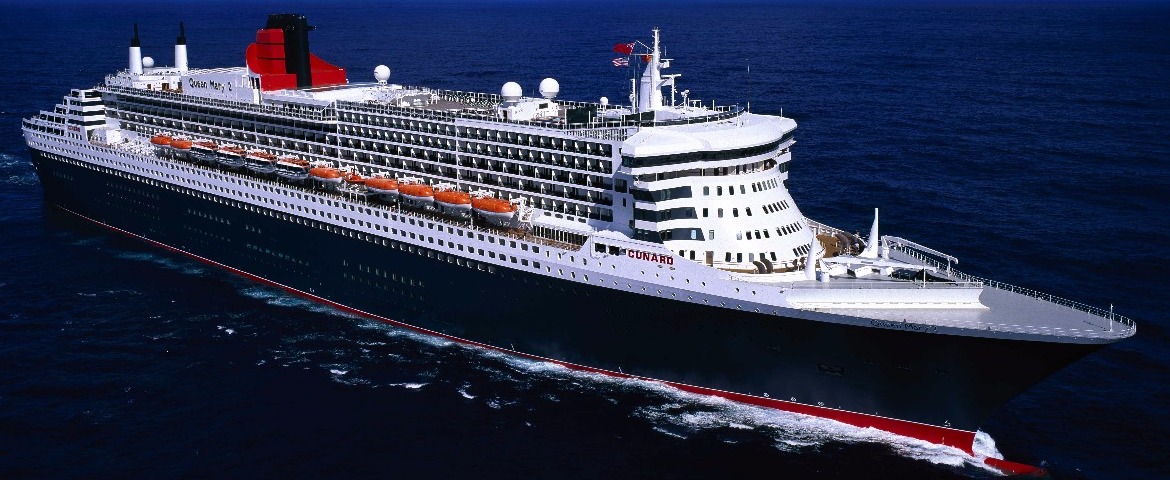
Queen Mary 2
137 Cruises
| 2 January | 8 nights | One-way from New York to Southampton |
450-628-6241
Call us
|
| 11 January | 34 nights | Round-trip from Southampton, United Kingdom |
450-628-6241
Call us
|
| 14 February | 7 nights | Round-trip from Southampton, United Kingdom |
450-628-6241
Call us
|
| 21 February | 21 nights | Round-trip from Southampton, United Kingdom |
450-628-6241
Call us
|
| 14 March | 12 nights | Round-trip from Southampton, United Kingdom |
450-628-6241
Call us
|
| 26 March | 4 nights | Round-trip from Southampton, United Kingdom |
450-628-6241
Call us
|
| 3 January | 8 nights | One-way from New York to Southampton |
450-628-6241
Call us
|
| 11 January | 35 nights | Round-trip from Southampton, United Kingdom |
450-628-6241
Call us
|
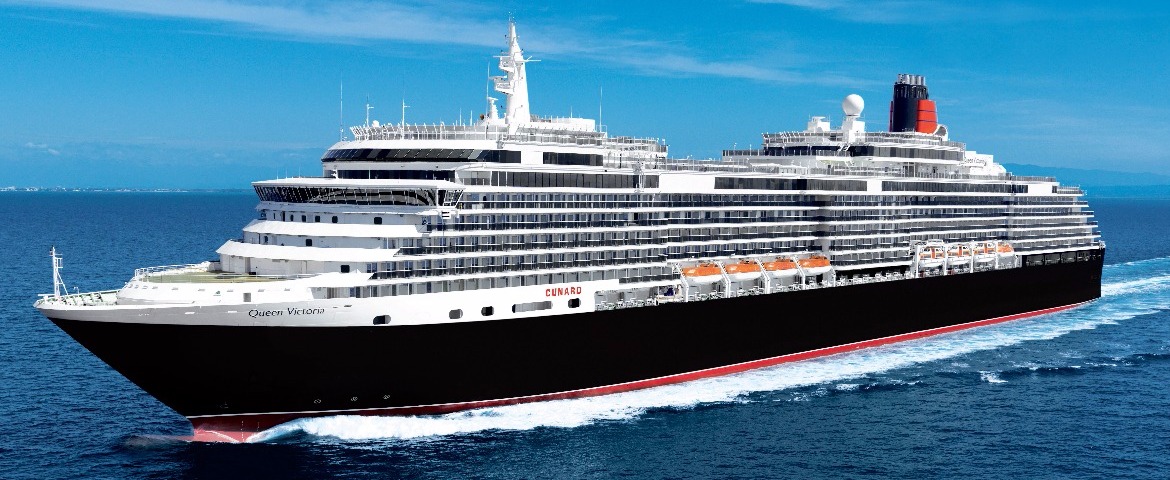
Queen Victoria
74 Cruises
| 11 June | 16 nights | Round-trip from Southampton, United Kingdom |
450-628-6241
Call us
|
| 27 June | 14 nights | Round-trip from Southampton, United Kingdom |
450-628-6241
Call us
|
| 5 September | 19 nights | Round-trip from Southampton, United Kingdom |
450-628-6241
Call us
|
| 24 September | 14 nights | Round-trip from Southampton, United Kingdom |
450-628-6241
Call us
|
| 5 March | 14 nights | Round-trip from Southampton, United Kingdom |
450-628-6241
Call us
|
| 19 March | 14 nights | Round-trip from Southampton, United Kingdom |
450-628-6241
Call us
|
| 7 July | 14 nights | Round-trip from Southampton, United Kingdom |
450-628-6241
Call us
|
| 21 July | 14 nights | Round-trip from Southampton, United Kingdom |
450-628-6241
Call us
|
| 4 August | 12 nights | Round-trip from Southampton, United Kingdom |
450-628-6241
Call us
|
| 16 August | 16 nights | Round-trip from Southampton, United Kingdom |
450-628-6241
Call us
|
| 1 September | 14 nights | Round-trip from Southampton, United Kingdom |
450-628-6241
Call us
|
| 15 September | 19 nights | Round-trip from Southampton, United Kingdom |
450-628-6241
Call us
|
| 4 October | 16 nights | Round-trip from Southampton, United Kingdom |
450-628-6241
Call us
|
| 20 October | 16 nights | Round-trip from Southampton, United Kingdom |
450-628-6241
Call us
|
Disney Cruise Line (12 Cruises)
Disney Wish
12 Cruises

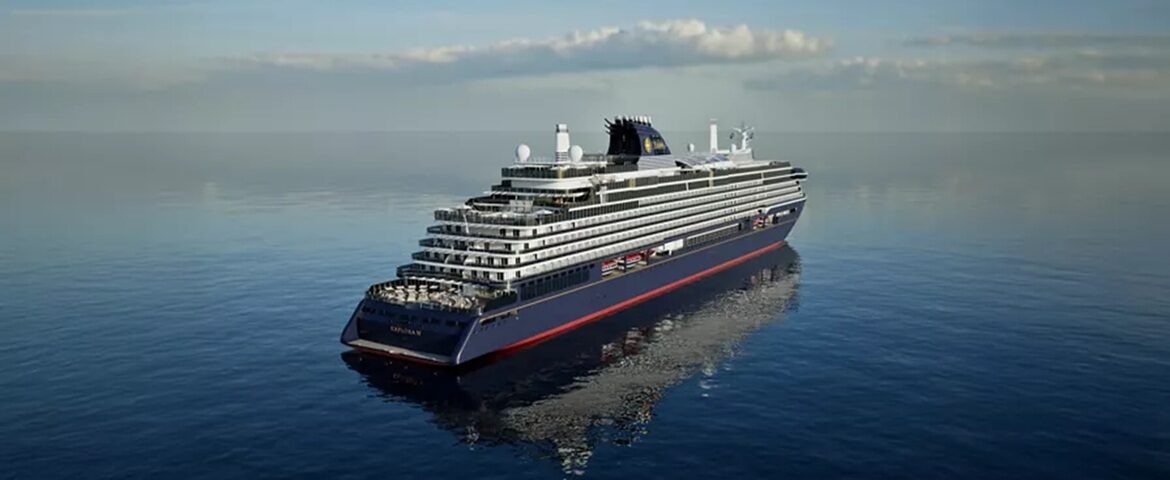
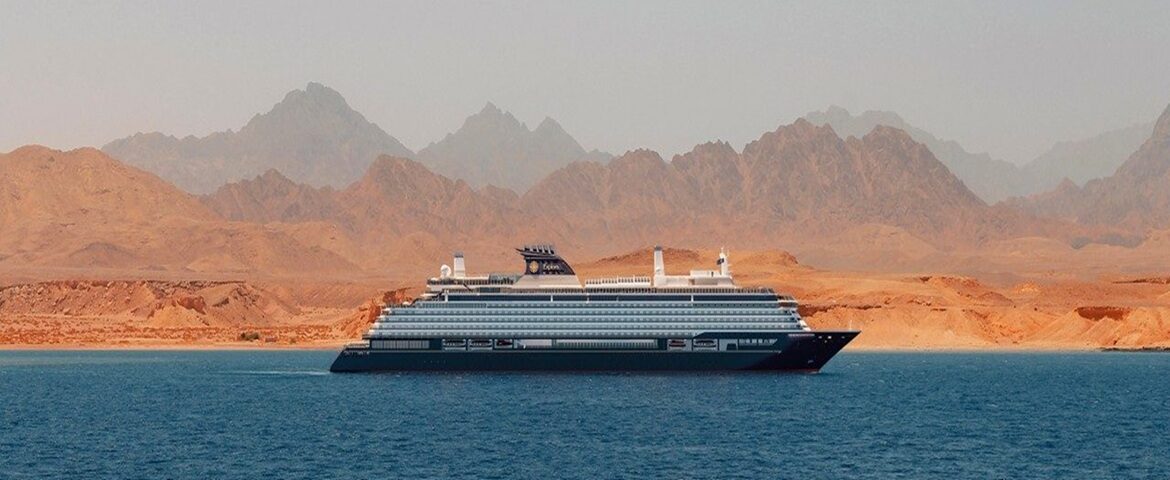
Explora Journeys (33 Cruises)
Explora IV
31 Cruises

MSC Cruises (230 Cruises)
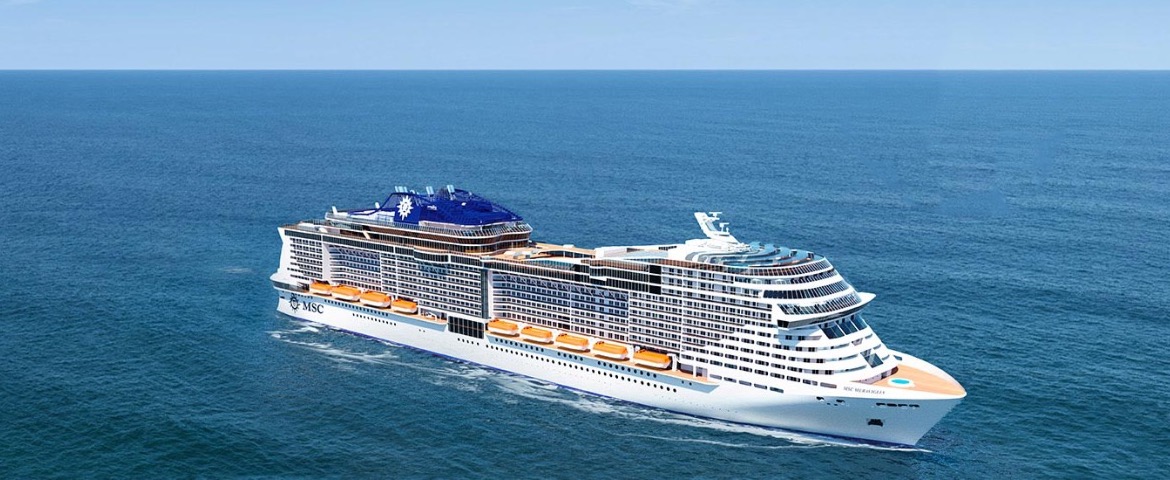
MSC Meraviglia
47 Cruises

| 18 May | 11 nights | One-way from Civitavecchia-Rome to Southampton |
From
2540$
|
| 29 May | 7 nights | Round-trip from Southampton, United Kingdom |
From
1795$
|
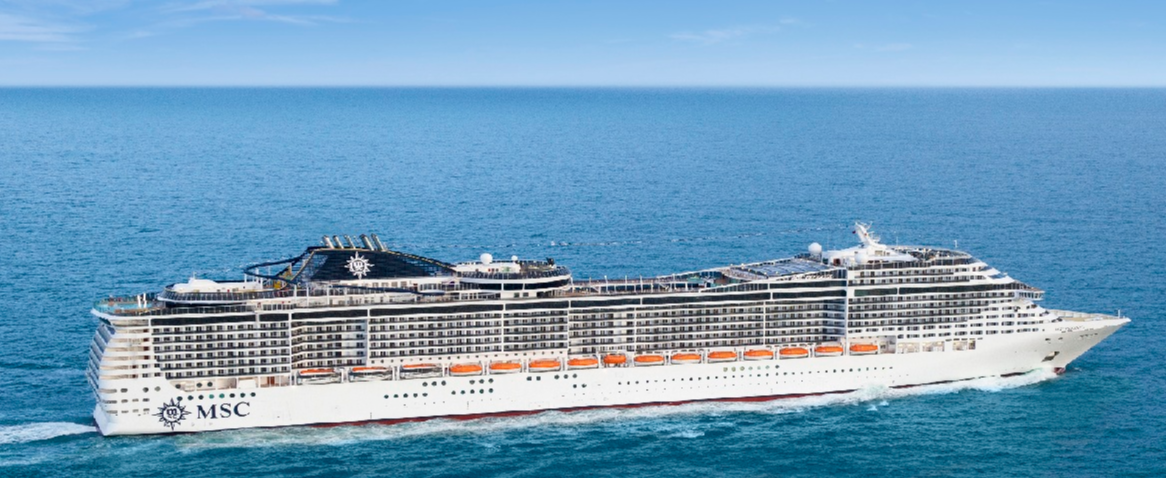
MSC Preziosa
183 Cruises
Norwegian Cruise Line (42 Cruises)


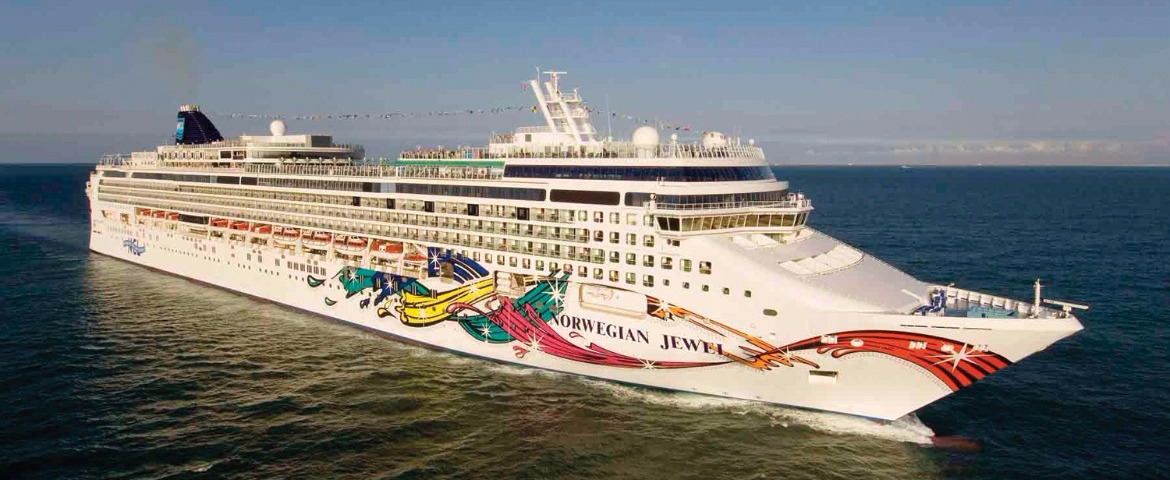
Norwegian Jewel
5 Cruises
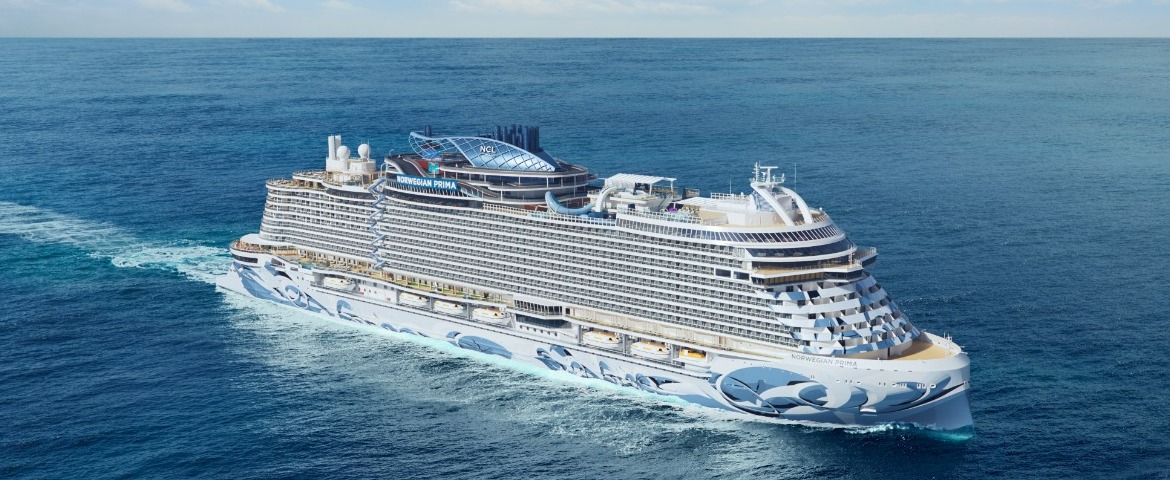
Norwegian Prima
15 Cruises
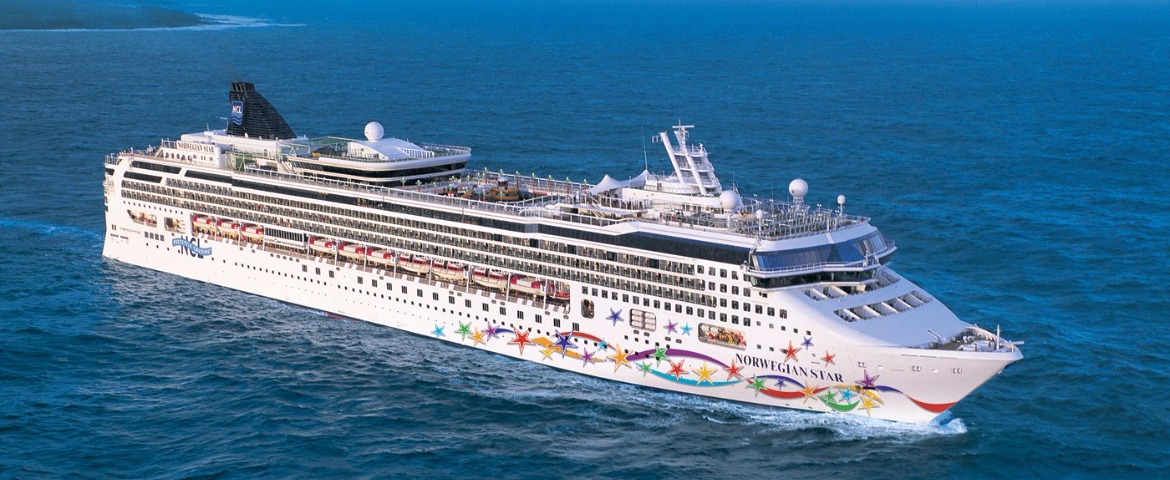
Norwegian Star
21 Cruises
| 18 April | 11 nights | One-way from Lisbon to Southampton |
From
1061$
|
| 29 April | 10 nights | Round-trip from Southampton, United Kingdom |
From
1040$
|
Oceania Cruises (71 Cruises)
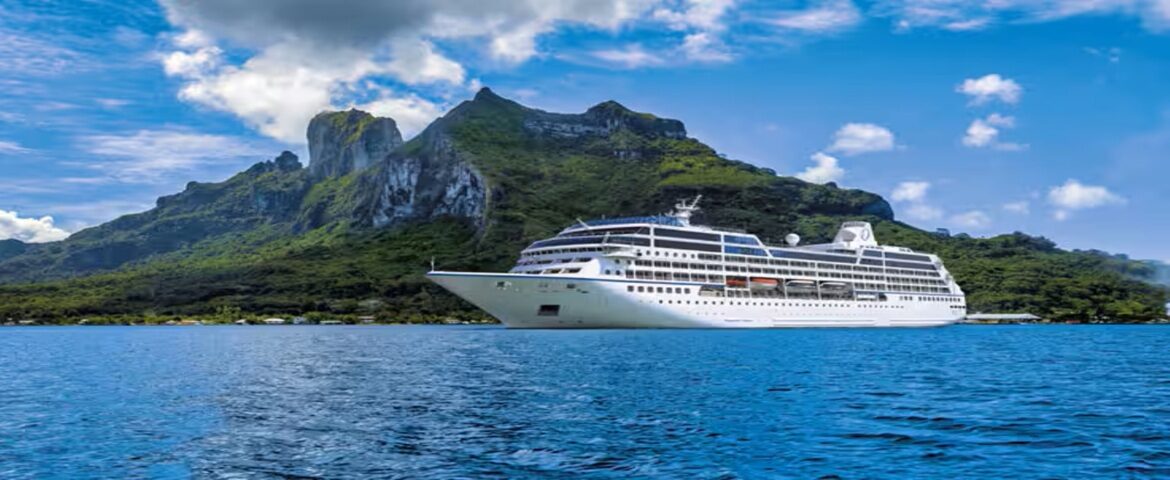

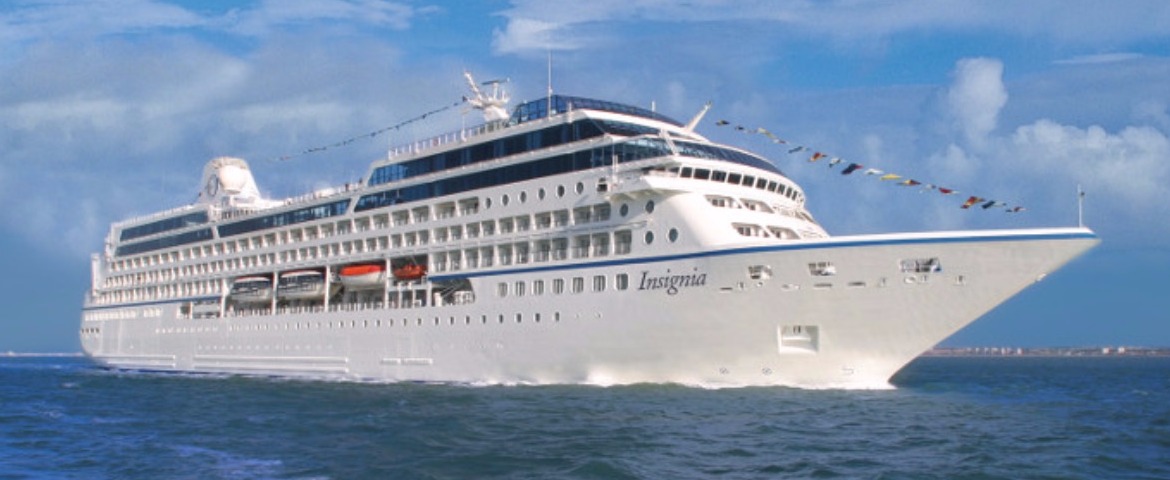
Oceania Insignia
13 Cruises
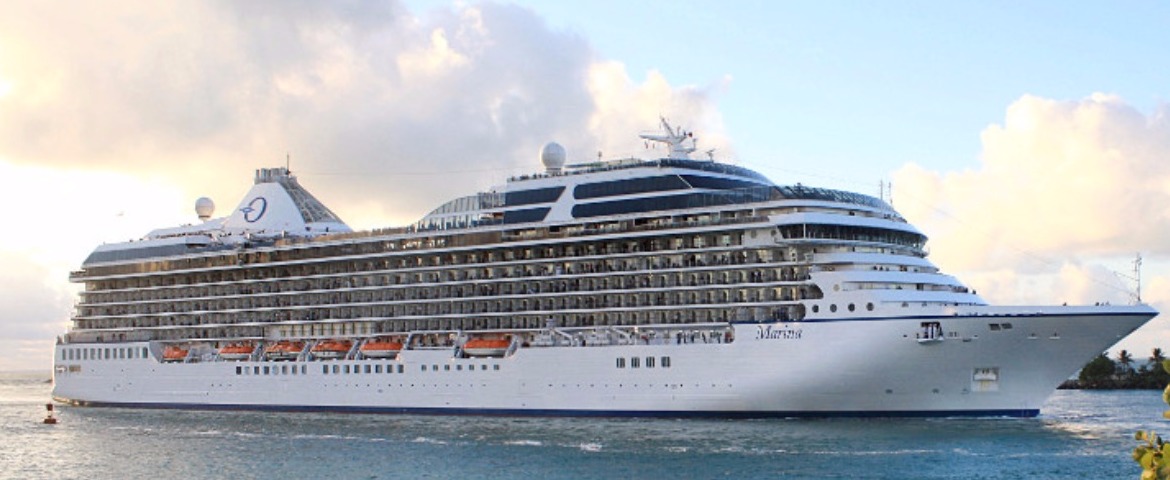
Oceania Marina
15 Cruises
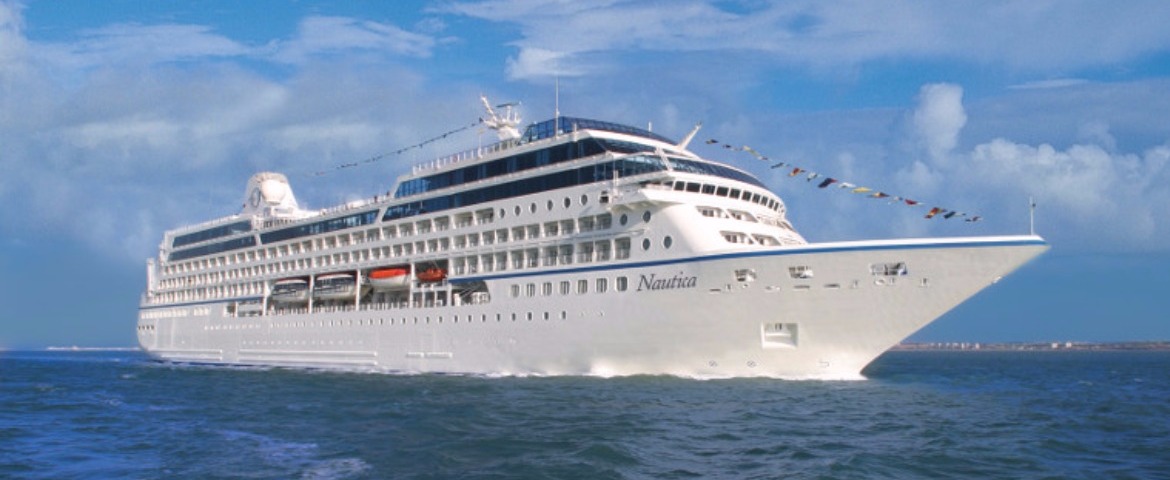
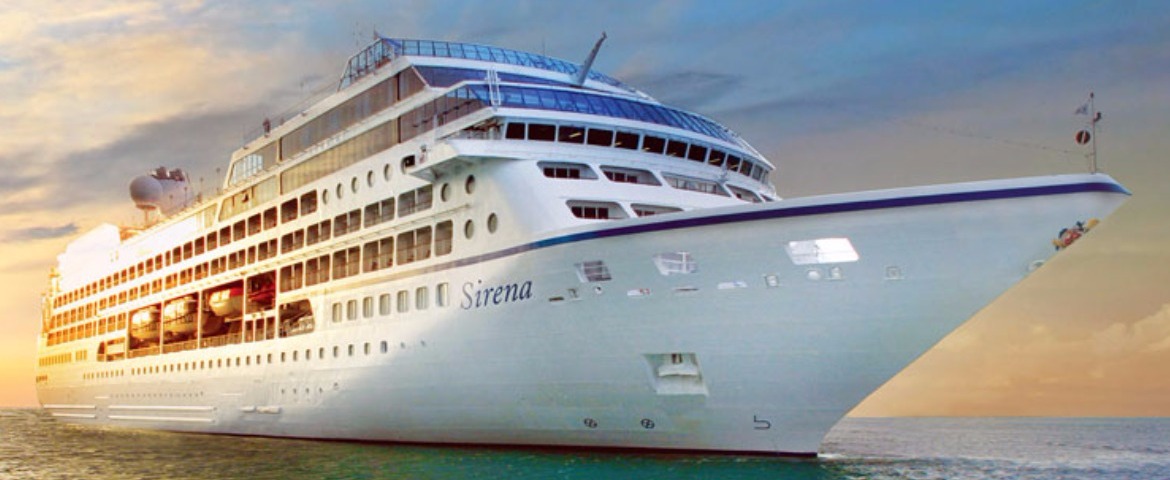
Oceania Sirena
5 Cruises
Oceania Sonata
10 Cruises
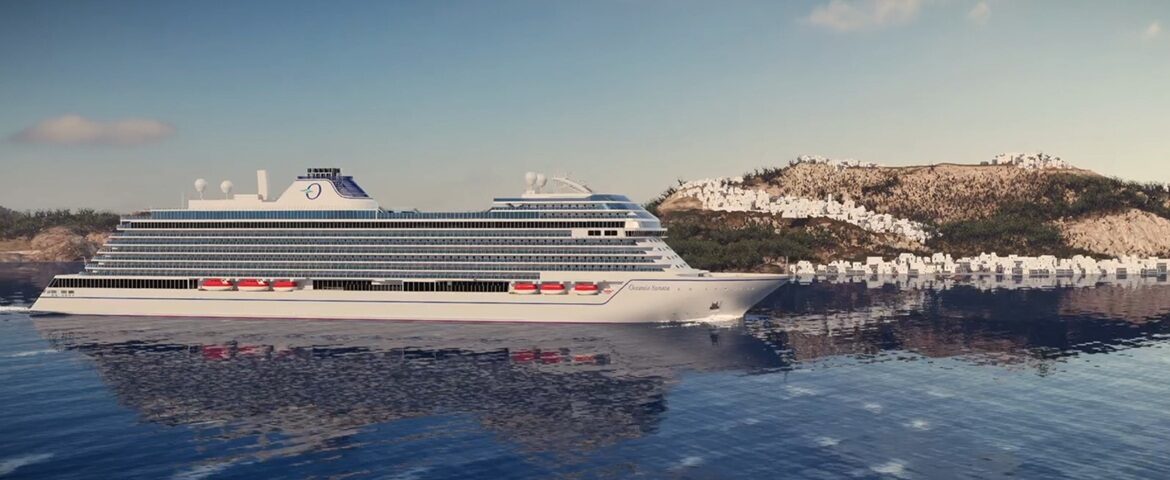
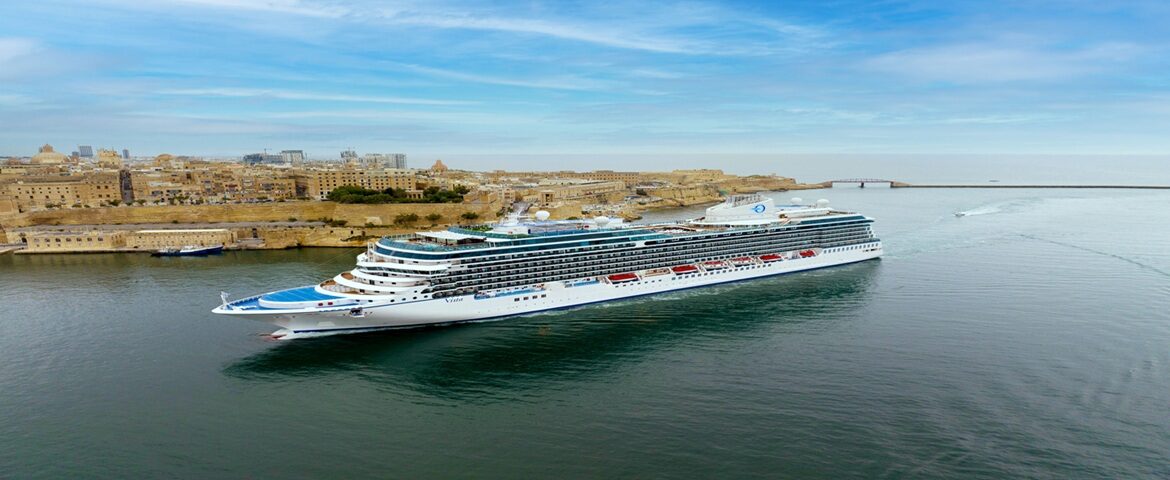
Oceania Vista
22 Cruises
| 7 May | 12 nights | One-way from Barcelona to Southampton |
450-628-6241
Call us
|
| 19 May | 12 nights | Round-trip from Southampton, United Kingdom |
450-628-6241
Call us
|
| 12 June | 22 nights | One-way from Southampton to Stockholm |
450-628-6241
Call us
|
| 12 June | 9 nights | One-way from Southampton to Copenhagen |
450-628-6241
Call us
|
Princess Cruises (196 Cruises)
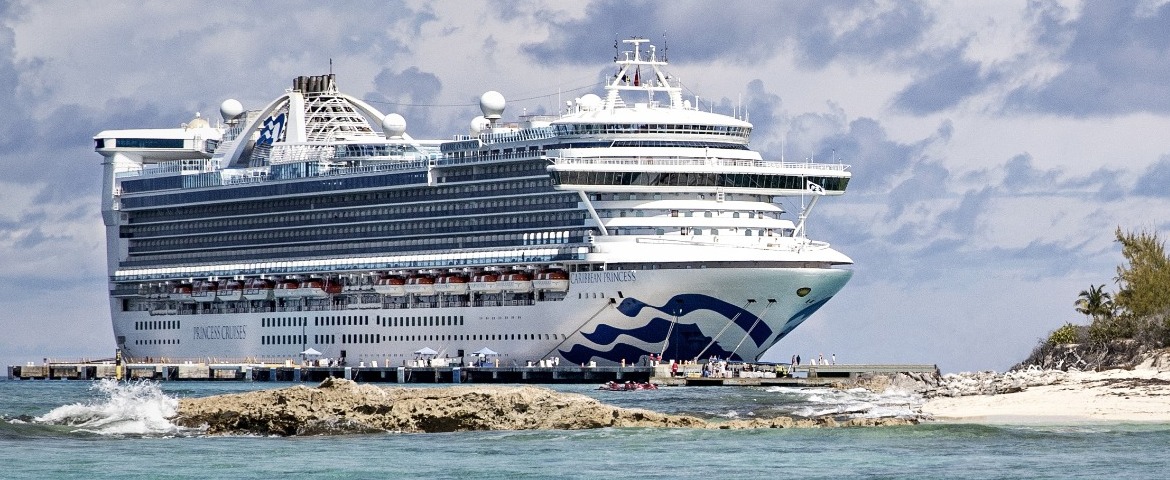
Caribbean Princess
48 Cruises

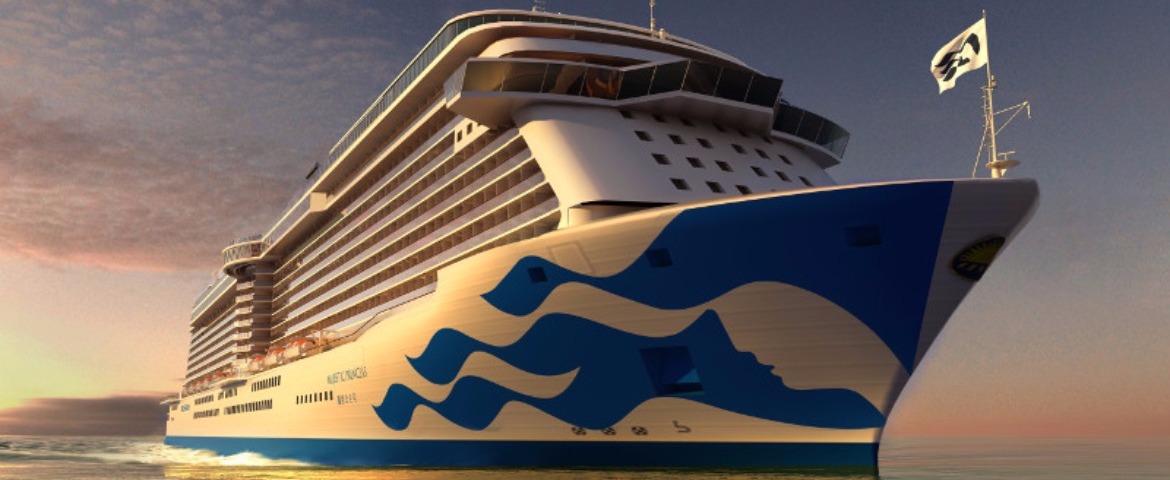
Majestic Princess
57 Cruises
| 7 April | 12 nights | Round-trip from Southampton, United Kingdom |
450-628-6241
Call us
|
| 19 April | 12 nights | Round-trip from Southampton, United Kingdom |
450-628-6241
Call us
|
| 6 June | 12 nights | Round-trip from Southampton, United Kingdom |
450-628-6241
Call us
|
| 18 June | 14 nights | Round-trip from Southampton, United Kingdom |
450-628-6241
Call us
|
| 10 September | 12 nights | Round-trip from Southampton, United Kingdom |
450-628-6241
Call us
|
| 22 September | 12 nights | Round-trip from Southampton, United Kingdom |
450-628-6241
Call us
|
| 24 January | 52 days | One-way from Buenos Aires to Southampton |
450-628-6241
Call us
|
| 25 January | 52 nights | One-way from Buenos Aires to Southampton |
450-628-6241
Call us
|
| 7 April | 12 nights | Round-trip from Southampton, United Kingdom |
450-628-6241
Call us
|
| 19 April | 12 nights | Round-trip from Southampton, United Kingdom |
450-628-6241
Call us
|
| 5 June | 12 nights | Round-trip from Southampton, United Kingdom |
450-628-6241
Call us
|
| 17 June | 14 nights | Round-trip from Southampton, United Kingdom |
450-628-6241
Call us
|
| 11 September | 11 nights | Round-trip from Southampton, United Kingdom |
450-628-6241
Call us
|
| 22 September | 12 nights | Round-trip from Southampton, United Kingdom |
450-628-6241
Call us
|
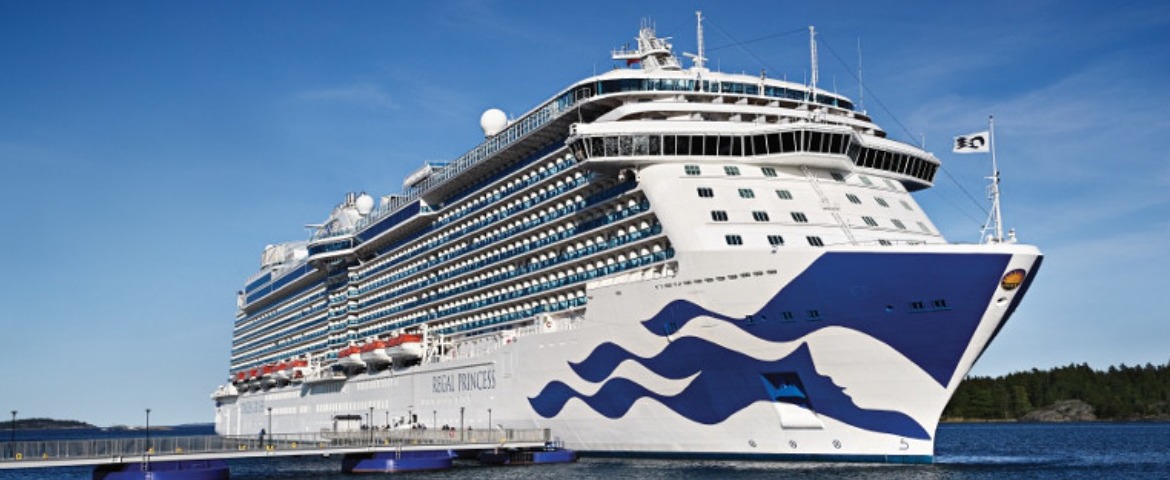
Regal Princess
41 Cruises
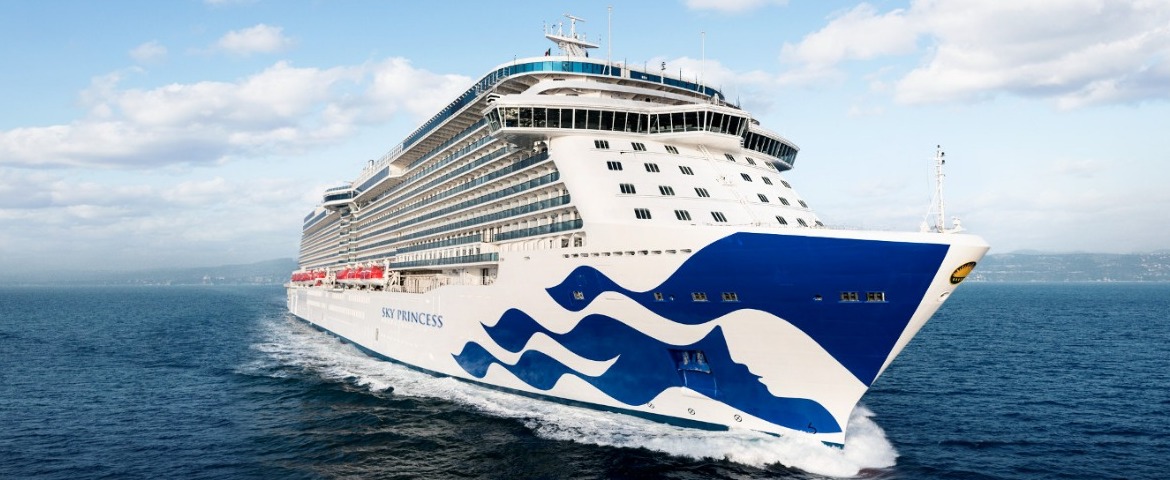
Sky Princess
50 Cruises
| 12 April | 12 nights | Round-trip from Southampton, United Kingdom |
450-628-6241
Call us
|
| 24 April | 14 nights | Round-trip from Southampton, United Kingdom |
450-628-6241
Call us
|
| 12 June | 14 nights | Round-trip from Southampton, United Kingdom |
450-628-6241
Call us
|
| 26 June | 14 nights | Round-trip from Southampton, United Kingdom |
450-628-6241
Call us
|
| 10 April | 12 nights | Round-trip from Southampton, United Kingdom |
450-628-6241
Call us
|
| 22 April | 14 nights | Round-trip from Southampton, United Kingdom |
450-628-6241
Call us
|
| 5 August | 14 nights | Round-trip from Southampton, United Kingdom |
450-628-6241
Call us
|
| 19 August | 14 nights | Round-trip from Southampton, United Kingdom |
450-628-6241
Call us
|
Regent Seven Seas Cruises (56 Cruises)
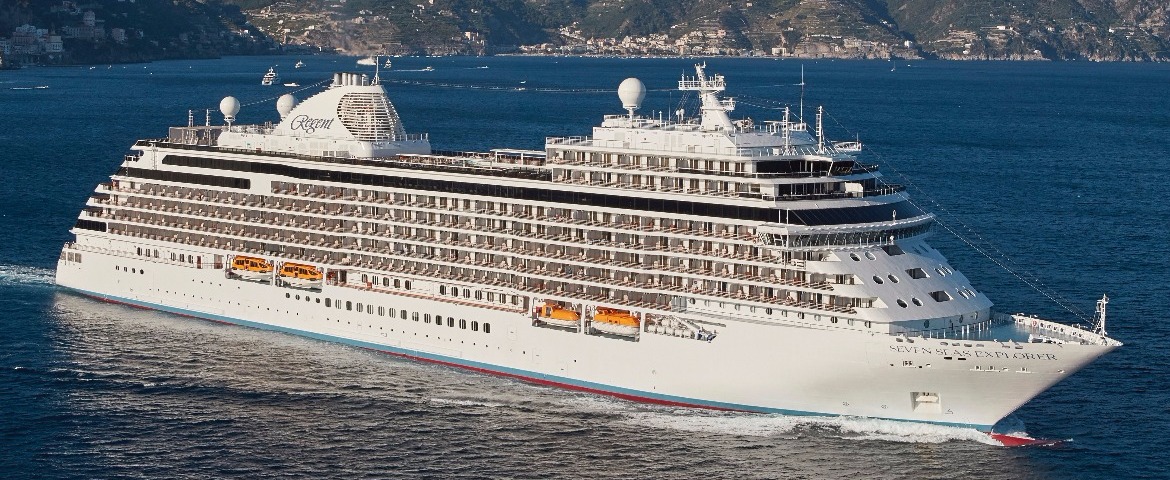

Seven Seas Grandeur
4 Cruises
Seven Seas Mariner
16 Cruises
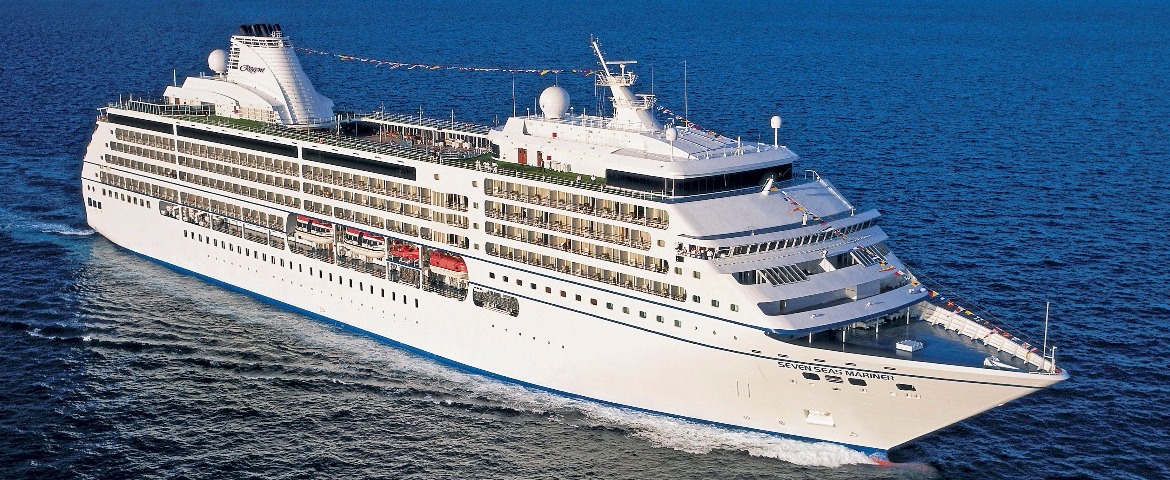
| 29 April | 92 nights | One-way from New York to Southampton |
450-628-6241
Call us
|
| 29 April | 174 nights | One-way from New York to Piraeus-Athens |
450-628-6241
Call us
|
Seven Seas Prestige
8 Cruises
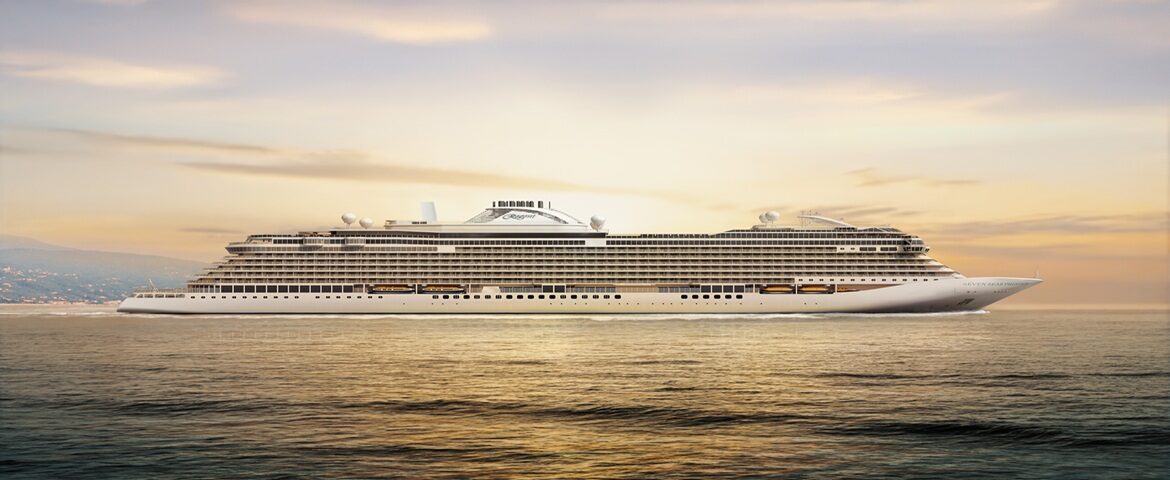
| 20 April | 9 nights | One-way from Lisbon to Southampton |
450-628-6241
Call us
|
| 29 April | 13 nights | Round-trip from Southampton, United Kingdom |
450-628-6241
Call us
|
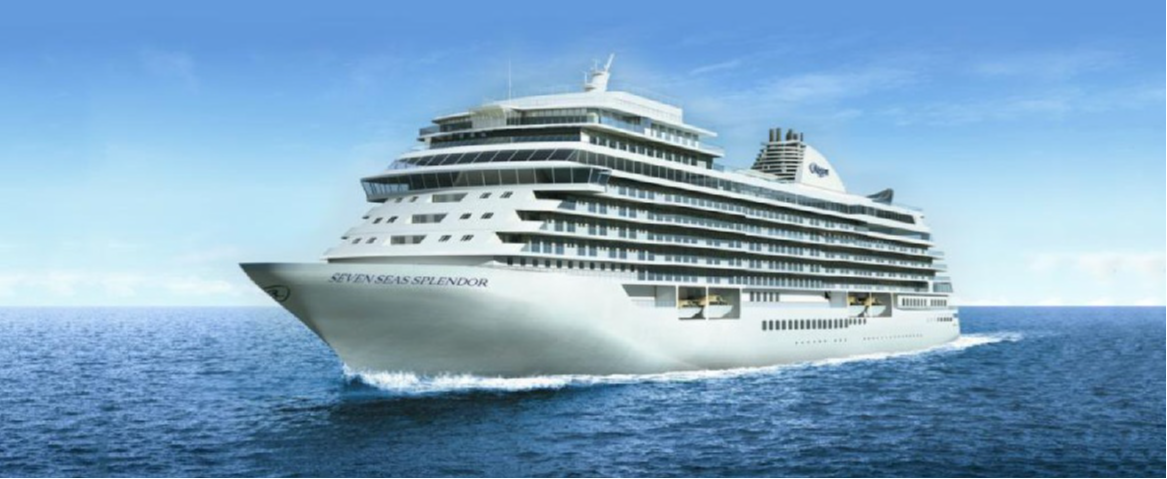
Seven Seas Splendor
8 Cruises
Seven Seas Voyager
19 Cruises
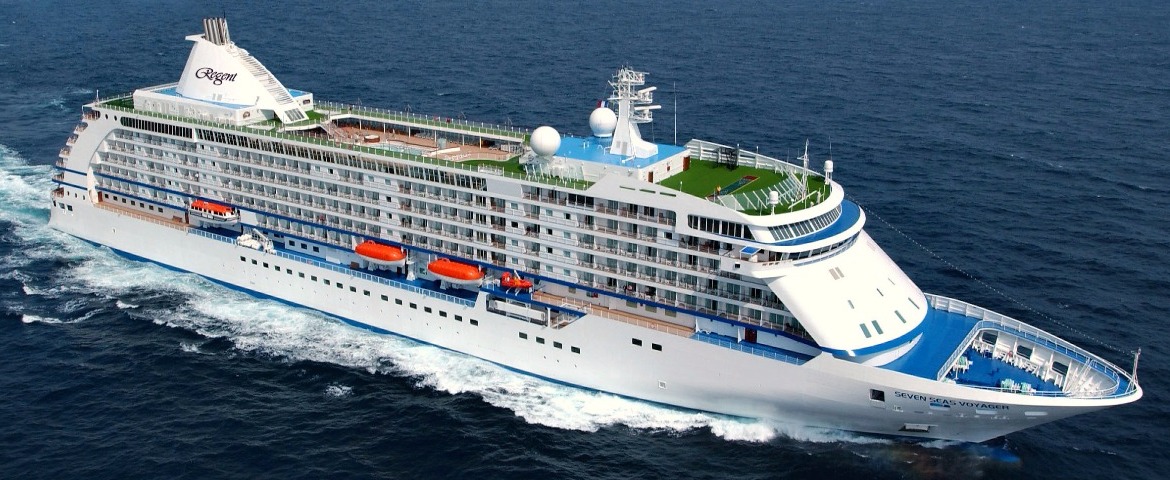
| 18 April | 22 nights | One-way from Barcelona to Southampton |
450-628-6241
Call us
|
| 29 April | 11 nights | One-way from Lisbon to Southampton |
450-628-6241
Call us
|
| 2 July | 11 nights | One-way from Southampton to Leith-Edinburgh |
450-628-6241
Call us
|
| 2 July | 24 nights | One-way from Southampton to Stockholm |
450-628-6241
Call us
|
| 1 July | 12 nights | One-way from Copenhagen to Southampton |
450-628-6241
Call us
|
| 13 July | 9 nights | One-way from Southampton to IJmuiden |
450-628-6241
Call us
|
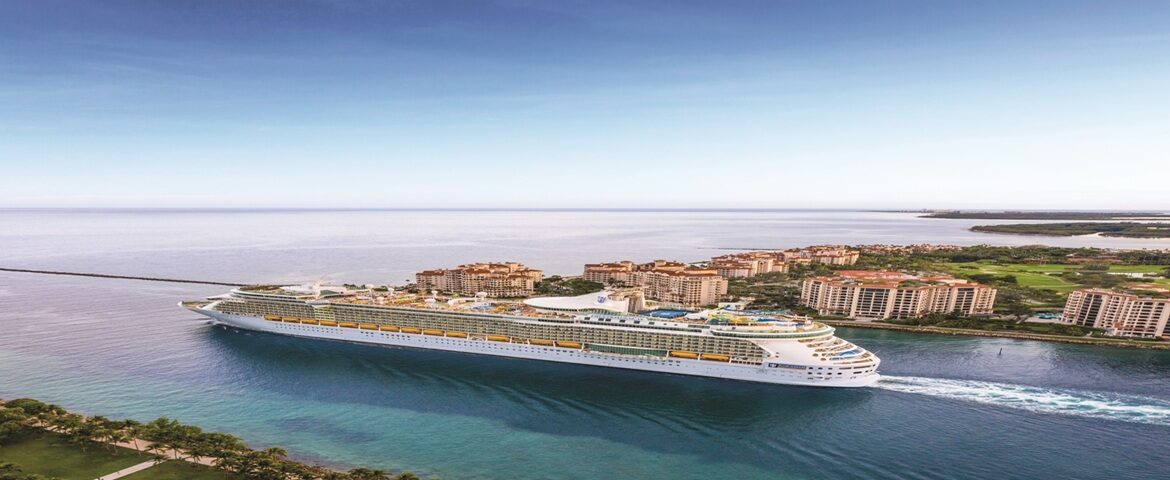
Royal Caribbean Cruises (26 Cruises)
Freedom of the Seas
26 Cruises

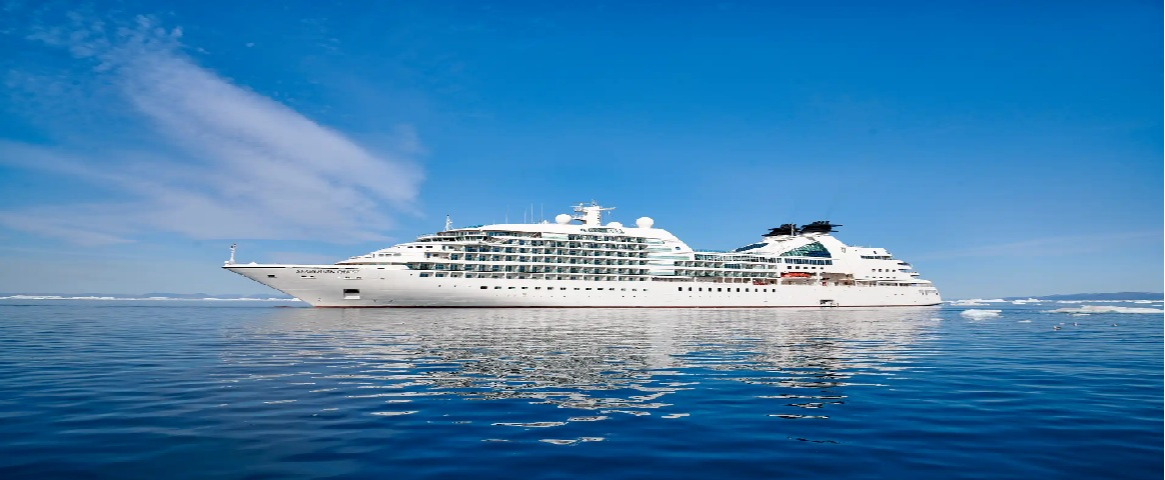
Seabourn Cruise Line (7 Cruises)

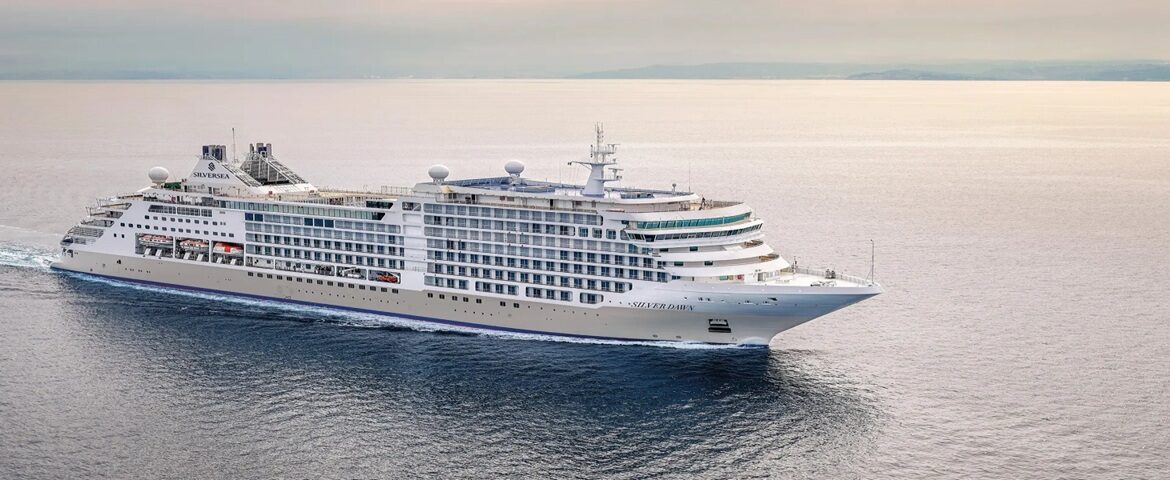
Silversea Cruises (24 Cruises)

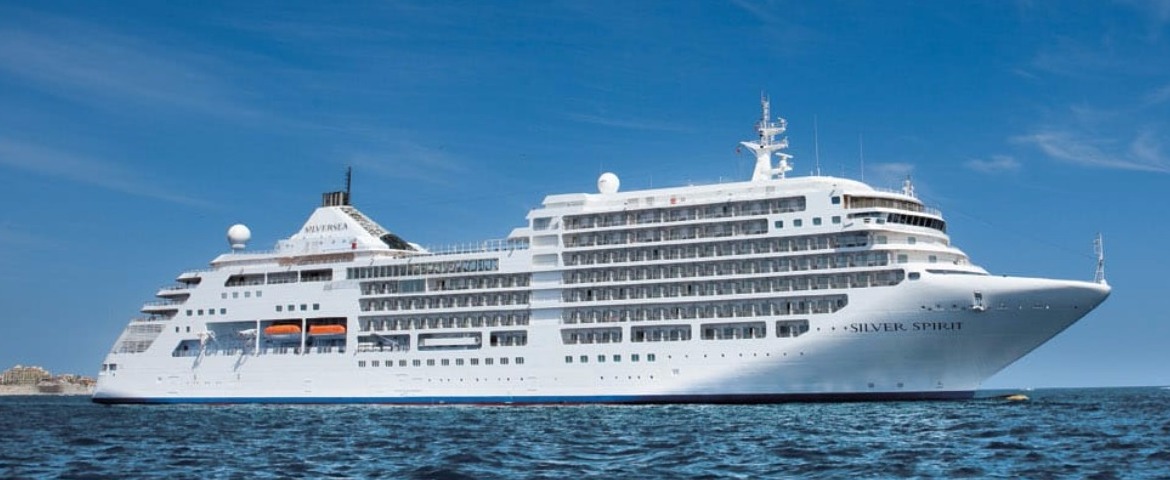
Silver Spirit
22 Cruises

Port of Southampton, England | Cruise Port Guide
Frequently Asked Questions
At one of the port's cruise terminals, the United Kingdom's leading cruise gateway. The berths mainly handle embarkation and disembarkation; the medieval quarter and the city centre are reached on foot or by shuttle depending on the terminal used.
Yes. The old core begins a few minutes from the waterfront, and the circuit of the walls takes about an hour going up Bugle Street or French Street. The SeaCity Museum lies roughly twenty minutes' walk from the terminals.
The medieval walls, Tudor House and the SeaCity Museum make a full programme without leaving the centre. Those who prefer to go further afield choose Winchester or the New Forest, both under an hour away by road.
One of the most complete sets in England, punctuated by towers and postern gates. The Bargate, a monumental twelfth-century gateway, still straddles the shopping street. More than 90 listed buildings hide within this compact area, from medieval wine vaults to Georgian houses.
At the SeaCity Museum, housed in the former civic centre. The liner cast off here on 10 April 1912, and more than 500 households in the city lost a crew member in the sinking. Models, testimony and reconstructions tell the departure from the families' side.
The Mayflower left Southampton in 1620 carrying its pilgrims towards America. The Mayflower Memorial, a column raised in 1913, stands facing the water in Mayflower Park, which doubles as a favourite vantage point for ship enthusiasts.
A timber-framed house built in the late fifteenth century in the heart of the old quarter, with a garden recreated in period style. Its rooms tell eight centuries of domestic life, from Tudor banquets to Second World War air-raid shelters.
Sterling and English. Cards are accepted everywhere, including on buses and in taxis; there is no need to withdraw cash for a day in the city.
The Westquay shopping centre, built against a stretch of the old wall, combines shops, restaurants and a cinema. The city-centre museums, SeaCity and Tudor House, also link up well under cover, as do the beamed pubs of the medieval quarter.
Very much so. Distances are short, the centre is flat, and both the SeaCity Museum and Tudor House are designed with children in mind. Mayflower Park adds a free show that works at any age: the parade of the great ships.


