San Diego California
305
Cruises availables
At departure or passage at this port
Azamara Club Cruises (8 Cruises)


Costa Cruises (20 Cruises)
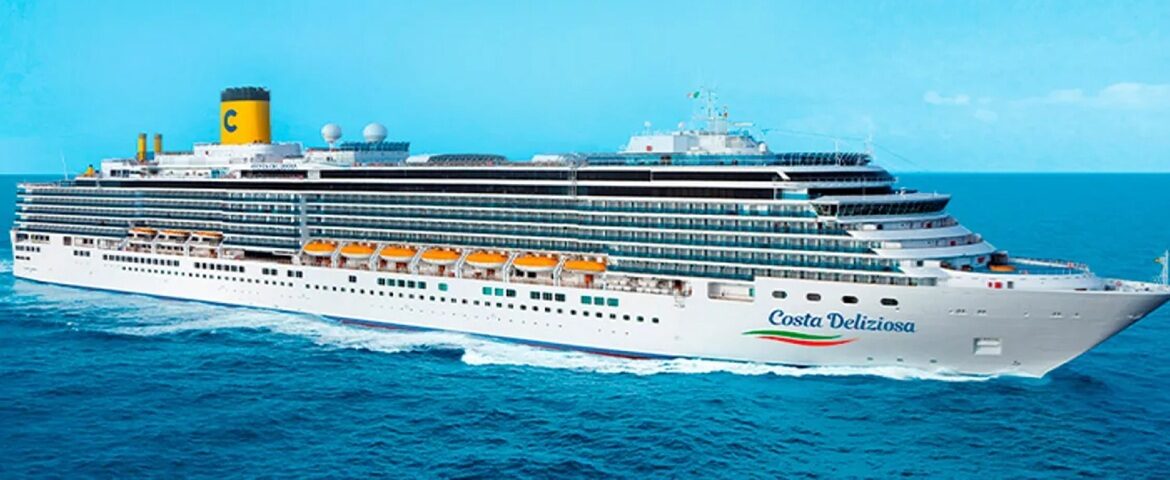
Costa Deliziosa
20 Cruises

Crystal Cruises (16 Cruises)
Crystal Serenity
12 Cruises


Crystal Symphony
4 Cruises

Disney Cruise Line (41 Cruises)
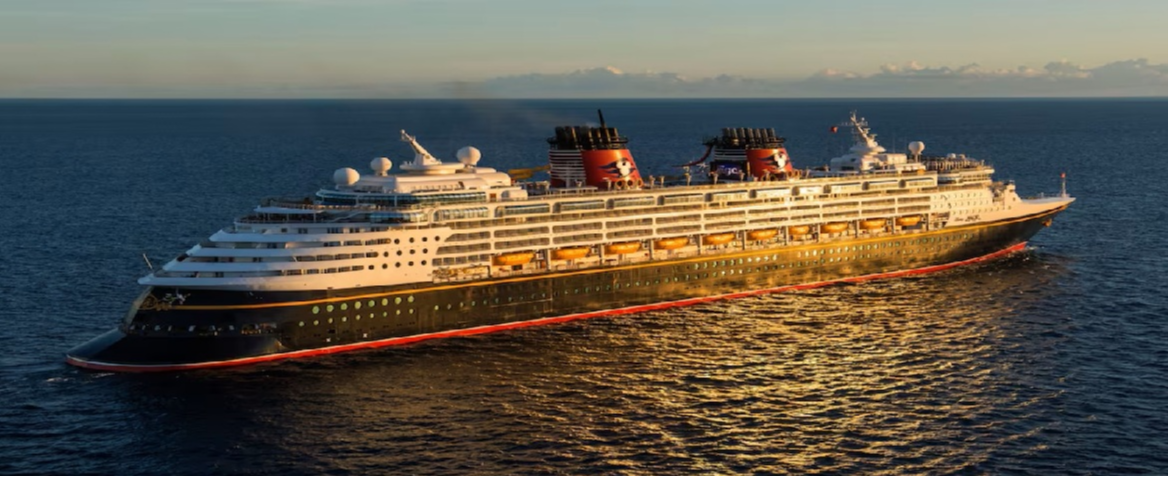

Disney Wonder
39 Cruises
| 22 November | 7 nights | Round-trip from San Diego, USA |
450-628-6241
Call us
|
| 29 November | 5 nights | Round-trip from San Diego, USA |
450-628-6241
Call us
|
Explora Journeys (3 Cruises)

Holland America Line (98 Cruises)
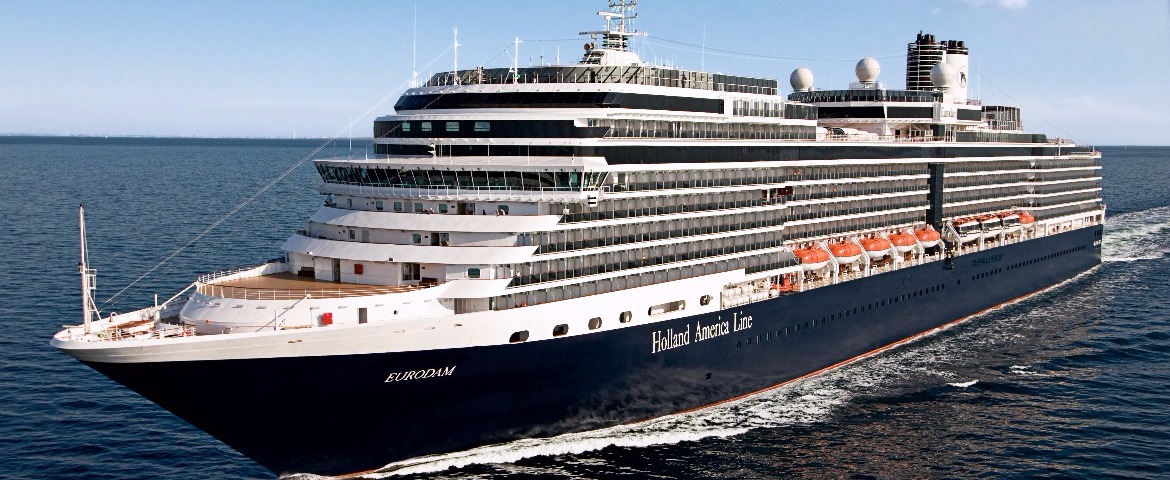
ms Eurodam
11 Cruises

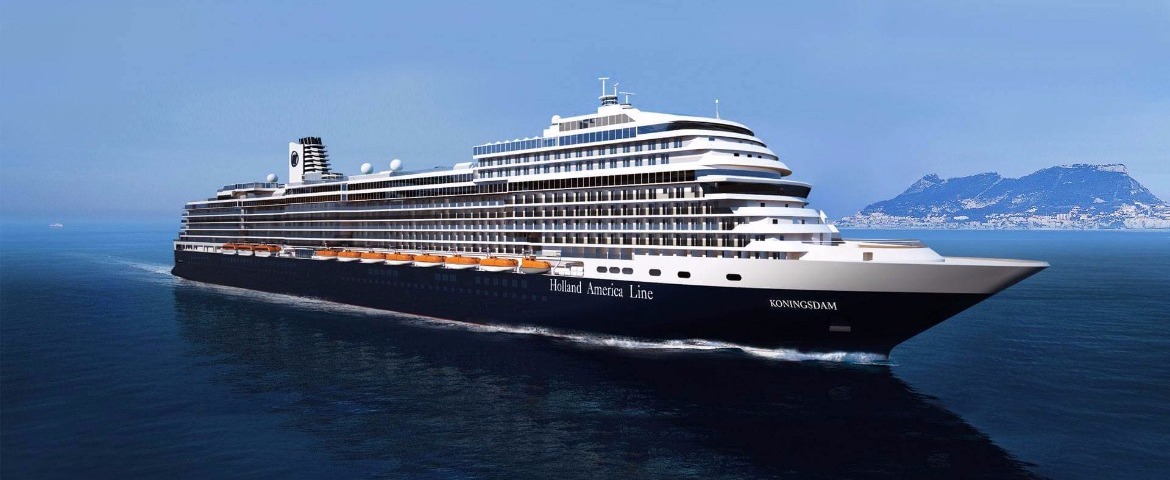
ms Koningsdam
46 Cruises
| 21 November | 7 nights | Round-trip from San Diego, USA |
450-628-6241
Call us
|
| 28 November | 10 nights | Round-trip from San Diego, USA |
450-628-6241
Call us
|
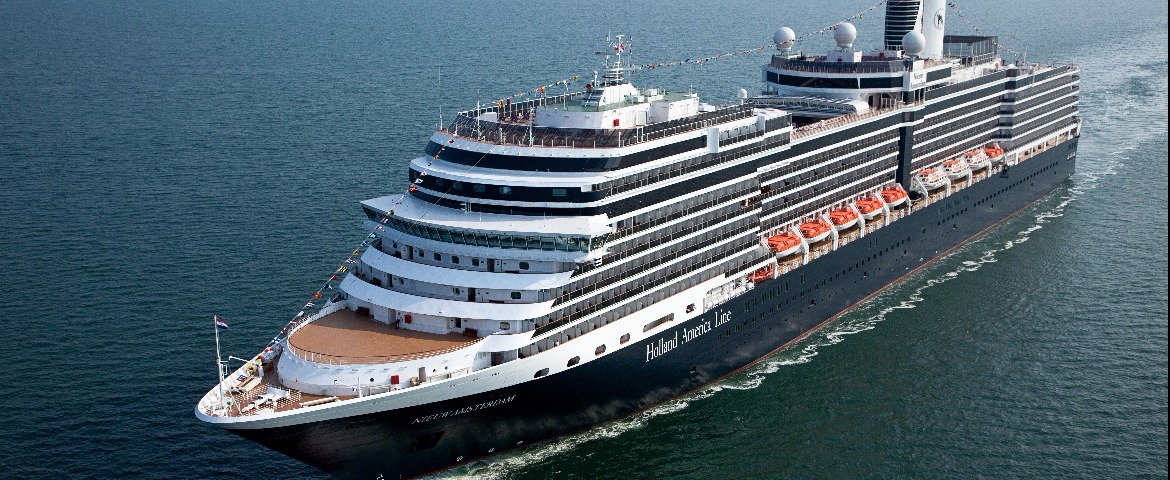
ms Nieuw Amsterdam
8 Cruises
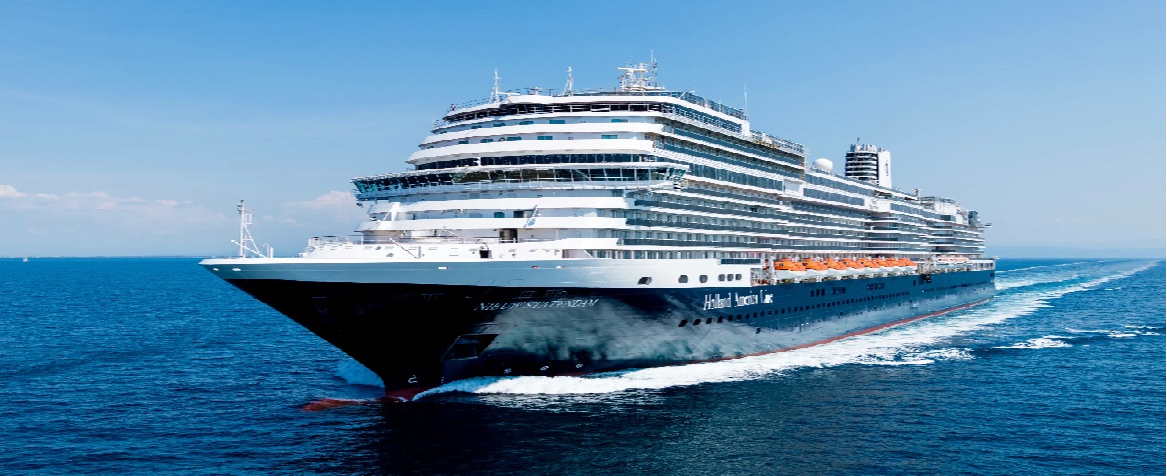
ms Nieuw Statendam
8 Cruises
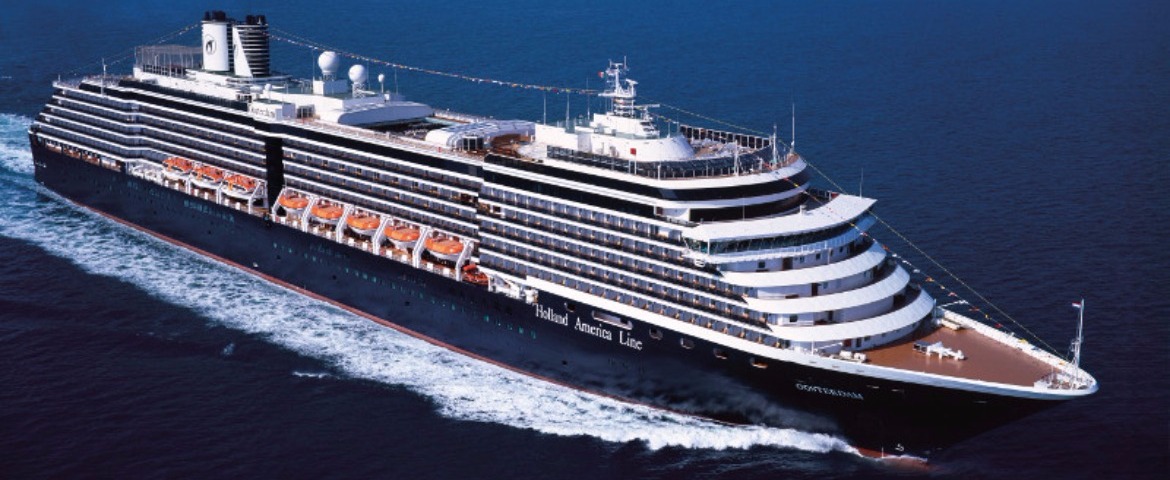
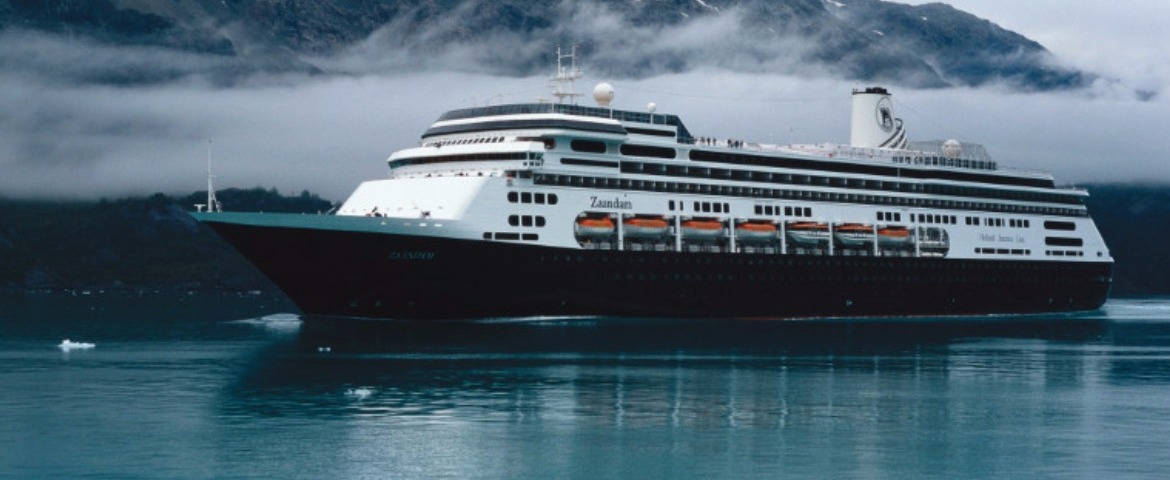
ms Zaandam
17 Cruises
| 14 March | 14 nights | One-way from Fort Lauderdale to San Diego |
450-628-6241
Call us
|
| 28 March | 7 nights | Round-trip from San Diego, USA |
450-628-6241
Call us
|
| 4 April | 13 nights | Round-trip from San Diego, USA |
450-628-6241
Call us
|
| 17 April | 7 nights | One-way from San Diego to Vancouver |
450-628-6241
Call us
|
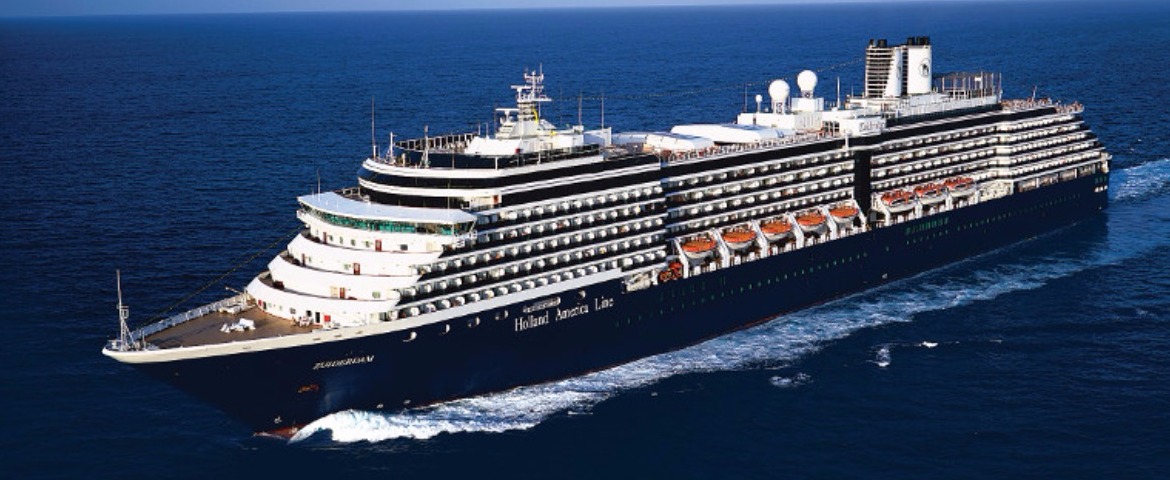
ms Zuiderdam
5 Cruises
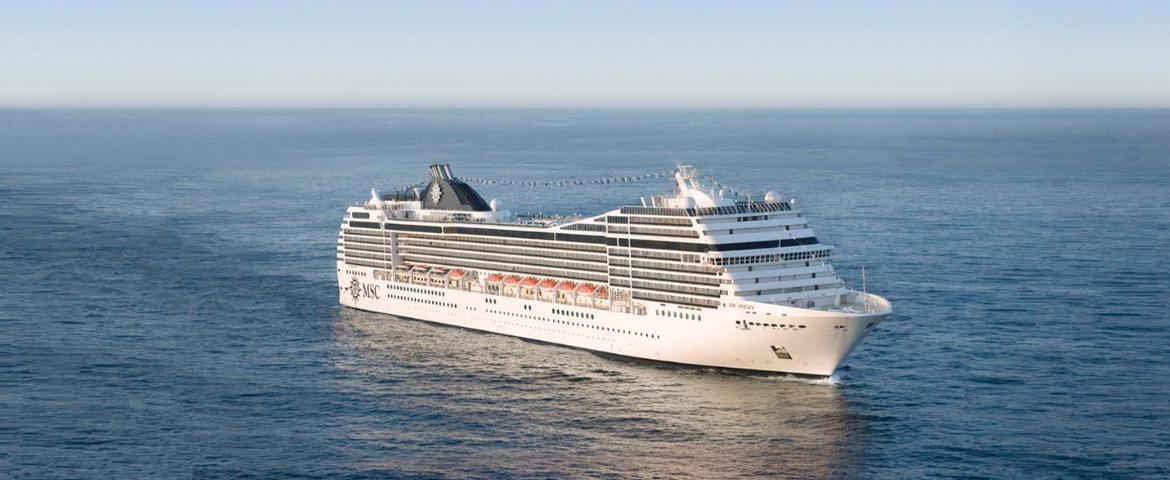
MSC Cruises (5 Cruises)

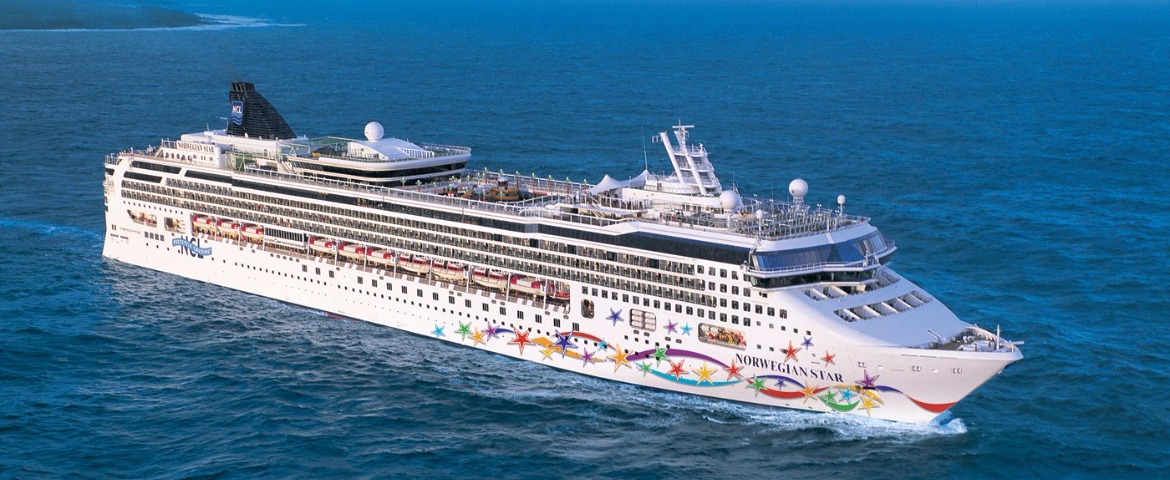
Norwegian Cruise Line (18 Cruises)
Norwegian Star
18 Cruises

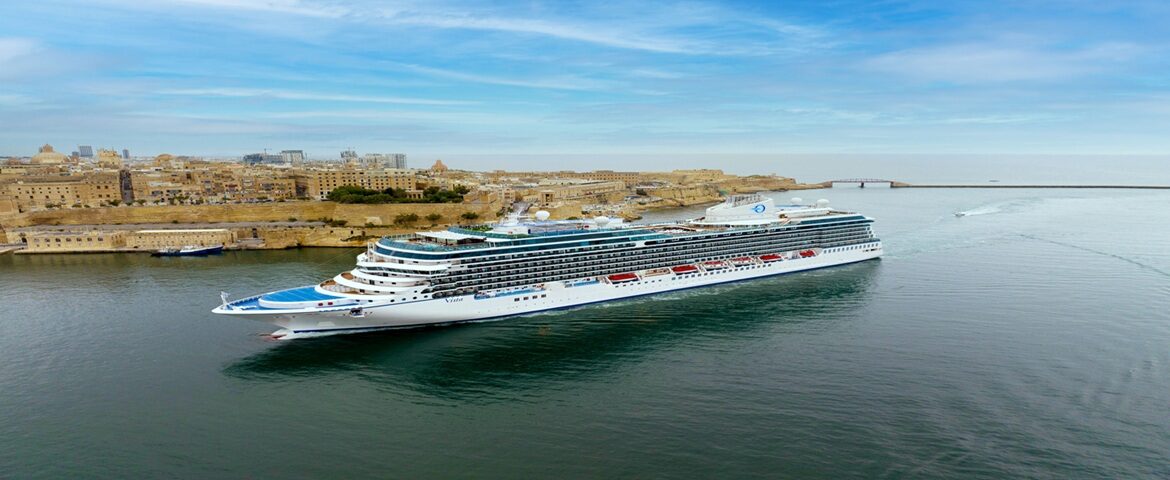
Oceania Cruises (3 Cruises)

Princess Cruises (41 Cruises)
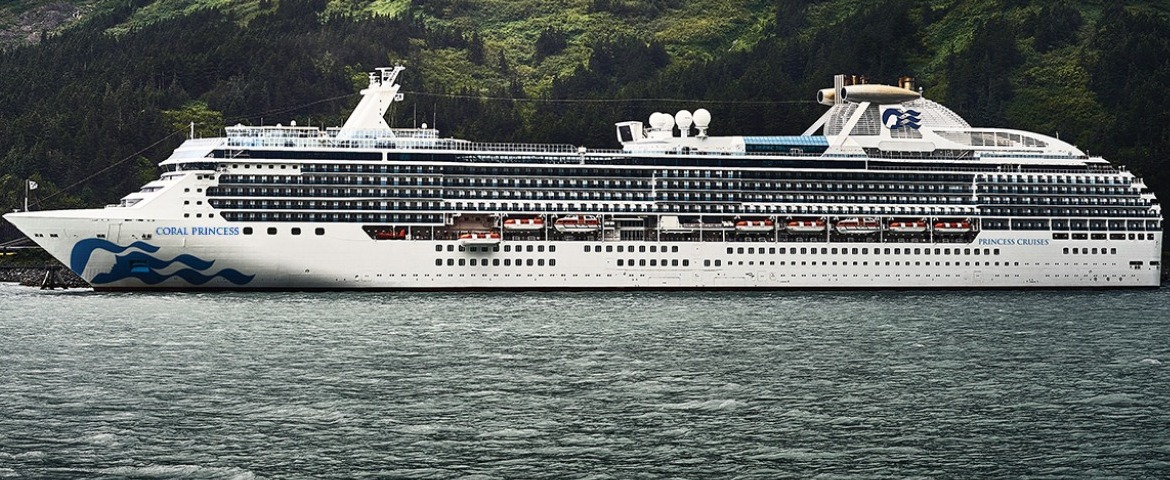

Crown Princess
6 Cruises
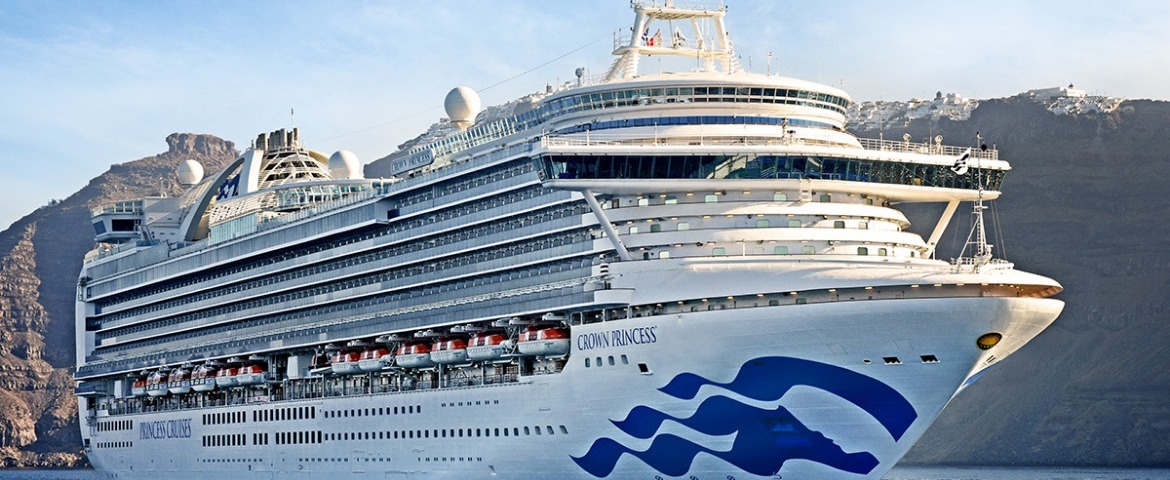
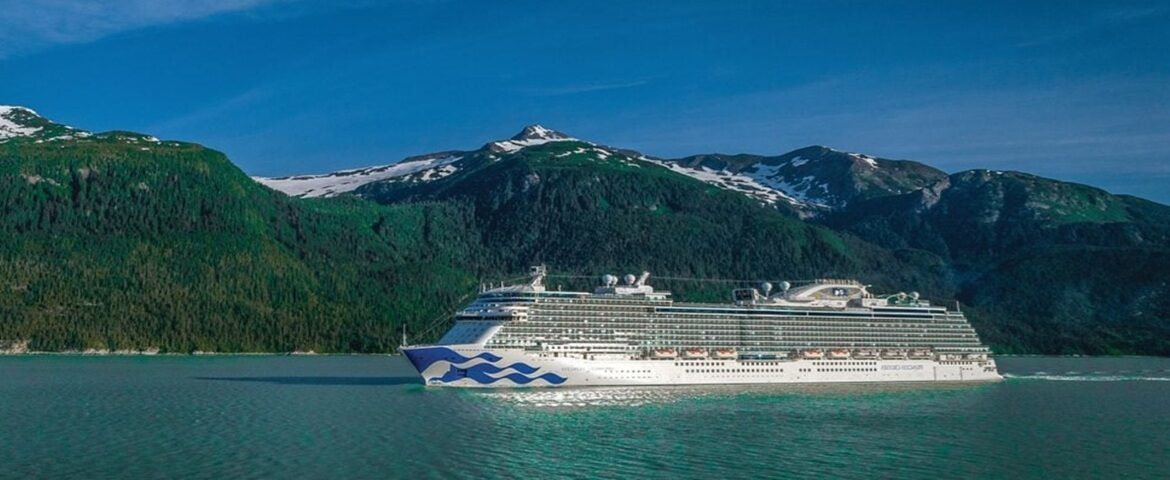
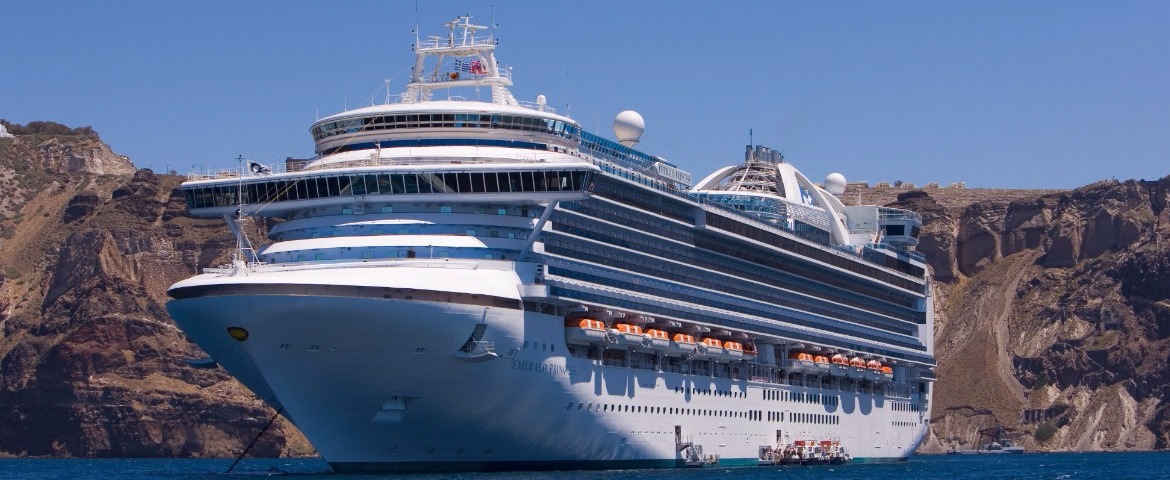
Emerald Princess
6 Cruises
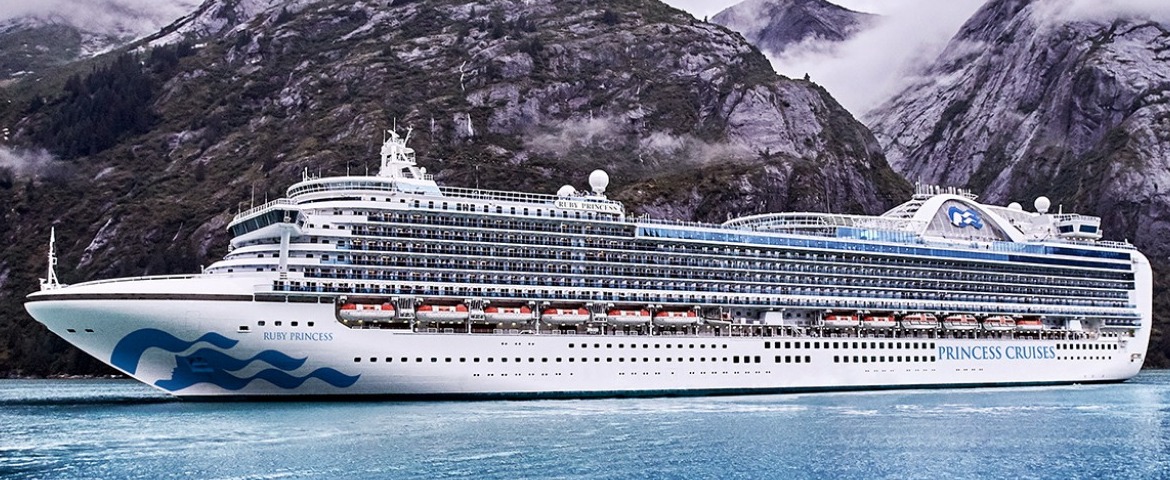
Island Princess
6 Cruises
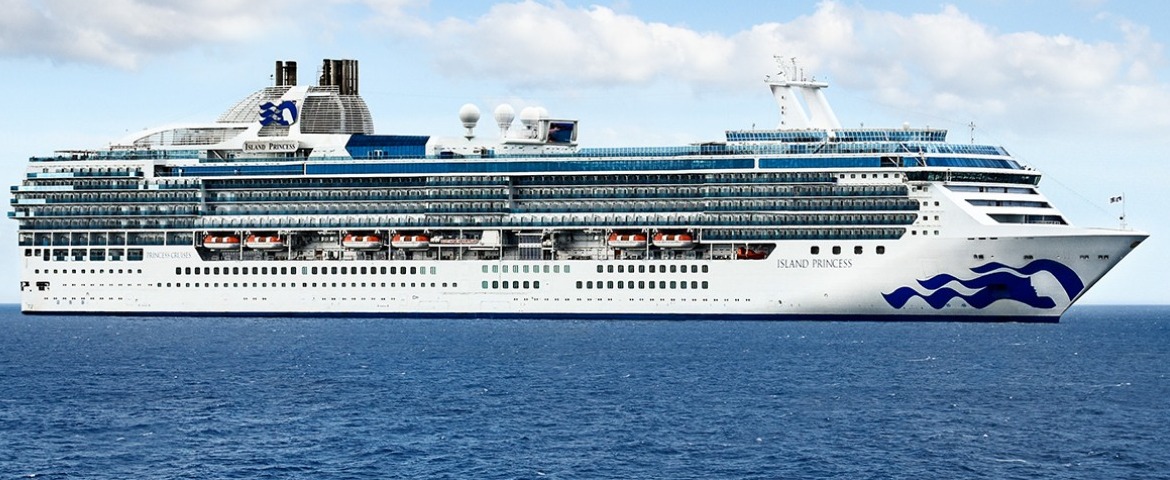
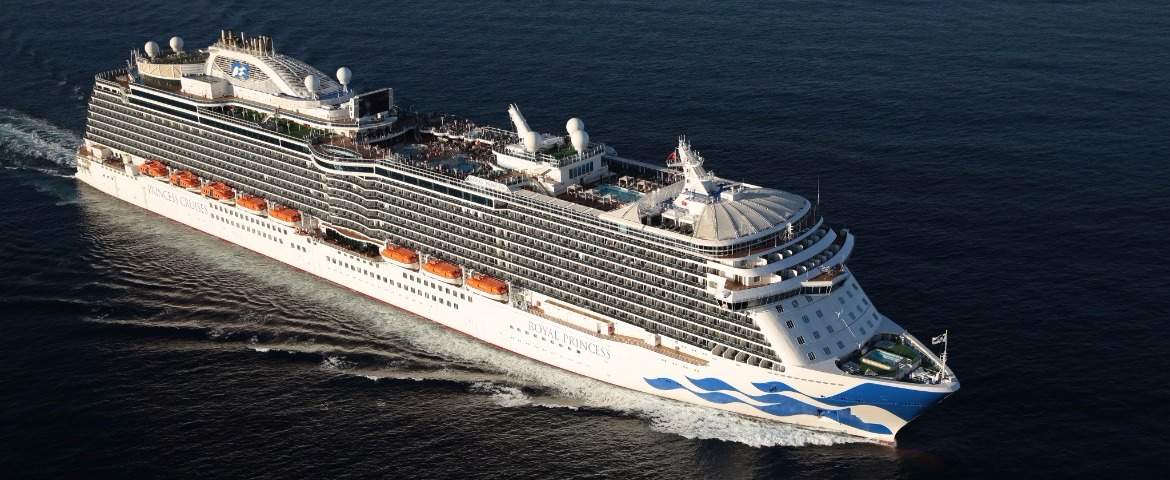
Royal Princess
9 Cruises

Royal Caribbean Cruises (40 Cruises)
Serenade of the Seas
40 Cruises


| 22 November | 7 nights | Round-trip from San Diego, USA |
From
1005$
|
| 29 November | 4 nights | Round-trip from San Diego, USA |
From
424$
|

Virgin Voyages (4 Cruises)


San Diego, USA | Cruise Port Guide
Frequently Asked Questions
At the B Street Pier terminal, right downtown, directly across from the aircraft carrier USS Midway. You walk down the gangway and the city starts immediately, with no shuttle.
Largely, yes. The USS Midway is across the street, the Gaslamp Quarter is about ten minutes east and Little Italy a few blocks north. Balboa Park and Old Town, however, need a taxi or the trolley, which leaves from Santa Fe Depot six minutes from the terminal.
Allow two or three hours for the USS Midway, then follow the harbour esplanade to the Gaslamp Quarter for a meal. If Mexican heritage appeals more than military history, take the trolley to Old Town as soon as you land.
The flight deck with its fighter jets and helicopters, then the ship’s innards: galleys, berthing spaces and engine room. Former sailors, many of them volunteers, describe daily life at sea, from night launches to Pacific storms.
The Victorian district downtown: ornate brick facades, old street lamps, restaurants and patios that come alive from midday. Neon signs recall this sailors’ quarter’s rowdy past, now wedged among glass towers.
Yes by taxi, but not both. Balboa Park holds some fifteen museums in Spanish colonial revival pavilions inherited from the 1915 and 1935 expositions, plus the San Diego Zoo. One call cannot cover it all: pick a museum or the zoo, then wander under the trees.
By trolley, from Santa Fe Depot six minutes’ walk from the terminal. Old Town is the original core of Spanish and later Mexican California: restored adobe houses, shaded courtyards, hand-pressed tortillas and mariachi music.
The old Italian fishermen’s quarter, a few blocks north of the terminal, which kept its name and regained its energy: trattorias, strong espresso bars and farmers’ markets along pedestrian streets. A good choice for an unhurried lunch.
The US dollar and English, with Spanish very much present in Old Town and in the kitchens. Credit cards are accepted everywhere and restaurant tipping runs 15 to 20 percent.
Almost any time of year: the light is soft and the climate steady. May and June sometimes bring overcast mornings, a well-known local pattern that usually burns off by early afternoon.


