San Francisco California
221
Cruises availables
At departure or passage at this port
Azamara Club Cruises (10 Cruises)
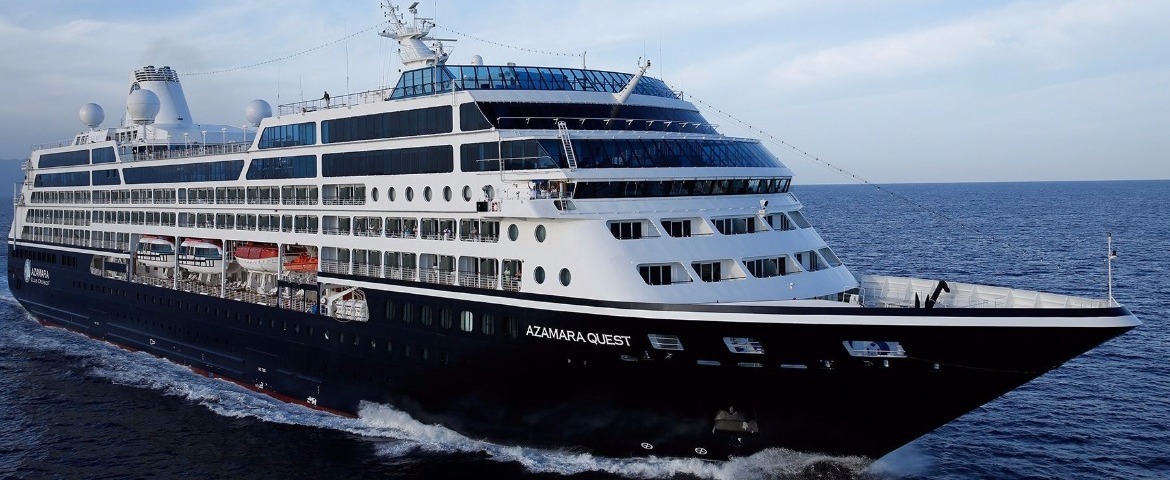
Azamara Quest
10 Cruises

Carnival Cruise Line (23 Cruises)
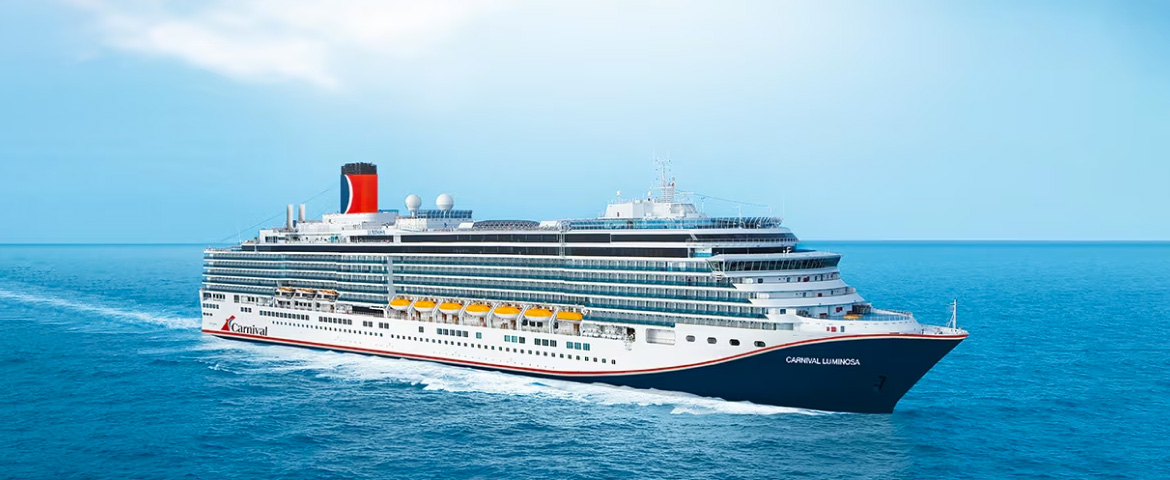
Carnival Luminosa
23 Cruises
| 6 April | 23 days | One-way from Sydney to San Francisco |
450-628-6241
Call us
|
| 28 April | 6 days | Round-trip from San Francisco, USA |
From
969$
|
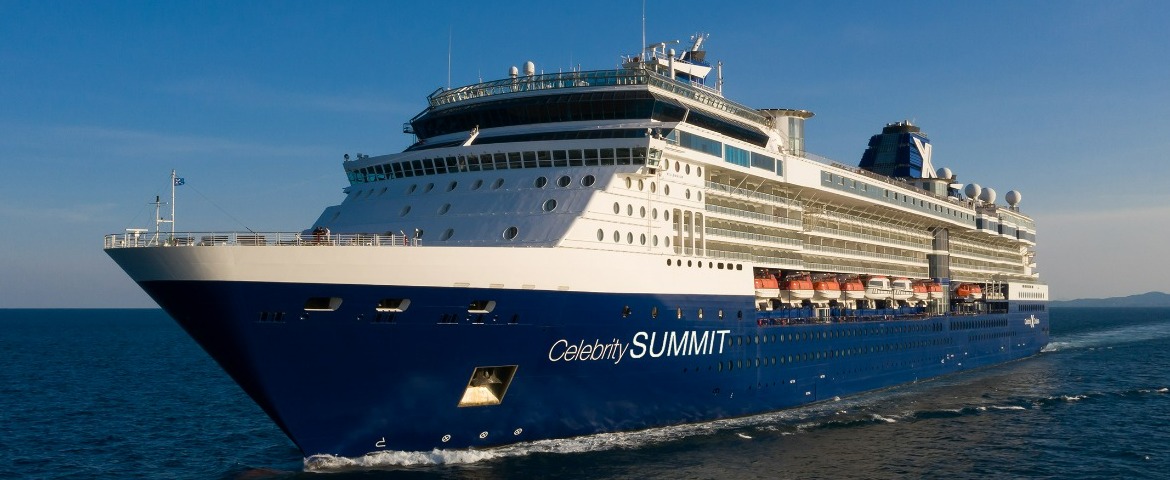
Celebrity Cruises (1 Cruises)
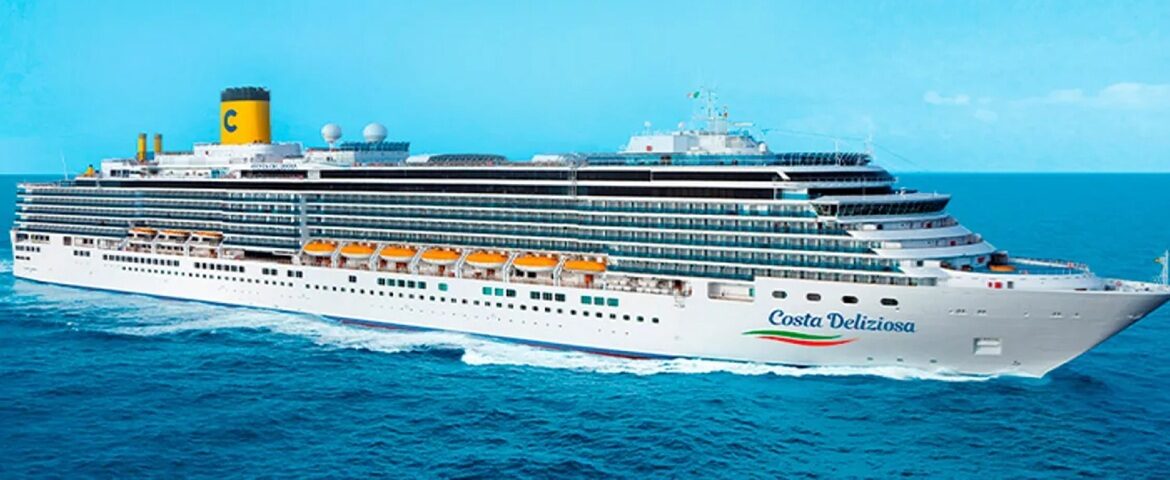
Costa Cruises (32 Cruises)
Costa Deliziosa
32 Cruises



Disney Cruise Line (1 Cruises)
Explora Journeys (4 Cruises)

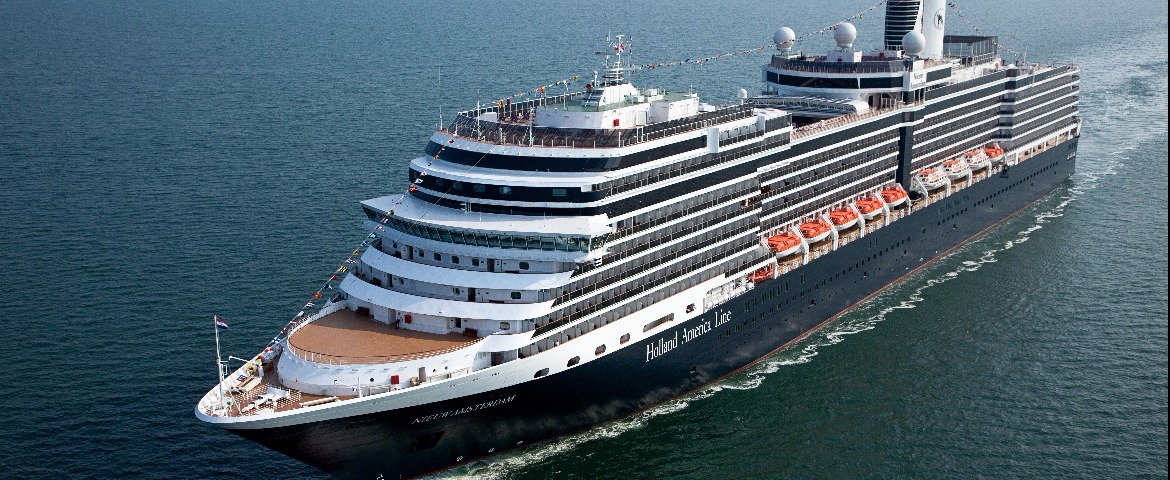
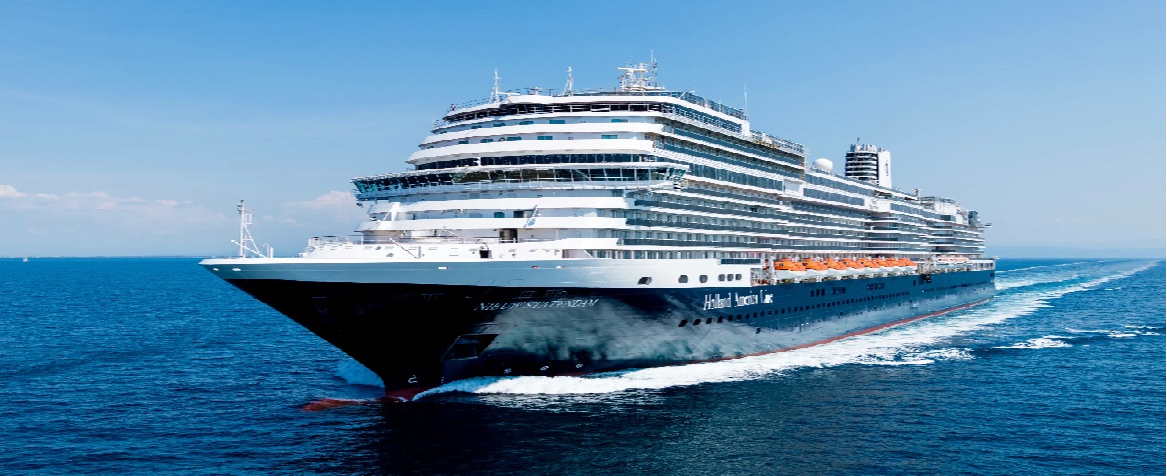
Holland America Line (16 Cruises)

ms Nieuw Amsterdam
4 Cruises
ms Nieuw Statendam
4 Cruises
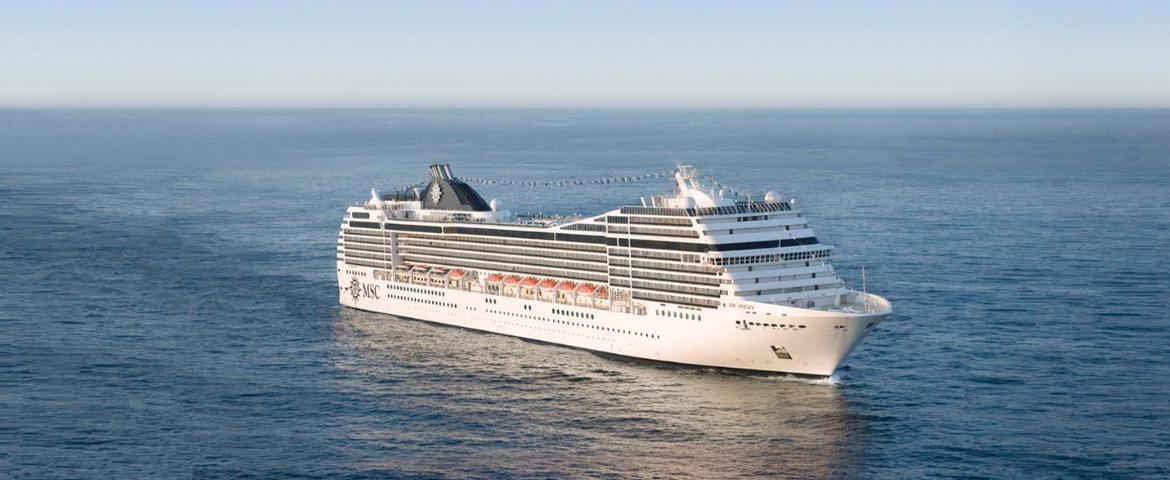
MSC Cruises (1 Cruises)

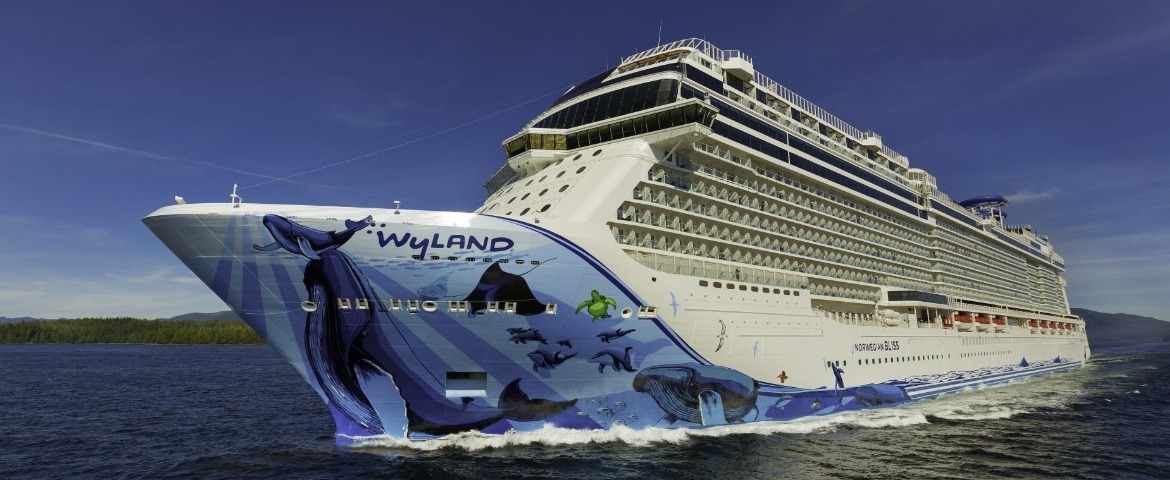
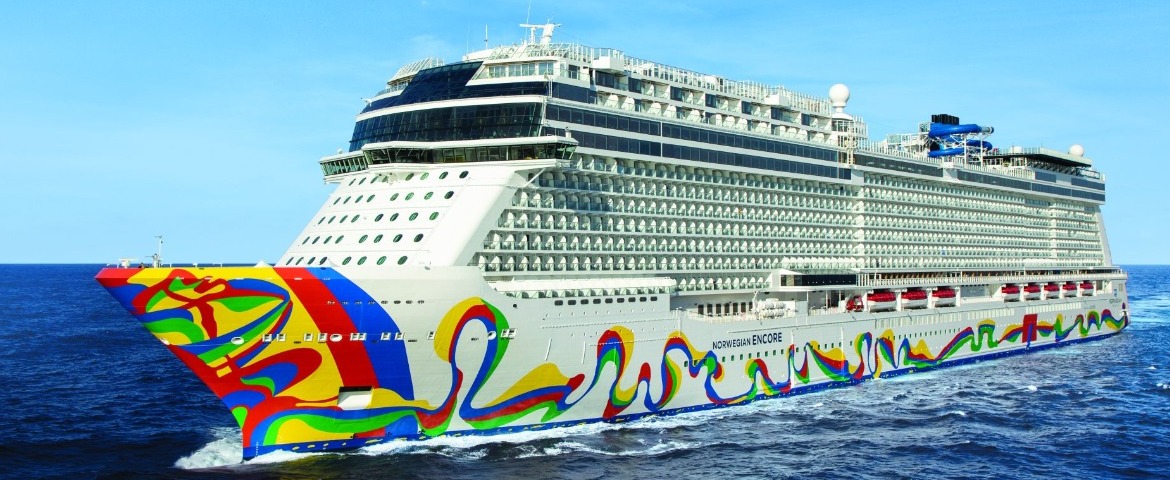
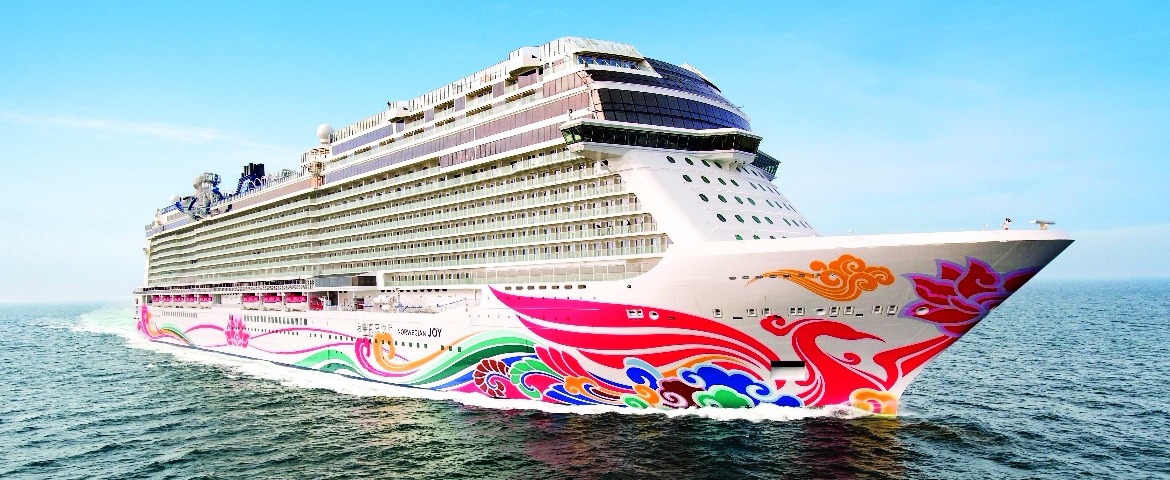
Norwegian Cruise Line (15 Cruises)
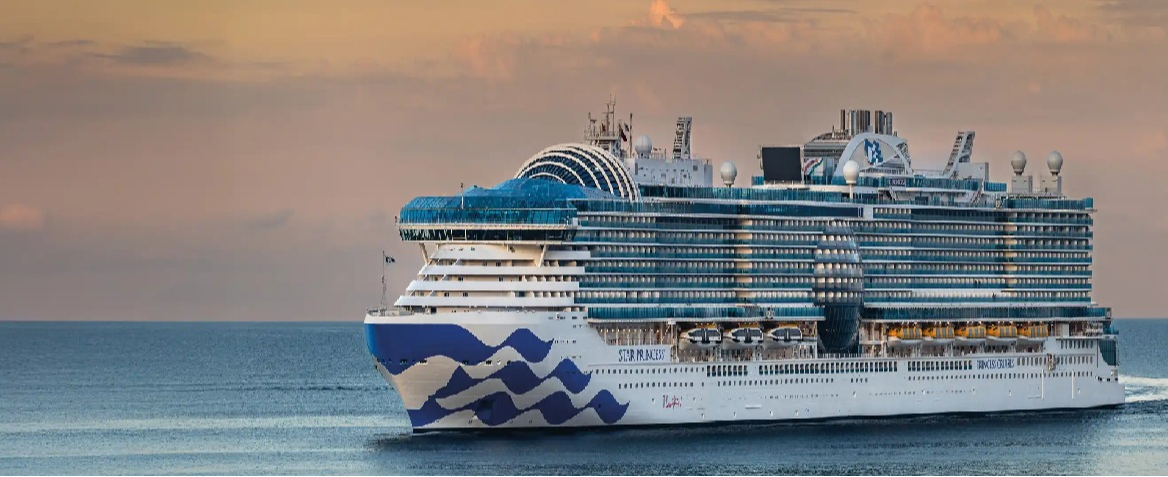
Princess Cruises (99 Cruises)
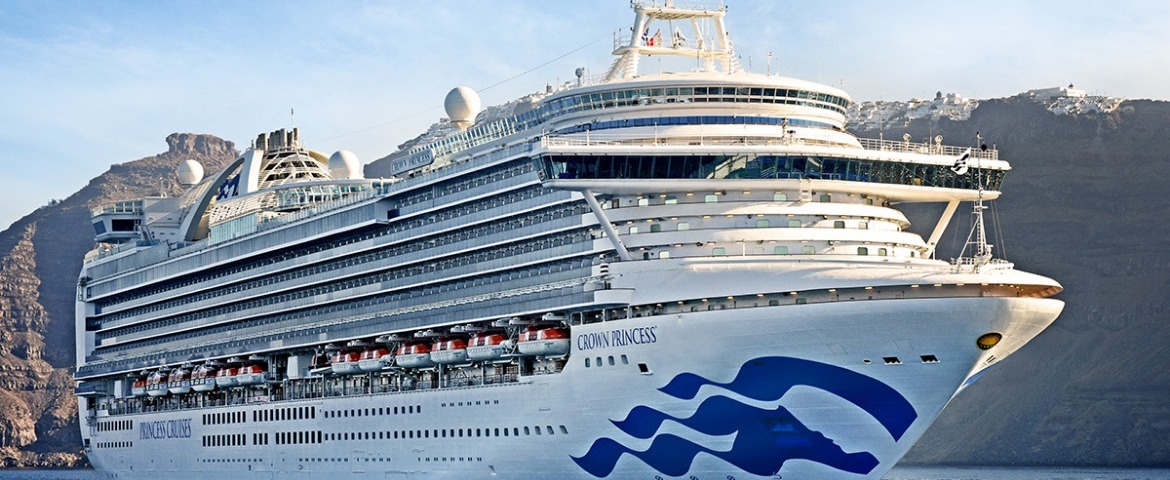
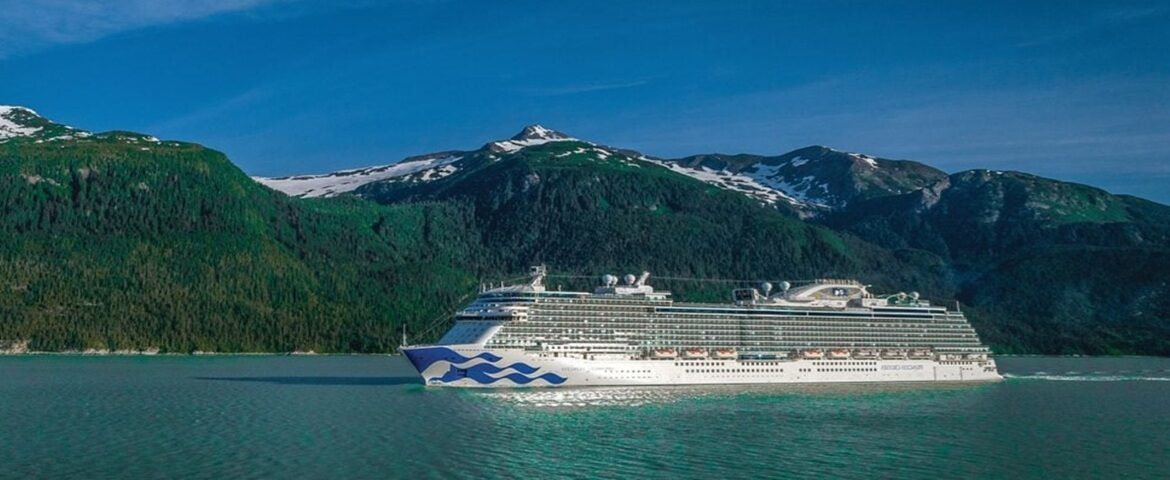
Crown Princess
6 Cruises
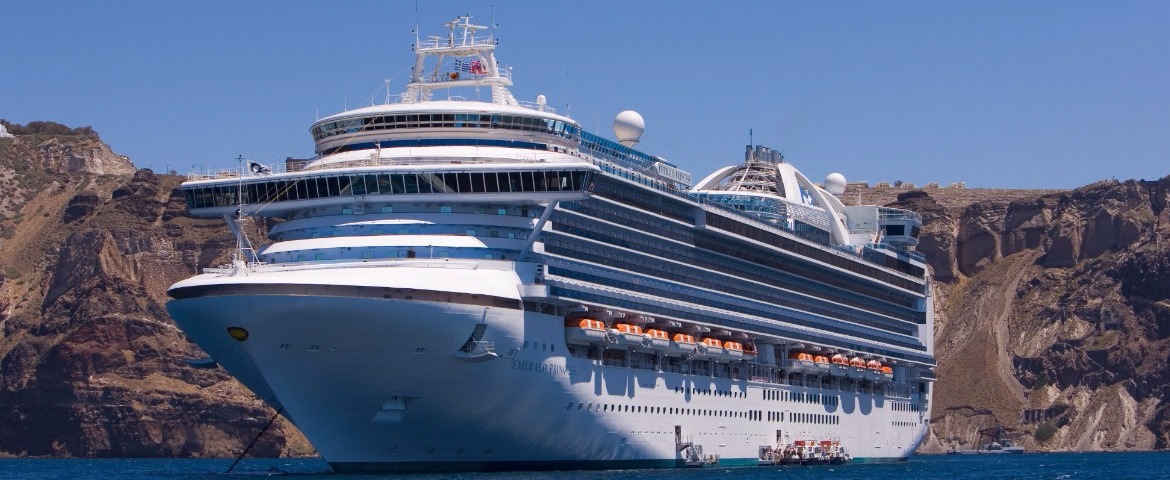
Emerald Princess
7 Cruises
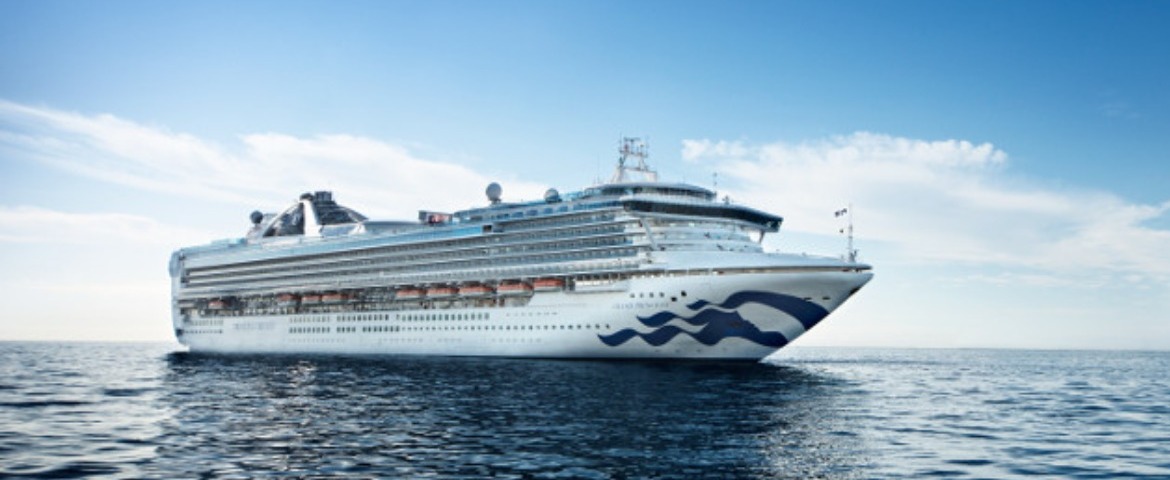
Grand Princess
16 Cruises
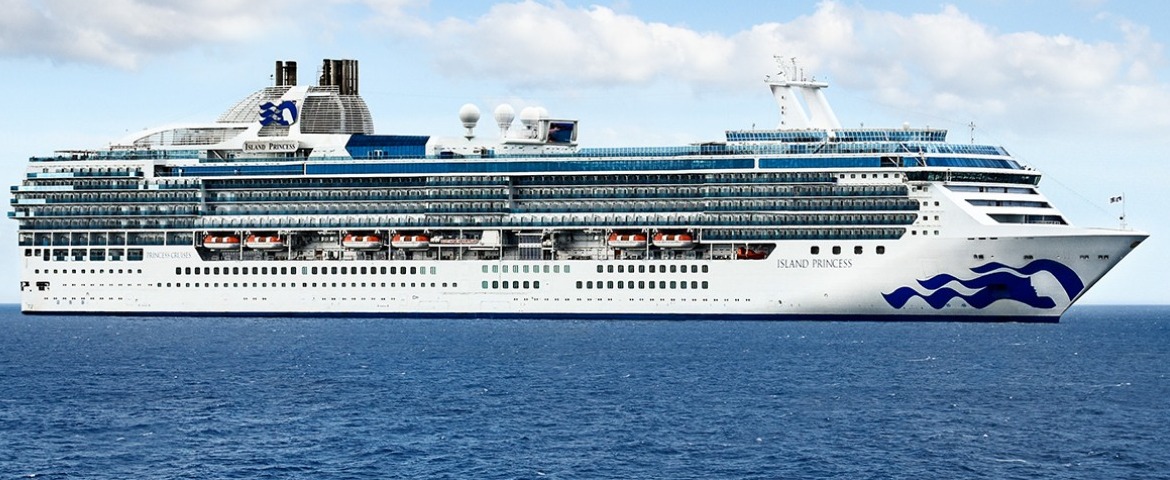
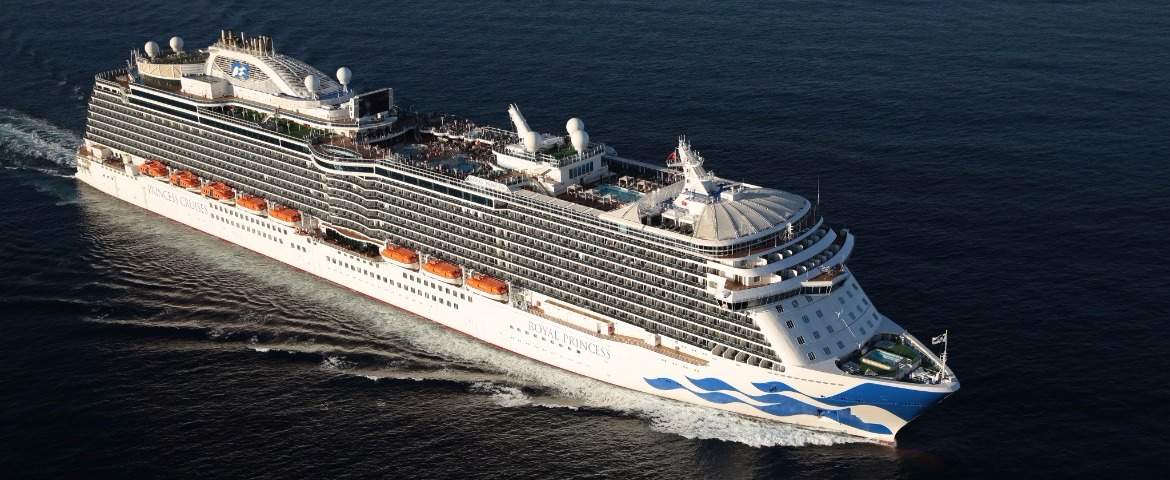
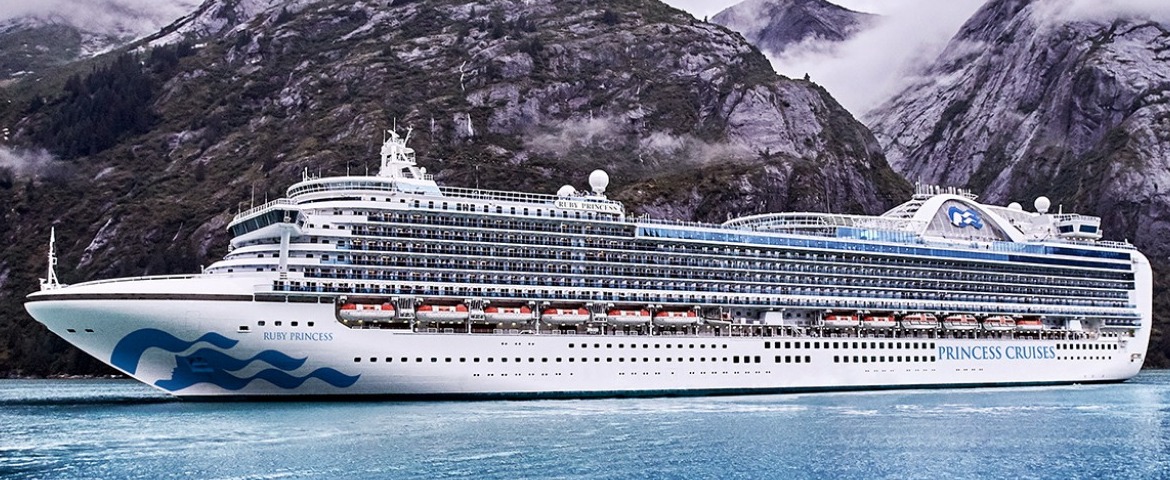
Ruby Princess
54 Cruises
| 11 January | 17 days | Round-trip from San Francisco, USA |
450-628-6241
Call us
|
| 27 January | 17 days | Round-trip from San Francisco, USA |
450-628-6241
Call us
|
| 12 February | 17 days | Round-trip from San Francisco, USA |
450-628-6241
Call us
|
| 28 February | 17 days | Round-trip from San Francisco, USA |
450-628-6241
Call us
|
| 11 October | 17 days | Round-trip from San Francisco, USA |
450-628-6241
Call us
|
| 27 October | 12 days | Round-trip from San Francisco, USA |
450-628-6241
Call us
|
| 15 January | 17 days | Round-trip from San Francisco, USA |
450-628-6241
Call us
|
| 31 January | 17 days | Round-trip from San Francisco, USA |
450-628-6241
Call us
|
Regent Seven Seas Cruises (11 Cruises)
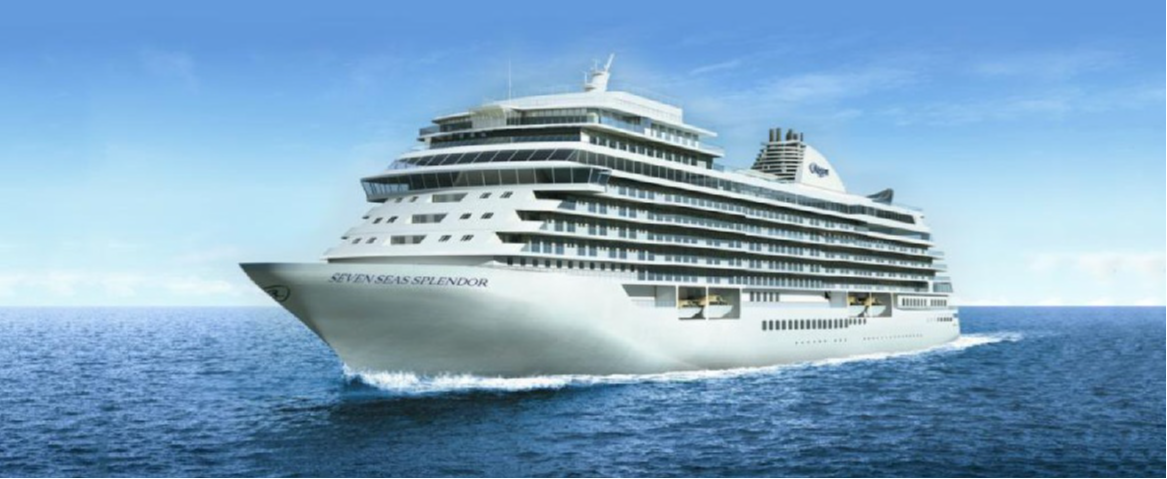
Seven Seas Splendor
11 Cruises


Virgin Voyages (2 Cruises)

San Francisco, USA | Cruise Port Guide
Frequently Asked Questions
At the Pier 27 terminal on the Embarcadero, a few minutes’ walk from the best-known districts. No shuttle is needed: the city starts at the foot of the gangway.
To a large extent. The Embarcadero leads south to the Ferry Building and north to Fisherman’s Wharf in about twenty minutes. For the hills and the financial district, roughly two and a half kilometres away, the historic F-line streetcars and the cable cars do the work.
A proven formula: the piers and historic ships in the morning, the climb to Coit Tower for the panorama, then the Ferry Building for a local producers’ lunch and a cable car ride there and back. The real challenge of this call is having too much to choose from.
Only by booking well ahead. Tickets sell out weeks in advance: reserve early or go through the ship’s excursions if you hope to get across the same day. Ferries leave from the Embarcadero, and the audio guide, built on the voices of former inmates and guards, carries the whole story.
A former ferry terminal turned food market, beneath a great clock tower: cheesemongers, bakers, coffee roasters and local growers share the hall, and regional oysters are eaten standing up facing the quays.
At Pier 39, where dozens of sea lions have been squabbling over the floating docks since 1989. You hear them before you see them, and the show is free.
Crab from the stalls and clam chowder served in a round sourdough loaf, a local institution worth trying at least once. At Ghirardelli Square the old chocolate factory has swapped its machinery for shops, but the hot chocolate is still made the house way.
It is hard to avoid, and with good reason: the wooden cars grind up the slopes held by their century-old cable, and every crest reframes the bay from a new angle. Walkers may prefer the climb to Coit Tower on Telegraph Hill, for its 1930s murals and full circular view.
The US dollar and English. Credit cards are accepted everywhere and restaurant tipping runs 15 to 20 percent.
Bring a warm layer even at the height of summer: the bay wind catches people out, and it is as much a local signature as the fog. Shoes with a decent grip also help on the slopes.


