Dublin Ireland
235
Cruises availables
At departure or passage at this port
Atlas Ocean Voyages (2 Cruises)

Aurora Expeditions (2 Cruises)

Azamara Club Cruises (27 Cruises)
Azamara Journey
16 Cruises

Azamara Quest
11 Cruises
| 29 July | 43 days | One-way from Copenhagen to New York |
450-628-6241
Call us
|
| 29 July | 44 days | One-way from Copenhagen to New York |
450-628-6241
Call us
|
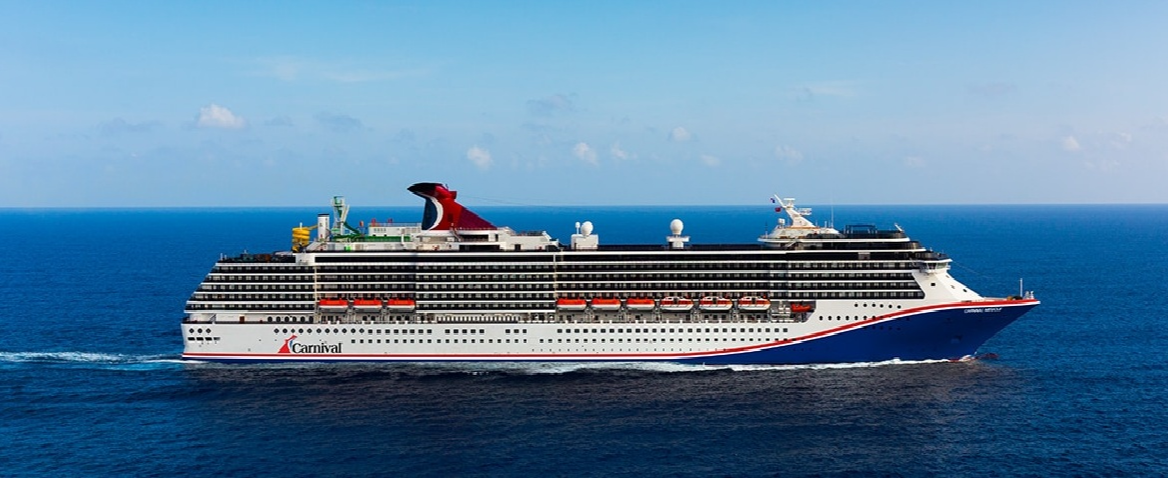
Carnival Cruise Line (2 Cruises)

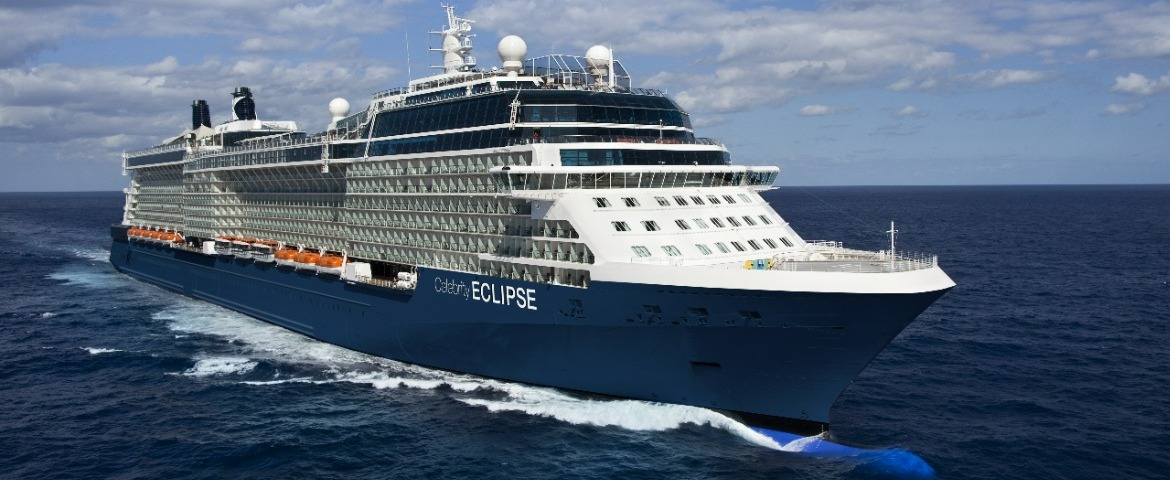
Celebrity Cruises (2 Cruises)

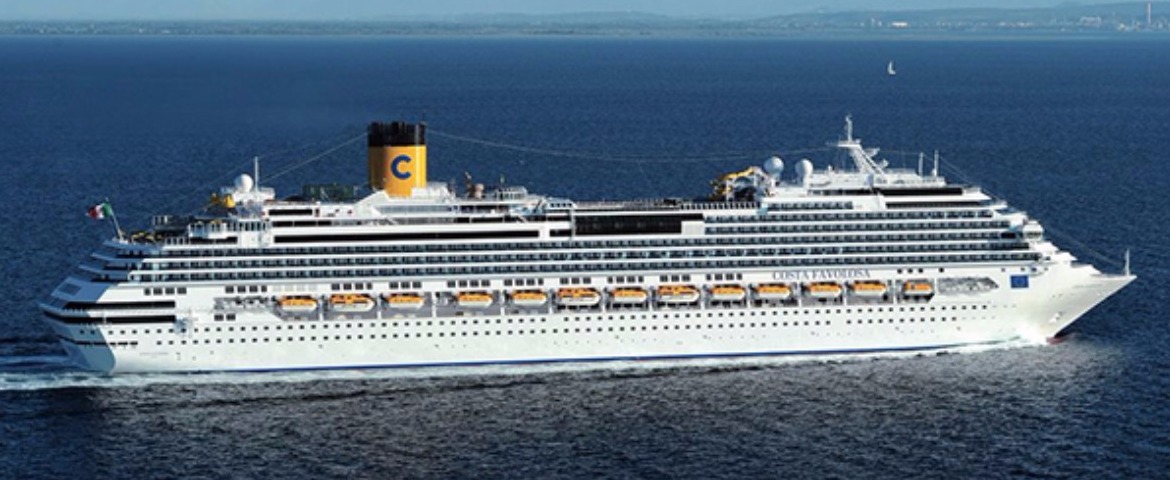
Costa Cruises (1 Cruises)

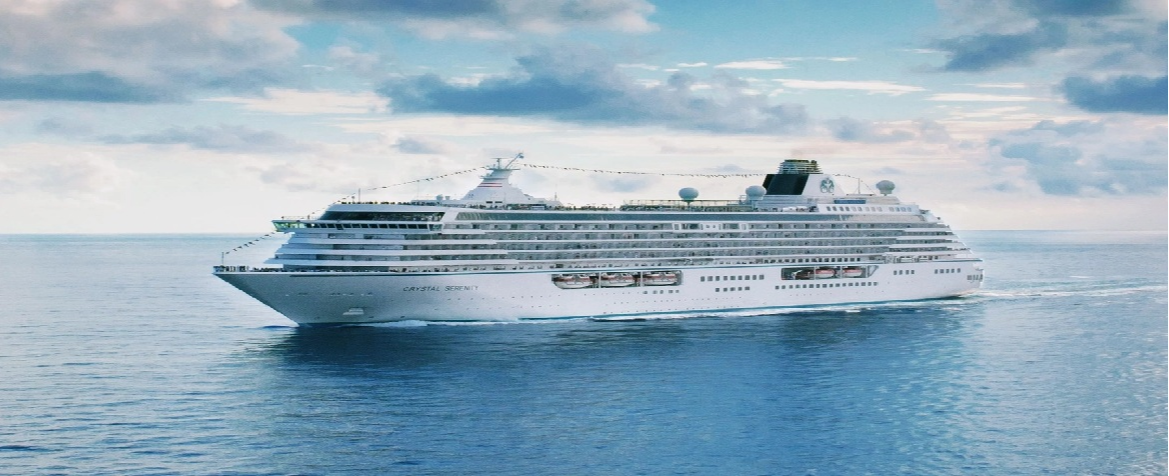
Crystal Cruises (2 Cruises)

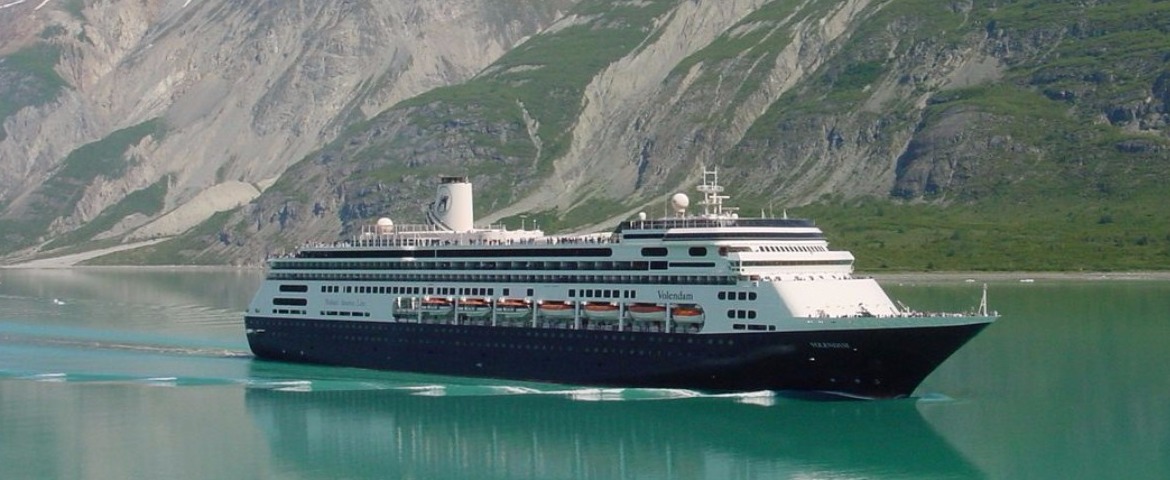

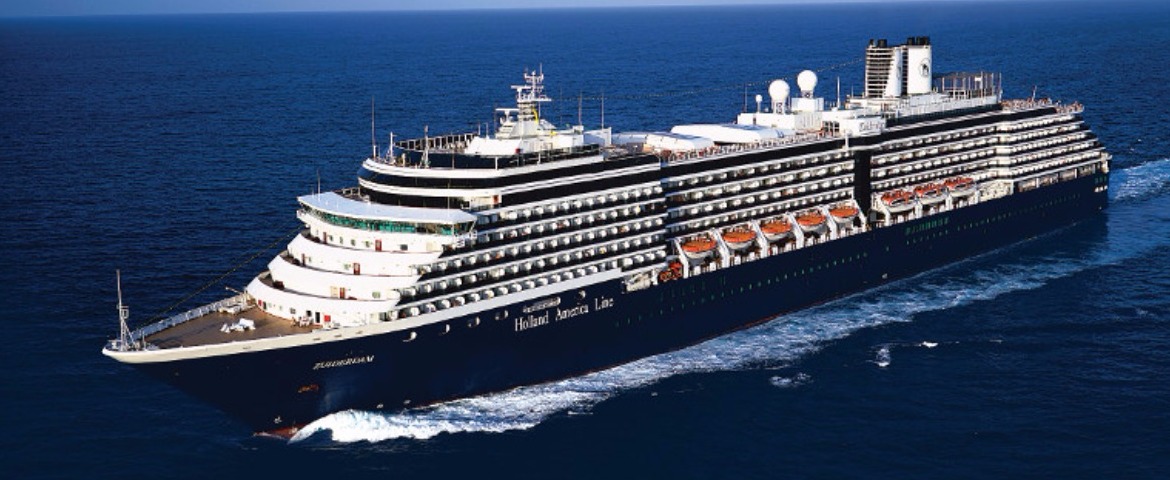
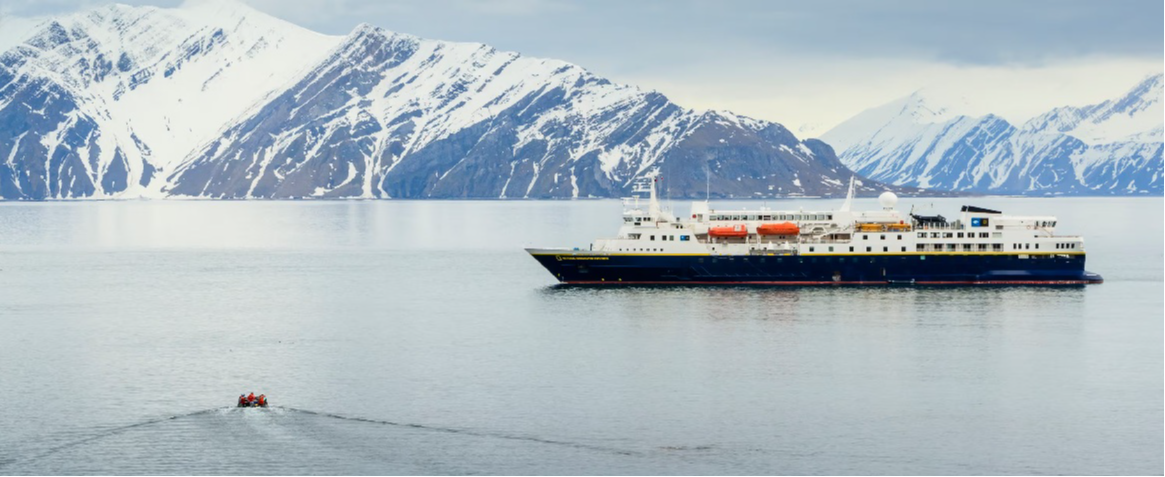

Norwegian Cruise Line (11 Cruises)
Norwegian Star
11 Cruises
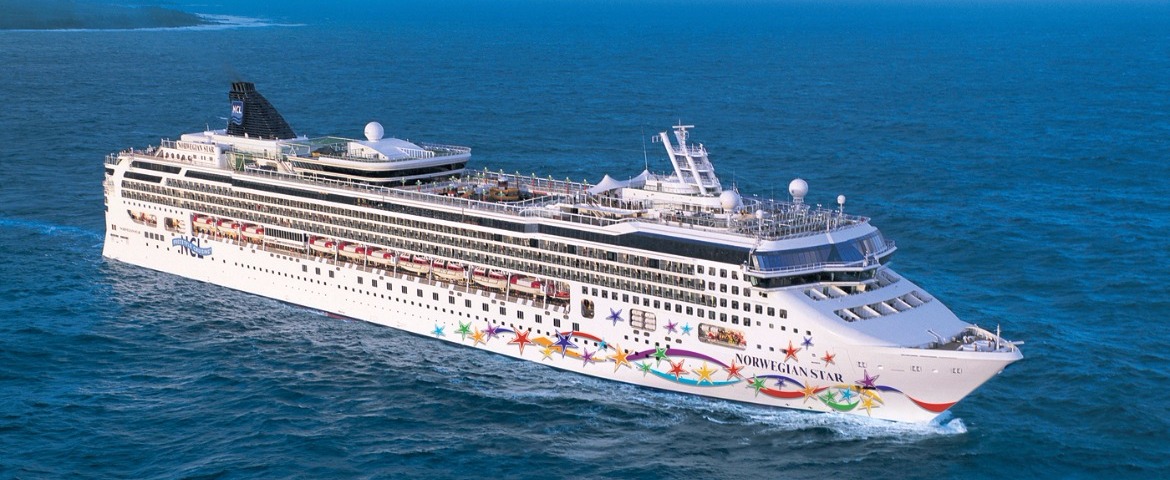

| 15 July | 11 days | Round-trip from Southampton, United Kingdom |
450-628-6241
Call us
|
| 25 July | 12 days | Round-trip from Southampton, United Kingdom |
450-628-6241
Call us
|
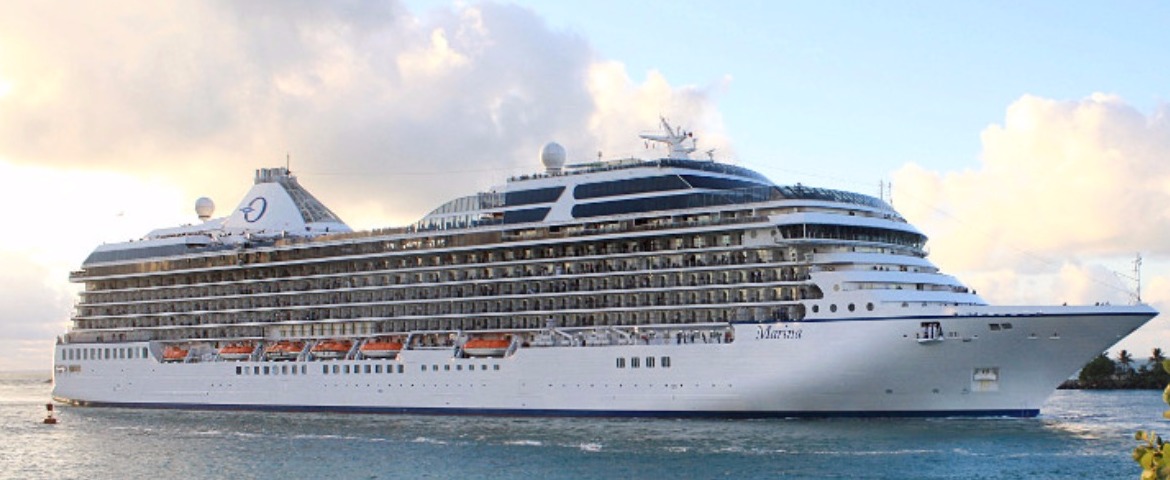
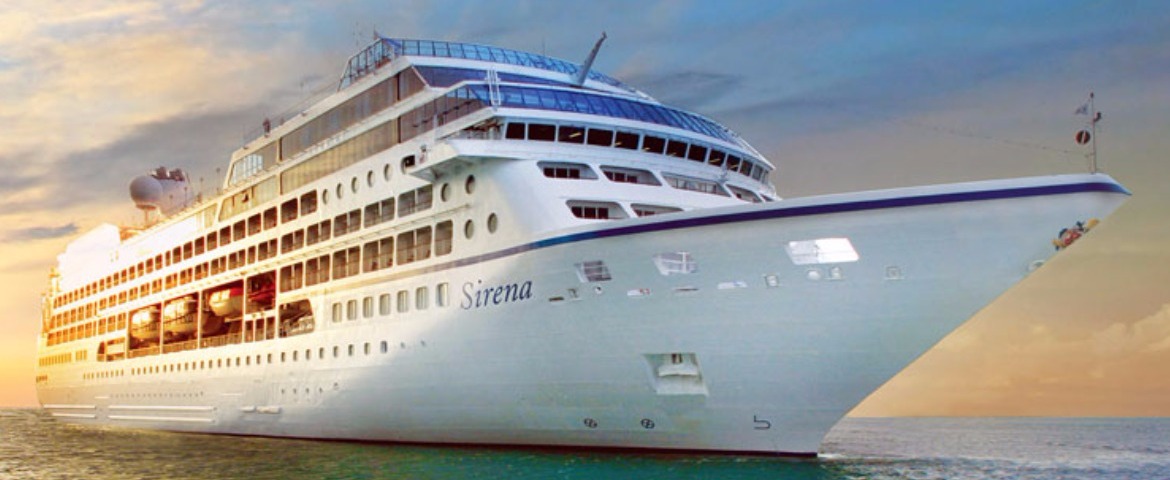
Oceania Cruises (19 Cruises)
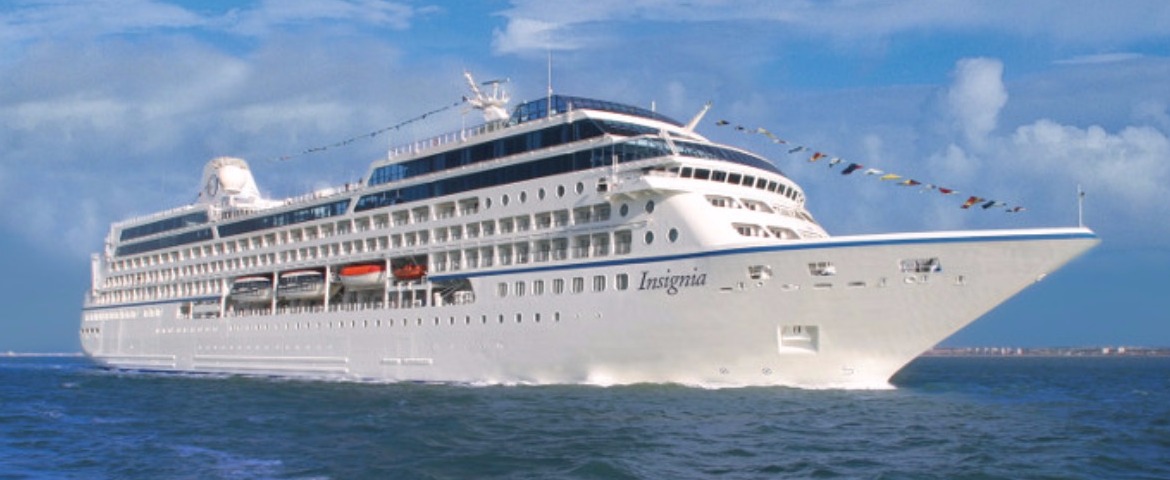
Oceania Insignia
6 Cruises

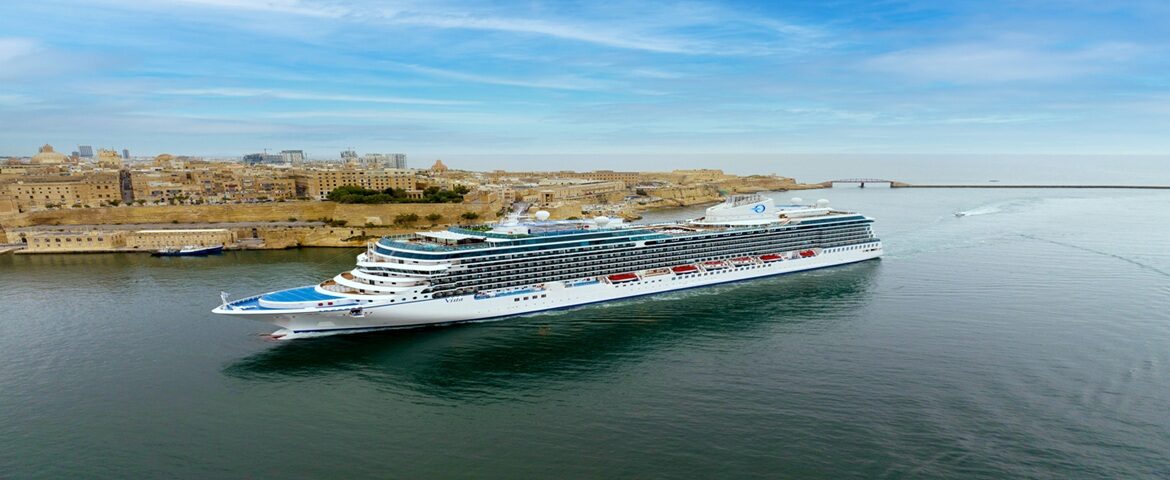
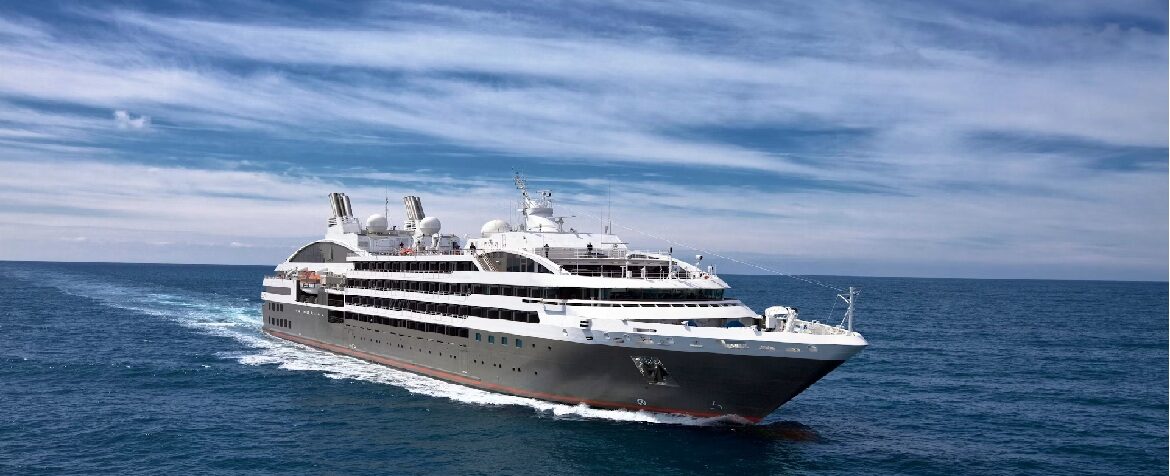
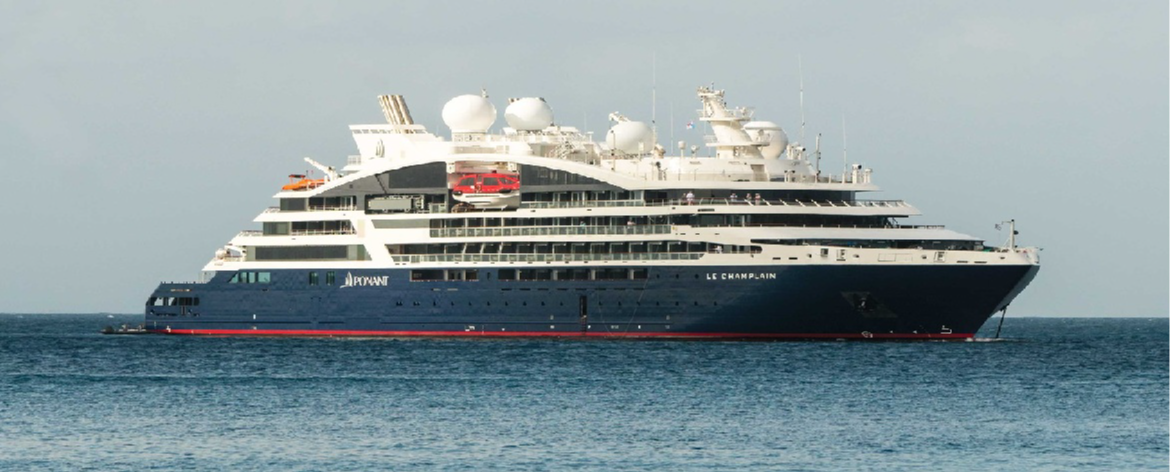
Ponant (10 Cruises)

Princess Cruises (63 Cruises)
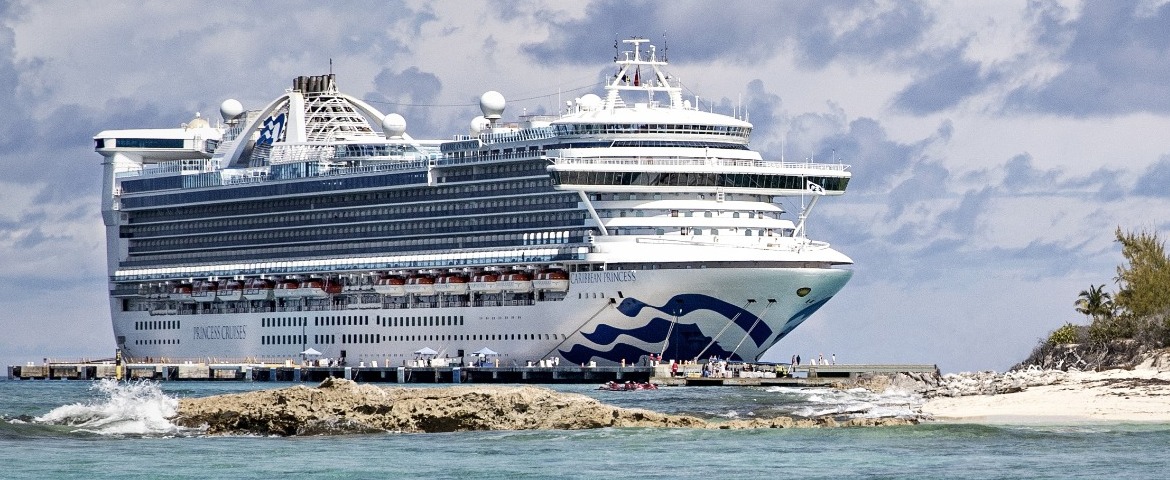
Caribbean Princess
26 Cruises

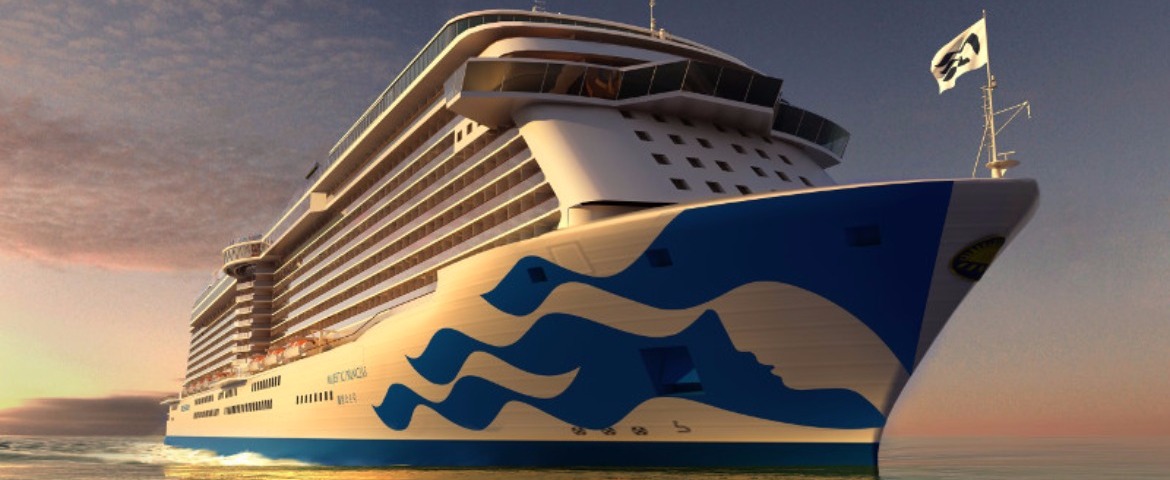
Majestic Princess
22 Cruises
| 7 April | 13 days | Round-trip from Southampton, United Kingdom |
450-628-6241
Call us
|
| 19 April | 13 days | Round-trip from Southampton, United Kingdom |
450-628-6241
Call us
|
| 12 July | 13 days | Round-trip from Southampton, United Kingdom |
450-628-6241
Call us
|
| 24 July | 13 days | Round-trip from Southampton, United Kingdom |
450-628-6241
Call us
|
| 7 April | 13 days | Round-trip from Southampton, United Kingdom |
450-628-6241
Call us
|
| 19 April | 13 days | Round-trip from Southampton, United Kingdom |
450-628-6241
Call us
|
| 1 May | 12 days | Round-trip from Southampton, United Kingdom |
450-628-6241
Call us
|
| 24 May | 13 days | Round-trip from Southampton, United Kingdom |
450-628-6241
Call us
|
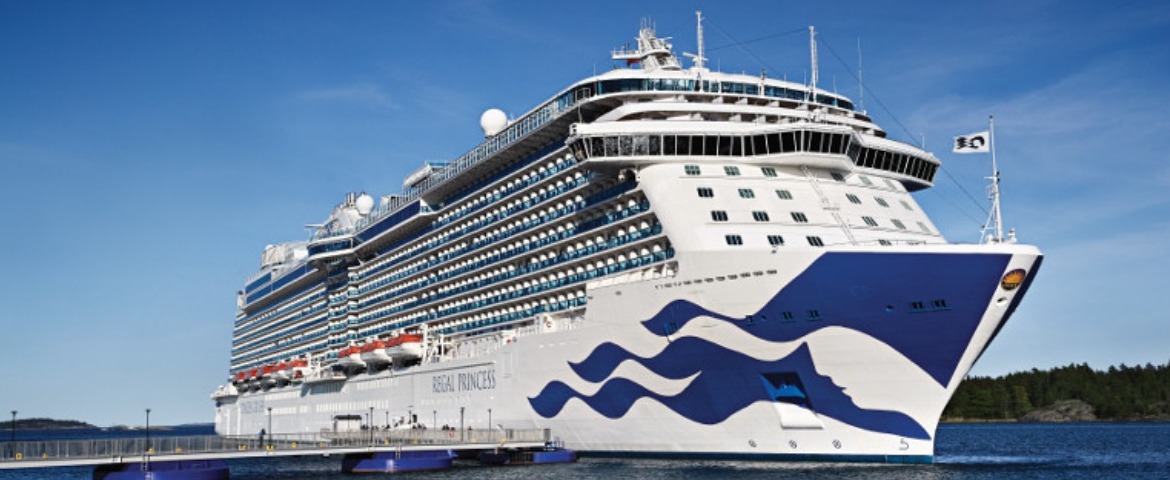
Regal Princess
15 Cruises
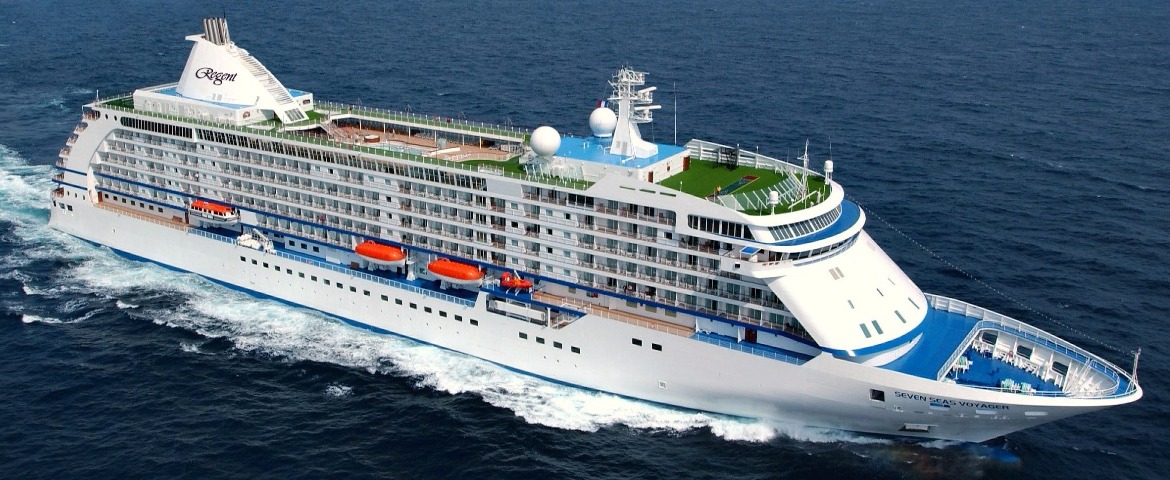
Regent Seven Seas Cruises (20 Cruises)
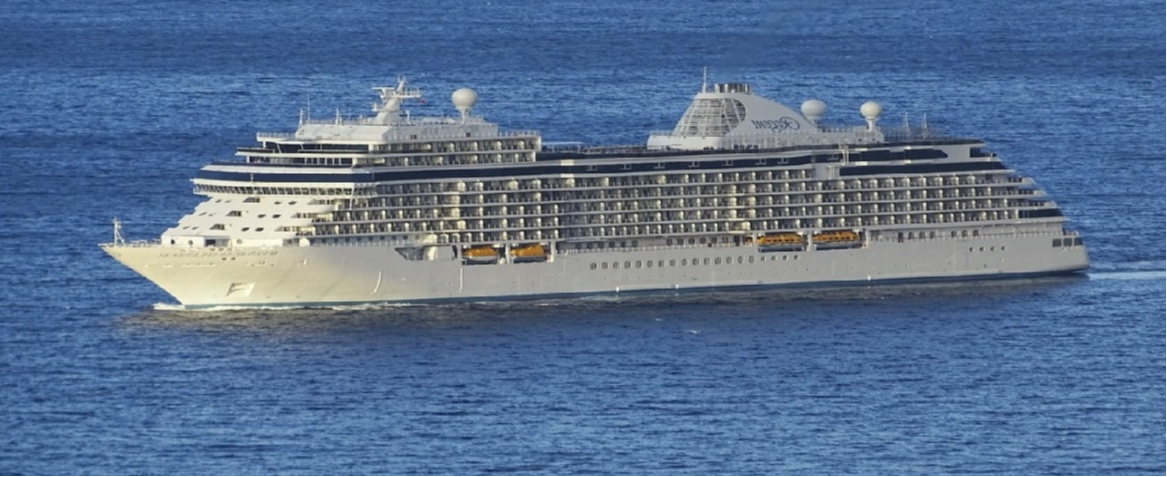

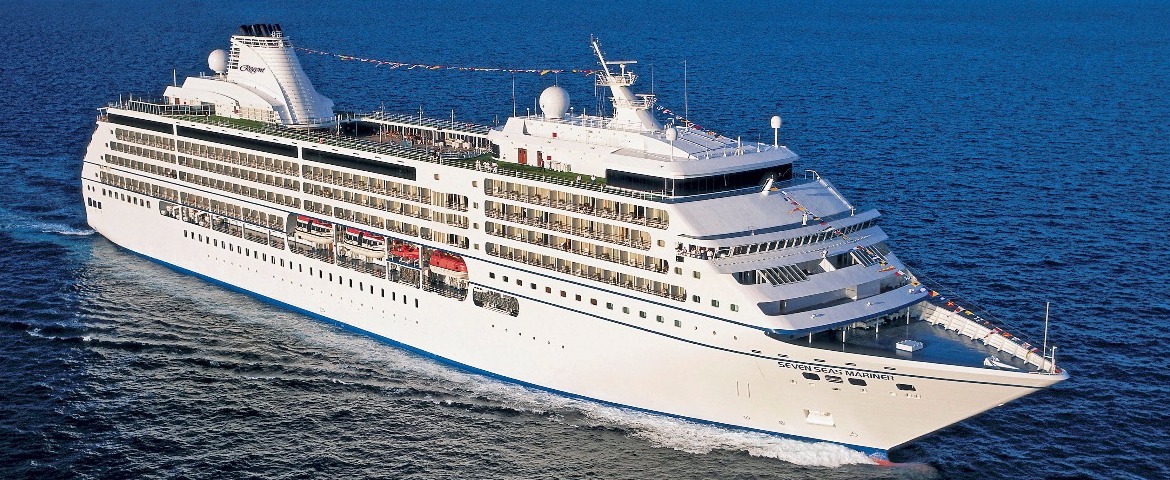
Seven Seas Mariner
7 Cruises
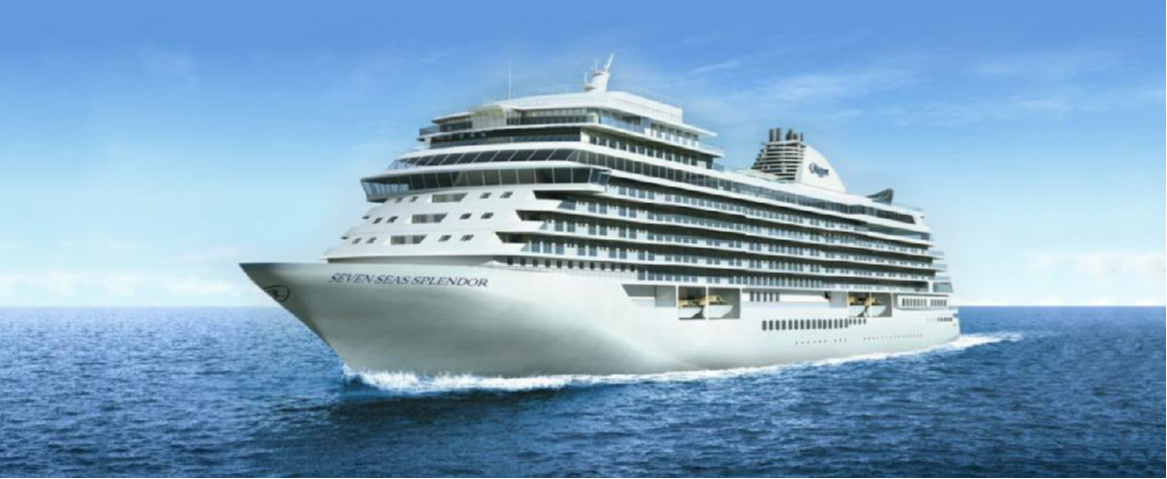
Seven Seas Splendor
4 Cruises
Scenic Cruises (24 Cruises)


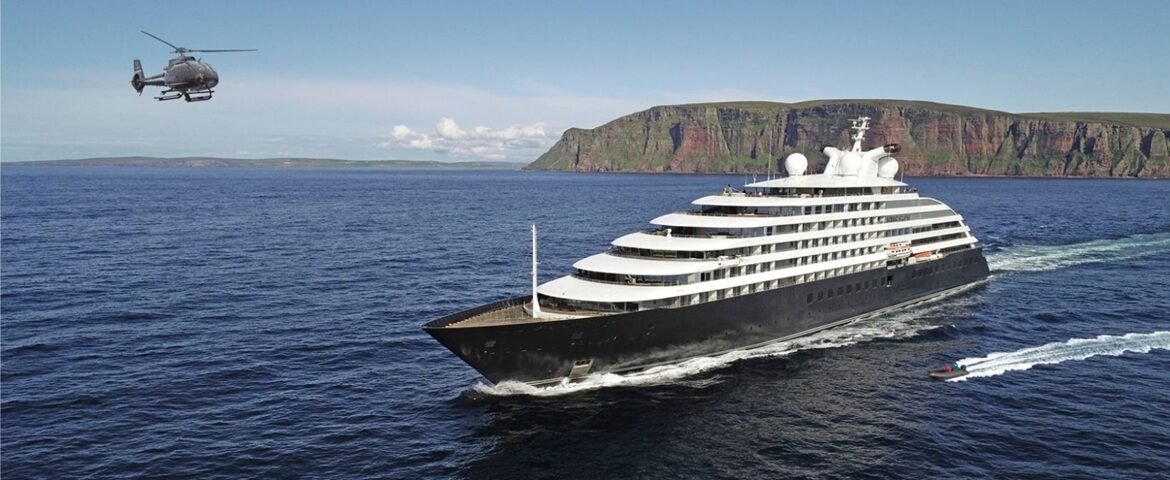

Scenic Jade
6 Cruises


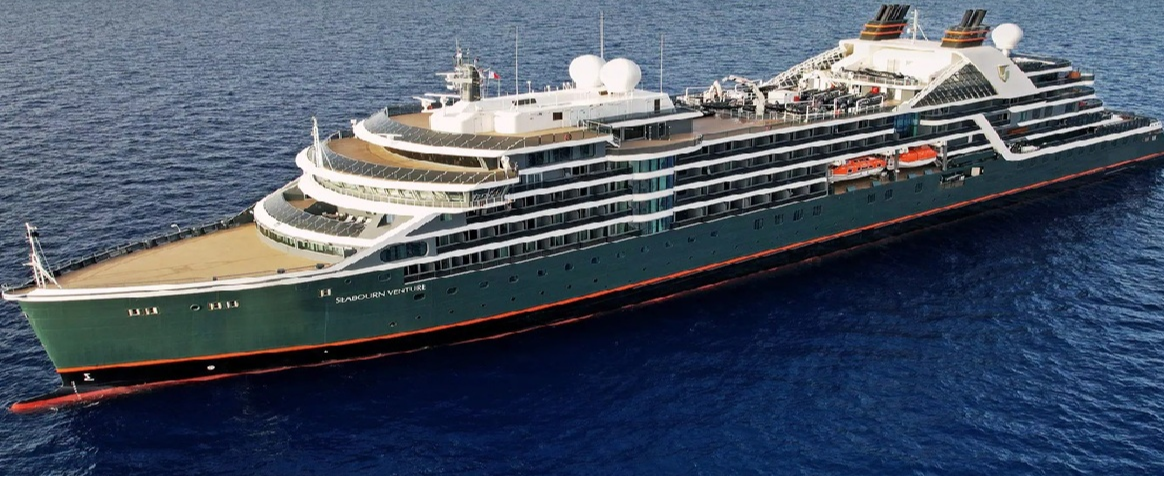
Seabourn Cruise Line (4 Cruises)

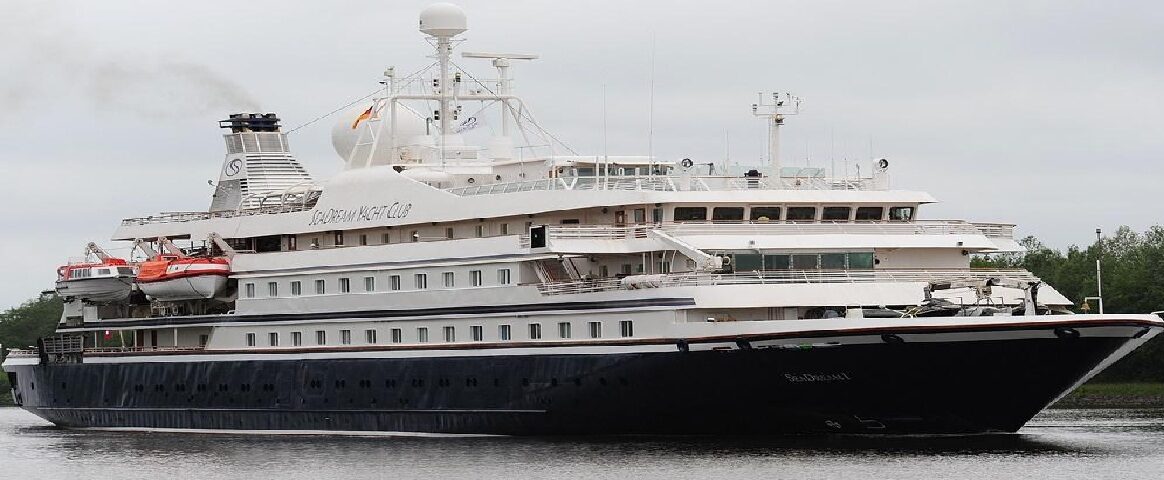
SeaDream Yacht Club (4 Cruises)

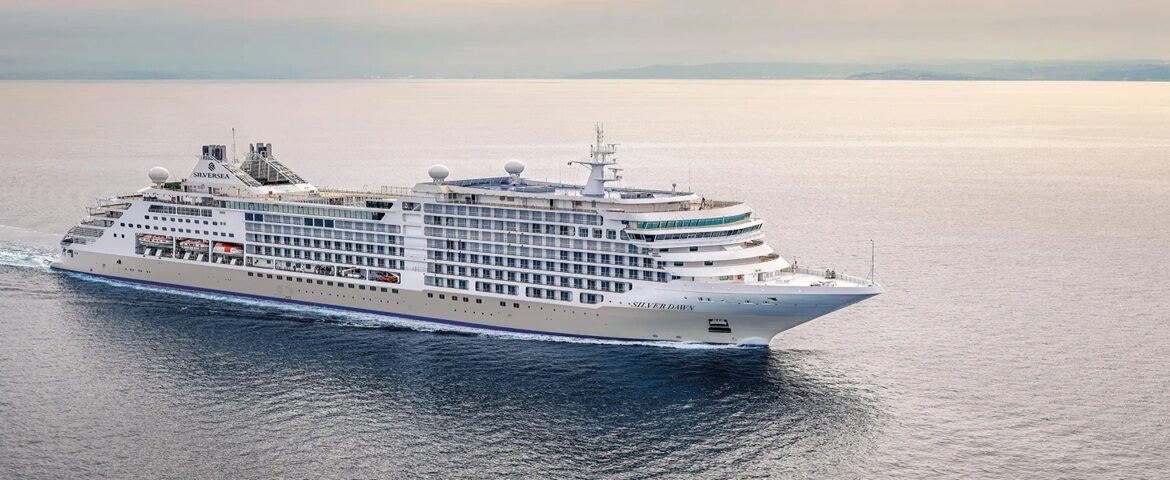
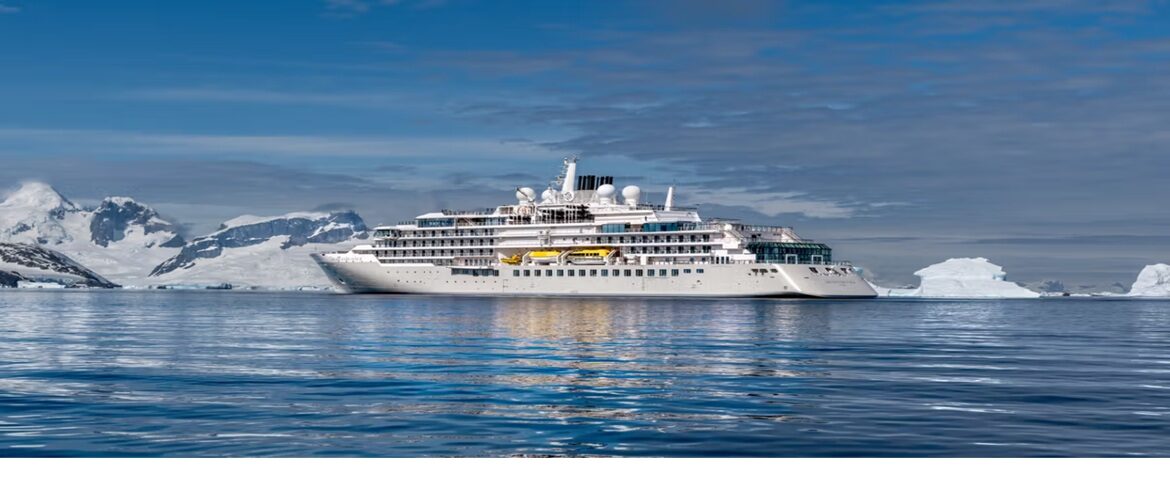
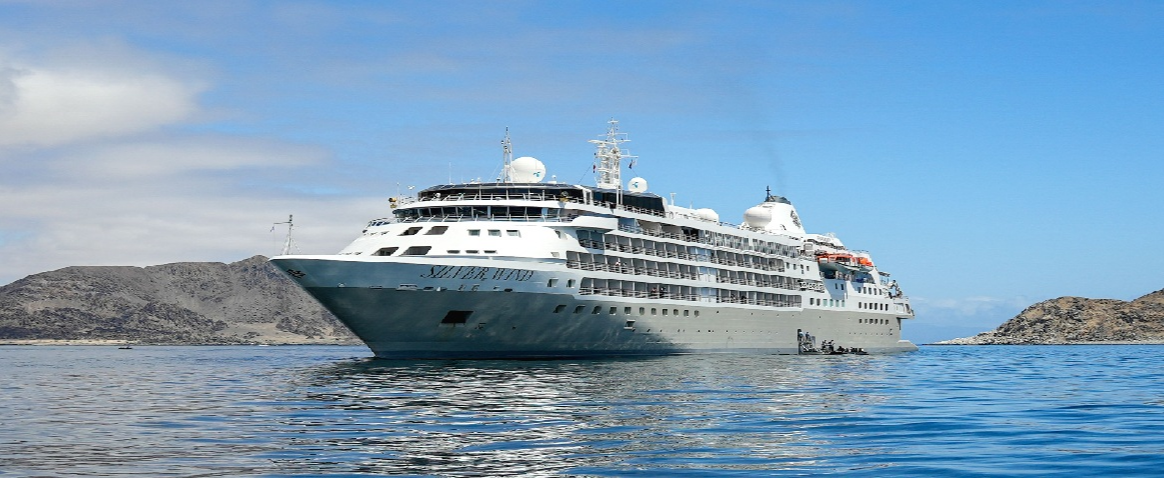
Silversea Cruises (7 Cruises)

Viking Ocean Cruises (28 Cruises)
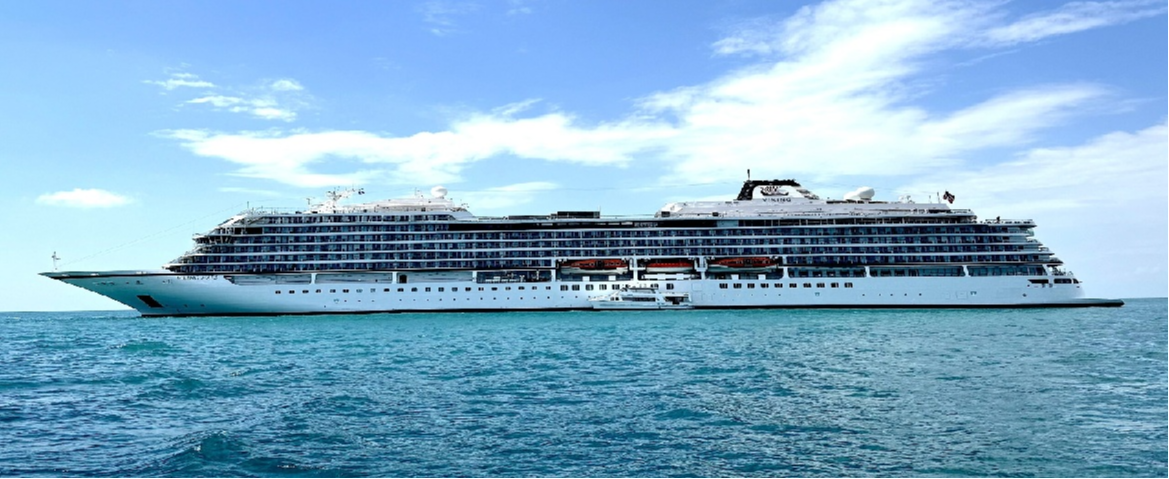

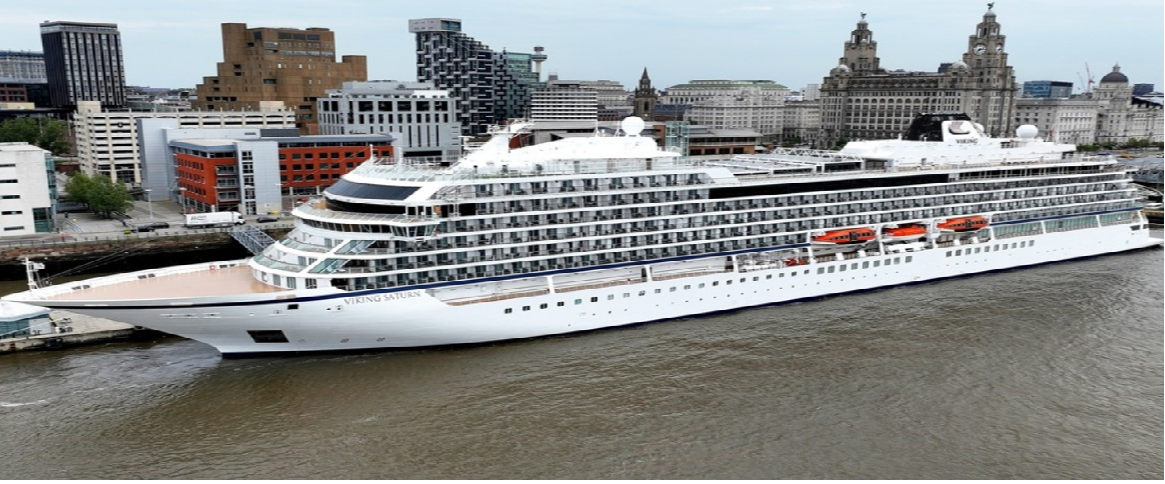
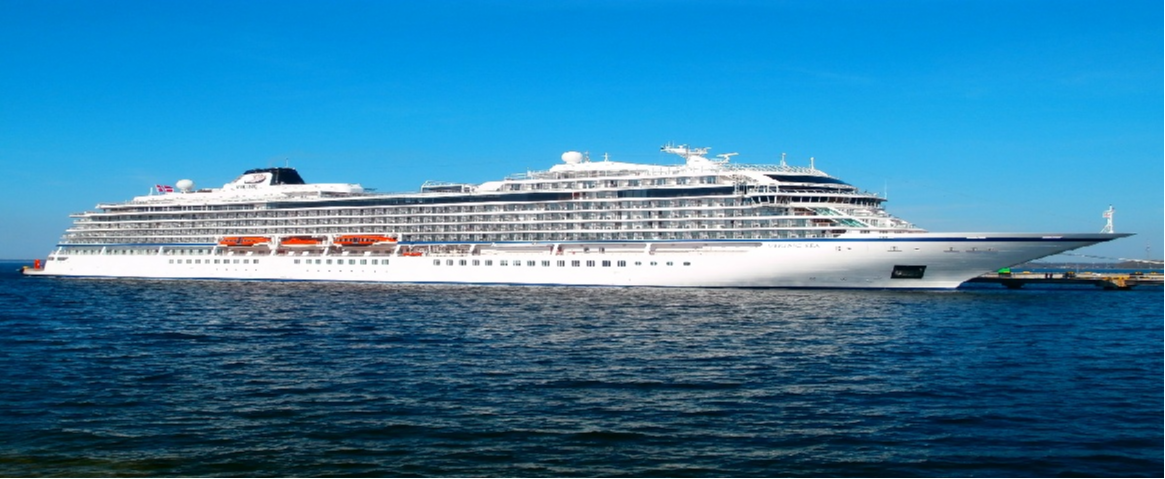
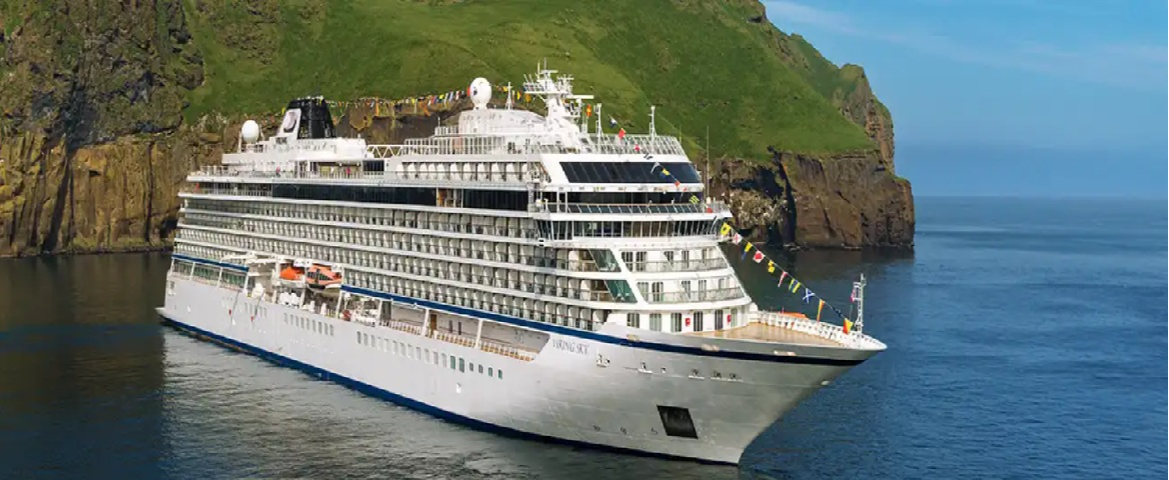
Viking Sky
10 Cruises
| 14 May | 27 days | One-way from London-Tilbury to Stockholm |
450-628-6241
Call us
|
| 14 May | 13 days | One-way from London-Tilbury to Bergen |
450-628-6241
Call us
|
Viking Vela
8 Cruises

Port of Dublin, Ireland | Cruise Port Guide
Frequently Asked Questions
At Alexandra Quay, in the middle of an industrial port area about three kilometres from the centre. The terminal is in no way a visitor facility: the day only begins once you are in town.
No, it is prohibited for safety reasons: you cannot cross the port area on foot. You need the line's shuttle, which drops you near the centre in about fifteen minutes, a taxi or the port service. Once dropped off, everything else is walkable.
A gospel book illuminated by monks more than 1,200 years ago, with interlacing of astonishing fineness, displayed in the Old Library at Trinity College. Book your tickets before the call: queues are often long in summer.
A timber nave lined with tens of thousands of old volumes beneath a barrel vault, next to the Book of Kells room. It ranks among the most beautiful libraries in the world and is included in the same visit.
Trinity College and the Book of Kells, then Grafton Street up to St Stephen's Green, and down to the Liffey via the Ha'penny Bridge and Temple Bar. It is an entirely walkable route, full but realistic. Keep a good half hour spare for the shuttle back.
The main pedestrian shopping street, famous for its street musicians: busking is an institution here, and more than one international career started on these paving stones. At the foot of the street, the Molly Malone statue draws a constant stream of photographers.
The famous Georgian doors in bright colours, framed by fanlights, one of Dublin's signature images. The National Gallery, free of charge, is close by: it holds a Caravaggio found in a Jesuit house in the city.
It depends on your time. The route tells the brewery's story across seven floors, and the Gravity Bar at the top offers a full circular view of the capital, pint in hand. Book online. On a short call, Trinity College remains the better use of your hours.
A museum in the old docklands, closer to the ship than the centre, tracing the story of Irish emigration — ten million departures that spread the island's culture as far as Quebec. It is a smart choice when the schedule is tight.
Comfortable shoes and a light raincoat: the rain gives no warning. Book Trinity College and the Guinness Storehouse online in advance, and keep a good half hour spare for the shuttle back at the end of the day.


