Falmouth Jamaica
306
Cruises availables
At departure or passage at this port
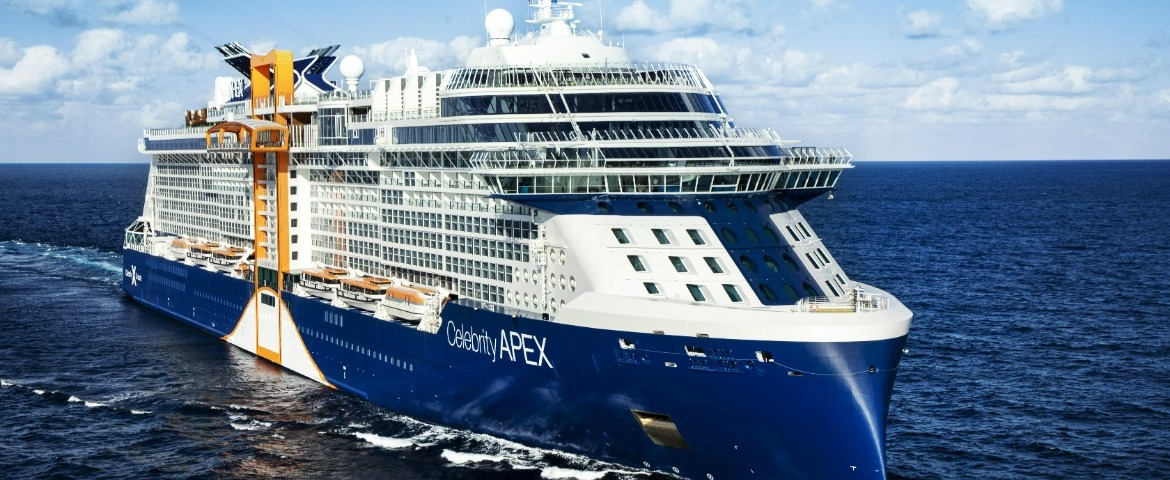
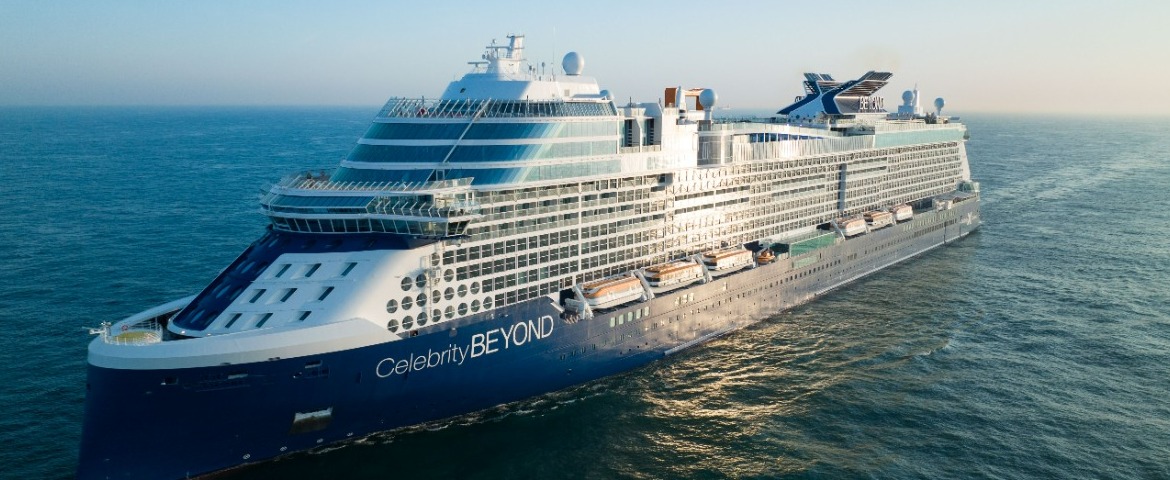
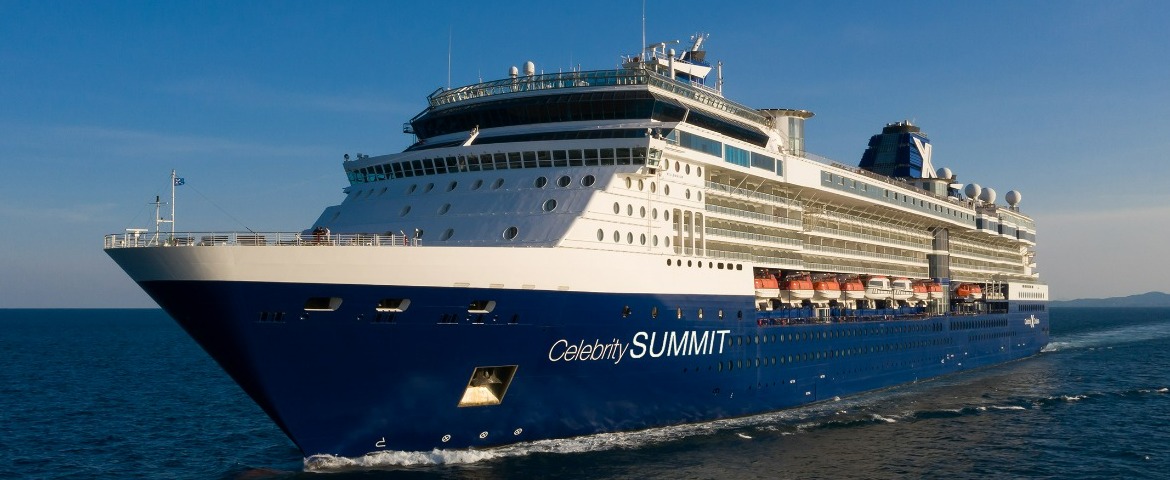
Celebrity Cruises (3 Cruises)

Disney Cruise Line (26 Cruises)


Disney Treasure
24 Cruises

| 9 January | 8 days | Round-trip from Port Canaveral, USA |
450-628-6241
Call us
|
| 23 January | 8 days | Round-trip from Port Canaveral, USA |
450-628-6241
Call us
|
| 6 February | 8 days | Round-trip from Port Canaveral, USA |
450-628-6241
Call us
|
| 20 February | 8 days | Round-trip from Port Canaveral, USA |
450-628-6241
Call us
|
| 6 March | 8 days | Round-trip from Port Canaveral, USA |
450-628-6241
Call us
|
| 20 March | 8 days | Round-trip from Port Canaveral, USA |
450-628-6241
Call us
|
| 3 April | 8 days | Round-trip from Port Canaveral, USA |
450-628-6241
Call us
|
| 17 April | 8 days | Round-trip from Port Canaveral, USA |
450-628-6241
Call us
|
| 12 June | 8 days | Round-trip from Port Canaveral, USA |
450-628-6241
Call us
|
| 26 June | 8 days | Round-trip from Port Canaveral, USA |
450-628-6241
Call us
|
| 10 July | 8 days | Round-trip from Port Canaveral, USA |
450-628-6241
Call us
|
| 24 July | 8 days | Round-trip from Port Canaveral, USA |
450-628-6241
Call us
|
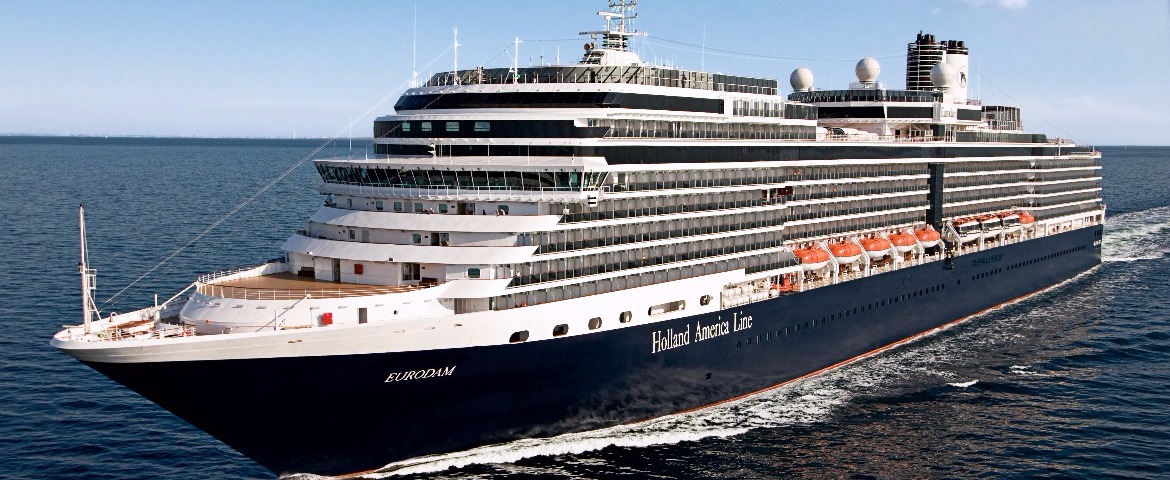
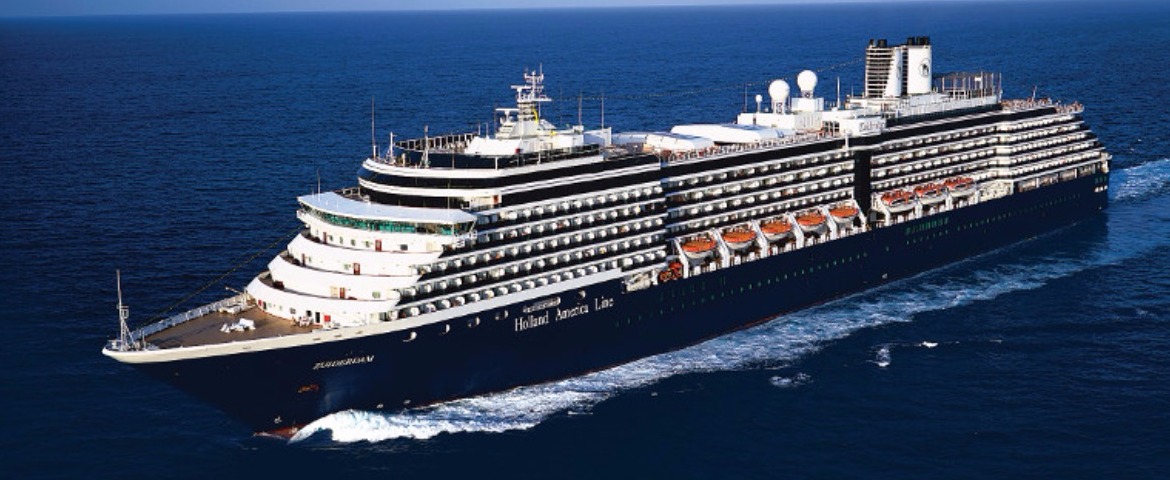
Holland America Line (22 Cruises)

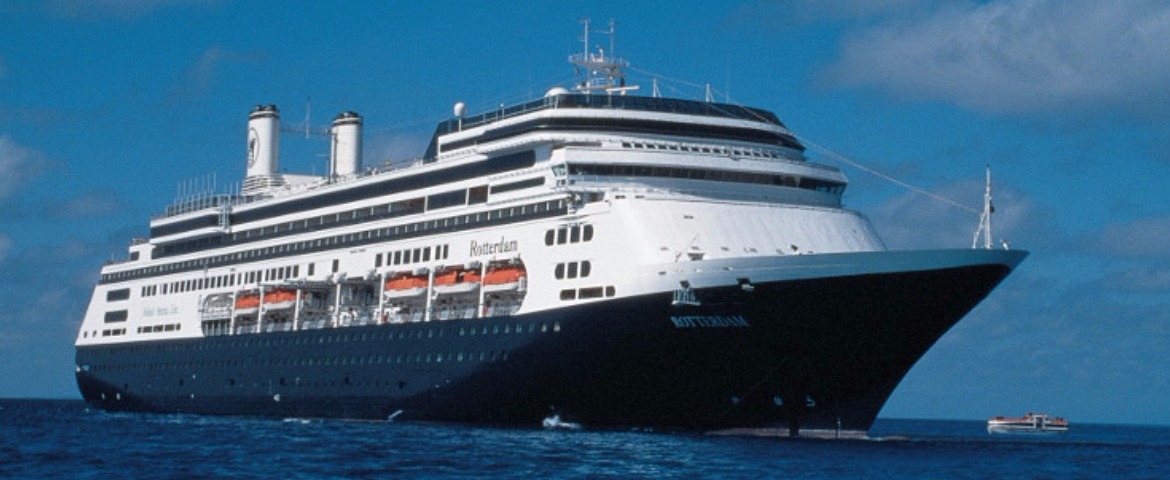
ms Rotterdam
17 Cruises
| 31 October | 22 days | Round-trip from Fort Lauderdale, USA |
450-628-6241
Call us
|
| 31 October | 11 days | Round-trip from Fort Lauderdale, USA |
450-628-6241
Call us
|
MSC Cruises (3 Cruises)


Norwegian Cruise Line (80 Cruises)
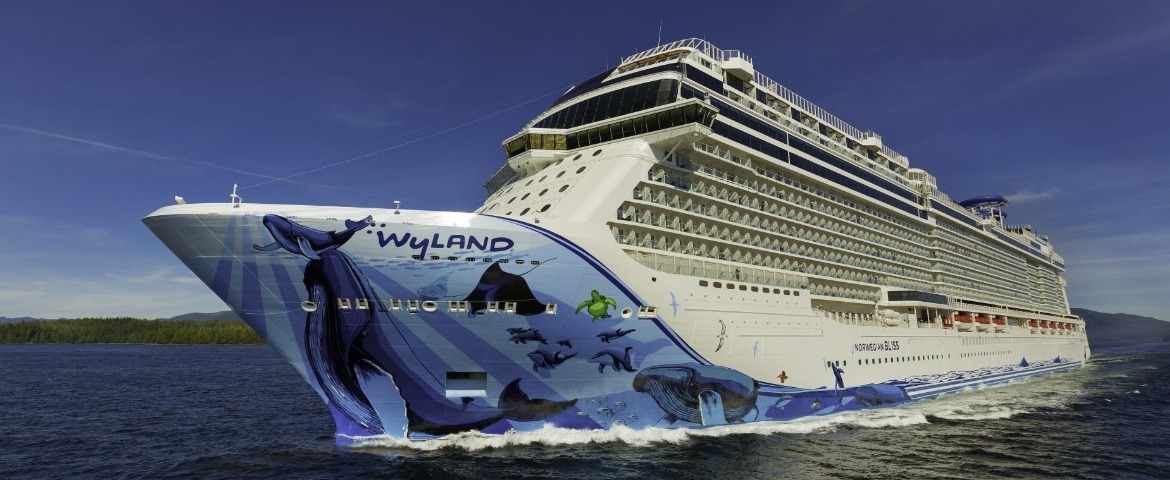
Norwegian Aqua
27 Cruises


| 9 May | 8 days | Round-trip from Port Canaveral, USA |
From
953$
|
| 23 May | 8 days | Round-trip from Port Canaveral, USA |
From
1023$
|
| 6 June | 8 days | Round-trip from Port Canaveral, USA |
From
1058$
|
| 20 June | 8 days | Round-trip from Port Canaveral, USA |
From
1093$
|
| 4 July | 8 days | Round-trip from Port Canaveral, USA |
From
1128$
|
| 18 July | 8 days | Round-trip from Port Canaveral, USA |
From
1163$
|
| 1 August | 8 days | Round-trip from Port Canaveral, USA |
From
1023$
|
| 15 August | 8 days | Round-trip from Port Canaveral, USA |
From
988$
|
| 29 August | 8 days | Round-trip from Port Canaveral, USA |
From
918$
|
| 12 September | 8 days | Round-trip from Port Canaveral, USA |
From
778$
|
| 26 September | 8 days | Round-trip from Port Canaveral, USA |
From
778$
|
| 10 October | 8 days | Round-trip from Port Canaveral, USA |
From
715$
|
| 24 October | 8 days | Round-trip from Port Canaveral, USA |
From
701$
|
| 2 January | 8 days | Round-trip from Port Canaveral, USA |
From
680$
|
| 16 January | 8 days | Round-trip from Port Canaveral, USA |
From
694$
|
| 30 January | 8 days | Round-trip from Port Canaveral, USA |
From
694$
|
| 13 February | 8 days | Round-trip from Port Canaveral, USA |
From
729$
|
| 27 February | 8 days | Round-trip from Port Canaveral, USA |
From
729$
|
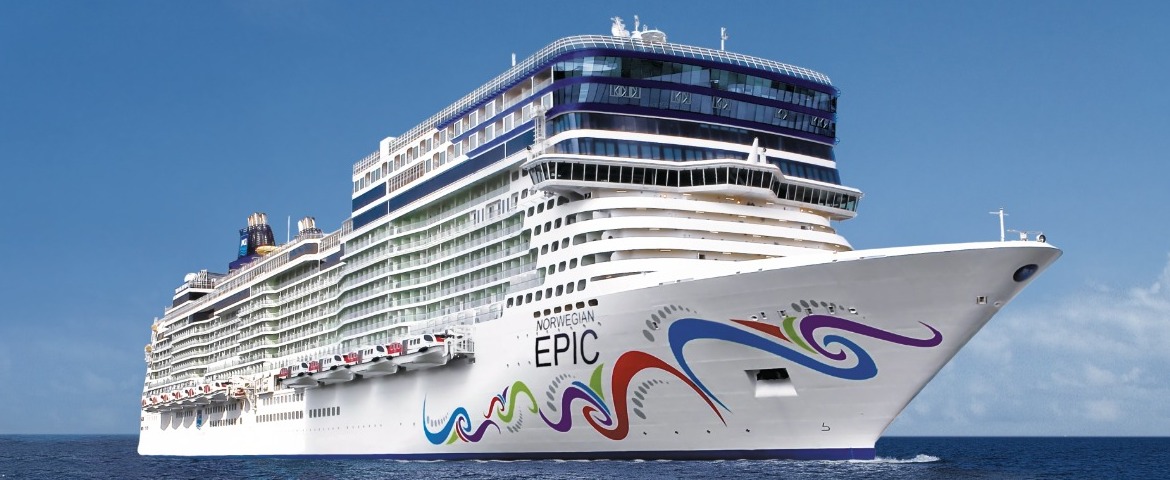
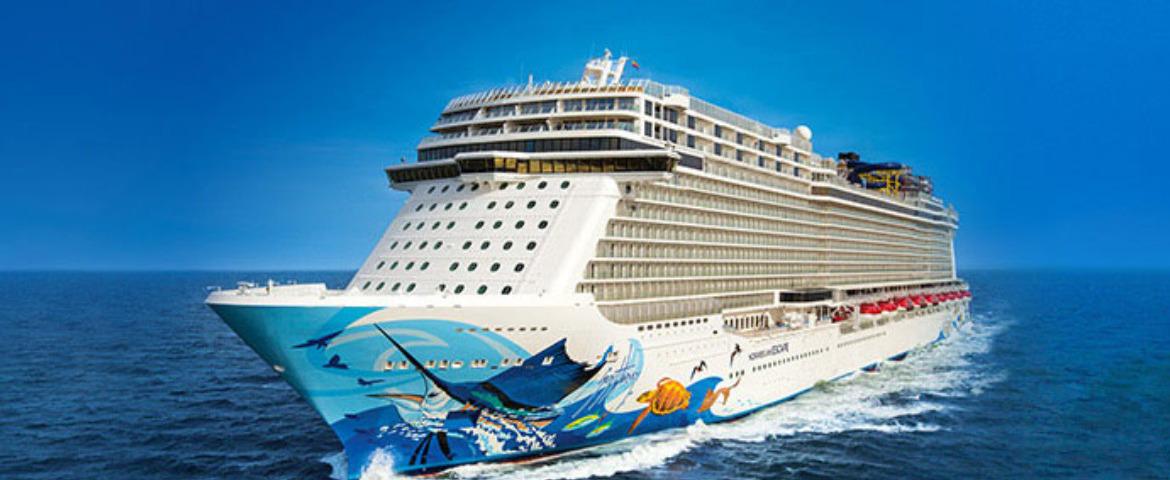
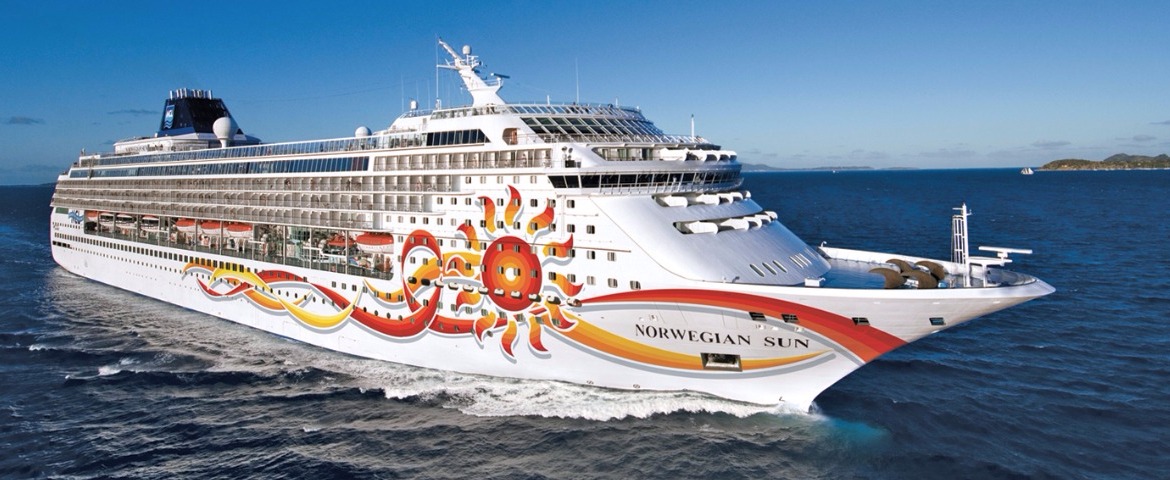
Norwegian Gem
12 Cruises
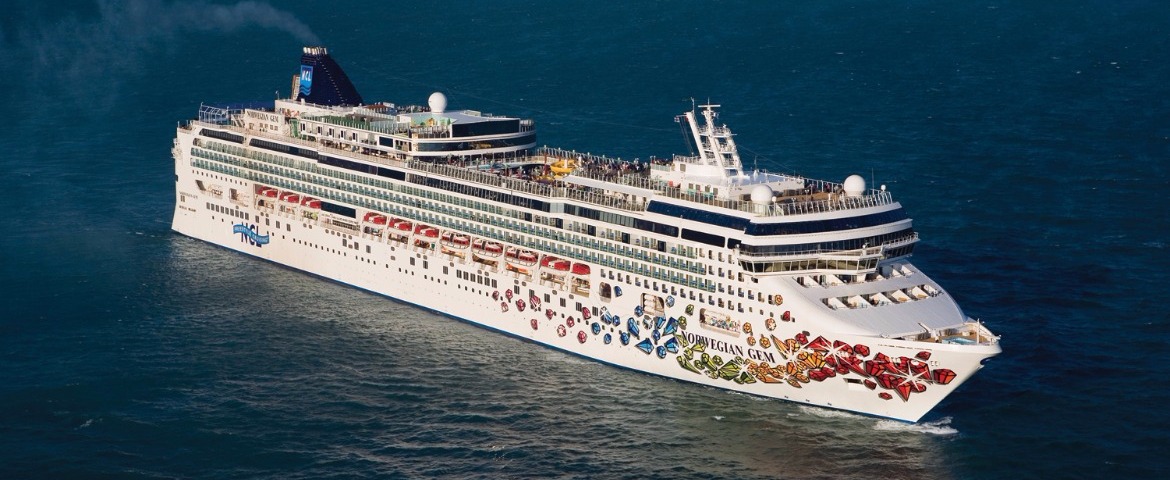
| 4 January | 11 days | Round-trip from Tampa, USA |
450-628-6241
Call us
|
| 4 January | 11 days | Round-trip from Tampa, USA |
From
673$
|
| 18 January | 11 days | Round-trip from Tampa, USA |
From
855$
|
| 12 February | 10 days | Round-trip from Tampa, USA |
From
883$
|
| 21 February | 12 days | Round-trip from Tampa, USA |
From
1016$
|

Norwegian Jewel
12 Cruises
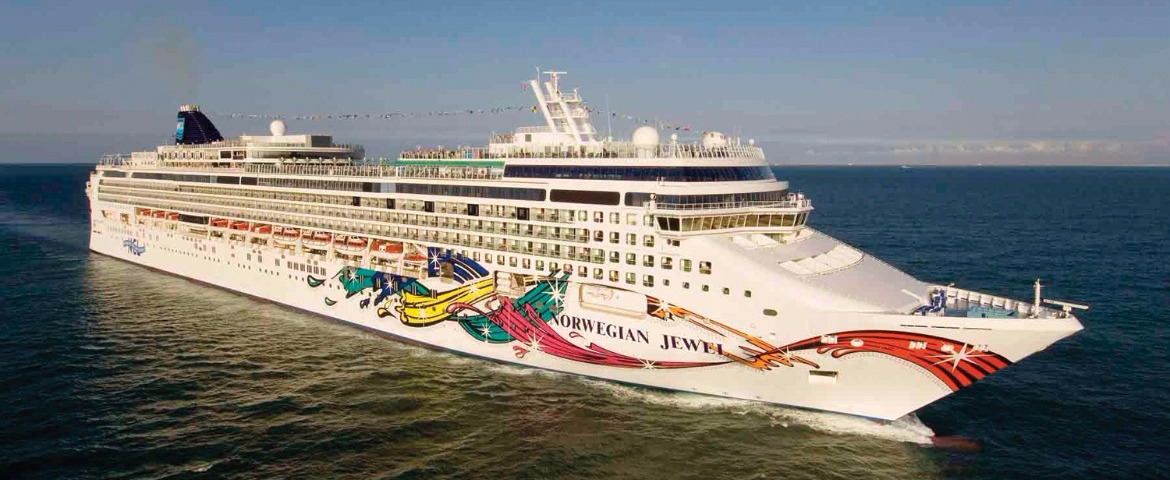
| 4 January | 11 days | Round-trip from Miami, USA |
450-628-6241
Call us
|
| 4 January | 10 days | Round-trip Caribbean Norwegian Jewel Miami Fl |
From
590$
|
| 19 March | 11 days | Round-trip from Miami, USA |
450-628-6241
Call us
|
| 19 March | 10 days | Round-trip Caribbean Norwegian Jewel Miami Fl |
From
920$
|
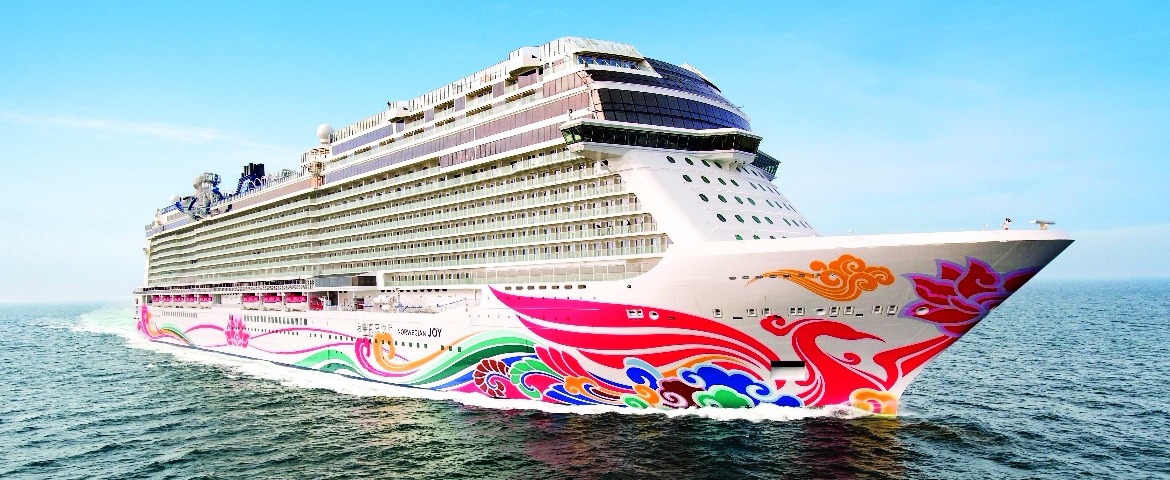
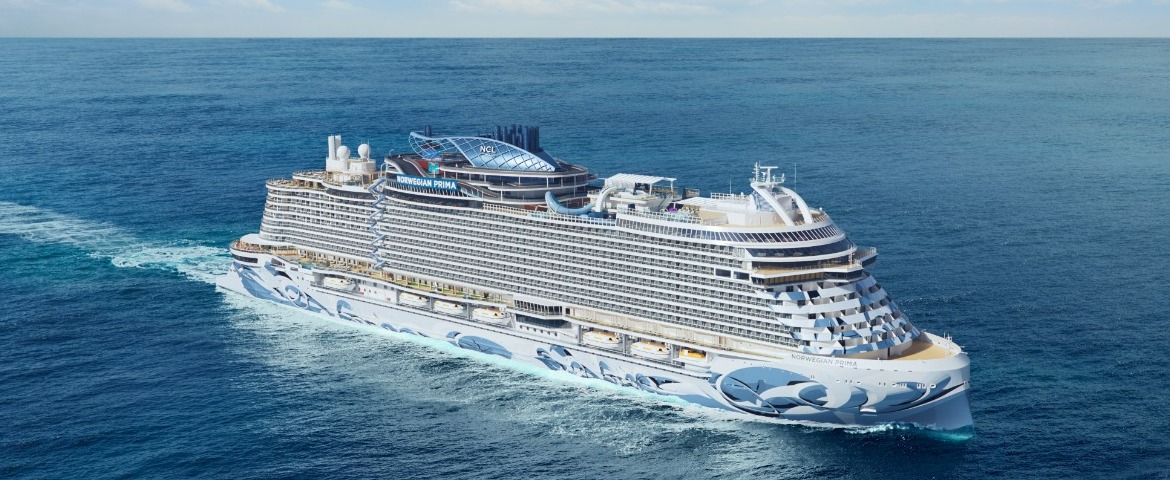
Norwegian Joy
8 Cruises
Oceania Cruises (13 Cruises)
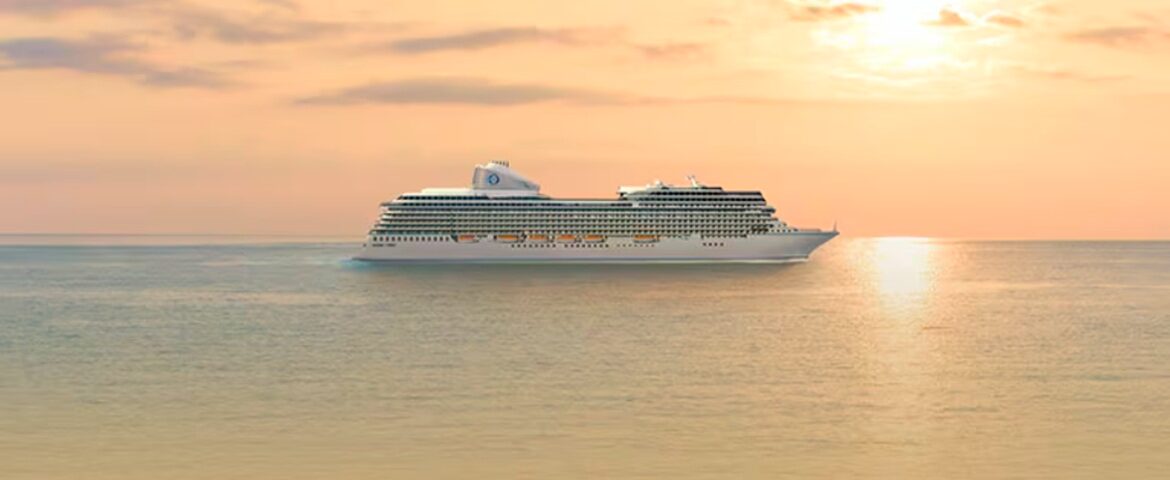

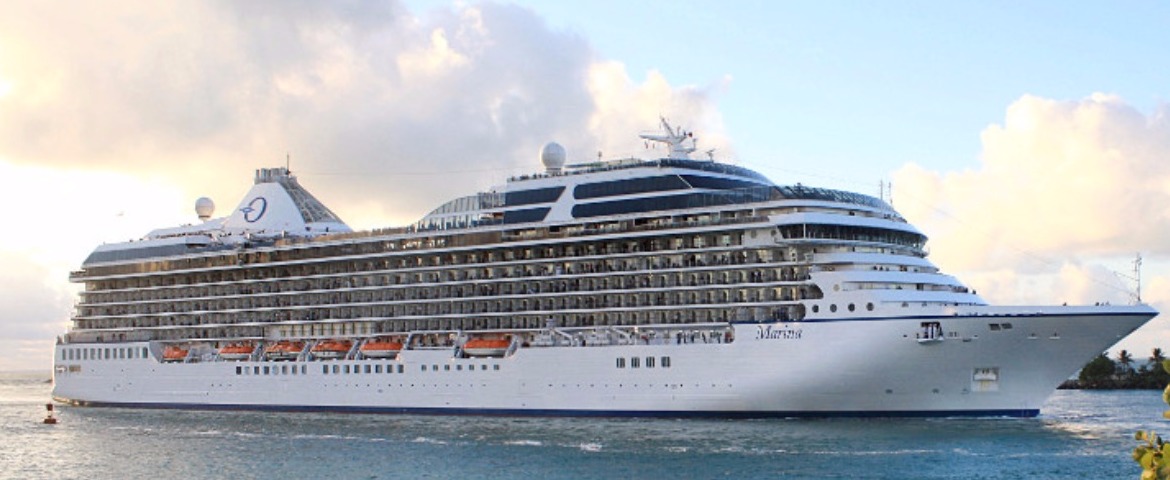
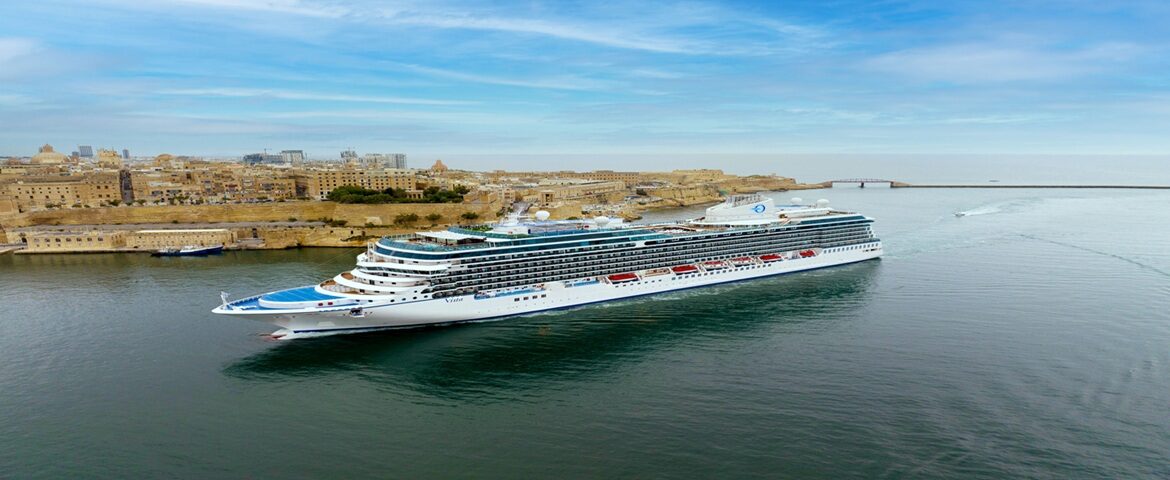
Oceania Marina
7 Cruises
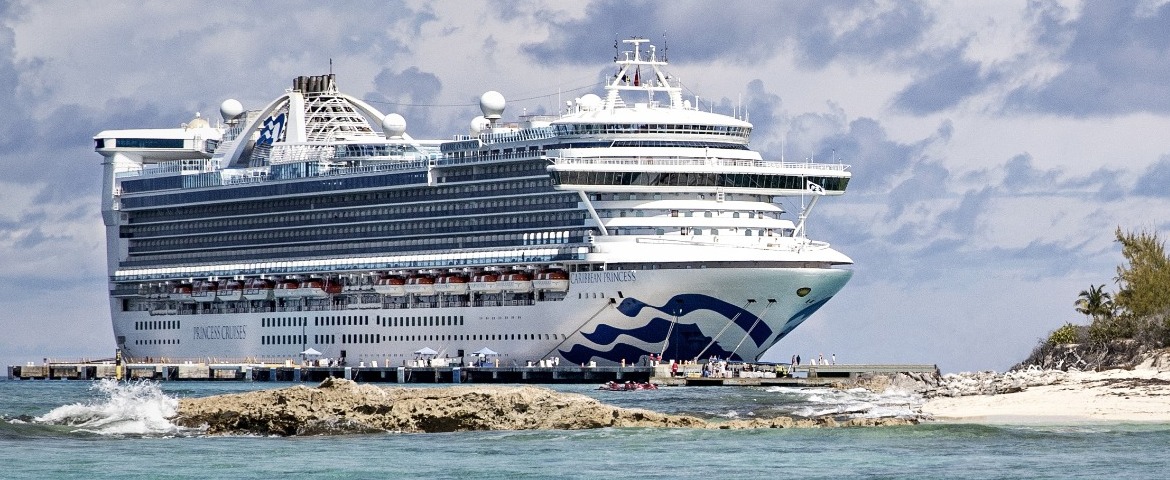
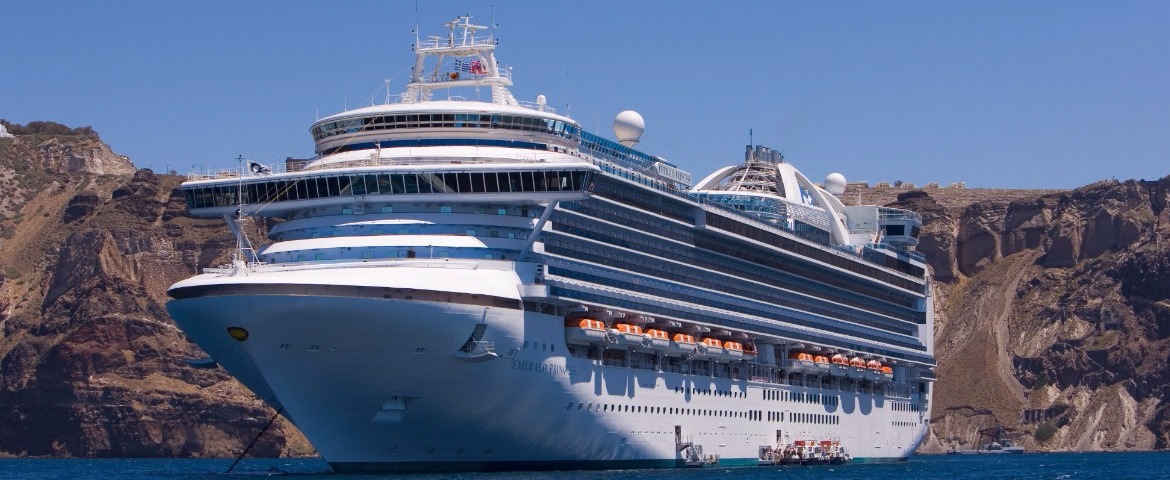
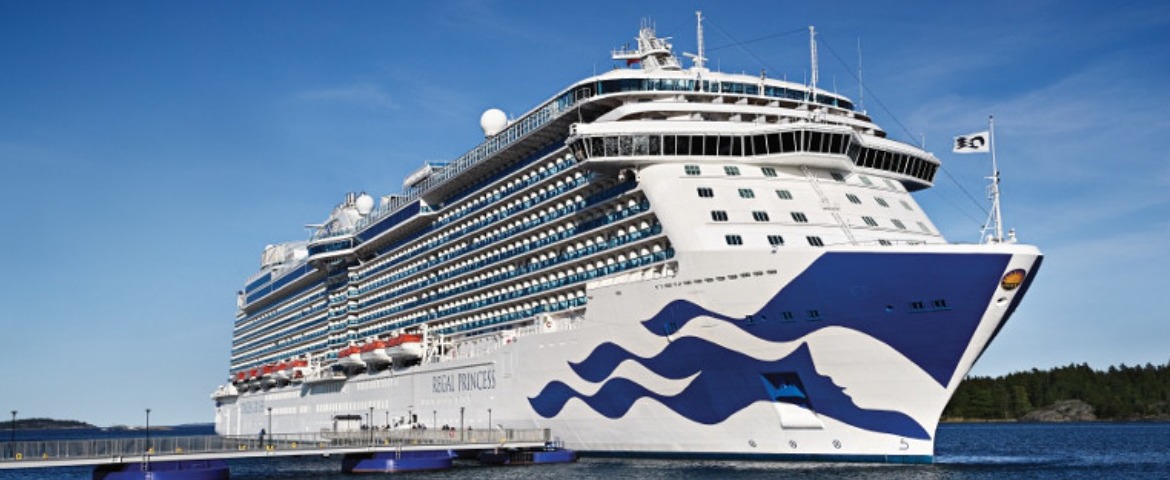
Princess Cruises (22 Cruises)

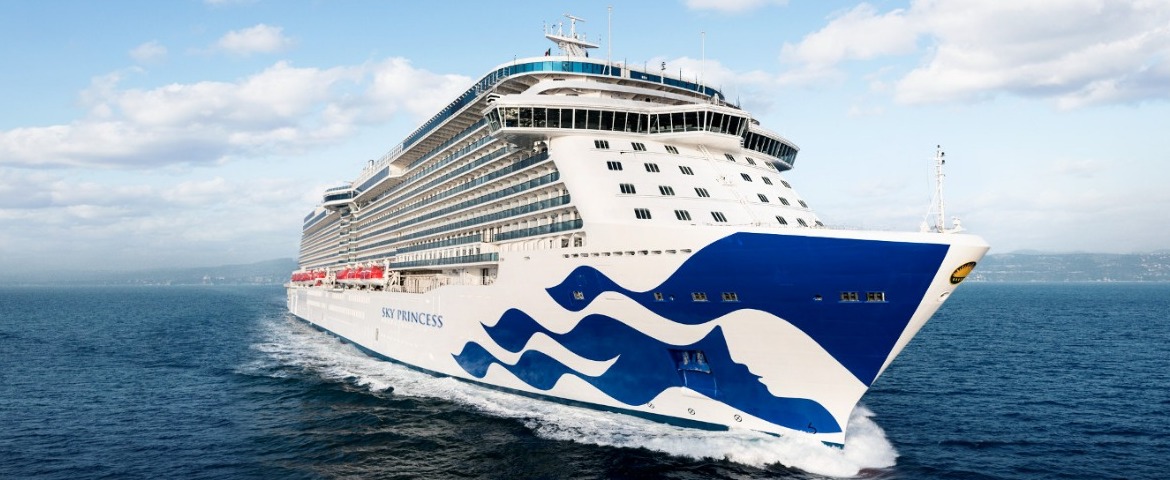
Sky Princess
15 Cruises
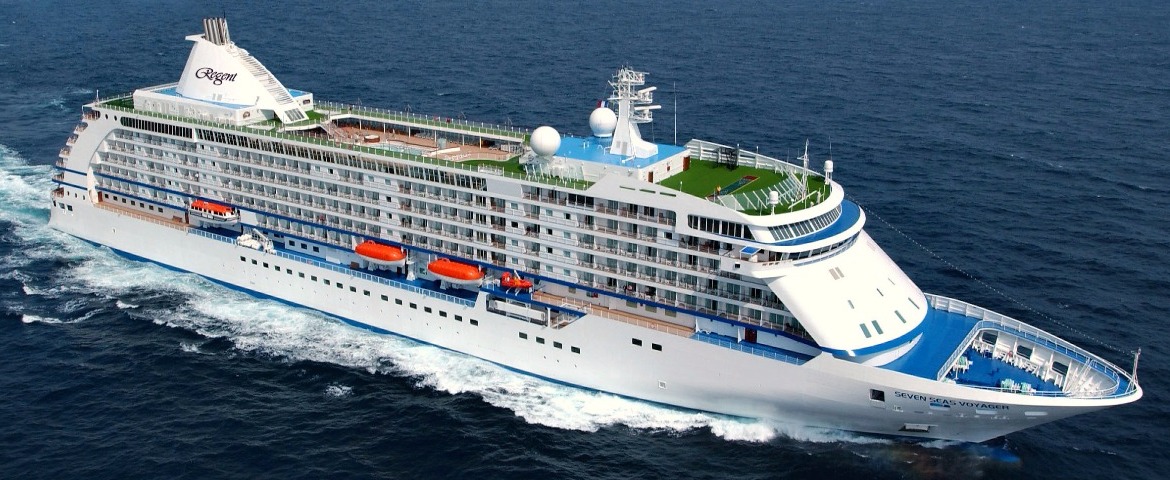
Regent Seven Seas Cruises (14 Cruises)

Royal Caribbean Cruises (123 Cruises)
Adventure of the Seas
6 Cruises


| 24 January | 7 days | Round-trip from Fort Lauderdale, USA |
450-628-6241
Call us
|
| 24 January | 6 days | Round-trip Western Caribbean Adventure Of The Seas Fort Lauderdale Port Everglades Fl |
From
825$
|
Allure of the Seas
38 Cruises

| 8 February | 6 days | Round-trip Eastern Caribbean Allure Of The Seas Miami Fl |
From
952$
|
| 21 February | 7 days | Round-trip Eastern Caribbean Allure Of The Seas Miami Fl |
From
1098$
|
| 7 March | 7 days | Round-trip Eastern Caribbean Allure Of The Seas Miami Fl |
450-628-6241
Call us
|
| 21 March | 7 days | Round-trip Eastern Caribbean Allure Of The Seas Miami Fl |
From
1416$
|
| 4 April | 7 days | Round-trip Eastern Caribbean Allure Of The Seas Miami Fl |
From
1096$
|
| 18 April | 7 days | Round-trip Eastern Caribbean Allure Of The Seas Miami Fl |
From
1054$
|
| 4 July | 7 days | Round-trip from Fort Lauderdale, USA |
From
1535$
|
| 18 July | 7 days | Round-trip from Fort Lauderdale, USA |
From
1623$
|
| 1 August | 7 days | Round-trip from Fort Lauderdale, USA |
From
1526$
|
| 15 August | 7 days | Round-trip from Fort Lauderdale, USA |
From
1358$
|
| 29 August | 7 days | Round-trip from Fort Lauderdale, USA |
From
1271$
|
| 12 September | 7 days | Round-trip from Fort Lauderdale, USA |
From
1087$
|
| 26 September | 7 days | Round-trip from Fort Lauderdale, USA |
From
1025$
|
| 10 October | 7 days | Round-trip from Fort Lauderdale, USA |
From
1093$
|
| 24 October | 7 days | Round-trip from Fort Lauderdale, USA |
From
1149$
|
| 2 January | 8 days | Round-trip from Miami, USA |
From
1150$
|
| 16 January | 8 days | Round-trip from Miami, USA |
From
1378$
|
| 30 January | 8 days | Round-trip from Miami, USA |
From
1196$
|
| 13 February | 8 days | Round-trip from Miami, USA |
From
1268$
|
| 27 February | 8 days | Round-trip from Miami, USA |
From
1268$
|

Explorer of the Seas
14 Cruises

| 15 January | 9 days | Round-trip from Fort Lauderdale, USA |
From
1362$
|
| 29 January | 9 days | Round-trip from Fort Lauderdale, USA |
From
1328$
|
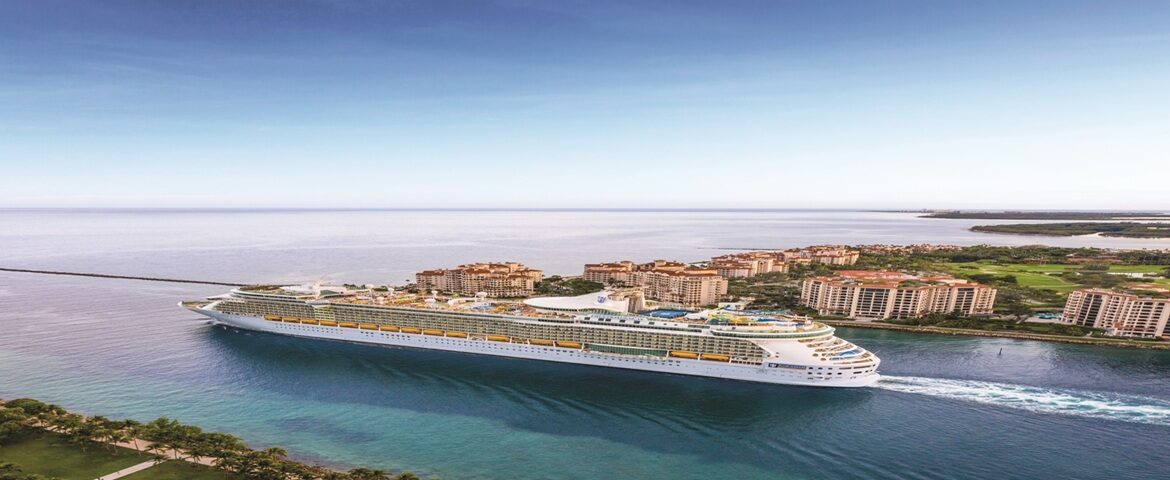

Independence of the Seas
16 Cruises

| 14 February | 8 days | Round-trip from Miami, USA |
450-628-6241
Call us
|
| 14 February | 7 days | Round-trip Eastern Caribbean Independence Of The Seas Miami Fl |
From
947$
|
Legend of the Seas
8 Cruises


Mariner of the Seas
20 Cruises



Falmouth Port, Jamaica | Cruise Port Guide & Shore Excursions
Frequently Asked Questions
Right in the heart of the historic town. The terminal, opened in 2011 and built for the world's largest ships, extends the old street grid: you walk through the gates and are already in the Georgian quarter, with no shuttle or taxi needed.
Yes, entirely. The historic centre begins at the terminal gates and the ground is flat. It is one of the few Caribbean calls where no transport at all is required to see the essentials.
It is the finest ensemble of 18th-century British architecture in the Caribbean: sash windows, worked verandas, pastel facades. Founded in 1769 and enriched by sugar, the town had running water before New York. It is listed as a Jamaican national heritage site.
A walking tour of the Georgian quarter in the morning, then rafting on the Martha Brae river in the afternoon: both fit in the day. The 1815 courthouse, St Peter's church of 1795 and Water Square take about an hour and a half.
Two passengers on a nine-metre bamboo raft, poled by a local raftsman. The run covers about five kilometres and lasts an hour, under the bamboo, with no rapids and no effort. The launch point is under fifteen minutes by taxi from the terminal.
The Good Hope estate inland easily fills a full day: ziplines, river tubing, an aviary, and the 18th-century great house for the parents. Rafting on the Martha Brae also suits calm children.
The US dollar circulates freely and is accepted everywhere, but Jamaican dollars remain useful at the market and for small purchases. Bring small bills: change is often given back in Jamaican dollars.
English is the official language and everyone understands it. On the street, Jamaicans mostly speak the local patois, which takes an ear to follow; guides and shopkeepers switch to standard English without difficulty.
Yes, more so than elsewhere. The facades tell you nothing on their own, and Jamaican guides address the dark chapters of the plantation era with candour and dignity. Several local operators offer these tours right outside the terminal.
Glistening Waters lagoon, a few minutes east, lights up at the slightest movement thanks to its bioluminescent micro-organisms. The phenomenon occurs in only a handful of places worldwide, and it needs full darkness to be visible.


