Busan Korea
Korea
652
Cruises availables
At departure or passage at this port
Azamara Club Cruises (64 Cruises)
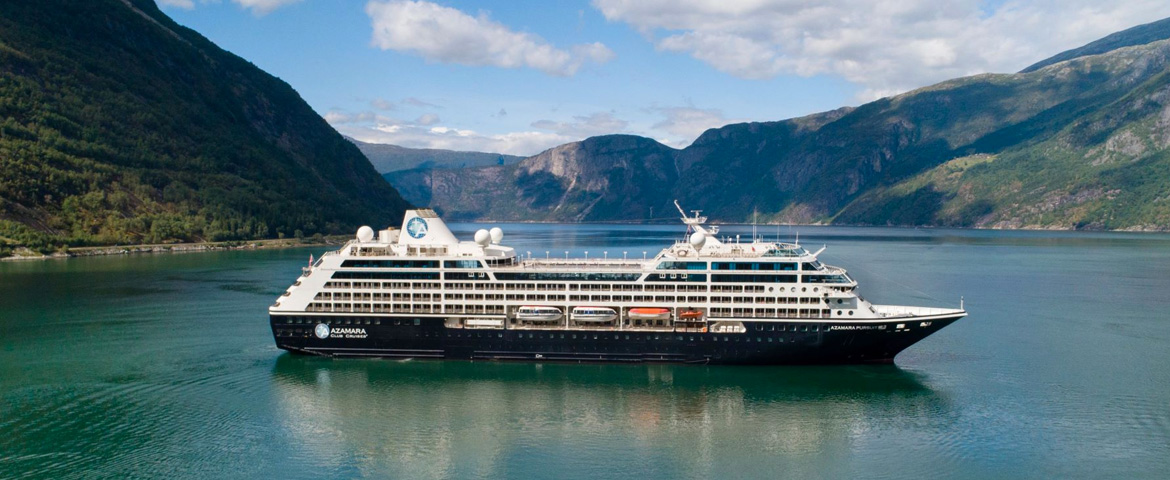
Azamara Pursuit
58 Cruises

| 5 February | 48 days | One-way from Sydney to Tokyo |
450-628-6241
Call us
|
| 5 February | 48 days | One-way from Sydney to Tokyo |
450-628-6241
Call us
|
| 22 April | 14 days | One-way from Tokyo to Kobe-Osaka |
450-628-6241
Call us
|
| 22 April | 14 days | One-way from Tokyo to Kobe-Osaka |
450-628-6241
Call us
|
| 26 February | 47 days | One-way from Sydney to Kobe-Osaka |
450-628-6241
Call us
|
| 27 February | 47 days | One-way from Sydney to Kobe-Osaka |
450-628-6241
Call us
|
| 31 March | 14 days | One-way from Yokohama to Kobe-Osaka |
450-628-6241
Call us
|
| 31 March | 14 days | One-way from Yokohama to Kobe-Osaka |
450-628-6241
Call us
|
Celebrity Cruises (35 Cruises)
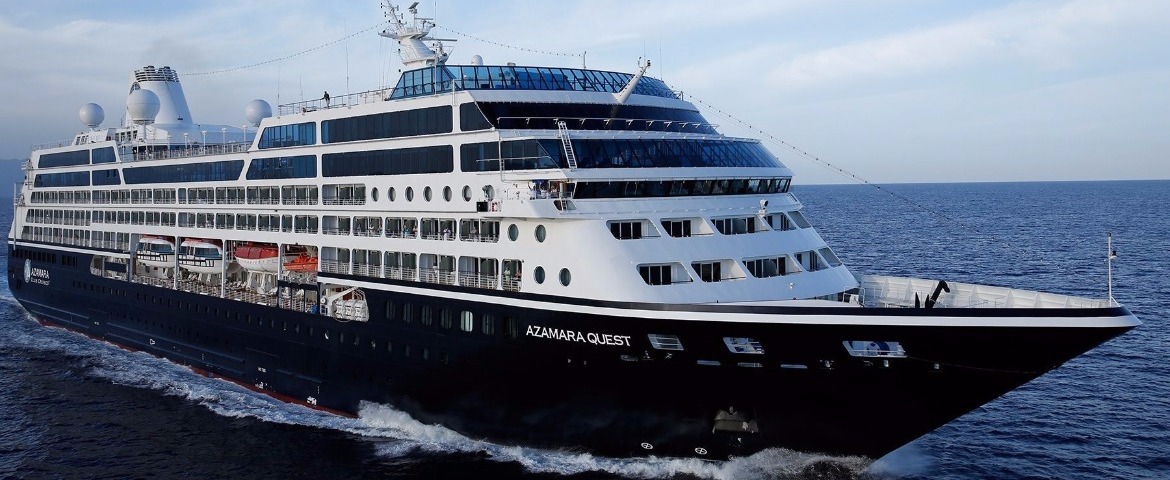
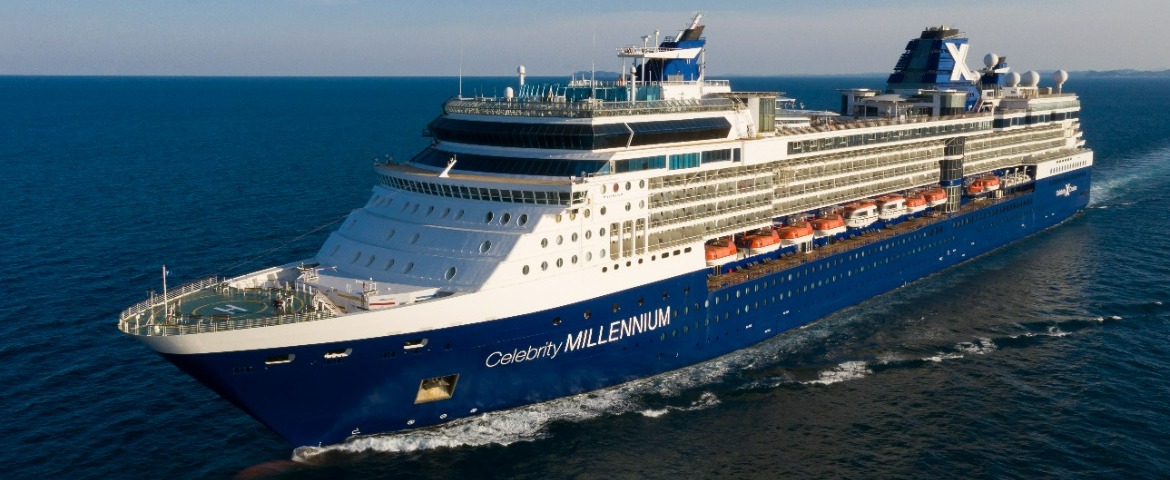
Celebrity Millennium
33 Cruises

Costa Cruises (33 Cruises)
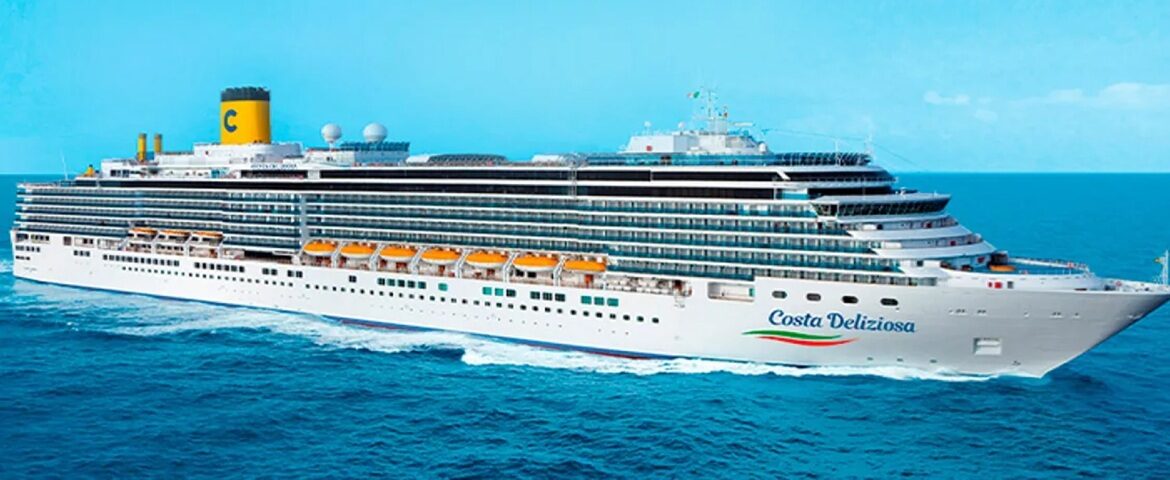
Costa Deliziosa
32 Cruises

Crystal Cruises (3 Cruises)

Cunard (14 Cruises)
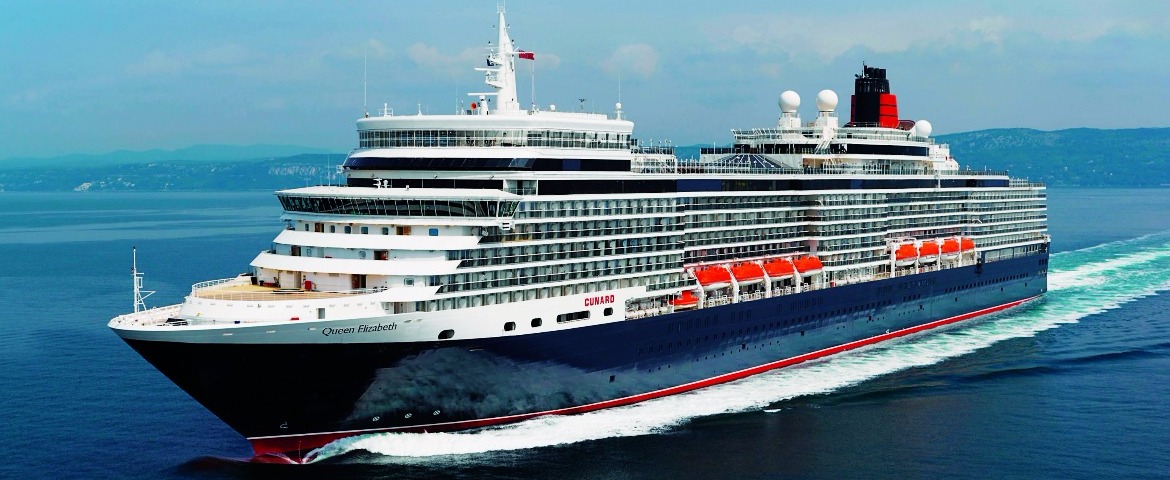
Queen Elizabeth
14 Cruises

Emerald Waterways (12 Cruises)
Emerald Xara
12 Cruises
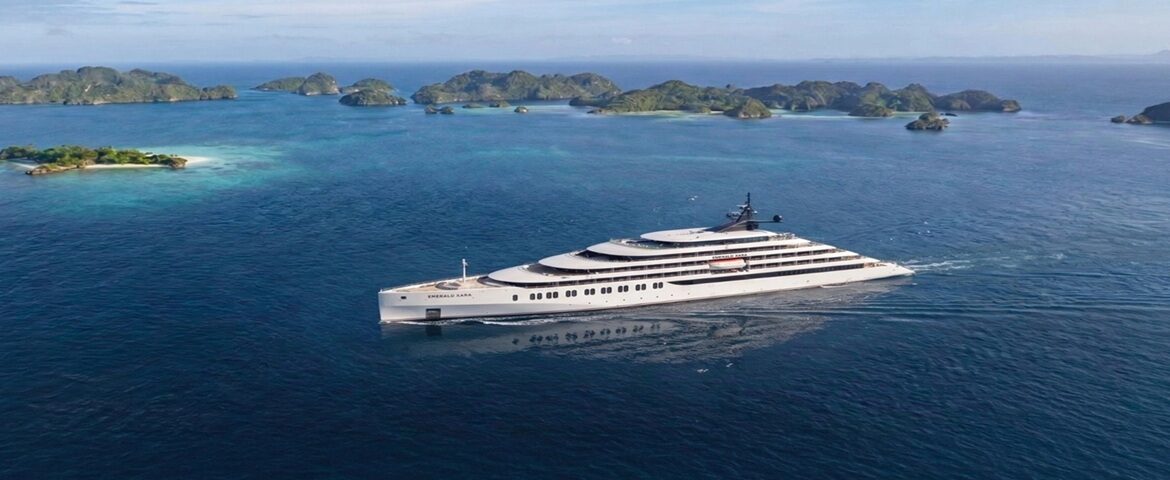

| 30 March | 21 days | One-way from Tokyo to Kobe-Osaka |
450-628-6241
Call us
|
| 30 March | 11 days | One-way from Tokyo to Busan |
450-628-6241
Call us
|
| 9 April | 11 days | One-way from Busan to Kobe-Osaka |
450-628-6241
Call us
|
| 19 April | 11 days | One-way from Kobe-Osaka to Busan |
450-628-6241
Call us
|
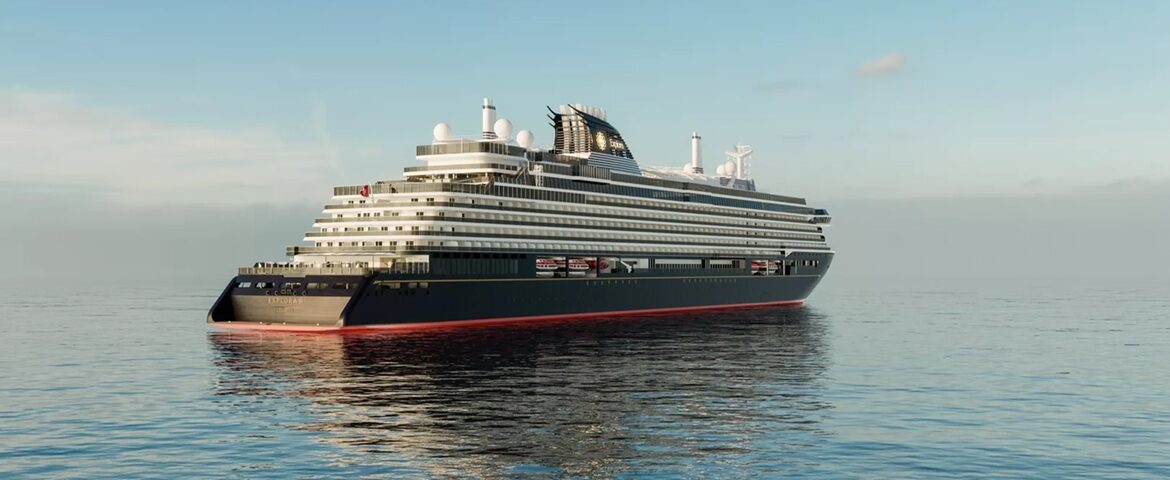
Explora Journeys (11 Cruises)
Explora III
11 Cruises

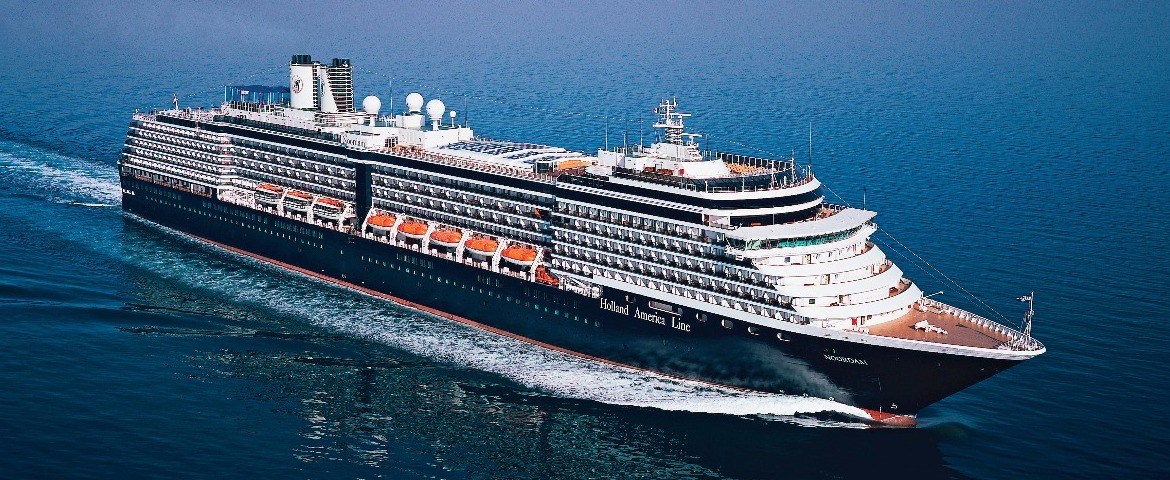
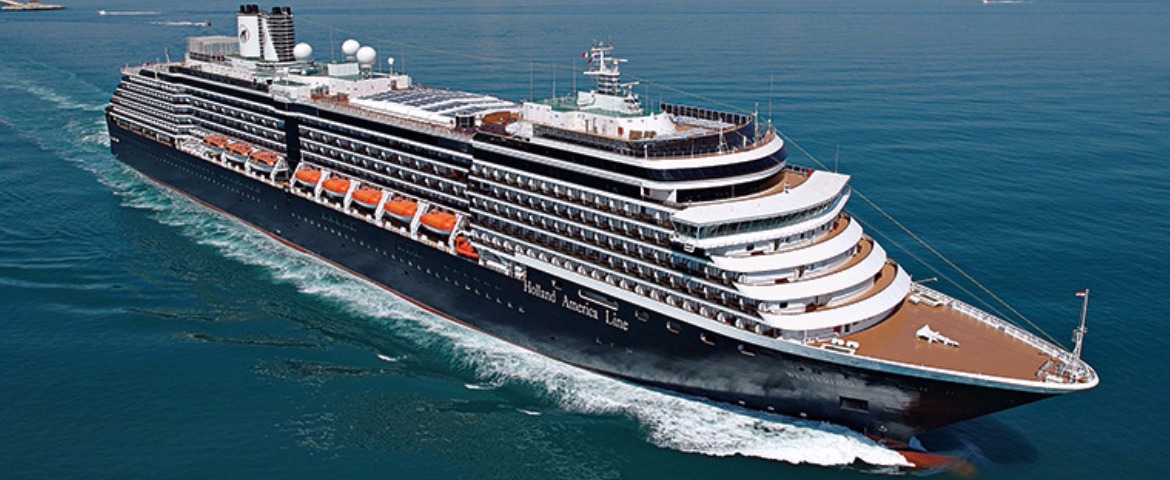
Holland America Line (21 Cruises)
ms Noordam
12 Cruises


MSC Cruises (29 Cruises)
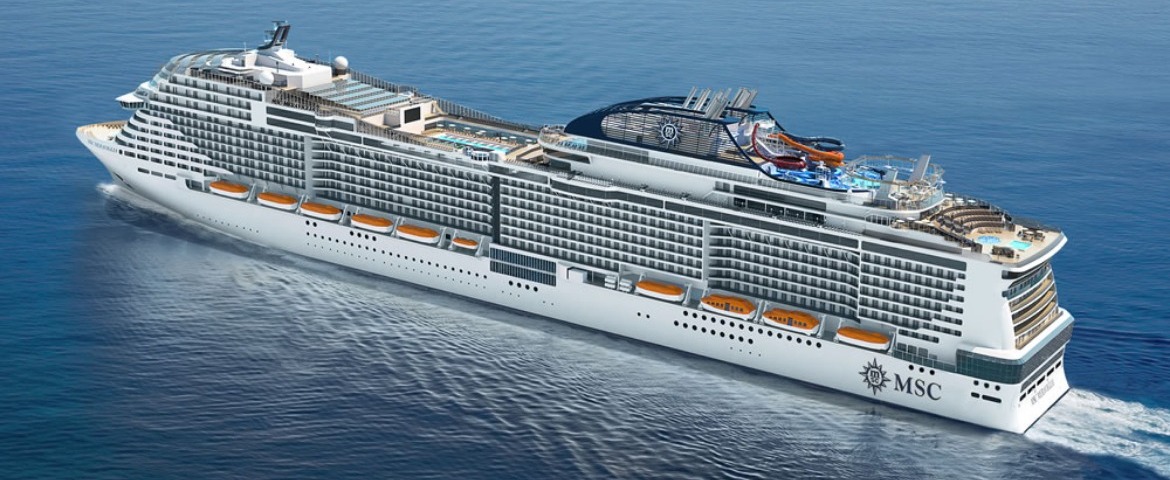
MSC Bellissima
29 Cruises

| 20 January | 9 days | Round-trip from Shanghai, China |
From
2045$
|
| 24 January | 5 days | Round-trip from Shanghai, China |
From
694$
|
| 28 January | 6 days | Round-trip from Shanghai, China |
From
907$
|
| 1 March | 5 days | Round-trip from Shanghai, China |
From
637$
|
| 5 March | 5 days | Round-trip from Shanghai, China |
From
960$
|
Norwegian Cruise Line (6 Cruises)

Oceania Cruises (40 Cruises)
Oceania Aurelia
6 Cruises

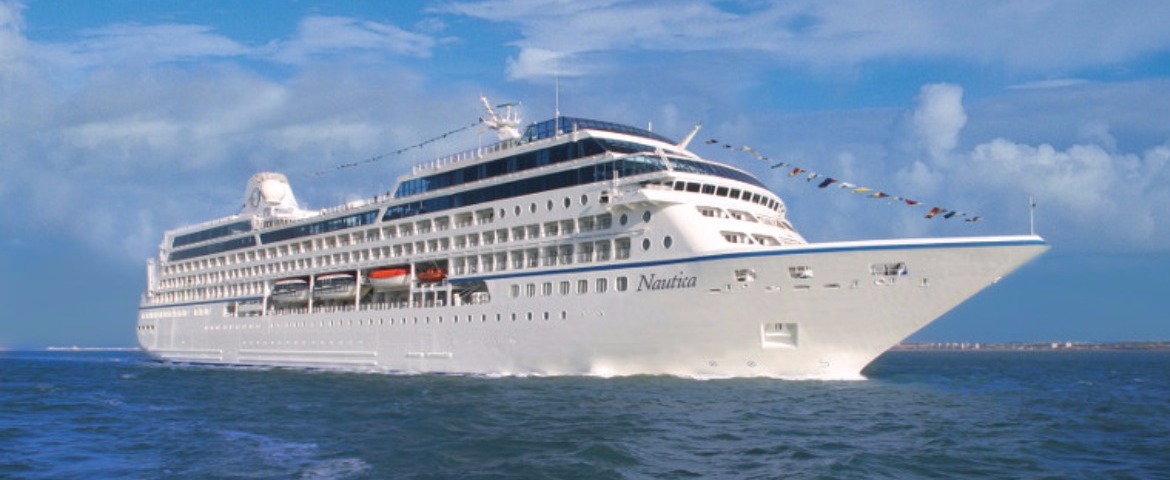
Oceania Nautica
6 Cruises
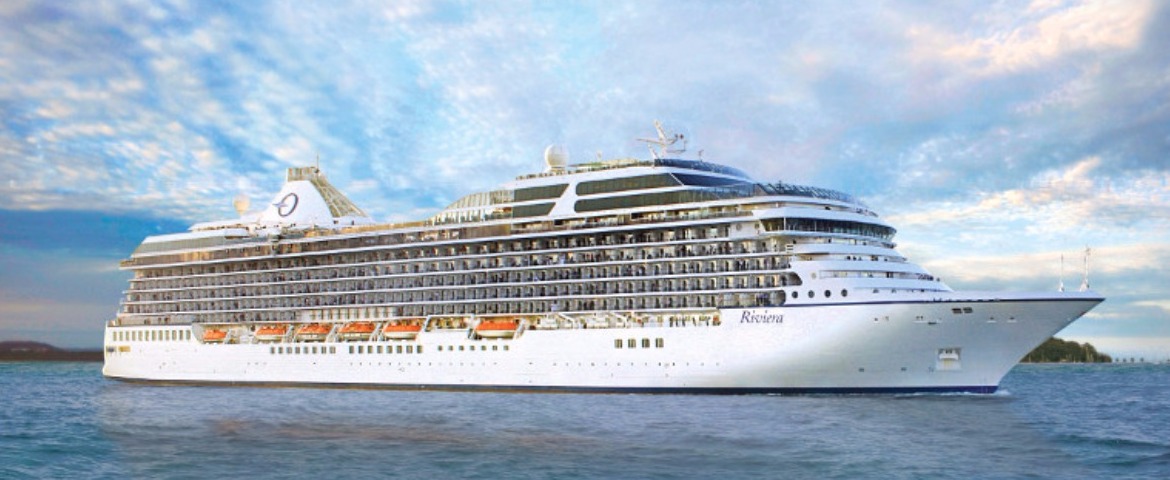
Oceania Riviera
28 Cruises
| 7 September | 32 days | One-way from Seattle to Tokyo |
450-628-6241
Call us
|
| 27 September | 12 days | Round-trip from Tokyo, Japan |
450-628-6241
Call us
|
Ponant (31 Cruises)
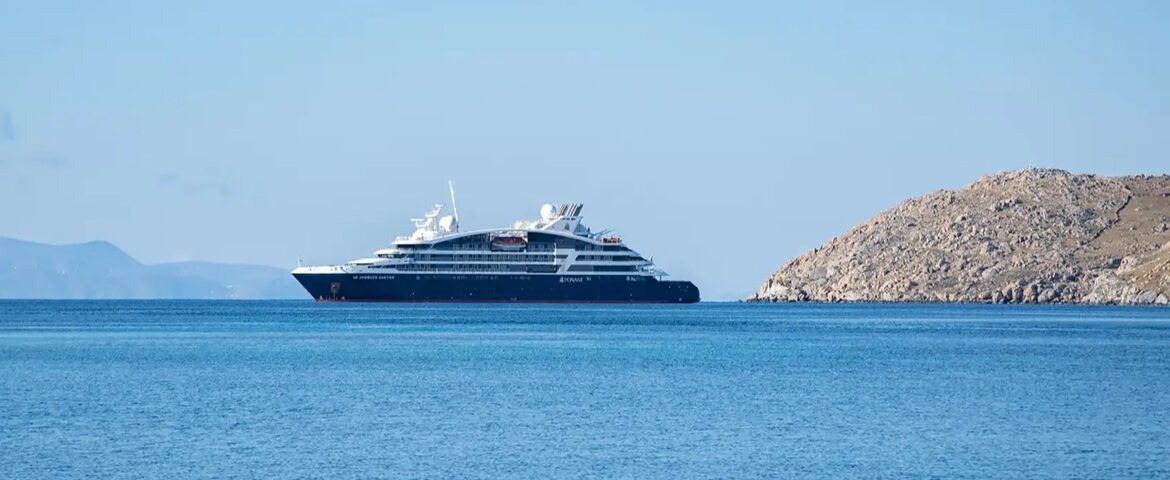
Le Jacques Cartier
8 Cruises

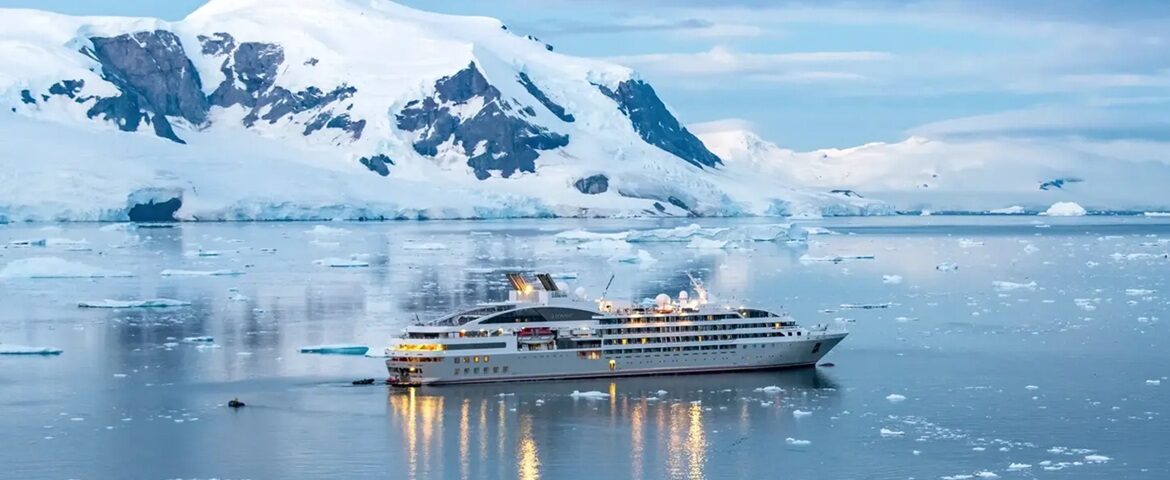
Le Soleal
23 Cruises
| 14 March | 13 days | One-way from Kobe-Osaka to Busan |
450-628-6241
Call us
|
| 26 March | 13 days | One-way from Busan to Kobe-Osaka |
450-628-6241
Call us
|
| 2 April | 9 days | One-way from Busan to Kobe-Osaka |
450-628-6241
Call us
|
| 3 April | 7 days | One-way from Busan to Kobe-Osaka |
450-628-6241
Call us
|
Princess Cruises (162 Cruises)
Diamond Princess
99 Cruises
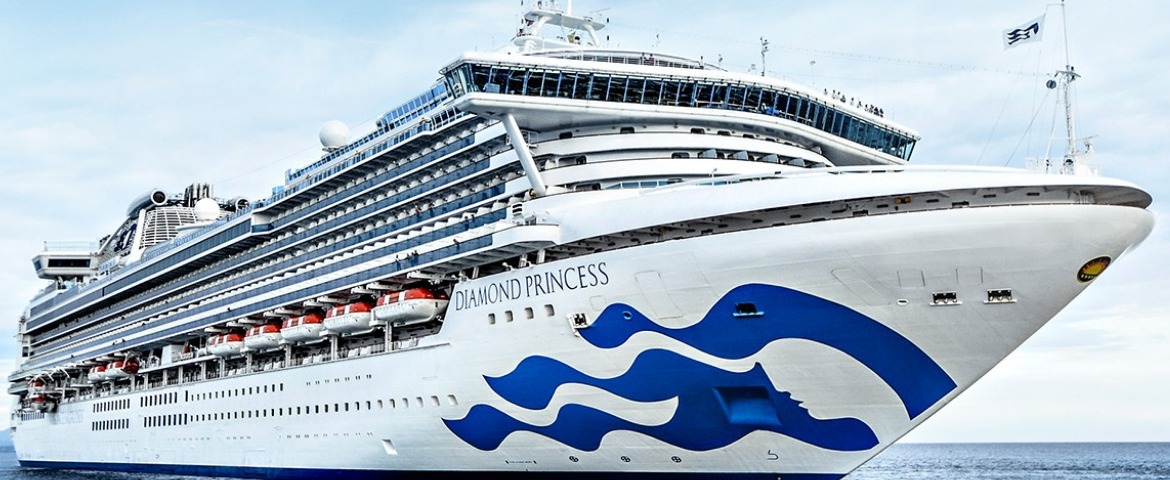

| 8 May | 21 days | Round-trip from Yokohama, Japan |
450-628-6241
Call us
|
| 18 May | 11 days | Round-trip from Yokohama, Japan |
450-628-6241
Call us
|
Sapphire Princess
63 Cruises
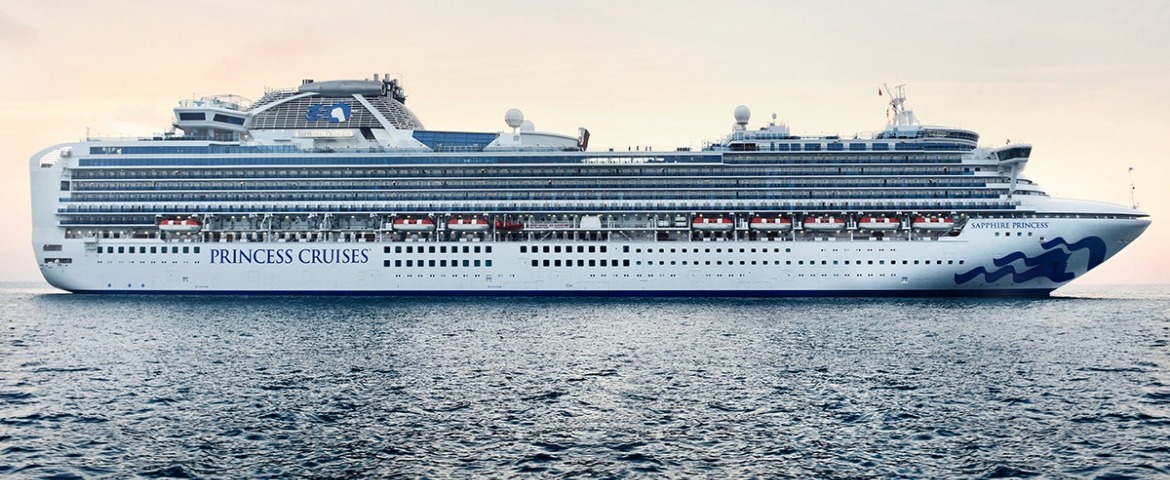
| 20 February | 26 days | One-way from Singapore to Tokyo |
450-628-6241
Call us
|
| 20 February | 25 days | One-way from Singapore to Tokyo |
450-628-6241
Call us
|
| 8 April | 25 days | Round-trip from Tokyo, Japan |
450-628-6241
Call us
|
| 8 April | 14 days | Round-trip from Tokyo, Japan |
450-628-6241
Call us
|
| 21 April | 12 days | Round-trip from Tokyo, Japan |
450-628-6241
Call us
|
Regent Seven Seas Cruises (27 Cruises)
Seven Seas Explorer
14 Cruises
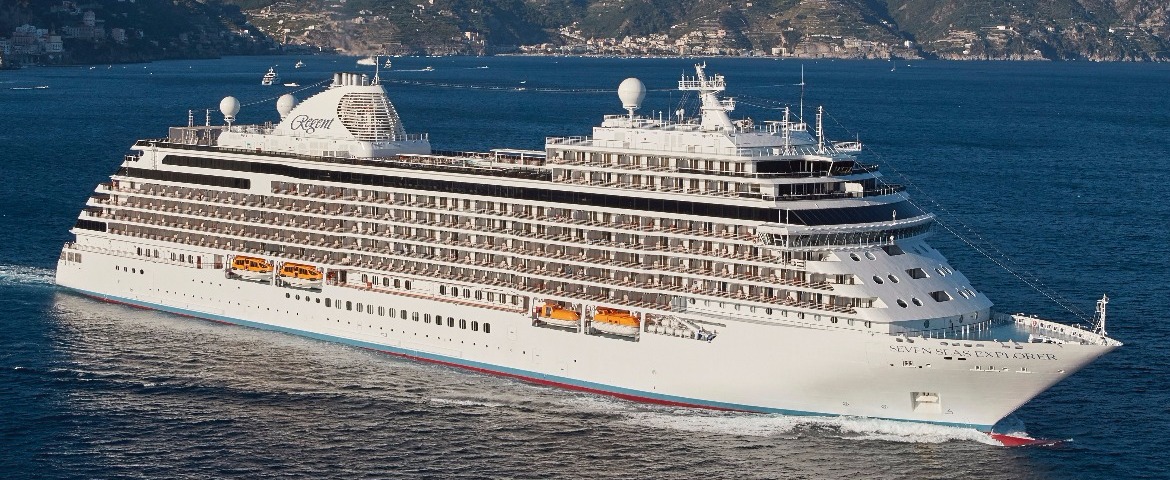

| 15 September | 30 days | One-way from Vancouver to Tokyo |
450-628-6241
Call us
|
| 15 September | 31 days | One-way from Vancouver to Tokyo |
450-628-6241
Call us
|
Seven Seas Splendor
13 Cruises
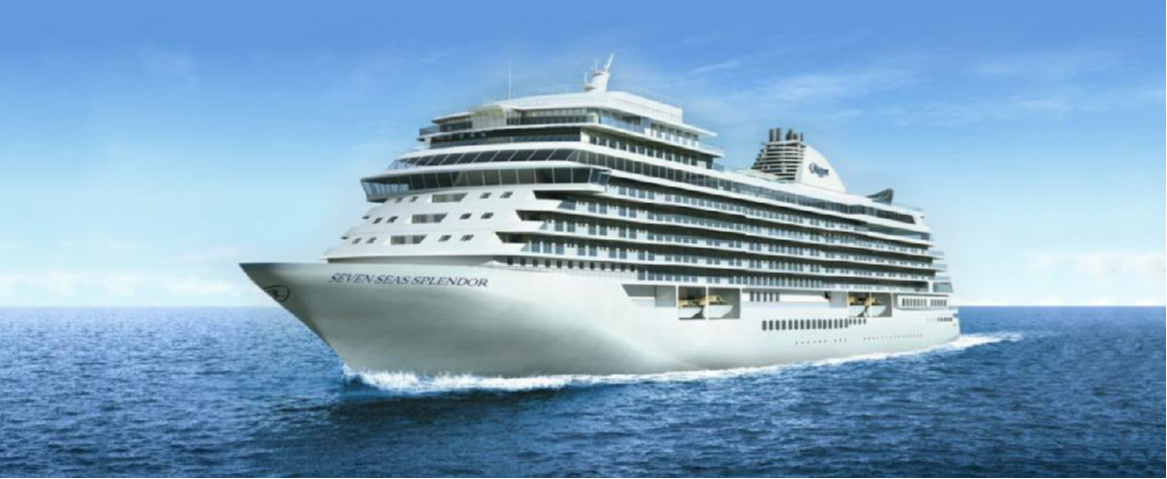
| 13 September | 31 days | One-way from Vancouver to Tokyo |
450-628-6241
Call us
|
| 13 September | 30 days | One-way from Vancouver to Tokyo |
450-628-6241
Call us
|
Royal Caribbean Cruises (38 Cruises)
Spectrum of the Seas
38 Cruises


| 3 January | 8 days | One-way from Hong Kong to Yokohama |
From
1682$
|
| 3 January | 8 days | One-way from Hong Kong to Yokohama |
450-628-6241
Call us
|
| 28 January | 5 days | Round-trip from Shanghai, China |
From
936$
|
| 5 February | 5 days | Round-trip from Shanghai, China |
From
1512$
|
| 13 February | 5 days | Round-trip from Shanghai, China |
From
883$
|
| 17 February | 6 days | Round-trip from Shanghai, China |
From
793$
|
| 3 March | 5 days | Round-trip from Shanghai, China |
From
726$
|
| 12 March | 5 days | Round-trip from Shanghai, China |
From
792$
|
| 13 June | 6 days | Round-trip from Shanghai, China |
From
1024$
|
| 26 June | 5 days | Round-trip from Shanghai, China |
From
920$
|
| 5 July | 5 days | Round-trip from Shanghai, China |
From
1225$
|
| 24 July | 6 days | Round-trip from Shanghai, China |
From
1617$
|
| 29 July | 6 days | Round-trip from Shanghai, China |
From
1441$
|
| 11 September | 5 days | Round-trip from Shanghai, China |
From
920$
|
| 27 September | 5 days | Round-trip from Shanghai, China |
From
920$
|
| 12 January | 6 days | One-way from Hong Kong to Shanghai |
From
850$
|
| 29 January | 5 days | Round-trip from Shanghai, China |
From
1466$
|
| 11 February | 6 days | Round-trip from Shanghai, China |
From
808$
|
| 16 February | 6 days | Round-trip from Shanghai, China |
From
808$
|
| 21 February | 6 days | Round-trip from Shanghai, China |
From
711$
|
Seabourn Cruise Line (61 Cruises)
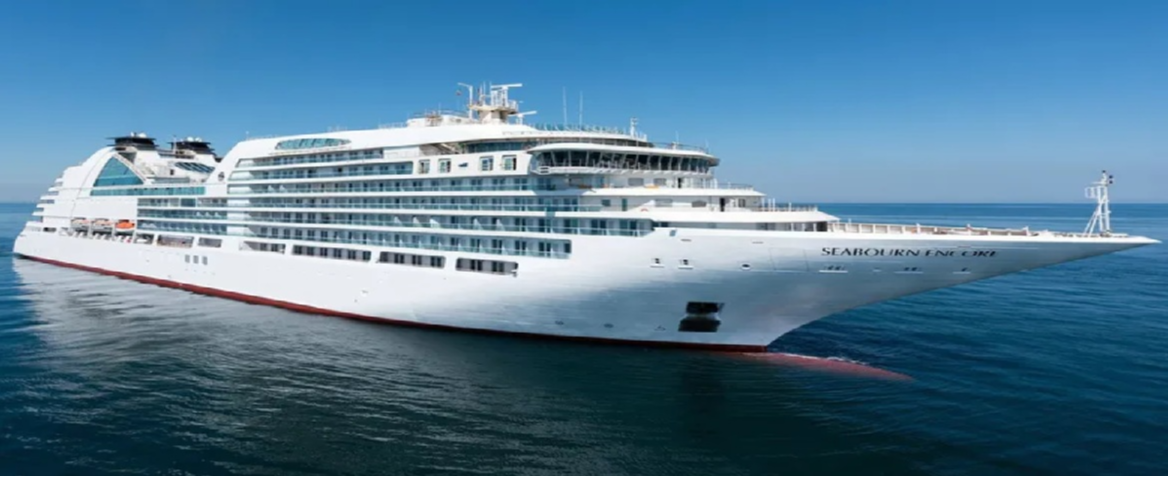
Seabourn Encore
61 Cruises

| 18 September | 36 days | One-way from Vancouver to Tokyo |
450-628-6241
Call us
|
| 18 September | 35 days | One-way from Vancouver to Tokyo |
450-628-6241
Call us
|
Silversea Cruises (57 Cruises)

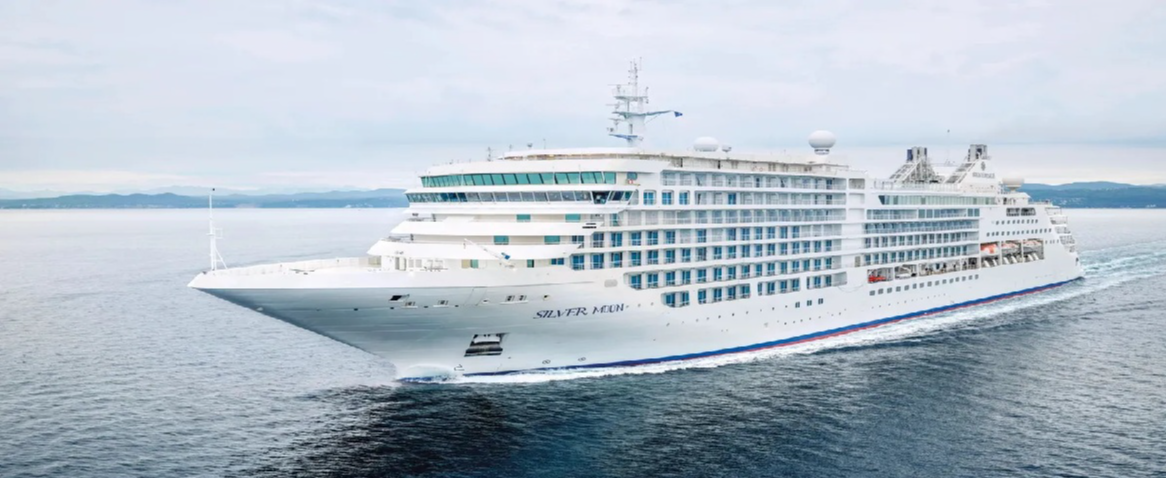
Silver Moon
20 Cruises
| 3 April | 15 days | Round-trip from Tokyo, Japan |
450-628-6241
Call us
|
| 17 April | 15 days | Round-trip from Tokyo, Japan |
450-628-6241
Call us
|
| 1 May | 27 days | One-way from Tokyo to Vancouver |
450-628-6241
Call us
|
| 1 May | 11 days | Round-trip from Tokyo, Japan |
450-628-6241
Call us
|
Silver Muse
23 Cruises
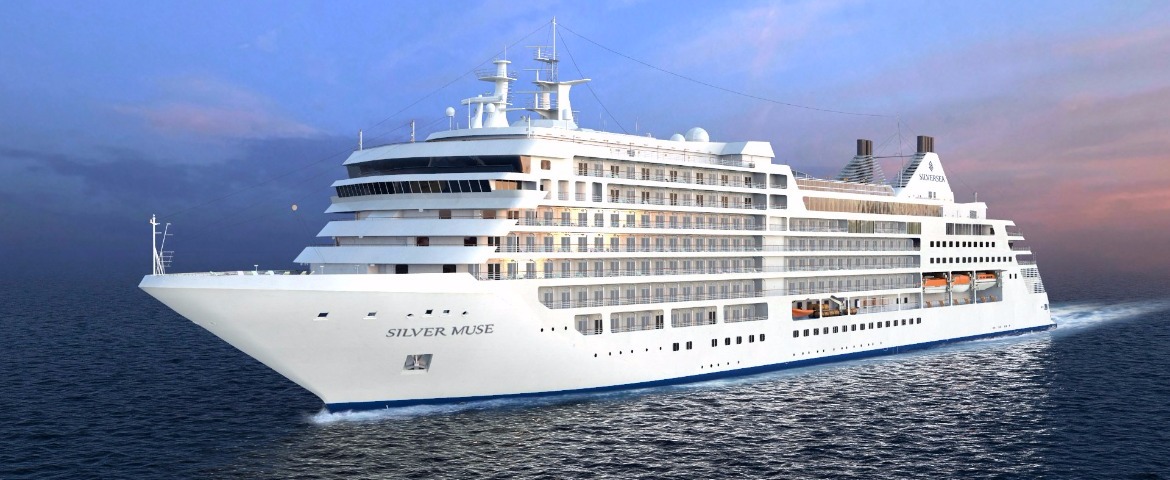
| 14 March | 30 days | One-way from Singapore to Yokohama |
450-628-6241
Call us
|
| 29 March | 15 days | One-way from Tokyo to Yokohama |
450-628-6241
Call us
|
| 12 April | 15 days | One-way from Yokohama to Tokyo |
450-628-6241
Call us
|
| 26 April | 15 days | One-way from Tokyo to Incheon |
450-628-6241
Call us
|
| 10 May | 15 days | One-way from Incheon to Tokyo |
450-628-6241
Call us
|
| 24 May | 15 days | One-way from Tokyo to Incheon |
450-628-6241
Call us
|
| 7 June | 15 days | One-way from Incheon to Tokyo |
450-628-6241
Call us
|
| 21 June | 25 days | Round-trip from Tokyo, Japan |
450-628-6241
Call us
|
| 3 July | 13 days | Round-trip from Tokyo, Japan |
450-628-6241
Call us
|
| 15 July | 25 days | Round-trip from Tokyo, Japan |
450-628-6241
Call us
|
| 27 July | 13 days | Round-trip from Tokyo, Japan |
450-628-6241
Call us
|
Silver Whisper
10 Cruises
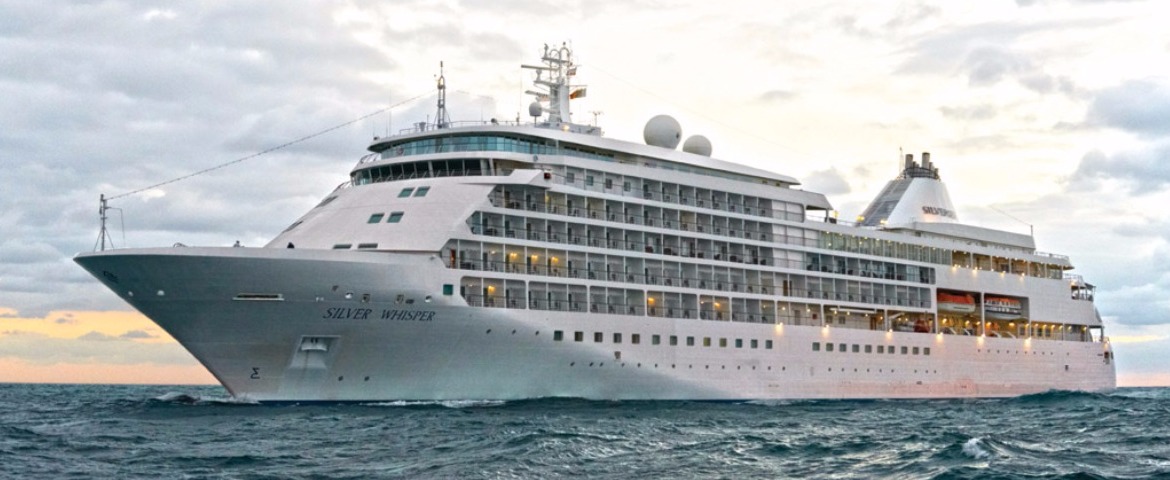
| 13 July | 27 days | Round-trip from Tokyo, Japan |
450-628-6241
Call us
|
| 13 July | 13 days | Round-trip from Tokyo, Japan |
450-628-6241
Call us
|
| 25 July | 15 days | Round-trip from Tokyo, Japan |
450-628-6241
Call us
|

Frequently Asked Questions
At one of two points: the port's international terminal, near the central districts of Dong-gu, or the Yeongdo Island cruise terminal for larger ships. In both cases, the lively downtown districts are a short drive away.
The Jagalchi, Nampo-dong and Yongdusan triangle fills a day without a dull minute, and it all sits within a walkable area. Gamcheon can be added if the call is long; Haedong Yonggungsa temple and Haeundae beach need a full day.
Korea's largest fish market, about two kilometres from the international terminal. Under the hall and along the quays, the stalls line up octopus, giant crab and shellfish. Upstairs, restaurants prepare the morning catch. It is loud, alive, unforgettably briny.
Korean-style sashimi, served with chilli and sesame leaves, prepared upstairs from the morning catch. The market women, respected figures well beyond the halls, call out to passers-by with good humour.
A step from the fish halls, this district packs shops, street counters and cinemas around BIFF Square, a nod to the international film festival that made the city's cultural name. You can snack on hotteok, pancakes stuffed with sugar and seeds.
A full circular panorama: the port and its cranes, the downtown rooftops, the mountains closing the horizon. The tower stands in Yongdusan Park, reached by escalators from Nampo-dong. From up there, the geography of the call becomes clear.
A former refugee district on a hillside to the west, transformed by artists into a maze of pastel houses, painted staircases and artworks appearing around corners. Allow about twenty-five minutes by road from the pier; the climb is then done on foot, in stages.
It requires uphill walking. The district climbs and is covered in flights of steps, but well-placed cafes let you catch your breath, and the terraces offer views to the port cranes between pastel rooftops.
Head to Haedong Yonggungsa temple, built on the rocks facing the sea northeast of the city, or to Haeundae beach, lined with high-rises. Both lie opposite the historic centre and require road time.
Yes, the city is easy to approach: efficient metro, gentle prices, courteous shopkeepers. It rewards those who dare point at an unfamiliar dish. What stays with you from the call is often not a monument but the street itself, its tteokbokki steam and its stacked vertical neon.


